Unhoused Publishes Just Enough For Coffee
audio clip
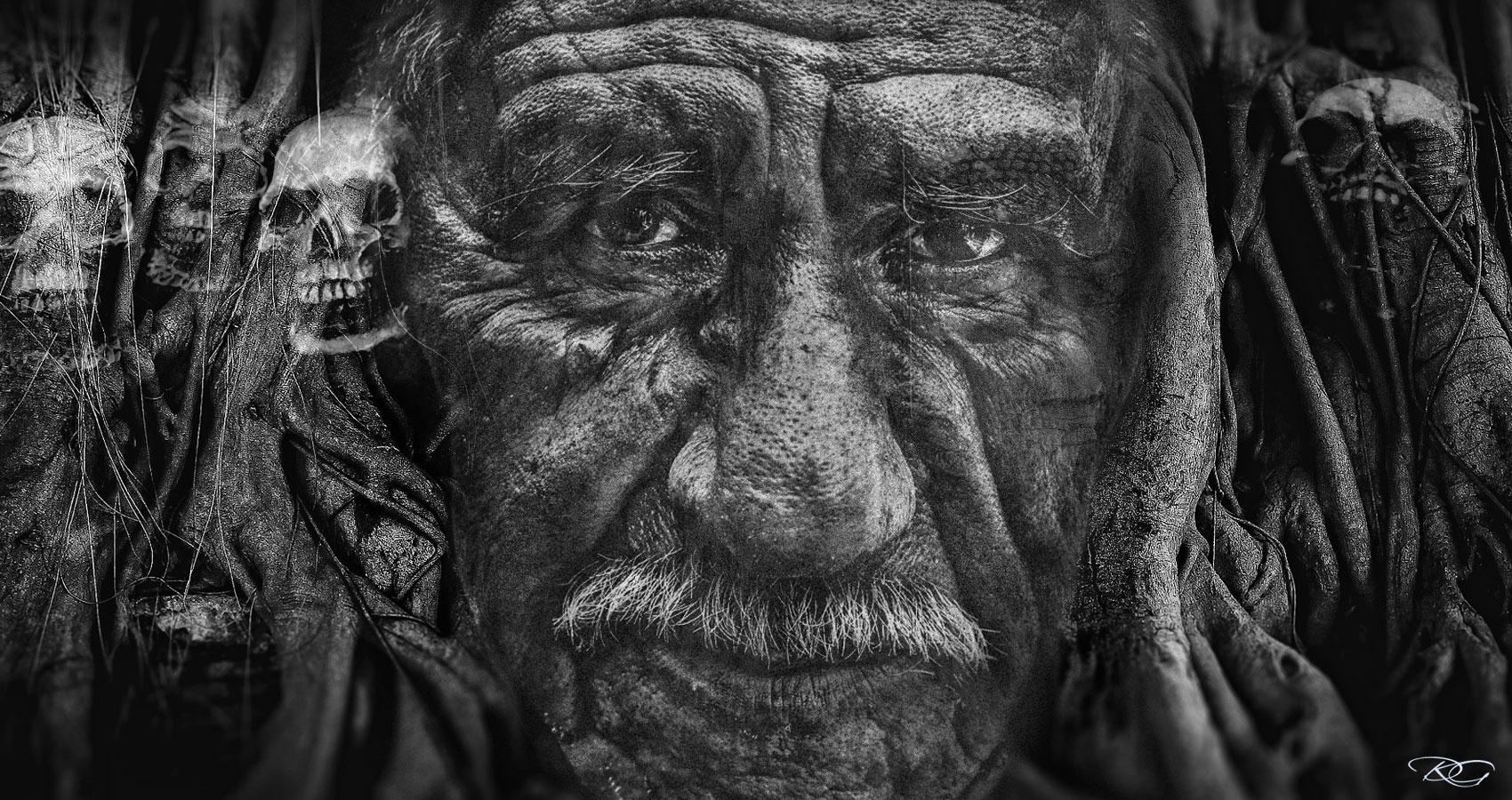
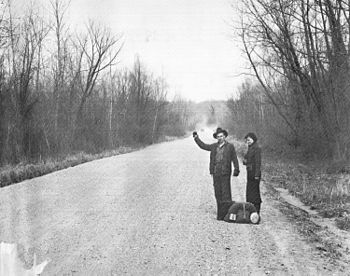
📖 A New Anthology: Voices from the Edge of Home
I’m pleased to share that Prolific Pulse Press has published the anthology
Unhoused: Yearning for Home, a powerful exploration of homelessness in the United States and around the world.
My poem, “Just Enough for Coffee,” is included in the collection.
This anthology brings together poetry, flash prose, personal narratives, and artwork that speak to:
- displacement
- survival
- invisibility
- and the enduring human search for belonging
It reminds us that homelessness is not just a policy issue.
It is a deeply human one.
🧭 What Does It Mean to Be Unhoused?
Poetry, Memory, and a Crisis We Still Walk Past
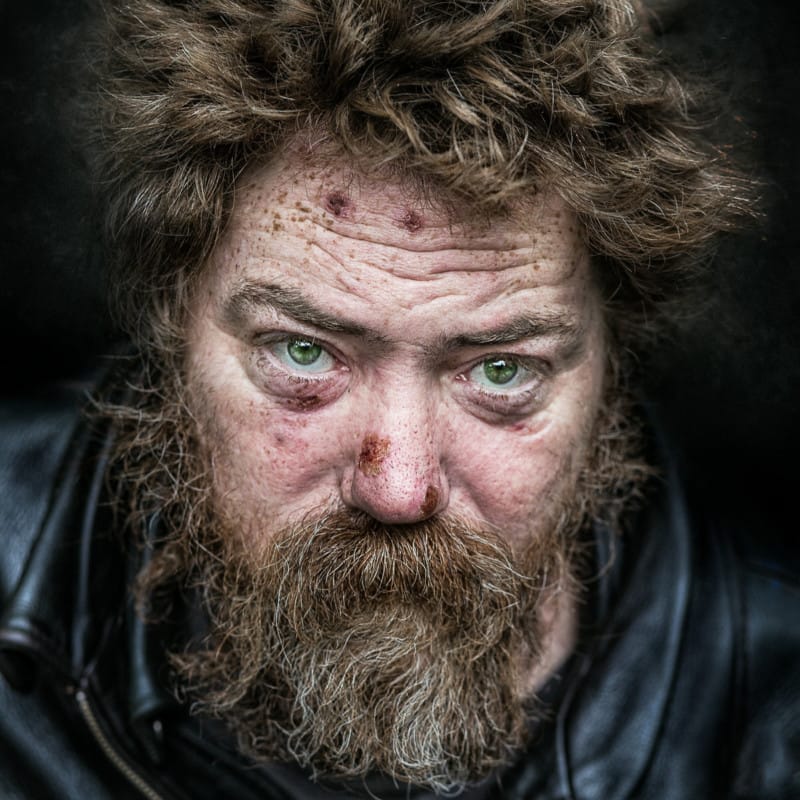
We pass them every day.
On sidewalks.
Outside metro stations.
Under highway overpasses.
Most of us don’t stop.
We glance. We register.
And then—we move on.
In a country as wealthy as the United States, that simple act—walking past suffering—has become almost routine.
This blog post is, in part, an attempt to slow down that moment.
✍️ Why I Write About Homelessness
These poems were written over time—many inspired by encounters in Washington, D.C., where homelessness is not theoretical. It’s visible. It’s persistent.
It’s personal.
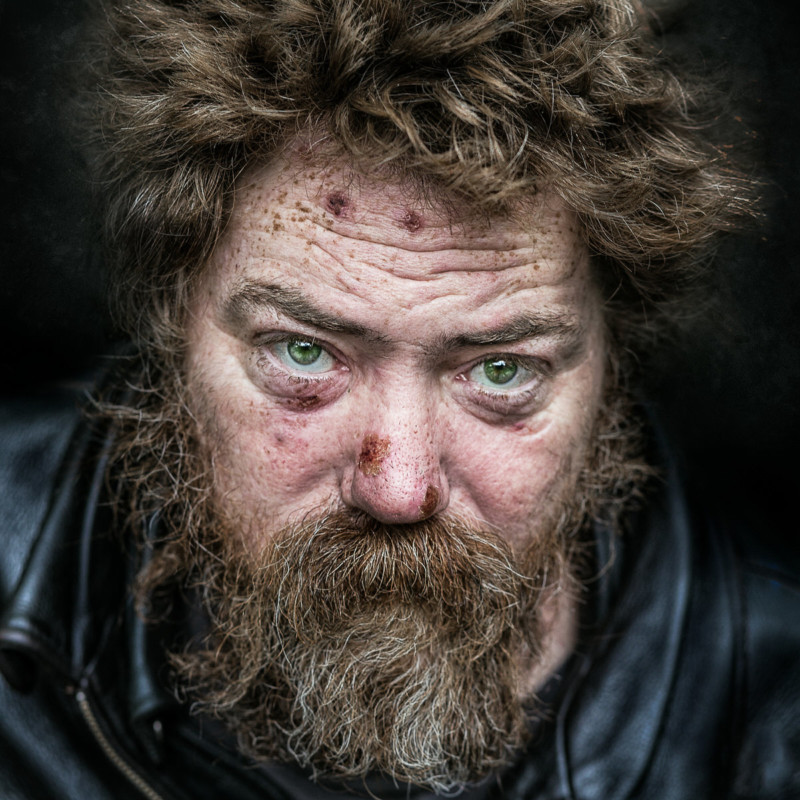
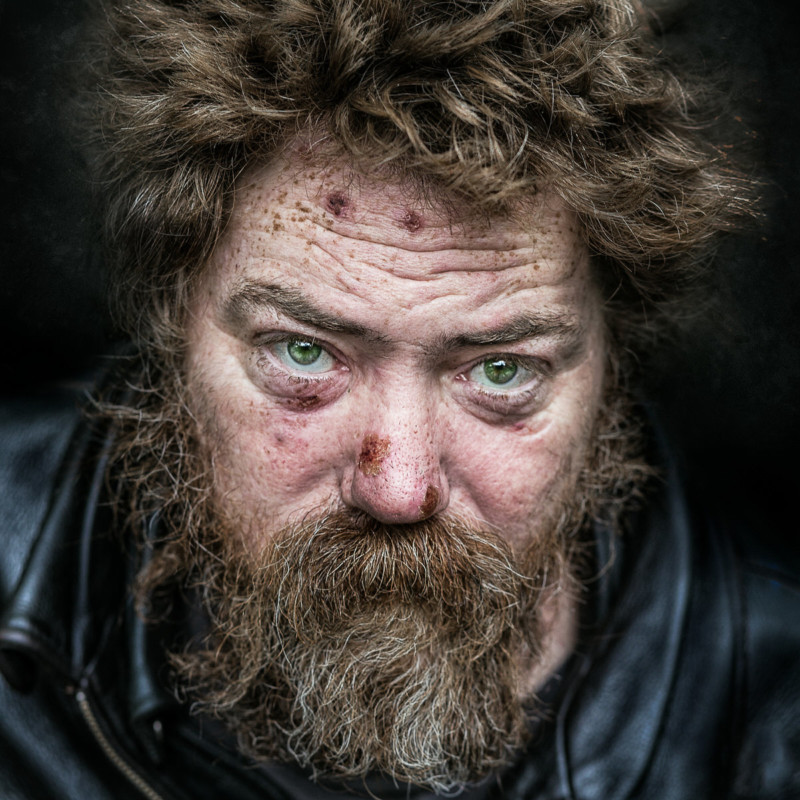
Some of the people I met had names, stories, even routines. One of them was a man I called Bob.
I still think about him.
☕
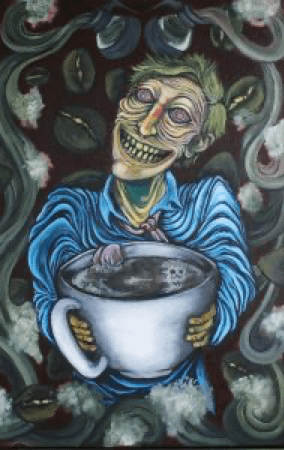
Just Enough for Coffee (published in the Anthology)

A homeless man
Stood on the street
Counting his change
From panhandling all morning
Just had enough for a cup of coffee
All in all
A good start
He ambled off to his favorite coffee shop
Where the owner
Was kind to the homeless
Sometimes
Treating them to a meal
On the house
The man said
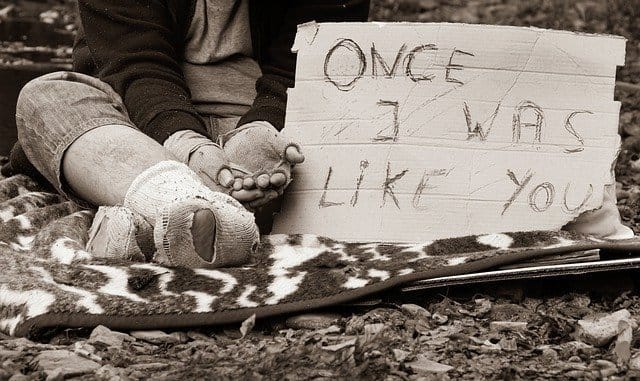
I was in your shoes
Once years ago
And you never forget
When you are down
And out
Everyone forgets your face
No one knows your name
For you are now
Invisible
Almost a ghost
The old man tried to pay
The owner said
Keep your change
You need it more than me
Have a meal with me
My friend
On the house
He ordered up
The homeless man’s favorite
Lumberjack special
Eggs, pancakes, sausage, bacon
Cornbread
Lots of hot black coffee
To wash it down
The old man
Often had just one meal a day
Usually, a late breakfast
Sometimes if he were lucky
He would have dinner
And on a red-letter day
He would have three meals
The homeless man
Had been on the streets
For too long
Barely remembered his life
Before early-onset Alzheimer’s
Robbed him of his job
His dignity
His wife
His life
His money
Now he drifted
Waiting for the grim reaper
To call him home
Any day now
He prayed nightly
To a god
That he no longer believed in
Also published on from addict to advocate
https://fromaddict2advocate.tumblr.com/post/641758534100533248/poetry-week-jake-cosmos-aller
Author’s Reflection
Based on a man I got to know who lived on the street near the Department of State. Bob used what little money he earned to survive with dignity—coffee, food, a gym membership for basic hygiene, and even a cell phone.
He had no safety net. No family. No future plan.
He had… a system.
I lost saw him in 2015. To this day, I don’t know what happened to him.
⚖️ Compassion and Criminalization
Another poem in this collection reflects on a different reality:
Arrested for Feeding the Homeless
A man is arrested—not for theft, not for violence—but for feeding people on the street without a permit. It sounds absurd. But versions of this have happened The question the poem asks is simple:
When does helping become illegal? And more importantly: What does that say about us?
Arrested For Feeding The Homeless
90 year old man arrested for feeding the homeless
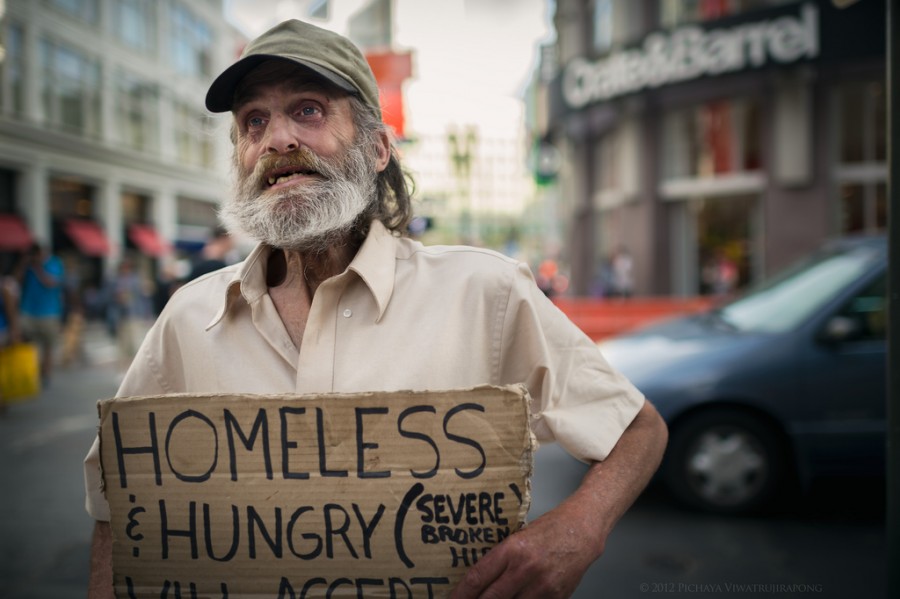
Sam Jones walking down the street
In a Florida City
Thinking that too many people
Ignore the homeless.
He thought,
But what would happen
If we began to act
Towards others as we should.
Sam began a campaign
Treating homeless people
To coffee and sandwiches.
Buying them tents,
Buying them clothing,
Asking their names
Telling their stories.
The city authorities
Were not amused
They arrested him
For violating a local law
Forbidding handing out food
Water and drinks
To people on the street
Without a proper city-issued permit.
As a food vendor.
The case went to trial
They found him guilty
Sentenced to five years
In prison.
For helping the homeless
Without the proper food vendor permits,
And for contempt of court,
When he asked the judge
“Your honor, are you a Christian?”
“Yes, I am. Why do you ask?”
“Well, if you are a Christian,
Should’nt you be joining me
in feeding the homeless?
As Jesus would no doubt approve?”
Based loosely on a true story about ten years ago – don’t know whether he went to prison or not. He was a 70 old man who one day started feeding the homeless and was arrested for doing so as he did not have a food vendor license. He called upon people to act on their professed Christian principles. It was a story for a week or so.
November 15 is National Philanthropy Day. This day signifies the importance of working together for the common good. Philanthropic deeds come in all different shapes and sizes — charitable giving, volunteering, etc. — and on National Philanthropy Day, no act of kindness goes unnoticed. In honor of National Philanthropy Day, write your STORY or POEM about someone doing a good deed for a needy stranger.
It can be something simple like adding money to a parking meter about to expire, or more consequential, like donating blood or paying someone’s rent for a month. Be creative and descriptive, perhaps sharing the motive behind the good deed (paying it forward, feeling generous, etc.).
Just Another Day in Paradise
Just another day
Another day in paradise
Where freedom reigns
And many people
Are a paycheck away
From being homeless
on the street,

And everyone can buy a gun
And settle their disputes
With guns
As their God would
No doubt, approve.
When Will This Madness End?

6/6/2022
When will this madness end?
More guns than people
Every day more gun mass murders
And more daily shootings
Everywhere it seems
The virus of gun violence
It is out of control
But no one can do a thing
Because
It is not about GUNS
It is about everything else
Abortion and the culture of death
A crisis for young men
Anti-gun laws that restrict people from
Buying guns for legitimate self-protection
Immigrant criminals
Muslim immigrants
Mental illness
Widespread homeless encampments
Homeless everywhere
Yes it is never
About Guns
And the NRA
And their glorification
Of guns.
And so this madness
That has infected our country’s soul
Will continue.
Just another day
In the American Paradise
As the wild west becomes
Once again the new normal.
Today is 6/6/2022 or 666 Day
Today is 6/6 2022
Add it up 6 6 6 day
Perhaps today
Is the day
That the anti-Christ
Will be born.
Perhaps today
Is when all hell breaks lose
Perhaps we are living
In the last days.
Gun violence everywhere
Covid still around
Widespread homelessness
Homeless encampments everywhere
Members of congress
Not mental patients
As being bat s… crazy
Is no longer a bar
To being elected.
In fact the crazies
Are taking over
The Republican party.
Violence everywhere
As the wild west
Becomes the new norm.
And the January 6 hearings
Reveal how close we came
To becoming a neo-fascist state.
And how so many of our fellow
Americans think that is the way
To go.
Storming the capitol
Was a patriotic duty
To overthrow the communists
Who have taken over
The democratic party.
Truly we live
In strange unsettling times
On 6 6 6 Day.
Nobody Knows You When You Are Down And Out
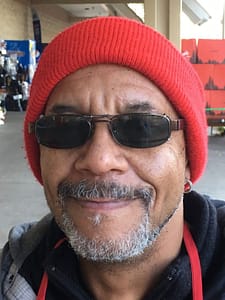
nobody knows you
when you are down and out
friends, you have none
when you are down and out
when you are homeless
no one knows your name
or even cares
when you are down and out
living on the streets
waiting for the grim reaper
to take you away
when you are down and out
“Strangers Sleeping On The Streets” –

In these sad days of the pandemic
We see the homeless people
Men, women, and children.
The strangers sleeping on the streets
In the richest country
In the planet
Millions were driven homeless
The strangers sleeping on the streets
As rents go up and up
Jobs disappearing
Coronavirus spreading
The strangers sleeping in the streets
Social safety nets unraveling
Forcing more people
Into dire poverty
There but for the grace of God
We do not say to the Strangers
sleeping in the streets
As we walk by
The nameless men, women, children
The strangers sleeping in the streets
We seldom wonder
How they got there
And whether we can help them
The strangers sleeping on the streets
All too often
We walk on by
Consumed by own problems
Having little empathy
For the strangers
sleeping on the street
🧭 Can the Crisis Be Solved?
The homelessness crisis is no longer marginal—it is central to who we are as a society.
Any meaningful solution must begin with a simple premise:
Housing is a basic human right.
We already know the structural issues:
- lack of affordable housing
- rising inequality
- insufficient mental health and addiction services
We also know the policy tensions:
- enforcement vs. civil liberties
- shelter vs. autonomy
There are no easy answers.
But ignoring the problem is not an answer at all.
Solving the Homeless Crisis
The homelessness crisis in the United States is no longer a marginal issue—it is a defining challenge of our time.
Any serious response must begin with a simple principle:
Housing is a basic human right.
No one in a nation as wealthy as the United States should have to live on the streets.
To move toward that goal, a comprehensive strategy must include the following elements:
- Massive Expansion of Affordable Housing
The core driver of homelessness is the shortage of affordable housing.
We must:
- build significantly more multi-family housing
- expand low-cost single-room occupancy (SRO) units
- revive boarding houses and alternative housing models
- incentivize development of below-market-rate housing
Zoning laws must be modernized
- mixed-use development
- higher-density housing near transit
- conversion of single-family homes into multi-unit dwellings
- Housing Stability and Income Support
For low-income individuals and families:
- Authorities should increase the availability of housing vouchers.
- eligibility thresholds should better reflect real cost-of-living conditions
Housing costs should not exclude anyone earning near or below the poverty line.
- Transitional and Supportive Housing Systems
Temporary housing must provide:
- safety
- dignity
- healthcare access
- job training
- pathways to permanent housing
The goal is not warehousing people— but helping them stabilize and rebuild.
- Structured Community-Based Housing Programs
A modern adaptation of programs like the Civilian Conservation Corps could:
- provide housing
- offer employment and skills training
- engage participants in public works and conservation
In exchange:
- residents receive stability, structure, and purpose
- A Difficult but Necessary Debate
Some proposals—such as requiring individuals to move from street encampments into shelters—raise serious civil liberties concerns.
But the current reality is also unacceptable:
- people dying on the streets
- untreated mental illness
- addiction without support
We must confront this tension honestly and humanely.
📊 The Numbers Behind the Poems
- Over 770,000 people experienced homelessness in the U.S. in 2024—the highest recorded level
- Washington, D.C. alone has 5,000+ individuals experiencing homelessness
- Family homelessness has been rising again in recent years
Behind each number is a story.
Many of those stories look like Bob’s.
Point: The “War on Homelessness”?
Recent years may signal a shift.
After the 2024 Supreme Court decision in City of Grants Pass v. Johnson, cities are now allowed to ban sleeping outside—even when there is no available shelter.
Since then:
- hundreds of cities have expanded camping bans
- encampment sweeps have increased
- enforcement has taken center stage
Supporters say:
- this restores public order
Critics argue:
- it criminalizes poverty
- displaces people without housing them
- treats symptoms, not causes
- States is entering a new phase—sometimes described as a “war on homelessness”—marked by increased enforcement, encampment sweeps, and criminal penalties for living outdoors. This shift was accelerated by the Supreme Court’s 2024 decision in City of Grants Pass v. Johnson, which allows cities to ban camping even when no shelter is available. Since then, hundreds of municipalities have expanded restrictions on public sleeping, while federal policy has increasingly encouraged clearing encampments and prioritizing treatment or institutional placement. Supporters argue these policies restore public order and safety. Critics counter that they criminalize poverty, displace people without solving the underlying housing shortage, and risk deepening the homelessness crisis.
📚 Key Reading List: “War on Homelessness” — Policy, Law, and Criticism
⚖️ 1) Supreme Court Ruling (Grants Pass)
🔹 Core legal decision
🔹 Plain-language explanation
✅ Key takeaway you can summarize in your blog:
- The Supreme Court ruled that cities can enforce bans on sleeping or camping on public property, even for people with nowhere else to go. Wikipedia
👉 This overturned earlier protections (from Martin v. Boise) that limited enforcement when shelter beds were unavailable.humanrightsresearch
🔹 Analysis of the ruling’s consequences
- How the ruling empowers cities to crack down on camps
- Human‑rights analysis of the case’s national impact
✅ Framing:
- Many analysts call this the most important homelessness decision in decades, because it shifts policy power back to states and cities.berkeley
🏛️ 2) Federal Policy & Presidential Statements
🔹 Executive order and policy shift
✅ Key framing:
- The order prioritizes:
- removal of encampments
- institutional or treatment-based responses
- public safety enforcementwhitehouse
🔹 News coverage and criticism
- Trump orders nationwide crackdown on encampments (Reuters summary)
- Critics respond to federal homelessness policy shift (AP News)
✅ Key points:
- Federal policy explicitly encourages cities to:
- clear encampments
- move people into treatment
- Advocates argue this approach:
- is punitive
- risks criminalizing homelessnessusnews+1
🔹 Presidential statements on DC encampments
- NBC News: Trump calls for removing encampments in Washington, D.C.
- AP News: Encampment sweeps in D.C. and relocation plans
✅ Key quotes/themes:
- Encampments must be removed to “clean up” the capital
- People may be:
- moved to shelters or treatment
- or face fines or jail if they refusenbcnews
🏙️ 3) Nationwide Crackdowns and Encampment Policies
🔹 Expansion of camping bans
✅ Key data point:
- After Grants Pass, ~150 cities in 32 states expanded or adopted bans on public camping.stateline
🔹 State-level enforcement (California example)
- Politico: Newsom pushes cities to ban encampments
- PBS NewsHour: Health experts criticize encampment crackdowns
✅ Key theme:
- Even traditionally liberal states are shifting toward:
- removal of encampments
- enforcement + services hybrid models
🔹 On-the-ground reporting
✅ Key finding:
- Sweeps often result in:
- loss of personal items
- disrupted access to services
- relocation rather than resolutionkqed
⚠️ 4) Criticism: “Criminalization” and Displacement
🔹 Academic and policy critique
- The Conversation: Why clearing encampments doesn’t solve homelessness
- National Alliance to End Homelessness report: Criminalization worsens the crisis
✅ Key argument:
- Enforcement-based approaches:
- displace people rather than house them
- increase instability and contact with the criminal systemendhomelessness
🔹 Reporting on encampment sweeps
- Washingtonian: Encampment clearings “just shuffle people around”
- Marshall Project: Sweeps can harm health and worsen outcomes
✅ Key observation:
- Sweeps often:
- move people from one location to another
- do not reduce overall homelessness
- can worsen health and stability
🔁 5) Pushback and Alternative Approaches
✅ Key theme:
- After Grants Pass, policies diverge:
- some cities intensify enforcement
- others attempt non-criminalization approaches
Endnotes (Current Context)
- The United States recorded over 770,000 people experiencing homelessness in 2024, the highest number on record. [politico.com]
- Washington, D.C. reported over 5,000 individuals experiencing homelessness in recent counts, with increases again in 2026. [usatoday.com], [earthtimes.org]
Family homelessness in D.C. rose significantly in 2026, reflecting ongoing housing pressures. [lansinginstitute.org]
🪶 Final Thought
Poetry cannot solve homelessness.
But it can do something important:
It can make us stop.
It can make us look.
It can make us feel.
And sometimes—
that is where change begins.
We pass them every day.
The question is:
will we keep passing them?
📊Some background reading
- In recent years, critics have argued that the United
The End