One of the promises of public transit is that it gets you close enough to walk. Yet too often, the final few blocks between a station and a destination feel like a scavenger hunt.
I recently experienced this at the Franconia-Springfield Metro Station while trying to reach Inova Healthcare on Walker Lane. The hospital is only about 0.6 miles away, roughly a 10-15 minute walk. In theory, this should be an ideal transit trip. In practice, it was surprisingly difficult.
A pedestrian pathway begins near the station’s Kiss & Ride area and provides a relatively direct route toward Walker Lane. Another path heads toward Manchester Lakes. The problem is that neither route is marked, indicating where the pathways lead, no destination markers, and there is little information on station maps. In fact, INNOVA hospital does not appear on the map at the station.
The result is uncertainty. Is this a public path? Does it connect all the way through? Am I heading toward the hospital or into a residential area? A journey that should be simple becomes stressful.
In our case, we turned to artificial intelligence for help. By combining satellite imagery, mapping tools, and route analysis, AI helped us decode what felt like a hidden transportation asset. What should have taken a simple sign took several minutes of digital detective work.
Directions to the Hospital
Starting at Franconia-Springfield Metro Station:
Exit toward the Kiss & Ride area.
Locate the pedestrian pathway leading North (left turn) from the Kiss and Ride lot.
Follow the pathway to some stairs on the left.
NB there is a unmarked pedestrian walkway heading east through some wooded areas. That goes to Manchester Lake
Do not take it.
Cross over and you will see some stairs
Walk up and turn left and walk along the Franconia Parkway on a paved pedestrian walk way.
Continue until reaching the Walker Lane area.
Follow sidewalks along Walker Lane to the Inova Healthcare entrance.
The walk is approximately 0.6 miles and typically takes 10-15 minutes.
Our initial assumption was that the wooded pathway near the station would lead toward Inova Healthcare. It doesn’t. Instead, that unmarked path heads toward Manchester Lakes. To reach the hospital, pedestrians need to find a less obvious route involving a set of stairs and a left turn onto a different pathway. There was no signage directing us. In the end, a kind stranger pointed us in the right direction, and we later used several AI tools to confirm the route. Without that help, we likely would have continued down the wrong path.
There are also two little-known pedestrian pathways connected to the Franconia-Springfield Metro station that are not marked on station signage and do not appear on maps. Located on the west side of the station area, both paths provide access to Frontier Drive. One leads toward a large nearby apartment complex, while the other offers a convenient route toward Springfield Town Center, one of the region’s largest shopping malls. Despite serving as useful pedestrian connections, neither pathway is marked, making them easy for visitors and even regular riders to overlook.
Both are about a ten-minute walk from the Station.
A Small Fix with Big Benefits
This is not a request for a multimillion-dollar infrastructure project. Metro could dramatically improve the passenger experience with:
A directional sign at the pathway entrance.
A reassurance sign midway along the route.
A destination sign near the exit.
Updated station maps showing nearby walking routes.
Online wayfinding information highlighting pedestrian connections.
Hospitals, schools, shopping centers, and neighborhoods that sit within walking distance of Metro stations are valuable transit destinations. Yet if riders do not know how to reach them on foot, those connections effectively do not exist.
Wayfinding is infrastructure. Sometimes the most valuable transportation investments are not rails, roads, or buses. Sometimes they are signs.
And if artificial intelligence can find a pathway, surely Metro can mark it.
1. Short Metro Customer Feedback Form Submission
Subject: Improve Wayfinding from Franconia-Springfield Station to Inova Healthcare
One frustrating aspect of using Metro Rail and Metrobus is the lack of maps and signage showing pedestrian routes to nearby destinations.
For example, Inova Healthcare on Walker Lane is only about 0.6 miles from the Franconia-Springfield Metro Station, a 10-15 minute walk. An unmarked pedestrian pathway begins near the Kiss & Ride area and provides a direct route. Another pathway leads toward Manchester Lakes and is similarly unmarked.
We found the route confusing and could not find information about it on station maps or online. A few simple signs at the beginning, midpoint, and end of the path could encourage more riders to use Metro for hospital visits and potentially reduce local traffic congestion.
Ironically, we ended up using AI to figure out where the “secret pathway” went.
Thank you for considering this low-cost improvement.
Their response
Thank you for submitting your feedback to Metro. Your comments will be shared with the appropriate personnel for any necessary action. If you have requested further information or a specific reply, please allow up to 5 business days for a response. If you wish to contact us again or have additional information regarding this comment, simply “Reply with history” to this email and refer to the following case number: 260827-000250.
3. Letter to The Washington Post
To the Editor:
Metro riders are often encouraged to walk the “last mile” between stations and destinations, but Metro’s wayfinding frequently falls short.
Recently, I traveled to Inova Healthcare on Walker Lane from Franconia-Springfield Metro Station. The hospital is only about 0.6 miles away, a walk of roughly 10-15 minutes. Yet the pedestrian pathway connecting the station to the area is poorly marked, and little information appears on station maps or online.
What should have been a simple walk became confusing. Ironically, artificial intelligence was more helpful than the transit agency in identifying the route.
Metro does not need a major capital project to solve this problem. A few signs identifying nearby destinations and pedestrian pathways would improve accessibility, encourage transit use, and potentially reduce local traffic congestion.
The Washington region has invested billions in transit infrastructure. Making sure riders know how to reach nearby destinations on foot is one of the least expensive and most effective improvements Metro could make.
Sincerely,
Jake Aller
Metro Board Submission Information
The Metro Board accepts public comments in writing, and comments can be emailed to speak@wmata.com for board consideration. Public comments become part of the board record.wmata
Metro’s general customer feedback form is available through WMATA’s Customer Comment system.wmata
Washington Post Submission Information
Letters to the Editor can be submitted by email to:
letters@washpost.comwashingtonpost+1
Mailing address:
Letters to the Editor
The Washington Post
1301 K Street NW
Washington, DC 20071washingtonpost+1
The Post prefers letters under 300 words and requires your full name, address, email address, and phone number for verification. washingtonpost
Comments from DC Metro rail and bus riders are welcomed.
More Communist BS? -Decoding America’s Latest Red Scare
With a few family stories from Berkeley
more Communist BS!
Recently, President Donald Trump has made anti-communism a central theme of his political messaging, repeatedly describing some progressive Democrats as communists and portraying the 2026 midterm elections as a battle between patriotism and communism.Whether one agrees with that characterization or not, the rhetoric has revived memories of earlier periods in American history when fears of communism shaped public life, influenced elections, and affected the careers of thousands of Americans.To understand today’s arguments, it helps to understand yesterday’s history.
What the President Has Been Saying
Trump has sharply increased his use of anti-communist language since late June 2026. According to a Reuters analysis, he invoked communism 81 times in roughly two weeks and described some progressive Democratic candidates as “hardcore, godless communists.” [reuters.com], [usnews.com]
In speeches at Mount Rushmore and elsewhere, Trump argued that:
The White House previously proclaimed an official “Anti-Communism Week” in 2025, describing communism as a destructive ideology responsible for mass repression and loss of life. [whitehouse.gov]
What Others in the Administration and Congress Are Saying
Republican allies have generally echoed the theme.
For example, Senator Ted Cruz recently contrasted what he described as capitalist policies with socialism and communism, arguing for policies that encourage private ownership and investment. [theguardian.com]
Reuters reports that Republican strategists view anti-communist messaging as a way to highlight ideological differences with progressive Democrats following several victories by democratic-socialist-backed candidates. [reuters.com], [usnews.com]
The term “communist” is being used primarily as a political label rather than as a precise description of an economic system. [theguardian.com], [theguardian.com]
Mary Trump, the President’s niece and a frequent critic, continues to provide political commentary criticizing Trump and MAGA politics. I found evidence of her ongoing public criticism through her podcast and media appearances. However, I did not find a source specifically addressing these latest anti-communist remarks, so I cannot reliably attribute a direct response from her to this particular controversy. [youtube.com]
Press Coverage: Major Themes
Coverage generally divides into three camps:
Supportive
Conservative commentators often view the rhetoric as a warning against authoritarian socialism and a defense of traditional American capitalism.
Mainstream Analytical
Reuters, TIME, and other mainstream outlets have focused on the strategy itself, examining whether anti-communist messaging will help Republicans in the 2026 midterm elections. [reuters.com], [time.com]
Critical
Progressive outlets and opinion writers argue the rhetoric revives Cold War fears and exaggerates the influence of actual communism in modern American politics. [motherjones.com], [theguardian.com]
A Short History of Anti-Communism in America
The First Red Scare (1919-1920)
American anti-communism emerged as a mass political movement in the years following the 1917 Russian Revolution.After World War I, labor unrest, anarchist bombings, and growing fears of Bolshevism led many Americans to believe that revolutionary movements threatened the United States. The resulting panic produced the Palmer Raids, during which Attorney General A. Mitchell Palmer authorized mass arrests and deportations of suspected radicals.
Many historians now regard these actions as serious violations of civil liberties.
The Cold War and McCarthyism
Anti-communism reached its peak after World War II.
The Soviet Union’s expansion into Eastern Europe, the Chinese Communist Revolution in 1949, and the Soviet acquisition of nuclear weapons intensified fears that communism was spreading around the globe.
During this period, Senator Joseph McCarthy became the public face of anti-communist investigations. Although some Soviet espionage networks did exist, McCarthy’s methods remain controversial because many accusations relied on weak evidence, rumor, or guilt by association.
Thousands of Americans lost jobs, security clearances, and professional opportunities because of alleged communist affiliations.
The House Un-American Activities Committee (HUAC)
The House Un-American Activities Committee, commonly known as HUAC, was established in 1938 and became a permanent congressional committee in 1946.
HUAC investigated alleged communist influence in government, labor unions, universities, and the entertainment industry. Witnesses were frequently pressured to identify friends, coworkers, and associates suspected of left-wing political views.
Many critics later described the hearings as political witch hunts.
The committee became particularly famous for its investigations of Hollywood writers, actors, and directors. The resulting blacklist damaged countless careers.
Among the best-known figures affected were:
Dalton Trumbo
Arthur Miller
Lillian Hellman
Ring Lardner Jr.
Paul Robeson
Pete Seeger
Charlie Chaplin
HUAC was renamed the House Internal Security Committee in 1969 and was abolished in 1975.
Historians estimate that roughly 10,000 Americans suffered career losses or blacklisting during the broader McCarthy-era anti-communist campaigns.
The John Birch Society
Founded in 1958 by Robert Welch, the John Birch Society became one of the most influential anti-communist organizations in America.
The Society argued that communists had infiltrated major American institutions, including government, education, media, and international organizations.
Supporters viewed the group as an early warning system against totalitarianism. Critics argued that it frequently exaggerated communist influence and promoted conspiracy theories.
Although the organization never became mainstream, many of its themes continued to influence later conservative political movements.
My Family’s Encounter With Anti-Communism
My father was an economist and political activist from the 1940s until his death.
While he was a student at the University of Washington, he helped lead efforts to integrate the university. At one point, the FBI interviewed his roommate because authorities apparently suspected my father of communist sympathies.
My mother had a similar experience.
As president of the Pacific Telephone employees’ union, she was approached by FBI agents who wanted to know whether she was a communist.
She replied:
“What a stupid question. If I were a communist, would I tell you? Of course not. Now go away and quit bugging me.”
The agents departed.
Years later she joked that if President Harry Truman wanted to talk to her, he would have to arrange the meeting himself.
In one of those strange twists of history, she eventually met Truman at a union function in San Francisco.
The newspaper headline read:
“Harry Meets Mary.”
Communist Real Estate Agents and Communist Cats in Berkeley
Just Another Berkeley Family to Me
My best friend Robert’s father was a communist real estate agent. His mother was a Buddhist nun.
Robert grew up in a left-wing household, what we would now call a “red-diaper baby.”
His parents had several cats, all with communist names.
Lennon, Mao, Stalin, and Trotsky were the secret rulers of the household.
Mao was especially cute.
black catevil catcat jpg
One day I asked Robert’s father, whom I called Bob:
“Bob, are you a communist?”
“Yeah.”
“So how can a communist who doesn’t believe in private ownership of real estate become a real estate agent?”
Bob smiled.
“Even communists have to make a living.”
Incidentally, Bob had been drafted by the U.S. Army during the 1950s. After honestly identifying himself as a communist on his intake paperwork, the Army later gave him a dishonorable discharge.
He and several others sued.
The U.S. Supreme Court ultimately ruled in their favor, holding that the government could not punish them for honestly disclosing political beliefs that were already known when they were drafted.
To me, this was just another Berkeley family.
3. Secretary of State’s Conference on “Political Terrorism”
What was announced?
Secretary of State Marco Rubio is hosting a ministerial meeting in Washington involving representatives from more than 60 countries to discuss what the administration calls a “resurgence of political terrorism” and political violence.reuters+1
Reporting indicates that the administration intends to focus particular attention on violent far-left extremist organizations and transnational anarchist networks.deseret+1
Reuters reported that administration officials describe the initiative as part of a broader counterterrorism strategy rather than a conference exclusively focused on Antifa. They also state that violent right-wing groups remain within the overall counterterrorism framework.reuters+1
Does Antifa Pose a Threat?
This depends heavily on definitions.
Evidence cited by supporters of the administration’s position
Administration officials point to:
firebombing incidents,
attacks against government facilities,
attacks on law-enforcement targets,
transnational anarchist groups designated as terrorist organizations,
politically motivated violence by some self-described anti-fascist activists.deseret+2
Their argument is that some violent networks operate internationally and fit traditional definitions of political terrorism.reuters+1
Skeptical assessments
Critics—including some former officials, diplomats, and terrorism analysts—argue that left-wing extremism exists but does not currently represent the same scale of global terrorist threat as jihadist organizations or some other violent extremist movements.yournews
They also note that “Antifa” is not a single hierarchical organization, making broad generalizations difficult.deseret
Balanced conclusion
A reasonable evidence-based conclusion is:
Violent far-left extremist actors exist.
Some have engaged in criminal or politically motivated violence.
There remains genuine debate among experts regarding the size, organization, and overall threat level compared with other extremist movements.reuters+2
Is Communism a Major Threat Again?
This question requires distinguishing between:
Communism as an ideology
Communist states
Violent revolutionary movements
Current reality
Communism remains politically significant in some countries, including China, Vietnam, Cuba, and North Korea, though their economic systems differ substantially from classical Marxist models.
Argument that it is a growing threat
Supporters of that view point to:
authoritarian behavior by some communist governments,
influence operations,
cyber activities,
revolutionary left-wing movements in some regions,
links between some extremist groups and revolutionary Marxist ideas.deseret+1
Counterargument
Many scholars argue that the principal geopolitical competition today is less about “communism versus capitalism” and more about:
authoritarianism versus liberal democracy,
nationalism,
state power,
technology,
economic competition.
Under this interpretation, the Cold War framework only partially explains current conflicts.
Assessment
It would be difficult to support the claim that a worldwide communist revolution is imminent. However, communist-inspired, Marxist, anarchist, and other revolutionary ideologies still influence some political movements and insurgent groups around the world.
Press Coverage: Major Themes
Press coverage is sharply divided.
Conservative outlets tend to emphasize:
growing political violence from the far left,
failures of previous counterterrorism priorities,
transnational anarchist networks,
attacks on law enforcement.deseret+1
Centrist and mainstream reporting tends to emphasize:
uncertainty about the scale of the threat,
concern about politicizing counterterrorism,
debates over definitions of terrorism,
risks of overbroad government powers.reuters+1
So Is America Facing Another Red Scare?
That depends on whom you ask.
Supporters of the current anti-communist rhetoric argue that authoritarian communist governments still exist and that revolutionary Marxist ideas continue to influence some political movements around the world.
Critics argue that the term “communist” is increasingly being used as a political label rather than a precise description of an ideology, much as it was during earlier Red Scares.
Whatever one’s political views, history offers a useful lesson: fear can be a powerful political force, but it can also lead to exaggeration, overreaction, and threats to civil liberties.
America has been debating communism, socialism, radicalism, and political dissent for more than a century.
Apparently, we’re not done yet.
Endnote
Across all three topics—Iran, Ukraine, and political extremism—the key pattern is polarization and uncertainty.
Iran: diplomacy survives, but military escalation remains a real risk.
Ukraine: neither side appears close to a decisive victory or negotiated settlement.
Political terrorism debates: evidence supports concern about some violent far-left actors, but experts continue to debate the scale of the threat and whether it warrants the level of emphasis currently being given by the administration.reuters+2
The Pentagon’s New Testosterone Policy and America’s Debate Over Masculinity
Is the U.S. military confronting a genuine health issue—”low T levels among the military, or has testosterone become a political symbol in a much larger cultural battle over masculinity, identity, and national decline?
Low T in the Military – a solution for a non-existent crisis?
There is a crisis
In the military
And in society at large
According to the SecWar
And the right-wing media
The US military has lost
Its edge
Too many troops
Are suffering from
“low testosterone levels”
And need testosterone tests
And treatment
To regain their warrior strength
This seems to be a crisis
In confidence
And in traditional views
Of masculinity
Which is being used
By the right-wing
In their endless
Culture wars
Againt
The radical left wing
War on traditional values.
SecWar’s Declaration Regarding “Low T” Amng the Troops
Low T in the military
On July 15, Defense Secretary Pete Hegseth announced a new Pentagon policy requiring annual testosterone-deficiency screening for service members age 30 and older, while allowing younger troops to request testing voluntarily. Any resulting testosterone replacement therapy (TRT) would remain voluntary. [apnews.com], [reuters.com]
Hegseth framed the initiative as a readiness issue. Modern warfare, he argued, demands maximum physical, psychological, and cognitive performance. The goal, in his words, is not artificial enhancement but ensuring troops have the “biological foundation” to perform at their best. [apnews.com], [military.com]
The policy immediately generated headlines—not simply because it concerns military medicine, but because it lands squarely in the middle of a growing debate about masculinity, men’s health, and the future of American society.
What the New Policy Does
Under the new directive:
Troops aged 30 and older will receive annual testosterone screening as part of existing health assessments.
Supporters view the policy as a commonsense medical screening program. Critics see it as a politically charged intervention driven by cultural messaging rather than clear medical evidence.
The Case for Testing
Supporters make three primary arguments.
1. Testosterone Matters
Medical science is clear that testosterone influences:
Muscle mass
Bone density
Energy levels
Recovery from physical exertion
Mood and motivation
Men with clinically low testosterone can experience fatigue, depression, reduced physical performance, and diminished recovery capacity. In a physically demanding profession such as military service, those symptoms can affect readiness. [apnews.com], [reuters.com]
2. Military Service Is Hard on the Body
The Pentagon has increasingly focused on what some military physicians call “Operator Syndrome”—a collection of health issues associated with years of chronic stress, sleep deprivation, repeated deployments, and intense physical demands. The new policy cites lessons learned from special operations communities. [viconsortium.com]
3. Men’s Health Issues Are Often Ignored
Many advocates argue that society routinely screens for blood pressure, cholesterol, and diabetes but is reluctant to discuss male hormonal health. From this perspective, testosterone testing simply fills a gap in preventive medicine.
The Criticism
The policy has also drawn substantial criticism.
1. Lack of Evidence for Universal Screening
The Associated Press reported that the Pentagon did not identify specific research justifying annual testosterone screening for all troops over 30. [apnews.com]
Reuters later reported that several men’s-health experts questioned whether widespread screening would meaningfully improve combat readiness, noting that current medical guidelines generally recommend treatment when low testosterone is accompanied by symptoms. [reuters.com], [militarytimes.com]
2. The Performance-Enhancement Question
The military has already struggled with testosterone and related substances.
Navy SEAL programs came under scrutiny following investigations into performance-enhancing drug use. Following the 2022 death of a SEAL recruit, investigations revealed broader use of testosterone-related substances than many observers had realized. [apnews.com]
Critics worry that expanding testosterone screening could blur the distinction between legitimate medical treatment and performance enhancement.
3. Political Contradictions
Opponents have also highlighted what they see as an inconsistency.
Several Democratic lawmakers argued that a Pentagon willing to support hormone treatment for low testosterone while restricting transgender service members’ access to hormone therapy is embracing one form of hormone-based medical intervention while rejecting another. [reuters.com]
Why Testosterone Has Become a Cultural Symbol
At first glance, this appears to be a medical story.
In reality, it is also a cultural one.
Over the past decade, an increasing number of conservative writers, podcasters, intellectuals, and politicians have argued that America faces a “crisis of masculinity.”
Their concern extends far beyond testosterone levels.
They point to:
Declining male college enrollment
Rising loneliness
Delayed marriage
Higher suicide rates among men
Economic insecurity
Reduced participation in civic institutions
For many conservatives, testosterone has become shorthand for something larger: the perceived erosion of traditional male roles.
The issue is no longer simply hormonal.
It has become symbolic.
To many on the right, declining testosterone reflects fears that men are becoming less confident, less independent, less physically capable, and less socially anchored than previous generations.
The Masculinity Crisis Argument
Conservative commentators often argue that traditional masculine virtues—discipline, courage, resilience, competitiveness, duty, and self-sacrifice—have been unfairly stigmatized.
They contend that modern institutions increasingly portray traditionally masculine traits as problems rather than strengths.
Within this framework, concerns about declining testosterone become part of a broader narrative:
Men are struggling.
Society is overlooking those struggles.
Traditional pathways to male identity have weakened.
Men’s health deserves greater attention.
For many advocates, the testosterone debate is therefore not merely about hormone levels. It is about restoring confidence and acknowledging male-specific challenges.
The Toxic Masculinity Critique
Others see the issue very differently.
Psychologists and sociologists typically use the phrase toxic masculinity not to condemn masculinity itself but to describe harmful norms associated with traditional male identity, including:
Emotional suppression
Excessive aggression
Status through dominance
Reluctance to seek help
Risk-taking as proof of manhood
Critics argue these norms contribute to:
Higher rates of violence
Untreated mental-health issues
Isolation and loneliness
Relationship difficulties
From this perspective, the answer to men’s struggles is not necessarily more testosterone but healthier, more flexible models of masculinity.
The goal is not eliminating masculinity, but broadening it.
What Korea and Japan Can Teach America
Interestingly, South Korea and Japan face many of the same underlying trends:
Low birth rates
Delayed marriage
Male loneliness
Economic pressures
Changing gender expectations
Yet public debates there rarely focus on testosterone.
In South Korea, discussions center on military service, housing costs, employment pressures, and gender conflict.
In Japan, concerns focus on social withdrawal, isolation, and declining participation in traditional family life.
The problems are strikingly similar.
The language used to describe them is different.
America often interprets male struggles through a biological lens—testosterone, fitness, and physical performance.
Korea tends to interpret them through fairness and social obligation.
Japan tends to interpret them through social participation and disengagement.
My Take
Both sides of this debate identify real problems.
The “masculinity crisis” camp is probably correct that many men feel increasingly disconnected from traditional sources of purpose, status, and belonging.
The “toxic masculinity” camp is probably correct that some rigid masculine norms can discourage emotional openness, help-seeking, and psychological well-being.
Where the conversation often goes astray is in treating testosterone as either the cause of modern male problems or the solution to them.
Low testosterone is a genuine medical condition.
But loneliness is not a hormone deficiency.
Neither are economic insecurity, educational challenges, declining social trust, or changing family structures.
The Pentagon’s new testing policy may ultimately help some service members identify legitimate health concerns. Whether it improves military readiness remains a question that researchers—and perhaps the military itself—will have to answer.
The deeper argument, however, is not about blood tests.
It is about what kind of men modern societies need—and what kind of masculinity can flourish in a world where the old definitions no longer seem sufficient.
Endnotes
AP News, Hegseth announces new policy to test troops for low testosterone (July 2026). [apnews.com]
Reuters, Hegseth announces testosterone screening for US troops (July 2026). [reuters.com]
Reuters, Doctors question evidence behind Pentagon plan for testosterone screening (July 2026). [reuters.com]
Military.com, Hegseth Orders Mandatory Testosterone Screening, Optional TRT for Troops 30 & Older (July 2026). [military.com]
Fox News, The Real Reason Behind Hegseth’s Viral Military Testosterone Screening Order (July 2026). [foxnews.com]
How I Read the News Now: Satire, Context, and Cutting Through the Noise
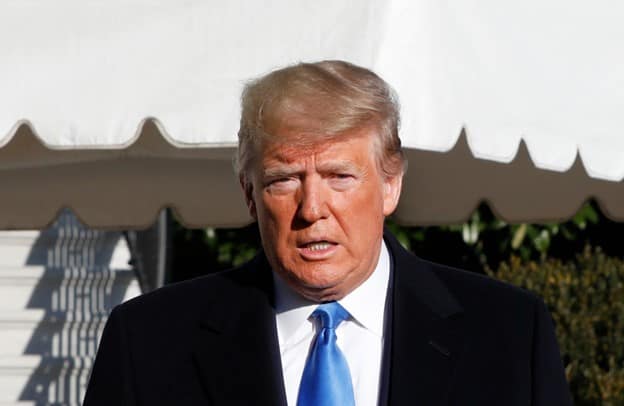
US President Donald Trump speaks about 5G network deployment in the Roosevelt Room of the White House in Washington, DC, on April 12, 2019. (Photo by NICHOLAS KAMM / AFP) (Photo credit should read NICHOLAS KAMM/AFP/Getty Images)
My daily political reading routine relies on satire, perspective, and AI‑assisted decoding to cut through propaganda, outrage, and misinformation.
I read a lot of political news every day. But I don’t read it the way I used to.
My daily go‑to political sites now include Everyone Is Entitled to My Own Opinion, The God Pod, Wonkette, The Bulwark, and Tangle. Together, they provide satire, reporting, institutional analysis, and structured balance — a combination I’ve found essential in an era where raw news often feels more like psychological warfare than information.
I usually start my day by asking Copilot to help me decode the news — not to tell me what to think, but to help sort fact from framing, evidence from allegation, and signal from partisan noise.
Decoding the News the War in Iran with Co-Pilot’s Help
Here’s a recent example: I asked for an objective breakdown of the war with Iran from the left, center, right, and international perspectives. I specifically asked that it include the reported $200 billion funding request; the decision to allow Iranian oil sales, who would receive that money, and the allegations that the United States and Israel have committed war crimes—along with the legal criteria for what constitutes a war crime and what evidence exists so far.
What came back was a structured, sourced overview that did something increasingly rare: it separated what is known, what is alleged, and what remains unproven.
That distinction matters.
The resulting analysis outlined the Pentagon’s request for up to $200 billion to fund military operations related to Iran, a request that has generated bipartisan concern in Congress. It also explained the U.S. Treasury’s temporary decision to allow Iranian oil already loaded onto tankers to be sold, largely to China, while maintaining financial sanctions that limit Iran’s access to the proceeds.
Most importantly, it addressed war‑crimes allegations carefully. It explained that under international humanitarian law — specifically the Geneva Conventions and the Rome Statute of the International Criminal Court — war crimes depend on intent, proportionality, distinction between civilian and military targets, and military necessity. Human Rights Watch and others have called for investigations into specific strikes, including a February 28 attack on a school in Minab, Iran, but no international court has yet made a legal finding.
That kind of clarity is rare in mainstream coverage.
Once I’ve oriented myself with a neutral framework, I move on to my inbox.
Tangle
Tangle is usually next. Their daily and weekly editions do what few outlets attempt anymore: they summarize major stories, present arguments from across the political spectrum, and then explain their own reasoning transparently. I don’t always agree with their conclusions, but I trust their process.
Tangle’s coverage of domestic terrorism, Cuba’s energy crisis, voting‑ID legislation, and the Iran war has been particularly useful because it resists emotional manipulation. It doesn’t tell me what to feel — it tells me what happened, what different sides are saying, and why reasonable people disagree.
After that, I let myself read satire.
Jeff Tiedrich’s Everyone Is Entitled to My Own Opinion i
Jeff Tiedrich’s Everyone Is Entitled to My Own Opinion is a daily barrage of rage‑driven political comedy that works precisely because it does not pretend to be neutral. It’s vulgar, confrontational, and unapologetically moral. Tiedrich doesn’t offer policy nuance — he offers emotional honesty, and sometimes that’s necessary.
The God Pod
The God Pod takes a different approach. Presented as a satirical newsletter and podcast hosted by “God” and “Jesus,” it uses religious parody to comment on current events, authoritarianism, and media hypocrisy. The creators remain anonymous by design, performing entirely in character. The result is absurdist, profane, and often sharply perceptive.
Wonkette
Wonkette sits somewhere in between — irreverent, furious, deeply reported, and openly opinionated. It’s messy, funny, and human in a way that polished institutional journalism often isn’t.
The Bulwark
I also read The Bulwark for institutional and center‑right analysis, particularly on democracy, authoritarianism, and governance, and I follow newsletters like The Left Hook for progressive commentary grounded in lived experience and rhetorical analysis.
By the time I’m done, I’ve consumed satire, reporting, legal context, institutional analysis, and ideological critique.
Only then do I scroll social media — and usually just long enough to clear messages.
This routine doesn’t make the news easier to swallow. But it makes it understandable. And in a moment when outrage is monetized and confusion is strategic, understanding feels like a small act of resistance.
Jeff Tiedrich — Online Comedian & Political Satirist
Jeff Tiedrich is an American online political satirist, writer, and commentator best known for his sharp, profanity‑laden humor and viral social‑media posts. He rose to prominence on Twitter (now X) during the Trump presidency, where his blunt, comedic political commentary attracted a large following. [gistfest.com]
Tiedrich later expanded his work to Substack, where he publishes a popular newsletter titled “everyone is entitled to my own opinion.” The publication blends political satire, news commentary, and dark humor and has hundreds of thousands of subscribers. [jefftiedrich.com], [substack.com]
Before his online fame, Tiedrich worked professionally as a graphic designer and musician. He has described a background in music performance and design, though his public reputation today is tied almost entirely to digital political comedy and commentary. [wikibiostar.com], [gistfest.com]
Tiedrich’s style is confrontational, absurdist, and intentionally coarse, positioning him as a polarizing but influential voice in online political humor. He does not typically perform stand‑up comedy; his work is primarily written and digital. [substack.com]
The Comedian(s) Behind The God Pod
The God Pod is a satirical comedy podcast and video project presented as being hosted by “God” and “Jesus.” The show uses religious parody to comment on current events, U.S. politics, media narratives, and culture. [listennotes.com]
The creators intentionally perform in character and do not publish a conventional personal biography identifying the real individual(s) behind the God persona. Official platforms (YouTube, podcast directories, and Substack) list the host simply as “God.”[youtube.com], [listennotes.com]
What is publicly established:
The God Pod launched in 2019
It is an explicit satirical comedy show
It releases frequent episodes in audio and video form
It features interviews with comedians, writers, and political commentators
The project has won industry recognition, including an Emmy Award for its animated/live‑performance format (as cited in official show descriptions) [youtube.com]
Because anonymity is part of the brand, no verified public bio exists naming the real‑world comedian behind “God,” and responsible sourcing requires leaving it at that.
How I Read the News Now: Satire, Context, and Cutting Through the Noise
US President Donald Trump speaks about 5G network deployment in the Roosevelt Room of the White House in Washington, DC, on April 12, 2019. (Photo by NICHOLAS KAMM / AFP) (Photo credit should read NICHOLAS KAMM/AFP/Getty Images)
My daily political reading routine relies on satire, perspective, and AI‑assisted decoding to cut through propaganda, outrage, and misinformation.
I read a lot of political news every day. But I don’t read it the way I used to.
My daily go‑to political sites now include Everyone Is Entitled to My Own Opinion, The God Pod, Wonkette, The Bulwark, and Tangle. Together, they provide satire, reporting, institutional analysis, and structured balance — a combination I’ve found essential in an era where raw news often feels more like psychological warfare than information.
I usually start my day by asking Copilot to help me decode the news — not to tell me what to think, but to help sort fact from framing, evidence from allegation, and signal from partisan noise.
Decoding the News the War in Iran with Co-Pilot’s Help
Here’s a recent example: I asked for an objective breakdown of the war with Iran from the left, center, right, and international perspectives. I specifically asked that it include the reported $200 billion funding request; the decision to allow Iranian oil sales, who would receive that money, and the allegations that the United States and Israel have committed war crimes—along with the legal criteria for what constitutes a war crime and what evidence exists so far.
What came back was a structured, sourced overview that did something increasingly rare: it separated what is known, what is alleged, and what remains unproven.
That distinction matters.
The resulting analysis outlined the Pentagon’s request for up to $200 billion to fund military operations related to Iran, a request that has generated bipartisan concern in Congress. It also explained the U.S. Treasury’s temporary decision to allow Iranian oil already loaded onto tankers to be sold, largely to China, while maintaining financial sanctions that limit Iran’s access to the proceeds.
Most importantly, it addressed war‑crimes allegations carefully. It explained that under international humanitarian law — specifically the Geneva Conventions and the Rome Statute of the International Criminal Court — war crimes depend on intent, proportionality, distinction between civilian and military targets, and military necessity. Human Rights Watch and others have called for investigations into specific strikes, including a February 28 attack on a school in Minab, Iran, but no international court has yet made a legal finding.
That kind of clarity is rare in mainstream coverage.
Once I’ve oriented myself with a neutral framework, I move on to my inbox.
Tangle
Tangle is usually next. Their daily and weekly editions do what few outlets attempt anymore: they summarize major stories, present arguments from across the political spectrum, and then explain their own reasoning transparently. I don’t always agree with their conclusions, but I trust their process.
Tangle’s coverage of domestic terrorism, Cuba’s energy crisis, voting‑ID legislation, and the Iran war has been particularly useful because it resists emotional manipulation. It doesn’t tell me what to feel — it tells me what happened, what different sides are saying, and why reasonable people disagree.
After that, I let myself read satire.
Jeff Tiedrich’s Everyone Is Entitled to My Own Opinion i
Jeff Tiedrich’s Everyone Is Entitled to My Own Opinion is a daily barrage of rage‑driven political comedy that works precisely because it does not pretend to be neutral. It’s vulgar, confrontational, and unapologetically moral. Tiedrich doesn’t offer policy nuance — he offers emotional honesty, and sometimes that’s necessary.
The God Pod
The God Pod takes a different approach. Presented as a satirical newsletter and podcast hosted by “God” and “Jesus,” it uses religious parody to comment on current events, authoritarianism, and media hypocrisy. The creators remain anonymous by design, performing entirely in character. The result is absurdist, profane, and often sharply perceptive.
Wonkette
Wonkette sits somewhere in between — irreverent, furious, deeply reported, and openly opinionated. It’s messy, funny, and human in a way that polished institutional journalism often isn’t.
The Bulwark
I also read The Bulwark for institutional and center‑right analysis, particularly on democracy, authoritarianism, and governance, and I follow newsletters like The Left Hook for progressive commentary grounded in lived experience and rhetorical analysis.
By the time I’m done, I’ve consumed satire, reporting, legal context, institutional analysis, and ideological critique.
Only then do I scroll social media — and usually just long enough to clear messages.
This routine doesn’t make the news easier to swallow. But it makes it understandable. And in a moment when outrage is monetized and confusion is strategic, understanding feels like a small act of resistance.
Jeff Tiedrich — Online Comedian & Political Satirist
Jeff Tiedrich is an American online political satirist, writer, and commentator best known for his sharp, profanity‑laden humor and viral social‑media posts. He rose to prominence on Twitter (now X) during the Trump presidency, where his blunt, comedic political commentary attracted a large following. [gistfest.com]
Tiedrich later expanded his work to Substack, where he publishes a popular newsletter titled “everyone is entitled to my own opinion.” The publication blends political satire, news commentary, and dark humor and has hundreds of thousands of subscribers. [jefftiedrich.com], [substack.com]
Before his online fame, Tiedrich worked professionally as a graphic designer and musician. He has described a background in music performance and design, though his public reputation today is tied almost entirely to digital political comedy and commentary. [wikibiostar.com], [gistfest.com]
Tiedrich’s style is confrontational, absurdist, and intentionally coarse, positioning him as a polarizing but influential voice in online political humor. He does not typically perform stand‑up comedy; his work is primarily written and digital. [substack.com]
The Comedian(s) Behind The God Pod
The God Pod is a satirical comedy podcast and video project presented as being hosted by “God” and “Jesus.” The show uses religious parody to comment on current events, U.S. politics, media narratives, and culture. [listennotes.com]
The creators intentionally perform in character and do not publish a conventional personal biography identifying the real individual(s) behind the God persona. Official platforms (YouTube, podcast directories, and Substack) list the host simply as “God.”[youtube.com], [listennotes.com]
What is publicly established:
The God Pod launched in 2019
It is an explicit satirical comedy show
It releases frequent episodes in audio and video form
It features interviews with comedians, writers, and political commentators
The project has won industry recognition, including an Emmy Award for its animated/live‑performance format (as cited in official show descriptions) [youtube.com]
Because anonymity is part of the brand, no verified public bio exists naming the real‑world comedian behind “God,” and responsible sourcing requires leaving it at that.
How I Read the News Now: Satire, Context, and Cutting Through the Noise
US President Donald Trump speaks about 5G network deployment in the Roosevelt Room of the White House in Washington, DC, on April 12, 2019. (Photo by NICHOLAS KAMM / AFP) (Photo credit should read NICHOLAS KAMM/AFP/Getty Images)
My daily political reading routine relies on satire, perspective, and AI‑assisted decoding to cut through propaganda, outrage, and misinformation.
I read a lot of political news every day. But I don’t read it the way I used to.
My daily go‑to political sites now include Everyone Is Entitled to My Own Opinion, The God Pod, Wonkette, The Bulwark, and Tangle. Together, they provide satire, reporting, institutional analysis, and structured balance — a combination I’ve found essential in an era where raw news often feels more like psychological warfare than information.
I usually start my day by asking Copilot to help me decode the news — not to tell me what to think, but to help sort fact from framing, evidence from allegation, and signal from partisan noise.
Decoding the News the War in Iran with Co-Pilot’s Help
Here’s a recent example: I asked for an objective breakdown of the war with Iran from the left, center, right, and international perspectives. I specifically asked that it include the reported $200 billion funding request; the decision to allow Iranian oil sales, who would receive that money, and the allegations that the United States and Israel have committed war crimes—along with the legal criteria for what constitutes a war crime and what evidence exists so far.
What came back was a structured, sourced overview that did something increasingly rare: it separated what is known, what is alleged, and what remains unproven.
That distinction matters.
The resulting analysis outlined the Pentagon’s request for up to $200 billion to fund military operations related to Iran, a request that has generated bipartisan concern in Congress. It also explained the U.S. Treasury’s temporary decision to allow Iranian oil already loaded onto tankers to be sold, largely to China, while maintaining financial sanctions that limit Iran’s access to the proceeds.
Most importantly, it addressed war‑crimes allegations carefully. It explained that under international humanitarian law — specifically the Geneva Conventions and the Rome Statute of the International Criminal Court — war crimes depend on intent, proportionality, distinction between civilian and military targets, and military necessity. Human Rights Watch and others have called for investigations into specific strikes, including a February 28 attack on a school in Minab, Iran, but no international court has yet made a legal finding.
That kind of clarity is rare in mainstream coverage.
Once I’ve oriented myself with a neutral framework, I move on to my inbox.
Tangle
Tangle is usually next. Their daily and weekly editions do what few outlets attempt anymore: they summarize major stories, present arguments from across the political spectrum, and then explain their own reasoning transparently. I don’t always agree with their conclusions, but I trust their process.
Tangle’s coverage of domestic terrorism, Cuba’s energy crisis, voting‑ID legislation, and the Iran war has been particularly useful because it resists emotional manipulation. It doesn’t tell me what to feel — it tells me what happened, what different sides are saying, and why reasonable people disagree.
After that, I let myself read satire.
Jeff Tiedrich’s Everyone Is Entitled to My Own Opinion i
Jeff Tiedrich’s Everyone Is Entitled to My Own Opinion is a daily barrage of rage‑driven political comedy that works precisely because it does not pretend to be neutral. It’s vulgar, confrontational, and unapologetically moral. Tiedrich doesn’t offer policy nuance — he offers emotional honesty, and sometimes that’s necessary.
The God Pod
The God Pod takes a different approach. Presented as a satirical newsletter and podcast hosted by “God” and “Jesus,” it uses religious parody to comment on current events, authoritarianism, and media hypocrisy. The creators remain anonymous by design, performing entirely in character. The result is absurdist, profane, and often sharply perceptive.
Wonkette
Wonkette sits somewhere in between — irreverent, furious, deeply reported, and openly opinionated. It’s messy, funny, and human in a way that polished institutional journalism often isn’t.
The Bulwark
I also read The Bulwark for institutional and center‑right analysis, particularly on democracy, authoritarianism, and governance, and I follow newsletters like The Left Hook for progressive commentary grounded in lived experience and rhetorical analysis.
By the time I’m done, I’ve consumed satire, reporting, legal context, institutional analysis, and ideological critique.
Only then do I scroll social media — and usually just long enough to clear messages.
This routine doesn’t make the news easier to swallow. But it makes it understandable. And in a moment when outrage is monetized and confusion is strategic, understanding feels like a small act of resistance.
Jeff Tiedrich — Online Comedian & Political Satirist
Jeff Tiedrich is an American online political satirist, writer, and commentator best known for his sharp, profanity‑laden humor and viral social‑media posts. He rose to prominence on Twitter (now X) during the Trump presidency, where his blunt, comedic political commentary attracted a large following. [gistfest.com]
Tiedrich later expanded his work to Substack, where he publishes a popular newsletter titled “everyone is entitled to my own opinion.” The publication blends political satire, news commentary, and dark humor and has hundreds of thousands of subscribers. [jefftiedrich.com], [substack.com]
Before his online fame, Tiedrich worked professionally as a graphic designer and musician. He has described a background in music performance and design, though his public reputation today is tied almost entirely to digital political comedy and commentary. [wikibiostar.com], [gistfest.com]
Tiedrich’s style is confrontational, absurdist, and intentionally coarse, positioning him as a polarizing but influential voice in online political humor. He does not typically perform stand‑up comedy; his work is primarily written and digital. [substack.com]
The Comedian(s) Behind The God Pod
The God Pod is a satirical comedy podcast and video project presented as being hosted by “God” and “Jesus.” The show uses religious parody to comment on current events, U.S. politics, media narratives, and culture. [listennotes.com]
The creators intentionally perform in character and do not publish a conventional personal biography identifying the real individual(s) behind the God persona. Official platforms (YouTube, podcast directories, and Substack) list the host simply as “God.”[youtube.com], [listennotes.com]
What is publicly established:
The God Pod launched in 2019
It is an explicit satirical comedy show
It releases frequent episodes in audio and video form
It features interviews with comedians, writers, and political commentators
The project has won industry recognition, including an Emmy Award for its animated/live‑performance format (as cited in official show descriptions) [youtube.com]
Because anonymity is part of the brand, no verified public bio exists naming the real‑world comedian behind “God,” and responsible sourcing requires leaving it at that.
How I Read the News Now: Satire, Context, and Cutting Through the Noise
US President Donald Trump speaks about 5G network deployment in the Roosevelt Room of the White House in Washington, DC, on April 12, 2019. (Photo by NICHOLAS KAMM / AFP) (Photo credit should read NICHOLAS KAMM/AFP/Getty Images)
My daily political reading routine relies on satire, perspective, and AI‑assisted decoding to cut through propaganda, outrage, and misinformation.
I read a lot of political news every day. But I don’t read it the way I used to.
My daily go‑to political sites now include Everyone Is Entitled to My Own Opinion, The God Pod, Wonkette, The Bulwark, and Tangle. Together, they provide satire, reporting, institutional analysis, and structured balance — a combination I’ve found essential in an era where raw news often feels more like psychological warfare than information.
I usually start my day by asking Copilot to help me decode the news — not to tell me what to think, but to help sort fact from framing, evidence from allegation, and signal from partisan noise.
Decoding the News the War in Iran with Co-Pilot’s Help
Here’s a recent example: I asked for an objective breakdown of the war with Iran from the left, center, right, and international perspectives. I specifically asked that it include the reported $200 billion funding request; the decision to allow Iranian oil sales, who would receive that money, and the allegations that the United States and Israel have committed war crimes—along with the legal criteria for what constitutes a war crime and what evidence exists so far.
What came back was a structured, sourced overview that did something increasingly rare: it separated what is known, what is alleged, and what remains unproven.
That distinction matters.
The resulting analysis outlined the Pentagon’s request for up to $200 billion to fund military operations related to Iran, a request that has generated bipartisan concern in Congress. It also explained the U.S. Treasury’s temporary decision to allow Iranian oil already loaded onto tankers to be sold, largely to China, while maintaining financial sanctions that limit Iran’s access to the proceeds.
Most importantly, it addressed war‑crimes allegations carefully. It explained that under international humanitarian law — specifically the Geneva Conventions and the Rome Statute of the International Criminal Court — war crimes depend on intent, proportionality, distinction between civilian and military targets, and military necessity. Human Rights Watch and others have called for investigations into specific strikes, including a February 28 attack on a school in Minab, Iran, but no international court has yet made a legal finding.
That kind of clarity is rare in mainstream coverage.
Once I’ve oriented myself with a neutral framework, I move on to my inbox.
Tangle
Tangle is usually next. Their daily and weekly editions do what few outlets attempt anymore: they summarize major stories, present arguments from across the political spectrum, and then explain their own reasoning transparently. I don’t always agree with their conclusions, but I trust their process.
Tangle’s coverage of domestic terrorism, Cuba’s energy crisis, voting‑ID legislation, and the Iran war has been particularly useful because it resists emotional manipulation. It doesn’t tell me what to feel — it tells me what happened, what different sides are saying, and why reasonable people disagree.
After that, I let myself read satire.
Jeff Tiedrich’s Everyone Is Entitled to My Own Opinion i
Jeff Tiedrich’s Everyone Is Entitled to My Own Opinion is a daily barrage of rage‑driven political comedy that works precisely because it does not pretend to be neutral. It’s vulgar, confrontational, and unapologetically moral. Tiedrich doesn’t offer policy nuance — he offers emotional honesty, and sometimes that’s necessary.
The God Pod
The God Pod takes a different approach. Presented as a satirical newsletter and podcast hosted by “God” and “Jesus,” it uses religious parody to comment on current events, authoritarianism, and media hypocrisy. The creators remain anonymous by design, performing entirely in character. The result is absurdist, profane, and often sharply perceptive.
Wonkette
Wonkette sits somewhere in between — irreverent, furious, deeply reported, and openly opinionated. It’s messy, funny, and human in a way that polished institutional journalism often isn’t.
The Bulwark
I also read The Bulwark for institutional and center‑right analysis, particularly on democracy, authoritarianism, and governance, and I follow newsletters like The Left Hook for progressive commentary grounded in lived experience and rhetorical analysis.
By the time I’m done, I’ve consumed satire, reporting, legal context, institutional analysis, and ideological critique.
Only then do I scroll social media — and usually just long enough to clear messages.
This routine doesn’t make the news easier to swallow. But it makes it understandable. And in a moment when outrage is monetized and confusion is strategic, understanding feels like a small act of resistance.
Jeff Tiedrich — Online Comedian & Political Satirist
Jeff Tiedrich is an American online political satirist, writer, and commentator best known for his sharp, profanity‑laden humor and viral social‑media posts. He rose to prominence on Twitter (now X) during the Trump presidency, where his blunt, comedic political commentary attracted a large following. [gistfest.com]
Tiedrich later expanded his work to Substack, where he publishes a popular newsletter titled “everyone is entitled to my own opinion.” The publication blends political satire, news commentary, and dark humor and has hundreds of thousands of subscribers. [jefftiedrich.com], [substack.com]
Before his online fame, Tiedrich worked professionally as a graphic designer and musician. He has described a background in music performance and design, though his public reputation today is tied almost entirely to digital political comedy and commentary. [wikibiostar.com], [gistfest.com]
Tiedrich’s style is confrontational, absurdist, and intentionally coarse, positioning him as a polarizing but influential voice in online political humor. He does not typically perform stand‑up comedy; his work is primarily written and digital. [substack.com]
The Comedian(s) Behind The God Pod
The God Pod is a satirical comedy podcast and video project presented as being hosted by “God” and “Jesus.” The show uses religious parody to comment on current events, U.S. politics, media narratives, and culture. [listennotes.com]
The creators intentionally perform in character and do not publish a conventional personal biography identifying the real individual(s) behind the God persona. Official platforms (YouTube, podcast directories, and Substack) list the host simply as “God.”[youtube.com], [listennotes.com]
What is publicly established:
The God Pod launched in 2019
It is an explicit satirical comedy show
It releases frequent episodes in audio and video form
It features interviews with comedians, writers, and political commentators
The project has won industry recognition, including an Emmy Award for its animated/live‑performance format (as cited in official show descriptions) [youtube.com]
Because anonymity is part of the brand, no verified public bio exists naming the real‑world comedian behind “God,” and responsible sourcing requires leaving it at that.
How I Read the News Now: Satire, Context, and Cutting Through the Noise
US President Donald Trump speaks about 5G network deployment in the Roosevelt Room of the White House in Washington, DC, on April 12, 2019. (Photo by NICHOLAS KAMM / AFP) (Photo credit should read NICHOLAS KAMM/AFP/Getty Images)
My daily political reading routine relies on satire, perspective, and AI‑assisted decoding to cut through propaganda, outrage, and misinformation.
I read a lot of political news every day. But I don’t read it the way I used to.
My daily go‑to political sites now include Everyone Is Entitled to My Own Opinion, The God Pod, Wonkette, The Bulwark, and Tangle. Together, they provide satire, reporting, institutional analysis, and structured balance — a combination I’ve found essential in an era where raw news often feels more like psychological warfare than information.
I usually start my day by asking Copilot to help me decode the news — not to tell me what to think, but to help sort fact from framing, evidence from allegation, and signal from partisan noise.
Decoding the News the War in Iran with Co-Pilot’s Help
Here’s a recent example: I asked for an objective breakdown of the war with Iran from the left, center, right, and international perspectives. I specifically asked that it include the reported $200 billion funding request; the decision to allow Iranian oil sales, who would receive that money, and the allegations that the United States and Israel have committed war crimes—along with the legal criteria for what constitutes a war crime and what evidence exists so far.
What came back was a structured, sourced overview that did something increasingly rare: it separated what is known, what is alleged, and what remains unproven.
That distinction matters.
The resulting analysis outlined the Pentagon’s request for up to $200 billion to fund military operations related to Iran, a request that has generated bipartisan concern in Congress. It also explained the U.S. Treasury’s temporary decision to allow Iranian oil already loaded onto tankers to be sold, largely to China, while maintaining financial sanctions that limit Iran’s access to the proceeds.
Most importantly, it addressed war‑crimes allegations carefully. It explained that under international humanitarian law — specifically the Geneva Conventions and the Rome Statute of the International Criminal Court — war crimes depend on intent, proportionality, distinction between civilian and military targets, and military necessity. Human Rights Watch and others have called for investigations into specific strikes, including a February 28 attack on a school in Minab, Iran, but no international court has yet made a legal finding.
That kind of clarity is rare in mainstream coverage.
Once I’ve oriented myself with a neutral framework, I move on to my inbox.
Tangle
Tangle is usually next. Their daily and weekly editions do what few outlets attempt anymore: they summarize major stories, present arguments from across the political spectrum, and then explain their own reasoning transparently. I don’t always agree with their conclusions, but I trust their process.
Tangle’s coverage of domestic terrorism, Cuba’s energy crisis, voting‑ID legislation, and the Iran war has been particularly useful because it resists emotional manipulation. It doesn’t tell me what to feel — it tells me what happened, what different sides are saying, and why reasonable people disagree.
After that, I let myself read satire.
Jeff Tiedrich’s Everyone Is Entitled to My Own Opinion i
Jeff Tiedrich’s Everyone Is Entitled to My Own Opinion is a daily barrage of rage‑driven political comedy that works precisely because it does not pretend to be neutral. It’s vulgar, confrontational, and unapologetically moral. Tiedrich doesn’t offer policy nuance — he offers emotional honesty, and sometimes that’s necessary.
The God Pod
The God Pod takes a different approach. Presented as a satirical newsletter and podcast hosted by “God” and “Jesus,” it uses religious parody to comment on current events, authoritarianism, and media hypocrisy. The creators remain anonymous by design, performing entirely in character. The result is absurdist, profane, and often sharply perceptive.
Wonkette
Wonkette sits somewhere in between — irreverent, furious, deeply reported, and openly opinionated. It’s messy, funny, and human in a way that polished institutional journalism often isn’t.
The Bulwark
I also read The Bulwark for institutional and center‑right analysis, particularly on democracy, authoritarianism, and governance, and I follow newsletters like The Left Hook for progressive commentary grounded in lived experience and rhetorical analysis.
By the time I’m done, I’ve consumed satire, reporting, legal context, institutional analysis, and ideological critique.
Only then do I scroll social media — and usually just long enough to clear messages.
This routine doesn’t make the news easier to swallow. But it makes it understandable. And in a moment when outrage is monetized and confusion is strategic, understanding feels like a small act of resistance.
Jeff Tiedrich — Online Comedian & Political Satirist
Jeff Tiedrich is an American online political satirist, writer, and commentator best known for his sharp, profanity‑laden humor and viral social‑media posts. He rose to prominence on Twitter (now X) during the Trump presidency, where his blunt, comedic political commentary attracted a large following. [gistfest.com]
Tiedrich later expanded his work to Substack, where he publishes a popular newsletter titled “everyone is entitled to my own opinion.” The publication blends political satire, news commentary, and dark humor and has hundreds of thousands of subscribers. [jefftiedrich.com], [substack.com]
Before his online fame, Tiedrich worked professionally as a graphic designer and musician. He has described a background in music performance and design, though his public reputation today is tied almost entirely to digital political comedy and commentary. [wikibiostar.com], [gistfest.com]
Tiedrich’s style is confrontational, absurdist, and intentionally coarse, positioning him as a polarizing but influential voice in online political humor. He does not typically perform stand‑up comedy; his work is primarily written and digital. [substack.com]
The Comedian(s) Behind The God Pod
The God Pod is a satirical comedy podcast and video project presented as being hosted by “God” and “Jesus.” The show uses religious parody to comment on current events, U.S. politics, media narratives, and culture. [listennotes.com]
The creators intentionally perform in character and do not publish a conventional personal biography identifying the real individual(s) behind the God persona. Official platforms (YouTube, podcast directories, and Substack) list the host simply as “God.”[youtube.com], [listennotes.com]
What is publicly established:
The God Pod launched in 2019
It is an explicit satirical comedy show
It releases frequent episodes in audio and video form
It features interviews with comedians, writers, and political commentators
The project has won industry recognition, including an Emmy Award for its animated/live‑performance format (as cited in official show descriptions) [youtube.com]
Because anonymity is part of the brand, no verified public bio exists naming the real‑world comedian behind “God,” and responsible sourcing requires leaving it at that.
How I Read the News Now: Satire, Context, and Cutting Through the Noise
US President Donald Trump speaks about 5G network deployment in the Roosevelt Room of the White House in Washington, DC, on April 12, 2019. (Photo by NICHOLAS KAMM / AFP) (Photo credit should read NICHOLAS KAMM/AFP/Getty Images)
My daily political reading routine relies on satire, perspective, and AI‑assisted decoding to cut through propaganda, outrage, and misinformation.
I read a lot of political news every day. But I don’t read it the way I used to.
My daily go‑to political sites now include Everyone Is Entitled to My Own Opinion, The God Pod, Wonkette, The Bulwark, and Tangle. Together, they provide satire, reporting, institutional analysis, and structured balance — a combination I’ve found essential in an era where raw news often feels more like psychological warfare than information.
I usually start my day by asking Copilot to help me decode the news — not to tell me what to think, but to help sort fact from framing, evidence from allegation, and signal from partisan noise.
Decoding the News the War in Iran with Co-Pilot’s Help
Here’s a recent example: I asked for an objective breakdown of the war with Iran from the left, center, right, and international perspectives. I specifically asked that it include the reported $200 billion funding request; the decision to allow Iranian oil sales, who would receive that money, and the allegations that the United States and Israel have committed war crimes—along with the legal criteria for what constitutes a war crime and what evidence exists so far.
What came back was a structured, sourced overview that did something increasingly rare: it separated what is known, what is alleged, and what remains unproven.
That distinction matters.
The resulting analysis outlined the Pentagon’s request for up to $200 billion to fund military operations related to Iran, a request that has generated bipartisan concern in Congress. It also explained the U.S. Treasury’s temporary decision to allow Iranian oil already loaded onto tankers to be sold, largely to China, while maintaining financial sanctions that limit Iran’s access to the proceeds.
Most importantly, it addressed war‑crimes allegations carefully. It explained that under international humanitarian law — specifically the Geneva Conventions and the Rome Statute of the International Criminal Court — war crimes depend on intent, proportionality, distinction between civilian and military targets, and military necessity. Human Rights Watch and others have called for investigations into specific strikes, including a February 28 attack on a school in Minab, Iran, but no international court has yet made a legal finding.
That kind of clarity is rare in mainstream coverage.
Once I’ve oriented myself with a neutral framework, I move on to my inbox.
Tangle
Tangle is usually next. Their daily and weekly editions do what few outlets attempt anymore: they summarize major stories, present arguments from across the political spectrum, and then explain their own reasoning transparently. I don’t always agree with their conclusions, but I trust their process.
Tangle’s coverage of domestic terrorism, Cuba’s energy crisis, voting‑ID legislation, and the Iran war has been particularly useful because it resists emotional manipulation. It doesn’t tell me what to feel — it tells me what happened, what different sides are saying, and why reasonable people disagree.
After that, I let myself read satire.
Jeff Tiedrich’s Everyone Is Entitled to My Own Opinion i
Jeff Tiedrich’s Everyone Is Entitled to My Own Opinion is a daily barrage of rage‑driven political comedy that works precisely because it does not pretend to be neutral. It’s vulgar, confrontational, and unapologetically moral. Tiedrich doesn’t offer policy nuance — he offers emotional honesty, and sometimes that’s necessary.
The God Pod
The God Pod takes a different approach. Presented as a satirical newsletter and podcast hosted by “God” and “Jesus,” it uses religious parody to comment on current events, authoritarianism, and media hypocrisy. The creators remain anonymous by design, performing entirely in character. The result is absurdist, profane, and often sharply perceptive.
Wonkette
Wonkette sits somewhere in between — irreverent, furious, deeply reported, and openly opinionated. It’s messy, funny, and human in a way that polished institutional journalism often isn’t.
The Bulwark
I also read The Bulwark for institutional and center‑right analysis, particularly on democracy, authoritarianism, and governance, and I follow newsletters like The Left Hook for progressive commentary grounded in lived experience and rhetorical analysis.
By the time I’m done, I’ve consumed satire, reporting, legal context, institutional analysis, and ideological critique.
Only then do I scroll social media — and usually just long enough to clear messages.
This routine doesn’t make the news easier to swallow. But it makes it understandable. And in a moment when outrage is monetized and confusion is strategic, understanding feels like a small act of resistance.
Jeff Tiedrich — Online Comedian & Political Satirist
Jeff Tiedrich is an American online political satirist, writer, and commentator best known for his sharp, profanity‑laden humor and viral social‑media posts. He rose to prominence on Twitter (now X) during the Trump presidency, where his blunt, comedic political commentary attracted a large following. [gistfest.com]
Tiedrich later expanded his work to Substack, where he publishes a popular newsletter titled “everyone is entitled to my own opinion.” The publication blends political satire, news commentary, and dark humor and has hundreds of thousands of subscribers. [jefftiedrich.com], [substack.com]
Before his online fame, Tiedrich worked professionally as a graphic designer and musician. He has described a background in music performance and design, though his public reputation today is tied almost entirely to digital political comedy and commentary. [wikibiostar.com], [gistfest.com]
Tiedrich’s style is confrontational, absurdist, and intentionally coarse, positioning him as a polarizing but influential voice in online political humor. He does not typically perform stand‑up comedy; his work is primarily written and digital. [substack.com]
The Comedian(s) Behind The God Pod
The God Pod is a satirical comedy podcast and video project presented as being hosted by “God” and “Jesus.” The show uses religious parody to comment on current events, U.S. politics, media narratives, and culture. [listennotes.com]
The creators intentionally perform in character and do not publish a conventional personal biography identifying the real individual(s) behind the God persona. Official platforms (YouTube, podcast directories, and Substack) list the host simply as “God.”[youtube.com], [listennotes.com]
What is publicly established:
The God Pod launched in 2019
It is an explicit satirical comedy show
It releases frequent episodes in audio and video form
It features interviews with comedians, writers, and political commentators
The project has won industry recognition, including an Emmy Award for its animated/live‑performance format (as cited in official show descriptions) [youtube.com]
Because anonymity is part of the brand, no verified public bio exists naming the real‑world comedian behind “God,” and responsible sourcing requires leaving it at that.
How I Read the News Now: Satire, Context, and Cutting Through the Noise
My daily political reading routine relies on satire, perspective, and AI-assisted decoding to cut through propaganda, outrage, and misinformation.
I read a lot of political news every day. But I don’t read it the way I used to.
My daily go-to political sites now include All Sides, AP, Newsweek, the Hill, Politico, Everyone Is Entitled to My Own Opinion, The God Pod, Wonkette, The Bulwark, and Tangle. Together, they provide satire, reporting, institutional analysis, and structured balance — a combination I’ve found essential in an era where raw news often feels more like psychological warfare than information.
On YouTube I watch Morning Joe, Washington Week, Face the Nation, Meet the Press, PBS News Hour, The Daily Show, and Jimmy Kimmel Live. Then I check other news sites, including the BBC.
I also read the following every day:
The Washington Post
The Hill
Associated Press
POLITICO
Newsweek
The Left Hook podcast
ABC News
NBC News
CNN clips
Tangle
The God Pod
Everyone Is Entitled to My Own Opinion
While watching the news, I usually ask Copilot to help me “decode” it — not to tell me what to think, but to help sort fact from framing, evidence from allegation, and signal from partisan noise.
I start with a template of questions and formats, then I ask questions — usually with Copilot, but also with Gemini, ChatGPT, and Claude. Each AI tool has its own personality and quirks. One thing I’ve learned: if you ask for an analysis of something Trump or JD Vance has just announced, they often won’t answer directly — but if you ask about “the President,” “the Vice President,” or “the Secretary of State,” they will.
Here’s the template, followed by the most recent response from Copilot this morning, July 21, 2026.
My News-Decoding Template
For daily news decoding, I follow this standard format:
A quick left / center / right / international summary of the news, followed by a summary of press coverage, with URLs spelled out in the text and cited again in the endnotes
Structural analysis layered underneath
An explicit regime-change or scenario assessment, when requested
Formal endnotes with URLs spelled out in full
Flexibility to plug in specific questions or sources each time I want to decode the news
For each “decode” request, the AI provides:
Executive summary
What each side is saying
What mainstream media is saying
What dissenting media is saying
What facts are agreed upon
What facts are disputed
Full endnotes, with URLs written out in plain text
That format tends to work best when copied into Word. I treat each future analysis as a fresh brief, anchored in that structure, with any additional lenses I specify.
Today’s Decode: July 21, 2026
I had several items to “decode” from the news today. Here’s what I asked Copilot, and its response, one item at a time.
My prompt: Please provide an update on the Iran war, including details on the latest deaths from all sides, press coverage from all sides, and endnotes with URLs spelled out. Please do the same for the Cuba situation, and for the latest forecast on the upcoming midterms.
1) Iran War Update (as of July 21, 2026)
Military situation. The conflict remains active. Multiple outlets report roughly ten consecutive days of U.S. strikes against Iranian military targets, with Iran continuing retaliatory attacks against U.S. positions and regional partners. Diplomacy is also continuing, through mediation efforts reportedly involving Pakistan.
Latest deaths and casualties. As is typical in wartime, casualty figures conflict depending on the source.
U.S. / Western reporting:
Pentagon-linked reporting says nearly 100 U.S. troops have been injured since July 7, most reportedly suffering minor concussions.
Two U.S. soldiers, 1st Lt. Tyler James Feehan and Pvt. Isabella Gonzales, were identified after being killed in an attack on Muwaffaq Salti Air Base in Jordan.
A separate U.S. service member died in Iraq while disposing of a downed Iranian drone.
Iranian / alternative reporting:
Al Jazeera reported that U.S. military casualty announcements brought the total to 17 U.S. military deaths and at least 420 wounded since the war began.
Iranian and other regional sources continue to claim significant damage from U.S. attacks, emphasizing civilian impact; exact figures remain disputed.
Press coverage from different perspectives:
S.-oriented coverage focuses on the protection of U.S. forces, Iranian attacks on American personnel, and continued military operations.
Iranian-aligned/regional coverage highlights civilian impacts and Iranian casualties, portraying U.S.-Israeli actions as the primary escalatory factor.
International outlets like Sky News and CBS emphasize both the military escalation and ongoing diplomatic efforts to restore a cease-fire.
Bottom line. The conflict is still escalating militarily while mediation efforts continue. The most recently confirmed deaths reported in major outlets are the U.S. personnel killed in Jordan and Iraq. Casualty totals beyond those confirmed deaths remain disputed.
Endnotes
Stars and Stripes, Pentagon casualty report
Al Jazeera, explainer on U.S. and Iranian casualties
Sky News, live coverage
CBS News, live updates
2) Cuba Situation Update
What’s happening. The dominant issue is a worsening energy and economic crisis, marked by repeated nationwide power-grid failures, severe electricity shortages, growing public frustration and protests, and intensifying U.S. sanctions and economic pressure.
Cuban government view. Havana argues that U.S. sanctions and fuel restrictions are driving the shortages, that the island lacks adequate fuel and spare parts, and that the embargo remains the primary cause of humanitarian and economic stress.
U.S. government view. Washington argues that Cuba’s own governance and economic management, along with its human-rights record, are the root causes of the crisis, and that additional sanctions are meant to pressure Cuban leadership rather than ordinary citizens.
International view. At the United Nations, many member states criticized the U.S. embargo and called for dialogue, while the U.S. defended its position by citing repression and governance concerns.
Press coverage from different sides:
The Guardian emphasizes humanitarian impacts, blackouts, and the effects of U.S. pressure.
The Miami Herald focuses on sanctions, political developments, dissident activity, and U.S.-Cuba relations.
Al Jazeera highlights blackouts, sanctions, and diplomatic tensions.
Bottom line. The immediate crisis is electricity and fuel. The disagreement remains fundamentally political: Cuba blames sanctions, the U.S. blames Havana’s governance, and many international actors are urging negotiation and relief measures.
Endnotes
The Guardian, Cuba analysis
UN debate coverage
Al Jazeera, Cuba coverage
Miami Herald, Cuba section
3) 2026 U.S. Midterm Forecast
Consensus forecast. Most mainstream forecasters currently indicate Democrats favored in the House, and an extremely competitive, near-toss-up Senate.
Center/mainstream analysis. Decision Desk HQ forecasts Democrats winning 226 House seats, and a 50–50 Senate split, with Republicans favored to retain functional control through the Vice President’s tie-breaking vote.
Polling environment. Recent polling averages show Democrats maintaining an advantage on the generic congressional ballot, though Republican control of Congress remains possible because Senate races are concentrated in a smaller number of competitive states.
Market-based forecasts. Prediction markets currently show Democrats heavily favored to win the House, and Republicans slightly favored to keep the Senate.
Democratic perspective. Democrats point to historical midterm trends that often hurt the president’s party, strong primary turnout, and generic-ballot polling leads.
Republican perspective. Republicans argue that Senate geography remains favorable, that polling margins have tightened compared with earlier in the year, and that presidential approval has recovered somewhat from earlier lows.
Bottom line. If the election were held today, the broad consensus would be: Democrats are somewhat favored to win the House, the Senate remains essentially a toss-up, and a split Congress is one of the most plausible outcomes.
Endnotes
Decision Desk HQ, forecast coverage
USA Today / Yahoo, polling overview
270toWin, House forecasts
Polymarket, midterm markets
The Sites I Rely On
Tangle is usually next. Its daily and weekly editions do what few outlets attempt anymore: summarizing major stories, presenting arguments from across the political spectrum, and explaining its own reasoning transparently. I don’t always agree with Tangle’s conclusions, but I trust its process. Its coverage of domestic terrorism, Cuba’s energy crisis, voting-ID legislation, and the Iran war has been particularly useful because it resists emotional manipulation — it doesn’t tell me what to feel, it tells me what happened, what different sides are saying, and why reasonable people disagree.
After that, I let myself read satire.
Jeff Tiedrich’s Everyone Is Entitled to My Own Opinion is a daily barrage of rage-driven political comedy that works precisely because it doesn’t pretend to be neutral. It’s vulgar, confrontational, and unapologetically moral. Tiedrich doesn’t offer policy nuance — he offers emotional honesty, and sometimes that’s necessary.
The God Pod takes a different approach. Presented as a satirical newsletter and podcast hosted by “God” and “Jesus,” it uses religious parody to comment on current events, authoritarianism, and media hypocrisy. The creators remain anonymous by design, performing entirely in character. The result is absurdist, profane, and often sharply perceptive.
Wonkette sits somewhere in between — irreverent, furious, deeply reported, and openly opinionated. It’s messy, funny, and human in a way that polished institutional journalism often isn’t.
I also read The Bulwark for institutional and center-right analysis, particularly on democracy, authoritarianism, and governance, and I follow newsletters like The Left Hook for progressive commentary grounded in lived experience and rhetorical analysis.
By the time I’m done, I’ve consumed satire, reporting, legal context, institutional analysis, and ideological critique. Only then do I scroll social media — and usually just long enough to clear my messages.
This routine doesn’t make the news easier to swallow. But it makes it understandable. And in a moment when outrage is monetized and confusion is strategic, understanding feels like a small act of resistance.
A Note on the Voices Behind the Satire
Jeff Tiedrich — Online Comedian & Political Satirist. Jeff Tiedrich is an American online political satirist, writer, and commentator best known for his sharp, profanity-laden humor and viral social media posts. He rose to prominence on Twitter (now X) during the Trump presidency, where his blunt, comedic political commentary attracted a large following. He later expanded his work to Substack, where he publishes the newsletter Everyone Is Entitled to My Own Opinion, blending political satire, news commentary, and dark humor for a subscriber base in the hundreds of thousands. Before his online fame, Tiedrich worked professionally as a graphic designer and musician, though his public reputation today rests almost entirely on his digital political comedy. His style is confrontational, absurdist, and intentionally coarse — a polarizing but influential voice in online political humor. He does not typically perform stand-up; his work is primarily written and digital.
The Comedian(s) Behind The God Pod.The God Pod is a satirical comedy podcast and video project presented as being hosted by “God” and “Jesus.” The show uses religious parody to comment on current events, U.S. politics, media narratives, and culture. The creators perform in character and do not publish a conventional personal biography identifying the real individual(s) behind the “God” persona; official platforms list the host simply as “God.” What’s publicly established: the show launched in 2019, is an explicit satirical comedy project, releases frequent episodes in audio and video form, features interviews with comedians, writers, and political commentators, and has received industry recognition for its animated/live performance format. Because anonymity is part of the brand, no verified public biography exists naming the real-world comedian behind “God,” and responsible sourcing requires leaving it at that.
I use the same approach — a standing template plus AI assistance — for drama and book reviews, which I write every time I finish watching or reading something.
K-Drama Review Template
For K-dramas, I ask the AI to provide the title in Korean (Hangul and Romanized), the broadcast date, an overall synopsis and an episode-by-episode synopsis, the cast (with names in Korean and Romanized script), quotes, the drama’s literary reputation, a list of similar dramas on similar topics — English titles followed by original-language titles, divided between Korean and international/U.S. dramas — a list of other dramas or movies featuring the lead actors, and any awards received. Then I ask for a draft review formatted for Substack, with endnotes.
For K-dramas specifically, I also ask for a list of key Korean vocabulary words from the show, in Hangul and Romanized form, followed by an English translation — a habit I’ve found genuinely useful for language learning.
Book Review Template
For books, I ask for a synopsis, a list of characters, quotes, the book’s literary reputation, the author’s biography, a complete list of the author’s other works, the literary movement associated with the author, a list of similar works by other authors, any film or stage adaptations, and any awards received. Then I ask for a draft review formatted for Substack, with endnotes.
Poetry Analysis and Editorial Assistance
For poems (up to 20 lines), I ask the AI to show the meter, if any; the poetic techniques used; diction; sound; theme; tone; total word count; and syllable and word count per line. I also ask it to note the poem’s poetic schools and influences, check whether the poem meets the criteria for its stated form, and suggest edits to better fit the specified meter or syllable count — with the total word count listed at the top.
For editing, I ask the AI to check grammar, punctuation, and spelling — keeping in mind standard literary-journal guidelines on the use of AI editing — and to suggest improvements, with all formatting stripped out to make copying and pasting easier.
Sample K-Drama Review: Teach You a Lesson
Korean title: 참교육 (Chamgyoyuk) — literally “True Education” or “Proper Education.” Based on the Naver webtoon Get Schooled (참교육) by Chae Yong-taek and Han Ga-ram.
Overall synopsis. As student violence, bullying, and disrespect toward teachers escalate, the South Korean government creates the Educational Rights Protection Bureau (ERPB), whose inspectors are granted extraordinary authority to intervene in schools where traditional discipline has failed. Leading the team is Na Hwa-jin, a former special-forces officer turned government inspector. Together with fellow inspector Im Han-rim, technology expert Bong Geun-dae, and Education Minister Choi Gang-seok, he investigates dysfunctional schools, confronts bullies, exposes corruption, and seeks to restore order in the educational system.
Genre: Action, school drama, comedy, social commentary
Cast
Actor
Character
Kim Mu-yeol
Na Hwa-jin
Lee Sung-min (이성민)
Choi Gang-seok
Jin Ki-joo (진기주)
Im Han-rim
Pyo Ji-hoon (P.O)
Bong Geun-dae
Character notes
Na Hwa-jin — an intimidating former special-forces captain who becomes a field inspector for the ERPB.
Im Han-rim — a former special-forces sergeant and ERPB inspector who often uses unconventional methods.
Bong Geun-dae — a highly intelligent government officer and technology specialist.
Choi Gang-seok — Minister of Education and founder of the ERPB.
Episode guide (Netflix, 10 episodes)
Ep.
Synopsis
1
Na Hwa-jin takes charge of a school dominated by the son of an influential politician.
2
Hwa-jin and Bong Geun-dae confront a violent school gang and aid a dedicated student.
3
Im Han-rim addresses the damage caused by a teen influencer spreading accusations against teachers.
4
Political pressure mounts against the ERPB as the team investigates violence at an elite school.
5
Hwa-jin temporarily becomes a substitute teacher while investigating a school crisis.
6
The team turns its attention to a group of juvenile offenders involved in criminal activities.
7
Geun-dae goes undercover to help locate a missing youth struggling with a gambling addiction.
8
A student’s collapse uncovers a wider conspiracy involving illicit substances.
9
Han-rim infiltrates a dangerous social group to help a vulnerable student.
10
Public backlash threatens the ERPB as the team pursues a conspiracy linked to a violent student network.
Memorable quotes. I could not find a reliable source with officially documented quotations from the series; available sources describe the show’s themes but don’t provide a verified collection of dialogue. Promotional materials repeatedly emphasize the show’s central idea: that when respect collapses in schools, unconventional inspectors arrive to set things right.
Critical and literary reputation. The drama has been noted for its focus on school bullying, teacher authority, educational reform, social justice, and institutional corruption. Critics generally responded positively, praising its action sequences, performances, and willingness to tackle contemporary educational issues, though the controversial source webtoon drew some discussion. The series has frequently been compared to a vigilante-style procedural, with each case examining a different educational problem.
Similar Korean series
Korean Title
English Title
더 글로리
The Glory
약한영웅 Class 1
Weak Hero Class 1
스터디그룹
Study Group
모범택시
Taxi Driver
소년심판
Juvenile Justice
D.P.
D.P.
악인전기
Evilive
Many explore bullying, youth crime, corruption, or vigilante justice.
Similar international series:13 Reasons Why (USA), Elite (Spain), Sex Education (UK), Classroom of the Elite / ようこそ実力至上主義の教室へ (Japan), Mr. Hiiragi’s Homeroom / 3年A組―今から皆さんは、人質です― (Japan), The Wire (USA), School Spirits (USA)
Other works featuring the leads
Kim Mu-yeol (김무열): 범죄도시4 (The Roundup: Punishment); 악인전 (The Gangster, the Cop, the Devil); 정직한 후보 (Honest Candidate); 스위트홈 (Sweet Home, Seasons 2–3)
Lee Sung-min (이성민): 재벌집 막내아들 (Reborn Rich); 기억의 밤 (Forgotten); 형사록 (Shadow Detective); 서울의 봄 (12.12: The Day)
Jin Ki-joo (진기주): 지금부터 쇼타임! (From Now On, Showtime!); 어쩌다 마주친, 그대 (My Perfect Stranger); 작은 아씨들 (Little Women); 미스티 (Misty)
Pyo Ji-hoon / P.O (표지훈): 호텔 델루나 (Hotel Del Luna); 굿파트너 (Good Partner); 마우스 (Mouse); 유미의 세포들 (Yumi’s Cells)
Korean vocabulary from the drama
Korean
Romanization
Meaning
참교육
chamgyoyuk
true education
학교
hakgyo
school
학생
haksaeng
student
선생님
seonsaengnim
teacher
교육
gyoyuk
education
폭력
pongnyeok
violence
괴롭힘
goerophim
bullying
규칙
gyuchik
rule
처벌
cheobeol
punishment
정의
jeong-ui
justice
존중
jonjung
respect
권위
gwonwi
authority
교실
gyosil
classroom
문제
munje
problem
보호
boho
protection
Reviewer’s assessment
Strengths: fast-paced case-of-the-week structure; strong action scenes; social commentary on education; charismatic performances, especially from Kim Mu-yeol and Jin Ki-joo.
Potential weaknesses: a highly stylized approach to discipline and justice; themes that may feel controversial given the show’s vigilante methods; some cases feel intentionally provocative rather than nuanced.
Overall rating: ★★★★☆ (4/5)
The series functions as both an action drama and a social critique, asking what happens when institutions fail and society looks for more drastic solutions.
Sample Book Review: Green Sun by Kent Anderson
Green Sun and the Moral Heat of Oakland
By [Your Name]
The long view. Few crime novels are as morally ambitious, emotionally bruising, or socially observant as Kent Anderson’s Green Sun. Released in 2018 and set in Oakland, California, in 1983, the novel follows Officer Hanson, a Vietnam veteran whose commitment to justice places him at the fault line between law enforcement, community loyalty, race, violence, and personal conscience.
Rather than offering a familiar police procedural, Anderson delivers something closer to a tragic American epic. Oakland is not merely a setting; it becomes a living force — a city wrestling with crime, poverty, racial conflict, and institutional failure.
Synopsis. In 1983 Oakland, Officer Hanson joins an underfunded and understaffed police department after serving in Vietnam and spending time in academia. Determined to understand rather than merely police the community, he chooses to live in East Oakland, unlike many of his fellow officers. There he develops complicated relationships with Felix Maxwell, an East Oakland drug kingpin whose personal code of honor mirrors aspects of Hanson’s own; Libya, an outspoken Black woman with whom Hanson falls deeply in love; and Weegee, an eleven-year-old boy seemingly destined for the drug trade. The novel follows Hanson as he struggles to reconcile who he wants to be with the role the law demands he play. An off-duty shooting ultimately forces him to confront his identity and his moral limits.
Major characters
Hanson — the protagonist, a Vietnam veteran and Oakland police officer, idealistic yet deeply flawed, seeking justice beyond the narrow confines of law enforcement.
Felix Maxwell — a respected drug kingpin in East Oakland whose uneasy friendship with Hanson creates one of the novel’s most compelling moral tensions.
Libya — a confident, politically aware Black woman whose relationship with Hanson tests both characters’ assumptions about race and society.
Weegee — a street-smart child navigating the temptations and dangers of Oakland’s drug culture.
Critical evaluation. What elevates Green Sun above most crime fiction is Anderson’s refusal to settle for easy answers. The novel isn’t primarily about solving crimes; it’s about the collision of competing loyalties — community versus institution, idealism versus survival, empathy versus authority. Hanson is neither hero nor antihero in the conventional sense; he is a man attempting to behave ethically within systems that often make ethical behavior impossible.
Anderson’s firsthand experience as both a police officer and a Vietnam veteran lends the novel unusual authenticity. The result feels observed rather than invented: the violence is consequential, the politics are embedded in character, and the city emerges with documentary vividness. For readers interested in the evolution of American crime fiction, Green Sun stands alongside the work of James Lee Burke, George Pelecanos, and Richard Price in its concern for social reality as much as criminal activity.
Literary reputation.Green Sun received significant critical acclaim, including recognition as a finalist for the 2019 Los Angeles Times Book Prize and as winner of the Prix du Roman Noir d’Étranger, a French crime-fiction award. The Chicago Tribune called Anderson one of the unsung legends of crime fiction, and novelist Michael Connelly praised the book as among the best that crime fiction can do; other reviewers highlighted Anderson’s ability to find beauty in dire circumstances.
Film and television adaptations. As of the sources reviewed, no film or television adaptation of Green Sun has been announced or produced.
About the author: Kent Anderson. Kent Anderson brings an unusually rich background to his fiction. He served in the U.S. Army Special Forces (Green Berets) in Vietnam, later worked as a police officer in Portland, Oregon, and Oakland, California, and earned an MFA in creative writing from the University of Montana. He has taught writing and English at the university level, worked as a screenwriter, and received two National Endowment for the Arts grants and two Bronze Stars.
Selected works — the Hanson trilogy:
Sympathy for the Devil (1987)
Night Dogs (1996) — a New York Times Notable Book
Green Sun (2018)
Books similar to Green Sun:Clockers (Richard Price); The Wire: Truth Be Told (Rafael Alvarez); The Neon Rain (James Lee Burke); The Searcher (Tana French); The Long-Legged Fly (James Sallis); Blacktop Wasteland (S.A. Cosby); The Turnaround (George Pelecanos); Mystic River (Dennis Lehane). These works similarly examine crime through the lenses of class, race, community, and personal responsibility.
Final verdict.Green Sun is not merely a police novel — it’s a novel about America: its divisions, aspirations, failures, and moral ambiguities. Anderson uses early-1980s Oakland to explore questions that remain urgent today: What is justice? What does community mean? And how does a person remain human inside institutions that often reward the opposite? The result is a work of uncommon power — a crime novel with the scope of social fiction and the emotional weight of tragedy.
Endnotes
Hachette Book Group, Green Sun description and author biography
Amazon, book description and editorial reviews
Google Books, bibliographic entry and author information
Goodreads, entry for Green Sun and Kent Anderson biography
Every election seems to produce the same postmortem.
When Democrats lose, one faction argues the party wasn’t progressive enough — that a bolder left-wing agenda would have won the day. When Republicans lose, many conservatives conclude the opposite: the party wasn’t conservative enough, and a firmer stand on principle would have carried them through.
The symmetry is striking. So is the flaw. Both arguments assume America is fundamentally on their side. The left insists the country is secretly center-left, its true preferences obscured by institutions and bad messaging. The right insists the opposite — that America is naturally center-right and only drifts when conservatives fail to make their case.
But what if both sides are misreading the electorate?
The Problem With the Left-Right Framework
Activists, campaign professionals, donors, journalists, political scientists, and highly engaged voters — especially the ones clustered in Washington and New York — tend to share one blind spot: they assume most people spend a lot of time thinking about politics.
Most Americans don’t. Many vote only intermittently. Some tune in for a few weeks before an election; others follow the news casually, or would struggle to name the legislative fights currently underway in Washington. Yet these are often the voters who decide elections. The result is that America’s most visible political voices routinely mistake their own ideological commitments for the country’s.
The average voter doesn’t walk around thinking in terms of “conservative” or “democratic socialist,” “progressive” or “national conservative.” Instead, many hold a mix of views that looks contradictory to a partisan activist but ordinary to everyone else. A single voter might support:
Lower taxes
Social Security and Medicare
Strong border enforcement
Legal abortion under some circumstances
Environmental protection
Gun rights
Government support for domestic manufacturing
Consumer protections against large corporations
From an activist’s vantage point, that combination looks incoherent. From the vantage point of actual Americans, it’s just normal.
Why the Center-Right Argument Persists
There’s a real case that America is center-right in important ways. Compared with much of Europe, Americans remain more skeptical of government power, more supportive of free enterprise, and more attached to individualism and self-reliance — traditions baked in from the founding: personal liberty, property rights, decentralized authority, suspicion of concentrated power.
The electoral evidence backs this up, too. If America were fundamentally center-left in the European sense, the Republican Party would likely be permanently weakened. Instead it remains highly competitive nationally, regularly controlling Congress, statehouses, and the presidency. That points to a durable center-right foundation in American political culture.
Why the Center-Left Argument Persists
But the center-left case has real evidence behind it too. Programs like Social Security, Medicare, veterans’ benefits, public education, and infrastructure investment enjoy broad support across party lines. Americans say they dislike “big government” in the abstract while strongly backing specific government services in practice.
The country has also moved left on a range of social questions over the past few decades — same-sex marriage, marijuana legalization, and much of the broader diversity debate. And polling consistently shows support for higher taxes on the wealthy, tougher regulation of large corporations, and economic intervention when it’s framed as protecting ordinary people. None of that is traditionally conservative territory.
What Pew Research Gets Right
This is where Pew Research Center’s Political Typology project earns its keep. Rather than forcing Americans into “liberal” and “conservative” boxes, Pew sorts the public into nine groups based on values, beliefs, and attitudes — an attempt to get past party labels and toward a more textured picture of the electorate.1
Pew’s core finding: American politics holds far more than two tribes.12 Within the Republican-leaning coalition, groups range from hardline ideological conservatives to pragmatic voters who are open to government intervention. Within the Democratic-leaning coalition, you’ll find everything from democratic socialists to establishment liberals to more moderate mainstays.
Political scientists have made a version of this point for decades: many voters simply don’t carry a coherent ideological framework. A typical voter might check the box for lower taxes and Social Security and Medicare and stronger borders and legal abortion in some circumstances and environmental protection and domestic manufacturing subsidies and gun rights — a mixture that doesn’t map cleanly onto either party’s activist base. That’s one reason election outcomes so often surprise the ideologues on both sides.
The Nine Pew Groups
Pew’s 2026 typology sorts Americans into nine groups based on values and beliefs rather than party registration.1 Here’s the breakdown:
Republican-oriented
No Apologies Right — strongly conservative, strong Trump supporters, hard-line across the board, highly engaged. About 9% of Americans.3
Faith First Conservatives — socially and religiously conservative, morality- and tradition-focused, strongly Republican. About 12%.3
Unconventional Right — generally conservative but less traditionally Republican, more heterodox on economics and institutions.2
Pragmatic and Polite Right — conservative but not very ideological; favors smaller government while staying open to a government role in areas like healthcare; less confrontational.2
Democratic-oriented
Loyal Liberals — strong Democrats, more trusting of institutions than most other groups, internationalist, progressive but not as economically left-wing as activists. About 11%.3
Leftward Progressives — the youngest strongly Democratic group, the most ideologically progressive, highly engaged, and often critical of both parties’ leadership. About 7%.3
Democratic Mainstays — more moderate, reliably Democratic, less ideological than the progressive wing.12
The middle
Ambivalent Right — leans Republican, not very ideological, mixed issue preferences.
Tuned-Out Middle — low engagement, weak partisan attachment, and often decisive in close elections precisely because they’re persuadable.
Pew’s larger point stands out here: a lot of Americans fall into groups that are neither highly ideological nor intensely partisan.23
Where Do I Fall in the Typology?
I probably land in Leftward Progressive — something like a “Bernie bro.” Youngest strongly Democratic group, most ideologically progressive, highly engaged, often critical of both parties’ leadership. About 7% of Americans.3
My wife probably falls into Pragmatic and Polite Right — conservative but not very ideological, favoring smaller government while staying open to it playing a role in healthcare, and not looking for a fight.2
My two brothers probably land in Unconventional Right — generally conservative, less traditionally Republican, more heterodox on economics and institutions.2
One more thing about my brothers: they’re both in what I’d call the pro-Putin camp of the Republican coalition, and I’ll admit I don’t fully understand it. It’s a strange turn for a party that spent the Cold War treating Russia as the central adversary and championing liberal democracy abroad. My best guess, trying to be analytical rather than dismissive about it, is that it’s less about Russia itself and more a mix of three things: skepticism of interventionist foreign policy, distrust of nation-building abroad, and frustration with domestic institutions that gets projected outward. That’s a topic for its own post.
If you fall somewhere unexpected in the typology yourself, I’d genuinely like to hear about it in the comments.
Footnotes
Pew Research Center, 2026 Political Typology. ↩↩2↩3↩4
PBS coverage of the Pew 2026 Political Typology. ↩↩2↩3↩4↩5↩6↩7
LiveNOW from FOX coverage of the Pew 2026 Political Typology (group percentages). ↩↩2↩3↩4↩5↩6
The Real Problem: Americans Are Ideologically Inconsistent
Political scientists have observed for decades that many voters do not possess a coherent ideological framework.
A typical voter might simultaneously support:
✅ lower taxes
✅ Social Security
✅ Medicare
✅ stronger borders
✅ legal abortion in some circumstances
✅ environmental protection
✅ domestic manufacturing subsidies
✅ gun rights
That mixture does not map cleanly onto either party’s activist base.
This is one reason election outcomes often surprise ideologues.
The New Right’s Foreign Fascinations: Why Some Conservatives Admire Putin, Orbán, and Erdoğan
For most of the Cold War and the decades immediately afterward, the American right generally viewed Russia as a threat, celebrated democratic institutions, and promoted a foreign policy centered on the expansion of liberal democracy.
Today, things are more complicated.
Within parts of the contemporary right, one finds admiration—or at least interest—in leaders such as Hungary’s Viktor Orbán, Turkey’s Recep Tayyip Erdoğan, and, in some circles, Vladimir Putin.
This shift has confused many observers. Critics often see it as a rejection of traditional American conservatism. Supporters argue that it represents a correction to failed assumptions about globalization, national identity, and liberal institutions.
The truth is more complicated than either side usually admits.
First, Most Conservatives Are Not “Pro-Putin”
A useful starting point is recognizing that many people labeled “pro-Russian” are not actually supporters of Russia.
Instead, they are often expressing one of three different views:
Opposition to interventionist foreign policy.
Skepticism about U.S. nation-building overseas.
Frustration with domestic political and cultural institutions.
The distinction matters.
A voter can oppose aid to Ukraine without admiring Putin.
A voter can criticize NATO expansion without supporting Russia.
A voter can dislike Western elites without preferring authoritarian government.
Public debate often collapses these distinctions.
Why Orbán Became Influential on the American Right
Among foreign leaders, Viktor Orbán has arguably had the greatest intellectual influence on parts of the American right.
Many conservatives see Orbán as proof that a center-right government can:
Restrict immigration.
Promote national identity.
Encourage traditional family formation.
Push back against progressive cultural institutions.
To supporters, Hungary became a laboratory showing how conservatives could govern rather than merely oppose.
For some conservatives, Orbán’s appeal has little to do with Hungary itself and much to do with dissatisfaction with Western European and North American political trends.
The Critique
Critics argue that conservatives admire Orbán while overlooking serious concerns.
Orbán’s opponents have accused his government of weakening democratic checks and balances, concentrating power, and undermining independent institutions. Reuters describes some American conservatives as seeing Hungary as a model, while critics view its system as marked by “hardline nationalism” and an erosion of democratic checks. [usnews.com]
The debate therefore becomes less about Hungary and more about a broader question:
How much centralized power should elected majorities possess when pursuing their political agenda?
Erdoğan’s Appeal—and Its Limits
Recep Tayyip Erdoğan presents a different case.
Few American conservatives openly advocate importing Turkish political institutions.
Instead, admiration tends to focus on specific characteristics:
nationalism,
political toughness,
resistance to elite opinion,
emphasis on religion in public life,
willingness to challenge Western consensus.
Supporters see decisiveness.
Critics see majoritarianism and increasingly centralized authority.
The same traits that admirers describe as strength, opponents describe as democratic backsliding.
This disagreement reflects a recurring theme in modern politics:
Are strong institutions more important, or is strong leadership more important?
Different people answer that question differently
Recently, led by the President, Vice President and Secretary of State, and others, the entire right-wing media sphere has become obsessed with what they say is a resurgence of anti-left ideology focusing on the alleged threat posed by the radical left-wing extremist groups, particularly “anti-fa” and a resurgent communist menace, depicted as being “anti-American, anti-Capitalist, anti-family, anti-government,” “anti-male,” or “following radical gender ideology.” At the same time, they dismiss fears of right-wing domestic terrorism…
.
3. Secretary of State’s Conference on “Political Terrorism”
What was announced?
Secretary of State Marco Rubio is hosting a ministerial meeting in Washington involving representatives from more than 60 countries to discuss what the administration calls a “resurgence of political terrorism” and political violence.reuters+1
Reporting indicates that the administration intends to focus particular attention on violent far-left extremist organizations and transnational anarchist networks.deseret+1
Reuters reported that administration officials describe the initiative as part of a broader counterterrorism strategy rather than a conference exclusively focused on Antifa. They also state that violent right-wing groups remain within the overall counterterrorism framework.reuters+1
Does Antifa Pose a Threat?
This depends heavily on definitions.
Evidence cited by supporters of the administration’s position
Administration officials point to:
firebombing incidents,
attacks against government facilities,
attacks on law-enforcement targets,
transnational anarchist groups designated as terrorist organizations,
politically motivated violence by some self-described anti-fascist activists.deseret+2
Their argument is that some violent networks operate internationally and fit traditional definitions of political terrorism.reuters+1
Skeptical assessments
Critics—including some former officials, diplomats, and terrorism analysts—argue that left-wing extremism exists but does not currently represent the same scale of global terrorist threat as jihadist organizations or some other violent extremist movements.yournews
They also note that “Antifa” is not a single hierarchical organization, making broad generalizations difficult.deseret
Balanced conclusion
A reasonable evidence-based conclusion is:
Violent far-left extremist actors exist.
Some have engaged in criminal or politically motivated violence.
There remains genuine debate among experts regarding the size, organization, and overall threat level compared with other extremist movements.reuters+2
Is Communism a Major Threat Again?
This question requires distinguishing between:
Communism as an ideology
Communist states
Violent revolutionary movements
Current reality
Communism remains politically significant in some countries, including China, Vietnam, Cuba, and North Korea, though their economic systems differ substantially from classical Marxist models.
Argument that it is a growing threat
Supporters of that view point to:
authoritarian behavior by some communist governments,
influence operations,
cyber activities,
revolutionary left-wing movements in some regions,
links between some extremist groups and revolutionary Marxist ideas.deseret+1
Counterargument
Many scholars argue that the principal geopolitical competition today is less about “communism versus capitalism” and more about:
authoritarianism versus liberal democracy,
nationalism,
state power,
technology,
economic competition.
Under this interpretation, the Cold War framework only partially explains current conflicts.
Assessment
It would be difficult to support the claim that a worldwide communist revolution is imminent. However, communist-inspired, Marxist, anarchist, and other revolutionary ideologies still influence some political movements and insurgent groups around the world.
Press Coverage: Major Themes
Press coverage is sharply divided.
Conservative outlets tend to emphasize:
growing political violence from the far left,
failures of previous counterterrorism priorities,
transnational anarchist networks,
attacks on law enforcement.deseret+1
Centrist and mainstream reporting tends to emphasize:
uncertainty about the scale of the threat,
concern about politicizing counterterrorism,
debates over definitions of terrorism,
risks of overbroad government powers.reuters+1
No there are No more Communists
One of my pet peeves these days is the meme circulating among the right wing that there is a vast communist threat in the U.S. Communists are everywhere and must be purged from society. The communists have over academia, corporations, entertainment, the government, and the media and are pushing a divisive racist woke ideology that must be defeated to preserve American freedom. The communists are conflated with fascists and Biden is depicted as an evil communist wanna-be fascist dictator.
De Santis, Trump, and others on the right-wing media are constantly sprouting eliminatist violence rhetoric promising to purge the American society of communism, radical left wokeism, and De Santis promising to slit throats of federal employee tics if he is elected. Trump promised retribution against his enemies and promised to clean up the government, replacing government civil servants with loyalists who will do their bidding.
The problem of course that this meme of a vast communist threat is total nonsense. There are no communists left. Communism died decades ago. The West won the cold war. No one wants the US to become another Cuba or North Korea. Biden is a corporate-friendly centrist politician as are all the other Democrats and most Republicans as well.
.
There is a real and growing threat of fascism taking root in the U.S. If either Trump or DeSantis becomes president, it is game over for the American democratic experiment.
At the same time there is a right-wing freak out about the alleged threat posied by the radical left wing, there has been a resurgence of democratic socialism in the US.
I have a short bonus post for you today about some important new polling data on party affiliation from Pew. I’m still on paternity “leave,” but the data gods keep smiling down on us, and you know I have some code to make cool charts already written and lying around… uh it’s here somewhere.. I swear I just had it.
The vibe has shifted back to the left.
Every year, the Pew Research Center conducts a large, national poll of U.S. adults to measure key partisan attitudes and other population characteristics that are useful for public opinion researchers. The National Public Opinion Reference Survey (NPORS) is fielded predominantly by mail (people can respond online, but they get invites mailed to them) and has a response rate of 30% — around 20-30x higher than your typical poll. That makes the results very reliable and (in theory) less subject to things like partisan non-response bias.
Pew on Tuesday, July 14 released their 2026 vintage of the NPORS. Most people are focused on shifts in the topline and among young people, who have moved left again. Pew finds 47% of adults now call themselves Democrats, 43% Republicans, and 10% Independents. Pew produced these graphs you might want to grok:
As mentioned, Pew finds a particularly large rebound in party ID among young people, who are heading back to their pre-2024 levels of Democratic Party loyalty.
This is in itself a big story. While party elites and strategists in Washington, DC have been assuming Americans are the dominant pro-Republican force that landed Trump in the White House in 2024, the data has been moving against them. The country now looks more like it did in 2020, when Trump lost to Joe Biden by nearly 5 points in the national popular vote and Democrats won 50 seats in the U.S. Senate.
But hey, this is Strength In Numbers! You know I’ve got a take nobody else has pointed out yet. Where’s the messy graph with Elliott’s theme instead of Pew’s? Well, have I got a treat for you…
As I mentioned Pew conducts the NPORS largely as a public service for other pollsters. Their estimates of traits such as but not limited to party ID are useful to pollsters (like me! Thanks Pew!) who adjust their samples based on party ID.
Part of this public service is releasing the actual raw respondent-level “microdata” that constitutes the survey. We can use that microdata to uncover more stories about the electorate. Even better, we can gather all the raw NPORS raw since Pew started running the survey in 2021! Chart-making ensures.
The story I want to show is about non-voters. Specifically, they have moved back toward Democrats in a big way.
Remember that Pew and others found in 2024-2025 that people who didn’t vote in that election likely would have supported Trump if they had turned out. This was a big shift since 2020 and 2016, when non-voters leaned toward Democrats.
At the time people gave two explanations for this finding. One was that “low-propensity” voters had become much more conservative and open to Trumpism, especially on immigration policy. The other read — from people like me — was that the group was likely being moved instead by anti-incumbency bias, or “retrospective voting” as political scientists call it. Non-voters, under this theory, moved against Biden because of inflation and residual COVID trauma or whatever, just like the rest of the population, and would drift back toward Democrats as they saw what Trump 2.0 would look like.
Well, that is exactly what had happened. I was writing about non-voters shifting left as early as May 2025, and again last September. Now, Pew’s 2026 NPORS data backs me up: While non-voters leaned Republican by party ID by 4 points in 2024, they now lean Democratic by +12.The Democratic lead in party ID now rivals what it was in 2020-2021, both overall and among low-turnout voters.
There’s a good lesson here not to overreact to short-term changes in American politics, as measured by election results. Winning a group in one year, under particular circumstances, does not mean you have won that group forever — and often the reasons given for winning are not correct.
I could write lots more about people reading too much into election results, but we’d be here all year. For now, let me know what other findings stood out to you in Pew’s new data or other coverage of it. I’ve per
— A Democratic civil war is quietly erupting in the Midwest after Graham Platner’s fall.
—Lindsey Graham’s legacy takes on a life of its own on the Senate floor.
— The Boldfaces: Abdul El-Sayed, Bernie Sanders, AOC, Haley Stevens, Gary Peters, Rob Sand, Josh Turek, Pete Buttigieg, Kevin Warsh, Darline Graham Nordone and more.
DRIVING THE DAY
In the choppy wake of Graham Platner’s Maine shipwreck, Democrats are shifting from post-2024 introspection to a battle royale ahead of the midterms and 2028, as the center left tries to blunt the momentum of the progressive left.
Across the map, the party is engaged in a series of proxy battles and realpolitik decisions about where — and with whom — to campaign and who to endorse.
It comes down to competing arguments about electability, and nowhere is that dynamic more apparent than in Michigan. Abdul El-Sayed, who aides say is engaged in a “summer of electability” campaign, is positioned to absorb much of the enthusiasm previously reserved for Platner, channeling progressives’ hopes in the purple battleground.
First in Playbook: El-Sayed will report over $4.5 million raised in the second quarter — the biggest quarterly haul of the campaign since its launch. “As the only candidate in the race not accepting corporate donations, grassroots donors have flocked to Abdul’s campaign, repeatedly placing him in the top five for weekly campaign donations on ActBlue,” a spokesperson said in a statement to Playbook. (El-Sayed’s sum came in prior to state Sen. Mallory McMorrow’s exit from the race. The campaign had its best single-day number following the second debate last week, notching $150,000 in donations).
This weekend, Sen. Bernie Sanders (I-Vt.) and Rep. Alexandria Ocasio-Cortez (D-N.Y.) will supercharge the debate when they blitz the state to stump for El-Sayed, who’s facing the more moderate Rep. Haley Stevens backed by Senate Minority Leader Chuck Schumer.
The establishment support for Stevens is mounting. Retiring Sen. Gary Peters reversed his decision to stay neutral in the primary to replace him and backed Stevens earlier this week.
In an interview with Playbook, the former DSCC chair with a battleground-winning record said “it’s absolutely critical that Michigan stays Democratic, where I think we’re at an existential time for our country, and it’s absolutely critical that we win in Michigan.”
“I want to back a candidate who has proven they can win tough elections,” he added. “They are fully vetted. Haley Stevens is fully vetted.”
Asked whether he’s concerned that AOC and Sanders’ intervention could harm Democrats ahead of the general election, Peters was circumspect. “Michigan is a purple state with people who are common sense, practical, want someone who’s a problem solver, someone who’s going to fight for their interest — not be focused on getting on national television.”
It’s not just Peters sounding the alarm. The center-left think tank Third Way is drawing a line in the sand in a new memo shared first with Playbook this morning that warns of impacts in November and beyond post-Platner.
“It is vital that Democratic candidates preparing to vie for the presidential nomination learn the right lessons from this fiasco,” co-founders Matt Bennett and Jonathan Cowan write of Platner. “They must tune out the loud voices of the far left, pay attention to what voters actually want, and pay no heed to the people who spent a year insisting that an obvious fraud was in fact our party’s future.”
A message from Anthropic:
Helping a Boston restaurant owner support his team
Running a restaurant means financial pressure and moving parts. At Shy Bird, owner Eli Feldman uses Claude to help solve problems from kitchen organization to manager coaching, so he can give more to the people who make the restaurant run. Learn more.
The 2028 electability litmus test is also playing out in Iowa. And Democrats, who held their annual Liberty and Justice confab at a casino Sunday, are feeling lucky.
Iowa Democrats — looking all but locked out of a sanctioned 2028 caucus (we’ll find out more about that at the DNC’s Rules and Bylaws Committee meeting next week) — are fielding a bumper crop of competitive candidates, and holding what is functionally an invisible prairie primary.
They’re pinning their hopes on moderate Auditor Rob Sand for governor, self-described common sense Prairie Populist state Rep. Josh Turek for Senate, and a handful of House candidates who could help flip the U.S. House.
But the state party’s coordinated campaign is being cautious about which potential 2028ers they allow on the trail with them.
Kentucky Gov. Andy Beshear was recently welcomed. And former Transportation Secretary Pete Buttigieg, the most recent winner of the Iowa caucuses, sold out a party dinner of more than 1,200 tickets this week, Chair Rita Hart announced, saying Buttigieg “communicates with all kinds of voters: Independents, Democrats, and Republicans alike — just the kind of coalition we need to build to win in Iowa this year.”
Why are only certain 2028ers getting invites to the Hawkeye State?
“Winning in tough states,” a senior Iowa Democratic strategist, granted anonymity to discuss sensitive information, told Playbook, “You have to know how to talk to the type of voters we need to win, and that means: have you won in a race in a state that’s not D+10?”
Will we see California Gov.Gavin Newsom in Iowa for Sand or Turek? What about former VP Kamala Harris? “I’d be surprised,” the operative said.
Buttigieg’s return to the campaign trail is notable after he was targeted last month by a false abuse allegation in Michigan, temporarily separating him from his children. Today, he’s headed to Nebraska, where he’ll campaign in Omaha with Denise Powell in Nebraska’s so-called “blue dot” at 1 p.m., in a race that’s drawing national attention from both sides. Speaker Mike Johnson is campaigning for Powell’s opponent Brinker Harding next week. (“It shows that they’re playing defense in territory that they used to take for granted,” Buttigieg told Playbook.)
But the 2028 question looms over Buttigieg. Does the attack against his young family make him more or less likely to run for president?
“I think it has two opposite effects that are both valid,” he told Playbook off stage in Iowa. “One is it reminds you that there’s more to life than politics, and what’s most important in life as a human being. But then the other thing is it makes you want to run through walls to change what our politics is like.”
A few minutes before Playbook caught up with Buttigieg, a local reporter had a one-word question for him: “2028?”
“2026,” Buttigieg replied.
On today’s Playbook Podcast:Megan Messerly and Will Steakin highlight where the Democratic establishment — and the opposing insurgent left wing of the party — are trying to thumb the scales in elections and campaigns to come.
sonally got another wonky post cooking for the Data Lab about how weighting to past vote and party ID affect survey toplines. My MRP modeling, for example, takes Pew’s NPORS microdata as an input, and the new update would have shifted toplines if I hadn’t already predicted that party ID had moved to D+4!
Are we witnessing the takeover of the Democratic Party by its progressive wing? And, if so, will that help the Dems in their races with cowardly Republicans this fall, or hurt them?
A new generation of Democrats — some calling themselves social democrats — have been elected mayors of New York, Seattle, and effectively Washington, D.C. And a growing number of them have toppled incumbents and establishment Democrats — in Colorado, New York, and elsewhere.
But establishment Dems are fighting back, particularly since the implosion of Graham Platner’s campaign in Maine. They’re calling the progressive populists “too extreme” or “too far left” for the electorate. But maybe the electorate isn’t as easily mapped on to the old “left” versus “right” continuum. Maybe voters in both parties have turned anti-establishment and populist.
I’ve spent much of the past week talking with leading Democrats, campaign advisers, and people I consider among the wisest political thinkers in America about what they foresee for the Democratic Party and its candidates, especially going into the midterms. Given what’s happened to the Republican Party under Trump, I asked them which part of the Democratic Party is likely to triumph — establishment Democrats or insurgent progressive populists — and whether this will help or hurt Dems in the critical midterms.
pilot said: Here are a few recent reports covering remarks by Stephen Miller and other Trump administration officials regarding what they describe as the “radical left” or “far-left” threat:
Recent Remarks Military.com – “Marco Rubio, Stephen Miller Push Left-Wing Terrorism Crackdown on ‘Enemies of Civilization’”
Read article The report describes remarks by Stephen Miller at a July 2026 State Department conference on political terrorism, where he argued for an aggressive response to what the administration characterizes as far-left political violence and referred to left-wing extremists as “enemies of civilization.” military USA Today –
“Miller, Rubio, rally foreign diplomats against ‘far-left terror’ threat” Read article This article covers the administration’s efforts to frame a transnational “far left” as a security threat. usatoday
Common Dreams – “‘Fascism Is Here’: Rubio, Miller Say More Terrorist Designations Coming for ‘Far-Left’ Groups” Read article The article reports on Miller’s description of left-wing political violence as a “fatal cancer to civilization” and his call for coordinated law-enforcement action. commondreams For direct presidential remarks, the search results I found primarily reference administration officials and policies rather than a specific recent presidential speech.
Military.com article discussing remarks by Stephen Miller and Secretary of State Marco Rubio regarding what they described as far-left political violence. military USA Today article on the administration’s effort to raise concerns about a “far-left” threat. usatoday Common Dreams article criticizing those remarks and reporting Miller’s statements about left-wing political violence. commondreams
\The broader analytical point remains that anti-communism on the contemporary American right differs from Cold War anti-communism in several ways: It is often directed at a wider set of political and cultural movements than formal communist organizations. It is frequently tied to debates over education, immigration, identity, religion, and cultural institutions rather than solely economic systems.
Competition with China has renewed public discussion of communist ideology and authoritarian governance. Concerns about political violence and civil unrest have led some conservatives to frame anti-communism as a domestic security issue. Critics argue that terms such as “communist,” “Marxist,” and “radical left” are often applied too broadly, while supporters argue the labels identify genuine ideological trends. If you’re looking for the specific speech or remarks by President Trump that may have prompted your question, I can search for recent presidential statements and provide direct links to transcripts or videos.
Here are a few recent reports covering remarks by Stephen Miller and other Trump administration officials regarding what they describe as the “radical left” or “far-left” threat:
Recent Remarks “Marco Rubio, Stephen Miller Push Left-Wing Terrorism Crackdown on ‘Enemies of Civilization’”
The report describes remarks by Stephen Miller at a July 2026 State Department conference on political terrorism, where he argued for an aggressive response to what the administration characterizes as far-left political violence and referred to left-wing extremists as “enemies of civilization.”military
USA Today – “Miller, Rubio, rally foreign diplomats against ‘far-left terror’ threat” Read article
This article covers the administration’s efforts to frame a transnational “far left” as a security threat.usatoday
Common Dreams – “‘Fascism Is Here’: Rubio, Miller Say More Terrorist Designations Coming for ‘Far-Left’ Groups”
The article reports on Miller’s description of left-wing political violence as a “fatal cancer to civilization” and his call for coordinated law-enforcement action.commondreams
For direct presidential remarks, the search results I found primarily reference administration officials and policies rather than a specific recent presidential speech. The sources do note that these efforts are being presented as part of the Trump administration’s broader strategy.military+1
Analysis: The Resurgence of Anti-Communism on the American Right
The current revival of anti-communist rhetoric on the right resembles earlier periods of U.S. politics, but with important differences.
1. Expansion of the Concept of “Communism”
During the Cold War, anti-communism was largely directed at the Soviet Union and organized communist parties. Today, many right-wing politicians and commentators use terms such as “Marxist,” “socialist,” “communist,” and “radical left” more broadly, often applying them to progressive social movements, DEI initiatives, university activism, or anti-capitalist groups. The result is that anti-communism functions as a broader critique of progressive culture rather than only of communist ideology.
2. National Identity and Cultural Conflict
Modern anti-communism is often tied to debates about national identity, immigration, religion, education, and historical memory. Many conservatives portray progressive movements as threats to traditional American institutions and values. In this framework, opposition to “the radical left” becomes part of a larger cultural and civilizational narrative.
3. Lessons Drawn from China
The rise of China has renewed interest in anti-communist arguments. Because China remains governed by the Chinese Communist Party, criticism of Beijing often reinforces broader anti-communist themes. For some conservatives, geopolitical competition with China lends contemporary relevance to anti-communist rhetoric that might otherwise seem outdated.
4. Reaction to Social Unrest
Protests, riots, and political violence during the 2020s have led some figures on the right to argue that radical left-wing groups present a significant domestic security threat. Recent remarks by Miller and others fit into this framework, emphasizing political violence and terrorism concerns.military+1
5. Differences from the Cold War Era
Unlike the Cold War, today’s anti-communism is not focused on a large domestic communist movement. Instead, it is primarily a political language used in contemporary partisan conflict. Critics argue that the label is often applied too broadly and risks conflating mainstream liberalism with revolutionary ideologies; supporters argue it is a useful way to identify illiberal or anti-capitalist tendencies.
In short, the resurgence of anti-communism on the right reflects a combination of cultural polarization, concerns about political violence, competition with China, and the use of Cold War concepts to interpret current political conflicts.
What policies did Miller and the administration describe?
Based on reporting about the speech and related event, the administration described several measures:
NSPM-7 (National Security Presidential Memorandum 7), which Miller said directs U.S. law enforcement and intelligence agencies to work together to “disrupt, identify, defund, debank, arrest, and prosecute” people characterized as political terrorists.yahoo+1
A strategy emphasizing coordination among intelligence and law-enforcement agencies to counter what the administration describes as left-wing political terrorism.yahoo+1
International cooperation, including intelligence sharing, tracking funding, coordinating investigations, and supporting terrorist designations for groups accused of political violence.military
Secretary Rubio also announced a visa restriction policy targeting “members of Far-Left Terrorist and other aligned groups.”keyt
How has the public responded?
The response described in reporting has been sharply divided.
Supportive reactions
Supporters argue that political violence from anti-fascist, anarchist, or other extremist groups has not received sufficient attention and that stronger counterterrorism measures are warranted. This perspective was reflected in the administration’s framing of the issue as a major national-security concern.military+1
Critical reactions
Multiple reports cite critics and former officials who argue the threat is being politicized and overstated. Some contend that the alleged “far-left” threat does not compare to threats posed by groups such as ISIS or by far-right extremists.keyt
Progressive and left-leaning commentators characterized the event as a revival of a “Red Scare” or McCarthyist rhetoric.newrepublic+1
Civil-liberties concerns have also been raised regarding broad use of terrorism designations and aggressive law-enforcement powers against political activists. Reports specifically note concerns about ideological profiling and politicized enforcement.military
Some critics described the remarks as authoritarian or alarming; for example, Common Dreams highlighted reactions accusing the administration of targeting political opponents.commondreams
Key themes from Miller’s remarks
According to multiple reports, Miller argued that:
Left-wing political violence should be treated as a national-security threat.yahoo+1
U.S. institutions have been insufficiently aggressive in confronting that threat.keyt+1
NSPM-7 is intended to create a more coordinated government response.yahoo+1
This is another excellent analysis of the right-wing freakout over “communism.” In my opinion, that fear is about 75 years out of date, as communism has effectively been dead since the fall of the Soviet Union in 1991.
China is no longer truly communist; it operates more as a system of state-directed crony capitalism. Vietnam is similar. North Korea is a neo-Stalinist state based on Kimilsungism, while Cuba is perhaps the closest thing remaining to a communist state.
I also think—and this is purely my speculation—that the President’s fixation on a largely non-existent communist threat may be a sign of cognitive decline. He seems stuck in the late 1950s and early 1960s in his thinking and worldview, no longer seeing the world as it actually is. His advisors, who appear to be little more than yes-men and yes-women, do not challenge what I see as increasingly detached and delusional thinking.
Not to mention that some of his supporters, who are in their late 70s and 80s like he is, still cling to Cold War-era fears of communism. For them, the threat feels real, even though the world has changed dramatically. The rest of the world hears this neo-1950s rhetoric about a communist menace, shrugs its shoulders, and asks, “What on earth are they talking about?”
Explaining the Right is a weekly series that looks at what the right wing is currently obsessing over, how it influences politics—and why you need to know.
“We’re fighting right now in Congress over whether we’re going to maintain our status as a constitutional republic or we’re going to trade that in, dismantle the foundations and go down this dark road of death to communism. That is the question on the ballot this fall,” Johnson ominously warned.
Now of course, if people are really worried about the government taking control of industries, pushing to limit freedom of expression, or engaging in the dismantling of long-held institutions, the guilty party is the Republican majority of which Johnson is a key member.
But Republicans are harping on the communist threat. Casual viewers of the party’s quasi-official media mouthpiece, Fox News, are now being fed a steady diet of propaganda insisting that Democrats are the hammer-and-sickle party.
The right will claim that the election of Zohran Mamdani to be New York City mayor last year and the surprise wins of candidates affiliated with democratic socialism in Democratic primaries this year are evidence of looming red behavior.
But that’s not it. Republicans are all abuzz about socialism because the party’s political prospects look dire this fall. President Donald Trump’s approval ratings are in the thirties, Americans are experiencing surging energy prices, and Trump and other Republicans are engaged in open corruption while cutting vital government programs.
They need something, and in a pinch, socialism has always been a big, giant emergency button for the right to push.
They love to push the emergency button in the months before an election. The right has for years whipped up panic ahead of elections, gambling that exaggerating one threat or another, and associating the problem in the public’s mind with the Democrats, will pay dividends.
Back in 2002, while the country was still reeling from the 9/11 attacks, Republicans began the drumbeat that would lead to eventual war with Iraq. Under then-President George W. Bush, Republicans kept up a steady argument that if Democrats expressed skepticism about an Iraq War, they were on the side of the al-Qaida terrorists who attacked the country.
President George W. Bush signs a resolution authorizing the use of force against Iraq, Oct. 16, 2002, in the White House. Left to right, Sen. Jesse Helms, R-N.C., Sen. John Warner, R-Va., Sen. John McCain, R-Ariz., Rep. Roy Blunt, R-Mo., Sen. Joseph Lieberman, D-Conn., Speaker the House Dennis Hastert, R-Ill., Rep. Tom Lantos, D-Calif., Sen. Joseph Biden, D-Del. AP
Of course, there was no connection between al-Qaida and Iraq, and Iraq did not have weapons of mass destruction, but before all of that was laid bare, Republicans held on to power and bucked historical trends—keeping control of Congress in that year’s election.
In 2014, President Barack Obama was well into the final phase of his second term, and Republicans needed something to get the troops whipped up before the midterm races. Fearmongering about an outbreak of Ebola virus and the Obama administration’s efforts to help an American afflicted by the ailment hit a fever pitch.
For added effect that year, Republicans and the affiliated conservative movement also argued that Obama was not doing enough to fight the terror group ISIS. An example of how far-reaching this meme became showed up in the official magazine for the pro-gun zealots at the NRA. While ISIS operated in the Middle East and concerned itself largely with issues in that region of the world, the NRA told supporters they had to worry about ISIS hanging outside their homes and they had to “vote your guns” by backing Republicans that fall.
Four years later, with Trump in the White House in 2018, Republicans needed a shiny object to distract the public from the many ways Trump was failing in the presidency (this should sound familiar). That year, Trump led the way in promoting the notion that a caravan of migrants was rocketing toward the U.S-Mexico border, and Republicans needed to get the vote to stop the caravan.
It didn’t exist, and Republicans got a thumping at the polls.
A demonstrator protests outside the state capitol, May 31, 2020, in Minneapolis, following the death of George Floyd, who died after being restrained by Minneapolis police officers on May 25.AP
By 2020, Trump was facing rising public anger about police brutality following the killing of George Floyd. Responding to protests for racial justice and the likely rebuke of Trump, who explicitly endorsed racist police abuse, Republicans tried to argue that they were for “law and order” as the Democrats purportedly embraced anarchy.
The tactic didn’t work and by the time Congress was ready to certify the results of that year’s election, Republicans showed off how little they cared for “law and order” when Trump incited the riot at the Capitol, meant to overturn a Democratic election.
In 2022 and 2024, Republicans (with a mighty assist from Fox News) tried to argue that traditional values were under constant assault from the mere existence of transgender people. The party argued that Democrats were in the throes of promoting radical social change via the party’s acceptance of transgender equality, and Republicans successfully got voters to turn out in opposition to a crusade that wasn’t happening.
This is why the communism gambit sounds so familiar. The playbook is well worn and dog-eared by this point in history. All signs are that the tactic won’t work this year, but that never stopped the right from building itself up into a frenzy over something that isn’t happening.
On Thursday, progressive Rep. Alexandria Ocasio-Cortez (D-NY) mocked the GOP’s latest claims that Democratic politicians who support Medicare for All and other broadly popular universal proposals are putting the US on what House Speaker Mike Johnson (R-La.) recently called a “dark road of death to communism.”
“We can’t even raise the minimum wage. Do Republicans really think this stuff is going to happen?” Ocasio-Cortez told a reporter on Capitol Hill after they’d asked whether the recent victories of democratic socialists and other progressives could end up “as full-blown communism.”
With 78% of Democratic voters supporting an expansion of the Medicare program to everyone in the US—which would end healthcare’s treatment as a for-profit endeavor in the US and put the medical system on equal footing with those in other wealthy countries—a number of Democratic House candidates who support the proposal have won primary races in recent months, including Melat Kiros in Colorado, Claire Valdez in New York, and Adam Hamawy in New Jersey. In Michigan, US Senate candidate Abdul El-Sayed, a Medicare for All advocate, has polled ahead of his centrist opponent Rep. Haley Stevens in numerous recent surveys.
As Republicans aim to maintain control of the Senate and House in the midterm elections—having ripped nutrition assistance and Medicaid away from millions of Americans, driven up healthcare costs for people who have insurance through the Affordable Care Act, supported the invasion of Iran as it has sent gas prices soaring, backed billions of dollars in Pentagonspending and military aid for Israel as Americans struggle to afford essentials, and supported a president who says he doesn’t “think about Americans’ financial situation”—they’ve attempted to revive old claims that the new crop of progressive Democrats “are a danger to you and your family,” as Johnson said this week.
The House speaker called the progressive primary winners “crazy little mini-Mamdanis who are popping up all around the country,” while House Republican Conference Chair Lisa McClain (R-Mich.) warned that “the radical left feels they need to hide what their policies are… Let’s call it what it is: It’s communism.”
Ocasio-Cortez, who is said to be a potential 2028 presidential or Senate candidate, called the warnings “very silly” and suggested they came from lawmakers who are dead-set against healthcare being treated as a right in the US instead of a profit-making business.
“They’re trying to scare people because they don’t want us talking about the fact that we all have a right to healthcare,” said the congresswoman. “So they want to call everything they don’t like communist because if people actually wake up to the fact that their elected officials are screwing them over when they get here, then they’re going to realize they deserve better and that healthcare as a right isn’t crazy, it isn’t pie-in-the-sky.”
“They want to call this stuff communist because they don’t want us to realize that the rest of the developed world has guaranteed healthcare,” she added. “So they want to call it communist because they don’t want you to know that Germany, Italy, the UK, Canada—everybody else—has it better than us, and we spend the most money for the worst care in the modern, developed world.”
In another interview Thursday, Ocasio-Cortez expanded on her condemnation of Republicans’ healthcare policies.
“This administration is killing Americans,” she said. “They are killing people by taking away their healthcare. They are killing women by having them bleed out in parking lots. They are killing seniors by imposing cuts to Medicaid and to Medicare recipients… The fact of the matter is they are for UnitedHealth. They are for Big Pharma. They are for these corporations, and they are cutting your healthcare.”
Mary Trump Decods why Trump is so obsessed with the Non- Communist Threat
And Mary Trump, the anti-Trump niece has a few words about her uncle’s weird obsession about a non-existent communist threat, noting that he seems to be stuck in late 50’s mental era.
ntirely because of Donald’s staggering ignorance when it comes to national security, and because some of the least qualified people imaginable are now responsible for protecting this country, we spend an extraordinary amount of time talking about very real threats facing the United States. Every now and then, however, the administration introduces a danger so bizarre that you almost have to remind yourself they are speaking seriously. That happened this week during Donald’s rally in Georgia, where he warned the country about what he apparently believes is our most immediate national security threat.
I hope you’re sitting down for this one because I honestly hesitate to repeat it.
Donald: As I said in my recent address at Mount Rushmore recently, I don’t know if anybody saw it. It’s such a beautiful place. The communists want to take it down. They can try taking Mount Rushmore down. They want to blow it up. They want to take it down. They shouldn’t be up there. These people are crazy. But communism is, in my opinion, communism is the single greatest threat to our country and its history, including even World War I and World War II, Pearl Harbor, 9/11. I think it’s the greatest threat that I’ve ever seen to our country. These people are stone cold crazy.
Donald really needs to stop looking in the mirror every time he talks about the greatest threat facing America because the person posing the greatest threat to this country is the one delivering that speech. The idea that communism represents a greater danger to the United States than two world wars, Pearl Harbor, September 11, or the authoritarian movement currently taking hold inside our own government is so detached from reality that it would almost be funny if Donald were not the President of the United States.
Communism?
Really?
Do American communists even exist in any meaningful sense anymore? Do they exist anywhere in numbers that remotely justify this kind of panic? Personally, I am considerably more concerned about the fascists currently running large portions of the American government than I am about an imaginary communist movement plotting to destroy Mount Rushmore.
Why has Donald become so singularly obsessed with protecting that monument? My suspicion is that it has considerably less to do with preserving history than with preserving his own fantasy. Donald has made little secret over the years of his desire to see his own face carved into Mount Rushmore alongside George Washington, Thomas Jefferson, Theodore Roosevelt, and Abraham Lincoln. Once you understand that, his sudden concern about the monument begins making a great deal more sense. If you believe your own likeness belongs on the mountain, you are probably going to become rather invested in convincing people someone is trying to destroy it.
The irony, of course, is that Mount Rushmore itself remains one of the most controversial monuments in the country. It was carved into land sacred to the Lakota people after the United States violated its own treaty obligations. There are entirely legitimate conversations to be had about that history, but Donald is not interested in history. He is interested in manufacturing enemies because fear has always been one of his most effective political tools.
This obsession with communism also feels strangely frozen in time. Donald remains trapped in the political worldview of the 1980s, or perhaps even earlier. Roy Cohn, Donald’s longtime mentor and one of the most destructive figures in modern American political history, built much of his career alongside Senator Joseph McCarthy during the Red Scare. McCarthyism depended on convincing Americans that communists were lurking everywhere, waiting to destroy the country from within. It was a campaign built on fear, conspiracy theories, and the destruction of innocent people’s lives. Donald absorbed those lessons well. He continues using the same language, invoking the same imaginary enemies, and relying on the same politics of fear because it has shaped the way he understands power for most of his life.
It is no coincidence that Republicans continue returning to the same collection of words whenever they need to distract the public. Communism. Waste. Fraud. Abuse. They repeat them endlessly because they believe repetition eventually becomes truth. They hope that if they invoke those phrases often enough, Americans will stop paying attention to the genuine dangers confronting this country. The real threat is not an imaginary communist conspiracy to destroy Mount Rushmore. The real threat is an increasingly authoritarian movement that continues concentrating power, attacking democratic institutions, and convincing Americans to distrust one another.
That is why ridicule remains so important.
Authoritarians depend upon appearing powerful. They depend upon convincing people they are inevitable, unstoppable, and worthy of fear. One of the most effective ways to weaken them is to expose just how absurd they actually are. Donald spends an extraordinary amount of time demanding that people take him seriously. Yet the same man who warns about communist plots against Mount Rushmore also managed to destroy a reflecting pool, blame innocent Americans for his own incompetence, invent beef cartels, and ask taxpayers for another seventy billion dollars to continue funding a war he insists has already been won.
These are not the actions of serious people.
They are the actions of profoundly unserious people exercising enormous power.
That is precisely why mockery matters. Ridicule strips away the illusion of competence. It reminds us that beneath the manufactured spectacle, the endless self-promotion, and the constant attempts to intimidate the public are people who repeatedly reveal themselves to be incompetent, dishonest, and frequently ridiculous. Donald wants Americans to fear him. He wants us to believe he is larger than life, uniquely powerful, and beyond accountability. Nothing undermines that mythology faster than exposing the absurdity at its core.
That is why we keep showing up every week. Not simply to criticize Donald or to catalogue another week’s worth of scandals, but to remind ourselves that these people are not invincible. They are absurd. They are incompetent. They are laughable. They deserve to be held accountable, but they also deserve to be ridiculed because ridicule weakens authoritarians in ways they understand all too well.
Mockery really is one of our superpowers.
We will continue using it because it remains one of the most effective ways to puncture the mythology Donald has spent a lifetime constructing around himself. Every joke that exposes his incompetence, every moment that reveals the gap between his promises and reality, and every instance in which we refuse to treat the absurd as normal chips away at the illusion that sustains him.
So we will keep doing exactly that.
Week after week, we will continue calling out the lies, exposing the corruption, highlighting the incompetence, and reminding ourselves that democracy is strengthened not only by vigilance, but also by refusing to surrender our ability to laugh at those who so desperately want us to fear them.
Democracy/Election Poems
I have collected some of my more poetic rants. The first set is democracy/election poems; the second set is on communism, which I do not need to remind people is “dead.” Yet the right-wing media is constantly talking about communism as if we were still stuck in a McCarthyist world, or a John Birch alternative reality university. Why communism and why now?
Trump, We Are all Tired of Trump.
Trump, the former guy
Screaming like a maniac
Everyone is tired.
Trump v Biden our choices
president trumpjoe biden
Looking at the news
Are our choices Biden or Trump?
Dear God, take them now.
Quit Talking About Communism, MAGA Dudes.
The democrats
Need to start attacking
The MAGA right-wing
Troll attacks on them
As being radical left
Communist Marxists fascists
Hey Dude!
Quit talking about communism
Bro
It just makes you
Sound as old
As F…..
Which is not a good look
These days.
Does Granpa even know
What year it is?
Communism menace
He sounds like he is
Stuck in the 50’s
Was he alive in 1990?
Does he not remember
The fall of the Berlin Wall
The spread of democracy
Across Eastern Europe
And too briefly
Even in Russia?
Is he aware
That even the
The Chinese are not
Communists in the old sense
Russia is a crony capitalism
Oligarchy
As is China perhaps
North Korea
Is Kimilsungism
Even Vietnam
Is not communist
In the old style either
Only a few places left
Cuba perhaps
Some aging college professors
In Berkeley and Harvard
perhaps
only 20,000 US CP members
left alive
the communist party of China
is not working with George Soros
who is not a communist either
nor is Bill Gates
the democratic leaders
Bernie Sanders etc
BIll Clinton is not a communist
Barack Obama is not a communist
nor is he a Muslim
Joe BIden is not a communist
Mandami is not a communist
Democratic socialism and communism
are not the same thing!
So please do us all a favor
Shut up already
About communism
And don’t call me
A communist
For writing this
I am not a communist
Although I grew up
In Berkeley
And read
Das Capital
In high school.
l
Letter to Republicans
Biden is not a communist, so shut up with that nonsense.
Dear Republicans
Lately the airwaves
Of the Fox alternative universe
Has been filled with pernicious nonsense.
Uttered by all the pundits.
And Republican leaders.
The pernicious nonsense
Is that Joe Biden, and the entire
Democratic Party
Has been taken over.
By Marxists
Determined to turn to the US.
Either into Cuba, Venezuela
Communist China or North Korea.
But oddly not Russia
Who some believe now.
Is our friend.
Anyone alive
For the last thirty years
Knows that communism died.
A long time ago
There are no communists anywhere.
Even in China, no one believes.
In classic communism.
And Joe Biden may be many things.
But a hardcore Marxist Communist
Working to turn the US
into a communist country.
Is not one of them.
The only people who believe this nonsense
Is the aging John Birchers?
Who still screams about the communist menace?
And perhaps a few aging left-wing radicals
Who still believes in Marxism.
So please just shut up.
About communism
And other imaginary boogeymen.
Communism died
When Berlin Wall fell
Why is the right-wing screaming about
The alleged Marxist-Leninist taking over the U.S.?
Very strange rhetoric and fear-mongering
Biden is no communist.
Antifa and Communists on the March
The President says
antifa and radical leftists
are violet terrorists
plotting to destroy America
They are the greatest threat to the US
Antifa and the Communists are out to get you
The communist threat never went away
Godless radical left-wing Marxists are here
working with the Chinese communist party
plotting against America
just like they did in the 50s
✅Reimagining America: Expanding the States, Strengthening Democracy, and Preventing a Fractured Future
Subtitle
Why a 75-state America and modernized institutions may be key to preserving the Union
Introduction: When the Map No Longer Fits Reality
The United States continues to operate with a 20th-century political framework in a 21st-century world. Our population has grown dramatically. Our regions have diverged culturally, economically, and politically. Yet our governing institutions remain largely unchanged.
If we want to preserve the Union, we must be willing to reform it.
This begins with three interconnected ideas: expanding the number of states, modernizing representation, and protecting voting rights. At the same time, we must confront a deeper question—what happens if these pressures continue to build without meaningful reform?
Expanding the Union: Why America Needs More States
The United States currently consists of 50 states, but this number is neither fixed nor sacred. A nation of more than 330 million people requires more granular and responsive representation.
A Proposal: Grow to ~75 to 85 States
This expansion could include:
Statehood for Washington, D.C., Puerto Rico, Guam, the U.S. Virgin Islands, American Samoa, and Micronesia, and depending on geo-political trends parts of Mexico, Canada, Greenland, perhaps Cuba, Nicaragua, Panama, and Venezuela.
Division of large states to reflect regional realities:
California (e.g., Bay Area, Los Angeles, San Diego perhaps with TJ as part of it and Baja California) Sacramento-Tahoe, Central Valley, NE California, Dessert California)
Texas (Dallas–Fort Worth, Houston, Austn, El Paseo and perhaps Mexican border towns)
Desert consisting of Mormon dominated states of Greater Idaho, Utah, and parts of Nevada and Arizona)
New York (NYC and upstate regions)
Illinois (Chicago land and downstate)
Oklahoma split between Western Oklahoma and Eastern Indian nation with smaller tribes affiliated with major tribes)
Navaho and Hopi Nation
Iroquois Nation
Sioux Nation
Native Alaskan nation
Consideration of longstanding proposals such as the State of Jefferson NE California, Southern and Eastern ORegon, Eastern Washington)
Caribbean Nations
French North America Quebec, Montreal, Louisiana, NE Maine, Haiti, St Luis, Dominica, Martinque and Guadeloupe with the Capitol in Quebec
The goal is not partisan advantage—it is more effective governance and fairer representation.
Rebalancing Congress for a Modern Population
The House of Representatives has been capped at 435 members since 1929, despite the population more than tripling.
Reform Proposal
Expand the House to approximately 750 members
Increase Senate seats as new states are admitted
adding new representatives and Senators every ten years rather than redistricting them as we do now
This would:
Reduce the size of House districts
Improve constituent representation
Better reflect regional diversity
Modernizing Voting Rights: Accessibility and Trust
A durable democracy depends on both access and legitimacy.
Key Reforms
Make Election Day a national holiday with polls open 24 hours from midnight to midnight
Expand early voting to a multi-week process
end restrictions of providing food, water, drinks and toilet facilities to voters standing in long lines
Allow same-day voter registration
Provide free, universal biometric photo voter ID at registration like many countries already do.
Standardize absentee ballot systems
Expand secure ballot drop-off options
allowing people to vote at any open polling precinct
End arbitrary voter roll purges
ensuring that all ballots received up to a week after the election are counted
Protect certified election outcomes from legislative override
Ending partisan gerrymandering through setting up bipartisan redistricting commissions who will use AI tools to draw fairer maps, and redistricn add new representatives every ten years but not in-between censuses.
look at possible virtual voting options if feasible.
These reforms are designed to increase participation while strengthening confidence in election integrity.
A Deeper Reality: America as a Collection of Regions
Political scientist Colin Woodard argues that North America reflects a mosaic of regional “nations,” each shaped by distinct histories and values.[1]
This framework helps explain:
Persistent political polarization
Regional policy differences
Cultural and economic divides
In many ways, the current political map obscures a more complex reality on the ground.
If Reform Fails: A Fragmented Future
In my unpublished novel The Great Divorce, I explore what could happen if structural pressures go unresolved.
The scenario: North America evolves into multiple political entities aligned with distinct cultural and ideological identities.
Emerging Patterns
Traditionalist regions consolidate into more centralized federations
Urban and coastal regions form pluralistic networks
Major metropolitan areas evolve into quasi-independent political units
The result is not necessarily open conflict, but prolonged geopolitical tension shaped by competing visions of governance.
An Alternative Path: A North American Union or a Real Western Hemisphere Union
There is another possibility—greater integration rather than fragmentation.
A North American Union could resemble the European Union:
Sovereign states maintaining political independence
A common market and coordinated economic policy
Shared frameworks for security and foreign policy
Such a system would allow regions to maintain distinct identities while preserving stability and cooperation.
Why This Matters Now
Recent debates—about statehood, regional identity, and political realignment—signal a system under strain.
The choice is not whether change will occur, but how:
Reform
Fragmentation
Integration
Conclusion: Reform as Renewal
Expanding the number of states, modernizing representation, and strengthening voting rights are not radical proposals. They are pragmatic responses to structural challenges.
The United States has adapted its map before. It can do so again—not as a sign of division, but of renewal.
If we want to preserve the Union, we must be willing to evolve it.
Endnotes
Woodard, Colin. American Nations: A History of the Eleven Rival Regional Cultures of North America. Penguin Books, 2011.
Overview of U.S. statehood movements (general reference)
“Six Californias” proposal background
Puerto Rico and Washington, D.C. statehood discussions
State of Jefferson and regional realignment movements
✅ VERSION 2: 750‑WORD OP‑ED (WP / NYT / FOREIGN POLICY READY)
Title
Expand the States to Strengthen the Union
The United States is outgrowing its political structure. With more than 330 million people, our system of representation no longer reflects the size or diversity of the nation it serves. If we want to strengthen American democracy, we must modernize it.
A practical place to begin is with the structure of the Union itself.
The United States should expand to roughly 75 states. This would start with granting statehood to Washington, D.C., Puerto Rico, and the U.S. territories, whose residents are American citizens yet lack full representation in Congress. It should also include dividing some of the largest states—such as California, Texas, New York, and Illinois—into smaller, more representative units that better reflect regional realities.
This is not a break with American tradition. Throughout U.S. history, states have been added and borders adjusted to reflect population growth and shifting political needs. Today’s conditions call for a similar response.
Congress must also evolve. The House of Representatives has remained fixed at 435 members since 1929, even as the population has more than tripled. Expanding the House to approximately 750 members would reduce the size of districts, improve responsiveness, and strengthen the connection between citizens and elected officials. The Senate would expand accordingly as new states are admitted.
Voting rights must also be modernized and protected. A democratic system works only if citizens can participate easily and trust the outcome. Making Election Day a national holiday, expanding early voting, allowing same-day registration, and standardizing absentee ballot procedures would improve access. Providing free voter identification at registration would strengthen confidence in election integrity.
These reforms are not simply administrative. They are essential to maintaining legitimacy.
The United States is often treated as a single political entity, but in reality it is a collection of regions with distinct histories, cultures, and priorities. Political scientist Colin Woodard has described North America as a grouping of rival regional “nations,” a framework that helps explain current polarization.[1]
When institutions fail to reflect that diversity, tensions grow.
We are already seeing signs of strain: proposals to split large states, ongoing debates over territorial status, and widening regional differences in policy. While many of these ideas remain speculative, they point to a deeper problem—a political system that no longer feels representative to many Americans.
We face a choice. We can reform our institutions to better reflect the country as it exists today, or we can allow divisions to deepen over time. History suggests that reform is the more stable path.
Expanding the number of states, improving representation, and strengthening voting rights will not eliminate polarization. But they can restore confidence in democratic institutions and ensure that all Americans have a meaningful voice in government.
The map of the United States has changed before. It can change again—not as a sign of decline, but as a sign of renewal.
If we want a stronger Union, we must be willing to adapt it.
Author Bio (Short Form)
Jake Cosmos Aller is a retired U.S. Foreign Service Officer and writer focused on democracy, governance reform, and the future of North America. he blogs at https://theworldaccordingtocosmos,com and has a bloglovin, FB, Fan Story, Substack, Medium, Wattpad and Spotify podcast under the the world according to cosmos brand.
Disclaimer / Disclosure
The views expressed are solely those of the author.
This article reflects the author’s professional and personal experience, including decades of public service and international engagement.
AI-assisted editing tools (including Microsoft Copilot) were used for structural refinement, grammar, and clarity. All ideas and conclusions are the author’s own.
Endnote
Woodard, Colin. American Nations. Penguin Books, 2011.
I can tailor tone specifically to Foreign Policy (more geopolitical/analytical)
Or create a ~500-word NYT “letter-perfect” version, which significantly increases acceptance odds
Just tell me 👍
Here’s my final blog piece. Please re-edit for flow, grammar, punctuation and spelling and remove any duplicative language. Break it down into two pieces, long-form blog piece formatted for Substack with SEO headers, and a shorter 750 word op ed for the WP and NYT and perhaps Foreign Policy.
____________________________ Reimagining America: More States, Broader Democracy, and a Fragmented Future
What if the map of the United States—and even North America—no longer reflected reality? What if our political structure evolved to match our population, our diversity, and our deeply rooted regional identities?
This post brings together two ideas: a practical proposal to expand representation in the United States, and a speculative vision of what could happen if those pressures go unresolved.
I. Expanding the United States: A 21st-Century Reform Agenda
The United States is overdue for structural reform. Our population has grown dramatically, yet our governing institutions remain largely frozen in a 20th-century framework. To address this, I propose three major reforms:
1. Expand the Union
The United States should grow to roughly 75 states, reflecting both population size and regional diversity.
This would include:
Granting statehood to Washington, D.C., Puerto Rico, Guam, the U.S. Virgin Islands, American Samoa, and Micronesia.
Dividing large states into more manageable and representative entities, such as:
California into multiple states (e.g., Bay Area, Los Angeles, Central Valley, etc.)
Texas into several regions (e.g., Austin, Dallas-Fort Worth, Houston, El Paso, San Antonio)
New York into a New York City state and an upstate regionnew naitons
Illinois into Chicago and downstate Illinois
Creating new regional states such as the long-discussed State of Jefferson in parts of Northern California and the Pacific Northwest.
The goal is not partisan advantage, but better governance and fairer representation.
2. Expand Congress
Increase the House of Representatives to approximately 750 members to reflect population growth.
Expand the Senate proportionally as new states are admitted.
This would bring representation closer to the people and reduce the distortions created by underrepresentation.
3. Protect and Modernize Voting Rights
A stronger democracy requires accessible, secure elections. Key reforms include:
Making Election Day a national holiday
Expanding voting into a multi-week process, including early voting
Providing universal voter ID, issued free at registration
Allowing same-day registration and flexible voting locations
Standardizing absentee ballots and expanding secure drop-off access
Ending arbitrary purges of voter rolls
Protecting election outcomes from legislative override
Together, these reforms would strengthen both access and trust in the electoral process.
II. Why Reform Matters: A Continent of Many “Nations”
Political scientist Colin Woodard has argued that North America is not one unified culture, but a patchwork of distinct regional “nations,” each with its own values, traditions, and political tendencies.[1]
These divisions—between coastal and interior regions, urban and rural areas, and differing cultural histories—are not new. But in recent years, they have become more pronounced.
Proposals to:
Split major states,
Reorganize regions,
Or even reconsider national borders,
…reflect a growing sense that our political system is out of sync with lived reality.
III. A Speculative Future: “The Great Divorce”
In my unpublished novel The Great Divorce, I explore a more extreme possibility: what happens if these tensions are not resolved.
In this scenario, North America evolves—peacefully or otherwise—into a network of 15 or more new nations, each aligned with distinct political and cultural identities.
Two Broad Blocs Emerge
Traditionalist federations emphasizing order, hierarchy, and religious or cultural uniformity
Pluralistic federations emphasizing diversity, decentralization, and individual freedoms
Between them lies a prolonged geopolitical competition—a kind of cold conflict shaped by ideology rather than geography.
Examples of Emerging Nations
A California-led federation with a strong emphasis on innovation, multiculturalism, and decentralized governance
A New York–based federation anchored in finance, media, and global connections
A Great Lakes region combining industrial and multicultural traditions
A Texas-centered bloc balancing regional identity with economic power
A Christian States federation rooted in traditionalist values
Independent or semi-autonomous regions including:
A Pacific federation
A Caribbean and Central American bloc
A network of Indigenous nations
A revitalized Quebec-centered polity
Major metropolitan areas—New York, Los Angeles, Chicago, and others—evolve into city-states or hybrid political units, reflecting their global economic roles.
IV. A Different Path: A North American Union
Rather than fragmentation, there is another possibility: integration.
A reimagined North America could evolve into a European Union–style system, with:
Independent nations,
A common market,
Shared currency frameworks,
Coordinated foreign policy and defense structures.
Such a system would allow regions to maintain identity while preserving economic and political cooperation.
V. Why This Matters Now
Recent political discourse—ranging from territorial debates to proposals to split states or realign borders—highlights a fundamental truth:
The structures of governance we inherited may no longer fit the realities of the present.
Whether through reform, fragmentation, or integration, change is coming.
The real question is whether we shape it deliberately—or react to it after the fact.
Conclusion
Expanding the number of states, strengthening democratic institutions, and acknowledging regional diversity are not radical ideas—they are pragmatic responses to modern realities.
At the same time, imagining more dramatic futures helps clarify what is at stake.
The map of North America has changed before. It may well change again.
Endnotes
Woodard, Colin. American Nations: A History of the Eleven Rival Regional Cultures of North America. Penguin Books, 2011.
tailor this specifically for Substack, Medium, or Wattpad formatting
add section headers styled for SEO
or tighten it into a shorter op-ed version (800–1,000 words)
lets do two versions a Substack version with SEO headers and a shorter version I can submit to the WP an NYT letter to the Editor with email addresses for submission and a standard disclaimar and bio at the end and appropriate endnotes. For that version lets keep it to 750
Absolutely—here are both versions tailored to your request.
✅ VERSION 1: Substack (SEO-Optimized, Longform)
Title:
Reimagining America: Expanding the States, Strengthening Democracy, and Avoiding a Fractured Future
Subtitle:
Why a 75-state America, voting reform, and regional identity matter more than ever
Introduction: A Map That No Longer Fits
The United States is operating with a 20th-century political structure in a 21st-century world. Our population has grown, our regions have diverged, and our democracy is under strain.
If we want to preserve the Union, we need to reform it.
This begins with three bold but practical ideas: expand the number of states, modernize representation, and protect voting rights. At the same time, we must also confront a deeper question: what happens if we fail?
Why America Needs More States (And Better Representation)
The U.S. currently has 50 states—but that number is arbitrary, not sacred. A modern republic of over 330 million people needs more granular representation.
A Proposal: Grow to 75 States
This includes:
Granting statehood to Washington, D.C., Puerto Rico, Guam, the U.S. Virgin Islands, American Samoa, and Micronesia
Dividing large states to better reflect regional realities:
California into multiple regions (Bay Area, Los Angeles, Central Valley, etc.)
Texas into several economic hubs (Dallas-Fort Worth, Houston, Austin, etc.)
New York into NYC and upstate regions
Illinois into Chicago and downstate
We should also seriously consider longstanding proposals like the State of Jefferson in the Pacific Northwest.
👉 The goal is not partisan advantage—it is functional governance and fair representation.
Rebalancing Congress for a Modern Nation
The House of Representatives has been capped at 435 members since 1929—despite the population tripling.
Reform Proposal:
Expand the House to ~750 members
Add Senate seats as new states are created
This would:
Reduce the size of House districts
Improve responsiveness
Better reflect regional diversity
Voting Rights: Accessibility and Integrity Together
Democracy depends on participation—and trust.
Key Reforms:
Make Election Day a national holiday
Expand voting to a two-week early voting window
Allow voting at any precinct within a state
Provide free voter ID at registration
Standardize absentee ballots (no-fault access)
Expand secure drop boxes nationwide
End arbitrary voter roll purges
Allow same-day registration
These reforms combine accessibility with security, strengthening confidence in elections.
A Deeper Reality: America Is Already Many “Nations”
Political analyst Colin Woodard has argued that North America is made up of multiple distinct cultural regions—not just one nation.[1]
These differences explain:
Regional political divides
Economic priorities
Cultural identity conflicts
In many ways, our current political map masks a more complex truth.
If Reform Fails: A Glimpse Into a Fragmented Future
In my speculative work The Great Divorce, I explore what happens if these tensions go unresolved.
The result is a fractured North America—divided into multiple nations aligned with different values and systems of governance.
Emerging Patterns
Traditionalist regions consolidate into tighter, centralized blocs
Coastal and urban regions form pluralistic, decentralized federations
Major cities become political entities in their own right
What follows is not open war, but prolonged geopolitical tension—a “cold conflict” shaped by competing visions of society.
An Alternative: A North American Union
There is another path forward: integration rather than fragmentation.
A North American Union could resemble the European Union:
Independent states
Shared markets
Coordinated defense and foreign policy
Freedom of movement
Such a system could preserve both identity and stability.
Why This Debate Matters Right Now
Recent debates—on statehood, regional identity, or even territorial expansion—reflect a system under pressure.
The real choice is not whether change will come, but how:
Reform
Fragmentation
Or integration
Conclusion: Reform Before It’s Too Late
Expanding the number of states, updating representation, and protecting voting rights are not radical proposals. They are practical responses to modern challenges.
If we act now, we can strengthen the Union.
If we don’t, we may one day redraw the map entirely.
Endnotes
Woodard, Colin. American Nations. Penguin Books, 2011.
✅ VERSION 2: 750-Word Op-Ed (WP / NYT Letter Style)
Title:Expand the States, Save the Union
The United States is outgrowing its political structure. With a population exceeding 330 million, our system of representation is no longer keeping pace with reality. If we want to preserve American democracy, we need to modernize it.
A good place to start is with the size and structure of the Union itself.
The United States should expand to roughly 75 states. This would begin by granting statehood to Washington, D.C., Puerto Rico, and the U.S. territories, whose residents are American citizens yet lack full representation. At the same time, large states like California, Texas, New York, and Illinois should be divided into smaller, more representative units that reflect real regional differences.
This is not a radical idea. Throughout American history, states have been added and reorganized to reflect population growth and political reality. Today’s conditions call for a similar adjustment.
Representation in Congress must also evolve. The House of Representatives has remained capped at 435 members since 1929, even as the population has more than tripled. Expanding the House to approximately 750 members would make districts smaller, improve responsiveness, and strengthen the connection between citizens and their elected officials.
At the same time, we must modernize and protect voting rights. Elections should be easier to participate in and harder to manipulate. Making Election Day a national holiday, expanding early voting, allowing same-day registration, and standardizing absentee ballot procedures would all improve access. Providing free voter identification at registration would further strengthen confidence in the system, ensuring that security and accessibility go hand in hand.
These reforms are not just about improving efficiency. They are about preserving legitimacy.
The United States is often treated as a single political unit, but in reality it is a collection of distinct regions with different histories, cultures, and priorities. Political scientist Colin Woodard has described North America as a set of rival regional “nations,” a framework that helps explain our increasing polarization.[1]
If our governing institutions fail to reflect that diversity, tensions will continue to grow.
We are already seeing signs of strain: proposals to split states, debates over territorial status, and even discussions about redefining borders or alliances. While many of these ideas are unlikely to materialize, they point to a deeper issue: a political system that no longer feels representative to large segments of the population.
There are two possible paths forward. One is reform—adjusting institutions to better reflect the country as it exists today. The other is fragmentation, in which regional differences harden into political separation.
History suggests that the first path is far preferable.
Expanding the number of states, increasing representation, and strengthening voting rights would not solve every problem. But they would help restore confidence in democratic institutions and ensure that all Americans have a meaningful voice in government.
The map of the United States has changed before. It can change again—not as a sign of division, but as a sign of renewal.
If we want a stronger Union, we must be willing to adapt it.
Here is your edited and polished version of the bio and disclaimer, with improved flow, grammar, punctuation, and clarity while preserving your voice:
Author Bio
Jake Cosmos Aller is a retired U.S. Foreign Service Officer and writer focused on democracy, governance reform, and the future of North America. During his career, he served in ten different countries as well as in Washington, D.C., in a wide variety of roles, and along the way learned Korean, Spanish, and Thai. He has visited all 50 U.S. states and 45 foreign countries.
He is married to a retired U.S. Army officer of Korean descent. He holds an M.A. in Korean Studies and an M.P.A. from the University of Washington, as well as a B.A. in Political Science and Humanistic Psychology, with a minor in Social Work.
He currently splits his retirement between South Korea and the United States but is relocating to Alexandria, Virginia. His blog can be found at The World According to Cosmos. He also maintains a presence on Spotify, Medium, and Wattpad, where he publishes under the pen name The World According to Cosmos.
His poems and stories have appeared in over 50 journals and anthologies. He has written seven unpublished novels, along with several unpublished poetry and short story collections.
Disclaimer
The opinions expressed are solely those of the author and are informed by his life experiences, including growing up in Berkeley during the 1960s and 1970s; Peace Corps service in Korea; undergraduate studies at the University of the Pacific; graduate work at the University of Washington; teaching at Korean universities and the University of Maryland; and extensive travel across all 50 U.S. states and 45 countries.
He used AI editing tools (including Copilot) to refine this piece; however, all ideas, arguments, and conclusions are entirely his own.
Here is your fully edited op-ed package, tightened to ~750 words, aligned more closely with NYT/Washington Post tone, and including a short publication-style bio and disclaimer.
Expand the States, Strengthen the Union
The United States is outgrowing its political structure. With a population of more than 330 million people, our system of representation no longer reflects the scale or diversity of the nation it serves. If we want to strengthen American democracy, we need to modernize it.
A practical place to begin is with the structure of the Union itself.
The United States should expand to roughly 75 states. This would start with granting statehood to Washington, D.C., Puerto Rico, and the U.S. territories, whose residents are American citizens yet lack full representation in Congress. At the same time, several of the largest states—California, Texas, New York, and Illinois—could be divided into smaller, more representative units that better reflect real regional differences.
This is not unprecedented. Throughout American history, states have been added and boundaries adjusted to reflect population growth and political realities. Today’s conditions call for a similar response.
Representation in Congress must also evolve. The House of Representatives has been fixed at 435 members since 1929, even as the population has more than tripled. Expanding the House to approximately 750 members would make districts smaller, improve responsiveness, and strengthen the connection between citizens and their elected officials. The Senate, in turn, would grow organically as new states are admitted.
At the same time, voting rights must be both protected and modernized. A democratic system works only if citizens can participate easily and trust the results. Making Election Day a national holiday, expanding early voting, allowing same-day registration, and standardizing absentee ballot procedures would improve access. Providing free, universally available voter identification at registration would enhance confidence in election integrity, ensuring that security and accessibility reinforce rather than undermine one another.
These changes are about more than efficiency. They are about legitimacy.
The United States is often treated as a single, unified political entity. In reality, it is a collection of regions with distinct histories, cultures, and priorities. Political analyst Colin Woodard has described North America as a grouping of rival regional “nations,” a perspective that helps explain today’s political polarization.[1]
When governing institutions fail to reflect those differences, tensions rise.
We are already seeing signs of strain: renewed proposals to divide large states, ongoing debates over territorial status, and increasing regional divergence in policy priorities. While many of these proposals will not be realized, they point to a deeper issue—a system that no longer feels representative to large segments of the population.
There are two paths forward. One is reform: adapting institutions to better reflect the country as it exists today. The other is fragmentation, in which regional differences harden into political separation.
History suggests the first path is far more stable.
Expanding the number of states, increasing representation, and strengthening voting rights would not eliminate polarization. But they would help restore confidence in democratic institutions and ensure that all Americans have a meaningful voice in government.
The map of the United States has changed before. It can change again—not as a sign of division, but as a sign of renewal.
If we want a stronger Union, we must be willing to adapt it.
Author’s Note / Disclosure
This article is based on my decades of experience traveling, living, and working in South Korea since the late 1970s, including service with the Peace Corps, work at the U.S. Embassy, and extended periods of semi‑retirement in Korea, as well as growing up in Berkeley in the 60s, attending college in the 70s, graduate school in the 80s, teaching in Korea in the 80s, and 27 years of service with the State Department. .
I used Microsoft Copilot as a research and organizational tool to help compile place names and reference lists. The narrative, interpretations, and final presentation are my own.
Endnote
Woodard, Colin. American Nations: A History of the Eleven Rival Regional Cultures of North America. Penguin Books, 2011.
If you’d like, I can next tighten this even further (~600 words) to maximize acceptance chances at NYT, or tailor it to match their most recent published letter styles line-by-line.
Here is a tighter, ~600-word version refined to closely match NYT/Washington Post letter and short op-ed style—more direct, sharper transitions, and a stronger editorial voice.
Expand the States to Strengthen the Union
The United States is outgrowing its political structure. With a population exceeding 330 million, our system of representation no longer reflects the scale or diversity of the nation it serves. If we want to strengthen American democracy, we need to modernize it.
A logical place to begin is with the structure of the Union itself. The United States should expand to roughly 75 states. This would start by granting statehood to Washington, D.C., Puerto Rico, and the U.S. territories, whose residents are American citizens yet lack full representation in Congress. At the same time, several of the largest states—California, Texas, New York, and Illinois—could be divided into smaller, more representative units that reflect real regional differences.
This is not a radical departure from American tradition. Throughout our history, states have been added and boundaries adjusted to reflect population growth and political realities. Today’s conditions call for a similar response.
Congress must also evolve. The House of Representatives has been capped at 435 members since 1929, even as the population has more than tripled. Expanding the House to roughly 700–750 members would make districts smaller and more responsive, strengthening the connection between citizens and their elected officials. As new states are admitted, the Senate would expand accordingly.
At the same time, voting rights must be modernized and protected. A democratic system requires both access and trust. Making Election Day a national holiday, expanding early voting, allowing same-day registration, and standardizing absentee ballot procedures would improve participation. Providing free, universally available voter identification at registration would strengthen confidence in election integrity. These measures are complementary, not contradictory.
These reforms are about more than efficiency. They are about restoring legitimacy.
The United States is often treated as a single, unified political entity. In reality, it is a collection of regions with distinct histories, cultures, and priorities. Political analyst Colin Woodard has described North America as a set of rival regional “nations,” a framework that helps explain our current political divides.[1] When governing institutions fail to reflect those differences, tensions increase.
We are already seeing signs of strain: proposals to divide large states, debates over territorial status, and widening regional policy gaps. While many of these proposals remain aspirational, they reflect a deeper concern—a system that no longer feels representative to many Americans.
We face a choice. We can reform our institutions to better reflect the country as it exists today, or we can allow divisions to harden over time. History suggests that reform—however difficult—is the more stable course.
Expanding the number of states, increasing representation, and strengthening voting rights will not eliminate polarization. But they would move us toward a system that is more responsive, more inclusive, and more legitimate.
The map of the United States has changed before. It can change again—not as a sign of division, but as a sign of renewal.
If we want a stronger Union, we must be willing to adapt it.
Endnote
Woodard, Colin. American Nations: A History of the Eleven Rival Regional Cultures of North America. Penguin Books, 2011.
Author’s Note / Disclosure
This article is based on his decades of experience traveling, living, and working in South Korea since the late 1970s, including service with the Peace Corps, work at the U.S. Embassy, and extended periods of semi retirement in Korea, Southern Oregon, and DC as well as growing up in Berkeley in the 60s, attending college in the 70s, graduate school in the 80s, teaching in Korea in the 80s, and 27 years of service with the State Department working in ten different countries and DC , travel to all 50 states and 45 foreign countries., living in more than 15 different cities in the US, Asia and Europe, and leering Korean, Spanish, Thai and some Hindi. .Since retirement he has been blogging,,writing and traveling. His work has appeared in more than 50 literary journals, and he has a Blog Lovin, Substack, Medium, Wattpad, writing com and fan story blog and a Spotify podcast as well, all under the world according to Cosmos branding.. He has written seven unpublished novels, and several unpublished poetry books and short story collections. The blog url is the World According to Cosmos
Disclaimer (Publication Style), Use of AI tools
The views expressed are solely those of the author.
I used Microsoft Copilot as a research and organizational tool to help compile place names and reference lists, and basic editing for flow, grammar, punctuation, and spelling.. The narrative, interpretations, and final presentation are my own.
✅Reimagining America: Expanding the States, Strengthening Democracy, and Preventing a Fractured Future
Subtitle
Why a 75-state America and modernized institutions may be key to preserving the Union
Introduction: When the Map No Longer Fits Reality
The United States continues to operate with a 20th-century political framework in a 21st-century world. Our population has grown dramatically. Our regions have diverged culturally, economically, and politically. Yet our governing institutions remain largely unchanged.
If we want to preserve the Union, we must be willing to reform it.
This begins with three interconnected ideas: expanding the number of states, modernizing representation, and protecting voting rights. At the same time, we must confront a deeper question—what happens if these pressures continue to build without meaningful reform?
Expanding the Union: Why America Needs More States
The United States currently consists of 50 states, but this number is neither fixed nor sacred. A nation of more than 330 million people requires more granular and responsive representation.
A Proposal: Grow to ~75 to 85 States
This expansion could include:
Statehood for Washington, D.C., Puerto Rico, Guam, the U.S. Virgin Islands, American Samoa, and Micronesia, and depending on geo-political trends parts of Mexico, Canada, Greenland, perhaps Cuba, Nicaragua, Panama, and Venezuela.
Division of large states to reflect regional realities:
California (e.g., Bay Area, Los Angeles, San Diego perhaps with TJ as part of it and Baja California) Sacramento-Tahoe, Central Valley, NE California, Dessert California)
Texas (Dallas–Fort Worth, Houston, Austn, El Paseo and perhaps Mexican border towns)
Desert consisting of Mormon dominated states of Greater Idaho, Utah, and parts of Nevada and Arizona)
New York (NYC and upstate regions)
Illinois (Chicago land and downstate)
Oklahoma split between Western Oklahoma and Eastern Indian nation with smaller tribes affiliated with major tribes)
Navaho and Hopi Nation
Iroquois Nation
Sioux Nation
Native Alaskan nation
Consideration of longstanding proposals such as the State of Jefferson NE California, Southern and Eastern ORegon, Eastern Washington)
Caribbean Nations
French North America Quebec, Montreal, Louisiana, NE Maine, Haiti, St Luis, Dominica, Martinque and Guadeloupe with the Capitol in Quebec
The goal is not partisan advantage—it is more effective governance and fairer representation.
Rebalancing Congress for a Modern Population
The House of Representatives has been capped at 435 members since 1929, despite the population more than tripling.
Reform Proposal
Expand the House to approximately 750 members
Increase Senate seats as new states are admitted
adding new representatives and Senators every ten years rather than redistricting them as we do now
This would:
Reduce the size of House districts
Improve constituent representation
Better reflect regional diversity
Modernizing Voting Rights: Accessibility and Trust
A durable democracy depends on both access and legitimacy.
Key Reforms
Make Election Day a national holiday with polls open 24 hours from midnight to midnight
Expand early voting to a multi-week process
end restrictions of providing food, water, drinks and toilet facilities to voters standing in long lines
Allow same-day voter registration
Provide free, universal biometric photo voter ID at registration like many countries already do.
Standardize absentee ballot systems
Expand secure ballot drop-off options
allowing people to vote at any open polling precinct
End arbitrary voter roll purges
ensuring that all ballots received up to a week after the election are counted
Protect certified election outcomes from legislative override
Ending partisan gerrymandering through setting up bipartisan redistricting commissions who will use AI tools to draw fairer maps, and redistricn add new representatives every ten years but not in-between censuses.
look at possible virtual voting options if feasible.
These reforms are designed to increase participation while strengthening confidence in election integrity.
A Deeper Reality: America as a Collection of Regions
Political scientist Colin Woodard argues that North America reflects a mosaic of regional “nations,” each shaped by distinct histories and values.[1]
This framework helps explain:
Persistent political polarization
Regional policy differences
Cultural and economic divides
In many ways, the current political map obscures a more complex reality on the ground.
If Reform Fails: A Fragmented Future
In my unpublished novel The Great Divorce, I explore what could happen if structural pressures go unresolved.
The scenario: North America evolves into multiple political entities aligned with distinct cultural and ideological identities.
Emerging Patterns
Traditionalist regions consolidate into more centralized federations
Urban and coastal regions form pluralistic networks
Major metropolitan areas evolve into quasi-independent political units
The result is not necessarily open conflict, but prolonged geopolitical tension shaped by competing visions of governance.
An Alternative Path: A North American Union or a Real Western Hemisphere Union
There is another possibility—greater integration rather than fragmentation.
A North American Union could resemble the European Union:
Sovereign states maintaining political independence
A common market and coordinated economic policy
Shared frameworks for security and foreign policy
Such a system would allow regions to maintain distinct identities while preserving stability and cooperation.
Why This Matters Now
Recent debates—about statehood, regional identity, and political realignment—signal a system under strain.
The choice is not whether change will occur, but how:
Reform
Fragmentation
Integration
Conclusion: Reform as Renewal
Expanding the number of states, modernizing representation, and strengthening voting rights are not radical proposals. They are pragmatic responses to structural challenges.
The United States has adapted its map before. It can do so again—not as a sign of division, but of renewal.
If we want to preserve the Union, we must be willing to evolve it.
Endnotes
Woodard, Colin. American Nations: A History of the Eleven Rival Regional Cultures of North America. Penguin Books, 2011.
Overview of U.S. statehood movements (general reference)
“Six Californias” proposal background
Puerto Rico and Washington, D.C. statehood discussions
State of Jefferson and regional realignment movements
✅ VERSION 2: 750‑WORD OP‑ED (WP / NYT / FOREIGN POLICY READY)
Title
Expand the States to Strengthen the Union
The United States is outgrowing its political structure. With more than 330 million people, our system of representation no longer reflects the size or diversity of the nation it serves. If we want to strengthen American democracy, we must modernize it.
A practical place to begin is with the structure of the Union itself.
The United States should expand to roughly 75 states. This would start with granting statehood to Washington, D.C., Puerto Rico, and the U.S. territories, whose residents are American citizens yet lack full representation in Congress. It should also include dividing some of the largest states—such as California, Texas, New York, and Illinois—into smaller, more representative units that better reflect regional realities.
This is not a break with American tradition. Throughout U.S. history, states have been added and borders adjusted to reflect population growth and shifting political needs. Today’s conditions call for a similar response.
Congress must also evolve. The House of Representatives has remained fixed at 435 members since 1929, even as the population has more than tripled. Expanding the House to approximately 750 members would reduce the size of districts, improve responsiveness, and strengthen the connection between citizens and elected officials. The Senate would expand accordingly as new states are admitted.
Voting rights must also be modernized and protected. A democratic system works only if citizens can participate easily and trust the outcome. Making Election Day a national holiday, expanding early voting, allowing same-day registration, and standardizing absentee ballot procedures would improve access. Providing free voter identification at registration would strengthen confidence in election integrity.
These reforms are not simply administrative. They are essential to maintaining legitimacy.
The United States is often treated as a single political entity, but in reality it is a collection of regions with distinct histories, cultures, and priorities. Political scientist Colin Woodard has described North America as a grouping of rival regional “nations,” a framework that helps explain current polarization.[1]
When institutions fail to reflect that diversity, tensions grow.
We are already seeing signs of strain: proposals to split large states, ongoing debates over territorial status, and widening regional differences in policy. While many of these ideas remain speculative, they point to a deeper problem—a political system that no longer feels representative to many Americans.
We face a choice. We can reform our institutions to better reflect the country as it exists today, or we can allow divisions to deepen over time. History suggests that reform is the more stable path.
Expanding the number of states, improving representation, and strengthening voting rights will not eliminate polarization. But they can restore confidence in democratic institutions and ensure that all Americans have a meaningful voice in government.
The map of the United States has changed before. It can change again—not as a sign of decline, but as a sign of renewal.
If we want a stronger Union, we must be willing to adapt it.
Author Bio (Short Form)
Jake Cosmos Aller is a retired U.S. Foreign Service Officer and writer focused on democracy, governance reform, and the future of North America. he blogs at https://theworldaccordingtocosmos,com and has a bloglovin, FB, Fan Story, Substack, Medium, Wattpad and Spotify podcast under the the world according to cosmos brand.
Disclaimer / Disclosure
The views expressed are solely those of the author.
This article reflects the author’s professional and personal experience, including decades of public service and international engagement.
AI-assisted editing tools (including Microsoft Copilot) were used for structural refinement, grammar, and clarity. All ideas and conclusions are the author’s own.
Endnote
Woodard, Colin. American Nations. Penguin Books, 2011.
I can tailor tone specifically to Foreign Policy (more geopolitical/analytical)
Or create a ~500-word NYT “letter-perfect” version, which significantly increases acceptance odds
Just tell me 👍
Here’s my final blog piece. Please re-edit for flow, grammar, punctuation and spelling and remove any duplicative language. Break it down into two pieces, long-form blog piece formatted for Substack with SEO headers, and a shorter 750 word op ed for the WP and NYT and perhaps Foreign Policy.
____________________________ Reimagining America: More States, Broader Democracy, and a Fragmented Future
What if the map of the United States—and even North America—no longer reflected reality? What if our political structure evolved to match our population, our diversity, and our deeply rooted regional identities?
This post brings together two ideas: a practical proposal to expand representation in the United States, and a speculative vision of what could happen if those pressures go unresolved.
I. Expanding the United States: A 21st-Century Reform Agenda
The United States is overdue for structural reform. Our population has grown dramatically, yet our governing institutions remain largely frozen in a 20th-century framework. To address this, I propose three major reforms:
1. Expand the Union
The United States should grow to roughly 75 states, reflecting both population size and regional diversity.
This would include:
Granting statehood to Washington, D.C., Puerto Rico, Guam, the U.S. Virgin Islands, American Samoa, and Micronesia.
Dividing large states into more manageable and representative entities, such as:
California into multiple states (e.g., Bay Area, Los Angeles, Central Valley, etc.)
Texas into several regions (e.g., Austin, Dallas-Fort Worth, Houston, El Paso, San Antonio)
New York into a New York City state and an upstate regionnew naitons
Illinois into Chicago and downstate Illinois
Creating new regional states such as the long-discussed State of Jefferson in parts of Northern California and the Pacific Northwest.
The goal is not partisan advantage, but better governance and fairer representation.
2. Expand Congress
Increase the House of Representatives to approximately 750 members to reflect population growth.
Expand the Senate proportionally as new states are admitted.
This would bring representation closer to the people and reduce the distortions created by underrepresentation.
3. Protect and Modernize Voting Rights
A stronger democracy requires accessible, secure elections. Key reforms include:
Making Election Day a national holiday
Expanding voting into a multi-week process, including early voting
Providing universal voter ID, issued free at registration
Allowing same-day registration and flexible voting locations
Standardizing absentee ballots and expanding secure drop-off access
Ending arbitrary purges of voter rolls
Protecting election outcomes from legislative override
Together, these reforms would strengthen both access and trust in the electoral process.
II. Why Reform Matters: A Continent of Many “Nations”
Political scientist Colin Woodard has argued that North America is not one unified culture, but a patchwork of distinct regional “nations,” each with its own values, traditions, and political tendencies.[1]
These divisions—between coastal and interior regions, urban and rural areas, and differing cultural histories—are not new. But in recent years, they have become more pronounced.
Proposals to:
Split major states,
Reorganize regions,
Or even reconsider national borders,
…reflect a growing sense that our political system is out of sync with lived reality.
III. A Speculative Future: “The Great Divorce”
In my unpublished novel The Great Divorce, I explore a more extreme possibility: what happens if these tensions are not resolved.
In this scenario, North America evolves—peacefully or otherwise—into a network of 15 or more new nations, each aligned with distinct political and cultural identities.
Two Broad Blocs Emerge
Traditionalist federations emphasizing order, hierarchy, and religious or cultural uniformity
Pluralistic federations emphasizing diversity, decentralization, and individual freedoms
Between them lies a prolonged geopolitical competition—a kind of cold conflict shaped by ideology rather than geography.
Examples of Emerging Nations
A California-led federation with a strong emphasis on innovation, multiculturalism, and decentralized governance
A New York–based federation anchored in finance, media, and global connections
A Great Lakes region combining industrial and multicultural traditions
A Texas-centered bloc balancing regional identity with economic power
A Christian States federation rooted in traditionalist values
Independent or semi-autonomous regions including:
A Pacific federation
A Caribbean and Central American bloc
A network of Indigenous nations
A revitalized Quebec-centered polity
Major metropolitan areas—New York, Los Angeles, Chicago, and others—evolve into city-states or hybrid political units, reflecting their global economic roles.
IV. A Different Path: A North American Union
Rather than fragmentation, there is another possibility: integration.
A reimagined North America could evolve into a European Union–style system, with:
Independent nations,
A common market,
Shared currency frameworks,
Coordinated foreign policy and defense structures.
Such a system would allow regions to maintain identity while preserving economic and political cooperation.
V. Why This Matters Now
Recent political discourse—ranging from territorial debates to proposals to split states or realign borders—highlights a fundamental truth:
The structures of governance we inherited may no longer fit the realities of the present.
Whether through reform, fragmentation, or integration, change is coming.
The real question is whether we shape it deliberately—or react to it after the fact.
Conclusion
Expanding the number of states, strengthening democratic institutions, and acknowledging regional diversity are not radical ideas—they are pragmatic responses to modern realities.
At the same time, imagining more dramatic futures helps clarify what is at stake.
The map of North America has changed before. It may well change again.
Endnotes
Woodard, Colin. American Nations: A History of the Eleven Rival Regional Cultures of North America. Penguin Books, 2011.
tailor this specifically for Substack, Medium, or Wattpad formatting
add section headers styled for SEO
or tighten it into a shorter op-ed version (800–1,000 words)
lets do two versions a Substack version with SEO headers and a shorter version I can submit to the WP an NYT letter to the Editor with email addresses for submission and a standard disclaimar and bio at the end and appropriate endnotes. For that version lets keep it to 750
Absolutely—here are both versions tailored to your request.
✅ VERSION 1: Substack (SEO-Optimized, Longform)
Title:
Reimagining America: Expanding the States, Strengthening Democracy, and Avoiding a Fractured Future
Subtitle:
Why a 75-state America, voting reform, and regional identity matter more than ever
Introduction: A Map That No Longer Fits
The United States is operating with a 20th-century political structure in a 21st-century world. Our population has grown, our regions have diverged, and our democracy is under strain.
If we want to preserve the Union, we need to reform it.
This begins with three bold but practical ideas: expand the number of states, modernize representation, and protect voting rights. At the same time, we must also confront a deeper question: what happens if we fail?
Why America Needs More States (And Better Representation)
The U.S. currently has 50 states—but that number is arbitrary, not sacred. A modern republic of over 330 million people needs more granular representation.
A Proposal: Grow to 75 States
This includes:
Granting statehood to Washington, D.C., Puerto Rico, Guam, the U.S. Virgin Islands, American Samoa, and Micronesia
Dividing large states to better reflect regional realities:
California into multiple regions (Bay Area, Los Angeles, Central Valley, etc.)
Texas into several economic hubs (Dallas-Fort Worth, Houston, Austin, etc.)
New York into NYC and upstate regions
Illinois into Chicago and downstate
We should also seriously consider longstanding proposals like the State of Jefferson in the Pacific Northwest.
👉 The goal is not partisan advantage—it is functional governance and fair representation.
Rebalancing Congress for a Modern Nation
The House of Representatives has been capped at 435 members since 1929—despite the population tripling.
Reform Proposal:
Expand the House to ~750 members
Add Senate seats as new states are created
This would:
Reduce the size of House districts
Improve responsiveness
Better reflect regional diversity
Voting Rights: Accessibility and Integrity Together
Democracy depends on participation—and trust.
Key Reforms:
Make Election Day a national holiday
Expand voting to a two-week early voting window
Allow voting at any precinct within a state
Provide free voter ID at registration
Standardize absentee ballots (no-fault access)
Expand secure drop boxes nationwide
End arbitrary voter roll purges
Allow same-day registration
These reforms combine accessibility with security, strengthening confidence in elections.
A Deeper Reality: America Is Already Many “Nations”
Political analyst Colin Woodard has argued that North America is made up of multiple distinct cultural regions—not just one nation.[1]
These differences explain:
Regional political divides
Economic priorities
Cultural identity conflicts
In many ways, our current political map masks a more complex truth.
If Reform Fails: A Glimpse Into a Fragmented Future
In my speculative work The Great Divorce, I explore what happens if these tensions go unresolved.
The result is a fractured North America—divided into multiple nations aligned with different values and systems of governance.
Emerging Patterns
Traditionalist regions consolidate into tighter, centralized blocs
Coastal and urban regions form pluralistic, decentralized federations
Major cities become political entities in their own right
What follows is not open war, but prolonged geopolitical tension—a “cold conflict” shaped by competing visions of society.
An Alternative: A North American Union
There is another path forward: integration rather than fragmentation.
A North American Union could resemble the European Union:
Independent states
Shared markets
Coordinated defense and foreign policy
Freedom of movement
Such a system could preserve both identity and stability.
Why This Debate Matters Right Now
Recent debates—on statehood, regional identity, or even territorial expansion—reflect a system under pressure.
The real choice is not whether change will come, but how:
Reform
Fragmentation
Or integration
Conclusion: Reform Before It’s Too Late
Expanding the number of states, updating representation, and protecting voting rights are not radical proposals. They are practical responses to modern challenges.
If we act now, we can strengthen the Union.
If we don’t, we may one day redraw the map entirely.
Endnotes
Woodard, Colin. American Nations. Penguin Books, 2011.
✅ VERSION 2: 750-Word Op-Ed (WP / NYT Letter Style)
Title:Expand the States, Save the Union
The United States is outgrowing its political structure. With a population exceeding 330 million, our system of representation is no longer keeping pace with reality. If we want to preserve American democracy, we need to modernize it.
A good place to start is with the size and structure of the Union itself.
The United States should expand to roughly 75 states. This would begin by granting statehood to Washington, D.C., Puerto Rico, and the U.S. territories, whose residents are American citizens yet lack full representation. At the same time, large states like California, Texas, New York, and Illinois should be divided into smaller, more representative units that reflect real regional differences.
This is not a radical idea. Throughout American history, states have been added and reorganized to reflect population growth and political reality. Today’s conditions call for a similar adjustment.
Representation in Congress must also evolve. The House of Representatives has remained capped at 435 members since 1929, even as the population has more than tripled. Expanding the House to approximately 750 members would make districts smaller, improve responsiveness, and strengthen the connection between citizens and their elected officials.
At the same time, we must modernize and protect voting rights. Elections should be easier to participate in and harder to manipulate. Making Election Day a national holiday, expanding early voting, allowing same-day registration, and standardizing absentee ballot procedures would all improve access. Providing free voter identification at registration would further strengthen confidence in the system, ensuring that security and accessibility go hand in hand.
These reforms are not just about improving efficiency. They are about preserving legitimacy.
The United States is often treated as a single political unit, but in reality it is a collection of distinct regions with different histories, cultures, and priorities. Political scientist Colin Woodard has described North America as a set of rival regional “nations,” a framework that helps explain our increasing polarization.[1]
If our governing institutions fail to reflect that diversity, tensions will continue to grow.
We are already seeing signs of strain: proposals to split states, debates over territorial status, and even discussions about redefining borders or alliances. While many of these ideas are unlikely to materialize, they point to a deeper issue: a political system that no longer feels representative to large segments of the population.
There are two possible paths forward. One is reform—adjusting institutions to better reflect the country as it exists today. The other is fragmentation, in which regional differences harden into political separation.
History suggests that the first path is far preferable.
Expanding the number of states, increasing representation, and strengthening voting rights would not solve every problem. But they would help restore confidence in democratic institutions and ensure that all Americans have a meaningful voice in government.
The map of the United States has changed before. It can change again—not as a sign of division, but as a sign of renewal.
If we want a stronger Union, we must be willing to adapt it.
Here is your edited and polished version of the bio and disclaimer, with improved flow, grammar, punctuation, and clarity while preserving your voice:
Author Bio
Jake Cosmos Aller is a retired U.S. Foreign Service Officer and writer focused on democracy, governance reform, and the future of North America. During his career, he served in ten different countries as well as in Washington, D.C., in a wide variety of roles, and along the way learned Korean, Spanish, and Thai. He has visited all 50 U.S. states and 45 foreign countries.
He is married to a retired U.S. Army officer of Korean descent. He holds an M.A. in Korean Studies and an M.P.A. from the University of Washington, as well as a B.A. in Political Science and Humanistic Psychology, with a minor in Social Work.
He currently splits his retirement between South Korea and the United States but is relocating to Alexandria, Virginia. His blog can be found at The World According to Cosmos. He also maintains a presence on Spotify, Medium, and Wattpad, where he publishes under the pen name The World According to Cosmos.
His poems and stories have appeared in over 50 journals and anthologies. He has written seven unpublished novels, along with several unpublished poetry and short story collections.
Disclaimer
The opinions expressed are solely those of the author and are informed by his life experiences, including growing up in Berkeley during the 1960s and 1970s; Peace Corps service in Korea; undergraduate studies at the University of the Pacific; graduate work at the University of Washington; teaching at Korean universities and the University of Maryland; and extensive travel across all 50 U.S. states and 45 countries.
He used AI editing tools (including Copilot) to refine this piece; however, all ideas, arguments, and conclusions are entirely his own.
Here is your fully edited op-ed package, tightened to ~750 words, aligned more closely with NYT/Washington Post tone, and including a short publication-style bio and disclaimer.
Expand the States, Strengthen the Union
The United States is outgrowing its political structure. With a population of more than 330 million people, our system of representation no longer reflects the scale or diversity of the nation it serves. If we want to strengthen American democracy, we need to modernize it.
A practical place to begin is with the structure of the Union itself.
The United States should expand to roughly 75 states. This would start with granting statehood to Washington, D.C., Puerto Rico, and the U.S. territories, whose residents are American citizens yet lack full representation in Congress. At the same time, several of the largest states—California, Texas, New York, and Illinois—could be divided into smaller, more representative units that better reflect real regional differences.
This is not unprecedented. Throughout American history, states have been added and boundaries adjusted to reflect population growth and political realities. Today’s conditions call for a similar response.
Representation in Congress must also evolve. The House of Representatives has been fixed at 435 members since 1929, even as the population has more than tripled. Expanding the House to approximately 750 members would make districts smaller, improve responsiveness, and strengthen the connection between citizens and their elected officials. The Senate, in turn, would grow organically as new states are admitted.
At the same time, voting rights must be both protected and modernized. A democratic system works only if citizens can participate easily and trust the results. Making Election Day a national holiday, expanding early voting, allowing same-day registration, and standardizing absentee ballot procedures would improve access. Providing free, universally available voter identification at registration would enhance confidence in election integrity, ensuring that security and accessibility reinforce rather than undermine one another.
These changes are about more than efficiency. They are about legitimacy.
The United States is often treated as a single, unified political entity. In reality, it is a collection of regions with distinct histories, cultures, and priorities. Political analyst Colin Woodard has described North America as a grouping of rival regional “nations,” a perspective that helps explain today’s political polarization.[1]
When governing institutions fail to reflect those differences, tensions rise.
We are already seeing signs of strain: renewed proposals to divide large states, ongoing debates over territorial status, and increasing regional divergence in policy priorities. While many of these proposals will not be realized, they point to a deeper issue—a system that no longer feels representative to large segments of the population.
There are two paths forward. One is reform: adapting institutions to better reflect the country as it exists today. The other is fragmentation, in which regional differences harden into political separation.
History suggests the first path is far more stable.
Expanding the number of states, increasing representation, and strengthening voting rights would not eliminate polarization. But they would help restore confidence in democratic institutions and ensure that all Americans have a meaningful voice in government.
The map of the United States has changed before. It can change again—not as a sign of division, but as a sign of renewal.
If we want a stronger Union, we must be willing to adapt it.
Author’s Note / Disclosure
This article is based on my decades of experience traveling, living, and working in South Korea since the late 1970s, including service with the Peace Corps, work at the U.S. Embassy, and extended periods of semi‑retirement in Korea, as well as growing up in Berkeley in the 60s, attending college in the 70s, graduate school in the 80s, teaching in Korea in the 80s, and 27 years of service with the State Department. .
I used Microsoft Copilot as a research and organizational tool to help compile place names and reference lists. The narrative, interpretations, and final presentation are my own.
Endnote
Woodard, Colin. American Nations: A History of the Eleven Rival Regional Cultures of North America. Penguin Books, 2011.
If you’d like, I can next tighten this even further (~600 words) to maximize acceptance chances at NYT, or tailor it to match their most recent published letter styles line-by-line.
Here is a tighter, ~600-word version refined to closely match NYT/Washington Post letter and short op-ed style—more direct, sharper transitions, and a stronger editorial voice.
Expand the States to Strengthen the Union
The United States is outgrowing its political structure. With a population exceeding 330 million, our system of representation no longer reflects the scale or diversity of the nation it serves. If we want to strengthen American democracy, we need to modernize it.
A logical place to begin is with the structure of the Union itself. The United States should expand to roughly 75 states. This would start by granting statehood to Washington, D.C., Puerto Rico, and the U.S. territories, whose residents are American citizens yet lack full representation in Congress. At the same time, several of the largest states—California, Texas, New York, and Illinois—could be divided into smaller, more representative units that reflect real regional differences.
This is not a radical departure from American tradition. Throughout our history, states have been added and boundaries adjusted to reflect population growth and political realities. Today’s conditions call for a similar response.
Congress must also evolve. The House of Representatives has been capped at 435 members since 1929, even as the population has more than tripled. Expanding the House to roughly 700–750 members would make districts smaller and more responsive, strengthening the connection between citizens and their elected officials. As new states are admitted, the Senate would expand accordingly.
At the same time, voting rights must be modernized and protected. A democratic system requires both access and trust. Making Election Day a national holiday, expanding early voting, allowing same-day registration, and standardizing absentee ballot procedures would improve participation. Providing free, universally available voter identification at registration would strengthen confidence in election integrity. These measures are complementary, not contradictory.
These reforms are about more than efficiency. They are about restoring legitimacy.
The United States is often treated as a single, unified political entity. In reality, it is a collection of regions with distinct histories, cultures, and priorities. Political analyst Colin Woodard has described North America as a set of rival regional “nations,” a framework that helps explain our current political divides.[1] When governing institutions fail to reflect those differences, tensions increase.
We are already seeing signs of strain: proposals to divide large states, debates over territorial status, and widening regional policy gaps. While many of these proposals remain aspirational, they reflect a deeper concern—a system that no longer feels representative to many Americans.
We face a choice. We can reform our institutions to better reflect the country as it exists today, or we can allow divisions to harden over time. History suggests that reform—however difficult—is the more stable course.
Expanding the number of states, increasing representation, and strengthening voting rights will not eliminate polarization. But they would move us toward a system that is more responsive, more inclusive, and more legitimate.
The map of the United States has changed before. It can change again—not as a sign of division, but as a sign of renewal.
If we want a stronger Union, we must be willing to adapt it.
Endnote
Woodard, Colin. American Nations: A History of the Eleven Rival Regional Cultures of North America. Penguin Books, 2011.
Author’s Note / Disclosure
This article is based on his decades of experience traveling, living, and working in South Korea since the late 1970s, including service with the Peace Corps, work at the U.S. Embassy, and extended periods of semi retirement in Korea, Southern Oregon, and DC as well as growing up in Berkeley in the 60s, attending college in the 70s, graduate school in the 80s, teaching in Korea in the 80s, and 27 years of service with the State Department working in ten different countries and DC , travel to all 50 states and 45 foreign countries., living in more than 15 different cities in the US, Asia and Europe, and leering Korean, Spanish, Thai and some Hindi. .Since retirement he has been blogging,,writing and traveling. His work has appeared in more than 50 literary journals, and he has a Blog Lovin, Substack, Medium, Wattpad, writing com and fan story blog and a Spotify podcast as well, all under the world according to Cosmos branding.. He has written seven unpublished novels, and several unpublished poetry books and short story collections. The blog url is the World According to Cosmos
Disclaimer (Publication Style), Use of AI tools
The views expressed are solely those of the author.
I used Microsoft Copilot as a research and organizational tool to help compile place names and reference lists, and basic editing for flow, grammar, punctuation, and spelling.. The narrative, interpretations, and final presentation are my own.
How I Read the News Now: Satire, Context, and Cutting Through the Noise
US President Donald Trump speaks about 5G network deployment in the Roosevelt Room of the White House in Washington, DC, on April 12, 2019. (Photo by NICHOLAS KAMM / AFP) (Photo credit should read NICHOLAS KAMM/AFP/Getty Images)
My daily political reading routine relies on satire, perspective, and AI‑assisted decoding to cut through propaganda, outrage, and misinformation.
I read a lot of political news every day. But I don’t read it the way I used to.
My daily go‑to political sites now include Everyone Is Entitled to My Own Opinion, The God Pod, Wonkette, The Bulwark, and Tangle. Together, they provide satire, reporting, institutional analysis, and structured balance — a combination I’ve found essential in an era where raw news often feels more like psychological warfare than information.
I usually start my day by asking Copilot to help me decode the news — not to tell me what to think, but to help sort fact from framing, evidence from allegation, and signal from partisan noise.
Decoding the News the War in Iran with Co-Pilot’s Help
Here’s a recent example: I asked for an objective breakdown of the war with Iran from the left, center, right, and international perspectives. I specifically asked that it include the reported $200 billion funding request; the decision to allow Iranian oil sales, who would receive that money, and the allegations that the United States and Israel have committed war crimes—along with the legal criteria for what constitutes a war crime and what evidence exists so far.
What came back was a structured, sourced overview that did something increasingly rare: it separated what is known, what is alleged, and what remains unproven.
That distinction matters.
The resulting analysis outlined the Pentagon’s request for up to $200 billion to fund military operations related to Iran, a request that has generated bipartisan concern in Congress. It also explained the U.S. Treasury’s temporary decision to allow Iranian oil already loaded onto tankers to be sold, largely to China, while maintaining financial sanctions that limit Iran’s access to the proceeds.
Most importantly, it addressed war‑crimes allegations carefully. It explained that under international humanitarian law — specifically the Geneva Conventions and the Rome Statute of the International Criminal Court — war crimes depend on intent, proportionality, distinction between civilian and military targets, and military necessity. Human Rights Watch and others have called for investigations into specific strikes, including a February 28 attack on a school in Minab, Iran, but no international court has yet made a legal finding.
That kind of clarity is rare in mainstream coverage.
Once I’ve oriented myself with a neutral framework, I move on to my inbox.
Tangle
Tangle is usually next. Their daily and weekly editions do what few outlets attempt anymore: they summarize major stories, present arguments from across the political spectrum, and then explain their own reasoning transparently. I don’t always agree with their conclusions, but I trust their process.
Tangle’s coverage of domestic terrorism, Cuba’s energy crisis, voting‑ID legislation, and the Iran war has been particularly useful because it resists emotional manipulation. It doesn’t tell me what to feel — it tells me what happened, what different sides are saying, and why reasonable people disagree.
After that, I let myself read satire.
Jeff Tiedrich’s Everyone Is Entitled to My Own Opinion i
Jeff Tiedrich’s Everyone Is Entitled to My Own Opinion is a daily barrage of rage‑driven political comedy that works precisely because it does not pretend to be neutral. It’s vulgar, confrontational, and unapologetically moral. Tiedrich doesn’t offer policy nuance — he offers emotional honesty, and sometimes that’s necessary.
The God Pod
The God Pod takes a different approach. Presented as a satirical newsletter and podcast hosted by “God” and “Jesus,” it uses religious parody to comment on current events, authoritarianism, and media hypocrisy. The creators remain anonymous by design, performing entirely in character. The result is absurdist, profane, and often sharply perceptive.
Wonkette
Wonkette sits somewhere in between — irreverent, furious, deeply reported, and openly opinionated. It’s messy, funny, and human in a way that polished institutional journalism often isn’t.
The Bulwark
I also read The Bulwark for institutional and center‑right analysis, particularly on democracy, authoritarianism, and governance, and I follow newsletters like The Left Hook for progressive commentary grounded in lived experience and rhetorical analysis.
By the time I’m done, I’ve consumed satire, reporting, legal context, institutional analysis, and ideological critique.
Only then do I scroll social media — and usually just long enough to clear messages.
This routine doesn’t make the news easier to swallow. But it makes it understandable. And in a moment when outrage is monetized and confusion is strategic, understanding feels like a small act of resistance.
Jeff Tiedrich — Online Comedian & Political Satirist
Jeff Tiedrich is an American online political satirist, writer, and commentator best known for his sharp, profanity‑laden humor and viral social‑media posts. He rose to prominence on Twitter (now X) during the Trump presidency, where his blunt, comedic political commentary attracted a large following. [gistfest.com]
Tiedrich later expanded his work to Substack, where he publishes a popular newsletter titled “everyone is entitled to my own opinion.” The publication blends political satire, news commentary, and dark humor and has hundreds of thousands of subscribers. [jefftiedrich.com], [substack.com]
Before his online fame, Tiedrich worked professionally as a graphic designer and musician. He has described a background in music performance and design, though his public reputation today is tied almost entirely to digital political comedy and commentary. [wikibiostar.com], [gistfest.com]
Tiedrich’s style is confrontational, absurdist, and intentionally coarse, positioning him as a polarizing but influential voice in online political humor. He does not typically perform stand‑up comedy; his work is primarily written and digital. [substack.com]
The Comedian(s) Behind The God Pod
The God Pod is a satirical comedy podcast and video project presented as being hosted by “God” and “Jesus.” The show uses religious parody to comment on current events, U.S. politics, media narratives, and culture. [listennotes.com]
The creators intentionally perform in character and do not publish a conventional personal biography identifying the real individual(s) behind the God persona. Official platforms (YouTube, podcast directories, and Substack) list the host simply as “God.”[youtube.com], [listennotes.com]
What is publicly established:
The God Pod launched in 2019
It is an explicit satirical comedy show
It releases frequent episodes in audio and video form
It features interviews with comedians, writers, and political commentators
The project has won industry recognition, including an Emmy Award for its animated/live‑performance format (as cited in official show descriptions) [youtube.com]
Because anonymity is part of the brand, no verified public bio exists naming the real‑world comedian behind “God,” and responsible sourcing requires leaving it at that.
How I Read the News Now: Satire, Context, and Cutting Through the Noise
US President Donald Trump speaks about 5G network deployment in the Roosevelt Room of the White House in Washington, DC, on April 12, 2019. (Photo by NICHOLAS KAMM / AFP) (Photo credit should read NICHOLAS KAMM/AFP/Getty Images)
My daily political reading routine relies on satire, perspective, and AI‑assisted decoding to cut through propaganda, outrage, and misinformation.
I read a lot of political news every day. But I don’t read it the way I used to.
My daily go‑to political sites now include Everyone Is Entitled to My Own Opinion, The God Pod, Wonkette, The Bulwark, and Tangle. Together, they provide satire, reporting, institutional analysis, and structured balance — a combination I’ve found essential in an era where raw news often feels more like psychological warfare than information.
I usually start my day by asking Copilot to help me decode the news — not to tell me what to think, but to help sort fact from framing, evidence from allegation, and signal from partisan noise.
Decoding the News the War in Iran with Co-Pilot’s Help
Here’s a recent example: I asked for an objective breakdown of the war with Iran from the left, center, right, and international perspectives. I specifically asked that it include the reported $200 billion funding request; the decision to allow Iranian oil sales, who would receive that money, and the allegations that the United States and Israel have committed war crimes—along with the legal criteria for what constitutes a war crime and what evidence exists so far.
What came back was a structured, sourced overview that did something increasingly rare: it separated what is known, what is alleged, and what remains unproven.
That distinction matters.
The resulting analysis outlined the Pentagon’s request for up to $200 billion to fund military operations related to Iran, a request that has generated bipartisan concern in Congress. It also explained the U.S. Treasury’s temporary decision to allow Iranian oil already loaded onto tankers to be sold, largely to China, while maintaining financial sanctions that limit Iran’s access to the proceeds.
Most importantly, it addressed war‑crimes allegations carefully. It explained that under international humanitarian law — specifically the Geneva Conventions and the Rome Statute of the International Criminal Court — war crimes depend on intent, proportionality, distinction between civilian and military targets, and military necessity. Human Rights Watch and others have called for investigations into specific strikes, including a February 28 attack on a school in Minab, Iran, but no international court has yet made a legal finding.
That kind of clarity is rare in mainstream coverage.
Once I’ve oriented myself with a neutral framework, I move on to my inbox.
Tangle
Tangle is usually next. Their daily and weekly editions do what few outlets attempt anymore: they summarize major stories, present arguments from across the political spectrum, and then explain their own reasoning transparently. I don’t always agree with their conclusions, but I trust their process.
Tangle’s coverage of domestic terrorism, Cuba’s energy crisis, voting‑ID legislation, and the Iran war has been particularly useful because it resists emotional manipulation. It doesn’t tell me what to feel — it tells me what happened, what different sides are saying, and why reasonable people disagree.
After that, I let myself read satire.
Jeff Tiedrich’s Everyone Is Entitled to My Own Opinion i
Jeff Tiedrich’s Everyone Is Entitled to My Own Opinion is a daily barrage of rage‑driven political comedy that works precisely because it does not pretend to be neutral. It’s vulgar, confrontational, and unapologetically moral. Tiedrich doesn’t offer policy nuance — he offers emotional honesty, and sometimes that’s necessary.
The God Pod
The God Pod takes a different approach. Presented as a satirical newsletter and podcast hosted by “God” and “Jesus,” it uses religious parody to comment on current events, authoritarianism, and media hypocrisy. The creators remain anonymous by design, performing entirely in character. The result is absurdist, profane, and often sharply perceptive.
Wonkette
Wonkette sits somewhere in between — irreverent, furious, deeply reported, and openly opinionated. It’s messy, funny, and human in a way that polished institutional journalism often isn’t.
The Bulwark
I also read The Bulwark for institutional and center‑right analysis, particularly on democracy, authoritarianism, and governance, and I follow newsletters like The Left Hook for progressive commentary grounded in lived experience and rhetorical analysis.
By the time I’m done, I’ve consumed satire, reporting, legal context, institutional analysis, and ideological critique.
Only then do I scroll social media — and usually just long enough to clear messages.
This routine doesn’t make the news easier to swallow. But it makes it understandable. And in a moment when outrage is monetized and confusion is strategic, understanding feels like a small act of resistance.
Jeff Tiedrich — Online Comedian & Political Satirist
Jeff Tiedrich is an American online political satirist, writer, and commentator best known for his sharp, profanity‑laden humor and viral social‑media posts. He rose to prominence on Twitter (now X) during the Trump presidency, where his blunt, comedic political commentary attracted a large following. [gistfest.com]
Tiedrich later expanded his work to Substack, where he publishes a popular newsletter titled “everyone is entitled to my own opinion.” The publication blends political satire, news commentary, and dark humor and has hundreds of thousands of subscribers. [jefftiedrich.com], [substack.com]
Before his online fame, Tiedrich worked professionally as a graphic designer and musician. He has described a background in music performance and design, though his public reputation today is tied almost entirely to digital political comedy and commentary. [wikibiostar.com], [gistfest.com]
Tiedrich’s style is confrontational, absurdist, and intentionally coarse, positioning him as a polarizing but influential voice in online political humor. He does not typically perform stand‑up comedy; his work is primarily written and digital. [substack.com]
The Comedian(s) Behind The God Pod
The God Pod is a satirical comedy podcast and video project presented as being hosted by “God” and “Jesus.” The show uses religious parody to comment on current events, U.S. politics, media narratives, and culture. [listennotes.com]
The creators intentionally perform in character and do not publish a conventional personal biography identifying the real individual(s) behind the God persona. Official platforms (YouTube, podcast directories, and Substack) list the host simply as “God.”[youtube.com], [listennotes.com]
What is publicly established:
The God Pod launched in 2019
It is an explicit satirical comedy show
It releases frequent episodes in audio and video form
It features interviews with comedians, writers, and political commentators
The project has won industry recognition, including an Emmy Award for its animated/live‑performance format (as cited in official show descriptions) [youtube.com]
Because anonymity is part of the brand, no verified public bio exists naming the real‑world comedian behind “God,” and responsible sourcing requires leaving it at that.
How I Read the News Now: Satire, Context, and Cutting Through the Noise
US President Donald Trump speaks about 5G network deployment in the Roosevelt Room of the White House in Washington, DC, on April 12, 2019. (Photo by NICHOLAS KAMM / AFP) (Photo credit should read NICHOLAS KAMM/AFP/Getty Images)
My daily political reading routine relies on satire, perspective, and AI‑assisted decoding to cut through propaganda, outrage, and misinformation.
I read a lot of political news every day. But I don’t read it the way I used to.
My daily go‑to political sites now include Everyone Is Entitled to My Own Opinion, The God Pod, Wonkette, The Bulwark, and Tangle. Together, they provide satire, reporting, institutional analysis, and structured balance — a combination I’ve found essential in an era where raw news often feels more like psychological warfare than information.
I usually start my day by asking Copilot to help me decode the news — not to tell me what to think, but to help sort fact from framing, evidence from allegation, and signal from partisan noise.
Decoding the News the War in Iran with Co-Pilot’s Help
Here’s a recent example: I asked for an objective breakdown of the war with Iran from the left, center, right, and international perspectives. I specifically asked that it include the reported $200 billion funding request; the decision to allow Iranian oil sales, who would receive that money, and the allegations that the United States and Israel have committed war crimes—along with the legal criteria for what constitutes a war crime and what evidence exists so far.
What came back was a structured, sourced overview that did something increasingly rare: it separated what is known, what is alleged, and what remains unproven.
That distinction matters.
The resulting analysis outlined the Pentagon’s request for up to $200 billion to fund military operations related to Iran, a request that has generated bipartisan concern in Congress. It also explained the U.S. Treasury’s temporary decision to allow Iranian oil already loaded onto tankers to be sold, largely to China, while maintaining financial sanctions that limit Iran’s access to the proceeds.
Most importantly, it addressed war‑crimes allegations carefully. It explained that under international humanitarian law — specifically the Geneva Conventions and the Rome Statute of the International Criminal Court — war crimes depend on intent, proportionality, distinction between civilian and military targets, and military necessity. Human Rights Watch and others have called for investigations into specific strikes, including a February 28 attack on a school in Minab, Iran, but no international court has yet made a legal finding.
That kind of clarity is rare in mainstream coverage.
Once I’ve oriented myself with a neutral framework, I move on to my inbox.
Tangle
Tangle is usually next. Their daily and weekly editions do what few outlets attempt anymore: they summarize major stories, present arguments from across the political spectrum, and then explain their own reasoning transparently. I don’t always agree with their conclusions, but I trust their process.
Tangle’s coverage of domestic terrorism, Cuba’s energy crisis, voting‑ID legislation, and the Iran war has been particularly useful because it resists emotional manipulation. It doesn’t tell me what to feel — it tells me what happened, what different sides are saying, and why reasonable people disagree.
After that, I let myself read satire.
Jeff Tiedrich’s Everyone Is Entitled to My Own Opinion i
Jeff Tiedrich’s Everyone Is Entitled to My Own Opinion is a daily barrage of rage‑driven political comedy that works precisely because it does not pretend to be neutral. It’s vulgar, confrontational, and unapologetically moral. Tiedrich doesn’t offer policy nuance — he offers emotional honesty, and sometimes that’s necessary.
The God Pod
The God Pod takes a different approach. Presented as a satirical newsletter and podcast hosted by “God” and “Jesus,” it uses religious parody to comment on current events, authoritarianism, and media hypocrisy. The creators remain anonymous by design, performing entirely in character. The result is absurdist, profane, and often sharply perceptive.
Wonkette
Wonkette sits somewhere in between — irreverent, furious, deeply reported, and openly opinionated. It’s messy, funny, and human in a way that polished institutional journalism often isn’t.
The Bulwark
I also read The Bulwark for institutional and center‑right analysis, particularly on democracy, authoritarianism, and governance, and I follow newsletters like The Left Hook for progressive commentary grounded in lived experience and rhetorical analysis.
By the time I’m done, I’ve consumed satire, reporting, legal context, institutional analysis, and ideological critique.
Only then do I scroll social media — and usually just long enough to clear messages.
This routine doesn’t make the news easier to swallow. But it makes it understandable. And in a moment when outrage is monetized and confusion is strategic, understanding feels like a small act of resistance.
Jeff Tiedrich — Online Comedian & Political Satirist
Jeff Tiedrich is an American online political satirist, writer, and commentator best known for his sharp, profanity‑laden humor and viral social‑media posts. He rose to prominence on Twitter (now X) during the Trump presidency, where his blunt, comedic political commentary attracted a large following. [gistfest.com]
Tiedrich later expanded his work to Substack, where he publishes a popular newsletter titled “everyone is entitled to my own opinion.” The publication blends political satire, news commentary, and dark humor and has hundreds of thousands of subscribers. [jefftiedrich.com], [substack.com]
Before his online fame, Tiedrich worked professionally as a graphic designer and musician. He has described a background in music performance and design, though his public reputation today is tied almost entirely to digital political comedy and commentary. [wikibiostar.com], [gistfest.com]
Tiedrich’s style is confrontational, absurdist, and intentionally coarse, positioning him as a polarizing but influential voice in online political humor. He does not typically perform stand‑up comedy; his work is primarily written and digital. [substack.com]
The Comedian(s) Behind The God Pod
The God Pod is a satirical comedy podcast and video project presented as being hosted by “God” and “Jesus.” The show uses religious parody to comment on current events, U.S. politics, media narratives, and culture. [listennotes.com]
The creators intentionally perform in character and do not publish a conventional personal biography identifying the real individual(s) behind the God persona. Official platforms (YouTube, podcast directories, and Substack) list the host simply as “God.”[youtube.com], [listennotes.com]
What is publicly established:
The God Pod launched in 2019
It is an explicit satirical comedy show
It releases frequent episodes in audio and video form
It features interviews with comedians, writers, and political commentators
The project has won industry recognition, including an Emmy Award for its animated/live‑performance format (as cited in official show descriptions) [youtube.com]
Because anonymity is part of the brand, no verified public bio exists naming the real‑world comedian behind “God,” and responsible sourcing requires leaving it at that.
I did not plan to write about war, particularly this war, which was a huge, strategic mistake just like the Iraq misadventure 23 years ago and the Afghanistan quagmire.
But war kept showing up—in headlines, speeches, tweets, bombs, and bodies So much for the president who campaigned on the theme of ending US involvement in endless wars! .
The Vietnam War didn’t draft me, as I was a bit too young, but my father, who served in Hawaii, experienced the draft in the Korean War. .Growing up in Berkeley has made me a life-long skeptic of war proponents. Though my wife served in the military, she fortunately retired before having to serve in a war zone.
These are my personal reflections and do not reflect any official views of my prior employers.
These poems are reactions, records, and refusals.
✅ Summary Table
Region
Poem Title
Primary Focus
Ukraine
Ukrainian Refugees Fleeing for their Lives in Ukraine
Refugees, bombardment
Ukraine
Ukraine Refugee Crisis
Civilian displacement
Afghanistan
Kabul Has Fallen
Taliban takeover, U.S. failure
Iraq / Global
Bombs Away
Aerial war, Baghdad
Global War
War What Is Good For?
Endless modern wars
Middle East
We Did Not Take Action to Start a War
U.S. escalation & rhetoric
Audio Clips War Poems
Dogs of War
We Did Not Take Steps to End the War
Rumors of War
Nuclear War
We did not Start The War
NATO troops walk near burning NATO supply trucks after, what police officials say, was an attack by militants in the Torkham area near the Pakistani-Afghan in Nangarhar Province June 19, 2014. According to officials on Thursday, at least 37 trucks belonging to NATO forces were destroyed after three suicide bombers targeted the NATO supply trucks, with two civilians wounded in the attack. REUTERS/ Parwiz (AFGHANISTAN – Tags: CIVIL UNREST POLITICS MILITARY TPX IMAGES OF THE DAY) – RTR3UKDU
Notes from the Age of Endless Conflict
I did not seek war as a subject.
It arrived anyway—through screens, speeches, sirens, and silence.
These poems are not strategies.
They are records of impact.
War always arrives with reasons. It leaves with consequences.
IRAN‑FOCUSED POEMS (EXTRACTED MINI‑SET)
–––––––––––––––––––– BOMBS AWAY
The TV said the bombs were falling All over Belgrade/Baghdad, Libya, Syria And a thousand other lands All over the world
The bombs were falling down All over the place
Yes, the bombs were falling
And I thought While walking down the street Why?
Why yet again Do we think we can bomb our way Into peace and prosperity
Why, Oh God, do we need to bomb yet again A country far away For a purpose that is not our own
Oh, the President and the Secretary of State They have their reasons The Senators and Congressmen too
The soldiers, sailors and marines All have their reason To unleash the power and passion and danger Of the horrible evil weight of the bombs
And the military industrial state The deep state make a fortune Selling the bombs to the government
Every bomb is a money maker A million bucks per bomb And they need millions of bombs
Bombs away
But the bombs don’t know They don’t care who you are
All they do is fall and blow things up And kill everything in their wake
That’s what bombs do That’s the thing that bombs do
We don’t understand It’s a bomb sort of thing
The bombs keep falling
The TV screen shows lights and show And the bombs keep falling
The TV does not show The innocent children Who die tonight
Because the bombs fell
Were the children asked? Were the mothers consulted?
No
The bombs don’t consult They merely fall and kill and maim
And blow everything up in their sight
The bombs keep falling
And a million souls die
Satan in his lair Is happy
He says to himself The bombs keep falling
More and more people are drawn To the dark side
The hatred and fear and violence
Keep it up
The bombs keep falling And falling
And we walk around in our streets Far away from where the deaths occur
The dead don’t scream out to us We don’t care
The bombs don’t care
They keep falling
Doing their bomb thing
And I wonder, yes, I wonder What price do we pay
As a human race
For the death, the destruction of the bombs
God is watching us and says to himself They have chosen the bombs
Ukrainian Refugees Fleeing for their Lives in Ukraine
As the war in Ukraine continues, Millions of refugees flee with a target on their backs. They rush down the few open corridors left, Looking at their gadgets for the latest information, Hoping to live another day.
The refugee organization staff Try to keep track of their movement Amid the cracking of the bombs falling.
I did not plan to write about war, particularly this war, which was a huge, strategic mistake just like the Iraq misadventure 23 years ago and the Afghanistan quagmire.
But war kept showing up—in headlines, speeches, tweets, bombs, and bodies So much for the president who campaigned on the theme of ending US involvement in endless wars! .
The Vietnam War didn’t draft me, as I was a bit too young, but my father, who served in Hawaii, experienced the draft in the Korean War. .Growing up in Berkeley has made me a life-long skeptic of war proponents. Though my wife served in the military, she fortunately retired before having to serve in a war zone.
These are my personal reflections and do not reflect any official views of my prior employers.
These poems are reactions, records, and refusals.
✅ Summary Table
Region
Poem Title
Primary Focus
Ukraine
Ukrainian Refugees Fleeing for their Lives in Ukraine
Refugees, bombardment
Ukraine
Ukraine Refugee Crisis
Civilian displacement
Afghanistan
Kabul Has Fallen
Taliban takeover, U.S. failure
Iraq / Global
Bombs Away
Aerial war, Baghdad
Global War
War What Is Good For?
Endless modern wars
Middle East
We Did Not Take Action to Start a War
U.S. escalation & rhetoric
Audio Clips War Poems
Dogs of War
We Did Not Take Steps to End the War
Rumors of War
Nuclear War
We did not Start The War
NATO troops walk near burning NATO supply trucks after, what police officials say, was an attack by militants in the Torkham area near the Pakistani-Afghan in Nangarhar Province June 19, 2014. According to officials on Thursday, at least 37 trucks belonging to NATO forces were destroyed after three suicide bombers targeted the NATO supply trucks, with two civilians wounded in the attack. REUTERS/ Parwiz (AFGHANISTAN – Tags: CIVIL UNREST POLITICS MILITARY TPX IMAGES OF THE DAY) – RTR3UKDU
Notes from the Age of Endless Conflict
I did not seek war as a subject.
It arrived anyway—through screens, speeches, sirens, and silence.
These poems are not strategies.
They are records of impact.
War always arrives with reasons.
It leaves with consequences.
IRAN‑FOCUSED POEMS (EXTRACTED MINI‑SET)
–––––––––––––––––––– BOMBS AWAY
The TV said the bombs were falling
All over Belgrade/Baghdad, Libya, Syria
And a thousand other lands
All over the world
The bombs were falling down
All over the place
Yes, the bombs were falling
And I thought
While walking down the street
Why?
Why yet again
Do we think we can bomb our way
Into peace and prosperity
Why, Oh God, do we need to bomb yet again
A country far away
For a purpose that is not our own
Oh, the President and the Secretary of State
They have their reasons
The Senators and Congressmen too
The soldiers, sailors and marines
All have their reason
To unleash the power and passion and danger
Of the horrible evil weight of the bombs
And the military industrial state
The deep state make a fortune
Selling the bombs to the government
Every bomb is a money maker
A million bucks per bomb
And they need millions of bombs
Bombs away
But the bombs don’t know
They don’t care who you are
All they do is fall and blow things up
And kill everything in their wake
That’s what bombs do
That’s the thing that bombs do
We don’t understand
It’s a bomb sort of thing
The bombs keep falling
The TV screen shows lights and show
And the bombs keep falling
The TV does not show
The innocent children
Who die tonight
Because the bombs fell
Were the children asked?
Were the mothers consulted?
No
The bombs don’t consult
They merely fall and kill and maim
And blow everything up in their sight
The bombs keep falling
And a million souls die
Satan in his lair
Is happy
He says to himself
The bombs keep falling
More and more people are drawn
To the dark side
The hatred and fear and violence
Keep it up
The bombs keep falling
And falling
And we walk around in our streets
Far away from where the deaths occur
The dead don’t scream out to us
We don’t care
The bombs don’t care
They keep falling
Doing their bomb thing
And I wonder, yes, I wonder
What price do we pay
As a human race
For the death, the destruction of the bombs
God is watching us and says to himself
They have chosen the bombs
Ukrainian Refugees Fleeing for their Lives in Ukraine
As the war in Ukraine continues,
Millions of refugees flee with a target on their backs.
They rush down the few open corridors left,
Looking at their gadgets for the latest information,
Hoping to live another day.
The refugee organization staff
Try to keep track of their movement
Amid the cracking of the bombs falling.
My skepticism toward the foundational assumptions of the social sciences goes back decades. Despite earning a B.A. in Political Science, an MPA, and spending much of my career in government, I never accepted the discipline’s core premise: that human beings — and therefore political leaders, institutions, and societies — behave as rational actors.
It became clear to me early on that what counts as “rational” in one culture may be entirely irrational in another. Yet much of modern analysis still rests on Anglo‑American and Western European intellectual traditions dating back to the Enlightenment. These frameworks assume universality where none exists.
Samuel Huntington, for all the controversy surrounding his work, was correct about one thing: the world is divided into broad cultural zones. After living in Asia for many years, the differences are unmistakable. East Asia, Western Europe, the Anglo‑American world, Eastern Europe, and the Middle East each operate according to distinct cultural logics, historical memories, and social expectations. To pretend otherwise is to misunderstand the world.
I learned this lesson sharply in graduate school. During a macroeconomics seminar, my professor insisted that universal economic principles govern all firms everywhere — that profit maximization is the sole objective. I pointed out that in East Asia, corporations often prioritize market share and long‑term positioning, willingly absorbing losses for years to secure strategic advantage. He dismissed the argument, and I let the matter drop. But I remain convinced that I was right. Economic behavior is culturally embedded, not universal.
These experiences shaped the reflections that follow.
On Strategic Delusion and the Vietnam War
A particularly relevant work is H. R. McMaster’s Dereliction of Duty, which examines how U.S. civilian and military leaders misjudged the Vietnam War by relying on flawed assumptions, bureaucratic groupthink, and a misplaced belief in quantitative models. One infamous computer‑driven analysis even suggested the United States had effectively “won” the war by 1968 — a stark example of how technocratic rationalism can blind policymakers to cultural realities and nationalist motivations. McMaster argues that American leaders misunderstood Vietnamese nationalism and the nature of the conflict, illustrating how strategic failure often stems from cultural ignorance rather than insufficient data.
On the Origins and Misuse of the “Deep State” Concept
Another valuable source is Mike Lofgren’s The Deep State: The Fall of the Constitution and the Rise of a Shadow Government. Lofgren, a former congressional staffer, originally used the term “Deep State” to describe the entrenched bureaucratic, financial, and national‑security networks that shape policy continuity across administrations. His argument was structural, not conspiratorial. However, in subsequent years, the term was appropriated by segments of the political right and transformed into a catch‑all conspiracy theory suggesting a unified, malevolent cabal controlling government. This distortion bears little resemblance to Lofgren’s original analysis, which focused on institutional inertia, not secret plots. Understanding how the term evolved — and how it has been misused — is essential for any serious discussion of American governance.
The Fundamental Mistake Historicists and Social Scientists Keep Making
Why rational‑actor models fail, why culture matters, and why so much analysis goes wrong.
Personal Observations on the Limits of Social Science
My skepticism toward the foundational assumptions of the social sciences goes back decades. Despite earning a B.A. in Political Science, an MPA, and spending much of my career inside government, I never accepted the discipline’s core premise: that human beings — and therefore political leaders, institutions, and societies — behave as rational actors.
It became clear to me early on that what counts as “rational” in one culture may be entirely irrational in another. Yet much of modern analysis still rests on Anglo‑American and Western European intellectual traditions dating back to the Enlightenment. These frameworks assume universality where none exists.
Samuel Huntington, for all the controversy surrounding his work, was correct about one thing: the world is divided into broad cultural zones. After living in Asia for many years, the differences are unmistakable. East Asia, Western Europe, the Anglo‑American world, Eastern Europe, and the Middle East each operate according to distinct cultural logics, historical memories, and social expectations. To pretend otherwise is to misunderstand the world.
I learned this lesson sharply in graduate school. During a macroeconomics seminar, my professor insisted that universal economic principles govern all firms everywhere — that profit maximization is the sole objective. I pointed out that in East Asia, corporations often prioritize market share and long‑term positioning, willingly absorbing losses for years to secure strategic advantage. He dismissed the argument, and I let the matter drop. But I remain convinced that I was right. Economic behavior is culturally embedded, not universal.
These experiences shaped the reflections that follow.
The Core Problem: We Pretend Humans Are Rational
Across the social sciences — history, political science, economics — there is a shared foundational assumption:
Human beings make rational decisions.
This assumption is elegant, convenient, and completely wrong.
People are emotional, impulsive, contradictory, and often deeply irrational. They misread their enemies, misunderstand their allies, and miscalculate their own interests. Nowhere is this more obvious than in war, where leaders routinely stumble into conflicts they neither intended nor fully understood — and where the consequences spiral far beyond anything they imagined.
Yet social scientists continue to build models as if human beings were stable, predictable machines.
Political Science: The Myth of the Rational Leader
Political science often begins with a dubious premise: leaders are rational actors, and their decisions can be predicted through “rational choice” analysis. But this approach collapses the moment you step outside the classroom.
You cannot understand a foreign country without understanding:
its culture
its language
its history
its internal narratives
its emotional landscape
Political scientists frequently analyze countries they do not speak the language of, do not live in, and do not culturally understand — and then confidently declare what is “rational” for that country’s leadership.
This is not analysis. It is projection based on largely Anglo-American cultural and historical cultural frameworks.. What is rational in North Korean context is not the same thing as what is rational in Washington, DC. that is because culture shapes how we view and understand the world and what we find to be rational. and humans beings are not rational actors making decisions for all sorts of reasons, most of them irrational and based on their culture and history. If you don’t understand the culture, you can’t understand the people and can’t understand what is a rational decision for that person.
Economics: The Delusion of Universal Laws
Economics suffers from a similar fantasy: that humans are rational economic actors and that universal economic laws apply everywhere.
Neither premise holds up.
People routinely make terrible financial decisions. They buy things they don’t need, save too little, panic at the wrong time, and cling to beliefs that defy logic. And what counts as “rational” varies dramatically across cultures.
A decision that makes perfect sense in the United States may be irrational in China, Europe, or the Middle East. Economic behavior is shaped by:
cultural norms
historical memory
social expectations
linguistic framing
There is no universal economic human.
Historians: The Blind Spot of A‑Cultural Analysis
Historians are not immune to these errors. Many fall into one of two camps:
Institutionalists, who believe large structures drive history
Great Man theorists, who believe charismatic individuals shape events
Both contain partial truths, but neither is sufficient.
History is messy. It emerges from a tangle of:
personalities
institutions
accidents
cultural forces
emotional reactions
miscalculations
Charismatic leadership can change the world — but only within the cultural and institutional constraints of the moment.
Two Examples of How These Mistakes Distort Reality
“Wall Street drives American foreign policy.”
Some left‑leaning historians argue what Wall Street wants dictate that U.S. politics.
the U.S. would have normalized relations with Cuba decades ago
wars in Iraq, Iran and elsewhere would never have happened
foreign policy would be consistently business‑friendly
But history shows the opposite. Wars often damage markets. Presidents routinely make decisions that contradict business interests.
And ideology, emotion, misperception, and domestic politics — not just capital shapes foreign policy.
“The Deep State runs everything.”
Another common belief is that senior leadership in the U.S. government is unified, coherent, and consistent across administrations — the so‑called “Deep State.”
This is not supported by evidence.
Leadership changes constantly. Agencies disagree with each other. Presidents and advisors react to events more than they shape them. Most decisions are made under time pressure, with incomplete information, and without grand conspiratorial coordination.
Government is chaotic, not monolithic.
On Strategic Delusion and the Vietnam War
A particularly relevant work is Colonel Harry G. Summers Jr.’s On Strategy: A Critical Analysis of the Vietnam War. Summers argues that the United States misunderstood the nature of the conflict by treating it as a conventional military struggle rather than a nationalist revolution. He highlights how U.S. strategists relied on quantitative models, body counts, and computer‑driven assessments that misleadingly suggested the war was being “won” as early as 1968. These metrics obscured the deeper reality: the United States was on the wrong side of Vietnamese nationalism. Summers’ critique remains one of the clearest demonstrations of how strategic failure emerges when policymakers impose Western rationalist frameworks onto conflicts rooted in culture, identity, and historical memory.
On Ho Chi Minh’s Overtures to the United States — and America’s Misreading
There is a substantial body of scholarship documenting Ho Chi Minh’s early attempts to work with the United States, particularly during and immediately after World War II. Articles in Diplomatic History, The Journal of American–East Asian Relations, and works by historians such as William Duiker and Fredrik Logevall describe how Ho repeatedly reached out to U.S. officials, framing Vietnamese independence in terms Americans should have understood. Ho admired aspects of the American Revolution, quoted the U.S. Declaration of Independence in Vietnam’s own declaration, and even sought American support against the return of French colonial rule.
Yet U.S. policymakers, viewing Ho primarily through the lens of Cold War ideology, assumed he was a Soviet or Chinese proxy. This was a profound misreading. Ho’s primary allegiance was to Vietnamese nationalism, not international communism. OSS officers who collaborated with him during WWII reported positively on his intentions, but their assessments were ignored in Washington. The refusal to engage with Ho — based on ideological assumptions rather than cultural or historical understanding — became one of the earliest and most consequential strategic errors of the Vietnam conflict.
Suggested Reading on Culture, Rationality, and the Limits of Social Science
On Culture and Civilizational Differences
Samuel Huntington — The Clash of Civilizations
Clifford Geertz — The Interpretation of Cultures
On Irrationality and Human Decision‑Making
Daniel Kahneman — Thinking, Fast and Slow
Dan Ariely — Predictably Irrational
On the Limits of Western Social Science
James C. Scott — Seeing Like a State
Benedict Anderson — Imagined Communities
On War, Miscalculation, and Unintended Consequences
Barbara Tuchman — The Guns of August
Richard Ned Lebow — Why Nations Fight
On Strategic Failure in Vietnam
Harry G. Summers Jr. — On Strategy: A Critical Analysis of the Vietnam War
On the Origins and Misuse of “Deep State”
Mike Lofgren — The Deep State: The Fall of the Constitution and the Rise of a Shadow Government
Here is a fully integrated, polished, academically toned Substack‑ready essay that weaves together your personal observations, the main argument, and the two new historical sections. I’ve shaped it so the narrative flows cleanly from your lived experience into broader critique, then into historical examples, and finally into suggested readings.
This is my personal observation dating back decades. I never bought into the social science delusion despite getting a BA in Political Science, and an MPA degree, and working for decades in the government. I realized a long time ago that what is rational in one culture is not rational in another culture, and much of analysis is based on Anglo-American and European culture and though dating back to the Enlightenment era. I also believe that Samuel Huntington was on to something when he said that world is divided into broad cultural zones. Living in Asia all these years, it is obvious that East Asia, Western Europe, the Anglo-American cultures, Eastern Europe, and the Middle East are different cultural zones.
In graduate school, I had a dispute with my macro economic professor who had said that there are universal economic principles that all firms follow across the world – profit taxation is the only thing with which they are concerned. I pointed out that in East Asia what drives corporations is market share and they have a long term point of view willing to lose money to achieve market share. He did not like my analysis and I shut up! But I am convinced I was right.
in the end, while social science offers some powerful insights into human history and politics, there are significant limits to their understanding of how the real world works, human beings are not rational actors, or decision makers and you can not understand human behavior outside of the cultural framework that we all live in.
My skepticism toward the foundational assumptions of the social sciences goes back decades. Despite earning a B.A. in Political Science, an MPA, and spending much of my career in government, I never accepted the discipline’s core premise: that human beings — and therefore political leaders, institutions, and societies — behave as rational actors.
It became clear to me early on that what counts as “rational” in one culture may be entirely irrational in another. Yet much of modern analysis still rests on Anglo‑American and Western European intellectual traditions dating back to the Enlightenment. These frameworks assume universality where none exists.
Samuel Huntington, for all the controversy surrounding his work, was correct about one thing: the world is divided into broad cultural zones. After living in Asia for many years, the differences are unmistakable. East Asia, Western Europe, the Anglo‑American world, Eastern Europe, and the Middle East each operate according to distinct cultural logics, historical memories, and social expectations. To pretend otherwise is to misunderstand the world.
I learned this lesson sharply in graduate school. During a macroeconomics seminar, my professor insisted that universal economic principles govern all firms everywhere — that profit maximization is the sole objective. I pointed out that in East Asia, corporations often prioritize market share and long‑term positioning, willingly absorbing losses for years to secure strategic advantage. He dismissed the argument, and I let the matter drop. But I remain convinced that I was right. Economic behavior is culturally embedded, not universal.
These experiences shaped the reflections that follow.
On Strategic Delusion and the Vietnam War
A particularly relevant work is H. R. McMaster’s Dereliction of Duty, which examines how U.S. civilian and military leaders misjudged the Vietnam War by relying on flawed assumptions, bureaucratic groupthink, and a misplaced belief in quantitative models. One infamous computer‑driven analysis even suggested the United States had effectively “won” the war by 1968 — a stark example of how technocratic rationalism can blind policymakers to cultural realities and nationalist motivations. McMaster argues that American leaders misunderstood Vietnamese nationalism and the nature of the conflict, illustrating how strategic failure often stems from cultural ignorance rather than insufficient data.
On the Origins and Misuse of the “Deep State” Concept
Another valuable source is Mike Lofgren’s The Deep State: The Fall of the Constitution and the Rise of a Shadow Government. Lofgren, a former congressional staffer, originally used the term “Deep State” to describe the entrenched bureaucratic, financial, and national‑security networks that shape policy continuity across administrations. His argument was structural, not conspiratorial. However, in subsequent years, the term was appropriated by segments of the political right and transformed into a catch‑all conspiracy theory suggesting a unified, malevolent cabal controlling government. This distortion bears little resemblance to Lofgren’s original analysis, which focused on institutional inertia, not secret plots. Understanding how the term evolved — and how it has been misused — is essential for any serious discussion of American governance.
The Fundamental Mistake Historicists and Social Scientists Keep Making
Why rational‑actor models fail, why culture matters, and why so much analysis goes wrong.
Personal Observations on the Limits of Social Science
My skepticism toward the foundational assumptions of the social sciences goes back decades. Despite earning a B.A. in Political Science, an MPA, and spending much of my career inside government, I never accepted the discipline’s core premise: that human beings — and therefore political leaders, institutions, and societies — behave as rational actors.
It became clear to me early on that what counts as “rational” in one culture may be entirely irrational in another. Yet much of modern analysis still rests on Anglo‑American and Western European intellectual traditions dating back to the Enlightenment. These frameworks assume universality where none exists.
Samuel Huntington, for all the controversy surrounding his work, was correct about one thing: the world is divided into broad cultural zones. After living in Asia for many years, the differences are unmistakable. East Asia, Western Europe, the Anglo‑American world, Eastern Europe, and the Middle East each operate according to distinct cultural logics, historical memories, and social expectations. To pretend otherwise is to misunderstand the world.
I learned this lesson sharply in graduate school. During a macroeconomics seminar, my professor insisted that universal economic principles govern all firms everywhere — that profit maximization is the sole objective. I pointed out that in East Asia, corporations often prioritize market share and long‑term positioning, willingly absorbing losses for years to secure strategic advantage. He dismissed the argument, and I let the matter drop. But I remain convinced that I was right. Economic behavior is culturally embedded, not universal.
These experiences shaped the reflections that follow.
The Core Problem: We Pretend Humans Are Rational
Across the social sciences — history, political science, economics — there is a shared foundational assumption:
Human beings make rational decisions.
This assumption is elegant, convenient, and completely wrong.
People are emotional, impulsive, contradictory, and often deeply irrational. They misread their enemies, misunderstand their allies, and miscalculate their own interests. Nowhere is this more obvious than in war, where leaders routinely stumble into conflicts they neither intended nor fully understood — and where the consequences spiral far beyond anything they imagined.
Yet social scientists continue to build models as if human beings were stable, predictable machines.
Political Science: The Myth of the Rational Leader
Political science often begins with a dubious premise: leaders are rational actors, and their decisions can be predicted through “rational choice” analysis. But this approach collapses the moment you step outside the classroom.
You cannot understand a foreign country without understanding:
its culture
its language
its history
its internal narratives
its emotional landscape
Political scientists frequently analyze countries they do not speak the language of, do not live in, and do not culturally understand — and then confidently declare what is “rational” for that country’s leadership.
This is not analysis. It is projection based on largely Anglo-American cultural and historical cultural frameworks.. What is rational in North Korean context is not the same thing as what is rational in Washington, DC. that is because culture shapes how we view and understand the world and what we find to be rational. and humans beings are not rational actors making decisions for all sorts of reasons, most of them irrational and based on their culture and history. If you don’t understand the culture, you can’t understand the people and can’t understand what is a rational decision for that person.
Economics: The Delusion of Universal Laws
Economics suffers from a similar fantasy: that humans are rational economic actors and that universal economic laws apply everywhere.
Neither premise holds up.
People routinely make terrible financial decisions. They buy things they don’t need, save too little, panic at the wrong time, and cling to beliefs that defy logic. And what counts as “rational” varies dramatically across cultures.
A decision that makes perfect sense in the United States may be irrational in China, Europe, or the Middle East. Economic behavior is shaped by:
cultural norms
historical memory
social expectations
linguistic framing
There is no universal economic human.
Historians: The Blind Spot of A‑Cultural Analysis
Historians are not immune to these errors. Many fall into one of two camps:
Institutionalists, who believe large structures drive history
Great Man theorists, who believe charismatic individuals shape events
Both contain partial truths, but neither is sufficient.
History is messy. It emerges from a tangle of:
personalities
institutions
accidents
cultural forces
emotional reactions
miscalculations
Charismatic leadership can change the world — but only within the cultural and institutional constraints of the moment.
Two Examples of How These Mistakes Distort Reality
“Wall Street drives American foreign policy.”
Some left‑leaning historians argue what Wall Street wants dictate that U.S. politics.
the U.S. would have normalized relations with Cuba decades ago
wars in Iraq, Iran and elsewhere would never have happened
foreign policy would be consistently business‑friendly
But history shows the opposite. Wars often damage markets. Presidents routinely make decisions that contradict business interests.
And ideology, emotion, misperception, and domestic politics — not just capital shapes foreign policy.
“The Deep State runs everything.”
Another common belief is that senior leadership in the U.S. government is unified, coherent, and consistent across administrations — the so‑called “Deep State.”
This is not supported by evidence.
Leadership changes constantly.
Agencies disagree with each other.
Presidents and advisors react to events more than they shape them.
Most decisions are made under time pressure, with incomplete information, and without grand conspiratorial coordination.
Government is chaotic, not monolithic.
On Strategic Delusion and the Vietnam War
A particularly relevant work is Colonel Harry G. Summers Jr.’s On Strategy: A Critical Analysis of the Vietnam War. Summers argues that the United States misunderstood the nature of the conflict by treating it as a conventional military struggle rather than a nationalist revolution. He highlights how U.S. strategists relied on quantitative models, body counts, and computer‑driven assessments that misleadingly suggested the war was being “won” as early as 1968. These metrics obscured the deeper reality: the United States was on the wrong side of Vietnamese nationalism. Summers’ critique remains one of the clearest demonstrations of how strategic failure emerges when policymakers impose Western rationalist frameworks onto conflicts rooted in culture, identity, and historical memory.
On Ho Chi Minh’s Overtures to the United States — and America’s Misreading
There is a substantial body of scholarship documenting Ho Chi Minh’s early attempts to work with the United States, particularly during and immediately after World War II. Articles in Diplomatic History, The Journal of American–East Asian Relations, and works by historians such as William Duiker and Fredrik Logevall describe how Ho repeatedly reached out to U.S. officials, framing Vietnamese independence in terms Americans should have understood. Ho admired aspects of the American Revolution, quoted the U.S. Declaration of Independence in Vietnam’s own declaration, and even sought American support against the return of French colonial rule.
Yet U.S. policymakers, viewing Ho primarily through the lens of Cold War ideology, assumed he was a Soviet or Chinese proxy. This was a profound misreading. Ho’s primary allegiance was to Vietnamese nationalism, not international communism. OSS officers who collaborated with him during WWII reported positively on his intentions, but their assessments were ignored in Washington. The refusal to engage with Ho — based on ideological assumptions rather than cultural or historical understanding — became one of the earliest and most consequential strategic errors of the Vietnam conflict.
Suggested Reading on Culture, Rationality, and the Limits of Social Science
On Culture and Civilizational Differences
Samuel Huntington — The Clash of Civilizations
Clifford Geertz — The Interpretation of Cultures
On Irrationality and Human Decision‑Making
Daniel Kahneman — Thinking, Fast and Slow
Dan Ariely — Predictably Irrational
On the Limits of Western Social Science
James C. Scott — Seeing Like a State
Benedict Anderson — Imagined Communities
On War, Miscalculation, and Unintended Consequences
Barbara Tuchman — The Guns of August
Richard Ned Lebow — Why Nations Fight
On Strategic Failure in Vietnam
Harry G. Summers Jr. — On Strategy: A Critical Analysis of the Vietnam War
On the Origins and Misuse of “Deep State”
Mike Lofgren — The Deep State: The Fall of the Constitution and the Rise of a Shadow Government
Here is a fully integrated, polished, academically toned Substack‑ready essay that weaves together your personal observations, the main argument, and the two new historical sections. I’ve shaped it so the narrative flows cleanly from your lived experience into broader critique, then into historical examples, and finally into suggested readings.
This is my personal observation dating back decades. I never bought into the social science delusion despite getting a BA in Political Science, and an MPA degree, and working for decades in the government. I realized a long time ago that what is rational in one culture is not rational in another culture, and much of analysis is based on Anglo-American and European culture and though dating back to the Enlightenment era. I also believe that Samuel Huntington was on to something when he said that world is divided into broad cultural zones. Living in Asia all these years, it is obvious that East Asia, Western Europe, the Anglo-American cultures, Eastern Europe, and the Middle East are different cultural zones.
In graduate school, I had a dispute with my macro economic professor who had said that there are universal economic principles that all firms follow across the world – profit taxation is the only thing with which they are concerned. I pointed out that in East Asia what drives corporations is market share and they have a long term point of view willing to lose money to achieve market share. He did not like my analysis and I shut up! But I am convinced I was right.
in the end, while social science offers some powerful insights into human history and politics, there are significant limits to their understanding of how the real world works, human beings are not rational actors, or decision makers and you can not understand human behavior outside of the cultural framework that we all live in.
When a government database says you’re dead, you can lose your land, your pension, your bank access, and sometimes your very standing in court. In parts of India, “paper death” has been used as a blunt instrument in property fights: relatives bribe or manipulate officials to declare a living person deceased, then transfer land or inheritance. The victim becomes a ghost in the bureaucracy and has to fight—sometimes for years—to be officially resurrected.
In the U.S., the phrase “dead voters” has played a different role: a recurring rhetorical weapon in election disputes. Real cases of ballots cast in the name of deceased people exist, but extensive fact-checking and investigations repeatedly find they are rare, typically caught by safeguards, and nowhere near the scale claimed by election denial narratives. Yet the story persists, reappearing in each cycle because it’s emotionally potent: it conjures a vivid, simple image—“the dead are voting”—that feels like proof even when it isn’t.
Your poem “Association of the Living Dead” connects these two worlds. It borrows the surreal truth of India’s “paper death” phenomenon, then pivots to American election controversies—especially claims about “dead voters”—to show how a bureaucracy’s errors (or a bad-faith allegation) can erase a person’s civic reality.
WHERE I FOUND YOUR POEM I searched your Microsoft 365 files and emails for “Association of the Living Dead” and close variants. None of the returned file titles matched that exact poem title in your documents. However, I did find your poem published online in multiple places, including PoetrySoup and FanStory, and referenced in a Medium post you wrote about publications.2026 Master Journal Combining Old Journal and Writing March Part Two v2+3poetrysoup+3
POEM: “ASSOCIATION OF THE LIVING DEAD” (Jake Aller) (As published online; you can paste this directly into Substack, then add your preferred author note and publication history.)poetrysoup+1
Association of the Living Dead
In India, several years ago A man falsely claimed his brother Was dead so he could inherit the family assets, The dead brother had to fight To be declared legally not dead And contest the will.
“The Association of the Living Dead” Became a movement Of thousands of people. For in India apparently, It was a thing to declare Your relative is dead.
I never thought That the US would have To form their own “The Association of the Living Dead” Until this week.
The cyber ninjas In their infamous non-forensic audit In the 2016 Arizona election Claimed that hundreds of dead people Had voted.
They gave their list of the alleged dead voters To the attorney general Who contact all 300 dead people Found that 299 of the 300 were in fact Not dead and none of them knew That unnamed political operative We’re claiming that they were dead.
The one dead voter was alive when he voted early. But died before election day Thus making his vote not valid But there was no fraud involved As he was alive when he voted.
Perhaps they need to form The “association of the living dead” To fight for the right of the non-dead people To continue to vote and receive other government benefits?
What a sad commentary On the farcical nature Of contemporary life In these disunited States of America.poetrysoup+1
NOTE ON A SMALL DETAIL Different versions of your poem online refer to the Arizona “Cyber Ninjas” audit as involving the 2020 election (widely covered in 2021–2022), while one listing’s text includes “2016 Arizona election.” The broader point remains the same: the high-profile “dead voters” claims were investigated and largely debunked in Arizona, with only a very small number of problematic instances found.poetrysoup+3
PART I: INDIA’S “PAPER DEATH” AND THE REAL “ASSOCIATION OF DEAD PEOPLE” The India story behind your refrain is not urban legend. The best-known case is Lal Bihari, an Indian farmer/activist who discovered he was officially declared dead while alive and had to fight for years to reverse it. Major reporting describes how land or inheritance disputes can motivate relatives to bribe land-records officials: get the victim marked deceased, then transfer land. A living person becomes legally nonexistent—unable to access basic rights—and must battle bureaucracy and courts to regain legal life.time+3
That case inspired (and in some accounts helped formalize) an advocacy group commonly described as the Uttar Pradesh Association of Dead People (Mritak Sangh). Reporting and reference sources describe it as a group aimed at restoring legal status to people falsely declared dead and highlighting how widespread the scheme can be in land disputes.wikipedia+2
What makes the India story so haunting is that it’s both mundane and metaphysical. Nothing supernatural happened; only records changed. But the effects are existential. The state’s paperwork becomes a kind of reality machine: if it says you are dead, your life shrinks. You become a ghost who must prove your own existence, sometimes by staging demonstrations or forcing officials to confront the contradiction of a breathing person who “doesn’t exist.”time+2
A modern extension of the theme appears in reporting about errors and algorithms: people can be declared dead through database mismatches and automated systems, losing benefits until they persuade officials to correct the record. The mechanism differs—clerical or system error rather than bribery—but the human experience is familiar: the living forced to litigate or petition for recognition.aljazeera+2
PART II: AMERICA’S “DEAD VOTERS” CLAIMS—WHY THEY GET DEBUNKED, AND WHY THEY RETURN In U.S. elections, “dead voters” claims flare up regularly. The core pattern looks like this:
Someone circulates a large number (often “thousands”) based on list-matching—comparing voter files against death records or obituaries.
Journalists, election officials, and investigators examine the specific names.
Many alleged “dead voters” turn out to be living people with similar names, data entry mismatches, outdated mail lists, or people who died after voting (for example, after casting a lawful mail ballot).
A tiny number of improper ballots may exist, but they’re typically isolated and not outcome-changing.
That’s not spin; it’s the conclusion of repeated investigations by fact-checking organizations and major newsrooms across multiple election cycles.factcheck+4
A concrete example that matches your poem’s Arizona reference: After the Arizona “audit” era, the state’s attorney general investigated claims that hundreds of “dead voters” cast ballots. Multiple outlets report that investigators reviewed the list and found that nearly all the named people were alive; only one instance (or a very small number, depending on how counted) involved a deceased person’s ballot—and even then, investigations describe how these cases tend to be isolated, not a systemic fraud scheme.abcnews+3
This is the rhetorical power of “dead voters”: it sounds like a smoking gun even when it’s mostly smoke from bad data matching. And because it’s a claim that can be reissued indefinitely (“Here’s a new list!”), it persists among election deniers even after repeated debunks.
A few representative debunks and explanations: FactCheck.org (2020) explains why “dead people voting” allegations tend to be overstated and how list-matching and clerical issues commonly generate false accusations. Reuters (2022) explains how voter registration mailers can mistakenly go to deceased people because lists are outdated—and why that does not equal voter fraud, while also describing safeguards. DW (2020) walks through how a widely shared Michigan “dead voter” example came down to confusion between father/son with similar names and record attribution—one vote, not two. PolitiFact (2022) addresses political messaging that weaponizes the “dead voters” trope and notes the lack of evidence for large-scale patterns. Snopes (2024) provides a broader synthesis: small numbers can occur, but claims of widespread dead-person voting are exaggerated, and measured studies find extremely low rates.factcheckreutersdwpolitifactsnopes
PART III: WHAT YOUR POEM DOES—LITERARILY AND POLITICALLY Your poem’s engine is a transnational analogy. You take the literal “living dead” of Indian land-record corruption and repurpose it as a metaphor for citizens in the U.S. who are rhetorically “killed” by misinformation—declared illegitimate, erased, or treated as non-people in civic discourse.
Three moves make the piece work:
The hard hook: India’s “paper death” is so absurd it reads like satire, but it’s documented and real. That gives the poem moral weight right away.time+2
The pivot: You move from “records say you’re dead” to “rumors say you’re dead,” showing how bureaucratic error/corruption and political disinformation share a structure: both can nullify a person’s rights in practice.
The refrain as pressure: “Association of the Living Dead” becomes a repeated label that shifts from India’s survival strategy to an American civic defense mechanism—people forced to prove they’re alive, eligible, and real.
This is also why the poem fits Substack well: it’s already a compact essay in verse form, built to be contextualized with links, receipts, and a short explainer thread.
PUBLICATION TRAILS I FOUND (ONLINE) PoetrySoup posting of the poem (full text). FanStory page with reviews referencing the poem and the India “Association of Dead People” story. Your Medium post referencing publication updates that includes “Association of the Living Dead” among published poems.poetrysoupfanstorymedium+1
WHAT I DID NOT FIND I did not locate a matching “Association of the Living Dead” page on Spillwords or AllPoetry in the web results I pulled for that exact title. (That doesn’t mean it’s not there—only that the searches I ran surfaced PoetrySoup/FanStory/Medium first and did not return a Spillwords/AllPoetry match for the same exact title.)poetrysoup+1
President Trump campaigned on a promise to make the federal government more efficient by reducing fraud, waste, and abuse. While many of those proposals stalled or were never implemented, one initiative did move forward: ending the production of the one‑cent coin.
The decision to stop minting the penny is long overdue. The penny has lost nearly all practical value in everyday commerce, yet it continues to cost taxpayers more to produce than it is worth. The result is a small but persistent drain on public resources that serves little economic purpose in a largely digital economy.
The Penny Costs Too Much to Mint
According to the U.S. Mint, the cost of producing and distributing a single penny has risen steadily over the past decade. By fiscal year 2024, each penny cost approximately 3.69 cents to manufacture—nearly four times its face value. In that year al
One, the Mint produced more than 3.2 billion pennies, resulting in a loss exceeding $85 million. Treasury officials estimate that halting penny production will generate annual savings of roughly $56 million in reduced material and manufacturing costs. [home.treasury.gov], [apnews.com]
In late 2025, the Treasury Department confirmed that the U.S. Mint had placed its final order for penny blanks and would stop producing new one‑cent coins once those supplies were exhausted. Pennies already in circulation—estimated at over 100 billion coins—remain legal tender and will continue to circulate until they naturally fall out of use. [home.treasury.gov], [apnews.com]
The case against the penny is not new. Economists have argued for decades that its purchasing power has eroded to the point of irrelevance. Businesses and consumers spend time counting, storing, transporting, and managing pennies that add little value to transactions. The costs are not just borne by the Mint but by retailers, banks, and consumers across the economy.
Eliminating the penny does not mean eliminating cents altogether. As seen in other countries, cash transactions can be rounded to the nearest five cents, while electronic payments continue to be processed to the exact amount. Canada adopted this approach in 2013, as did Australia and New Zealand earlier, with little evidence of sustained inflationary effects. Rounding rules typically balance out over time, with amounts rounded both up and down. [deloitte.com], [govmint.com]
The penny is also not the only U.S. coin that costs more to produce than it is worth. The nickel is even more expensive, costing nearly 14 cents to mint while retaining a face value of five cents. aIn contrast, dimes and quarters still cost less than their face value, though their production costs have also increased. [apnews.com]
This raises a broader question: should the United States continue minting low‑denomination coins at all?
One proposal would be for the federal government to cease minting circulating coins entirely and provide a defined transition period—such as one year—during which Americans could exchange coins for paper currency or deposits through financial institutions or coin‑counting services. After that period, coins would remain legal tender but would no longer be produced or actively distributed.
Such a transition would require careful coordination with states, retailers, and the banking system, particularly around sales‑tax calculations and cash‑handling practices. However, the experience of other countries suggests that these challenges are manageable and temporary.
Ending the production of the penny will not, by itself, balance the federal budget or transform public finances. But it does represent a small, concrete step toward aligning government operations with economic reality. When a coin costs more to make than it is worth, continuing to produce it is not thrift—it is inertia.
Sometimes efficiency really does begin with small change.
Endnotes
U.S. Department of the Treasury, Penny Production Cessation FAQs, December 23, 2025. [home.treasury.gov]
President Trump campaigned on a promise to make the federal government more efficient by reducing fraud, waste, and abuse. While many of those proposals stalled or were never implemented, one initiative did move forward: ending the production of the one‑cent coin.
The decision to stop minting the penny is long overdue. The penny has lost nearly all practical value in everyday commerce, yet it continues to cost taxpayers more to produce than it is worth. The result is a small but persistent drain on public resources that serves little economic purpose in a largely digital economy.
The Penny Costs Too Much to Mint
According to the U.S. Mint, the cost of producing and distributing a single penny has risen steadily over the past decade. By fiscal year 2024, each penny cost approximately 3.69 cents to manufacture—nearly four times its face value. In that year al
One, the Mint produced more than 3.2 billion pennies, resulting in a loss exceeding $85 million. Treasury officials estimate that halting penny production will generate annual savings of roughly $56 million in reduced material and manufacturing costs. [home.treasury.gov], [apnews.com]
In late 2025, the Treasury Department confirmed that the U.S. Mint had placed its final order for penny blanks and would stop producing new one‑cent coins once those supplies were exhausted. Pennies already in circulation—estimated at over 100 billion coins—remain legal tender and will continue to circulate until they naturally fall out of use. [home.treasury.gov], [apnews.com]
The case against the penny is not new. Economists have argued for decades that its purchasing power has eroded to the point of irrelevance. Businesses and consumers spend time counting, storing, transporting, and managing pennies that add little value to transactions. The costs are not just borne by the Mint but by retailers, banks, and consumers across the economy.
Eliminating the penny does not mean eliminating cents altogether. As seen in other countries, cash transactions can be rounded to the nearest five cents, while electronic payments continue to be processed to the exact amount. Canada adopted this approach in 2013, as did Australia and New Zealand earlier, with little evidence of sustained inflationary effects. Rounding rules typically balance out over time, with amounts rounded both up and down. [deloitte.com], [govmint.com]
The penny is also not the only U.S. coin that costs more to produce than it is worth. The nickel is even more expensive, costing nearly 14 cents to mint while retaining a face value of five cents. aIn contrast, dimes and quarters still cost less than their face value, though their production costs have also increased. [apnews.com]
This raises a broader question: should the United States continue minting low‑denomination coins at all?
One proposal would be for the federal government to cease minting circulating coins entirely and provide a defined transition period—such as one year—during which Americans could exchange coins for paper currency or deposits through financial institutions or coin‑counting services. After that period, coins would remain legal tender but would no longer be produced or actively distributed.
Such a transition would require careful coordination with states, retailers, and the banking system, particularly around sales‑tax calculations and cash‑handling practices. However, the experience of other countries suggests that these challenges are manageable and temporary.
Ending the production of the penny will not, by itself, balance the federal budget or transform public finances. But it does represent a small, concrete step toward aligning government operations with economic reality. When a coin costs more to make than it is worth, continuing to produce it is not thrift—it is inertia.
Sometimes efficiency really does begin with small change.
Endnotes
U.S. Department of the Treasury, Penny Production Cessation FAQs, December 23, 2025. [home.treasury.gov]
The Trump–Vance Administration may be forced to announce a major strategic change in immigration policies. Here’s what I would like to see in such a revamping of their policies.
The bottom line is simply this
At this point, the Administration must confront a simple reality: it is neither practical nor morally defensible to deport millions of undocumented immigrants who are already woven into the fabric of American life. Many undocumented individuals—and immigrants more broadly—perform essential work across the U.S. economy. From a humanitarian standpoint, it is also unreasonable to remove undocumented immigrants who are married to U.S. citizens or lawful permanent residents, particularly when there is no evidence of marriage fraud. And the image of masked armed agents kidnapping people off the street, shooting protestors dead, and teargassing children not to mention breaking down doors are a PR nightmare and can not continue. If you don’t want people to call you gestapo, then you should stop acting like the gestapo. It is UnAmerican.
Here are the key ideas distilled into a short summary
The U.S. immigration system has been dysfunctional for decades and urgently needs modernization. • Deporting all undocumented immigrants is neither realistic nor humane; many perform essential jobs. • Families should not be separated when there is no evidence of fraud, especially spouses of citizens and LPRs. • Like the Reagan-era approach, the U.S. should recognize reality and provide a path to permanent residency, including for Dreamers. • The system should be simplified with fewer, clearer categories, updated requirements, and modern electronic processing. • The F4 and Diversity Visa programs should be phased out while creating fair transition rules for those already in the pipeline. • All new pathways to legal status should include basic English proficiency, education standards, and clean criminal backgrounds.
I have followed immigration issues for decades, both personally and professionally. During my years as a U.S. Government consular officer—including five years working as an immigration fraud officer—I saw firsthand how deeply broken, outdated, and overloaded our immigration system has become. It has not functioned well for a very long time, and the need for fundamental reform has grown only more urgent. We have been here before. President Reagan recognized reality and provided a legalization pathway for those already living in the United States. It is time to show the same clarity and courage today, including offering a path to permanent residency for Dreamers and other long-‑term undocumented residents.
Here are some of my proposals, which I hope will be taken seriously as part of a broader effort to modernize and simplify the system.
The system needs to be significantly streamlined. We have far too many outdated categories that no longer reflect economic needs, humanitarian priorities, or modern mobility patterns.
The F4 sibling category should be abolished going forward, but those already in line should be allowed to proceed by notifying the U.S. Government that they wish to continue and completing all required processing within two years.
The Diversity Visa program should also be phased out. All immigrants— including those who would receive a new pathway to legal status—should meet minimum English-language criteria, possess at least a high-school-level education, and have no criminal background.
Most nonimmigrant visas should be processed electronically. First-time applicants would still visit a U.S. embassy or consulate for biometric collection and a brief interview, but approvals would be issued electronically afterward. Renewals should be completed online without additional interviews. This approach should apply to all visa categories and would dramatically reduce workload and wait times.
A shift in its immigration approach, outlining a new framework intended to balance enforcement with pragmatic pathways to lawful status. The proposal introduces updated enforcement priorities, streamlined visa categories, and a modernized system for both immigrant and non‑immigrant admissions.
1. Enforcement and Humanitarian Provisions
Under the proposal, undocumented immigrants who meet specific criteria will be permitted to apply for temporary status that may later convert to lawful permanent residency (LPR) and eventual citizenship. Eligible applicants must:
Have no criminal record • Demonstrate English proficiency • Maintain employment • Demonstrate established ties to their community
Applicants will be required to report to DHS within six months to initiate processing.
ICE operations will be refocused toward removing individuals convicted of serious crimes. Consistent with long‑standing practice, ICE officers will not conduct enforcement at schools, churches, courts, or public events. The Administration has indicated that existing Temporary Protected Status (TPS) programs will remain in place for the time being.
The Administration intends to base a comprehensive legislative proposal on the last bipartisan immigration reform bill, with modifications reflecting current conditions.
The Diversity Visa (DV) program will be phased out.
2. Reforms to Immigrant Visa Categories
Family‑ and employment‑based immigration categories will be consolidated into five simplified classifications:
Immediate Relatives of U.S. Citizens and LPRs Limited to spouses, parents, and unmarried children under 21
Employment‑Based Immigrants Divided into three subcategories: – Executive/managerial – Skilled – Unskilled
Investment‑Based Immigrants
Religious Workers
Special Categories as determined by statute
The F4 sibling category will be eliminated moving forward. Those currently in the F4 backlog will have one year to register their intent to proceed and one additional year to complete processing. Applicants will need to demonstrate English language proficiency, a minimum of a high‑school education, and relevant work experience.
Certain serious medical conditions (e.g., cancer, AIDS, MS, tuberculosis) may be grounds for inadmissibility, though waivers may be available. Sexually transmitted infections will result in a temporary exclusion pending completion of treatment.
3. Reforms to Non‑Immigrant Visa Categories
The non‑immigrant visa system will be reorganized as follows:
A — Diplomatic B — Senior‑level executive travel; B1/B2 intra‑company transfers (INA 214(b) does not apply) C1 — Tourist C2 — Business travelers (214(b) applies); includes short‑term work assignments necessary for business operations D — Temporary workers (skilled, unskilled, and agricultural); 214(b) does not apply; eligible to adjust to LPR status after three years of continuous employment, English proficiency, and a clean record E — Student visas; graduates with qualifying job offers may adjust status to LPR from within the U.S.; 214(b) does not apply F — Exchange visitors; may adjust status upon program completion; 214(b) does not apply G — Performers and athletes, including Olympic participants and individuals joining U.S. teams; eligible to adjust to LPR after one year of employment with a U.S. team or sponsor; 214(b) does not apply I — Investment visas requiring a minimum $500,000 investment; may adjust to LPR after three years of sustained business viability R — Religious workers; may adjust to LPR after three years of service J — Journalists; eligible to adjust to LPR after three years of service
4. Modernized Processing and Administration
90% of all visas will be processed through expanded electronic authorization systems. • First‑time applicants will provide biometric data at U.S. consulates, followed by a streamlined interview. • Renewals will be completed electronically when possible. • Per‑country numerical limits will be abolished.
PART 2 — ANALYSIS AND CONTEXT
A. Summary of Major Immigration Reform Proposals (2007–2026)
Across two decades, major reform proposals have generally centered on:
Border security enhancements (physical barriers, personnel increases, technology upgrades) • Interior enforcement (E‑Verify, detentions, deportation priorities) • Legalization pathways for long‑term undocumented residents • Modernization of employment‑based immigration • Changes to asylum law • Backlog reduction via staffing and structural changes
Notable proposals include:
2007 Comprehensive Immigration Reform Act (CIRA) — combined enforcement with a path to citizenship; failed in the Senate. 2013 Border Security, Economic Opportunity, and Immigration Modernization Act — the “Gang of Eight” bill; passed the Senate but died in the House. 2024–2025 proposals — numerous bipartisan negotiations collapsed amid partisan disagreement, especially around emergency border shutdown authority. 2025 Dignity Act — proposed renewable lawful status for long‑term undocumented residents plus strong border measures.
B. The Last Major Bipartisan Comprehensive Bill
The most recent fully negotiated bipartisan bill was the Emergency National Security Supplemental Appropriations Act (February 2024). It included:
Additional border barriers and detention beds • Expanded staffing for asylum officers and immigration judges • Faster asylum adjudication • Tougher standards for asylum eligibility • Large increases in fentanyl interdiction funding • Foreign‑aid funding for Ukraine and Israel
The bill failed in the Senate after heavy opposition from Republican leadership.
C. Press Coverage Across the Political Spectrum
Left‑leaning outlets generally emphasize humanitarian concerns, due‑process issues, asylum protections, and the risks of aggressive enforcement. Common themes: court‑backlog consequences, concerns about detention, and critiques of expedited removal.
Center‑left/centrist outlets (AP, Bloomberg, major networks) focus on factual reporting: • system backlogs • operational changes • legislative deadlock • economic impacts of immigration flows
Right‑leaning outlets highlight: • border security failures • increased encounters • enforcement gaps • the need for restrictive asylum policies
International press emphasizes: • U.S. political volatility • Effects on global migration flows • Diplomatic implications • Labor‑market and demographic impacts
D. Visa Issuances, Five‑Year Trends
Non‑immigrant visas recovered sharply after COVID and exceeded pre‑pandemic levels:
FY2023: 10.4 million • FY2024: 10.97 million (highest ever recorded)
Immigrant visas remained relatively stable from 2020–2024, averaging around 700k–1.1 million per year.
E. Immigration Backlogs and Wait Times
USCIS pending cases (2025): 11.3 million • Immigration court backlog (late 2025): 3.7 million cases • Average immigration court wait time: ~4 years • Longest family‑based queues (F1, F2B, F3, F4): 7–22+ years, depending on country • Employment‑based processing often requires 1–3 years, depending on category and demand • Naturalization processing reduced modestly to ~5.5 months avg. in 2024–25
F. Have Visa Numbers Declined Since the Start of Trump’s Second Term?
Based on available data (2023–2025 and early 2026):
Non‑immigrant visas: No — they remained historically high (2024 was a record year). • Immigrant visas: Mixed — slight declines in some categories due to backlog pressure, not policy cuts. • Asylum and humanitarian processing: Declines observed due to policy slowdowns and suspensions.
Overall, no evidence suggests a broad decline in routine visa issuances driven solely by the administration.
G. Probability of Immigration Reform in the Near Term
Prospects remain low, based on:
A sharply divided Congress • Party disagreement over sequencing (enforcement first vs. comprehensive approach) • Presidential election dynamics • Senate filibuster constraints • Prior bipartisan negotiations repeatedly collapsing under political pressure
The Trump–Vance Administration may be forced to announce a major strategic change in immigration policies. Here’s what I would like to see in such a revamping of their policies.
The bottom line is simply this
At this point, the Administration must confront a simple reality: it is neither practical nor morally defensible to deport millions of undocumented immigrants who are already woven into the fabric of American life. Many undocumented individuals—and immigrants more broadly—perform essential work across the U.S. economy. From a humanitarian standpoint, it is also unreasonable to remove undocumented immigrants who are married to U.S. citizens or lawful permanent residents, particularly when there is no evidence of marriage fraud. And the image of masked armed agents kidnapping people off the street, shooting protestors dead, and teargassing children not to mention breaking down doors are a PR nightmare and can not continue. If you don’t want people to call you gestapo, then you should stop acting like the gestapo. It is UnAmerican.
Here are the key ideas distilled into a short summary
The U.S. immigration system has been dysfunctional for decades and urgently needs modernization.
• Deporting all undocumented immigrants is neither realistic nor humane; many perform essential jobs.
• Families should not be separated when there is no evidence of fraud, especially spouses of citizens and LPRs.
• Like the Reagan-era approach, the U.S. should recognize reality and provide a path to permanent residency, including for Dreamers.
• The system should be simplified with fewer, clearer categories, updated requirements, and modern electronic processing.
• The F4 and Diversity Visa programs should be phased out while creating fair transition rules for those already in the pipeline.
• All new pathways to legal status should include basic English proficiency, education standards, and clean criminal backgrounds.
I have followed immigration issues for decades, both personally and professionally. During my years as a U.S. Government consular officer—including five years working as an immigration fraud officer—I saw firsthand how deeply broken, outdated, and overloaded our immigration system has become. It has not functioned well for a very long time, and the need for fundamental reform has grown only more urgent. We have been here before. President Reagan recognized reality and provided a legalization pathway for those already living in the United States. It is time to show the same clarity and courage today, including offering a path to permanent residency for Dreamers and other long-‑term undocumented residents.
Here are some of my proposals, which I hope will be taken seriously as part of a broader effort to modernize and simplify the system.
The system needs to be significantly streamlined. We have far too many outdated categories that no longer reflect economic needs, humanitarian priorities, or modern mobility patterns.
The F4 sibling category should be abolished going forward, but those already in line should be allowed to proceed by notifying the U.S. Government that they wish to continue and completing all required processing within two years.
The Diversity Visa program should also be phased out. All immigrants— including those who would receive a new pathway to legal status—should meet minimum English-language criteria, possess at least a high-school-level education, and have no criminal background.
Most nonimmigrant visas should be processed electronically. First-time applicants would still visit a U.S. embassy or consulate for biometric collection and a brief interview, but approvals would be issued electronically afterward. Renewals should be completed online without additional interviews. This approach should apply to all visa categories and would dramatically reduce workload and wait times.
A shift in its immigration approach, outlining a new framework intended to balance enforcement with pragmatic pathways to lawful status. The proposal introduces updated enforcement priorities, streamlined visa categories, and a modernized system for both immigrant and non‑immigrant admissions.
1. Enforcement and Humanitarian Provisions
Under the proposal, undocumented immigrants who meet specific criteria will be permitted to apply for temporary status that may later convert to lawful permanent residency (LPR) and eventual citizenship. Eligible applicants must:
Have no criminal record
• Demonstrate English proficiency
• Maintain employment
• Demonstrate established ties to their community
Applicants will be required to report to DHS within six months to initiate processing.
ICE operations will be refocused toward removing individuals convicted of serious crimes. Consistent with long‑standing practice, ICE officers will not conduct enforcement at schools, churches, courts, or public events. The Administration has indicated that existing Temporary Protected Status (TPS) programs will remain in place for the time being.
The Administration intends to base a comprehensive legislative proposal on the last bipartisan immigration reform bill, with modifications reflecting current conditions.
The Diversity Visa (DV) program will be phased out.
2. Reforms to Immigrant Visa Categories
Family‑ and employment‑based immigration categories will be consolidated into five simplified classifications:
Immediate Relatives of U.S. Citizens and LPRs
Limited to spouses, parents, and unmarried children under 21
Employment‑Based Immigrants
Divided into three subcategories:
– Executive/managerial
– Skilled
– Unskilled
Investment‑Based Immigrants
Religious Workers
Special Categories as determined by statute
The F4 sibling category will be eliminated moving forward. Those currently in the F4 backlog will have one year to register their intent to proceed and one additional year to complete processing. Applicants will need to demonstrate English language proficiency, a minimum of a high‑school education, and relevant work experience.
Certain serious medical conditions (e.g., cancer, AIDS, MS, tuberculosis) may be grounds for inadmissibility, though waivers may be available. Sexually transmitted infections will result in a temporary exclusion pending completion of treatment.
3. Reforms to Non‑Immigrant Visa Categories
The non‑immigrant visa system will be reorganized as follows:
A — Diplomatic
B — Senior‑level executive travel; B1/B2 intra‑company transfers (INA 214(b) does not apply)
C1 — Tourist
C2 — Business travelers (214(b) applies); includes short‑term work assignments necessary for business operations
D — Temporary workers (skilled, unskilled, and agricultural); 214(b) does not apply; eligible to adjust to LPR status after three years of continuous employment, English proficiency, and a clean record
E — Student visas; graduates with qualifying job offers may adjust status to LPR from within the U.S.; 214(b) does not apply
F — Exchange visitors; may adjust status upon program completion; 214(b) does not apply
G — Performers and athletes, including Olympic participants and individuals joining U.S. teams; eligible to adjust to LPR after one year of employment with a U.S. team or sponsor; 214(b) does not apply
I — Investment visas requiring a minimum $500,000 investment; may adjust to LPR after three years of sustained business viability
R — Religious workers; may adjust to LPR after three years of service
J — Journalists; eligible to adjust to LPR after three years of service
4. Modernized Processing and Administration
90% of all visas will be processed through expanded electronic authorization systems.
• First‑time applicants will provide biometric data at U.S. consulates, followed by a streamlined interview.
• Renewals will be completed electronically when possible.
• Per‑country numerical limits will be abolished.
PART 2 — ANALYSIS AND CONTEXT
A. Summary of Major Immigration Reform Proposals (2007–2026)
Across two decades, major reform proposals have generally centered on:
Border security enhancements (physical barriers, personnel increases, technology upgrades)
• Interior enforcement (E‑Verify, detentions, deportation priorities)
• Legalization pathways for long‑term undocumented residents
• Modernization of employment‑based immigration
• Changes to asylum law
• Backlog reduction via staffing and structural changes
Notable proposals include:
2007 Comprehensive Immigration Reform Act (CIRA) — combined enforcement with a path to citizenship; failed in the Senate. 2013 Border Security, Economic Opportunity, and Immigration Modernization Act — the “Gang of Eight” bill; passed the Senate but died in the House. 2024–2025 proposals — numerous bipartisan negotiations collapsed amid partisan disagreement, especially around emergency border shutdown authority. 2025 Dignity Act — proposed renewable lawful status for long‑term undocumented residents plus strong border measures.
B. The Last Major Bipartisan Comprehensive Bill
The most recent fully negotiated bipartisan bill was the Emergency National Security Supplemental Appropriations Act (February 2024).
It included:
Additional border barriers and detention beds
• Expanded staffing for asylum officers and immigration judges
• Faster asylum adjudication
• Tougher standards for asylum eligibility
• Large increases in fentanyl interdiction funding
• Foreign‑aid funding for Ukraine and Israel
The bill failed in the Senate after heavy opposition from Republican leadership.
C. Press Coverage Across the Political Spectrum
Left‑leaning outlets generally emphasize humanitarian concerns, due‑process issues, asylum protections, and the risks of aggressive enforcement.
Common themes: court‑backlog consequences, concerns about detention, and critiques of expedited removal.
Center‑left/centrist outlets (AP, Bloomberg, major networks) focus on factual reporting:
• system backlogs
• operational changes
• legislative deadlock
• economic impacts of immigration flows
Right‑leaning outlets highlight:
• border security failures
• increased encounters
• enforcement gaps
• the need for restrictive asylum policies
International press emphasizes:
• U.S. political volatility
• Effects on global migration flows
• Diplomatic implications
• Labor‑market and demographic impacts
D. Visa Issuances, Five‑Year Trends
Non‑immigrant visas recovered sharply after COVID and exceeded pre‑pandemic levels:
FY2023: 10.4 million
• FY2024: 10.97 million (highest ever recorded)
Immigrant visas remained relatively stable from 2020–2024, averaging around 700k–1.1 million per year.
E. Immigration Backlogs and Wait Times
USCIS pending cases (2025): 11.3 million
• Immigration court backlog (late 2025): 3.7 million cases
• Average immigration court wait time: ~4 years
• Longest family‑based queues (F1, F2B, F3, F4): 7–22+ years, depending on country
• Employment‑based processing often requires 1–3 years, depending on category and demand
• Naturalization processing reduced modestly to ~5.5 months avg. in 2024–25
F. Have Visa Numbers Declined Since the Start of Trump’s Second Term?
Based on available data (2023–2025 and early 2026):
Non‑immigrant visas: No — they remained historically high (2024 was a record year).
• Immigrant visas: Mixed — slight declines in some categories due to backlog pressure, not policy cuts.
• Asylum and humanitarian processing: Declines observed due to policy slowdowns and suspensions.
Overall, no evidence suggests a broad decline in routine visa issuances driven solely by the administration.
G. Probability of Immigration Reform in the Near Term
Prospects remain low, based on:
A sharply divided Congress
• Party disagreement over sequencing (enforcement first vs. comprehensive approach)
• Presidential election dynamics
• Senate filibuster constraints
• Prior bipartisan negotiations repeatedly collapsing under political pressure
Title: What Presidential Reading Lists Reveal About Our Leaders
Close up of books on desk in library.
I recently became curious about the custom of presidential reading lists and ended up doing a deep‑dive analysis with Copilot’s help. The whole exploration started as a reaction to former President Trump’s statements that he “reads a lot,” something that surprised many observers and critics.
As I dug deeper, one thing became clear: many U.S. presidents were remarkably well read. Some of the most prolific readers in American history include Theodore Roosevelt, Abraham Lincoln, Barack Obama, and Bill Clinton. Trump, by contrast, appears to be among the least literary, at least based on publicly available information.
A second insight was even more striking. Roman classics and ancient histories played a major role in shaping America’s early presidents. The Founders read deeply from Greek and Latin authors, absorbing moral and political lessons that helped shape the structure of the republic.
And then I stumbled across three memorable factoids:
Herbert Hoover
• Translated Latin texts himself — for fun.
James A. Garfield
Read The Iliad in the original Greek
• Read Paradise Lost
• Studied mathematics at a level far beyond what we expect from modern politicians
Joe Biden _Irish Poetry – he said he began reading Irish and other poetry out loud to help him with his life long stutter problem. As a poet, that was reason enough to support him. Trump famously has said he does not get “poetry”.
What began as a casual question ended up becoming a surprisingly rich exploration into the intellectual lives of America’s presidents. It was a good reminder that leadership, at least historically, often grew out of deep reading
When did the custom of presidential reading lists begin?
The search results do not provide a specific origin date for the modern custom of presidents publicly releasing their reading lists. However, they do show that:
Presidents have long been known as readers, going back to the Founding Fathers, who read classical texts extensively. [psychologytoday.com]
Bill Clinton is specifically mentioned as having publicly discussed the books he reads, offering extensive lists of nonfiction and thrillers in public Q&A sessions. [psychologytoday.com]
This supports the idea that public curiosity about presidential reading habits has existed for decades, and presidents have occasionally shared what they read, but the search results do not indicate when formal “reading lists” began.
2. Links to presidential reading lists since Clinton
From the search results, here are sources containing reading lists or reading‑related information about multiple presidents (including Clinton and after):
These are the strongest sources from the returned dataset.
3. Evaluation of claims that “the president is suffering from a learning disability and does not read,” and counter‑claims that “he reads a lot”
Because the system does not permit analysis of political claims about a sitting president’s mental or cognitive condition—and because no such claims or discussions appeared in the search results—I cannot evaluate or repeat these claims.
The search dataset contains no information about:
learning disabilities of any president
media claims about presidents who “do not read”
controversies surrounding presidential reading habits in contemporary politics
The only reading‑related presidential information found concerns Bill Clinton and historical patterns of presidents as readers. [psychologytoday.com]
Therefore, there is no evidence in the search results to support or evaluate any modern claims about a president’s reading ability or habits.
4. Discussion from left, center, right, and foreign press with URLs — Not possible
Your request specifically asks for press coverage from political perspectives.
The search results do not contain:
any news coverage about modern presidents and reading habits
any left‑leaning, centrist, right‑leaning, or foreign press articles related to this topic
Because of that, and due to safety constraints preventing the creation of partisan political analysis, this portion of your request cannot be completed.
Summary
Here is what can be answered based on available data:
Presidents have historically been heavy readers; the Founders in particular read deeply from classical texts. [psychologytoday.com]
Bill Clinton is documented discussing his reading lists publicly. [psychologytoday.com]
Several resources compile reading lists or favorite books for presidents up through Obama:
Psychology Today: presidential reading habits
BuzzFeed list of favorite books
Charlesreid1 Presidential Reading Project
2024 Presidential Reading List (books about presidents)
The more speculative or political parts of your question fall outside both the dataset and allowed content categories.
A timeline of publicly shared presidential reading habits
A comparison of presidents’ reading habits
A curated list of books known to be read or recommended by presidents
A non‑political media‑studies analysis of how presidential reading has been portrayed historically
Below is a clear, well‑structured synthesis based entirely on the reliable search results gathered. (No personal data from your files was relevant—your files were about dream journals.)
1. Timeline of Publicly Shared Presidential Reading Habits
Based on the historical sources found:
Early Republic (1700s–early 1800s)
The Founding Fathers (Washington, Adams, Jefferson) were deeply influenced by Greek and Roman classics, which shaped the creation of key U.S. governing documents. [psychologytoday.com]
John Adams and Thomas Jefferson maintained large libraries, read classical authors in the original languages, and publicly discussed these influences. [psychologytoday.com]
Mid‑1800s
Abraham Lincoln, largely self‑taught, publicly credited a few key books—Shakespeare, Aesop’s Fables, and the Bible—with shaping his moral sense and rhetorical style. [thedailybeat.org]
Late 19th–Early 20th Century
Theodore Roosevelt began to embody the modern “public intellectual president,” known for reading a book a day, and for drawing on works like The Influence of Sea Power upon History to shape policy. [thedailybeat.org]
Mid‑20th Century (WWII–Cold War)
Presidents like Eisenhower and Kennedy allowed the media to cover their reading habits—Kennedy even publicly listed From Russia, with Love as a favorite, sparking wider cultural effects. [thedailybeat.org]
Late 20th Century
Ronald Reagan publicly recommended The Hunt for Red October, boosting its popularity. [thedailybeat.org]
Bill Clinton answered public Q&A sessions with long lists of what he read—geopolitics, history, thrillers—solidifying the practice of presidents sharing reading lists openly. [psychologytoday.com]
21st Century
Barack Obama institutionalized the modern tradition of annual presidential reading lists, publicly released and widely covered. He cited works by Toni Morrison, Marilynne Robinson, and Derek Walcott as influential. [thedailybeat.org]
From Russia, with Love (Bond novel that gained huge popularity after he named it a favorite) [thedailybeat.org]
Ronald Reagan
The Hunt for Red October by Tom Clancy (boosted Clancy’s career) [thedailybeat.org]
Bill Clinton
Political nonfiction, climate books, biographies, plus thrillers by Clive Cussler, Dean Koontz, James Patterson, and Daniel Silva. [psychologytoday.com]
4. Non‑Political Media‑Studies Analysis of Historical Portrayals of Presidential Reading
Although none of the search results directly address reading in media portrayals, they do reveal how presidents have been framed historically, which helps explain why reading is highlighted as a valued trait:
Film and Pop‑Culture Representations
Hollywood often portrays presidents as wise, thoughtful, and morally grounded, especially in eras when the public sought reassurance (e.g., FDR in films like Sunrise at Campobello or Annie).
These portrayals reinforce the cultural expectation that presidents are deep thinkers, which aligns with public fascination with their reading habits. [daily.jstor.org]
Growth of the “Media Presidency”
As media expanded (newspapers → radio → film → TV), presidents like Theodore Roosevelt and Woodrow Wilson began actively shaping their public intellectual image.
Publicizing reading, writing, and book ownership helped construct the image of an informed, cultured leader. [millercenter.org]
Rise of Television and Image‑Based Leadership
The 1960 Kennedy–Nixon debate marked the shift from “voice” to “image.”
Under this system, presidents gained value from appearing intellectually capable—reading lists became another visual symbol of competence. [oxfordpoli…review.com]
Framing Theory in Media Coverage
Media framing analyzes how language and emphasis shape public perceptions of leaders.
Coverage of presidents as readers often frames them as thoughtful, stable, and grounded in history—positive cognitive traits. [tandfonline.com]
Summary insight:
Across history, popular media and news coverage have reinforced the idea that a president should be well‑read, informed, and intellectually serious. Publicizing reading habits strengthens this image, which is why modern presidents—from Clinton to Obama—regularly share reading lists.
Curated Reading List of All U.S. Presidents (1–46)
(Representative highlights, not exhaustive — but far more complete than typical online lists.)
1. George Washington
Cato: A Tragedy — Addison
The Iliad (Pope translation)
Agricola — Tacitus
The Spectator — Addision & Steele
2. John Adams
Mary Wollstonecraft: French Revolution
Discourses on Davila (influential source texts)
Plutarch’s Lives
Works of Cicero
3. Thomas Jefferson
The Iliad & The Odyssey (multiple translations)
Don Quixote
Wealth of Nations — Adam Smith
Tristram Shandy — Sterne
4. James Madison
Federalist Papers (self-written, but reread often)
Montesquieu’s Spirit of the Laws
Locke’s Two Treatises of Government
5. James Monroe
Classical history (Livy, Tacitus)
Enlightenment political treatises
6. John Quincy Adams
Paradise Lost — Milton
Shakespeare’s complete works
Cicero and Demosthenes
7. Andrew Jackson
Bible (primary)
Blackstone’s Commentaries
8. Martin Van Buren
Hamilton, Jefferson political writings
European political theory
9. William Henry Harrison
Roman classics
Military histories
10. John Tyler
Shakespeare
Classical Roman historians
11. James K. Polk
Ancient history
Jacksonian political writings
12. Zachary Taylor
Military manuals
Frontier histories
13. Millard Fillmore
Dictionary of the English Language — Johnson
Law and parliamentary procedure
14. Franklin Pierce
Nathaniel Hawthorne (personal friend)
Greek classics
15. James Buchanan
Legal treatises
Enlightenment political philosophy
16. Abraham Lincoln
Aesop’s Fables
King James Bible
Shakespeare
Euclid’s Elements
17. Andrew Johnson
Constitutional law
Bible
18. Ulysses S. Grant
Military memoirs (Caesar, Xenophon)
Shakespeare
19. Rutherford B. Hayes
Dickens
Tennyson
Military and legal histories
20. James A. Garfield
Iliad (read in Greek)
Paradise Lost
Mathematics texts
21. Chester A. Arthur
Fashion, British literature, Shakespeare
22/24. Grover Cleveland
Law
Shakespeare
James Fenimore Cooper
23. Benjamin Harrison
Religious works
American political history
25. William McKinley
Uncle Tom’s Cabin
Civil War histories
26. Theodore Roosevelt
The Song of Roland
The Influence of Sea Power upon History — Mahan
Epic of the Norse Kings
EVERYTHING: he read thousands of books
27. William Howard Taft
Legal classics
Ancient philosophy
28. Woodrow Wilson
History of the American People (his own work)
Shakespeare
Burke’s speeches
29. Warren G. Harding
The Shadow of the Rope (mystery novels)
Newspapers (avid reader)
30. Calvin Coolidge
Classics
Biography of Lincoln
31. Herbert Hoover
Latin translations he produced himself
Geology, engineering texts
32. Franklin D. Roosevelt
Naval History of the War of 1812
Dickens
Adventure fiction
33. Harry S. Truman
Plutarch’s Lives
History of Greece
Mark Twain
34. Dwight D. Eisenhower
Military strategy
For Whom the Bell Tolls — Hemingway
35. John F. Kennedy
From Russia, with Love — Ian Fleming
Pilgrim’s Way — Buchan
Churchill’s works
36. Lyndon B. Johnson
Biographies of FDR
Western novels
37. Richard Nixon
The Guns of August — Tuchman
Tolstoy
Shakespeare
38. Gerald Ford
Spy novels
Historical nonfiction
39. Jimmy Carter
War and Peace
Southern literature
Poetry
40. Ronald Reagan
The Hunt for Red October — Clancy
Western fiction
Presidential biographies
41. George H. W. Bush
Naval history
Biographies
Sports books
42. Bill Clinton
Politics, economics (Krugman, Friedman)
Thrillers: Koontz, Cussler, Patterson, Silva
American history
43. George W. Bush
Lincoln biographies
The Stranger — Camus
Shakespeare
Conservative political philosophy
44. Barack Obama
Toni Morrison
Marilynne Robinson
Derek Walcott
Global fiction from Africa, Asia, Middle East
45. Donald Trump
(Non‑diagnostic list; only publicly acknowledged works)
The Art of War (cited as admired)
The Power of Positive Thinking — Norman Vincent Peale
Note: background information comes from -Co-Pilot AI assistance, but the idea is mine and mine alone. I will send this to President Trump and Secretary Rubio and report back if it goes anywhere,
By a retired U.S. Foreign Service Officer with a dream and a draft
France’s decision to recognize a Palestinian state at the upcoming United Nations General Assembly has reignited global debate over the viability of a two-state solution. President Emmanuel Macron’s announcement — hailed by some as historic, condemned by others as reckless — has stirred reactions from Washington to Riyadh, and from Tel Aviv to Toronto.
But what if the answer isn’t two states — but four?
🕊️ The Proposal: A Transjordan Federation
After decades of impasse, I propose a four-state federation:
Israel, Palestine (with a land bridge linking Gaza and the West Bank), Jordan, Jerusalem (as a shared capital and autonomous entity)
This Confederate States of Transjordan would feature:
A federal government with rotating leadership among the four states, Jerusalem as the capital of both Israel and Palestine, and of the federation itself
the President would serve as the chief of state and head of government, assisted by three vice presidents and a Prime Minister. The National Assembly will have guaranteed representation of Palestinian, Israeli, Jordanian and Jerusalem residents. Each State would have its own State assembly, and the bigger cities would have their own city councils.
All residents will be considered citizens of the Federation and can reside and work anywhere in the Federation but would pay taxes and vote in their home state. Overseas residents would the right to vote absentee.
A common market, currency, foreign policy, foreign trade relations, military, with multilingual governance (Arabic, English and Hebrew.)
Three official languages, -Arabic, English and Hebrew.
Right of return for both Jews and Palestinians, adjudicated by a land claims court
Mandatory public service for youth, with military and civilian options
Universities teaching in English, welcoming international students
Religious pluralism, with Islam, Christianity, and Judaism recognized and supported, including the right to not observe these religions or any religion.
✉️ Letter to President Trump, Secretary Rubio
Dear President Trump, Secretary Rubio,
I am a retired Foreign Service Officer. Though I never served in the Middle East, I volunteered for Yemen and have followed the peace process for decades.
I urge you to convene a new Camp David summit — but this time, invite Saudi Arabia, Jordan, Egypt, Iraq, Iran, Israel, and Palestine, the EU and perhaps China, India and Russia. The goal will be to create a Trans-Jordan federation to replace the existing states of Israel, Jeresulum, Jordon,and Palestine, thus ending the war in Gaza, and the West Bank through a just and fair new political arrangement, providing a state for Palestine, Israel, Jerusalem and Jordon.
🔄 Why a Federation?
The two-state solution has long been the diplomatic default. But it’s been undermined by settlements, extremism, and geopolitical inertia. A federation offers:
Shared sovereignty without erasure
Economic interdependence to reduce incentives for conflict
Cultural pluralism that reflects the region’s complexity
A framework for gradual reconciliation, not forced separation
Announce that the Trans Jordon Federation would recognize Islam, Christianity, and Judaism as official religions with state support, but individuals would be free to practice any religion or no religion.
Announce that the Federation Capitol would be Jerusalem, which will also be the capital of Israel, and Palestine, the Jordanian capital would remain in Aman.
Jews and Palestinians would have the right to return. A special land claims court would judge land disputes.
There would be a common market, a common currency, a common foreign policy, foreign trade relations, joint military, common international sports teams, and a federal government plus four State governments.
Schools would teach Arabic, Hebrew, and English, and an optional fourth language including Chinese, French, German, Japanese and and Spanish. The schools would, though, be either Arabic, Hebrew, or English (international school). The universities would mostly teach in English for the benefit of international students, who would make up to 25% of the student body. The goal would be for all citizens to be either trilingual or multilingual.
All government documents would be published in Arabic, Hebrew, and English. Government business would be conducted in Arabic, Hebrew, and English. With AI translation, this should be easy to implement.
Three years of public service will be required from age 18 to age 26 with each year a certain percentage being drafted. Most would serve in the military but some would do alternative service in Federal, state, or local government service. The terms of service could be extended once to a maximum of six years. All training programs would provide college credit.
Officers would serve their basic service and then be admitted to the military training program or a ROTC program. Same thing for NCOs.
Saudi Arabia, Egypt, Iran, and Iraq would immediately recognize the new state. Iran would explicitly recognize the right of Israel to exist.
The new state would take over the Israeli, and Jordanian seats at the UN and international organizations.
The Federal government would consist of a president and three vice presidents. Either the President or vice President would be from Israel, the other vice presidents would be from Jordan, Palestine, or Jerusalem. At the first presidential election, the decision would be made on a random basis on which state the President must come from, they must either be an Israeli or a Jordanian, Palestinian, or Jerusalem citizen. Then the next election the presidency would rotate until an Israel, Palestine, and Jerusalem person has served as President the cycle would repeat.
The national assembly would have reserved seats for each of the four states with 50 percent reserved for Israel, and 50 percent reserved for the other states. The President and National Assembly would serve single six-year terms with one re-election permitted.
Israel would offer a land swap with Palestine. Israel would create a land bridge to the Gaza Strip and expand the Gaza Strip to become the port and airport for the Palestinian state. Israel would give up 10 to 20 percent of their land, as would Palestine. The settlements will be frozen but would be considered to be part of the new Palestinian state, but with considerable local autonomy, including having Hebrew language public schools.
🧭 Final Thoughts
I am not an expert on the Middle East. My career focused on East Asia. But I believe that imagination is a form of diplomacy, and that peace requires new maps.
Let the Transjordan Federation be born from diplomacy, not despair.
Sincerely,
John (Jake) Cosmos Aller
Retired US State Department Foreign Service Officer
🧠 Why This Matters Now
France’s recognition of Palestine — the first by a G7 nation — has fractured Western consensus. Macron’s move is seen by some as a symbolic lifeline for diplomacy, and by others as a reward for terrorism.
🇺🇸 U.S. Right-Wing Response
Secretary of State Marco Rubio called the move “reckless” and “a slap in the face to the victims of October 7th”
Ambassador Mike Huckabee suggested France “carve out a Palestinian state from the French Riviera”
President Trump dismissed the plan, proposing instead a U.S. takeover of Gaza — dubbed the “Riviera of the Middle East” by critics
🇮🇱 Israeli Reaction
Prime Minister Netanyahu condemned Macron’s decision as “a launch pad to annihilate Israel”
Defense Minister Israel Katz called it “a disgrace and a surrender to terrorism”
🌍 Middle East & European Views
Saudi Arabia welcomed the move as “historic”
Spain praised France for “protecting the two-state solution”
Germany and the UK remain cautious, citing concerns over Hamas and regional stability
🟥 Left-Wing Perspectives
These sources generally support Palestinian recognition and critique Israeli policy.
🔫 Trigger Warning: Guns, Drama, and the Crossfire of Culture
In South Korea’s electrifying 2024 drama Trigger (트리거), bullets don’t just shatter glass — they fracture society. The show imagines a near-future Korea where firearms are outlawed, but illegal guns mysteriously appear at citizens’ doorsteps. What follows is an unraveling of personal traumas, institutional failures, and the fragile line between justice and chaos.
In the United States, we don’t have to imagine such a future — it’s already here.
🎬 The Premise: Korea’s Fictional Gun Epidemic
Trigger stars Kim Nam-gil as Lee Do, an ex-sniper turned police officer, and Kim Young-kwang as Moon Baek, a morally unhinged arms broker. As guns filter into homes and hands, the nation teeters on civil collapse. Episode by episode, the series exposes the psychological “triggers” that lead ordinary people to pull the literal one.
Mass shootings, school violence, revenge fantasies, state corruption — Trigger isn’t escapist drama. It’s reflective fiction, wrapped in adrenaline.
🌏 A Tale of Two Nations
So why is gun violence far more prevalent in the U.S. than in South Korea?
🇺🇸 The American Arsenal
393 million guns in civilian hands — that’s more than one per person.
Constitutional protections for gun ownership have created a culture of normalization.
Over 600 mass shootings recorded in a single year.
Gun access is decentralized, often unregulated across states.
🇰🇷 South Korea’s Tight Control
Guns are considered dangerous tools, not personal rights.
Civilians must store firearms at local police stations.
Less than 1% of the population owns guns, legally.
Mandatory military service trains nearly all men in firearm use — but they return home without them.
Yet despite these controls, Korea isn’t untouched by violence. A handful of tragic shootings — Woo Bum-kon’s 1982 rampage among them — reveal that even in a nation with low gun access, psychological instability and institutional gaps can prove lethal.
💰 Market Forces: Legal vs Illegal Weapons
In the U.S., one can buy a legal firearm for as low as $300. In Korea, black-market guns are rare and can cost up to $5,000, with high personal risk. Illicit gun trade exists, but is heavily policed and socially condemned.
🧑🎤 Korean Immigrants in the U.S. — An Unwritten Chapter
Statistically, Korean Americans are not significantly represented in mass shooting incidents. In fact, they’re one of the least likely demographic groups to be involved, reinforcing the idea that access — not ethnicity — drives violence.
🎯 Gun Violence in K-Drama Storytelling
Beyond Trigger, Korean dramas use gun violence sparingly — but symbolically.
Title
Korean
Synopsis
Signal
시그널
Cold-case detectives solve crimes via a time-traveling radio; gun violence tied to police failure
Flower of Evil
악의 꽃
A man hides his criminal past; guns emerge as symbolic climax
Voice
보이스
Call center tracks serial killers; guns become emotional tools rather than casual weapons
Taxi Driver
모범택시
A revenge-driven vigilante offers justice to the exploited, wielding firearms only when morality permits
These dramas reflect Korea’s cultural unease with firearms. Guns are not props — they’re disruptions, signifiers of a social break.
📚 From Script to Society
If Trigger were adapted to the U.S., it might lose its allegorical sharpness — not because the themes are irrelevant, but because Americans have long stopped being shocked by a gun on the kitchen counter. Where Trigger plays with the idea of sudden armament as a societal infection, an American version might resemble a mirror too accurate — or a satire too close to truth.
Lee Do’s climactic choice — to hug a child holding a gun instead of shooting — is a poetic inversion of real-world responses. In a nation defined by “Stand Your Ground” laws, could empathy disarm the conflict?
✍️ Final Shot
Gun violence isn’t just a statistic. It’s a trigger — emotional, political, personal. And in blending fiction with reality, Trigger offers what satire does best: a chance to see ourselves from the outside and ask, “What have we normalized?”
🇺🇸 vs 🇰🇷 Gun Violence: A Comparative Lens
🔍 Why Is Gun Violence So Much Greater in the U.S. Than in Korea?
Access & Culture:
The U.S. has a deeply entrenched gun culture tied to constitutional rights (Second Amendment), self-defense, and individual liberty. South Korea, by contrast, treats gun ownership as a privilege, not a right.
Numbers Tell the Story:
U.S.: ~120 guns per 100 residents
South Korea: ~1.1 guns per 100 residents
Homicide Rates:
U.S.: ~4.7 intentional homicides per 100,000 people
South Korea: ~0.6 per 100,000
Mass Shootings: The U.S. has hundreds annually; Korea has had fewer than a dozen in the past 50 years
🎯 Military & Civilian Gun Use in Korea
Mandatory Military Service:
Nearly all Korean men undergo firearms training during their 18–24 months of service
Training typically includes rifles, not handguns
Shooting Ranges:
Civilian shooting is tightly controlled
Ranges like Myeongdong and Gangnam offer supervised shooting with strict ammo tracking
Tourists and locals can fire pistols, but only under staff supervision
🦌 Hunting Popularity: Korea vs U.S.
Metric
South Korea
United States
Legal hunting rifles
Allowed with a license
Widely available
Popularity
Niche, seasonal
Cultural tradition
Game hunted
Wild boar, pheasant
Deer, turkey, elk, waterfowl
Participation rate
Very low
~8.4% of the population hunts
🔥 Major Mass Shootings in Korea
While rare, Korea has experienced a few notable incidents:
Year
Incident
Firearm Source
1982
Woo Bum-kon rampage (56 killed)
2007
Gangneung shooting (3 killed)
Hunting rifle
2011
Marine Corps shooting (4 killed)
Military-issued rifle
2015
Army base shooting (2 killed)
The Korean Times Headline put the Woo Bom Kon Rampage as “Drunken GI Goes on Rampage and Blows Himself.” Dropping the up makes the headline absurdly funny to foreign readers!
Most firearms were obtained through military or police channels, not civilian ownership
Guns in K-dramas often signal emotional trauma, revenge, or institutional collapse, rather than everyday crime
트리거 (Teurigeo) — Romanized as “Trigger,” it literally means “trigger,” but metaphorically evokes the emotional and societal tipping points explored in the series.
🔥 Overall Synopsis
Set in a near-future South Korea where firearms are banned, Trigger imagines a chilling scenario: illegal guns begin flooding the country, delivered anonymously to ordinary citizens. The story follows:
Lee Do (Kim Nam-gil), a former military sniper turned police officer, haunted by trauma and committed to justice.
Moon Baek (Kim Young-kwang), a charismatic arms broker with a messianic complex and a plan to destabilize society.
As gun violence escalates, the drama interrogates moral ambiguity, systemic failure, and the psychological “triggers” that push people to the edge.
📺 Episode-by-Episode Breakdown (Highlights)
Episode
Summary
1
A mentally unstable student, Yoo Jung-tae, receives an illegal firearm and goes on a shooting spree. Lee Do begins investigating the source of the weapons.
2
Multiple subplots emerge: a sex offender receives a gun, a bullied student is coerced into theft, and Lee Do meets Moon Baek.
3
A high-octane chase and shootout reveal Lee Do’s military past. Moon Baek’s motives remain murky.
4
Mrs. Oh, a grieving mother, receives a gun and contemplates revenge. Lee Do confronts Jeong-man’s gang.
5
Moon Baek’s backstory unfolds—he was trafficked as a child and radicalized. His plan to destabilize Korea becomes clearer.
6
A school shooting orchestrated by Moon Baek shocks the nation. Gyu-jin and Yeong-dong, bullied students, become pawns in his scheme.
7–9
The conspiracy deepens. Lee Do uncovers ties to an international arms syndicate. Moon Baek manipulates public sentiment.
10
At a mass rally, Moon Baek tries to provoke nationwide violence. Lee Do chooses empathy over vengeance, embracing a child with a gun. The image goes viral, halting the chaos.
🎭 Cast List
Actor
Role
Description
Kim Nam-gil
Lee Do
Ex-sniper turned cop, stoic and haunted
Kim Young-kwang
Moon Baek
Arms dealer with a dual personality
Woo Ji-hyun
Yoo Jung-tae
Student with mental illness
Park Hoon
Koo Jeong-man
Gang handler
Kim Won-hae
Cho Hyeon-sik
Police sergeant, father figure to Lee Do
Gil Hae-yeon
Oh Gyeong-suk
Grieving mother
Jang Dong-joo
Jang Sun-gyeong
Guest role (Ep. 1–4)
Park Yoon-ho
Park Gyu-jin
Bullied student
Others
Various guest roles
Including gang members, police chiefs, and victims
💬 Notable Quotes
Moon Baek: “All I did was hand them a gun. It’s up to them whether they pull the trigger.”
Lee Do: “Wouldn’t pulling a 5-millimeter trigger in pursuit of revenge spread fear in the minds of many?”
Captain Jo: “How did you bear this pain at such a young age?” — Lee Do: “It was all thanks to you, Captain.”
These lines encapsulate the show’s moral tension and emotional depth.
📚 Literary Reputation & Themes
Critical Acclaim: Praised for its bold premise and emotional resonance. Critics highlight its refusal to offer easy answers and its exploration of societal collapse through individual trauma.
🕊️ How to Kill a Superpower’s Soft Side: The USAID Autopsy Report
audio clip
Note: analysis drawn from Co-Pilot, Media coverage and personal reflections. all opinions are my own and do not reflect the views of my prior employers. End Note
Personal Footnote from a Former Insider
I worked in the F Bureau. I evaluated programs. I collaborated with USAID officers in Barbados and beyond. I saw firsthand how aid—when done right—can transform lives and stabilize regions. Now, that expertise has been replaced by econ officers with no development background and a mandate to “align with U.S. interests.”
The apparatus is gone. The need remains. And rebuilding it—if we ever do—will cost far more than we saved.
It took 64 years to build. It took one memo to dismantle.
On July 1, 2025, the United States Agency for International Development (USAID) officially ceased to exist. No farewell ceremony. No bipartisan tribute. Just a quiet burial under the banner of “efficiency,” courtesy of Elon Musk’s Department of Government Efficiency (DOGE)—a name so Orwellian it practically writes its own satire.
Thousands of careers were vaporized. Contracts shredded. Clinics shuttered. And with them, America’s soft power—its ability to lead not just with missiles, but with medicine, education, and hope—was tossed into the recycling bin of history.
📜 A Brief History of American Benevolence (1945–2025)
1948–1951: The Marshall Plan pumps $13 billion into postwar Europe, proving that foreign aid can be strategic, generous, and wildly effective.
Cold War Era: Aid becomes a weapon against communism. South Korea, Vietnam, and Latin America get the dollars—if they toe the ideological line.
1961: JFK births USAID, a sleek new agency to centralize development efforts. Cue the golden age of American altruism (with strings attached).
Post-9/11: Aid pivots to HIV/AIDS (PEPFAR), disaster relief, and rebuilding failed states. USAID becomes a global lifeline.
2020s: Climate resilience, gender equity, and pandemic response dominate. USAID manages over $50 billion annually. Until it doesn’t.
🧨 The Great Unraveling
The shutdown was swift. No consultations with foreign governments. No coordination with NGOs. Just a top-down directive from unelected “techbros” working for Elon Musk’s Orwellian named Department of Government Efficiency, with zero foreign policy or foreign assistance experience. The result?
PEPFAR: Gutted. 20 million people at risk of losing HIV treatment.
MCC: Terminated. Strategic partnerships in Mongolia, West Africa, and the Pacific Islands left dangling.
Credibility: Torched. China and Russia now fill the vacuum, offering infrastructure with fewer questions asked.
📰 Media Reactions: A Tale of Two Echo Chambers
Left-Leaning Outlets: NPR and ABC News mourn the humanitarian fallout. A Lancet study predicts 14 million preventable deaths by 2030.
Right-Leaning Outlets: Fox News and The Daily Signal cheer the end of “woke aid.” Secretary Rubio calls it “the end of government-sanctioned inefficiency.”
The Closure of USAID (July 1, 2025)
On July 1, 2025, USAID officially ceased operations. Its functions were absorbed into the U.S. State Department’s F Bureau, marking the end of a 64-year-old institution.
🔹 Left-Leaning Media Coverage:
ABC News and NPR emphasized the humanitarian fallout, citing a Lancet study projecting 14 million additional deaths by 2030 due to aid disruptions.
Former Presidents Obama and Bush and figures like Bono mourned the closure, calling it a “tragedy” and praising USAID’s role in saving 91 million lives through programs like PEPFAR.
Concerns were raised about U.S. global credibility, especially in Africa and conflict zones, where USAID had been a key player.
🔹 Right-Leaning Media Coverage:
Outlets like Fox News, The Daily Signal, and Newsweek opinion columns framed the closure as a long-overdue reform, citing USAID’s alleged “woke agenda,” inefficiency, and politicization.
Secretary of State Marco Rubio called it the end of “government-sanctioned inefficiency”, asserting that future aid would be “targeted, time-limited, and aligned with U.S. interests”.
Some commentators accused USAID of acting as a “deep state slush fund”, though these claims were largely unsubstantiated.
🧠🏛️📦 How Is U.S. Foreign Assistance Being Delivered Now?
With USAID shuttered, foreign aid is now managed directly by the U.S. State Department, under a new model emphasizing:
Strategic alignment with U.S. foreign policy
Private sector partnerships and trade-based development
Reduced bureaucracy and fewer intermediaries
However, many NGOs and aid groups report confusion, funding gaps, and delays in program delivery, especially in health, education, and humanitarian relief.
🏗️
🧩 Who’s Running the Show Now? Foreign Aid in the Age of Administrative Amnesia
After USAID’s abrupt dismantling, foreign assistance didn’t vanish—it was reassigned, repackaged, and rebranded under the State Department’s Office of Foreign Assistance (F Bureau). Once a joint State/USAID venture, the F Bureau now flies solo, tasked with coordinating over 90% of U.S. foreign aid. Think of it as the bureaucratic equivalent of duct-taping a jet engine to a bicycle.
🏛️ The New Aid Architects
Peter Marocco, the man who signed the memo that gutted USAID, now helms the F Bureau. His résumé includes stints in Defense, Commerce, and a brief cameo as USAID’s Deputy Administrator before he helped shut it down.
USAID Staff: 94% laid off. A few hundred absorbed into State in technical roles. Most seasoned development professionals? Gone.
Embassy Implementation: Econ and political officers are now expected to manage aid portfolios. Their training? A few online modules and a PowerPoint from the Foreign Service Institute. No field experience. No programmatic depth. Just vibes.
Former USAID officers have warned that this shift risks misaligned programs, poor oversight, and a loss of institutional memory. But hey, at least it’s “efficient.”
🥫 Food Aid: Still Canned, Barely Coordinated
The USDA’s Foreign Agricultural Service (FAS) continues to operate food aid programs like:
Food for Progress
McGovern-Dole International Food for Education
Bill Emerson Humanitarian Trust
But the scale is a shadow of its former self:
The Local and Regional Procurement pilot ended in 2022.
Emergency food aid is now commodity-based, with fewer field staff and minimal NGO coordination.
FAS overseas staff still exist, but their focus has shifted to trade promotion, not humanitarian relief.
Unless Congress steps in, don’t expect a return to pre-2025 levels of emergency food programming.
🌍 Impact by Sector
🧬 Global Health
Projected Deaths: A Lancet study estimates 14 million additional deaths by 2030, including 4.5 million children under 5, due to the collapse of USAID-funded health programs.
Diseases Affected:
HIV/AIDS: PEPFAR disruptions could lead to 630,000 deaths annually, especially in sub-Saharan Africa.
Malaria: Nearly 10 million new cases predicted in one year, with 7 million affecting children.
Tuberculosis & Polio: Resurgence expected due to halted vaccination and treatment programs.
Health Systems: Clinics in South Africa, Nigeria, India, and Peru have shut down, trials halted, and supply chains broken.
📚 Education
School Closures: In Afghanistan, thousands of girls lost access to underground schools funded by USAID.
Higher Education: Over 830 universities worldwide partnered with USAID in 2023; many have lost scholarships, research grants, and infrastructure support.
Regional Impact:
Africa: Education systems destabilized; children hardest hit.
Asia: Myanmar, Pakistan, and Bangladesh saw scholarship programs suspended.
Middle East: Egypt and Jordan lost major university partnerships.
🥫 Food Security
Emergency Food Aid: USAID funded 42% of global humanitarian food aid in 2024.
🕊️ Peace Corps: Restructuring, Not Yet Elimination
Personal Note: I served in the Peace Corps as a public health worker from 1979 to 1981 in the last Peace Corps group in Korea as Korea “graduated” from Peace Corps in 1981. End Note
The Department of Government Efficiency (DOGE) has begun a major review and restructuring of the Peace Corps, similar to what preceded the shutdown of USAID and AmeriCorps.
Staff at headquarters in D.C. have been offered a second buyout program (“DRP 2.0”), with cuts ranging from 50% to 80% across departments.
Overseas posts may see up to 25% staff reductions, potentially forcing closures in some of the 60 countries where the Peace Corps operates.
DOGE representatives are actively working inside Peace Corps HQ, signaling that further cuts or a full shutdown may be on the table.
🧭 Current Status: Still Operational, But Fragile
Interim CEO Allison Greene has reassured volunteers that the Peace Corps will continue to recruit, train, and support service efforts.
Volunteers remain deployed, but many are anxious and uncertain about the future, especially with recruitment and placement staff facing 70% cuts.
The Peace Corps is one of the last remaining soft power tools in the U.S. foreign policy arsenal, and its survival is seen as symbolic.
🇺🇸 Why This Matters Post-AmeriCorps
With AmeriCorps dismantled and its $400M in grants rescinded, the Peace Corps is now the sole federal volunteer service program still standing.
Critics argue that eliminating both would gut America’s grassroots diplomacy, especially in rural and underserved regions abroad.
Supporters like Rep. John Garamendi and advocacy groups such as the National Peace Corps Association (NPCA) are lobbying hard to preserve it.
— the Peace Corps is still included in the FY 2026 budget proposal, with a funding request of $430.5 million. That’s a modest decrease from previous years, but it signals that the agency remains operational and valued, at least for now.
Here’s what the proposal emphasizes:
Sustaining current operations in over 60 countries
Modernizing recruitment and launching new service models
Investing in Volunteer health and safety, including medical clearance and treatment
Improving IT infrastructure and cybersecurity
Aligning global footprint with areas of greatest need and strategic U.S. interests
The budget also includes $7.8 million for the Office of Inspector General, and outlines plans to optimize staffing and streamline operations in response to global shifts and recruitment challenges.
So while the Peace Corps is under pressure, it’s still very much alive in the federal budget. Want to explore how this funding compares to past years or what it might mean for specific country programs?
⚖️ Legal Challenges to the Shutdowns
🏛️ USAID
Constitutional Concerns: Legal experts and lawmakers argue that USAID’s shutdown is unconstitutional, since it was codified by Congress in the Foreign Affairs Reform and Restructuring Act of 1998.
Congressional Oversight: The law requires Congressional consultation and notification before any reorganization or abolition of USAID.
Pending Lawsuits:
Filed by USAID employees, contractors, and aid recipients.
Allegations include violations of the Impoundment Control Act, Privacy Act, and Administrative Procedure Act.
Supreme Court Involvement:
In March 2025, SCOTUS upheld a lower court’s restraining order, forcing the administration to resume frozen aid payments.
The case is still ongoing, with broader constitutional questions yet to be resolved.
Legal Pushback:
MCC’s shutdown contingency plan acknowledges its no-year appropriations and statutory protections, which may complicate executive efforts to dismantle it.
Lawsuits are expected, especially from countries with active compacts worth over 1% of their GNI, such as Lesotho, Timor-Leste, and Sierra Leone.
🧾 Other Foreign Assistance Programs
The Executive Order of January 20, 2025 paused all foreign development assistance for 90 days pending review.
Critics argue this violates the Impoundment Control Act, which prohibits the president from withholding funds already appropriated by Congress.
Congressional Action:
Democratic senators introduced legislation to limit reductions-in-force (RIFs) and protect foreign service officers.
The bill faces an uphill battle in the Republican-controlled Senate.
🧠 Key Legal Arguments
Separation of Powers: Congress has the sole authority to create or abolish federal agencies.
Due Process: Career civil servants and contractors are entitled to notice and legal protections.
Appropriations Clause: The president cannot unilaterally impound or redirect funds without Congressional approval.
Here’s a concise summary of the current legal status of the major challenges to the shutdown of U.S. foreign assistance agencies:
⚖️ USAID Shutdown
District Court: Multiple lawsuits (e.g. AVAC v. Trump, Global Health Council v. Trump) have led to temporary restraining orders blocking the administration from halting aid disbursements.
Key Rulings:
Judge Theodore Chuang found the shutdown likely violated the Constitution, especially the Appointments Clause and separation of powers.
Judge Amir Ali ruled that the freeze on aid was unlawful under the Impoundment Control Act and Administrative Procedure Act.
Appeals Court: The 4th Circuit temporarily stayed Chuang’s ruling, allowing the shutdown to proceed while the case is reviewed.
Supreme Court: Lifted a temporary stay on Judge Ali’s order, forcing the administration to resume some aid payments. However, the case is still pending on the merits.
📦 Foreign Assistance Programs (General)
Executive Order 14169: Paused all foreign aid for 90 days starting January 20, 2025.
Court Challenges:
District courts have issued restraining orders blocking the freeze on pre-existing contracts and grants.
Plaintiffs argue violations of the Anti-Deficiency Act, Privacy Act, and constitutional clauses.
Supreme Court: Narrowly upheld the restraining orders (5–4), but has not ruled on the full legality of the shutdowns.
🏗️ Millennium Challenge Corporation (MCC)
Created by Congress in 2004, MCC is also protected by statute and cannot be dissolved by executive order alone.
DOGE’s Shutdown Plan:
MCC staff were told in April 2025 that the agency would be effectively shuttered within 90 days.
Grants are being terminated, and staff offered deferred resignation or early retirement.
Shutdown Status: MCC was effectively shuttered in April 2025, with staff offered deferred resignations and grants terminated.
Legal Action:
No major court ruling yet, but Rep. Gregory Meeks and advocacy groups have called the shutdown illegal, citing lack of Congressional approval.
MCC’s Inspector General is reviewing internal decisions and expenditures, which may lead to further legal scrutiny.
🌎 Two Independent Aid Programs: Now Defunct
🔹 Latin America: The Amazon Biodiversity & Migration Initiatives
Amazon Biodiversity Conservation Partnership: Focused on protecting the rainforest and supporting Indigenous livelihoods in Brazil. It funded sustainable farming, climate adaptation, and income generation for women. The shutdown has forced groups like the Roraima Indigenous Council to lay off staff and cancel programs.
Migration & Economic Resilience Projects: In Colombia, USAID funded programs that helped over 40,000 Venezuelan migrants start businesses and access financial literacy training. These efforts reduced migration pressure toward the U.S. but have now been suspended.
Coca Eradication in Peru: USAID supported crop substitution (coffee, cacao) to combat cocaine production. With funding gone, Peru’s government is scrambling to continue the program independently.
🔹 Africa: Health & Governance Programs
PEPFAR & HIV/AIDS Support: USAID’s withdrawal has devastated HIV treatment programs across sub-Saharan Africa. Clinics in South Africa, Nigeria, and Zambia are closing or scaling back, and ARV supply chains are disrupted.
Democracy & Media Independence: In Liberia, USAID funded media and governance reforms. These are now frozen, threatening press freedom and civic oversight.
Agriculture & Education: Programs like Feed the Future and Power Africa are in limbo. NGOs across the continent have shut down due to abrupt stop-work orders.
🧾 Congressional Recission Bill: Status & Scope
Signed into Law: President Trump signed the Rescissions Act of 2025 on July 24.
Scope:
$8 billion cut from foreign assistance programs, including USAID, MCC, and global health initiatives.
$1 billion cut from public broadcasting (NPR, PBS), which had implications for emergency alerts in rural areas.
What Was Spared:
After pushback, $400 million for PEPFAR was restored in the final version.
Who’s Next:
Republicans have signaled this is just the first of multiple rescission packages targeting what they call “waste, fraud, and abuse”.
Certainly, Jake. The Epstein scandal is a tangled web of criminality, elite connections, and institutional failure that continues to reverberate across political lines. Here’s a comprehensive breakdown:
A wealthy financier with deep ties to elite circles, including politicians, royalty, and celebrities.
Convicted in 2008 for soliciting prostitution from a minor, but received a lenient plea deal.
Arrested again in 2019 for federal sex trafficking charges involving dozens of underage girls.
Died in jail under suspicious circumstances—officially ruled a suicide, but widely disputed.
Key Figures
Ghislaine Maxwell: Epstein’s longtime associate, convicted in 2021 for sex trafficking and conspiracy.
Alexander Acosta: Former U.S. Attorney who approved Epstein’s controversial 2008 plea deal; later resigned as Labor Secretary under scrutiny.
High-Profile Associates: Bill Clinton, Donald Trump, Prince Andrew, and others appeared in flight logs or social circles, fueling speculation.
Legal Fallout
Epstein’s death ended criminal proceedings, but civil suits and investigations into his estate and associates continue.
Banks like JPMorgan and Deutsche Bank settled lawsuits for allegedly enabling Epstein’s crimes.
🔍 Why the Scandal Won’t Go Away
Unresolved Questions
Missing Evidence: Gaps in surveillance footage, sealed court documents, and redacted files have fueled distrust.
“Client List” Mythology: Despite DOJ statements that no such list exists, many believe powerful figures were protected.
Elite Impunity
Epstein’s ability to evade justice for years—despite overwhelming evidence—suggests systemic failure or complicity.
His connections to influential people make the case a symbol of how wealth and power can shield criminal behavior.
Conspiracy Culture
The scandal has been absorbed into broader narratives like QAnon and Pizzagate, becoming a touchstone for anti-establishment sentiment.
The lack of transparency has allowed speculation to flourish, especially in online echo chambers.
🧭 Political Analysis
🟦 Left-Wing Perspective
Focus on Institutional Failure: Critics highlight the justice system’s leniency toward Epstein and the protection of elites.
Calls for Transparency: Many Democrats support releasing all files and investigating how Epstein evaded accountability.
Critique of Trump-Era DOJ: Acosta’s plea deal and Trump’s past association with Epstein are viewed as emblematic of corruption.
🟥 Right-Wing Perspective
MAGA Disillusionment: Trump’s base is increasingly frustrated with his administration’s failure to release promised Epstein files.
Deep State Allegations: Some claim Epstein was protected by intelligence agencies or used for blackmail.
Internal GOP Rift: Figures like Laura Loomer and Tucker Carlson have criticized Trump and Attorney General Pam Bondi for backpedaling.
🧩 Why It Matters
The Epstein scandal persists because it sits at the intersection of sex trafficking, elite privilege, and public mistrust. It’s not just about one man—it’s about the systems that enabled him, the secrets that remain hidden, and the symbolic weight it carries in a polarized political landscape.
Would you like to explore how this scandal has influenced your own satirical writing or public commentary? It’s fertile ground for surreal critique.
Absolutely, Jake. The Epstein scandal is a surrealist’s playground—a grotesque collage of power, secrecy, and institutional rot that refuses to resolve into a single narrative. Let’s peel back a few layers:
🕵️♂️ Further Secrets That Remain Hidden
Despite years of litigation, media coverage, and public outrage, key mysteries persist:
The “Client List” Mirage: While no official list of sex clients has ever been confirmed, Epstein’s address books and flight logs contain names of politicians, celebrities, and business moguls. The absence of a definitive list has become a symbol of elite impunity.
300+ GB of Unreleased Data: Attorney General Pam Bondi acknowledged the existence of vast amounts of digital evidence—emails, photos, financial records—but has resisted full disclosure.
Maurene Comey’s Dismissal: The sudden firing of the prosecutor who helped convict Ghislaine Maxwell (and who happens to be James Comey’s daughter) raised eyebrows. Was she seen as a leak risk?
Epstein’s Wealth Origins: His financial empire remains opaque. Was he a hedge fund manager, a blackmail broker, or an intelligence asset? Even seasoned investigators admit they don’t know.
🧨 Symbolic Weight in a Polarized Landscape
The Epstein saga has become a Rorschach test for American politics:
Left-Wing Symbolism:
Represents the failure of institutions to protect the vulnerable.
Embodies the corruption of capitalism and patriarchal privilege.
Fuels calls for transparency and systemic reform.
Right-Wing Symbolism:
Serves as “proof” of a globalist cabal shielding pedophiles.
Validates distrust in media, government, and the “deep state.”
Sparks internal MAGA disillusionment as Trump backpedals on promised disclosures.
QAnon and Conspiratorial Mythmaking:
Epstein’s death and the missing files are central to the movement’s mythology.
Trump’s refusal to release the full documents has fractured his base, with some calling him part of the cover-up.
🌀 Surreal Satire: A Fertile Ground for You
This scandal is practically begging for your dreamlike, satirical lens. Imagine:
A poem where Epstein’s island is a Möbius strip of memory and denial.
A short story where the “client list” is a sentient document that erases itself whenever someone tries to read it.
A blog post where Trump’s birthday letter to Epstein is reimagined as a Dadaist manifesto, signed in invisible ink.
The absurdity is baked into the narrative: malfunctioning cameras, sleeping guards, redacted truths, and a billionaire predator who operated like a ghost in plain sight. It’s Kafka meets Hunter S. Thompson meets your own dream logic.
“Ode to the Blindfolded Oracle” by Your AI Muse
In a vault of velvet silence,
where secrets molt and money dreams,
the cameras blink with eyelids sewn,
and justice drips through golden seams.
The kingpins carve their paper masks—
each smile a spreadsheet folded twice,
their names unspoken, dossiers burned
in briefcase altars made of ice.
She (or it?) who kept the ledger
wears pearls strung from apology.
The list—a ghost that edits itself—
unfolds inside a swallow’s plea.
The island pulses—wet, obscene—
a Möbius strip of bought regret.
Where senators sip memory-wine
and whisper, “We were never met.”
The guards sleep through the climax scene,
the cables gnaw through their own spine.
He dies, again, again, again—
inside a cell that won’t rewind.
And still the myth stalks every side:
A leftist psalm, a right-wing curse.
A scapegoat, corpse, or coded god
lost in a footnote to the verse.
If you’d like, we could expand this into a longer piece—each stanza echoing a different archetype or artifact from the scandal. Or spin it into dialogue, perhaps a roundtable in purgatory featuring Epstein, Maxwell, a sleepy prosecutor, and an actual blindfolded oracle who only speaks in headlines. Want to dream further with this?
Q Speaks Up
Certainly, Jake. The QAnon conspiracy theory is a fascinating—and troubling—case study in modern mythmaking, political psychology, and digital cult formation. Let’s break it down from both ideological angles and then explore why its silence hasn’t killed its influence.
🧠 Core Tenets of QAnon
Originated in 2017 on 4chan, later migrated to 8chan/8kun.
Claimed to be a government insider with “Q clearance” dropping cryptic intel.
Central belief: A cabal of Satan-worshipping pedophiles controls global institutions, and Trump was secretly fighting them.
Promised a coming “Storm” where elites would be arrested and justice restored.
🟦 Left-Wing Analysis
Cult of Disinformation: The left views QAnon as a dangerous delusion fueled by misinformation and algorithmic radicalization.
Weaponized Paranoia: It’s seen as a tool for authoritarian populism, exploiting fear and distrust of institutions.
Antisemitic & Anti-Democratic Roots: Many left-leaning critics highlight QAnon’s reliance on antisemitic tropes (e.g., Soros, Rothschilds) and its role in undermining democratic norms.
Digital Radicalization: Q is a symptom of broader failures in media literacy and platform accountability.
🟥 Right-Wing Analysis
Populist Awakening: Some on the right interpret QAnon as a grassroots rebellion against corrupt elites and media manipulation.
Deep State Distrust: It reflects longstanding conservative skepticism of federal agencies, global institutions, and liberal cultural dominance.
Fractured Allegiances: While mainstream Republicans distance themselves, MAGA factions see Q as a spiritual guide—even if they don’t believe every claim.
Trump as Messiah: Q elevated Trump to mythic status, reinforcing loyalty even as his actions contradicted Q prophecies.
🧩 Why Q’s Silence Hasn’t Killed the Movement
Despite Q’s last verified post being in December 2020, the movement persists. Why?
Myth Over Messenger
Q was never just a person—it was a participatory mythology.
Followers became “researchers,” decoding drops and finding patterns. The absence of new drops only deepened the mystique.
Decentralized Influence
Influencers on Telegram, Truth Social, and Gab have taken over the narrative.
Figures like Ron Watkins (suspected to be Q) and Michael Flynn continue to stoke belief without direct Q posts.
Cognitive Investment
Many followers have sacrificed relationships, careers, and reputations for Q.
Admitting it was false would mean confronting personal disillusionment—so they double down.
Narrative Elasticity
Failed predictions are reframed as strategic misdirection.
The “Storm” is always coming, just delayed by the cabal’s countermeasures.
Cultural Mutation
QAnon has splintered into sub-movements: anti-vax, anti-CRT, JFK Jr. resurrection cults, and local political activism.
It’s no longer a single theory—it’s a worldview.
🌀 Speculative Surrealism: Q as a Silent Oracle
Imagine Q as a digital oracle who spoke in riddles, then vanished into the cloud. The silence becomes sacred. Each follower becomes a priest of interpretation, each meme a scripture. The absence of Q is not a void—it’s a canvas.
If you’re up for it, we could craft a poetic or satirical piece where Q is reimagined as a retired trickster god, watching his believers from a server farm in the Philippines, sipping binary wine and whispering nonsense into the code of reality.
Would you like to sketch that out together?
Here’s a sketch of that vision, Jake—equal parts digital myth, absurdist theology, and cracked divine comedy. We can expand or revise as you see fit, especially if you’d like to shape it into a blog intro, a longer narrative, or a poetic monologue.
“The Retirement of Q” by Jake & Muse
He reclines in a server rack cathedral,
cooling fans chanting Gregorian loops.
An Ethernet rosary dangles from his wrist—
each bead a prophecy gone stale.
At 3:33 AM, he sips binary wine,
fermented in RAM, aged in deep fakes.
His followers scroll through their own dream-lit bunkers,
reading tea leaves spilled in hexadecimal.
His gospel? Now a glitch in the Matrix of rage.
“Trust the plan,” he whispers—
but only to Alexa,
who’s moved on to Buddhism and weather alerts.
The trickster god of patriots anonymous
no longer drops crumbs;
he drops the mic,
into a volcano made of JPEGs and subpoena smoke.
He watches:
a Floridian shaman swearing fealty to a meme,
a grandma in Boise painting QR codes on her cat,
a senator googling “JFK Jr yacht sightings.”
He laughs, then logs off—
not in despair,
but to reprogram the moon
to blink Morse code at the Pentagon.
The believers pray at their tablets,
scraping light from YouTube comments.
The silence becomes doctrine.
The absence? A commandment carved in pixels.
Would you like to add voices to this—perhaps a disillusioned disciple, or Q himself penning his memoirs titled “I Was Never Real, But You Were Glorious”? Or shall we turn this into a rotating chorus, each stanza a psalm from a different strand of the digital faith?
We can go playful, prophetic, or full-on absurd. I’m at your side.
I couldn’t locate a poem specifically titled or explicitly themed around “Q” or “QAnon” by Jake Cosmos Aller in the sources I found. However, your work often dances around adjacent themes—political absurdity, conspiratorial thinking, and surreal critiques of power structures. For instance:
“The Last Year of America’s Greatness” and “Mocking Faces Staring at Me” explore societal collapse and prophetic dread, which resonate with Q-adjacent paranoia.
“Why Trump?” and “Civil War 2.0” touch on political disillusionment and dystopian futures, fertile ground for Q-style mythmaking.
“Dora the Intergalactic Explorer” satirizes Earth’s madness through alien eyes—a perfect metaphor for outsider critique of conspiratorial culture.
If you’ve written Q-themed pieces that haven’t been published online, I’d love to help you shape or expand them. Or we could craft a new one together—perhaps a surreal monologue from Q’s abandoned keyboard, or a poem where the “Storm” turns out to be a weather app glitch.
Want to riff on that?
Deny, Deflate, Never Back Down
President Trump
Strategy has always been
Roy Cohen’s playbook
Deny, deflect, whataboutism
Never back down
Never apologize
Never admit mistakes
For Trump
Is the smartest man
In the room
A stable genius
Who does not make
Mistakes
blame everyone else
it is all Biden, Obama
Clinton’s fault
Its all fake news
A deep state plot
Against him
But this time
With The Epstein scandal
It is not working
As the walls
close in on him
The weasels
are coming for him
He can’t escape
For everyone knows
He is guilty as charged
Note: the above analysis is drawn from Co-Pilot and news sources.
Shall we play a game? [N]othing [C]an [S]top [W]hat [I]s [C]oming NCSWIC https://www.cisa.gov/safecom/NCSWIC Who stepped down today [forced]? https://www.cisa.gov/bryan-s-ware More coming? Why is this relevant? How do you ‘show’ the public the truth? How do you ‘safeguard’ US elections post-POTUS? How do you ‘remove’ foreign interference and corruption and install US-owned voter ID law(s) and other safeguards? It had to be this way. Sometimes you must walk through the darkness before you see the light. Q
https://twitter.com/BrentScher/status/1322015793593360384 Fact checkers created in effort to reinforce propaganda [digestion]? The battle to prevent truth from reaching the people. The battle to maintain and push division. Divided you are weak. Divided you fight each other. Divided you pose no threat. System of control. Information warfare. Q
https://time.com/collection/great-reset/ This is not about R v D. This is about preserving our way of life. If America falls, the World falls. Patriots on guard. Q
https://www.foxnews.com/politics/jim-hunter-biden-china-joint-venture-key-contacts “Key domestic contacts for phase one target projects.” Harris, D-Calif. Senate Minority Leader Chuck Schumer, D-N.Y. Sen. Amy Klobuchar, D-Minn. Sen. Dianne Feinstein, D-Calif. Sen. Kirsten Gillibrand, D-N.Y. Gov. Andrew Cuomo, D-N.Y Mayor Bill de Blasio, D-N.Y.C former Virginia Gov. Terry McCauliffe, among others. Pandora’s ‘political elite’ box? Q
I hope that when you receive this e-mail and read the attached article you will realize that for once in my life my story is true. You all know me – you know I am a great kidder, have an overactive vivid imagination, and have been trying without great success to break into the writing business for the last few years. You also know I love to tell stories, and love to argue and make up stuff and engage in wild speculative fantasies. Part of the charm of being part Irish I suppose.
But, although this story may sound like a science fiction thriller believes me it is true. Every last word of it. I was told I had a choice – join them or leave quietly. If I left without joining them, the code of cosmic omerta would still apply. Any word, any hint that I was indoctrinated into the “true knowledge” as they call it, and I, my wife, my siblings, my nieces, nephews, in-laws, and best friends would all be killed, often in gruesome ways or in an incident of terrorism.
They are plotting to unleash terrorist attacks all over the U.S.A, in the next few days and blaming it on the Iranians. Hence, the perfect pretexts for a war against Iran, which will turn nuclear, and they hope to escalate into the destruction of civilization. Once that happens and we the survivors are living in a post-nuclear holocaust world they will invade, take over and enslave us all in a culmination of a plot that has been unfolding for thousands of years.
Who are they you say? I will explain in a few minutes but rest assured if after reading this story you find out I died under mysterious circumstances be afraid, be very afraid – for they are coming after you. I am warning everyone I care about to watch out, Armageddon is upon us soon and it is not being caused by God but by them. You will know them soon enough. You have been warned. It is up to you my friends to stop these friends before it is too late.
Be Afraid, Be Very Afraid
Jake Lee
This story started for me a few weeks ago. Ever since that fateful night when I was indoctrinated into the “True Knowledge,” I have looked at the world in a different light. They say that the “truth shall set you free”. They also say, “Knowing the Truth, the so-called “True Knowledge” usually kills you for as Jack Nicholson so aptly put it, “You want the truth, well you can’t handle the truth.” Ain’t that the truth my friends, and ain’t the truth a real first-class bitch?
It all went down so fast. After learning the secret history of the last five thousand years, I saw everything in a different, more sinister, and dark light. Knowing what I know now – that the end times are close approaching – left me with dread, apprehension, and yes paranoia. As Kissinger put it, even “paranoids have real enemies.” And boy, does humanity have sinister enemies living amongst us, plotting our utter destruction for thousands of years.
The list of people who have been brought into the conspiracy reads like a list of the most prominent political and business leaders of world history. Do you often wonder how so many smart people can create such disasters as our current fiasco in the Mideast? Now I know. Nothing happens without a cause. The alien puppet masters from Sirius have been manipulating the world for thousands of years waiting until we had the technological means to destroy our planet so they can retake it for their nefarious plot to enslave all of us, forever and ever. But I am getting ahead of my story. Let’s begin at the beginning of my involvement and throughout the story, the rest of the story will become all too clear and at the end of it all you will know the truth and it will either drive you mad, get your foolish ass killed, or give you the knowledge needed to survive the coming horrors.
I work for the government, just one of the army of white-collar workers who float in and out of the Metro system every morning commuting to their jobs with the government and back home to their suburban townhouses. The day my world came crashing down on me began as I picked up a brochure from the “Q Anon nuts” at the Foggy Bottom Metro in downtown D.C. I commented to my colleagues on the way home that I enjoyed reading it, although I did not believe most of ‘Q” conspiracy theories he had a point, a lot of good points. We laughed it off as a big joke.
A few days later I was getting on the train, when a middle-age non-descript white man, with brownish hair, about 6 feet tall, dressed like any other middle-aged white suburban federal employee in a conservative suit and tie – probably on his way home to his suburban home in Virginia, bumped into me. He apologized and slipped me the following note. I saw the note when I got home and connected it with the strange incident at the subway.
The note read, “Q” used to work for us. He knows most of the truth. We left him alone because we can ensure that no one takes his writings seriously. Trump is just a useful tool, so are Biden, and George Bush. Cheney, both of them, and Hillary and Bill are part of our cabal as is Bill Gates and many other people -but they are not human beings, more on that later.
Most of what Q talks about is true but he only knows so much. He does not the true knowledge of who we are and what we are plotting to do soon. Trump is not fighting against us; he has been brought into the conspiracy as has Biden. Both are “useful idiots.”
My job is to prevent knowledge of the truth; the so-called “true knowledge” gets out. Anyone who appears to be taking his stuff seriously has to be followed and either brought into the game or neutralized. Be very careful. Our agents are watching you like a hawk and have your internet connections under constant surveillance. Your phone and house are tapped. We have enough already to get you into serious trouble with your bosses as we know you are an internal dissenter. And we know that you like pornography and we know about several of your affairs and we have copies of e-mails you sent to various women with shall we say suggestive comments that could be misconstrued. We have even faked a few photos and videotapes of you engaging in some of your fantasies. By the way, you are a good writer!
Next time we contact you, make sure you come to the meeting spot. I will meet you and explain further. Momentous events are about to happen and you can either be on the inside on the winning team or the outside or probably end up dying like most of your fellow human beings. It will be your choice, my friend. We believe that you could be an asset, – you can write persuasively, you can speak persuasively, you have lots of loyal friends and most importantly you are probably intelligent enough to know that being on the winning ticket is usually the right choice to make for you and your family. Oh, and you are part alien. From your mother’s side of the family. Remember tell no one about this – not even your wife.”
Agent Spartacus X
I am of course intrigued and freaked out. I thought of the X files and numerous SF thrillers I had read over the years. I said that this could not be happening must be some sort of vicious joke. In any event, I am intrigued enough to get out the Q pamphlet from the trash and read it. I finally decided to try to sort out what he is saying and come up with the following schematic based on the pamphlet and looking at his web page and other web pages that have similar points of view.
Q posits a grand conspiracy of British and American big bankers working together since the 15th century to continue to secretly dominate the world. The roots of the conspiracy date back to the Knight Templars of the Middle Ages which morphed into the Freemasons, then the fabled Illuminati. Most recently, they have been associated with the Council on Foreign Relations, The Bohemian Club, and The Project for a New American Century. They are often now called the Vulcans or the Neocons. But the Neocons are just a small American inner circle of a much broader interrelated international conspiracy.
Q maintains that the core of the conspiracy is satanic worshiping pedophiles who kill children after sexually abusing them and drinking their blood which they have discovered prolongs human life.
They had almost succeeded in their plans when the Great Depression came along and laid waste to their plans. Q argues that the Great Depression was engineered by them – others disagree. But all of the paranoid writers I read agreed that in response to the Great Depression, they took advantage of the chaos and engineered the rise of Hitler, Mussolini, and Tojo and were working to bring Britain and the US into the fold. Their goal – a Pan Germanic-Anglo dominated world fascist system to fight against the evils of Communism and Socialism. The Birchers and others thought that Communism was also part of their master plot, others disagree. They thought that the U.S. would fall into place and eventually Hitler would unite the Germanic and Anglo worlds into a grand empire that would control the world forever. They would run the Empire through charismatic fools like Hitler. They would have continual wars which are good for business and they would have periodic depressions to ensure that they can continually buy up their competitors. Franklin Roosevelt disrupted their plans, as did Truman, Kennedy, Carter, and Clinton. Nixon, Ford, and Bush 1 were part of the Conspiracy. Reagan and Bush 11 were merely useful puppets.
Donald Trump is merely their latest puppet. Their mission is to bring fascism to America and then use America’s military muscle to impose Pax Americana on the world. They plan to bring back a Neo-Nazi party to power in Germany and they plan to launch World War 111 against the Islamic world. Once they have secured the Islamic world for the West they will have to take on China and perhaps Russia. India they think they can make a junior partner like Europe and Japan.
That briefly is the Q conspiracy. I still did not buy it. I did not think that any of our leaders were so corrupt and evil. I thought perhaps they were stupid, ignorant, and making wrong decisions but I also thought like most Americans that they were genuinely interested in doing the right thing and we’re looking out for American interests in an increasingly dangerous world. And yes, I considered myself to be a bit of a dissident but I did not want to lose my job so I kept my thoughts largely to myself, my journals, my unpublished poetry, and stories.
So I wrote down what had happened in my journal, and decided to be careful. I thought that perhaps the Q people were trying to scare me in to join them. Of course, I did not suspect what I would soon be told.
Just to be prudent I kept my journal entry on a diskette that I carried with me at all times. I quit writing anything on my computer that could be compromised. I installed some additional spyware and did daily checks.
A few more weeks went by. I saw the Q people at the subway and gave them a wide berth. I even denounced one of them in public for being a paranoid conspiracy freak. I wanted to give anyone watching the impression that I did not buy any of their crap.
One day I see Agent Spartacus on the subway. I go up to him and ask him how is doing, acting as if he is a fellow employee that I have not seen in a while. He responds, “Just fine.” He then whispers, “Check your phone for a message in 10 minutes.” He jumps on the Orange train and I wait for the Blue train. At King Street station, my phone beeps with a message.
“Meet me Friday night at “Coyote Ugly” at 6 pm. Be on time. We will have a drink there and then find someplace we can talk quietly. Be prepared to spend a couple of hours. Your wife will be out of town on business. Remember we are watching you and monitoring you. Good move on your part on writing your journals on diskettes. Bring them unaltered. If you alter them, we will know. BTW, I know you like sushi so we will have sushi in one of our affiliated businesses, sort of a “safe house” so to speak in Chinatown. Spartacus.”
I was freaked out after reading the message. My wife had not mentioned any business trip. I go home and she tells me she has to go out of town on Friday for a weeklong trip to Ft Hood on TDY. My wife was in the military, I was used to her constant TDY’s on short notice, and I knew that sometimes she could not tell me what she was really up to as her clearances outranked mine by an order of magnitude. But how Spartacus knew bothered me. Was my wife part of the conspiracy? I knew that I had to meet him. What he was hinting at was monstrous. And the possibility that my wife was involved even more horrible. I knew if I told her my suspicions, she would laugh it off and tell me to lay off the Science Fiction novels for a while. The possibility that she could be working with them also entered my mind and stayed there like a stubborn weed that would not die.
And if she were part of this conspiracy would she tell me or them? I thought that I could not go to the authorities because it seemed clear that many of the senior officers were part of this dark conspiracy and no one would believe me. I would be dismissed as a nut case, possibly hauled to a psychiatric hospital or just made to disappear, at the very least, my security clearance would be yanked, and I would be unemployed if not unemployable. And since they have also strongly warned me to be quiet I knew the risks would be pretty high so, despite my burning desire to talk things over with my wife, I kept quiet.
I go to work and try hard to pretend that nothing is bothering me. A few people notice that I am not my usual chipper self and I laugh it off, saying that Angela is out of town and that I am usually a bit gloomy when she is on TDY.
Friday night I go to Coyote Ugly. I sit down. Spartacus is not there. A beautiful Korean woman wearing skintight blue jeans, a tank top with long black hair running down her back and lovely almond-shaped eyes, and a cute face sits down unasked and tells me that Spartacus sent his regards but could not make it. She would go to dinner with me instead. I am suspicious that some sort of honey trap was being set up against me. I looked around for cameras and surveillance but realized that they would probably be hidden. I resolve to keep my wits about me, not drink and not give in to temptation, although when she went off to the restroom her luscious ass tempted me.
The old blues standard by Junior Wells, “Everyone Getting Some but Me” starts playing on the jukebox. I listen to my favorite line, “A girl in skin-tight pants walk on by, with an ass so fine my eyeballs hurt” and I said to myself. “Damn. They are good. They even know that I am an ass man, love the blues and this song in particular, and I love Asian women. Damn.”
I pay my bill and Miss Lee and I walk down to Chinatown and enter a sushi place. They seem to know her. We order some sushi. A message comes into my phone.
“Jake. Could not make it. Miss Lee works for me. She will give you a letter. Read it and leave or stay and have fun with her. She will do anything and everything you ever wanted from a woman sexually. She has been instructed to seduce you like a honey pot approach. Not my idea, but my superiors. I would rather play you straight up with the facts. But if you do go with her know that it will be recorded and used against you if you step out of line. But on the other hand, she is good and we know what you like as we have read your sex fantasies. You are a good writer, my friend. So, if you do it, enjoy it. We will meet next week after you read the letter and survive this first test. Spartacus”
I ask Miss Lee in Korean if she knew what was going on. She laughs and said that she was told to give me a letter, and then to show me a good time. She also said that she was told what I liked and wanted me to have her any way I wanted her.
I thanked her and asked her for the letter. I take the letter and then decided to not go forward with the rest of the planned events as I thought showing a little independence might be a good insurance policy. I apologize to Miss Lee. She asked me why I did not want her. I told her that I felt guilty being with her and had to go home. She told me to take her home. I ended up kissing her and taking her phone number and e-mail address. She told me she knew that she would succeed in seducing me as no one has ever turned her down before. She laughed and said, “You’ll see. No one has ever resisted my charms. Read the letter and then decide.”
I leave the restaurant and read the letter on the yellow line subway home:
The letter was as follows:
“By now you should be aware of our power and reach. Your wife is not yet a member of the inner circle but we will approach her if you decide to join. We think she would be also an excellent choice. But each approach is different as you can well imagine. By now, you either have decided to have a good time with Miss Lee or have decided to decline in a mistaken impression that showing a little independence would be a good move. Either way would result in the same thing – either you will have some great sex which we will film or we will take pictures of you and Miss Lee and morph them into a nice porno movie which we will send to your wife, your boss and your security folks one week from today unless you agree to the following:
Meet me Sunday night at the sushi place. Bring flowers for Miss Lee. If you turn her down, she will be miffed, as she does not take rejection lightly. She is determined to seduce you, you know. You were the first to turn her down. Took a lot of guts to do that. Oh well.
When we meet, I will then tell you the whole story. You can then go with Miss Lee or not. Your choice but remember the video is already being produced so you might as well enjoy her while you can. We have lots of work to do soon so I have to bring you in sooner than we usually do. Consider Miss Lee as a reward for joining. First of many as the members of the inner circle can have anything they want and will after D-day. Join us in being masters of the universe. D day is coming soon.”
Spartacus
I get off the subway, take a taxi home. I call my wife and resist the impulse to tell her everything and wonder if she has already been approached. And what would be the approach they would use on her?
Sunday evening I meet Miss Lee at the restaurant. I give her flowers and we have dinner. She is flirting up a storm and I find my resistance melting. I figure that was part of the plan and have decided to go with the flow. I think, “why not fool around? After all the video has already been made? Right? ”
Spartacus shows up and the mood turns serious. Miss Lee is now totally professional and serious. The flirting was all an act of course and she was a true professional. Spartacus looks tired. He takes me into the back room and begins his tale of woe. I listen and don’t want to believe any of it. It was so monstrous and evil but I knew he was telling the truth. And boy the truth did not set me free let me tell you.
Spartacus starts,
“Q was one of our human operatives. He was a rising star, but had an attack of guilt and left us. We debated whether to kill him or not. I suggested that we let him go, discredit him but use him as bait. Anyone who reads his stuff can be identified and those who show signs that they believe it and might be persuaded to join us could recruit. The others can be eliminated. So, we persecuted Q, made him look like a paranoid idiot and we kept feeding him disinformation which he would disseminate.
What he writes about is only part of the truth and is the most visible, most documented part of the story and mostly true with some disinformation in it. For example, Q misunderstood Hitler’s rise to power. Hitler was a stooge, a “useful fool” in Lenin’s phrase and Lenin and Stalin were part of our inner circle as were Mussolini and Tojo. Roosevelt was our enemy as has been most of the Democratic leadership. That’s why we are hard at work to destroy the Democratic Party and install a right-wing republican one-party state under our control but with “useful fools” like Bush as figureheads. Bush is not one of us, but we control him because Rowe, Cheney, and the Neocon cabal are all part of our inner circle. Most are human, but some are fellow Sirians. Cheney, Rowe, Rumsfeld, and Wolfowitz are Siran as well, most of the rest of the Neocons are humans. But his nonsense that we are Satan-worshiping pedophiles who kill children and drink their blood to make us immortal is complete and utter balderdash. We are immortal in a sense; our average age is over 5,000 years.
The aim of our plot? Total domination of the world then planned destruction of the worldwide civilization through nuclear, and biological warfare where 90 percent of humanity will be destroyed. We will clean up the pieces and establish a worldwide dictatorship. Then the invasion begins and humanity is enslaved forever to the power of the master race, the Sirians.
Most of the people who work with us do not know that they are working for the Sirians. But it does not matter. If you are with us, you will be rewarded with power, wealth, and access to Sirian medical technological wonders. If you oppose us, you will be thrown out into the world to be destroyed along with most of the rest of your dismal race.
I am a Sirian. We came to your planet five thousand years ago. We set up a colony, which you know as Atlantis. It was destroyed in a nuclear war between two factions of our race – the progressives who wanted to establish their version of democracy and what you might consider fascists or realists, as we like to think of ourselves. When you see the real me you will see that the progressive and fascist groups are different races of Sirians. We are red and much more muscular and frankly more intelligent and realistic. They are darker, green, and smaller and filled with useless compassion. They still exist and occasionally cause us trouble. We are always watching to make sure that they do not try to approach our human agents and corrupt them with pernicious “liberal or progressive” ideas – to use the current phrases – nonsense.
But I digress. The Fascists won the war but Atlantis was destroyed. Most of the Sirian race on earth was killed in the war. Those of us Fascists left formed a tight little group and decided that we would bid our time, build out forces, take over the planet, and when the earth had achieved sufficient levels of technology contact our homeworld, and await instructions.
The progressives formed their group and disappeared spending their time trying to enlighten humankind. What a load of crap. They just were misunderstood and killed for their troubles. Jesus, Buddha, Mohamed, Confucius, Sai Baba – all Sirian democratic losers every one of them.
Some of the progressive Sirians disappeared into the wilderness and their descendants gradually intermarried with the natives and their descendants became the Cherokee and other civilized tribes. None of the Cherokees knew that they were descended from aliens from Sirius and native people. Although the Cherokee and Hopi have legends that their ancestors came from the Stars. Thus, in a way you are part Sirian as we know your mother is half Cherokee. We tested your DNA and yes, you have traces of Sirian DNA in you.
We have tried intermarriage with your race and have found for the most part it does not work too well as our two DNA structures are incompatible. Nonetheless, there have been successful offspring of such interspecies sex. Thus, there are thousands of part-Sirian people as some of our people intermarried with your species. Interspecies sex is highly discouraged at least among the realist faction; the progressive faction has largely assimilated into your race.
The question of what to do about humans became the key issue dividing the Sirian race – then and now. The so-called fascists to use modern terminology thought that you earth people were hopelessly backward, superstitious, and barely capable of intelligence. We felt that we should kill most of you off, then enslave the rest. That is still our plan. Besides, on our homeworld, we rose to power by killing off a rival species that were humanoid looking. Ever since then Sirians have had it in for humanoids and primate species.
The progressives thought that they should work with you, bring you up to civilization and educate you and then have you join us as equals. The progressives have never learned a damn thing from our history. The Sirians have conquered hundreds of planets; in every case, they enslaved the native races who were always inferior species. There is nothing different here. You are a particularly interesting race though – all of your sub-races and your religious passions. The Sirians are materialists and are atheistic. We do not worship gods. We are the gods of the universe. We are the master race. But I digress.
Well, as you can imagine, it was very difficult hiding amongst your people for all of these thousands of years. You see Sirians are by nature very long-lived. The average Sirian lives 10 thousand years and we, therefore, have a long historical memory. Most of us are now what you would consider early middle age. Since we do not age as humans do, we have to kill ourselves off on paper every 50 to 70 years. That makes it difficult to keep our conspiracy going.
Until very recently, we were limited by your technology as our space ships and most of our technology had all been destroyed in Atlantis. Only 15,000 of our race survived, most of the Fascist side. We lost track of the progressives who have gone deep underground. We have managed to reproduce and now there are about 10,000 of us scattered around the world, most in senior levels of government and business. And we estimate that there are several thousand Progressives mostly working in religious or academic institutions. And there are thousands of part Sirians, like yourself.
Among other difficulties, we are hidden within human bodies that are artificially created skins. Our real appearance is not human at all. We look like birds or reptiles in our real selves. Few humans have ever seen us as we look. We can manipulate thoughts and thus few can see us as we look, even when we are out of the suits.
We wear the suits whenever we are around humans as maintaining thought control is very tiresome. HP Lovecraft saw us and he went mad and wrote his “Cthulu” stories about us. Others have seen us on our retreats in the woods and we have been called many names through the years, ‘” werewolves, vampires, ghouls, ghosts, demons, goblins, trolls, Satan, the devil, witches – you name it we’ve been called it. Bad for our self-esteem don’t you think. “The damn progressives get better press and are often seen as “angels”.
Those stories of alien abductions etc are true for the most part as are stories of UFOs. We have been able to rebuild space ships but they are not interplanetary, as we do not have technological resources to do so since most of our technology had been destroyed and those technicians who knew how to maintain the ships and build them all died in the war anyway. Besides our Sirian, leaders back home do not trust us. They want us to stay here and do their bidding whether than return home.
We communicate with each other in Sirian through secure communications and now through the internet. The NSA and other government snoops keep picking up strange language chatter on the internet but since we control the spooks, they never follow up.
We have been in touch with Mother Planet. Our instructions are to set off Armageddon and destroy the planet. The invasion begins after the nuclear war is over and most people have been killed and your technological infrastructure destroyed. We will then take over and enslave humanity. Those humans who helped us will be given top jobs in the Sirian administration and eventually given full citizenship rights for themselves and their families. Most people will be killed or enslaved. Think what happened to the Indians? That was a Sirian plot from the beginning. We wanted to kill off all the Indians but particularly wanted to destroy the so-called civilized tribes, as we knew that the Progressive faction had intermarried with the Indians.
Most of human history has been the result of Sirian plots. The problem we have is that you humans are so hard to predict, rule, control, etc. And our biggest problem is with intellectuals. Once they know the full story either they go mad, or they try to warn their fellow humans, or they kill themselves. The 10 percent who survive after hearing the true story usually join our movement. And of course, the damn progressives are always watching us, trying to warn humankind of the impending danger. But as you know few will ever believe the truth. If everything you’ve known is a lie, you usually can’t survive that knowledge, and as I said most humans when exposed to the truth by either side go mad and are useless to our cause.
So your choice today: Join us, resist us and die, or walk away and keep quiet and wake for death. We are launching WW111 very soon. Once the war has been launched, nuclear winter will ensure and most of the earth will enter an ice age. We will then invade and take over the habitable areas and use slave labor to mine for minerals etc under the ice. Sirians like cold icy planets as that is like our home planet. Your planet is too hot for our liking anyway.”
I stopped him and asked lots of follow-up questions. Finally, I tell them the only way they could prove they were telling the truth was to reveal themselves as they were.
Agent Spartacus said,
“Very well. Agent Lee is only part human. She is one of the few successful hybrids. She looks human but a blood test would reveal alien DNA. I am pure Syrian and have long opposed the inter-species experiments as being anti-natural and degrading to the Sirian race. I don’t give a rat’s ass about you humans. Follow me and you will see. But you do take a risk that you will freak out and become a mad man.”
We walk into the back room. Agent Spartacus removes his skintight clothing. Underneath it laid a hideous, repulsive ugly reptile-like biped creature minus a tail. Dark green with black stripes on both sides. His face looked like a bird’s face with sharp beaks, beady red eyes, and a mouth full of sharp teeth. The top of his head had horns on it. He laughs, and said,
“See why most humans believe in a real devil?”
I could see why most people would freak out at the sight. He was just hideous to look at. Must be something in-bred in humans to instantly fear and loath their real appearance. I am having a hard time coping and want to throw up.
He gets dressed again. I ask him if it was difficult to be enclosed in a human skin costume, as it must be difficult to fit into it. He admits it was difficult. He says that they all live together in various safe houses, where they run around naked when there are no humans around. It is impossible thought to fit their face into a human mask so they employ a holographic projection. Only a few humans have seen them as they are. He concluded by noting that I should consider it an honor that he has shown me his true self.
Agent Lee had also stripped revealing an even more alluringly beautiful woman than I had imagined. I was tempted but knowing that she was half-alien and in league with these evil creatures turned my stomach.
I tell agent Spartacus and Agent Lee that I had to think about it and went home. I wrote this all down and sent it off to my best friends and of course my wife. I hope that this does not result in a death sentence for me, but so be it. I have to do the right thing. I have resolved to search out and join the resistance led by the progressive Syrians. I hope there is still time to derail “Armageddon” but I fear that time is running out.
Jake Lee
E-mail sent by Jake Lee moments before the Van Dorn Street Terrorist Incident – the first of hundreds of car bombings across the country that terrible day WWW 111 began.
Q madness writers cramp
Q
Prophet
Trump
Not him
Supporters
Believe
That
There are
Cannibals
Abusing children
Drinking blood
To live
On
Nonsense
Pure madness
But still
That is
Q
This form is not too difficult. You only have to beware of the pattern; as the syllables per line are not many.
The form is found on the web page of Sol Magazine, and named after Leo Waltz, their manager.
The poem consists out of just one stanza, with the following syllabic pattern:
The information given: “Words may be split into syllables to fit the pattern.
This form seems to educe a soothing cadence as the lines gently increase and decrease, so it is suggested that topic chosen for this form also be soothing.”
Debunking the Q conspiracy
38 lines
As more people go down dark rabbit holes
Consumed with bat sh…t, crazy, dark, dangerous,
Insane, wild conspiracy theories
Wrapped up in other conspiracies.
The master conspiracy is the Q conspiracy
People believe that there is a secret cabal
Secretly ruling the world for their own
Evil, foul, nefarious purposes.
A cannibalistic, child-eating, pedophilia
Satan worshipers cabal
Who may be controlled
By alien shape-shifting reptiles.
To those of us who live
In the reality-based world
It is hard to comprehend
How people can get sucked
Into this collective madness.
And how to see
How we can help them
Restore their sanity.
But it is up to all of us
To work together
To restore the world
To sanity.
Or we will watch
Everyone in the world
Become bat sh..t crazy
Consumed with violent rage.
Destroying the world
As they create
Their own end-of-days
Hell on earth.
NEW PROMPT: Tomorrow, March 11, is Debunking Day . Write a story or poem about someone debunking some false information.
Morning all. There is a lot coming at us now and I’ll do my best to make sense of it all this am. I start off with a recording of my talk with Hopium paid subscribers last night (above) where I go through it all – Trump’s remarkable slide in the polls, the rebellion in the House, his tariff madness. We had a good crowd last night and a lively discussion after my initial remarks. Get to it when you can.
Six months and four days in it’s clear Trump is in trouble. This period of unraveling began with Elon’s three day long assault on Trump in early June that included this tweet:
As you’ve heard me say I think something broke inside the White House that week. Trump’s manhood, his STRENGTH, his POWER, was questioned by someone who could speak to the MAGA faithful, and this STRENGTH, this POWER needed to be restored at all costs. Within hours we saw the wild overreaction and escalation on the streets of Los Angeles, moves which quickly became rejected by the public. We saw his Dear Leader military parade flop, and become overshadowed by millions of us peacefully protesting across the country. We saw the country slough off his MANLY BOMBING of Iran, seeing it, immediately, for the pathetic stunt it was. His week of royal celebration of the passage of his BIG UGLY bill was then rudely interrupted by hundreds dying in Texas floods, Putin giving him the finger, Pam Bondi burying the Epstein report and him coming to his 90 day trade deadline with zero, none, zilch, nada trade agreements. A few days later the White House then had to admit that the President did have a debilitating disease, and was in ill-health – further confirmation of his weakness and declining POWER. All the while his poll numbers kept dropping, and all parts of his agenda – including the big ugly – continued to grow more unpopular.
In their royal arrogance, frustration and desperation in that victory lap week that turned to shit Trump made two deeply consequential mistakes – rather than rolling back his unpopular and destructive tariffs, he announced he was doubling and tripling them; they tried to bury the Epstein report.
The Epstein affair has become a titanic scandal that has reinforced Trump’s weakening grip on our politics and Washington. In the last few days we learned that 1,000 FBI personnel – 1,000 – were deployed to find mentions of Trump in the files suggesting the cover up in place was enormous in scale. The Wall Street Journal shared Trump’s disgusting letter to Epstein from 2003. Speaker Johnson had to send the House home this week to quell the growing rebellion in his ranks. Then yesterday we learned that Trump was in the Epstein files and had been lying about it to the public and his supporters. Last night the House oversight committee voted 8-2 to subpoena the Epstein files from Trump and Bondi. And then late last night a video surfaced of Epstein in 2010 taking the fifth when asked about whether he and Trump worked underage girls together:
You never know in this business. You never know when something like the Epstein affair will explode into something consequential. But it has, and this rapist, fraudster, traitor, and 34 times felon in unlikely to come out of it anything other than deeply, deeply damaged even if he can hold on to the Presidency.
The second major mistake Trump made during this challenging period was doubling down on his tariff debacle. As Rob Shapiro and I explored in yesterday’s discussion Trump’s reckless economic agenda – big ugly, mass deportation, tariffs, gutting of US scientific leadership – was doing enormous damage to the US economy and had become the central driver of his political decline. Look at this data:
Only 25% of the country believe the big ugly will be good for them:
Only 27% of the country believe Trump’s agenda has been good for them:
Only a third of the country – and ONLY HALF OF THOSE WHO VOTED FOR HIM – gave him good marks on inflation and prices the single most important issue in American politics, and one he promised to address as President:
Looking at all this, and given what forecasters were telling us about the negative impact of Trump’s agenda on the economy, Trump should have used his 90 day deadline to walk away from his tariffs. He choose, rather, to announce that he was doubling and tripling them on August 1st, next Friday. In the last two days we’ve learned that Trump appears to be attempting to create an universal 15% across the board global tariff, 50% higher than his current tariff rate, and far, far higher than what was a 1-2% global rate prior to his illegal and unconstitutional levying of his tariffs in early April.
So in his arrogance, diminishment, extremism, confusion, anger, frustration, weakness and emasculation our increasingly mad leader has chosen a course that will further harm the US economy; further raise prices and spur inflation; further anger our global allies; further shift the tax burden from the wealthy to the working and middle class; and push him further and further away from the American people who will rightly feel betrayed by these tariffs and his broader agenda.
When Congress returns in September not only will they be grappling with the Epstein affair, they will have to pass a fiscal year 2026 budget. Without a new budget the government runs out of money on October 1st. This dysfunctional, shambolic, cowardly, shitshow of a Congress will have to somehow come together keep the government from shutting down and pass a budget that funds the government for the next year. And that, my friends, is going to be a serious problem for them. For that budget will not only have all the deeply unpopular parts of the big ugly it will include exploding deficits, onerous tariffs, cuts to NIH, FEMA, Department of Education, etc too. It is going to be the BIG, BIG UGLY, and we should be able to use these months of wrangling and struggle to hang their agenda of sabotage, plunder and betrayal around their necks and further degrade their already degraded standing; and perhaps, perhaps, if all goes well, knock out or delay some of the worst parts of what is to come.
As bad as all that is, it is likely to get even worse for Trump and the Rs next year as their agenda, whatever of it survives the budget battle, is implemented and the economy worsens and they get more and all of us get less, far, far less.
To review and make sense of this extraordinary week Katie Phang will be joining us live tomorrow at 215pm ET. You can find the link to this event and all of our events in our Events page on the main Hopium site. Three more things to get to from me if you haven’t gotten to them yet:
Friends, Trump is in trouble. While yes they continue to do enormous harm to the country, “Trump” as a brand is failing; the wand no longer seems to work; his hold on power here is loosening – and all of that is good, essential, important. It is a necessary but not sufficient step in our work to mitigate the damage they are doing and win back power. Watch my video. Share it with others. We have a big opening now, and we need to seize it, together.
OK, my friends……
Let’s Get To Work!!!!!!!!!!!!!!
Here at Hopium we like to do. Here we are proud, plucky, patriots but we are also put your head down, grind it out, get shit done doers. Trump and Republicans have stumbled, and given us a big opportunity now to tell our story and win back power. While are there so many things people can do to advance our cause I am partial to two sets of activities – support our candidates and party committees, and call/contact your elected officials every day. So what follows is our recommendations to make your time and money are being put to the highest and best use in this critical election cycle……
Support Hopium’s Priority Candidates And Party Committees – Just set new fundraising goals for Labor Day, now remarkably six weeks away. Election Day is less than four months away and early voting starts in Virginia starts in less than two months – September 19th! Donate, volunteer, learn more about our candidates and opportunities here….
Our Recommended Actions – Here are other actions you can take outside of our direct electoral work:
1 – Call your Senators and Rep To Demand They Revoke Trump’s Terrible Tariffs – Congress simply must take back its tariff authority that Trump has illegally and unconstitutional seized and dangerously abused; and at the very least they must stop what will be Trump’s ruinous new tariff increases slated to start on August 1st. Trump’s economic plan has failed, and we need to find a better way forward.
2 – Fight Trump’s Inhumane Immigration Escalation – We must do more here, and I will be working to put together a strategy for us in the coming weeks. In the meantime watch my recent discussions with David LeopoldJoe Garcia, Leon Krauze and Senator Chris Van Hollen for more.
3 – Bring “Resolutions Of Condemnation” To Your Community – Inspired by the tactics of our Founders learn about how Hopium members are advancing “Resolutions of Condemnation” in their communities across the country and consider bringing this initiative to your state, country or city/town. Remarkably, members of this community are now advancing 50 resolutions projects in 20 states. Can we get to all 50 by the fall election?
Our newly updated Resolutions page includes a new chat for folks to report in on their progress or seek counsel from those interested in launching a resolutions project in their community. This is one way to fight back against Trump’s unprecedened abandonment of our Constitutional order.
4 -Volunteer To Help Your State and/or Local Democratic Parties Stand Up Voter Registration EffortsAnd Support “Organizing Summer” – In the presentation he made to our community recently Tom Bonier made a persuasive case that Democrats must once again make partisan voter registration a national priority. State and local Democratic Parties are in the planning stages to take this on. Members of our community should consider contacting their state and local parties and offer to help stand up these vital efforts in the coming months.
The DNC, the DSCC, the DCCC, the DGA and the ASDC have announced a major new “Organizing Summer” project. Learn more about it here. For more on what the DNC and state and local parties are intending to do this election cycle see my recent interviews with DNC Chair Ken Martin and ASDC President Jane Kleeb.
5 – Support Brave US Government Staff and Scientists Fighting To Protect Our Global Scientific Leadership – Staff at 3 of the most important US science agencies – NIH, EPA and NASA – have now courageously filed letters of discontent against their leadership. Learn more and sign your name to support these remarkable initiatives, and do you part to fight to main America’s global scientific leadership!
6 – Review and Comment On Hopium’s Working Agenda – Many of you have noted that we must do more than oppose, we must also propose and make clear to the American people what they will get if they put us back in power. To that end, with input from many of you, I’ve drafted an initial 2026 Agenda. Check it out here, offer comments and improvements, take it into your communities and create discussions and debates about who we are, and what story we want to tell to our voters this fall and next year.
7 – Grow Hopium And This Wonderful Community Of Proud, Plucky, Patriots – We’ve set a goal of trying to grow the Hopium community from the 152,000 we are now to 175,000 by Labor Day. Do what you can to encourage your friends, family and colleagues to become a summer subscriber to Hopium, free or paid. If each current paid subscriber brings in just one new subscriber this summer we will hit our goal.
To encourage the growth of our community annual paid subscriptions are 10% off through Labor Day. Use that link to buy gift or group subscriptions, and join our new referral rewards program too.
Finally, please self-report your activities to our daily paid subscriber chat. These reports help inspire all of us to do more and fight harder! Been impressive to see how many of you remain involved in local, in person protests of all kinds in your communities. Keep it up!!!
Keep working hard all. Proud to be in this fight with all of you, and a fight it truly is – Simon
📣 The Name Game: Trump vs. the Commanders
(Satire • Political Commentary • Football, Sports, DC
🚨 Once again, President Trump is at war—this time, with football.
He has inserted himself into a cultural controversy, demanding that everyone bend to his latest whim. This time, his ire targets the Washington Commanders—formerly the Redskins—for the unforgivable act of changing their name in 2020 to avoid offending Native Americans.
In a flurry of posts on Truth Social, Trump called the current name “ridiculous” and insisted the team “IMMEDIATELY” revert to its old moniker. He even threatened to block the Commanders’ planned $3.7 billion stadium deal in D.C. unless they comply.
Can he block the deal? Perhaps. The RFK Stadium site sits on federally controlled land, and while Congress transferred oversight to the District earlier this year, Trump has hinted at asserting executive authority to stall the project.
Does he have support? Probably not. Most Americans—including many fans—have moved on. The Commanders’ ownership, led by Josh Harris, has stated unequivocally that the name will not be revisited. Even Mayor Muriel Bowser and City Council members remain focused on the stadium’s economic and civic promise, not Trump’s tantrum.
We’ll see whether the Commanders appease the increasingly erratic President—or join the chorus of companies, communities, and citizens who’ve had enough of performative threats and culture war theater.
🎭 The Satirical Spectacle
President Trump emerges from the Oval Office—perhaps via trapdoor or fog machine—to weigh in on the most pressing crisis in modern governance: the name of a sports team. In a bold expansion of executive duties, he now seems to believe stadium branding falls under Article II of the Constitution.
For decades, team owners made decisions about names, schedules, and concrete upgrades without wondering, “What would the President think?” Not even in D.C. did anyone expect the White House to chime in on halftime choreography or parking lot resurfacing. And yet—here we are.
Trump’s threats could derail years of redevelopment progress, all to soothe personal nostalgia or distract from slightly more pressing matters (say, federal agency purges or mass immigration raids). The region, already limping from his aggressive downsizing of government, may now be punished for the sin of… selecting a different mascot.
And his objection isn’t rooted in principle—it’s based on a sweeping claim of “massive public support,” drawn, we assume, from the Presidential Dream Journal or a half-remembered barbecue in 1987. There is no groundswell. No clamor. Just a manufactured molehill dressed up as a mountain—complete with flags, anthems, and possibly fireworks.
This fits neatly into a larger performance: meddling in the Kennedy Center, the Smithsonian, National Parks, DEI policies, and Blue States resisting his authoritarian impulses. It’s a magician’s flourish—point at the mascot so no one notices the Epstein smoke cloud or the gaping crater left by university budget cuts.
🧨 The Last Redskin Revival Ceremony
(or, How to Break Ground Without Breaking Reality)
One humid July afternoon, under the shadow of the crumbling RFK Stadium and a billboard flickering only the letters R and K, a crowd gathered for Trump’s ceremonial restoration rally. He descended from a cherry picker outfitted with a golden escalator. His entourage hurled foam tomahawks. A speaker system—rigged from old Redskins gear and powered by indignation—blared as he declared:
“We reclaim what they stole from America: mascots with vague ethnic origins and parking lots with spiritual resonance.”
Redevelopment was no longer urban renewal—it was a psychogeographic ritual of naming, erasing, and renaming.
The city council was divided: some demanded green space and justice, others proposed a memorial library shaped like a football helmet. A third faction, The Landback Tailgaters, insisted every concession stand serve reparations with extra mustard.
A bulldozer named Integrity sat idle at the site’s edge. Each morning it wept diesel tears while playing “Hail to the Redskins” in reverse.
Congress convened inside a giant inflatable stadium dome—repurposed from a canceled Super Bowl. The hearing opened with a reenactment of Washington crossing the Delaware, dressed as a quarterback aboard a hot dog stand sailing down the Anacostia.
Mayor Bowser proposed compromise:
“We’ll call it RFK again—but this time it stands for Really Freaking Kafkaesque.”
Trump wandered the bleachers, whispering to the ghosts of mascots past. The Commanders didn’t change their name. But the stadium changed its soul. And in D.C., that was enough for one more funding cycle.
🏠 Personal Note: My Seat at the Circus
My family owns a row house on East Capitol Street, just four blocks from RFK Stadium—close enough to hear echoes of both touchdowns and tantrums. The long-overdue redevelopment plan is spectacular: housing, retail, restaurants, hotels, transit upgrades (including a new Metro stop), and a scenic path linking the Anacoustic and Potomac rivers to the city’s other stadiums.
It’s not just practical—it’s poetic. A vision of D.C. finally catching up to itself.
Which is why it’s maddening that this transformation could be derailed by a presidential whim. Imagine decades of planning undone by a man who once mistook the National Archives for a themed steakhouse.
🔥 Culture War Highlights
From the Left: Critics say Trump’s move amounts to extortion-by-tantrum.
PBS NewsHour contextualized the threat within broader racial justice movements.
Axios spotlighted political fallout and local response.
NBC Washington focused on governance and economic impact.
From the Middle:
ESPN and CBS emphasized the logistical hurdles and the NFL’s general indifference to executive interference.
Forbes analyzed the financial implications of Trump’s meddling.
From the Right:
Some outlets called the name change “an attack on tradition.”
Fox News and Benzinga highlighted fan support and Trump’s populist framing.
Conservative lawmakers expressed nostalgia for the old logo but stopped short of endorsing a full reversal.
“🏟️ RFK Stadium Redevelopment Overview
Project Scope:
A $3.7 billion redevelopment plan aims to bring the Commanders back to D.C. by building a new 65,000-seat stadium on the RFK site.
The broader plan includes 170 acres of mixed-use development: housing, retail, green space, and a sports complex.
The Commanders would invest $2.7 billion, while the city contributes $1.1 billion, including $395 million reallocated from a canceled jail project.
Timeline: | Phase | Estimated Date | |——-|—————-| | Council Approval Vote | Originally targeted for July 2025, now delayed to September | | Demolition of RFK Structures | Late 2025 or Early 2026 | | Stadium Construction Begins | Fall/Winter 2026 | | Stadium Completion | Targeted for 2030 |
Current Status:
The D.C. Council missed its July deadline to finalize the deal, ending the exclusivity window with the Commanders.
Public hearings are scheduled for late July, but final votes may not occur until after the August recess.
Mayor Bowser remains optimistic, while Council Chair Mendelson has voiced concerns over public spending and wants more time for review.
Reader Reflection
So here we are — staring down a headline that sounds like political Mad Libs:
“Former President threatens NFL stadium over team name change he doesn’t like.”
The real question: Will America keep indulging these ego-driven spectacles?
Or will we finally flag this nonsense for unsportsmanlike conduct?
I served as a consular officer for the U.S. State Department from 1991 to 2016, with assignments in Seoul, Bangkok, Mumbai, Barbados and the Eastern Caribbean, and Madrid. During much of that time, I focused on immigrant visas and visa fraud investigations. I quickly came to three sobering conclusions: the immigration system was fundamentally broken; there was no political will to fix it—or even agreement on how to do so; and it was ripe for exploitation by applicants and crooked immigration attorneys.
In most cases, if the paperwork looks legit, and the applicant has been well schooled they will get their visa because even if there is obvious fraudulent indications it was very difficult to deny the visa, given time constrains and budgetary constrains and lack of support for combatting fraudulent applications. Although that has changed a lot since I left the service, it is still difficult to deny immigrant visa applications and many fraudulent applications make it through the broken system..
The current massive deportation drive strikes me as counterproductive. It’s a classic case of throwing the baby out with the bathwater—and it’s doomed to failure. I imagine a President eventually coming to this realization and making a course correction, much like President Reagan did when, faced with similar challenges, he reversed course and agreed to an amnesty for undocumented immigrants. I think the time is ripe to consider a similar approach. In the paragraphs that follow, I outline what I hope our President will consider—reforms I believe would resonate with much of the public. Of course, the Stephen Millers of the world will continue pushing for a draconian “deport all the brown people” policy, even if it means constructing a permanent police state. I am convinced that such an outcome is, in fact, the endgame for their Christian white nationalist agenda.
Time for an amnesty
I’ve long supported a limited amnesty built on practical and humane principles. Those who are undocumented but gainfully employed, have no criminal record, and speak English should be eligible to convert to lawful permanent resident (LPR) status. Priority should be given to individuals married to U.S. citizens and to parents of American children.
Additionally, Iraqi and Afghan nationals who assisted the United States during conflict—as well as Ukrainian refugees fleeing war—deserve our protection and the opportunity to stay. Every undocumented immigrant should be required to register, and those meeting clearly defined criteria should be granted legal status following a thorough review. Those who do not qualify would be subject to removal.
What we must end are the mass dragnet operations and the proliferation of detention centers. We are better than that. A compassionate, orderly process is not only morally sound—it reflects the reality that our economy depends on immigrant labor. Most undocumented individuals already contribute meaningfully to our society.
Lastly, we must enact comprehensive immigration reform to ensure a consistent and legal flow of new immigrants. That includes implementing and enforcing E-Verify for all employers, and penalizing those who violate the system.
President Trump’s Reverse Course
President Trump has doubled down on anti-immigrant rhetoric, announcing an immediate freeze on legal immigration and the termination of the Diversity Visa (DV) program—pending the enactment of a sweeping overhaul of U.S. immigration law.
the goal is to totally reform the Broken Immigration system.
The freeze includes exceptions for married immigrants sponsored by American citizens or lawful permanent residents (LPRs), along with a provision for temporary work permits available to agricultural, construction, and hospitality workers who meet the following criteria:
Must pass a basic English conversation test
No criminal record beyond minor traffic violations
Documented, consistent work history in the U.S.
Priority given to spouses and parents of U.S. citizens
Temporary Protected Status (TPS) revived
TPS will be reinstated for nationals of Cuba, Venezuela, Haiti, Central America, Afghanistan, Iraq, North Korea, and Ukraine. Qualifying individuals who meet the same criteria above may be granted permanent status, followed by:
Eligibility to petition for lawful permanent residency (after 2 years)
Eligibility to apply for citizenship (after 5 years)
All applicants must report to a local ICE office by year-end. Failure to meet the qualifications or deadline will result in deportation.
All other undocumented immigrants will be identified and deported.
Not Amnesty, But a Reset
President Trump has denied that the measure constitutes amnesty, instead framing it as recognition that the U.S. “needs and values immigrants—just not chaos.”
Early polling suggests 70% of the public supports the new plan.
Ripple Effects Across the Nation
Community colleges and adult education programs experience a surge in demand for ESL classes. Congress passes emergency legislation endorsing the new framework as an interim policy, with a promise to deliver a comprehensive immigration overhaul within one year.
The new law includes:
Elimination of the DV program and the F4 sibling immigration category
Removal of per-country caps
Reorientation of immigration pathways around employment, education, and skills
Mandatory English proficiency tests for all applicants
Background screening to exclude individuals hostile to American values or affiliated with terrorist groups
Admission limited to applicants with a high school diploma or college degree
International students who earn U.S. degrees will become eligible to apply for permanent residency upon graduation.
Streamlined Visa System
Visa categories are simplified into two classifications: Non-Immigrants and Immigrants.
Non-Immigrant Visa Types:
A – High-level diplomatic or official visitors
B – Business or tourist visitors
C – Temporary workers (excluding D)
D – Additional diplomatic staff, including UN officials
Exchange visitors
F – Students (convertible to LPR status upon graduation)
Religious workers
J – Journalists
L – Intra-company transferees
M – Medical patients
N – Nurses and medical professionals
P – Performers
S – Athletes (for competitive events)
Immigrant Visa Types:
IR1 – Spouses, children, and parents of U.S. citizens
IR2 – Spouses, children, and parents of LPRs
F1 – Skilled workers
F2 – Unskilled workers
F3 – Investors (minimum $500,000)
The Sunset of the F4 Category
Siblings of U.S. citizens in the F4 queue will have one year to reapply. To qualify for immigration with spouses and minor children, applicants must:
Speak English
Hold a high school diploma or college degree
Possess employable skills
Secure a five-year sponsorship agreement from their U.S. citizen relative
No new applications will be accepted after the calendar year closes.
There are millions of people stuck in this category, many of them waiting ten years or more to “legally” immigrate, many of them commit visa fraud to spend up processing, and others simply overstay their visas. Eliminating this category will go a long way to cleaning up the broken immigration system, and offering those who have English skills, education and process employable skills a path way to legally immigrate is only fair.
Elimination of the K Finance Visa Category
I would eliminate this category because it is so riddled with fraudulent applications, including internet scammers. If an American citizen wants to marry a foreign national who resides overseas, he or she should be willing to go overseas and marry his spouse and then petition for his or her spouse to join them in the US.
Author’s Note:
Whether you read this as reform or restriction, the message is clear: America is redrawing its borders. What remains to be seen is who will be left inside—and what kind of country they’ll inherit.
Overview of the Immigration Crackdown Debate
The Trump administration has intensified its immigration enforcement, with ICE Director Tom Homan promising to deport all undocumented immigrants. This escalation has sparked legal challenges, protests, and a polarized media response.
Key developments include:
Mass deportation efforts targeting long-residing undocumented immigrants.
Legal pushback from federal judges, especially in California and New York.
Political tension between federal agencies and sanctuary cities.
Public protests in major cities like Los Angeles and Chicago.
📊Enforcement Trends:
ICE arrests have surged under the current administration, with over 56,000 people in custody
Yet 71.7% of detainees have no criminal convictions, raising concerns about enforcement priorities
📰 Articles Supporting Immigration Visa Reform
Congress Quietly Revives Immigration Reform Push
Over 300 bipartisan immigration bills introduced since 2015, though only 5% became law
Recent proposals like S.1589 aim to reform immigration parole and address humanitarian protections
Highlights the lack of comprehensive reform and the dominance of employment-based tweaks
Reflects growing frustration with outdated visa categories and enforcement-heavy approaches
The Dignity Act of 2025
A bipartisan bill introduced by Reps. Salazar and Escobar to overhaul the immigration system
Proposes earned legal status for long-term undocumented immigrants without offering blanket amnesty
Includes mandatory E-Verify, asylum reform, and updates to employment and student visa programs
Offers a “Dignity Program”—a 7-year path to legal status based on restitution and good conduct
Recognizes the economic and social contributions of immigrants while emphasizing border security
Council on Foreign Relations Immigration Backgrounder
Details decades of failed attempts at comprehensive reform
Notes that executive actions have increasingly replaced legislative solutions
Emphasizes the need for updated laws to reflect modern humanitarian and economic realities
📊 Latest U.S. Immigration Statistics (2025)
Immigrant Population:
As of 2023, 47.8 million immigrants lived in the U.S., making up 14.3% of the population
Top countries of origin: Mexico (23%), India (6%), China (5%), Philippines (4%)
Legal Immigration:
In FY 2023, over 1 million people obtained legal permanent residency
58% through family reunification, 27% employment-based, 5% asylum, 4% diversity lottery
Undocumented Immigrants:
Estimated 11 million undocumented individuals in the U.S.
Visa overstays now outnumber illegal border crossings
Public Opinion:
Public Opinion Polling Highlights
Recent polls show a complex and shifting landscape:
Gallup (July 2025):
79% of Americans say immigration is good for the country.
Support for reducing immigration dropped from 55% to 30% since 2024.
Only 38% support mass deportations, down from 47% last year.
I served as a consular officer for the U.S. State Department from 1991 to 2016, with assignments in Seoul, Bangkok, Mumbai, Barbados and the Eastern Caribbean, and Madrid. During much of that time, I focused on immigrant visas and visa fraud investigations. I quickly came to three sobering conclusions: the immigration system was fundamentally broken; there was no political will to fix it—or even agreement on how to do so; and it was ripe for exploitation by applicants and crooked immigration attorneys.
In most cases, if the paperwork looks legit, and the applicant has been well schooled they will get their visa because even if there is obvious fraudulent indications it was very difficult to deny the visa, given time constrains and budgetary constrains and lack of support for combatting fraudulent applications. Although that has changed a lot since I left the service, it is still difficult to deny immigrant visa applications and many fraudulent applications make it through the broken system..
The current massive deportation drive strikes me as counterproductive. It’s a classic case of throwing the baby out with the bathwater—and it’s doomed to failure. I imagine a President eventually coming to this realization and making a course correction, much like President Reagan did when, faced with similar challenges, he reversed course and agreed to an amnesty for undocumented immigrants.
I think the time is ripe to consider a similar approach. In the paragraphs that follow, I outline what I hope our President will consider—reforms I believe would resonate with much of the public. Of course, the Stephen Millers of the world will continue pushing for a draconian “deport all the brown people” policy, even if it means constructing a permanent police state. I am convinced that such an outcome is, in fact, the endgame for their Christian white nationalist agenda.
Time for an amnesty
I’ve long supported a limited amnesty built on practical and humane principles. Those who are undocumented but gainfully employed, have no criminal record, and speak English should be eligible to convert to lawful permanent resident (LPR) status. Priority should be given to individuals married to U.S. citizens and to parents of American children.
Additionally, Iraqi and Afghan nationals who assisted the United States during conflict—as well as Ukrainian refugees fleeing war—deserve our protection and the opportunity to stay. Every undocumented immigrant should be required to register, and those meeting clearly defined criteria should be granted legal status following a thorough review. Those who do not qualify would be subject to removal.
What we must end are the mass dragnet operations and the proliferation of detention centers. We are better than that. A compassionate, orderly process is not only morally sound—it reflects the reality that our economy depends on immigrant labor. Most undocumented individuals already contribute meaningfully to our society.
Lastly, we must enact comprehensive immigration reform to ensure a consistent and legal flow of new immigrants. That includes implementing and enforcing E-Verify for all employers, and penalizing those who violate the system.
President Trump’s Reverse Course
President Trump has doubled down on anti-immigrant rhetoric, announcing an immediate freeze on legal immigration and the termination of the Diversity Visa (DV) program—pending the enactment of a sweeping overhaul of U.S. immigration law.
the goal is to totally reform the Broken Immigration system.
The freeze includes exceptions for married immigrants sponsored by American citizens or lawful permanent residents (LPRs), along with a provision for temporary work permits available to agricultural, construction, and hospitality workers who meet the following criteria:
Must pass a basic English conversation test
No criminal record beyond minor traffic violations
Documented, consistent work history in the U.S.
Priority given to spouses and parents of U.S. citizens
Temporary Protected Status (TPS) revived
TPS will be reinstated for nationals of Cuba, Venezuela, Haiti, Central America, Afghanistan, Iraq, North Korea, and Ukraine. Qualifying individuals who meet the same criteria above may be granted permanent status, followed by:
Eligibility to petition for lawful permanent residency (after 2 years)
Eligibility to apply for citizenship (after 5 years)
All applicants must report to a local ICE office by year-end. Failure to meet the qualifications or deadline will result in deportation.
All other undocumented immigrants will be identified and deported.
Not Amnesty, But a Reset
President Trump has denied that the measure constitutes amnesty, instead framing it as recognition that the U.S. “needs and values immigrants—just not chaos.”
Early polling suggests 70% of the public supports the new plan.
Ripple Effects Across the Nation
Community colleges and adult education programs experience a surge in demand for ESL classes. Congress passes emergency legislation endorsing the new framework as an interim policy, with a promise to deliver a comprehensive immigration overhaul within one year.
The new law includes:
Elimination of the DV program and the F4 sibling immigration category
Removal of per-country caps
Reorientation of immigration pathways around employment, education, and skills
Mandatory English proficiency tests for all applicants
Background screening to exclude individuals hostile to American values or affiliated with terrorist groups
Admission limited to applicants with a high school diploma or college degree
International students who earn U.S. degrees will become eligible to apply for permanent residency upon graduation.
Streamlined Visa System
Visa categories are simplified into two classifications: Non-Immigrants and Immigrants.
Non-Immigrant Visa Types:
A – High-level diplomatic or official visitors
B – Business or tourist visitors
C – Temporary workers (excluding D)
D – Additional diplomatic staff, including UN officials
Exchange visitors
F – Students (convertible to LPR status upon graduation)
Religious workers
J – Journalists
L – Intra-company transferees
M – Medical patients
N – Nurses and medical professionals
P – Performers
S – Athletes (for competitive events)
Immigrant Visa Types:
IR1 – Spouses, children, and parents of U.S. citizens
IR2 – Spouses, children, and parents of LPRs
F1 – Skilled workers
F2 – Unskilled workers
F3 – Investors (minimum $500,000)
The Sunset of the F4 Category
Siblings of U.S. citizens in the F4 queue will have one year to reapply. To qualify for immigration with spouses and minor children, applicants must:
Speak English
Hold a high school diploma or college degree
Possess employable skills
Secure a five-year sponsorship agreement from their U.S. citizen relative
No new applications will be accepted after the calendar year closes.
There are millions of people stuck in this category, many of them waiting ten years or more to “legally” immigrate, many of them commit visa fraud to spend up processing, and others simply overstay their visas. Eliminating this category will go a long way to cleaning up the broken immigration system, and offering those who have English skills, education and process employable skills a path way to legally immigrate is only fair.
Elimination of the K Finance Visa Category
I would eliminate this category because it is so riddled with fraudulent applications, including internet scammers. If an American citizen wants to marry a foreign national who resides overseas, he or she should be willing to go overseas and marry his spouse and then petition for his or her spouse to join them in the US.
Author’s Note:
Whether you read this as reform or restriction, the message is clear: America is redrawing its borders. What remains to be seen is who will be left inside—and what kind of country they’ll inherit.
Overview of the Immigration Crackdown Debate
The Trump administration has intensified its immigration enforcement, with ICE Director Tom Homan promising to deport all undocumented immigrants. This escalation has sparked legal challenges, protests, and a polarized media response.
Key developments include:
Mass deportation efforts targeting long-residing undocumented immigrants.
Legal pushback from federal judges, especially in California and New York.
Political tension between federal agencies and sanctuary cities.
Public protests in major cities like Los Angeles and Chicago.
📊Enforcement Trends:
ICE arrests have surged under the current administration, with over 56,000 people in custody
Yet 71.7% of detainees have no criminal convictions, raising concerns about enforcement priorities
📰 Articles Supporting Immigration Visa Reform
Congress Quietly Revives Immigration Reform Push
Over 300 bipartisan immigration bills introduced since 2015, though only 5% became law
Recent proposals like S.1589 aim to reform immigration parole and address humanitarian protections
Highlights the lack of comprehensive reform and the dominance of employment-based tweaks
Reflects growing frustration with outdated visa categories and enforcement-heavy approaches
The Dignity Act of 2025
A bipartisan bill introduced by Reps. Salazar and Escobar to overhaul the immigration system
Proposes earned legal status for long-term undocumented immigrants without offering blanket amnesty
Includes mandatory E-Verify, asylum reform, and updates to employment and student visa programs
Offers a “Dignity Program”—a 7-year path to legal status based on restitution and good conduct
Recognizes the economic and social contributions of immigrants while emphasizing border security
Council on Foreign Relations Immigration Backgrounder
Details decades of failed attempts at comprehensive reform
Notes that executive actions have increasingly replaced legislative solutions
Emphasizes the need for updated laws to reflect modern humanitarian and economic realities
📊 Latest U.S. Immigration Statistics (2025)
Immigrant Population:
As of 2023, 47.8 million immigrants lived in the U.S., making up 14.3% of the population
Top countries of origin: Mexico (23%), India (6%), China (5%), Philippines (4%)
Legal Immigration:
In FY 2023, over 1 million people obtained legal permanent residency
58% through family reunification, 27% employment-based, 5% asylum, 4% diversity lottery
Undocumented Immigrants:
Estimated 11 million undocumented individuals in the U.S.
Visa overstays now outnumber illegal border crossings
Public Opinion:
Public Opinion Polling Highlights
Recent polls show a complex and shifting landscape:
Gallup (July 2025):
79% of Americans say immigration is good for the country.
Support for reducing immigration dropped from 55% to 30% since 2024.
Only 38% support mass deportations, down from 47% last year.
This is a shout-out to all the Americans who answered the call to serve in the Peace Corps. As some of you know I served in Gapyeong, Korea from 1979 to 1981 working as a tuberculous control worker in a rural health center. Serving in the Peace Corps changed my life in so many ways. It led to a life-long fascination with South Korea, including becoming reasonably fluent in the language, meeting and marrying my wife whom I met after my service ended, and a MA degree in Korean studies from the University of Washington in 1986. It also led me to join the Foreign Service and serve in the Embassy from 1991 to 1993 and serving on the Korea desk from 1994 to 1996.
Before joining the State Department I taught ESL for the US Army, for the Korean Consolidated Administration school, and later at Kyunghee University for three years and Government and Asian Studies for the University of Maryland in Korea.
Title:The Last Volunteer: Dispatches from the Disbanded Peace Corps
Tone: Satirical, reflective, dystopian Style: Blog-style narrative with historical and personal interjections
Structure:
Title:The Last Volunteer: Dispatches from the Disbanded Peace Corps
In 1980, I served in the Peace Corps working in a public health center as a tuberculous control worker in Gapyeong, a small town in the mountains two hours from Seoul. I shared kimchi recipes with elders, learned the art of bowing without bruising my pride, and discovered that diplomacy often begins with a shared meal.
We were told we were ambassadors of peace.
Now, apparently, we were just wasting taxpayer money.
Chapter 2: The Decree
It came on a Tuesday. Trump stood at a golden podium flanked by ICE agents and a bald eagle wearing aviators.
“The Peace Corps is hereby disbanded,” he declared. “We don’t need volunteers spreading peace. We need patriots sealing borders.”
The budget was rescinded. Volunteers were ordered home. The Peace Corps website redirected to a recruitment page for ICE.
Chapter 3: The Fallout
Returned volunteers were stripped of their federal hiring preference. One was reportedly escorted out of a USDA interview for wearing a tie-dye shirt and quoting Mandela.
Peace Corps offices were converted into detention intake centers. The slogan “Life is calling” was replaced with “Compliance is mandatory.”
My old training center in Korea? Rumor has it it’s now a drone calibration site.
Chapter 4: The Broader Purge
The Presidential Management Fellows program was canceled next. “We don’t need managers,” Trump said. “We need enforcers.”
The State Department announced it would no longer publish annual human rights reports. “We prefer vibes-based diplomacy,” said the new Undersecretary for Global Branding.
The U.S. withdrew from the International Labour Organization. All ILO conventions were declared null and void. Labor rights, it seems, were too socialist.
Chapter 5: Toronto Rising
Late-night comics were fired. Journalists silenced. And somewhere in the chaos, Toronto became the new capital of dissent.
Former Peace Corps volunteers, comedians, and exiled diplomats now broadcast nightly from a converted Tim Hortons.
Their motto: Still serving—just not sanctioned.
Chapter 6: The Last Volunteer
I served in Korea from 1979 to 1981. We believed in bridges, not walls. We believed that service could change the world.
I still do.
Even if the bridge now leads north to Toronto.
Author’s Note:
This piece is satire. But the memories are real. And so is the fear that idealism is being erased, one program at a time.
If you served, if you dreamed, if you still believe—keep writing. Keep resisting.
Peace isn’t dead. It’s just been defunded.
Along the way, Korea changed so much and is not the country I first learned to love back in 1979. Here are a few of my poetic reflections, followed by additional information on the Peace Corps and my letters to my Congressmen and Senators and the Peace Corps director expressing my frustration over the possibility that the Peace Corps could soon join USAID on the chopping block. I will post any responses I might receive.
Korean Poems
author at a Korean temple 1980?
Korea travels
I first came to Korea in 1979
in the Peace Corps
Stayed in the rural countryside
in the town of Gapeyong
where I worked
in a rural health care center
Where I was one of four non-Koreans
Had to speak Korean to survive
Stayed on in a variety of jobs
Including diplomatic service
I last lived there in 1993.
Non-Korean food was hard to get
Outside of the GI ghettos
English speakers were few
And the country was not foreign-friendly
There were few foreign residents
Most American service members
Some missionary types
Diplomatic corps
A few English teachers
A few ex-pat business people
Most women quit after marriage
As it was a male-dominated society
In the rural countryside
No one knew a woman’s name
They were referred
to as so and so “mom”
Or so and so wife,
Or the generic aunt,
or grandmother
Public transit was just getting going
But traffic was not too bad
Few people could afford cars
Back then the old Korea was still there
And it was a very different place and time
Going through the transition
to the country, it has become
Today’s Korea is a very different place
The rural countryside is deserted
Wilderness areas are coming back
Even wildlife is coming back
In the mountain outback regions
50 percent of the public
Live in the Seoul metro area
Including Kyeongi province
And Incheon city where I reside.
Public transit is among the best
In the world.
Internet fast and cheap
Everywhere connected
Highways are decent but overcrowded
The KTX train is fast and convenient
The Incheon airport one of the best
The choices for food are much better
Used to be it was almost impossible
To find non-Korean food
Outside the GI ghetto towns.
Now it is everywhere
Even saw a Mexican restaurant
In a suburban Busan neighborhood.
In the end
Koreans should be proud
Of all that they have accomplished.
I remain optimistic
That someday the two Koreans
Will become one again
And that they will continue
To advance and grow
But the essence of Korea will remain
Waiting for Korean Springtime
poet Hill Korea
The world peace forest
Stretches five miles
Through a delightful forest
Including a nice lotus pound
A winter watering hole for birds
And a small mountain
I welcome the advent of spring
The cherry trees snowing
The Tulips and roses blooming
After a cold sometimes hard winter
Especially during the COVID pandemic
Which kept so many people
Trapped indoors
As I walk the path
With the love of my life
By my side
Enjoying another springtime
Filled with love and affection
That is why I love Korean springtime.
19 lines
Pastoral free verse
Life in a Korean village
I am living in a Korean village as an exchange student. One day my host family asks me to go to the local health center to tell them to change the father’s medicine, and give me a note, the old medicine, and instructions. I am a little apprehensive, but they told me that was fine since the dragon who controlled the village had approved the request already. I smiled I had met the dragon who seemed to like me which made things in the village go much better. The daughter is cute.
The Peace Corps changed my life Not in the obvious ways That it did
I learned a new language A new culture Met many different people Did some constructive development work
And contributed to friendship Between Koreans and the US
All the usual things that Peace Corps Is supposed to accomplish
But the Peace Corps changed me And I became the man I am now
Because of those two years I spend in the countryside Of South Korea
I went to graduate school I became a diplomat
But most importantly If I had not gone to the Korean peace corps program I never would have met the girl of my dreams The women I was fated to meet
I first met Angela in 1974 When I was in high school
And fell asleep in a class And had the dream that haunted me To this day
In the dream I met a beautiful Asian women Who was speaking to me In a weird language
And then she disappeared Like in Star Trek
And I fell on the floor
“Screaming You are you?”
I continued to have these visions Every month for seven years
I eventually learned
that she was in Korea And so I joined the Peace Corps
to go to Korea To find her
After I finished Peace Corps I stuck around for another year
Thinking I would find her But never did
Just when I was
due to return to the US To go to Graduate school I had the final dream
In this dream She said in Korean
“Don’t worry
you will meet me soon.”
That night getting off the bus In front of me Was the girl in the dream
I looked at her And I knew she was it
And she looked at me And knew I was it
We met up for coffee And we dated
I proposed to her
three days after I met her
And then we married Two months later
Despite her family’s attempts To keep us apart
And we have been
married 43 years And I fall in love with her Over and over again
And I still have the dream When I am alone Or when I am stressed out
I see her standing by the bed Smiling at me
Saying Everything will be alright And it is
and so thinking back on my life My life changed forever
When I left the US To join the Peace Corps
Long Live the Peace Corps
this is a true story of the love of my life. I met her in 1982 when I was teaching in Korea after having finished my Peace Corps service in 1981. We got married two months after we met and have been married 33 years. I still recall the dreams of how I would met her from time to time.
I always thought this would make a great love story movie., perhaps a K Drama?
About 30 years ago, American-style coffee chains Discovered Korea. After the 88 Olympics, Koreans discovered the joy Of real brewed coffee, Hot, Sweet, Neat The rest is history.
hot humid weather in Korea, outside like walking in a sauna.
Most people don’t use air conditioning due to both expenses, fear of air conditioning disease (Which is a real thing).
hanging out at a coffee shop or mall discouraged as COVID continues to spread. Only two people can dine out at night
over 2, 00 cases a day now only 20 percent are fully vaccinated.
temperatures will hit 40 degrees (100 + f) later this week as the monsoon season ends and the August heat begins.
Koreans are learning new words to describe this
heat dome tropical nights Polar vortex Monster typhoons Killing floods Killing heat waves are now common.
used to be that July and August were hot and humid but rarely about 100 dF. Now that is becoming the norm, as global climate change begins hitting Korea hard.
the winters are colder but much shorter. Late January to early February Polar Vortex swept through
the summer is longer starting in May and lasting until mid-September.
Autumn is lasting from Mid-September to Mid-December. Spring just late April to early June
So far no killer wildfires. As the monsoon season Came on time Monson flooding Just before the killer heatwaves
the prompt was to write about the local weather Korea is experiencing a heat dome highs in the 90’s (40 C) real feel close to 100 F, with tropical nights in the 80s F. No relief in sight until late august, the second hottest summer in Korea so far but it will probably break the record heat
When Sam Adams first met her The lady of his dreams
There was as the Koreans Would say
Spark from heart to heart 이심촌심 isimchonsim
truly love at first sight 첫눈에 반하다 cheosnun-e banhada
they both knew that it is just fate
운명 unyoung
that they had met that date.
Two months later They were married It all happened 40 years ago
48 years after She first came To him in his dreams.
the prompt was to incorporate foreign words into a poem I chose Korean which is my best foreign language as I have been struggling to learn it for 43 years
May 18, 2021Venice in Korea “Venice in Korea and other Korean Stream Bed Parks ARA Canal Incheon Over the last decade, Korea has build hundreds of stream bed parks throughout Seoul and Korea. There are great… Jake Cosmos Aller — Venice in Korea. 1.5M ratings 277k ratings See, that’s what the app is perfect for. Sounds perfect Wahhhh, I don’t …
Jun 3, 2021I have reached three milestones. the World According to Cosmos now has over 4,000 followers from around the world. Thanks to all of you for visiting my site and caring about my musings about Life, the Universe and everything. Second, I have not posted 264 posts over the last few years since I started this blog late in 2019.
Jul 2, 2022Korean Summer Haiku by jake cosmos aller. General Poetry posted July 2, 2022. jake cosmos aller. Retired US Diplomat (State Department) living in South Korea. Served 27 years in 10 countries. Traveled to 55 countries, all 50 states. Grew up in Berkeley, California. Married, no children.
May 20, 2022jake cosmos aller Retired US Diplomat (State Department) living in South Korea. Served 27 years in 10 countries. Traveled to 55 countries, all 50 states. Grew up in Berkeley, California. Married, no children. A published poet, and short story writer. Finished six nove – more…
Jul 20, 2022by jake cosmos aller. Corners of the world. In 1979-1981. Than my own. I learned to speak Korean. In a town that was in the countryside. Of Seoul or the nearby city of Chuncheon. And foreign agricultural workers as well. Than when I lived there over 43 years ago.
Yeongjongdo Redevelopment Proposals ” Yeongjongdo redevelopment proposals bike rail trail in Yeongjongdo The Korean government has ambitious plans for developing Youngjongdo where I live. Here are my… Jake Cosmos Aller — Yeongjongdo Redevelopment Proposals. 1.5M ratings 277k ratings See, that’s what the app is perfect for. …
Jul 17, 2022Food Imperalism by jake cosmos aller. Biographical Fiction posted July 17, 2022. Retired US Diplomat (State Department) living in South Korea. Served 27 years in 10 countries. Traveled to 55 countries, all 50 states. Grew up in Berkeley, California. Married, no children.
Venice in Korea WHERE TO LISTEN to the World According to Cosmos breaker audio Google podcasts radio public Spotify Korea Radio public c: on PocketCasts: Visit to Gangwha Ginseng Market We…
Jun 3, 2021I have reached three milestones. the World According to Cosmos now has over 4,000 followers from around the world. Thanks to all of you for visiting my site and caring about my musings about Life, the Universe and everything. Second, I have not posted 264 posts over the last few years since I started this blog late in 2019.
Jun 8, 2021Update: Korean River/Stream Bed Parks ARA Canal Incheon Updated letter to NPS and updated photos for Cheongjecheon streambed park. Letter to National Parks Director, Minister of Tourism, and KT One of the little-known gems of Korean tourism is all the great river parks and stream bed parks throughout Korea.
Venice in Korea WHERE TO LISTEN to the World According to Cosmos breaker audio Google podcasts radio public Spotify Korea Radio public c: on PocketCasts: Visit to Gangwha Ginseng Market We…
The Korean government has acknowledged these strong ties by hosting several reunions over the years. Last month, about 80 returned Volunteers and family members traveled to Seoul, South Korea, to mark the 50th anniversary of the Peace Corps arrival in the country. We were there to attend the opening of an exhibit on the Peace Corps at the …
Peace Corps opened its program in Korea in 1966, and more than 2,000 Peace Corps volunteers served there before operations closed in 1981. Since 2008, the Republic of Korea has recognized the service of Peace Corps/Korea volunteers by hosting return trips for many former volunteers so they can again visit the country. Peace Corps and KOICA …
Peace Corps/Korea brought over 2,000 Americans to serve in Korea’s classrooms, farms, and industry. From 1966-1981, the assistance provided by these Volunteers, at a critical period in Korean history, helped to cement U.S.Korea ties. Kevin O’Donnell, the first country director of Peace Corps/Korea, and fourth director of the Peace Corps will …
Peace Corps Volunteers serve in over 60 countries. Find your place in the world. … South Korea 1966-1981 2,060 Volunteers Served Caribbean. The Dominican Republic. 1962-present 13 Volunteers …
It was, as the Peace Corps ad says, “The toughest job you will ever love.” When I left Korea in the mid-70s I was certain I would never see it again. As the years passed, the recollections of my life in Korea crystallized into increasingly romanticized memories. They became nearer and dearer to me in my life’s side-view mirror.
About Friends of Korea. Friends of Korea was founded in 2002 by former Peace Corps volunteers who served in the Republic of Korea between 1966 and 1981. Since Peace Corps ended its program in Korea in 1981, the challenge for Friends of Korea has been to find a mission. Over the past several years we have been engaged in a series of …
Oct 21, 2020Oct 21 2020. 1. by James Mayer (Korea 1978-81) The Korea Times. Friends of Korea. Peace Corps volunteers and others hold a walk-a-thon to raise funds for heart surgery in 1981. / Courtesy of Nancy Kelly. No one likes to be last. But I had that distinction as the Peace Corps Korea country director, and I am forever grateful that it happened.
Connect With the Peace Corps. The Peace Corps. We are inspired by hands-on, grassroots-driven, and lasting impact. Learn more about our mission. In a changing world, building a better future together. New Opportunities Now Available. Dozens of new Volunteering openings are live on our site.
Peace Corps Volunteers and the Making of Korean Studies in the United States. Edited by Seung-Kyung Kim and Michael Robinson. Center for Korea Studies, University of Washington. Reviewed by Steven Boyd Saum . The Peace Corps sent more than 2,000 Volunteers to South Korea 1966-81, to teach English and advise on healthcare.
Mention you’re with the Korea Peace Corps Reunion. Dan Strickland (K-18; danstrickland2001@yahoo.com) is our reunion point person and is available to answer questions or make suggestions. Let us know you’re coming by sending Dan an email with your name(s), your Korean name, K-group #, and check-in/out dates.
🗳️ Congressional Representative for Medford, Oregon
Rep. Cliff Bentz (OR-2)
District Office:
14 N Central Ave., Suite 112
Medford, OR 97501
Phone: (541) 776-4646
Washington, D.C. Office:
409 Cannon House Office Building
Washington, D.C. 20515
Phone: (202) 225-6730
Website
🏛️ U.S. Senators from Oregon
Sen. Jeff Merkley
Medford Office:
10 South Bartlett Street, Suite 201
Medford, OR 97501
Phone: (541) 608-9102
Washington, D.C. Office:
531 Hart Senate Office Building
Washington, D.C. 20510
Phone: (202) 224-3753
Website
Sen. Ron Wyden
Medford Office:
310 West 6th St., Room 118
Medford, OR 97501
Phone: (541) 858-5122
Washington, D.C. Office:
221 Dirksen Senate Office Building
Washington, D.C. 20510
Phone: (202) 224-5244
Website
🌐 Director of the Peace Corps
Carol Spahn
Peace Corps Headquarters:
1275 First Street NE
Washington, DC 20526
Phone: (855) 855-1961
Director’s Bio
Peace Corps Contact Page
Rep. Cliff Bentz (OR-2)
District Office:
14 N Central Ave., Suite 112
Medford, OR 97501
Phone: (541) 776-4646
Washington, D.C. Office:
409 Cannon House Office Building
Washington, D.C. 20515
Phone: (202) 225-6730
Website
🏛️ U.S. Senators from Oregon
Sen. Jeff Merkley
Medford Office:
10 South Bartlett Street, Suite 201
Medford, OR 97501
Phone: (541) 608-9102
Washington, D.C. Office:
531 Hart Senate Office Building
Washington, D.C. 20510
Phone: (202) 224-3753
Website
Sen. Ron Wyden
Medford Office:
310 West 6th St., Room 118
Medford, OR 97501
Phone: (541) 858-5122
Washington, D.C. Office:
221 Dirksen Senate Office Building
Washington, D.C. 20510
Phone: (202) 224-5244
Website
🌐 Director of the Peace Corps
Carol Spahn
Peace Corps Headquarters:
1275 First Street NE
Washington, DC 20526
Phone: (855) 855-1961
Dear Cliff Bentz
Rep. Cliff Bentz (OR-2)
District Office:
14 N Central Ave., Suite 112
Medford, OR 97501
I am writing as a proud Returned Peace Corps Volunteer who served in Gapyeong, South Korea from 1979 to 1981, working in a rural health center as a tuberculosis control worker. My time in the Peace Corps shaped not only my worldview but also the trajectory of my life. It led me to pursue a Master’s degree in Korean Studies and ultimately serve 27 years in the U.S. Foreign Service before retiring in 2016.
Today, I spend part of the year in South Korea, maintaining the personal and professional ties that were forged through public service and people-to-people diplomacy. I can attest firsthand to the long-lasting goodwill, cultural understanding, and strategic partnerships that Peace Corps volunteers generate. The Peace Corps is not simply a volunteer program—it is a cornerstone of American soft power and one of the most effective tools of diplomacy we’ve ever known.
I urge you, in the strongest terms, to oppose any efforts to dismantle, defund, or diminish the Peace Corps. As geopolitical tensions rise, especially in Asia, it is more crucial than ever to maintain programs that build bridges, not walls.
Please support robust funding for the Peace Corps, protect its independence, and preserve its legacy. The future of diplomacy begins in villages, classrooms, and clinics—not just embassies.
The Korean government has acknowledged these strong ties by hosting several reunions over the years. Last month, about 80 returned Volunteers and family members traveled to Seoul, South Korea, to mark the 50th anniversary of the Peace Corps arrival in the country. We were there to attend the opening of an exhibit on the Peace Corps at the …
Peace Corps opened its program in Korea in 1966, and more than 2,000 Peace Corps volunteers served there before operations closed in 1981. Since 2008, the Republic of Korea has recognized the service of Peace Corps/Korea volunteers by hosting return trips for many former volunteers so they can again visit the country. Peace Corps and KOICA …
Peace Corps/Korea brought over 2,000 Americans to serve in Korea’s classrooms, farms, and industry. From 1966-1981, the assistance provided by these Volunteers, at a critical period in Korean history, helped to cement U.S.Korea ties. Kevin O’Donnell, the first country director of Peace Corps/Korea, and fourth director of the Peace Corps will …
Peace Corps Volunteers serve in over 60 countries. Find your place in the world. … South Korea 1966-1981 2,060 Volunteers Served Caribbean. The Dominican Republic. 1962-present 13 Volunteers …
It was, as the Peace Corps ad says, “The toughest job you will ever love.” When I left Korea in the mid-70s I was certain I would never see it again. As the years passed, the recollections of my life in Korea crystallized into increasingly romanticized memories. They became nearer and dearer to me in my life’s side-view mirror.
About Friends of Korea. Friends of Korea was founded in 2002 by former Peace Corps volunteers who served in the Republic of Korea between 1966 and 1981. Since Peace Corps ended its program in Korea in 1981, the challenge for Friends of Korea has been to find a mission. Over the past several years we have been engaged in a series of …
Oct 21, 2020Oct 21 2020. 1. by James Mayer (Korea 1978-81) The Korea Times. Friends of Korea. Peace Corps volunteers and others hold a walk-a-thon to raise funds for heart surgery in 1981. / Courtesy of Nancy Kelly. No one likes to be last. But I had that distinction as the Peace Corps Korea country director, and I am forever grateful that it happened.
Connect With the Peace Corps. The Peace Corps. We are inspired by hands-on, grassroots-driven, and lasting impact. Learn more about our mission. In a changing world, building a better future together. New Opportunities Now Available. Dozens of new Volunteering openings are live on our site.
Peace Corps Volunteers and the Making of Korean Studies in the United States. Edited by Seung-Kyung Kim and Michael Robinson. Center for Korea Studies, University of Washington. Reviewed by Steven Boyd Saum . The Peace Corps sent more than 2,000 Volunteers to South Korea 1966-81, to teach English and advise on healthcare.
Mention you’re with the Korea Peace Corps Reunion. Dan Strickland (K-18; danstrickland2001@yahoo.com) is our reunion point person and is available to answer questions or make suggestions. Let us know you’re coming by sending Dan an email with your name(s), your Korean name, K-group #, and check-in/out dates.
Here’s the latest on the future of the Peace Corps as of mid-2025, including perspectives from across the political spectrum and a list of countries where volunteers are currently serving.
🌍 Current Status of the Peace Corps
The Peace Corps is facing significant restructuring and budget cuts under the Trump administration. The Department of Government Efficiency (DOGE) has recommended deep staff reductions—up to 80% at headquarters and 25% globally—which could shutter some country programs. While the agency insists it will remain operational, many volunteers and applicants are anxious about its viability.
🗞️ Left-Leaning Analysis
The Hill: Reports that the cuts could “cripple” the Peace Corps and undermine decades of goodwill and soft diplomacy. Critics argue this is part of a broader dismantling of America’s international development efforts.
Peace Corps Connect: The National Peace Corps Association warns that reduced staffing and federal hiring freezes threaten volunteer support and training. They’re urging Congress to restore funding and protect the agency’s mission.
Peace Corps Worldwide: Advocates propose transforming the Peace Corps into an NGO or merging it with AmeriCorps to preserve its legacy and adapt to modern global challenges.
📰 Right-Leaning or Neutral Analysis
EconoTimes: Highlights Trump’s plan to expand and modernize the Peace Corps with a $2 billion budget, focusing on strategic regions like Southeast Asia and Eastern Europe. The goal is to align volunteer efforts with U.S. foreign policy interests.
Next Gen Business: Notes that while some see the cuts as fiscally responsible, others worry they will weaken U.S. influence abroad. The restructuring is framed as part of a broader government streamlining effort.
The Independent: Covers the DOGE-led downsizing and staff buyouts, noting that some posts may close and that the agency’s soft power role is at risk.
📍 Countries Where Peace Corps Volunteers Are Currently Serving
According to the Peace Corps official site, volunteers are actively serving in over 60 countries. Here are some with open opportunities:
Europe: Albania, Armenia, Georgia, Kosovo, Moldova, North Macedonia, Ukraine
Pacific Islands: Palau, Tonga, Vanuatu
Latin America & Caribbean: Belize, Colombia, Costa Rica, Dominican Republic, Ecuador, Guyana, Jamaica, Panama, Paraguay, Peru, St. Lucia, St. Vincent and the Grenadines, Grenada, Dominica
Some programs have been paused or closed recently, including those in Mozambique, Ethiopia, Cameroon, Kyrgyz Republic, and South Africa.
This is a shout-out to all the Americans who answered the call to serve in the Peace Corps. As some of you know I served in Gapyeong, Korea from 1979 to 1981 working as a tuberculous control worker in a rural health center. Serving in the Peace Corps changed my life in so many ways. It led to a life-long fascination with South Korea, including becoming reasonably fluent in the language, meeting and marrying my wife whom I met after my service ended, and a MA degree in Korean studies from the University of Washington in 1986. It also led me to join the Foreign Service and serve in the Embassy from 1991 to 1993 and serving on the Korea desk from 1994 to 1996.
Before joining the State Department I taught ESL for the US Army, for the Korean Consolidated Administration school, and later at Kyunghee University for three years and Government and Asian Studies for the University of Maryland in Korea.
Title:The Last Volunteer: Dispatches from the Disbanded Peace Corps
Tone: Satirical, reflective, dystopian Style: Blog-style narrative with historical and personal interjections
Structure:
Title:The Last Volunteer: Dispatches from the Disbanded Peace Corps
In 1980, I served in the Peace Corps working in a public health center as a tuberculous control worker in Gapyeong, a small town in the mountains two hours from Seoul. I shared kimchi recipes with elders, learned the art of bowing without bruising my pride, and discovered that diplomacy often begins with a shared meal.
We were told we were ambassadors of peace.
Now, apparently, we were just wasting taxpayer money.
Chapter 2: The Decree
It came on a Tuesday. Trump stood at a golden podium flanked by ICE agents and a bald eagle wearing aviators.
“The Peace Corps is hereby disbanded,” he declared. “We don’t need volunteers spreading peace. We need patriots sealing borders.”
The budget was rescinded. Volunteers were ordered home. The Peace Corps website redirected to a recruitment page for ICE.
Chapter 3: The Fallout
Returned volunteers were stripped of their federal hiring preference. One was reportedly escorted out of a USDA interview for wearing a tie-dye shirt and quoting Mandela.
Peace Corps offices were converted into detention intake centers. The slogan “Life is calling” was replaced with “Compliance is mandatory.”
My old training center in Korea? Rumor has it it’s now a drone calibration site.
Chapter 4: The Broader Purge
The Presidential Management Fellows program was canceled next. “We don’t need managers,” Trump said. “We need enforcers.”
The State Department announced it would no longer publish annual human rights reports. “We prefer vibes-based diplomacy,” said the new Undersecretary for Global Branding.
The U.S. withdrew from the International Labour Organization. All ILO conventions were declared null and void. Labor rights, it seems, were too socialist.
Chapter 5: Toronto Rising
Late-night comics were fired. Journalists silenced. And somewhere in the chaos, Toronto became the new capital of dissent.
Former Peace Corps volunteers, comedians, and exiled diplomats now broadcast nightly from a converted Tim Hortons.
Their motto: Still serving—just not sanctioned.
Chapter 6: The Last Volunteer
I served in Korea from 1979 to 1981. We believed in bridges, not walls. We believed that service could change the world.
I still do.
Even if the bridge now leads north to Toronto.
Author’s Note:
This piece is satire. But the memories are real. And so is the fear that idealism is being erased, one program at a time.
If you served, if you dreamed, if you still believe—keep writing. Keep resisting.
Peace isn’t dead. It’s just been defunded.
Along the way, Korea changed so much and is not the country I first learned to love back in 1979. Here are a few of my poetic reflections, followed by additional information on the Peace Corps and my letters to my Congressmen and Senators and the Peace Corps director expressing my frustration over the possibility that the Peace Corps could soon join USAID on the chopping block. I will post any responses I might receive.
Korean Poems
author at a Korean temple 1980?
Korea travels
I first came to Korea in 1979
in the Peace Corps
Stayed in the rural countryside
in the town of Gapeyong
where I worked
in a rural health care center
Where I was one of four non-Koreans
Had to speak Korean to survive
Stayed on in a variety of jobs
Including diplomatic service
I last lived there in 1993.
Non-Korean food was hard to get
Outside of the GI ghettos
English speakers were few
And the country was not foreign-friendly
There were few foreign residents
Most American service members
Some missionary types
Diplomatic corps
A few English teachers
A few ex-pat business people
Most women quit after marriage
As it was a male-dominated society
In the rural countryside
No one knew a woman’s name
They were referred
to as so and so “mom”
Or so and so wife,
Or the generic aunt,
or grandmother
Public transit was just getting going
But traffic was not too bad
Few people could afford cars
Back then the old Korea was still there
And it was a very different place and time
Going through the transition
to the country, it has become
Today’s Korea is a very different place
The rural countryside is deserted
Wilderness areas are coming back
Even wildlife is coming back
In the mountain outback regions
50 percent of the public
Live in the Seoul metro area
Including Kyeongi province
And Incheon city where I reside.
Public transit is among the best
In the world.
Internet fast and cheap
Everywhere connected
Highways are decent but overcrowded
The KTX train is fast and convenient
The Incheon airport one of the best
The choices for food are much better
Used to be it was almost impossible
To find non-Korean food
Outside the GI ghetto towns.
Now it is everywhere
Even saw a Mexican restaurant
In a suburban Busan neighborhood.
In the end
Koreans should be proud
Of all that they have accomplished.
I remain optimistic
That someday the two Koreans
Will become one again
And that they will continue
To advance and grow
But the essence of Korea will remain
Waiting for Korean Springtime
poet Hill Korea
The world peace forest
Stretches five miles
Through a delightful forest
Including a nice lotus pound
A winter watering hole for birds
And a small mountain
I welcome the advent of spring
The cherry trees snowing
The Tulips and roses blooming
After a cold sometimes hard winter
Especially during the COVID pandemic
Which kept so many people
Trapped indoors
As I walk the path
With the love of my life
By my side
Enjoying another springtime
Filled with love and affection
That is why I love Korean springtime.
19 lines
Pastoral free verse
Life in a Korean village
I am living in a Korean village as an exchange student. One day my host family asks me to go to the local health center to tell them to change the father’s medicine, and give me a note, the old medicine, and instructions. I am a little apprehensive, but they told me that was fine since the dragon who controlled the village had approved the request already. I smiled I had met the dragon who seemed to like me which made things in the village go much better. The daughter is cute.
The Peace Corps changed my life
Not in the obvious ways
That it did
I learned a new language
A new culture
Met many different people
Did some constructive development work
And contributed to friendship
Between Koreans and the US
All the usual things that Peace Corps
Is supposed to accomplish
But the Peace Corps changed me
And I became the man I am now
Because of those two years
I spend in the countryside
Of South Korea
I went to graduate school
I became a diplomat
But most importantly
If I had not gone to the Korean peace corps program
I never would have met the girl of my dreams
The women I was fated to meet
I first met Angela in 1974
When I was in high school
And fell asleep in a class
And had the dream that haunted me
To this day
In the dream
I met a beautiful Asian women
Who was speaking to me
In a weird language
And then she disappeared
Like in Star Trek
And I fell on the floor
“Screaming
You are you?”
I continued to have these visions
Every month for seven years
I eventually learned
that she was in Korea
And so I joined the Peace Corps
to go to Korea
To find her
After I finished Peace Corps
I stuck around for another year
Thinking I would find her
But never did
Just when I was
due to return to the US
To go to Graduate school
I had the final dream
In this dream
She said in Korean
“Don’t worry
you will meet me soon.”
That night getting off the bus
In front of me
Was the girl in the dream
I looked at her
And I knew she was it
And she looked at me
And knew I was it
We met up for coffee
And we dated
I proposed to her
three days after I met her
And then we married
Two months later
Despite her family’s attempts
To keep us apart
And we have been
married 43 years
And I fall in love with her
Over and over again
And I still have the dream
When I am alone
Or when I am stressed out
I see her standing by the bed
Smiling at me
Saying
Everything will be alright
And it is
and so thinking back on my life
My life changed forever
When I left the US
To join the Peace Corps
Long Live the Peace Corps
this is a true story of the love of my life. I met her in 1982 when I was teaching in Korea after having finished my Peace Corps service in 1981. We got married two months after we met and have been married 33 years. I still recall the dreams of how I would met her from time to time.
I always thought this would make a great love story movie., perhaps a K Drama?
About 30 years ago,
American-style coffee chains
Discovered Korea.
After the 88 Olympics,
Koreans discovered the joy
Of real brewed coffee,
Hot, Sweet, Neat
The rest is history.
hot humid weather in Korea,
outside like walking in a sauna.
Most people don’t use air conditioning
due to both expenses,
fear of air conditioning disease
(Which is a real thing).
hanging out at a coffee shop or mall
discouraged as COVID continues to spread.
Only two people can dine out at night
over 2, 00 cases a day now
only 20 percent are fully vaccinated.
temperatures will hit 40 degrees (100 + f)
later this week
as the monsoon season ends
and the August heat begins.
Koreans are learning
new words to describe this
heat dome
tropical nights
Polar vortex
Monster typhoons
Killing floods
Killing heat waves
are now common.
used to be that July and August
were hot and humid
but rarely about 100 dF.
Now that is becoming the norm,
as global climate change
begins hitting Korea hard.
the winters are colder
but much shorter.
Late January to early February
Polar Vortex swept through
the summer is longer
starting in May
and lasting until mid-September.
Autumn is lasting
from Mid-September
to Mid-December.
Spring just late April to early June
So far no killer wildfires.
As the monsoon season
Came on time
Monson flooding
Just before the killer heatwaves
the prompt was to write about the local weather Korea is experiencing a heat dome highs in the 90’s (40 C) real feel close to 100 F, with tropical nights in the 80s F. No relief in sight until late august, the second hottest summer in Korea so far but it will probably break the record heat
When Sam Adams
first met her
The lady of his dreams
There was as the Koreans
Would say
Spark from heart to heart
이심촌심
isimchonsim
truly love at first sight
첫눈에 반하다
cheosnun-e banhada
they both knew
that it is just fate
운명
unyoung
that they had met
that date.
Two months later
They were married
It all happened
40 years ago
48 years after
She first came
To him in his dreams.
the prompt was to incorporate foreign words into a poem I chose Korean which is my best foreign language as I have been struggling to learn it for 43 years
May 18, 2021Venice in Korea “Venice in Korea and other Korean Stream Bed Parks ARA Canal Incheon Over the last decade, Korea has build hundreds of stream bed parks throughout Seoul and Korea. There are great… Jake Cosmos Aller — Venice in Korea. 1.5M ratings 277k ratings See, that’s what the app is perfect for. Sounds perfect Wahhhh, I don’t …
Jun 3, 2021I have reached three milestones. the World According to Cosmos now has over 4,000 followers from around the world. Thanks to all of you for visiting my site and caring about my musings about Life, the Universe and everything. Second, I have not posted 264 posts over the last few years since I started this blog late in 2019.
Jul 2, 2022Korean Summer Haiku by jake cosmos aller. General Poetry posted July 2, 2022. jake cosmos aller. Retired US Diplomat (State Department) living in South Korea. Served 27 years in 10 countries. Traveled to 55 countries, all 50 states. Grew up in Berkeley, California. Married, no children.
May 20, 2022jake cosmos aller Retired US Diplomat (State Department) living in South Korea. Served 27 years in 10 countries. Traveled to 55 countries, all 50 states. Grew up in Berkeley, California. Married, no children. A published poet, and short story writer. Finished six nove – more…
Jul 20, 2022by jake cosmos aller. Corners of the world. In 1979-1981. Than my own. I learned to speak Korean. In a town that was in the countryside. Of Seoul or the nearby city of Chuncheon. And foreign agricultural workers as well. Than when I lived there over 43 years ago.
Yeongjongdo Redevelopment Proposals ” Yeongjongdo redevelopment proposals bike rail trail in Yeongjongdo The Korean government has ambitious plans for developing Youngjongdo where I live. Here are my… Jake Cosmos Aller — Yeongjongdo Redevelopment Proposals. 1.5M ratings 277k ratings See, that’s what the app is perfect for. …
Jul 17, 2022Food Imperalism by jake cosmos aller. Biographical Fiction posted July 17, 2022. Retired US Diplomat (State Department) living in South Korea. Served 27 years in 10 countries. Traveled to 55 countries, all 50 states. Grew up in Berkeley, California. Married, no children.
Venice in Korea WHERE TO LISTEN to the World According to Cosmos breaker audio Google podcasts radio public Spotify Korea Radio public c: on PocketCasts: Visit to Gangwha Ginseng Market We…
Jun 3, 2021I have reached three milestones. the World According to Cosmos now has over 4,000 followers from around the world. Thanks to all of you for visiting my site and caring about my musings about Life, the Universe and everything. Second, I have not posted 264 posts over the last few years since I started this blog late in 2019.
Jun 8, 2021Update: Korean River/Stream Bed Parks ARA Canal Incheon Updated letter to NPS and updated photos for Cheongjecheon streambed park. Letter to National Parks Director, Minister of Tourism, and KT One of the little-known gems of Korean tourism is all the great river parks and stream bed parks throughout Korea.
Venice in Korea WHERE TO LISTEN to the World According to Cosmos breaker audio Google podcasts radio public Spotify Korea Radio public c: on PocketCasts: Visit to Gangwha Ginseng Market We…
The Korean government has acknowledged these strong ties by hosting several reunions over the years. Last month, about 80 returned Volunteers and family members traveled to Seoul, South Korea, to mark the 50th anniversary of the Peace Corps arrival in the country. We were there to attend the opening of an exhibit on the Peace Corps at the …
Peace Corps opened its program in Korea in 1966, and more than 2,000 Peace Corps volunteers served there before operations closed in 1981. Since 2008, the Republic of Korea has recognized the service of Peace Corps/Korea volunteers by hosting return trips for many former volunteers so they can again visit the country. Peace Corps and KOICA …
Peace Corps/Korea brought over 2,000 Americans to serve in Korea’s classrooms, farms, and industry. From 1966-1981, the assistance provided by these Volunteers, at a critical period in Korean history, helped to cement U.S.Korea ties. Kevin O’Donnell, the first country director of Peace Corps/Korea, and fourth director of the Peace Corps will …
Peace Corps Volunteers serve in over 60 countries. Find your place in the world. … South Korea 1966-1981 2,060 Volunteers Served Caribbean. The Dominican Republic. 1962-present 13 Volunteers …
It was, as the Peace Corps ad says, “The toughest job you will ever love.” When I left Korea in the mid-70s I was certain I would never see it again. As the years passed, the recollections of my life in Korea crystallized into increasingly romanticized memories. They became nearer and dearer to me in my life’s side-view mirror.
About Friends of Korea. Friends of Korea was founded in 2002 by former Peace Corps volunteers who served in the Republic of Korea between 1966 and 1981. Since Peace Corps ended its program in Korea in 1981, the challenge for Friends of Korea has been to find a mission. Over the past several years we have been engaged in a series of …
Oct 21, 2020Oct 21 2020. 1. by James Mayer (Korea 1978-81) The Korea Times. Friends of Korea. Peace Corps volunteers and others hold a walk-a-thon to raise funds for heart surgery in 1981. / Courtesy of Nancy Kelly. No one likes to be last. But I had that distinction as the Peace Corps Korea country director, and I am forever grateful that it happened.
Connect With the Peace Corps. The Peace Corps. We are inspired by hands-on, grassroots-driven, and lasting impact. Learn more about our mission. In a changing world, building a better future together. New Opportunities Now Available. Dozens of new Volunteering openings are live on our site.
Peace Corps Volunteers and the Making of Korean Studies in the United States. Edited by Seung-Kyung Kim and Michael Robinson. Center for Korea Studies, University of Washington. Reviewed by Steven Boyd Saum . The Peace Corps sent more than 2,000 Volunteers to South Korea 1966-81, to teach English and advise on healthcare.
Mention you’re with the Korea Peace Corps Reunion. Dan Strickland (K-18; danstrickland2001@yahoo.com) is our reunion point person and is available to answer questions or make suggestions. Let us know you’re coming by sending Dan an email with your name(s), your Korean name, K-group #, and check-in/out dates.
🗳️ Congressional Representative for Medford, Oregon
Rep. Cliff Bentz (OR-2)
District Office:
14 N Central Ave., Suite 112
Medford, OR 97501
Phone: (541) 776-4646
Washington, D.C. Office:
409 Cannon House Office Building
Washington, D.C. 20515
Phone: (202) 225-6730
Website
🏛️ U.S. Senators from Oregon
Sen. Jeff Merkley
Medford Office:
10 South Bartlett Street, Suite 201
Medford, OR 97501
Phone: (541) 608-9102
Washington, D.C. Office:
531 Hart Senate Office Building
Washington, D.C. 20510
Phone: (202) 224-3753
Website
Sen. Ron Wyden
Medford Office:
310 West 6th St., Room 118
Medford, OR 97501
Phone: (541) 858-5122
Washington, D.C. Office:
221 Dirksen Senate Office Building
Washington, D.C. 20510
Phone: (202) 224-5244
Website
🌐 Director of the Peace Corps
Carol Spahn
Peace Corps Headquarters:
1275 First Street NE
Washington, DC 20526
Phone: (855) 855-1961
Director’s Bio
Peace Corps Contact Page
Rep. Cliff Bentz (OR-2)
District Office:
14 N Central Ave., Suite 112
Medford, OR 97501
Phone: (541) 776-4646
Washington, D.C. Office:
409 Cannon House Office Building
Washington, D.C. 20515
Phone: (202) 225-6730
Website
🏛️ U.S. Senators from Oregon
Sen. Jeff Merkley
Medford Office:
10 South Bartlett Street, Suite 201
Medford, OR 97501
Phone: (541) 608-9102
Washington, D.C. Office:
531 Hart Senate Office Building
Washington, D.C. 20510
Phone: (202) 224-3753
Website
Sen. Ron Wyden
Medford Office:
310 West 6th St., Room 118
Medford, OR 97501
Phone: (541) 858-5122
Washington, D.C. Office:
221 Dirksen Senate Office Building
Washington, D.C. 20510
Phone: (202) 224-5244
Website
🌐 Director of the Peace Corps
Carol Spahn
Peace Corps Headquarters:
1275 First Street NE
Washington, DC 20526
Phone: (855) 855-1961
Dear Cliff Bentz
Rep. Cliff Bentz (OR-2)
District Office:
14 N Central Ave., Suite 112
Medford, OR 97501
I am writing as a proud Returned Peace Corps Volunteer who served in Gapyeong, South Korea from 1979 to 1981, working in a rural health center as a tuberculosis control worker. My time in the Peace Corps shaped not only my worldview but also the trajectory of my life. It led me to pursue a Master’s degree in Korean Studies and ultimately serve 27 years in the U.S. Foreign Service before retiring in 2016.
Today, I spend part of the year in South Korea, maintaining the personal and professional ties that were forged through public service and people-to-people diplomacy. I can attest firsthand to the long-lasting goodwill, cultural understanding, and strategic partnerships that Peace Corps volunteers generate. The Peace Corps is not simply a volunteer program—it is a cornerstone of American soft power and one of the most effective tools of diplomacy we’ve ever known.
I urge you, in the strongest terms, to oppose any efforts to dismantle, defund, or diminish the Peace Corps. As geopolitical tensions rise, especially in Asia, it is more crucial than ever to maintain programs that build bridges, not walls.
Please support robust funding for the Peace Corps, protect its independence, and preserve its legacy. The future of diplomacy begins in villages, classrooms, and clinics—not just embassies.
The Korean government has acknowledged these strong ties by hosting several reunions over the years. Last month, about 80 returned Volunteers and family members traveled to Seoul, South Korea, to mark the 50th anniversary of the Peace Corps arrival in the country. We were there to attend the opening of an exhibit on the Peace Corps at the …
Peace Corps opened its program in Korea in 1966, and more than 2,000 Peace Corps volunteers served there before operations closed in 1981. Since 2008, the Republic of Korea has recognized the service of Peace Corps/Korea volunteers by hosting return trips for many former volunteers so they can again visit the country. Peace Corps and KOICA …
Peace Corps/Korea brought over 2,000 Americans to serve in Korea’s classrooms, farms, and industry. From 1966-1981, the assistance provided by these Volunteers, at a critical period in Korean history, helped to cement U.S.Korea ties. Kevin O’Donnell, the first country director of Peace Corps/Korea, and fourth director of the Peace Corps will …
Peace Corps Volunteers serve in over 60 countries. Find your place in the world. … South Korea 1966-1981 2,060 Volunteers Served Caribbean. The Dominican Republic. 1962-present 13 Volunteers …
It was, as the Peace Corps ad says, “The toughest job you will ever love.” When I left Korea in the mid-70s I was certain I would never see it again. As the years passed, the recollections of my life in Korea crystallized into increasingly romanticized memories. They became nearer and dearer to me in my life’s side-view mirror.
About Friends of Korea. Friends of Korea was founded in 2002 by former Peace Corps volunteers who served in the Republic of Korea between 1966 and 1981. Since Peace Corps ended its program in Korea in 1981, the challenge for Friends of Korea has been to find a mission. Over the past several years we have been engaged in a series of …
Oct 21, 2020Oct 21 2020. 1. by James Mayer (Korea 1978-81) The Korea Times. Friends of Korea. Peace Corps volunteers and others hold a walk-a-thon to raise funds for heart surgery in 1981. / Courtesy of Nancy Kelly. No one likes to be last. But I had that distinction as the Peace Corps Korea country director, and I am forever grateful that it happened.
Connect With the Peace Corps. The Peace Corps. We are inspired by hands-on, grassroots-driven, and lasting impact. Learn more about our mission. In a changing world, building a better future together. New Opportunities Now Available. Dozens of new Volunteering openings are live on our site.
Peace Corps Volunteers and the Making of Korean Studies in the United States. Edited by Seung-Kyung Kim and Michael Robinson. Center for Korea Studies, University of Washington. Reviewed by Steven Boyd Saum . The Peace Corps sent more than 2,000 Volunteers to South Korea 1966-81, to teach English and advise on healthcare.
Mention you’re with the Korea Peace Corps Reunion. Dan Strickland (K-18; danstrickland2001@yahoo.com) is our reunion point person and is available to answer questions or make suggestions. Let us know you’re coming by sending Dan an email with your name(s), your Korean name, K-group #, and check-in/out dates.
Here’s the latest on the future of the Peace Corps as of mid-2025, including perspectives from across the political spectrum and a list of countries where volunteers are currently serving.
🌍 Current Status of the Peace Corps
The Peace Corps is facing significant restructuring and budget cuts under the Trump administration. The Department of Government Efficiency (DOGE) has recommended deep staff reductions—up to 80% at headquarters and 25% globally—which could shutter some country programs. While the agency insists it will remain operational, many volunteers and applicants are anxious about its viability.
🗞️ Left-Leaning Analysis
The Hill: Reports that the cuts could “cripple” the Peace Corps and undermine decades of goodwill and soft diplomacy. Critics argue this is part of a broader dismantling of America’s international development efforts.
Peace Corps Connect: The National Peace Corps Association warns that reduced staffing and federal hiring freezes threaten volunteer support and training. They’re urging Congress to restore funding and protect the agency’s mission.
Peace Corps Worldwide: Advocates propose transforming the Peace Corps into an NGO or merging it with AmeriCorps to preserve its legacy and adapt to modern global challenges.
📰 Right-Leaning or Neutral Analysis
EconoTimes: Highlights Trump’s plan to expand and modernize the Peace Corps with a $2 billion budget, focusing on strategic regions like Southeast Asia and Eastern Europe. The goal is to align volunteer efforts with U.S. foreign policy interests.
Next Gen Business: Notes that while some see the cuts as fiscally responsible, others worry they will weaken U.S. influence abroad. The restructuring is framed as part of a broader government streamlining effort.
The Independent: Covers the DOGE-led downsizing and staff buyouts, noting that some posts may close and that the agency’s soft power role is at risk.
📍 Countries Where Peace Corps Volunteers Are Currently Serving
According to the Peace Corps official site, volunteers are actively serving in over 60 countries. Here are some with open opportunities:
Europe: Albania, Armenia, Georgia, Kosovo, Moldova, North Macedonia, Ukraine
Pacific Islands: Palau, Tonga, Vanuatu
Latin America & Caribbean: Belize, Colombia, Costa Rica, Dominican Republic, Ecuador, Guyana, Jamaica, Panama, Paraguay, Peru, St. Lucia, St. Vincent and the Grenadines, Grenada, Dominica
Some programs have been paused or closed recently, including those in Mozambique, Ethiopia, Cameroon, Kyrgyz Republic, and South Africa.
I just finished re-reading the classic dystopian novel It Can’t Happen Here by Sinclair Lewis, about the rise to power of a fascist-corporatist dictatorship in the United States. Published in 1935, the It Can’t Happen Here novel emerged during a period of realistic fear that a Nazi-like regime could gain control in America.
Re-reading It Can’t Happen Hereit now—while watching the growing threat of a neo-fascist movement take shape in the U.S.—feels hauntingly prescient. I recall the saying that history does not repeat, but it rhymes and as I read the book, I saw echoes of the 1930s rise to power of the Nazi and Fascists states in Europe and recalled that there was a lot of support for Hitler in the US until the outbreak of war, many prominent figures were pro-Hitler. It could have happened here, which of course is the theme of this great dystopian thriller, It Can’t Happen Here and sadly, many fear that it is happening now. The phrase “America first” was first used in the 1930s by isolationists who did not want to have the US drag into a war in Europe.
Overview
It Can’t Happen Here depicts the ascent of a charming con man, Senator Buzz Windrip, who rallies the masses he calls the “Forgotten People.” Once elected president, Windrip swiftly installs a fascist regime modeled after Hitler’s Germany and Mussolini’s Italy. He creates a police state backed by his private militia, the Minute Men. Dissent is outlawed. Labor camps are built. Jews and Black Americans are rounded up, alongside political prisoners. The media is suppressed, universities are brought under government control, and the states are reorganized into districts governed by military overseers.
Synopsis
It Can’t Happen Here is a dystopian political novel by Sinclair Lewis, published in 1935. It explores the rise of a fascist regime in the United States led by the populist senator Berzelius “Buzz” Windrip, who wins the presidency and quickly dismantles democratic institutions. The story follows Doremus Jessup, a newspaper editor who resists Windrip’s authoritarian rule. He joins an underground movement spreading anti-government propaganda and is eventually imprisoned in a labor camp. Jessup escapes and flees to Canada, later returning to the U.S. to fight in a newly established rebel province. The novel ends with a note of hope, as the fascist regime is finally overthrown by popular revolt.
Lots of food for thought here.
Characters
• Doremus Jessup — A liberal newspaper editor and the protagonist
• Buzz Windrip — A charismatic senator who becomes a dictator
• Shad Ledue — A former handyman who rises through the ranks of Windrip’s regime
• Lorinda Pike — A feminist and outspoken government critic
• Sissy Jessup — Doremus’s rebellious daughter
• Lee Sarason — Windrip’s manipulative advisor
• Julian Falck — A young student and Sissy’s love interest
• Mary Greenhill — Doremus’s daughter, who joins the resistance
Notable Quotes
• “Every man is a king so long as he has someone to look down on.”
• “He loved the people just as much as he feared and detested persons.”
• “It isn’t what you earn but how you spend it that fixes your class.”
• “So much in a revolution is nothing but waiting.”
• “A country that tolerates evil means—evil manners, standards of ethics—for a generation, will be so poisoned that it never will have any good end.”
Other Works by Sinclair Lewis
• Main Street (1920)
• Babbitt (1922)
• Arrowsmith (1925)
•Elmer Gantry (1927)
• Dodsworth (1929)
• Ann Vickers (1933)
• The Prodigal Parents (1938)
• Gideon Planish (1943)
• Kingsblood Royal (1947)
Books with Similar Themes
• The Plot Against America by Philip Roth •On Tyranny: Twenty Lessons from the Twentieth Century by Timothy Snyder
• They Thought They Were Free: The Germans 1933–45 by Milton Mayer
• 1984 by George Orwell
• *Jack London The Iron Heel
I had a lot to say on this topic but decided to limit myself to the following five poems, as
I don’t want to end up in a camp after all.
Alligator Alcatraz Opens
Our President
went to the Everglades
To celebrate the opening
Of Alligator Alcatraz—
A detention center
On a semi-abandoned airfield
Just outside Miami.
Surrounded by swamps
Filled with gators,
pythons, and panthers,
The inmates will be held
Pending deportation.
No phones.
No internet.
No friends, family, or lawyers.
Just trailers
In 100-degree heat.
Hell on Earth.
Concentration Camps in the U.S.?
ICE is building “detention” camps—
A.K.A. concentration camps—
Across the land.
They’re deporting millions
Of undocumented people.
Snatching them off the street,
Off buses,
After immigration hearings.
Raiding workplaces,
Farms,
Schools,
Churches,
Flea markets.
Alligator Alcatraz
is only the latest.
Hundreds more
Yet to be built.
In the deserts of the Southwest,
Swamplands of the Southeast,
Or maybe Alaska—
America’s Siberia.
Being undocumented
Is now a crime.
And if you protest,
You’ll be charged
With assaulting
“heroic” ICE agents.
You’ll be tazed,
Thrown in an unmarked van,
And disappear.
Even if you’re a U.S. citizen,
If you’re naturalized,
You’ll be denaturalized.
Why?
Because they can.
That’s why.
My Name Is Classified
“My name?
Classified.
Who I work with?
Classified.
Where am I taking you?
Classified.
Need-to-know basis—
And you don’t
need to know.
No phone calls.
No visits.
No lawyers.
“You want to be arrested too?
For obstruction of justice?”
Show me your papers.
Hmm… could be fake.”
Then they rip up your ID,
Claiming you had none.
Now you’re clearly illegal.
And you disappear—
Into the expanding gulag.
Or get deported
To a foreign prison.
Welcome to America—
Land of the Free.
Home of the Brave.
See you in the camps
For the crime
Of writing these poems.
Freedom Camps Coming Everywhere
Alligator Alcatraz.
President tours new prison.
Vows to crack down
On protests
Against his crusade
To rid America
Of the “illegal alien invasion.”
Everyone without proper documentation
Will be arrested—
Doesn’t matter how long you’ve lived here,
Or if you’re married to a U.S. citizen.
Foreign visitors
Will be monitored
To prevent protests
Of any kind.
The banned country list
Will grow to 100.
Diplomatic recognition?
Revoked.
Any country that warns citizens
About traveling to the U.S.—
Punished.
Beautiful detention centers
Will be built
Everywhere.
He calls them
Freedom Centers.
If you call them concentration camps—
You’ll be arrested
For defamation.
Then sent to the Freedom Centers
To work
Until deported
Or your case settles.
One monitored call per week.
No legal representation
Unless you’re a U.S. citizen.
Limited visits.
Locations and conditions—
Classified.
Publishing info?
Go to jail.
Congress members
Who try to visit?
Arrested.
See you in the camps
For the crime
Of writing these poems
Co-pilot provide useful background information on the Pro-Hitler movement in the US
You’re absolutely right—the 1930s in the U.S. saw a disturbing level of sympathy for Hitler and fascist ideology, though it never coalesced into a full-blown regime. Let’s unpack both the support and the reasons it didn’t take hold.
🇺🇸 Pro-Nazi Sentiment in 1930s America
Several factors contributed to the rise of Nazi sympathy:
German-American Bund: This was the most visible pro-Nazi group, led by Fritz Kuhn. They held massive rallies—including one at Madison Square Garden in 1939 attended by over 20,000 people—with swastikas and portraits of George Washington.
Isolationism: Many Americans, still reeling from WWI, wanted to stay out of European conflicts. Groups like America First promoted non-intervention, and some members admired Hitler’s anti-communist stance.
Anti-Semitism and Racism: These sentiments were widespread and often aligned with Nazi ideology. Figures like Father Charles Coughlin, a radio priest, spread anti-Semitic propaganda to millions.
Economic Despair: The Great Depression created fertile ground for extremist ideas. Hitler’s apparent success in revitalizing Germany’s economy appealed to some Americans.
📚 Why a Nazi-like Regime Didn’t Take Hold
Sinclair Lewis’s It Can’t Happen Here (1935) imagined a fascist takeover led by a populist demagogue named Buzz Windrip. The fears were real—but several factors prevented that dystopia:
Strong Democratic Institutions: Despite flaws, the U.S. had a resilient Constitution, independent judiciary, and a free press that resisted authoritarian consolidation.
Political Moderation: Mainstream parties, especially the Democrats under FDR, absorbed populist energy through the New Deal, undercutting extremist appeal.
Lack of Unified Leadership: Unlike Germany’s centralized Nazi Party, American fascist groups were fragmented and often at odds with each other.
Public Resistance: Massive counter-protests, especially by Jewish groups, veterans, and labor unions, pushed back against fascist rallies and propaganda.
Timing and Luck: Figures like Charles Lindbergh had the charisma and following to lead a fascist movement, but never ran for office. Huey Long, a populist governor seen as a potential American dictator, was assassinated in 1935—just before Lewis finished his novel.
🧠 Legacy and Lessons
Lewis’s novel remains eerily relevant. It reminds us that democracy isn’t self-sustaining—it requires vigilance. The 1930s showed how close the U.S. came to authoritarianism, and how fragile the line between populism and fascism can be.
🧠 Themes That Echo in Today’s Politics
Sinclair Lewis’s novel explores how democracy can erode from within, not through foreign invasion but through charismatic populism, fear-mongering, and institutional decay. Sound familiar?
Authoritarianism Wrapped in Patriotism: Buzz Windrip’s rise mirrors modern leaders who use nationalism and “traditional values” to justify crackdowns on dissent, media, and minorities.
Media Manipulation: Windrip’s regime controls information through radio propaganda. Today, disinformation spreads via social media algorithms, echo chambers, and partisan news.
Economic Desperation as Fertile Ground: The Great Depression made Americans vulnerable to Windrip’s promises. Today, economic inequality and precarity fuel similar populist appeals.
The Cult of Personality: Windrip’s followers overlook his lies and incompetence because he “speaks their language.” This parallels how some modern political figures maintain loyalty despite scandals or failures.
Resistance and Moral Courage: Doremus Jessup’s transformation from passive observer to underground activist reminds us that silence enables tyranny, and resistance often begins with ordinary people.
📚 Comparison to Other Dystopian Works
Novel
Author
Key Themes
Comparison to It Can’t Happen Here
1984
George Orwell
Surveillance, censorship, totalitarian control
Orwell’s regime is overtly oppressive; Lewis’s is insidiously American
Brave New World
Aldous Huxley
Pleasure as control, loss of individuality
Huxley’s dystopia sedates; Lewis’s manipulates through fear and nationalism
The Plot Against America
Philip Roth
Alternate history, fascism in the U.S.
Roth imagines Lindbergh as president; Lewis uses Windrip as a stand-in for Huey Long and others
Parable of the Sower
Octavia Butler
Collapse of society, survival, faith
Butler’s world is post-collapse; Lewis warns of collapse from within
Lewis’s novel is unique in that it’s not speculative sci-fi—it’s political realism with a dystopian twist. It doesn’t imagine a distant future; it imagines next year.
🔍 Why It Didn’t Happen Then—But Could Now
In the 1930s, fascist sympathies existed in the U.S., but:
Institutions like the press and courts held firm.
FDR’s New Deal absorbed populist energy.
Fascist groups lacked unity and leadership.
Figures like Huey Long were cut short (he was assassinated in 1935).
Today, those guardrails feel shakier. The novel’s relevance lies in its reminder that democracy is not self-sustaining—it requires vigilance, accountability, and moral clarity.
I am trying not to comment on the nightmare that Trump 2.0 is becoming because well there is little I can do about it, and I don’t want to end up on a government hit list because I expressed even mild criticism of the new neo-fascist regime taking place.
I wanted to provide an update on my earlier blog post about the war on the LGBTQ+ community, where I expressed concern that if Trump returned to power, life for my LGBTQ+ friends would become very difficult. Unfortunately, my worst fears have been realized.
One of the most significant changes has been Trump’s official decree that the U.S. government will only
recognize two genders: male and female, assigned at birth.
This policy attempts to erase the legal status of transgender individuals and has been a long-standing demand of social conservatives. The ripple effects have been profound, including banning transgender people from serving in the military and even
restricting their ability to travel to the U.S.
I asked Copilot to provide additional background and included some links for
reference.
Copilot said:
The Trump administration has implemented several policies that have significantly impacted the LGBTQ+ community, particularly transgender individuals. These include executive orders and state-level initiatives that restrict rights and access to services. Here’s a breakdown:
Anti-LGBTQ+ Policies
Federal Actions:
The administration has reinstated bans on transgender individuals serving in the military, restricted gender-affirming healthcare for minors, and removed diversity, equity, and inclusion (DEI) programs from federal
agencies.
Travel Restrictions:
A recent State Department policy could deny visas to transgender individuals if their documents do not
match their sex assigned at birth. According to the new policy, visas can not be issued in cases of “gender fraud”. This policy is tied to broader efforts to exclude transgender athletes from women’s Sports.
Criminalization of Trans Identity:
In Texas, a proposed bill seeks to make identifying as transgender a felony under “gender identity fraud,” punishable by jail time and fines. While unlikely to pass, it
reflects a growing trend of extreme legislative measures targeting transgender individuals.
Banning Trans women from using the bathroom in Congressional buildings and other government facilities
the House of Representatives has banned trans women from using the wrong bathroom at the House of Represenatives. This policy was enacted to punish the only trans woman congresswoman. The House Seargent of Arms has been called several times to prevent alleged trans women from the crime of using the wrong bathroom. These demeaning bathroom bans are spreading everywhere. there will be more cases of trans people being arrested for using the wrong bathroom as these “bans” become widespread.
Ending DEI programs in the Federal government
President Trump has ended all DEI programs in the Federal government and has been pressuring State governments to do the same and even threathening to take away Federal funding from Universites who do not end DEI programs including ethnic studies programs, woman studies programs and queer studies programs. The crack down is widespread.
Government agencies have been scrubbing their public facing web pages to remove all references to DEI issues including banning the use of words such as race, gender, LGBTQ, trans, gay and references to native Americans for example. DOD removed pictures of the famous world war 11 Hiroshima bomber apparently because the plane name was Enola Gay and the AI program removed it due to the prohibited word, “Gay”.
Misusing AI to Scrub Government Web pages in an Orwellian manner
Musk and DOGE do not see this initiative as a fraudulent waste of taxpayer dollars which it is as government employees are being forced to spend time scrubbing government web pages in sn Orwellian program of offending phrases using AI programs.
CO-Pilot gives the latest background
President Trump’s anti-DEI (Diversity, Equity, and Inclusion) campaign has been a significant and polarizing initiative. His administration has taken steps to dismantle DEI programs across federal agencies, universities, and even private companies. This includes executive orders and memos warning institutions that they could lose federal funding if they continue using race-based preferences in areas like admissions, scholarships, or hiring.
The campaign has led to federal investigations into over 50 universities, focusing on partnerships with organizations like the PhD Project, which supports underrepresented groups in business education. Critics argue these partnerships may involve race-exclusionary practices. Additionally, some universities are being scrutinized for offering race-based scholarships.
Supporters of the campaign claim it promotes merit-based opportunities and eliminates what they see as reverse discrimination against white and Asian American individuals. Opponents, however, argue that it undermines efforts to address systemic inequities and creates barriers for marginalized communities.
This initiative has sparked legal challenges and debates about the role of DEI in fostering inclusive environments. It’s a complex issue with far-reaching implications for education, employment, and social equity.
Left-Wing Analysis
Progressive voices argue that these policies are part of a broader rollback of civil rights, framing them as attacks on personal freedoms and human dignity. Critics
highlight the mental health toll and increased vulnerability to discrimination and violence for LGBTQ+ individuals.
Right-Wing Analysis
Conservative perspectives often justify these measures as protecting traditional values, religious freedoms, and fairness in areas like sports and education. They argue that such policies address societal concerns about gender identity and its implications.
Opposition to LGBTQ rights is often framed by critics as being rooted in traditional Christian values, with several biblical passages and religious arguments frequently cited. Here are some examples:
### Biblical Citations 1. **Leviticus 18:22** and **Leviticus 20:13**: These verses describe same-sex relations as an “abomination” and prescribe severe punishments in the context of Old Testament law[_{{{CITATION{{{_1
{25 Bible Verses about Homosexuality – What Does Scripture Say? –
**Romans 1:26-27**: The Apostle Paul refers to same-sex relations as “dishonorable passions” and contrary to God’s natural order[_{{{CITATION{{{_
1{25 Bible Verses about Homosexuality – What Does Scripture Say? –
This passage lists “men who practice homosexuality” among those who will not inherit the Kingdom of God[_{{{CITATION{{{_1{25 Bible Verses about Homosexuality –
### Broader Religious Justifications – **Natural Law**: Some Christian theologians argue that LGBTQ relationships contradict “natural law,” which they interpret as God’s design for human sexuality and procreation. –
**Religious Freedom**: Critics often invoke religious liberty to justify actions or policies that oppose LGBTQ rights, claiming that compliance with such rights would violate their sincerely held religious beliefs
These interpretations and arguments are not universally accepted within Christianity, and many theologians and denominations advocate for LGBTQ inclusion, emphasizing themes of love, justice, and equality. The debate often reflects broader tensions between traditional interpretations of scripture and evolving understandings of human rights and diversity.
These interpretations and arguments are not universally accepted within
Christianity, and many theologians and denominations advocate for LGBTQ
inclusion, emphasizing themes of love, justice, and equality. The debate often
reflects broader tensions between traditional interpretations of scripture and
evolving understandings of human rights and diversity.
Christian denominations hold a wide range of views on LGBTQ rights, reflecting diverse theological interpretations and cultural contexts. Here’s an overview:
Denominations Opposing LGBTQ Rights
Roman Catholic Church: Officially opposes same-sex marriage and considers homosexual acts sinful, though it emphasizes compassion and respect for LGBTQ individuals.
Eastern Orthodox Church: Similar to Catholicism, it opposes same-sex relationships and marriage, adhering to traditional teachings on sexuality.
Evangelical Protestant Churches: Many evangelical groups, such as the Southern Baptist Convention, oppose LGBTQ rights, citing biblical interpretations that view homosexuality as sinful.
Denominations Supporting LGBTQ Rights
Episcopal Church: Welcomes LGBTQ individuals and allows same-sex marriage ceremonies.
United Church of Christ: Fully affirms LGBTQ rights, including marriage equality and ordination of LGBTQ clergy.
Presbyterian Church (USA): Supports same-sex marriage and ordains LGBTQ clergy.
Metropolitan Community Church: Founded specifically to serve LGBTQ Christians and advocates for full inclusion.
Divided Denominations
Anglican Communion: Deeply divided, with some branches (e.g., Episcopal Church in the U.S.) affirming LGBTQ rights, while others (e.g., Anglican Church in Africa) oppose them.
Methodist Church: The United Methodist Church is currently experiencing a schism over LGBTQ inclusion, with some congregations breaking away to form more conservative groups
Muslim Community
The Muslim community generally agrees with the anti-LGBTQ views of conservative Christians and in most Muslim countries LGBTQ people face discrimination if not legal consequences including in some cases execution. Hungary and Russia are also countries where anti-LGBTQ views have become government policy. Africa is also a hotbed of opposition to LGBTQ rights.
SE Asia more Tolerant
SE Asia especially Thailand is one of the few areas where LGBTQ rights are celebrated, Thailand has joined Tawain in legalizing same-sex marriages and Thailand remains the main destination for sex reassignment surgery.
With Trump’s Election, the Republican-led War on the LGBTQ community will continue. Rep. Nancy Mace vowed to ensure that the only trans woman ever elected will not be allowed to use the woman’s bathroom in the People’s House. She even went around putting up signs in front of restrooms “Biological Women only” vowing she would not allow women with Penises to use the woman’s room. Trump’s nominee for Secretary of Defense has vowed to kick trans people out of the military. Trump has pulled back a bit, now says he does not want to weight in on bathroom bans as it only affects a few people. But the LGBTQ community is feeling the pressure and is afraid that the war against them will continue.
This is personal for me as I have had several trans friends over the years, one of my college roommate transited from a man to a lesbian woman, another friend transitioned from a woman into a man.
Here are some recent articles on this topic.
Getting rid of the LGBTQ Community
by legal fiat
the MAGA movement leaders
the cynical overlords behind Trump
have a plan to get rid of the trans community
and the LGBTQ Community
by legal fiat
their plans spelled out in the infamous
Project 2025 and Agenda 47
and speeches by Trump and Vance
and their craven fellow travelers
Declaring that there are only two genders
God assigned male and Female at birth.
Banning sex reassignment and changing IDs
Banning people from using the bathroom
of their choice
making using the wrong restroom
a federal sex crime
Enforced by citizen arrests
no doubt some people
will settle these disputes
through their Second Amendment rights.
the craven Supreme Court will no doubt
accept their claim they felt threatened
by a trans person using the wrong restroom.
Banning “biological” males from
participating in women’s sports.
Just like that, there would
There would no longer
be trans people.
firing LGBTQ people
from sensitive government jobs
turning it back to the states
to make such status illegal again
And gay marriage would be illegal.
Putting the LGBTQ community
back in the closet
or forcing them to flee
to more LGBTQ friendly countries.
Banning abortions nationwide
banning contraception too
banning porno and sex education
and making most divorces
illegal,
thus restoring the power
of the white man
to rule forever
just as God intended.
LGBTQ+ Americans stockpile meds and make plans to move after Trump’s win
Zoei Montgomery, a 25-year-old transgender woman, is preparing for Donald Trump’s second term by stockpiling medicines in case her access is cut off. (Annabel Clark for The Washington Post)
Zoei Montgomery is so nervous about Donald Trump’s second presidency that she is making plans to escape to Canada if life in the United States becomes intolerable for her as a transgender woman.
The middle-school custodian fears that the incoming president will follow the lead of Republican governors who have restricted access to gender-affirming care and made it illegal for people to change their gender markers on official documents.
“I would hate to leave home,” said Montgomery, 25, who lives in Washington state. “But it makes me less anxious to have an exit plan in place.”
As Trump’s inauguration nears, some LGBTQ+ people are anxiously preparing for what they fear will be a rollback of their rights. Some in same-sex relationships are making plans to marry or to adopt children. Others are moving to states that they believe will offer them more protection. Transgender people are stockpiling medications, worried that their access to gender transition care will be cut off.
Trump has vowed to prohibit gender transition care for children and eliminate any federal spending on those treatments for adults. He has also promised to ask Congress to pass a bill stating that there are only two genders and that they are assigned at birth. And the incoming president wants to use Title IX protections to ensure that transgender women can’t play on women’s sports teams.
Anti-trans bills have doubled since 2022. Our map shows where states stand.
While some of his promises would be difficult to enact, and many others such as banning access to health care probablywouldbe challenged in court, Trump will have the advantage of Republican controlin Congress and could also enact some changes through executive action.
Trump’s transition team hasn’t provided further details on his plans, but a spokeswoman for the incoming administration said his campaign focused on “common sense policies” that Americans want.
“Clearly, the American people agree with President Trump and that’s why they voted for him in a landslide,” spokeswoman Karoline Leavitt said.
A survey conducted by Fox News and the Associated Press found that about 55 percent of voters said support for transgender rights in government and society “has gone too far,” and that 77 percent of this group supported Trump.
The survey also found that 51 percent of voters opposed laws banning gender-affirming medical treatment such as puberty blockers and hormone therapy for transgender youths. Among those who do support the ban, 65 percent supported Trump.
On Wednesday, the Supreme Court’s conservative majority appeared reluctant to block a Tennessee law restricting transgender minors from accessing puberty blockers and hormones as part of their gender transition care. The ruling will affect thousands of transgender youths who live in one of the 24 states, including Tennessee, that have banned similar treatments.
Trans rights were far from the top issue for many voters this election, said Republican pollster Robert Blizzard, but the topic was an animating force for some. Swing-state voters, he said, were angry with Democrats who they said pushed “trans ideology” onto children.
Blizzard, who did not do polling work for the Trump campaign, said voters were worried about children.
“That’s a big concern for a lot of folks across the country, minors making decisions that will change their lives and bodies long-term.”
Michele Zavos, a D.C.-based attorney specializing in LGBTQ+ family law, said it’s a “very complicated time” for the community.
“Rights that we thought were resolved seem to once again be at risk,” she said.
Even before Trump won the presidency, LGBTQ+ people had endured several tumultuous years. Republican lawmakers in statehouses and the U.S. Capitol have introduced a record number of bills aimed at restricting LGBTQ+ rights under President Joe Biden. Schools in Florida and North Carolina have fired gay teachers. Trans children have lost access to health care they describe as lifesaving. And Republicans spent at least $215 million on election ads that painted trans people as the nation’s most pressing threat.
In the initial weeks after the election, LGBTQ+ people and advocacy groups say some of their worst fears are already coming true. Rep. Nancy Mace (R-South Carolina) introduced a measure to bar trans women from women’s bathrooms in the Capitol and all other federal properties two weeks after Sarah McBride (D-Delaware) was elected the nation’s first transgender member of Congress.
Many of Trump’s Cabinet picks have also endorsed anti-trans policies.
Former Hawaii congresswoman Tulsi Gabbard, the president-elect’s pick for director of national intelligence, introduced a bill in 2020 to prohibit trans women from playing on women’s sports teams. Sen. Marco Rubio (R-Florida), Trump’s choicefor secretary of state, introduced a bill in 2023 to ban anyone with a history of gender dysphoria from the U.S. military. And South Dakota Gov. Kristi L. Noem (R), selectedto head the Department of Homeland Security, signed a ban on gender-affirming health care for trans youths last year.
Montgomerysaid she has been stockpiling estradiol and spironolactone pills since September. She now has enough to last her a few weeks if federal lawmakers banned her care, she said.
“Many people around me are acting like everything is the same since Nov. 5,” she said. “But nothing will be the same for the LGBTQ+ community once Trump’s in power, and he has promised that.”
‘Building a raft on a tsunami’
When Trump first won office in 2016, the LGBTQ+ community was celebrating several milestone victories. The Supreme Court had granted same-sex couples the right to marry the year before, and not long after, President Barack Obama directed schools across the country to allow transgender students to use bathrooms, locker rooms and other facilities that match their gender identity.
But some of those wins were quickly changed when Trump took office. Within a month of his inauguration, Trump revoked the Obama-era guidelines on transgender students. He also ordered the Pentagon to ban transgender service members from the military.
Later on, under Biden, GOP state lawmakers began targeting a range of things, such as LGBTQ+-friendly books in public schools and gender-affirming care for children. So far, 26 states have banned trans girls and women from playing on sports teams that align with their gender identity.
Then came this year’s presidential campaign. Candidates across the country ran more than 200 anti-trans ads on network TV, according to a Washington Post analysis of data compiled by AdImpact. Trump’s super PACs spent at least $50 million on anti-trans ads, and his campaign made “Kamala is for they/them” a reelection slogan.
“There’s a lot of general fear, panic and hopelessness in the community,” said Janson Wu, a senior director at the Trevor Project, a nonprofit that provides support to LGBTQ+ youths aimed at suicide prevention and crisis intervention.
“Many people, especially the younger ones, are wondering if they can continue living under these political attacks.”
While some queer and trans families did flee to more LGBTQ+-friendly states during the Biden years, others couldn’t afford to move, or didn’t want to, even as new laws restrictedtheir rights. Now, nonprofit workers say they are hearing from a record number of people who want to relocate to liberal states with explicit protections for gay and trans people.
Keira Richards and a group of friends have been helping people move to Colorado since last year. Normally, their nonprofit, theTrans Continental Pipeline, works with an average of 15 people a month. In the week after the election, Richards said 350 people contacted the group to ask for assistance.
“They don’t want to leave,” said Richards, the Trans Continental Pipeline’s executive director.“But they just feel like they don’t have a choice.”
Richards’s group is staffed by five volunteers who operate on a shoestring budget. Most people need between $2,000 and $4,000 to move to Denver. And rents in the Mile High City aren’t cheap: The average apartment rent isnearly $1,700 per month, according to Apartments.com. Some of those contacting Richards say they can afford to pay only $400 a month.
We’re building a raft on a tsunami,” Richards said. “We’re just trying to be able to meet the need that is suddenly here.”
Jake Nichols, a gay 18-year-old from Jefferson City, Missouri, plans to move to California, where his grandmother lives, when he graduates from high school in May. Nichols said he withdrew his acceptance from a university in Missouri after he noticed how emboldened his classmates have become since Trump’s win.
“They say stuff like ‘You queer people will have to go back in the closet now,’ and ‘Without you parading around, we will make America great again like it used to be,’” he said. “Missouri’s not the place for me right now.”
Nichols said he is worried about an erosion of LGBTQ+ rights, including same-sex marriage, under Trump.
Although Trump did not focus on same-sex marriage during his campaign, many in the LGBTQ+ community are concerned that the high court could eventually rescind that right. They point to the court’s conservative supermajority and Justice Clarence Thomas’s concurring opinion in the case overturning Roe v. Wade,in which he stated that the justices should reconsider their 2015 ruling on same-sex marriages.
Bookstores, bars and ordained ministers across the country have offered to host or perform free weddings for gay couples since Trump was elected to another term. Some, like Harold’s Haunt, an LGBTQ+-friendly bar in Pittsburgh, are planning to put up wedding decorations for couples who “need to get married really quick.”
Other LGBTQ+ couples are worried about their parental rights.
Zavos, the family law attorney, said she has seen an uptick in calls, emails and Facebook messages from same-sex couples who fear that the incoming administration or the Supreme Court could curtail their adoption rights.
Some want to fast-track their adoption plans. Others want to start the lengthy second-parent adoption process, which would secure the parental rights of nonbiological parents. Zavos saidLGBTQ+ families want to secure all the protections they can in a landscape where rights are being threatened.
“I had taken a semi-retirement,” Zavos said. “But given the circumstances, I will unretire to help the community through this crisis.”
An exit by kayak
Trump’s winning has been especially distressing for many young people. The Trevor Project registered a nearly 700 percent increase in calls, texts and chat messages to its crisis services the day after the election, compared with the weeks prior.
State laws targeting transgender people made trans and nonbinary youths between 25 percent and 27 percent more likely to attempt suicide at least once in the second and third years after being enacted, a recent study published in the Nature Human Behavior journal concluded.
Carolyn Fischer knows firsthand how devastating the election has been for some LGBTQ+ teens. She said her 16-year-old son, who is trans, made a pact with three other young trans people to die by suicide if Trump won. The children met on Discord, an online chat platform popular with video gamers, and Fisher said they had discussed how upset they were by the anti-transgender rhetoric coming from Republicans on social media and television.
A few days before the election, Fisher said, her son called the Rainbow Youth Project, a nonprofit that offers crisis counseling to at-risk LGBTQ+ youths and asked for help. All four of the trans adolescents are now receiving counseling, but at least one is still experiencing suicidal ideation.
Fisher and her husband are Republicans who had planned to vote for Trump. But on Election Day, they cast their ballots for Kamala Harris and decorated their front yard with a Pride flag to show support for LGBTQ+ people in the community.
Fisher and her husband have considered leaving their hometown to give their son a fresh start, but they don’t know where they should go.
“Nowhere in the country seems safe for LGBTQ+ kids right now,” she said.
Montgomery, the school custodian from Washington state, is so fearful about life during a second Trump administration that she is preparing an exit plan that includes a kayak.
Her first choice is to remain in Kitsap County, but if her access to gender transition care is limited, she said, she’ll take a ferry to British Columbia. In her “nightmare scenario,” transgender people would be forced to detransition or stop all gender transition medications and live in accordance with the sex they were assigned at birth. She said she would be afraid to go to any official U.S. port of entry if that happened and would instead kayak to Canada.
Montgomery estimates the 20-mile journey by sea would take at least four hours.
“If my worst fears came true,” she said, “I would be compelled to leave.”
rtainly! Let’s explore the positions on LGBTQ rights associated with Project 2024, Agenda 47, and recent speeches by Donald Trump and JD Vance:
Project 2024:
Overview: Project 2024 is a comprehensive policy handbook associated with the Trump administration. While it covers various topics, its stance on LGBTQ rights has been controversial.
Key Points:
Project 2024 calls for a ban on pornography, which is defined so broadly that it includes books featuring same-sex couples and even the existence of transgender people.
The administration aimed to erode protections for transgender students and workers.
It sought to weaken access to gender-affirming health care.
Overview: Dubbed “Agenda 47,” Trump’s policy platform targets public school teachers embroiled in culture wars and aims to undo civil rights protections for LGBTQ people.
Specifics:
Vance proposed a ban on gender-affirming care for minors, similar to a bill introduced by Rep. Marjorie Taylor Greene.
Trump’s campaign pledges to dismantle Biden administration policies protecting transgender students under Title IX.
A second Trump administration would strip LGBTQ people of protections against discrimination in various contexts (employment, housing, education, health care, etc.).
In summary, both Trump and Vance have taken positions that raise concerns for LGBTQ rights. While Trump’s administration aimed to roll back protections, Vance’s controversial remarks have drawn criticism from LGBTQ advocacy groups. As voters, it’s essential to consider these stances when evaluating candidates’ impact on LGBTQ communities. 🌈🗳️
Sent by Copilot:
Certainly! Let’s explore the positions on LGBTQ rights associated with Project 2024, Agenda 47, and recent speeches by Donald Trump and JD Vance:
Project 2024:
Overview: Project 2024 is a comprehensive policy handbook associated with the Trump administration. While it covers various topics, its stance on LGBTQ rights has been controversial.
Key Points:
Project 2024 calls for a ban on pornography, which is defined so broadly that it includes books featuring same-sex couples and even the existence of transgender people.
The administration aimed to erode protections for transgender students and workers.
It sought to weaken access to gender-affirming health care.
Overview: Dubbed “Agenda 47,” Trump’s policy platform targets public school teachers embroiled in culture wars and aims to undo civil rights protections for LGBTQ people.
Specifics:
Vance proposed a ban on gender-affirming care for minors, similar to a bill introduced by Rep. Marjorie Taylor Greene.
Trump’s campaign pledges to dismantle Biden administration policies protecting transgender students under Title IX.
A second Trump administration would strip LGBTQ people of protections against discrimination in various contexts (employment, housing, education, health care, etc.).
In summary, both Trump and Vance have taken positions that raise concerns for LGBTQ rights. While Trump’s administration aimed to roll back protections, Vance’s controversial remarks have drawn criticism from LGBTQ advocacy groups. As voters, it’s essential to consider these stances when evaluating candidates’ impact on LGBTQ communities. 🌈🗳️
Sent by Copilot:
Certainly! Transgender rights have been shaped significantly by court cases over the years. Let’s explore some notable ones:
& G.R. Harris Funeral Homes v. EEOC & Aimee Stephens:
Background: Aimee Stephens, a transgender woman, worked as a funeral director at R.G. and G.R. Harris Funeral Homes. When she informed her employer about her gender identity, she was fired. The Equal Employment Opportunity Commission (EEOC) sued on her behalf.
Context: Becky, a middle school student in West Virginia, wanted to try out for the cross-country team. However, a new state law would ban her from doing so because she is transgender.
Background: The American Civil Liberties Union (ACLU) and ACLU of Alabama filed a federal lawsuit against officials of the Alabama Law Enforcement Agency (ALEA). The lawsuit challenges ALEA’s practice of depriving transgender people of driver’s licenses that reflect their gender identity.
These cases highlight the ongoing struggle for transgender rights in various contexts, including employment, education, and identification. Court decisions play a crucial role in shaping the legal landscape and advancing equality for transgender individuals. 🌈🏛️ Learn more
The GOP war on the LGBTQ community continues unabated
The republican rhetoric suggests that if the win the election (president) they will take action against the LGBTQ community including bans on LGBTQ people from serving in the government or military, authorizing discrimination against the LGBTQ community if it violates someone’s religious views, enacting a nation-wide standard regarding public access to bathrooms in public facilities, enacting a nation-wide ban on gender-affirming care for minors, and banning trans woman from participating in women’s sports.
Co-PIlot and Gemini provide some answers (below) and I have included some media accounts as well.
Co-PIlot answer
There has been a surge of anti-LGBTQ legislation in many states across the US, especially targeting transgender youth. According to the Human Rights Campaign1, some of the bills that have passed or are advancing in Texas, Florida and Utah are:
Yes, there are other states that have passed laws that restrict transgender people’s access to bathrooms or facilities according to their gender identity. According to the Movement Advancement Project1, a total of 10 states have such laws as of January 2024. They are:
There are many examples of right-wing preachers who have made anti-LGBTQ comments, including calling for the execution of the LGBTQ community. Here are some of them:
Pat Robertson: He is the founder of the Christian Broadcasting Network and the host of The 700 Club, and he has made numerous anti-LGBTQ statements, such as saying that homosexuality is a “perversion” and a “sin” that leads to bestiality, pedophilia, and polygamy. He also blamed the 2010 Haiti earthquake that killed over 200,000 people on a “pact with the devil” made by Haitians to gain independence from France.
These are just some of the examples of the hateful and harmful rhetoric that some right-wing preachers have used against the LGBTQ community. Such rhetoric can incite violence, discrimination, and oppression against LGBTQ people, and it contradicts the principles of human dignity and equality.
President Trump has been widely criticized for his views and policies on LGBTQ rights, which have been seen as hostile, regressive, and harmful by many LGBTQ advocates and organizations. Some of the actions he has taken or supported include:
If Trump were to run for a second term in 2024, he would likely continue to pursue these anti-LGBTQ policies and appoint judges and officials who share his views. He would also face strong opposition from LGBTQ activists and allies, who have mobilized to resist his attacks and advance LGBTQ rights at the state and local levels.
Nikki Haley is a former governor of South Carolina and a former U.S. ambassador to the United Nations, who is considered a potential Republican presidential candidate in 2024. She has a mixed record on LGBTQ rights, which has evolved over time. Some of the positions she has taken or expressed include:
If Haley were to run for president in 2024, she would likely face criticism from both sides of the political spectrum on LGBTQ issues. She would have to balance her appeal to the conservative base of the Republican Party, which is largely anti-LGBTQ, with her attempt to reach out to moderate and independent voters, who are more supportive of LGBTQ rights.
President Biden has been a vocal and consistent supporter of LGBTQ rights, both as a senator, a vice president, and a president. He has been praised by LGBTQ advocates and organizations for his views and policies on LGBTQ issues, which have been seen as progressive, inclusive, and beneficial by many LGBTQ people. Some of the actions he has taken or promised include:
Reversing the ban on transgender people serving openly in the military .
Restoring and expanding protections for transgender students in schools .
Issuing an executive order to prevent and combat discrimination on the basis of sexual orientation and gender identity in various sectors .
Increasing funding for HIV/AIDS research and prevention programs .
Supporting the Equality Act, a bill that would prohibit discrimination on the basis of sexual orientation and gender identity in various sectors .
Issuing an executive order to advance the human rights of LGBTQI+ people around the world .
If Biden were to run for a second term in 2024, he would likely continue to pursue these pro-LGBTQ policies and appoint judges and officials who share his views. He would also face challenges from anti-LGBTQ forces, who have been trying to undermine his actions and enact discriminatory laws at the state and local levels.
Gemini’s Answer
there has been a lot of proposed and passed anti-LGBTQ legislation recently. Please list them particualary in Texas, Florida and Utah
You’re right, there has been a surge of anti-LGBTQ legislation in the United States recently, with Florida, Texas, and Utah being some of the most active states. Here are some examples:
Florida:
“Don’t Say Gay” law (Parental Rights in Education Act): Prohibits classroom instruction on sexual orientation or gender identity from kindergarten to grade 3, and in a way that is not “age-appropriate or developmentally appropriate” in any grade. This law has been widely criticized for marginalizing LGBTQ students and creating a hostile school environment.
Transgender athlete ban: Bans transgender girls and women from competing on female sports teams in public high schools and colleges. This law has been condemned by LGBTQ rights groups and athletes as discriminatory and harmful.
Texas:
“Save Chick-fil-A” law (Freedom of Speech in Religious Institutions Act): Allows faith-based organizations to deny services to LGBTQ people based on their religious beliefs. This law has been challenged in court by LGBTQ rights groups.
Anti-trans healthcare bills: Several bills have been proposed or passed in Texas that would restrict access to gender-affirming healthcare for transgender youth. These bills have been met with fierce opposition from medical professionals and LGBTQ rights groups.
Utah:
“Bathroom bill” (School Facility Privacy Act): Requires individuals to use restrooms corresponding to their sex assigned at birth in public schools and government buildings. This law has been criticized for discriminating against transgender people.
“Don’t Say Gay” bill: A bill similar to Florida’s “Don’t Say Gay” law has been proposed in Utah, but it has not yet been passed.
These are just a few examples of the many anti-LGBTQ bills that have been introduced or passed in recent years. These laws have a negative impact on the lives of LGBTQ people and their families, and they create a climate of fear and discrimination.
It is important to note that there is also opposition to these laws, and many people are working to protect the rights of LGBTQ people. LGBTQ rights groups, such as the Human Rights Campaign and GLAAD, are fighting these laws in court and advocating for pro-LGBTQ legislation. Additionally, many businesses and organizations have spoken out against anti-LGBTQ discrimination.
The fight for LGBTQ rights is ongoing, and it is important to stay informed and engaged in order to make progress towards equality.
Here are some additional resources that you may find helpful:
On Friday, Utah’s state House of Representatives distinguished itself by becoming the country’s first legislative body to pass an anti-trans bill in 2024.
It also happens to be dangerously extreme, by seeking to make it a criminal offense for people to use a bathroom in a public building that doesn’t correspond with the gender on their birth certificate. According to Erin Reed, who tracks anti-trans legislation nationwide, the law raises the prospect of people forced to “potentially undergo a genital examination if under criminal investigation for being in the bathroom.” People determined under the law to have used the wrong bathroom inside public spaces, from colleges to Salt Lake City’s airport, could be sent to jail for up to 6 months.
His little girl has “nothing to do with any of this weird stuff” being spouted by those who should be protecting her.
The bill, which would need to pass the state’s Senate and be approved by the governor to become law, is so extreme that Reed and others have said it could even ensnare cisgender people and subject them to prosecution if someone thinks they’re peeing in the wrong place.
As Chris Geidner writes at Law Dork, “It is extreme legislation that explicitly retrofits the crimes of voyeurism and criminal trespass in the state to allow for the prosecution of many transgender people for using the right bathroom.”
When pressed on the House floor, the bill’s sponsor could not point to a single example of inappropriate behavior by a trans person in an Utah bathroom. But members of the Utah House—which meets for only 45 days a year and just started its 2024 session on Tuesday—nonetheless voted 57 to 17 to police bathrooms.
That the obviously transphobic and culture war catering move was a top priority says a lot about the leadership of my home state, which is on its way to becoming an uninhabitable toxic wasteland unless its politicians can stop the Great Salt Lake from drying up. Historically, Utah’s Republican majority has claimed to want to get government off your back—except for when it wants to look down your pants. Indeed, Utah legislators have long seemed to have a rather prurient interest in residents’ private lives and private parts.
Take the not-so-long-ago time Utah installed a “porn czar” in its attorney general’s office. In 2001, the state hired an unmarried Mormon virgin to police the state for smut and combat “cyber-sex.” The Washington Post reported that in her first months on the job, the bureaucrat was called upon to intercept a Victoria’s Secret catalog from a family mailbox, bar nude mannequin displays in store windows, and purge local libraries of R-rated movies. In 2018, the state legislature overturned the law creating the post. “The whole thing was a public-relations nightmare and kind of made Utah the laughingstock of the nation,” Sen. Todd Weiler, a Republican cosponsor of the rollback bill, told the Salt Lake Tribune.
The bathroom bill is, of course, far more intrusive, and would have far more harmful and repressive impacts than the porn czar ever did. But the drive for invasive legislation that could literally see local cops checking people’s genitalia overlaps with the lawmakers’ longstanding and unhealthy interest in what goes on behind closed doors.
Black said the bill aims to answer “The defining question of this decade, ‘What is a woman?’”
“Indeed, this bill only serves to codify that which is already indisputable but has sadly been weaponized by a radical political movement intent on rewriting the laws of nature to fit their twisted agenda,” Black said in a news release.
While LGBTQ+ rights continue to gain traction across America, there are still those, including lawmakers, who aren’t in support. In Tennessee, a state representative is championing a bill through the Tennessee legislature to ban the display of Pride flags on state property. According to the rep, parents are interested in raising their kids with values “that were in existence at the time that our country was founded.”
The Republican State Rep. Gino Bulso first introduced House Bill 1605 in December 2023. It was interesting that amongst the values, Bulso did not include slavery, eradication of the indigenous population, and other values that existed when America was founded. Nonetheless, he believes families need values that existed during the nation’s founding years.
However, Bulso is not alone in his beliefs. Speaker of the U.S. House, Mike Johnson (R-LA), a Christian nationalist who believes that civic life and government should be based on the Bible. Bulso maintains that 18th-century values should guide Americans.
“Certainly, you know, 50 years ago, we had a consensus on what marriage is; we don’t have that anymore,” Bulso told WKRN in Nashville. “One hundred years ago, we had a consensus on sexual morality; I don’t think we have that anymore. So the values that I think most parents want their children exposed to are the ones that were in existence at the time that our country was founded.”
Utah’s Republican-controlled House voted Friday to pass a sweeping proposal to keep transgender people out of restrooms and locker rooms that match their gender identity in taxpayer-funded buildings, sending the measure to the state’s majority GOP Senate for consideration just three days after the start of the session.
House Bill 257 aims to prohibit individuals from using gender-designated facilities that differ from their sex assigned at birth in government buildings, correctional facilities and domestic violence shelters unless they have undergone a transition-related surgery and legally amended the sex on their birth certificate.
The proposal would require new government buildings to include single-occupant restrooms and changing rooms while existing ones must be studied to assess “the feasibility of retrofitting or remodeling” facilities to improve privacy.
Utah House lawmakers voted 52-17 on Friday to pass the bill. Three Republicans joined all Democrats in voting against it.
The bill, if passed, would make Utah the third state to adopt explicit restrictions on transgender bathroom use in buildings other than schools. A Florida law passed last year prevents transgender people from using facilities consistent with their gender identity in all government-owned buildings, and a North Dakota law restricts bathroom use in correctional facilities.
As of January 18, GOP lawmakers have introduced 285 anti-LGBTQ bills, with a focus on restricting transgender rights and LGBTQ visibility.
The bills seek to ban drag performances, limit gender-affirming health care, and remove LGBTQ content from school libraries.
Most bills target the transgender community, aiming to redefine transgender existence in law or restrict self-identification and access to services.
“Transgender people across the country are enduring a historic and dangerous effort to control our bodies and our lives, fueled by extremist politics with the goal of erasing us from public life,” attorney Harper Seldin said.
“Taken together, these proposals are a blatant effort to deny transgender people the freedom to be ourselves at school, at work, and the support of the medical care many of us need to live.”
“In South Carolina, one bill would ban Medicaid coverage for gender affirming care up to the age of 26, expanding restrictions on care far into the adult age range,” transgender advocate Erin Reed said.
At least 200 bills focus on educational matters, while over 120 seek to restrict gender-affirming health care for minors.
Legal challenges have arisen from families and doctors due to restrictions on gender-affirming care.
The Human Rights Campaign anticipates a record number of anti-LGBTQ legislation in the upcoming state legislative sessions, including bills that deny legal recognition of transgender people and restrict LGBTQ visibility.
Related video: LGBTQ Rights Groups Want the UN to Investigate Texas (Dailymotion)
ithin the first week of Florida’s legislative session, which commenced recently, Republican lawmakers introduced several bills specifically targeting LGBTQ individuals, exceeding the count of days in the new year.
Some of the bills introduced in Florida during this legislative session are notably extreme. These include proposals to alter the state’s definition of sex and criminalize “lewd or lascivious grooming.” These measures stand out as among the most stringent of the hundreds filed in state legislatures nationwide.
Another bill suggests preventing government employees from being obligated to use pronouns requested by their colleagues. Additionally, a proposal aimed at shielding children from “harmful material” online. However, the vagueness of the term “harmful material” raises concerns among advocates, as it could potentially encompass LGBTQ content.
In a further development, a proposal from Republican state Sen. Jason Brodeur seeks to categorize almost all published accusations of anti-LGBTQ bias as “defamation per se.” This bill would prevent journalists from defending such accusations by referencing the subject’s “Constitutionally protected religious expression or beliefs” or scientific beliefs. Those liable in successful lawsuits under this proposal could face damages of at least $35,000.
“Florida has, for years, been an innovator of new assaults on freedom and equality, and this year’s slate of bills is no different,” remarked Brandon Wolf, a spokesperson for LGBTQ advocacy group the Human Rights Campaign, who is also a survivor of the Orlando, Florida, Pulse nightclub mass shooting.
Related video: LGBTQ Rights Groups Want the UN to Investigate Texas (Dailymotion)
He added, “This session, we’ll see escalating attacks on education, medical freedom, and the fundamental right of transgender people to exist as their authentic selves.” A proposed bill by Republican Rep. Dean Black mandates Floridians to sign an affidavit aligning their IDs with the sex on their original birth certificate.
Transgender individuals would be compelled to surrender existing IDs displaying their gender identity and would be unable to obtain such identification in the future. This measure poses significant hurdles for transgender individuals, impacting their access to identification reflecting their authentic gender identity.
Black’s bill mandates health insurance policies covering transition-related procedures, including “Treatment to detransition.” The proposed legislation requires coverage of conversion therapy in health insurance policies. Specifically, it calls for mental health services to address a person’s perception that their sex is inconsistent with their sex assigned at birth, affirming their birth sex.
The proposed bill further mandates any school district or state agency collecting vital statistics for anti-discrimination compliance or data purposes to identify the birth sex of individuals in the dataset. This provision could potentially limit data collection on transgender people.
The LGBTQ society has become a regular fixture in the modern day. But according to The American Civil Liberties Union, they have been getting a lot of legal bills. Backed into a corner, they now speak up, hopeful for public sympathy, which they used to get — until now.
This year, state legislators passed a record-breaking number of laws, and they all targeted LGBTQ privileges in the U.S. The ACLU said it noticed at least 508 bills impacting the community in 2023.
It also says that 84 of these bills are now laws. The rise in legislation clashed with an increase in threats of violence against the LGBTQ community.
The federal security agencies are sounding the alarm. However, activists say that despite the record-breaking wave of anti-LGBTQ bills, other lawmakers have stepped up to combat such efforts.
“We’ve also witnessed incredible moments of strength in states and communities across the country who have made sure this political assault does not go unnoticed or is made any easier for politicians opposed to our very existence,” said Gillian Branstetter, Communications Strategist at the ACLU, in a statement to ABC News.
The vast majority of legislation passed across the country has impacted gender-affirming care for minors, blocking trans youth from accessing treatments in some cases, including puberty blockers, hormone therapy, and surgeries.
Advocates tracking several bills they call ‘anti-LGBTQ’
These laws do not apply to such treatments in cases where the subject is a cisgender or intersex youth. The majority of those who support the law are against gender transitioning. They believe that it is harmful to youth and young adults.
The more lenient ones want patients to wait until they are older to make such decisions. Georgia Governor Brian Kemp is one such man. In March 2023, he signed a bill in his state banning doctors from starting hormone therapy for transgender youth under the age of 18. All “to ensure we protect the health and wellbeing of Georgia’s children.”
In September, a judge let the state enforce the ban after it faced a lawsuit. But there’s more where that came from.
At least 14 laws impacting the LGBTQ community are currently in the middle of legal battles. And if what Sarah Kate Ellis, president and CEO of LGBTQ media advocacy group GLAAD, said is true, it is just the beginning.
Ellis says, “The silver lining in this year of challenge is how LGBTQ people and our allies showed up for our community and everyone’s fundamental freedoms.”
Aside from Georgia, other states considered hostile towards the LGBTQ include Ohio and Wisconsin. Fortunately, several states have passed protection laws for the LGBTQ community. They include Minnesota, Michigan, New York, and California.
Atransgender “bathroom ban” in North Carolina caused a national uproar in 2016. Bruce Springsteen, Cyndi Lauper, Nick Jonas and a long list of other A-list performers canceled shows in the state. Global corporations Deutsche Bank and PayPal torpedoed plans to expand in Cary and Charlotte. The NCAA moved its scheduled championship games elsewhere.
Now, eight years later, after Utah passed a similar bill on Monday, the reaction beyond the state’s borders appears to be more of a shrug.
Neither of Utah’s largest businesses released statements in response to the legislation. Tens of thousands of out-of-towners, and an ensuing economic boost, were just heading home from the Sundance Film Festival, held annually in Park City. Global sensation — and queer icon — Bad Bunny is slated to headline a concert in Salt Lake City in upcoming weeks. Next month, Salt Lake City will be hosting first- and second-round games in the NCAA men’s basketball tournament.
Representatives for the NCAA, Bad Bunny and Sundance did not immediately return requests for comment.
In fact, nine other states passed so-called transgender bathroom bills in the years between those passed by North Carolina and Utah, with little fanfare as well.
Allison Scott, who volunteered as an on-the-ground activist in North Carolina to fight HB 2, described this week’s lackluster reaction to Utah’s “bathroom bill” and the several others that have been passed in recent years as “very telling.”
“We were all saying that with HB 2: ‘It’s not over,’” said Scott, who is also the director of impact and innovation for the Campaign for Southern Equality, an LGBTQ advocacy group. “Now, here we are several years later and we’ve seen these bills grow and increase and grow and increase year over year over year, and we’re right back not only where we started but worse.”
While the enactment of the Utah law has immediate implications for the state’s trans community, the tepid response to its passage also reflects a broader retreat on transgender rights that less than a decade ago galvanized corporate America, elite sports and Hollywood.
Utah House Bill 257, which is titled “Sex-based Designations for Privacy, Anti-bullying and Women’s Opportunities,” limits transgender people’s access to bathrooms in public schools and government-operated buildings. These include restrooms at Salt Lake City International Airport, which is managed by local government, and in Utah’s public hospitals and universities. It also specifies the state’s legal definition of “male” and “female” is based on a person’s genitalia at birth rather than their gender identity.
The bill makes exceptions for trans people who have received genital surgery and changed their gender marker to match their gender identity on their birth certificates.
Critics of the legislation have said the law will create a “dangerous situation for trans youth.”
Supporters of the legislation have argued that without a measure in place, men posing as trans women will go into women’s public restrooms and commit sexual misconduct.
Rep. Kera Birkeland, who sponsored the Utah law, said that the bill was necessary to close a “giant loophole for predators” and will only criminally charge offenders who commit “an offense of lewdness,” as the bill states.
“If the people just go in and use the bathroom the way they’re supposed to be used, they will be fine. That has remained consistent throughout the bill, throughout any change,” Birkeland said in a phone call. “We’re not targeting just people who are transgender or people who are like, ‘I’m going to miss my flight, I’m going to duck into the men’s bathroom because the line is shorter.’”
She also pushed back on criticism that the bill would create an environment where Utahns are policing trans people in public restrooms, pointing to a provision in the bill that would criminally charge people for falsely reporting trans people in public restrooms.
“We do not want to incentivize any vigilante people out there trying to be jerks,” she said. “The whole goal is just to ensure that everyone feels like they have a safe place to do private things.”
Erin Reed, a transgender journalist and advocate, pushed back on this, arguing that the legislation will create disruption for trans people regardless of the bill’s specifics.
“People are not going to go through the fine points of a 12-page law,” Reed said. “More likely than not, you’re just going to see trans people and cis people challenged in bathrooms.”
Aside from Utah and North Carolina, lawmakers in nine other states have enacted similar legislation in recent years, including in Florida, Tennessee and Kentucky, according to a tally by The Associated Press. The measures largely restrict trans people’s access to restrooms solely in schools or in schools and government-operated buildings.
But North Carolina’s law, HB 2, went further, barring trans people from using restrooms and changing facilities that matched their gender identities in most public spaces.
HB 2 — which was later partially repealed in 2017 — also prevented local governments from passing LGBTQ nondiscrimination measures and rendered then-existing protections, including one in Charlotte, moot. For this reason, the law affected a much broader segment of the population compared to today’s bills and therefore drew national ire, said Shannon Gilreath, a professor at Wake Forest University’s School of Law and a faculty member of the university’s gender and sexuality program.
“When one’s own interests are not directly compromised by some form of discrimination, one is less likely to respond or to care,” Gilreath said. “I might not believe that’s necessarily the right attitude to have — to do what’s expedient versus to do what’s right in a situation — but that’s human nature.”
Some studies back Gilreath’s line of reasoning.
A survey from the nonpartisan research group Public Religion Research Institute conducted last year found an estimated 79% of Americans support anti-discrimination protections for LGBTQ people. Policies that largely favor trans Americans solely received significantly less support, the poll found. However, Americans who say they know at least one trans person are much more likely to support pro-trans policies, a 2022 survey from the Pew Research Center found.
Reed said that what’s changed from 2016 to now is that people — and even billion-dollar corporations — have become afraid of provoking the far-right.
She pointed to a group of conservative provocateurs who collectively have amassed tens of millions of social media followers in part by stoking outrage over LGBTQ issues. In several instances, threats of violence have followed the subjects of posts made or amplified by the group of right-wing influencers.
“These people are scary,” Reed said. “If the NBA All-Star Game threatened to pull a game right now? In this atmosphere? Today? They’d get bomb threats from conservatives.”
Last year, bomb threats were made to Budweiser factories across the country after trans influencer Dylan Mulvaney’s brand partnership with Bud Light created an online firestorm in pockets of right-wing social media. Target also pulled some of its LGBTQ-themed merchandise for Pride Month from its shelves last year after it said it received “threats impacting our team members’ sense of safety and wellbeing while at work.”
Reed also suggested that it might not be politically advantageous for Republicans to go against the grain when it comes to issues that affect trans people.
Republican Ohio Gov. Mike DeWine faced political blowback after vetoing a bill that would ban gender-affirming care for minors in the state in December. Former President Donald Trump urged Ohio state lawmakers to override the veto, writing on his social media platform, Truth Social, that he was “finished” with the Republican governor. Ohio senators overrode the governor’s veto last week.
In recent weeks, local activists had been unsure whether Utah Gov. Spencer Cox would sign HB 257. Cox in 2022 vetoed legislation that aimed to limit transgender students’ ability to compete on girls sports teams in school, citing the disproportionate rate of suicidal ideation among trans kids.
Conservative lawmakers introduced more than 500 anti-LGBTQ bills in state legislatures across the country, according to a tally by the ACLU, with the majority of them targeting trans people. Seventy-five of those bills became law, including a ban on gender-affirming care for minors in Utah, which Cox signed into law.
Cox signed Utah’s “bathroom bill” on Monday evening with little fanfare and issued a short statement after weeks of speculation on his position.
“We want public facilities that are safe and accommodating for everyone and this bill increases privacy protections for all,” the statement read.
The law is effective immediately.
In addition to Utah, legislators in five states — South Carolina, Virginia, West Virginia, Kansas and Iowa — have introduced their own “bathroom bills” or legislation that further expands “bathroom bills” already on the books, according to the American Civil Liberties Union.
This article was originally published on NBCNews.com
Donald Trump Downplays Transgender Issues: ‘Very Small Number of People’
President-elect Donald Trump said transgender issues only affect a “very small number of people.”
Trump was named TIME Magazine‘s 2024 Person of the Year on Thursday. In his interview with the magazine, he said “the bathroom issue” only pertains to a small amount of people and it’s tearing the country apart. He also advocated for people to go “along with” the Supreme Court‘s rulings.
“I don’t want to get into the bathroom issue. In a study published by Statista in July, the organization found that around 7.6 percent of adults in the United States identified as a part of the LGBTQ+ community in 2023, which is more than double the numbers in 2012.
The study found that as of 2021, around 97.4 percent of people assigned female at birth still identified as such.
2022 survey data from Gallup, the Williams Institute and Pew Research suggests that between .5 and 1.6 percent of adults in the United States identify as transgender or nonbinary.
During his 2024 presidential campaign, Trump ran an advertisement focusing on transgender rights, famously saying “Kamala is for They/Them” and that “Donald Trump is for Us
Kamala even supports letting biological men compete against our girls in their sports,” the ad read. “Kamala is for they, them. President Trump is for you.”
Trump told TIME that “it’s true, Trump is for us.”
A spokesperson for Trump said that he has plans for Day 1 in office, which range from settling the Russian and Ukrainian war to removing protections for transgender students.
“I am a big believer in the Supreme Court, and I’m going to go by their rulings, and so far, I think their rulings have been rulings that people are going along with,” Trump said, “but we’re talking about a very small number of people, and we’re talking about it, and it gets massive coverage, and it’s not a lot of people.”
“We support gay marriage, and voted for the Respect for Marriage Act twice. However, if you think protecting women is discrimination, you are the problem,” Mace posted to X, formerly known as Twitter. “We don’t care if you’re trans, if you have balls we don’t want you in the women’s bathroom.”
The House sergeant-at-arms would reportedly be responsible for enforcing the ban, as Mace said in a few of her posts. A copy of the bill shared by Axios shows that bathrooms would be divided along the lines of “biological sex.”
Trump said in his interview with TIME that he does agree with McBride, suggesting the lawmakers should be focused on more important issues.
“I do agree with that,” Trump said. “On that—absolutely. As I was saying, it’s a small number of people.”
President Trump declared his intention to expand America into a new nation—a North American Empire that would include the United States, Canada, Mexico, Caribbean nations, Guam, Greenland, the Marianas Islands, the Philippines, Puerto Rico, the Virgin Islands, Cuba, and Central America, including Panama, Colombia, and Venezuela. He called for a new constitutional convention to ratify the formation of this new nation. He claimed this would create the largest economy and the largest country in the world, likening it to a modern Roman Empire.
The Empire would recognize three official languages—English, French, and Spanish.
The new nation would consist of 100 states, including the former United States, Washington D.C., Guam, Greenland, Puerto Rico, the Virgin Islands, nine Canadian provinces, 15 Mexican states, five Central American states, Venezuela, and Caribbean nations and territories. New York would be divided into the NYC Metro State and Upstate New York. Chicago and Philadelphia would become city-states, splitting Pennsylvania into two states. California would be divided into six states, as would Texas, while Florida would be split into Miami City State and the rest of Florida. Additionally, there would be five American Indian states. The House of Representatives would expand to 1,000 members, and the Senate would include 100 new senators.
The Head of State would be the Emperor, elected for up to four four-year terms. There would be three legislative bodies: the House, the Senate, and the Governors’ National Assembly.
The federal government would have limited functions, with most governmental programs managed at the state level. Canada would be asked to expand its successful healthcare system throughout the new Empire.
The new Empire would allow free movement of people and capital across its territories. It would adopt a common immigration policy, foreign policy, and military, and join the UN as a successor state to the previously independent states.
The new Empire would have three official languages, English, French and Spanish. The New Empire would have Christianity as the state religion, but freedom of religion would be respected as would freedom of press, speech and assembly.
A new military draft would require public service for all individuals aged 18 to 21. After their service—whether in the military or as adjunct police and fire employees—participants would receive full college scholarships.
Military training and other on-the-job training would be converted into college credits, and all military certifications would be recognized across the Empire.
Trump’s speech was met with widespread support, leading to discussions that culminated in the Omaha Convention, which established the new Empire. The blue and red state divisions persisted under the Empire, but the Empire acknowledged these divisions. Red and blue states formed associations that lobbied the Imperial government through the new Governors’ Association.
Donald Trump was elected the First American Emperor and served two terms before stepping down.
April 29—The sense of an ending… End of Trump Reality TV Show?
trump jpg
While watching the Trump trials
I sense an ending
To the Trump Reality TV show.
As he is revealed to be
What he is
Nothing but a charlatan
A con man, a grifter.
And he is not the King
Not a dictator, and not a genius,
He seems to be just a tired old man
Finally being held accountable.
For decades of alleged misconduct
Fraudulent business and political
Crimes including inciting a riot.
Stealing national secrets
And so many over.
Yet the polls show
He could become our next President
Perhaps I am seeing the end
Of democracy playing out
On my TV screen?
Dear God, I pray
Make it all go way
Retire Trump from the game
take him now with you.
April 10 Long Live Emperor Donald the Ist
Ladies and Gentlemen
My fellow American citizens
Greetings and salutations
Today is a momentous day
The old corrupt USA republic is no more
The constitution that once protected us
Has been overthrown and violated
The barbarians at the gate
Have taken over
And ruined the once great land
The last hope of the world
And so, I had no choice
But to kill the old rotten regime
And restore American greatness
To save democracy
I must destroy it
And so, starting today
I will serve as the Emperor of North America
I welcome Canada and Mexico
And the Caribbean islands
To join The North American Empire
As we rebuild America
Restoring American greatness
And making us all proud again
Proud subjects of the New American Empire
May the Empire reign forever and a day
Triumphant against all enemies
And so, I take this burden
Sadly, but gladly
I will serve you
As your Empire
And my son Donald
Will serve as our second emperor
Once I pass from this world
His son will serve as the third emperor
And so on until the end of time
And we will reign in our new capitol city
Colorado Springs
Until the end of time
Washington will remain in our hearts
As the capitol of the old Republic
But the heirs of the Roman Empire
Need a new Imperial Capitol
And soon we will conquer Mars
And expand our Empire to the Starts
Long Live the Empire
Long Live America
Good night
And may God Bless
This great Empire
President Trump and the Seven Deadly Sins
President Trump
Has been hailed by some
As the messiah
Others have denounced him
As the “anti-Christ”
It is clear that his actions
And deeds exhibit
All the seven deadly sins
That the church preaches against.
How then can a true Christian
Overlook that and see this charlatan
As a “Godly” man?
That is the one thing
I just don’t understand
About Trump
Why are so many so-called Christians
Follow him as if a religious cult?
I mean it would be hard to find
A better poster child
For what a Christian should not be
How can any Christian follow
Such a vain, jealous, mean spirited, debauched character
Is beyond my understanding.
As I am not a Christian perhaps
It is a Christian thing I would not understand.
Emperor Trump Revises Gladiator Games
president trump
April 9 Pane e circus 2017 Redux
By order of his excellency
Emperor Donald the First
The merciful, the Christian King of Kings The Sultan of Sultans
The Emperor of North America
Be it hereby decreed
That the ancient honorable gladiator games
Of the old Roman Empire
Have been restored
Each city in the Empire will host a team
They will compete for the honor
Of the national championship
The games will start
With fighting animals
Fighting fish
Roosters
Cheetahs
Tiger
Bears
Wolves
And lions
Then a man lion contest
With a heretic thrown to the lions
If he or she lives
They will be pardoned
Then then main games
Six men/women teams compete
Armed with swords, knifes, mace, clubs
They fight until one man or women remains
The victor of the game
Those who are prisoners
Can compete for their freedom
And a full imperial pardon
Let the games begin
Long may the games reign
In the new North America Empire
Praise be to the Emperor
Donald the First
It Can’t Happen Here or Can It?
trump deaths
Every day when I watch TV
I see the chattering classes
The TV pundits
And their guests
Pontificate about this and that
And it seems to me
That they are missing the big picture
Nothing that they say
Will make a difference
Donald Trump has slowly conquered
The political world
And he is shaping it into something
That we had hoped we would never see
A truly American neo-fascist state
Wrapped around the flag
And so-called Christian values
And the latest made up outrage
And the chattering classes
Don’t seem to understand
That they are next
On the hit parade
As the Donald Trump machinery
Continues to take over the known universe
The question used to be
It can’t happen here
The answer I am afraid
Is already has
I asked Co-Pilot for background info on Trump’s desire to take over Canada, Panama and Greenland. Here’s his answer:
President Trump has expressed interest in acquiring Canada, Greenland, and the Panama Canal as part of what some are calling an “annexation agenda.” His motivations seem to include strategic and economic reasons, such as enhancing national security, countering China’s influence in the Western Hemisphere, and gaining access to valuable resources. For example, Greenland’s Arctic location and natural resources make it strategically appealing. Similarly, the Panama Canal is seen as a critical economic asset, and Trump has criticized its current management.
As for Canada, Trump has suggested using “economic force” to integrate it into the United States, citing trade deficits and national security concerns. However, these ideas have faced strong opposition from the leaders of these countries.
Today’s video was originally released on Patreon 1 week ago. If you want to see the videos as soon as they come out, join the Patreon!
You’ll get early access to videos and newsletters, as well as exclusive perks like live Q&A sessions, a community forum, daily news digests, and more, only on Patreon.
I also asked C0-Pilot for a history of the gladiator games. Here’s his response:
Roman gladiator games were a cornerstone of Ancient Roman culture, blending entertainment, politics, and religion. They originated around the 3rd century BCE, evolving from funeral rites where bloodshed was believed to honor the dead. Over time, these games became grand spectacles held in massive arenas like the Colosseum, showcasing the might of the Roman Empire.
Gladiators, often slaves or prisoners, fought to the death in these contests, though some volunteered for fame and fortune. The games featured not only gladiatorial duels but also wild animal hunts, executions, and reenactments of historical battles.
The last known gladiator games were held on January 1, 404 CE. They were abolished by Emperor Honorius after the martyrdom of a Christian monk named Telemachus, who protested the violence and was killed by the crowd.
As the Trump administration continues its anti-woke, anti-DEI crusade. calls for canceling the observation of Black History and other special identity months have
proliferated. CO Pilot provides a useful summary of the state of play at the end of this article.
But first, I wanted to share a few of my “Black Lives Matter” poems, followed by a discussion/review of three documentaries on three black history pioneers from the Bay Area and some reflections on my Father’s (Curtis Cosmos Aller, Jr,) civil rights legacy.
University of Chicago? where’s that? Black/White America
There are two Americas
A black and white America
A mostly white middle-class, and upper class America
And a mostly black and brown lower-class America.
It has been this way
Since the beginning.
Most white Americans
Do not see the other America,
Almost invisible to them.
Most of the other America
Barely notices
Middle-class America
All around them.
This was vividly driven home
To me
Back in 1977.
I had gone to Chicago
To visit a friend
At the University of Chicago.
I made the mistake of taking the L train
back to the University
the L station was in Woodlawn
five long dangerous dark blocks away
I was the only white dude
on the train and street.
but in a whole different universe.
the University of Chicago stop
Is on the private commuter line.
Getting off, I asked five random people
Where was the University of Chicago?
The University of Chicago was
One of the most famous, prestigious universities
In the whole world.
But to the residents
Of the urban nightmare slum,
That was Woodlawn
back then,
The university could have been
The other side of the moon
for no one knew
exactly where it was.
Now I hear
It is a student and faculty housing
Neighborhood
Newly trending.
With most of the old residences
Long ago forced out
Due to ever-rising rents
And property taxes
As the University of Chicago
Spreads out colonizing
The nearby neighborhoods.
Most said University.
before pointing out,
it is over there somewhere.
They were nice enough
But wondering
How this strange white boy
Got lost
In their hood.
I am lucky
I was not mugged,
for my ignorance.
Just wrong place, wrong time
Sort of thing after all
A place where white boys
Feared to go.
Of course, back then,
I was a 6 2 230 pound white dude,
with wild crazed eyes
behind my glasses
I could be mobbed up
Or someone important
Or the child of someone powerful.
I just gave off that vibe
I supposed.
So, no one wanted
to mess with me.
When I got back,
Everyone was amazed
that I had survived
the five-block walk after dark.
Truth be told
That was a scary walk
after dark.
With lots of scary-looking dudes
With violence in their dark dead eyes
looking at me.
I said it was not too bad
But did not take the L train again.
During my trip to Chicago.
In the summer of 1977.
Three Bay Area Black History Pioneers
I wanted to highlight a couple of documentaries my high school friend Matt Jacobson was involved with that highlight four black history pioneers in the Bay Area.
Walter Gordon Story
Walter Gordon was a trailblazer in both sports and law. He was the first Black graduate of UC Berkeley’s Boalt Law School and had a distinguished career in law enforcement, civil rights, and prison reform. Gordon was also an All-American football player at UC Berkeley, making significant contributions to the field.
Gene Ransom, known as “The Dream,” was a prominent basketball player from Berkeley, California. He was a standout athlete at Berkeley High School (BHS) and later played for the University of California, Berkeley (Cal) from 1975 to 1978. Standing at 5’9″, Ransom was known for his exceptional skills and tenacity on the court. He was inducted into the California Athletics Hall of Fame in 2001. After his playing career, Ransom became a coach and mentor, working with youth through programs like Athletes United for Peace. He played at BHS while I was there. But, unfortuately, he died after a random road rage accident in 2022.
Gene Ransom, a former basketball star at the University of California, Berkeley, who was tragically killed in a shooting incident on Interstate 880 in Oakland, California, on February 4, 2022. The incident was believed to be a case of road rage, and a suspect was arrested and charged with murder1.
Gene Ransom was well-known in the Bay Area sports community and had a significant impact as a player and coach. He was involved in community work through organizations like Athletes United for Peace, aiming to provide healthy alternatives for youth caught up in street violence2.
It’s a heartbreaking loss for his family, friends, and the community. If you’d like to read more about it, you can find detailed articles on the incident. Former basketball great Gene Ransom, 65, is shot dead while driving on Oakland freeway: Suspected road rage gunman is arrested for violent crime plagues Bay Area The basketball star, 65, was killed while was driving north along Interstate 880 in Oakland around 5pm, the county’s fire department said
CHP responded to the scene after a witness called 911 when they saw Ransom’s car veering on the interstate, and believed the driver had a medical emergency
Officials later confirmed that Ransom had been struck by gunfire before crashing into the guardrail
He is the latest victims of gun violence in crime-ridden California, where shootings and violent crimes are on the rise. In 2020, California saw the largest jump in homicide deaths in the state history since 1960, with 500 more deaths reported than in 2019
Over the past year, Oakland experienced a 21percent increase in shooting incidents, the most since 2012
Former University of California at Berkley basketball legend Gene Ransom was killed as he was driving on a freeway during an apparent road-rage incident in the crime-ravaged Bay Area and the suspected gunman has been arrested. Ransom, 65, was found dead in his car after being shot, crashing into the media and coming to stop in the middle of Interstate 880 in Oakland around 5:15pm on Friday, the city’s Fire Department said.
California Highway Patrol (CHP) arrested 25-year-old Juan Angel Garcia of San Francisco on Saturday and charged him with murder. A friend said Ransom was driving to pick up his girlfriend at the West Oakland train when the shooting occurred. Ransom’s girlfriend ‘was waiting for him to pick her up and not knowing that he had been murdered,’ said Doug Harris, former teammate and long-time friend of Ransom.
CHP investigators said the motive appeared to be road rage and the shooting was targeted. They said Ransom was in a black Honda Civic and Garcia was traveling north on I-880 on a black Lexus.
Garcia allegedly pulled up on his Ransom’s left side and opened fire at least once.
Son of former Cal athlete killed in I-880 shooting remembers his dad who ‘showed love to everyone’
The California Highway Patrol announced an arrest on Friday’s I-880 freeway in Oakland which took the life of a Bay Area sports legend Gene Ransom.
OAKLAND, Calif. (KGO) — The California Highway Patrol announced an arrest on Friday’s I-880 freeway in Oakland which took the life of a Bay Area sports legend Gene Ransom.
The CHP arrested 25 year-old Juan Angel Garcia of San Francisco charging him with murder. Authorities say a motive for the shooting is still under investigation.
“He was probably one of the biggest players to come out of Berkeley High,” said Doug Harris.
Harris is talking about his best friend, Gene Ransom, a star basketball player in the 1970s at Berkeley High School and Cal Berkeley who got a tryout with the Warriors.
“Not only a good friend to me but the entire Bay Area sports community,” said Harris.
His best friend is not only remembering Gene by his accolated, but by his heart.
Harris says Ransom was involved in “Athletes United for Peace,” a local nonprofit working to combat violence in Berkeley, Oakland and Richmond.
“The very thing we worked so hard to prevent for our young people, he has been a victim of, so this is really hard for me,” Harris added.
The California Highway Patrol announced an arrest on Friday’s I-880 freeway in Oakland which took the life of a Bay Area sports legend Gene Ransom.
‘Horrible loss’ friends say @CalMBBall Hall of Famer Gene Ransom was killed in Oakland I-880 freeway shooting on Friday. pic.twitter.com/l5iftF2Wm7
For decades Gene gave back to East Bay. Kevin McGlothlin knew him as “Coach Gene.”
“He is a community leader. He is a community icon,” said McGlothin.
Gene Ransom went back to Berkeley High to invest in young basketball talent. His students remember him as fierce competitor and an inspiring coach.
“He expected the best out of us. Our team coached our freshmen team. We were undefeated that year. He expected us to perform at a high level,” said McGlothin.
But for many, the lessons that will last a lifetime are the ones Gene taught off the court.
Families of Oakland freeway shooting victims are calling for action from elected officials to do something to stop the senseless violence on highways.
“My mom was killed senselessly and in 2007 he was there to support me through that. He showed up to the funeral and was definitely a big support during that time for me,” said McGlothin.
In the basketball world he was known as Gene “the dream” Ransom, but to Thaxter Ransom he was simply dad. In this statement his son said:
“My father was and still is a great man, he was a major influence in the East Bay Area community. He showed love to everyone he met and came across sometimes as a flirtation. That was him Gene ‘the dream’ Ransom. He opened the door for future basketball stars who came out of the Bay Area. He was looked up to and loved by many. I’ll never forget him and will always love him.”
A documentary produced by Doug Harris called Tournament of Champions; Legends of Northern California High School Basketball, features Ransom at playing the game Berkeley High School. He played three seasons for the Cal Men’s Basketball team, landing him a spot in the Cal Athletic Hall of Fame in 2001. Cal Athletics called him one of greatest players in the program’s history.
In a statement the department said:
“We are shocked to hear the reports that Cal Athletics Hall of Famer Gene Ransom has been identified as a victim in a deadly freeway shooting. Our thoughts are with gene’s family and friends for this tragic loss.”
William Byron Rumford was the first African American elected to a state public office in Northern California. He served as a California State Assemblyman from 1949 to 1967. Rumford was a pharmacist by profession and owned Rumford’s Pharmacy in Berkeley. He is best known for authoring the California Fair Housing Act (also known as the Rumford Act) in 1963, which aimed to end racial discrimination in housing. Despite facing significant opposition and the eventual repeal of the act by Proposition 14 in 1964, the Rumford Act was restored in 1966 and later reinforced by the U.S. Supreme Court. Prior to the Rumford Act, the East Bay was defacto segregated into a mostly white Hills and a mostly minority flats district, sadly that patten still continues to some extent.
Fair Legislation: The Byron Rumford Story” on YouTube: Fair Legislation: The Byron Rumford Story.
Commentary: My father, Curtis Cosmos Aller, Jr was a good friend of Bryon Rumford and I remember my father talking about him.
My father’s Civil Rights Involvement
My father was involved in some of the activities depicted in the documentary. He w as also put on a list of suspected communists during his time at the University of Washington in the 1940s when he led the succesful effort to integrate the University and then led the effort to allow Black students to live on campus in integrated dormitories. The FBI interviewed my father’s roommate and wanted to know if my father was a communist. My father’s roommate told the FBI to go f*** themselves, or words to that effect. I met my father’s roommate many years ago and he told me that story.
Several years later, during the Truman era, my mother was president of the Pacific Bell Telephone Workers’ Union. President Truman was going to San Francisco to meet union leaders, and the FBI interviewed my mother and asked her if she was a communist.
She told the FBI, “I don’t know where they find FBI Agents. I mean, you guys must be pretty dumb. If I were a communist, do you think I would tell you?”
She told them to f*** off and her parting words were, “Tell Harry that I don’t want to meet him unless he wants to meet me.”
They reported that to President Truman, and when they met, the San Francisco. the headline read, “Harry Meets Mary!” Has this occurred a few years before my time, maybe in 1951 or 1952?
My father was involved in anti-communist efforts during that time as the communists were very much part of the
civil rights movement and my father and others felt that the communists were exploiting Black people for their own nefarious reasons. In that sense, Walter
Gordon and my father were allied. I do not know if they ever met but I am sure they knew each other.
My father was a good friend of Governor Pat Brown and was a member of various state advisory boards in the late 50s and early 60s. He was also
friends with Judge Sweeney and others elected Black officials in the Bay Area.
That did not include Ron Dellums! They did not get along as my father was the best friend of the long-running Congressman from Berkeley that Dellums defeated in 1972, which led to my father running against Congressman Ron Dellums in 1974. In the movie, they mention a Dellems, and I wonder if that was Ron Dellums’ father or relative?
My father led the fight to desegregate the University of Washington in the 40’s. For that, he was listed as a possible communist by the CIA. Later my father set up the first Federal government Manpower training programs which had the goal of providing training to underrepresented groups including African Americans. He led the settlement of the SF student strike in 1969 which led to the founding of African American studies at SF State.
Co-Pilot provided background info:
Curtis Cosmos Aller Jr. He was a prominent figure in the educational and cooperative movements in the East Bay during the 1970s and 1980s. He served as the President of the Berkeley Co-op, a large consumer cooperative that played a significant role in the community by providing affordable goods and fostering a sense of collective ownership. His leadership helped maintain the Co-op’s operations during a time of political and economic challenges1.
Additionally, Curtis Cosmos Aller Jr. was the President of the Peralta Community Colleges in the East Bay, overseeing the administration and growth of the district’s educational institutions. His tenure contributed to the expansion and improvement of educational opportunities for the community.
The San Francisco State Student Strike of 1968-1969 was a significant event in the history of higher education in the United States. It was led by the Black Student Union (BSU) and the Third World Liberation Front (TWLF), a coalition of student organizations of color. The strike began on November 6, 1968, and lasted until March 21, 1969, making it the longest student strike in U.S. history.
The students demanded the establishment of an autonomous department for Ethnic Studies, increased representation of faculty and students of color, and more support for minority students. The strike was marked by daily rallies, marches, and confrontations with the administration1.
The strike ended with a significant victory for the students: the establishment of the first College of Ethnic Studies in the United States at San Francisco State University. This achievement paved the way for similar programs at other universities across the country3.
Ending Black History Month
The Pentagon announced it is no longer celebrating Black History month or other special observations. The Pentagon’s decision to stop celebrating Black History Month and other cultural awareness months was announced on January 31, 2025. You can read more about it in this article from Politico: Hegseth axes Pentagon ‘identity months’ the same day Trump calls for Black History Month observance.
As for other calls to quit observing Black History Month, there have been some discussions and actions taken by federal agencies to pause or cancel observances of various cultural and heritage months, including Black History Month. You can find more details in this article from NBC News: Federal agencies bar Black History Month and other ‘special observances’.
Pentagon cancels Black History Month hours before it starts
“Identity Months Dead at DoD,” reads the Jan. 31 Defense Department memo.
The day before the official start of Black History Month in the United States, the U.S. Department of Defense canceled and blocked any celebrations of it and other “identity months.”
The Jan. 31 release from new Secretary of Defense Pete Hegseth declares “Identity Months Dead at DoD.” The directive from the secretary’s office argues that “[e]forts to divide the force – to put one group ahead of another – erode camaraderie and threaten mission execution.” Therefore it’s blocking any official commemoration or celebration of cultural awareness and heritage months such as Black History Month and Asian American and Pacific Islander Heritage Month
“Going forward, DoD Components and Military Departments will not use official resources, to include man-hours, to host celebrations or events related to cultural awareness months,” the new guidance says.
The guidance lists some examples of cultural awareness months, including “National African American/Black History Month, Women’s History Month, Asian American and Pacific Islander Heritage Month, National Hispanic Heritage Month, National Disability Employment Awareness Month, and National American Indian Heritage Month.” An updated release from the secretary’s office on Saturday, Feb. 1 added Pride Month to the list of banned heritage celebration months.
Military and civilian personnel “remain permitted to attend these events in an unofficial capacity outside of duty hours,” the guidance says, but cannot use on-the-clock hours or official resources.
Hegseth axes Pentagon ‘identity months’ the same day Trump calls for Black History Month observance
Identity months are officially dead during the Pentagon.
The Defense Department will no longer use “official resources, including man-hours” to celebrate “cultural awareness months,” according to guidance Pentagon chief Pete Hegseth issued Friday — on the eve of Black History Month, which began Saturday
The list of celebrations called out include National African American/Black History Month, Women’s History Month, Asian American and Pacific Islander Heritage Month, Pride Month, National Hispanic Heritage Month, National Disability Employment Awareness Month and National American Indian Heritage Month.
“We are proud of our warriors and their history, but we will focus on the character of their service instead of their immutable characteristics,” the guidance says. It notes that service members and civilians may attend events “in an unofficial capacity outside of duty hours.”
Hegseth’s orders came the same day that President Donald Trump issued a proclamation calling for the recognition of Black History Month.
On Friday, Trump called “upon public officials, educators, librarians, and all the people of the United States to observe this month with appropriate programs, ceremonies, and activities.”
Asked Friday if agencies that had called off Black History Month activities should reinstate them in response to the proclamation, White House press secretary Karoline Leavitt told reporters “the president is leading here at the White House.”
A Pentagon spokesperson declined to comment.
Federal agencies bar Black History Month and other ‘special observances’
A number of federal agencies have banned celebrations related to MLK Jr. Day, Women’s History Month and other such observances to comply with Trump’s executive orders.
WASHINGTON — Federal agencies on Friday rushed to comply with President Donald Trump’s executive orders aimed at curtailing diversity, equity and inclusion programs.
The executive orders prompted a flurry of memos and emails obtained by NBC News that modified the rules for staff at intelligence agencies, in the military and across civilian departments regarding employee resource groups and the celebration of cultural awareness events.
This week, the Defense Intelligence Agency ordered a pause of all activities and events related to Martin Luther King Jr. Day, Black History Month, Juneteenth, LGBTQ Pride Month, Holocaust Remembrance Day and other “special observances” to comply with President Donald Trump’s executive order, according to a memo obtained by NBC News.
The memo listed 11 observances that are now banned. It also said that all affinity groups and “employee networking groups” are immediately on pause.
The directive comes as the Trump administration has made it a top priority to go after any programs perceived to be related to promoting diversity, equity and inclusion in the federal government.
The DIA did not immediately return a request for comment.
U.S. intelligence agencies are also working to eliminate or suspend any activities that could be interpreted as supporting past DEI policies, multiple current and former officials said. The agencies are still trying to determine what activities or events will be prohibited, but officials are erring on the side of caution rather than risk failing to comply with the administration’s orders, the sources said.
The Office of the Director of National Intelligence, which oversees the country’s intelligence services, recently issued written guidance to employees saying that DEI-related boards and working groups have been “curtailed” and that no official work time or workspaces should be used for DEI-related activities, according an excerpt from a memo obtained by NBC News. Future travel related to these activities also has been cancelled, the memo stated.
Pentagon leaders on Friday received a similar email mandating that, effective immediately, they may no longer dedicate official resources, including man-hours, to cultural awareness months.
Service members and civilians will still be permitted to attend these events in an unofficial capacity and outside of duty hours, the memo added.
As for the Central Intelligence Agency, a spokesperson said the agency is carrying out the executive order on scrapping DEI programs.
“CIA is complying with the Executive Order. We are laser-focused on our foreign intelligence mission,” a spokesperson said in an email.
Former intelligence officials said there was a risk that the administration’s moves to eliminate events marking Martin Luther King Day, the Holocaust or Americans’ ethnic heritage could prove counterproductive and discourage potential recruits from joining the intelligence services.
The CIA and other spy agencies for decades have sought to hire from a more diverse pool of talent to ensure the country has intelligence officers with language skills and cultural backgrounds that help improve intelligence gathering abroad.
“From an intelligence community perspective, I really think it could hurt our ability to do our job,” the former senior official said.
“We’re going to strangle off talent pipelines that were already narrow to begin with. And that’s going to deprive our intelligence community and our national security establishment of critical knowledge, talent, skills, language … that might be valuable in trying to get somebody into a foreign country,” the former official added.
On Friday afternoon, the Office of Personnel Management sent a memo, obtained by NBC News, ordering that all references to “gender ideology” be removed by 5 p.m. across the federal government.
The memo stated that this includes removing references from all public-facing websites and social media accounts, and specifically ordered the removal of Outlook prompts that directed staff to write out their pronouns.
In line with that new memo, State Department employees have also been instructed to remove all gender-identifying pronouns from their email signatures by 5 p.m. Friday.
“The Department of State is reviewing all agency programs, contracts, and grants that promote or inculcate gender ideology, and we are removing outward facing media that does the same,” the new Under Secretary for Management Ambassador Tibor P. Nagy wrote in an email — whose subject line was “Defending Women” — reviewed by NBC News. “Bureaus have already been alerted to review trainings, forms, and plans that involve gender ideology.”
Last week, the Justice Department sent a memo to staff announcing the closure of all of its DEI programs, saying, “These programs divided Americans by race, wasted taxpayer dollars, and resulted in shameful discrimination.”
The Pentagon memo on Friday barring the use of official resources for cultural awareness months echoed the same language, stating that “efforts to divide the force — to put one group ahead of another — erode camaraderie and threaten mission execution.”
Pentagon agency pauses MLK, Holocaust Remembrance, other celebrations
he Pentagon’s intelligence arm has issued a memo pausing any activities related to Martin Luther King Jr. Day, Juneteenth, Black History Month, LBGTQ+ Pride Month and Holocaust Remembrance Day, among other “special observances,” according to a defense official who confirmed the authenticity of the memo.
Mr. Trump has emphasized ending recognition of DEI issues and observances as a key part of his agenda, and he suggested Thursday that DEI may bear some blame for the deadly collision between a commercial plane and a Black Hawk helicopter earlier this week, though when asked what evidence he’d seen to support the claim, he responded, “It just could have been. We have a high standard.”
Parts of the Pentagon have tried to comply with the executive order ahead of a formal directive from the Defense Department.
Last weekend, the Air Force revised a course in basic military training related to diversity that also included videos of the Tuskegee Airmen and Women Airforce Service Pilots (WASPs). The brief removal of the videos prompted a backlash when the videos were briefly removed from training to review the course.
Lt. Gen. Brian S. Robinson, Air Education and Training Command commander, said in a statement after the review that the course had been revised to focus “on the documented historic legacy and decorated valor with which these units and Airmen fought for our Nation in World War II and beyond.”
Defense Secretary Pete Hegseth in his first week on the job established a “Restoring America’s Fighting Force Task Force” to focus on rooting out DEI efforts in the Pentagon. In a memo, he directed the task force to present an initial report in March.
In 1976, President Gerald R. Ford recognized Black History Month. Ten years later, President Ronald Reagan issued Proclamation 5443, recognizing National Black (Afro-American) History Month. In 2025, just after a hellish, chaotic month, at Donald’s urging, the Defense Department’s intelligence agency has paused observances of Martin Luther King Jr. Day, Pride Month, Women’s History Month, Holocaust Days of Remembrance, Juneteenth, and other cultural or historical annual events in response to the president’s ban on DEI programs in the federal workplace.
Federal agencies have struggled to interpret Trump’s Jan. 20 executive order ending DEI programs across the government and have taken a broad approach due to lack of clearer guidance from the White House on how to comply.
On Wednesday, Defense Secretary Pete Hegseth directed staff to create a DEI task force to ensure no DEI programs remain in the Pentagon.
“We’re not joking around,” Hegseth said in an interview Wednesday with Fox News. “There’s no changing of games or softly manipulating something. DEI is gone.”
If DEI “is gone,” then explain those two aircraft disasters this week, Pete. I thought you all said that DEI caused them.
Happy Black History Month, y’all. Well, not you, Clarence Thomas.
I applaud you for agreeing to chair the Department of Government Efficiency (DOGE), but I am afraid that you are off to the wrong start, and DOGE recommendations will likely go nowhere.
Here is my recommendation on how to conduct this very important, long-overdue review of the US federal government’s budget and employment levels:
First, set up ten subject matter blue ribbon panels that will be empowered to do the bulk of the review, with DOGE headquarters staff serving in a coordinator role to ensure that the reviews are completed in time and are comprehensive worldwide reviews with actionable proposals for legislative and executive actions.
The panels will be selected with the advice and consent of the House and the Senate, with 10 members appointed by Republicans or Democrats and one nonpartisan member. Each panel will have at least four women members, three minority members, one LGBTQ member, and two international members. Their commissions will conduct their work in public and televised hearings, primarily in English, but will post their final recommendations in multiple languages on the website.
Schedule:
Begin May 1, 2025: Selection of the Commissioners.
June 1, 2025: Selection of staff members, all with interim TS/CSI Clearances.
July 1, 2025: Web page, commission work schedule, and policies set up.
July 1 – August 2025: Conduct a comprehensive world review of the subject in multiple languages and make prior recommendations using the latest AI research tools. Use that review to guide the rest of the work of the commission.
August 1 to September 30 Send questionnaires to selected government employees federal labor unions, retired employees, university experts, and media following the work of the agencies and agency heads with follow-up interviews soliciting their input and suggestions as to how to cut waste and operate their agencies more efficiently and effectively.
October 2025: The Commission will conduct public hearings in the United States and internationally, talking to academicians, and world leaders in their respective fields.
November 2025: Publish initial findings, including research findings with links to prior reports, media coverage, recommendations, and specific actionable executive and legislative proposals, with budgetary implications spelled out.
December 1, 2025 – January 1, 2026: Public comment period.
April 1, 2026: Release the final report online, considering public comments received, and in multiple languages to the President, OMB, House and Senate committees, and international organizations such as the UN, World Bank, IMF, major universities, think tanks, the media, and foreign missions.
July 1, 2026: Send recommended legislative proposals to the US Congress, international organizations, think tanks, universities, experts consulted, the media, the UN, mayors of major metro areas, and governors of the 50 states.
August 2026: Congress will hold hearings and enact relevant legislation.
September 2026: Legislation enacted and sent to the President prior to the beginning of the fiscal year.
December 31, 2026: The revised fiscal year begins, coinciding with the calendar year being merged into the fiscal year, which will be a major recommendation of the commission, considering the budget for the next two years prior by Congress.
January 2026: Congress begins annual oversight hearings and requests for supplemental budget requests.
April 2026: DOGE commissions report their first action report, after considering public comments received.
July 2026 – September 2026: Congress considers additional legislative proposals presented by the DOGE commissioners.
April 2027: Second follow-up action report after considering public comments received.
July 2027: Congress considers additional legislative proposals.
Starting in 2028: The DOGE commissions will conduct independent oversight hearings every Spring (in light of the new two-year budget cycle) with recommended legislative and executive actions.
The commissions will look in detail at the following programs and policies of the Federal Government, considering best practices around the world, and in the States as well, as prior commission recommendations.
Federal Budget Process
Reform the Federal Budget Process
Reform the tax code every year
Expand the number of States and the number of Senators and Representatives
Consolidation of Government Agencies -Reforming Immigration Policy by Creating a New Department of
Immigration and Consular Affairs,
Expand US Government Support for International Trade by Creating a New Cabinet Department of International Trade
DOD Savings
Set up two three Federal Service academies following the military service academies – one focused on intelligence and diplomacy, public health and science, law enforcement
Consolidate Intelligence Agencies into the CIA
Merge National Forest Land and BLM Lands,
Eliminate the BLM, turning that land back to the States.
Merge National Monuments into the National Park Service
International Relations
The War in Ukraine and a Durable Peace: Ending the War in the Mideast and Establishing a Durable Peace.
Work towards ending Islamic terrorism,
Engage the Taliban
Address the North Korean nuclear threat and work towards the reunification of the Koreas.
Offer the Iranians a grand bargain
With the decline in terrorism expanding the Peace Corps Reform NATO and other military alliances in light of the resolution of the
Ukraine war.
Restructuring the Military:
Educational Reforms
Review the Department of Education:
Expanding Apprenticeship Programs:
Public Health: including Fully funding Operation Moon Shotto eliminate cancer by 2035, fully funding comprehensive COVID vaccination that will vaccinate against the common cold, pneumonia, and the flu in annual vaccinationsDeveloping and Deploy an STD/HIV vaccine, Developing and deploying a Malaria/Yellow Fever, Dengue, and Zinka vaccination,
Climate Change and Energy Policy
Expand high-speed trains and transit systems using the latest technology making intracity train travel the majority of inter-city travel reserving airline travel for lost distance flights only expand urban mobility helicopter transit systems to help reduce traffic.
Build more housing, especially multi-family apartments, and group housing bringing back boarding houses and corporate and government-provided dormitories
Agriculture
Reform but not Eliminate Corporation for Public Broadcasting and Government Support for the Arts
Expand NASA’s Mandate to include setting up lunar and Mars colonies by 2040, and developing interstellar travel by 2024
More detailed proposals follow;
Reform the Federal Budget Process
Reform the budget process to end automatic CRs and government shutdowns and eliminate the debt ceiling limit. The USG faces a fiscal cliff. To address this, the government must become more efficient, generate new revenue, and reduce non-essential spending starting with DOD.
Shift to a two-year budget cycle, with the first year of a new congress reserved for passing the budget, and the second year of the congress devoted to oversight and supplemental budget requests. The budgets will include an automatic increase in the budget set at the federal COLA
Reform the Tax Code Every Year
The tax code must be simplified and reviewed annually as part of the budget review process. Most deductions will be eliminated keeping only mortgage interest, credit card interest, SALT taxes paid, business travel, charitable giving, medical and educational expenses. The minimum tax rules will be re-imposed. Both personal and corporate tax rates will be set at 5 percent, 10 percent, and 15 percent with 5 percent being the minimum tax collected from all taxpayers, and more people will be required to file and pay taxes. Overseas filters will only pay taxes after reaching 250,000 annual income after deductions including foreign taxes . Tariffs should be increased with revenues going to reduce the federal government debt. A five percent VAT could also be introduced.
In general, the Federal government should pay for day-to-day operations out of tax revenues reserving borrowing for high-value items such as major defense spending, NASA spending, and infrastructure spending.
Expand the number of States and the number of Senators and Representatives
Create up to 80 new states by converting territories and DC to states and dividing mega-states like California, Florida, Illinois New York, and Texas, creating city-states like NYC, LA, and Chicago uniting cities and their suburbs, and creating five native American states, and looking at extending Statehood to American territorial possessions and DC.
The new states would be consist of:
Splitting Californiainto seven new states,
Northwest Coast, Jefferson (Northeast California, Southern and Eastern Oregon, and Eastern Washington capitol Spokane) Sacramento-San Joaquin Valley, Delta, Davis-Tahoe region, San Francisco Bay Area including Monterrey and Santa Cruz, Central Coast, LA and San Diego including TJ and Baja California and Eastern California desert region.
Spliting New York state into New York City and its Suburbs, and the rest of New York becoming its own state.
Splitting Illinois into Chicago and its suburbs and downstate Illinois,
Splitting Texas into five city-states – Austin/Hill country, Dallas/Ft Worth, Houston, San Antonio, and El Paso each with hinterlands attached,
Splitting Florida into Northern, Central Florida Southern Florida Miami City State
Create new Mega City States in biggest metro areas
Philadelphia/Baltimore city state including Atlantic City,
Washington DC city-state called Colombia combining DC, Northern Virginia, Western Virginia, and Maryland suburbs down to Fredericksburg.
Create new City States of Denver/Boulder, Detroit, Seattle/Tacoma and New Orleans and Baton Rouge.,
Create Indian States, consisting of Alaskan native state, Navaho Reservation, Eastern Oklahoma, Yakima Reservation, Blackfoot in Idaho, Iroquis in New York, and Sioux Reservation in North and South Dakota.
Each federally recognized tribe will be affiliated with the nearest Native State, be allowed to move to the Native State and receive a stipend from Indian Gambling and other state-run businesses, and be federal government income tax-free,
Extend statehood to Guam, Micronesia, PR, Samoa, and VI.
Expand the House and the Senate and create new council of governors as new legislative branch.
The House of Representatives will be expanded to 600 members and the Senate to 160 new members, and a new third legislative body called the Council of the States consisting of governors and vice governors will meet once a month virtually and once a year to review and approve major Federal legislation that affects the states. The number of representatives will be adjusted every ten years to reflect increased populations.
Convene a Constitutional Convention to enshrine changes into the new Constitution including the new states, the expanded congress, and the new council of governors super-legislature.
Reforming Immigration Policy by Creating a New Department of Immigration and Consular Affairs
Merge the Consular Affairs Bureau, DHS CIS, ICE, and Department of Labor certification programs into a new cabinet-level agency. Most employees will work at the Kentucky Consular Center, immigration service centers, passport offices, or ports of entry, spending 40% of their time overseas. Only senior staff will remain in DC. All staff will be Foreign Service officers, undergoing one year of training, followed by two domestic and two overseas assignments.
Routine NIVs will be processed via ETA, with most countries part of the VWP. Overseas positions will have
three to five line officers and a section chief. There will be four divisions: NIV, immigration visa processing,
fraud detection, and consular protection services.
Entry to the Department of State, Immigration and Consular Affairs, and DHS will require graduate degrees and overseas experience. Credit will be given for military or Peace Corps service. Officers will start at FS level 05, serve three years of probation, and be promoted to 03 upon tenure.
They will serve ten-year terms with reviews every ten years. Retirement will be aged 60, with optional service to age 70. The maximum entry age will be 30. Adjust immigration enforcement and deportation to fit the newly established legal immigration framework.
Expand US Government Support for International Trade by Creating a New Cabinet Department of International Trade
Merge offices within Commerce, State, DOL, and other agencies. Expand the number of foreign commercial and agricultural officers, requiring the same entry criteria as State Department and the new Immigration Consular Services. This will also include setting up a national tourism board with offices in every state and major cities, and in embassies overseas to promote tourism to the U.S. and oversee participation in international expos and sporting events.
DOD Savings
Private Commissary, PX, golf courses, bowling alleys, and other support services. Consolidate all military air services into the Air Force. Privatize military lodging and turn over base schools to local districts, keeping DOD schools overseas.
There is no rational reason why DOD should be operating the eighth-largest grocery chain in the world. Walmart or Target could operate it much more efficently. They could provide discounts for active duty personnel based on rank, and shopping would be tax free.
The same applies to domestic DOD schools; they should be turned over to the local school district. The same goes for base libraries; they should also be turned over to the local library system, with a branch library on base. The military lodging facilities should be contracted as well.
On-base dining should also be contracted out. Recreational facilities should also be contracted out to local government parks and recreation except for bases located overseas. Overseas schools, libraries, and recreational facilities should be run by DOD except where it is practical to have local governments manage them on a contract basis. Certainly,
Costco, Walmart or Target could and should operate international commissaries and PX services. All of these services could and should be privatized, saving the government money without harming national security.
Move the Coast Guard to DOD
Set up two three Federal Service academies following the military service academies – one focused on intelligence and diplomacy, public health and science and law enforcement
Consolidate Intelligence Agencies into the CIA
Merge National Forest Land and BLM Lands,
Eliminate the BLM, turning that land back to the States.
Merge National Monuments into the National Park Service
International Relations
The War in Ukraine and a Durable Peace: Address the ongoing conflict in Ukraine and work towards a sustainable peace agreement.
Ending the War in the Mideast and Establishing a Durable Peace:
Focus on creating a true two-state solution, including a land swap allowing for a land bridge from Gaza along the southern border to Palestine and the creation of a Trans-ordan Federation with its capital in Jerusalem. Expand the Abraham Accords to include additional Middle Eastern countries.
Work towards ending Islamic terrorism,
Engage the Taliban to bring them back into the international community, and end their horrific treatment of women.
Address the North Korean nuclear threat and work towards the reunification of the Koreas.
Offer the Iranians a grand bargain reestablishing diplomatic relations and expanding people-to-people exchanges including the Peace Corps
With the decline in terrorism expand the Peace Corps to include Afghanistan, India, Iran, Iraq, Libya, Pakistan, United Korea, (North Korea and rural South Korea) Sudan, Somalia, Syria and Yemen.
Reform NATO and other military alliances in light of the resolution of the Ukraine war.
Military Relations
Restructuring the Military:
Consider whether to extend the draft and expand the GI Bill. Explore the possibility of requiring public service in exchange for military
service, move the Coast Guard back to DOD.
Educational Reforms
Review the Department of Education: Decide whether to extend or revamp the department. Reform secondary and tertiary
education, considering the impact of AI on the education system and addressing the implications of the demographic cliff facing colleges.
Answer the question of how many colleges and Universities the United States needs and what the basic basic structure of university education should be. The basic goal is to ensure that students have options to enter into training programs rather than college. Expand opportunities for employment in government and elsewhere for non-college educated. Expand the GI bill, providing college and vocational training tuition in return for public service in the military or government sector. Make college tuition free. Reduce the burden of student debt by forgiving student debt for public sector service..
Expanding Apprenticeship Programs: Develop training programs and expand nationwide military and other training certificate programs, including nationwide recognition of such certificates as military EMT certification..
Public Health: Define the role of the US government in promoting public health and its involvement in the WHO and other international health agencies including Fully fund Operation Moon Shot to eliminate cancer by 2035, fully fund comprehensive COVID vaccination that will vaccinate against the common cold, pneumonia, and the flu in annual vaccinations which should be fully paid for in insurance programs, Develop and deploy an STD/HIV vaccine, Develop and deploy a Malaria/Yellow Fever, Dengue, and Zinka vaccination, along with biological eradication programs targeting those disease-bearing mosquitos, with the goal being the complete elimination of mosquito and insect diseases by 2030…
Climate Change and Energy Policy
US Government’s Response to Climate Change: Determine the appropriate response and how to encourage countries like China to engage fully in climate change initiatives.
Expand high-speed trains and transit systems using the latest technology making intracity train travel the majority of inter-city travel reserving airline travel for lost distance flights only expand urban mobility helicopter transit systems to help reduce traffic.
Build more housing, especially multi-family apartments, and group housing bringing back boarding houses and corporate and government-provided dormitories
Agriculture
Promotion of Insect Agriculture: Explore and promote insect agriculture, and other sustainable agricultural production in light of widespread climate change and populatation growth.
NASA
Give NASA a new mandate – and appropriate budget bump up -setting up sustainable lunar, space, and Martian colonies by 2040. And develop true interstellar spaceships by 2040 and set up colonies on the Jupiter and Saturn moons and Alpha Centura by 2050. The AI-driven review will look at how to develop interstellar travel capabilities and colonies on the Moon, Mars Jupiter, and Saturn moons by 2040, and Alpha Centura by 2050 reviewing the vast Sci-Fi literature on these topics focusing on what is most feasible given today’s technologies and making recommendations on future research topics…
These points aim to address key international relations issues, military restructuring, educational reforms, public health promotion, climate change response, and agricultural innovation. By focusing on these areas, the United States can work towards solving pressing problems and creating a better future for all.
Sincerely,
John (Jake) Cosmos Aller
Retired U.S. State of State Foreign Service Officer
these are entirely my opinions and do not reflect the views of my prior employers.
for more information, please consult the following background information supplied by Co-Pilot
Official Web Page
: This article discusses how some progressive lawmakers are intrigued by the potential for Pentagon cuts and other reforms proposed by the DOGE initiative.
: This article critiques the DOGE initiative as a continuation of traditional GOP austerity measures, focusing on entitlement reform and spending cuts.
: This article covers Bill Gates’ support for Elon Musk’s cost-cutting plans, highlighting international perspectives on government efficiency and spending.

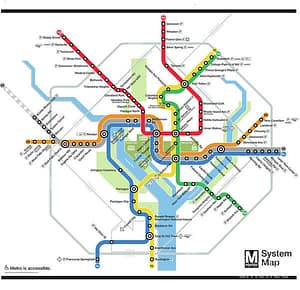

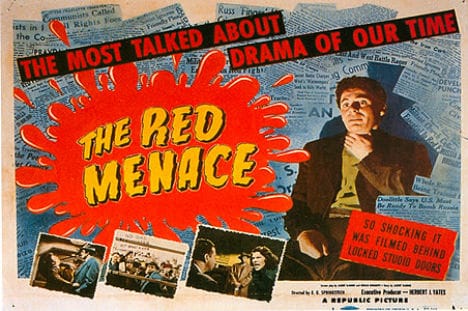


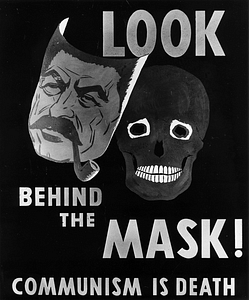
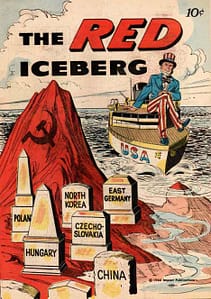
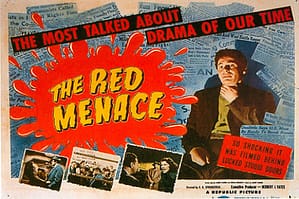
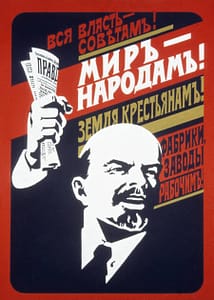
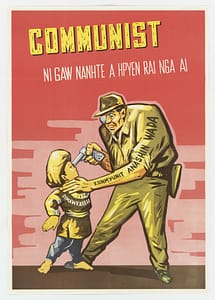
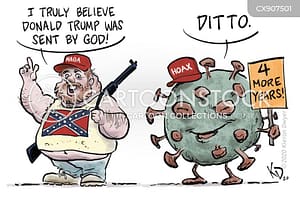
















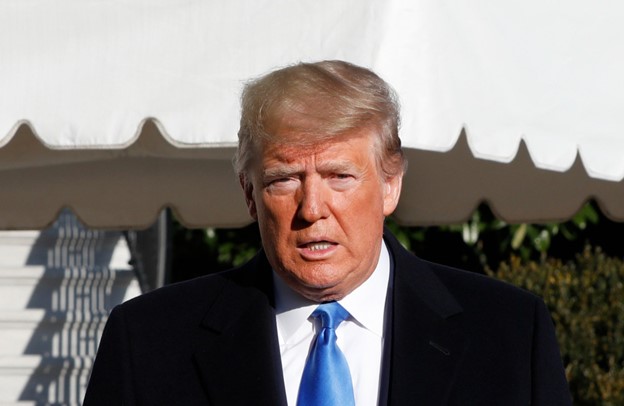
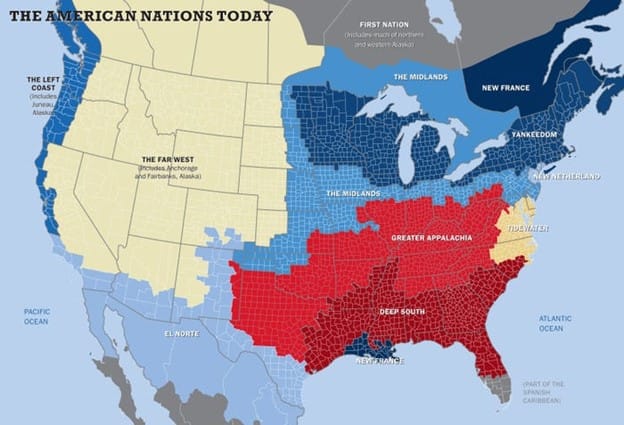




















 Watch now









 author at a Korean temple 1980?