
Bring Back the Cultural Olympics
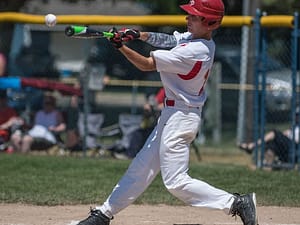
baseball player
Real Word Series Make Baseball Great Again
Audio FIle
The ancient Greek Olympics had cultural Olympic competition as well as athletic competitions. the Modern Olympics had cultural Olympic competitions as well until 1948 when It was felt that it was too difficult to do both and they dropped the cultural competitions but continued to do some cultural programming on the side. I think it is time that we bring back the cultural Olympics and launch them at the 2028 Olympics which is being held in Los Angeles, the world capital of the entertainment and arts. I propose this in the following letter to the ICO, LA organizing committee and the U. S. Olympics committees, followed by some background info from Co-Pilot on the cultural Olympics. I will update this if I get a response from the Olympic committees.
John (Jake) Cosmos Aller
Retired U.S. Foreign Service Officer, State Department
715 Rocky Road Drive
Medford, Oregon 94705
Tel: 703-436-1402
Email: authorjakecosmosaller@gmail.com
Web: https://theworldaccordingtocosmos.com
August 3, 2024
International Olympic Committee
Maison Olympique
1007 Lausanne, Switzerland
Email: enquiries.contact@olympic.org
United States Olympic & Paralympic Committee
1 Olympic Plaza
Colorado Springs, CO 80909, USA
Email: international@usoc.org
Los Angeles 2028 Organizing Committee
10900 Wilshire Blvd, Suite 700
Los Angeles, CA 90024, USA
Email: info@la28.org
Dear Olympic Committee Members,
I am writing to you to plead for the Olympic Federation to consider reviving the Cultural Olympics, which were once a revered tradition, last held in 1948. The Cultural Olympics have faded from the global spotlight in recent decades, leaving behind a void in the broader celebration of human creativity and artistic expression. However, as the world becomes increasingly interconnected, the time has come to reinvigorate this essential aspect of the Olympic Games, harnessing its power to foster cross-cultural understanding and project soft power on the global stage.
Reviving the Cultural Olympics, which were part of the ancient Olympic Games and part of the modern Olympic Games until 1948, is long overdue. And what better place to do so than in Los Angeles, the cultural and entertainment capital of the world?
It would not be too onerous to revive cultural events. Most could be held in the evening after the athletic events have concluded for the day, in the morning before the athletic events happen, or even late at night as LA is a 24/7 kind of town and the Olympics could easily be broadcast 24/7 during the games.
Arts Competitions
To make it easier to add, the events should be limited to the following:
- Art competition
- Culinary festival contest (Iron Chef style)
- Dance competition
- Formal debate with each round having a different topic
- Drama competition
- Film festival (judged)
- E-Games competitions
- Haiku competition
- Individual musical performances (America’s Got Talent style)
- Battle of the bands
- Poetry/spoken word slam competition
- Rap challenges competition
- Singing competition (American Idol style)
- Speech competition (impromptu, extemporaneous)
- Model UN competition
Additionally, other performances such as ballet, opera, musical performances, and symphony performances could be included, though not judged every night.
Because there would be considerable interest in all of these events, and because it may take up more time, you could start the Olympics with the Cultural Olympic Festival a week before the main games, with the finals of the various events held during the games. The cultural events could be held in the evenings and in the early morning, making the Olympics a 24/7 two-week festival showcasing the best athletics, artists and musicians of the world.
One innovative idea would be to hold American Idol style contests around the world in the weeks before the games, with the winner of each national contest going on to the Olympics, you could do something similar with the culinary arts, dance performances and musical band contests.
Adding back cultural performances will add a lot more interest and a lot more viewers for the Olympics, provide the athletes with things to do before and after their performances, and rekindle interest in the arts. Government funding for the arts, especially in schools, is dwindling. It is high time that governments and society fully support the arts. Featuring the arts as part of the Olympics would be a great way to do that.
Finally, the Olympics could reach out to high-tech companies to develop instant translation software for all events. The software would project translations and subtitles on TV throughout the events, as well as direct broadcast to handheld devices.
I hope you can consider my proposal and look forward to hearing back from you.
Sincerely,
John (Jake) Cosmos Aller
Retired US Foreign Service Officer
Cultural Olympics: A Brief History
Co-Pilot provided additional background information:
The concept of Cultural Olympics dates back to the Ancient Olympic Games in Greece, where cultural events such as poetry, music, and theater were integral parts of the festivities1. These events celebrated not only athletic prowess but also artistic and intellectual achievements, reflecting the Greek ideal of a balanced development of body and mind.
In the modern era, the idea was revived by Pierre de Coubertin, the founder of the International Olympic Committee (IOC). From 1912 to 1948, the Olympic Games included competitions in literature, music, painting, sculpture, and architecture. These events were known as the Olympic Art Competitions.
Why They Ended
The Cultural Olympics were discontinued after 1948 for several reasons:
Professionalism: The art competitions were open to professional artists, which conflicted with the amateur status required of athletes at the time.
Judging Difficulties: Unlike sports, where outcomes are clear-cut, judging art is subjective, leading to controversies and inconsistencies.
Logistical Challenges: Organizing and managing these competitions alongside the athletic events proved to be complex and resource-intensive.
Despite their discontinuation, the spirit of the Cultural Olympics lives on through various cultural programs and exhibitions held during the Olympic Games2.
Substack
https://open.substack.com/pub/jakecosmosaller/p/bring-back-the-cultural-olympics?r=3i9lm&utm_campaign=post&utm_medium=web&showWelcomeOnShare=true
Medium
Wattpad
Your story can be found here
Spotify Podcast
https://podcasters.spotify.com/pod/show/jake1818/episodes/Lets-Revive-the-Cultural-Olympics-e2mpgfc

Thanks so much for visiting my site. Your comments are welcome but please play nice…. Reply