
The End of the Dead – Updated
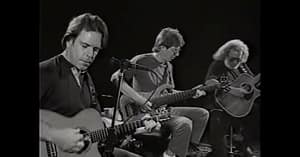
End of the dead this posting
End of the dead original posting https://wp.me/p7NAzO-3LD
The world lost a legend today: Bob Weir of the Grateful Dead. To set the record straight, I never considered myself a Deadhead per se, but more Deadhead-adjacent, perhaps. My Euclid College housemate, Roy—well, he introduced me. He was a real Deadhead, and we played a lot of Dead funk Zappa, at our infamous Euclid House Friday night parties, which we hosted for almost three years.
Here are some of Roy’s reflections on the Dead, followed by background information and listening suggestions compiled from Copilot.
Thoughts on Bob Weir’s Passing By Roy Dufrain.
Somehow, I feel a little lonely today—like maybe I lost a favorite cousin I grew up with but haven’t talked to in a while. That’s an odd thing to say, but it feels true. Like the radiating concussion of a blow to the wider family. It runs deep, my connection to this music, this world, the Grateful Dead. It’s not just a thread running through my life; it’s a silken rope, woven of dream dust and memories of other selves.
It’s 13-year-old me in a bedroom hearing Dark Star for the first time while my friend Dave raves about how the music swells and dips and rebuilds and crescendos. It’s 15-year-old me shoplifting Europe ’72 because I wanted to hear it so badly and didn’t have the money for a three-album set. It’s me and Guy and Ruthie careening over Hopland Grade in Mom’s Datsun station wagon, headed for a free show at Golden Gate Park. Sleeping in line at Tower Records—not for the show, just to buy tickets for the show. Monica’s denim skirt twirling to Scarlet Begonias in the quad at Raymond College. Winterland on windowpane, Sugar Magnolia pouring out of the speakers in technicolor. Me and Emma thumbing 500 miles for a show at the L.A. Forum. Learning to juggle in the park at the Kaiser. Me and Michael Strong selling joints at the bar to raise money for New Year’s Eve tickets. Crazy Tony in the med tent at Cal Expo. My VW bus full of teenage nephews on the way to their first show. My dying sister Debi and her oxygen tank at Shoreline Amphitheater. The call from Mrs. D that Jerry had died.
And more.
The music the Grateful Dead invented was essentially improvisational rock ’n’ roll, and it spawned a whole genre now known as jam-band music. But the Dead reached into all realms of American music. The variety of music they delved into is encyclopedic—from Bill Monroe to John Cage and everywhere in between. From Bob’s affinity for cowboy songs to Jerry’s love of Motown and Phil’s compositions for multiple orchestras.
Many commenters today will name Bob as the band’s “rhythm guitarist.” This is an incredibly incomplete understanding of his contribution. He was self-taught in the best sense of the phrase, in that he allowed his technique and style to evolve from his own taste and his own deconstruction. He dropped out of high school at sixteen to join the band. “I had to have the music,” he has said. He “figured out” the sounds he wanted instead of following an official system handed down from wherever. This approach made him a truly unique guitarist and songwriter, particularly in the chords he used and the way he used them. He spoke of jazz pianist McCoy Tyner as a huge influence. Other players speak of Bob as a master of chord inversions beyond compare. He was more than a rhythm player. Within the Dead, he was a rock, a wall, an echo, a question, and an answer to whatever the other players were doing—especially Jerry.
And I know two are left—the drummers, Bill and Mickey—and condolences to them as well as all others close to the center of the scene. But it’ll be different now. When Jerry went, you knew Bob would carry on; the music was still out there, alive and kicking. And even now, others will carry the songs forward down the years, but Jerry and Bob and Phil were the heart of it all. Now they’re all gone, and the music will never breathe quite the same.
But it never was just the music. It was the spirit of adventure in the approach to music and life—that was the real pull, the magnet that made them mean so much to so many. They were tie-dyed red, white, and blue—the embodiment of the American idea that you could follow your own path if that’s what you wanted most. The Grateful Dead was America looking at a funhouse mirror. And, as Bob liked to say, it was “more fun than a frog in a glass of milk.”Roy Dufrain
Fare thee well, Bob. Fare thee well.
#bobbyweir #gratefuldead #bobweir
“Bobby was completely allergic to compliments in the most endearing way. I’d say, ‘Man, that guitar riff you were doing on that song sounded really killer,’ and he’d respond, ‘Well, I’m sure I’ll fuck it up next time.’ I loved that about him.” — Trey Anastasio
Fare Thee Well, Bob Weir. Driving the news: San Francisco will celebrate the legendary Grateful Dead guitarist’s life and legacy with a memorial at Civic Center Plaza on Saturday at 12:45pm.
The big picture: Weir, who was born and raised in the Bay Area, co-founded the Grateful Dead in the mid-1960s with Jerry Garcia, Phil Lesh, Bill Kreutzmann and Ron “Pigpen” McKernan.
|
Following background information is from a Co-Pilot AI chat.
History of the Grateful Dead
The Grateful Dead formed in 1965 in Palo Alto, California, emerging from the counterculture movement of the 1960s. Originally called The Warlocks, they changed their name after discovering another band had the same name. Known for their eclectic style, they blended rock, folk, bluegrass, blues, country, and psychedelia, creating a unique sound that became synonymous with the “jam band” genre. Their improvisational live performances and devoted fan base, known as Deadheads, made them cultural icons.
Key milestones:
- 1967: Released debut album The Grateful Dead.
- 1970s: Peak creative period with albums like American Beauty and Workingman’s Dead.
- 1987: Commercial breakthrough with In the Dark and the hit single “Touch of Grey.”
- 1995: Jerry Garcia’s death marked the end of the original band era.
List of Studio Albums
- The Grateful Dead (1967)
- Anthem of the Sun (1968)
- Aoxomoxoa (1969)
- Workingman’s Dead (1970)
- American Beauty (1970)
- Wake of the Flood (1973)
- From the Mars Hotel (1974)
- Blues for Allah (1975)
- Terrapin Station (1977)
- Shakedown Street (1978)
- Go to Heaven (1980)
- In the Dark (1987)
- Built to Last (1989)
(They also released numerous live albums and compilations.)
Cultural Significance
- Counterculture Symbol: The Grateful Dead embodied the spirit of the 1960s, aligning with anti-establishment ideals and communal living.
- Live Music Innovation: They pioneered the concept of extended improvisational jams and encouraged fans to record concerts, fostering a unique tape-trading culture.
- Deadhead Community: Their fan base became a social phenomenon, creating a traveling subculture that influenced music festivals and modern jam bands.
- Merchandising & Branding: Iconic imagery like the “Steal Your Face” logo and dancing bears became cultural symbols beyond music.
Jerry Garcia – Bio & Orbit
- Born: August 1, 1942, San Francisco, CA
- Died: August 9, 1995, Forest Knolls, CA
- Role: Lead guitarist, vocalist, and primary songwriter.
- Orbit: Garcia was the creative heart of the band, known for his fluid guitar style and soulful voice. Outside the Dead, he collaborated on solo projects and with bands like Jerry Garcia Band and Old & In the Way. His influence extended into art and activism, making him a beloved figure in American music.
Bob Weir – Bio & Orbit
- Born: October 16, 1947, San Francisco, CA
- Role: Rhythm guitarist and vocalist.
- Orbit: Weir brought a distinctive rhythm style and contributed significantly to the band’s sound. Post-Grateful Dead, he founded RatDog and later played with Dead & Company, continuing the legacy of improvisational music.
Helpful URLs for Further Reading
- Official Grateful Dead site: https://www.dead.net
- Discography details: https://www.allmusic.com/artist/grateful-dead-mn0000182809/discography
- Jerry Garcia official site: https://jerrygarcia.com
- Bob Weir official site: https://bobweir.net
- Cultural impact analysis: https://www.rollingstone.com/music/music-lists/grateful-dead-50-greatest-songs-162362/
- Grateful Dead<GratefulDead@em.rhino.com>
- Bobby Weir 1947 – 2026
- Grateful DeadGratefulDead@em.rhino.com
Additional Articles & Tributes
Left-Leaning
- Rolling Stone: Bob Weir, Grateful Dead Co-Founder and Guitarist, Dead at 78 [rollingstone.com]
- Rolling Stone: Grateful Dead Archivist Remembers ‘Unabashed Rock Star’ Bob Weir [rollingstone.com]
Center
- CNN: Bob Weir, Grateful Dead Guitarist, Dies at 78 [us.cnn.com]
- WSJ: Grateful Dead Co-Founder and Guitarist Bob Weir Dies at 78 [wsj.com]
Right-Leaning
International
- The Guardian: Bob Weir Obituary [theguardian.com]
- The Guardian: Musicians Pay Tribute to Grateful Dead’s Bob Weir [theguardian.com]
Still more articles
- Where do the Grateful Dead go from here? Scenarios for the post-Bob Weir era
- Bob Weir net worth: How much the Grateful Dead guitarist made
- Bob Weir’s guitar playing was even more radical than you think
- Paul McCartney pays tribute to late friend Bob Weir | Watch
- Jerry Garcia’s Long, Strange Trip | Watch
- Remembering our last conversation with Bob Weir
- How Bob Weir stole one of his favorite guitars from George Benson
- Bob Weir’s cosmic touch
- From Dylan to disco, Beyoncé to Bob Marley: The 30 best live albums ever – ranked!
- Mickey Hart pays tribute to Bob Weir: ‘A little brother to me for almost sixty years’
- 20 jams that belong on every Grateful Dead playlist
- People are only just realizing how The Grateful Dead got their name after 60 years
- https://www.msn.com/en-us/video/peopleandplaces/how-the-grateful-dead-changaed-live-music-forever/vi-AA1wwzql?ocid=msedgntp&cvid=dc69f544baec4d58fffd2fa0fea70cfe&ei=67
the End
Substack
Medium
Wattpad
the end

Thanks so much for visiting my site. Your comments are welcome but please play nice…. Reply