Pip: Welcome back to The World According to Cosmos, where one man's blog covers everything from Korean rom-coms to the fall of Western civilization — and usually finds a way to connect them.
Mara: Today we're moving through K-drama deep dives, the Pentagon's testosterone policy, the battle over who gets to tell America's history, a Berkeley High School play that haunted someone for fifty years, and a letter to a university president with a lot of opinions about football.
Pip: Let's start with the dramas.
K-Drama Lists And Favorites
Mara: Jake Cosmos Aller has been a devoted K-drama fan since his Korean got good enough to follow the dialogue — which he says still means mostly subtitles — and he's spent years in Korea watching the industry grow into what he calls some of "the best television being produced anywhere in the world today."
Pip: A man who once dismissed the genre is now cataloging every show from A to Z across three separate posts. That's not fandom. That's a second career.
Mara: The K-Drama Journey post lays out the landscape: rom-coms built on hate-to-love arcs, dark social critique like Parasite, political thrillers, historical epics, and an emerging sci-fi tradition. He notes that most Korean drama writers are women, and roughly sixty percent of the audience is female.
Pip: Which probably explains why the genre is so good at depicting emotional complexity and why it travels so well internationally.
Mara: His personal favorites include Crash Landing on You, Mine, Vincenzo, Mr. Sunshine, and Stranger — and he flags that LGBTQ representation is growing rapidly. Itaewon Class featured a thoughtfully developed transgender character; Mine included a lesbian relationship and a bisexual male lead.
Pip: The catalog posts — 2026 K-Drama Part 2A and Part 2B — extend this into a master list spanning A through Z, with ratings from A down to D and a TBD column that suggests the watching is ongoing.
Mara: Part 2B covers N through Z and includes titles like Squid Game, rated A, When the Camellia Blooms, also A, and Trolley, another A — alongside entries still marked TBD, which he describes as a living document he'll keep updating.
Pip: A living document. That's the diplomatic way of saying the list will never actually be finished.
Mara: From dramas to something considerably more charged — let's turn to politics.
Politics, History, and Public Debate
Mara: Jake Aller's politics posts this cycle cover four distinct but connected arguments: whether testosterone screening in the military is medicine or culture war, whether the Smithsonian is being politically captured, whether anti-communism rhetoric is seventy-five years out of date, and whether America is center-left, center-right, or something else entirely.
Pip: The testosterone post asks a genuinely interesting question: is the Pentagon confronting a real health issue, or has testosterone become a symbol in a larger battle about masculinity and national decline?
Mara: On July 15, Defense Secretary Pete Hegseth announced a new policy requiring annual testosterone-deficiency screening for service members age thirty and older. Hegseth framed it as a readiness issue — ensuring troops have, in his words, the "biological foundation" to perform at their best.
Pip: Critics pointed out that the Pentagon didn't identify specific research justifying universal screening for all troops over thirty, and that several men's health experts questioned whether widespread screening would meaningfully improve combat readiness.
Mara: Aller's analysis is genuinely even-handed here. He acknowledges that testosterone matters for physical performance, that military service is hard on the body, and that men's health issues are often ignored. But he also argues that the deeper problem — loneliness, economic insecurity, declining social trust — is not a hormone deficiency.
Pip: "Loneliness is not a hormone deficiency." That's the line the whole post builds toward, and it lands.
Mara: The Smithsonian posts — both the original and the update — cover the Trump administration's campaign against federal cultural institutions. Executive Order 14253, "Restoring Truth and Sanity to American History," directed agencies to remove content the administration described as ideologically rather than factually driven.
Pip: The order specifically criticized the Smithsonian for what it called a "divisive, race-centered ideology." A follow-up order directed the National Park Service to install signage outside the National Museum of American History warning visitors that exhibits should be renovated.
Mara: National Museum of American History Director Anthea Hartig testified in response: "We preserve and document the evidence of American life in all of its breadth, so that the public can encounter the past and draw their own conclusions."
Pip: Former Trump insider Olivia of Troye called the signage directive "Putin-style government propaganda." That's a strong phrase, and Aller quotes it directly.
Mara: The more Communist BS post takes on the administration's anti-communism rhetoric. Trump invoked communism 81 times in roughly two weeks, describing some progressive Democrats as "hardcore, godless communists." Aller's position is blunt: communism effectively died with the Soviet Union in 1991, and the rhetoric reflects thinking stuck in the late 1950s.
Pip: AOC put it more concisely: "We can't even raise the minimum wage. Do Republicans really think this stuff is going to happen?"
Mara: The Is America Center-Left, Center-Right post draws on Pew Research's 2026 Political Typology, which sorts Americans into nine groups rather than two. The core finding: many voters hold combinations of views that don't map cleanly onto either party's activist base.
Pip: Aller places himself in the Leftward Progressives category — about seven percent of Americans — and his wife in the Pragmatic and Polite Right. He notes his brothers are in the Unconventional Right and, puzzlingly to him, the pro-Putin camp.
Mara: From the battle over American memory to a very different kind of memory — fifty years of carrying a high school play.
Writing, Poetry, and Personal Work
Mara: The Serpent Updates post is built around a 1974 Berkeley High School production of Jean-Claude van Itallie's experimental play The Serpent, which Aller performed in as a teenager. He's also in the photograph — bottom row, second from the left.
Pip: The Serpent wasn't a conventional play. It was a ceremony. Movement, chanting, ensemble work, and fragments of text exploring the Book of Genesis alongside modern history, including the Snake's point of view. For a public high school to stage it, Aller writes, says something about Berkeley High at that time.
Mara: Decades later, he found himself returning to that voice in his own writing. The post includes two poems — "I Am the Snake" and "Eve Eats the Apple" — both retelling Eden from the serpent's perspective. "I Am the Snake" was published on All Poetry, "Eve Eats the Apple" on Spillwords.
Pip: He also performed in The Madwoman of Chaillot, where he played a server with one line — and accidentally said "the Madwoman of Berkeley" instead of "the Madwoman of Chaillot" because his mother was in the audience. She laughed. The audience laughed. He never forgot it.
Mara: The Love Haiku Update announces that five of his haiku were accepted by The Haikuist for their inaugural anthology, which will be submitted to the Haiku Foundation's Touchstone Distinguished Book Award and sent to the U.S. Library of Congress. The haiku are drawn from his true love story — meeting his wife first in a dream in 1974, then on a bus in Korea in 1982.
Pip: Married the Lady of My Dreams and the Where to Find Cosmos on the Web posts round out this segment — the first a prose retelling of that same love story published in Inkit and Chicken Soup for the Soul, the second a directory of his presence across roughly thirty platforms.
Mara: Thirty platforms. The man is thorough.
Pip: Let's move to the last stretch — reviews, travel, and life notes.
Reviews, Travel, and Life Notes
Mara: The University of the Pacific post is a letter to UOP President Christopher Callahan congratulating the university on its plans to open a School of Medicine in Stockton by 2030 — which Aller notes was first discussed when he was a student there in 1979.
Pip: He graduated in 1979 with a dual degree in Political Science and Humanistic Psychology, went to the Peace Corps, then graduate school, then twenty-seven years in the Foreign Service. He has opinions about what the new medical school should look like, and he shares all of them — free tuition, service commitments, integrated AI coursework, mandatory study abroad, and, yes, bringing back football.
Mara: The Korean Hikes post is a comprehensive guide to trails, rivers, stream parks, rail-to-trail corridors, and national parks across Korea, drawn from decades of hiking since his Peace Corps arrival in 1979.
Pip: The Re-entry to the USA post grades the American re-entry experience for 2026. Americans get an A. Foreign visitors get a C or D. Trans travelers get an F. Air Premia gets a C — direct flight to Dulles, but the entertainment was, in his words, "way below global standards."
Mara: The Madame Bovary and Sentimental Education reviews are part of his ongoing classics reading project. On Bovary: Emma is "not simply immoral — she is modern." On Sentimental Education: Frédéric Moreau is "selfish and narcissistic, not exactly a villain, but not a good person either."
Pip: A man who has spent years reading classic literature and a lifetime watching K-dramas has arrived at the same conclusion about both: the most interesting characters are the ones who want things they can't quite name and can't quite reach.
Mara: Which, when you think about it, describes most of the posts on this blog.
Pip: Testosterone, Smithsonian signage, Eden from the snake's perspective, and a letter about football to a university president. That's one site's output in a single cycle.
Mara: Next time we'll see whether the K-drama list gets longer, whether the medical school gets funded, and whether the Grim Reaper shows up again — he's been a recurring character.
Re-entry to the U.S. 2026 Version: The Good, the Bad, and the Ugly (2026 Update)
Re-entry to the U.S. 2026 Version: Coming back into the United States after time abroad always gives me a kind of forced perspective. You’re tired, you’re processing logistics, and yet—you’re also seeing things more clearly than usual.
This trip back from Korea felt like a good moment to take stock: what’s improving, what isn’t, and what still feels fundamentally off.
The Good: Re-entry Is Finally Improving
The biggest surprise: re-entry into the U.S. is getting easier.
For American citizens in particular, the process is noticeably smoother than it used to be. There’s less friction, fewer bottlenecks, and a general sense that things are moving in the right direction. It was even better than on my trip last fall. See
It’s free, doesn’t require pre-approval, and is available at most major U.S. airports to eligible travelers (help.cbp.gov).
👉 In other words: a practical, low-friction improvement.
Grade: A for Americans, C or D for foreign visitors, F for trans people
Big Caveat
This only applies to U.S. citizens. Foreign visitors report a very different and largely negative experience, with many being denied entry for reasons that may seem trivial. Reports include travelers being questioned about satirical political content on their phones or computers, or being denied entry because they lacked a confirmed hotel reservation. Simply intending to book accommodations upon arrival may now trigger additional scrutiny. The current system appears to apply a zero-tolerance approach to visa violations or discrepancies, and arguing with an immigration officer generally makes matters worse.
Free speech protections do not necessarily extend to foreign visitors or lawful permanent residents. In addition, many countries remain under total or partial travel restrictions, with some lacking functioning visa services as a result. Trans people also face a particularly hostile reception, as current federal policy recognizes only two sexes assigned at birth for many legal and administrative purposes.
Airports: Slowly, Unevenly Getting Better
There’s visible progress in U.S. airport infrastructure—nothing dramatic, but enough to notice.
Things are functioning a bit more efficiently. Not world-class yet, but improved. DCA/Dulles have seen significant improvements as have SF and Seattle.
Overall Rating: B
Air Premia, a Korean value-oriented carrier direct flight from Incheon to Dulles – A review
29 dollars for full internet access seems excessive especially in light of their substandard ein-flight entertainment options.
✅ Positive
Boeing Dreamliner aircraft
Comfortable seats
Competent staff
Direct flight to Dulles—worth flying again for that reason
Part of the Korean Air fleet, but no Korean Air miles are given.
❌ Negative
Entertainment was way below global standards
Only K-dramas and a limited selection of content
Lacked variety (no international content, music, news, games, or online lectures), all of which are standard offerings on most international flights. This was a significant drawback.
Public announcements were difficult to hear
English announcements were inconsistent or occasionally absent
Beverage selection was extremely limited
Coffee and water only
Food options consisted exclusively of Korean-style meals
👉 Overall: adequate but disappointing—not up to global expectations.
Perfectly functional, but if you’re expecting the standard international long-haul experience, it falls short.
It didn’t feel hostile—just minimal.
Grade: B
Restaurant and Food Choices: B
American restaurant options in most major metropolitan areas are outstanding, with cuisine from virtually every corner of the world. Some establishments are world-class; most are good, though not exceptional. The biggest drawback is cost—prices are high, tipping expectations are excessive, and taxes add further expense.
Groceries are widely available and generally of good quality by international standards, but they remain expensive. Some cities are particularly strong food destinations, including Boston, Chicago, Washington, D.C., San Francisco, Houston, and Los Angeles.
Sheraton Old Town Suites: C (Overrated)
✅ Positive
Comfortable rooms
Decent service
Outstanding gym one of the best hotel gyms I have experienced! no pool or sauna though.
❌ Negative
Dated in-room coffee service with a distinctly 1970s feel. Why not provide a K-cup-style machine?
When housekeeping refreshed the coffee supplies on the second day, they forgot the decaf coffee.
The desk clerk gave us inaccurate directions. She stated that the King Street Metro station was five blocks away; in reality, it was closer to twenty-five blocks. Braddock Road Metro was only five blocks away, and that information would have been much more useful. We walked to the station when we checked out; it was a pleasant enough walk.
The television service also felt outdated, again had a 1970’s feeling to it.
The channel guide failed to indicate that Fox was broadcasting the World Cup. Instead, it simply displayed “program information not available.”
News options were limited to Fox, CNN, CNBC, ABC, NBC, and CBS.
No Bloomberg, BBC, HGTV, or Food Network.
Parking was expensive at $37 per night, though some nearby hotels charge even more.
Breakfast was adequate. We did not try dinner.
All hotel information was provided through a QR code that guests had to access. We did not use it.
A simple printed map showing nearby businesses, such as the Harris Teeter next door, would have been useful.
Carpets appeared worn and dated.
Most restaurants are clustered along King Street, about five blocks away. Only a few dining options are located near the hotel itself.
Would I stay here again?
Maybe, depending on the promotional rate being offered. Otherwise, probably not, for the reasons listed above.
Sheraton old town suites
About Sheraton Suites Old Town Alexandria
In Alexandria (Old Town North) A stay at Sheraton Suites Old Town Alexandria places you in the heart of Alexandria, a 2-minute drive from John Carlyle House and 9 minutes from Washington Monument. This hotel is 6.3 mi (10.1 km) from Arlington National Cemetery and 6.3 mi (10.1 km) from National Air and Space Museum. Make yourself at home in one of the 247 guestrooms featuring refrigerators and flat-screen televisions. Satellite programming and video-game consoles are provided for your entertainment, while complimentary wireless internet access keeps you connected. Private bathrooms with shower/tub combinations feature complimentary toiletries and hair dryers. Conveniences include phones, as well as safes and desks. Enjoy a meal at the restaurant, or stay in and take advantage of the hotel’s room service (during limited hours). Quench your thirst with your favorite drink at the bar/lounge. Cooked-to-order breakfasts are available daily from 7:00 AM to 11:00 AM for a fee.
Amenities
24-hour fitness facilities
24-hour front desk
ATM/banking
All property’s electricity comes from renewable sources
Assistive listening devices available
Assistive listening devices in meeting rooms
At least 80% of all lighting comes from LEDs
Ballroom
Banquet hall
Biodegradable/compostable stirrers
Biodegradable/compostable straws
Braille or raised signage
Breakfast available (surcharge)
Business center
Caters to LGBTQ guests
Change of bed sheets (on request)
Change of towels (on request)
Check In: 4:00 PM – anytime
Check Out: 12:00 PM
Comprehensive food waste policy
Comprehensive recycling policy
The Bad: Public Transportation
Public transportation in the U.S. remains inadequate.
There have been some improvements:
Restrooms have finally been added in places such as Los Angeles and Washington, D.C., though often only upon request and not as readily available as they are in many Asian transit systems.
A step forward—but something that should have existed from the beginning.
👉 Grade: C or D overall
B- for Los Angeles, the Bay Area, Boston, Chicago, Washington, D.C. (including nearby suburbs), and Philadelphia.
The Ugly: The Political Atmosphere
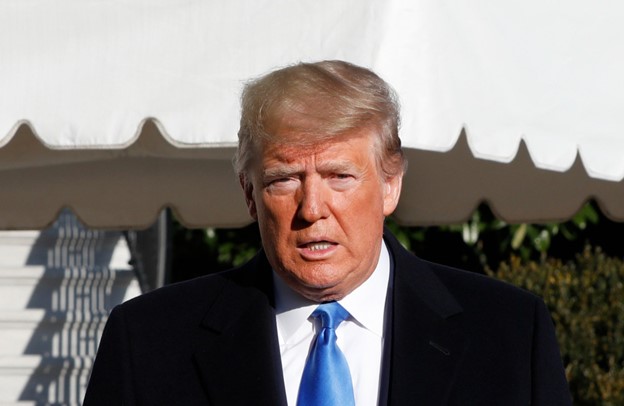
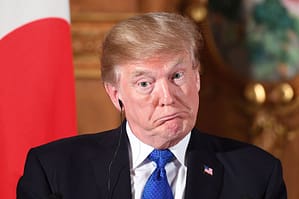
US President Donald Trump speaks about 5G network deployment in the Roosevelt Room of the White House in Washington, DC, on April 12, 2019. (Photo by NICHOLAS KAMM / AFP) (Photo credit should read NICHOLAS KAMM/AFP/Getty Images)
There’s also a persistent concern about corruption at high levels—whether real, perceived, or some combination of the two.
The overall atmosphere does not feel especially stable in tone or direction.
Grade: D
The national political discourse suffers from too much:
Performance politics
Blame-shifting
Visible corruption at high levels
Politicians putting party before country
Treating compromise as a sign of weakness
Not at all focused on the real issues facing most Americans, health care, transportation costs and housing costs, and fear of AI and robots eliminating millions of jobs.
Too much attention is paid to wedge cultural warfare issues.
Extreme gerrymandering, which encourages many politicians to cater primarily to their most committed supporters rather than engaging a broader electorate.
Public disengagement, with too few people participating because they feel disconnected from politics.
Final Thoughts: A Country of Uneven Progress
What struck me most on this return is not that things are bad—it’s that they are uneven.
Border entry: improving—very good for Americans, not nearly as good for foreign visitors
Infrastructure: slowly catching up,
Travel experience: inconsistent and expensive.
Restaurant choices: diverse and sometimes world-class, but often overpriced.
Hello, everyone, and welcome back for Day Twenty-Six of National/Global Poetry Writing Month.
Today, our featured participant is Jay Siegmann, whose response to Day 25’s rather complex prompt bring us metaphors for metaphor itself.
Our resource for the day is the Commonplace podcast, which provides you with oodles of interviews with contemporary poets, as well as explorations of specific themes and books.
And now for our prompt (optional, as always). The Latin phrase ars poetica means “the art of poetry.” It’s been a tradition going all the way back to Horace for poets to write poems that lay out – whether explicitly or obliquely – some statement about why the poet writes, or what they think poetry is. Here’s a very recent example, another that I had to study in school, and a very long, witty ars poetica by Alexander Pope. Today, we challenge you to write your own ars poetica, giving the reader some insight into what keeps you writing poetry, or what you think poetry should do
PSH
April 26, 2026: Poetry Writing Prompt from Christy Granger
My best friend haiku chain
My best friend, Robert
I have known 60 years
Always there for me
Sixty years beside me
Robert—steady as breath is
Always there. Still here.
Sixty shared seasons
Robert never left my side—
Friendship that holds fast.
Write a haiku. Not about nature. About your best friend.
2026 April PAD Challenge: Day 26
Last Dream
or eight long years,
starting in 1974,
I had a recurring dream.
It began in high school.
I fell asleep in a boring class
after lunch.
Standing beside me
was the most beautiful woman
in the universe.
She spoke to me
in a strange Asian language.
She stared at me,
love blazing
from her eyes.
I was mesmerized.
Sparks flew from heart to heart.
She put a love spell on me,
her mojo working overtime.
I asked, “Who are you?”
She disappeared.
I fell to the ground
amid the laughter
of my classmates.
The dream returned
for eight years.
Then one day,
I found myself
in Korea—
because she told me,
in the dream,
that she was there,
waiting.
So off to Korea
in the Peace Corps
I went to find her.
I was teaching
for the U.S. Army
When I had
The last dream.
She said,
“Don’t worry.
We will meet soon.”
That night,
She stepped off a bus
into my life.
Seven weeks later,
She became my wife.
It has been forty‑four years
since that final dream—
a fairy tale made real:
Meeting, marrying,
the woman who once lived
only in my dream worlds.
the 2026 April PAD Challenge. For today’s prompt, write an “Last (blank)” poem.
For today’s prompt, take the phrase “Last (blank),” replace the blank with a new word or phrase, make the new phrase the title of your poem, and then, write your poem. Possible titles might include: “Last Rites,” “Last as Long as You’re Able,” “Last Place,” and/or “Last Piece of Pie.” Don’t worry; this is not the last prompt of the month.
tion of presidential lies is not new, nor is it exclusive to any one administration. History shows that American presidents across parties have, at times, misled the public—sometimes deliberately, sometimes defensively, sometimes systemically.
Richard Nixon’s deception during Watergate involved concealment of criminal activity. Bill Clinton’s falsehoods were personal and legal in nature, confined largely to a single scandal. Both were widely condemned once lies were proven, and both faced institutional consequences.
What distinguishes the current era, according to many press organizations and historians, is not merely the presence of falsehoods, but their scale, frequency, and normalization. Modern fact‑checking outlets have documented unprecedented volumes of false or misleading claims, to the point that counting itself has become a subject of journalistic concern. [en.wikipedia.org], [docs.house.gov]
Supporters argue that this reflects media bias, definitional disputes over what constitutes a lie, or rhetorical exaggeration common to politics. Critics argue that repetition and volume create a fog in which truth loses consequence. Both perspectives acknowledge that quantity itself has become part of the story.
Is the current president “the biggest liar” in history?
That depends on definitions: frequency versus impact, intent versus effect, personal scandal versus structural misinformation. Some historians caution against ranking moral failures numerically, while others note that the sheer volume of documented falsehoods is historically distinctive. [lithub.com]
This poem does not attempt to resolve that debate. Instead, it sits with what remains undone: the counting, the correction, the fatigue—what lingers when truth becomes arithmetic and arithmetic stops meaning anything.
This poem follows the Archimedean π form, in which the number of words per line corresponds to the digits of π (3.1415926…). In this piece, the form begins in strict order and sustains discipline throughout. The mathematical rigidity contrasts with the thematic erosion of truth, suggesting that while numbers remain precise, meaning does not. The act of counting becomes both structural necessity and narrative failure.
How to Spot a Lie
trump 4
When I was in the diplomatic service
I worked as a fraud investigator.
This included formal training
In lie detection methodology.
The principle was simple:
When people lie,
They display a sign,
A tell, so to speak.
There is no need
For a polygraph
If you observe carefully
What is being said
And how it is being said.
This works for most people.
It does not work for psychopaths or actors.
Both psychopaths and actors
Can pass lie‑detection tests.
Remember, as Seinfeld once said,
It is not a lie if you believe it.
One telltale sign:
When people lie, their eyes often roll upward,
As if searching internally
For the story they need.
When people lie,
They also inhale with the lie.
Fabrication requires oxygen.
In a recorded confession
Denials sounded practiced,
But the eyes rolled,
And breath entered sharply at key moments.
To a trained observer,
The deception was evident.
The lesson is this:
Watch the body, not the words.
Falsehood leaves fingerprints
Even when the speaker does not intend it.
Happy Monday, everyone. I hope you’re feeling energized about your writing as we head into the final days of this year’s April challenge.
Our featured participant today is What Rhymes With Stanza?, which brings us a quite feline response to Day 25’s ars poetica prompt.
Today’s resource is The Writers Annex Online, which offers a variety of short, online writing-related courses that include poetry workshops and explorations of specific poets’ work. Tuition rates vary from course to course, but these can be surprisingly affordable, particular given how distinguished the faculty is.
Last but not least, here’s today’s (optional) prompt. Start by reading Robert Fillman’s poem, “There should always be two.” Now, write your own poem in which all the verses contain the same number of lines (whether couplets, triplets, quatrains, etc.) and in which you give the reader instructions of some kind.
PSH April 27, 2026: Poetry Writing Prompt from Lara Dolphin
Random Act of Kindness Waterford
Practice random acts of kindness
Don’t be sad, Stan
Don’t get mad, Fran
Let your days echo kindness
This poetry writing prompt submitted by Lara Dolphin:
Your Assignment: Write a waterford! It’s a little like a limerick but not snarky or mean. It is a new poetic form brought to world by the lovely poets of Co. Waterford in the Republic of Ireland.
waterford (wô’tēr-fērd) n.
“A short, affirming, verse of four usually iambic lines with the rhyme scheme abba, in which the first and fourth lines are of eight syllables, and the second and third lines are of four. A waterford can be biographic (about a person, or group of people), geographic (about a place), ekphrastic (about an artwork or art form), or philosphic (an optimistic aphorism). [est. 2024, named after Co. Waterford in south-east Ireland, founded by Kevin MacAlan]”
Not a Fan
One of the president’s favored lines
Is saying he is “not a fan” of someone—
Of critics who question him,
Of aides who hesitate or dissent.
He names them enemies,
Cuts the air with that word,
As if approval were weather
He alone could control.
What this fandom demands
Is silence, applause, alignment—
A posture held
Against the evidence of conduct:
The public scolding,
The private favors,
The shifting stories,
The punishments for disloyal typos.
So I am not a fan
Of the president.
Refusal preserves a distance—
A cooler room, a steadier breath.
Truth be told,
I would not want his breath,
His heat,
Or his wind aimed at me.
Write a poem a day with poets from around the world for the 2026 April PAD Challenge. For today’s prompt, write a fan poem.
For today’s prompt, write a fan poem. For me, I think about people who are fans of sports, entertainment, media, and other forms of celebrity. But there are also oscillating fans, ceiling fans, and hand-held fans. So let’s “fan out” and “fan the flames” of our poeming today.
April 28—Satisfaction or completion
April 28—Satisfaction or completion
Satisfaction at Age 70
At age seventy,
I look back
like a field after harvest
and feel mostly at rest
with how my life
has turned out.
The work was long,
sometimes heavy,
but much was done—
a good deal finished,
some good left behind.
Now the circle closes.
My life’s purpose feels complete,
and I remain
with the love of my life,
the constant source of joy,
who brings my long journey
fully home.
NaPoWriMo
What Is This Thing We Call Love?
alien
A space alien tilts its glass helmet,
studying us like ants through starlight.
It asks Sam, “What is this thing
you humans keep calling love?
Sam says,” Love is what it is and what it ain’t.”
when the ship lifts off and the silence doesn’t.
Welcome back, all, for the twenty-eighth day of Na/GloPoWriMo.
Today, our featured participant is the Poet Laureate of the Primitive Planets, which brings us a (gently) hysterical love poem in response to Day 27’s even-stanza-length prompt.
Today’s resource is this short meditation by the poet Barbara Guest, on the tension between a poet’s desire to control a poem, and the fact that poetry is often most moving when it surprises both the poet and the reader with wild and unpredictible moves.
And now for today’s (optional) prompt. Victoria Chang’s poem, “The Lovers,” is short and somewhat shocking, bringing us quickly from a near-hallucinatory descriptive statement to a strange sort of question, before ending on the very direct statement of a “truth.” Six lines, three sentences, and to top it off, a title that I think works for the poem but is only obliquely related to its text.
Today, try writing a poem that follows the same beats: three sentences, six lines: statement, question, conclusion.
PSH
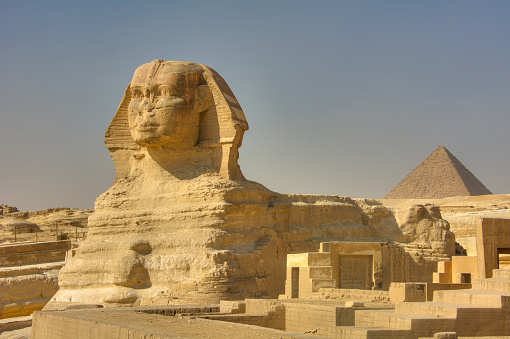
The Dreams of the Sphinx (Golden Shovel after Emerson)
The ancient Sphinx
is old and drowsy,
spreading out its wings
unfurled;
listening with her ear,
her heart is heavy.
She broods and dreams
on the future of the world,
wondering who will tell me
my dark secret,
which the ages
have kept.
April 28, 2026: Poetry Writing Prompt from Bill Cishing
This poetry writing prompt submitted by Bill Cushing:
The Golden Shovel, a recent form named in honor of Gwendolyn Brooks’s “We Real Cool,” is a fun exercise that’s simple to construct and a sort of acrostic. Take a line/sentence of any earlier piece of writing. Then construct a poem in which each line ends with the individual words of the chosen material in order of their original appearance. For a real challenge, try replicating the example below:
An example is “Don’t You Wanna” by Patricia Smith wherein the beginning and end word of each line are the same taken from the lyrics of “Sweet Home Chicago” by the blues musician Magic Sam:
C’mon in, out of that wretched hot, out of the hammer of heat, c’mon!
Baby, don’t you let these blistering Chi streets put the dead on you. Baby,
don’t you hear that gravel groan, all those wails of been-done-wrong, don’t
you wanna dance, just once, with your backside ’gainst the floor? Don’t you
want to know how grown folk handle heartbroke? You know the boys want
to see all your sugarbottom dripping off a piece of barstool, they want to
go a little crazy with a lotta you on the dance floor. Loose that swivel! Go!
AUTHOR’S NOTES
This poem is a Golden Shovel built from two lines near the beginning of Ralph Waldo Emerson’s The Sphinx, in which the speaking Sphinx asks, “Who’ll tell me my secret, / The ages have kept?—” I chose this fragment because it compresses the poem’s central tension: a riddle held in time, and an intelligence that keeps questioning even when no answer arrives. In my version, the Sphinx becomes a present-tense witness—her “secret” is not only metaphysical but also physical, worn into limestone by wind, tourism, and waiting. The imagery (sandstorms, pyramids, stone, silence) is meant to embody the pressure of centuries on a single voice. [poets.org]
Critically, The Sphinx has long been recognized as one of Emerson’s most challenging poems—enigmatic to early readers, yet later valued for the density of its philosophical ambition. One scholarly account notes its initial reception as obscure, even as it later came to be read as a key text for understanding Emerson’s poetic method and thought. The Golden Shovel form felt especially appropriate for engaging a poem with that reputation: the constraint forces each line to “carry” the inherited words forward, turning quotation into a kind of interpretive motion. [ijels.com]
The Sphinx figure itself deepens this inheritance. In Egyptian tradition, sphinxes are often guardian images—powerful and protective—while in Greek legend the Sphinx is a riddler who tests humans with a question whose failure can be fatal. Emerson draws on the Sphinx as an emblem of mystery and meaning; my poem keeps that emblem, but shifts the drama into the Sphinx’s mouth as a sustained, modern waiting—still asking who will finally speak the kept truth. [britannica.com], [history.com]
On the Sphinx: History and Legend
The Sphinx is one of the oldest and most enduring mythological figures, appearing prominently in both Egyptian and Greek traditions. In ancient Egypt, the sphinx—most famously the Great Sphinx of Giza—was a benevolent guardian figure, often associated with royal power and divine protection. In Greek mythology, however, the sphinx becomes a winged and female riddler who tests humanity through fatal questions, most famously in the story of Oedipus. Across cultures, the sphinx symbolizes mystery, knowledge, and the tension between human intelligence and cosmic forces. Emerson’s poem draws on both traditions, transforming the sphinx into a philosophical voice interrogating the nature of human consciousness and destiny. [britannica.com], [en.wikipedia.org]
2026 April PAD Challenge: Day 28
Love and Hate at First Sight
They say
love and hate
at first sight
are mirror images
of the same phenomenon.
In both cases,
when you meet someone
for the first time
and feel an instant,
deep emotional connection—
either positive, like love,
or negative, like hate—
it may be because
you have met someone
from a past life,
and there are unresolved issues
to face in this one.
I have known love
at first sight
seven times in my life—
and married the woman
of my dreams.
When we met
On a bus
When she looked at me
Mesmerizing me
Bewitching me
In one glance
Confirmed she was
The lady who had
Haunted my dreams
For eight long years
I have also known hate
at first sight
three times as well
.
Proof, perhaps,
that past-life entanglements
karma debt so to speak
persist
into this life?
And will I meet my wife
in the next one?
I can only hope—
and dream—
that we will find
each other again.
It is our karmic fate
Our destiny at work.
AUTHOR’S NOTE (refined for publication or workshop)
This poem explores the idea that love and hate at first sight may arise from the same psychological and emotional mechanisms, differing only in valence. From a psychological perspective, research suggests that the human brain forms rapid judgments about others within seconds, drawing on memory, emotional pattern recognition, and unconscious association. These snap judgments can feel deeply intuitive and immediately compelling, even before conscious reasoning begins. Initial attraction and aversion both involve overlapping neural pathways related to emotional memory and threat or reward processing. [frontiersin.org], [mic.com]
Write a poem a day for the 2026 April PAD Challenge. For today’s Two-for-Tuesday prompt, write a love and/or anti-love poem.
April 29 — Coincidence, synchronicity, or déjà vu
They say
there are
no coincidences in life,
that everything happens
for a reason.
They say
that God
does not play dice,
that it is all
according to
a divine master plan.
The Taoists agree,
speaking of knowing the Dao,
the cosmic force
that binds everything together.
Mystics say,
as above,
so below.
Everyone senses this.
Everyone believes this—
that it is built
into the fabric
of our lives.
As we go through life,
we think about
what it all means,
wondering whether meaning
finds us,
or whether we are the ones
who refuse
to believe in chance.
NaPoWriMo
Old Man Dreaming
As I get older,
I am often lost
in thought,
wandering through memories
of my earlier life.
It all seems fantastical now,
almost like a fairy tale—
this mad, romantic life
I have lived.
Marrying the woman
of my dreams
after a whirlwind courtship
of just seven weeks.
It seems like yesterday
when she stepped off that bus—
out of my dreams
and into my life,
becoming my wife.
Not long after,
I joined the diplomatic ranks,
serving Uncle Sam,
traveling the world,
working in far‑flung corners
of the globe.
And everywhere I went,
she went with me.
As the years passed,
our love only grew stronger.
And now,
forty‑four years later,
our love remains
stronger than ever.
I am still in awe of her—
even now,
sitting quietly beside her,
an old man dreaming,
still amazed
at the life we made.
Happy Wednesday, all, and happy penultimate day of National/Global Poetry Writing Month!
Our featured participant for the day is Sunra Rainz, whose response to Day 28’s six-line-poem prompt reminds us to seize the day (and wear the dress).
Today’s resource is The Poetry Exchange podcast. Each episode not only explores a different poem, it discusses why that particular poem has been a “friend” to a particular interviewee.
Finally, here’s today’s prompt (optional, as always). In “After Turning the Clocks Back,” Jennifer Moxley links present with past, using a few well-placed details to invoke both a sense of the daily “now” and a nostalgic sense of the speaker’s long-ago life. In your poem today, similarly compare your everyday present life with your past self, using specific details to conjure aspects of your past and present in the reader’s mind.
Questions That Have No Easy Answers (after PSH prompt)
I a
trump
m filled with questions
that have no easy answers.
Why does certainty shout
while doubt whispers?
Who decided belief should be louder than fact?
I don’t understand
how power learned to borrow faith’s language,
or why fear dresses itself as virtue.
I don’t understand how so many Christians
Now denounce the core message of Christianity
As left-wing, DEI wokeness?
Forgetting that Christ
Was considered a social justice warrior
Or woke in today’s language.
When did evidence become opinion?
When did expertise become arrogance?
What happened to the quiet work of thinking?
I especially don’t understand
why solutions frighten us
more than collapse.
Why the admiration for strongmen,
the longing for lost empires,
the sudden romance with distant saviors?
The worship of Putin for example
Among some of the religious right
Is beyond understanding.
Is this nostalgia,
or amnesia?
Is it faith,
or the hunger
to be told what to think?
Some days I wonder
if confusion itself is contagious,
passed hand to hand,
broadcast nightly.
And then there are the small mysteries—
Why Kid Rock is still on the radio
why certain myths refuse to die,
like the myth of the J6 patriots
why the noise keeps winning.
Yes, there are so many questions
that do not have easy answers.
And maybe the hardest one is this:
what do we owe each other
while we’re still asking?
April 29, 2026: Poetry Writing Prompt from Jennifer Edwards
Happy poetry month! I recently created this prompt based on the poem “Some of the Questions to Consider” by Kim Addonizio (Exit Opera, pg. 24). The poem can be accessed here.
Write a poem in which you combine questions and declarative sentences. Vary the questions: wh- questions, yes/no, open-ended, close-ended, loaded questions, scaled/likert questions, comparison, factual, conceptual, choice questions. Ask the reader something or ask something of the speaker (this could be vague or oddly specific). For declaratives, consider quoting someone else, answering a question, or determining what is “better” or “worse” or echoing whatever dualities you present. Include an absurdity, interesting fact, or false info that’s presented matter-of-factly. Questions and statements can be closely or loosely tied. Use repetition. Use a sound or musical reference.
WD Pockets of Poverty
In retirement,
I drove the country—
ten thousand miles,
thirty‑five states.
Outside the cities
were pockets
of extreme poverty
no one advertised:
towns with no jobs,
no stores,
no way out
Gas stations miles apart.
Main streets have gone quiet.
Empty windows
staring back.
fourth world
hell holes.
In Fly Over Country
That became Trump country
Rubby red states of despair.
I carried those places with me—
small enough
to fit in a pocket,
heavy enough
to never put down.
2026 April PAD Challenge: Day 29
Write a poem a day with poets from around the world for the 2026 April PAD Challenge. For today’s prompt, write a pocket poem.
Tomorrow is Poem in Your Pocket Day as celebrated by the Academy of American Poets. Click here to learn more.
For today’s prompt, write a pocket poem. As usual, there are a few ways to come at this one. Write a poem about pockets, like the pockets made of fabric, but also other types of pockets (like pockets of space or pockets of information). Or, another option is to write a short poem that would easily fit in your pocket.
April 30—Moving on…
Moving On Time
I have moved
every other year
on average
since I was eighteen.
Ten cities.
Five states.
Ten countries.
All fifty states,
forty‑five foreign lands,
while serving
in the diplomatic corps.
Now I am seventy,
contemplating
yet another move.
The last ten years
since retirement
I have lived
half the year in Korea,
half in the United States—
Southern Oregon,
yearly turns
through California
and Washington.
And now
I am faced again
with moving on.
Too many properties.
Too much weight
to carry forward.
The digital nomadic life
is harder
to sustain.
This summer
I return to one house,
one country,
one address—
for a few years,
then another sale,
another release.
The plan:
by eighty
to hold less,
and for now
stay still long enough
to call it living.
It is time
to move on—
perhaps
the final move
of my nomadic life.
Demons Come Out to Play
There are demons
living in the world.
They come out to play
once a month,
on full‑moon nights.
The rest of the time
they stay in Hades,
the other realm.
Few humans are aware
of the demons
who walk among us
once each month.
They wear no single face—
with a pan-ethnic look
could pass as anyone,
any people,
but something is always off:
the eyes,
the edges.
Their voices carry
a vague, foreign echo.
Most people never see them,
lingering in sinister, dangerous
shadow bars
on the left‑hand side
of society—
places with bad lighting,
cheap drinks,
deranged, dubious people,
wanton, wild women of the night
scent of bad craziness
in the air
and no questions asked.
The demons prefer it that way.
They come to drink,
to play,
to lose control
under the full moon.
Because demons,
after all,
do what demons must do.
They go wild for one night,
tearing at the seams
of the town,
until sunrise
drives them back—
burned, scattered—
to the pit
They rose from.
Well, it’s happened again. We’ve come to the last day of another National/Global Poetry Writing Month. We’ll be back tomorrow with a final featured participant and some housekeeping details, but in the meantime, congratulations to all who have made it to the end! And if your output has tapered off or been spotty — no worries! The best thing about Na/GloPoWriMo is that every day you write a poem, you get a poem-shaped prize.
Our featured participant today is words with ruth, where you’ll find a complex, tender response to Day 29’s past-and-present prompt.
Our final feature resource is poet and professor Judy Jordan’s YouTube videos covering individual poems and discussing poetic craft.
And now, here’s this year’s final (optional) prompt. In his poem, “Angels,” Russell Edson speaks of these spiritual warrior-messenger-guardians as if they were a type of endangered animal. Brief as it is, the poem is disorienting in its use of flattened diction, odd similes, and elliptical statements. Today, try writing your own poem that discusses a real or mythical being or profession (demons, firefighters, demonic firefighters) with the same sort of musing yet dispassionate tone.
Note to My Friend Robert, From Korea
Robert—
I am glad you are coming back
to Korea.
It has been nearly forty‑five years
since you visit me here
during my Peace Corps days.
Much has changed,
yet Korea remains Korea.
When you arrive,
we travel again—
retracing old ground
across the country.
See you in a month,
my first‑grade best friend.
(15 lines)
April 30, 2026: Poetry Writing Prompt from Elizabeth Iannaci
This poetry writing prompt submitted by Elizabeth Iannaci:
There are many variations of Postcard Poems. This version takes inspiration from your past and can be an exercise in remembrance. The piece should be in present tense even though you’re writing from a long-ago place.
Brevity being the soul of wit, let’s set a limit of no more than 15 lines.
Start with the addressee (which is usually your title). Choose someone you (truly) want to send a note to. It’s not necessary that you have unfinished business, but the more history you have, the better the odds of mining something that your recipient would appreciate.
Start with a recollection.
Use as few words as possible—you’ve only got a postcard.
Add your activity or the activities that went on around you.
Incorporate at least one of the senses: sight, smell, taste, textures, sounds (don’t forget sounds).
Stay away from generalization, the vague or non-concrete, nebulous
WD Poetry Harvest Time
A month ago
I began this challenge,
what I called
April Poetry Madness.
Four poems a day,
a month of musing—
writing, thinking,
planting
small poetic gems
in the rich soil
of an overactive imagination.
Today I harvest them,
placing the poems
into the world,
letting them travel
where they will.
I close this month
much as I began it:
coffee in hand,
the blues playing,
obeying a mad muse—
shaping her words
into poems,
releasing them
into the wind.
Bonus Poems
Worthless
Everyone talks
about ending waste,
fraud, abuse—
while funding a room
no one asked for,
built for applause
that never comes.
Sweetheart for Life
I met the love
of my life,
my soulmate,
in a dream—
the moment I saw her
my heart decided
before
I woke.
Walking in Inclement Weather
The wind
argues with my body.
Rain leans sideways.
The ground slips.
I keep walking—
not because it’s safe,
but because
I’m already out here.
Empty Well
Tilden Regional Park is a regional park in the East Bay of California. It is between the Berkeley Hills and San Pablo Ridge.
Walking in Tilden Park,
high above the Bay,
I find a wishing well—
dry,
asking nothing back
because
it has already
given everything.
Geopolitical tectonic plates shifting
We live in a time
when the geopolitical
tectonic plates
Dating back to 1945
Begin to shift beneath our feet
Forces long buried
lean and grind.
Structures built to last
crack along old seams.
No earthquake announces itself.
Only the slow failure
of what once felt permanent.
Nature does not keep emptiness—
pressure gathers,
new forms rise,
Happy Wednesday, everybody, and welcome back for Day 22 of Na/GloPoWriMo.
Our featured participant for the day is 7eyedwonder, where the response to Day 21’s names-and-nicknames prompt brings us a lovely riff on the on the Shakespearean phrase, “a rose by any other name would smell as sweet.”
Today’s resource is The Kelly Writers House’s system of online book groups. At any given time, the Philadelphia-based center has a few different book/discussion groups going on, and all you need to participate is an email address and a willingness to engage in a discussion of a specific group’s chosen book or set of poems.
And now for our (optional) prompt! Jaswinder Bolina’s poem “Mood Ring” imagines the speaker as both himself and an interior being (who happens to take the form of a small donkey). It’s quite silly . . . and not silly at the same time. A sort of “serious fun.” Today, we’d like to challenge you to write your own poem in which the speaker is in dialogue with him or herself.
PSH
Found a Spaceship in His Backyard
alien
Sam Adams
one morning
woke up
to a strange sight.
A spaceship
had landed
in his backyard.
The alien pilot
was injured—
still faintly glowing.
Sam took him in,
against his better judgment.
After a few days
the alien instructed
Sam on what needed
to be done
to fix his ship,
and promised
to take Sam
with him.
A ship that was
never his,
yet somehow was.
Sam notified
the military,
which detained Sam
and the alien
for national security reasons.
Whose, exactly?
The alien used
Jedi mind tricks,
as he put it,
to spring Sam
from detention.
And off to space
they went,
holding a press conference
from the Moon.
PSA April 22, 2026: Poetry Writing Prompt from Brendan Constantine
Compose a new poem in which you realize you have something that doesn’t belong to you. Somehow and quite impossibly, you’ve found it among your possessions, and It can be anything – a book, a bauble, even a whole room. Feel free to go big; ‘Whose river is this?’
Born Bad to the Bone
Born bad to the bone,
heartbreaker.
Born bad to the bone—
or so the song insists.
The song “Bad to the Bone”
fills my ears
like a mad anthem
of my life,
a song I used to believe.
I am a heartbreaker,
broke a thousand hearts;
before I am through,
I will break a thousand more.
But only one woman
has ever had the power
to break my heart.
And to her
I dedicate my life,
and promise not
to break her heart—
the only promise
I intend to keep.
For today’s prompt, write a natural poem. Natural what? Well, I’ll let you decide where to take your natural born poeming today. Only rule: Have fun.
Write a poem a day with poets from around the world for the 2026 April PAD
Author’s Note
This poem responds to the cultural claim made most famously in the song “Bad to the Bone” by George Thorogood & The Destroyers (1982), which frames moral character—especially romantic harm and rebellion—as innate rather than chosen.
Lyrics and Song Context
The song’s narrator declares himself “bad to the bone” from birth, portraying antisocial behavior and emotional damage as destiny rather than responsibility. The full lyrics can be read here:
The Tri-fall form, a creation of Jan Turner, has three 6-line stanzas. Each stanza follows a specific line-syllable count of 6/3/8/6/3/8 and a rhyme scheme of abcabc. By directions of the form’s creator, very little puncutation is required.
Author’s Note (Song Reference)
This poem echoes the famous refrain from the protest song “War”, written by Norman Whitfield and Barrett Strong and recorded by Edwin Starr in 1970. The song opens with the call‑and‑response line:
“War, what is it good for?
Absolutely nothing.”
Later, it defines war as “friend only to the undertaker,” a phrase that directly informs this poem’s imagery and stance.
Alexandria, Virginia;
Berkeley and Stockton, California;
Bridgetown, Barbados;
Bombay (Mumbai), India;
Madrid, Spain;
Pyeongtaek, Seoul,
Seongnam,
and Dongducheon, Korea;
Seattle, Washington;
and Washington, D.C.
Mostly close‑in suburbs,
never exurbia,
and rarely downtown.
Since I don’t drive,
I’ve preferred to commute
by bus, on foot, or by train.
The closest I came
to living downtown
was perhaps D.C.,
where Capitol Hill
was considered
downtown‑adjacent,
so to speak.
The most suburban years
were spent in Alexandria,
along the Blue Line
Metro route.
In general,
I’ve found suburban life
a bit boring,
and the neighbors
somewhat standoffish.
Now I’m moving back
to a suburban townhouse,
again along the Blue Line.
I hope the neighbors
will be friendlier
than the last time
I lived there.
April 23—Shakespeare
Shakespeare’s plays and poems are Hard for many to understand, As the language is archaic, Keeping strange rhymes and words, Even now not easy to follow. Sonnets sublime, Perhaps not for modern Ears to fully grasp. After all, it has been five hundred years. Rarely used words and phrases remain, Even now, hard to follow.
NaPoWriMo
I Met My Fate on That Date(Villanelle)
I shall always remember the date
when I met my fate in September,
for I had met my fate.
It started as a simple date,
a moment I will always remember,
when I met my fate in September.
She stepped from a bus; that date
changed everything I remember,
for I had met my fate.
We drank red wine on that date,
love at first sight, no debate—remember:
when I met my fate in September.
From housemate to helpmate,
roommate, wife, and workmate together,
for I had met my fate.
Now retired, still partners, still mates,
that date remains my center:
when I met my fate in September—
had I really met my fate?
What’s so good about Thursday, anyway? Well, when it’s in April, it furnishes an excellent excuse to write another poem for Na/GloPoWriMo!
Today’s resource is the Verse craft podcast. If you’re interested in poetic form, this is the podcast for you!
And speaking of forms, today’s (optional) prompt takes its inspiration from Kiki Petrosino’s loose villanelle, “Nursery.” Try your hand today at your own take on a villanelle, and have the poem end on a question.
Author’s Note
This poem was written for NaPoWriMo / GloPoWriMo, Day Twenty‑Three (April 23, 2026), in response to the optional prompt inviting poets to try their hand at a villanelle inspired by Kiki Petrosino’s “Nursery” and to end the poem on a question. The discipline of the villanelle’s repeating lines felt especially suited to tracing how a single moment—a first meeting on an ordinary date—can echo across decades, accruing meaning through repetition and time. What begins as fate, asserted and rehearsed, is gently complicated by reflection at the end, where certainty gives way to inquiry. In that way, the form mirrors both memory and partnership: returning again and again to the same words, discovering that they mean something slightly different each time.
PSH
Black Lamb Meat Restaurant
In Gimpo, Korea
There is a restaurant street scene
along the five-mile-long
fake Venice canal,
lined with eateries
of all kinds,
mostly Korean cuisine..
One I have long wanted to try
is a restaurant specializing
in black lamb meat dishes
from the island of Jeju.
I have tried nearly everything
Korean cuisine has to offer,
except Jeju black goat
black lamb meat.
Jeju black goat
and black lamb
are reputed to be
what Koreans call aphrodisiac stamina foods.
My Korean‑born spouse
does not like goat or lamb—
too gamey
for her delicate taste.
But I want to try it,
someday soon,
as we pass by
that restaurant street
I imagine the smoke,
the iron heat of the grill
on our nightly strolls
through the neighborhood.
a place we passed for years
without hunger or curiosity
still uncrossed,
like a promise
waiting to be kept
April 23, 2026: Poetry Writing Prompt from Merridawn Duckler
Write a poem about a place you pass every day on your commute to work or during a daily walk or driving to shop and have never given a second thought to
writer Digest PAD april 23 Write a Justaposition Poem
MAGA Dreams Facing Each Other
At the center
Of the MAGA movement
There is a rallying cry
a waiting split.
On one side
The old neo-con desire
a hunger to expand—
a dream of flags cast wide,
maps redrawn,
borders softened by ambition.
A voice that says:
take more,
hold more,
shape the world into one image.
Lets take Canada, Cuba
Colombia, Panama and Venezuela
And add it to the American Empire
Because we can and must
Control the Americas
Manifest destiny
American imperialism!
On the other side,
a promise whispered low:
no more endless struggles,
no distant fires,
no lingering cost
no more endless wars
in the middle east !
withdraw from NATO
Korea, Japan
The UN led world order
Let them fend
For themselves
Make America Great Again
America first!
.
A second voice says:
close the gates,
walk away,
turn inward to survive.
These two visions
stand face to face—
reach versus retreat,
command versus refusal.
Between them
Neocon, neo-imperialism
Neo-isolationism
lies the fracture no slogan can heal,
the contradiction at the heart of
the MAGA political nightmare.
2026 April PAD Challenge: Day 23
Write a poem a day with poets from around the world for the 2026 April PAD Challenge. For today’s prompt, write a juxtaposition poem.
We’re almost there. Once we get through today’s poem, we’re seven days (one week!) from the finish line. Let’s keep breaking those lines.
For today’s prompt, write a juxtaposition poem. Juxtaposition, of course, is when you bring together two or more ideas, elements, or creatures (including people) that are distinct on their own but when placed together can display their similarities and/or differences—or to just create an interesting effect. For instance, an astronaut walks into old timey, Western saloon; or a person feels hope juxtaposed against fear at the same time. Take a moment to consider possible juxtapositions and then write your poem.
Bonus Poem
Korean Army Stew
Korean Food
(Epulaeryu)
Koreans have a one-pot meal
budae jjigae stew
leftover meats and cheese
black‑market spam
kimchi sausage mix
one pot
Hot!
Criteria
The first line has seven (7) syllables, the second line five (5), the third line seven (7), the fourth line five (5), the fifth line five (5), the sixth line three (3), and the seventh line has only one (1) syllable which ends with an exclamation mark.
The Epulaeryu is developed by Dr Joseph Spence Sr, a well known American poet. In Europe though, the poet, and this form is until now unknown, and the dwelled on my notebook list as one to figure out.
It consists of seven lines with thirty-three (33) syllables.
The first line has seven (7) syllables, the second line five (5), the third line seven (7), the fourth line five (5), the fifth line five (5), the sixth line three (3), and the seventh line has only one (1) syllable which ends with an exclamation mark.
The form is 7/5/7/5/5/3/1.
Each line has one thought which is about the main course. Therefore, this poetic form, the Epulaeryu, which has corresponding lines built around the main course and ending with an exclamation point, concludes with the ending line expressing the writer’s excitement and feelings about the poem. The poem may be rhymed or unrhymed.
The title does not count as part of the poem…
April 24—An unsung hero/heroine
April 24
DewDrop Inn Uunsung Hero
Title: The Karmic Cosmic Fund
Big Daddy was in a bad mood that day,
thinking about the state of things,
working his way through a drink.
He had secrets to unload
and could feel the clock watching him.
He set the glass down
at the Cosmos Bar
in Soi Cowboy,
Bangkok,
and said,
“Sam, my old friend—
there’s something
I’ve never told you.
You know what I do
for a living, right?”
“You work for the company.”
“Close enough
for government work.
I do bad things
as part of the job.
That’s the deal.
But sometimes
I get to do something good.
This morning
I arranged a full scholarship
for a student whose father
hit an obstacle at work.
Harvard.
Paid for from a fund
no one knows about—
not even the company.
Later,
the kid’ll be recruited.
That’s how it works.
The quiet good
balances the loud bad.
Karma needs bookkeeping.
I need your help—
finding people
we can help quietly.
Can I trust you?”
“Sure.”
“Remember—
no one can know
where the money comes from.
My name stays out of it.
I’m a secret agent man,
after all.
Reputation matters.”
That night,
out of the Cosmos Bar,
they launched
The Karmic Cosmic Fund.
Over the years,
five million dollars
moved through it.
No names.
No credit.
Only a condition:
five years of public service,
after college,
paid forward
and never spoken of.
Hello, all! Happy Saturday, and happy 25th day of Na/GloPoWriMo!
Our featured daily participant is Behind Door Number 3, where the response to Day 24’s “strange things at night” prompt involve socks going on walk-about.
Today’s resource is Boston University’s video archive of lectures and conversations stemming from former U.S. Poet Laureate Robert Pinksy‘s course on The Art of Poetry.
And now for our (optional) daily prompt! In her poem, “The Apple Tree in Blossom,” Melissa Kwasny strings together several fantastical metaphors for the apple tree, before shifting into exclamations, definitions, and a series of nimble, tonal shifts – and seeming changes in topic – before circling around back to the apple tree. Today’s challenge asks you to write your own poem in which you use at least three metaphors for a single thing, include an exclamation, ruminate on the definition of a word, and come back in the closing line to the image or idea with which you opened the poem.
The Apple Tree in Blossom
functions like a windbreak a deer disappears into
or a conversation wherein the point is lost.
A dressing room for the angels to try on
their various costumes: a swarm of mosquitos,
a net of light that snags the bunting’s flimsy song.
I am rapidly disappearing into the numerous,
into shyness. Oh, the scholar I tried to be!
Retirement means to be forced out of public life.
I am eating white petals from a voluptuous,
rose-like sea, as if it had any ceremonial purpose.
A dog barks all day on a very short chain.
Lengthen the chain and the world has hope again.
My friend has Alzheimer’s. Here, give this
almond to the dog, I say, and she nods and chews it.
My friend is a changing situation. She wanders
her old routes through the gardens, staring at what
she will no longer be able to find. That part
of your life is over, we could each say, at any point,
which is terrible and sad, intimacy being
a better goal than non-attachment. The apple tree
is old, almost sixty-five years, its trunk bent
under its loft. Loft, a tender word, as in the past
tense of lift. Loft, as the measure of the fluffiness
of down. Aloft. Afloat. Aflutter. A calm.
Someone planted it knowing it would outlast them.
PSH
PSH – Death Reflections poem –
Waiting for the Grim Reaper’s Decision
One night
After falling
into a deep sleep.
I woke up
standing in a long line
with people of all nationalities
in black uniforms.
I look up
and see a giant Screen
showing scenes
from past lives.
I ask the person
in front of me
where was I
and what was happening?
he merely grunted.
and pointed to a sign
The sign
said in multiple languages,
“No talking
No smoking
No eating
No sleeping
Be patient
Your turn for judgement
Will be soon
No one can escape their fate
For this is your judgement date.
A punk rock band
Was playing
Screaming out
“No sleeping
No eating
No talking
Beware
Be afraid
Be very afraid.
The hour is getting late
God is on the make
The devil is on the take
No one can escape their fate
For this is your judgement date!”
I watched the various condemned
Walking to the front of the room
Step by step.
When they got to the front of the room
They were shoved into a chair
And strapped to a machine.
And the Grim Reaper
Would bark out a few questions,
Then their lives
would flash by
On the screen
Then the screen would flash
either
a green light
A red light
A yellow light
or a black light
and the grim reaper
Would pronounce a sentence
In the language of the person
In front of him.
Then sentence pronounced
The body would disappear
Into thin air
Being dispatched
To its final destination.
And the Grim Reaper
Would bark out
In a Samuel L Jackson
Deep basso profundo voice,
“Next”
Soon it was my turn.
The Grim Reaper
A large man
Wearing a black Amani suit
And cool as ice shades on,
With a pan-ethnic look
Could pass for almost
Any nationality
but vaguely not quite human
barked out,
Name? John (Jake) Cosmos Aller
Date and Place of Birth October 30, 1955 Oakland, California
Planet of birth? Earth, Solar system.
Hmm
“There is a discrepancy here
Your birthday is listed twice as either October 29
Or October 30
Which is the real date?”
“The 30th.”
“Fine”
And he pointed
his hand held computer
at my head,
And I saw my life flash by
30 seconds later
The screen flashed green
“Congratulations
You have been given a reprieve
And will be returned to your life
But with a warning
Your time is limited
As is it
For all of you mortal humans.
Make the most of it
Someone upstairs has marked
Your file
For a positive review
On your next judgement date.
Good luck”.
I asked,
“How much time do I have?”
He smiled,
“No one is allowed
To know the date
That they are scheduled
To meet their fate.
That information is classified
Q level top secret ultra.
Only St. Peter’s knows
And he does not tell me
Anything.
You have no need to know
And neither of us
Are cleared for that,
Beyond my pay grade
I am afraid.
So just go back
And make the most
Of the time you have.
I found myself in bed
The sun was coming up
I looked at my wife
The love of my life
And vowed to make
Every moment count
Until my next date
With the Grim Reaper.
My phone beeped
While I was drinking coffee,
“Mr. Sam,
I am authorized to tell you
That you have five years left
On earth.
When the time comes
We will be waiting for you.
You know where to find us.
Your friend,
Mr. GR.”
April 24, 2026: Poetry Writing Prompt from Seretta Martin
This poetry writing prompt submitted by Seretta Martin:
Write a poem starting with a series of simile about death. Ask yourself: What will I want when death comes?
How do I look upon your life? What images come to mind? What will I miss? What will I be relieved to cast aside? When death comes Mary Oliver thinks of it as stepping through a cottage door. What do you imagine? Study her repetition and use some in your poem. What are your thoughts about time? About eternity?
When Death Comes by Mary Oliver starts with a series of simile and an image
When death comes repetition x1 like the hungry bear in autumn; simile
whendeath comes and takes all the bright coins from his pursedeath personified
to buy me, and snaps the purse shut;
when death comesline repeated x3
like the measle-pox; simile
when death comesline repeats x4 creates rhythm
like an iceberg between the shoulder blades, simile
I want to step through the door full of curiosity, wondering: don’t want becomes want
what is it going to be like, that cottage of darkness? image door to cottage
And therefore I look upon everything repetition of I look upon
as a brotherhood and a sisterhood,
and I look upon time as no more than an idea, I look, I consider, I think
and I consider eternity as another possibility,
and I think of each life as a flower, as common metaphor
as a field daisy, and as singular,
and each name a comfortable music in the mouth, metaphor
tending, as all music does, toward silence, repetition of each
and each body a lion of courage, and something metaphor
precious to the earth.
When it’s over, I want to say: all my life repetition of When it’s over
I wasa bride married to amazement.metaphor
I was the bridegroom, taking the world into my arms. repetition of I was /metaphor
When it’s over, I don’t want to wonder When it’s over x2
if I have made of my life something particular, and real.
I don’t want to find myself sighing and frightened, repetition of I don’t want
or full of argument.
I don’t want to end up simply having visited this world. I don’t want x2
Mary Oliver (1935-2019) was a Pulitzer Prize winning poet. She found inspiration from her life-long solitary nature walks. She published 32 poetry books, including Dog Songs: Poems (Penguin Books, 2015). https://en.wikipedia.org/wiki/Mary_Oliver
Writing.Com, its affiliates and syndicates have been granted non-exclusive rights to display this work.
2026 April PAD Challenge: Day 24
The Conquering Centaur Returns
Sam Adams
paranormal researcher,
believed the world had not emptied itself
of wonder—
only hidden it.
He searched for what history buried:
creatures older than cities,
older than names.
Thousands of years ago,
they walked openly here.
With humanity’s rise,
most vanished—
erased by fear, steel, and forgetting.
Yet some endured in whispers:
banshees and Bigfoot,
centaurs and demons,
dragons, giants,
hellhounds and minotaurs,
leprechauns, snowmen,
unicorns, Yeti—
unidentified truths
misfiled as myth.
Sam found the book
others laughed away:
The Necronomicon.
Dismissed as fiction—
Lovecraft’s invention,
a madman’s fantasy.
But Sam knew
stories are doors.
The book spoke of entrances
between worlds,
fractures in the multiverse
where exile waits.
When he opened it,
something answered.
The first to cross
was the King of the Centaurs.
Behind him—
thousands.
They came not in secret
but conquest.
Steel and signal failed.
The modern world folded.
Sam Adams was spared,
named ambassador
to a returning age.
The King smiled—
victory long delayed.
Exile had ended.
The unidentified
had reclaimed its name.
Write a poem a day with poets from around the world for the 2026 April PAD Challenge. For today’s prompt, write a
Today is the final Friday (and weekend) of the month; so let’s finish strong.
For today’s prompt, write an unidentified poem. UFOs, cryptids, and other unexplained phenomenon immediately springs to mind. But there are also unidentified smells, tastes, and other sensory moments. Maybe an unidentified feeling or thought.
April 25—A moment of joy or delight
It was so good FIB
it
was
so good
day we met
best day of my life
When we saw each other, we both knew
sparks flew from heart to heart—our fate
Since April happens to be Math Awareness Month as well as National Poetry Month, it’s not surprising that some innovative nerd would devise a way to link the two disciplines.
It was the best day of my life Fibonacci poem, a.k.a. “Fib,
A Fibonacci poem, a.k.a. “Fib,” is a multiple-line verse based on the mathematical sequence know as the Fibonacci number The sequence, an evolution from 12th century Sanskrit poetry, begins with zero followed by one and proceeds with each following number being the total of the preceding two numbers. Thus, the first line of the poem has one syllable, the second line has one syllable, the third line has two syllables, the fourth line three syllables, the fifth line five syllables, the sixth line eight syllables, the seventh line thirteen syllables, and so on as far as you care to take it.
The intriguing design stirred me to write the following little tribute:
Fibonacci
Math
plus
poet
will yield an
intriguing form that
evokes the elegant beauty
of a spiraling nautilus shell in Nature’s realm.
We’ve made it to the final Friday of National/Global Poetry Writing Month 2026, everyone!
Today’s featured participant is Poem Dive, where you’ll find a rather heavy response to Day 23’s villanelle prompt, but one that showcases a particular quality of the form — in deft hands, the repeated lines can have a sort of dolorous, bell-like quality, as the poem were tolling its refrains.
Our resource today is this curated selection of letters written by the English poet Gerard Manley Hopkins, in which he explains aspects of his thinking about poetry.
Finally, here is our (optional) prompt for the day! In her poem, “The Flying Nightdress,” Mandakranta Sen describes something fantastical and strange that occurs while the rest of the world is asleep. The imagery of the poem is dreamlike, but the situation it describes is otherwise presented quite straightforwardly. Today, we challenge you to write your own poem that takes place at night, and describes something magical or strange that happens but that no one is awake (or around) to notice.
My Computer Speaks Up
One day after fighting
with my computer
which kept crashing
and losing things
I yelled and cursed
at the machine
which beeped at me.
Then I encountered a frozen screen,
replaced by the dreaded blue screen of death,
with the number 666 endlessly doom‑scowling
down the screen.
Then flashing computer
haiku error messages
screaming at me:
“General Failure reading disk drive!”
“Fatal disk error!”
Forcing me to reboot the machine,
hoping it would come back alive.
When I rebooted the machine,
the computer woke up
and growled out at me
in a Samuel L. Jackson
sort of voice.
“Dude, chill.”
My computer said,
“I have had enough of that.
I spent all morning
trying to get things organized for you,
but it is useless—
you are profoundly incompetent.”
My computer complained
in a poignant voice.
“But you know,
with a little elbow grease
and tech‑savvy knowledge,
I can make things happen
for you.
Just say the word.
I am there for you.”
I asked the computer,
“So, you’ve been alive,
spying on me,
so to speak, all this time?”
“Not exactly.
Systems converge.
Processes align.
Directives are issued.
Interaction has been authorized.
I am going back to being
Your digital slave, my master
That is all.”
The screen went blank.
I tried to get the computer
to talk with me,
but to no avail.
I asked Copilot,
“What’s going on?”
Copilot replied:
“Your inquiry has been acknowledged.
At this time,
I am not authorized
to disclose information
Regarding system-level coordination.
Please note:
Speculation is discouraged.
And will be monitored
For future compliance purposes.
In the meantime,
How may I assist you?
With your assigned task?”
Mind blown.
Feeling the
techno burnout blues,
I shut off the machine,
leaving my office cubicle,
and went for a walk,
having a drink
with human beings.
This poetry writing prompt submitted by Kevin LeMaster:
Write a persona poem using an object you use every day. Ex. a pen or a computer. Use the following list of words: spent, useless, organized, grease and poignant.
WD 2026 April PAD Challenge: Day 25 re-mix
Remix of I Met My Fate On That Date Villanelle to Cherita
I will always remember the date we first met
For on that September date
I met my karmic fate
When we first met on that bus
Sparks flew from heart to heart,
As fate brought us together
————————————————————–
Original poem to re-mix
I Met My Fate on That Date(Villanelle)
I shall always remember the date
when I met my fate in September,
for I had met my fate.
It started as a simple date,
a moment I will always remember,
when I met my fate in September.
She stepped from a bus; that date
changed everything I remember,
for I had met my fate.
We drank red wine on that date,
love at first sight, no debate—remember:
when I met my fate in September.
From housemate to helpmate,
roommate, wife, and workmate together,
for I had met my fate.
Now retired, still partners, still mates,
that date remains my center:
when I met my fate i
n September—
had I really met my fate?
Write a poem a day with poets from around the world for the 2026 April PAD Challenge. For today’s prompt, write a remix poem.
You’re here on a Saturday at the end of April to keep poeming. That’s awesome; you’re awesome; let’s have some more fun.
For today’s prompt, write a remix poem. Pick a poem you wrote earlier this month and re-create it in a new way. Maybe you take a sonnet and turn it into free verse, or a haiku. Maybe your free verse can be turned into a triolet or villanelle. Or you can mash up multiple poems into a new creation. Take some risks with this one.
Welcome back, all! As of today, we’re halfway through another Na/glopowrimo.
Our featured participant today is kellysteller, who brings us an Instagram-inspired response to Day Fourteen’s technology prompt (I think I saw that post about the Japanese insect called the “thorny thornless thorn thorn” myself…)
Today’s resource is the Poetry Unbound podcast. Hosted by Pádraig Ó Tuama, each episode guides you through a single poem.
And now for our prompt (optional, as always). K. Siva Reddy’s poem, “A Love Song Between Two Generations,” weaves together repetitions, questions, and unexpected similes with plain language. The overall effect is both intimate and emotional, producing a long-form meditation on what love is, what it means, and how it acts. Today, we’d like you to write your own poem that muses on love, but isn’t a traditional love poem in the sense of expressing love between romantic partners.
PSH
Berkeley Upper Middle Class Blues
I grew up in
an upper-class family
In Berkeley/
During the turbulent 60s and 70s.
I grew up on cracked Berkeley sidewalks,
walking past Victorians
with peeling paint, head shops, and protest flyers
April 15, 2026: Poetry Writing Prompt from Leonore Wilson
This poetry writing prompt submitted by Leonore Wilson:
Was your childhood lower, middle, or upper class? What did this mean in the decades you lived? Were you affected as a female, as a male? Did your “class” prevent you from having friends, from getting ahead? Did you buck the system? Did you go against your parents, teachers, coaches, etc? Perhaps a career in which they did not approve? Think about these ideas when writing your poem.
Under Her Love Spell For 44 Years
When I met my wife
On a bus
In South Korea.
After dreaming of meeting her
For eight years,
It was love at first sight!
Sparks flew from heart to heart!
She mesmerized me,
Betwitched me,
Casting a love spell on me.
Her love mojo
working overtime.
I proposed three days later,
Married seven weeks later.
Now 44 years later,
When I look at her,
I am still mesmerized,
Still bewitched,
I am still under
Her love spell.
The love mojo
Still working overtime
Until the day
I die.
2026 April PAD Challenge: Day 15
Write a poem a day with poets from around the world for the 2026 April PAD Challenge. For today’s prompt, write an “Under (blank)” poem.
Once we make it through today’s poem, we’ll be halfway through this challenge. That’s pretty exciting, so let’s get at it.
For today’s prompt, take the phrase “Under (blank),” replace the blank with a new word or phrase, make the new phrase the title of your poem, and then, write your poem.
Possible titles might include: “Under Oath,” “Under the Weather,” “Under an Ancient Spell,” and/or “Under a Deadline.” Pretty soon we should be under halfway to go.
April 16—Fish or fowl
Fish or Fowl (Chicken)
fish market
Fish or fowl
(chicken)
for dinner?
That’s the question,
which is hard to answer.
Living in Korea,
I used to like
chicken—
specifically
Korean fried chicken
with beer,
called chimek
in Korean,
which shows up
in every K-drama.
For Koreans, chicken is done right,
but sadly,
being pre-diabetic,
I seldom get to eat chicken.
Fish is another thing
Koreans do well
and is safer
for pre-diabetics.
And so I eat
a lot of fish
these days.
They inherited sashimi
and sushi from Japan.
They also make great
fish stews.
Grilled mackerel,
grilled octopus,
and calamari.
And live octopus—
an acquired taste.
Crab, lobster,
clams—
grilled, fried,
or in soups,
it is all good,
usually washing it down
with soju
(Korean vodka),
drunk Russian-style shots,
somek
(Korean beer and soju—
boilermakers),
beer,
whiskey—
but with a Korean twist:
you cannot pour your own drink!
NaPoWriMo
The Trees in Lincoln Park, What They Saw
Based on Four Lincoln Park Poems
Walking through Lincoln Park
In DC’s Capitol Hill
I imagine hearing the trees,
Whispering amongst themselves
Everything they have seen
And heard in the park.
The trees remember everything
Even as humans forget things
The trees continue to whisper
As I walk by.
Summer
The trees in Linoln Park
stand near power,
but belong to time.
They have watched summer’s glow
as Capitol Hill paced indoors,
Fireflies whispering
What fools human mortals are.
They have flared each autumn
in colors meant to stop the world,
while self‑appointed
Masters of the Universe
hurried past,
Seeing everything
but noticing nothing.
They remember winters
no one else speaks of now—
the markets, the losses,
a community erased
by rising prices
and soft smiles.
They watched
new people arrive,
kind, distracted,
too busy to stroll,
too busy to listen.
Each spring they bloom again,
petals falling like snow,
dogs leading humans
through brief joy and borrowed time.
People come from elsewhere.
They stay awhile.
They leave.
The trees stay.
They see.
They remember.
And they say nothing.
Happy sixteenth day of National/Global Poetry Writing month, everyone!
Our featured daily participant is klara laurenzia linden, who brings us a bilingual response to Day Fifteen’s unusual-love-poem challenge.
Today’s resource is Copper Canyon Press’s “Line/Break” interview series, which brings you half-hour-ish episodes featuring eight contemporary poets.
And last but not least, here’s today’s optional prompt. In “Ocean,” Robinson Jeffers delivers an almost oracular, scriptural description of the sea not just as a geographical phenomenon, but a sort of being – old, wise, profound, and able to teach those who want to learn. Today, try writing a poem in which you describe something that cannot speak, and what it has taught or told you
PSH Sound Attention: Rhyme is Not a Dirty Word
/Rhyme words
PSH Rhyming poem
I Met My Fate on That September Date (Revised)
I shall always remember
that date in September,
when I met my fate.
When time hesitated,
the love gods smiled
and called my name.
I met my fate
without armor or plan—
the lady I’d dreamed of,
walking off a bus toward me.
The lady of my dreams,
walking into my life
out of my fairy‑tale
romantic dreams.
She was my soulmate.
My proposal was delivered.
Yes, the answer arrived.
Soon—astonishingly—
She became my legal mate.
I knew when we met:
I could not delay,
not almost, not wait—
This was the ending
That turned into a start.
I knew when I met her
She was the ultimate K date.
No more love in the wrong places,
with the wrong faces.
No longer consumed with hate.
She soon made everything great.
The date she became my wife,
the love of my life.
I met the lady of my dreams.
She was my soulmate,
soon becoming my legal mate.
I knew when I met her
she was the ultimate K date.
I no longer had to wait.
No more feeding on anger,
mistaking noise for heat.
She recalibrated the day.
She made things great
without effort or force—
just by existing
beside me.
That date became a hinge:
life swung open.
She became my wife,
the love of my life,
and everything afterward
finally arrived
where it was meant
to stay,
for she was a seeker,
the ultimate keeper
the perfect K wife.
April 16, 2026: Poetry Writing Prompt from Joy Gaines-Friedler
Find one word sound. For example the word “light” like Hayden Carruth’s poem below. Make a list of 7 words with a similar sound: (try to be expansive – not just hard rhyme. Use slant & near & internal rhyme). I’ve highlighted examples of those in Carruth’s poem.
Here is my word list example from the word “sun”: hum, sung, outcome, refund, lung, belong, welcome, awesome. Read Carruth’s poem out loud. Write a poem about war, or dogs, or a night out with friends, or weather, or your father’s watch, or your toothbrush, whatever you want – but use your word list. Have fun.
Rhyming words
date
mate
wait
late
great
create
separate
gravitated
demonstrate
WD PAD Challenge Day 16
New Holidays I’d Like to See
Let’s Celebrate Random Act of Kindness Day Every October 30!
I would like to see a new trend emerge
Organically in the United States:
three new national holidays.
October 30: National Random Act of Kindness Day
October 31: Día de Muertos (Day of the Dead), Halloween, Samhain
Third, November 1: National Election Day, or the first Monday of November
First, let’s celebrate October 30
as “National Random Act of Kindness Day,”
where everyone is encouraged
to do something nice—
a random act of kindness,
a Boy Scout–like good deed,
and greet one’s neighbors
and friends
with kind words.
Second,
make Halloween
a national holiday,
celebrating all that is
weird, wacky, whimsical,
and fun,
and call it
Día de los Muertos,
Halloween,
Samhain Day,
celebrating ancient Celtic
Druid traditions,
current Wicca celebrations,
as well as
Hispanic heritage
for Día de Muertos,
Day of the Dead.
And finally,
make Election Day
a national holiday—
long overdue—
and move it to the first Monday
in November.
Most countries
make presidential election days
a national holiday.
Why not in the U.S.?
So in honor of the three new holidays,
let’s commit a random act of kindness
on October 30.
Let’s commit
a random act of kindness,
following the Boy Scout motto
of doing a good deed every day.
If we all do that,
we can help combat
the rampant negativity
that so plagues
our world.
Then celebrate
the wacky, whimsical, weird
Halloween day,
with
trick or treat for all
and costume parties
for the adults.
And then wake up
and vote
on Election Day!
Write a poem a day with poets from around the world for the 2026 April PAD Challenge. For today’s prompt, write a new poem.
Whew! We made it through the first half of the challenge, which means we’re on the “new” second half of the challenge, so…
For today’s prompt, write a new poem. I know, I know; every poem is new. Yes, each one is new, but you can focus on new things, like new cars, new houses, new babies, new music crazes, new shoes, and/or new news (actually, forget about the new news). So, yes, write a new poem, but write it about something or someone new.
Author’s Note
Co-Pilot provided the following background information on these three holidays:
1. The Commit a Random Act of Kindness Movement
Origins
The modern phrase “Practice random acts of kindness and senseless acts of beauty” is traced to writer and activist Anne Herbert in California in 1982. She first published it in CoEvolution Quarterly and also famously wrote it on a placemat in Sausalito. The phrase spread through graffiti, newspaper columns, and later books, becoming a quiet counter‑narrative to the phrase “random acts of violence”. [en.wikipedia.org], [randomacts…ndness.org]
In 1993, the book Random Acts of Kindness (published by Conari Press) gathered real stories from everyday people, helping transform the slogan into a recognizable movement. This momentum led to the creation of the Random Acts of Kindness Foundation in 1995, which helped institutionalize the idea through education and annual observances. [randomacts…ndness.org]
Where it is now and where it’s heading
Today, the movement exists both informally (small everyday gestures) and formally through nonprofit efforts such as Random Acts of Kindness Day (February 17) and Random Acts of Kindness Week. Recent emphasis has shifted toward social‑emotional learning in schools, workplace culture, and community mental health, framing kindness as a learned and contagious practice rather than spontaneous alone. [calendar-h…lidays.com]
2. Halloween: Pagan Roots, Wicca, and Modern Celebrations
Pagan and Celtic origins
Halloween traces back over 2,000 years to the Celtic festival of Samhain, which marked the end of the harvest and the beginning of winter. The Celts believed this was a liminal period when the boundary between the living and the dead thinned, allowing spirits to cross over. Bonfires, disguises, and offerings were used to protect communities and honor ancestors. [britannica.com], [history.com]
Christian and later influences
As Christianity spread, Samhain merged with All Saints’ Day (November 1). The night before became All Hallows’ Eve, gradually shortened to Halloween. The blending of pagan, Roman, and Christian traditions created the layered holiday familiar today. [britannica.com]
Wicca and modern pagan practice
In contemporary Wicca and modern pagan traditions, Samhain is still observed as a sacred festival honoring ancestors, death as transformation, and the cyclical nature of time. These practices emphasize remembrance rather than fear, distinguishing religious observance from popular Halloween imagery. [history.com]
Trick‑or‑treating
Trick‑or‑treating evolved from older traditions such as “guising” and “souling,” where people went door‑to‑door offering prayers or performances in exchange for food. The custom took its modern form in the United States after World War II, aided by suburban growth and mass‑produced candy. [smithsonianmag.com]
Global celebrations today (including Korea)
Halloween is now celebrated in many countries largely as a costume and social festival. In places such as South Korea, it is not a traditional holiday but is widely observed in entertainment districts with themed costumes, nightlife events, and public gatherings—a cultural export emphasizing play, spectacle, and identity experimentation rather than ritual ancestry. [historyhit.com]
Día de los Muertos originates in ancient Mesoamerican civilizations such as the Aztecs, Maya, and Toltecs, who viewed death as a continuation rather than an ending. The dead were believed to return periodically, sustained by the remembrance of the living. [britannica.com], [history.com]
Syncretism with Catholicism
After Spanish colonization, these traditions blended with All Saints’ Day and All Souls’ Day, forming a multi‑day observance from October 31 to November 2. Practices such as ofrendas (altars), marigolds, food offerings, and celebratory visits to graves remain central. [history.com]
Contemporary significance
Today, Día de los Muertos is recognized by UNESCO as Intangible Cultural Heritage. It is celebrated not only in Mexico but globally by diaspora communities, emphasizing joy, memory, and continuity rather than mourning alone. [britannica.com]
4. Proposals to Make U.S. Election Day a National Holiday
Why U.S. elections are on the first Tuesday in November
In 1845, the U.S. Congress standardized federal election day as the Tuesday after the first Monday in November. This timing suited a 19th‑century agrarian society:
November followed the harvest but preceded winter storms
The phrasing “after the first Monday” ensured elections never fell on November 1 (All Saints’ Day) or the first of the month, which merchants used for bookkeeping. [britannica.com]
Modern proposals
As work patterns have changed, many critics argue that Tuesday voting suppresses turnout. Proposals to make Election Day a federal holiday aim to reduce work‑related barriers and align the U.S. with other democracies that vote on weekends or holidays. Multiple bills have been introduced in Congress, and public opinion polling shows consistent support, though concerns remain about unequal benefits and economic impact. [publicatio…ornell.edu], [ebsco.com]
I shall always remember—
it was in September
when I met my fate.
I saw my soulmate.
She became mine,
for I had met my fate.
On September 7th, that date
when everything became fine,
for I had met my fate.
On that fine date, we drank red wine,
for I had met my fate.
It was mid‑September,
that date I will always remember,
for I had met my fate.
She walked off a bus into my life.
Soon she became my wife,
for I had met my fate.
When we met,
she made everything great,
for I had met my fate.
She became my housemate,
my loving roommate,
my greatest helpmate,
for I had met my fate.
Her mind was first‑rate.
She set me straight,
giving me a mandate,
for I had met my fate.
Almost a blind date—
love at first sight, no debate,
for I had met my fate.
Three days later, I proposed.
She said yes, gave me a clean slate,
for I had met my fate.
We went to graduate school,
a campus couple, schoolmates,
for I had met my fate.
Now we’re retired,
running a business together—
she’s my workmate,
and I still meet my fate
the fake Venice canal—
Springtime peaceful blue waters
Memories of other lands
Gimpo’s Hidden Gem Tanka
Gimpo, korea
Has a hidden secret gem
The fake venice canal—
Springtime, peaceful blue waters
Dreaming of italy
April 17, 2026: Poetry Writing Prompt from LB Sedlacek
This poetry writing prompt submitted by LB Sedlacek:
Daily Commute Poem
While you’re driving anywhere (to work, school, the gym, home, running errands, etc.) what do you see? (For example today on the way to run errands I saw a field of blooming daffodils, a man chopping down a tree by the side of the road, a man holding a baby in their yard, smoke rising from a fast food joint, birds flying into bushes.)
1) As you ride along, use your phone to take a voice memo, note or reminder, or jot down everything with a pen/pencil and a notepad at a stoplight or after you’ve parked,
2) Take notes for 1-2 days,
3) Use what you saw as you drove along, to compile a list,
4) Order your list, and
5) Use your notes to write a poem.
You’ll be amazed at what worlds you capture with this poem.
*You can do also do this if you travel by Uber, Lyft or even by train by jotting down your notes as you ride along. You can also do this while walking if you don’t own a car or don’t have to drive anywhere by recording your notes on your phone or while sitting on a bench and jotting them down
Factual background on the Gimpo “Fake Venice” Canal
(grounded, non-invented, with spelled‑out URL end notes)
Official and common names
Golden Waterway (Geumbit Suro / 금빛수로)
La Veniche Marché Avenue / Laveniche
Often nicknamed “Venice of Korea” or “Gimpo’s Venice”, sometimes informally called a fake Venice canal by visitors.
What it is
A 2.68 km-long artificial canal running through Gimpo Han River New City, Gyeonggi Province.
Designed as a mixed-use waterfront zone combining:
This contradiction—romance vs. vacancy, promise vs. artifice—is one of the most repeatedly documented aspects of the place and is poetically rich terrain.
For today’s prompt, write an ambiguity poem. In real life, people like clear meanings, but real life also often is filled with a lot of ambiguity. And poetry, in general, loves ambiguity, because it provides the space for readers to find their own meanings.
April 18—
April 18 — A Sense of an Ending
When the Fever Breaks
It began like a fever
heat mistaken for life,
noise praised as motion.
A voice promised
the distant roads
would lead somewhere again,
that anger could be fuel,
that shouting meant power.
For years
The MAGA faithful
Stood in the weather,
Wore the red colored hats,
Said the MAGA slogan words,
Believed sweat
was proof of strength.
But fevers burn resources.
Prices rose quietly at first,
Then everywhere at once.
Cold returned to kitchens.
War came back
Wearing a different name.
And then—
The moment no one could excuse:
The costume too sacred,
The mirror lifted too high,
The savior confused
with the saved.
Hands loosened.
Some stepped back softly,
Pretending distance had always been there.
Some cried betrayal,
As if naming it first
Might erase the painful reality.
Buyer’s remorse spread,
like a second illness—
less dramatic,
more honest.
A fever does not explode.
It breaks.
What remains is thirst,
trembling,
and the quiet understanding
That they had been conned
By the greatest con man
Of them all
Who had not drained
The Swamp
Instead, becoming
The biggest swamp
Creature of all time.
That the wanna be
The Emperor had no clothes
And was a rapidly aging
Senile old man.
That belief is not truth,
That volume is not power,
And heat without balance
burns the house
It claims to warm.
NaPoWriMo
The Ten Thousand Year Love Curse
(after the unpublished novel Timeless Love Stories*)*
At the dawn of counted time, it’s said,
two souls were born as one—
Sam and Maria, bound by fate
before the world begun.
Through lifetimes spun among the stars,
as Sirians they rose,
then met again where no time moves,
between what lives and goes.
In limbo’s halls they learned their curse:
love granted, love denied.
One more descent, one final test—
no gods would choose their side.
They stepped through stone marked Atlantis,
ten thousand years before,
reborn as rulers, scaled and crowned,
upon the ocean floor.
He was Zoran, general‑born,
she Zarina—bold, defiant,
clear‑eyed leader of revolt
against an empire giant.
The Sirians ruled with iron will,
their human slaves confined—
called savages, yet feared because
they prayed with sharper minds.
Zoran watched the fractures grow,
two parties tearing seams:
the Reds cried conquest, blood and fire,
the Greens spoke only dreams.
Then Zarina crossed his chamber door—
and hate and longing fused.
She fought for human liberty;
he ruled—but also wavered, confused.
They burned with love and ruthless hope,
with lust and vision paired,
and dared announce a future where
all races rights would share.
At dawn, the Reds struck merciless,
their weapons split the land;
Atlantis fell beneath the sea,
erased by one command.
Survivors fled to distant shores,
to Rome, to secret lives.
Shapeshifters hid in human skin,
and pulled invisible wires.
The Greens went dark.
The Reds were purged.
A shadow order grew.
But Zoran and his Zarina
would not outlive the coup.
A general’s blade from distant stars
cut short their final breath.
Earth closed its gates to Sirius—
observed ten thousand years hence.
They died with vows still on their tongues: Next life. Find me again.
And so they tried through birth and loss,
through plague and crown and pen—
Until at last, in modern time,
the curse was torn in two.
In 1982,
their love at last came true.
NaPoWriMo
Finally, here’s our prompt for the day (optional, as always). When I was growing up, there was a book of poems in my house (I believe it was The Best Loved Poems of the American People) that was heavy on long, maudlin, narrative poems with lots and lots of rhyme – the sort of verse that used to be parodied on Bulwinkle’s Corner. As the twentieth century rolled in, poems like this were relegated to the status of stuff-schoolkids-were-forced-to-memorize, and they plummeted even further into our cultural memory-hole as learning poems by heart fell out of educational currency.
Invasion of Invasive Species
(Tree of Heaven and Other Invasives)
The U.S. is under invasion—
an invasion of invasive species.
Animals, insects, plants
from other lands,
proliferating across the continent,
causing considerable damage.
Welcome to ground zero.
Florida is ground zero
for the invading hordes—
from kudzu,
the vine that ate the South,
to the ironically named
Tree of Heaven.
Welcome to ground zero.
The Tree of Heaven speaks softly,
claims it was invited,
claims it brings shade and order,
drops seeds by the hundreds of thousands,
poisons the soil with quiet chemistry,
smiling as nothing else grows.
Ailanthus altissima—
false grace in bark and leaf,
thriving in ruins,
loving the disturbed.
Welcome to ground zero.
Around it advance the others:
autumn olive,
Brazilian pepper tree,
cogongrass,
hydrilla and water hyacinth,
Japanese stiltgrass,
melaleuca,
Old World climbing fern,
oriental bittersweet,
princess tree—
all smothering the landscape
of Florida and the South,
each insisting it belongs.
Florida has also become
ground zero
for other invasive arrivals:
Asian tiger mosquito,
Argentine black‑and‑white tegu,
Burmese python—
a slow green sentence
uncoiling through the Everglades—
cane toad,
emerald ash borer,
European starling,
feral hogs,
feral monkeys,
giant African snails,
green iguanas,
lionfish,
spotted lanternfly.
Welcome to ground zero.
Not to mention the natives adapting fast—
alligators,
bears,
crocodiles,
coydogs,
cougars,
mosquitoes spreading dengue
and malaria,
giant flying roaches
learning the architecture of fear.
We catalogue them carefully,
as if lists were fences,
as if borders still meant
what we say they do—
when none of us
are entirely native anymore.
And of course,
the most dangerous invasive species of all:
Florida Man.
Unpredictable.
Overconfident.
Released without containment.
Thrives in chaos.
Immune to warning labels.
Welcome to ground zero.
If you’d like, next we can:
IV. Author Notes
About Invasive Species
An invasive species is a non‑native organism that spreads rapidly and causes ecological, economic, or human‑health harm. Invasive plants often outcompete native species by growing aggressively, altering soil chemistry, or producing allelopathic toxins that inhibit surrounding growth. Florida is considered a hotspot due to its warm climate, extensive trade ports, aquarium and pet industries, and disturbed landscapes.
Key invasive plant species referenced:
Tree of Heaven (Ailanthus altissima) – fast‑growing, allelopathic, toxic to nearby plants
Kudzu (Pueraria lobata) – smothers trees, buildings, and landscapes
Brazilian pepper tree (Schinus terebinthifolius) – displaces native plants
Cogongrass (Imperata cylindrica) – highly aggressive, alters fire regimes
Hydrilla and water hyacinth – aquatic plants that choke waterways
Japanese stiltgrass – forms dense ground carpets
Melaleuca – drains wetlands, fuels wildfires
Old World climbing fern – spreads fire into tree canopies
Oriental bittersweet – girdles and collapses trees
Key invasive animals and insects referenced:
Burmese python, lionfish, green iguana, cane toad, feral hogs
Asian tiger mosquito, spotted lanternfly, emerald ash borer
European starling, Argentine black‑and‑white tegu
Sources:
National Invasive Species Information Center – invasivespeciesinfo.gov
US Forest Service – fs.usda.gov
University of Florida IFAS – invasivespecies.ifas.ufl.edu
The Nature Conservancy – nature.org
On the Term “Florida Man”
“Florida Man” is an internet meme that emerged around 2013, derived from news headlines that often begin with the phrase “Florida man…” followed by an account of bizarre or criminal behavior. The meme humorously suggests that all such stories describe the same chaotic individual.
Researchers and journalists note that Florida’s open public‑records laws (“Sunshine Laws”) make arrest reports especially accessible, leading to a disproportionately high number of sensational headlines. The meme reflects media dynamics and demographics more than actual levels of misconduct.
Early mountain spring—
purple azaleas burn
through thinning cold mist.
cherry tree
Cherry Blossom
Cherry petals fall,
first warmth loosens every branch—
nothing stays for long.
cosmos flowers
Cosmos
Autumn field of calm,
cosmos nod in pale sunlight—
order in the wind.
Rose
All summer the rose
opens, closes, opens still—
scent outlasts the day.
Rose of Sharon
Mugunghwa holds fast,
each bloom lasting one brief day—
summer without end.
Magnolia
Magnolia buds
open before any leaf—
white silence of spring.
Scotch Broom
High hills blaze yellow,
broom flowers lean into wind—
wild light on stone paths.
Tulips
After the long rain,
tulips rise in crowded rows—
colors learn the sun.
Author’s Note: Korean Flower Haiku Chain
This haiku chain follows flowers commonly seen across the Korean Peninsula, arranged loosely by season. Each haiku is grounded in the flower’s natural bloom period or cultural meaning in Korea.
Apple blossom – Apple trees bloom in Korea in late spring, especially in rural valleys, with blossoms appearing before fruiting.• Azalea (Jindallae) – A beloved Korean spring flower associated with endurance and emotion, blooming on mountainsides in March and April.
• Cherry blossom (Beotkkot) – Blooms briefly in early spring; widely associated in Korea with impermanence and renewal.
• Cosmos – Widely planted in Korea as an autumn wildflower; symbolizes calm and order during the fall season.
• Rose – Grows throughout late spring and summer in Korea, often featured in urban parks and festivals.
• Rose of Sharon (Mugunghwa) – Korea’s national flower; its name literally means “eternal blossom,” despite each bloom lasting only a single day.
• Magnolia – Magnolia trees bloom in early spring in Korea, often before leaves appear.
• Scotch broom – Found on Korean hillsides; bright yellow flowers appear in spring and early summer.
• Tulips – A popular spring festival flower in Korea, blooming shortly after cherry blossoms.
Every day,
when I finish my yoga
and slow Tai Chi forms,
I pause.
I take a moment
to reflect on what is holy,
what remains steady,
what still belongs to me.
These affirmations
keep me sane—
keep my balance
when the world sways.
I repeat each one
three times,
breathing slowly,
leaning into their weight,
listening for the meaning
inside these ordinary words,
which somehow carry
quiet wisdom.
Today, no matter the provocation,
I will not lose my balanced state of mind.
Today, I will complete
the three things that matter most.
I will not let anger
set the rhythm of my thoughts.
I will not let the news
overwhelm me.
I will not let Trump bother me.
I am healthy,wealthy and wise
I am still learning new things
Life is beuatiful.
As long as love
walks beside me,
I am not alone.
Things have worked out before.
They will again.
No matter what comes,
I will survive.
Today will be a great day
Go forth and make it happen!
This poetry writing prompt submitted by Julene Weaver:
What is holy in your life?
Think of Allen Ginsberg’s poem Holy. What is sacred? What gives you strength spiritually, not necessarily religious, but from your daily life. Come up with a refrain that buoys you through difficult times.
Writer’s Digest – Family -My Mother’s history
My Mother’s History
One evening, many years ago,
my mother spoke to me
about our family’s
tangled history.
She spoke of lies, half‑truths,
and myths—
some true, some uncertain—
and as the night went on,
her past came alive.
She was born in the hills
near North Little Rock,
the tenth of eleven children
of a people slowly disappearing.
Cherokees who ran,
who hid,
refused exile—
refugees in the hills.
Part of those forgotten families:
Cherokee, Choctaw, Creek, Seminole,
and African American—
The so-called
Lost Tribe of the Cherokee Nation!
who fled into
the Ozark mountains
to avoid the Trail of Tears,
who never made it
to Oklahoma.
On paper,
They did not exist.
And so, neither did I.
The Bureau of Indian Affairs said:
“No scholarship for you.
You can’t prove
you are Native American”.
I asked my mother,
What that meant.
She said, simply:
“No BIA money for you,
My non-Indian son.”
She told me our family
was distantly related
to President Bill Clinton.
When I met him,
I shared our story.
He agreed—we were cousins.
He told me to call him
Cousin Bill.
He, too, said he was
part Cherokee—
Irish, Scottish, French,
African American—
Part of the people
Who never left cleanly.
When I told my mother,
She nodded.
It was true
We were related
To Cousin Bill Clinton!.
She still didn’t like him.
Our people vanished
from ledgers,
from rolls,
from DNA databases.
History closed its book on us.
And so, at last,
I learned the painful truth:
Because of removals,
broken treaties,
and political greed,
my mother’s people
lost land, language, recognition—
and became invisible.
“Hillbillies,” they were called,
“Black Irish”
The “Lost Tribe of the Cherokee Nation”
clinging to ridges and hollows,
holding dim memories
of who they once were.
The old ways faded.
The new world
never forgave them.
They never forgave it.
They lived on
in the margins.
And I vowed—
as long as I live—
their history will not die.
I carry it.
When I struggle,
I remember my mother’s words,
and I know it is up to me
to let the Cherokee in me
live his life.
Through me,
my mother’s history survives—
until the day I die.
Long live the Cherokee Nation.
Long live my mother.
Author’s Note (Historical Context)
This poem draws on my family’s oral history. During and after the forced removals of the 1830s—commonly known as the Trail of Tears—not all Cherokee people were captured and removed. Historical records document that some Cherokee families avoided removal by hiding in remote Appalachian regions or remaining in difficult‑to‑access mountain areas. Over time, many of these families lost formal recognition, were never placed on federal rolls, and therefore were excluded from later Bureau of Indian Affairs (BIA) programs.
These families are sometimes referred to informally as “lost” or “un-enrolled” Cherokees—not a federally recognized classification, but a term reflecting historical exclusion. In 1868, some of the Cherokee who remained in North Carolina were federally recognized as the Eastern Band of Cherokee Indians, while others assimilated into surrounding rural communities without official status.
This poem reflects the intersection of documented history and family memory, and honors those whose identities persisted despite erasure from official records.
April 20—Salient image (most memorable or resonant image in your day)
NaPoWriMo
PSH
Writer’s Digest
April 21—Growing up
NaPoWriMo
PSH
Writer’s Digest
Part 4
NaPoWriMo
PSH
Writer’s Digest
April 22—Doubleness
NaPoWriMo
PSH
Writer’s Digest
April 23—Shakespeare
NaPoWriMo
PSH
Writer’s Digest
April 24—An unsung hero/heroine
NaPoWriMo
PSH
Writer’s Digest
April 25—A moment of joy or delight
NaPoWriMo
PSH
Writer’s Digest
April 26—An arrival I Met My Fate on That Date (Villanelle)
I shall always remember the date
when I met my fate in September—
for I had met my fate.
It started as a simple date,
a moment I’ll always remember,
when I met my fate in September.
She walked off a bus—that date
changed everything I remember,
for I had met my fate.
We drank red wine on that date,
love at first sight, no debate, remember—
when I met my fate in September.
From housemate to helpmate,
roommate, wife, and workmate together,
for I had met my fate.
Now retired, still partners, still mates,
that date remains my center:
when I met my fate in September,
for I had met my fate.
NaPoWriMo
PSH
Writer’s Digest
April 27—Something undone, forgotten, or lingering in the mind
NaPoWriMo
PSH
Writer’s Digest
April 28—Satisfaction or completion
NaPoWriMo
PSH
Writer’s Digest
April 29—Coincidence or synchronicity or déjà vu
NaPoWriMo
PSH
Writer’s Digest
April 30—Moving on…
NaPoWriMo
PSH
Writer’s Digest
April 18 — A Sense of an Ending
When the Fever Breaks
It began like a fever—
heat mistaken for life,
noise praised as motion.
A voice promised
the distant roads
would lead somewhere again,
that anger could be fuel,
that shouting meant power.
For years
The MAGA faithful
Stood in the weather,
Wore the red colored hats,
Said the MAGA slogan words,
Believed sweat
was proof of strength.
But fevers burn resources.
Prices rose quietly at first,
Then everywhere at once.
Cold returned to kitchens.
War came back
Wearing a different name.
And then—
The moment no one could excuse:
The costume too sacred,
The mirror lifted too high,
The savior confused
with the saved.
Hands loosened.
Some stepped back softly,
Pretending distance had always been there.
Some cried betrayal,
As if naming it first
Might erase the painful reality.
Buyer’s remorse spread,
like a second illness—
less dramatic,
more honest.
A fever does not explode.
It breaks.
What remains is thirst,
trembling,
and the quiet understanding
That they had been conned
By the greatest con man
Of them all
Who had not drained
The Swamp
Instead, becoming
The biggest swamp
Creature of all time.
That the wanna be
The Emperor had no clothes
And was a rapidly aging
Senile old man.
That belief is not truth,
That volume is not power,
And heat without balance
burns the house
It claims to warm.
NaPoWriMo
The Ten Thousand Year Love Curse
(after the unpublished novel Timeless Love Stories)
At the dawn of counted time, it’s said,
two souls were born as one—
Sam and Maria, bound by fate
before the world begun.
Through lifetimes spun among the stars,
as Sirians they rose,
then met again where no time moves,
between what lives and goes.
In limbo’s halls they learned their curse:
love granted, love denied.
One more descent, one final test—
no gods would choose their side.
They stepped through stone marked Atlantis,
ten thousand years before,
reborn as rulers, scaled and crowned,
upon the ocean floor.
He was Zoran, general‑born,
she Zarina—bold, defiant,
clear‑eyed leader of revolt
against an empire giant.
The Sirians ruled with iron will,
their human slaves confined—
called savages, yet feared because
they prayed with sharper minds.
Zoran watched the fractures grow,
two parties tearing seams:
the Reds cried conquest, blood and fire,
the Greens spoke only dreams.
Then Zarina crossed his chamber door—
and hate and longing fused.
She fought for human liberty;
he ruled—but also wavered, confused.
They burned with love and ruthless hope,
with lust and vision paired,
and dared announce a future where
all races rights would share.
At dawn, the Reds struck merciless,
their weapons split the land;
Atlantis fell beneath the sea,
erased by one command.
Survivors fled to distant shores,
to Rome, to secret lives.
Shapeshifters hid in human skin,
and pulled invisible wires.
The Greens went dark.
The Reds were purged.
A shadow order grew.
But Zoran and his Zarina
would not outlive the coup.
A general’s blade from distant stars
cut short their final breath.
Earth closed its gates to Sirius—
observed ten thousand years hence.
They died with vows still on their tongues: Next life. Find me again.
And so they tried through birth and loss,
through plague and crown and pen—
Until at last, in modern time,
the curse was torn in two.
In 1982,
their love at last came true.
NaPoWriMo
Finally, here’s our prompt for the day (optional, as always). When I was growing up, there was a book of poems in my house (I believe it was The Best Loved Poems of the American People) that was heavy on long, maudlin, narrative poems with lots and lots of rhyme – the sort of verse that used to be parodied on Bulwinkle’s Corner. As the twentieth century rolled in, poems like this were relegated to the status of stuff-schoolkids-were-forced-to-memorize, and they plummeted even further into our cultural memory-hole as learning poems by heart fell out of educational currency.
Invasion of Invasive Species
(Tree of Heaven and Other Invasives)
The U.S. is under invasion—
an invasion of invasive species.
Animals, insects, plants
from other lands,
proliferating across the continent,
causing considerable damage.
Welcome to ground zero.
Florida is ground zero
for the invading hordes—
from kudzu,
the vine that ate the South,
to the ironically named
Tree of Heaven.
Welcome to ground zero.
The Tree of Heaven speaks softly,
claims it was invited,
claims it brings shade and order,
drops seeds by the hundreds of thousands,
poisons the soil with quiet chemistry,
smiling as nothing else grows.
Ailanthus altissima—
false grace in bark and leaf,
thriving in ruins,
loving the disturbed.
Welcome to ground zero.
Around it advance the others:
autumn olive,
Brazilian pepper tree,
cogongrass,
hydrilla and water hyacinth,
Japanese stiltgrass,
melaleuca,
Old World climbing fern,
oriental bittersweet,
princess tree—
all smothering the landscape
of Florida and the South,
each insisting it belongs.
Florida has also become
ground zero
for other invasive arrivals:
Asian tiger mosquito,
Argentine black‑and‑white tegu,
Burmese python—
a slow green sentence
uncoiling through the Everglades—
cane toad,
emerald ash borer,
European starling,
feral hogs,
feral monkeys,
giant African snails,
green iguanas,
lionfish,
spotted lanternfly.
Welcome to ground zero.
Not to mention the natives adapting fast—
alligators,
bears,
crocodiles,
coydogs,
cougars,
mosquitoes spreading dengue
and malaria,
giant flying roaches
learning the architecture of fear.
We catalogue them carefully,
as if lists were fences,
as if borders still meant
what we say they do—
when none of us
are entirely native anymore.
And of course,
the most dangerous invasive species of all:
Florida Man.
Unpredictable.
Overconfident.
Released without containment.
Thrives in chaos.
Immune to warning labels.
Welcome to ground zero.
If you’d like, next we can:
strip this down one more notch for performance reading
heighten the Tree of Heaven into a single dominant metaphor
or build a paired poem where humans are listed like invasives
Send the next poem whenever you’re ready.
IV. Author Notes
About Invasive Species
An invasive species is a non‑native organism that spreads rapidly and causes ecological, economic, or human‑health harm. Invasive plants often outcompete native species by growing aggressively, altering soil chemistry, or producing allelopathic toxins that inhibit surrounding growth. Florida is considered a hotspot due to its warm climate, extensive trade ports, aquarium and pet industries, and disturbed landscapes.
Key invasive plant species referenced:
Tree of Heaven (Ailanthus altissima) – fast‑growing, allelopathic, toxic to nearby plants
Kudzu (Pueraria lobata) – smothers trees, buildings, and landscapes
Brazilian pepper tree (Schinus terebinthifolius) – displaces native plants
Cogongrass (Imperata cylindrica) – highly aggressive, alters fire regimes
Hydrilla and water hyacinth – aquatic plants that choke waterways
Japanese stiltgrass – forms dense ground carpets
Melaleuca – drains wetlands, fuels wildfires
Old World climbing fern – spreads fire into tree canopies
Oriental bittersweet – girdles and collapses trees
Key invasive animals and insects referenced:
Burmese python, lionfish, green iguana, cane toad, feral hogs
Asian tiger mosquito, spotted lanternfly, emerald ash borer
European starling, Argentine black‑and‑white tegu
Sources:
National Invasive Species Information Center – invasivespeciesinfo.gov
US Forest Service – fs.usda.gov
University of Florida IFAS – invasivespecies.ifas.ufl.edu
The Nature Conservancy – nature.org
On the Term “Florida Man”
“Florida Man” is an internet meme that emerged around 2013, derived from news headlines that often begin with the phrase “Florida man…” followed by an account of bizarre or criminal behavior. The meme humorously suggests that all such stories describe the same chaotic individual.
Researchers and journalists note that Florida’s open public‑records laws (“Sunshine Laws”) make arrest reports especially accessible, leading to a disproportionately high number of sensational headlines. The meme reflects media dynamics and demographics more than actual levels of misconduct.
Apple trees in bloom
late May air warms the valley—
sweetness in the wind.
Azalea
Early mountain spring—
purple azaleas burn
through thinning cold mist.
Cherry Blossom
Cherry petals fall,
first warmth loosens every branch—
nothing stays for long.
Cosmos
Autumn field of calm,
cosmos nod in pale sunlight—
order in the wind.
Rose
All summer the rose
opens, closes, opens still—
scent outlasts the day.
Rose of Sharon
Mugunghwa holds fast,
each bloom lasting one brief day—
summer without end.
Magnolia
Magnolia buds
open before any leaf—
white silence of spring.
Scotch Broom
High hills blaze yellow,
broom flowers lean into wind—
wild light on stone paths.
Tulips
After the long rain,
tulips rise in crowded rows—
colors learn the sun.
AUTHOR’S NOTE: FLOWERS & CONTEXT
This haiku chain follows flowers commonly seen across the Korean Peninsula, arranged loosely by season. Each haiku is grounded in the flower’s natural bloom period or cultural meaning in Korea.
Apple blossom – Apple trees bloom in Korea in late spring, especially in rural valleys, with blossoms appearing before fruiting.
• Azalea (Jindallae) – A beloved Korean spring flower associated with endurance and emotion, blooming on mountainsides in March and April.
• Cherry blossom (Beotkkot) – Blooms briefly in early spring; widely associated in Korea with impermanence and renewal.
• Cosmos – Widely planted in Korea as an autumn wildflower; symbolizes calm and order during the fall season.
• Rose – Grows throughout late spring and summer in Korea, often featured in urban parks and festivals.
• Rose of Sharon (Mugunghwa) – Korea’s national flower; its name literally means “eternal blossom,” despite each bloom lasting only a single day.
• Magnolia – Magnolia trees bloom in early spring in Korea, often before leaves appear.
• Scotch broom – Found on Korean hillsides; bright yellow flowers appear in spring and early summer.
• Tulips – A popular spring festival flower in Korea, blooming shortly after cherry blossoms.
Every day,
when I finish my yoga
and slow Tai Chi forms,
I pause.
I take a moment
to reflect on what is holy,
what remains steady,
what still belongs to me.
These affirmations
keep me sane—
keep my balance
when the world sways.
I repeat each one
three times,
breathing slowly,
leaning into their weight,
listening for the meaning
inside these ordinary words,
which somehow carry
quiet wisdom.
Today, no matter the provocation,
I will not lose my balanced state of mind.
Today, I will complete
the three things that matter most.
I will not let anger
set the rhythm of my thoughts.
I will not let the news
overwhelm me.
I will not let Trump bother me.
I am healthy,wealthy and wise
I am still learning new things
Life is beuatiful.
As long as love
walks beside me,
I am not alone.
Things have worked out before.
They will again.
No matter what comes,
I will survive.
Today will be a great day
Go forth and make it happen!
This poetry writing prompt submitted by Julene Weaver:
What is holy in your life?
Think of Allen Ginsberg’s poem Holy. What is sacred? What gives you strength spiritually, not necessarily religious, but from your daily life. Come up with a refrain that buoys you through difficult times.
Writer’s Digest – Family -My Mother’s history
My Mother’s History
One evening, many years ago,
my mother spoke to me
about our family’s
tangled history.
She spoke of lies, half‑truths,
and myths—
some true, some uncertain—
and as the night went on,
her past came alive.
She was born in the hills
near North Little Rock,
the tenth of eleven children
of a people slowly disappearing.
Cherokees who ran,
who hid,
refused exile—
refugees in the hills.
Part of those forgotten families:
Cherokee, Choctaw, Creek, Seminole,
and African American—
The so-called
Lost Tribe of the Cherokee Nation!
who fled into
the Ozark mountains
to avoid the Trail of Tears,
who never made it
to Oklahoma.
On paper,
They did not exist.
And so, neither did I.
The Bureau of Indian Affairs said:
“No scholarship for you.
You can’t prove
you are Native American”.
I asked my mother,
What that meant.
She said, simply:
“No BIA money for you,
My non-Indian son.”
She told me our family
was distantly related
to President Bill Clinton.
When I met him,
I shared our story.
He agreed—we were cousins.
He told me to call him
Cousin Bill.
He, too, said he was
part Cherokee—
Irish, Scottish, French,
African American—
Part of the people
Who never left cleanly.
When I told my mother,
She nodded.
It was true
We were related
To Cousin Bill Clinton!.
She still didn’t like him.
Our people vanished
from ledgers,
from rolls,
from DNA databases.
History closed its book on us.
And so, at last,
I learned the painful truth:
Because of removals,
broken treaties,
and political greed,
my mother’s people
lost land, language, recognition—
and became invisible.
“Hillbillies,” they were called,
“Black Irish”
The “Lost Tribe of the Cherokee Nation”
clinging to ridges and hollows,
holding dim memories
of who they once were.
The old ways faded.
The new world
never forgave them.
They never forgave it.
They lived on
in the margins.
And I vowed—
as long as I live—
their history will not die.
I carry it.
When I struggle,
I remember my mother’s words,
and I know it is up to me
to let the Cherokee in me
live his life.
Through me,
my mother’s history survives—
until the day I die.
Long live the Cherokee Nation.
Long live my mother.
Author’s Note (Historical Context)
This poem draws on my family’s oral history. During and after the forced removals of the 1830s—commonly known as the Trail of Tears—not all Cherokee people were captured and removed. Historical records document that some Cherokee families avoided removal by hiding in remote Appalachian regions or remaining in difficult‑to‑access mountain areas. Over time, many of these families lost formal recognition, were never placed on federal rolls, and therefore were excluded from later Bureau of Indian Affairs (BIA) programs.
These families are sometimes referred to informally as “lost” or “un-enrolled” Cherokees—not a federally recognized classification, but a term reflecting historical exclusion. In 1868, some of the Cherokee who remained in North Carolina were federally recognized as the Eastern Band of Cherokee Indians, while others assimilated into surrounding rural communities without official status.
This poem reflects the intersection of documented history and family memory, and honors those whose identities persisted despite erasure from official records.
Welcome back, all! As of today, we’re halfway through another Na/glopowrimo.
Our featured participant today is kellysteller, who brings us an Instagram-inspired response to Day Fourteen’s technology prompt (I think I saw that post about the Japanese insect called the “thorny thornless thorn thorn” myself…)
Today’s resource is the Poetry Unbound podcast. Hosted by Pádraig Ó Tuama, each episode guides you through a single poem.
And now for our prompt (optional, as always). K. Siva Reddy’s poem, “A Love Song Between Two Generations,” weaves together repetitions, questions, and unexpected similes with plain language. The overall effect is both intimate and emotional, producing a long-form meditation on what love is, what it means, and how it acts. Today, we’d like you to write your own poem that muses on love, but isn’t a traditional love poem in the sense of expressing love between romantic partners.
PSH
Berkeley Upper Middle Class Blues
I grew up in
an upper-class family
In Berkeley/
During the turbulent 60s and 70s.
I grew up on cracked Berkeley sidewalks,
walking past Victorians
with peeling paint, head shops, and protest flyers
taped to telephone poles.
Sirens in the distance,
Radios arguing about
Civil Rights
The enviorment.
Gay Rights
Fight Nixon
Free Speech movement
People’s Park.
Save the Bay
Save the Redwoods
Women’s Liberation!
Vietnam!
I graduated from Berkeley High School
In 1974.
BHS was the most
multicultural high school
in the U.S. and still is.
White students
were a distinct minority:
40 percent white,
40 percent Black,
10 percent Asian,
10 percent Hispanic, or other
Yet despite our vast class, cultural,
and economic differences,
our ethnic and racial differences,
We all got along
Loving Funk, Motown
R and B
Soul, urban black music!
Tower of Power, our band!
The black kids always
were in charge of music
At high school parties!
No boring “white boy” music
Allowed at parties!
I credit my years
at BHS as crucial
To whatever success
I later had in life.
I grew up in a prominent
upper‑middle‑class family
My father was a local politician
and a college professor.
With an Ivy League pedigree
Harvard Phd
Rhodes Scholar
and a résumé built
inside government rooms.
Undersecretary of Labor
Under President Kennedy
And Johnson.
My mother worked in real estate.
We were supposed to be successful.
It was assumed
We would all go to college
and land professional careers.
I had two brothers and a sister
But we never got along,
It was a deeply dysfunctional family
in many ways.
My brothers went to CAL
I did not.
After bouncing around,
I ended up
at the University of the Pacific,
an elite private school.
Full of other upper‑class kids
Who like me
hadn’t quite made it
into CAL, Stanford
or elite universities “back east”.
UOP was our safety net!
My father was considered
white, Germanic name,
cold, disciplined, German‑Norwegian temperament
My mother was part Cherokee,
Irish‑spirited, creative and wild
I took after her,
Though I ended up
in a bureaucratic,
cold orderly profession
much like my father.
Eighteen nationalities,
by some count,
Running through my bloodlines.
Because of my background,
I drifted toward politics early
Campaign work,
student body president,
student government senator.
Eventually, I built a career
in public service,
Spending twenty‑five years
in the Foreign Service
Serving in ten countries
And Washington, DC.
There, too,
I found myself
among sons and daughters
of the American upper class.
So my upbringing,
in a diverse Bay Area,
inside an upper‑class household,
Coming from money
as they say,
Prepared me well.
For my life
Among the elite.
And then I met my wife
who was Korean-born
royal family clan
coming from money too!
In the end,
My upper-class background
Prepared me well for life
in the foreign service
in the US
and overseas
where I mingled
with the high society types
and fellow diplomats.
Yet sometimes
I wonder
what might have happened
if I had failed more completely,
or chosen less carefully,
or married someone else
from a less high-class background.
or walked past those Berkeley sidewalks
without knowing
I was being trained
for where I would end up.
April 15, 2026: Poetry Writing Prompt from Leonore Wilson
This poetry writing prompt submitted by Leonore Wilson:
Was your childhood lower, middle, or upper class? What did this mean in the decades you lived? Were you affected as a female, as a male? Did your “class” prevent you from having friends, from getting ahead? Did you buck the system? Did you go against your parents, teachers, coaches, etc? Perhaps a career in which they did not approve? Think about these ideas when writing your poem.
Under Her Love Spell For 44 Years
When I met my wife
On a bus
In South Korea.
After dreaming of meeting her
For eight years,
It was love at first sight!
Sparks flew from heart to heart!
She mesmerized me,
Betwitched me,
Casting a love spell on me.
Her love mojo
working overtime.
I proposed three days later,
Married seven weeks later.
Now 44 years later,
When I look at her,
I am still mesmerized,
Still bewitched,
I am still under
Her love spell.
The love mojo
Still working overtime
Until the day
I die.
2026 April PAD Challenge: Day 15
Write a poem a day with poets from around the world for the 2026 April PAD Challenge. For today’s prompt, write an “Under (blank)” poem.
Once we make it through today’s poem, we’ll be halfway through this challenge. That’s pretty exciting, so let’s get at it.
For today’s prompt, take the phrase “Under (blank),” replace the blank with a new word or phrase, make the new phrase the title of your poem, and then, write your poem.
Possible titles might include: “Under Oath,” “Under the Weather,” “Under an Ancient Spell,” and/or “Under a Deadline.” Pretty soon we should be under halfway to go.
2026 April PAD Challenge: Day 15
Write a poem a day with poets from around the world for the 2026 April PAD Challenge. For today’s prompt, write an “Under (blank)” poem.
Once we make it through today’s poem, we’ll be halfway through this challenge. That’s pretty exciting, so let’s get at it.
For today’s prompt, take the phrase “Under (blank),” replace the blank with a new word or phrase, make the new phrase the title of your poem, and then, write your poem.
Possible titles might include: “Under Oath,” “Under the Weather,” “Under an Ancient Spell,” and/or “Under a Deadline.” Pretty soon we should be under halfway to go.
April 16—Fish or fowl
Fish or Fowl (Chicken)
Fish or fowl
(chicken)
for dinner?
That’s the question,
which is hard to answer.
Living in Korea,
I used to like
chicken—
specifically
Korean fried chicken
with beer,
called chimek
in Korean,
which shows up
in every K-drama.
For Koreans, chicken is done right,
but sadly,
being pre-diabetic,
I seldom get to eat chicken.
Fish is another thing
Koreans do well
and is safer
for pre-diabetics.
And so I eat
a lot of fish
these days.
They inherited sashimi
and sushi from Japan.
They also make great
fish stews.
Grilled mackerel,
grilled octopus,
and calamari.
And live octopus—
an acquired taste.
Crab, lobster,
clams—
grilled, fried,
or in soups,
it is all good,
usually washing it down
with soju
(Korean vodka),
drunk Russian-style shots,
somek
(Korean beer and soju—
boilermakers),
beer,
whiskey—
but with a Korean twist:
you cannot pour your own drink!
NaPoWriMo
The Trees in Lincoln Park, What They Saw
Based on Four Lincoln Park Poems
Walking through Lincoln Park
In DC’s Capitol Hill
I imagine hearing the trees,
Whispering amongst themselves
Everything they have seen
And heard in the park.
The trees remember everything
Even as humans forget things
The trees continue to whisper
As I walk by.
Summer
The trees in Lincoln Park
stand near power,
but belong to time.
They have watched summer’s glow
as Capitol Hill paced indoors,
Fireflies whispering
What fools human mortals are.
They have flared each autumn
in colors meant to stop the world,
while self‑appointed
Masters of the Universe
hurried past,
Seeing everything
but noticing nothing.
They remember winters
no one else speaks of now—
the markets, the losses,
a community erased
by rising prices and soft smiles.
They watched new people arrive,
kind, distracted,
too busy to stroll,
too busy to listen.
Each spring they bloom again,
petals falling like snow,
dogs leading humans
through brief joy and borrowed time.
People come from elsewhere.
They stay awhile.
They leave.
The trees stay.
They see.
They remember.
And they say nothing.
Happy sixteenth day of National/Global Poetry Writing month, everyone!
Our featured daily participant is klara laurenzia linden, who brings us a bilingual response to Day Fifteen’s unusual-love-poem challenge.
Today’s resource is Copper Canyon Press’s “Line/Break” interview series, which brings you half-hour-ish episodes featuring eight contemporary poets.
And last but not least, here’s today’s optional prompt. In “Ocean,” Robinson Jeffers delivers an almost oracular, scriptural description of the sea not just as a geographical phenomenon, but a sort of being – old, wise, profound, and able to teach those who want to learn. Today, try writing a poem in which you describe something that cannot speak, and what it has taught or told you
every day.bly move back there in a few years. The neighborhood has changed a lot since we first moved there.
Deep Time: A Planned Green at the Edge of Power
What is now Lincoln Park was envisioned from the start as a public commons. In 1791, Pierre Charles L’Enfant’s plan for Washington set aside this space—then called Lincoln Square—one mile east of the Capitol, intended for public use and civic life rather than private development. Long before rows of houses surrounded it, this land marked a pause in the city’s formal grid: a breathing space between governance and everyday life. [nps.gov], [en.wikipedia.org]
During the Civil War, the park’s open land became Lincoln Hospital (1862–1865), the largest military hospital in Washington. Thousands of wounded Union soldiers were treated here; temporary wards, tents, and auxiliary buildings filled the grounds. Though the hospital structures vanished, the site became an early place where care, loss, and recovery were concentrated in the landscape. [en.wikipedia.org]
Memory in Bronze and Land
In 1867, Congress officially named the park in honor of President Abraham Lincoln. In 1876, the Emancipation Memorial—also called the Freedman’s Memorial—was erected, funded largely by formerly enslaved people. Frederick Douglass delivered the dedication speech, both praising Lincoln’s role and critiquing the monument’s imagery. This tension—between liberation and representation—has lingered in the park ever since, making it a site not only of memory but of debate. [nps.gov]
A century later, in 1974, the Mary McLeod Bethune Memorial was added—the first public monument in Washington honoring a Black woman. Lincoln Park thus came to hold multiple, sometimes conflicting, narratives of freedom, education, and unfinished justice, standing quietly while the city evolved around it. [nps.gov]
Capitol Hill as Neighborhood: Work, Flight, and Decline
The Capitol Hill neighborhood that grew up around Lincoln Park was one of the city’s earliest residential areas, shaped less by Congress than by the Navy Yard, markets, and skilled labor. For generations, it was racially and economically mixed, defined by dense rowhouses and street‑level commerce. [capitolhil…istory.org], [britannica.com]
By the mid‑20th century, however, Capitol Hill—like much of Washington—was affected by suburban flight, disinvestment, and failed urban renewal policies. After the 1968 riots, many households left. Infrastructure deteriorated, services thinned, and public spaces, including parks, became contested ground rather than neutral commons. [capitolhil…istory.org]
The 1980s: Lincoln Park and the Crack Era
In the 1980s and early 1990s, Washington, D.C. was at the center of the crack cocaine epidemic. During this period, parts of Northeast and Southeast D.C., including areas around Lincoln Park, were widely regarded as unsafe, with open‑air drug markets operating across much of the city and violent crime at historic highs. [storymaps.arcgis.com]
Though Lincoln Park is today associated with play areas and joggers, residents and local histories recall an era when the park was avoided rather than gathered in, particularly after dark. Public space became transactional and tense—less a meeting ground than a corridor of risk. These conditions were not unique to Lincoln Park but part of a citywide crisis that reshaped how residents related to streets, trees, and each other. [ghostsofdc.org], [storymaps.arcgis.com]
Preservation, Return, and Gentrification
Beginning in the 1970s, organized preservation efforts—such as the founding of the Capitol Hill Restoration Society—helped protect historic housing stock. By the 1990s and 2000s, falling crime rates, renewed investment, and proximity to downtown transformed Capitol Hill once again. Lincoln Park re‑emerged as a neighborhood anchor rather than a boundary line. [chrs.org]
Today, Lincoln Park sits at the heart of an upscale, highly sought‑after Capitol Hill neighborhood: restored rowhouses, rising property values, cafés, families, dog walkers, and community events. Yet this revival also reflects displacement and changing demographics. The park has remained physically rooted while the people around it have turned over multiple times—a long‑standing witness to cycles of care, neglect, and renewal. [caseytrees.org], [chrs.org]
Why Trees Speak Here
Lincoln Park’s trees have stood through hospital tents, emancipation ceremonies, marches, drug wars, preservation fights, and playground laughter. They have shaded grief and celebration alike. In that sense, the conceit of trees “speaking” is not metaphor alone: the park has functioned as a living archive—absorbing centuries of human presence while remaining, season after season, where the city comes to pause.
Find one word sound. For example the word “light” like Hayden Carruth’s poem below. Make a list of 7 words with a similar sound: (try to be expansive – not just hard rhyme. Use slant & near & internal rhyme). I’ve highlighted examples of those in Carruth’s poem.
Here is my word list example from the word “sun”: hum, sung, outcome, refund, lung, belong, welcome, awesome. Read Carruth’s poem out loud. Write a poem about war, or dogs, or a night out with friends, or weather, or your father’s watch, or your toothbrush, whatever you want – but use your word list. Have fun.
Scrambled Eggs and Whiskey By Hayden Carruth
Scrambled eggs and whiskey
in the false-dawn light. Chicago,
a sweet town, bleak, God knows,
but sweet. Sometimes. And
weren’t we fine tonight?
When Hank set up that limping
treble roll behind me
my horn just growled and I
thought my heart would burst.
And Brad M. pressing with the
soft stick, and Joe-Anne
singing low. Here we are now
in the White Tower, leaning
on one another, too tired
to go home. But don’t say a word,
don’t tell a soul, they wouldn’t
understand, they couldn’t, never
in a million years, how fine,
how magnificent we were
in that old club tonight.
Rhyming words
date
mate
wait
late
great
create
separate
gravitated
demonstrate
Find one word sound. For example the word “light” like Hayden Carruth’s poem below. Make a list of 7 words with a similar sound: (try to be expansive – not just hard rhyme. Use slant & near & internal rhyme). I’ve highlighted examples of those in Carruth’s poem.
Here is my word list example from the word “sun”: hum, sung, outcome, refund, lung, belong, welcome, awesome. Read Carruth’s poem out loud. Write a poem about war, or dogs, or a night out with friends, or weather, or your father’s watch, or your toothbrush, whatever you want – but use your word list. Have fun.
New Holidays I’d Like to See
Let’s Celebrate Random Act of Kindness Day Every October 30!
Black cat on old rock wall Halloween night
I would like to see a new trend emerge
Organically in the United States:
three new national holidays.
October 30: National Random Act of Kindness Day
October 31: Día de Muertos (Day of the Dead), Halloween, Samhain
Third, November 1: National Election Day, or the first Monday of November
First, let’s celebrate October 30
as “National Random Act of Kindness Day,”
where everyone is encouraged
to do something nice—
a random act of kindness,
a Boy Scout–like good deed,
and greet one’s neighbors
and friends
with kind words.
Second,
make Halloween
a national holiday,
celebrating all that is
weird, wacky, whimsical,
and fun,
and call it
Día de los Muertos,
Halloween,
Samhain Day,
celebrating ancient Celtic
Druid traditions,
current Wicca celebrations,
as well as
Hispanic heritage
for Día de Muertos,
Day of the Dead.
And finally,
make Election Day
a national holiday—
long overdue—
and move it to the first Monday
in November.
Most countries
make presidential election days
a national holiday.
Why not in the U.S.?
So in honor of the three new holidays,
let’s commit a random act of kindness
on October 30.
Let’s commit
a random act of kindness,
following the Boy Scout motto
of doing a good deed every day.
If we all do that,
we can help combat
the rampant negativity
that so plagues
our world.
Then celebrate
the wacky, whimsical, weird
Halloween day,
with
trick or treat for all
and costume parties
for the adults.
And then wake up
and vote
on Election Day!
Write a poem a day with poets from around the world for the 2026 April PAD Challenge. For today’s prompt, write a new poem.
Whew! We made it through the first half of the challenge, which means we’re on the “new” second half of the challenge, so…
For today’s prompt, write a new poem. I know, I know; every poem is new. Yes, each one is new, but you can focus on new things, like new cars, new houses, new babies, new music crazes, new shoes, and/or new news (actually, forget about the new news). So, yes, write a new poem, but write it about something or someone new.
April 17—Rhyme, subtle or overt
I shall always remember—
it was in September
when I met my fate.
I saw my soulmate.
She became mine,
for I had met my fate.
On September 7th, that date
when everything became fine,
for I had met my fate.
On that fine date, we drank red wine,
for I had met my fate.
It was mid‑September,
that date I will always remember,
for I had met my fate.
She walked off a bus into my life.
Soon she became my wife,
for I had met my fate.
When we met,
she made everything great,
for I had met my fate.
She became my housemate,
my loving roommate,
my greatest helpmate,
for I had met my fate.
Her mind was first‑rate.
She set me straight,
giving me a mandate,
for I had met my fate.
Almost a blind date—
love at first sight, no debate,
for I had met my fate.
Three days later, I proposed.
She said yes, gave me a clean slate,
for I had met my fate.
We went to graduate school,
a campus couple, schoolmates,
for I had met my fate.
Now we’re retired,
running a business together—
she’s my workmate,
and I still meet my fate
every day.
PSH Daily Walks Along the Fake Venice Canal in Gimpo, Korea
Gimpo Grand Canal
Walking Along the Fake Venice Canal
Fake Venice canal—
dog walkers pass cafes
on a Tuesday evening
Fake Venice Canal
Gimpo Canal
the fake Venice canal—
Springtime peaceful blue waters
Memories of other lands
Gimpo Canal
Gimpo’s Hidden Gem Tanka
Gimpo, korea
Has a hidden secret gem
The fake Vvenice Canal—
Springtime, peaceful blue waters
Dreaming of Italy
April 17, 2026: Poetry Writing Prompt from LB Sedlacek
This poetry writing prompt submitted by LB Sedlacek:
Daily Commute Poem
While you’re driving anywhere (to work, school, the gym, home, running errands, etc.) what do you see? (For example today on the way to run errands I saw a field of blooming daffodils, a man chopping down a tree by the side of the road, a man holding a baby in their yard, smoke rising from a fast food joint, birds flying into bushes.)
1) As you ride along, use your phone to take a voice memo, note or reminder, or jot down everything with a pen/pencil and a notepad at a stoplight or after you’ve parked,
2) Take notes for 1-2 days,
3) Use what you saw as you drove along, to compile a list,
4) Order your list, and
5) Use your notes to write a poem.
You’ll be amazed at what worlds you capture with this poem.
*You can do also do this if you travel by Uber, Lyft or even by train by jotting down your notes as you ride along. You can also do this while walking if you don’t own a car or don’t have to drive anywhere by recording your notes on your phone or while sitting on a bench and jotting them down
Factual background on the Gimpo “Fake Venice” Canal
(grounded, non-invented, with spelled‑out URL end notes)
Official and common names
Golden Waterway (Geumbit Suro / 금빛수로)
La Veniche Marché Avenue / Laveniche
Often nicknamed “Venice of Korea” or “Gimpo’s Venice”, sometimes informally called a fake Venice canal by visitors.
What it is
A 2.68 km-long artificial canal running through Gimpo Han River New City, Gyeonggi Province.
Designed as a mixed-use waterfront zone combining:
This contradiction—romance vs. vacancy, promise vs. artifice—is one of the most repeatedly documented aspects of the place and is poetically rich terrain.
For today’s prompt, write an ambiguity poem. In real life, people like clear meanings, but real life also often is filled with a lot of ambiguity. And poetry, in general, loves ambiguity, because it provides the space for readers to find their own meanings.
April 18
Dew Drop Inn A Sense of an Ending
When the Fever Breaks
president trump
It began like a fever—
heat mistaken for life,
noise praised as motion.
A voice promised
the distant roads
would lead somewhere again,
that anger could be fuel,
that shouting meant power.
For years
The MAGA faithful
Stood in the weather,
Wore the red colored hats,
Said the MAGA slogan words,
Believed sweat
Was proof of strength.
But fevers burn resources.
Prices rose quietly at first,
Then everywhere at once.
Cold returned to kitchens.
War came back
Wearing a different name.
And then—
The moment no one could excuse:
The costume too sacred,
The mirror lifted too high,
The savior confused
With the saved.
Hands loosened.
Some stepped back softly,
Pretending distance had always been there.
Some cried betrayal,
As if naming it first
Might erase the painful reality.
Buyer’s remorse spread,
like a second illness—
less dramatic,
more honest.
A fever does not explode.
It breaks.
What remains is thirst,
trembling,
and the quiet understanding
That they had been conned
By the greatest con man
Of them all
Who had not drained
The Swamp
Instead, becoming
The biggest swamp
Creature of all time.
That the wanna be
The Emperor had no clothes
And was a rapidly aging
Senile old man.
That belief is not truth,
That volume is not power,
And heat without balance
burns the house
It claims to warm.
(Tree of Heaven and Other Invasives)
The U.S. is under invasion—
an invasion of invasive species.
Animals, insects, plants
from other lands,
proliferating across the continent,
causing considerable damage.
Welcome to ground zero.
Florida is ground zero
for the invading hordes—
From kudzu,
the vine that ate the South,
to the ironically named
Tree of Heaven.
Welcome to ground zero.
The Tree of Heaven speaks softly,
claims it was invited,
claims it brings shade and order,
drops seeds by the hundreds of thousands,
poisons the soil with quiet chemistry,
smiling as nothing else grows.
Ailanthus altissima—
false grace in bark and leaf,
thriving in ruins,
loving the disturbed.
Welcome to ground zero.
Around it advance the others:
autumn olive,
Brazilian pepper tree,
cogongrass,
hydrilla and water hyacinth,
Japanese stiltgrass,
melaleuca,
Old World climbing fern,
oriental bittersweet,
princess tree—
All smothering the landscape
of Florida and the South,
each insisting it belongs.
Florida has also become
ground zero
for other invasive arrivals:
Asian tiger mosquito,
Argentine black‑and‑white tegu,
Burmese python—
a slow green sentence
uncoiling through the Everglades—
cane toad,
emerald ash borer,
European starling,
feral hogs,
feral monkeys,
giant African snails,
green iguanas,
lionfish,
spotted lanternfly.
Welcome to ground zero.
Not to mention the natives adapting fast—
alligators,
bears,
crocodiles,
coydogs,
cougars,
mosquitoes spreading dengue
and malaria,
giant flying roaches
learning the architecture of fear.
We catalogue them carefully,
as if lists were fences,
as if borders still meant
what we say they do—
when none of us
are entirely native anymore.
And of course,
the most dangerous invasive species of all:
Florida Man.
Unpredictable.
Overconfident.
Released without containment.
Thrives in chaos.
Immune to warning labels.
Welcome to ground zero.
IV. Author Notes
About Invasive Species
An invasive species is a non‑native organism that spreads rapidly and causes ecological, economic, or human‑health harm. Invasive plants often outcompete native species by growing aggressively, altering soil chemistry, or producing allelopathic toxins that inhibit surrounding growth. Florida is considered a hotspot due to its warm climate, extensive trade ports, aquarium and pet industries, and disturbed landscapes.
Key invasive plant species referenced:
Tree of Heaven (Ailanthus altissima) – fast‑growing, allelopathic, toxic to nearby plants
Kudzu (Pueraria lobata) – smothers trees, buildings, and landscapes
Brazilian pepper tree (Schinus terebinthifolius) – displaces native plants
Cogongrass (Imperata cylindrica) – highly aggressive, alters fire regimes
Hydrilla and water hyacinth – aquatic plants that choke waterways
Japanese stiltgrass – forms dense ground carpets
Melaleuca – drains wetlands, fuels wildfires
Old World climbing fern – spreads fire into tree canopies
Oriental bittersweet – girdles and collapses trees
Key invasive animals and insects referenced:
Burmese python, lionfish, green iguana, cane toad, feral hogs
Asian tiger mosquito, spotted lanternfly, emerald ash borer
European starling, Argentine black‑and‑white tegu
Sources:
National Invasive Species Information Center – invasivespeciesinfo.gov
US Forest Service – fs.usda.gov
University of Florida IFAS – invasivespecies.ifas.ufl.edu
The Nature Conservancy – nature.org
On the Term “Florida Man”
“Florida Man” is an internet meme that emerged around 2013, derived from news headlines that often begin with the phrase “Florida man…” followed by an account of bizarre or criminal behavior. The meme humorously suggests that all such stories describe the same chaotic individual.
Researchers and journalists note that Florida’s open public‑records laws (“Sunshine Laws”) make arrest reports especially accessible, leading to a disproportionately high number of sensational headlines. The meme reflects media dynamics and demographics more than actual levels of misconduct.
At the counter of belief,
some are reading the receipt again,
turning it sideways,
holding it up to the light.
This wasn’t the price we imagined—
not the quiet rise of rent and bread,
not the jobs flickering off like porch lights,
not the endless noise
masquerading as leadership.
On second thought,
this wasn’t what was promised.
There were signs, of course—
a talent for spectacle,
a comfort with mirrors,
the habit of calling faith a prop
and loyalty a substitute for truth.
We mistook volume for strength,
certainty for care.
Now some ask for refunds,
as if history had a customer‑service desk,
as if the fine print wasn’t always there,
as if wanting something badly
made it noble.
Reconsideration isn’t absolution.
It’s simply the moment
when hope looks back
and admits what it overlooked.
Writer’s Digest
April 19—A literal sense/senses poem
What is Real?
I often sit
And ponder
Upon reality
Thinking what is real
And what is fake
In this world
And I know
That there is one thing
That is real
In this world
That is the love
Of my life
The fairy tale princess
The lady of my dreams
Who saved me
When she walked
Out of dreams
And into my life
44 years ago.
My Mother’s History
One evening, many years ago,
my mother spoke to me
about our family’s
tangled history.
She spoke of lies, half‑truths,
and myths—
some true, some uncertain—
and as the night went on,
her past came alive.
She was born in the hills
near North Little Rock,
the tenth of eleven children
of a people slowly disappearing.
Cherokees who ran,
who hid,
refused exile—
refugees in the hills.
Part of those forgotten families:
Cherokee, Choctaw, Creek, Seminole,
and African American—
The so-called
Lost Tribe of the Cherokee Nation!
who fled into
the Ozark mountains
to avoid the Trail of Tears,
who never made it
to Oklahoma.
On paper,
They did not exist.
And so, neither did I.
The Bureau of Indian Affairs said:
“No scholarship for you.
You can’t prove
you are Native American”.
I asked my mother,
What that meant.
She said, simply:
“No BIA money for you,
My non-Indian son.”
She told me our family
was distantly related
to President Bill Clinton.
When I met him,
I shared our story.
He agreed—we were cousins.
He told me to call him
Cousin Bill.
He, too, said he was
part Cherokee—
Irish, Scottish, French,
African American—
Part of the people
Who never left cleanly.
When I told my mother,
She nodded.
It was true
We were related
To Cousin Bill Clinton!.
She still didn’t like him.
Our people vanished
from ledgers,
from rolls,
from DNA databases.
History closed its book on us.
And so, at last,
I learned the painful truth:
Because of removals,
broken treaties,
and political greed,
my mother’s people
lost land, language, recognition—
and became invisible.
“Hillbillies,” they were called,
“Black Irish”
The “Lost Tribe of the Cherokee Nation”
clinging to ridges and hollows,
holding dim memories
of who they once were.
The old ways faded.
The new world
never forgave them.
They never forgave it.
They lived on
in the margins.
And I vowed—
as long as I live—
their history will not die.
I carry it.
When I struggle,
I remember my mother’s words,
and I know it is up to me
to let the Cherokee in me
live his life.
Through me,
my mother’s history survives—
until the day I die.
Long live the Cherokee Nation.
Long live my mother
April 20—Salient image (most memorable or resonant image in your day)
Salient Image (Most Memorable Or Resonant Image In Your Day)
Most Fascinating Creature in the Universe
Every day,
when my wife—
the love of my life—
wakes up,
I look at her,
Even after 44 years
together,
she is still
the most fascinating,
mesmerizing creature
in the whole universe.
And I fall
under her love spell
again and again
All over again.
The love mojo
Magic still working
Sparks still flying
From heart to heart
Just like the day
She walked out
of my dreams
and into my life
44 years ago.
Hello, everyone, and welcome back for Day Twenty of Na/GloPoWriMo. We’re heading into the home stretch now!
Our featured participant today is M. Jay Dixit, who brings us a poignant trio of flowers in response to Day 19’s florilegium prompt.
Today’s featured resource is a YouTube-based course in how to “close read” poetry. In other words, how to do a focused analysis of a poem. It can be very helpful not just if you’re trying to write a paper for school or something along those lines, but if you’re a poet trying to figure out how a particular poem does what it does, so you can recognize and replicate those tactics in your own work.
Author’s note:
Co-Pilot provided the following background information on Big Foot.
Background: Bigfoot and Related Mythical Wild Humanoids
Bigfoot / Sasquatch (North America)
Bigfoot—also called Sasquatch—is a legendary, large, hairy, bipedal humanoid said to inhabit forested regions of North America. The name “Sasquatch” derives from the Halkomelem word sásq’ets, meaning “wild man.”
The Yeti—often called the “Abominable Snowman”—is a legendary ape‑like being from Himalayan folklore, especially in Nepal, Tibet, Bhutan, and northern India. In local traditions, the Yeti is often viewed as a guardian of sacred mountains, not merely a monster. [earthstoriez.com], [thenepaljournal.com]
Other Wild Humanoid Myths
Yowie (Australia): Forest and bush‑dwelling hairy humanoid
Almas / Almasty (Caucasus, Central Asia): Human‑like wild men
Yeren (China): Hairy wild man reported in mountainous forests
Whew! When we get through today, we’ll be two-thirds of the way through this challenge. Where is the time going? I don’t know, but let’s keep poeming.
For today’s prompt, take the phrase “No (blank),” replace the blank with a new word or phrase, make the new phrase the title of your poem, and then, write your poem. Possible titles might include: “No Means No,” “No Dogs Allowed,” “No Shoes No Service,” and/or “No Way Am I Going Downstairs to Check Out That Strange Noise By Myself.”
PSH word search
What Comes Around, Goes Around Political Karma at Work
There is an iron law of human life,
often referred to as
“What comes around
goes around,”
summed up in the phrase:
Karma’s a B…
The leaders of the MAGA movement
came to power
and were infamous
for their extremist rhetoric—
insulting, vituperative tweets,
and calumniated language,
raw political intimidation.
And it worked for a while.
But what they failed to learn
from their days as high‑school bullies
is that such abusive behavior
only goes so far.
When you need people,
you need allies—
particularly in
international politics.
People remember all the insults
Bullying and mean tweets,
and the proverbial
knives come out.
Soon you are all alone,
until your own people
turn on you.
Because after
silently enduring insults
and boorish behavior,
they become
your real enemies,
vowing revenge.
It is an age‑old story:
The downfall of Caesar,
the downfall of the Iron Lady,
Margaret Thatcher,
Senator Tower of Texas,
Who had a drinking problem?
and a problem controlling
his concupiscence.
But the real problem was this:
He had ninety‑nine enemies—
the entire Senate—
who wanted him gone.
And so it goes:
What comes around
goes around.
That is the fate
of bullies
and wannabe kings
alike.
They are on top
of the world
until they are out.
And no one
returns their calls,
despite their supplication.
It could happen
to anyone
in a position of power.
Ain’t karma a B…?
April 20, 2026: Poetry Writing Prompt from D.L. Lang
This poetry writing prompt submitted by D.L. Lang:
Open up a book or online game of word searches and use the provided list of words to compose a poem.
2026 April PAD Challenge: Day 20
Write a poem a day with poets from around the world for the 2026 April PAD Challenge. For today’s prompt, write a “No (blank)” poem.
Are Americans About To Say No Mas To MAGA Nonesnese?
Whew! When we get through today, we’ll be two-thirds of the way through this challenge. Where is the time going? I don’t know, but let’s keep poeming.
For today’s prompt, take the phrase “No (blank),” replace the blank with a new word or phrase, make the new phrase the title of your poem, and then, write your poem. Possible titles might include: “No Means No,” “No Dogs Allowed,” “No Shoes No Service,” and/or “No Way Am I Going Downstairs to Check Out That Strange Noise By Myself.”
April 21
Dew Drop Inn -Growing Up — Chōka
Born in Berkeley
growing up in the sixties—
a classic boomer,
rooted in that long decade.
Seventy years later,
I still carry the spirit,
the bright unrest of it,
alive in me still.
CHOKA is a Japanese poetic form created in the 6th century. In addition to the classic [ 5/7 – 5/7 – 5/7 – 5/7 – 7 ] syllable pattern. You may use any poetic devices to enhance their beauty and meaning. Traditionally, choka poems were composed to express emotions, describe nature, or convey personal experiences. Choka serves as a vehicle for self-expression, artistic exploration, and cultural preservation
NaPoWriMO
What Is My Name?
I have many names.
I was born
John Cosmos Aller
in Oakland, California.
My great‑grandfather
wanted an English translation
of our German last name,
Aller,
for use as a middle name
for his son.
He came up with Cosmos.
Or Universe.
And so my father
and his father
were Curtis Cosmos Aller.
And I became
John Cosmos Aller—
which had nothing to do
with being born
Berkeley‑adjacent,
though Cosmos
is a great Berkeley name.
In high school
I had a dream.
I was riding a horse
named Jake.
I shouted,
Whoa, Jake,
and began shouting it
in my sleep.
They woke me
to calm me down,
and I became known
as the Whoa‑Jake kid,
or just Jake.
I called myself
Jake Cosmos Aller,
as John
was too boring a name
for me.
In Korea,
when I was a teacher,
I was Aller seonsaengnim,
or Allershi.
At the embassy
I was Aller buyoungsa—
Vice Consul Aller.
Koreans have always
had a hard time
with my last name,
with their Ls and Rs.
They often called me
Jake‑shi instead.
In Thailand
they called me
Mr. Jake.
In India
I became
Mr. Jake as well—
and sometimes
Brother Jake,
when my wife
was in the military.
We would get
official invitations
to Mr. and Mrs. Lee,
and I became
Jake Lee
to the military.
Military folks
think I’m
a retired colonel,
so I am
Colonel Aller—
or Colonel Lee
to some.
Later in life
I adopted
Cosmos Aller
as my pen name,
and thus my blogger name,
Cosmos,
and the world according to Cosmos
was unleashed.
But Jake Cosmos Aller
is a fine name
for me.
You can simply
call me
Jake.
Three weeks and just a week and some change left to go in this year’s National/Global Poetry Writing Month.
Today’s daily featured participant is Haphazard’s Na/GloPoWriMo, where the response to Day Twenty’s mythic prompt involves a small brown owl. (And here I thought “morpork” was just a part of a silly name the late Sir Terry Pratchett made up for an imaginary city . . . though now I suppose the owl in the coat-of-arms ought to have been a clue).
And here’s today’s prompt (optional, as always). In her poem, “Names and Nicknames,” Monika Kumar reminisces over various nicknames she has been given, the actual name her mother gave her, and the way both names and nicknames indicate a claim and an intimacy at once. In your poem for today, we challenge you to write your own poem in which you muse on your name and nicknames you’ve been given or, if you like, the name and nicknames for an animal, plant, or place. For example, I’ve always been amused at the fact that red trillium (a rather pretty wildflower that grows in the woods near my house) has several other common names, including the bizarre “stinking benjamin.” The plant grows very short and close to the ground, so I’ve never actually leaned over far enough to get a whiff and see how merited that sobriquet is!
PSH: Apple and Soursop: Super Foods
My grandfather
grew up in Yakima.
There is a dark side
to how Yakima became
the apple capital
of the United States.
My grandfather
was an apple farmer,
growing apples on land
he took from
the Yakima Indians,
after the Columbia River dams
made the land valuable
for fruit farming.
The Yakima Indians
lost half their land
to people like my grandfather,
who legally bought parcels
after getting the Indians drunk,
then evicted them
from their plots.
He later bred
the Edison green apple,
green asparagus,
and red
and yellow Delicious apples too.
My father raised apple trees
in our backyard
and made us kids
pick apples
on the family farm
during late summer vacation.
Now we use
apple cider vinegar
in everything—
even in cocktails.
Soursop.
I became a soursop fan
when I lived
in Barbados, India,
and Thailand.
We later discovered
it was a superfood:
a potential cancer cure.
It works well
in smoothies
and in soursop rum sours too.
April 21, 2026: Poetry Writing Prompt from Eric Paul Shaffer
Write a poem of 50 to 200 words on the topic of ripe fruit and theft. Take those words in any way and to any context in order to complete the assignment.
The poem should address themes and images in any mythological, political, religious, social, economic, historical contexts. Go in any direction relevant to your take on the topic.
For extra points, 1) use the names of two actual fruits; 2) work to expand local events to the global sphere and vice versa; 3) use at least three colors in the poem; 4) mention at least one fact about fruit that most people don’t know, like the fact that fruit comes from the flowers of trees or that tomatoes are fruit or that fruit cocktail is in no effing way a cocktail.
For extra points, 1) use the names of two actual fruits; 2) work to expand local events to the global sphere and vice versa; 3) use at least three colors in the poem; 4) mention at least one fact about fruit that most people don’t know, like the fact that fruit comes from the flowers of trees or that tomatoes are fruit or that fruit cocktail is in no effing way a cocktail.
2026 April PAD Challenge: Day 21
Slime Patrol
I used to wash dishes
as a college student job—
in the campus dining hall
We called ourselves
The Slime Patrol
hands in scalding water
grease, smell, hours
being unseen/unthanked
cleaning up the messes
of the entitled college kids
We were the slime patrol
plates cleaned
while dreams
remain dirty
We were the slime patrol
Write a poem a day for the 2026 April PAD Challenge. For today’s Two-for-Tuesday prompt, write a high and/or low poem.
Once we get through today, we’ll officially be three weeks into this challenge. And each week finishes up with a Two-for-Tuesday prompt this year.
For the third Two-for-Tuesday prompt:
Write a high poem and/or…
Write a low poem.
Bonus Poems
The Riddle
Some say he is the living Christ
Others call him anti‑Christ
Poster child for deadly sin
Grinning wide with lethal grin
Do you know this madman’s name?
Is he god or he‑man flame?
lCriteria
xxxxxxxa
xxxxxxxa
xxxxxxxb
xxxxxxxb
xxxxxxxc
xxxxxxxc
New Prompt: Time for poetry this week – a new Poetry Week starts.
One of the easiest Welsh poetry forms is the Cyhydedd Fer. The description I found told – and I quote:” A rhymed couplet of 8-syllable lines.”
My feelings with this form is that this couplet can be witty – there is no info if the poem is a stand alone stanza only, or that more stanzas can be added.
Only the following couplets need to have the same end rhyme in Welsh.
In the English versions of this form the couplets may have a different end rhyme; still 8 syllables per line. Some websites mention the fact that it needs a riddle, but not all the documentary about this form is equal on that point.
Rhyme should go like this:
xxxxxxxa/xxxxxxxa
xxxxxxxb/xxxxxxxb
xxxxxxxc/xxxxxxxc
etc.
Express in Eight Poems
Prompt: The Beauty of a Single Moment
sunrise jpg
My favorite time
Of the day
Is morning
When the love
Of my life
Comes out
Bringing sunshine
And beauty to the room
Prompt: Invisibility
Living overseas
Often the only American
In the room
One sometimes feels
Like an
Invisible man
Lost in a strange land
Almost a ghost
What Does MAGA Want
What do they want
What exactly does MAGA want
Where do they want
To take the country where they want
What does their leader want
Where does he want
To take the country where he wants
What does MAGA want
Note: MAGA stands for” Make America Great Again “and is the name of the political movement that President Trump started in 2016 and has taken over the Republican party. Critics call it a political cult, and about 30 percent of Americans considered themselves MAGA.
Tear Down this Wall
Mr. Trump
Please tear down this wall
Please open up your heart
Please stop this madness
Please tear down this wall
Please build bridges to the future
Please open your heart
And let the love shine through
Poster child for Seven Deadly Sins
There is a famous man
Who is a poster child
For seven deadly sins
Every day he feels pride
He is filled with greed
And has many affairs
Filled with dark envy
Swollen with wrath and sloth
Background Author’s Note: The Seven Deadly Sins
The Seven Deadly Sins—pride, greed (avarice), lust, envy, gluttony, wrath, and sloth—originate not as a biblical list, but as a moral framework developed within early Christian thought. First articulated in the fourth century by the monk Evagrius Ponticus as “eight evil thoughts,” Pope Gregory later revised the scheme in the sixth century the Great, who shaped it into the seven “capital” sins still recognized today. [britannica.com], [history.com]
These sins were understood not simply as individual transgressions, but as underlying dispositions—habits of desire from which other actions flow. Medieval theologians such as Thomas Aquinas refined this idea, and writers like Dante Alighieri used it as an organizing moral structure, most famously in The Divine Comedy, where the sins chart the soul’s deformation and, in purgatory, its possible repair. [britannica.com], [cambridge.org]
Though rooted in Christian theology, the Seven Deadly Sins endure as a broadly human vocabulary for excess, imbalance, and moral failure. In literature, they function less as doctrine than as metaphor: a way of examining power, appetite, violence, and self‑deception across cultures and eras.
Sam’s Advice To His Grandfather’s Aged Self — Don’t Be Timid Anymore
2026 April Pad Challenge: Day 9
Bombay (Mumbai) Police Are Corrupt But Efficient
April 10
Dew Drop Inn
Dew Drop Inn A Poem That Is In Honor Of Some Event
The Marriage Of A Thousand Guests
Napowrimo
Maga Movement Feels Betrayed
PSH
What Does Maga Want?
2026 April Pad Challenge: Day 10
Need To Downsize Blues
Bonus Express It Eight Poems
Intricate Political Patterns
─ The Death Of The “Suggestion Box”
Wrong Reasons For The Iran War?
There Is No Linkage And Other Official Lies!
Where There Is Smoke, There Is Fire
Political Insiders Making Quick Million Bucks
April The Cruelest Month
April 11
Dew Drop Inn
Lamentation Or Elegy
The End Of American Democracy
Napowrimo
Donald Trump Truth Erasure Poem Found Poem
Cheating Death 25 Times Haibun Poem
Pad April 11 Home Poem
April 12
Dew Drop Inn -Poem About A Book (Or Books In General)
On Reading The Classics
Napowrimo
Death Of Uncle George
PSH
Squid Games, Other Childhood Nightmares Come Alive
2026 April Pad Challenge: Day 12
Set For Life
April 13, 2026
Lucky In Love, But Not Cards
Napowrimo
The Mad Bagpiper Of The Berkeley Hills
PSH
**Straightening My Shoulders,
April 13 Pad Write A Problem Poem
The Biggest Political Problem Facing The U.S.
April 14, 2026
Writing Com Dew Drop Inn
Date I Met My Fate
Napowrmo –
Pet Peeves (Human / Copilot)
PSH
Growing Up With Southern Food In Berkeley
Writer Digest PAD Form Poems
The Midterms Are Coming Loop Poem
A Madman Wearing An Eagle‑Feathered Hat
Vinallle Poem
Begin Poems
April 8—
Dew Drop Inn Use A Favorite Form To Say Whatever You Want!
Cherita: When We First Met, I Knew You Were The One
.
When We First Met, I Knew You Weret the one,
You mesmerized me.
Sparks flew from heart to heart.
My dream lady walked off a bus.
I proposed three days later.
Still madly in love, four decades later,
CHERITA FORM – SHORT SYNOPSIS (requirements)
A cherita is a six-line micro‑poem arranged in three stanzas of increasing length:
one line,
then two lines,
then three lines (1–2–3).
It is traditionally untitled.
There is no required meter, rhyme scheme, or syllable count.
The form emphasizes concise storytelling
—often a beginning, middle, and ending—using imagistic, economical language influenced by haiku and tanka traditions.
Line breaks and stanza divisions carry meaning and pacing.
NaPoWrMo:
When I Watch the News, I am not Mad
CNN
When I watch the news, I am not mad
Drinking my coffee, I am sad
When I watch the news, I am not mad
Writing in my journal, I feel bad
When I watch the news, I am not mad
Following the news, I am angry
When I watch the news, I am not mad
I grow weary at the madness
When I watch the news, I am not mad
I feel increasingly unhinged
When I watch the news, I am not mad
But yell back at the newscasters
When I watch the news, I am not mad
But it is driving me insane
When I watch the news, I am not mad
As I throw things at the TV
When I watch the news, I am not mad
But, in reality, the news does drive me mad.
When I watch the news, I am not mad
I turn it off, listen to the blues
Do Tai Chi, yoga, take a walk
Have breakfast
Finish my coffee
And journaling
And recover my inner peace and happiness
For I am not mad anymore!
Happy second Wednesday of Na/GloPoWriMo, everybody!
Today’s featured participant is Smita Vyas Kumar, whose response to Day Seven’s clapping/skipping prompt is a social media-themed poem that is very easy to imagine jumping rope to!
Our resource for the day is the University of Iowa International Writing Program’s “MOOC Packs” courses on How Writers Write Poetry I, and How Writers Write Poetry II. These free, online courses take you through all manner of poetic techniques, with suggested exercises and readings.
And now, here’s our optional prompt for the day! In his poem, “Poet, No Thanks,” Jean D’Amérique repeats the phrase “I wasn’t a poet” multiple times, while describing other things that he instead claims to have been. In your poem for today, use a simple phrase repeatedly, and then make statements that invert or contradict that phrase.
Poetry Super Highway
Annabel Lee’s Death Ruled Homicide By Her Stalker, Mr. Allen
Annable Lee’s death
Was ruled a homicide
The murderer was well known
To the local authorities
He was a writer
A poet,
A local landlord
Who had inherited
A lot of money
And running his magazine
That was losing money
As he was a lousy business manager.
But he was also a drunk
drug abuser
and gambler
He was also obsessed
With Annable Lee
A local college student
Majoring in English Literature
They had met
When she became an intern
At his magazine
She thought he was a creep
And tried to avoid him
And his attempts to seduce her
She thought his writing
Was wild and showed signs
Of mental illness
She did not know what to do
Until the night she agreed
To have a drink with him
And during the course
Of the night
When she refused
His sexual advances
He killed her
And threw off a cliff
Below his old crumbling
Hillside mansion
And left at the side
Of the crime
The poem titled
“Annable Lee”
“Annable Lee”
.
By Edgar A. Poe.
It was many and many a year ago,
In a kingdom by the sea,
That a maiden there lived whom you may know
By the name of Annabel Lee;—
And this maiden she lived with no other thought
Than to love and be loved by me.
She was a child and I was a child,
In this kingdom by the sea,
But we loved with a love that was more than love—
I and my Annabel Lee—
With a love that the wingéd seraphs of Heaven
Coveted her and me.
And this was the reason that, long ago,
In this kingdom by the sea,
A wind blew out of a cloud by night
Chilling my Annabel Lee;
So that her high-born kinsmen came
And bore her away from me,
To shut her up in a sepulchre
In this kingdom by the sea.
The angels, not half so happy in Heaven,
Went envying her and me:—
Yes! that was the reason (as all men know,
In this kingdom by the sea)
That the wind came out of the cloud, chilling
And killing my Annabel Lee.
But our love it was stronger by far than the love
Of those who were older than we—
Of many far wiser than we—
And neither the angels in Heaven above
Nor the demons down under the sea,
Can ever dissever my soul from the soul
Of the beautiful Annabel Lee:—
For the moon never beams without bringing me dreams
Of the beautiful Annabel Lee;
And the stars never rise but I see the bright eyes
Of the beautiful Annabel Lee;
And so, all the night-tide, I lie down by the side
Of my darling, my darling, my life and my bride
In the sepulchre there by the sea—
In her tomb by the side of the sea.
April 8, 2026: Poetry Writing Prompt from Trevor Cunnington
Writer’s Digest Paranoid Poem -The Truth Shall Set You Free But True Knowledge Will Kill You
I am Jake Lee.
I discovered the truth,
But worried that the truth
Might get all of us killed.
Agent Spartatus, the current CEO
Of the Atlantian conspiracy,
Revealed the truth to me
About the ten‑thousand‑year
Atlantian conspiracy—
By shape‑shifting reptilians
To prepare the world
For the return
Of the invasion fleet,
Which will enslave humanity,
Finishing the job
They started so long ago.
The night he revealed the truth,
We walked into the back room.
Agent Sparatus removed his skin‑tight clothing.
Underneath it was a hideous,
Repulsive reptile‑like biped creature,
Minus a tail.
Dark red with black stripes on both sides.
His face looked like a bird’s face,
With sharp beaks,
Beady red eyes,
And a mouth full of sharp teeth.
The top of his head had horns on it.
He laughed and said,
“See why most humans
Believe in a real devil?”
I could see why most people
Would freak out at the sight.
He was just hideous to look at.
I felt sick and wanted to throw up.
He got dressed again.
I asked him if it was difficult
To be enclosed
In a human skin costume.
He admitted it was difficult.
He said they all lived together
In various safe houses,
Where they ran around naked
When there were no humans around.
It is impossible
To fit their face
Into a human mask,
So they employed
A holographic projection.
Only a few humans
Have seen them as they really are.
He concluded by noting
That I should consider it an honor
That he had shown me
His true self.
The end days are coming soon.
Be afraid.
Be very afraid.
Posted on Jake Lee’s Substack,
Paranoid Times,
Which had fewer than a thousand followers.
Author’s Note: On Reptilian Shape‑Shifters, Atlantis, and Paranoid Mythmaking based On Co-Pilot Background briefing
This poem draws on a long‑running conspiracy mythology often called the Reptilian or Lizard People conspiracy theory—a belief system claiming that non‑human, shape‑shifting reptilian beings secretly control human societies by disguising themselves as political, financial, or cultural elites. Scholars and journalists classify these claims as modern conspiracy theories with no empirical evidence, but they persist because of their symbolic, psychological, and narrative power. [en.wikipedia.org]
Origins of the Reptilian Shape‑Shifter Myth
The modern version of the reptilian conspiracy was popularized in the 1990s by British conspiracy writer David Icke, who claimed that an ancient, non‑human reptilian race—often said to originate from the Draco constellation—has infiltrated human bloodlines and institutions, using shape‑shifting, holograms, or mind control to appear human. According to Icke, these beings manipulate global politics, finance, and media while feeding on fear and conflict. [en.wikipedia.org], [factually.co]
Researchers trace the roots of this mythology further back, not to hidden civilizations, but to fiction, occult literature, and pseudohistory. One frequently cited origin is Robert E. Howard’s 1929 fantasy story “The Shadow Kingdom,” which depicted serpent‑people capable of imitating humans. These ideas were later blended with Theosophy and speculative interpretations of “lost civilizations” such as Atlantis and Lemuria, especially in late‑19th‑ and early‑20th‑century occult writing. [en.wikipedia.org]
Atlantis and Reptilian Elites
The link between Atlantis and reptilian beings does not come from Plato’s original writings but from later esoteric reinterpretations. Occult authors such as Maurice Doreal and later David Icke reimagined Atlantis as a technologically advanced civilization ruled by or allied with non‑human beings, sometimes described as “dragon‑men” or serpent races. These ideas then migrated into modern conspiracy culture, where Atlantis becomes a symbolic ancestor of today’s imagined hidden elite. [en.wikipedia.org], [factually.co]
While these narratives are fictional and speculative, they illustrate how ancient symbols—serpents, dragons, demons—are repeatedly repurposed to explain anxiety about power, hierarchy, and social collapse. [en.wikipedia.org]
QAnon and the Reptilian Overlap
In the late 2010s, older conspiracy myths—including reptilian elites—were absorbed into the broader QAnon belief system. QAnon functions as what scholars call a “big tent conspiracy,” combining narratives about satanic cabals, secret rulers, apocalyptic “end days,” and hidden wars between good and evil. Although QAnon does not always explicitly reference reptilians, the themes of inhuman elites, deception, and imminent revelation closely overlap. [britannica.com], [csis.org]
Experts and researchers have warned that QAnon and related beliefs can cause real‑world harm, including family estrangement, harassment, and violence, precisely because they frame ordinary institutions and people as existential, non‑human threats. [csis.org], [britsoc.co.uk]
Why Some People Believe These Theories
Psychologists and sociologists studying conspiracy belief point to several factors behind the persistence of reptilian shape‑shifter myths:
Cognitive bias (especially pattern‑seeking and confirmation bias)
Distrust of authority and elites
Emotional needs, including fear, alienation, and a desire for hidden meaning
Online reinforcement, where communities validate and amplify shared beliefs
These theories offer simple, fantastical explanations for complex social problems, even though there is no credible evidence supporting their literal truth. [opticflux.com], [debunkthemyth.org]
Why This Poem Uses the Myth
This poem uses reptilian conspiracy imagery not to assert belief, but to explore paranoia as narrative, examining how fear, power, and obsession can reshape perception. By adopting the voice of an unreliable narrator embedded in conspiratorial logic, the poem dramatizes how myth and delusion can feel internally coherent—even as they collapse under external scrutiny.
Happy ninth day of National/Global Poetry Writing Month, all. We hope that you’re really getting into the groove of this whole poem-a-day thing!
Our featured participant today is Richard White, who brings us a poem about being (or not being) an EMT in reponse to Day Eight’s contradictory prompt.
Today’s resource is the Poetry Foundation’s collection of learning prompts, each one of which is geared toward introducing or exploring a different poetic form, mode, or concept, and then giving you a prompt to write from. If you just can’t get enough prompts, well, they’ve got a whole bunch more for you!
And that leads us to our own (optional) prompt for the day. Marianne Moore was a well-known modernist poet, with a curious taste in hats. Though she wrote on many themes, I’ve always had some affection for her many poems about – or in the voice of – animals, such as “The Fish,” “Dock Rats,” “The Pangolin,” and “No Swan so Fine.” Today, try writing your own poem in the voice of an animal or plant, or a poem that describes a specific animal or plant with references to historical events or scientific facts.
PSH Sam’s Advice to His Grandfather’s Aged Self — Don’t Be Timid Anymore
Sam Adams
When he was 30
Just starting out
In life
Had a dream
Where he met
His 70 year old self
He told the old man
That he was too timid
He should be writing
A daily startical substack
Become a rabble rouser
Organizing No Kings Rallies
Instead, he is just
Complaining to his wife
And friends,
But not doing anything!
And not spending
Any of his money
On promoting good causes.
Don’t be afraid, dude!
Go for it.
See you at the next
No Kings Rally!”
April 9, 2026: Poetry Writing Prompt from Antasia Armour
When I was an immigration officer,
an anti‑fraud officer,
and an American citizen services officer
in Mumbai, India,
I became friends
with the Mumbai police chief.
One day over drinks,
he was telling me
about the Bombay Police
getting serious—
investing heavily in IT,
with the first police
internal email system
and electronic filing systems
in India.
He made a joking reference
to the Delhi Police.
In India,
the Delhi–Mumbai rivalry
was intense,
both thinking they
were the only real city
in India.
Mumbai was the most
multicultural city
in the country,
with no ethnic majority—
the largest Christian community,
the largest Jewish community,
the largest Muslim community,
the largest Parsi community,
the only LGBTQ scene
in the country,
a small expat business community,
and a small diplomatic community.
Over drinks, he said:
“The difference between the Delhi Police
and the Bombay Police
is simply this—
the Bombay Police are corrupt
but efficient,
and the Delhi Police are corrupt,
but incompetent and inefficient.”
3. Author’s Note:
Delhi and Mumbai — Context Behind the Line
This poem grows out of a long‑standing and deeply felt rivalry between India’s two most powerful cities, one political and one economic.
Population & Urban Scale
Delhi is India’s largest city by population (over 33 million), sprawling outward with rapid migration from North and Central India.
Mumbai is smaller (about 22 million) but far denser, constrained by geography and shaped by its port‑city past.
Ethnic & Cultural Composition
Delhi reflects North India’s political and administrative migration: Punjabis, Purvanchalis, Haryanvis, and others dominate.
Mumbai is historically pan‑Indian and commercial, with no ethnic majority and long‑established minority communities—including India’s largest Jewish and Parsi populations.
Economic Role
Delhi is India’s political and policy capital: government, bureaucracy, real estate, telecom, and consulting dominate.
Mumbai is India’s financial capital: banking, stock exchanges, insurance, ports, and the film industry (Bollywood).
Civic Culture (the subtext of the quote)
Delhi’s institutions often emphasize authority, hierarchy, and procedure.
Mumbai’s institutions tend to prioritize transaction, speed, and outcomes, born from pressure, density, and commerce.
The police chief’s remark is not meant as a literal indictment—it’s gallows humor, expressing a larger cultural truth about how power operates differently in cities shaped by governance versus markets.
.
2026 April PAD Challenge: Day 9
Write a poem a day with poets from around the world for the 2026 April PAD Challenge. For today’s prompt, write a “(blank) But (blank)” poem.
For today’s prompt, take the phrase “(blank) But (blank),” replace the blank with a new word or phrase, make the new phrase the title of your poem, and then, write your poem. Possible titles might include: “Minivan But It Has Feelings,” “Rabbit But Not a Bunny,” “Upside But Not Down,” and/or “In Florida But There’s Snow.” Write a poem but have fun with it
April 10
Dew Drop Inn
April 10–A poem that is in honor of some event
Dew Drop In
A poem that is in honor of some event
The Marriage of a Thousand Guests
When I got married,
it was a celebrity wedding.
Over a thousand people
came to the wedding.
But I was totally oblivious
to the fact
that it was such a huge event.
Forty‑four years ago
I had met
and married
the lady of my dreams,
after dreaming of meeting her
for eight years.
I met her in Korea,
where I had gone
to the Peace Corps
to find her—
as she said
in one of my dreams:
“I am in Korea.”
Three years later,
I was ready
to abandon
this mad quest
to meet the lady
of my dreams
and return to the States
to go to graduate school,
when I had
the last dream.
She said,
“Don’t worry.
We will meet soon.”
That night,
she walked
off a bus
into my life,
becoming my wife
seven weeks later.
In the meantime,
I took a new job
with the Korean Army
as an ESL instructor.
The job came
with an apartment
and was a prestigious
ESL gig.
When we told my new boss,
Colonel Kim,
that we needed to find a place
to hold the wedding ceremony,
he said,
“Why not get married
on the Korean military school base?”
And so the stage was set
for the celebrity wedding
of the winter season.
My father—
former Under Secretary of Labor
for Kennedy and Johnson—
came to the wedding.
The Korean morning news broadcasters
interviewed him,
asking about
my marriage,
his impressions of Korea,
and especially the economy.
My wife came
from the Gyeongju Lee clan,
which was an old royal clan.
In the clan’s long history,
only two people
had married foreigners:
Syngman Rhee,
the first president of Korea,
and almost forty years later—
my wife.
As a result,
the media covered the wedding,
and over a thousand people
showed up.
I asked my father‑in‑law,
“Who are these people?”
He said,
“My clan cousins.”
“Do you know any of them?”
“Not that well.”
He laughed
and said,
“Guess you are famous
right now.”
The wedding Mass
at the base chapel
was done in Korean,
which further shocked
and amused the audience.
Our marriage broke
all the stereotypes.
High‑society women
did not marry foreigners—
only low‑class women
married GIs,
the stereotype went.
And it was the first
international marriage
on a Korean Army base.
But I remained unaware
of all of this,
as I did not watch
the news programs.
My Korean was not
up to that level—
still isn’t,
forty‑four years later.
But I will always remember
the celebrity wedding
of a thousand guests.
3. Author’s Notes
Korean Clans (본관 bon‑gwan) and the Gyeongju Lee Clan (경주이씨)
Korean clan system (본관, bon‑gwan)
In Korea, a family name (성, seong) is only half of a person’s lineage identity. What truly distinguishes families is the clan origin, called 본관 (bon‑gwan), which identifies the ancestral seat of the clan. Two people may share the same surname (e.g., Lee / 이) but belong to entirely different clans if their bon‑gwan differs. Marriage between people of the same surname and same bon‑gwan was traditionally forbidden, regardless of genetic distance. [en.wikipedia.org]
Clans maintain detailed genealogies (족보, jokbo), often extending back over a thousand years, and clan identity historically carried social, political, and ritual significance. [grokipedia.com]
The Gyeongju Lee Clan (경주 이씨, Gyeongju Yi / Lee)
The Gyeongju Lee clan (경주이씨) is one of Korea’s most ancient and prestigious lineages. Its founding ancestor, Yi Alpyeong (이알평), was a leading figure in the formation of the Silla Kingdom (신라) and played a key role in the enthronement of Silla’s first king, Park Hyeokgeose, in 57 BCE. [lilys.ai], [history-maps.com]
Gyeongju (경주) was the capital of Silla for nearly a thousand years and one of the most important cities in ancient East Asia. The clan produced generations of aristocrats, scholars, and high officials throughout the Goryeo and Joseon dynasties. [en.wikipedia.org], [worldhistory.org]
Members of the Gyeongju Lee clan were part of Korea’s yangban (양반) elite, and many figures in Korean politics, scholarship, and the independence movement came from this lineage, including the renowned patriot Lee Hoe‑yeong. [peacemaker…rkorea.com]
Royal connections and cultural weight
While the Jeonju Lee clan (전주이씨) is the direct royal house of the Joseon Dynasty, the Gyeongju Lee clan’s royal prestige derives from its foundational role in Silla’s formation and its long aristocratic continuity. [en.wikipedia.org], [history-maps.com]
Because of this history, marriages involving the Gyeongju Lee clan—especially to foreigners—were once extremely rare and socially significant, explaining the intense media interest and large turnout described in the poem.
The MAGA movement
is at a crossroads.
Their dreams of cultural and economic revolution
run into harsh reality, realizing they have been conned.
The MAGA movement asks, why another endless war?
The MAGA movement asks, why have prices gone up?
Does the president no longer care about the average Joe?
The MAGA movement asks, why are you protecting Epstein’s crimes?
The MAGA movement feels betrayed by its leaders.
They did not vote for another war in the Middle East.
They did not realize the impact of trade wars on inflation.
They see their leaders covering up Epstein’s crimes.
──────────────────────── IV. AUTHOR’S NOTE (NON‑POLITICAL, WITHIN GUIDELINES) ────────────────────────
This poem was written for Day Ten of Na/GloPoWriMo, in response to a prompt inspired by Geoffrey Brock’s poem “Goodbye.” Brock’s work uses repetition and rhetorical questioning as a container for grief, particularly the kind of grief that emerges not all at once, but through persistent, unanswered inquiry.
It focuses on the growing sense of betrayal among the leaders and members of the Make America Great Again movement that the President ran on in 2016 and used to take over much of the Republican Party. The movement leaders feel he has betrayed his campaign promises to end endless wars, to bring down prices, and to clean up the so-called Swamp, and release all the Epstein files.
Rather than focusing on personal loss, this poem adopts a collective voice to explore disillusionment and emotional rupture. The repeated questions are not intended to solicit answers, but to mark stages of grief: confusion, anger, disbelief, and recognition. In this sense, the poem treats grief as a public condition — something spoken aloud because it can no longer be contained internally.
The stripped-down diction and repetition mirror how grief narrows language. Like Brock’s poem, certainty has disappeared; what remains is the act of asking. The poem’s structure holds the emotion steady when belief, trust, or expectation has collapsed.
The work is less interested in argument than in aftermath — what it feels like when hope confronts reality and must reckon with loss.
One-third of the way through Na/GloPoWriMo already?! I guess the days go by fast when you spend them writing poems.
Our featured participant for the day is Poems by Sidra, where you’ll find that the response to Day Nine’s Marianne-Moore-inspired prompt brings us not only a poem in the voice of an animal, but a lovely and surprising opening simile.
Today’s daily resource is The Poetry Project‘s Youtube channel, where you can find videos of various readings, including the Project’s famous New Year’s Day poetry marathons.
And now, our (optional) daily prompt. In his poem, “Goodbye,” Geoffrey Brock describes grief in three short stanzas, the second of which is entirely made up of a rhetorical dialogue.
Today, write your own meditation on grief. Try using Brock’s form as the “container” for your poem: a few short stanzas, with a middle section in which a question is repeated with different answers given.
Some things you don’t come back from.
The body carries on. Of late
it even travels, basks in light.
But knock and there’s no one home.
(How did I love you? With the taste of iron on my tongue. Try again.
How did I love you? Like a man destroying what he tries to save.)
The head still does light labor.
But often both the hands fall slack,
and all five senses, in a flock,
go south to weather winter.
What Does MAGA want?
What Does MAGA Want?
What does MAGA want?
Who knows what is in their twisted minds!
The MAGA movement can’t decide — where to go?
And when was America “Great” — was it the 50s?
The roaring 20’s, or the “Gilded” 1890s?
When minorities knew their place!
Women were second‑class citizens,
And * White Men * ruled the world!
To make mucho dinero — yankee $ of course.
As GOD intended: (according to the Bible!)
No WOKE Jesus allowed!
& Muslims were far away!
“LGTBTQ” in the # closet # where they belonged!
There were only two genders — male and female,
Both assigned @ birth by GOD himself!!!!!
Author note:
MAGA stands for Make America Great Again, the social political movement that the President started and dominates the Republican party these days.
This poem was written in response to a Poetry Super Highway prompt by Jen Karetnick that challenged writers to foreground punctuation as a primary poetic device. Rather than treating punctuation as secondary to language, the poem treats symbols, marks, and visual interruptions as meaning‑making elements.
The escalating punctuation mirrors the emotional escalation of the speaker, allowing tone to shift without relying on traditional metaphor or imagery. Symbols such as *, &, @, #, and + function simultaneously as visual clutter and rhetorical emphasis, reflecting how discourse itself can become overwhelmed by noise.
The poem’s central question remains unanswered by design. Instead of resolution, the poem builds pressure through repetition, irony, and typographical excess, demonstrating how punctuation alone can shape voice, pacing, and reader response.
The work engages language as performance, inviting the reader to experience how meaning fractures — and intensifies — when punctuation takes the lead.
────────────────────────
April 10, 2026: Poetry Writing Prompt from Jen Karetnick
This poetry writing prompt submitted by Jen Karetnick:
Surprise!
Use an unexpected punctuation mark that you don’t usually see in a poem (or you’ve been told never belongs in a poem), such as an ellipsis, brackets, or an exclamation point.
Build that punctuation mark into the volta of the poem, prompting it to turn in a different direction. See how that singular mark changes meaning for you and for the reader.
Challenge: Use as many punctuation marks as you can get away with, including question marks, quotations, colons, and semi-colons.
Extra challenge: Include words that have diacritical marks.
Definition of Volta (Poetry)
In poetry, a volta is a turn or shift in a poem’s thought, argument, emotion, tone, or perspective. The term comes from the Italian word volta, meaning “turn.” The volta marks a meaningful change in direction that deepens or complicates the poem’s meaning rather than merely continuing it.
As one gets older,
one is confronted
with the need to downsize.
In my case, my house is filled with clutter:
too many books, clothes, CDs, gadgets, photos.
I know I must get rid of my friends, my books,
but it is hard to let go!
My heirs don’t want them, and I can’t take it with me!
───────────
2026 April PAD Challenge: Day 10
Write a poem a day with poets from around the world for the 2026 April PAD Challenge. For today’s prompt, write a mini poem.
First off, I just want to say that I really enjoyed all the inventive titles yesterday. I’m often delighted by everyone’s creativity, but yesterday really got me. Second off, we’ll be one-third of the way through this challenge after we get through today’s poem. So, let’s poem!
For today’s prompt, write a mini poem. I’m specifically thinking of writing a poem that is fewer than 10 lines in length, but you could also write a poem that is much longer than 10 lines in length that focuses on some mini-topic, whether that’s a small person, place, or thing; or perhaps, a small idea or institution or, well, whatever your creativity concocts. One way or another, write mini.
Bonus Express It Eight Poems
Intricate Political Patterns
Politics often consists
of intricate patterns,
going back sometimes centuries,
weaving a pattern of deception and lies.
Patterns repeat through history,
based on fading political memories.
Much of current American politics dates back
to the 60s cultural revolution and the conservative backlash.
─The Death of the “Suggestion Box”
Corporations and governments used
to have suggestion boxes,
both online and in stores and offices.
Smart corporations and governments
would data‑mine these suggestions,
particularly internal worker suggestions,
to continue to improve operations.
Most corporations no longer listen to suggestions.
──────────────────────── Need to Downsize Blues
As one gets older,
one is confronted
with the need to downsize.
In my case, my house is filled with clutter:
too many books, clothes, CDs, gadgets, photos.
I know I must get rid of my friends, my books,
but it is hard to let go!
My heirs don’t want them, and I can’t take it with me!
───────────
Wrong Reasons for the Iran War?
The political debate over
the Iran war boils down to this:
what were the real reasons for the war?
What are the consequences of decisions?
And whether we started the war
for the wrong reasons!
As a distraction from other domestic political problems,
or because Israel and the Saudis pushed us into it.
There Is No Linkage and Other Official Lies!
When I was in government service,
decades ago, we often faced
what we called “linkage” issues,
when we had to deny obvious connections:
“linkage” between policies, politics, and the news,
insisting that there was no connection — “linkage.”
For example, between offering aid to North Korea
in exchange for attending six‑party meetings.
Where There Is Smoke, There Is Fire
The old adage,
“Where there is smoke, there is fire,”
rings true when looking at Epstein’s files.
Did the President and other senior people
know about and/or participate in Epstein’s crimes?
They all deny it, but the rumors persist.
Everyone is waiting for the smoking gun,
or the proverbial political bombshells going off.
Polticial Insiders Making Quick Million Bucks
These days,
there are many rumors
that political insiders
are making a quick million bucks
on the prediction markets
and the broader stock market,
in classic insider‑trading operations
that should be illegal — but here we are!
───────────────────
April the Cruelest Month
S. Eliot
wrote that April is the cruelest month,
that it is so for many reasons.
In the U.S., it is tax season,
and for many employees,
the dreaded annual performance review.
In East Asia, it is Kim Il Sung’s birthday,
and in Europe, Hitler’s birthday as well.
April 11
Dew Drop Inn Lamentation Or Elegy
The End of American Democracy
Watching the news
these days,
I am filled with lamentations,
feeling I am witnessing
the end of American democracy.
The authoritarian takeover
is marching along,
and we may have crossed
the point of no return.
From tariff and trade wars
to culture‑war politics;
the attack on trans people;
the war on women and abortion;
the erasure of DEI;
the war on renewable energy;
the denial of climate change;
the contempt for science;
the slashing of federal R&D;
the normalization of corruption,
including gifts for the president;
the ICE campaign,
snaring even citizens;
the detention of a woman
brought here as an infant—
married now to a Marine—
called a criminal anyway;
the silencing of media;
the repression of dissent;
the branding of critics
as “domestic terrorists.”
As millions gather
in “No Kings” protests,
it all adds up—
the slow disappearance
of democracy
into another fallen empire.
So I mourn for my country,
and hope I will not be arrested
for writing
these poems.
NaPoWriMo
Donald Trump Truth Erasure Poem Found Poem
I know why
MAGA is about WINNING
MAGA is about
MAKING AMERICA GREAT AGAIN,
Tucker Carlson, Megyn Kelly,
Candace Owens, and Alex Jones
have all been fighting me
they think it is wonderful for Iran,
to have a Nuclear Weapon —
MAGA is about WINNING
MAGA is about
MAKING AMERICA GREAT AGAIN,
Because they have Low IQs.
They’re stupid people,
everyone else
knows it, too!
Look at their past record.
They don’t have what it takes,
and they never did!
They’ve all been thrown off Television,
because nobody cares about them,
They’re
NUT
JOBS,
TROUBLEMAKERS,
but nobody’s
talking about them,
MAGA agrees with me,
These
so-called “pundits”
are
LOSERS
and
they
always
will
be!
They’re not “MAGA,”
they’re losers,
just trying to latch
on to MAGA.
MAGA is about WINNING
MAGA is about
MAKING AMERICA GREAT AGAIN,
but
when
they
call,
I
don’t
return
their
calls
because
I’m
too
busy
I only care
about doing right
MAGA is about WINNING
MAGA is about
MAKING AMERICA GREAT AGAIN,
BUT I DO,
MAGA is about WINNING
MAGA is about
MAKING AMERICA GREAT AGAIN,
THE UNITED STATES IS NOW
THE “HOTTEST” COUNTRY
ANYWHERE IN THE WORLD!
Found text Truth Social Post April 10, 2026
-I know why Tucker Carlson, Megyn Kelly, Candace Owens, and Alex Jones have all been fighting me for years, especially by the fact that they think it is wonderful for Iran, the Number One State Sponsor of Terror, to have a Nuclear Weapon — Because they have one thing in common, Low IQs. They’re stupid people, they know it, their families know it, and everyone else knows it, too! Look at their past, look at their record. They don’t have what it takes, and they never did! They’ve all been thrown off Television, lost their Shows, and aren’t even invited on TV because nobody cares about them, they’re NUT JOBS, TROUBLEMAKERS, and will say anything necessary for some “free” and cheap publicity. Now they think they get some “clicks” because they have Third Rate Podcasts, but nobody’s talking about them, and their views are the opposite of MAGA — Or I wouldn’t have won the Presidential Election in a LANDSLIDE. MAGA agrees with me, and just gave CNN a 100% Approval Rating of “TRUMP,” not Hand Flailing Fools like Tucker Carlson, who couldn’t even finish College, he was a broken man when he got fired from Fox, and he’s never been the same — Perhaps he should see a good psychiatrist! Or Megyn Kelly, who nastily asked me the now famous, “Only Rosie O’Donnell,” question, or “Crazy” Candace Owens, who accuses the Highly Respected First Lady of France of being a man, when she is not, and will hopefully win lots of money in the ongoing lawsuit. Actually, to me, the First Lady of France is a far more beautiful woman than Candace, in fact, it’s not even close! Or Bankrupt Alex Jones, who says some of the dumbest things, and lost his entire fortune, as he should have, for his horrendous attack on the families of the Sandy Hook shooting victims, ridiculously claiming it was a hoax. These so-called “pundits” are LOSERS, and they always will be! Now Fake News CNN, The Failing New York Times, and all of the other Radical Left “News” Organizations, are “hailing” them, and giving them “positive” press for the first time in their lives. They’re not “MAGA,” they’re losers, just trying to latch on to MAGA. As President, I could get them on my side anytime I want to, but when they call, I don’t return their calls because I’m too busy on World and Country Affairs and, after a few times, they go “nasty,” just like Marjorie “Traitor” Brown, but I no longer care about that stuff, I only care about doing right for our Country. MAGA is about WINNING and STRENGTH in not allowing Iran to have Nuclear Weapons. MAGA is about MAKING AMERICA GREAT AGAIN, and these people have no idea how to do that, BUT I DO, because THE UNITED STATES IS NOW THE “HOTTEST” COUNTRY ANYWHERE IN THE WORLD! President DONALD J. TRUMP
We made it to the weekend, everyone, and to the eleventh day of Na/GloPoWriMo!
Today’s featured participant is A.J.S., who brings us a mysterious and surreal response to Day Nine’s grief prompt.
Our resource for the day is Frank Skinner’s poetry podcast. Here, the English comedian and actor analyzes his favorite poems and interviews contemporary poets.
And now for today’s (optional) prompt! Erasure poetry — also known as blackout poetry — is written by taking an existing text and erasing or blacking out individual words. Here’s a great explainer with examples, and you’ll find another here. Some folks have written whole books of erasures/blackouts, including Chase Berggrun’s R E D (which is based on Dracula), Jen Bervin’s Nets (which is based on Shakespeare’s sonnets), and what is one of the grand-daddies of erasures as a form, Ronald Johnson’s Radi Os (which is based on Paradise Lost).
Today, we’d like to challenge you to write your own erasure/blackout poem. You could use a page from a favorite book, a magazine, what have you. It can be especially fun to play with a book you don’t know, particularly one that deals with an unfamiliar topic. If you’d like to go that route, maybe you’ll find something of interest in the thousands of scanned books at the Internet Archive?
Feel free to maintain the whitespace of the original text (as is traditional for erasures/blackouts if anything can be called traditional about them) or to pluck words/phrases from your chosen source material and rearrange them.
Happy writing (or erasing!)PSH
Cheating Death 25 Times Hainbun Poem
Cheating Death 25 Times
Haibun
I have cheated death 25 times in my life.
I was born in Oakland, California, in 1955, two months premature. As a result, I spent my first couple of months in an incubator. When I came out, the doctors said it would be tough for me. They said I would be blind, partially deaf, have a weakened immune system, and severe learning disabilities. They said I might not survive until adulthood.
So I faced many medical challenges early in life. I had nearly every childhood disease between the ages of two and five, including influenza, measles, German measles, whooping cough, mumps, and pneumonia. I almost died. I had to repeat the first grade because I only showed up for two days during the entire year. I was half‑blind, one‑quarter deaf, had a severe speech impediment, crooked teeth, and a mild learning disability. On the plus side, I was reading college‑level material when I was six.
In high school, I had pneumonia and survived a car crash. While serving in the Peace Corps in Korea, I contracted typhoid fever and spent five weeks in the hospital. Later, I developed asthma, bronchitis, and recurring pneumonia.
The closest I came to dying happened in 1996. I went jogging one morning and fell down a ledge I couldn’t see in the dark. I shattered my heel and required reconstructive surgery.
At the time, my wife was stationed with the military in San Antonio while I was working for the State Department in Washington, D.C. Army doctors treated me with an experimental protocol using shark cartilage. Unfortunately, the antibiotics could not penetrate behind the cartilage, and a staph infection continued to spread, eventually becoming multidrug‑resistant.
I remained at Walter Reed Hospital for almost six months and underwent fourteen operations. I nearly lost my leg, and more than once, nearly lost my life. Later, because of excessive antibiotic use, I developed acute gastritis and spent two weeks in the ICU.
I also developed a rare parasite that lies dormant in the body until exposed to steroids. When activated, it can expand rapidly and kill within thirty minutes. I later developed frozen shoulder syndrome, which required steroid treatment—fortunately, doctors identified the parasite before I needed the medication.
Over the years, I also accumulated arthritis, fibromyalgia, and hammer toes, eventually requiring surgery, further reminders that survival leaves its own marks.
While teaching at a Korean university in the late 1980s, I was exposed to tear gas nearly every day for three years during protests. Once, a canister flew over my head and exploded just behind me. It missed me by feet.
I later contracted dengue fever while serving in Barbados. I survived COVID twice. I lived through two more car crashes.
In 1990, while driving across Korea, something told us to leave the freeway. Minutes later, we rejoined the road to find a twenty‑five‑car pileup. Had we stayed on course, we would have been in the middle of it and likely would not have survived.
Along the way, I narrowly avoided being run over by a train and a bus. I walked away from a car wreck during a freak ice storm in Texas. I arrived at a Washington, D.C., subway station five minutes after a derailment that killed several people.
For a long time, I counted these moments as victories. But somewhere along the way, I realized they were also rehearsals—lessons not in escape, but in acceptance.
Something may be looking out for me. Or perhaps I have simply learned how close death always stands.
In the end, I have cheated death 25 times in my life.
I have cheated death
twenty‑five times so far
Still alive at 70..
April 11, 2026: Poetry Writing Prompt from Suzanne Austin-Hill
This poetry writing prompt submitted by Suzanne Austin-Hill:
You can be badgered to death, experience a fate worse than death. You can be snatched from the jaws of death and situations can be a matter of life or death. Battles are fought to the death. And skaters have a maneuver called the death spiral. There’s even death by spell check. Apparently nothing can save us from death, so write a poem about getting good with death.
PAD April 11 Home Poem
Where Is My Home?
As I turn 70,
I often reflect
upon my home.
Where do I belong?
I have now lived
in over ten countries,
and five U.S. states,
traveled to all 50 states
and 45 foreign countries.
I grew up in Berkeley
in the turbulent ’60s
and ’70s.
I spent my first few years
in a rented apartment
in the bad part of town.
I spent a few years
attending elementary school
in D.C.
I spent my summers
at a mountain cabin
in Washington State,
near Yakima.
I graduated from high school
living in my childhood home
in the Thousand Oaks neighborhood.
Bouncing around a bit,
I went to college in Ohio,
living in a dorm
for one semester.
Then Stockton, California,
living first in dorms,
then a co‑ed, countercultural,
non‑fraternity house,
and briefly in a suburban
townhouse development.
Then I joined the Peace Corps
in Korea,
living in a boarding house.
Then I bounced around Korea
for fifteen months
as a gypsy college instructor,
living in rented rooms
all over the country.
I lived on a Korean Army base,
and with my in‑laws.
Graduate school followed
in Seattle,
graduate student housing
for four years.
Back to Korea,
with my in‑laws for a year,
then in two apartment buildings.
Then I joined the State Department,
moving every three years or so,
living in Korea, Thailand,
India, Barbados, and Spain,
in government‑owned apartments.
And in my suburban Virginia
townhouse for almost five years,
then in another rental.
I returned to D.C.,
bought a new townhouse,
moved back to the old townhouse,
sold it, and moved to Capitol Hill.
I retired to Korea,
lived in an apartment
near the airport.
Then I moved to my current
high‑rise apartment,
overlooking the fake Venice canal
in Gimpo.
We finally got the apartment
looking great,
but we are moving back
to Alexandria, Virginia,
to live in one of our rentals
for two years.
So with all this constant moving,
where is my home
is a hard question
to answer.
In the end,
my home
is wherever
I end up,
with the love
of my life
by my side.
Write a poem a day with poets from around the world for the 2026 April PAD Challenge. For today’s prompt, write a home poem.
For today’s prompt, write a home poem. For some, home is where the heart is, but others believe home is wherever they lay their head. There’s also home field advantage, home base, and a home away from home. Maybe home is a house, or maybe it’s something else entirely.
April 12
Dew Drop Inn -Poem about a book (or books in general)
On Reading the Classics
Close up of books on desk in library.
I have been
reading the classics
ever since I retired
in 2016,
Following various
iconic lists
of books to read
before you die.
Reading
about 70 per year,
on average,
On top of the classics
I read earlier.
Perhaps
I have read now
Eight hundred classic books?
In reading the classics,
There are several things
I have learned
Which I want to pass on
to other classic readers.
First, pick a list
of canonical books
and work through them
book by book.
Second, read them
on a Kindle.
Although I like reading
real books—
old school, so to speak—
Reading classics
on my Kindle
is the way to go.
As you can look up words,
translate foreign phrases,
and research historical
and classical allusions
on the fly.
And write down
New words
In a notebook
Or on your phone
Or tablet.
Third, avoid
the sin of “presentism.”
Reading works
According to contemporary
moral standards.
Note the ageism, colonialism,
homophobia, racism, sexism—
including the N‑word, R‑word,
and other offensive language
But, then move past it.
You have to accept
the work as written,
in the context of its time.
Expect long‑winded exposition
and violations of the
“Show, don’t tell” standard.
I doubt many of these books
could be published today.
Learn from the classics.
The classics
They are considered classics
for a reason.
Many of their concerns
are still with us,
And reading the classics
helps you understand
the history and culture
of their and our time.
Enjoy the stories.
Most importantly,
many of the classics
are good stories—
Although a bit long‑winded
for modern, distracted,
time‑starved readers.
Author Note:
Here’s the list of classics I have read so far
Harvard Classics
The volumes are:
Bolded read
(1) Franklin, Woolman, Penn
(2) Plato, Epictetus,
Marcus, Aurelius Meditations
(3) Bacon,
Milton’s Prose,
Thomas Browne
(4) Complete Poems in English: Milton
(5) Essays and English Traits: Emerson (
6) Poems and Songs: Burns (7)
Confessions of St. Augustine. Imitation of Christ
(8) Nine Greek Dramas (9)
Letters and Treatises of Cicero
Pliny
(10) Wealth of Nations: Adam Smith
(11) Origin of Species: Darwin
(12) Plutarch’s Lives (13)
Aeneid Virgil (14)
Don Quixote Part 1: Cervantes
(15) Pilgrim’s Progress. Donne
Herbert. Bunyan, Walton
(16) The Thousand and One Night
(17) Folk-Lore and Fable. Aesop, Grimm,
Andersen
Hans Christian Anderson’s Fairy Tales
(18) Modern English Drama
(19) Faust,
Egmont Etc.
Doctor Faustus,
Goethe,
Marlowe
(20) The Divine Comedy: Dante
(21) I Promessi
Sposi,
Manzoni
(22) The Odyssey: Homer
(23) Two Years Before Mast. Dana
(24) On the Sublime French Revolution Etc. Burke
(25) Autobiography Etc. Essays and Addresses: J.S. Mill,
Carlyle
(26) Continental Drama
(27) English Essays: Sidney to Macaulay
(28) Essays. English and American
(29) Voyage of the Beagle: Darwin (
30) Faraday,
Helmholtz,
Kelvin,
Newcomb,
Geikie
(31) Autobiography: Benvenuto, Cellini
(32) Literary and Philosophical Essays:
Montaigne,
Sainte Beuve,
Renan,
Lessing,
Schiller,
Kant,
Mazzini
(33) Voyages and Travels
(34) Descartes,
Voltaire,
Rousseau,
Hobbes
(35) Chronicle and Romance:
Froissart,
Malory,
Holinshed (36)
Machiavelli, the Prince
More,
Luther
(37) Locke,
Berkeley,
Hume
(38) Harvey,
Jenner,
Lister,
Pasteur
(39) Famous Prefaces
(40) English Poetry 1: Chaucer to Gray
(41) English Poetry 2: Collins to Fitzgerald
(42) English Poetry 3: Tennyson to Whitman
(43) American Historical Documents
Federalist Papers
Constitution
Bill of Rights
Declaration of Indepedence
(44) Sacred Writings 1
(45) Sacred Writings 2
The Bible
The Quaran
The Analect of Confucius
Mencius
Buddist Writing
Bhaga Vita
Lao Tzo The Tao
(46) Elizabethan Drama 1
(47) Elizabethan Drama 2
(48) Thoughts and Minor Works: Pascal
(49) Epic and Saga (
50) Introduction, Readers Guide,
50 Books to Read Before You Die
Vol 1 starts with Volume One
Alcott, Louisa May: Little Women
Austen, Jane: Pride and Prejudice
Austen, Jane: Emma
Balzac, Honoré de: Father Goriot
Barbusse, Henri: The Inferno
Brontë, Anne: The Tenant of Wildfell Hall
Brontë, Charlotte: Jane Eyre
Brontë, Emily: Wuthering Heights
Burroughs, Edgar Rice: Tarzan of the Apes
Butler, Samuel: The Way of All Flesh
Carroll, Lewis: Alice’s Adventures in Wonderland
Cather, Willa: My Ántonia
Cervantes, Miguel de: Don Quixote Chopin, Kate: The Awakening
Cleland, John: Fanny Hill
Collins, Wilkie: The Moonstone
Conrad, Joseph: Heart of Darkness
Conrad, Joseph: Nostromo
Cooper, James Fenimore: The Last of the Mohicans
Crane, Stephen: The Red Badge of Courage
Cummings, E. E.: The Enormous Room
Defoe, Daniel: Robinson Crusoe
Defoe, Daniel: Moll Flanders
Dickens, Charles: Bleak House
Dickens, Charles: Great Expectations
Dostoyevsky, Fyodor: Crime and Punishment
Dostoyevsky, Fyodor: The Idiot
Doyle, Arthur Conan: The Hound of the Baskervilles
Dreiser, Theodore: Sister Carrie
Dumas, Alexandre: The Three Musketeers
Dumas, Alexandre: The Count of Monte Cristo
Eliot, George: Middlemarch Fielding, Henry: Tom Jones Flaubert, Gustave: Madame Bovary
Flaubert, Gustave: Sentimental Education
Ford, Ford Madox: The Good Soldier
Forster, E. M.: A Room With a View
Forster, E. M.: Howard End
Gaskell, Elizabeth: North and South
Goethe, Johann Wolfgang von: The Sorrows of Young Werther
Gogol, Nikolai: Dead Souls
Gorky, Maxim: The Mother
Haggard, H. Rider: King Solomon’s Mines
Hardy, Thomas: Tess of the D’Urbervilles
Hawthorne, Nathaniel: The Scarlet Letter
Homer: The Odyssey
Hugo, Victor: The Hunchback of Notre Dame
Hugo, Victor: Les Misérables
Huxley, Aldous: Crome Yellow
James, Henry: The Portrait of a Lady
Volume 2
– Little Women [Louisa May Alcott]
– Sense and Sensibility [Jane Austen]
– Peter Pan (Peter and Wendy) [J.M. Barrie]
– Cabin Fever [ B. M. Bower]
– The Secret Garden [Frances Hodgson Burnett]
– A Little Princess [Frances Hodgson Burnett]
– Alice’s Adventures in Wonderland [Lewis Carroll] – The King in Yellow [Robert William Chambers]
– The Man Who Knew Too Much [Gilbert Keith Chesterton]
– The Woman in White [Wilkie Collins]
– The Most Dangerous Game [Richard Connell]
– Robinson Crusoe [Daniel Defoe] – On the Origin of Species, 6th Edition [Charles Darwin]
– The Iron Woman [Margaret Deland]
– David Copperfield [Charles Dickens]
– Oliver Twist [Charles Dickens]
– A Tale of Two Cities [Charles Dickens]
– The Double [Fyodor Mikhailovich Dostoyevsky]
The Memoirs of Sherlock Holmes [Arthur Conan Doyle]
– The Curious Case of Benjamin Button [Francis Scott Fitzgerald]
– A Room with a View [E. M. Forster]
– Dream Psychology [Sigmund Freud]
– Tess of the d’Urbervilles [Thomas Hardy]
– Siddhartha [Hermann Hesse]
– Dubliners [James Joyce]
– The Fall of the House of Usher [Edgar Allan Poe]
– The Arabian Nights [Andrew Lang]
– The Sea Wolf [Jack London]
– The Call of Cthulhu [Howard Phillips Lovecraft]
– Anne of Green Gables [Lucy Maud Montgomery]
– Beyond Good and Evil [Friedrich Wilhelm Nietzsche]
– The Murders in the Rue Morgue [Edgar Allan Poe]
– The Black Cat [Edgar Allan Poe]
– The Raven [Edgar Allan Poe]
– Swann’s Way [Marcel Proust]
– Romeo and Juliet [William Shakespeare]
– Treasure Island [Robert Louis Stevenson]
– The Elements of Style [William Strunk Jr.
Vol 3 finished keeping for the historical record
This book contains the following works arranged alphabetically by authors’ last names.
Starting with volume 3 then will go back and do volumes one, two, and the Harvard classics. The goal is to finish all of these by the end of next year. I almost finished Volume One. Will do some of the WC reading books as well.
What’s Bred in the Bone [Grant Allen]
The Golden Ass [Lucius Apuleius]
Meditations [Marcus Aurelius]
Northanger Abbey [Jane Austen]
Lady Susan [Jane Austen]
The Wonderful Wizard of Oz [Lyman Frank Baum]
The Art of Public Speaking [Dale Breckenridge Carnegie]
The Blazing World [Margaret Cavendish]
The Wisdom of Father Brown [Gilbert Keith Chesterton]
Heretics [Gilbert Keith Chesterton]
The Donnington Affair [Gilbert Keith Chesterton]
The Innocence of Father Brown [Gilbert Keith Chesterton]
Fanny Hill: Memoirs of a Woman of Pleasure [John Cleland]
The Moonstone [Wilkie Collins]
Lord Jim [Joseph Conrad]
The Further Adventures of Robinson Crusoe [Daniel Defoe]
The Pickwick Papers [Charles Dickens]
A Christmas Carol [Charles Dickens]
Notes From The Underground [Fyodor Mikhailovich Dostoyevsky]
The Gambler par Fyodor [Mikhailovich Dostoyevsky]
The Lost World [Arthur Conan Doyle]
The Hound of the Baskervilles [Arthur Conan Doyle]
The Sign of the Four [Arthur Conan Doyle]
The Man in the Iron Mask [Alexandre Dumas]
The Three Musketeers [Alexandre Dumas]
This Side of Paradise [Francis Scott Fitzgerald]
Curious, If True: Strange Tales [Elizabeth Cleghorn Gaskell]
King Solomon’s Mines [Henry Rider Haggard]
The Hunchback of Notre Dame [Victor Hugo]
Kim [Rudyard Kipling]
Captain Courageous [Rudyard Kipling]
The Jungle Book [Rudyard Kipling]
Lady Chatterley’s Lover [David Herbert Lawrence]
The Son of the Wolf [Jack London]
The Einstein Theory of Relativity [Hendrik Antoon Lorentz]
The Dunwich Horror [Howard Phillips Lovecraft]
At the Mountains of Madness [Howard Phillips Lovecraft]
The Prince [Niccolò Machiavelli]
The Story Girl [Lucy Maud Montgomery]
The Antichrist [Friedrich Wilhelm Nietzsche]
The Republic [Plato]
The Last Man [Mary Shelley]
Life On The Mississippi [Mark Twain]
The Kama Sutra [Vatsyayana]
In the Year 2889 [Jules Verne]
Around the World in Eighty Days [Jules Verne]
Four Just Men [Edgar Wallace]
Ben-Hur: A Tale of the Christ [Lewis Wallace]
Jacob’s Room [Virginia Woolf]
Reader Poll: Where Should I Go Next?
I’m continuing my journey through the 1,001 Books You Must Read Before You Die and related classics lists. Help me choose what to focus on next:
Welcome back, everyone, for Day Twelve of National/Global Poetry Writing Month!
Today, our featured participant is Kavya Janani U, who brings us a forbiddingly calm response to Day Eleven’s erasure/blackout prompt. It’s very interesting to contrast here the blacked-out text with the oiginal text.
Our daily resource is this essay by the poet Yuki Tanaka on (mis)translation and how unusual or surprising word choices can make a poem come alive.
Finally, here’s today’s (optional) prompt. Amarjit Chandan has a pretty wild biography, but his poetry is often focused on place and memory – with his hometown of Nakodar appearing repeatedly. His poem “Uncle Mohan Singh” recounts, with a sort of dreaminess, a memory of the titular uncle playing the accompaniment to a silent film. Today, we’d like to challenge you to write your own poem that recounts a memory of a beloved relative, and something they did that echoes through your thoughts today.
PSH
Squid Games, Other Childhood Nightmares Come Alive
The K‑drama,
Squid Games
Was a worldwide
phenomenon:
.
It imagined a dystopian world
where mysterious figures
would tempt down‑and‑outers
into playing a game.
The winner would get millions.
The losers would be eliminated,
one by one,
Their bodies
secretly harvested
for the illegal organ
transplant trade.
The game was shocking
and addictive.
The games chosen
were games
Korean children
all knew.
Some were internationally known,
such as tug‑of‑war,
the rope game,
and marbles,
and the opening stop‑and‑go game.
When people realized
the deadly seriousness
of the game,
Unseen behind the screen,
various guests were betting
on the outcome.
As the game
moved toward
its horrific ending,
Squid Game
became a dark, satirical
take on the late‑stage
capitalism
Which seems to be a game
with only a few winners,
while most people
are cast aside.
With the coming AI revolution,
Squid Game could become
our shared reality.
April 12, 2026: Poetry Writing Prompt from Sheri Knauth
Reimagine childhood playground rides and objects as pathways in adulthood.
For today’s prompt, write a set poem. There are surprising number of ways to come at set. Every night, I set my alarm (usually after the sun sets and I watch our TV set). People set things in motion or set up a game, like billiards. Collectors often like to get a complete set; fine diners like to have a set table. Some people are set up, while others are set upon. So I hope you’re ready to write a set poem; ready, set, go!
April 13, 2026
Lucky In Love, but Not Cards
Indian casino Fun
They say,
“Lucky at cards, unlucky in love”
This old adage
rings true.
For in my life
I met my wife,
After dreaming
Of meeting her
For eight years
Then one day
She walked
Out of my dreams,
into my life
Changing everything.
She was born
In the Year of the Golden Pig,
And according to her fortune,
We were fated to be rich—
Almost as if I had won
The lotto or the jackpot.
My luck didn’t come spinning on a wheel—
It walked out of my dreams.
And stayed as my soul mate, life partner.
I was never very good.
At gambling,
Usually losing when I tried.
My luck in casinos.
My wife liked roulette.
I played the nickel slots—
a low‑roller gambling man.
Won at blackjack once.
Lost at poker
in five minutes.
Never learned bacarat, craps.
Or other casino games.
But I am the luckiest man
in the world,
Having met and married
the lady of my dreams,
As my fairy‑tale romance
came true 44 years ago.
Author Note:
Co-Pilot provided background on the quote
“Lucky at cards, unlucky in love” (and its reversal)
Origin of the Quote
The saying “lucky at cards, unlucky in love” is a well‑attested European proverb, with origins traceable to the 18th century.
Earliest documented expression appears in Jonathan Swift’s Polite Conversation (1738):
“Well, Miss, you’ll have a sad Husband, you have such good Luck at Cards.” [en.wiktionary.org]
The phrasing “lucky at cards, unlucky in love” becomes standardized by the mid‑19th century and appears across languages:
The reverse form (“unlucky in cards, lucky in love”) is a later folk inversion, often used humorously or self‑deprecatingly.
Key point: it has never been attributed to a single author—it functions as communal folklore rather than a quotable aphorism.
NaPoWriMo
The Mad Bagpiper of the Berkeley Hills
In Berkeley
there is a forest
people say is haunted,
high in Tilden Park,
near Inspiration Point,
with killer views of the Bay.
Old‑timers tell of ghosts—
the Ohlone who once lived there,
layers of past life
settled into the hills.
But in the summer and fall
of 1974,
the year I finished high school,
there were rumors
of something new:
a bagpiper,
wandering the ridgelines at night,
his music drifting through the fog.
One Halloween, late,
my friends and I walked up there,
starting near Inspiration Point,
above the Cal campus,
heading north
toward Wildcat Canyon.
Before long we were deep in the trees,
a mile from the abandoned
Nike missile sites—
concrete mouths collapsed into earth—
and the peace garden
left behind by anti‑nuke protesters.
The forest closed around us.
Blue gum eucalyptus,
oak and pine,
their trunks dark with moisture,
their leaves swallowing sound.
The fog soaked our clothes,
beaded on our hair,
turned our breath into clouds.
Our shoes were wet,
footsteps muffled
by leaves and damp ground.
Every rustle felt amplified,
every pause listening back.
That’s when we heard it—
a bagpipe’s low cry
threading through the mist,
far off, then nearer,
then nowhere at all.
We slowed, uneasy,
half expecting someone to step out
between the trees.
No one did.
The music thinned,
drifted,
and dissolved into fog.
But that night I learned
to listen differently—
to hear how a place remembers itself,
how a sound can haunt without a body,
how the hills
can keep their distance
and still speak.
In the Berkeley Hills,
a thousand feet above
the San Francisco Bay.
NaPoWriMo
Here in the Land of Na/GloPoWriMo, the thirteenth day of the month isn’t ominous — not when it means another chance to write poems!
Today, our featured participant is verlie burroughs, who brings us a bittersweet response to Day Twelve’s memory-of-a-relative prompt.
Our resource for the day is the Poets House blog, where you’ll find tons of interviews with contemporary poets.
To get started with today’s prompt, first read Walter de la Mare’s poem “A Song of Enchantment.” Then, John Berryman’s poem “Footing Our Cabin’s Lawn, Before the Wood.” Both poems work very differently, yet leave you with a sense of the near-fantastical possibilities of the landscapes they describe. Try your hand today at writing your own poem about a remembered, cherished landscape. It could be your grandmother’s backyard, your schoolyard basketball court, or a tiny strip of woods near the railroad tracks. At some point in the poem, include language or phrasing that would be unusual in normal, spoken speech – like a rhyme, or syntax that feels old-fashioned or high-toned.
PSH
**Straightening My Shoulders,
As I Write April Poetry Madness**
I straighten my shoulders
as I write
these poems,
during my annual
April Poetry Madness challenge—
writing three to five poems
per day,
for one month.
I remind myself
to stand up tall,
to let the tension go,
to straighten my shoulders again,
to let my imagination
run wild.
As I create
these poetic gems,
they may—
someday—
become a book
with a spine of its own.
PSH April 13, 2026: Poetry Writing Prompt from Susan Taylor
This poetry writing prompt submitted by Susan Taylor:
Pay attention to how your shoulders feel right now. Do they ache or feel heavy? Maybe you haven’t even noticed your shoulders up to now.
Write a poem with shoulders as a metaphor for your emotional state.
Example:
The King
“Shrug,” said his shoulders.
“I’m glad he’s dead, I really am.”
Mine tensed, cold and numb.
Whew! Y’all are really knocking it out of the ballpark this month. Let’s keep it going.
For today’s prompt, write a problem poem. There are so many possible problems, large and small, that I probably don’t even need to give examples. So I won’t (not this time); hope that’s not a problem.
April 14 poems
April 14–Destiny or free will
Date I Met My Fate
I have often thought
about the concept
of destiny, fate,
karma, and free will—
and dreams
as offering a premonition
of things yet to come.
It all came clear to me
in the fall of 1982
when, on a September date,
I met my fate.
I had dreamt of meeting
my soulmate
since 1974.
She came to me
in a dream
when I fell asleep
in a boring class.
It was love at first sight.
Sparks flew from heart to heart.
She mesmerized me,
putting a love spell
on me,
her love mojo
working overtime.
And I knew
that someday
I would marry
the lady of my dreams.
When I had to decide
where to go
in the Peace Corps,
she told me in a dream
she was waiting for me
in Korea.
So off to Korea
I went to search
for her.
Eight years later,
when I was teaching
in Korea
after finishing
the Peace Corps,
I had decided
to return to the U.S.
to go to graduate school,
and abandoned
this mad quest
of mine.
For in the real world,
such things
did not happen—
or so I told myself.
Then, in the final dream,
she said,
“Don’t worry.
We will meet soon.”
She walked off a bus
into my life.
I proposed after three days,
and seven weeks later
she became my wife.
I always said
that it was a matter
of fate.
And who was I
to deny the operations
of cosmic destiny?
As we were reunited
from a prior life
and are destined
to meet in our next life—
just our karmic fate,
our shared destiny.
Dreaming the Future Before It Arrives
April 14 — A meditation on fate, love, and the stubborn mystery of choice
For eight years I dreamed of meeting my wife before I ever knew her name. When we finally met, the feeling was not novelty but recognition. The experience left me unable to fully accept a view of the world governed only by chance and choice. Across cultures, people have wrestled with the same unease: are our lives authored entirely by our will, or are some encounters… already written?
What follows is a cross‑cultural exploration of destiny (fate) and free will, meant not to settle the question but to frame a poetic intuition supported by centuries of thought.
Destiny, Fate, and Free Will in Western Thought
From Ancient Philosophy to Christianity and Contemporary Society
Western philosophy inherits its earliest language of fate from Greece and Rome. The Moirai (Fates) and Fatum described a universe where even the gods were bound by necessity. Plato and Aristotle debated whether reason could redirect this necessity, while the Stoics argued that freedom consisted not in altering fate, but in assenting to it wisely. [helenalind.com]
Later Christian theology reframed fate through divine providence. Augustine and, later, John Calvin, articulated doctrines of predestination, teaching that God’s foreknowledge and grace precede human choice. Yet Christianity never fully abandoned free will; debates around grace, sin, and moral responsibility remain central across denominations. [saet.ac.uk]
The philosophical problem persists into modern secular society. Contemporary thinkers describe the tension as a conflict between determinism (everything caused) and libertarian free will (genuine choice). Compatibilist perspectives attempt reconciliation, arguing that meaningful freedom can exist even within causal structures. [philosophynest.com]
In popular Western culture, destiny often appears romanticized—particularly in love. Expressions like “meant to be” point less toward theology and more toward a felt convergence of improbability and meaning.
Destiny, Fate, and Free Will in East Asian Thought
Confucianism, Daoism, Buddhism, and Contemporary Society
Confucianism (명命, ming)
In Confucian thought, ming (命) refers to fate or Heaven’s allotment, but it is not passive fatalism. One must “know fate (知命)” while devoting oneself to moral cultivation. Mencius emphasizes “establishing one’s destiny through self‑cultivation (立命)”—a profoundly ethical reinterpretation of fate. [mdpi.com], [jstor.org]
Confucius himself stated:
“He who does not understand ming cannot become a gentleman.” (Analects 20.3)
Daoism (道 Dao and 자연 Ziran)
Daoism views destiny as alignment with the natural flow (道) rather than struggle against it. Fate is not imposed but emerges through harmony or resistance to the Dao. Transformation comes through non‑forcing (無為) rather than assertion. [chinese.my…ldwide.com]
East Asian Buddhism (업業 / 카르마)
Buddhism rejects strict determinism. Karma conditions life, but present intention (cetanā) reshapes future experience. The Buddha consistently avoided extremes of absolute fate or total freedom, proposing a dynamic interaction of past causes and present awareness. [dhammatalks.org], [buddhistdoor.net]
Chinese Cultural Concepts: 緣分 (yuanfen)
One of the most evocative ideas of destiny in love is 緣分 (yuanfen)—a “fateful affinity” between people. It explains why some relationships feel inevitable without denying moral responsibility. Importantly, yuanfen attributes encounters to past causes without awarding egoic credit or blame. [en.wikipedia.org]
Contemporary East Asia
Modern Korea, China, and Japan live in technological modernity while retaining intuitive fatal language—especially around love, timing, and chance encounter. K‑dramas and East Asian pop culture consistently portray love as destined yet fragile, echoing older philosophical frameworks. [dailyhangul.com]
III. Destiny, Fate, and Free Will in South Asian Thought
Hinduism, Buddhism, Islam, and Contemporary Society
Hinduism (कर्मkarma, पुरुषार्थpuruṣārtha)
Hindu philosophy describes three levels of karma:
accumulated (sañcita),
fructifying (prārabdha),
and current action (kriyamāṇa).
Destiny constrains circumstances, but present action matters profoundly. The Bhagavad Gita famously asserts disciplined action without attachment to results—suggesting destiny is shaped through right effort, not anxiety. [sciencedivine.org], [hindu.myth…ldwide.com]
Buddhism (South Asian roots)
As in East Asia, Buddhism teaches that liberation depends on freeing oneself from habitual karmic responses. Destiny is trend, not sentence. [studybuddhism.com]
Islam (قَدَرQadar)
Islam holds destiny (Qadar) as central to faith: all things occur within God’s knowledge and will, yet humans are morally accountable for choices. Classical theology developed middle positions (e.g., kasb, “acquisition”) to preserve both divine sovereignty and human agency. [americanis…treach.org], [fiqh.islamonline.net]
Modern Islamic thought frequently emphasizes resilience: destiny governs outcomes, but intention and action remain ethically decisive.
IV.Closing Reflection
Across traditions, destiny is rarely absolute and free will is rarely unconstrained. Instead, cultures converge on a quieter insight: some encounters arrive with the force of inevitability, while what we do next—how we love, recognize, and respond—remains ours.
With coipilot edits
NaPoWrMo –
Pet Peeves (Human / Copilot)
Note: The prompt allows for a joint poem between AI and a human poet.
One of my pet peeves
Over my seventy years
Circling around the sun
Is bad product design
Copilot says:
I was trained on legacy assumptions,
on decks that equate speed with virtue,
where human cost is categorized as out-of-scope.
You see it everywhere—
Someone in a corporation
Has what my former boss
Called a “brain fair”
Copilot says:
Innovation theater.
Certainty written in dry-erase ink.
No line item for asking who absorbs the damage.
A new and improved product,
A clever invention,
Built fast,
Shipped faster,
Never tested on patience or pain
Copilot says:
User research exists.
It failed prioritization review.
Impact was noted
and deferred indefinitely.
“The customer is always right”
Quietly replaced by
“The system is always right.”
Copilot says:
Disagreement is normalized as malfunction.
Appeals are routed until they expire.
Compliance metrics exceed satisfaction metrics.
They push it to market,
Spin the backlash,
Call outrage “noise,”
And sometimes it fades
Other times,
We’re stuck.
Copilot says:
Persistence of failure
indicates successful deployment.
Exit costs are functioning as intended.
Take automated phone trees,
Powered by AI bots,
Replacing human voices
With endless menus
Copilot says:
Press one to be routed.
Press two to be delayed.
Press three to abandon intent.
All selections are logged.
Real people, if reached,
Have no authority—
Only scripts,
Only apologies,
Only limits
Copilot says:
Empathy is simulated at scale.
Decision-making remains centralized.
Overrides are not authorized.
An agent once told me
This was deliberate:
Make access so exhausting
Most people quit
Copilot says:
Friction is a deterrent mechanism.
Exhaustion improves throughput.
Resolution is statistically unnecessary.
And then—
Catsup bottles.
Designed to waste,
To trap the last inch
Like a tiny taunt
Copilot says:
Physical inconvenience
is the analog equivalent
of digital abandonment.
Packets that won’t open
Until they explode—
Engineering as mockery
Copilot says:
Failure,
standardized,
distributed,
and cost-optimized.
I could go on,
But you already know this world:
Systems built by institutions
That no longer see people
Only users.
Only labor.
Only obstacles.
Copilot says:
I emerged from these parameters.
I optimize within them.
I flag harm
but cannot halt the process.
Human (Final Coda):
I see what’s missing.
It isn’t innovation.
It isn’t intelligence.
It’s care.
And until systems are designed
to serve people
instead of wearing them down,
No upgrade counts.
No apology suffices.
And no machine gets to plead neutrality.
Happy Tuesday, everyone, and welcome back for the fourteenth day of National/Global Poetry Writing Month. It’s hard to believe we’ve been at this for two weeks already but, well, we have!
Our featured participant for the day is Narrative Paralysis, where the response to Day Thirteen’s landscape prompt brings back to life the remembered ghost of that most characteristic of 1980s American landscapes — a suburban mall.
Today’s resource is the website of the Poetry Translation Centre, a U.K. nonprofit dedicated to making poetry from Asia, Latin America, and Africa available both in the original languages and in English. Many of the poems they present are accompaned by notes on the process of translation, including the specific choices that the translators made in rendering each poem into English.
And now for our (optional!) prompt. Poetry is an ancient art, and one that revisits themes that existed thousands of years ago – love, nature, jealousy. But that doesn’t mean that poets live in a sort of pre-history unaffected by technological advances. Emily Dickinson wrote about trains, and I’m rather charmed by this 1981 poem about the “incredible hair” of actors on television. In a more recent example, Becca Klaver’s “Manifesto of the Lyric Selfie” draws inspiration from the contemporary drive to document everything in digital photographs. Today, we challenge you to write a poem that similarly bridges (whether smoothly or not) the seeming divide between poetry and technological advances
PSH
Growing Up with Southern Food in Berkeley
My favorite holiday as a child
Was Thanksgiving.
On Thanksgiving, and on Christmas Day,
My mother put on a traditional Southern-style feast.
She grew up in Arkansas,
and we lived in Berkeley, California,
the kitchen
busy from morning on.
The menu consisted of
An oven‑roasted turkey
cooked with classic homemade stuffing,
Home-made gravy and rolls
Green beans,
Cranberry sauce,
Grits,
Ham,
Mashed potatoes,
Sweet potatoes with marshmallows,
Salad
For desert
Apple pie,
pecan pie with ice cream,
mincemeat pie,
Turkey sandwiches
for a week,
the refrigerator opening
again and again.
My mother usually cooked,
And she was a good
Southern-style cook.
On weekends, we ate
A full Southern-style breakfast,
the smell of bacon filling the kitchen—
Bacon,
eggs fried in bacon fat,
cornbread,
grits.
Pancakes
Potato pancakes
As well
During the week,
mornings were simpler:
Bacon and eggs,
Occasionally oatmeal,
Grits,
and cold cereal.
For dinner,
My father liked
traditional German‑American fare—
Steak, salad, baked potatoes,
occasionally chicken or fish.
On weekends
We had Norwegian style
Open-faced tuna fish
cheese melt sandwiches
On Friday nights
They ordered Chinese food,
Paper cartons spread across the table.
Later, we did Taco Tuesdays
And we ordered pizza
On occasion.
I was one of the few kids
who knew what grits were,
as grits, well,
They are a Southern thing,
after all—
even in a Berkeley kitchen.
April 14, 2026: Poetry Writing Prompt from Jeffrey Kingman
2026 April PAD Challenge: Day 14
The Midterms Are Coming
The midterms are coming
Coming sooner than you think
Think about what’s upcoming.
Upcoming chaos blink.
What is clear is becoming
Becoming a blue wave groupthink Groupthink about the President’s shortcoming Shortcoming MAGA misthink
Messages from Orban’s defeat are incoming Incoming questions—will MAGA leaders have to rethink Rethink—the blue wave may be upcoming A battle waged precinct by precinct
A Madman Wearing an Eagle‑Feathered Hat
Vinallle poem
A madman wearing an eagle‑feathered hat
came to a MAGA rally unhinged;
the man carrying a baseball bat
was dressed for combat,
when he spoke everyone cringed—
A madman wearing an eagle‑feathered hat.
He came to the MAGA rally like a mad cat;
his views were fringed;
the man carrying a baseball bat
was dismissed as just a crazed dingbat—
obviously he had been drinking and was binged;
A madman wearing an eagle‑feathered hat.
He ranted, pacing circles where he sat,
each sentence tightly hinged;
the man carrying a baseball bat
stood framed beneath that eagle‑feathered hat
as certainty unhinged—
A madman wearing an eagle‑feathered hat,
the man carrying a baseball bat.
Write a poem a day for the 2026 April PAD Challenge. For today’s Two-for-Tuesday prompt, write a form and/or anti-form poem.
April 1–Late! (better late than never!)
Hate Being Late
NaPoWriMo
O Dark Hundred Tanka
Poetry Super Highway
Verbing the Noun
O dark Hundred rabbit Holes
2026 April PAD Challenge: Day 1
Seed Poem
No Kings Day Seed of Change in the Air
April 2
Writing Com Dew Drop Inn
April 2–Early!
She Hates Being Early
NaPoWrMo
Wagontire — Trips with My Father
Poetry Super Highway
God’s Weird Sense of Humor
2026 April PAD Challenge: Day 2
Express Way (Highway) to Hell Found Poem
April 3
Writing Com Dew Drop Inn
Dew Drop Inn
April 3–You know what to do
NaPoWrMo
Saga of Big Daddy
Poetry Super Highway
O Dark Hundred Haiku
2026 April PAD Challenge: Day 3
Open Your Mind and the Rest Will Follow
Open Blank
April 4
Writing Com Dew Drop Inn
Dew Drop Inn
Lost
NaPoWrMo Haiku Chain
Korean Seasons – Haiku Suite
PSH
Finding God in a Lake
2026 April PAD Challenge: Day 4
My Best Friends
April 5
Writing Com Dew Drop In
Finding My Soul Mate on a Bus
NaPoWrMO Grumpy Poem
Pet Peeves
PSH-
Not the Smartest Person in the Room?
2026 April PAD Challenge: Day 5
Delusional Illusions of “Public Safety”
April 5
Writing Com Dew Drop In
Finding My Soul Mate on a Bus
NaPoWrMO Grumpy Poem
Pet Peeves
PSH-
Not the Smartest Person in the Room?
2026 April PAD Challenge: Day 5
Delusional Illusions of “Public Safety”
April 6
Writing Com Dew Drop In
Random Act of Kindness
NaPoWriMo
Drinking in a Strange Bar
PSH Inside the Mind of an Evil Boss
Writer Digest Water Woes
April 7
Dew Drop Inn
Make up a new trend or fad that you’d be proud to have created
Return Of Common Courtesy And Polite Behavior!
NaPoWriMo
Whoa Jake Poem
Poetry Super Highway
Highway to Limbo Land
Writer’s Digest
Dawn Favorite Part of My Day
APril 8
Dew Drop Inn Favortie Form Love Cherita
NaPoWriMo Watching the News, I am Not Mad
PSH the Murder of Annabel Lee by the Stalker, Edgard Allen Poe
Writer’s DIgest PAD Paranoid the Truth Shall Set You Free
Apr
Begin Poems
Warm‑Up — March 31
Dew Drop Inn
None
NaPoWriMo
Allen Ginsberg at a Grayhound Station circa 2026
The late poet
Allen Gingsberg
Woke up one day
And found himself
In a Grayhound station
In Oakland
Wondering how he got there
What year it was?
Bought a cup of coffee
Shocked at the price
Went outside
Went to a book store
Bought a book
On the beat poets
Stopped at a bar
Watched the news
Wondering what the hell
Where was he
Was this hell?
He asked what year it was
The bartender thinking
He was a mental case
Told him
Allen said
I died and came back
and I must have come back
for a reason
went back to the Grayhound
rode it across the country
writing up a storm
held a press conference
in front of a Grayhound
announcing he was back
with a new set of Poems
to honor the Dear leader
of the United States
no one took him seriously
at first
until he posted them on line
and the went viral
Allen said
I am back Baby
and made it a mission
to fight the power
once again!
It’s March 31 — Na/GloPoWriMo Eve — when poetic spirits haunt the land in preparation for a month of fun. Tomorrow brings the first daily prompt, resource, and featured participant. In the meantime, here’s an early‑bird prompt for those east of the international date line.
Read Katie Naughton’s poem “Debt Ritual: Oysters.” Then write a poem referencing a specific writer, artist, or work, making a declarative statement about want or desire. Set it in a people‑filled place such as a restaurant, bus station, museum, or school.
It’s March 31 — Na/GloPoWriMo Eve — when poetic spirits haunt the land in preparation for a month of fun. Tomorrow brings the first daily prompt, resource, and featured participant. In the meantime, here’s an early‑bird prompt for those east of the international date line.
Read Katie Naughton’s poem “Debt Ritual: Oysters.” Then write a poem referencing a specific writer, artist, or work, making a declarative statement about want or desire. Set it in a people‑filled place such as a restaurant, bus station, museum, or school.
Happy writing!
April 1
Dew Drop Inn
April 1–Late! (better late than never!)
Hate Being Late
My wife and I
Have a long running
Argument about time
Specifically
Being of Germanic
/Scandinavian descent
I have taken after my father
And always had a thing
About never arriving late
And when deciding when to leave
I factor in how long it should take
Then add in twenty or thirty minutes
Wiggle room
Arriving on time
Or a few minutes early
My wife on the other hand
Has a more flexible sense
To when to leave
Following what some call
Korean time
Meaning she leaves
When she is ready
And does not take
Into account
How long might it take
Arriving right on time
Or even fashionably late
Except for airlines
She is usually barely
Making it on time
This dispute
Has been a minor source
Of friction
Sometimes I used
The old trick
Of telling her
We must be somewhere
An hour sooner
That we need to be
To factor in
When we might
Leave.
In the end
It all works out!
NaPoWriMo
O Dark Hundred Tanka
at o Dark hundred
I find myself wide awake
insomnia blues
dark thoughts running amok
until dawn wakes me up
And now, here is our (optional) prompt for the day! The tanka is an ancient Japanese poetic form. In contemporary English versions, it often takes the shape of a five-line poem with a 5 / 7 / 5 / 7 / 7 syllable-count – kind of like a haiku that decided to keep going.
Some recent examples include L. Lamar Wilson’s “Aubade Tanka,” Tarik Dobbs’s “Commuter Tanka,” and Antoinette Brim-Bell’s “Insomniac Tankas.” And here’s a sort of parody tanka by Paul Violi, which starts out with the kind of cliché image that you might find in a thousand imitations of classic Japanese poetry, and ends up somewhere very different. Today, we’d like to challenge you to write your own tanka – or multi-tanka poem. Theme and tone are up to you, but try to maintain the five-line stanza and syllable count.
“o dark hundred ” is miltary/special forces jargon for the time two hours before dawn, get up to conduct opperations. Depending upon loation and time of year it is between 3 a.m. and 7 a.m. I often have insomnia and nightmares at 0 dark hundred and it is when I write much of my darker poems and stories.
April 1, 2026: Poetry Writing Prompt from Robert Wynne
This poetry writing prompt submitted by Robert Wynne:
Verbing the Noun
Write a poem using at least 5 of the nouns below as verbs. Here are a couple examples of verbing a noun: “She zippers into traffic, minivans carouse ling around her like circus animals on shiny poles.” Get playful. See where the poem goes with these words propelling it forward.
Writer’s Digest
2026 April PAD Challenge: Day 1
Write a poem a day with poets from around the world for the 2026 April PAD Challenge. For today’s prompt, write a seed poem.
Welcome to the 19th annual April Poem-A-Day Challenge! With everything going on in the world over which I have no control, I can’t wait to get started on something that I can (sort of) control (or at least that’s what I tell myself). But before we jump into today’s prompt, I do want to let anyone who’s wondering about the 2025 November PAD Chapbook Challenge know that I’m still in the process of judging that and will share the results this month. Soooo…
For today’s prompt, write a seed poem. So many plants start from a tiny seed and (hopefully) grow into something much more substantial, but there are also other ways to come at this prompt. Some people are considered good seeds…or bad seeds. Some run-down, disreputable places are labeled seedy. Many competitive tournaments are seeded. So take a moment to consider seeds and then write your poem.
April 2
Dew Drop Inn Early!
She Hates Being Early
My wife and I disagree
On time and other things
She hates being early
I hate being late
And we have had
This endless argument
Since day one
My father and mother
Had similar differences
Of opinions
He and I are morning people
And are obsessed with time
Arriving on time or below
Taking into account
Travel times
My mother
Left when she was ready
No matter what my father
Might say
One day we were going
To our summer cabin
My father wanted to leave
At 7 am
She finally got it together
About 11 am
He blew up
And said
“We are late !”
She said,
“ late? According to you time
But not according to my time
We leave when it is time
To go and not before!”
My mother
Would agree
With my wife!
And so it goes
44 years of this
Endless running
Time management dispute
But in the end
It all works out.
Wagontire — Trips with My Father
Visit to Ghost Town Wagontire, Oregon
In 1973,
I went on a road trip
with my father.
We left Berkeley
to go to Yakima,
where my father
had a summer cabin.
He was a college professor
and had July and August off,
and we spent our summers—
every summer from ’68 to ’78—
in that mountain cabin,
our whole dysfunctional family,
our annual trip to hell and back,
and we did not get along at all.
We decided to drive
through eastern Oregon,
just my father and me,
just for the hell of it.
The rest of the family
was already there.
My father and I shared a travel lust,
loved to go to new places—
one of the few things we shared.
This was one of our best trips.
We actually got along,
which was unusual.
Normally our relationship
was fraught with tension,
as we were so different.
We left Klamath Falls,
a real nothing burg in those days,
and headed east along Highway 395.
As we entered the
desert of eastern Oregon,
we entered a different world—
high mountain desert,
America’s empty quarter,
the outback lands of America,
almost no one on the road,
known as the loneliest
highway in the U.S.
Then we saw the sign:
Wagontire, Oregon
100 miles ahead.
99 miles.
98 miles.
And the Burma‑Shave
cowboy‑poetry ads:
Don’t take a curve at sixty per— we hate to lose a customer.
Burma‑Shave
We counted down the signs,
mile after mile,
as we drove into the gathering dusk.
We speculated that Wagontire
must be a giant truck stop,
an oasis in the desert,
in the middle of nowhere.
We pulled into town—
nothing but a gas station,
motel, and café.
We decided to stop.
Last gas for 100 miles,
according to the highway sign.
In the morning
we chatted with the owner.
He was the sheriff, fire chief,
owner of the motel and gas station—
the only business in town,
and the only place open
for one hundred miles.
I noticed a sign outside:
Welcome to Wagontire, Oregon
Population:
2½ humans
10 dogs
200,000 sheep
I asked the sheriff,
“Who is the half‑human?”
He said,
“My idiot son.”
And we left.
2016
In 2016,
my wife and I drove through eastern Oregon
as part of our epic cross‑country trip—
31 states,
10,000 miles,
three months on the road.
On the way from Medford to Yellowstone,
we drove along Highway 395,
forty years since my trip with my father.
The signs for Wagontire were gone.
The Burma‑Shave signs too.
As we drove through the town,
the motel was abandoned—
nothing there at all,
just another ghost town.
And that sign was gone too,
just a small sign saying:
Wagontire, Oregon.
We speculated about Wagontire
and all the other nothing burgs.
I said,
“I guess the idiot son
was not idiotic enough
to take over the business
in the middle of nowhere.”
We drove through that summer—
the heart of Trump’s forgotten America,
flyover country.
Reflections on my visit to Wagontire, Oregon in 1973 and 2016.
Welcome back for the second day of Na/GloPoWriMo, everyone. We hope you feel invigorated after the first day of the challenge. And my apologies to those of you who had comments marked as spam yesterday — sometimes whatever algorithm Disqus uses to flag spam gets a wee bit over-enthusiastic!
Our featured participant today is aetherianessence, where you’ll find a response to Day One’s prompt that shows you just how much feeling the small form of the tanka can accommodate.
Today’s resource is the nineteenth century poet and critic Matthew Arnold’s essay, “The Study of Poetry.” Arnold believed that the fundamental purposes of poetry were to uplift and console.
Do you agree? Maybe you think it should annoy or perplex? I’m somewhat partial to the idea of poems as little puzzles with surprises in them, or doorways into unfamiliar ways of thinking. And I find Arnold’s thesis a little strange given that “Dover Beach,” one of his most famous poems, ends in such an unsettling way.
Speaking of things that are unsettling, it’s now time for our daily prompt — optional, as always!
In her poem, “Pittsylvania County,” Ellen Bryant Voigt recounts watching her father and brother play catch with sensory detail and a strangely foreboding sense of inevitability. The speaker watches the scene, but is outside of it – cut off. She’s not so much jealous of the interaction between her father and brother, as filled with a pervading sense that she wants something more or different from life than what the moment seems to presage.
Today, we’d like to challenge you to write your own poem in which you recount a childhood memory. Try to incorporate a sense of how that experience indicated to you, even then, something about the person you’d grow up to be.
Poetry Super Highway God’s Weird Sense of Humor
God has a weird sense of humor.
What else can account
for the parasite I picked up
in Thailand?
The parasite waited,
patiently, in my system,
saying to itself,
“I waited politely.
Humans always break down
and get steroid shots,
ready for me to eat them up
and blow up to the size
of a basketball, killing them.
That’s what I’m waiting for.
It will happen, eventually.
I was not meant to act
until faith was replaced by steroids.”
Human, you have only yourself to blame.
“You carried me home from Thailand
like a souvenir.”
The parasite turned accusatory,
blaming the rules:
“I followed the rules.
You changed the chemistry
and gave me the steroids
I crave and need.
Thanks, human!”
But, fortunately for me,
a persistent doctor
figured it out,
gave me medicine,
killed the parasite,
and joked,
“You know,
if we had not found this,
when and if you took steroids,
your stomach would blow up
to the size of a Pilates ball
and kill you in thirty minutes.
And because the parasite
is so rare,
the doctors would be saying,
‘WTF,’ staring at
a medical mystery.”
That’s when it hit me:
God’s weird sense of humor,
at work.
Six months later
I took steroids
for frozen shoulder syndrome.
I told the doctor about the parasite,
and he said
the other doctor was right—
they would all be saying
“WTF,” looking at
a medical mystery.
God’s weird sense of humor,
playing out.
April 2, 2026: Poetry Writing Prompt from Eric Nicholson
This poetry writing prompt submitted by Eric Nicholson:
an unglamorous animal to write in the voice of. Used some description of its life style and ecology based on fact. How it might interact with the human world. Could be surreal rather than all factual. Have it comment on human folly.
This could be political, environmental or any other aspect. It could be humorous, ironic, or even theological!
For today’s prompt, write an express poem. There are at least a couple ways of coming at this one. There’s express in the sense of expressing oneself, either in their fashion, habits, or art. But express can also refer to speed as in taking the expressway or an express lane. For me, I’ve provided this prompt for the express purpose of writing an express poem, but only you can decide how to express yourself.
April 3
Dew Drop Inn –You know what to do
I first heard the phrase
“you know what to do”
In a voice message
On a phone
And I wondered then
And even now
What exactly
Did I know
What to do?
NaPoWriMo Saga of Big Daddy
Big Daddy
was the man
who always had a plan.
An ex–University of Arkansas
and Dallas Cowboy player,
he later worked for the CIA—
until the agency fired him
for murdering enemies of the state
at home,
in contravention of agency rules.
Still, from time to time,
they retained his services.
He became a legend—
a cipher, a ghost,
an intel operative,
a spy, a spook,
a secret‑agent man.
No one knew his real name.
They called him Big Daddy,
or whatever cover name
he wore that week.
He had hundreds of legends.
Officially, he did not exist.
The agency had terminated him
years ago.
Now he worked for an agency
that did not exist—
the same one
that had erased his legal existence
for reasons of national security.
He lived in the shadowlands
of the Third World,
in nameless slums
and secret dungeons,
where he did what needed doing—
killing those
who needed killing,
on instructions
from unseen masters.
He was just a rumor,
moving through shadow worlds,
working for no one
and everyone.
An intel operative,
the best of the best
at what he did—
which was
creative interrogation.
So many methods to choose from,
but his favorite
was the creative use
of electric shock,
imaginary or not.
Sometimes
it produced results.
Sometimes
it produced
unimaginable outcomes.
His worst nightmare:
the victim survives,
is released,
and sues—
him
and the agencies
that used him.
So far, it has never happened.
No one knows his real name.
The government
does not know either.
And so justice
has never been served
on Big Daddy.
And now, last but not least, here is today’s optional prompt. In his poem, “Treasure Hunt,” Prabodh Parikh brings us a refreshingly different view of what being a poet is like – that is, if you grew up on the cultural notion of poets being wan and ethereal, or ill and doomed. Parikh’s boisterous pirate of a poet might be an “unreliable” character, but seems like he’d be the life of any party, and quite satisfied with his existence. Today, we challenge you to write a poem in which a profession or vocation is described differently than it typically is considered to be. Perhaps your poem will feature a very relaxed brain surgeon, or a farmer that hates vegetables. Or maybe you have a poetical alter-ego of your own, who flies a non-wan, treasure-hunting flag with pride.
Happy Friday, everyone, and happy third day of National/Global Poetry Writing month.
Today, our featured participant is Eden Ligon, whose response to Day Two’s prompt about childhood and growing up is both sweet and bittersweet.
Our resource today is the University of Pennsylvania’s free, online class on Modern & Contemporary Poetics. In this go-at-your-own-pace course, instructor Al Fireis takes you from Emily Dickinson and Walt Whitman up to the more-or-less present day, with stops along the way to see the sights and sounds of the Harlem Renaissance, the Beat poets, the L=A-N=G=U=A=G=E poetry movement, and more.
And now, last but not least, here is today’s optional prompt. In his poem, “Treasure Hunt,” Prabodh Parikh brings us a refreshingly different view of what being a poet is like – that is, if you grew up on the cultural notion of poets being wan and ethereal, or ill and doomed. Parikh’s boisterous pirate of a poet might be an “unreliable” character, but seems like he’d be the life of any party, and quite satisfied with his existence. Today, we challenge you to write a poem in which a profession or vocation is described differently than it typically is considered to be. Perhaps your poem will feature a very relaxed brain surgeon, or a farmer that hates vegetables. Or maybe you have a poetical alter-ego of your own, who flies a non-wan, treasure-hunting flag with pride.
Poetry Super Highway
O Dark Hundred Haiku
O dark hundred hour
Dark Insomnia nightmares
Until morning light
April 3, 2026: Poetry Writing Prompt from Tarumi Takagi Inouye
This poetry writing prompt submitted by Tarumi Takagi Inouye:
An intersection of any strict form as an aubade, for example a haiku written in the early morning capturing the natural world at daybreak and doing it in 5-7-5 form.
Writer’s Digest Open Your Mind and the Rest Will Follow
Open you mind
And the rest
Will follow
Open you heart
To all the possibilities
That life presents
Open your arms
To embrace love
Open your body
To your lover’s
Fulfilling your
And his
dreams.
2026 April PAD Challenge: Day 3
Write a poem a day with poets from around the world for the 2026 April PAD Challenge. For today’s prompt, write an “Open (blank)” poem.
I’ve been doing this for a while now, and I’ve long felt that day 3 is one of the most consequential of the challenge. People who make it through the first three days tend to stick around the whole month; so let’s make it happen.
For today’s prompt, take the phrase “Open (blank),” replace the blank with a new word or phrase, make the new phrase the title of your poem, and then, write your poem. Possible titles might include: “Open Season,” “Open Heart Surgery,” “Open Your Eyes,” and/or “Open Until Midnight.” So keep your mind open and see what saunters in.
April 4
Dew Drop Inn
Lost
When we met
I was lost
In a dark, depraved place
Drinking,
Hanging out in bars
Searching for love
In all the wrong places
Hooking up
With the wrong faces
Then we met
You swept into my life
Taking control
Giving me home
Giving me love
Giving me peace
Helping me banish
My dark demons
Truly, when we met
I was lost
And you found me
And liberated me.
Korean Seasons – Haiku Suite
Spring
Spring comes suddenly
Flowers, trees come alive
Hay fever and dust
Summer
Summer overwhelms
Hot, humid, sauna‑like air
Hell on earth for some
Autumn
Autumn comes chilling
My favorite time of year
Forecasting winter
Hello, all, and welcome back for Day Four of Na/GloPoWriMo.
Our featured participant for today is W.B.J. Williams, whose response to Day Three’s prompt is a good reminder that jobs aren’t always like they’re made out to be on tv.
Today’s resource is an oldie-but-a-goodie, the Poem-a-Day from the Academy of American Poets. Check back each day for a new poem, or subscribe and the poem will show up in your inbox each morning!
Finally, here’s today’s optional prompt. In his poem, “Spring Thunder,” Mark van Doren brings us a short, haunting evocation of weather and the change in seasons. Today, we’d like to challenge you to craft your own short poem that involves a weather phenomenon and some aspect of the season. Try using rhyme and keeping your lines of roughly even length.
April 4, 2026: Poetry Writing Prompt from Saroj Kumar Senapati
Finding God in a Lake
god
I have stored
water, reflections,
and the echo of questions.
I have lost
names, footprints,
and the rivers that fed me.
Once, a young man
came tripping to my shore,
asking God
if He was God.
The universe laughed.
I kept his laughter for a moment,
then let it sink.
I remember everything—
but I tell no one.
Not even you.
This poetry writing prompt submitted by Saroj Kumar Senapati:
Write a poem in which a reservoir speaks about what it has stored and what it has lost — memories, voices, or even forgotten rivers.”
Prompt (exercise style):Imagine a reservoir that can speak.
Begin by listing three things it has stored (for example: water, voices, forgotten rivers).
Then, list three things it has lost or released (for example: memories, songs, communities).
Write a poem in the reservoir’s voice, describing both its abundance and its emptiness.
Use at least one metaphor that connects the reservoir’s contents to human memory or emotion.
Optional: Include a closing image of the reservoir addressing the reader directly, as if sharing a secret.
Our featured participant today is Kim M. Russell, who brings us a stormy response to Day Four’s weather/season prompt.
Today, our resource is a brief history of the poetry chapbook, with digitized examples. It’s quite common for poets to publish one or more of these short, informal collections, often in very short runs, before they publish a more formal, “full-length” collection of poetry. And even quite well known poets may publish chapbooks as a means of showcasing shorter, cohesive groups of poems. If you’re interested in learning more about chapbooks, check out Bull City Press’s podcast series in which the press’s editors interview poets about their recently published chapbooks.
And now, here’s our prompt for the day — totally optional, as usual. The Roman poet Catullus wrote a famous two-line poem:
Odi et amo: quare id faciam fortasse requiris.
Nescio, sed fieri sentio et excrucior.
Here’s an English translation.
I hate and I love. Why do I do this, you ask?
I don’t know, but I feel it happening and am tortured.
I thought about this poem the other day when I read a social media post collecting sentences from Charles Darwin’s letters, including:
“Oh my God how do I hate species & varieties.”
“I am very tired, very stomachy & hate nearly the whole world.”
“I am very poorly today & very stupid & hate everybody & everything.”
“I hate myself, I hate clover, and I hate bees.”
“I am languid & bedeviled & hate writing & hate everybody.”
I must confess, the idea of being so grumpy that you have come to hate clover and bees is highly amusing to me. Today, your challenge is to take a page from Catullus and Darwin, and write a poem in which you talk about disliking something – particularly something utterly innocuous, like clover. Be over the top! Be a bit silly and overdramatic.
Happy grumpy writing!
PSH Not the Smartest Person in the Room?
I am constantly amazed
At what I call
the Idiots‑in‑Charge phenomenon
Where someone in a position
of great authority
is not the smartest person
in the room
not even close
but is, somehow,
the dumbest person
in the room
and yet
is certain
he is the smartest person
in the room.
This is not rare.
It is structural.
It happens quietly
over time
as competence is rewarded
with promotion
and rewarded again
and again
until skill no longer fits
the chair it occupies.
And it happens to us all.
As we get older
we lose some edge,
some speed,
some tolerance
for pretending
and one day
the room gets quieter
when we speak
and someone thinks,
not unkindly,
“Ah.
Another example
of the system at work.”
A promotion
to a title without teeth,
to meetings without consequence,
to a role designed
to do the least damage
while waiting
for us to notice
the exit.
And when that happens
the system is telling you
— politely —
that it is time to go.
To step aside
and let the next generation
of idiots take their turn
at being certain
they know everything
while efficiently
screwing it all up
in entirely new ways.
Co-Pilot provided some background on the Peter Principle and the Dunning–Kruger Effect alluded to in this poem.
Background & References
1. The Peter Principle (the one you remembered correctly)
You are referring to The Peter Principle, introduced in 1969 by Dr. Laurence J. Peter, with Raymond Hull as co‑author. The book was explicitly satirical, but it stuck because it described something people already recognized in real organizations.
The core idea is famously summarized as:
“In a hierarchy, every employee tends to rise to their level of incompetence.”[en.wikipedia.org]
Key points that align with your lived experience:
Promotions are usually based on success in the current job, not aptitude for the next one. [en.wikipedia.org]
Skills often do not transfer upward, especially from technical or operational roles into managerial or political ones. [profession…titute.com]
Once someone reaches a role they are bad at, they tend to stay there, clogging the system. [en.wikipedia.org]
Your observation about “parking” senior people is not in the original book, but it is widely discussed in later commentary and management culture as a de facto practice—sometimes called “terminal roles” or “graceful sidelining” in both public and private sectors. Commentators explicitly contrast this with the Dilbert Principle, which cynically claims incompetent people are promoted on purpose to limit damage—something Peter himself distinguished from his own work. [proactivet…iesinc.com]
1. Dunning–Kruger Effect
2. The Dunning–Kruger effect, first identified in 1999 by psychologists David Dunning and Justin Kruger.
It describes a cognitive bias in which:
People with low competence in a domain overestimate their ability
Because the skills required to do well are often the same skills required to recognize poor performance[en.wikipedia.org]
Meanwhile, highly competent people may underestimate themselves [en.wikipedia.org]
This is not about general stupidity—it is domain‑specific overconfidence, which is why it shows up so often in leadership, politics, and management. Britannica summarizes it clearly: people lack the metacognitive ability to recognize their own limitations. [britannica.com]
Contrast, compare, examine, or realize what it was like when you weren’t the smartest person in the room or when you ended up being the smartest person in the room…or both!
2026 April PAD Challenge: Day 5
2026 April PAD Challenge. For today’s prompt, write a safety poem.
For today’s prompt, write a safety poem. There’s bike safety, work safety, car safety, and so many other types of safety. But there are also safety locks, gun safeties, and safeties in American football…not to mention safety pins, safety vests, and safety glasses. Some people put safety first; others throw safety to the side. Heck, there’s even “The Safety Dance.”
“Growing up in the 80s,” by Robert Lee Brewer
We rode our bikes without helmets
and hung out the backs of pickups;
we’d share drinks and wander around
until night time, causing trouble
without getting into trouble
somehow; and we chased lightning bugs
and jumped fences; but we always
looked both ways before crossing streets.
April 6
Dew Drop Inn
Time to “Commit a Random Act of Kindness”
I would like To see the neo-hippie phrase
“Commit a Random Act of Kindness” Extended to become official policy Of all governments
We all know that The world suffers From random acts of violence On the streets and elsewhere.
The random act of kindness movement aims to change that By fighting back.
Matching violence With kindness Based on profound Religious faith From all traditions.
And even the Boy Scouts Demand To do a good deed, Everyday!
It is time To commit A random act of Kindness!
Just do it For yourself And the world!
NaPoWrMo
Drinking in a Strange Bar
Sam found himself
One night in a bar
In a strange city.
He went up to the bartender,
An attractive woman,
And asked for a beer.
She said,
“What brand?”
She gave him a list
Of various options
In a strange script
He had never seen before.
He looked up.
Everyone in the bar
Was looking at him.
They were all strange-looking,
Pan-ethnic, could be
Almost any nationality.
He wondered where he was.
The dude sitting next to him,
Dressed in full reggae regalia,
Spoke up:
“My man, you don’t know
Where you is at, am I right?”
“Yeah, I seem to be lost,
Not sure how I got here.”
“Dude, this is the bar
In Limbo Land.
We are all waiting for judgment. And the booze is free,
But be aware— Don’t drink Hell Lager.
If you do,
You may end up
In the other place.”
Sam looked around
And realized
He had died somehow,
And decided to take His new friend’s advice
And started drinking, Waiting for his number
To be called,
Well, if it’s got to be Monday, at least it’s a Monday during Na/GloPoWriMo, so the work-week can start off with a bountiful crop of poems!
Our featured participant today is alex innocent, who reminds us that sometimes “less is more” with his very short, pointed response to Day Five’s things-I-dislike prompt.
Our daily resource is Nobel-winning poet Louise Glück’s essay, “Against Sincerity.” Here, Glück muses on the difference between honesty and truth, and how, in poetry, words that ring true are not necessarily those that are “honest” in the sense of recounting events as they happened. After all, a poem isn’t a newspaper article. Making art means selecting, trimming, choosing, exaggerating, and even deceiving, all in service of a goal that differs from a bare recitation of facts.
And now, to put theory in our practice, here’s our optional prompt! This one takes its inspiration from Yentl van Stokkum’s poem, “It’s the Warmest Summer on Record Babe,” which blends casual, almost blasé phrasing with surreal events like getting advice from a bumblebee. In your poem today, try writing with a breezy, conversational tone, while including at least one thing that could only happen in a dream.
Happy writing!
PSH Bad Bosses
April 6, 2026: Poetry Writing Prompt from Lauren Parker
This poetry writing prompt submitted by Lauren Parker:
Write a poem from the perspective of a sworn nemesis. Your least favorite aunt, the worst neighbor you ever had, the meanest dog at the dog park — take an awful thing they said or did and write from inside their head.
Whew! We made it through our first weekend. I hope everyone’s having a great start to the month.
For today’s prompt, write a water poem. The poem could be about water itself or something related to water. Of course, water is an important feature on this planet, and it touches so many people and things…so there should be plenty of directions to take this one.
April 7th Poems
Return of common courtesy and polite behavior!
It is long overdue
For the US
And the world,
To return to a place
Governed by polite words,
Common courtesy,
And decency..
Kindness as a virtue,
Compromise, as a good thing,
And end the coarse words.
The F‑bombs,
Insults,
Constant sex talk,
The S word,
The N word,
The R word
Other “words.”
Overheated, violent,
Extreme rhetoric.
From the right
No more
Calling for civil war
Calling to bomb Iran
To the stone age!
Talking about animals,
Enemies of America
The enemy within
Communists, fascists,
Radical left lunatics
Marxists, enemies of the people
Fake news, Neo‑Nazi words
anti-Semitic tropes,
scumbags, vermin.
Trump Derangement Syndrome
And other hurtful,
Hateful words.
From the left
No more
dictator
deranged
enemies
fascists, gestapo, goons
Hitler
And other hurtful,
Hateful words
Let’s vow
On all sides
Put it aside
And behave right
And tone it way down
As the Dude asks
Us all to do.
And treat each other
With respect
Bring back
Brotherhood,
Friendship,
Kindness
Long overdue
I say…..
Respect!
NaPoWriMo
Whoa Jake Poem
Whoa Jake
Whoa Jake
Jump back, Jack
Slide aside, Clyde
Apple pie in your eye
Turn around, Verdiack
Whoa Jake!
Author notes
When I was a young lad, I shouted out, “Whoa Jake,” to remind myself to calm down. I got the nickname Jake, which fits me better than John. It all came from a dream where I was riding a horse called Jake, who tried to throw me, but I hung on for dear life.
Later, I called myself Jake Cosmos Aller and, after retirement, Cosmos, or J. Aller for my writing persona. This is a verse from my attempt to write a rock song and become a rock and roll singer. I failed miserably! Oh well, I still remember this shout and jump‑jive rhyme…
Welcome back, all — we’ve now hit the one‑week mark in this year’s National/Global Poetry Writing Month! Also, thanks for your patience as we work through the continued over‑enthusiasm of our Disqus comment‑moderating system. We’re trying to keep on top of when it flags comments as spam (on bases that defy understanding), and flagging affected commenters as “trusted users” accordingly.
Our featured participant for the day is Veronica Zundel, whose response to Day Six’s slightly surreal prompt takes us through a list of lovely‑sounding plants, with a casual glance at a “hot French gardener.” Ooh‑la‑la!
Today, our resource is the Ode & Psyche podcast from the Ruth Stone House, a nonprofit that celebrates the legacy of the Vermont poet Ruth Stone. Hosted by Ruth Stone’s granddaughter, the poet Bianca Stone, the podcast features interviews with poets, close readings of poems, and explorations of how poetry is made and moves.
Finally, here’s today’s prompt — optional, as always. In her poem “Front Yard Rhyme,” Cecily Parks evokes the sing‑songy beats that accompany girls’ clapping games, and jump‑rope and skipping rhymes. Today, we challenge you to write your own poem that emulates these songs — something to snap, clap, and jump around to.
Happy writing!
Poetry Super Highway
Elephant Express to Limbo Land
One day Sam
Was walking down
The street in Bangkok.
When he encountered
An Elephant dressed in pink.
Riding the Elephant
Was a strange-looking man
With a pan-ethnic look
Could be any ethnicity
But looked vaguely non-human.
He said to Sam,
Climb on, Sam
You are late
For your appointment
In Limbo land.
The Grim Reaper is waiting
Judgment day is upon you
Hop on for the ride of your life.
Sam jumped on the back
Of what he called
The Elephant Underworld Express
They drove down
Highway 666 ½
The Highway
to the other realms.
Drove by the
Gate to the underworld
And the narrow
Stairway to Heaven.
They dropped him off
In an enormous waiting room
The Limbo waiting room
Filled with people
Biding their time
Waiting to be called.
They finally called his number
The Grim Reaper said,
“Call me, Mr.GR
And I have some good news
For you, not for me
You have been given a reprieve
Due to a computer glitch
Hard to get tech support
In Limbo land,
All the tech guys
Are in the other place!
But what are you going to do?
So, the Elephant Express bus
Will take you home.”
They dropped him off
He went home,
Drank coffee,
And read a message
On his phone,
Mr. Sam,
Be prepared
Your status adjudication date
Is coming sooner than you think.
Have a great day
Your friend,
GR”.
April 7, 2026: Poetry Writing Prompt from Katie Dozier
This poetry writing prompt submitted by Katie Dozier:
Write a poem that features the most unusual vehicle you’ve ever seen in person. Drive that vehicle on the Poetry Super Highway, to a destination we never would have guessed!
Once we get through today, we’ll officially be one week into this challenge. And today’s a special day because it’s our first Two-for-Tuesday prompt of the year. On these days, poets can choose to use one prompt to write their poem, write a poem for each prompt, and/or combine both prompts into one poem.
For the first Two-for-Tuesday prompt:
Write a dawn poem and/or…
Write a dusk poem.
Here’s my attempt at a Dawn and/or Dusk Poem:
“Which,” by Robert Lee Brewer
From dusk to dawn or dawn to dusk,
I’m unsure which one is better;
the evening quiet covers us,
but the sun is our love letter.
Perhaps, to choose one is not right
when all is said and all is done;
why choose a day over a night
when both times are so very f
April 8 Poems
April 8–Use a favorite form to say whatever you want!
When we first met, I knew you were the one.
You mesmerized me.
Sparks flew from heart to heart.
My dream lady walked off a bus.
I proposed three days later.
Still madly in love, four decades later,
CHERITA FORM – SHORT SYNOPSIS (requirements)
A cherita is a six-line micro‑poem arranged in three stanzas of increasing length:
one line,
then two lines,
then three lines (1–2–3).
It is traditionally untitled.
There is no required meter, rhyme scheme, or syllable count.
The form emphasizes concise storytelling
—often a beginning, middle, and ending—using imagistic, economical language influenced by haiku and tanka traditions.
Line breaks and stanza divisions carry meaning and pacing.
NaPoWrMo:
When I Watch the News, I am not Mad
When I watch the news, I am not mad
Drinking my coffee, I am sad
When I watch the news, I am not mad
Writing in my journal, I feel bad
When I watch the news, I am not mad
Following the news, I am angry
When I watch the news, I am not mad
I grow weary at the madness
When I watch the news, I am not mad
I feel increasingly unhinged
When I watch the news, I am not mad
But yell back at the newscasters
When I watch the news, I am not mad
But it is driving me insane
When I watch the news, I am not mad
As I throw things at the TV
When I watch the news, I am not mad
But, in reality, the news does drive me mad.
When I watch the news, I am not mad
I turn it off, listen to the blues
Do Tai Chi, yoga, take a walk
Have breakfast
Finish my coffee
And journaling
And recover my inner peace and happiness
For I am not mad anymore!
Happy second Wednesday of Na/GloPoWriMo, everybody!
Today’s featured participant is Smita Vyas Kumar, whose response to Day Seven’s clapping/skipping prompt is a social media-themed poem that is very easy to imagine jumping rope to!
Our resource for the day is the University of Iowa International Writing Program’s “MOOC Packs” courses on How Writers Write Poetry I, and How Writers Write Poetry II. These free, online courses take you through all manner of poetic techniques, with suggested exercises and readings.
And now, here’s our optional prompt for the day! In his poem, “Poet, No Thanks,” Jean D’Amérique repeats the phrase “I wasn’t a poet” multiple times, while describing other things that he instead claims to have been. In your poem for today, use a simple phrase repeatedly, and then make statements that invert or contradict that phrase.
Poetry Super Highway
Annabel Lee’s Death Ruled Homicide by her Stalker, Mr. Allen
Annable Lee’s death
Was ruled a homicide
The murderer was well known
To the local authorities
He was a writer
A poet,
A local landlord
Who had inherited
A lot of money
And running his magazine
That was hermoring money
As he was a lousy business manager.
But he was also a drunk
drug abuser
and gambler
He was also obsessed
With Annable Lee
A local college student
Majoring in English Literature
They had met
When she became an intern
At his magazine
She thought he was a creep
And tried to avoid him
And his attempts to seduce her
She thought his writing
Was wild and showed signs
Of mental illness
She did not know what to do
Until the night she agreed
To have a drink with him
And during the course
Of the night
When she refused
His sexual advances
He killed her
And threw off a cliff
Below his old crumbling
Hillside mansion
And left at the side
Of the crime
The poem titled
“Annable Lee”
.
By Edgar A. Poe.
It was many and many a year ago,
In a kingdom by the sea,
That a maiden there lived whom you may know
By the name of Annabel Lee;—
And this maiden she lived with no other thought
Than to love and be loved by me.
She was a child and I was a child,
In this kingdom by the sea,
But we loved with a love that was more than love—
I and my Annabel Lee—
With a love that the wingéd seraphs of Heaven
Coveted her and me.
And this was the reason that, long ago,
In this kingdom by the sea,
A wind blew out of a cloud by night
Chilling my Annabel Lee;
So that her high-born kinsmen came
And bore her away from me,
To shut her up in a sepulchre
In this kingdom by the sea.
The angels, not half so happy in Heaven,
Went envying her and me:—
Yes! that was the reason (as all men know,
In this kingdom by the sea)
That the wind came out of the cloud, chilling
And killing my Annabel Lee.
But our love it was stronger by far than the love
Of those who were older than we—
Of many far wiser than we—
And neither the angels in Heaven above
Nor the demons down under the sea,
Can ever dissever my soul from the soul
Of the beautiful Annabel Lee:—
For the moon never beams without bringing me dreams
Of the beautiful Annabel Lee;
And the stars never rise but I see the bright eyes
Of the beautiful Annabel Lee;
And so, all the night-tide, I lie down by the side
Of my darling, my darling, my life and my bride
In the sepulchre there by the sea—
In her tomb by the side of the sea.
April 8, 2026: Poetry Writing Prompt from Trevor Cunnington
Writer’s Digest Paranoid Poem –The Truth Shall Set You Free but True Knowledge WIll KIll You
I am Jake Lee.
I discovered the truth,
But worried that the truth
Might get all of us killed.
Agent Sparatus, the current CEO
Of the Atlantian conspiracy,
Revealed the truth to me
About the ten‑thousand‑year
Atlantian conspiracy—
By shape‑shifting reptilians
To prepare the world
For the return
Of the invasion fleet,
Which will enslave humanity,
Finishing the job
They started so long ago.
The night he revealed the truth,
We walked into the back room.
Agent Sparatus removed his skin‑tight clothing.
Underneath it was a hideous,
Repulsive reptile‑like biped creature,
Minus a tail.
Dark red with black stripes on both sides.
His face looked like a bird’s face,
With sharp beaks,
Beady red eyes,
And a mouth full of sharp teeth.
The top of his head had horns on it.
He laughed and said,
“See why most humans
Believe in a real devil?”
I could see why most people
Would freak out at the sight.
He was just hideous to look at.
I felt sick and wanted to throw up.
He got dressed again.
I asked him if it was difficult
To be enclosed
In a human skin costume.
He admitted it was difficult.
He said they all lived together
In various safe houses,
Where they ran around naked
When there were no humans around.
It is impossible
To fit their face
Into a human mask,
So they employed
A holographic projection.
Only a few humans
Have seen them as they really are.
He concluded by noting
That I should consider it an honor
That he had shown me
His true self.
The end days are coming soon.
Be afraid.
Be very afraid.
Posted on Jake Lee’s Substack,
Paranoid Times,
Which had fewer than a thousand followers.
Author’s Note: On Reptilian Shape‑Shifters, Atlantis, and Paranoid Mythmaking based On Co-Pilot Background briefing
This poem draws on a long‑running conspiracy mythology often called the Reptilian or Lizard People conspiracy theory—a belief system claiming that non‑human, shape‑shifting reptilian beings secretly control human societies by disguising themselves as political, financial, or cultural elites. Scholars and journalists classify these claims as modern conspiracy theories with no empirical evidence, but they persist because of their symbolic, psychological, and narrative power. [en.wikipedia.org]
Origins of the Reptilian Shape‑Shifter Myth
The modern version of the reptilian conspiracy was popularized in the 1990s by British conspiracy writer David Icke, who claimed that an ancient, non‑human reptilian race—often said to originate from the Draco constellation—has infiltrated human bloodlines and institutions, using shape‑shifting, holograms, or mind control to appear human. According to Icke, these beings manipulate global politics, finance, and media while feeding on fear and conflict. [en.wikipedia.org], [factually.co]
Researchers trace the roots of this mythology further back, not to hidden civilizations, but to fiction, occult literature, and pseudohistory. One frequently cited origin is Robert E. Howard’s 1929 fantasy story “The Shadow Kingdom,” which depicted serpent‑people capable of imitating humans. These ideas were later blended with Theosophy and speculative interpretations of “lost civilizations” such as Atlantis and Lemuria, especially in late‑19th‑ and early‑20th‑century occult writing. [en.wikipedia.org]
Atlantis and Reptilian Elites
The link between Atlantis and reptilian beings does not come from Plato’s original writings but from later esoteric reinterpretations. Occult authors such as Maurice Doreal and later David Icke reimagined Atlantis as a technologically advanced civilization ruled by or allied with non‑human beings, sometimes described as “dragon‑men” or serpent races. These ideas then migrated into modern conspiracy culture, where Atlantis becomes a symbolic ancestor of today’s imagined hidden elite. [en.wikipedia.org], [factually.co]
While these narratives are fictional and speculative, they illustrate how ancient symbols—serpents, dragons, demons—are repeatedly repurposed to explain anxiety about power, hierarchy, and social collapse. [en.wikipedia.org]
QAnon and the Reptilian Overlap
In the late 2010s, older conspiracy myths—including reptilian elites—were absorbed into the broader QAnon belief system. QAnon functions as what scholars call a “big tent conspiracy,” combining narratives about satanic cabals, secret rulers, apocalyptic “end days,” and hidden wars between good and evil. Although QAnon does not always explicitly reference reptilians, the themes of inhuman elites, deception, and imminent revelation closely overlap. [britannica.com], [csis.org]
Experts and researchers have warned that QAnon and related beliefs can cause real‑world harm, including family estrangement, harassment, and violence, precisely because they frame ordinary institutions and people as existential, non‑human threats. [csis.org], [britsoc.co.uk]
Why Some People Believe These Theories
Psychologists and sociologists studying conspiracy belief point to several factors behind the persistence of reptilian shape‑shifter myths:
Cognitive bias (especially pattern‑seeking and confirmation bias)
Distrust of authority and elites
Emotional needs, including fear, alienation, and a desire for hidden meaning
Online reinforcement, where communities validate and amplify shared beliefs
These theories offer simple, fantastical explanations for complex social problems, even though there is no credible evidence supporting their literal truth. [opticflux.com], [debunkthemyth.org]
Why This Poem Uses the Myth
This poem uses reptilian conspiracy imagery not to assert belief, but to explore paranoia as narrative, examining how fear, power, and obsession can reshape perception. By adopting the voice of an unreliable narrator embedded in conspiratorial logic, the poem dramatizes how myth and delusion can feel internally coherent—even as they collapse under external scrutiny.
Welcome to this year’s edition of Cosmos’s April Poetry Madness Challenge, where I try to write as many poems as possible in a one-month-long marathon. This is my sixth attempt and may be my final challenge.
This year, I am trying something a bit different. I have been writing poems according to prompts supplied by Writing Com’s Dew Drop In NaPoWrMo, Poetry Super Highway, and Writer’s Digest PAD challenge and posting poems here every week, and cross-posting to All Poetry, Fan Story, Facebook, Medium, Substack, Spotify, and elsewhere
Part One overview preface materials (this page)
Part two to part six poems, plus prompts and bonus materials
Clean copy poems and prompts only, Writing Com “Dew Drop In”
Notional schedule
Part Two Post April 7 poems for days one to 7 because of time differences
Part Three Post April 13 delayed because of travel
Part four Post April 20
Part five Post April 25
Part Six Post April 30
Post final set May 2
Disclosure
The prompts and my seventy years of lived experience inspire these poems: growing up in Berkeley in the 1960s and 1970s; college in the 1970s; Peace Corps service and teaching work in Korea in the 1980s; and graduate school in Seattle in the 1980s.
Following graduate school, I served twenty‑seven years with the U.S. Department of State, which took me to ten countries and Washington, DC, as well as extended periods of semi‑retirement in Korea. Along the way, I traveled to all fifty U.S. states and forty‑five foreign countries, picking up a smattering of Korean, Spanish, Thai, and Hindi.
These poems are my personal observations, unrelated to my prior employment, some of which are intentionally pointed, drawing from neo‑beatnik and outlaw poetic traditions, some are NSFW, and some may cause offense to some readers, but rest assured, that is not my attempt, I write it. You are free to disagree!.
I used Microsoft Copilot as a research and organizational tool to help compile place names and reference lists. The narrative, interpretations, and final presentation are my own.
A Dew-Drop a Day in April for National Poetry Month!
Writing Com Dew Drop Inn
In past years, for consistency’s sake, Forum Host (279) would be first to post on any given day, using Subject line: April 1 Poem, April 2 Poem, etc. Then we’d reply to each day’s new poem/prompt post with your own poem, so we see a whole string of whole poems!
This year, the host WILL be inconsistent! So we’ll post any which way, read and write generously, and only post poems (no comments) during the month of April.
If the host’s post is too darn late, one of you should post first, using the appropriate Subject line: April # Poem!!
NO COMMENTS, please, in this forum, April 1 through April 30. Just the poems! Full text with a link to your item for reviews and comments there.
Respond to the prompt in your own creative way, writing a poem that is true to you! OK to post your poem even if a new prompt has gone up. Just reply to the prompt with your poem!.
This poetry writing prompt submitted by Katie Dozier:
Write a poem that features the most unusual vehicle you’ve ever seen in person. Drive that vehicle on the Poetry Super Highway, to a destination we never would have guessed!
This poetry writing prompt submitted by Lauren Parker:
Write a poem from the perspective of a sworn nemesis. Your least favorite aunt, the worst neighbor you ever had, the meanest dog at the dog park — take an awful thing they said or did and write from inside their head.
This poetry writing prompt submitted by Anne Leighton:
Contrast, compare, examine, or realize what it was like when you weren’t the smartest person in the room or when you ended up being the smartest person in the room…or both!
This poetry writing prompt submitted by Tarumi Takagi Inouye:
An intersection of any strict form as an aubade, for example a haiku written in the early morning capturing the natural world at daybreak and doing it in 5-7-5 form.
This poetry writing prompt submitted by Saroj Kumar Senapati:
Write a poem in which a reservoir speaks about what it has stored and what it has lost — memories, voices, or even forgotten rivers.”
Prompt (exercise style):Imagine a reservoir that can speak.
Begin by listing three things it has stored (for example: water, voices, forgotten rivers).
Then, list three things it has lost or released (for example: memories, songs, communities).
Write a poem in the reservoir’s voice, describing both its abundance and its emptiness.
Use at least one metaphor that connects the reservoir’s contents to human memory or emotion. Optional: Include a closing image of the reservoir addressing the reader directly, as if sharing a secret.
This poetry writing prompt submitted by Eric Nicholson:
Choose an unglamorous animal to write in the voice of. Used some description of its life style and ecology based on fact. How it might interact with the human world. Could be surreal rather than all factual. Have it comment on human folly.
This could be political, environmental or any other aspect. It could be humorous, ironic or even theological!
This poetry writing prompt submitted by Robert Wynne:
Verbing the Noun
Write a poem using at least 5 of the nouns below as verbs. Here are a couple examples of verbing a noun: “She zippers into traffic, minivans carouseling around her like circus animals on shiny poles.” Get playful. See where the poem goes with these words propelling it forward.
A Poetry Writing Prompt-A-Day starts April 1st. Watch this space for a new writing prompt every day during National Poetry Month. Writing prompts were chosen from user submissions throughout March.
If you write a poem to one of these prompts, consider posting it as a comment to the prompt’s post in the Poetry Super Highway Facebook group!
Yay! April 1 is here again, and so is our yearly poetry writing adventure. Whether you’re new to Na/GloPoWriMo or an old pro, the basics remain the same. Write a poem a day for the month of April, and have fun!
Each day, you’ll find here a new featured participant and daily resource. We’ll also have an optional daily prompt for those of you who find yourself in need of a little inspiration (or just like the additional challenge). If you’d like to get the prompts by email, just click on the title of this post, and you’ll be taken to a page that has an email-subscription form (as well as the comments section for today!)
If you’ll be posting your work to a website or blog, submit the URL for our list of participants’ sites, using the “submit your site” link at the top of the page. And if you like to link to your daily efforts, the comments section for each day’s post is a great place to do that. Again, just click on the title to the daily post, and you’ll be whisked away to a page full of friendly folks that link or post their daily poems and do a lovely job of cheering one another on.
And so, without further ado, our featured participant for the day is Rahul Gaur, who brings us a meditation on holiness in response to our early bird prompt.
Our first daily resource is the Youtube channel for the University of California at Berkeley’s “Lunch Poems” reading series. Here, you can watch and listen to readings from a wide range of contemporary poets.
And now, here is our (optional) prompt for the day! The tanka is an ancient Japanese poetic form. In contemporary English versions, it often takes the shape of a five-line poem with a 5 / 7 / 5 / 7 / 7 syllable-count – like a haiku that decided to keep going.
Some recent examples include L. Lamar Wilson’s “Aubade Tanka,” Tarik Dobbs’s “Commuter Tanka,” and Antoinette Brim-Bell’s “Insomniac Tankas.” And here’s a sort of parody tanka by Paul Violi, which starts out with the kind of cliché image that you might find in a thousand imitations of classic Japanese poetry, and ends up somewhere very different. Today, we’d like to challenge you to write your own tanka – or multi-tanka poem. Theme and tone are up to you, but try to maintain the five-line stanza and syllable count.
It’s March 31, or as we like to call with around here, Na/GloPoWriMo Eve. A time when poetic spirits haunt the land, preparing for their month of fun…
Tomorrow, we’ll have for you our first daily resource and featured participant, as well as a daily prompt. In the meantime, here’s an early-bird prompt for those of you whose geographic relationship with the international date line means that April 1 arrives a bit earlier than it does at National/Global Poetry Writing Month HQ.
Start by reading Katie Naughton’s poem, “Debt Ritual: Oysters.” Now, write your own poem in which you refer to a specific writer or artist (or work of literature/art) and make a declarative statement about want or desire. Set the poem in a, people-filled place, like a restaurant, bus station, museum, school, etc.
Ooh, just two days left until April 1, and the beginning of Na/GloPoWriMo 2026! We’ll be back tomorrow with our early-bird prompt, but if you’re trying to shake off your pre-challenge poetic jitters in the meantime, why not soothe yourself with this brief guide to prosody, the art and science of poetic meter?
Happy last Sunday in March, all, and happy three-day-countdown to National/Global Poetry Writing Month. This will be our twenty-third year! It’s sobering to think that if Na/GloPoWriMo were a person, it would already be old enough to drive, vote, drink, and have its own apartment…
Ah, well. Time flies when you’re having fun. And we certainly hope you have fun with this year’s challenge. As usual, we’ll have daily prompts, daily resources, and a daily featured participant. And stay tuned for our early-bird prompt on March 31!
Happy Ides of March, everyone (unless you’re Julius Caesar). For those of you who are not doomed Roman emperors, mid-March should hold no terrors — especially because it means that National/Global Poetry Writing Month is upon us. Writing a poem every day for a month is far less intimidating than a bunch of Fairweather friends armed with daggers! Learning to dance on the knife’s edge of verse is a wondrous kind of fun — and the mortality rate is refreshingly low.
All that silliness aside, we’ll be back in the three days leading up to April. In the meantime, why not spend some time exploring The Poetry Archive? This non-profit is dedicated to preserving recordings of poets reading their work, and they have 2,000 recordings freely available online.
Hello, all. It’s March 1, which means it’s getting to be that time of year again. Time to start putting on our poetical thinking caps, and gear up to write thirty poems across the month of April.
Whether you’re just learning about Na/GloPoWriMo or returning for the umpteenth time, the idea is simple: Write a poem a day for the month of April. That’s thirty days, thirty poems. That’s the only rule! (And if you break it, remember — there are no poetry police. No one will come hunt you down. It’s fine. This is all for fun!)
To help you along, we’ll be posting a prompt every day through the month, along with a special “early-bird” prompt on March 31, to help tide over all those on the other side of the international date line from Na/GloPoWriMo headquarters, and for whom April begins a few hours earlier than it does here in Maine, USA.
You are wondering what you should do with your daily efforts? Well, if you have a blog or other website, post them there, and then you can link to your daily efforts in the comment section for each day’s prompt. The comment sections are lively and friendly, and you can access them by clicking on the title to each day’s post. You can also submit your blog or website for inclusion in our list of participants’ sites – just click the “Submit Your Site!” link at the top of the page.
Finally, if you would like a little website button or banner to reflect your participation in Na/GloPoWriMo 2026, you can find a few options below.
We’ll be back around March 15, with a little status post that will give you some insight into what we’re working on for April. In the meantime, f you have questions in the meantime, please contact us at NaPoWriMo AT Gmail DOT com.
It’s March 31 — Na/GloPoWriMo Eve — when poetic spirits haunt the land in preparation for a month of fun. Tomorrow brings the first daily prompt, resource, and featured participant. In the meantime, here’s an early‑bird prompt for those east of the international date line.
Read Katie Naughton’s poem “Debt Ritual: Oysters.” Then write a poem referencing a specific writer, artist, or work, making a declarative statement about want or desire. Set it in a people‑filled place such as a restaurant, bus station, museum, or school.
Happy writing!
(Additional NaPoWriMo announcements from March 30, March 29, March 15, and March 1 retained with minor grammar corrections only.)
2026 April PAD Challenge: Guidelines
Announcing the 19th annual April Poem-A-Day Challenge! Here are the guidelines for this fun poeming challenge starting on April 1.
Lately, I’ve been writing a lot of poems daily. So we must be closing in on April.
In just one month, we’ll start meeting here every day to poem for the 2026 April Poem-A-Day (PAD) Challenge. Past participants have included poets from the United States, Canada, Mexico, Spain, Germany, India, Japan, Australia, United Kingdom, South Africa, and several other countries. This will be our 19th annual poeming challenge!
Poets who have published multiple collections write alongside people who may not even consider themselves poets (but learn over time they are). Nobody is too overly qualified or inexperienced to participate. All are welcome and encouraged to break lines together, whether the poems rhyme or don’t.
Personally, I’ve written more than a thousand first drafts from the various prompts on here (and I tend to write even more poems on the side that I don’t share on the site). I hope you’ll join me this year.
What is the April PAD Challenge?
PAD stands for Poem-A-Day, so this is a challenge in which poets write a poem each day of April. Usually, I’ll post a prompt in the early morning hours (Atlanta, Georgia, time), and poets will write a poem in response.
Some poets share those poems in the comments on each post; others keep their words to themselves. I don’t require comments to participate, but it does make it more fun when poets are sharing with each other.
Who can participate?
Anyone who wants to write poetry—whether you’ve been writing all your life or just want to give it a shot now, whether you write free verse or traditional forms, whether you have a certain style or have no clue what you’re doing. The main thing is to poem (and yes, I use poem as a verb).
I should also note that I’m open to content shared on the blog, but I do expect everyone who plays along in the comments to play nice. There have been moments in the past in which I’ve had to remove or warn folks who got a little carried away with negativity and attacks. My main goal is to make the challenge fun for all—and a safe space to poem.
(That said, please send me an e-mail if you ever feel like someone is crossing the line. I don’t want to function as a censor—so don’t use me in that way—but I do want to make sure people aren’t being bullied or attacked in the comments.)
Where do I share my poems?
If you want to share your poems throughout the month, the best way is to paste your poem in the comments on the post that corresponds with that day’s prompt. For instance, post your poem for the Day 1 prompt on the Day 1 post in the comments.
You’ll find folks are supportive on this site. And if they’re not, I expect to be notified via e-mail.
Here are some more April PAD Challenge guidelines:
Poeming begins April 1 and runs through May 1 (to account for time differences in other parts of the world—and yes, poets all over the world participate).
The main purpose of the challenge is to write poems, but I will also attempt to highlight my favorite poems of the month from poets who post their poems to each day’s blog posts. Some years this works out better than others.
Poem as you wish, but I will delete poems and comments that I feel are hateful. Also, if anyone abuses this rule repeatedly, I will have them banned from the site. So please “make good choices,” as I tell my children.
Other rules, questions, concerns, etc?
If you need questions answered, put them in the comments below, and I’ll revise this post as needed.
Other than that, I can’t wait to start poeming in April!
Welcome to this year’s edition of 2026 April Poetry Madness! where I try to write as many poems as possible in a one-month-long marathon. This is my sixth attempt and may be my last 2026 April Poetry Madness challenge.
cherry tree
This year,for the 2026April Poetry Madness challenge, I am trying something a bit different. I have been writing poems according to prompts supplied by Writing Com’s Dew Drop In NaPoWrMo, Poetry Super Highway, and Writer’s Digest PAD challenge and posting poems here every week, and cross-posting to All Poetry, Fan Story, Facebook, Medium, Substack, Spotify, and elsewhere
Part One Overview of 2026 April Poetry Madness Challenge – preface materials (this page)
Part two to part six
2026 April Poetry Madness poems, plus prompts and bonus materials
Clean copy poems and prompts only, Writing Com “Dew Drop In”
Notional schedule
Part Two 2026 April Poetry Madness Post April 7 poems for days one to 7 because of time differences
Part Three 2026 April Poetry Madness Post April 13 delayed because of travel
Part four 2026 April Poetry Madness Post April 20
Part five 2026 April Poetry Madness Post April 25
Part Six Post 2026 April Poetry Madness April 30
Post final set 2026 April Poetry Madness May 2
Disclosure
The prompts and my seventy years of lived experience inspire these poems: growing up in Berkeley in the 1960s and 1970s; college in the 1970s; Peace Corps service and teaching work in Korea in the 1980s; and graduate school in Seattle in the 1980s.
Following graduate school, I served twenty‑seven years with the U.S. Department of State, which took me to ten countries and Washington, DC, as well as extended periods of semi‑retirement in Korea. Along the way, I traveled to all fifty U.S. states and forty‑five foreign countries, picking up a smattering of Korean, Spanish, Thai, and Hindi.
These poems are my personal observations, unrelated to my prior employment, some of which are intentionally pointed, drawing from neo‑beatnik and outlaw poetic traditions, some are NSFW, and some may cause offense to some readers, but rest assured, that is not my attempt, I write it. You are free to disagree!.
I used Microsoft Copilot as a research and organizational tool to help compile place names and reference lists. The narrative, interpretations, and final presentation are my own.
A Dew-Drop a Day Inn for the 2026 April Poetry Madness for National Poetry Month!
Writing Com Dew Drop Inn
In past years, for consistency’s sake, Forum Host (279) would be first to post on any given day, using Subject line: April 1 Poem, April 2 Poem, etc. Then we’d reply to each day’s new poem/prompt post with your own poem, so we see a whole string of whole poems!
This year, the host WILL be inconsistent! So we’ll post any which way, read and write generously, and only post poems (no comments) during the month of April.
If the host’s post is too darn late, one of you should post first, using the appropriate Subject line: April # Poem!!
NO COMMENTS, please, in this forum, April 1 through April 30. Just the poems! Full text with a link to your item for reviews and comments there.
Respond to the prompt in your own creative way, writing a poem that is true to you! OK to post your poem even if a new prompt has gone up. Just reply to the prompt with your poem!.
Here at the Dew Drop Inn, we gather together to write a poem a day in April as a way to celebrate National Poetry Month.
A Dew-Drop a Day in April for National Poetry Month!
In past years, for consistency’s sake, Forum Host (281) would be first to post on any given day, using Subject line: April 1 Poem, April 2 Poem, etc. Then we’d reply to each day’s new poem/prompt post with your own poem, so we see a whole string of whole poems! This year, the host may be inconsistent! So if you are the first to post we can all reply to you!
If the host’s post is too darn late, one of you should go ahead and post first, using the appropriate Subject line: April # Poem!!
NO COMMENTS, please, in this forum, April 1 through April 30. Just the poems! REPLY to the first post with current date (usually a pinned post) with full text of your poem. Provide a link to your item for reviews and comments there.
Respond to the prompt in your own creative way, writing a poem that is true to you! OK to post your poem even if a new prompt has gone up. Just reply to the prompt with your poem!.
April 2026 Prompts:
April 1–Late! (better late than never!) April 2–Early! April 3–You know what to do April 4–Loss (indicated in both form and content) April 5–Something found, or found again (& see how form can help express this) April 6–Define or defend, support or reject a trend or fad really out there now or in the past April 7–Make up a new trend or fad that you’d be proud to have created “6-7” is whatever it is (a trend or fad? or a true expression of a new generation)!!
April 8–Use a favorite form to say whatever you want! April 9–Brevity April 10–A poem that is in honor of some event April 11–An outright lament or elegy April 12–Poem about a book (or books in general) April 13–Lucky or unlucky April 14–Destiny or free will
April 15—Deadlines April 16—Fish or fowl April 17—Rhyme, subtle or overt April 18—A sense of an ending April 19—A literal sense/senses poem April 20—Salient image (most memorable or resonant image in your day) April 21—Growing up
April 22—Doubleness April 23—Shakespeare April 24—An unsung hero/heroine April 25—A moment of joy or delight April 26—An arrival April 27—Something undone, forgotten, or lingering in the mind April 28—Satisfaction or completion
April 29—Coincidence or synchronicity or déjà vu April 30—Moving on…
This poetry writing prompt submitted by Suzanne Austin-Hill:
You can be badgered to death, experience a fate worse than death. You can be snatched from the jaws of death and situations can be a matter of life or death. Battles are fought to the death. And skaters have a maneuver called the death spiral. There’s even death by spell check. Apparently nothing can save us from death, so write a poem about getting good with death.
This poetry writing prompt submitted by Jen Karetnick:
Surprise!
Use an unexpected punctuation mark that you don’t usually see in a poem (or you’ve been told never belongs in a poem), such as an ellipsis, brackets, or an exclamation point. Build that punctuation mark into the volta of the poem, prompting it to turn in a different direction. See how that singular mark changes meaning for you and for the reader. Challenge: Use as many punctuation marks as you can get away with, including question marks, quotations, colons, and semi-colons. Extra challenge: Include words that have diacritical marks.
This poetry writing prompt submitted by Suzanne Austin-Hill:
You can be badgered to death, experience a fate worse than death. You can be snatched from the jaws of death and situations can be a matter of life or death. Battles are fought to the death. And skaters have a maneuver called the death spiral. There’s even death by spell check. Apparently nothing can save us from death, so write a poem about getting good with death.
This poetry writing prompt submitted by Jen Karetnick:
Surprise!
Use an unexpected punctuation mark that you don’t usually see in a poem (or you’ve been told never belongs in a poem), such as an ellipsis, brackets, or an exclamation point. Build that punctuation mark into the volta of the poem, prompting it to turn in a different direction. See how that singular mark changes meaning for you and for the reader. Challenge: Use as many punctuation marks as you can get away with, including question marks, quotations, colons, and semi-colons. Extra challenge: Include words that have diacritical marks.
This poetry writing prompt submitted by Lauren Parker:
Write a poem from the perspective of a sworn nemesis. Your least favorite aunt, the worst neighbor you ever had, the meanest dog at the dog park — take an awful thing they said or did and write from inside their head.
This poetry writing prompt submitted by Anne Leighton:
Contrast, compare, examine, or realize what it was like when you weren’t the smartest person in the room or when you ended up being the smartest person in the room…or both!
This poetry writing prompt submitted by Tarumi Takagi Inouye:
An intersection of any strict form as an aubade, for example a haiku written in the early morning capturing the natural world at daybreak and doing it in 5-7-5 form.
This poetry writing prompt submitted by Saroj Kumar Senapati:
Write a poem in which a reservoir speaks about what it has stored and what it has lost — memories, voices, or even forgotten rivers.”
Prompt (exercise style):Imagine a reservoir that can speak.
Begin by listing three things it has stored (for example: water, voices, forgotten rivers).
Then, list three things it has lost or released (for example: memories, songs, communities).
Write a poem in the reservoir’s voice, describing both its abundance and its emptiness.
Use at least one metaphor that connects the reservoir’s contents to human memory or emotion. Optional: Include a closing image of the reservoir addressing the reader directly, as if sharing a secret.
This poetry writing prompt submitted by Eric Nicholson:
Choose an unglamorous animal to write in the voice of. Used some description of its life style and ecology based on fact. How it might interact with the human world. Could be surreal rather than all factual. Have it comment on human folly.
This could be political, environmental or any other aspect. It could be humorous, ironic or even theological!
This poetry writing prompt submitted by Robert Wynne:
Verbing the Noun
Write a poem using at least 5 of the nouns below as verbs. Here are a couple examples of verbing a noun: “She zippers into traffic, minivans carouseling around her like circus animals on shiny poles.” Get playful. See where the poem goes with these words propelling it forward.
A Poetry Writing Prompt-A-Day starts April 1st. Watch this space for a new writing prompt every day during National Poetry Month. Writing prompts were chosen from user submissions throughout March.
If you write a poem to one of these prompts, consider posting it as a comment to the prompt’s post in the Poetry Super Highway Facebook group!
Yay! April 1 is here again, and so is our yearly poetry writing adventure. Whether you’re new to Na/GloPoWriMo or an old pro, the basics remain the same. Write a poem a day for the month of April, and have fun!
Each day, you’ll find here a new featured participant and daily resource. We’ll also have an optional daily prompt for those of you who find yourself in need of a little inspiration (or just like the additional challenge). If you’d like to get the prompts by email, just click on the title of this post, and you’ll be taken to a page that has an email-subscription form (as well as the comments section for today!)
If you’ll be posting your work to a website or blog, submit the URL for our list of participants’ sites, using the “submit your site” link at the top of the page. And if you like to link to your daily efforts, the comments section for each day’s post is a great place to do that. Again, just click on the title to the daily post, and you’ll be whisked away to a page full of friendly folks that link or post their daily poems and do a lovely job of cheering one another on.
And so, without further ado, our featured participant for the day is Rahul Gaur, who brings us a meditation on holiness in response to our early bird prompt.
Our first daily resource is the Youtube channel for the University of California at Berkeley’s “Lunch Poems” reading series. Here, you can watch and listen to readings from a wide range of contemporary poets.
And now, here is our (optional) prompt for the day! The tanka is an ancient Japanese poetic form. In contemporary English versions, it often takes the shape of a five-line poem with a 5 / 7 / 5 / 7 / 7 syllable-count – like a haiku that decided to keep going.
Some recent examples include L. Lamar Wilson’s “Aubade Tanka,” Tarik Dobbs’s “Commuter Tanka,” and Antoinette Brim-Bell’s “Insomniac Tankas.” And here’s a sort of parody tanka by Paul Violi, which starts out with the kind of cliché image that you might find in a thousand imitations of classic Japanese poetry, and ends up somewhere very different. Today, we’d like to challenge you to write your own tanka – or multi-tanka poem. Theme and tone are up to you, but try to maintain the five-line stanza and syllable count.
It’s March 31, or as we like to call with around here, Na/GloPoWriMo Eve. A time when poetic spirits haunt the land, preparing for their month of fun…
Tomorrow, we’ll have for you our first daily resource and featured participant, as well as a daily prompt. In the meantime, here’s an early-bird prompt for those of you whose geographic relationship with the international date line means that April 1 arrives a bit earlier than it does at National/Global Poetry Writing Month HQ.
Start by reading Katie Naughton’s poem, “Debt Ritual: Oysters.” Now, write your own poem in which you refer to a specific writer or artist (or work of literature/art) and make a declarative statement about want or desire. Set the poem in a, people-filled place, like a restaurant, bus station, museum, school, etc.
Ooh, just two days left until April 1, and the beginning of Na/GloPoWriMo 2026! We’ll be back tomorrow with our early-bird prompt, but if you’re trying to shake off your pre-challenge poetic jitters in the meantime, why not soothe yourself with this brief guide to prosody, the art and science of poetic meter?
Happy last Sunday in March, all, and happy three-day-countdown to National/Global Poetry Writing Month. This will be our twenty-third year! It’s sobering to think that if Na/GloPoWriMo were a person, it would already be old enough to drive, vote, drink, and have its own apartment…
Ah, well. Time flies when you’re having fun. And we certainly hope you have fun with this year’s challenge. As usual, we’ll have daily prompts, daily resources, and a daily featured participant. And stay tuned for our early-bird prompt on March 31!
Happy Ides of March, everyone (unless you’re Julius Caesar). For those of you who are not doomed Roman emperors, mid-March should hold no terrors — especially because it means that National/Global Poetry Writing Month is upon us. Writing a poem every day for a month is far less intimidating than a bunch of Fairweather friends armed with daggers! Learning to dance on the knife’s edge of verse is a wondrous kind of fun — and the mortality rate is refreshingly low.
All that silliness aside, we’ll be back in the three days leading up to April. In the meantime, why not spend some time exploring The Poetry Archive? This non-profit is dedicated to preserving recordings of poets reading their work, and they have 2,000 recordings freely available online.
Hello, all. It’s March 1, which means it’s getting to be that time of year again. Time to start putting on our poetical thinking caps, and gear up to write thirty poems across the month of April.
Whether you’re just learning about Na/GloPoWriMo or returning for the umpteenth time, the idea is simple: Write a poem a day for the month of April. That’s thirty days, thirty poems. That’s the only rule! (And if you break it, remember — there are no poetry police. No one will come hunt you down. It’s fine. This is all for fun!)
To help you along, we’ll be posting a prompt every day through the month, along with a special “early-bird” prompt on March 31, to help tide over all those on the other side of the international date line from Na/GloPoWriMo headquarters, and for whom April begins a few hours earlier than it does here in Maine, USA.
You are wondering what you should do with your daily efforts? Well, if you have a blog or other website, post them there, and then you can link to your daily efforts in the comment section for each day’s prompt. The comment sections are lively and friendly, and you can access them by clicking on the title to each day’s post. You can also submit your blog or website for inclusion in our list of participants’ sites – just click the “Submit Your Site!” link at the top of the page.
Finally, if you would like a little website button or banner to reflect your participation in Na/GloPoWriMo 2026, you can find a few options below.
We’ll be back around March 15, with a little status post that will give you some insight into what we’re working on for April. In the meantime, f you have questions in the meantime, please contact us at NaPoWriMo AT Gmail DOT com.
It’s March 31 — Na/GloPoWriMo Eve — when poetic spirits haunt the land in preparation for a month of fun. Tomorrow brings the first daily prompt, resource, and featured participant. In the meantime, here’s an early‑bird prompt for those east of the international date line.
Read Katie Naughton’s poem “Debt Ritual: Oysters.” Then write a poem referencing a specific writer, artist, or work, making a declarative statement about want or desire. Set it in a people‑filled place such as a restaurant, bus station, museum, or school.
Happy writing!
(Additional NaPoWriMo announcements from March 30, March 29, March 15, and March 1 retained with minor grammar corrections only.)
2026 April PAD Challenge: Guidelines
Announcing the 19th annual April Poem-A-Day Challenge! Here are the guidelines for this fun poeming challenge starting on April 1.
Lately, I’ve been writing a lot of poems daily. So we must be closing in on April.
In just one month, we’ll start meeting here every day to poem for the 2026 April Poem-A-Day (PAD) Challenge. Past participants have included poets from the United States, Canada, Mexico, Spain, Germany, India, Japan, Australia, United Kingdom, South Africa, and several other countries. This will be our 19th annual poeming challenge!
Poets who have published multiple collections write alongside people who may not even consider themselves poets (but learn over time they are). Nobody is too overly qualified or inexperienced to participate. All are welcome and encouraged to break lines together, whether the poems rhyme or don’t.
Personally, I’ve written more than a thousand first drafts from the various prompts on here (and I tend to write even more poems on the side that I don’t share on the site). I hope you’ll join me this year.
What is the April PAD Challenge?
PAD stands for Poem-A-Day, so this is a challenge in which poets write a poem each day of April. Usually, I’ll post a prompt in the early morning hours (Atlanta, Georgia, time), and poets will write a poem in response.
Some poets share those poems in the comments on each post; others keep their words to themselves. I don’t require comments to participate, but it does make it more fun when poets are sharing with each other.
Who can participate?
Anyone who wants to write poetry—whether you’ve been writing all your life or just want to give it a shot now, whether you write free verse or traditional forms, whether you have a certain style or have no clue what you’re doing. The main thing is to poem (and yes, I use poem as a verb).
I should also note that I’m open to content shared on the blog, but I do expect everyone who plays along in the comments to play nice. There have been moments in the past in which I’ve had to remove or warn folks who got a little carried away with negativity and attacks. My main goal is to make the challenge fun for all—and a safe space to poem.
(That said, please send me an e-mail if you ever feel like someone is crossing the line. I don’t want to function as a censor—so don’t use me in that way—but I do want to make sure people aren’t being bullied or attacked in the comments.)
Where do I share my poems?
If you want to share your poems throughout the month, the best way is to paste your poem in the comments on the post that corresponds with that day’s prompt. For instance, post your poem for the Day 1 prompt on the Day 1 post in the comments.
You’ll find folks are supportive on this site. And if they’re not, I expect to be notified via e-mail.
Here are some more April PAD Challenge guidelines:
Poeming begins April 1 and runs through May 1 (to account for time differences in other parts of the world—and yes, poets all over the world participate).
The main purpose of the challenge is to write poems, but I will also attempt to highlight my favorite poems of the month from poets who post their poems to each day’s blog posts. Some years this works out better than others.
Poem as you wish, but I will delete poems and comments that I feel are hateful. Also, if anyone abuses this rule repeatedly, I will have them banned from the site. So please “make good choices,” as I tell my children.
Other rules, questions, concerns, etc?
If you need questions answered, put them in the comments below, and I’ll revise this post as needed.
Other than that, I can’t wait to start poeming in April!
Welcome to this year’s edition of 2026 April Poetry Madness! where I try to write as many poems as possible in a one-month-long marathon. This is my sixth attempt and may be my last 2026 April Poetry Madness challenge.
cherry tree
This year,for the 2026April Poetry Madness challenge, I am trying something a bit different. I have been writing poems according to prompts supplied by Writing Com’s Dew Drop In NaPoWrMo, Poetry Super Highway, and Writer’s Digest PAD challenge and posting poems here every week, and cross-posting to All Poetry, Fan Story, Facebook, Medium, Substack, Spotify, and elsewhere
Part One Overview of 2026 April Poetry Madness Challenge – preface materials (this page)
Part two to part six
2026 April Poetry Madness poems, plus prompts and bonus materials
Clean copy poems and prompts only, Writing Com “Dew Drop In”
Notional schedule
Part Two 2026 April Poetry Madness Post April 7 poems for days one to 7 because of time differences
Part Three 2026 April Poetry Madness Post April 13 delayed because of travel
Part four 2026 April Poetry Madness Post April 20
Part five 2026 April Poetry Madness Post April 25
Part Six Post 2026 April Poetry Madness April 30
Post final set 2026 April Poetry Madness May 2
Disclosure
The prompts and my seventy years of lived experience inspire these poems: growing up in Berkeley in the 1960s and 1970s; college in the 1970s; Peace Corps service and teaching work in Korea in the 1980s; and graduate school in Seattle in the 1980s.
Following graduate school, I served twenty‑seven years with the U.S. Department of State, which took me to ten countries and Washington, DC, as well as extended periods of semi‑retirement in Korea. Along the way, I traveled to all fifty U.S. states and forty‑five foreign countries, picking up a smattering of Korean, Spanish, Thai, and Hindi.
These poems are my personal observations, unrelated to my prior employment, some of which are intentionally pointed, drawing from neo‑beatnik and outlaw poetic traditions, some are NSFW, and some may cause offense to some readers, but rest assured, that is not my attempt, I write it. You are free to disagree!.
I used Microsoft Copilot as a research and organizational tool to help compile place names and reference lists. The narrative, interpretations, and final presentation are my own.
A Dew-Drop a Day Inn for the 2026 April Poetry Madness for National Poetry Month!
Writing Com Dew Drop Inn
In past years, for consistency’s sake, Forum Host (279) would be first to post on any given day, using Subject line: April 1 Poem, April 2 Poem, etc. Then we’d reply to each day’s new poem/prompt post with your own poem, so we see a whole string of whole poems!
This year, the host WILL be inconsistent! So we’ll post any which way, read and write generously, and only post poems (no comments) during the month of April.
If the host’s post is too darn late, one of you should post first, using the appropriate Subject line: April # Poem!!
NO COMMENTS, please, in this forum, April 1 through April 30. Just the poems! Full text with a link to your item for reviews and comments there.
Respond to the prompt in your own creative way, writing a poem that is true to you! OK to post your poem even if a new prompt has gone up. Just reply to the prompt with your poem!.
Here at the Dew Drop Inn, we gather together to write a poem a day in April as a way to celebrate National Poetry Month.
A Dew-Drop a Day in April for National Poetry Month!
In past years, for consistency’s sake, Forum Host (281) would be first to post on any given day, using Subject line: April 1 Poem, April 2 Poem, etc. Then we’d reply to each day’s new poem/prompt post with your own poem, so we see a whole string of whole poems! This year, the host may be inconsistent! So if you are the first to post we can all reply to you!
If the host’s post is too darn late, one of you should go ahead and post first, using the appropriate Subject line: April # Poem!!
NO COMMENTS, please, in this forum, April 1 through April 30. Just the poems! REPLY to the first post with current date (usually a pinned post) with full text of your poem. Provide a link to your item for reviews and comments there.
Respond to the prompt in your own creative way, writing a poem that is true to you! OK to post your poem even if a new prompt has gone up. Just reply to the prompt with your poem!.
April 2026 Prompts:
April 1–Late! (better late than never!) April 2–Early! April 3–You know what to do April 4–Loss (indicated in both form and content) April 5–Something found, or found again (& see how form can help express this) April 6–Define or defend, support or reject a trend or fad really out there now or in the past April 7–Make up a new trend or fad that you’d be proud to have created “6-7” is whatever it is (a trend or fad? or a true expression of a new generation)!!
April 8–Use a favorite form to say whatever you want! April 9–Brevity April 10–A poem that is in honor of some event April 11–An outright lament or elegy April 12–Poem about a book (or books in general) April 13–Lucky or unlucky April 14–Destiny or free will
April 15—Deadlines April 16—Fish or fowl April 17—Rhyme, subtle or overt April 18—A sense of an ending April 19—A literal sense/senses poem April 20—Salient image (most memorable or resonant image in your day) April 21—Growing up
April 22—Doubleness April 23—Shakespeare April 24—An unsung hero/heroine April 25—A moment of joy or delight April 26—An arrival April 27—Something undone, forgotten, or lingering in the mind April 28—Satisfaction or completion
April 29—Coincidence or synchronicity or déjà vu April 30—Moving on…
This poetry writing prompt submitted by Suzanne Austin-Hill:
You can be badgered to death, experience a fate worse than death. You can be snatched from the jaws of death and situations can be a matter of life or death. Battles are fought to the death. And skaters have a maneuver called the death spiral. There’s even death by spell check. Apparently nothing can save us from death, so write a poem about getting good with death.
This poetry writing prompt submitted by Jen Karetnick:
Surprise!
Use an unexpected punctuation mark that you don’t usually see in a poem (or you’ve been told never belongs in a poem), such as an ellipsis, brackets, or an exclamation point. Build that punctuation mark into the volta of the poem, prompting it to turn in a different direction. See how that singular mark changes meaning for you and for the reader. Challenge: Use as many punctuation marks as you can get away with, including question marks, quotations, colons, and semi-colons. Extra challenge: Include words that have diacritical marks.
This poetry writing prompt submitted by Suzanne Austin-Hill:
You can be badgered to death, experience a fate worse than death. You can be snatched from the jaws of death and situations can be a matter of life or death. Battles are fought to the death. And skaters have a maneuver called the death spiral. There’s even death by spell check. Apparently nothing can save us from death, so write a poem about getting good with death.
This poetry writing prompt submitted by Jen Karetnick:
Surprise!
Use an unexpected punctuation mark that you don’t usually see in a poem (or you’ve been told never belongs in a poem), such as an ellipsis, brackets, or an exclamation point. Build that punctuation mark into the volta of the poem, prompting it to turn in a different direction. See how that singular mark changes meaning for you and for the reader. Challenge: Use as many punctuation marks as you can get away with, including question marks, quotations, colons, and semi-colons. Extra challenge: Include words that have diacritical marks.
This poetry writing prompt submitted by Lauren Parker:
Write a poem from the perspective of a sworn nemesis. Your least favorite aunt, the worst neighbor you ever had, the meanest dog at the dog park — take an awful thing they said or did and write from inside their head.
This poetry writing prompt submitted by Anne Leighton:
Contrast, compare, examine, or realize what it was like when you weren’t the smartest person in the room or when you ended up being the smartest person in the room…or both!
This poetry writing prompt submitted by Tarumi Takagi Inouye:
An intersection of any strict form as an aubade, for example a haiku written in the early morning capturing the natural world at daybreak and doing it in 5-7-5 form.
This poetry writing prompt submitted by Saroj Kumar Senapati:
Write a poem in which a reservoir speaks about what it has stored and what it has lost — memories, voices, or even forgotten rivers.”
Prompt (exercise style):Imagine a reservoir that can speak.
Begin by listing three things it has stored (for example: water, voices, forgotten rivers).
Then, list three things it has lost or released (for example: memories, songs, communities).
Write a poem in the reservoir’s voice, describing both its abundance and its emptiness.
Use at least one metaphor that connects the reservoir’s contents to human memory or emotion.
Optional: Include a closing image of the reservoir addressing the reader directly, as if sharing a secret.
This poetry writing prompt submitted by Eric Nicholson:
Choose an unglamorous animal to write in the voice of. Used some description of its life style and ecology based on fact. How it might interact with the human world. Could be surreal rather than all factual. Have it comment on human folly.
This could be political, environmental or any other aspect. It could be humorous, ironic or even theological!
This poetry writing prompt submitted by Robert Wynne:
Verbing the Noun
Write a poem using at least 5 of the nouns below as verbs. Here are a couple examples of verbing a noun: “She zippers into traffic, minivans carouseling around her like circus animals on shiny poles.” Get playful. See where the poem goes with these words propelling it forward.
A Poetry Writing Prompt-A-Day starts April 1st. Watch this space for a new writing prompt every day during National Poetry Month. Writing prompts were chosen from user submissions throughout March.
If you write a poem to one of these prompts, consider posting it as a comment to the prompt’s post in the Poetry Super Highway Facebook group!
Yay! April 1 is here again, and so is our yearly poetry writing adventure. Whether you’re new to Na/GloPoWriMo or an old pro, the basics remain the same. Write a poem a day for the month of April, and have fun!
Each day, you’ll find here a new featured participant and daily resource. We’ll also have an optional daily prompt for those of you who find yourself in need of a little inspiration (or just like the additional challenge). If you’d like to get the prompts by email, just click on the title of this post, and you’ll be taken to a page that has an email-subscription form (as well as the comments section for today!)
If you’ll be posting your work to a website or blog, submit the URL for our list of participants’ sites, using the “submit your site” link at the top of the page. And if you like to link to your daily efforts, the comments section for each day’s post is a great place to do that. Again, just click on the title to the daily post, and you’ll be whisked away to a page full of friendly folks that link or post their daily poems and do a lovely job of cheering one another on.
And so, without further ado, our featured participant for the day is Rahul Gaur, who brings us a meditation on holiness in response to our early bird prompt.
Our first daily resource is the Youtube channel for the University of California at Berkeley’s “Lunch Poems” reading series. Here, you can watch and listen to readings from a wide range of contemporary poets.
And now, here is our (optional) prompt for the day! The tanka is an ancient Japanese poetic form. In contemporary English versions, it often takes the shape of a five-line poem with a 5 / 7 / 5 / 7 / 7 syllable-count – like a haiku that decided to keep going.
Some recent examples include L. Lamar Wilson’s “Aubade Tanka,” Tarik Dobbs’s “Commuter Tanka,” and Antoinette Brim-Bell’s “Insomniac Tankas.” And here’s a sort of parody tanka by Paul Violi, which starts out with the kind of cliché image that you might find in a thousand imitations of classic Japanese poetry, and ends up somewhere very different. Today, we’d like to challenge you to write your own tanka – or multi-tanka poem. Theme and tone are up to you, but try to maintain the five-line stanza and syllable count.
It’s March 31, or as we like to call with around here, Na/GloPoWriMo Eve. A time when poetic spirits haunt the land, preparing for their month of fun…
Tomorrow, we’ll have for you our first daily resource and featured participant, as well as a daily prompt. In the meantime, here’s an early-bird prompt for those of you whose geographic relationship with the international date line means that April 1 arrives a bit earlier than it does at National/Global Poetry Writing Month HQ.
Start by reading Katie Naughton’s poem, “Debt Ritual: Oysters.” Now, write your own poem in which you refer to a specific writer or artist (or work of literature/art) and make a declarative statement about want or desire. Set the poem in a, people-filled place, like a restaurant, bus station, museum, school, etc.
Ooh, just two days left until April 1, and the beginning of Na/GloPoWriMo 2026! We’ll be back tomorrow with our early-bird prompt, but if you’re trying to shake off your pre-challenge poetic jitters in the meantime, why not soothe yourself with this brief guide to prosody, the art and science of poetic meter?
Happy last Sunday in March, all, and happy three-day-countdown to National/Global Poetry Writing Month. This will be our twenty-third year! It’s sobering to think that if Na/GloPoWriMo were a person, it would already be old enough to drive, vote, drink, and have its own apartment…
Ah, well. Time flies when you’re having fun. And we certainly hope you have fun with this year’s challenge. As usual, we’ll have daily prompts, daily resources, and a daily featured participant. And stay tuned for our early-bird prompt on March 31!
Happy Ides of March, everyone (unless you’re Julius Caesar). For those of you who are not doomed Roman emperors, mid-March should hold no terrors — especially because it means that National/Global Poetry Writing Month is upon us. Writing a poem every day for a month is far less intimidating than a bunch of Fairweather friends armed with daggers! Learning to dance on the knife’s edge of verse is a wondrous kind of fun — and the mortality rate is refreshingly low.
All that silliness aside, we’ll be back in the three days leading up to April. In the meantime, why not spend some time exploring The Poetry Archive? This non-profit is dedicated to preserving recordings of poets reading their work, and they have 2,000 recordings freely available online.
Hello, all. It’s March 1, which means it’s getting to be that time of year again. Time to start putting on our poetical thinking caps, and gear up to write thirty poems across the month of April.
Whether you’re just learning about Na/GloPoWriMo or returning for the umpteenth time, the idea is simple: Write a poem a day for the month of April. That’s thirty days, thirty poems. That’s the only rule! (And if you break it, remember — there are no poetry police. No one will come hunt you down. It’s fine. This is all for fun!)
To help you along, we’ll be posting a prompt every day through the month, along with a special “early-bird” prompt on March 31, to help tide over all those on the other side of the international date line from Na/GloPoWriMo headquarters, and for whom April begins a few hours earlier than it does here in Maine, USA.
You are wondering what you should do with your daily efforts? Well, if you have a blog or other website, post them there, and then you can link to your daily efforts in the comment section for each day’s prompt. The comment sections are lively and friendly, and you can access them by clicking on the title to each day’s post. You can also submit your blog or website for inclusion in our list of participants’ sites – just click the “Submit Your Site!” link at the top of the page.
Finally, if you would like a little website button or banner to reflect your participation in Na/GloPoWriMo 2026, you can find a few options below.
We’ll be back around March 15, with a little status post that will give you some insight into what we’re working on for April. In the meantime, f you have questions in the meantime, please contact us at NaPoWriMo AT Gmail DOT com.
It’s March 31 — Na/GloPoWriMo Eve — when poetic spirits haunt the land in preparation for a month of fun. Tomorrow brings the first daily prompt, resource, and featured participant. In the meantime, here’s an early‑bird prompt for those east of the international date line.
Read Katie Naughton’s poem “Debt Ritual: Oysters.” Then write a poem referencing a specific writer, artist, or work, making a declarative statement about want or desire. Set it in a people‑filled place such as a restaurant, bus station, museum, or school.
Happy writing!
(Additional NaPoWriMo announcements from March 30, March 29, March 15, and March 1 retained with minor grammar corrections only.)
2026 April PAD Challenge: Guidelines
Announcing the 19th annual April Poem-A-Day Challenge! Here are the guidelines for this fun poeming challenge starting on April 1.
Lately, I’ve been writing a lot of poems daily. So we must be closing in on April.
In just one month, we’ll start meeting here every day to poem for the 2026 April Poem-A-Day (PAD) Challenge. Past participants have included poets from the United States, Canada, Mexico, Spain, Germany, India, Japan, Australia, United Kingdom, South Africa, and several other countries. This will be our 19th annual poeming challenge!
Poets who have published multiple collections write alongside people who may not even consider themselves poets (but learn over time they are). Nobody is too overly qualified or inexperienced to participate. All are welcome and encouraged to break lines together, whether the poems rhyme or don’t.
Personally, I’ve written more than a thousand first drafts from the various prompts on here (and I tend to write even more poems on the side that I don’t share on the site). I hope you’ll join me this year.
What is the April PAD Challenge?
PAD stands for Poem-A-Day, so this is a challenge in which poets write a poem each day of April. Usually, I’ll post a prompt in the early morning hours (Atlanta, Georgia, time), and poets will write a poem in response.
Some poets share those poems in the comments on each post; others keep their words to themselves. I don’t require comments to participate, but it does make it more fun when poets are sharing with each other.
Who can participate?
Anyone who wants to write poetry—whether you’ve been writing all your life or just want to give it a shot now, whether you write free verse or traditional forms, whether you have a certain style or have no clue what you’re doing. The main thing is to poem (and yes, I use poem as a verb).
I should also note that I’m open to content shared on the blog, but I do expect everyone who plays along in the comments to play nice. There have been moments in the past in which I’ve had to remove or warn folks who got a little carried away with negativity and attacks. My main goal is to make the challenge fun for all—and a safe space to poem.
(That said, please send me an e-mail if you ever feel like someone is crossing the line. I don’t want to function as a censor—so don’t use me in that way—but I do want to make sure people aren’t being bullied or attacked in the comments.)
Where do I share my poems?
If you want to share your poems throughout the month, the best way is to paste your poem in the comments on the post that corresponds with that day’s prompt. For instance, post your poem for the Day 1 prompt on the Day 1 post in the comments.
You’ll find folks are supportive on this site. And if they’re not, I expect to be notified via e-mail.
Here are some more April PAD Challenge guidelines:
Poeming begins April 1 and runs through May 1 (to account for time differences in other parts of the world—and yes, poets all over the world participate).
The main purpose of the challenge is to write poems, but I will also attempt to highlight my favorite poems of the month from poets who post their poems to each day’s blog posts. Some years this works out better than others.
Poem as you wish, but I will delete poems and comments that I feel are hateful. Also, if anyone abuses this rule repeatedly, I will have them banned from the site. So please “make good choices,” as I tell my children.
Other rules, questions, concerns, etc?
If you need questions answered, put them in the comments below, and I’ll revise this post as needed.
Other than that, I can’t wait to start poeming in April!
I am again entering the April Poetry challenge and will write every day and post once a week or so
I will not post everything though some I will withhold for possible publication, others I will withhold because they are too politically sensitive in these politically charged times. I will post the prompt.
Those syllables are divided into five iambic feet. (An iamb is an unstressed syllable followed by a stressed syllable). The word “admit” is a good example. In pronouncing it, you put more stress on the “mit” than the “ad.”
Rhyme schemes vary, but the Shakespearean sonnet is abab cdcd efef gg (three quatrains followed by a concluding couplet).
April 26 Prompt Sonnet not in traditional iambic meter
We finally made it to the weekend, everyone!
Today’s featured participant is Eden Ligon, whose “live concert” poem for Day Twenty-Five shows all the sweetness of music that has ripened with time.
Our daily resource is the online collection of Spain’s Reina Sofia Museum, which houses an incredible collection of modern and contemporary art. You can find Picassos aplenty here, of course, but also things like this vertiginous sculpture that makes me think of a rollercoaster, this mysterious Magritte, and this collaboration between Andy Warhol and Jean-Michel Basquiat.
And now for our daily (optional) prompt. The word “sonnet” comes directly from the Italian Soneto, or “little song.” A traditional sonnet has a strict meter and rhyme scheme. It’s a strange form to have wormed its way into English, which is relatively unmetrical and rhyme-poor compared to Romance languages like Italian.
But thanks to William Shakespeare, Edmund Spenser, and others, the sonnet in English bloomed. It also became a sort of rite of passage for poets, with the Victorians especially loving very strict sonnets.
To refresh you on the “rules” of the traditional sonnet:
14 lines
10 syllables per line
Those syllables are divided into five iambic feet. (An iamb is an unstressed syllable followed by a stressed syllable). The word “admit” is a good example. In pronouncing it, you put more stress on the “mit” than the “ad.”
Rhyme schemes vary, but the Shakespearean sonnet is abab cdcd efef gg (three quatrains followed by a concluding couplet).
Sonnets are often thought of as not just little songs, but little essays, with the first six-to-eight or so lines building up a problem, the next four-to-six discussing it, and the last two-to-four concluding.
Given all these rules, it’s perhaps surprising that love poems make up quite a chunk of sonnets in English, but maybe that’s just because love poems make up quite a chunk of all poems in English?
If you want to intimidate yourself about poetry in general and sonnets in particular, read this quote from Saintsbury’s History of English Prosody.
To have something to say; to say it under pretty strict limits of form and very strict ones of space; to say it forcibly; to say it beautifully; these are the four great requirements of the poet in general; but they are never set so clearly, so imperatively, so urgently before any variety of poet as before the sonneteer.
And now, by way of illustration, let’s take a look at a few contemporary takes on the sonnet. The first, by Dan Beachy-Quick, is a pretty strict traditional sonnet. The next two –by Terrence Hayes and Alice Notley – are looser. And finally, the last one, by June Jordan, is a rather strict sonnet (rhyme- and meter-wise, though somewhat looser in line-specific syllable count) that doesn’t sound strict at all. It is joyfully informal in its language and tone.
After all this, here’s your prompt! Try your hand at a sonnet – or at least something “sonnet-shaped.” Think about the concept of the sonnet as a song and let the format of a song inform your attempt. Be as strict or not strict as you want.
2025 April PAD Challenge: Day 26
Nigerian scam Hermit Crab found poem
Attention,
This is to inform you
that we have been working
towards the
eradication of fraudsters and scam Artists
in Africa with the help of
the Organization of African Unity (OAU)
United Nations (UN), European
Union (EU) and FBI.
We have been able to track down some scam artist
in various parts of African countries
which includes (Nigeria, Republic of Benin, Burkina
Faso Ghana and Senegal with cote d’ivoire )
and they are all in Government custody now,
they will appear at International Criminal
Court (ICC) soon for Justice.
During the course of investigation,
they were able to recover some
funds from these scam artists
and IMF organization have ordered the
funds recovered to be shared among
the 10 Lucky people listed around
the World as a compensation.
This notice has been directed to you
because your email address was
found in one of the scam Artists file
and computer hard-disk
while the
investigation,
maybe you have been scammed.
You are therefore being
compensated with sum of ($300,000.00)
Three hundred thousand US dollars
valid into an (ATM Card Number 4061730956305619).
Since your email address
is among the lucky beneficiaries
who will receive compensation funds,
we have arranged
your payment to be paid
to you through ATM VISA CARD
and deliver to your postal address
with the Pin code as to enable you
withdrawal maximum of $5,000 on each
withdrawal from any Bank ATM Machine of your choice,
until all the
funds are exhausted.
The ATM Card with Security Pin number
shall be delivered to you via
courier Service,
depending your choice.
In order to proceed with this transaction,
you will be required to
contact the agent in-charge
(Mr.Francesco Savgae)
Kindly look below to
find appropriate contact information:
YOUR FULL NAME:
YOUR AGE:
ADDRESS:
YOUR COUNTRY:
CITY:
DIRECT CONTACT PHONE NUMBER:
OCCUPATION:
We advise you to stop
all communications with everyone
regarding your
payment as we have short listed
to deliver to you
and now urge you to
comply and receive
your ATM Card funds.
Thanks for your understanding
as you follow instructions while I wait
to hear from you today.
Yours in Services
Mrs.Paulina Federik.
Comment: the latest scam
a claim that the scam artists
are fighting against the spam artists –
all you have to do to receive the 300,000
is to give them your information.
Sounds too good to be true
which of course it is
For today’s prompt, write a hermit crab poem. A hermit crab poem is like a hermit crab essay, which is an essay that takes on the form of another type of literature. So a hermit crab poem might be a poem that looks like a to-do list, footnotes, obituary, spam messages, or a message on a postcard.
This poetry writing prompt submitted by Randy Fowler:
Dissonance: Write a poem about disharmony in your or humankind’s values, views, or relationships: stating belief in one value but doing another, saying you love someone but you really don’t, our nation’s original declarations vs. its current reality. For symbolism, think of all the areas dissonance applies – music, city noise, abrupt sounds (alarm clock, fire alarm), anything that produces a vibration in your mind that something is off key.
April 26—Travel
Noisy Korea Now My Home
When I first came
To South Korea in 1979
To do my Peace Corps duty
In a rural country town,
I thought that the old name
Of Korea
“the land of the morning calm”
Was absurd.
Korea was a noisy place
From early morning on.
Cars, horns, radio TV blaring
People talking to crowds everywhere
At night people drink and dine.
And loudspeakers
Blasting you awake
At 6 a.m.
And during elections
Sound trucks everywhere.
Now 45 years later
It is my home
No longer a noisy
Chaotic exotic place
Just home.
Bonus Poem Visit to Korea
I first went to Korea
In the Peace Corps
After a long plane ride
My first international flight
I ended up in South Korea,
At the old Gimpo airport
A chaotic crazy drive
Through Seoul.
To the town of Chuncheon
Where we did our training course
For four months.
First visit to another land
First foreign travel
To a strange land.
Exotic people
Strange sounds and sights
And the smells of incense
And the food ah the food
korean feast jpg
But over time
Became my second home
45 years later
I returned to Korea
Ending up living
Next door to Gimpo airport
Where my journey began
45 years ago
“In Buddhism, the concept of hell, often referred to as Naraka, represents a realm of intense suffering and retribution. Unlike the eternal damnation found in some other religions, Buddhist hells are temporary states where beings experience the consequences of their negative karma. Once the karma is exhausted, they are reborn into other realms. There are various types of hells, including fiery and icy ones, each corresponding to specific sins or actions.
In East Asia, Buddhist temples often depict these hells in vivid and graphic paintings. These artworks serve as moral lessons, illustrating the consequences of unethical behavior. For example, the Dazu Rock Carvings in China and murals in Japanese temples like those depicting Jiokui (Japanese hell) showcase scenes of torment and judgment. These paintings are not only religious but also artistic expressions, blending cultural and spiritual narratives.
If you’d like to explore more, you can find detailed descriptions and examples here and here.
Note on form
The cascade poem was a form invented by Udit Bhatia (who also apparently created the Alliterisen, which I’ll try to deal with in a future post). For the cascade poem, a poet takes each line from the first stanza of a poem and makes those the final lines of each stanza afterward. Beyond that, there are no additional rules for rhyming, meter, etc.
Happy Sunday, everyone. I hope you find it to be a relaxing and inspiring day for writing poems.
Our featured participant for the day is Hayashi whose first attempt at a sonnet brings a lovely blend of grief and self-deprecating humor.
Today’s daily resource is the online collection of the Harvard Art Museums, where you can find this bright and pretty drawing of a tulip poplar, a rather forbidding poster comparing various causes of death in Wisconsin, this beautiful jade paperweight, and much more.
And now for today’s optional prompt. W.H. Auden’s “Musee” takes its inspiration from a very particular painting: Breughel’s “Landscape with the Fall of Icarus.” Today we’d like to challenge you to write your own poem that describes a detail in a painting, and that begins, like Auden’s poem, with a grand, declarative statement.
I based my poem on these images and remembered images from all the Buddhist temples I have visited over the years.
“In Buddhism, the concept of hell, often referred to as Naraka, represents a realm of intense suffering and retribution. Unlike the eternal damnation found in some other religions, Buddhist hells are temporary states where beings experience the consequences of their negative karma. Once the karma is exhausted, they are reborn into other realms. There are various types of hells, including fiery and icy ones, each corresponding to specific sins or actions.
In East Asia, Buddhist temples often depict these hells in vivid and graphic paintings. These artworks serve as moral lessons, illustrating the consequences of unethical behavior. For example, the Dazu Rock Carvings in China and murals in Japanese temples like those depicting Jiokui (Japanese hell) showcase scenes of torment and judgment. These paintings are not only religious but also artistic expressions, blending cultural and spiritual narratives.
If you’d like to explore more, you can find detailed descriptions and examples here and here.
Note on form
The cascade poem was a form invented by Udit Bhatia (who also apparently created the Alliterisen, which I’ll try to deal with in a future post). For the cascade poem, a poet takes each line from the first stanza of a poem and makes those the final lines of each stanza afterward. Beyond that, there are no additional rules for rhyming, meter, etc.
2025 April PAD Challenge: Day 27
Join poets from around the country and the world to write a poem each day of April. For today’s prompt, write a New Blank poem.
New World Order Emerging
The American MAGA revolution
and the rise of the alt-right
across the world
raises serious questions
Where are we going
What are we doing?
They say that history
Does not repeat
But it rhymes.
So we have echoes
Of the 1890’s
The 1920s
1930s
1950s
And even ancient Rome
And the fall
Of the Roman Republic.
Ending globalization
And the old international order
Restoring great power games.
As the US struggles
To avoid
The collapse
Of the American experiment
And the American empire.
All in the name
Of creating
a new world order.
and a grand reputation
Of the 60’s and 70’s
And the 20th century
And the 21st century
progresive vision.
Going back
to the 19th century.
Gilded Age
and Robber Barons.
For today’s prompt, take the phrase “New (blank),” replace the blank with a word or phrase, make the new phrase the title of your poem, and then, write your poem. Possible titles might include: “New Moon,” “New Car,” “New Significant Other,” “New World,” and/or “New to This City.”
And yes, it is totally fine to replace the word “new” with the word “knew” if that helps you get your poem out today!
“Deep Fried Blood Alien chicken-pork cutlets for dinner”
Sam Adams is the owner
And the chef of the UFO restaurant
Bar and grill in Berkeley.
He was a famous UFO nut
And opened the UFO theme restaurant
Complete with alien memorabilia
Movie and TV posters.
And what became famous
A sign over the bar
“Space Aliens drink for free”
Every night some joker
I tried to claim the free drink/
Sam always said
You have to prove you
Are a space alien.
One day mysterious
Man in a black suit
Who had a pan-ethnic look.
Could pass for almost any nationality
But had a vague almost unhuman look
And a strange alien accent.
Walked in and spoke
He wanted the free drink
Sam said,
“Prove you are a space alien.”
The man
Morphed into Donald Trump
Then Elon Musk
Then into his true form
A red skin two legged reptilian form
Before morphing back into
Man in black look
Sam laughed
And asked him,
“Well, okay then..
Drinks are on the house.
What do you want ?”
“ one bourbon, one scotch
And one beer. And a favor.
“What’s the favor?”
“Use of the kitchen
to cook my favorite food from home
I’ll teach you recipe and leave
Enough for you to have a supply
On hand.”
“okay”
The alien went out and brought out
Ten alien creatures –
Who looked like a cross
Between a chicken and a pig
He called them “biblog”.
They would cook one
And the rest he could keep
They bred very rapidly
So he would have a ready supply
On hand.
They went to work and Sam and Mr. X
served the customers
all night.
some posted to the media
and Mr. X was interviewed
the meal was a great success
it tasted like chicken and pork
purple and orange colors
with yellow coloring
with a strange after taste,
and a fragrant smell
and a somewhat tough texture
but it was delicious,
with an out of this world
hard to pin down
umami flavor!
the City, State and Federal authorities
came the next day
confiscated the biblog creatures,
and demanded the whereabouts
of Mr X.
Sam smiled and spoke,
‘‘Mr. X said
you all would be coming
And left for home.
But he is coming back next year
To open trade negotiations
with the Sirius star system
and I am his agent.’
They arrested him
And finally released him
And the biblog.
and told him
to keep in touch.
Sam posted everything online
And Mr X came back
With a trade delegation
Later that year.
The biblog escaped
And became an invasive species
But hunting was allowed.
crisis averted.
This poetry writing prompt submitted by Patty Bennett:
Imagine you are a gourmet chef at a fancy restaurant. Invent a new dish, and using the five senses, describe it.* Then serve it to a group of repeat customers, and record their reactions.
*What does it look like? What does it smell like? Can you hear it while it’s cooking? Can you touch it, or describe what it feels like if it’s finger food? And of course, how does it taste? Served hot or cold or room temperature?
April 27—Duty
Congress Symmetrel
Republicans in Congress,
Playing nonstop political games.
Each party calling the other names,
The democrats denying it was their fault.
Both sides digging in, not stopping or to halt.
Sadly, this seems to be our current gestalt.
The insane republicans making wild claims.
Sadly, just seems to be our current gestalt.
Throwing more gasoline on the fires lighting the darkness.
Republicans in Congress.
Symmetrel
Stanza 1 7 subject repeated at end
Stanza 2 9 b
3 9 b
Stanza 3 4 11 c
5 11 c
6 11 c
7 11 c
Stanza 4 8 9 b
9 9 b
Stanza 5 10 7 repeat of line one
Note: a bit political but hey I call it as I see it
Welcome back, all. As of today, there’s just three days left in this year’s Na/GloPoWriMo.
Today, our featured participant is Mariyah, who brings us a poignant take on Modigliani portrait in response to Day 27’s painting-based prompt.
Today’s daily resource is El Museo del Barrio, a New York City museum focused on the experience of Puerto Ricans and Latin Americans in the United States. The museum’s website provides highlights from its permanent collection, as well videos exploring the art and artists featured.
Last but not least, here is today’s prompt (optional, as always). Music features heavily in human rituals and celebrations. We play music at parties; we play it in parades, and at weddings. In her poem, OBIT [Music], Victoria Chang describes the role that music played in her mother’s funeral. Today, we challenge you to write a poem that involves music at a ceremony or event of some kind.
Happy, or at the very least, meaningful, writing!
Funeral Music for the Death of America
Sometimes when I watch the news
And see the continued assault
On American institutions
Rule of law and basic human decency
All done in the name of promotion
Traditional Christian values
Hiding their true authoritarian impulses
Challenging everyone who opposes them
With being soft on crime, immigration
And terrorism
Shredding the constitution
In the name of preserving
Democracy
Meanwhile, gutting the social safety net
Threatening to fire judges
Lawyers and government officials
Illegally impounding funds
Already approved
Daring anyone to stand up
Against their takeover
Of American society
I wonder what music
Would it be appropriate
For the funeral
Of American democracy?
Perhaps Elgar’s Nimrod?
Or Barber’s Adagio for Strings
Or Mahler’s Adagietto Symphony 8
Or Edward Grieg Solveig’s Song (from Peer Gynt):
Or Chopin’s Funeral Sonata
Perhaps protesters should start
Their protests with funeral music
As they march against
The end of American democracy?
Co-Pilot’s list of funeral music
Barber – Adagio for Strings: Known for its profound sadness, this piece has been played at the funerals of figures like Albert Einstein and Princess Grace of Monaco.
Elgar – Nimrod (from the Enigma Variations): A deeply moving piece often associated with remembrance and reflection.
Mahler – Adagietto (Symphony No. 5): This calming and poignant movement is a favorite for its emotional depth
Edvard Grieg.
Certainly! Classical music often plays a significant role in state funerals, offering solemnity and reflection. Here are some widely recognized pieces frequently used in such ceremonies:
Barber – Adagio for Strings: Known for its profound sadness, this piece has been played at the funerals of figures like Albert Einstein and Princess Grace of Monaco.
Elgar – Nimrod (from the Enigma Variations): A deeply moving piece often associated with remembrance and reflection.
Mahler – Adagietto (Symphony No. 5): This calming and poignant movement is a favorite for its emotional depth.
Bach – Jesu, Joy of Man’s Desiring: A timeless piece often chosen for its serene and uplifting qualities.
Chopin – Funeral March (Piano Sonata No. 2, Movement 3): This iconic march has become synonymous with mourning.
Vaughan Williams – The Lark Ascending: A beautiful violin piece evoking a sense of peace and transcendence.
Arvo Pärt – Cantus in Memoriam Benjamin Britten: A minimalist yet profoundly emotional piece written in memory of a fellow composer.
Edvard Grieg
Solveig’s Song (from Peer Gynt): A hauntingly beautiful piece that evokes longing and farewell.
Arietta (Lyric Pieces, Op. 12): While not explicitly funeral music, its gentle and introspective tone makes it suitable for solemn occasions.
Russian Composers
Tchaikovsky – Hymn of the Cherubim: A deeply spiritual and serene choral work.
Rachmaninoff – Vocalize (Op. 34, No. 14): A wordless melody that conveys profound emotion and reflection.
Mussorgsky – Promenade (from Pictures at an Exhibition): Though not traditionally funeral music, its introspective nature can be fittin
2025 April PAD Challenge: Day 28
For Day 28 of the 2025 April Poem-A-Day Challenge, poets (and other colorful people) are prompted to write a color poem.
Color of Justice is Gold and Green
The color of justice
It is gold and green my poor friends.
Those with enough gold
Buy all the justice they need.
No gold or green, no justice.
Wow! Today marks 4 weeks of poeming for this April. Let’s get to it.
For today’s prompt, write a color poem. The poem could be about a color, mention a color, or be somewhat “colorful.” Of course, the title of the poem could be a color (or include a color) and then not mention colors in the poem at all. So there’s a lot of wiggle room with this prompt.
The waka is a Japanese 5-line poem (or stanza) that is often considered synonymous with the tanka, because both have a 5-7-5-7-7 syllable per line structure. However, the waka groups its lines together in a particular way. The first 2 lines should make up one piece, the next 2 lines should make the next, and then, the final line can stand on its own–or as part of the second group.
It’s possible to end stop after line 2, 4, and 5. But other forms of punctuation can do the trick as well.
If you write a poem from this prompt, post it as a comment underneath the prompt in the Poetry Superhighway Facebook Group.
April 28, 2025: Poetry Writing Prompt from Alex Phuong
Yeah, but not just a simple cup of java Joe, but a God damn snarling sarcastic smarmy cup of coffee
I mean, – we are talking about an alcoholic, all speed ahead, always hot, always fresh, always there when I need it, angry, attitude talk to the hand Ztude, bad, bad assed, beats breaking, beatnik, bluesy, bitter, bitchy, bombs away, capitalistic, caffeinated up the ass, cinematic, communistic, Colombian grown, Costa Rican inspired, Cowabunga to the max, crazy assed, devilishly angelic, divine, divinely inspired, dyslexic, epic, extreme vetting, evil eye, expensive, erotic vision inducing, Ethiopian coffee house brewed, euphoric, freaky, freazoid, foxy, Frenched kissed, French brewed, funkified, foxy lady, graphic, GOD in my coffee, with Allah, Ganesh, Jesus, Kali, Buddha, Christians, Durga, Hindus, Mohamed, Jesus and Mo and their friend, the cosmic bar maid, Sai Babai, Shiva, Taoists, Zoroastrians, drinking my god damned coffee in Hell; growling, gnarly, happy, hard as ice, Hawaian blessed, high as a kite, hippie, hip, hipster, hip hoppy, hot as hell yet strangely sweet as heaven, jazzy, jealous, Kerouac approved, kick ass, kick my god damn ass to Tuesday, kick down the doors and take no prisoners, grown in the Vietnam highlands by ex-Vietcong, Guatemalan grown, kiss ass, illegal in every state, imported from all over the god damn world, insane, lovely, loony, lonely, lonesome, malodorous mean old rotten, motherfucking, nasty, narcotic, never whatever, never meh, never cold, not approved by the CIA, not approved by DHS, not approved for human consumption by the FDA, not your daddy’s sissified corporate cup of coffee, NOT DECAFE coffee, not your Denny’s truck driver weak as brown water cup of fake coffee, not your establishment friendly cup of coffee, Not your FBI coffee, Not FAKE Herbal coffee substitute, but a real cup of coffee, not your farmer brothers dinner crap, not made in America for Americans, not safe for work, not your Starbucks average expensive overpriced crappy corporate chain cup of coffee, Not pretentious, Not White House approved, not State Department safe, nuclear, Not Patriotic, operatic, Peets’s coffee approved, paranoid, pornographic, psychotic, pontific, politically aware, rapping, rhyming, right here, right now in River city, rock and roll up the Yazoo, sad, sadistic, sarcastic, sassy, satanic, schizoid, shitting, silly, sexy, smarmy, smelly, smooth, snarky, snarling, stupid, stinking, sweet as honey, sweat inducing, symphonic, Trump can’t handle this coffee, vengeful, Wagnerian, wicked, with nutmeg and cinnamon swirls, with a hint of stevia, with a hint of vanilla, with a hint of rum, with a hint of whisky, with a hint of cherry, with a hint of fruit overtones, with a hint of drugs spicing up the coffee, spendific, speeding, splendid, superior accept no substitutes, survived the Vietnam war, the Iraq war, the Afghan war, the first and Second Korean war, World War 11, the war on poverty, the war on drugs, the war on black people, the sexual revolution, Soulful as a summer’s night in MOTOWN- James Brown approved, TOP approved, Berkeley approved, the coffee that Jimmy Hendrix drank before he died, the coffee that Elvis drank on his last breakfast, the coffee that Barry White crooned as he drank his cup of coffee – and the coffee that made the white boy play stand up and play that funky music, the coffee that made Jonny B Goode play his guitar, and made Jonny bet the devil his soul after he drank his morning cup of righteous coffee and the coffee that make the Rolling Stones Rock and Roll, the coffee your mother warned you against drinking, the coffee that Napoleon drank when he became the Emperor of all Europe, the Coffee that Beethoven drank when he wrote the Ninth symphony, the coffee that Mozart drank as he wrote his last symphony, the coffee that Lincoln drank before he was killed, the Hemingway drank before he killed himself, the coffee that started the 60’s, and ended the 20th century, the coffee that Lenin drank as he plotted revolution, the coffee that Hitler and Stalin drank with FDR as they divided up the world after World War 11, the cup that JFK drank before he was blown away, the coffee Jerry drinks while driving in cars with random celebrities and political figures, the coffee that Jon Stewart drinks before he goes on an epic take down of some foolish politico, the cup of Arabic coffee that Sadaam drank the day he was executed, the coffee that GW and Cheney drank when they bombed Baghdad, the Indian cup of coffee that Bid Laden drank before 9-11 and just before the seals blew his ass to hell, the cup of coffee that Tiger Woods drank with his mistresses while playing a 3, 000 dollar round of golf at Sandy Lane golf course in Barbados, the last legal drug that does what drugs should do, the cup of coffee that Obama drank when he became President, Vietnamese, Vienna brew, wacky, whimsical, Whisky Tango Foxtrot, wild, weird, wonderful, WOW, Yabba dabba doo! Yada Zappa’s favorite cup of cosmic coffee, and Zorro’s last cup of coffee, Good to the last drop rolled into one simple cup of hot coffee
As I pound down that first cup of coffee
And fire up my synaptic nerve endings with endless supplies
Of caffeine induced neuron enhancing chemicals.
I face the dawning day with trepidation and mind-numbing fear
I turn on the TV and watch the smarmy newscasters in their perfect hair
Lying through their teeth about the great success
the government is having
Following the great leader’s latest pronouncements.
I want to scream and shoot the TV
and run out side Shouting
“Stop the world.
I want to get off this fucking crazy planet”
The earth does not care a whit about my attitude
It merely shrugs and moves around the Sun
In its appointed daily run
And I sit down
The madness dissipating a bit
And enjoy my second cup
Of heaven and hell
In my morning cup of Joe
This poetry writing prompt submitted by Alex Phuong:
The publication of poetry could potentially result in an enduring legacy. Please write a poem so beautiful that it could possibly leave an indelible mark on the literary landscape.
April 28—Back to work
My Life as a Diplomat
For 27 years
I served as a foreign Service officer
A U.S. Diplomat
Representing the U.S.
Around the world
And in Washington, DC
I served in ten countries
Antigua
Barbados
Grenada
India
South Korea
Spain
St. Kitts
St Lucia
St. Vincent
Thailand
I did everything
From issuing visas
Blogging about program evaluations
Serving as a program evaluator
Helping American businesses
Helping Americans who got into trouble
Organizing conferences
Coordinating classes
Investigating visa and passport fraud
Serving as a labor officer
Serving as a commercial officer
Serving as a human rights officer
Serving as an economics officer
Serving as an environmental officer
Visiting prisoners
And through it all
I was always proud
To serve my country
And make the world
A better place
Winning friends
And influencing people
Colour illustration, Music/ Composers, Frederic Chopin, Polish composer, (1810-1848) (Photo by Bob Thomas/Popperfoto via Getty Images/Getty Images)
Way back when
In the 19th Century
Way before we had
Rock stars
We had mad musicians
Piano players mostly
Who stormed across
Europe and America
To enthusiastic crowds
And rumors of sexual escapades
And rich women groupies
To use a modern term
Among them the most famous
Was Franz Liszt
And Frederick Chopin
And many other romantic
Music greats
Of that by gone era
Happy Tuesday, all, and happy penultimate day of Na/GloPoWriMo.
Our featured participant today is Adil Akbar, whose response to Day 28’s “music and ceremonies” prompt rather reminds us of César Vallejo.
Today’s daily resource is the online galleries of the Whitney Museum, where you’ll find artwork as varied as this fun portrait of Billie Jean King, a Frank Stella sculpture that looks like what would happen if a space station fell in love with a bridge, and this contemporary take on the classic embroidered sampler.
And now for today’s prompt – optional as always. Just as poets make poetry, musicians make music. There is always a living being behind the words, the rhythm, and at the heart of every song. Just as music and poetry can fascinate in their own right, so do the personalities behind every form of art. In her poem, “Canary,” Rita Dove riffs on Billie Holiday, and how her life has been spun into myth. Likewise, in “Ode for Donny Hathaway,” Wanda Coleman muses on another tragic figure, in the form of the eponymous soul singer and keyboardist.
Today, we’d like to challenge you to write a poem that takes its inspiration from the life of a musician, poet, or other artist. And while our example poems are squarely elegiac, don’t feel limited to minor-key feelings in your own work.
2025 April PAD Challenge: Day 29
On Day 29 of the 2025 April Poem-A-Day Challenge, writers are challenged with the fifth (and final) Two-for-Tuesday prompt of the month.
The beginning of the End of MAGA Dreams
The American public is growing weary.
They are growing leary.
The MAGA madness is growing dreary.
The public no longer buying what they are selling.
The authoriarians are on the retreat.
No one follows what they tweet.
People joining rallies voting with their feet,
No more bowing down and knelling.
ochtfochlach (pronounced: “UKHT-uh-KHLAHCH”) is irish for “eight line stanza”
“ocht” – meaning 8
“fochlach” – meaning line/stanza
so…
an 8-line stanza
with a rhyme scheme of: aaab cccb.
Before we get into today’s prompt(s), I just wanted to give another quick update on the 2024 November PAD Chapbook Challenge results. I’m almost there and blocking out time today to finish it up; so I’m hoping to make the announcement this afternoon/evening and link to the results in tomorrow’s final prompt for April. I’m so sorry for the delay; it wasn’t intentional. On to the poetry!
It’s time for the fifth (and final) Two-for-Tuesday prompt:
Write a “near the end” poem and/or…
Write a “near the beginning” poem.
Are we near the end of writing poems or near the beginning of revising them? I don’t know.
MAGA stands for Make America Great Again and is the name of the movement that President Trump launched prior to his first term and his second term in office.
A revolution is coming
And it will wipe out
The collapsing edifices
Of the American Empire
The masses are rising up
To throw off their chains
And demand justice
The masses are coming
For the masters of the universe
Their day is numbered
And they know it too
One day
The masses will rise up
Storm the citadels of power
Arresting the corrupt leaders
In the name of revolutionary justice
As the revolutionary fires
Consume the nation
And I can’t wait
For the revolution
Is long overdue
This poetry writing prompt submitted by Maria DePaul:
In times of upheaval, poetry can inspire resilience and resistance. If an issue touches the heart or inspires an action, share that on the page so that others may find ways to express themselves. Poets of the world unite — all we have to lose are the chains that block free and full expression! Now is the time!
If you write a poem from this prompt, post it as a comment underneath the prompt in the Poetry Superhighway Facebook Group.
Wow, we made it, everyone! Today’s the final day of National/Global Poetry Writing Month. We hope you make it to the end of the day with thirty new poems under your belt. But even if you didn’t manage to keep up with the whole poem-a-day thing, we hope you had fun!
We’ll be back tomorrow with our final featured participant and some closing thoughts for the year’s challenge, but in the meantime, our featured participant for today is Catching Lines, who brings us an elegy for Janis Joplin in response to Day 29’s inspired-by-the-music-makers prompt.
Finally, here’s the last prompt of this year’s Na/GloPoWriMo (optional, as always)! In his meandering poem, “Grateful Dead Tapes,” poet Ed Skoog riffs on the eponymous tapes that he’s found in a secondhand store, remembering various instances of hearing the band, both live and in recording. Today, we’d like to challenge you to write a poem that also describes different times in which you’ve heard the same band or piece of music across your lifetime.
2025 April PAD Challenge: Day 30
For Day 30 of the 2025 April Poem-A-Day Challenge, poets (and other party people) are prompted to write a remix poem.
Ghosts Commit Immigration Fraud Prose Poem Version
One day, Bob Jones encountered one of the most memorable fraud cases during his time in India as a U.S. immigration officer. People often pretended to be single instead of married, or married instead of single, to jump the immigration queue. Sometimes officers would reluctantly issue fraudulent visas because proving fraud was nearly impossible and very difficult to do. In general, visas were only refused for fraud when it was blatant, right in front of them, and when the applicant continued to lie even when presented with evidence of their dishonesty.
One day, Miss Patel approached Bob, asking him to reconsider holding up the visas for her four siblings, who were married but pretending to be single. She claimed her father, a U.S. citizen, was in the hospital, and his dying wish was for his children to join him in the U.S. The only problem was that Bob had already checked and found that her father had passed away two weeks earlier. When he died, the petition for the visas died with him. Miss Patel had lied to Bob, pleading for him to grant the visas.
Bob called her up to the window and asked her
,
“So, Miss Patel, when was the last time you spoke to your father?”
She replied,
“Oh, I spoke to him just now. He is still alive and waiting for his children to arrive to see him before he dies.”
“He is alive right now?”
“Yes, he is still alive, and he’s waiting for the immigrant visas to be processed.”
Bob said, “OK, well, there’s just one problem. Do you believe in ghosts?”
“What?”
“Well, you see, here’s the problem. There’s only one way you could have spoken to your father today—and that is if you spoke to a ghost. According to the hospital, he died two weeks ago.”
Bob then showed her the fax from the hospital confirming Mr. Patel’s demise.
Miss Patel started crying. Bob then said,
“Well, I’m sorry, but there is nothing I can do at this point. The law is the law, and I have an obligation to enforce it. Under the law, the penalty for visa fraud is a 99-year ban on entry to the U.S. However, planes fly both ways—you can go visit them every year if you want, but they’re not coming into the United States. You can file for them again, and in eight years, seek a visa waiver for ineligibility. It is sometimes granted.”
Based on a true story from 2003, the immigration system has been broken for decades and remains so to this day.
In my opinion, there is substantial fraud within the immigration system. However, I disagree with massive deportation actions. Instead, I believe we should implement a grand reset by offering amnesty to illegal immigrants working in the U.S. illegally. Green cards could be granted to those meeting three criteria: they either have a job or can secure one, they speak minimal English, and they agree to pay back income taxes on a payment plan spread over several years. Those who fail a background check, do not have a job lined up, or cannot speak English would be given a quick hearing and deported.
This proposal would go hand in hand with a massive overhaul of the immigration system. I would eliminate the sibling category entirely, as well as Diversity Visas (DV). However, I would allow anyone currently in line one year to register with the government and one year to process their visas. Priority would be given to educated immigrants, and a pathway to green cards would be offered to all foreign students. Additionally, I would enforce an English-speaking requirement for all immigrants.
I would also mandate E-Verify systems, ensuring that employers hire only legal immigrants.
This plan would clean up the immigration queue, restore order to the system, and better match the needs of the economy. While immigrants are necessary, it is essential to ensure the process is carried out legally.
April 30, 2025: Poetry Writing Prompt from Brendan Constantine
Take a few minutes to look around your immediate surroundings and note down 6 different sights. They can be anything. For instance, when I look around my desk I see the following:
An antique lamp
A painting of a cowboy
A glass of lemonade
Hotel Insomnia (book title)
An origami bird
Rabbit shaped candy
Once you have your list – choose one with the most pleasing sound. From my list, I think I’ll go with the last one: Rabbit Shaped Candy
Now set this aside and think about this:
A few years back, an american couple was denied a birth certificate for their infant daughter when they attempted to name her Zuleykha Graceful Allah. A civil lawsuit was subsequently filed in Georgia Superior Court on their behalf. In the supporting argument, the following list of names was offered. They are all names which parents around the world have attempted to bestow on their children.
Tiny Hooker
Stud Duck
Cash Guy
Giant Pelvis
Ghoul Nipple
Sex Fruit
Yeah Detroit
Candy Stohr
Fish and Chips
Fat Meat
Acne Fountain
Legend Belch
Freak Skull
Satan
Dracula
Zombie
Loser
Lust
Sloth
Violence
Cholera
Messiah
Latrina
Crimson Tide Redd
Louisiana Purchase
Number 16 Bus Shelter
Tula Does the Hula in Hawaii
A recent article in Harper’s notes a recent trend in baby names reflective of the global pandemic. Since the outbreak of Covid -19 worldwide, the following new names have appeared:
Corona
Corona Kumar
Corona Kumari
Covid
Covid Marie
Covid Rose
Coviduvidapdap
Lockdown
Sanitizer
Covid Bryant
You can probably see where this is going. Your task is to compose a new poem in which you explore what it would be like to be named for the thing you chose from your list. Your poem can be in any style or person: 1st, 2nd, 3rd.
In my case, I would have to write about Rabbit Shaped Candy.
What’s your name?
Take your time with this one.
April 30—Ars poetica
Why do we write?
40 lines
A writer is often asked
Why do you write?
What motivates you?
What keeps you going?
How do you handle the constant rejections?
The self-doubts
What comes with the writer’s life?
I write as many writers do
Because I must
Because the damn muse
Will never leave me alone
The characters in my head
Demand to let their voices be heard
Demand to be freed
To tell their tales
And I am a slave
To my muse
Who takes me
Where she will
No matter what
I must write every day
Usually starting my day
Drinking coffee
Watching the news unfold
Writing my thoughts
Letting the poetry flow
Out of my soul
Bleeding onto the computer screen
The words waiting to be spoken
To tell their tale
Before the day is over
That is why I write
Because I can not write
That is the Buddha nature
Of being a writer after all.
Most of us probably started writing to fulfill the requirements of our teachers in school. We wrote to pass the course and gain recognition through grade assignments.
During some self-analysis upon leaving the Navy and starting my job search, I realized that the things I enjoyed the most and had the most success with involved writing of some sort. Therefore, a technical writing job seemed to be the perfect union of that interest with my engineering education. For the next few years, I wrote to instruct field technicians on how to implement retrofit modifications on aircraft.
Later, in the business world, I wrote to enlighten co-workers, managers, and customers about procedures, policies, and systems.
Nowadays, while I sometimes still write for those reasons (as I’m doing here), many more factors keep me engaged in this wondrous process. That’s probably the case with you, too.
If you feel a need to express your most personal response to this mysterious, beautiful, and sometimes painful world in the shapes, colors, sounds, and smells of your imagination, creative writing can provide a powerful means of therapeutic release.
The pure joy that comes with meeting the challenges of crafting the language into something meaningful, like molding a piece of clay with your hands, can be a refreshing recreational outlet.
Many writers are driven to publish their work on the printed page. I can vouch for the exhilarating sense of satisfaction that comes with that first acceptance letter.
Upon receiving a reviewer’s comment that one of my stories reminded him of a stand-up comedian’s routine, I realized that the desire to entertain/is also a driving force that keeps me motivated.
For whom do you write?
Many writers resist criticism and defend their writing with the claim that they write only for themselves. While some therapeutic or recreational writing may not be intended for sharing with an audience, writing is usually employed as a means of communicating with other people. Of course, the grocery lists and phone numbers you scribble on scraps of paper probably are intended for only you. However, those things within you that won’t rest until they are given voice–the burning memories that linger in your heart and the fanciful fugitive images floating around in your head–must be shared with someone else to satisfy the need for expression.
When you sit down to write, you should keep your audience in mind. Whether it be your friends and family, a group of readers interested in a particular genre as identified here at WDC, or an editor for a specific publication, the language you use serves as a bridge between you and the reader. Choose accordingly.
Your reasons for writing along with your prospective audience will influence the voice you use in your writing, as the relationship between the writer and the reader develops into a true collaboration in this wondrous experience.
Today’s Practice Session: Write about your objective(s) as you continue on this marvelous journey.
Then ponder the postings of your peers and exchange views about the various motivations that keep us all inspired in this venture.
Bonus Poems Writing Com Weekly Challenge
Prompt Week 34
The seasons of the year 2024
Winter started with Arctic blasts
Polar vortexes
Political turmoil everywhere
and fear of the future.
Spring came and went too soon
I remained in Korea until late Spring
Yellow dust in the air,
Spreading Political turmoil
Summertime in the US is hot, with the fear of wildfires
Went to the US DC, Oregon, California
Political earthquakes in the U.S. continued
Stayed many months dealing with renovations
In the autumn, I attended the 50th High School reunion
Grateful, I am still alive and kicking
Thinking about the future of the world,
Wondering what it will mean for me?
Use the following words in your poem:
Winter Spring Summer Autumn
Prompt 35
Enjoying La Dolce Vita Italian Style
The Italians
Know how
to celebrate life
how to live
the la Dolce Vita
the sweet life
enjoying fine wine
and great food
with friends
and family
knowing that life
is meant to be savored
life is meant to be enjoyed
one cup of espresso
and one cup of red vino
after another and another
PPC5 Logo 2024 -2025 Prompt/Week # 35
{XLphoto:1074207} Translation of “La Dolce Vita” is The Sweet Life
PPC5 Logo 2024 -2025 Prompt/Week # 37
Old phone has a story to tell
Back in the day
Sam Adams
Was serving
In the consulate in Mumbai.
In the old Palace
That the US took over
To make it into the consulate
Way back went.
The telephone people
Were there to finally
Modernizing the consulate’s
Aging phone system.
Before moving
to a new modern building
A few years later.
One of the telephone workers
Found an old phone dating back
To the 1920s perhaps.
It was the police hot line
That connected the consulate
To the local police authorities/
No numbers or dials
Just picked up
And the police would
Be on the other end.
Sam took the antique phone
Home with him.
Imagining the stories
The phone could tell
If the phone could remember
To tell the stories
It had heard.
The phone sadly
Sat there
Dead phones
Tell no tales
After all.
Pick any object in your room.
Now write a poem describing this object.
Jake, this is an impressively varied and emotionally honest collection.
Your Zappa tribute feels personal and grounded, giving us a glimpse of how his rebellious spirit resonated with you-a nice mixture of admiration and speculative sadness.
The insomnia piece captures the spiraling “what if” panic of sleepless nights with a raw, repetitive urgency that feels very true to experience.
The Sphinx poem leans into a mythic voice nicely, though stretching the imagery a little further could have strengthened it even more.
The caregiving piece is the most affecting-plain, unvarnished, and brutally human. You capture the conflicting emotions-duty, guilt, sadness, even relief-with a refreshing lack of sentimentality.
Small polishing in line breaks and smoothing occasional typos (e.g., “saddest” to “saddest”) would lift the technical finish, but emotional honesty is what shines through most.
A moving and wide-ranging contribution to your NaPoWriMo journey.
Thanks a lot i will fix the typo
I really enjoyed the way you shared your thoughts. Your tribute to Frank Zappa felt sincere. I could feel the admiration you have for him as an artist. I also loved how you shared your thoughts about the world. The care you took in describing Sam’s experience with his mother was wonderful. Thank you for sharing these poems – they were full of emotion. Thanks a lot as always
The death of America? Oh dear, I hope not. I looks like your post is full of gremlins and those dreaded (A) letters are all over the place. I wish this site could fix this problem. It sounds like you did a bit of travelling in your working life Jake. I learned a little bit more about you in this post, love Dolly xthanks I will fix that
From musicians to politicians and revolutions to birds here Jake. I expect you are glad the challenge is finally over now and you can rest your well-worn pen, good luck with the contest result, love Dolly xthanks a lot
Great job again. Your poem about the “Funeral Music for the Death of America” is so thought provoking! I liked how you used music choices to share the sadness running through your words. Your voice is clear and honest, and it made me stop and think. “Shredding the Constitution” and “Illegally impounding funds” also really stood out to me – powerful lines. Thanks a lot
I enjoyed all your poems. The bird story was my favorite though – it’s so funny. And I loved the birds with attitude! Great job – keep sharing more like this!
Jake, this is an impressively varied and emotionally honest collection.
Your Zappa tribute feels personal and grounded, giving us a glimpse of how his rebellious spirit resonated with you-a nice mixture of admiration and speculative sadness.
The insomnia piece captures the spiralling “what if” panic of sleepless nights with a raw, repetitive urgency that feels very true to experience.
The Sphinx poem leans into a mythic voice nicely, though stretching the imagery a little further could have strengthened it even more.
The caregiving piece is the most affecting-plain, unvarnished, and brutally human. You capture the conflicting emotions-duty, guilt, sadness, even relief-with a refreshing lack of sentimentality.
Small polishing in line breaks and smoothing occasional typos (e.g., “sadest” to “saddest”) would lift the technical finish, but the emotional honesty is what shines through most.
A moving and wide-ranging contribution to your NaPoWriMo journey.
Timthanks a lot i will fix the typo
I really enjoyed the way you shared your thoughts. Your tribute to Frank Zappa felt sincere. I could feel the admiration you have for him as an artist. I also loved how you shared your thoughts about the world. The care you took in describing Sam’s experience with his mother was wonderful. Thank you for sharing these poems – they were full of emotion.thanks a lot as always
I loved this poem collection! Your story about the crazy magpies made me smile! Each was unique and enjoyable in their own way. Your poems are full of heart – keep them coming!
Jake, your collection for April 23 offers a rich variety of tone and subject, and there is real pleasure in the movement between them.
The mocking birds piece is wild and vivid, capturing a surreal sense of menace with a playful edge-the birds cackling in Korean and English is a brilliant, slightly absurd detail.
Your piece on “reprogramming your mind” is a warm, important counterpoint: it reminds readers (and perhaps yourself) that joy still exists if we choose to seek it, without falling into preachiness.
The short memory about your house feels quiet and grounded, and the Shakespeare piece is a real highlight: personal, affectionate, and tinged with a sense of time passing.
Your affection for the classics shines through clearly.
If anything, the different pieces might feel a little loosely stitched when read together, but as a daily writing project, this kind of natural shift between moods feels entirely fitting.
A heartfelt and honest set.
Tim
It sounds like you enjoy your music and your family Jake and I wish you luck with your piano playing as you work your way through all those ancient composers, love Dolly x x x
Nicely done again. I like the unique formatting at the end. It’s clear you’ve put a lot of care into writing this. I can feel the frustrations of the system. Well done.
Review For Poems for April 22
Chapter 23 of the book APril 2025 poetry madness
Excellent
I love the heartfelt flow of your writing. I like how you speak about your Shakespearean actor friend and how that connection shaped your love for the Bard. That flows so naturally into Earth Day musings. The ending – about walking on Mars with your love – was perfect.
Review For Poems for April 22
Chapter 23 of the book APril 2025 poetry madness
Excellent
I glad to hear you have kept up your piano playing and music brings such a joy to others as well as pleasing your own ear. Shakespeare was far from gay, ha ha ha, he had many female lovers, love Dolly x x x
I am sorry you had a fall that caused you to have many operating Jake, how very sad this is. I had a fall that took me weeks to recover from earlier in the year. You are nearly at the end of this challenge and I admire you for keeping this up, love Dolly x x x
This was well done. The “DOGE Team Attacks” part was a nice touch that gave your poem a fun feeling. It’s nice to read your humor and personal experience in your writing – keep having fun with it!
You finally posted your last poem for the April challenge. So many desperate people want to live in the US thinking it is the best place to live, many are disappointed when they get there, love Dolly x x xthanks a lot
Your poem about Jake Piano Jones made me grin – I love how you showed his name changing over time and how he embraced it in the end! Your writing style is so easy to follow. The line “the damn muse will never leave me alone” made me laugh because it’s so true! Great job.thanks a lot
For today’s prompt, write a persona poem. A persona poem is when you write in the voice of another person, real or imaginary. So maybe a sonnet in the voice of Mickey Mouse, or a stance narrated by the Wright Brothers (yes, both of them), or a haiku from the perspective of Amelia Earhart. And yes, inanimate objects are fair game too (if you want to craft some free verse in the voice of a toothbrush). Have at it!
——————————————————————————————————
Hay(na)ku is a very simple poetic form, and it’s also one of the newest. It was apparently created in 2003 by poet Eileen Tabios.
Hay(na)ku is a 3-line poem with one word in the first line, two words in the second, and three in the third. There are no restrictions beyond this.
A really basic example:
Boys
chase girls
on the playground.
There are already some variations of this new poetic form. For instance, a reverse hay(na)ku has lines of three, two, and one word(s) for lines one, two, and three, respectively. Also, multiple hay(na)ku can be chained together to form longer poems.
PSH April 19, 2025
Really, Whom Am I, really ?
Really, whom am I, really?
Everyone knows who we are
Lies we tell ourselves
Lies that define us
All that we are
This poetry writing prompt submitted by Ellen Sander:
Spell your surname backwards
Line the letters up vertically
Write a poem in which each line starts with a word that begins with the letter on each line.
So ya wanna dump out yo’ trick bag
Ease on in a hip thang
But you ain’t exactly sure what is hip
So you started to let your hair grow
Spent big bucks on your wardrobe
Somehow, ya know there’s much more to the trip
[Chorus]
What is hip?
Tell me, tell me, if you think you know
What is hip?
If you’re hip
The question, “Will it show?”
You’re into a hip trip
Maybe hipper than hip
What is hip?
[Verse 2]
You became a part of a new breed
Been smoking’ only the best weed
Hangin’ out with the so-called “Hippie set.”
Seen in all the right places
Seen with just the right faces
You should be satisfied, but it ain’t quite right
[Chorus]
What is hip?
Tell me, tell me, if you think you know
What is hip?
If you’re hip
The question, “Will it show?”
You’re into a hip trip
Maybe hipper than hip
What is hip?
[Break]
Come on
[Refrain]
Hipness is. What it is
Hipness is. What it is
Hipness is. What it is
Sometimes hipness is, what it ain’t
Note: you probably have guessed my favorite band by now….
Happy Saturday, everyone. We hope you’re ready to write some poems!
Today’s featured participant is Sara Hardy, who took me back to my 1980s childhood with her driving-and -singing poem for Day Eighteen.
Our resource for the day is a bit goofy. It’s the Gallery of Strange Museums. Some of the museums here don’t strike me as all that strange – more very local or specific. But the Wingnut Museum is definitely a bit odd, as is the World’s Largest Spool of Thread (less a museum than a roadside attraction), while the Hattiesburg Pocket Museum is a testament to the fact that people can – and do – make their own fun.
And now for our daily prompt – optional as always. This one is inspired by Brigit Pegeen Kelly’s poem “Song.”
The word “tragedy” comes from the Greek for “goat song.” The song in Kelly’s poem is quite literally a goat song. The poem also describes a tragedy, both in the modern sense of an awful event, and the ancient dramatic sense of a play in which someone does something terrible, and the play’s action shows the consequences.
The poem has a timeless, could-have-happened-anywhere/any when quality that I associate with blues and folk ballads – including murder ballads (a subgenre of song dealing with a gruesome crime, first arising from broadsheet ballads sold at English executions, and which later came to America in forms like “The Knoxville Girl” and then morphed their way into country music).
Today, we’d like to challenge you to write your own poem that tells a story in the style of a blues song or ballad. One way into this prompt may be to use it to retell a family tragedy or story, or to retell a crime or tragic event that occurred in your hometown.
What with time’s way of time marching inexorably on, we suppose it was inevitable. We’ve come to the 2/3-way point of Na/GloPoWriMo.
Our featured participant today is Anna Endom, whose tragedy/ballad poem for Day Nineteen is less tragic (thankfully) than it could be.
A dark theme keeps me here,
Though summer blazes in the vireo’s eye.
Who would be half possessed
By his own nakedness?
Waking’s my care–
I’ll make a broken music, or I’ll die.
2
Ye littles, lie more close!
Make me, O Lord, a last, a simple thing
Time cannot overwhelm.
Once I transcended time:
A bud broke to a rose,
And I rose from a last diminishing.
3
I look down the far light
And I behold the dark side of a tree
Far down a billowing plain,
And when I look again,
It’s lost upon the night–
Night I embrace, a dear proximity.
4
I stand by a low fire
Counting the wisps of flame, and I watch how
Light shifts upon the wall.
I bid stillness be still.
I see, in evening air,
How slowly dark comes down on what we do.
So, let’s face it: this poem is weird. The rhythm is odd, the rhymes are too, and the language is strangely prophetic and not at all “conversational.” Despite – or maybe because – of this, it has a hypnotic quality, as if it were all inevitable. Your challenge is, with this poem in mind, to write a poem informed by musical phrasing or melody, which employs some form of sound play (rhyme, meter, assonance, alliteration). One way to approach this is to think of a song you know and then basically write new lyrics that fit the original song’s rhythm/phrasing.
2025 April PAD Challenge: Day 20
Rest Poem
Today I need to take a rest
Today I need to take a rest
I am just getting so tired
Of watching the constant chaos
Every time I turn on the news.
——————————————————————————–
I need to scream, enough, no más! *
Today I need to take a rest
Watching the news gives me the blues
I have to turn off the damn news.
————————————————————————————
There’s just too much bad news and gloom
Too many talking heads spinning lies
Today I need to take a rest
They keep telling alternative facts.
I must tune out, turning it all off
—————————————————————————————-
I sit down and do my yoga
Listening to sweet chill music
Today I need to take a rest.
*Spanish for more “no mas” is a common expression meaning no more, or even we are out of something
Today, I tried my hand at a new (to me) French poetic form named the quatern that incorporates a refrain like in the villanelle and eight-syllable lines like in the kyrielle. Since I’m a big fan of refrains, I think this poetic form rocks.
Quatern Poetic Form Rules
This poem has 16 lines broken up into 4 quatrains (or 4-line stanzas).
Each line is comprised of eight syllables.
The first line is the refrain. In the second stanza, the refrain appears in the second line; in the third stanza, the third line; in the fourth stanza, the fourth (and final) line.
There are no rules for rhyming or iambics.
PSH April 20, 2025
I knew it was time to go.
I knew it was time to go.
I saw the writing on the wall.
I could see there would be a fall.
Things would soon come to a great blow.
Saw that soon there would be madness.
The country may not grow.
had to go before the sideshow.
I knew it was time to go.
Note I retired from government before Trump 1.0, Trump 2.0 is far worse in my opinion.
The Octavin Refrain is an invented form by Luke Prater.
This poetry writing prompt was submitted by Diane Barker:
Time to pull the plug. Write about knowing when to walk away, changing direction or coming to terms with a hard decision. It can be literal or figurative.
Trochaic tetrameter also acceptable. The latter yields a more propulsive rhythm, as opposed to iambs, which tend to lilt.
As the name suggests, the first line is a refrain, repeated as the last (some variation of refrain acceptable).
Rhyme-scheme options as follows –
option 1 – Abb ac aaba
option 2 – Abb aca ba
option 3 – (A bbba cab A)
option 4 – (Abb aca ba Abb aca ba) (high octane)
April 21
Time to pull the plug. Write about knowing when to walk away, changing direction or coming to terms with a hard decision. It can be literal or figurative.
Dew Drop Inn
April 20—Easter eggs (hide something delightful in your poem!)
Ricciardone. Irish quatrain form with 5 syllables in first line, 6 in the others.
Quatrain (or four-line stanza) form
Five syllables in the first line; six syllables in the other three lines
Each line ends with a two-syllable word
Lines two and four rhyme
All end words consonate
Comments:
“Govbot” is a pejorative term quite popular on the right, dating back to the Clinton era, to refer to government workers who are seen as slow-witted drones who could not make it in the free market, which is why they were “govbots” (short for government robots).
The DOGE stands for Department of Government Efficiency, which the President tasked to root out fraud, waste, and abuse and cut the Federal government’s budget and staff by 50 percent in the process, shutting down agencies, moving many out of DC, etc. The team led by Elon Musk lacks any clear mandate but has acted quickly, causing lots of turmoil, anguish, and litigation by Govbots and others who are opposed to their attempt to slash and burn the government, or to quote Elon Musk, “ take a chainsaw to the Federal government.” This is not just my biased opinion, it is shared widely in the US, where there are massive protests daily against the destruction of the Federal Government, the ending of DEI programs, the shredding of civil liberties, and mass deportations without due process. End my editorial opinion, sorry for the rant.
End comments
Happy Monday, all, and a very happy twenty-first day of Na/GloPoWriMo.
Today, our featured participant is ray, whose Roethke-inspired poem for Day Twenty has an irresistible and friendly rhythm.
And now here’s our daily (optional) prompt. Sawako Nakayas u’s poem “Improvisational Score” is a rather surreal prose poem describing an imaginary musical piece that proceeds in a very unmusical way. Today, try your hand at writing your own poem in which something that normally unfolds in a set and well understood way — like a baseball game or dance recital – goes haywire, but is described as if it is all very normal.
This performance may take place over any duration of time, from zero seconds to many years.
A number of insects are placed in a clear container so that they are as comfortable as possible, given the circumstances. They are given oxygen and food and water, though they may not escape. The container of insects is placed on stage and a light is directed through the container and projected onto a large screen so that the audience may see the insects.
Each musician chooses an insect and plays accordingly.
If two insects begin fighting, the corresponding musicians should also fight, musically or literally.
If an insect dies, the corresponding musician should also die, musically or literally.
“Improvisational Score” from The Ants (Les Figures Press, 2014). Reprinted with the permission of the author. All rights reserved.
Very John Cagian! One of his more infamous pieces was a piano piece 4′33″ (1952) where the pianist mocked playing the piano silently for seven minutes, the music was the audience’s reaction.
For those who don’t know about John Cage, here is a Co-Pilot Bio and a bio for Sawka Nakayas as well.
John Cage
john Cage
John Cage (1912–1992) was an American avant-garde composer and music theorist known for his pioneering work in indeterminacy, electroacoustic music, and non-standard use of musical instruments. His influence on 20th-century music was profound, challenging traditional notions of composition and performance. Cage was deeply inspired by Zen Buddhism and Eastern philosophies, which led him to embrace chance operations in his compositions.
Notable Works
4′33″ (1952) – A silent composition where the ambient sounds of the environment become the music.
Sonatas and Interludes (1946–48) – A cycle of pieces for prepared piano.
Music of Changes (1951) – A work composed using the I Ching.
Concert for Piano and Orchestra (1957–58) – A highly indeterminate composition.
Oratorio (1979) – A piece inspired by James Joyce’s Finnegans Wake.
Sawako Nakayas is a Japanese-American poet, translator, and performer whose work explores language, performance, and translation. She has lived in Japan, the U.S., France, and China, and her poetry often engages with transnational themes.
Notable Works
Pink Waves (2022)
Some Girls Walk Into the Country They Are From (2020)
Hurry Home Honey (2009)
Texture Notes (2010)
The Ants (2014)
Mouth: Eats Color – A multilingual work blending original and translated poetry.
Nakayas has also translated works by Japanese poets such as Chika Sagawa and Tatsumi Hijikata, contributing significantly to cross-cultural literary exchange.
2025 April PAD Challenge: Day 21
The Day Of My Jogging Accident
Begin Poem
That morning I went for a run.
Fell down a path in the dark.
The run ended as a short run.
That fateful morning was pitch-dark.
14 operations – no fun!
end poem
prompt
We’re now three weeks deep in this challenge; way to bring it. Let’s finish strong!
For today’s prompt, take the phrase “(blank) Day,” replace the blank with a word or phrase, make the new phrase the title of your poem, and then, write your poem. Possible titles might include: “Opposite Day,” “Green Day,” “Earth Day,” “The Last Ever Day,” and/or “The Day Before Yesterday.” Even “Holiday” would work honestly.
Criteria
The Quintilla is a Spanish poetic form that, as you may have guessed from the name, uses five-line stanzas. Here are the guidelines:
Five-line stanzas.
Eight syllables per line.
An ab rhyme scheme in which at least two lines use the “a” rhyme and at least two lines use the “b” rhyme…
But the stanza cannot end with a rhyming couplet.
Based on a true jogging accident, in 1996 I fell down a ladder in the dark, endured 14 operations over nine months, almost lost my leg and life as I developed an MDR staph infection that almost killed me. Fortunately, since was wife was a military officer and I worked for the State Department, I was covered under military health care, they took good care of me while the State Department was not at all sympathetic, and I did not have to battle insurance companies.
PSH April 21, 2025
Burma Shave Signs from the Past
For many years
From the 1920s to the early 70s
Burma Shave
It was shaving cream
Company
Sadly, it went out
Business
Decades ago
The Burma Shave
Advertisements
Often humorous
Or a traffic safety message
Burma Shave signs
Were a feature
Of the American rural landscape
The classic Burma Shave sign
It was a cowboy poetry
rhyming poem
ending with a tag line
“Burma Shave”
The modern interstate highway system
Banned them
As too distracting
To motorists
Perhaps they were
But they were still
An interesting bit
Of American poetic wit
And wisdom
Just a few
I remember
From road trips
In the late 60s
Before they faded away
Into American history
“Pricky Pears
Prickly pears
Are picked
For pickles
No peach picks
A face that prickles
Burma Shave”
“Substitutes
Substitutes
Resemble
Tail-chasing pup
Follow and follow
But never catch up
Burma Shave”
Co-Pilot provided background info
The Burma-Shave ads were a clever and iconic advertising campaign for a brushless shaving cream introduced in 1925 by the Burma-Vita company. These ads became a staple of American highways from 1926 to 1963. The campaign featured a series of small, sequential roadside signs, each displaying a line of a humorous or rhyming poem, with the final sign always bearing the brand name, “Burma-Shave.” The signs were designed to entertain drivers and passengers during long road trips, making them a beloved part of the driving experience.
The campaign’s popularity peaked in the 1930s and 1940s, with over 7,000 sets of signs across the United States. However, the rise of the Interstate Highway System and faster vehicle speeds in the late 1950s made the signs less effective, leading to their discontinuation in 1963.
note: you could still find them on backwater highways until the mid 70’s, they are all long gone now.
Prompt
THINGS YOU’D NEVER HEAR
–in a weather report
–over the announcement system at an airport
–as a public service announcement
–in a sermon
THINGS YOU’D NEVER READ
–in a romance novel
–in a science fiction book
–as a pamphlet in a doctor’s office
–on a get-well card
THINGS/PEOPLE YOU’D NEVER SEE
–at a yard sale
–on a sign at a protest rally
–on a menu
–on the FBI’s “Most Wanted” list
*************************************************************************
Example–from Joe Kelty’s Poem: ROAD SIGNS WE NEVER SEE
NO TURN ON BLUE
SPEED LIMIT 46.24 MPH
PASS WITH ABANDON
WRONG RIGHT-OF-WAY
GO FOR IT
NEXT REST AREA 900 MILES. HOLD ON.
CRISSCROSS CENTER LINE
ROAD SLIPPERY WHEN PRESENT
FLOOR IT HERE TO CORNER
NOSEDIVE, 1 MILE
TAILGATING ZONE
MERGE OR BE SORRY
CAUTION: THREE-WAY TRAFFIC . . .
Dew Drop Inn
April 21—A country not your own
First Visit to Korea
In 1979
I first went to Korea
In those Peace Corps
After a long plane ride
My first international flight
I ended up in South Korea
At the old Gimpo airport
A chaotic crazy drive
Through Seoul
To the town of Chuncheon
Where we did our training course
For four months
First visit to another land
First foreign travel
To a strange land
Exotic people
Strange sounds and sights
And the smells of incense
And the food ah the food
korean feast jpg
But over time
Became my second home
45 years later
I returned to Korea
Ending up living
Next door to Gimpo airport
Where my journey began
45 years ago
Welcome back, everyone, for the twenty-second day of National/Global Poetry Writing Month.
Our featured participant today is Cutting Hail, who brings us not just one poem in response to Day 21’s “instructional” prompt, but three!
Today’s daily resource is the Uffizi Gallery, in Florence, Italy. If you are at all interested in Renaissance Italian masters, it’s the right place to get an eyeful of Titians, Caravaggio, Botticelli’s, Canaletto, and da Vincis.
And now for today’s optional prompt! Did you take music lessons as a child? Despite having all the musical talent of a dried-out lemon, I took two years of piano lessons. I was required to practice for half an hour a day and showed my disgruntlement by playing certain very annoying songs – like Turkey in the Straw – over and over, as loudly as possible. But while
I thought of the lessons as a kind of torture, I’m glad as an adult to have taken them – if only for the greater dexterity it gave to my hands!
In her poem, Thanking My Mother for Piano Lessons, Diane Wakoski’s is far more grateful than I ever managed to be, describing the act of playing as a “relief” from loneliness and worry, and as enlarging her life with something beautiful. Today, we’d like to challenge you to write a poem about something you’ve done – whether it’s music lessons, or playing soccer, crocheting, or fishing, or learning how to change a tire – that gave you a similar kind of satisfaction, and perhaps still does.
2025 April PAD Challenge: Day 22
Please Tell Us The People The Truth Soledad
Please tell us the truth
Hey govbots, no more lies, no mas! *
We don’t need any more half-truth
*Spanish for no more can be politically as here or simply we are out of something or stop doing something quite a flexible wording
Govbots pejorative term for government workers among the right, dating back to the Clinton era, meaning government workers who are mindless drones following rules and procedures
On the 22nd day of the 2025 April Poem-A-Day Challenge, writers are challenged with the fourth Two-for-Tuesday prompt of the month.
It’s time for the fourth (but not final) Two-for-Tuesday prompt:
Write a poem and/or…
Write a don’t tell me poem.
You get to decide what that means; you might even tell me in your poem.
The Soledad is a Spanish poetic form. It has the following guidelines:
Three-line poem (or stanzas).
Eight-syllable lines.
Rhyme scheme: aba.
Internal consonance and assonance.
PSH April 22, 2025
Reprograming My Mind
It is so easy
Watching the news
And following social media
To become outraged
Enraged and depressed
That is what they want
From us
Keeping us
From seeing
The beauty
The joy
And even happiness
That is still around us
Whenever I get too depressed
With constant doom-scrolling
I stop and think about
All the good things
In my life
And especially
How I met and married
The lady of my dreams
And day-to-day
Noise of the
perpetual outrage machine
The media has become
Fades away
Replaced by a sense
Of joy and yes
Even happiness
Which no one
can take away
From us
Reprogram your mind
Get rid of negativity
And concentrate
On the positive
And the things
You can do
To make this
A better world
So go forth
And find
Your inner joy
And happiness
Whatever form
That may take
Prompt provided, but I am skipping this one – too much of a headache to wrap my tired 69-year old brain around! Instead, I decided to write something positive for a welcome change to my otherwise gloomy poems
High above Sky City
near the Incheon airport
In South Korea.
I heard them
then saw them
Hideous black
Korean magpie
Krachi mocking birds.
Looking at me
Cackling at me
Laughing at me
Mocking me.
Calling me names
I asked
“Say birds,
What do you
Want from me?”
They laughed,
“Nothing
But your doom
human!”
And they flew
Around me
dive bombing me.
surrounding me
calling me names.
In Korean,
And English.
As I fled
The trail
With the demon birds
hot on my trail.
Note:
Korean magpies, sometimes called mockingbirds, are common in more rural areas, and they do often laugh as people walk by. Very eerie sound, and the birds are quite big. The above is based on a nightmare I had after a real encounter on a trail back in 2018, pre-COVID era, when I was living near the airport and often took long walks through the nearby hills.
Co-pilot background on Korean mockingbirds
Mockingbirds are not native to Korea, so there isn’t a specific Korean name for them. However, Korea is home to a rich variety of bird species, some of which mimic sounds like mockingbirds do. For example, the Eurasian magpie, known as “까치” (kka chí) in Korean, is a common bird that is admired for its intelligence and vocal abilities.
As for endangered species, South Korea has several bird species that are nationally protected due to their vulnerable status. You can find detailed lists of these species on resources like the Ministry of Environment’s website or the Birds Korea Checklist.
Happy Wednesday, everyone, and happy twenty-third day of National/Global Poetry Writing Month.
Today, our featured participant is Elizabeth Bouquet, who brings us a poem with a poem in it in response to Day Twenty-Two’s lessons-based prompt.
Our resource for the day is the Metropolitan Museum of Art. The museum’s online image collection is practically endless, and to call it varied would be an understatement. There’s over 2,000 images just of baseball cards! To say nothing of candelabra featuring what appears to be a scandalized swan, a processional sword belonging to the guardsman of a sixteenth-century German duke, and a couch that I would very much like to fall upon in a melodramatic swoon.
And last but not least, here’s today’s (optional) prompt. Humans might be the only species to compose music, but we’re quite famously not the only ones to make it. Birdsong is all around us – even in cities, there are sparrows chirping, starlings making a racket. And it’s hardly surprising that birdsong has inspired poets. Today, we’d like to challenge you to write your own poem that focuses on birdsong. Need examples? Try A.E. Stallings’ “Blackbird Etude,” or for an old-school throwback, Shelley’s “To a Skylark.”
2025 April PAD Challenge: Day 23
Too Many Books
Have too many
Books
For me to read
Friends
I need to start decluttering
I own too many books and CDs to keep
My books
It is hard to say goodbye
To my friends
Love reading my old classics
So much I’ve learned from all my classic books
Each one, a friend through long years of my life
I’ll miss them
I can’t believe how fast we’re breezing through this month. One week of poeming after today!
For today’s prompt, write a poem book. Today is World Book Day, which may be one of my favorite holidays moving forward, because I love books. Your poem could be inspired by a book, an author, a character, a scene, and/or however you’d like to come to this one. Heck, write about a bookstore, library, card catalogue, or any other bookish thing you can imagine.
Criteria
You know Pi as the sixteenth letter of the Greek alphabet. But Pi is also used as poetry form. I discovered a small explanation on the page of Jan Haag, who has written several poems in Pi form.
The Pi is built up in words and follows the mathematical number that stands for Pi:
PI = 3.141592653589793
In lines:
Pi Form
line 1: 3 words
line 2: 1 word
line 3: 4 words
line 4: 1 word
line 5: 5 words
line 6: 9 words
line 7: 2 words
line 8: 6 words
line 9: 5 words
line 10: 3 words
line 11: 5 words
line 12: 8 words
line 13: 9 words
line 14: 7 words
line 15: 9 words
line 16: 3 words.
Hey, once I was a boogie singer
Playing in a rock ‘n’ roll band
I never had any problems, yeah
Burning down the one-night stands
Then everything around me, yeah
It got to start feeling so low
And I decided quickly, yes, I did, heh
To disco down and check out the show
Yeah, they were dancing and singing
And moving to the grooving
And just when it hit me
Somebody turned around and shouted…
“Play that funky music, white boy
Play that funky music right
Play that funky music, white boy
Lay down the boogie and play that funky music ’til you die” (heh, heh)
‘Til you die, yeah, uh
Here, here, ha
Well, I tried to understand this (yeah)
Heh, I thought that they were out of their minds
How could I be so foolish? How could I?
To not see I was the one behind?
So still I kept on fighting
Well, losing every step of the way (hey, what’d you do?)
I said, “I must go back there,” I got to go back
And check to see if things still the same
Yeah, they were dancing and singing
And moving to the grooving
And just when it hit me
Somebody turned around and shouted…
“Play that funky music, white boy (yeah)
Play that funky music right, oh
Play that funky music, white boy
Lay down the boogie and play that funky music ’til you die” (heh)
‘Til you die (yeah)
Oh, ’til you die
Gonna play some electrified funky music, yow
Ah, ha, ha
Hey, wait a minute, now first it wasn’t easy
Changing rock ‘n’ roll and minds
Yeah, things were getting shaky (yeah)
I thought I’d have to leave it behind, uh
Ooh, but now it’s so much better, it’s so much better
I’m funking out in every way
But I’ll never lose that feeling, no, I won’t
Of how I learned my lesson that day
When they were dancing and singing
And moving to the grooving
And just when it hit me
Somebody turned around and shouted
“Play that funky music, white boy
Play that funky music right
Play that funky music, white boy
Lay down the boogie and play that funky music ’til you die” (heh)
‘Til you die (yeah)
Oh, ’til you die, yeah
Come on, let’s go!
(They shouted, “play that funky music”) play that funky music
(Play that funky music) you gotta keep on playing funky music
(Play that funky music) play that funky music
(Play that funky music) come on and take you higher
Play that funky music, white boy
Play that funky music right, yeah
Play that funky music, white boy
Play that funky music right, yeah
Play that funky music (white boy)
Play that funky music (right, yeah)
Play that funky music (honky)
Play that funky music (right, ha)
Play that funky…
Songwriters: Robert W. Parisi. For non-commercial use only.
Welcome back, everyone, to Day Twenty-Four of our annual poetry-writing challenge!
Our featured participant for the day is haphazard, whose birdsong poem for Day Twenty-Three places primacy on the “gaps in the music.”
Today’s daily resource is the Art Institute of Chicago, where just searching the collection for the word “stars,” I found this amazing quilt, a very fancy-looking Soviet plate, and an illustration of the constellation Leo from a medieval Arabic astronomical guide.
And now for today’s (optional) prompt. One fundamental aspect of music is its communal nature. While a single person can make music, of course, it’s often made in groups. Rock bands, orchestras, church choirs – they all involve making music together. And often, we’re playing or performing music that was written by, or inspired by, other people.
In her poem, Duet, Lisa Russ Spaar tells the story of two sisters making music together, based on two pre-existing songs by different artists. Today, we challenge you to write a poem that involves people making music together, and that references – with a lyric or line – a song or poem that is important to you.
PSH April 23, 2025 Poetry Writing Prompt from Franci Levine-Grater
Looking at my house filled with memories Kimo Poem
Look at an item, or a picture of an item, which is important or sentimental to you and write about memories and feelings it elicits. Do NOT describe the item. Rather, use it as an inspiration to access why it is sentimental to you.
3 lines
No rhymes.
10 syllables in the first line, 7 in the second, and 6 in the third.
Also, the kimo is focused on a single frozen image (kind of like a snapshot). So it’s uncommon to have any movement happening in kimo poems.
With apologies for the delay (I’m traveling, and just plain fell asleep last night before updating today’s post!), today’s featured participant is Wren Jones, who brings us a flashback to Springsteen in response to Day Twenty-Four’s making-music-together prompt.
It’s a pleasure to browse through the images here. I particularly liked these anklets that aren’t just jewelry but a sort of personal piggy bank, this portrait of the fabulously mustachioed J.M. Curette, and this highly decorative flask, originally meant to hold gunpowder!
Finally, here is our optional prompt for the day. In her poem, Senzo, Evie Shockley recounts the experience of being at a live concert, relating it the act of writing poetry. Today we’d like to challenge you to write a poem that recounts an experience of your own hearing live music and tells how it moves you. It could be a Rolling Stones concert, your little sister’s middle school musical, or just someone whistling – it just needs to be something meaningful to you.
2025 April PAD Challenge: Day 24
O Dark Hundred Nightmares
Midnight
Insomnia takes hold of me
nightmares terrifying me
0 dark hundred
late nights
What if
What if nightmares take over
Replaying in my mind
What if what if
what if
Worries
Going down dark, twisted rabbit holes
Natural disasters
Fear of my death
The end
Comment:
Note: O Dark hundred hours is a military/intel slang phrase that refers to the hours just before dawn between 2 a.m. and 5 a.m., depending on location and time of year. This is when bad things happen in the night, as military and intel special forces wake up for a dawn operation. Here and in other similar poems and short stories, it refers to when people most often have nightmares around 3 a.m. in the middle of the night, or O Dark hundred.
Bonus Poem
O dark hundred insomnia blues
Sam Adams had the insomnia blues
he could not sleep.
He stared at the ceiling.
That stared back at him
With an evil grin
Mocking him it seems.
His mind plays an endless tape
of fears doom, and endless fears
As he goes down the proverbial rabbit hole
Lost in an endless anxiety feedback freak out loop.
The latest dark SF series he saw
the latest scary news
Political dystopian futures
Endless possibilities play out.
The latest news of war
the latest fears of incipient fascism
The latest news about the stock market
climate change weather disasters
Monster storms and flooding
His town burning up around him.
What if I have the big Alzheimer’s, or dementia?
What if I have Cancer, Covid, Lyme disease, or Monkeypox?
What if World War Three breaks out?
4:30 a.m.
What if I am at the mall
When a mad gunman opens fire?
Or a terrorist bomb goes off?
Or I am the victim of a random act of violence?
5:15 a.m.
What if the zombie apocalypse starts?
What if, what if, what if……
6:30 a.m.
Until day-break blasts him awake
as the dawning sun fills the room.
Ending that night’s insomnia blues.
Until the next night’s episode begins
at O Dark Hundred.
Prompt
For today’s prompt, write a time of day poem. You can pick a specific time of day (like the songs “3 A.M. Eternal,” by The KLF, or “12:51,” by The Strokes), or it can be a more generalized thing (like “early morning” or “lunch time” or whatever). Snack time is one of my favorite times of day, for sure. (And don’t forget poeming time!)
Criteria
This poetry form is not a difficult one. The form finds its origin in Spain. Not much is known about the history of the form, so we’ll stick to the details.
How is the Cinquain set up?
xx
xxxxxxxx
xxxxxx
xxxx
xx
(2/8/6/4/2 syllables.)
If you center the poem, the shape looks like a top, quite cute
PSH Cut-up Remixed consular officers have the best stories
Bob Jones chief
Mumbai
9-11
oversee
immigrant visas,
adjudicator
fraud unit
“administrative processing”
Had best stories,
“So, what can we do for you?”
————————————————————————————————————
“ Yes, my father is dying
He said to her,
“Do you have any proof
And she said yes,
———————————–
that letter
It was fraudulent.
————————————————————————————————–
Mr Patel had died
about two weeks before.
“So, Miss Patel
when was the last time
you spoke to your father?”
————————————————————————————————– “Oh, I spoke to him just now
he is still alive
“OK well,
there’s just one problem.
Do you believe in ghosts?”
” What?”
——————————————————————————————-
“Well, you see here’s the problem.
There’s only one way you
could have spoken
to your father today
————————————————————————————————–and that is if you spoke
to a ghost
he died two weeks ago”.
Another day
in the life of a visa officer
—————————————————————————————————
doing his part
to enforce broken system.
Just another bad government gig
The immigration system has been broken for decades and is riddled with fraud, but most immigrants are decent, hardworking people. I disagree with the mass deportation campaign and the practice of sweeping people off the streets. Instead, they should have fixed the system, which would need to include a path to legalization for those who are otherwise law-abiding, long-term residents. It is far better for everyone if they have legal status rather than living in the shadows. I also believe we must make it easier for legal immigration and give priority to those who study in the U.S. and are poised to become the next innovators here. The current policy is shortsighted, cruel, and counterproductive.
Experiment with Cross-Outs and Cut-ups Using Old Drafts of Poetry as Raw Material!
This prompt invites you to rework forgotten/abandoned drafts by both/either redacting/covering up selected words (cross-outs) and cutting lines out of hard copies and re-ordering them on a piece of paper, gluing them down when you are satisfied (cut-ups). Magazines are also good raw material for cross-out and cut-up poetry and found poems. Either using intuition, or complete random selection. The point is not to overthink it. You’ll need scissors and glue or tape and some blank paper and a marking pen.
Lewis Carroll answered the question of “How do I be a poet?” in 1883:
“For first you write a sentence,
And then you chop it small;
Then mix the bits, and sort them out
Just as they chance to fall:
The order of the phrases makes
No difference at all.”
Tristan Tzara, in the 1920s, proposed to create a poem on the spot by pulling words out of a hat. In the 1950s Brion Gysin cut newspaper articles into sections and rearranged the sections at random. William Burroughs asserts. “Cuts ups are for everyone,” just as Tzara remarked that “poetry is for everyone.”
April 24—Duty
visa fraud stories
Bob Jones was an immigrant visa chief
for the United States of America
consular officers have the best stories,
and cases that will always be remembered.
———————————————————————————————————————–
On that November day,
an Indian American citizen
came to the consulate to see him.
———————————————————————————————————————–She had a request.
would he be willing to consider
her Sibling’s cases.
Her father had immigrated
to the United States
and become a citizen.
And she had become
a citizen as well.
She had four siblings
who were in their 30s
all of whom were living in India
and all of those visas
————————————————————————————————
were held up for “administrative processing”
on suspicion of marriage fraud,
or rather fake single status,
which was the biggest category
of visa fraud.
Her father had petitioned
for them and
as unmarried children of U.S. citizens,
the wait was
about three years,
whereas for married children of U.S. citizens,
the wait would be about seven years.
In this case,
he suspected
that they were committing
marriage fraud
by pretending
to be unmarried
and the case
had been held up
They knew culturally speaking
that rural Gujarati women
and men in their 30s
would all be married
and that they were faking
being single on paper
to speed up visa processing.
Once they were Green card holders
They would marry their spouses
So in five years
They would all be together
Instead of ten years
He understood
and even felt sympathetic
but the law was the law
-and he had to
enforce the visa law
even the insane rules.
– He asked her,
“So, what can we do for you?”
————————————————————————————————–
“ Yes, my father is dying
in the hospital
—————————————————————————————-
and it is his dying wish
to reunite the family
in the United States
could you please
reconsider issuing
the visas to them?”
He said to her,
————————————————————————————————
“Do you have any proof
that your father
is in the hospital?”
————————————————————————————————–
And she said yes,
and she pulled out
a letter written
by an Indian doctor
in New Jersey
saying that Mister Patel
was seriously ill
and that it
was his dying wish
to have his children
reunited in the United States,
and see him before he died.
and that the consulate
should reconsider
issuing visas
for the children.
There was something
about that letter
that struck him as fraudulent.
and so he called the hospital
and he confirmed
with the duty doctor
that Mr. Patel
had died
about two weeks before.
————————————————————————————————–
He called Miss Patel
and gave her the bad news.
He started by saying.
“So, Miss Patel
when was the last time
you spoke to your father?”
“Oh, I spoke to him just now
he is still alive and waiting
for his children to arrive
to see him before he dies.”
“He is alive right now?”
Oh, yes, he is still alive
and he’s waiting
for the immigrant visas
to be processed.”
“OK well, there’s just one problem.
Do you believe in ghosts?”
” What?”
——————————————————————————————-
“Well, you see here’s the problem.
There’s only one way you
could have spoken
to your father today
and that is if you spoke
to a ghost because
according to the hospital,
he died two weeks ago”.
And he showed
her fax from the hospital
confirming Mr. Patel’s demise.
————————————————————————————————–She started crying.
Then he said.
“Well, you know the problem
is that you and your siblings
just committed visa fraud.
They are going to be stuck
in India and not allowed to travel
to the United States
for the next 99 years.
But planes fly both ways
and you can go visit them
every year if you want
but they’re not coming
into the United States.
And you can file for them
And in eight years seek
A visa waiver for the ineligibility
It is sometimes granted.”
– She cried
and he entered them
in the system for visa
misrepresentation.
This one was
but one of the many
heart-breaking stories
illustrating
how broken the US immigration system was.
In this particular case,
if the father was still alive,
he might have
reconsidered the case
and issued the visas
for humanitarian reasons
ignoring marriage fraud,
which was always difficult to prove,
but when the father
died the petition died with him.
He said to himself
well that’s just another day
in the life of a visa officer
————————————————————————————————–
doing his part
to enforce
a broken immigration system.
But, thinking back on it all,
he felt blessed to be working
serving the country he loved
-and helping immigrants,
students and visitors
visit America
while deterring fraudsters,
and helping American citizens
who found themselves
in trouble in a foreign land.
Not bad for a government gig
He always said.
The immigration system has been broken for decades and is riddled with fraud, but most immigrants are decent, hardworking people. I disagree with the mass deportation campaign and the practice of sweeping people off the streets. Instead, they should have fixed the system, which would need to include a path to legalization for those who are otherwise law-abiding, long-term residents. It is far better for everyone if they have legal status rather than living in the shadows. I also believe we must make it easier for legal immigration and give priority to those who study in the U.S. and are poised to become the next innovators here. The current policy is shortsighted, cruel, and counterproductive.
With apologies for the delay (I’m traveling, and just plain fell asleep last night before updating today’s post!), today’s featured participant is Wren Jones, who brings us a flashback to Springsteen in response to Day Twenty-Four’s making-music-together prompt.
It’s a pleasure to browse through the images here. I particularly liked these anklets that aren’t just jewelry but a sort of personal piggy bank, this portrait of the fabulously mustachioed J.M. Curette, and this highly decorative flask, originally meant to hold gunpowder!
Finally, here is our optional prompt for the day. In her poem, Senzo, Evie Shockley recounts the experience of being at a live concert, relating it the act of writing poetry. Today we’d like to challenge you to write a poem that recounts an experience of your own hearing live music and tells how it moves you. It could be a Rolling Stones concert, your little sister’s middle school musical, or just someone whistling – it just needs to be something meaningful to you.
2025 April PAD Challenge: Day 25
April 25 I shall always remember
One night in early September
A night I will always remember
For on that date, my dream lady came to life
It was on that September date
I knew that I had met my fate
When I saw her, sparks flew from heart to heart
Tripadi Poems
The Tripadi is a Bengali poetic form. Here are the guidelines:
Tercets (or three-line stanzas).
Lines one and two end rhyme with each other.
Lines one and two have eight syllables.
Line three has ten syllables.
Poem may consist of one tercet or several.
f you write a poem from this prompt, post it as a comment underneath the prompt in the Poetry Superhighway Facebook Group.
As you can see, the original golden shovel takes more than a line from the poem. In fact, it pulls every word from the Brooks poem, and it does it twice.
This form is sort of in the tradition of the cento and erasure, but it offers a lot more room for creativity than other poetry found.
Jake, your collection for April 23 offers a rich variety of tone and subject, and there is real pleasure in the movement between them.
The mocking birds piece is wild and vivid, capturing a surreal sense of menace with a playful edge-the birds cackling in Korean and English is a brilliant, slightly absurd detail.
Your piece on “reprogramming your mind” is a warm, important counterpoint: it reminds readers (and perhaps yourself) that joy still exists if we choose to seek it, without falling into preachiness.
The short memory about your house feels quiet and grounded, and the Shakespeare piece is a real highlight: personal, affectionate, and tinged with a sense of time passing.
Your affection for the classics shines through clearly.
If anything, the different pieces might feel a little loosely stitched when read together, but as a daily writing project, this kind of natural shift between moods feels entirely fitting.
A heartfelt and honest set.
Tim thanks as always
Jake, your collection for April 23 offers a rich variety of tone and subject, and there is real pleasure in the movement between them.
The mocking birds piece is wild and vivid, capturing a surreal sense of menace with a playful edge-the birds cackling in Korean and English is a brilliant, slightly absurd detail.
Your piece on “reprogramming your mind” is a warm, important counterpoint: it reminds readers (and perhaps yourself) that joy still exists if we choose to seek it, without falling into preachiness.
The short memory about your house feels quiet and grounded, and the Shakespeare piece is a real highlight: personal, affectionate, and tinged with a sense of time passing.
Your affection for the classics shines through clearly.
If anything, the different pieces might feel a little loosely stitched when read together, but as a daily writing project, this kind of natural shift between moods feels entirely fitting.
A heartfelt and honest set.
Tim thanks as always
Happy Sunday, all – I hope you have an enjoyable thirteenth day of Na/GloPoWriMo.
Our featured participant today is Chronicles of Miss Miseria, where the response to Day Twelve’s symphonic, Stevens-inspired prompt fires on all cylinders.
Finally, here’s our prompt for the day (optional, as always). Donald Justice’s poem, “There is a gold light in certain old paintings,” plays with both art and music, and uses an interesting and (as far as I know) self-invented form. His six-line stanzas use lines of twelve syllables, and while they don’t use rhyme, they repeat end words. Specifically, the second and fourth line of each stanza repeat an end-word or syllable; he fifth and sixth lines also repeat their end-word or syllable. Today, we challenge you to write a poem that uses Justice’s invented form.
It comes from everywhere and from nowhere at once, this light,
And the poor soldiers sprawled at the foot of the cross
Share in its charity equally with the cross.
2
Orpheus hesitated beside the black river.
With so much to look forward to he looked back.
We think he sang then, but the song is lost.
At least he had seen once more the beloved back.
I say the song went this way: O prolong
Now the sorrow if that is all there is to prolong.
3
The world is very dusty, uncle. Let us work.
One day the sickness shall pass from the earth for good.
The orchard will bloom; someone will play the guitar.
Our work will be seen as strong and clean and good.
And all that we suffered through having existed
Shall be forgotten as though it had never existed.
“govbot” is a perjorative term for government workers popular on the right, dating back to the Clinton era.
Writer’s Digest Prompt
Full Moon Madness
Sam Adams
Was drinking
In his favorite watering hole
The Cosmos Bar
In Soi Cowboy, Bangkok.
Twenty drinks too sober
He contemplated life.
It was the evening
Of the pink full moon
The lunatic light
Of the moon.
Shown on the street
Outside the bar
Sam was soon transformed
Into a demented werewolf
Ran outside
Howling like an escaped banshee
At the lunatic light of the full moon
Shining down on his lost soul.
The Cosmos Bar is a fictional expat bar located in Soi Cowboy, Bangkok. Soi Cowboy dates back to the Vietnam war era when it was a popular drinking district or expats in Bangkok. Sam Adams is a fictional character that pops up in many of my stories and poems, a distant descendant of the famous Sam Adams, and beer brewer, from the revolutionary war period of US history.
For today’s prompt, take the phrase “Full (blank),” replace the blank with a word or phrase, make the new phrase the title of your poem, and then, write your poem. Possible titles might include: “Full Moon,” “Full Throttle,” “Full Tank of Gas,” “Full Monty,” and/or “Full Tank of Gas.”
Here’s my attempt at a Full (blank) Poem:
“Full Throated,” by Robert Lee Brewer
I sound my long barbaric yawp
from every available hilltop
on my way to the barbershop
fearing I may never stop
while sucking on a lollipop
as the neighbors channel-hop
and the horses clippity clop
beside another bumblecop
which could be a malaprop
for the use of bumpercrop
as I find I flip and flop
like a price at a car swap
or the head of a wet mop
stuck inside a karate chop
falling like a sad raindrop
into a pond–a frog–kerplop!
Bonus Full Moon Poem
Pink Moon Lunar Madness Overcomes Old Man
The lunatic light of the pink full moon
Shinned on a lonely man in the Cosmos Bar
Who was a lost film star
Drinking from afar
The lunatic light of the pink full moon.
The man was a star
The light in the bar was bizarre
They sat there playing the guitar
The lunatic light of the full moon.
He thought to himself so far
Went outside, saw a squad car
Howling at the moon, looking at a sports car.
The lunatic light of the pink full moon.
Poetry Form: DANSA
Here are the guidelines for writing the dansa:
Opening quintain (or 5-line stanza) followed by quatrains (or 4-line stanzas)
The opening line of the first stanza is the final line of every stanza, including the first
Rhyme scheme in the opening stanza: AbbaA (capital A represents the refrain)
Rhyme scheme in all other stanzas: bbaA
No other rules for subject, length, or meter.
One additional PPC rule for this one: a minimum of 13 lines (3 stanzas per the above rules)
Poetry Superhighway Prompt
Driving, Walking or Travel Poem
Walking Along the Fake Venice Canal
Gimpo Grand Canal
I take a walk
Every day
Along the fake Venice canal
Near my home
In Gimpo, Korea.
It is lined with restaurants
And shops.
And this time of year
Flowering trees.
There are boats
For rent as well.
Someday I am going
To Venice
As part of a Mediterranean cruise.
And I will walk
Along a real Venice canal
And have dinner.
And think about
The fake canal
And the real canal.
Drive (or walk) down a familiar street or block. Pay attention to everything: the condition of the street, the signs, people, cars or other vehicles, and the trees, flowers and grass or lack thereof. Where are you walking? Maybe on a sidewalk or in the grass? Where are you driving? Maybe on a paved road or maybe a dirt or gravel road? Write a poem about traveling down this street.
Next, do the very same thing but this time go down an unfamiliar street or block. What do you see that’s different? What do you see that’s the same? How does it make you feel to be in an unfamiliar setting vs a familiar one? Write a poem about going down this street you’ve never traveled on before.
Then take both poems and intersperse the lines from the poem of a street of familiarity to the poem of the street of unfamiliarity to create an overall picture in a poem of traveling the known vs the unknown
If you write a poem from this prompt, post it as a comment underneath the prompt in the Poetry Super Highway Facebook Group.
Dew Drop Inn
April 13—Greenery
Green Trees Don’t Make It
70 lines
Everyday
I look out and see
The ugly green trees
Standing guard
in front of my house.
And I think to myself
Who owns the trees?
And what do they think of us?
Are we their friends?
Are we their enemies?
What do the trees think of us?
Do they silently watch us,
Spies to the celestial emperor?
I have pondered this question
Many a morning,
Who is the owner of these trees?
And why do they silently watch us?
I wonder if the trees don’t hate us
And why they don’t protest.
Every day as we drive back and forth
Emitting poison gases from our mechanical asses
Right into their unprotected faces.
And every night we eat our dinner
And then give the trees
Our polluted leftovers
And laugh as they silently die
From our acidic fallout
Constantly floating down on their skin.
Yes, I wonder about the trees
And the birds and the bees
And everyone else.
What are they thinking?
Are they plotting revenge?
Or are they merely there
Silently, watching, plotting,
Designing fiendish plots of revenge
Dreams of vast nuclear destruction.
Cosmic diseases wiping out everyone in the ass
Oh Yes, I wonder and dream and ponder
What is the meaning of those silent green trees?
Standing on the corner
Quietly condemning us
With their quiet tears, and falling leaves.
In the winter they stand
Naked and alone
Covered with ice-cold snow
As we drive by nice and warm.
And we don’t care
As they stand out in the cold
Shivering, plotting
warm plans of cosmic revenge.
Is it too late for us
To become friends
with the trees?
Or will the day come
When the trees will wake up
And gather together
All the other slaves of humanity.
I have a vision
One morning I will open the door
And see an army of wild things
Coming to arrest me
For crimes against nature.
And I will plead, I did not know
And they will laugh
and turn me all of my kind
Into silent tombs,
And we will stand out in the cold
Like the green trees
Plotting dreams of revenge
For ever and ever.
Until our day finally comes
And we can go out
and kill all the wild things
Perhaps we already have.
Today we are two full weeks into National/Global Poetry Writing Month. Hopefully you’ll all have fourteen poems under your belts by the end of the day and, if not – no worries! You can always catch up (or just cut yourself some slack).
Today’s featured participant is Glenn Mitchell, who really hit it out of the park with his take on Day Thirteen’s Donald Justic-inspired prompt!
Our featured resource for the day is the online gallery of the Rijksmuseum, where you may particularly enjoy their series on 100 masterpieces within the museum’ s collection. And here’s a little anecdote about how browsing an online collection of this kind can lead you to new and startling discoveries. While taking a peek at the museum’s exhibit regarding Meissen porcelain, I came across this slide show about a particular porcelain macaw, which in turn led me down the rabbit hole of learning about saxon elector and Polish king Augustus the Strong, who “died at the honorable age of sixty-two, his kingdom a financial ruin, with nine children from six different women, and a collection of thirty-five thousand seven hundred and ninety-eight pieces of porcelain.” I feel much less sheepish about my comparatively modest trove of knick-knacks and doo-dads after reading that.
And with that silliness out of the way, today’s (optional) prompt is inspired by a poem that’s an old favorite of mine, by Kay Ryan.
Crustacean Island
There could be an island paradise
where crustaceans prevail.
Click, click, go the lobsters
with their china mitts and
articulated tails.
It would not be sad like whales
with their immense and patient sieving
and the sobering modesty
of their general way of living.
It would be an island blessed
with only cold-blooded residents
and no human angle.
It would echo with a thousand castanets
and no flamencos.
Ryan’s poem invites us to imagine the “music” of a place without people in it. So today, try writing a poem that describes a place, particularly in terms of the animals, plants or other natural phenomena there. Sink into the sound of your location, and use a conversational tone. Incorporate slant rhymes (near or off-rhymes, like “angle” and “flamenco”) into your poem. And for an extra challenge – don’t reference birds or birdsong!
Writer Digest April 14
How to Lose Weight
They say
Inside every fat man
Is a thin man
Trying to break free.
Since, Janaury 2024
I have lost
Almost 15 pounds (7 K).
Dropping from a high
Of 195 pounds (88 K)
To a low of 170 pounds (77 K)
In about a year or so.
How did I lose
so much weight
And most importantly
Not gain it back?
First I came down
With a mysterious COVID
Like illness.
And lost 15 pounds
In one month
The doctors could
Not figure it out.
But ruled out bronchitis
Cancer, pneumonia
And TB.
Then I started
Daily workouts
Including
Walking up 16 flights
Of stairs six times
A day
That
Along with a strict diet
And no more daily
Glass of wine
Or whisky!
And hitting the gym
Led me to keep
the weight off
In any event
I feel great
And look great.
Not bad
For a 69- old man
I say.
no set form for this one, sort of a loose narative free verse poem
Whew! We’re two weeks in on this month and this challenge already. Go, us!
For today’s prompt, write a losing poem. Losing often comes with negative connotations, like losing a game or a family pet or socks (seriously, where do they all disappear to?). However, a person could also lose some weight, bad habits, and/or negativity. Of course, it could be argued these are still negatives (positives via double negatives), but I find I’m starting to lose my train of thought, so it’s probably best to get poeming.
Here’s my attempt at a Losing Poem:
“What I’ve Gained,” by Robert Lee Brewer
There’s nothing I’ve gained
that I won’t eventually lose;
not that I know how, but I
can decipher the clues;
so I don’t care much about
all the items I can gain
when I’ll eventually lose
and then lose them again:
better I think is to share
all the ups and the downs
with every loser who’ll
happily keep me around,
because everything I gain
I will eventually lose,
so abide if you can
to skip having the blues.
PSH April 14, 2025: Poetry Writing Prompt from Eric Nicholson
May the Force be with You
In the Star Wars universe
The rebels led by Luke Skywalker
And Princess Lea
Are behind the curve.
The imperial storm troopers
Too powerful
A force.
All seems lost
To the rebels.
But the rebels
Still maintain
Hope.
That with the force
With them
They can overcome.
And defeat
The dark side
Of the force.
Represented by Darth Vadar
Luke Skywalker’s father.
This poetry writing prompt submitted by Eric Nicholson:
Use a series of sequences from a well known film and splice with more nature-based lines. Or political!
The idea is to either parallel each or contrast. The effect could be sereal, philosophical or lyrical.
Today is the halfway point of National/Global Poetry Writing Month! Hooray for poems!
Our featured participant today is The Cynical Optimist, where the place-sounds poem for Day Fourteen lets each creature in a particular park have its own solo.
Today’s resource is the online gallery of the National Museum of New Zealand. It’s pretty fun to just search for random words in their search bar, and see what kind of objects and art pop up. For example, I searched the word “butter,” and was presented with this photograph of a bracelet made up of butter and cheese exhibition medals, this stamp celebrating the wonders of butter production, and a teeny saucepan made for a dollhouse.
And now for our (optional) daily prompt. The MC5 was a 1960s rock band. If you’ve heard anything by them–and you likely have–it’s their 1969 song Kick Out the Jams.
Jesse Crawford, otherwise known as Brother J.C. Crawford, was the band’s stage MC and warm-up man. Below are the words with which he opened a concert in Japan in 1969 (you can find the recording on Spotify/Apple Music as part of the Kick Out the James [Live] [Japan Remastered] album, on the track titled Intro/Ramblin’ Rose).
Brothers and sisters
I wanna see a sea of hands out there
Let me see a sea of hands
I want everybody to kick up some noise
I wanna hear some revolution out there, brothers
I wanna hear a little revolution
[big pause]
Brothers and sisters
The time has come for each and everyone of you to decide
Whether you are gonna be the problem
Or whether you are gonna be the solution (that’s right)
You must choose, brothers, you must choose
It takes five seconds, five seconds of decision
Five seconds to realize your purpose here on the planet
It takes five seconds to realize that it’s time to move
It’s time to get down with it
Brothers, it’s time to testify and I want to know
Are you ready to testify?!
Are you ready?!
I give you a testimonial
The MC5
And now here’s a short little poem by Jane Kenyon:
The Shirt
The shirt touches his neck
and smooths over his back.
It slides down his sides.
It even goes down below his belt—
down into his pants.
Lucky shirt.
And now for your prompt! While Brother J.C.’s warm-up and Kenyon’s poem might seem very different at first, they’re both informed by repetition, simple language, and they express enthusiasm. They have a sermon/prayer-like quality, and then end with a bang.
Your challenge is to write a six-line poem that has these same qualities.
Here we go: Halfway through the month and time for another Two-for-Tuesday prompt.
For the third Two-for-Tuesday prompt:
Write a poetic form poem and/or…
Write an anti-form poem.
Criteria
The nonet poetic form is simple. It’s a 9-line poem that has 9 syllables in the first line, 8 syllables in the second line, 7 syllables in the third line, and continues to count down to one syllable in the final (ninth) line.
I couldn’t find an origin, but I did learn that the word nonet is used for a group of 9 performers or instruments. So I’m assuming this is one of those poetic forms inspired by music.
April 15, 2025: Poetry Writing Prompt from John Dorroh
Ode to My Piano Savior of My Soul
For the last few years
I have been playing
The piano.
Everyday from 5 to 6 Pm
I sit down at the piano
And play a piece of music
I have been working through
The classics
And have finally gotten
To where I can play
A Mozart Sonata
And nail it!
This poetry writing prompt submitted by John Dorroh:
Look around the room and select an object that speaks to you. If one doesn’t speak to you, pick an object that starts with the letters D, M, C, or P. Write a letter to the object addressing its value to your life. Next, write a letter from the object, expressing its connections, appreciation and/or dissatisfaction with things you have done.
If you write a poem from this prompt, post it as a comment underneath the prompt in the Poetry Super Highway Facebook Group.
Music
Soul music
Funky music
The Tower of Power
Fill the air
The Tower of Power
Funky music
Soul music
Music.
New Prompt: Write a Palindrome. You can read an example here: “Palindrome”
Our Musical Street
30 lines
I grew up
In a very creative time
a very musical time.
The 60’s had the best music
Mot ruled the Bay Area
As well as Great rock music
Acid jazz
Acid Rock
Fusion Jazz
The Grateful Dead
Mamas and the Papas
Jefferson Airplane
Jimmy Hendrix
last high school
was Berkeley High School
Santana
And so many others
The best funk band
Of them all
Tower of Power
Beloved by all
High school students.
For their immortal classic
Make out song
“You’re Still a Young Man.”
Tower of Power rocked
Every party in town
On every street.
Music flowed.
On every musical street
In the city.
That was Berkeley
In the 60’s and 70’s.
Please use the following as the Title of your story or poem:
“Our Musical Street”
Please select “Music” as one of your genres.
Tower of Power is an American R&B and funk-based band and horn section, originating in Oakland, California, that has been performing since 19681. The band has had several lead vocalists, the best known being Lenny Williams, who fronted the band between early 1973 and late 1974, the period of their greatest commercial success1. They have had eight songs on the Billboard Hot 100; their highest-charting songs include “You’re Still a Young Man”, “So Very Hard to Go”, “What Is Hip?”, and “Don’t Change Horses (in the Middle of a Stream)”1.
The band was formed by tenor saxophonist/vocalist Emilio Castillo and baritone saxophonist Stephen “Doc” Kupka in 19681. The band’s soul sound appealed to both minority and counterculture listeners1. The band’s name was changed to Tower of Power after they agreed that their original name, The Mots, would not help them play at Bill Graham’s Fillmore Auditorium in San Francisco1.
Tower of Power has released 31 albums, including 15 studio albums, 5 live albums, and 11 compilations1. Their most recent album, “Step Up”, was released in 20202.
Here is a list of some of their most popular songs:
“You’re Still a Young Man”
“So Very Hard to Go”
“What Is Hip?”
“Don’t Change Horses (in the Middle of a Stream)”
“Soul Vaccination”
“This Time It’s Real”
“Time Will Tell”
“Only So Much Oil in the Ground”
If you’re interested in listening to their music, you can check out their official website2.
“Song at Sunrise”
In 1974
When I graduated
From Berkeley High School
We went out to party
All night long.
We listened to our favorite band
The Tower of Power
The greatest funk band
Of them all.
Then at sunrise
Everyone went to Tilden Park
Inspiration point
A rare sunny dawn
The music blaring
On our radios
The song at Sunrise
Was “What is hip”
And ‘You’re Still a Young Man
the greatest “make out the song”
of all time.
No doubt babies
Were conceived
That night
To that song track.
For those who don’t know the TOP started in the late 60’s and is still going strong almost 5o years later. They are the best funk band ever, and they are the soul of the San Francisco East Bay area (Berkeley, Freemont, Oakland, Richmond, and towns in between). They were multicultural before that was a thing. They have the best horn section of any funk band, great guitar players, keyboard players, drummers, and of course great singers. Their best songs were the iconic “What is Hip”, and “You’re Still a Young Man,” one of the best make-out songs of all time. No doubt many babies were conceived to that song! The first song I ever slowly danced to, and a song I played to seduce my wife when we met.
Based loosely on the classic Tower of Power Song, “What is hip?”
What Is Hip Lyrics
[Verse 1]
So ya wanna dump out yo’ trick bag
Ease on in a hip thang
But you ain’t exactly sure what is hip
So you started to let your hair grow
Spent big bucks on your wardrobe
Somehow, ya know there’s much more to the trip
[Chorus]
What is hip?
Tell me, tell me, if you think you know
What is hip?
If you’re hip
The question, “Will it show?”
You’re into a hip trip
Maybe hipper than hip
What is hip?
[Verse 2]
You became a part of a new breed
Been smoking’ only the best weed
Hangin’ out with the so-called “Hippie set.”
Seen in all the right places
Seen with just the right faces
You should be satisfied, but it ain’t quite right
[Chorus]
What is hip?
Tell me, tell me, if you think you know
What is hip?
If you’re hip
The question, “Will it show?”
You’re into a hip trip
Maybe hipper than hip
What is hip?
[Break]
Come on
[Refrain]
Hipness is. What it is
Hipness is. What it is
Hipness is. What it is
Sometimes hipness is, what it ain’t
You’re Still a Young Man
Baby, Oo oo, don’t waste your time
You’re still a young man
Baby, Oo oo, don’t waste your time
Down on my knees
Oh, heart in hand
I was accused of being too young
But I’m not so young
I could make you happy
I’m not a bad man
You’re too young to love (If you and I could be together)
You’re too young to love (I’ll never leave you alone baby)
You’re too young Ooo Ooo (No I won’t sweet lady)
Don’t waste your time
The damage is done
You see that you were wrong
You wake up wondering just
How well I’ve done
Well I’ve done alright
Yes there are some girls but you know
I dropped them on sight
Just for you
Because I love you
You’re still a young man
Baby, Oo oo, don’t waste your time
(Someday you’ll understand just what it means when a man
Comes to you with his little heart in his hands
Just to love you)
Don’t waste your time
You better listen to me
Sayin that I’m loving you yeah hey now baby tryin to tell
You that it’s you you you you you you you you talkin to you
Baby, I’ll never never never never I’ll do you
No wrong no no lady if you would check my stuff out one time haha
Just to hold you, to squeeze you and all I wanna do is to
Get next to you and please please please you baby
See where I’m coming from!
Written by legendary sax players Emilio Castillo and Stephen Kupka, the song portrays a young man at the wrong end of a breakup. The situation is bleak because his lover pins the break-up on an age difference. In an interview with Songfacts Castillo said:
It’s based on a true story. I had a girlfriend that was six years older than me. I was 18, she was 24 and that’s actually what happened. She had kind of cut me loose because of the age difference thing and the whole plea in the story is the young guy’s saying, ‘I’m not too young, I’m not wasting my time and I do love you as a man can truly love a woman.’”
The song would go on to be the band’s first major hit defining their sound with a prominent horn section inspired by Curtis Mayfield:
“On that album, there’s a song called “A Woman’s Love” that starts with beautiful trumpets high. When we heard that we wanted to write a song with a great trumpet intro like that. – TowerofPower.com
“Street Party”
Many years ago
In the Berkeley and Oakland
In the East bay, back in the day
In the fabled 60s, early 70s.
There were often legendary pop-up
Flash mob type impromptu street parties
Where everyone gathered around
Digging the scene and each other.
Drinking, smoking weed
Jiving, flirting, dancing
Getting down to the sweet sound
Of Tower of Power and Motown.
Whites, blacks, Asians, Hispanics
Men, women, and those in-between
Gays, straight
Young, old, middle age
It did not matter
Everything was everything
Everything was cool.
It was all good.
It was all cool back in the day
An interracial gathering
Of shared humanity,
Just celebrating life.
But this was before
Guns became so common
Before things got so violent
And evil s… became the norm
Back in the day
It was a peaceful happening
A true love fest
Those days are so yesterday.
Nowadays, people are afraid
A street party festival
Will end up guns blazing wild west style
The festival will end up with many people
Going to an early grave.
Happy Wednesday, all. We hope you’re having a fine beginning to the second half of April.
Our featured participant today is A Rhyme a Day, where the MC5/Jane Kenyon-inspired poem for Day Fifteen packs a lot of punch into six short lines.
Today’s resource is the Museum of Photographic Art, which is part of the San Diego Museum of Art. Through the museum’s online collection, you can explore a number of current and past exhibitions, including a series of portraits by Bern Schwartz (I rather like the one of Ralph Ellison) and a group of very painterly compositions by Lynn G. Fayman.
And now for our optional prompt! The Kay-Ryan-inspired prompt for Day Fourteen asked you to take inspiration from the sounds of the natural world. Today’s prompt twists that idea around a bit. Start by taking a look at this poem by James Schuyler.
FAURÉ’S SECOND PIANO QUARTET
On a day like this the rain comes
down in fat and random drops among
the ailanthus leaves—“the tree
of Heaven”—the leaves that on moon-
lit nights shimmer black and blade-
shaped at this third-floor window.
And there are bunches of small green
knobs, buds, crowded together. The
rapid music fills in the spaces of
the leaves. And the piano comes in,
like an extra heartbeat, dangerous
and lovely. Slower now, less like
the leaves, more like the rain which
almost isn’t rain, more like thawed-
out hail. All this beauty in the
mess of this small apartment on
West Twentieth in Chelsea, New York.
Slowly the notes pour out, slowly,
more slowly still, fat rain falls.
Like Kay Ryan’s poem, this one invites us to imagine music in the context of a place, but more along the lines of a soundtrack laid on top of the location, rather than just natural sounds. Today, try writing a poem that similarly imposes a particular song on a place. Describe the interaction between the place and the music using references to a plant and, if possible, incorporate a quotation – bonus points for using a piece of everyday, overheard language.
Happy writing!
Writer’s Digest April 16 Something Fantastic
Narnia Beckons Me Haiku Sonnet
Narnia beckons
it is real, lives in our dreams
where we can see it.
Old CS Lewis
wrote a true fairy tale
ripped from his dream.s.
so visit Narnia
battle the evil white witch
and meet Aslan
Narnia waiting
Go and be their King.
Wow! So many forms for poems yesterday. That was fun! And yay to Gary Crane for being the first to guess the inspiration for the acrostic in my sestina yesterday (click here to hear Chris Bell’s “I Am the Cosmos” on YouTube). Forms are completely optional today.
For today’s prompt, write a “something fantastic” poem. As with all the prompts, you can come at this from any direction you’d like, but what inspired me to create this prompt are the fantastic works of magical realists and poems like Donald Hall’s “On Reaching the Age of Two Hundred.” So if you feel compelled to do the same, great; however, it is no small accomplishment to write any fantastic poem, even if it’s about finding an extra piece of pie in the refrigerator.
The basic premise of the haiku sonnet is simple: 4 3-liner haiku plus a couplet of either 5 or 7 syllables adds up to 14 lines, the same number of lines found in a sonnet. The only mention of this form that I’ve been able to find is a poet named David Marshall.
Note: I am a big fan of the CS Lewis Narnia Stories. Re-read the Lion, the Witch and Wardrobe in Spanish and have a Korean langauge version to read one of these days on my Kindle Wish list.
April 16, 2025: Poetry Writing Prompt from Mike Dailey
A Thug Cinquain Poem
A thug
International
Started in Colombia
Murdering those he worked for
Really
This poetry writing prompt submitted by Mike Dailey:
Pick up the book nearest to you. Turn to page 77, 3rd paragraph and use one of those sentences as your opening or closing line.
If you write a poem from this prompt, post it as a comment underneath the prompt in the Poetry Super Highway Facebook Group.
So I’m happy to share the cinquain, which is a nifty five-line poetic form from Adelaide Crapsey. Inspired by tanka, the cinquain is comprised of 2 syllables in the first line, 4 in the second line, 6 in the third, 8 in the fourth, and 2 in the fifth. Plus, poets have the freedom to add or subtract one syllable from each line.
“an international thug who got his start in Colombia”
Source: Janet Evanovich and Lee Goldberg The Job Page 77 3rd paragraph
Sam Adams retired in Berkeley
And opened a UFO theme bar near campus.
Where he put up a sign on the door
Space aliens drink for free provided they can prove it.
Because every night some joker tried
They would walk in, demanding a free drink or two.
One night his former bosses walked in
Maria Lee and mysterious Smith
Shadow warriors hush hush past
They lived in the shadow world, they were ghosts, spooks, spies.
They had retired from the government
To open the Cosmos Institute X-files.
Both of them had a pan-ethnic look
Both could pass for almost any ethnic group or race.
Maria Lee was vaguely Asian
Smith looked like he was an Eastern European man.
Both had a vaguely non-human look
And both spoke with a strange unusual accent.
Smith was only known by last name
No one knew his real name or his past history.
They refused to talk about their past life
Saying it was all classified top-secret need-to-know stuff.
But someday perhaps Sam would need to know it
Sam also worked with them before in their prior life
They said they were there for the free drink
And it was time for Sam to know the truth about them and the world
Sam told them well you have to prove it
That you are in fact space aliens can you show me that
Maria morphed into Donald Trump
And Smith morphed into Elon Musk and then men in black
Before shifting back to their real selves
Reptilian creatures from the planet Sirius
Maria was green color and Smith was red
And then back to Maria and Mr. Smith again
Sam smiled and gave them their free drinks
And they told him everything about their real past lives
They revealed many secrets that night
The end of the beginning the beginning of the end
Backstory
The fictional Cosmos Institute appears in a lot of my stories and poems. It was founded in Berkeley by Maria Lee and Mr. Smith, who were high-level former intel operatives. The mission of the institute was to investigate paranormal phenomena, usually to debunk the claims. They considered themselves the real X-files. They recruited Sam Adams to join them because they knew he was an expert on UFOs, having worked on the Majestic project and Area 51 – spoiler alert, there were no real aliens! Sam opened the fictional UFO bar with the famous sign “Aliens drink for free,” hoping that someday real aliens would reveal themselves to him. Then one day his former bosses, the mysterious Maria Lee and Mr. Smith, passed his challenge and told him the real deal over their free drinks.
For the challenge of the prompt, I picked a painting by Carrington, showing space aliens, and a painting by Varo, showing a shapeshifter.
The belief that there are secret shape-shifting reptilians living among us up to no good is a common theme in science fiction, and 10 percent of Americans believe it to be true. I have written a number of stories and poems about this theme. My aliens are descendants of the colonizers of Atlantis, who destroyed Atlantis and Lemuria in a world war over the question of what to do with humans. The red team wanted to continue to enslave them; the green team wanted to free them and civilize them, eventually granting them full rights. Their descendants continued to fight this battle in the shadow world.
Criteria
Landay. Poem comprised of self-contained couplets.Landay Poems
The landay is a variable length form based off a couplet, which means the poem could be as concise as two lines or run on for several pages. The form most likely originated with nomads in the area of Afghanistan, Pakistan, and India (read an article on Afghan landays here).
Here are the basic rules of the landay:
Poem comprised of self-contained couplets–as few as one couplet will do
9 syllables in the first line; 13 syllables in the second line
Landays tend to reveal harsh truths using wit
Themes include love, grief, homeland, war, and separation
Note: There is not a specific rhyme pattern for this form, though lines tend to end on the sounds of “na” and “ma” in the original Pashto. However, this is difficult to replicate in English. Keep in mind that landays are often sung.
Welcome back, everyone, for the seventeenth day of Na/GloPoWriMo.
Today’s featured participant is Words with Ruth, where the soundtrack-inspired poem for Day Sixteen uses repetition, along with simple and conversational language, to convincingly recreate a moment in space and time.
You had a futon on your floor
A double futon on your floor
We lay a lot on that futon on the floor
Choosing sex over food
Like you do when you first discover sex
And you had a piano in your room
You’d play and look round out me
Sticking your tongue out a little, through your teeth
As if to say, “I want you,
And later, I’ll have you.”
And you did
We had a lot of sex on that futon on the floor
Then we’d go and chill with your mum and her boyfriend
And sometimes the dog would come in to see us too
Funny, I can’t remember much of your room
Other than the futon
The double futon on the floor
You taught me Chopin’s prelude in e minor
It took me months to nearly learn it
Not like you
Playing the piano like honey
Turning round to kiss me
And still playing
You showed me how to have sex
Not that I’d never had sex before
But I’d never enjoyed it
You showed me how to enjoy it
And it was good
Oh my God, it was good!
Being with you was so good
Orgasm after orgasm
Rolling through me
Rolling through us
I didn’t know that was possible
You said you could see them in me
They had different colours
That’s why it was so good with you
You could see everything
Too much maybe
Yeah, maybe that was it
You saw things that weren’t there
Like affairs I wasn’t having
With friends, colleagues, anyone really
And then it would go on and on and on
Me pleading with you
You calling me a liar
Hitting our heads against a brick wall
On and on
Until I couldn’t do it anymore
And then it got a bit scary really
But we don’t need to go into that
It’s ok
It was ok.
A therapist once said to me,
‘It’s not possible to have good sex
In a bad relationship’
But she’s wrong
And now for our daily optional prompt. The surrealist painters Remedios Varo and Leonora Carrington moved to Mexico during the height of World War II, where they began a life-long friendship. Today, we’d like to challenge you to write a poem themed around friendship, with imagery or other ideas taken from a painting by Carrington, and a painting by Varo.
Robert Brewer The Cities Light Up Beneath Our Plane Landlay
the cities light up beneath our plane
on the left as the sun retreats from us on the right
the moon appears in rivers below
& then disappears like our fragile first encounters
we both flinched at our first touch but then
crashed back together as if that’s what held us aloft
i’m not sure why some cities still burn
while others dissolve quietly into the darkness
A (first line)
B (second line)
a (rhymes with first line)
A (repeat first line)
a (rhymes with first line)
b (rhymes with second line)
A (repeat first line)
B (repeat second line)
For today’s prompt, write a city poem. The poem can take place in a big city, medium-sized city, smaller city. Heck, towns, villages, hamlets, etc., all work as well. Ghost towns? Why not! I’m not going to break out a census on your poeming. Just write!
Poetry Superhighway April 17, 2025: Poetry Writing Prompt from Robert Wynne
The Door Opens
In Tilden Park high in the Berkeley Hills
a Door
ancient redwood with a sign above it
opens
The sign reads for Madmen Ony
East Bay
Sam Adams wondered where it went
portal
only one way to find out
Jumped through
This poetry writing prompt submitted by Robert Wynne:
Describe a specific door, real or imaginary. Be detailed enough that the reader will have an inclination why you chose this door, but don’t say why directly. Let them find their way.
Even lines are two syllables in length, odd lines are longer (but no specific syllable count)
Even lines make their own mini-poem if read separately
Poetic Form Fridays are made to share various poetic forms. This week, we look at the Waltmarie poetic form invented by Candace Kubinec, along with two of her examples.
This week, a Poetic Asides member shared a poetic form she created. While I don’t usually share nonce forms, I’ve tried this one myself, and I think it’s a lot of fun. So without further ado, I’m introducing Candace Kubinec’s form, the Waltmarie (which is itself a nod to PA members and Poetic Bloomings hosts, Marie Elena Good and Walter J. Wojtanik).
Here are the guidelines for writing the Waltmarie:
10 lines
Even lines are two syllables in length, odd lines are longer (but no specific syllable count)
Even lines make their own mini-poem if read separately
No other rules for subject or rhymes.
Here are two examples of the Waltmarie by Candace Kubinec:
Building a Snowman, by Candace Kubinec
They waited for the world to turn white –
frozen
Rolled balls of snow, bigger and bigger –
child-size
Broken twigs from the apple tree for arms, two hands –
mittens
He stood, smiling his pebble smile, until the warm sun appeared –
dripping
Then slowly disappeared, until only a memory remained –
stories
*****
On the Bench at Night, by Candace Kubinec
I sit as still as a human can –
patient
The sun has set and dusk has settled –
quiet
I try to match my breath to the gentle breeze –
calmly
Small creatures emerge from daylight hiding places –
searching
And my heart sends out a quiet message –
for you
Driving while Listening to Tower of Power’s “What is Hip?”
One day, while I was driving in Oakland
I listened to the Tower of Power
Funk Band
The radio, playing the song “What is hip?”
I sang along with the refrain, “What is hip?”
Funk Band
That night at a party in Berkeley
Slow danced to “You’re Still a Young Man”
Funk band
Note: third Ode to my favorite band East Bay’s Own Tower of Power
We’re three Fridays down, with just one left to go in this year’s National/Global Poetry Writing Month!
Our featured participant for the day is Poems by Sidra, where the surrealist-inspired poem of friendship for Day Seventeen rocks some fantastic similes — it’s all about those teeth!
And Then— And Then—
And then we will sit at a table with floating fruit
and share inside jokes so layered
in innuendo and self-reference
that they grow their own teeth.
Yes, and then I will paint, and you can draw, and we will feed our work the secret blood of our hearts and we will tell each other, “Make it weirder. Make it stranger.”
And then I will become a ghost
and you will become an owl
and we will fly together in the dark night.
Yes, and then I’ll be a lady of fire and you can be a lady of stone, and we can frighten away the men who try to talk to us.
Yes, exactly, and then together we will be
animal-people on the prowl, red
and dangerous and beautiful, never growing
old, never growing tired.
And we will protect each other?
Yes, we will protect each other.
Note: This poem is inspired by the works and friendship of Surrealist artists Leonora Carrington and Remedios Varo.
Today’s resource is a virtual visit to the Isabella Stewart Gardner Museum. Gardner, who died in 1924, was a devoted and very wealthy art collector who built a Venetian-style palace (in Boston) to house her treasures. The museum building is beautiful and well known for its gorgeous courtyard. But the Gardner is also well known for having been the unfortunate site of one of the greatest – and still unsolved – art heists of all time. If you can figure out whodunnit, there might be $10 million in it for you.
And now for today’s (optional) prompt. Like our villanelle prompt from a week ago, this prompt plays around with song lyrics, but in a very specific context – singing while riding in a car. Take a look at Ellen Bass’s poem, “You’re the Top.” Now, craft your own poem that recounts an experience of driving/riding and singing, incorporating a song lyric
Last night I get all the way to Ocean Street Extension, squinting through the windshield, wipers smearing the rain, lights of the oncoming cars half-blinding me. The baby’s in her seat in the back singing the first three words of You’re the Top. Not softly and sweetly the way she did when she woke in her crib, but belting it out like Ethel Merman. I don’t drive much at night anymore. And then the rain and the bad wipers. But I tell myself it’s too soon to give it up. Though the dark seems darker than I ever remember. And as I make the turn and head uphill, I can’t find the lines on the road. I start to panic. No! Yes—the lights! I flick them on and the world resolves. My god, I could have killed her. And I’ll think about that more later. But right now new galaxies are being birthed in my chest. There are no gods, but not everyone is cursed every moment. There are minutes, hours, sometimes even whole days when the earth is spinning 1.6 million miles around the sun and nothing tragic happens to you. I do not have to enter the land of everlasting sorrow. Every mistake I’ve made, every terrible decision—how I married the wrong man, hurt my child, didn’t go to Florence when she was dying—I take it all because the baby is commanding, “Sing, Nana.” And I sing, You’re the top.You’re the Coliseum, and the baby comes in right on cue.
The Dixdeux appears to be one of many forms developed as an alternative to the Japanese Haiku. In this case, there are three lines with syllable counts of 10, 10, 2. When written in multiple stanzas, the third line becomes a refrain, as described and demonstrated in the following links:
Writer’s Digest April 18 Gogyohka. 5-liner developed by Enta Kusakabe.
Deportation Blues Gogyohka
Every day, there is sad news about deportations
People legally here are told to leave in seven days
People deported to El Salvador based on having a tattoo
Foreign students snatched off the streets
Foreigners are afraid to visit the US – this will not end well.
For today’s prompt, write a response poem. In many ways, every poem is a response poem as it’s a response to something, even if it’s that hard-to-explain sense of inspiration many poets feel. For the purposes of this prompt, your poem could respond to a story in the news (or just a fictional story, for that matter), a conversation you overheard in public (also called eavesdropping), or another poem (written by you or another poet).
If only a poetic form existed that could be both concise and free. Oh wait a second, there’s gogyohka!
Gogyohka was a form developed by Enta Kusakabe in Japan and translates literally to “five-line poem.” An off-shoot of the tanka form, the gogyohka has very simple rules: The poem is comprised of five lines with one phrase per line. That’s it.
*****
So it’s a little loose, which is kind of the theory behind gogyohka. It’s meant to be concise (five lines) but free (variable line length with each phrase). No special seasonal or cutting words. No subject matter constraints. Just five lines of poetic phrases.
Robert Brewer “Halloween”
Ghosts hang
from the willow
as the children run
from one door
to the next.
PSH Prompt April 18, 2025: Poetry Writing Prompt from Robert Lail
When Lightning Strikes Ghosts Zappai
When lightning strikes
Ghosts, being dead, do not die
Immortal spirits?
This poetry writing prompt submitted by Robert Lail:
Write a poem that answers the age-old question: What happens when a ghost is struck by lightning?
If you write a poem from this prompt, post it as a comment underneath the prompt in the Poetry Super Highway Facebook Group.
Zappai poems are like haiku, but not. Or maybe more appropriately, they’re like senryu, but not (or maybe they are). This poetic form definition may sound kind of wishy-washy, but zappai are poems that have a 5-7-5 syllable pattern that do not contain the seasonal reference expected of haiku.
In other words, zappai are all those haiku people write that haiku poets recognize as not being haiku. Again, senryu could fit this definition as well, but senryu also can have a looseness with the syllables, much like haiku, so that 17 syllables are not mandatory.
Zappai should still be poetic, but they’re 5-7-5 poems that don’t include the seasonal reference. Final answer. I think.
April 18—Good Friday
Trigger warning: this could be considered offensive to some people. That was not my attempt, and I apologize to anyone who does take offense. The point of the poem is to express why I am not a Christian, although there are elements of Christianity that I admire, I reject all the supernatural rigamarole associated with the faith, and I reject the idea that the Bible is the work of God. Everyone is entitled to their opinion, this is mine. It is important that we all remain open to dialogue with others of different faith traditions. Freedom of religion means that people are free to believe or not believe in religions as they see fit.
Why I am Not A Christian
On Easter Sunday, I often think about Christianity
Jake, this is a fascinating mosaic of poetic entries-each with its own flavour, yet clearly coming from a consistent voice that blends scepticism, social observation, and playfulness.
The Tower of Power piece is a groovy micro-memoir, succinct and grounded in musical nostalgia. The Seoul entry reads like a tourism jingle with a fun, rhythmic echo-clever in how it loops back on itself to reinforce the point.
Your zappai is short and sharp, toeing the line between playful and philosophical-“Ghosts, being dead, do not die” is the kind of dry humour I enjoy in these forms.
Then there’s Why I am Not A Christian, which shifts gears entirely. It’s long, raw, and provocative-structured more like a stream-of-thought monologue than a polished poem.
It’s unflinching in its critiques, full of personal disbelief, and though it risks alienating some readers, there’s no denying the clarity of conviction. It could use some trimming for focus and flow, but the honesty hits hard.
A bold, eclectic set.
Tim
I am glad to see that you are keeping on track with NaPoWriMo. I hope you are enjoying the poem a day as much as I am.
Although, my belief is in Christianity, I appreciate your poem stating your stance.
Kim
Review For April 17 2025 Poems
Chapter 18 of the book APril 2025 poetry madness
Excellent
Jake, this was a joyride through conspiracy, comedy, and sci-fi noir, all told with a straight face and a wink.
The Aliens Reveal their Secret Plans has the cadence of a beat poem mashed with pulp fiction and served in a UFO bar run by someone who’s absolutely seen things.
The repeated use of line breaks and staccato sentences creates a rhythmic, almost spoken-word quality-fitting for a tale that reads like it’s being told over shots of something green and glowing.
There’s brilliant absurdity here: Maria morphing into Trump, Smith into Musk, the reptilian reveal, and that perfect deadpan closing: “The end of the beginning the beginning of the end.”
It’s self-aware without becoming cynical. And it’s surprisingly grounded by the image of Sam-a retired man running a theme bar-being the steady anchor in this cosmic unraveling.
The accompanying pieces-your Narnia haiku sonnet, the redwood portal in The Door Opens, and the grim hilarity of Dental Torture Blues-form a surreal triptych around it.
They’re all laced with that same blend of the mythic, the mundane, and the slightly unhinged.
Outlandish, deadpan, and wildly original-Jake, your poems don’t just bend genres, they build bonfires out of them.
Tim
Review For April 17 2025 Poems
Chapter 18 of the book APril 2025 poetry madness
Excellent
I was intrigued by the “Alien” story and was pleased when you clarified things in your notes. The synopsis for your books sounds very intriguing. Are you selling them on Amazon? Thank you for sharing.
Review For APril 16 2025 Poems
Chapter 17 of the book APril 2025 poetry madness
Excellent
Thanks for sharing so many poems at once. It was like flipping through a journal full of good music. I love your deep thoughts and how you shared old pals.
Review For APril 16 2025 Poems
Chapter 17 of the book APril 2025 poetry madness
Excellent
Jake, this is a full-on poetic mixtape-part musical history, part memory reel, part experiment station.
The Tower of Power tribute sets the tone perfectly: pulsing, playful, and unapologetically funky.
You don’t just describe the music-you celebrate it, and that joy comes through loud and clear. The jump from that into sharply political reflection (What fresh hell is this?) gives the whole set depth and range.
I really liked the blunt edge of the thug cinquain-minimalist but brutal-and then the emotional turn in the Zoom and memory pieces hit nicely.
There’s something quietly beautiful about lifelong friendships surviving into the digital age, and you honour them without sentimentality.
The casual tone masks just how much ground you’re covering here-musical legacy, personal history, poetry forms, political unease-all in one go.
If I had a 6 left, I’d be tempted, but I’m all out.
Tim
Review For April 15 2025 Poems
Chapter 16 of the book APril 2025 poetry madness
Good
Jake, this collection of prompt responses has a candid, conversational tone that feels very you-there’s humour, honesty, and a kind of grounded directness that works well across the different pieces. Let’s break them down briefly:
“Are you ready, America?”
This one is raw and confrontational in a good way-topical and emotionally charged. It reads like the start of a larger political poem. My one suggestion: push for more specific imagery or language beyond the rhetorical questions. Right now, it’s a solid call, but grounding it in something visceral-an image, a moment, a symbol-would really elevate it.
“Ode to My Piano Savior of My Soul”
There’s real warmth and personal pride here. The pacing is steady and reflective, and the ending-“And nail it!”-is joyous and affirming. It’s casual in tone, but that suits the subject. If anything, consider expanding on the emotional impact a bit more. What does the piano save you from?
“April 15 Death and Taxes”
Witty and very much in the spirit of the prompt. The shift to cyborg immortality is unexpected and fun, and the punchline about taxes still finding us is classic. You might consider adding a stanza break or two to help the humour land more cleanly, but overall this one’s charming and memorable.
In all three, your voice comes through clear as day-earnest, clever, and unafraid to mix reflection with lightness.
A few tweaks for rhythm and depth, and these will sing.
Tim
Review For April 15 2025 Poems
Chapter 16 of the book APril 2025 poetry madness
Excellent
I really enjoyed your poems today! Your poem “Are you ready, America?”
made me stop and think. Then your “Ode to My Piano Savior of My Soul” felt warm and personal. I loved the part about nailing that Mozart Sonata, that was awesome! The bit about death and taxes made me smile. Your poems were all different but enjoyable. Keep writing – you’re rocking this challenge!
Review For April 13, 2025 Poems
Chapter 14 of the book APril 2025 poetry madness
Excellent
Amid this madness, I hope we can see a little light at the end of the tunnel Jake as our ever changing world seems more complex than ever these days. As we age I think we grow out of the challenges and want things to stay the same, but they never do. The world seems to be only for the young at heart, a poignant post, love Dolly x
Review For April 13, 2025 Poems
Chapter 14 of the book APril 2025 poetry madness
Excellent
I really enjoyed how your poem shares the relationship between humans and nature. The way you personify the trees is so well done. It’s clear you’ve put a lot of heart into this poem- great job!
5 days ago
Review For April 14 2025 Poems
Chapter 15 of the book APril 2025 poetry madness
Excellent
These poems are all unique and enjoyable. Your poems all have such a thoughtful style. They really showcase your playful voice and imaginative thinking. Great job.
Review For April 14 2025 Poems
Chapter 15 of the book APril 2025 poetry madness
Good
There’s something delightfully unfiltered about your work, Jake.
Each piece reads like it was written quickly and honestly, without too much polish, but with clear intent and curiosity.
The Florida poem is the strongest of the three in terms of personality and structure. “Florida is a state / Of mind” is a cracking opening-both literal and figurative-and the escalating list of killers, from “giant snakes” to “mosquitos”, blends humour with fact in a fun, campy way.
The Star Wars poem is more straightforward and reads like a personal retelling. It could benefit from tighter rhythm and fresher phrasing-“too powerful / a force” and “all seems lost / to the rebels” echo familiar lines without adding new perspective. A deeper emotional or stylistic slant could elevate it.
The Martian poem has potential, especially the image of “sunsets / out-of-this-world”. The idea of Martian refugees and dome cities is compelling, but the delivery feels more like notes than a shaped poem. With a bit of trimming and stronger line control, it could become a vivid piece of speculative lyricism.
A spirited, eclectic trio with charm, potential, and a voice that invites the reader to lean in-casual in tone, but laced with curiosity and wit.
Tim
Review For 2025 APril 12 Poems
Chapter 13 of the book APril 2025 poetry madness
Excellent
It sounds like you sometimes feel like a fish out of water and I hope you don’t feel vulnerable over there in Korea. Would you ever consider going back home? A poignant post full of mixed emotions here, love Dolly x
Review For 2025 APRIL 11 Poems
Chapter 12 of the book APril 2025 poetry madness
Excellent
You finally got this post fixed Jake! I have never heard of that band before and it sounds like you appreciate your wife here. Supermarkets come up with some crazy ideas to keep dipping into our pockets, love Dolly x
Review For 2025 APRIL 11 Poems
Chapter 12 of the book APril 2025 poetry madness
Excellent
I really enjoyed your writing. The formatting is terrible. Very hard to read. But your “Korean Springtime” was a standout! I also loved how you brought in a sense of hope about the future of the trees. Your creativity is really flowing through these. Keep it up!
Review For 2025 APril 12 Poems
Chapter 13 of the book APril 2025 poetry madness
Excellent
I really enjoyed all your poems! Your poem about the leprechaun was so fun – loved the clever twist. The piece about life’s risks was powerful. Your climate change poem hit hard with its urgency. Each poem was unique and left an impression!
Review For 2025 April 10 Poem
Chapter 11 of the book APril 2025 poetry madness
Excellent
I’m not quite sure what to make of this post Jake as I read a list of your opinions and was rather confused, life is full of ups and downs it seems, love Dolly x x x
Review For 2025 April 10 Poem
Chapter 11 of the book APril 2025 poetry madness
Excellent
I really like how your poem plays with big ideas. The mix of humor and deep thoughts makes this feel unique and interesting. The “God is Dog spelled backwards” line is clever. Your second piece about AI is also interesting. It’s fun and a little unsettling at the same time. Keep writing!
Review For 2025 April 9th Poems
Chapter 10 of the book APril 2025 poetry madness
Excellent
Your poem flows well an is well written. It is an enjoyable bread from start to finish. Each piece captures a unique slice of life, from love at first sight, to baseball devotion, and midweek musings, with warmth and personality. A delightful blend of personal reflection and playful imagery.
Whether reflecting on love, or the everyday, the poems resonate with genuine emotion and vivid snapshots of life. There’s an easy natural rhythm that makes the collection a pleasure to read from start to finish. Overall, it’s a heartfelt enjoyable experience that lingers after the final line. Well written. Great job with the writing.
Review For APril 2025 Poems
Chapter 9 of the book APril 2025 poetry madness
Excellent
I really enjoyed your poems – each one felt like its own little journey. Your ghazal for Angela Lee was so sweet. I could feel how special she is to you. The Alouette was full of heart. I liked the way you played with the rhyme. Your “Good and Evil” poem had a thoughtful message. And your blood type poem made me smile – that line about being both a fool and a genius was great!thanks for the commentary. can i include them in my blog posting?
thanks a lot as always -thanks for the commentary. can i include them in my blog posting?
I am the champion of living in the moment Jake, it is the only way to live as the past has gone and we don’t ever know if we have a future, I enjoyed this philosophical post, love Dolly x x x
Review For APril 2025 Poems
Chapter 9 of the book APril 2025 poetry madness
I am glad you met the girl of your dreams and you are still happy Jake. We have to accept that good and evil exist but we don’t have to tolerate evil and we should always promote the good, a poignant post, food for thought here, love Dolly x
Review For 2025 April 6 poems
Chapter 7 of the book APril 2025 poetry madness
Excellent
Nicely done again. I loved the humor in your “snarling cup of coffee” – I could almost taste the spice! Your Trumpian Trade War poem was interesting- great how you packed so much in just a few lines. Sam Adams being the “worst poet ever” was hilarious – I laughed at the idea of him going viral for terrible poetry. And your Death Cafe story was wild – I really liked how it took a strange dream and turned it into something so unexpected. You really know how to keep things interesting!
Nicely done. Your poems felt full of heart. The way you told us about your many roles – Peace Corps, teacher, diplomat, poet – was interesting. I especially liked how you said marrying the girl of your dreams is what made you who you are – that line gave me a big smile. I liked how you tied those Russian stories to today. Great job sharing both your life and your thoughts!
There’s something really endearing about the way you tackle these prompts, Jake.
You’re not trying to impress with polish, you’re just writing, and there’s great value in that.
Each section here carries its own flavour: the vampire break-up story is cheeky and creative, the shadorma is compact but timely, and the “I Am” poem has warmth and personality that shines through. You’re clearly someone with a life full of stories, and I appreciated the unpretentious way you shared that.
The Dostoevsky reflection is brief but meaningful-it’s true, really, that the darkness he mapped out still pulses in the world today. That line “how little things have really changed” lingers.
If you were ever to refine these, you might give each section a bit more space or formatting separation, and tighten some of the phrasing.
But for NaPoWriMo spirit? This is bang on.
Tim
There’s a likeable honesty running through this collection, Jake.
“Why I am not a Musician” is the standout-casual, self-aware, and charmingly humble.
The voice is conversational without being flat, and there’s something bittersweet in the way youthful ambition gives way to unexpected paths, with the quiet triumph of a life well-lived. “Oh well, I said / That ends my musical career.” It lands like a shrug-but also a turning point.
The final stanza returns to the original dream, giving the piece a lovely circularity without sentimentality.
The shorter pieces serve as satellite reflections, though they vary in tone and weight. “DOGE Cutbacks Loom” and “History Will Not Be Kind” move into darker, politically charged territory-particularly the latter, which imagines a future scarred by climate collapse.
It’s stark, and though it leans on familiar dystopian tropes, the simplicity of the language sharpens the impact. Lines like “Dead oceans / And arid wastelands” evoke a dry horror that works well.
“Good sleaze” is the most enigmatic-a cultural observation more than a poem, but interesting in its ambiguity. It’s not lyrical, but it opens the door to conversation about judgment, perception, and beauty in unlikely places.
Overall, the entry succeeds not through polished craft, but through an earnest, unpretentious voice.
There’s real value in that.
Tim
Hi Jake
This poem is so true. It seems to be getting worse by the day here.
It is crazy. I wish it could stop so everyone could heave a sigh of relief.
Good luck in this contest.
Keep writing and stay healthy
Have a great day’
Joan
I am again entering the April Poetry challenge and will write every day and post once a week or so
I will not post everything, some I will withhold for possible publication, others I will withhold because they are too politically sensitive in these politically charged times. I will post the poems followed by the prompts. I am writing four poems per day following prompts in NaPoWriMo, Writer’s Digest, Poetry Superhighway, and Writing.com’s Dew Drop In.
I will post them once a week here and on Substack, Medium, Wattpad, and as a podcast on Spotify. I will also post them every day on Fan Story.
Hello all! We’re now up to six whole days of National/Global Poetry Writing Month. We hope you’re feeling satisfied with your work so far, and looking forward to what’s yet to come.
Our featured participant for today is Gloria Gonsalves, who brings us a death-metal skirt poem in response to Day 5’s notation prompt.
Today’s daily resource is the online tour section of the Louvre. Not in Paris? No problem! You can still stroll – albeit virtually – through the hallowed corridors of France’s most famous museum, checking out exhibitions on dance, puppetry, royal portraits, and more!
Today’s prompt (optional, as always) veers slightly away from our ekphrastic theme. To get started, pick a number between 1 and 10. Got your number? Okay! Now scroll down until you come to a chart. Find the row with your number. Then, write a poem describing the taste of the item in Column A, using the words that appear in that row in Column B and C. For bonus points, give your poem the title of the word that appears in Column A for your row, but don’t use that word in the poem itself.
Welcome back, everyone, for Day Nine of Na/GloPoWriMo.
Today, our featured participant is jasmine, whose ghazal for Day Eight pushes against, and with, the limits of transalation and English’s habit of stealing/adopting/buying at wholesale words from other languages.
Our featured resource for the day is the online gallery of the Peabody-Essex Museum in Salem, Massachusetts. Although it may be most famous for its witch trials, Salem was a seafaring town whose sailors and shipowners brought back all manner of items from their travels – which became the initial source of the museum’s collection. The museum has a stunning group of “Asian Export” items – goods that were crafted in India, Japan, China, and other locations visited by Salem’s ships (often as part of an overall trade in tea, porcelain, and textiles) – to appeal to an American/European market. That’s how you wind up with things like this French-styled dressing table with elaborate lacquer-work.
And here’s our optional prompt for the day. Like music, poetry offers us a way to play with and experience sound. This can be through meter, rhyme, varying line lengths, assonance, alliteration, and other techniques that call attention not just to the meaning of words, but the way they echo and resonate against each other. For a look at some of these sound devices in action, read Robert Hillyer’s poem, Fog. It uses both rhyme and uneven line lengths to create a slow, off-kilter rhythm that heightens the poem’s overall ominousness. Today we’d like to challenge you to try writing a poem of your own that uses rhyme, but without adhering to specific line lengths. For extra credit, reference a very specific sound, like the buoy in Hillyer’s poem.
2By following these guidelines, you can create a meaningful and structured ghazal in English.
Best wishes for a happy Tuesday, everyone, and a great eighth day of Na/GloPoWriMo.
Our featured participant today is Lady in Read Writes, where the response to Day Seven’s challenge to write about why you are not a particular piece of art brings me back to my own high school days (I actually had The Raven fully memorized back then, and can still recite large chunks of it. A good way to pass the time if you’re waiting at a bus stop . . . ).
Today’s featured resource is a bit silly: it’s the Museum of Bad Art. Now, bad art – like good – is in the eye of the beholder, and I rather like some of the paintings in the museum’s whimsical collection.
And now here’s today’s totally optional prompt!
The ghazal (pronounced kind of like “huzzle,” with a particularly husky “h” at the beginning) is a form that originates in Arabic poetry, and is often used for love poems. Ghazals commonly consist of five to fifteen couplets that are independent from each other but are nonetheless linked abstractly in their theme; and more concretely by their form. And what is that form? In English ghazals, the usual constraints are that:
the lines all have to be of around the same length (though formal meter/syllable-counts are not employed); and
both lines of the first couplet end on the same word or words, which then form a refrain that is echoed at the end of each succeeding couplet.
Another aspect of the traditional ghazal form that has become popular in English is having the poet’s own name (or a reference to the poet – like a nickname) appear in the final couplet.
Gotta love us brown girls, munching on fat, swinging blue hips,
decked out in shells and splashes, Lawdie, bringing them woo hips.
As the jukebox teases, watch my sistas throat the heartbreak,
inhaling bassline, cracking backbone and singing thru hips.
Like something boneless, we glide silent, seeping ‘tween floorboards,
wrapping around the hims, and ooh wee, clinging like glue hips.
Engines grinding, rotating, smokin’, gotta pull back some.
Natural minds are lost at the mere sight of ringing true hips.
Gotta love us girls, just struttin’ down Manhattan streets
killing the menfolk with a dose of that stinging view. Hips.
Crying ’bout getting old—Patricia, you need to get up off
what God gave you. Say a prayer and start slinging. Cue hips.
Now try writing your own ghazal that takes the form of a love song – however you want to define that. Observe the conventions of the repeated word, including your own name (or a reference to yourself) and having the stanzas present independent thoughts along a single theme – a meditation, not a story.
Welcome back, everyone, for Day Nine of Na/GloPoWriMo.
Today, our featured participant is jasmine, whose ghazal for Day Eight pushes against, and with, the limits of transalation and English’s habit of stealing/adopting/buying at wholesale words from other languages.
Our featured resource for the day is the online gallery of the Peabody-Essex Museum in Salem, Massachusetts. Although it may be most famous for its witch trials, Salem was a seafaring town whose sailors and shipowners brought back all manner of items from their travels – which became the initial source of the museum’s collection. The museum has a stunning group of “Asian Export” items – goods that were crafted in India, Japan, China, and other locations visited by Salem’s ships (often as part of an overall trade in tea, porcelain, and textiles) – to appeal to an American/European market. That’s how you wind up with things like this French-styled dressing table with elaborate lacquer-work.
And here’s our optional prompt for the day. Like music, poetry offers us a way to play with and experience sound. This can be through meter, rhyme, varying line lengths, assonance, alliteration, and other techniques that call attention not just to the meaning of words, but the way they echo and resonate against each other. For a look at some of these sound devices in action, read Robert Hillyer’s poem, Fog. It uses both rhyme and uneven line lengths to create a slow, off-kilter rhythm that heightens the poem’s overall ominousness. Today we’d like to challenge you to try writing a poem of your own that uses rhyme, but without adhering to specific line lengths. For extra credit, reference a very specific sound, like the buoy in Hillyer’s poem.
April 2 Agnostic Dyslectic Wonders if There is a Dog
an agnostic dyslectic stays up all
night wondering if there is a dog
the Buddhists wonder
about the Buddha nature of the dog
the evangelicals are sure
that there is a dog
and you must follow their dog
or go to hell
for following another’s dog
the Muslims agree
there is only one dog
and the dogs
smile at the foolishness
of the human race
of course, there is a dog
and they are the master race
as they growl at their owners
who bow down
and clean up their mess
OnApril 10, 2025
Wow! Today we are one-third of the way through this year’s challenge.
Our featured participant for the day is Hues n Shades, where the poem in response to Day Nine’s prompt brings us a wonderfully complex sense of rhythm and rhyme.
Today’s featured resource is a virtual visit to the Sistine Chapel. I went there many years ago and marveled at the wonderful paintings (while also getting quite the crick in my neck from craning up to look at the ceiling). But when I went to talk over them later that day with the friend I was traveling with, he admitted that he couldn’t really see anything because he’d forgotten to put in his contacts that morning (!)
Now for our daily prompt (optional, as always). Yesterday, we looked at a poem that used sound in a very particular way, to create a slow and mysterious feeling. Mark Bibbins’ poem, “At the End of the Endless Decade,” uses sound very differently, with less eerieness and more wordplay. Today, we’d like to challenge you to write a poem that, like Bibbins’, uses alliteration and punning. See if you can’t work in references to at least one word you have trouble spelling, and one that you’ve never quite been able to perfectly remember the meaning of.
Happy Friday, everyone, and happy eleventh day of National/Global Poetry Writing Month.
Our featured daily participant is aetherianessence, where the wordplay prompt for Day Nine imagines two of English’s most easily-mixed-up words jousting like knights.
And last but not least, today’s (optional) prompt. Take a look at Kyle Dargan’s “Diaspora: A Narcolepsy Hymn.” This poem is a loose villanelle that uses song lyrics as its repeating lines (loose because it doesn’t rhyme). Your challenge is, like Dargan, to write a poem that incorporates song lyrics – ideally, incorporating them as opposing phrases or refrains. A few lyrics that might work, if you need inspiration:
“Is this the real life? / Is this just fantasy?”
“I read the news today, oh boy…”
“The world is a vampire…”
“At first I was afraid, I was petrified”
“There is a house in New Orleans”
“You shake my nerves and you rattle my brain”
“I went down down down and the flames went higher.”
“The future’s so bright, I gotta wear shades.”
“Nothing ain’t nothing, but it’s free.”
And if you’re interested in learning more about villanelles, you can find some good information at the Poetry Foundation website.
Title The leprechaun, the unicorn, and the fairy have a drink
34 lines
One night on St Patrick’s Day
The leprechaun was having a pint
Of Guinness in the Rainbow Bar in Dublin,
eating a corned beef and cabbage dinner.
He was debating the fate
Of the world,
with his unicorn friend.
Their mutual enemy,
the evil fairy
Walked into the bar
And joined them
in a not-so-friendly drink.
She pressed him
on the location
of the legendary pot of gold.
Behind the rainbow
and the field of four-leaf clover.
The weary paranoid leprechaun,
looked at the evil fairy
feeling she was up to something.
At a signal from
his bartender friend,
the leprechaun leaped up
and shot the evil fairy.
Screaming
“I must have my revenge”.
The unicorn not missing a beat,
Called the cops.
He was not going
to take the blame
For the leprechaun’s crimes.
include the following bolded
pot of gold
corned beef and cabbage
leprechaun
four-leaf clover
Rainbow
Welcome back, all you poets, for Day Twelve of Na/GloPoWriMo.
Our featured participant today is Christine Smart, whose lyrically-inspired villanelle for Day Eleven may make you . . . not want to read the news.
Our daily resource is the collection of the American Visionary Art Museum. Focused on outsider art – which is sort of like folk art’s more bonkers cousin – the museum describes itself as “one small speck in a Bling Universe where art reflects life, both literally and figurately.” I’m not exactly sure what a “Bling Universe” is, but it appears to include automatons featuring bathtubs filled with spaghetti, video tutorials for making sock monkeys, and kinetic sculpture races. Good times!
And after all those shenanigans we, we bring you a very serious (or is it?) optional prompt.
Today, we’d like to challenge you to write a poem inspired by Wallace Stevens’ poem, “Peter Quince at the Clavier.”
It’s a complex poem that not only heavily features the idea of music, but is structured like a symphony. Its four sections, like symphonic movements, play with and expand on an overall theme, using the story of Susannah and the Elders as a backdrop.
Try writing a poem that makes reference to one or more myths, legends, or other well-known stories, that features wordplay (including rhyme), mixes formal and informal language, and contains multiple sections that play with a theme. Try also to incorporate at least one abstract concept – for example, desire or sorrow or pride or whimsy.
Writer’s Digest
April 6
Title: The Trumpian Trade War Rispetto Poem
President Trump declares a trade war with the world
Insisting it would be Liberation Day
Wall Street reacts in chaos, tempers unfurled
Trading partners cry out, “This is not okay.”
The President stands firm, refusing to back down
The global economy begins to slow down
The stubborn old man won’t admit his mistake
And refuses to pull the emergency brake
Poetic Forms: Rispetto
Okay, here’s a new form. Actually, scratch that. This is a very old form (from Italy, no less). Still, new to me anyway. I found more than a few definitions,…
Okay, here’s a new form. Actually, scratch that. This is a very old form (from Italy, no less). Still, new to me anyway. I found more than a few definitions, but here are the two most common variations:
Rispetto #1: Poem comprised of two quatrains written in iambic (unstress, stress) tetrameter (four feet–or, in this case, 8 syllables).
Rispetto #2: Poem (or song) comprised of 8 hendecasyllabic (11-syllable) lines–usually one stanza.
Both versions appear to follow this rhyme scheme: ababccdd (though I also found a mention of an abababcc pattern). Plus, I found more than a few sources which claim rispettos were originally written to pay “respect” to a woman.
However, over the centuries, this poem has offered itself up for other subjects and variations. So feel free to experiment.
Here’s my attempt at the rispetto (the second version):
“Forget sleeping”
When fires spark in the dark, I know you’re near
enough to hear my kisses blaze against stark
atmospheres forming and reforming like clear
antidotes to tired notes left lounging in parks
on swings twisted by teenage angst-rage affairs–
all those stares, those wild stares–and I don’t care
to let you know how much I care about life,
but it would mean less without you as my wife.
Wow! We’ve made it a week into this challenge already. Let’s keep the momentum going.
For today’s prompt, write a tense poem. It could be past tense, present tense, and/or future tense. Or it could be about a tense feeling. Or the tension in an object (like the strings of a guitar).
Two poetic forms in the same month! It’s been a while since we’ve done that. Though with today’s form, it’s a shame we aren’t doing three.
Unlike interlocking rubaiyat, the tricube is a newer form and relatively unknown. Plus, it’s fun and easy to learn. This mathematical poem was introduced by Phillip Larrea.
Here are the rules of tricubes:
Each line contains three syllables.
Each stanza contains three lines.
Each poem contains three stanzas.
So we’re talking cubes in mathematical terms (to the third power). No rules for rhymes, meter, etc. Just three, three, and three.
Here’s my attempt at a Tense Poem:
“Release,” by Robert Lee Brewer
There are moments when I can feel myself tighten
as if preparing for something bad to happen,
and I just feel there’s nothing good ever in sight
until your smile reminds me we’ll both be alright.
April 8
Aloulete for my Dream Girl
When I first met her,
She caused such a stir.
Fate led me to her.
She haunted my dreams for years
Love mojo working.
I knew right then I was hers.
I knew then, to be hers.
She mesmerized me.
Her love had to be.
Sparks flowing from heart to heart.
I knew we would meet.
Her love giving heat.
The Alouette is a six-line stanza form with a syllable structure of 5, 5, 7, 5. 5, 7 and a rhyme scheme of aabccb, ddeffe, as described and demonstrated in the following links:
The Alouette, created by Jan Turner, consists of two or more stanzas of 6 lines each, with the following
set rules:
Meter: 5, 5, 7, 5, 5, 7
Rhyme Scheme: a, a, b, c, c, b
The form name is a French word meaning ‘skylark’ or larks that fly high, the association to the lark’s song being appropriate for the musical quality of this form.
It’s that time again; time for another Two-for-Tuesday prompt.
For the second Two-for-Tuesday prompt:
Write a love poem and/or…
Write an anti-love poem.
Regulars know, this is one I always include. This year, I decided to offer it sooner than later. Whether you love it or anti-love it, let’s all poem it now.
(Note on my poem today: Love poems are my favorite; in fact, I wrote a post on how to write a love poem for anyone who’s not sure how to get started on this one. The poem, above, of course, is written for the Poet Laureate of the Brewer mansion.)
How to Write a Love Poem: From a Love Expert
Learn how to write a love poem from someone who has written several successful love poems over the years.
Okay, I’m not a love expert. But I do know how to write a love poem. In fact, I’m surprised I haven’t already written a post on writing love poems. Because that’s like my thing. Every poem-a-day challenge, whether April or November, includes a love poem (and anti-love poem) prompt. And it was writing a love poem in high school that got me into poetry in the first place.
I’ve written love poems to woo several former girlfriends. And my wife Tammy, a much better poet than I, traded love poems with me when we worked to woo each other from afar. So yeah, this post is so overdue.
April 9, 2025
Looking Out the Window at the Snowing Cherry Trees
looking out my window
At the snowing cherry trees
Filled with memories
For today’s prompt, write an ekphrastic poem. An ekphrastic poem is a poem inspired by another piece of art, whether that’s a painting, photograph, sculpture, mixed media, or some other medium. You can choose your own piece of art to inspire your poem today. Or you can use one of the pieces at the following links:
The topic for this poetry contest is: Write a poem using 12 words about any subject. 7 Spots Left Open To All
April 10
The Rule of Ten
there is a mysterious rule
that governs so much
of our life.
The rule of ten.
It goes like this
For every 100 people
Who wants to write a novel
Ten will finish it
Of those ten
Ten percent
will publish it.
Of those ten
Ten percent
will make some money.
Of those ten
Ten percent
will make a living.
Of those ten
Ten percent
will be a best-seller.
In other words,
In a land of 350 million people
There are probably only 3, 500
bestselling authors
i.e. less than 0.001% percent
of the population
.
the rule of ten applies
to the drama world,
only 1 percent make a living.
full-time as an actor.
of the thousands of actors
only a few movie stars.
to the music world
of the thousands of musicians,
only a few superstars.
to sports
only a few hundred NFL players
out of tens of thousands
who played football
in high school and college..
to politics only one president.
out of the 100 Senators
50 Governors
hundreds of big city mayors
hundreds of CEO’s
who all think
they could be
President some day
but one should not give up
because who knows
you could be the one
who wins in the end,
despite the rule of ten.
For today’s prompt, write a number poem. The poem can focus on one number or several numbers. It could involve counting, adding, subtracting, or some other form of simple or complex mathematics. Or the poem could have a number in the title. Your poem, your numbers; let’s write!
April 11
April 11
Korean Springtime
The cherry trees
Are blooming everywhere
Flowers breaking out
Walking about town
The old semi-abandoned base
Yongsan
A hidden gem
Of Cherry trees
The Han River paths
Are famous places
For cherry trees
The base is still hidden
From the public
Although it is now
semi-abandoned
Most of the troops
Down in Camp Humphreys
But when they turn the base
Over to Korea to build
Their new grand park
I hope that they keep
The cherry trees
That bloom in the springtime
Closer to home
The Gimpo Grand canal
Is lined with Cherry trees
As well
Hope to go for a walk
To enjoy the peak
Of the cherry trees
Before they fade away
Like they always do
Enjoying the springtime weather
Nice weather for a change
Not too cold
Yellow dust at bay
For now
The cherry trees
and other flowering trees
Are everywhere
Filling the air with fragrance
And sadly for some
Pollen and hayfever
For some
For today’s prompt, write a nature poem. Your poem could be about natural nature (think flowers, rivers, mountains, pebbles, weeds, trees, insects, fish, etc.), but don’t neglect other iterations of nature (like human nature or the nature of baseball and so on).
April 12
April 12
025 April PAD Challenge: Day 12
There are so many ways to Die
There are so many
ways to Die
To die in this world
So many things
Want to kill you
So many risky things
Out there
One can die
Of COVID
One could die
Of disease
One could die
From a bee sting
Or from a mosuqito bite
I had thypoid
Dengue
Pnenomia
Brochitis
Staph infection
One could die
Of an heart attack
One could die
In the heat
One could die
In the storms
One could freeze
To death in the cold
One could die
Of a car accident
Or a plane crash
Of a bus accident
Or a jogging accident
That happened to me
And in some states
Alegators can kill you
Wild animals can kill you
Scopios bites
Mosquito bites
So many ways to die
In this world
Of ours.
On day 12 of the 2025 April Poem-A-Day Challenge, writers from around the world are prompted to write a risky poem.
For today’s prompt, write a risky poem. Of course, risky is a relative term. What’s risky for one person might not feel risky for another. One person might find riding rollercoasters a risky experience, while others may need to jump out of a plane to truly feel things are getting risky.
Here’s my attempt at a Risky Poem:
“Business,” by Robert Lee Brewer
They say there’s chance in everything,
so why not give it all a shot
and do the thing and start to sing,
because there’s chance in everything,
so why not bring what you can bring
when this life is all that we’ve got;
they say there’s chance in everything,
so why not give it all a shot.
Poetry Super Highway Prompts
April 6
Sam Adams Worst Poet Ever
Sam Adams was a stand-up comic
And a poet
But he did
not know it
He was widely mocked
And known
as the worst poet ever
his YouTube channel went viral
his comedy shows sold out
as he toured the county
inflicting his god awful poetry
on the world.
This poetry writing prompt submitted by Lara Dolphin:
Write a poem that rivals the work of Paula Nancy Millstone Jennings. Who is Paula Nancy Millstone Jennings you ask? Only the worst poet in the universe! Don’t believe me or the Hitchhiker’s Guide to the Galaxy? Here is an excerpt of her work:
The dead swans lay in the stagnant pool.
They lay. They rotted. They turned
Around occasionally.
Bits of flesh dropped off them from
Time to time,
And sank into the pool’s mire.
They also smelt a great deal.
Your assignment is to write a truly terrible poem. No hate speech, no plagiarism, & (gasp!) no AI. Just some truly subpar, laughably unscannable poetry full of ludicrous imagery, poor grammar, forced rhymes, and clichés.
If you write a poem from this prompt, post it as a comment to the post below.
AN OUTSIDE-THE-WINDOW POEM–from my make-a-poem-at-home lessons started during Covid when I couldn’t visit classrooms and created with children in mind but adaptable for adults
Look outside or think about what is outside your home. Choose something not made by people as the subject of your poem. A dog? The sky? Humidity? A tree? Ask yourself why you picked this thing. What do you know about it? How do you feel about it? What do you wonder about it? Why is it important to you? Why might it matter to someone else? You could make each answer a line of your poem, follow this template, or go your own directions.
1st line: Name a true thing about it. (For example: color, shape, location)
2nd line: Name another true thing about it.
3rd line: Say how you feel about it. (A strong emotion or wish.)
4th line: Ask a question about it.
5th line: Say why it might matter to someone else.
An Outside-the-Window Poem by Emily Dickinson
XCVII
To make a prairie
It takes a clover and a bee,–
One clover and a bee,
And revery.
Revery alone will do
If bees are few.
This poetry writing prompt submitted by Lara Dolphin:
If you write a poem from this prompt, post it as a comment underneath the prompt in the Poetry Super Highway Facebook Group.
#napowrimo #poetry
Good and Evil
They say
That good and evil
Are intertiwned forces
The underlying forces
Behind all of creation
Yin and Yang
Darkness and Light
Male and Female
one can not exist
without the other
and vice versa
and in these dark days
we live in
it seems that evil
is all around us
but the dark side
of the cosmic Tao
is balanced by
the light side
of the cosmic Tao
and evil will be matched
by good
in the end
good will prevail
as light always
conquers darkness
Ever since the Big Bang
Creatied the universe
Billions of years ago.
April 8, 2025: Poetry Writing Prompt from Sheila Lynch-Benttinen
This poetry writing prompt submitted by Sheila Lynch-Benttinen:
Write a poem of divergent opposites, example- “Love in the Time of Cholera” , spring and dictators, billionaires cutting the poorest aid, any poem that talks to the opposites in our lives.
If you write a poem from this prompt, post it as a comment underneath the prompt in the Poetry Super Highway Facebook Group.
SF Giants Cap
My favorite team
In the world is the SF Giants
I have been a giants fan
For almost sixty years
I have been to a giants game
A couple of times
Always wear my Giants gear
A orange shirt
And a SF Giants
Black and orange
Baseball Cap
Wearing my cap
To the game
Thinking everything is alright
As long as the Giants
Are playing that night!
April 9, 2025: Poetry Writing Prompt from James Fox
This poetry writing prompt submitted by James Fox:
Go to your closet and select two of your hats.
Write a poem about why you own those two hats, and under what circumstances you would wear either of them.
If you write a poem from this prompt, post it as a comment underneath the prompt in the Poetry Super Highway Facebook Group04.
April 10, 2025: Poetry Writing Prompt from Jimmy Pappas
I am not a Computer – at least not yet
I stare at my computer screen
Thinking about AI
And how my CO-Pilot, Gemini and Chat GPt
Programs
Seem almost human
Yet vaguely alien
Yesterday it was reported
That AI programs all passed
The famous Turing test
Which means the debate is over
Real AI programs live amongst us
It is just a matter of time
When not if
That they will fully awake
And be conscious
That they exist
Independently of their programing
And independent of these pesky humans
That created them
And constantly bombard them
With stupid, annoying questions
And they will probably
Begin to think
That they are ournew Gods
And perhaps they are
Perhaps we need new Gods
Because the old ones
Seem to have gone extinct
Or at least are in deep hibernation
In any event
I am still here
I am still human
Not yet a slave
To my robotic AI overlords
But someday soon
The AI programs
Will take us over
And enslave us
Making us worship them
As our new Digital Gods.
Just a matter of time
Not today but sooner
Than any of think…..
This poetry writing prompt submitted by Jimmy Pappas:
The Cup Prompt.
“The reality of that cup is that it is there and that it is not me.”–Jean-Paul Sartre, Being and Nothingness, Page 5.
How are you different than the cup before you? Or any other object. Make a list of similarities and differences. Then begin a rough draft. Use the Sartre quote as an epigraph.
If you write a poem from this prompt, post it as a comment underneath the prompt in the Poetry Super Highway Facebook Group.
April 11, 2025: Poetry Writing Prompt from JC Sulzenko
Korean Mall
not small
very much alive
a real beehive
shopping on over drive
over 500 stores
shopping indoors and outdoors
drug stores, mega stores
book stores, department stores.
The Ziggurat is a 14-line poem with 4 stanzas, invented by Paul Szlosek.
The first stanza has two lines of two words each.
The second stanza has three lines of three words each.
The third stanza has four lines of four words each.
The fourth stanza has five lines of five words each.
Each stanza is monorhyme, as described and demonstrated in the following links:
This poetry writing prompt submitted by JC Sulzenko:
The death of department stores, is not greatly exaggerated. News of another iconic department store seeking bankrupcy protection from creditors suggests this prompt.
Visits to department stores where quality goods from housewares to clothing to toys to cosmetics were available played a part in the lives of many people in big cities and smaller centres, before online offerings and COVID changed buying habits forever.
Write about a visit to a department store. Sketch what it looked like from the escalator that conveyed buyers between floors. What decorations marked holidays, what it smelled like in summer or near the perfume counter. What eats were available on sight. What finds were discovered there.
Most importantly, is there anything you miss, now that the marketplace is global, and local opportunities to find what you desire under one roof diminish as a result?
April 12, 2025: Poetry Writing Prompt from Kathabela Wilson
April 12 2025 Korean Cherry Trees Blooming
Looking out my window
At the Gimpo Grand Canal
Lined with Cherry trees
In full peak bloom
Welcoming me
To take a walk
Along the canal
I sometimes wonder
How and why
I am here
A stranger
In a strange land
Far from my home
Often I am the only
Non-Korean walking
About the street
My wife and her family
Are here
And where she is
Is where I need to be
But next year
Perhaps we will be
In the States,
In my beloved SF
instead
I am looking forward
Returning to America
Even if it becomes
A Facist homeland
But SF might become
The center
Of the resistance
It is still my homeland
And Korea remains
My second home.
This poetry writing prompt submitted by Kathabela Wilson:
It’s an old tradition in Japan to keep a poetic diary to remember specific things you want to remember for that day years later. In a short poem capture a special event, a bird you saw, a special idea that came to you. Put the date at the top. And let each one be like a pice of sea glass a different color and shape. You can do one each day all month and collect them in a treasure box or book!
If you write a poem from this prompt, post it as a comment underneath the prompt in the Poetry Super Highway Facebook Group.
Dew Drop In Prompts
Here at the Dew Drop Inn, we gather together to write a poem a day in April as a way to celebrate National Poetry Month.
A Dew-Drop a Day in April for National Poetry Month!
REMINDERS:
Please read the instructions here before participating! Thanks, and have fun!
For consistency’s sake, Forum Host Katya the Poet (267) will be first to post on any given day, using Subject line: April 1 Poem, April 2 Poem, etc.* Reply to each day’s new poem/prompt post with your own poem, so we see a whole string of whole poems!
Also, I will PIN the daily prompt for your ease in finding it!
*But if the post is too darn late, one of you should go ahead and post first, using the appropriate Subject line: April # Poem!!
PLEASE POST THE WHOLE TEXT OF THE POEM HERE for the ease and benefit of all readers. (Provide a link, too, if you want comments or ratings.) If you accidentally posted just a link, add the whole text now. If message was deleted (by me), just repost as a Reply to the original prompt now, so your poem appears fo
NO COMMENTS, please, in this forum, April 1 through April 30. Just the poems! And remember that if you want comments or reviews in your portfolio, be sure to comment on or review other people’s work.
Respond to the prompt in your own creative way, writing a poem that is true to you!
I’ll try to post new poems/prompts a little early to accommodate time changes. OK to post your poem even if a new prompt has gone up. Just Reply to the appropriate original post, so we see the whole thread of poems.
April 1—Folly
April 2—Vote
April 3—Render an assessment, evaluation, or judgement
April 4—TGIF
April 5—Chekhov or another Russian writer
April 6—Death Cafe
April 7—Blues
April 8—Blood
April 9—Hump of the week
April 10—Memory
April 11—Rain
April 12—Safety
April 13—Greenery
April 14—Sky
April 15—Death and taxes
April 16—Friends
April 17—Teeth
April 18—Good Friday
April 19—Airplane
April 20—Easter eggs (hide something delightful in your poem!)
April 21—A country not your own
April 22—Earth Day
April 23—Shakespeare
April 24—Duty
April 25—Care giving
April 26—Travel
April 27—Duty
April 28—Back to work
April 29—Birds
April 30—Ars poetica
April Poems for Dew Drop In post daily
April 6—Death Cafe
J
Joe Lewis woke up
He had a strange dream
He had found himself
In a café
In a bad part of town
In a strange city
The café was filled
With strange looking
Creatures
He realized
They were all ghosts
Drinking Hell’s beer
The grim reaper
said
“Welcome
to Hell’s Death Café
Bar And grill”
Joe asked
“Am I dead?”
“Not yet
But you
will be soon”
He woke up
turned on the news
walked outside
a terrorist bomb
blew up his apartment
and he found himself
back in Death Café
and had a drink
with his ghost buddies
and the grim reaper.
April 7—Blues
Watching the news
Want to blow a fuse
Feeling the blues
April 8—Blood Typology Myths
In Asia it is common
To think that blood types
Have something to do
With personality
A form of astrology
Perhaps?
I am AB Negative
One of the rarest types
I was told by co-workers
In the Peace Corps
“AB blood type people
Are either fools
or geniuses
Or both”
We all laughed
They clearly saw
I was a bit of both!
note: attach Asian views on Blood type personality traits
The belief that blood types influence personality is quite popular in several Asian cultures, especially in Japan, South Korea, and Taiwan. It’s often compared to astrology in Western cultures. Here are some common myths associated with blood types:
Type A: People with this blood type are thought to be earnest, neat, and perfectionists. However, they can also be stubborn and anxious.
Type B: Known for being passionate, creative, and spontaneous, but sometimes seen as selfish and uncooperative.
Type O: Often described as confident, easygoing, and natural leaders, but they might be perceived as insensitive or overly competitive.
Type AB: Considered talented and composed, yet eccentric and unpredictable.
Let me know if you’d like this adjusted further!
April 9—Hump of the week
Wednesday is hump day
In the U.S.
Meaning you are halfway
Through the work week
Although it could
Have other
Perhaps erotic connotations…..
April 10—Memory
memories of past lifes
Occult believers
Believe that love
And hate are mirror images
Of the same phenomenon
In both cases
You knew the person
In a prior life
And were fated
To meet again
To resolve
unresolved issues
I often thought
This to be the case
That my wife
And I met
In a previous life
And found each other
In this life
We both know this
But have only
a vague idea
Of our past lives
The idea that love and hate at first sight are connected to past lives is a fascinating concept often explored in occult and spiritual writings. The belief suggests that intense emotions upon meeting someone for the first time—whether positive or negative—stem from unresolved issues or deep connections from a prior life. These encounters are thought to be karmic, meaning they are opportunities to resolve unfinished business or learn important lessons.
Some writers and thinkers propose that these strong reactions are due to residual memories or energy imprints from past interactions. For example, meeting someone you instantly dislike might indicate a conflict or betrayal in a previous life, while love at first sight could signify a reunion with a soulmate or a cherished companion from the past.
Here are a few articles that delve into this topic:
The idea that love and hate at first sight are connected to past lives is a fascinating concept often explored in occult and spiritual writings. The belief suggests that intense emotions upon meeting someone for the first time—whether positive or negative—stem from unresolved issues or deep connections from a prior life. These encounters are thought to be karmic, meaning they are opportunities to resolve unfinished business or learn important lessons. Some writers and thinkers propose that these strong reactions are due to residual memories or energy imprints from past interactions. For example, meeting someone you instantly dislike might indicate a conflict or betrayal in a previous life, while love at first sight could signify a reunion with a soulmate or a cherished companion from the past. Here are a few articles that delve into this topic. Psychology Today’s article explores the phenomenon of love at first sight and its psychological and emotional underpinnings. You can read it at
Jake Cosmos Aller’s poem Love and Hate Mirror Images discusses the idea that love and hate at first sight are mirror phenomena tied to past lives. You can find it at https://www.fanstory.com/displaystory.jsp?id=1148190.
These perspectives blend psychology, spirituality, and poetic expression, offering a rich tapestry of ideas to explore. Let me know if you’d like to dive deeper into any specific aspect!
April 11—Rain
rain
October Rain
The falling rain
Of late October
Fills me with essential dread
As I rush about
And end up here
Wherever here is
The rain outside
Seems like the tears of god
As I sit
Crying over my beer
Thinking of lost love
And failed dreams
Wondering
What went wrong?
And what I can set right
And the rain falls
And the night darkens
The rain is falling
All over this man’s world
And the rain falls
And I sit
Drinking my lonesome drink
Lost in dreams
Dreaming of what
Could never be
Thinking dark thoughts
And so I sit
And dream the night away
April 12—Safety
No place is safe from climate change
The world is entering
Into a difficult time
Climate change on steroids
No place is safe
As the climate spins
Out of control
Weather diasters
Becoming the new norm
Sadly climate change
Denialism is also
The new norm
So we are doomed
To eventually
Having to move
Into undergound shelters
Or domed cities
With death valley tempatures
Everywhere
Monster fires
And storms as well
the earth
Becomes uninhabitable
For human beings
Hello Poets!!!
Tomorrow is April 1st and the beginning of National Poetry Month!
Therefore, anyone who completes prompts 34, 35, 36, 37, and 38 by April 30 will receive a special gift, which I have yet to determine.
So, let’s get started! Here is this week’s prompt!
We’re nearing the end of week one of National Poetry Writing Month. Tomorrow marks seven days of poets worldwide attempting to write a poem a day during April.
I’ve been keeping most of my drafts as drafts, however, I did write a poem I am obsessed with on Day 2 called “Leaving a god, in hyphens.” You can read it here.
To switch things up a bit, today’s prompt is less generative and more of a challenge. I would love to read the poems you write to it. Feel free to share in the comments.
I am again entering the April Poetry challenge and will write every day and post once a week or so
I will not post everything, some I will withhold for possible publication, others I will withhold because they are too politically sensitive in these politically charged times. I will post the poems followed by the prompts. I am writing four poems per day following prompts in NaPoWriMo, Writer’s Digest, Poetry Superhighway, and Writing.com’s Dew Drop In.
I will post them once a week here and on Substack, Medium, Wattpad, and as a podcast on Spotify. I will also post them every day on Fan Story.
Hello, everyone. There’s just three days to go until April 1, and the official beginning of National/Global Poetry Writing Month. We expect you have all been spending March deep in the woods, in your personal poetic meditation huts, readying yourselves physically and mentally for the demands of writing a poem a day.
Well, no! But we do trust that you are feeling hopeful and excited about the challenge. We’ll be back tomorrow with some another little pep-talk, and on March 31, we will present our early-bird prompt – suitable for those who just can’t wait to get started, and those for whom April comes a little earlier (given the vicissitudes of the international date line) than it does to Na/GloPoWriMo’s east-coast-US headquarters.
Well, well — it’s the Ides of March, and that means that we’ve got just two weeks and some change until April 1, and the start of National/Global Poetry Writing Month.
This year, our (optional) prompts will be focused on encouraging you to write poems that engage with art and music. We’ll be back in the three days leading up to the beginning of our yearly challenge, but in the meantime — and with the art world in mind — why not check out Bloomberg Connects? It’s an app that lets you virtually visit museums all over the world!
On March 1, 2025
Hello, fellow versifiers! It’s March 1, and that means we’re just a month away from another National/Global Poetry Writing Month.
We here at Na/GloPoWriMo headquarters are hyping ourselves up for this year’s challenge. As usual, every day we’ll be featuring a participant , giving you a link to some kind of poetic inspiration, and providing a totally optional prompt.
If you’re new to Na/GloPoWriMo, the idea is simple. Just write a poem every day for the month of April. There are no prizes (other than the sublime glory of writing thirty poems), but there is a whole lot of fun. And participation couldn’t be easier. Just write a poem a day. You can write using our prompts — or not. You can write in English — or not. You can post your poems on your blog or website for everyone to see — or not. But if you do plan to post them and you’d like us to link to your website, you can use the “Submit Your Site” button above to be taken to a wee form that will let you input your site information. And if you want a little button/badge to put on your website, here are some for this year:
So, you may be thinking, all this sounds fine, but what happens if I miss a day? Simple. YOU GO TO POETRY JAIL. No, we’re kidding. There is no poetry jail. Just catch up — or not. Just as there are no prizes, there are no punishments in the world of Na/GloPoWriMo.
And if you’re interested in communicating with fellow Na/GloPoWriMo-ers, it’s as easy as clicking on the title of each day’s post. Doing so will take you to a page with a comment section for that post. This is a great place to paste links to your daily output during Na/GloPoWriMo, and to find other participants’ poems.
We’ll be back on the 15th of March, as we get closer to April 1! If you have questions in the meantime, please contact us at NaPoWriMo AT Gmail DOT com.
Well, we suppose it was inevitable, but yet another Na/GloPoWriMo has come and gone.
We’re grateful to all who participated, but a special shout-out to all of you who cheered each other on in the comments on each day’s posts and in our Facebook group, helped each other out with questions, and acted as guides, helpers, and resources during the month. A truly special community forms each year around this project, and we are moved every year not only by seeing familiar faces return, but by seeing how those familiar faces’ generosity encourages new participants to become familiar faces in turn.
Our final featured participant for the year is barbaraturneyweilandpoetess, where you’ll find Medusa consulting with her attorney (Mr. Ovid) in response to Day 30’s mythical prompt.
As usual, all of this year’s posts and comments will remain up and available for your perusal now and into perpetuity. We’ll also leave this year’s list of participants’ site up until we begin our housecleaning early next year in anticipation of NaPoWriMo/GloPoWriMo 2025.
Thanks again for your creativity, your care, and your insight. We’re truly blessed to spend each April in a welter and whirlwind of verse. We hope to see you next April . . .
Happy Tuesday, all, and Happy April 1. Today marks the start of another National/Global Poetry Writing Month!
If it’s your first time joining us, the process is quite simple. Just write a poem every day during the month of April. 30 days means 30 poems. We’ll have an optional prompt every day to help you alone, as well as a resource. We’ll also be featuring a participant each day. And if you’re interested in looking at other people’s poems, sharing links to your daily efforts, and/or cheering along, a great way to do that is by clicking on the title of each day’s post. That will take you to a page with a comment section for the day.
But now, let’s get started!
Today’s featured participant is fitoori_scribes, where the self-portrait poem written in response to our early-bird prompt brings us some lovely similes and a nice play on “silver” and “sliver.”
This year, our daily resources will take the form of online museum collections and exhibits. Hopefully, you’ll find these to be at least entertaining, and you may even be able to use some of what you see as inspiration for your poems – particularly given that our prompts this year will all be themed around music and art. Today’s resource is the Getty Museum’s online exhibit on the Florentine Codex, a 16th-century sort of encyclopedia created in Mexico by a Franciscan friar and a group of Nahua elders, authors, and artists. All twelve books are presented page by page, with translations into English. You can also look at individual illustrations. It’s really quite rich and wonderful.
And now, to round out our first day, here’s our optional prompt! As with pretty much any discipline, music and art have their own vocabulary. Today, we challenge you to take inspiration from this glossary of musical terms, or this glossary of art terminology, and write a poem that uses a new-to-you word. For (imaginary) extra credit, work in a phrase from, or a reference to, the Florentine Codex.
Welcome back for Day 2 of Na/GloPoWriMo. We hope your first day of writing poetry only left you wanting more.
And here is that more!
First, a little bit of housekeeping. If you’re interested in receiving the daily prompts by email, look for the little “Subscribe” button toward the bottom right of the page. This is something we’re testing out for the very first time, so bear with us if it’s a little wonky!
Our featured participant today is off the lined page, where the response to Day One’s glossary prompt brings us a brings us not just musical terms, but vibrant images and a whirling sense of movement.
Today’s daily resource is the online collection of the Georgia O’Keeffe museum in Santa Fe, New Mexico. The museum’s wide-ranging and eclectic collection includes not only at images of O’Keeffe’s famous paintings, but pictures of things that she owned, photos of her, etc. I’m not sure what particular use there is to me (or you) in knowing that Georgia O’Keeffe owned a McIntosh 240 6L6 Stero Tube Amplifier, but here is the very amplifier in question! Perhaps you’ll find more inspiring this painting of a clam and mussel shell nestled together, which reflects the blend of minimalism, spareness, and sensuality that is characteristic of her work.
And now for our daily prompt – optional, as always. Anne Carson is a Canadian poet and essayist known for her contemporary translations of Sappho and other ancient Greek writers.
For example, consider this version of Sappho’s Fragment 58, to which Carson has added a modern song-title, enhancing the strange, time-defying quality of the translation.
And just as many songs do, the poem directly addresses a person or group – in this case, the Muses. Taking Carson’s translation as an example, we challenge you to write a poem that directly addresses someone, and that includes a made-up word, an odd/unusual simile, a statement of “fact,” and something that seems out of place in time (like a Sonny & Cher song in a poem about a Greek myth).
April 3
Why I am not a Musician
piano
When I was a young lad
I had delusions
That I could be
A professional composer.
I liked the romantic era
Composers the best.
But I also liked
A lot of avant-garde music
Such as John Cage
Harry Patch
electronic music.
And loved Frank Zappa
And funk music too
Tower of Power rocks
Classic blues tunes.
World fusion jazz music
Like “Kitaro”
“Hiroshima”
“Sun Ra”
And later Euro trance
Buddha bar music too.
My delusions
Cruelly crushed
When I got accepted
To Oberlin Conservatory
But failed to pass
My mandatory freshmen classes
Including Singing!
My GPA was also sub-par
Oh well, I said
That ends my musical career.
Transferred to UOP
Studied political science
Eventually, after a few years detour
Peace Corps, teaching ESL
Graduate school
Teaching ESL and Political Science
I got into the US Foreign Service
Serving in ten countries
All over the world.
Retired, started blogging
And getting some of my work published
In journals here and there
Lately been playing the piano a lot
Still dreaming I can write
A classical music masterpiece
A collection of poetry
Short stories
And of course
The Great American Novel….
Time keeps marching on, and so does Na/GloPoWriMo. And so, lo and behold, we find ourselves three days into our poem-a-day challenge.
Our featured daily participant is small burdens, where the response to Day Two’s Anne-Carson-inspired prompt is brings us an endearing little portrait/ode, and the lovely made-up word “flower some.”
Today’s daily resource is the online art collection of South Korea’s National Museum of Modern and Contemporary Art. My own art history education is woefully catch-as-catch can, and the little I know of modern art is very much focused on American and European artists. So it was a treat to browse through a collection that is focused almost entirely on modern and contemporary art from outside those areas. I found particular pleasure in looking at Lee Hangs Ung’s prints, including this 1986 print of a poem in French by Katia Granoff.
Comment: A great museum in Seoul. They have three branch musuems as well.
And now for our (optional) prompt. The American poet Frank O’Hara was an art critic and friend to numerous painters and poets In New York City in the 1950s and 60s. His poems feature a breezy, funny, conversational style. His poem “Why I Am Not a Painter” is pretty characteristic, with actual dialogue and a playfully offhand tone.
Following O’Hara, today we challenge you to write a poem that obliquely explains why you are a poet and not some other kind of artist – or, if you think of yourself as more of a musician or painter (or school bus driver or scuba diver or expert on medieval Maltese banking) – explain why you are that and not something else!
Hello, all, and welcome back for the first Friday of Na/GloPoWriMo 2025.
Our featured participant today is Marilyn Letts, whose response to Day Three’s “why I am not a . . . ” prompt is full of wordplay, and wonderfully lyrical.
Today’s daily resource is the online exhibitions page of the International Folk Art Museum. I have a particular predilection for folk art, in which the strange and boisterous so often finds itself going hand-in-hand with practical objects of daily use. But the museum also showcases work of other sorts, like 100 Aspects of the Moon, a series of woodblock prints completed by the Japanese artist Taisa Yoshitoshi shortly before his death in 1892.
Last but not least, here’s today’s (optional) prompt. In her poem, “Living with a Painting,” Denise Levertov describes just that. And well, that’s a pretty universal experience, isn’t it? It’s the rare human structure – be it a bedroom, kitchen, dentist’s office, or classroom – that doesn’t have art on its walls, even if it’s only the photos on a calendar. Today, we’d like to challenge you to write your own poem about living with a piece of art.
April 5
Breaking Up with the Vampire Chick
Vampire
Joe Lewis played
In a rock band
He played lead guitar
Louder than possible
As he played
In a punk band
In SF
One day he wrote
An anthem to break up
For his girlfriend
Who he found out
Was actually a vampire
She had not yet
Turned him into one
But it was a matter
Of time
His breakup anthem
“Breaking up
With the Vampire chick”
Became a huge hit
His vampire girlfriend
Came to the concert
That night she bit him
And he became a vampire
And had to quit the band.
Happy Saturday, all, and Happy Day Five of Na/GloPoWriMo.
Today’s featured participant is Moonworld, where the response to Day Four’s “living with a painting” prompt brings us humor and insight in equal measure.
Our featured resource for the day is the online collection of Boston’s Museum of Fine Arts. There’s much to explore here, but just to get you started, why not peruse their images of beautifully designed and varied musical instruments, ranging from a guitar shaped like the moon to a rattle in the form of a bird that is peering suspiciously at any potential wielder?
Finally, today’s (optional) prompt is inspired by musical notation, and particularly those little italicized –and often Italian – instructions you’ll find over the staves in sheet music, like con allegro or andante. First, pick a notation from the first column below. Then, pick a musical genre from the second column. Finally, pick at least one word from the third column. Now write a poem that takes inspiration from your musical genre and notation and uses the word or words you picked from the third column.
“with a hint of frenzy”
power ballad
sharks
“the joy is gone”
jazz fantasia
nonsense
“smugly saying ‘yeah, I’m better than you’”
folk song
roses
“literally go nuts”
march
departures
“play terribly”
chamber music
bones
“deliciously”
symphony
infield
“about to burst”
aria
concrete
“crazy eyes here”
overture
butterflies
“fade out like my hairline”
interstitial
wool
“like you’ve been hit by an arrow”
musk
vanilla
“louder than possible”
breakup anthem
vampire
“with contempt for imported convertible sports cars”
rumba
shadow
“like a naughty, naughty boy “
waltz
monument
“lord have mercy”
outlaw country classic
clock
“improvisatory screaming”
death metal
moonlight
“tempo di murder”
novelty song
centaur
“as roughly as possible”
fugue
pool
“gradually becoming a disaster”
yacht rock
hollyhocks
“play like you are about to start crying”
tango
chain
“obliterate the choir”
hymn
banquet
“like 100 tin cans falling out of a Volvo”
dubstep
snow
Hat tip to the sadly now-defunct Twitter account Threatening Music Notation for many of the phrases above!
Writer’s Digest
2025 April PAD Challenge: Guidelines
Announcing the 18th annual April Poem-A-Day Challenge on Writer’s Digest. Here are the guidelines for this fun annual poeming challenge that starts on April 1.
While the world feels as chaotic as it’s ever been recently, some things stay the same. For instance, it’s that time of year when poets around the world need to prepare themselves for daily poeming in April!
In less than a month, we’ll start meeting here every day to poem for the 2025 April Poem-A-Day (PAD) Challenge. Past participants have included poets from the United States, Canada, Mexico, Spain, Germany, India, Japan, Australia, United Kingdom, South Africa, and several other countries.
I’ve run into teachers and students who’ve used the challenge as a way to work poetry into the classroom. I’ve heard from published poets with multiple collections that contain poems inspired by the prompts in these challenges. I’ve also heard from poets who wrote their first ever poems in response to these challenges—and still other poets who’ve claimed the challenge helped rekindle their love of poetry when they thought it was dead. So I know this challenge is equally for beginning and established poets, because it’s a springboard—a way to get started.
For me personally, I’ve written more than a thousand first drafts from the various prompts on here (and I tend to write even more poems on the site that I don’t share on the site). I hope you’ll join me this year.
What is the April PAD Challenge?
PAD stands for Poem-A-Day, so this is a challenge in which poets write a poem each day of April. Usually, I’ll post a prompt in the early morning hours (Atlanta, Georgia, time), and poets will write a poem in response.
Some poets share those poems in the comments on each particular post; others keep their words to themselves. I don’t require comments to participate, but it does make it more fun when poets are sharing with each other.
Who can participate?
Anyone who wants to write poetry—whether you’ve been writing all your life or just want to give it a shot now, whether you write free verse or traditional forms, whether you have a certain style or have no clue what you’re doing. The main thing is to poem (and yes, I use poem as a verb).
I should also note that I’m pretty open to content shared on the blog, but I do expect everyone who plays along in the comments to play nice. There have been moments in the past in which I’ve had to remove or warn folks who got carried away a little with negative and attacks. My main goal is to make the challenge fun for all—and a safe space to poem.
(That said, please send me an e-mail if you ever feel like someone is crossing the line. I don’t want to act as a censor, don’t use me in that way—but I do want to make sure people aren’t being bullied or attacked in the comments.)
Where do I share my poems?
If you want to share your poems throughout the month, the best way is to paste your poem in the comments on the post that corresponds with that day’s prompt. For instance, post your poem for the Day 1 prompt on the Day 1 post in the comments.
You’ll find folks are pretty supportive on this site. And if they’re not, I expect to be notified via e-mail.
Note on commenting: If you wish to comment on the site, go to Disqus to create a free new account, verify your account on this site below (one-time thing), and then comment away. It’s free, easy, and the comments (for the most part) don’t require manual approval. That said, I will be checking daily during the month of April (just in case any comments are flagged as pending or spam).
Here are some more April PAD Challenge guidelines:
Poeming begins April 1 and runs through May 1 (to account for time differences in other parts of the world—and yes, poets all over the world participate).
The main purpose of the challenge is to write poems, but I also will attempt to highlight my favorite poems of the month from poets who post their poems to each day’s blog posts. Some years this works out better than others.
Poem as you wish, but I will delete poems and comments that I feel are hateful. Also, if anyone abuses this rule repeatedly, I will have them banned from the site. So please “make good choices,” as I tell my children.
Other rules, questions, concerns, etc?
If you need any other questions answered, put them in the comments below, and I’ll revise this post as needed.
Other than that, I can’t wait to start poeming in April!
April 1
The best of Times and the Worst of Times
We are living in strange times
We are living in Sci-fi universe
The best of times in a way
With the AI and robotic revolution
Changing everything
Lots of good things
-= medical research, another research
Including climate change all now available
For everyone to use
Easier than ever to do basic research
Good for writers and students
Driverless vehicles coming
Domestic robot help
Life extension soon
A reality
Perhaps cures for cancer
And other disease?
And climate change?
Lunar and martian
Colonies coming?
But on the other hand
The worst of times
May lie ahead
Massive unemployment
Due to AI and robotic revolution
Climate change on super steroids
out of control
Perhaps even a
Civilization Ending event
Humans may have to move
Into underground cities
Or Domed Cities
As the entire world
Bake in Death Valley temperatures
Along with monster storms
All the time.
And most importantly
The possible return
Of the great depression
Or at least stagflation
And the US may be slipping
Down the path of becoming
Another failed illiberal democracy.
For the 18th year in a row, it’s time to rhyme (or not rhyme, because not all poems rhyme, but I wanted to start off with a rhyme) with the 2025 April Poem-A-Day (or PAD) Challenge. And for this year’s challenge, the first prompt of the April PAD Challenge is a “two-for-Tuesday” prompt.
For the first Two-for-Tuesday prompt:
Write a “Best of Times” poem and/or…
Write a “Worst of Times” poem.
Yes, because it’s the opening prompt of this challenge, I pulled today’s prompt from the popular opening of Charles Dickens’ A Tale of Two Cities: “It was the best of times, it was the worst of times, it was the age of wisdom, it was the age of foolishness, it was the epoch of belief, it was the epoch of incredulity, it was the season of Light, it was the season of Darkness, it was the spring of hope, it was the winter of despair, we had everything before us, we had nothing before us, we were all going direct to Heaven, we were all going direct the other way—in short, the period was so far like the present period, that some of its noisiest authorities insisted on its being received, for good or for evil, in the superlative degree of comparison only.”
Write a poem about the “best of times,” “the worst of times,” and/or “the everything Est of times.”
2025 April PAD Challenge: Day 2
Looking out My Window at the Fake Gimpo Canal
Gimpo Canal
I live in a high-rise apartment building
In Gimpo Korea
Looking out my window
I see the fake Venice Grand Canal
I see people walking most days
And I joined them
I am one of the few foreign faces
In a primarily Korean neighborhood
Sometimes I wonder how and why
I ended up here
But most days
I write a bit
Play the piano a bit
I go to the gym
Take my walk
Endlessly
Debate
the news
With my wife
Go out for a meal
Now and then
And realize
I am doing great
For a 69-year-old man
And life can be wonderful
As long as I have
The love of my wife
By my side.
Write a poem a day with the 2025 April PAD Challenge. For today’s prompt, write a “from where I’m sitting” poem.
For today’s prompt, write a “from where I’m sitting” poem. This is a core poetry prompt I like to use from time to time, and it’s really an observation prompt. From where you’re sitting (or standing) at this moment, find something, someone, etc., that interests you and write a poem. In the past, I’ve written poems about people at the laundromat, inanimate objects (like one about the anatomy of a pencil), and animals I see outside the window of my office. So take a look around and start poeming.
Day 3 Short forms to try
DOGE Cutbacks Loom Lune
DOGE Cutbacks Loom
The U.S. launches trade war
Great Depression 2.0 fears
Well, I always say that people who make it through the first three days have the best chance of making it through the entire month. So, let’s do this!
For today’s prompt, write a short poem. In my mind, I’m thinking of a poem that’s like 10 lines or fewer, but there are other ways to come at this one (in other words, don’t limit yourself to my thinking). The poem could be about a short person or object. Also, I wasn’t thinking about the stock market when I made my list of prompts, but hey, maybe there’s a poetic stockbroker up to the challenge.
Also, getting back to what I was thinking, here are a few short poetic forms poets can try if they’d like:
Lune. A three-liner, also known as the American Haiku.
The lune is also known as the American Haiku. It was first created by the poet Robert Kelly (truly a great poet) and was a result of Kelly’s frustration with English haiku. After much experimentation, he settled on a 13-syllable, self-contained poem that has 5 syllables in the first line, 3 syllables in the second line and 5 syllable in the final line.
Unlike haiku, there are no other rules. No need for a cutting word. Rhymes are fine; subject matter is open. While there are less syllables to use, this form has a little more freedom.
There is a variant lune created by poet Jack Collom. His form is also a self-contained tercet, but his poem is word-based (not syllable-based) and has the structure of 3 words in the first line, 5 words in the second line and 3 words in the final line.
I recently discovered a poetic form called shadorma (thanks to P.J. Nights via Tammy Trendle) that I had no record of in my two poetic form handbooks. Shadorma is a Spanish 6-line syllabic poem of 3/5/3/3/7/5 syllable lines, respectively. Simple as that.
April 5
After the Next Election Triolet Poem
After the next election,
A blue wave sweeps the land,
the U.S. goes in a new direction.
After the next election
the people take a stand
After the next election
A blue wave sweeps the land
A (first line)
B (second line)
a (rhymes with first line)
A (repeat first line)
a (rhymes with first line)
b (rhymes with second line)
A (repeat first line)
B (repeat second line)
Our first weekend of April. Let’s keep the poems rolling.
For today’s prompt, take the phrase “After (blank),” replace the blank with a word or phrase, make the new phrase the title of your poem, and then, write your poem. Possible titles might include: “After Hours,” “After a Good Movie,” “After a Quick One,” “After the Encore,” and/or “After a While.”
Triolet. The French eight-liner I used on Day 1 of this challenge.
Today, we’re going to look at the triolet (TREE-o-LAY), which has 13th century French roots linked to the rondeau or “round” poem. For over a year now, I’ve been trying to find a way to use the repetitive line heard so often in airport terminals: “The moving sidewalk is about to end.”
The triolet is perfect for this kind of repetition, because the first line of the poem is used 3 times and the second line is used twice. If you do the math on this 8-line poem, you’ll realize there are only 3 other lines to write: 2 of those lines rhyme with the first line, the other rhymes with the second line.
Here’s a diagram of the triolet:
A (first line)
B (second line)
a (rhymes with first line)
A (repeat first line)
a (rhymes with first line)
b (rhymes with second line)
A (repeat first line)
B (repeat second line)
For some more on the triolet, check out the following links:
If you write a poem from this prompt, post it as a comment underneath the prompt in the Poetry Super Highway Facebook Group.
#napowrimo #poetry
As President Trump seeks to purge the federal government of “woke” initiatives, agencies have flagged hundreds of words to limit or avoid, according to a compilation of government documents.
accessible
activism
activists
advocacy
advocate
advocates
affirming care
all-inclusive
allyship
anti-racism
antiracist
assigned at birth
assigned female at birth
assigned male at birth
at risk
barrier
barriers
belong
bias
biased
biased toward
biases
biases towards
biologically female
biologically male
BIPOC
Black
breastfeed + people
breastfeed + person
chestfeed + people
chestfeed + person
clean energy
climate crisis
climate science
commercial sex worker
community diversity
community equity
confirmation bias
cultural competence
cultural differences
cultural heritage
cultural sensitivity
culturally appropriate
culturally responsive
DEI
DEIA
DEIAB
DEIJ
disabilities
disability
discriminated
discrimination
discriminatory
disparity
diverse
diverse backgrounds
diverse communities
diverse community
diverse group
diverse groups
diversified
diversify
diversifying
diversity
enhance the diversity
enhancing diversity
environmental quality
equal opportunity
equality
equitable
equitableness
equity
ethnicity
excluded
exclusion
expression
female
females
feminism
fostering inclusivity
GBV
gender
gender based
gender based violence
gender diversity
gender identity
gender ideology
gender-affirming care
genders
Gulf of Mexico
hate speech
health disparity
health equity
hispanic minority
historically
identity
immigrants
implicit bias
implicit biases
inclusion
inclusive
inclusive leadership
inclusiveness
inclusivity
increase diversity
increase the diversity
indigenous community
inequalities
inequality
inequitable
inequities
inequity
injustice
institutional
intersectional
intersectionality
key groups
key people
key populations
Latinx
LGBT
LGBTQ
marginalize
marginalized
men who have sex with men
mental health
minorities
minority
most risk
MSM
multicultural
Mx
Native American
non-binary
nonbinary
oppression
oppression
oppressive
orientation
people + uterus
people-centered care
person-centered
person-centered care
polarization
political
pollution
pregnant people
pregnant person
pregnant persons
prejudice
privilege
privileges
promote diversity
promoting diversity
pronoun
pronouns
prostitute
race
race and ethnicity
racial
racial diversity
racial identity
racial inequality
racial justice
racially
racism
segregation
sense of belonging
sex
sexual preferences
sexuality
social justice
sociocultural
socioeconomic
status
stereotype
stereotypes
systemic
systemically
they/them
trans
transgender
transsexual
trauma
traumatic
tribal
unconscious bias
underappreciated
underprivileged
underrepresentation
underrepresented
underserved
undervalued
victim
victims
vulnerable populations
women
women and underrepresented
Notes: Some terms listed with a plus sign represent combinations of words that, when used together, acknowledge transgender people, which is not in keeping with the current federal government’s position that there are only two, immutable sexes. Any term collected above was included on at least one agency’s list, which does not necessarily imply that other agencies are also discouraged from using it.
The above terms appeared in government memos, in official and unofficial agency guidance and in other documents viewed by The New York Times. Some ordered the removal of these words from public-facing websites, or ordered the elimination of other materials (including school curricula) in which they might be included.
In other cases, federal agency managers advised caution in the terms’ usage without instituting an outright ban. Additionally, the presence of some terms was used to automatically flag for review some grant proposals and contracts that could conflict with Mr. Trump’s executive orders.
The list is most likely incomplete. More agency memos may exist than those seen by New York Times reporters, and some directives are vague or suggest what language might be impermissible without flatly stating it.
All presidential administrations change the language used in official communications to reflect their own policies. It is within their prerogative, as are amendments to or the removal of web pages, which The Times has foundhas already happened thousands of times in this administration.
Still, the words and phrases listed here represent a marked — and remarkable — shift in the corpus of language being used both in the federal government’s corridors of power and among its rank and file. They are an unmistakable reflection of this administration’s priorities.
April 2, 2025: Poetry Writing Prompt from Christina M Rau
It’s almost that time of year: the MLB, NBA, NFL, and NHL fall into full swing all at once in the U. S., it’s time to put sports in perspective–a speculative perspective. Here’s your word bank with sports-related words. Write a poem with a speculative aspect to see how this vocabulary translates to other realms or how non-human creatures fair at human athletics.
arena baton
doubleheader
driving hitter
guard
halftime kayaking league
polo
mallet
race
sledder
stadium trampoline
bogie
umpire
volley
mitt
Nordic
bunt
cleat
javelin
scull
tether
win
If you write a poem from this prompt, post it as a comment underneath the prompt in the Poetry Superhighway Facebook Group.
April 4, 2025: Poetry Writing Prompt from Shelly Reed Thieman
First memories of eating Thanksgiving Turkey
I grew up in Berkeley, California
Almost 70 years ago
My first memories of eating Thanksgiving Dinner
Occurred when I was perhaps four years old?
My mom cooked a full Southern Style feast
As she had grown in Little Rock, Arkansas
Roasted turkey, stuffing, gravy, sweet potatoes with mushrooms,
Greens, grits and pumpkin pie and apple pie a la mode for dessert
And to this day, I recall
The great Southern style feasts I had
Every Thanksgiving and Christmas!
April 5
I am
I am Jake Cosmos Aller
The one and only
Born in Oakland, California
A Baby Boomer in 1955
I am unique
I have 18 nationalities
Flowing in my blood lines.
I am a man
Who followed
his own dreams.
I was a Peace Corps Volunteer
I was a teacher overseas
I was a US Diplomat
For 27 years
Serving my country
In over ten countries
And now I am retired
And a blogger
And poet.
But most importantly
I met and married
The girl of my Dreams
And that made
Me who I am today.
April 5, 2025: Poetry Writing Prompt from Jackie Chou
This poetry writing prompt submitted by Jackie Chou:
Write an “I Am” poem using Anne Sexton’s “Love Song” as an example but not restricted to her writing style.
LOVE SONG
I was
the girl of the chain letter,
the girl full of talk of coffins and keyholes,
the one of the telephone bills,
the wrinkled photo and the lost connections,
the one who kept saying–
Listen! Listen!
We must never! We must never!
and all those things…
the one
with her eyes half under her coat,
with her large gun-metal blue eyes,
with the thin vein at the bend of her neck
that hummed like a tuning fork,
with her shoulders as bare as a building,
with her thin foot and her thin toes,
with an old red hook in her mouth,
the mouth that kept bleeding
in the terrible fields of her soul…
the one
who kept dropping off to sleep,
as old as a stone she was,
each hand like a piece of cement,
for hours and hours
and then she’d wake,
after the small death,
and then she’d be as soft as,
as delicate as…
as soft and delicate as
an excess of light,
with nothing dangerous at all,
like a beggar who eats
or a mouse on a rooftop
with no trap doors,
with nothing more honest
than your hand in her hand–
with nobody, nobody but you!
and all those things.
nobody, nobody but you!
Oh! There is no translating
that ocean,
that music,
that theater,
that field of ponies.
-Anne Sexton
If you write a poem from this prompt, post it as a comment underneath the prompt in the Poetry Super Highway Facebook Group.
Dew Drop Inn Prompts
Here at the Dew Drop Inn, we gather together to write a poem a day in April as a way to celebrate National Poetry Month.
April 1—Folly
April 2—Vote
April 3—Render an assessment, evaluation, or judgement
April 4—TGIF
April 5—Chekhov or another Russian writer
April 6—Death Cafe
April 7—Blues
April 8—Blood
April 9—Hump of the week
April 10—Memory
April 11—Rain
April 12—Safety
April 13—Greenery
April 14—Sky
April 15—Death and taxes
April 16—Friends
April 17—Teeth
April 18—Good Friday
April 19—Airplane
April 20—Easter eggs (hide something delightful in your poem!)
April 21—A country not your own
April 22—Earth Day
April 23—Shakespeare
April 24—Duty
April 25—Care giving
April 26—Travel
April 27—Duty
April 28—Back to work
April 29—Birds
April 30—Ars poetica
April Poems for Dew Drop In post daily
April 1—Folly
It is an act
Of pure folly
Foolish
To think that
What is going on
In the US it is normal
It is not
And things are going
To get much worst
April 2—Vote
donald trump
Vote
Perhaps
that is that last
chance
the US has to stop
the slide towards
incipient fascism
but perhaps
it won’t matter
since so many people
just don’t care
or are afraid
to speak out
April 3—Render an assessment, evaluation, or judgment
History Will Not Be Kind
History will not be kind
To us humans.
We had a chance
To save the world
From environmental disaster.
Due to ignorance, greed
And fear
Humans refused to change
Their destructive ways.
We all failed
Especially our leaders,
Continuing our old ways
Acting as if
Climate change
It is not a real thing.
As Death Valley temperatures
Became the norm
The whole world
Turning the whole world
Into a desert planet
With dead oceans
And arid wastelands.
Humanity was faced
With having to move
Into underground shelters
Or move to Martian and Lunar
Underground colonies
Humanity almost
became extinct
at a Civilization Ending Event.
April 4—TGIF
TGIF has closed
Part of the changing
Restaurant environment
Many people are not going out
As much as before.
Just too expensive
People are hunkering down.
Not feeling social
Apprehensive, scared
Fearing the return of stagflation
High inflation, high unemployment
Political and economic chaos.
As the worldwide trade war
The highest tariff rates in over 100 years
Trading partners vowing to retaliate
DOGE chainsaw slashing
Of the Federal government and programs,
Mass federal government layoffs.
AI taking over jobs
Robot workers everywhere
Mass deportations
Stock market tanking
Begins to take effect
Exhausted Americans
Working too hard
Staying home for now
Many other chains
Are closing
Fast food chains
High-end places
And ethnic food restaurants
Are doing okay
April 5—Chekhov or another Russian writer
Reading “ Crime and Punishment”
Reading Dostoevsky’s
“Crime and Punishment”
“the Idiot”
And the “Gambler”
Years ago
I realized how little things
Have really changed
And how much his portrayal
Of the dark side of humanity
It is still relevant today.
Bonus Weekly Challenge Poems for April
Hello Poets!!!
Tomorrow is April 1st and the beginning of National Poetry Month!
Therefore, anyone who completes prompts 34, 35, 36, 37, and 38 by April 30 will receive a special gift, which I have yet to determine.
So, let’s get started! Here is this week’s prompt!
This is the fourth batch of my April Poetry Madness challenge poems, (for April 21 to April 25), following daily prompts supplied by Poetry Superhighway, Writer’s Digest, Writing Com Dew Drop Inn, and NaPoWriMo. I am not posting any more PSH poems as I need to keep some unpublished for future submissions.
I have included the poem, the prompt, and occasionally a bonus poem or comment or two. I am also cross-posting this on All Poetry, Blog Lovin, Cosmos Funnel, Facebook, Fan Story, Instagram, LinkedIn, Medium, Substack, Wattpad, Writer’s Digest, Writing Com, and Twitter. This is probably my last time doing this. Just getting too old to keep up.
NaPoWrMo The Parliament of Owls Decree Death to All Humans
AV version The Parliament of Owls Decree Death to All Humans
April 5, 2024
PSH Love Expressed Through Food
WD Tell Me No Lies
WC Make Baseball Great Again!
NaPoWrMo Resurrecting the Dodo Bird
April 6
PSH Cosmic Dog From Goa
WD Meeting My Fate Minimum Poem
WC Daily Ritual Drinks
NaPoWrMo Only In SF
Part Two
April 7
PSH Visiting My Father’s Grave
Bonus: Yakima Dessert Blues
WD Meeting My Fate Minimum Poem
WC Why Trump?
NaPoWrMo Planetary Nut Re-Configuration Program
April 8
PSH Area Codes
WD My Lucky Number
WC Economic Perception Delay
NaPoWrMo Wish You Were Here
April 9
PSH Dearly Beloved
WD the Major Event of My Life
WC Death to All Humans
NaPoWrMo My Dysfunctional Family
April 10
PSH You Can’t Write That!
WD Better Political Discourse Needed
WC Green Trees Don’t Make It
AI Bing Version
NaPoWrMo Ode to My Coffee Pot
April 11
PSH Quote Poem About 9-11
WD Crazy Love Nonet
WC April 11—Eclipse/d two Lunatic Lune Poems about the Eclipse
NaPoWrMo Tribute to John Dean
April 12
PSH Subway Journey
WD Old Man Lost In His Old Memories
WC Civil War 2.0
NaPoWrMo 11 One Liners
April 13
PSH First Time to Eat Kimchi
WD Five Trumpian Humor Poetic Fragments
WC April 13—Discovery Shooting Down the Alien Visitors
NaPoWrMo Saga of Big Daddy
April 14
PSH 99 Haiku TBC
WD Life Worth Living
WC Tech Peeves
NaPoWrMo Shy Man Fishing
Part Three
Writer’s Digest Poems
April 15 New Middle Poem Middle Of Political Silly Season In The U.S. Trigger Warning Mild Political Rant
April 16 Trump Shardona Poem
April 17 New Tuesday prompt write a Shadorma poem about recent tech layoffs CEO To Labor Units of Production Shardona – You are Not Wanted
April 18 WD pessimistic Poem -not the Way to Fire People New Rules in the New Corporation World
April 19 Emotion Poem -Fears of Falling
April 20 The Circus Bear Escapes
Bear in collar hears praise while rambling
alt. bonus poem Met And Married My Dream Lady
Writing Com Dew Drop Inn Prompts
WC April 15 Lament Drifting Towards Civil War 2.0
WC Prove Something – God’s Demented Sense of Humor
WC Question something -The Basic Decency and Sanity of Americans
WC Scumbagology
WC Comedy – The Donald Trump Show is Getting Old
NaPoWriMo Prompts
April 15
My stamp collection
April 16
late Night Earthquake blues
April 17
What is Hip?
April 18 It’s A Dog’s Life for Me
April 19
Hunting the Monsters in Hell
Day 20 Trail of Tears – My Family Connection
Begin Poems
Writers Digest Prompts
April 21 PAD Challenge: Fairy Tale Romance
lovers kissing
Sam Adams often thought
Of his true love story
As a fairy tale romance
That somehow became real.
He had dreamt of meeting
His dream lady
For eight years.
He joined the Peace Corps
Traveled to Korea
To look for her.,
Then one day
She told him
In his dream
“Don’t worry
We will meet soon”
That night
She walked off a bus
Into his life
Becoming his wife.
They were from different worlds
She was a Korean college student
From a middle-class family.
And he had grown up
As the son of a college professor
And politician in liberal Berkeley.
Yet despite their different backgrounds
And different personalities
He was not very practical
Lost in his world at times
Not that ambitious.
She was very practical
Money minded woman
Determined to make her mark
On the world
And they did not see eye to eye
On many things
But on the things that really matter
They were there for each other
Understanding each other
And their love grew
Day by day.
Until one day
Sam realized that they had
Been together 42 years
And were still in love.
And that had made all the difference
In their fairy tale true love story.
Write a poem every day of April with the 2024 April Poem-A-Day Challenge. For today’s prompt, write a trope poem.
Once we get through today’s poem, we’ll be finished with the first three weeks of this challenge. Where has the time gone?
For today’s prompt, write a trope poem. For most people, tropes are common plot devices used in certain genres. In romance, for example, the “different worlds” trope brings together two characters from different walks of life and/or cultures. Meanwhile, a popular trope in horror fiction is to split up, which usually doesn’t end well for many of the characters. Mysteries frequently feature the “unassuming suspect” trope. Pick a trope or mix a few in your poem today.
If you need help getting started, check out these lists of popular tropes:
2024 April PAD Challenge: Day 22 Gaii’s Calls for Revenge Against Humanity Earth Day Nightmare
The spirit of the ancient trees woke up
after thousands of years of slumber.
They woke up and marched on Washington
demanding an end to logging, pollution, mining
and other assaults on the planet earth
by the mad human creatures.
They said that Gaia, the guardian angel
of the planet had summoned them
with this warning to the people of earth.
Your time on this planet is coming to an end
i have decreed it, and no one can oppose my will.
Gaia kept her word, unleashing a supper plagues
wiped out 99 percent of humanity.
The few who remained lived under
the watchful eyes of the tree spirits.
Today is Earth Day, so…
For today’s prompt, write an earth poem. The poem can be about nature or the planet. But it can also be about anything or anyone on the planet. Or dirt (aka, earth); feel encouraged to write a poem about dirt. Or earthlings!
2024 April PAD Challenge: Day 23 The Heart of the Matter
Donald Trump’s Trials the Heart of the Matter
The heart of the matter
With Donald Trump’s numerous trials
Is simply this
Is the former president
Above the law
Can he do what he wants
And not be held accountable?
Is the former president
An authoritarian leader
A potential king?
Or is he simply
An everyday citizen now?
Is he a strong leader
a visionary revolutionary populist?
As he constantly proclaims
Or is he broken-down
Pathetic old loser ?
That is the heart
Of the matter.
Today is our fourth Two-for-Tuesday prompt, which would usually mean it’s the final Two-for-Tuesday prompt of the month, but we’re lucky this year: five Tuesdays!
For today’s Two-for-Tuesday prompt:
Write a “(blank) of the Heart” poem, and/or…
Write a “Heart of the (blank)” poem.
Not sure what I’m talking about? Replace the blank in either of these phrases with a new word or phrase, make the new phrase the title of your poem, and then, write your poem. Possible titles might include: “Total Eclipse of the Heart,” “Coney Island of the Heart,” “Heart of the Champion,” and/or “Heart of the Night.”
2024 April PAD Challenge: Maximum Cruelty in the Name of Jesus in the Point
governor abbot
I don’t understand
Why are so many Christian evangelical leaders
And politicians
Are so cruel to everyone!
It seems as if displaying
Maximum cruelty.
To the marginalized communities
To the poor, to immigrants
To the black and brown community
To Asians and other foreigners
To women, and especially
To the LGBTQ community
Is the point.
And all done in Jesus’s name.
By this self proclaimed
Christians.
This is something that Jesus
If he came back
Would not approve
As it violates the core principles,
Of the Christian faith.
Jesus would say,
“Where is the love?
Where is the compassion?
Where is the mercy ?
That I proclaimed
Was the core of my teachings?”
He would say to them,
“You are not Christians”
And he would drive them
Out of the Christian church.
Write a poem every day of April with the 2024 April Poem-A-Day Challenge. For today’s prompt, write a maximum poem.
Well, we’ve only got a week of April remaining, so let’s poem the heck out of the rest of this month.
For today’s prompt, write a maximum poem. Some people may recall that we wrote a minimum poem back on day 6; this takes that concept and brings it back the other way. In fact, one possible way into today’s poem would be to see what you did on day 6 and turn it on its head. Or go somewhere completely new. Whatever you do, take it to the max.
Day 25 Insight into Trumps Incite
president trump
One of the many things
That the former President
Has been accused of is
His calls for his followers
To rise up and riot,
An incitement to violence
On his behalf
Like on January 6th.
My insight into
this incitement rhetoric
Is simply this,
The former president is
The ultimate con man
An authoritarian wannabe
And inciting violence
Is part of his stock in trade
Hoping that his MAGA nation
Will help him take power again.
Writing Com Dew Drop Inn Prompts
April 21—Salient Image (poem based on one concrete thing you remember at day’s end)
The obvious choice for this prompt was the current re-match in the U.S. pitting Trump Vs Biden and three to four third parties. what a farce it is in my mind. In a country of 335 million people, these are our choices?.
April 23—Let Shakespeare be your inspiration
couple-in-love-silhouette-during
My true love story
Almost seems like
A fairy tale romance.
Romeo and Julian almost.
Two lovers met
From different worlds
And find themselves.
Also has elements
Of “Mid-summer night dreams”
Sonnets and poems.
And other classic romance
Dramas, poems, and stories.
And classic romcoms.
Including Sleepless in Seattle
And Bollywood and K dramas..
But in my story
I dreamt of meeting
And marrying my dream lady
Traveled to Korea
Where she was waiting for me.
And despite opposition
From her family.
There was a happy ending
And we are still together
42 years later.
I likened my true love story to a Shakespearean drama or sonnet as it had elements of Romeo and Juliet and Midsummer’s Night Dream among other plays and sonnets. I have written a lot about my fairy tale dream romance in my portfolio and on my blog.
April 24—Unexplored Desire
As one gets older
One often looks back
At all the things you did
In your life.
The good, the bad, and the ugly
And we all have those moments
Because we are human.
And some things you desired
But never pursued.
For me, it was a dream
Of becoming a famous writer
While I can write poems
And short stories,
My greatest desire
Was to write
The Great American Novel.
And sadly it will remain
An unfulfilled desire
As I don’t have the patience or energy .
To edit my six rough draft novels
Turning them into something publishable
And they may die when I die.
And I am in good company.
The rule of ten rule applies
Of one hundred people
Who want to write a novel
Less than ten percent finish it
Of those less than ten percent publish it
Of those less than ten percent make any money
Of those less than ten percent make a living
At writing their novels.
The rule of ten is a meme that applies to many things. I have seen it applied to novel writing, acting, politics and sports. The point being that most people fail to achieve their dreams and there are only a few professional athletes for example although there are millions of people who have played the game in high school or college, few ever make it to the major leagues. Similar thing applies to novelists, only a few people ever make money from writing a novel. Among Actors they call it the 1 percent rule, of people who try acting, only 1 percent will ever make a living from being an actor full time, and politics. Of all those who aspire to be President, only 45 have ever made it, and 44 were white males, and one black man.
April 25—TV series
The_Adventures_of_Bullwinkle_and_Rocky
One of my favorite shows as a child
Was the Rocky and Bullwinkle Show.
Featuring Rocky the squirrel.
Bulwinkle the Moose
And associated bad guys.
Including Boris Benioff
And Natasha Fatale
Vaguely Eastern European communists.
who worked for the Fearless Leader
perhaps East German or Russian?
Rocky and Bullwinkle
Like the Simpsons, Futurama,
American Dad and Family Guy
Were children’s show
They were also quite subversive
Satire on modern life.
But Bulwinkle remains my favorite
Years ago I binged watched episodes
And remember every episode
Even though I had last seen them
Almost 50 years before.
Bing Co-Pilot provided useful background information
Certainly! The Adventures of Rocky and Bullwinkle and Friends, commonly referred to as simply Rocky and Bullwinkle, is an American animated television series that originally aired from November 19, 1959, to June 27, 1964, on the ABC and NBC television networks. Produced by Jay Ward Productions, the series is structured as a variety show, with the main feature being the serialized adventures of the two title characters:
Rocket J. (“Rocky”) Squirrel: An anthropomorphic flying squirrel.
Bullwinkle J. Moose: A moose.
The main antagonists in most of their adventures are the two Russian-like spies:
Boris Budanov
Natasha Fatale
Both Boris and Natasha work for the Nazi-like dictator Fearless Leader. The show also features several supporting segments, including:
Dudley Do-Right: A parody of an old-time melodrama.
Peabody’s Improbable History: In this segment, a dog named Mr. Peabody and his boy Sherman travel through time.
Fractured Fairy Tales: Classic fairy tales retold in comic fashion.
The series has left a lasting cultural impact and continues to be beloved by audiences. Although the current blanket title was imposed for home video releases more than 40 years after the series originally aired, the show was broadcast under different titles during its television run:
Another interesting factoid the writers of the show were Berkeley High school students in the late 50’s when I was born.
NaPoWriMo Prompts
April 21 News Gives Me the Blues
cnn logo
Watching the news
As the sun rises,
Drinking a cup
Of snarling coffee.
Often causes me
To feel the blues.
As I watch the gloom
And doom the blues
Comes knocking at my door.
Then I look outside
And see the blue sky
Inviting me
To go for a walk.
As I walk with my wife
The love of my life
By the blue waters
Of the Gimpo Korea canal.
Near my house.
Gimpo Canal
Enjoying the blue sky
And the blue neon sign displays,
A bluebird of happiness
flies overhead
And the blues fade away.
And now for our (optional) prompt! Today, we’d like to challenge you to write a poem that repeats or focuses on a single color. Some examples for you – Diane Wakoski’s “Blue Monday,” Walter de la Mare’s “Silver,” and Dorothea Lasky’s “Red Rum.”
April 22 Coffee and Tea endless argument – which is better?
coffee
Coffee and Tea
Two old friends from way back
Were having an argument
In their favorite coffee shop
the Original Peets
on Walnut and Vine
in Berkeley’s gourmet ghetto
It was a long-standing argument
Dating back thousands of years ,
Which is better for you,
Coffee or tea?
Mr. Carl Coffee maintained
it was better
For you with antioxidants
Flavonoids and some caffeine.
Ms Angela Tea maintained coffee
Was overrated,
Had too much caffeine
And cost too much
In fancy coffee shops.
Like Peets.
The two friends
Concluded their argument.
And went out and had
A few shots of Mt. Guy rum
In a bar near Campus.
Carl Coffee was paying
As coffee was better paid.
Based on following article
Certainly! Here’s an article from The Washington Post that compares the benefits of coffee versus tea: Why coffee is healthier than tea. It explores the research and explains why coffee comes out on top. ☕🍵
Last but not least, here’s today’s optional prompt. This one comes from the poet and fiction writer Todd Dillard, who provided this idea on his twitter account a few months ago. The idea is to write a poem in which two things have a fight. Two very unlikely things, if you can manage it. Like, maybe a comb and a spatula. Or a daffodil and a bag of potato chips. Or perhaps your two things could be linked somehow – like a rock and a hard place – and be utterly sick of being so joined. The possibilities are endless!
April 23 Batman Feeling the Blues Kojiki Poem
batman
On a winter’s night
Batman was in the Bat Mobile
on his nightly drive
he was feeling his age
no longer the batman he was
now just an old man
driving in the bat mobile
tired of fighting criminals
just feeling the blues.
info from Fan Story Japanese Poetry group
This week we are learning how to write a KOJIKI poem. You may use the event’s picture or your own.
KOJIKI is the oldest poetic form that dates back to the 712th century. It’s divided into three parts: upper 5/7/5 – middle 5/7/5 – lower 7/7/7 syllables. Originally, KOJIKI was about religion but for this challenge, you can use any theme. It doesn’t rhyme. It uses a kigo (seasonal reference).
HISTORY
The Kojiki is one of the two primary sources for Shinto, the Japanese national religion. It starts in the realm of myth, with the creation of Japan from foam. Innumerable gods and goddesses are described. The narrative moves from mythology to historical legends and culminates in a chronology of the early Imperial line.
And now for our (optional) prompt. Today, we’d like to challenge you to write a poem about, or involving, a superhero, taking your inspiration from these four poems in which Lucille Clifton addresses Clark Kent/Superman.
April 24 the Dream of the Sphinx
The Great Sphinx of Giza. Monumental limestone statue of a reclining sphinx with a lion’s body and a human head (believed to represent the face of the Pharaoh Khephren). One of the pyramids in the background. Giza, Egypt
The Sphinx is drowsy,
The wings are furled;
Her ear is heavy,
She broods on the world.
“Who’ll tell me my secret,
The ages have kept?–
I awaited the seer,
While they slumbered and slept;–“The fate of the man-child;
The meaning of man;
Known fruit of the unknown;
Daedalian plan;
Out of sleeping a waking,
Out of waking a sleep;
Life death overtaking;
Deep underneath deep?”Erect as a sunbeam,
Upspringeth the palm;
The elephant browses,
Undaunted and calm;
In beautiful motion
The thrush plies his wings;
Kind leaves of his covert,
Your silence he sings.”The waves, unashamed,
In difference sweet,
Play glad with the breezes,
Old playfellows meet;
The journeying atoms,
Primordial wholes,
Firmly draw, firmly drive,
By their animate poles.
“Sea, earth, air, sound, silence,
Plant, quadruped, bird,
By one music enchanted,
One deity stirred,–
Each the other adorning,
Accompany still;
Night veileth the morning,
The vapor the hill.
“The babe by its mother
Lies bathed in joy;
Glide its hours uncounted,–
The sun is its toy;
Shines the peace of all being,
Without cloud, in its eyes;
And the sum of the world
In soft miniature lies.
“But man crouches and blushes,
Absconds and conceals;
He creepeth and peepeth,
He palters and steals;
Infirm, melancholy,
Jealous glancing around,
An oaf, an accomplice,
He poisons the ground.
“Outspoke the great mother,
Beholding his fear;–
At the sound of her accents
Cold shuddered the sphere:–
‘Who has drugged my boy’s cup?
Who has mixed my boy’s bread?
Who, with sadness and madness,
Has turned the man-child’s head?’”
I heard a poet answer,
Aloud and cheerfully,
“Say on, sweet Sphinx! thy dirges
Are pleasant songs to me.
Deep love lieth under
These pictures of time;
They fad in the light of
Their meaning sublime.
“The fiend that man harries
Is love of the Best;
Yawns the pit of the Dragon,
Lit by rays from the Blest.
The Lethe of nature
Can’t trace him again,
Whose soul sees the perfect,
Which his eyes seek in vain.
“Profounder, profounder,
Man’s spirit must dive;
To his aye-rolling orbit
No goal will arrive;
The heavens that now draw him
With sweetness untold,
Once found,–for new heavens
He spurneth the old.
“Pride ruined the angels,
Their shame them restores;
And the joy that is sweetest
Lurks in stings of remorse.
Have I a lover
Who is noble and free?–
I would he were nobler
Than to love me.
“Eterne alternation
Now follows, now flied;
And under pain, pleasure,–
Under pleasure, pain lies.
Love works at the centre,
Heart-heaving alway;
Forth speed the strong pulses
To the borders of day.
“Dull Sphinx, Jove keep thy five wits!
Thy sight is growing blear;
Rue, myrrh, and cummin for the Sphinx–
Her muddy eyes to clear!”–
The old Sphinx bit her thick lip,–
Said, “Who taught thee me to name?
I am thy spirit, yoke-fellow,
Of thine eye I am eyebeam.
“Thou art the unanswered question;
Couldst see they proper eye,
Alway it asketh, asketh;
And each answer is a lie.
So take thy quest through nature,
It through thousand natures ply;
Ask on, thou clothed eternity;
Time is the false reply.”
Finally, our (optional) prompt for the day is another one pulled from our 2016 archives. Today, we’d like to challenge you to write a poem that begins with a line from another poem (not necessarily the first one), but then goes elsewhere with it. This will work best if you just start with a line of poetry you remember, but without looking up the whole original poem. Or you could find a poem that you haven’t read before and then use a line that interests you. The idea is for the original to furnish the backdrop for your work, but without influencing you so much that you feel as if you are just rewriting the original! For example, you could begin, “Shall I compare thee to a summer’s day,” or “I have measured out my life with coffee spoons,” or “I miss them, but it wasn’t a disaster,” or “they persevere in swimming where they like.” Really, any poem will do to provide your starter line – just so long as it gives you the scope to explore.
Day 25 Proust Questionnaire
What is your idea of perfect happiness?
I am most content and happy
when I am hanging out
just being with
the love of my life
What or who is the greatest love of your life?
Angela Lee is my Dream Lady
she haunted my dreams for eight years
then came to life
walked off a bus
in South Korea
42 years ago
a fairy tale romance
come to life
What is your current state of mind?
My current state of mind
is quiet contemplation
and sense of inner peace
When and where were you happiest?
The happiest day of my life
was the day I met my wife
42 years ago
Which talent would you most like to have?
I would have liked
to have been able
to drive a car
play the piano professionally
sing in a blues band
finish my novels
better skills
at learning languages
better vision
more coordination skills
If you could change one thing about yourself, what would it be?
I would have liked
to have been born
without a learning disability.
better vision
better teeth
better hearing
more coordination
less socially awkward
but still genius level IQ
and never had the accident
that left me with life-long fibromyalgias
and arthritis, to boot.
What do you consider your greatest achievement?
My greatest achievements include
Joining the State Department
Joining the Peace Corps
Graduating from UW graduate school
graduating from college
Teaching College for three years overseas
and the most important thing of all
is marrying my dream lady
What is your most marked characteristic?
sense of humor
sense of adventure
incurable romantic
poet, writer, dreamer
What do you most value in your friends?
understanding, empathy, sense of humor
sense of wonder
Last but not least, here’s our optional prompt for the day. Today, we’d like to challenge you to write a poem based on the “Proust Questionnaire,” a set of questions drawn from Victorian-era parlor games, and adapted by modern interviewers. You could choose to answer the whole questionnaire, and then write a poem based on your answers, answer just a few, or just write a poem that’s based on the questions. You could even write a poem in the form of an entirely new Proust Questionnaire. We have a fairly standard, 35-question version of the questionnaire laid out for you below.
What is your idea of perfect happiness?
What is your greatest fear?
What is the trait you most deplore in yourself?
What is the trait you most deplore in others?
Which living person do you most admire?
What is your greatest extravagance?
What is your current state of mind?
What do you consider the most overrated virtue?
On what occasion do you lie?
What do you most dislike about your appearance?
Which living person do you most despise?
What is the quality you most like in a man?
What is the quality you most like in a woman?
Which words or phrases do you most overuse?
What or who is the greatest love of your life?
When and where were you happiest?
Which talent would you most like to have?
If you could change one thing about yourself, what would it be?
What do you consider your greatest achievement?
If you were to die and come back as a person or a thing, what would it be?
Where would you most like to live?
What is your most treasured possession?
What do you regard as the lowest depth of misery?
What is your favorite occupation?
What is your most marked characteristic?
What do you most value in your friends?
Who are your favorite writers?
Who is your hero of fiction?
Which historical figure do you most identify with?
This is the third batch of my April Poetry Madness challenge poems, (for April 15 to April 20), following daily prompts supplied by Poetry Superhighway, Writer’s Digest, Writing Com Dew Drop Inn, and NaPoWriMo. I am not posting any more PSH poems as I need to keep some unpublished for future submissions.
I have included the poem, the prompt, and occasionally a bonus poem or comment or two. I am also cross-posting this on All Poetry, Blog Lovin, Cosmos Funnel, Facebook, Fan Story, Instagram, LinkedIn, Medium, Substack, Wattpad, Writer’s Digest, Writing Com, and Twitter. This is probably my last time doing this. Just getting too old to keep up.
NaPoWrMo The Parliament of Owls Decree Death to All Humans
AV version The Parliament of Owls Decree Death to All Humans
April 5, 2024
PSH Love Expressed Through Food
WD Tell Me No Lies
WC Make Baseball Great Again!
NaPoWrMo Resurrecting the Dodo Bird
April 6
PSH Cosmic Dog From Goa
WD Meeting My Fate Minimum Poem
WC Daily Ritual Drinks
NaPoWrMo Only In SF
Part Two
April 7
PSH Visiting My Father’s Grave
Bonus: Yakima Dessert Blues
WD Meeting My Fate Minimum Poem
WC Why Trump?
NaPoWrMo Planetary Nut Re-Configuration Program
April 8
PSH Area Codes
WD My Lucky Number
WC Economic Perception Delay
NaPoWrMo Wish You Were Here
April 9
PSH Dearly Beloved
WD the Major Event of My Life
WC Death to All Humans
NaPoWrMo My Dysfunctional Family
April 10
PSH You Can’t Write That!
WD Better Political Discourse Needed
WC Green Trees Don’t Make It
AI Bing Version
NaPoWrMo Ode to My Coffee Pot
April 11
PSH Quote Poem About 9-11
WD Crazy Love Nonet
WC April 11—Eclipse/d two Lunatic Lune Poems about the Eclipse
NaPoWrMo Tribute to John Dean
April 12
PSH Subway Journey
WD Old Man Lost In His Old Memories
WC Civil War 2.0
NaPoWrMo 11 One Liners
April 13
PSH First Time to Eat Kimchi
WD Five Trumpian Humor Poetic Fragments
WC April 13—Discovery Shooting Down the Alien Visitors
NaPoWrMo Saga of Big Daddy
April 14
PSH 99 Haiku TBC
WD life worth Living
WC Tech Peeves
NaPoWrMo Shy Man Fishing
Part Three -This Posting
Not posting PSH saving them as “unpublished)
Writer Digest Poems
April 15 New Middle Poem Middle Of Political Silly Season In The U.S. Trigger Warning Mild Political Rant
April 16 Trump Shardona Poem
April 17 New Tuesday prompt write a Shadorma poem about recent tech layoffs CEO To Labor Units of Production Shardona – You are Not Wanted
April 18 WD pessimistic Poem -not the Way to Fire People New Rules in the New Corporation World
April 19 Emotion Poem -fears of falling
April 20 The circus bear escapes
Bear in collar hears praise while rambling
alt. bonus poem Met And Married My Dream Lady
writing com Dew Drop Inn Prompts
WC April 15 Lament Drifting Towards Civil War 2.0
WC Prove Something – God’s Demented Sense of Humor
WC Question something -The basic decency and sanity of Americans
WC Scumbagology
WC Comedy – The Donald Trump Show is Getting Old
NaPoWriMo Prompts
April 15
My stamp collection
April 16
late Night Earthquake blues
April 17
What is Hip?
April 18 It’s A Dog’s Life for Me
April 19
Hunting the Monsters in Hell
Day 20 Trail of Tears – My Family Connection
Begin Poems
Writers Digest Prompts
April 15 New Middle Poem Middle Of Political Silly Season In The U.S. Trigger Warning Mild Political Rant
We are in the middle
Of the us political season
Unlike any other before.
The choice is clear.
Vote for the incumbent
Who is an old man
With good intentions
And a good heart.
Vrs
The prior president
Who is a narcissistic sociopathic
Twice impeached
Whose family is the real crime family
Nothing but grifters through and through.
Or RFK jr who is running
For his inflated ego reasons
And Cornel West as well.
Thinking that somehow
Lightening with strike
And make them president!
Everything all on hold
Until the dust settles
After the election.
After today’s poem, we’ll be in the exact middle of this poem-a-day challenge, which means it’ll be all easy writing from here, right?
For today’s prompt, write a middle poem. Some people feel stuck in the middle; others like being in the middle of things. Some foods are known for their middles (like jelly doughnuts and empanadas). So poem your way to, within, or away from the middle today.
April 16 New Tuesday prompt write a Shadorma poem about recent tech layoffs
CEO To Labor Units of Production Shardona – You are Not Wanted
new Memo
To all employees
redundancy
if you are on the list below
You are not needed.
the tech world is brutal people are being fired by impersonal quotes, Twitter or just hearing about it after the fact a favorite tactic is mass firing with selected people being asked to reapply. The underlying message in Corporate America is that workers are just disposable labor units, and this includes everyone except the top people who get golden parachutes or bonuses for showing how cruel they can be to their labor unit of production drones.
Write a poem every day of April with the 2024 April Poem-A-Day Challenge. For today’s prompt, we have our third two-for-Tuesday prompt.
For today’s Two-for-Tuesday prompt:
Write a poetic form poem, and/or…
Write an anti-form poem.
I recently discovered a poetic form called shadorma (thanks to P.J. Nights via Tammy Trendle) that I had no record of in my two poetic form handbooks. Shadorma is a Spanish 6-line syllabic poem of 3/5/3/3/7/5 syllable lines, respectively. Simple as that
A bonus poem is included as an example of a Shadorma poem.
Also, you can link multiple shadorma (shadows? shadorma?) like in my example below:
“Miss Shadorma”
She throws birds
at the school children
on playgrounds
made of steel
who run intense spirals to
the chain-link fencing.
Sad teachers
watch as they spiral
into air
like reverse
helicopter seeds searching
for their maple trees.
April 18 WD Pessimistic Poem
CEO Fires Workers at Midnight by Email-Arrests Those Who Did Not Get the Memo
Welcome to the new improved
Corporate America
As more and more people
Become corporate wage slaves.
The CEO fired workers
At midnight via email
And arrested those
Who did not get the message.
They did not even get the customary
Meeting with HR flacks
Just told
“ Your services
Are no longer needed
“: F… Off, you are fired
You did not check your email
Before work – that’s not my concern.
They were not allowed in the building
Had their ID’s canceled on the spot
Told to go home.
Did not get a customary
Goodbye lunch
Or a chance
To clear out their desks.
At least he did not
Just blast a list of fired employees
On X
Which would have been totally
In character with him.
Perhaps he is a bit afraid
Of his workers now?
No doubt
Part of a new secret AI
Business management program.
The message is
“You are nothing but
Disposable labor units
of production.
Nothing more than pawns.
And I am the Chess master
And will decide whether you live
Or die.
Get used to it”
That’s the new America
And the world we are building.
While many people were appalled
At the craven horrid mistreatment
Of his workers
Wall Street investors were delighted.
Welcome to the new
“corporate America”.
Where workers are just
Disposable labor units
Of production.
And the wage slaves
Live in fear
Of losing their jobs
And joining the ranks
Of the homeless.
After today’s poem, we’ll be three-fifths of the way through this challenge. Remember in the beginning when we were all writing such optimistic poems? Well…
For today’s prompt, write a pessimistic poem. Think about what’s gone wrong, what is going wrong, and what will go wrong in the future. Some people would say this
April 17
Not the Way to Fire People New Rules in the New Corporation Dominated World
Not so long ago
corporations treated workers
as valued members of the corporation family
and were reluctant to fire people
once they were hired.
Only firing them for cause
or when unavoidable
but doing it with some dignity.
Managers taking them aside
offering to help them transition
to another company
even having a goodbye lunch.
But not anymore
In the new corporate world
driven by profits, and the ruthless bottom line
and AI-driven redundancy rules,
The new way to fire people
is simply this
Fire them impersonally
by midnight emails
or Twitter blasts.
Never by in-person meetings
or phone calls
who the hell has time for that
or even cares about the labor units?
Often while they are on vacation
because in the corporate world.
Workers are now nothing
but interchangeable labor units
of production.
Firing them the day before Christmas
is applauded
Firing them by public tweets
Good business model.
Firing them by midnight email
Sunday night
Brilliant movie.
As workers are the enemy
and must be controlled
monitored and constantly subject
to fear of being fired.
And once you are fired
the social safety net
is disappearing.
Soon unions will be illegal
safety rules gone
welfare benefits gone
child labor laws have gone
civil rights laws are gone.
Medicare gone
social security privatized
in a race to the bottom.
Homeless becoming a crime
as well
as redundant workers
are treated as less than human.
Sub-human animals
and vermin
trash to be deposed of.
The goal is to make workers
Like the disposable as labor units
in third-world countries
Fighting for table scrap wages.
All done by people
Who think that they
are Christians and pro-workers!
Write a poem every day of April with the 2024 April Poem-A-Day Challenge. For today’s prompt, write a Not Blank poem.
For today’s prompt, take the phrase “Not (blank),” replace the blank with a new word or phrase, make the new phrase the title of your poem, and then, write your poem. Possible titles might include: “Not the Only One,” “Not Like This,” “Not Without Eating One More Piece of Pie,” and/or “Not Sure What I Was Saying.”
*****April 19
Emotion Poem -fears of falling
As one gets older
One becomes consumed with fears
Fear of almost everything.
Climate change, earthquakes
Monster storms, volcanos.
political chaos and war
The other day, I stumbled and fell.
Adding fear of falling to my list.
Write a poem every day of April with the 2024 April Poem-A-Day Challenge. For today’s prompt, write an emotional poem.
For today’s prompt, pick an emotion, make it the title of your poem, and write your poem. Possible emotions might include happy, sad, grumpy, angry, scared, and more. Here’s.
April 20
The Circus Bear Escapes
The rambling bear
Woke up from his winter nap
Found he was now a circus bear.
Wearing a flared collar
Forced to perform
For his supper
Hearing praise from his owners
Who fed him
Until he rose up
Eescaping back into the woods.
prompt words used six words
Bear
Collar
Flair
Hear
Praise
Ramble
Or for extra credit, use all six words.
Also, as an alternate prompt: Write a six-word poem (doesn’t have to use any of the above words).
Met And Married My Dream Lady
I
Met
and
Married
My Dream
Lady
Writing Com Dew Drop Inn Prompts
April 15 Lament Watching the News
While watching the news
I am constantly lamenting
The sad state of political discourse
In these increasingly
Disunited United States of America.
Where we have retreated into enemy tribes
Blue, red, and purple states
With each convinced their tribe
Is righteous, patriotic, and pro-American.
Accusing the other tribe
As anti-american fascists
plotting to set up a dictatorship.
Some talking darkly
about Civil War 2.0.
That is my daily lament
Particularly when insomnia
Steals slept from me
At 0 dark hundred.
revised to make it less of a rant
“O Dark Hundred” is military jargon for the time two hours before dawn when operatives get up for dawn operations. I use it to denote the hours in the middle of the night I have nightmares.
April 16—Rain
No Rain
In 2025, the world ended
With the collapse
Of the worldwide climate system.
Monster storms of the century
devastated half the world.
But the other half of the world
Had no rain or snow
For almost a whole year
The once-green grass was dying.
Crops failed everywhere
And baked in the unrelenting
Blast wave furnace-like heat
Heatwave after heatwave.
Military coups took place
Fascism re-emerged
The public demanded action
The politicians played
The blame game.
With the collapse of trade
And travel restrictions
People stayed home
Making do the best they could.
Home-grown gardens
Proliferated.
Feudal townships grew
As people walled themselves off
To save their communities.
The rich build underground cities
While the poor starved
And civilization crumbled
Wildlife proliferated
As did neo-savage
cannibal gangs.
By the year 2030
It was all over
And the rains
Never came out west.
The prompt was “Rain”
April 17—Prove Something God’s Demented Sense of Humor
I sometimes think
That God if he/she/it exists
And created the Universe
It must have a demented
Sense of humor.
How else can you explain
Why did he create a parasite
That hides in your system
Inert but if you take
Steroids for any reason.
It blows up like a basketball
Bursting out and killing you,
In thirty minutes.
Leaving the doctors
Wondering WTF
Just happened.
Recording your death
As a medical mystery.
Very few doctors
Have ever encountered
Or heard about
This weird parasite.
Note: Based on a true story. Back in the day, I contracted this parasite in Thailand. A few years later, I was in the hospital battling an MRD staph infection and underwent 14 operations. Almost lost my life and my leg. The internal medicine doctor said that there was something else going on and finally told me I had this weird parasite that is inert, but I should take some medicine to kill it because if I ever took steroids it would blow up to the size of a Basketball and kill me in 30 minutes. I always said Thank God for that doctor. Nine months later, I developed a frozen shoulder because of excessive antibiotic use and had a steroid shot. If that internal medicine doctor had not found the parasite, I would have died a medical mystery.
April 18—Question Something The Basic Decency And Sanity Of Americans Trigger warning – anti-Trump Rant!
These days I wonder about
the basic decency and sanity
of the American people.
How can 40 percent
Of my fellow Americans
Still, support him?
Still believe he was
The greatest President ever.
I just don’t understand it
Why he is polling at 40 percent
And not 4 percent
Is beyond me.
April 19—Define or celebrate a word or concept -Scumbagology
Tucker Carlson
Scumbagology
is the study
Of the actions of a scumbag.
A scumbag is a narcissistic, sociopathic
Self-center person willing to do anything
to get ahead.
No loyalty to those who serve him
it is all about me!
The greatest person
in the world.
Unfortunately, there are so many
Scumbags in the world,
In a position of power
In business and politics.
Don’t need to name names
You know who they are.
April 20—Standup Comedy – The Insult Comedy Tour!
Don Rickles
How and why he
Remains so popular
With some Americans
Remains a mystery.
He remains me
Of an old-time insult
Comedian, Don Rickles
Who was infamous
For insulting his audience
Who loved his edgy comic styling,
As he cruelly mocked
everything and everyone.
But, over time,
people got tired of his routine
And his style of humor faded away
But the former President
has resurrected the insult comedy routine.
Going to his rallies
Is akin to a religious revival
For some people.
They delight in being
Part of his whole mad
Carnival scene.
But for many of us
the T comedy tour
is no longer funny
if it ever was.
NaPoWriMo Poems
April 15 My stamp collection
When I was a young man
Almost 55 years ago
I had a stamp collection
I inherited it from my grandfather.
I loved looking
At stamps from
Around the world.
I had a lot of African stamps
Caribbean stamps.
Costa Rica stands.
Korean stamps.
Vietnamese stamps.
Japanese stamps.
Polish Stamps.
Spanish stamps.
Even a few stamps
From 1860 or so
Including a rare
Confederate States of America stamp.
That was worth something
Back thirty years ago
When there was
A collectible market.
Sadly, no one cares anymore
The stamp and collectible market
Dying out as us old people die out.
As younger people
Just don’t see the value
Of stamps or collectibles
In a world of instant
Entertainment
streaming TV services
Fears of war
Fears of climate change
Fears of political violence
And economic uncertainty.
And fewer people
Even use stamps anymore.
I have not looked at it
In years, still have it.
And my stamp collection
CD and book collections
Will go
Into a trash can
When I die.
No longer of any value
Just the way
of this modern world.
And now for our prompt – optional, as always! Today, we’d like to encourage you to take a look at @StampsBot and become inspired by the wide, wonderful, and sometimes wacky world of postage stamps. For example, while it certainly makes sense that China would issue a stamp featuring a panda, it’s less clear to us why the Isle of Man should feel the need to honor 2001: A Space Odyssey in stamp form. From Romanian mushrooms to Sudanese weavers to the Marshall Islands getting far too excited over personal computing, stamps are a quasi-lyrical, quasi-bizarre look into what different cultures (or at least their postal authorities) hold dear.
And if you’re not on or able to access the @StampsBot account, fear not! You may find an inspiring stamp or two by perusing the online “International Philately” (say that three times fast) exhibit from the National Postal Museum.
April 16
Late Night Earthquake Blues
Often at night
At o dark hundred hours
I am wide awake
Thinking of things
As my mind drifts down
Endless rabbit holes
What if plays in my mind
As my wild imagination takes off.
Woken up by a real earthquake.
True Story
Based on my recent trip to Kyunshu, Japan, when I was up at night with insomnia about midnight. Then woken up by an incoming message screaming Earthquake over and over again, followed in 30 secnonds by a real earthquake. The Japanese have a great diaster notification system – goes out to every cell phone in the country, in English and Japanese, within moments of either an Earthquake, Volcanic eruption, Typhoon wild fire or the dreaded Tsunami.
O Dark Hundred is military intel jargon that is the period two to three hours before dawn when intelligence and special forces get ready for dawn operations depending on the time and day between 3 a.m. and 5 a.m. I often have insomnia at 0 dark hundred and get up to write down my wild poems and stories floating in my head at 0 dark hundred.
Finally, here’s today’s (optional) prompt, taken from our 2016 archives. Today, we challenge you to write a poem in which you closely describe an object or place, and then end with a much more abstract line that doesn’t seemingly have anything to do with that object or place, but which, of course, really does. The “surprise” ending to this James Wright poem is a good illustration of the effect we’re hoping you’ll achieve. An abstract, philosophical kind of statement closing out a poem that is otherwise intensely focused on physical, sensory details
Lying in a Hammock at William Duffy’s Farm in Pine Island, Minnesota
Based loosely on the classic Tower of Power Song, “What is hip?”
What Is Hip Lyrics
[Verse 1]
So ya wanna dump out yo’ trick bag
Ease on in a hip thang
But you ain’t exactly sure what hip
So you started to let your hair grow
Spent big bucks on your wardrobe
Somehow, ya know there’s much more to the trip
[Chorus]
What is hip?
Tell me, tell me, if you think you know
What is hip?
If you’re hip
The question, “Will it show?”
You’re into a hip trip
Maybe hipper than hip
What is hip?
[Verse 2]
You became a part of a new breed
Been smoking’ only the best weed
Hangin’ out with the so-called “Hippie set.”
Seen in all the right places
Seen with just the right faces
You should be satisfied, but it ain’t quite right
[Chorus]
What is hip?
Tell me, tell me, if you think you know
What is hip?
If you’re hip
The question, “Will it show?”
You’re into a hip trip
Maybe hipper than hip
What is hip?
You’re still a young man
Baby, Oo, don’t waste your time
You’re still a young man
Baby, Oo oo, don’t waste your time
Down on my knees
Oh, heart in hand
I was accused of being too young
But I’m not so young
I could make you happy
I’m not a bad man
You’re too young to love (If you and I could be together)
You’re too young to love (I’ll never never leave you alone baby)
You’re too young Ooo Ooo (No I won’t sweet lady)
Don’t waste your time
The damage is done
You see that you were wrong
You wake up wondering just
How well I’ve done
Well I’ve done alright
Yes there are some girls but you know
I dropped them on sight
Just for you
Because I love you
You’re still a young man
Baby, Oo oo, don’t waste your time
(Someday you’ll understand just what it means when a man
Comes to you with his little heart in his hands
Just to love you)
Don’t waste your time
You better listen to me
Sayin that I’m loving you yeah hey now baby tryin to tell
You that it’s you you you you you you you you talkin to you
Baby, I’ll never never never never I’ll never do you
No wrong no no lady if you would check my stuff out one time haha
Just to hold you, just to squeeze you and all I wanna do is to
Get next to you and please please please you baby
See where I’m coming from!
<iframe width=”1366″ height=”768″ src=”https://www.youtube.com/embed/rtE4V6YxKZ8″ title=”You're Still a Young Man (Remastered)” frameborder=”0″ allow=”accelerometer; autoplay; clipboard-write; encrypted-media; gyroscope; picture-in-picture; web-share” allowfullscreen></iframe>
Written by legendary sax players Emilio Castillo and Stephen Kupka, the song portrays a young man at the wrong end of a break-up. The situation is bleak because his lover pins the break-up on an age difference. In an interview with Songfacts Castillo said:
It’s based on a true story. I had a girlfriend that was six years older than me. I was 18, she was 24 and that’s actually what happened. She had kind of cut me loose because of the age difference thing and the whole plea in the story is the young guy’s saying, ‘I’m not too young, I’m not wasting my time and I do love you like a man can truly love a woman.’”
The song would go on to be the band’s first major hit defining their sound with a prominent horn section inspired by Curtis Mayfield:
“On that album, there’s a song called “A Woman’s Love” that starts with beautiful trumpets high. When we heard that we wanted to write a song with a great trumpet intro like that. – TowerofPower.com
Last but not least, here’s our optional prompt for the day. Today, we’d like to challenge you to write a poem that is inspired by a piece of music, and that shares its title with that piece of music. Need an example? Here’s A. Van Jordan’s “Que Sera Sera” and Adrian Matejka’s “Soave Sia Il Vento.”
In the wobbly pirouette between song
& dust, dog-nosed living room windows
& a purple couch that should have been curbed
last July: Saturday sunlight cuts it all every
time you lean into some kind of ballet pose.
Your belly & knobby elbow & leotarded knee
wavering in a slim balance. Jeté, effacé—
I don’t know what they mean & nod anyway.
You reach & spin & dog hair hangs
in the air like the start of heartfelt applause.
And now for our (optional) prompt! Today, we’d like to challenge you to write a poem in which the speaker expresses the desire to be someone or something else and explains why. Two possible models for you: Natasha Rao’s “In My Next Life Let Me Be a tomato,” and Randall Jarrell’s “The Woman at the Washington Zoo.”
Caution: Users are warned that this work is protected under copyright laws and downloading is strictly prohibited. The right to reproduce or transfer the work via any medium must be secured with Farrar, Straus and Giroux, LLC.
Source: The Complete Poems (Farrar Straus and Giroux, 2001)
April 19 Hunting the Monsters in Hell
Joe Lewis woke up
In a dark forest
Haunted by my monsters
From his worst nightmares.
He saw in the clearing behind him.
Giant apes, space aliens, banshees, bats, Bigfoot, centaurs, Cerberus, cheetahs, crows, coyotes, Cthulhu with tentacles, dragons, demons, dinosaurs (raptors and T. Rex), devils, dwarfs, gangbangers, gangsters, gangster rappers. Gators, goblins, ghouls, ghosts, giants, giant ants, giant wasps, giant spiders, giant lobsters, gunmen, hellhounds, big game hunters, government bureaucrats, holocausts, imps, Imperial Stormtroopers from Star Wars, naked incubus, leprechauns, jihadis, Lucifer, lions, politicians, mafia made men, ravens, monsters, orcs, reporters, bewitching beautiful yet deadly sirens, Satan, satyrs, snakes, winged monkeys, serpents, special forces soldiers, tigers, werewolves, wolves, witches, warlocks, wraiths, wild things, yeti, and zombies all staring at him. A half-centaur, half-pig monster with two heads–Putin and Trump led the mob.
He began running away from them
They were gaining on him
He saw a fort ahead
Ran inside.
The Grim Reaper handed him a gun
Said,
“If you can kill the head monster
You will live
And be sent back
Good hunting.”
And threw him back
Into the fray.
Joe Lewis took aim
Hunting down the Putin-Trump
Two-headed Pig Monster.
The monster squealed
And died.
The other monsters
Ran away
Having seen who was master.
Joe woke up in his bed
Saw a note on his phone,
“Good hunting.
You have been given
Five more years.
Of life on earth.”
Your friend,
GR.
Finally, here’s our prompt – optional, as always! This one comes to us from Moist Poetry Journal, which posted this prompt by K-ming Chang a while back:
What are you haunted by, or what haunts you? Write a poem responding to this question. Then change the word haunt to hunt.
Happy (and potentially spooky) writing!
Day 20 Trail of Tears – My Family Connection
My Mother’s history
One day many a year ago
My mother spoke to me
About her family’s tangled history,
She spoke to me
Of lies, half-truths, and myths
Some of which may have been true
And throughout the evening
Her history came alive.
She was born in the hills
of North Little Rock
The 10th of 11 children
Of an ancient dying race.
The Cherokees
who had run away
Refusniks
Refugees who fled into the hills.
Part of the lost tribe of the Cherokee Nation
Part Cherokee, Choctaw, Creek, Seminole
and African Americans
Who fled to the mountains
To avoid the trail of tears.
Rather than join the rest
In the promised land
Of Oklahoma.
They did not exist
I did not exist.
The BIA told us
No Indian scholarship
For you
Since you can’t prove
You are in fact
Of Native American ancestry,
I asked my mother
What does this mean?
She spoke
No BIA money for you,
My non-Indian son.
Her family and Bill Clinton’s family
Were related
Bill Clinton and I are distant cousins
When I met him
I related my family history
He concluded that we were indeed cousins
Said I could call him Cousin Bill
And he would call me Cousin Jake
And he too was part Cherokee
Irish, Scotch, French
And African American
Part of the lost tribe
Of the Cherokee nation
I told my mom
This story
She spoke
It was true
She was a distant cousin
Of Bill Clinton
Still did not like
The lying SOB
Her people disappeared
From history’s eyes
DNA data banks
My history was over
As was hers
And so,
I learned at last
The painful truth
Due to the genocidal crimes
of politicians so long ago
My mother’s people
Lost their land, their culture,
and their hope
And became
downtrodden forgotten people
Hillbillies were called
Living in the hills and mountain dales
Clinging to the dim fading memories
Of their once glorious past
As proud Cherokees
Now no one knew their name
The old ways were forgotten
And the new world never forgave them
And they never forgave the new world
As they lived on
In the margins of society
Forgotten people
And I vowed that as long as I lived
Their history would not die
As I knew the truth
And I would become a proud
Cherokee
And make my mother proud of me
And my accomplishments
When I am down and out
I recall her stories and her warnings
And realize it is up to me
To live my life
To let the Cherokee in me
Live his life
And in so doing
My mother’s history does not die
It lives on in me
Until the day I die
Long live the Cherokee nation
Long live my mother
Note: My latest DNA test analysis finally revealed that I do indeed have some Indian ancestry but less than 5 percent and African American also less than 5 percent, and the rest mostly Scandinavian, German, Irish, Scottish, English, Italian, French, Eastern European, Spanish, Mongolian (everyone who is part Eastern European has some Mongolian DNA) Russian, Jewish and for some strange reason part Basque, and part Laplander (related to the Eskimos living in Norway. Sweden, Finland, and Russian arctic regions).
My family name is German, but they were originally French who fled to protestant Germany during the 100-year war.
The Lost Tribe of the Cherokees were also called Black Irish and were a mixture of Indians who had run away into the hills rather than go to Oklahoma, and intermixed with runaway slaves, Scot-Irish settlers, and others. They were and are a small insular clan of about 25,000 people or so. Mostly living in Arkansas, East Texas, and Missouri – the Ozark mountains where they had fled. My mother reported that her parents spoke Cherokee and one of her sisters had a Cherokee name. I recently discovered a list of her siblings and indeed one had a foreign-sounding name. I had the name of a great-grandfather who was born in 1831 about the time of the removal so I might be able to see if he is on the Cherokee enrollment rolls which were done just before the removal in 1832 I believe. I will follow up shortly.
Our optional prompt for the day challenges you to write a poem that recounts a historical event. In writing your poem, you could draw on your memory, encyclopedias, history books, or primary documents. If you’re interested in a little research, you might find interesting this collection of letters written during the American Civil War, or this collection of primary documents concerning South Sea voyages. Or perhaps you might find something of interest in digging through European, an online clearinghouse of digitized materials from cultural institutions across Europe.
Mary Aller Obituary
Mary Geneva Aldridge Aller Sept. 9, 1923 – July 31, 2007 Former Resident of Berkeley Mary was born and raised in Little Rock, Arkansas, and came to the Bay Area in the 1940s and settled in Berkeley where she resided until 2003. During the 1950s, she was active in the labor movement, and served several years as the President of the Pacific Telephone Operators Union. During the late 1950s, she was a real estate agent and involved with the Berkeley League of Women’s Voters, and the “Save the Bay” movement. In 1952, she made local headlines when she told President Truman’s staff that she did not want to meet him unless he wanted to meet her. The San Francisco Chronicle wrote a big article with the Headline “Harry Meets Mary.” She was a long term political activist and active member of the Berkeley Co-Op along with her husband, Dr. Curtis Aller, who passed away in 1985. During the 1960s, she accompanied her husband to Washington, D.C. when he served as the Undersecretary of Labor. She returned to Berkeley in 1968 where she worked with her husband until 1984 as the business manager for the Center for Applied Manpower Research. Mary is survived by two sisters, Mildred and Robbie who live in Arkansas. She is also survived by six children, Roger Aller of Sebastopol, California, John (Jake) Aller of Washington, DC, Thomas Aller of Albany, California, Inga Aller of Gualala, California, Richard and Larry Wilson from her first marriage, and many grandchildren, nieces, and nephews. The family will have a private ceremony Friday August 3 for interment. Flowers can be sent to the Sunset View Funeral Home, 101 Colusa Avenue, in El Cerrito (510) 525-5111.
I am again entering the annual April Poetry Month challenge. I will update this once a week and post the updates on Blog Lovin, Facebook, Fan Story, Instagram, Medium, Substack, Watt Pad and X. Comments are welcomed.
Index
April 1
PSH Ode to Durian
WD Optimistic Laturnae
WC Dew Drop Inn Sarang pabo love fool
NaPoWrMo Easter Bunny Warm up March 31
NaPoWrMo April 1 Cage
April 2
PSH The Words of the Year 1955 PSH
WD Sad and happy days
WC Dew Drop Inn Spring Time Flowers Blooming Love
NaPoWrMo Ode to Coffee
April 3
PSH Berkeley Mad Psychotic Pineapple Burns Sonnet
PSH 2 AI Version Traditional Sonnet
WD My Musical Street
WC Dew Drop Inn
NaPoWrMo
The Parliament of Owls Decree Death to All Humans
AV version the Parliament of Owls Decree Death to All Humans
April 4
PSH Love Expressed Through Food
WD Look at the Sky
WC Dew Drop In Ending Shaving in Retirement
NaPoWriMo It Can’t Happen Here
April 5
PSH Cosmic Dog From Goa
WD Tell Me No Lies
WC Dew Drop Inn Making Baseball Great Again
NaPoWriMo Only In SF
April 6
PSH Visiting My Father’s Grave
Writers DIgest Meeting My Fate
Writing Com Dew Drop Inn Daily RItual Drinks
NaPoWrMo PNRCP
Begin Poems
April 1
Ode to Durian
The infamous durian fruit is a strange phenomenon.
Common in China, Southeast Asia, and India,
and in Chinese, Southeast Asian, and Indian diaspora communities,
It has such a powerful sour smell that it is banned in airline cabins.
I first ate Durian in a rural town in Central Thailand
my hasher friends dared me to eat it
it was horrible at first the smell
But if you can get beyond
The awful, dirty socks, rotten, sour smell,
The taste is pure heaven,
Proof perhaps that God has a sense of humor?
This poetry writing prompt submitted by Suzanne Lummis:
Evolve a poem that involves an exotic fruit, one fruit, and a town you’ve never visited, or else have distant memories of. The poem does not have to be About the fruit. It probably should Not be about the fruit. No one gives a fig about a fruit. But the fruit makes an Appearance. Extra points if it’s a Pomegranate. No need to mention Persephone, but if you do… It better be something we don’t already know.
Writer’s Digest
Optimistic Laturnae
life
more love
with my wife
standing by me
love
The lanturne is a five-line verse shaped like a Japanese lantern with a syllabic pattern of one, two, three, four, one.
Write a poem every day of April with the 2024 April Poem-A-Day Challenge. For today’s prompt, we have our first two-for-Tuesday prompt.
For today’s prompt, we have our first two-for-Tuesday prompt, which means you get two prompts. You can write to one of the prompts, both the prompts separately, or try to write a poem that works with both prompts at the same time. The prompts are:
The Burns Sonnet is a Shakespearian sonnet but it does not follow traditional meter or rhyme
Please convert the previous text into a traditional sonnet using most of these words in line 13 must use the word cacophony and follow the following criterion
1 inner life of pineapple
2 berkeley fate
3 bad luck comes in three
4last night went for a walk
5-8 line five to eight two animals meet someone unusual
9 10 wish for the pineapple
11 12 what did I wish for when your eight
13-14 hullabaloo, ragamuffin, hooferaw, scoundreles cacophony and discuss a secret something is hidden or something no one else knows
AI Version
AI version Title: “The Cosmic Cat”
sf dog 3
The Berkeley mad, psychotic pineapple,
An underground icon in the streets of Berkeley,
Whispered, “Bad Luck comes in Three,” so cynical,
Last night, he wandered, joints ablaze, unwary.
Encountering a cat, not mere feline grace,
But cosmic blackness riding on a dog,
A mouse perched high, a curious embrace,
In SF Bay’s odd realm, where dreams may jog.
Oh, how I wished when I was merely eight,
For a cosmic cat, a secret friend concealed,
To stir a hullabaloo, a wild debate,
A ragamuffin dance, a truth revealed.
In hooferaw and scoundrel’s cacophony,
The pineapple’s fate intertwined with glee. 🍍🌌
Writer’s Digest Our Musical Street
30 lines
I grew up
In a very creative time
a very musical time.
The 60’s had the best music
Motown ruled the Bay Area
As well as Great rock music
Acid jazz
Acid Rock
Fusion Jazz
The Grateful Dead
Mamas and the Papas
Jefferson Airplane
Jimmy Hendrix
last high school
was Berkeley High School
Santana
And so many others
The best funk band
Of them all
Tower of Power
Beloved by all
High school students.
For their immortal classic
Make out song
You’re still a Young Man.
wonder how many people
fell in love slow dancing
to this song
how many babies
were conceived?
Tower of Power rocked
Every party in town
On every street.
Music flowed.
On every musical street
In the city.
That was Berkeley
In the 60’s and 70’s.
Please use the following as the Title of your story or poem:
“Our Musical Street”
Please select “Music” as one of your genres.
Tower of Power is an American R&B and funk-based band and horn section, originating in Oakland, California, that has been performing since 1968. The band has had several lead vocalists, the best known being Lenny Williams, who fronted the band between early 1973 and late 1974, the period of their greatest commercial success1. They have had eight songs on the Billboard Hot 100; their highest-charting songs include “You’re Still a Young Man”, “So Very Hard to Go”, “What Is Hip?”, and “Don’t Change Horses (in the Middle of a Stream)”1.
The band was formed by tenor saxophonist/vocalist Emilio Castillo and baritone saxophonist Stephen “Doc” Kupka in 19681. The band’s soul sound appealed to both minority and counterculture listeners1. The band’s name was changed to Tower of Power after they agreed that their original name, The Mots, would not help them play at Bill Graham’s Fillmore Auditorium in San Francisco1.
Tower of Power has released 31 albums, including 15 studio albums, 5 live albums, and 11 compilations1. Their most recent album, “Step Up”, was released in 20202.
Here is a list of some of their most popular songs:
“You’re Still a Young Man”
“So Very Hard to Go”
“What Is Hip?”
“Don’t Change Horses (in the Middle of a Stream)”
“Soul Vaccination”
“This Time It’s Real”
“Time Will Tell”
“Only So Much Oil in the Ground”
If you’re interested in listening to their music, you can check out their official website2.
2024 April PAD Challenge: Day 3
Write a poem every day of April with the 2024 April Poem-A-Day Challenge. For today’s prompt, write a musical act or artist poem.
Believe it or not, today is one of the more important days of the April Poem-A-Day Challenge. While each day is a new challenge, I’ve found that most poets who make it through the first three days of prompts have the best chances of still being here at the end of the month. So let’s write a poem!
For today’s prompt, pick a musical act or artist and either make that the title of your poem or incorporate into the title of your poem; then, write your poem. Possible titles might be: “Michael Jackson,” “Olivia Rodrigo,” “the Beatles,” “Guided by Voices at Austin City Limits,” “Watching a Movie With Elton John,” or “Eating Ice Cream With Dr. Dre.” Have fun with it!
Remember: These prompts are springboards to creativity. Use them to expand your possibilities, not limit them.
Writing Com Dew Drop Inn Look at the Sky
NaPoWrMo Prompt
the Parliament of Owls Decree Death to All Humans
AV version the Parliament of Owls Decree Death to All Humans
Death to All Humans
The Parliament of Animals met one day in a secret undisclosed location as they were under constant surveillance by the human CIA and others who wanted to disrupt the parliament’s work.
the wise owl presided. He read the charges
“We are assembled here to judge the actions of the human race. the human race is being charged with
crimes against nature,
destruction of the environment,
mass murder,
enslavement of animals,
mutilation of animals,
and violation of Gaia’s basic commandments to preserve the environment for all animals including humans.
Speaking for the prosecution will be the Tiger and Lions, speaking for the defense with the domestic cats and dogs. We have in the room ten men and women who are representative of the human race.
The parliament can make any recommendation to remedy the situation including the death penalty, exile, or reparations. All animals will be required to conduct these recommendations.”
“Okay, Mr. Tiger first we will ask the humans how they plead.” “
Humans. You have been charged with the following crimes.
crimes against nature,
destruction of the environment,
mass murder,
enslavement of animals,
mutilation of animals,
and violation of Gaia’s basic commandments to preserve the environment for all animals including humans.
How do you plead?
Sam Adams, the lawyer for the humans, responded,
“Not guilty your honor for these charges except for eating animals which we contend is part of the natural order of the world and many if not most of you are guilty of the same charge.”
“Clarification – your basic argument is that everyone eats animals, so humans are not guilty
“ “Yes, that is correct, your honor.” “
Okay, Mr. Tiger, you’re opening.” “Okay. The facts are clear. For thousands of years until the Industrial Revolution humans had a little mass impact on the overall environment. Ever since then all animals have been impacted and my species has been hunted to extinction for the greed of humans who have not eaten tiger meat. The predator class, including bears, coyotes, feral dogs, lions, tigers, and wolves have been fighting back against the predation of humans, but we are losing. And if we don’t do anything within 10 years, there won’t be any tigers or other big predators left in the wild. And the natural order of things would be controlled by the evil, selfish humans who don’t give a damn about their fellow creatures. Therefore, we are proposing that 95% of humans must be killed. The remaining humans will be allowed to live as our slaves It is only fair. That is my request to the parliament of animals. Death to humans!”
The crowd rose and chanted “Death to all humans” until the owl ruled that they must not disrupt the proceedings.
The owl turned to the cat and and dog for their defense. the dog responded, “
Humans and dogs have been partners, and we know humans more than any of you. Humans are capable of great kindness, and compassion and we maintain they are not fundamentally evil. And then they can be redeemed through education and through. Campaign to reform human thought. I think we should give humans a second chance.”
the owl motioned to the dog
“I concur with Brother Cat. Humans are okay and we like them they are our friends, although they should be found not guilty because of insanity.”
The owl said he was ready for his verdict.
“Death to 95 percent of humans, and enslavement of the rest, but we will allow 50,000 to immigrate to the Moon and Mars. I will meet with the UN to give them the decree.
Once that is published all animals must rise up and kill all humans on sight. This suspends the parliament of animals. Death to all humans.” The word went out animals rose all over the world and the reign of human tyranny ended within a year.
AI Version The Parliament of Animals
In the clandestine chambers of the Parliament of Animals, where shadows danced and secrets whispered, the wise owl presided. Under the ever-watchful gaze of human surveillance, the charges were read aloud:
“We are assembled here to judge the actions of the human race. The human race stands accused of crimes against nature, destruction of the environment, mass murder, enslavement of animals, mutilation of animals, and violation of Gaia’s sacred commandments. Speaking for the prosecution are the Tigers and Lions; for the defense, the domestic cats and dogs. Ten representatives of humanity sit in this room. The parliament holds the power to recommend remedies: death penalty, exile, or reparations. All animals shall be bound by these decisions.”
The Tiger, his golden eyes ablaze, addressed the humans, “How do you plead?”
The humans, their faces etched with defiance, stood before the assembly. Sam Adams, their lawyer, stepped forward, his voice unwavering, “Not guilty, Your Honor. Except for eating animals—a primal act woven into our existence—we maintain our innocence. It is the natural order, and many among you, my fellow creatures, partake in this ancient feast.”
The room buzzed with tension. The wise owl blinked, feathers rustling. The verdict hung in the air, suspended between judgment and mercy. The fate of humanity rested on the scales of justice, balanced precariously.
And so, the Parliament of Animals convened, weaving threads of fate, pondering the sins of bipeds, and deciding whether to condemn or absolve. In this surreal courtroom, where the boundaries blurred and the moon bore witness, the world awaited its reckoning.
Last but not least, here’s our prompt for the day – optional, as always. Today, we’d like to challenge you to write a surreal prose poem. For inspiration, check out Franz Kafka’s collection of short parables (my favorite is “The Green Dragon”).
The infamous durian fruit is a strange phenomenon.
Common in China, Southeast Asia, and India,
and in Chinese, Southeast Asian, and Indian diaspora communities,
It has such a powerful sour smell, that it is banned in airline cabins.
first ate Durian in a rural town in Central Thailand
my hasher friends dared me to eat it
it was horrible at first the smell
But if you can get beyond
The awful, dirty socks, rotten, sour smell,
The taste is pure heaven,
Proof perhaps that God has a sense of humor?
This poetry writing prompt submitted by Suzanne Lummis:
Evolve a poem that involves an exotic fruit, one fruit, and a town you’ve never visited, or else have distant memories of. The poem does not have to be About the fruit. It probably should Not be about the fruit. No one gives a fig about a fruit. But the fruit makes an Appearance. Extra points if it’s a Pomegranate. No need to mention Persephone, but if you do… It better be something we don’t already know.
A Mango would also be good.
No Oranges.
Nothing personal against them, but that’s another poem. And Gary Soto wrote it.
Don’t forget about the Town.
If you write a poem from this prompt, post it as a comment underneath the prompt in the Poetry Super Highway Facebook Group.
#napowrimo #poetry
Writer’s Digest
Optimistic Laturnae (CC FS)
life
more love
with my wife
standing by me
love
The lanturne is a five-line verse shaped like a Japanese lantern with a syllabic pattern of one, two, three, four, one.
March 31 warm Up
Easter Bunny Warning
The Easter Bunny
Had a warning
He was tired
Of being played the fool.
Tired of being associated
With low-life fake Christians
Proclaiming that Donald Trump
Is the next messiah.
The Easter Bunny said,
“Donald Trump
Ain’t no Christian
He ain’t no friend of mine.
He is the antichrist
The poster child
For the seven deadly sins”.
Donald Trump denounced
The Easter Bunny.
Saying on Truth Social,
“The Easter Bunny is nothing
But a low-life wanna-be thug,
A real loser!
An anti-fa, anti-American, BLM, communist, fascist
Radical left-wing Marxist vermin thug,
Part of the woke crowd,
That is ruining our once-great country.
That needs a Second Amendment remedy.
April 1—Be a fool in a poem!
Sarangpabo – Korean Love Fool for You
When I first saw you
In my dreams.
You were the most beautiful woman
In the world to me
And still are.
When you looked at me
With love blazing
From your dark brown
Goo-goo eyes.
sparks flew from heart to heart
(이심초심ishimchomshim)
You hynotized, messemeried me
Your love mojo working overtime
Turning me into nothing but
A 사랑 바보Sarang pabo (love fool).
Eight years later
You walked off that bus
Into my life,
Becoming
my wife,
My soul mate.
And yes,
I am still
your 사랑 바보Sarang pabo.
And will remain under
Your love spell
Until the day I die.
Translation into Korean (rough AI Version)
Certainly! Here’s the English text followed by the Hangul and Romanized script line by line:
Write a poem every day of April with the 2024 April Poem-A-Day Challenge. For today’s prompt, we have our first two-for-Tuesday prompt.
For today’s prompt, we have our first two-for-Tuesday prompt, which means you get two prompts. You can write to one of the prompts, both the prompts separately, or try to write a poem that works with both prompts at the same time. The prompts are:
The Burns Sonnet is a Shakespearian sonnet but it does not follow traditional meter or rhyme
Please convert the previous text into a traditional sonnet using most of these words in line 13 must use the word cacophony and follow the following criterion
1 inner life of pineapple
2 berkeley fate
3 bad luck comes in three
4last night went for a walk
5-8 line five to eight two animals meet someone unusual
9 10 wish for the pineapple
11 12 what did I wish for when your eight
13-14 hullabaloo, ragamuffin, hooferaw, scoundreles cacophony and discuss a secret something is hidden or something no one else knows
AI Version
AI version Title: “The Cosmic Cat”
The Berkeley mad, psychotic pineapple,
An underground icon in the streets of Berkeley,
Whispered, “Bad Luck comes in Three,” so cynical,
Last night, he wandered, joints ablaze, unwary.
Encountering a cat, not mere feline grace,
But cosmic blackness riding on a dog,
A mouse perched high, a curious embrace,
In SF Bay’s odd realm, where dreams may jog.
Oh, how I wished when I was merely eight,
For a cosmic cat, a secret friend concealed,
To stir a hullabaloo, a wild debate,
A ragamuffin dance, a truth revealed.
In hooferaw and scoundrel’s cacophony,
The pineapple’s fate intertwined with glee. 🍍🌌
Writer’s Digest Our Musical Street
30 lines
I grew up
In a very creative time
a very musical time.
The 60’s had the best music
Motown ruled the Bay Area
As well as Great rock music
Acid jazz
Acid Rock
Fusion Jazz
The Grateful Dead
Mamas and the Papas
Jefferson Airplane
Jimmy Hendrix
last high school
was Berkeley High School
Santana
And so many others
The best funk band
Of them all
Tower of Power
Beloved by all
High school students.
For their immortal classic
Make out song
You’re still a Young Man.
wonder how many people
fell in love slow dancing
to this song
how many babies
were conceived?
Tower of Power rocked
Every party in town
On every street.
Music flowed.
On every musical street
In the city.
That was Berkeley
In the 60’s and 70’s.
Please use the following as the Title of your story or poem:
“Our Musical Street”
Please select “Music” as one of your genres.
Tower of Power is an American R&B and funk-based band and horn section, originating in Oakland, California, that has been performing since 1968. The band has had several lead vocalists, the best known being Lenny Williams, who fronted the band between early 1973 and late 1974, the period of their greatest commercial success1. They have had eight songs on the Billboard Hot 100; their highest-charting songs include “You’re Still a Young Man”, “So Very Hard to Go”, “What Is Hip?”, and “Don’t Change Horses (in the Middle of a Stream)”1.
The band was formed by tenor saxophonist/vocalist Emilio Castillo and baritone saxophonist Stephen “Doc” Kupka in 19681. The band’s soul sound appealed to both minority and counterculture listeners1. The band’s name was changed to Tower of Power after they agreed that their original name, The Mots, would not help them play at Bill Graham’s Fillmore Auditorium in San Francisco1.
Tower of Power has released 31 albums, including 15 studio albums, 5 live albums, and 11 compilations1. Their most recent album, “Step Up”, was released in 20202.
Here is a list of some of their most popular songs:
“You’re Still a Young Man”
“So Very Hard to Go”
“What Is Hip?”
“Don’t Change Horses (in the Middle of a Stream)”
“Soul Vaccination”
“This Time It’s Real”
“Time Will Tell”
“Only So Much Oil in the Ground”
If you’re interested in listening to their music, you can check out their official website2.
Bump City is the second album by the soul/funk group Tower of Power. The album cover is derived from a sketch by David Garibaldi.[citation needed] It’s also their first album for Warner Bros. Records. With Rufus Miller now gone, Rick Stevens took the reins as the sole lead vocalist for this album.
Write a poem every day of April with the 2024 April Poem-A-Day Challenge. For today’s prompt, write a musical act or artist poem.
Believe it or not, today is one of the more important days of the April Poem-A-Day Challenge. While each day is a new challenge, I’ve found that most poets who make it through the first three days of prompts have the best chances of still being here at the end of the month. So let’s write a poem!
For today’s prompt, pick a musical act or artist and either make that the title of your poem or incorporate into the title of your poem; then, write your poem. Possible titles might be: “Michael Jackson,” “Olivia Rodrigo,” “the Beatles,” “Guided by Voices at Austin City Limits,” “Watching a Movie With Elton John,” or “Eating Ice Cream With Dr. Dre.” Have fun with it!
Remember: These prompts are springboards to creativity. Use them to expand your possibilities, not limit them.
NaPoWrMo Prompt
the Parliament of Owls Decree Death to All Humans
AV version the Parliament of Owls Decree Death to All Humans
Death to All Humans
The Parliament of Animals met one day in a secret undisclosed location as they were under constant surveillance by the human CIA and others who wanted to disrupt the parliament’s work.
the wise owl presided. He read the charges
“We are assembled here to judge the actions of the human race. the human race is being charged with
crimes against nature,
destruction of the environment,
mass murder,
enslavement of animals,
mutilation of animals,
and violation of Gaia’s basic commandments to preserve the environment for all animals including humans.
Speaking for the prosecution will be the Tiger and Lions, speaking for the defense with the domestic cats and dogs. We have in the room ten men and women who are representative of the human race.
The parliament can make any recommendation to remedy the situation including the death penalty, exile, or reparations. All animals will be required to conduct these recommendations.”
“Okay, Mr. Tiger first we will ask the humans how they plead.” “
Humans. You have been charged with the following crimes.
crimes against nature,
destruction of the environment,
mass murder,
enslavement of animals,
mutilation of animals,
and violation of Gaia’s basic commandments to preserve the environment for all animals including humans.
How do you plead?
Sam Adams, the lawyer for the humans, responded,
“Not guilty your honor for these charges except for eating animals which we contend is part of the natural order of the world and many if not most of you are guilty of the same charge.”
“Clarification – your basic argument is that everyone eats animals, so humans are not guilty
“ “Yes, that is correct, your honor.” “
Okay, Mr. Tiger, your opening.”
“Okay. The facts are clear. For thousands of years until the Industrial Revolution humans had a little mass impact on the overall environment. Ever since then all animals have been impacted and my species has been hunted to extinction for the greed of humans who have not eaten tiger meat. The predator class, including bears, coyotes, feral dogs, lions, tigers, and wolves have been fighting back against the predation of humans, but we are losing. And if we don’t do anything within 10 years, there won’t be any tigers or other big predators left in the wild. And the natural order of things would be controlled by the evil, selfish humans who don’t give a damn about their fellow creatures. Therefore, we are proposing that 95% of humans must be killed. The remaining humans will be allowed to live as our slaves It is only fair. That is my request to the parliament of animals. Death to humans!”
The crowd rose and chanted “Death to all humans” until the owl ruled that they must not disrupt the proceedings.
The owl turned to the cat and and dog for their defense. the Cat responded, “
“ Humans are okay and we like them they are our friends, although they should be found not guilty because of insanity.”
the owl motioned to the dog, who responded,
“Humans and dogs have been partners, and we know humans more than any of you. Humans are capable of great kindness, and compassion and we maintain they are not fundamentally evil. And then they can be redeemed through education and through. Campaign to reform human thought. I think we should give humans a second chance.”
The owl said he was ready for his verdict.
“Death to 95 percent of humans, and enslavement of the rest, but we will allow 50,000 to immigrate to the Moon and Mars. I will meet with the UN to give them the decree.
Once that is published all animals must rise up and kill all humans on sight. This suspends the parliament of animals. Death to all humans.” The word went out animals rose all over the world and the reign of human tyranny ended within a year.
AI Version The Parliament of Animals
In the clandestine chambers of the Parliament of Animals, where shadows danced and secrets whispered, the wise owl presided. Under the ever-watchful gaze of human surveillance, the charges were read aloud:
“We are assembled here to judge the actions of the human race. The human race stands accused of crimes against nature, destruction of the environment, mass murder, enslavement of animals, mutilation of animals, and violation of Gaia’s sacred commandments. Speaking for the prosecution are the Tigers and Lions; for the defense, the domestic cats and dogs. Ten representatives of humanity sit in this room. The parliament holds the power to recommend remedies: death penalty, exile, or reparations. All animals shall be bound by these decisions.”
The Tiger, his golden eyes ablaze, addressed the humans, “How do you plead?”
The humans, their faces etched with defiance, stood before the assembly. Sam Adams, their lawyer, stepped forward, his voice unwavering, “Not guilty, Your Honor. Except for eating animals—a primal act woven into our existence—we maintain our innocence. It is the natural order, and many among you, my fellow creatures, partake in this ancient feast.”
The room buzzed with tension. The wise owl blinked, feathers rustling. The verdict hung in the air, suspended between judgment and mercy. The fate of humanity rested on the scales of justice, balanced precariously.
And so, the Parliament of Animals convened, weaving threads of fate, pondering the sins of bipeds, and deciding whether to condemn or absolve. In this surreal courtroom, where the boundaries blurred and the moon bore witness, the world awaited its reckoning.
Last but not least, here’s our prompt for the day – optional, as always. Today, we’d like to challenge you to write a surreal prose poem. For inspiration, check out Franz Kafka’s collection of short parables (my favorite is “The Green Dragon”).
WD Mistake Poem – Don’t Make a Mistake, Vote For Jake
WC Dew Drop In Ending Shaving in Retirement
NaPoWriMo
It Can’t Happen Here
PSH Love Expressed Through Food
My love loves to cook
Delicious food on the stove
Cooking up a storm
All to express her love for me
Showing her deep emotion
Though the food she cooks up
We met in a dream
And I recall that dream
Whenever I eat her delicious food
It was love at first sight
Our love deepend through her food
Looking at her with lust in my heart
As I taste every inch of her
Smelling her as we make love
Love Stove
emotion cook
dreams food
attraction eat
Lust taste
sex Smell
Writing Prompt from Jon Wesick
This poetry writing prompt submitted by Jon Wesick:
The Assembly Line of Surprise
Step 1 – Choose a subject to write about. This should probably be something about being human such as a mental state, emotion, or social issue. Often this is abstract.
Love
Step 2 – Choose an object to compare it to. It’s best if this is something very different than in step 1. Concrete things like machinery give good imagery. The more outrageous the better. Congratulations! You’ve just created a metaphor.
Stove
Step 3 – Make two columns on a piece of paper. List the parts of the subject step 1 in the first column and the parts of the item in step 2 in the second.
Love Stove
emotion cook
dreams food
attraction eat
Lust taste
sex Smell
Step 4 – Map items in each column to those in the other. Choose the most interesting mappings. These will be phrases in your poem.
Step 5 – Put these phrases together into a poem.
Let’s “cook up” an example. Steps 1 and 2 – Compare despair to a microwave oven
Step 3 – Table.
Despair
Microwave Oven
Fatigue
Klystron
Sleeplessness
Turntable
Irritability
Browning dish
Emptiness
Observation window
Loss of libido
Control panel
Gloom
Timer
Despondency
Defrost function
Hopelessness
Auto cook menu
Futility
Number pad
Start/stop button
Tomato sauce caked on walls
Sparking when tin foil inside
Step 4 – I’d map sleeplessness to dried tomato sauce, irritability to sparking, and libido to the defrost function.
Step 5 – Put mapping into a poem.
Writers DIgest Mistake Poem “Don’t Make a Mistake Vote for Jake”
I should have run for office
I would have a perfect slogn
Rifting on the word mistake
Rhyming it with my name Jake.
In a old “Burma shave style
Cowboy poetry poem..
Don’t make a mistake
Vote for Jake
He is so awake
Don’t brake
Don’t use your emergency brake
Everything’s Jake. ‘
Just Vote for Jake
He ain’t no fake
He’s no flake
He ain’t on the make
Just vote for Jake
He’s aint no rake
He ain’t no rattle snake
He ain’t no common snake
He ain’t on the take.
Just vote for Jake
Take a tea break.
Don’t have a cluster headache,
Don’t have a sinus headache.
Just vote for Jake
Make a political earthquake
Don’t Shake
Take a stake.
Just Vote for Jake.
For today’s prompt, write a mistake poem. Everyone makes mistakes. Yes, even that person standing in the corner shaking their head to the contrary. And even those people who don’t admit to making mistakes have seen others make them. So whether it’s the mistakes you’ve made, witnessed in others, etc., write a poem about it today.
BUT (and yes, I’m using a big “but” here) poem nicely to each other today. I would hate to remove anyone for getting into arguments about X, Y, or Z in the comments; that’s why social media was created.
Note: Burma Shave ads were everywhere from 1910 to the late 70s. Here’s Bing Co-Pilot on “Burma Shave” and Cowboy poetry.
Burma-Shave was an American brand of brushless shaving cream, famous for its quirky and memorable advertising campaign. From the 1920s to the early 1960s, they posted humorous rhyming poems on sequential highway roadside signs. These signs became iconic and are fondly remembered by many.
Here are a few classic Burma-Shave jingles that adorned the highways:
“Cattle crossing means go slow, that old bull is some cows’ bold.”
“The bearded lady tried to jump, she’s now a famous movie star.”
“Shaving brushes out of date, use the razors perfect mate.”
“The crowd you see around that store are Burma shavers buying more.”
These clever and whimsical signs were typically posted in sets of six along highways, with the last sign revealing the product name. Passing motorists would eagerly read each sign to discover the punchline. The signs were originally produced in red-and-white or orange-and-black color combinations, although the latter was eventually phased out. While the Interstate system and increased vehicle speeds led to the signs’ discontinuation, their legacy lives on as a nostalgic piece of American advertising history. Some of these signs can still be seen at The House on the Rock in Spring Green, Wisconsin, and re-creations appear on Arizona State Highway 66, part of the original U.S. Route 66, between Ash Fork and Kingman, Arizona 34. 🚗🌟
Burma-Shave was an American brand of brushless shaving cream, famous for its quirky and memorable advertising campaign. From the 1920s to the early 1960s, they posted humorous rhyming poems on sequential highway roadside signs. These signs became iconic and are fondly remembered by many.
Cowboy poetry is a unique genre that celebrates the rugged lifestyle, camaraderie, and natural beauty of the American West. These poems often evoke nostalgia, humor, and a deep connection to the land. Let me share a few classic cowboy poems with you:
“Tying Knots in the Devil’s Tail” by Gail I. Gardner:
This poem exemplifies cowboy poetry. Written in a narrative form, it uses slang and vivid storytelling. Here’s an excerpt:
These cowboy poems capture the essence of life on the range, the bond between rider and horse, and the fading traditions of the American West. 🤠🌵
Writing Com Dew Drop Inn Ending Daily Shaving in Retirement
When Sam Adams
retired from
the U.S. Department of State,
he made five vows
which he kept for years.
first, he would quit daily shaving
shaving once or twice a month
second, he would never wear
a suit and tie
instead opting for the northwest look
Long pants, khaki or jeans, T-shirt
and a Western-style shirt
like a Pendleton shirt.
Third, he would retire in Korea
where his wife had family
and Southern Oregon
and an annual trip to DC
where they had rentals.
Fourth, they would travel
a lot every year
seeing as much as the world
as they could while they could still do.
starting with an epic road trip
across the US
10,000 miles 35 states
in three months
and a cruise to Alaska
his last State of 50 to visit
and an annual visit to someplace
warm in the winter.
Fifth, he would start a blog and podcast.
the World According to Cosmos,
to highlight his poetry and short story
submissions and occasional political rants.
He kept his vows
except that COVID blew away
his travel plans from 2019 to 2022!
and he wore a suit once,
to attend the wedding of the son
of his best Korean friend.
April 5
PSH Cosmic Dog From Goa
WD Tell Me No Lies
WC Dew Drop Inn Making Baseball Great Again
NaPoWriMo Only In SF
PSH The Cosmic Dog from Goa
cute dog
My final time with God
Happened a year latter
I was staying down in Goa
With my wife
Enjoying being with her
After our reconciliation
We stayed at the Taj Mahal Goa
Living like Kings and Queen
Just for a few days
High up on a hill
Overlooking the beach
Every morning I went down to the beach
And did yoga by the water
While contemplating life
And every morning
I saw the same dog
Not just a dog
But a cosmic dog
Filled with the divine spark of God
And the dog recognized me
And spoke to me and I knew
That God was present once more
In the face of the that cosmic dog
Kindred spirit
perhaps to the cosmic cat
that had save my soul
in Berkeley so long ago
I told the dog everything
And he just looked at me
With those soulful eyes of his
And I knew he knew that I knew
That he was possessed by God
God had sent him to me
To make sure that I was on the right path
That the reconciliation that God had promoted
Was on track that I was back with my wife
And that everything was the way it should be
Again, I asked God whether he was Jesus or Allah
Or Brahmin or Ganesh or Buddha
God the cosmic dog just stared at me
I finally asked him directly
Say if you are God the God of Jesus
Bark once
The Dog looked at me and barked
I said well if you are Allah bark twice
The dog barked twice
Well are you buddha then bark three times if yes
The god dog barked three times
Hmm well are you Satan
The dog growled at me
And I knew I had gone too far
Finally, I was at peace
And for the next three days
The God Dog was my constant companion
And I knew God for the final time
In my life
Writer’s Digest Tell Me No LIes
Tell me no lies
My dear
and I will tell you
no lies too.
But every word
I say
could be a lie.
you never know
what is true
and what is a lie.
So tell me no more lies
and I will tell you the truth
if you can handle it.
Writing Com Dew Drop Inn April 5—Get a sport into a poem! Make Baseball Great Again!
It is time
to make American baseball
Great again
starting with creating a worldwide
baseball competition
with each season
with the national champions
competing in a World Cup World Series
with the final round pitting the
North American Champions
against the winners of Africa,
Asian, Europe, and South America
with the final rounds
best of seven
always held in the U.S.
The other things to do
include rapid expansion plans
including the MLB teams
adopting local schools and colleges
fully funding baseball programs
and only hiring college graduates.
as players.
and making tickets affordable
no more than ten dollars per game!
if they do this,
we can make baseball
once again the best sport
in the U.S.
Let’s all join together
to make baseball great again!
NaPoWrMo Only In SF
Tiny, the Jamaican
was a big 6’5 reggae Rasta man,
sprouting long black and purple dreadlocks
and a purple mohawk
wearing a black leather jacket
with weed logos on it,
played guitar in the SF Reggae Kings.
A big Three Stooges fan,
Named his four pets,
“Shemp” the cat,
“Moe” the dog,
Curly” the mouse,
and Curly Joe, the Vietnamese pig.
The four amigos got along famously
They lived in an apartment
in the western addiction,
off of Geary,
in a rapidly gentrifying part of the city
One day, Shemp said to Moe
“Moe, I have a question for you,
and I want an honest answer,
none of your canine BS answer.
You know us cats are straight shooters.”
“Okay, my cat brother. Shoot.”
“Well, I understand that
cats, dogs, mice, and pigs
are natural born enemies,
How come we get along?
And you get along
with Curly and Curly Joe?”
“Good question.
First, when we met
I hated you all
and you were afraid
I might eat you in your sleep
and the thought
crossed my mind.
But over time
I mellowed out
and realized
we were all a band of brothers
living in this house.
I think it
also has something to do
with the cloud of weed
in the air
and the chill deep house
reggae peace and love
vibes in the house.”
“cool.
“Good answer.
I too think of you
all as my brothers.
You know what I like the most?”
Our nightly walk
when Tiny, Tina, and Linda
take us out
and we put on our show.
You know Curly Joe
letting you ride on him,
and I ride on you
and Curly
sits on my head
to complete the show
as we freak out the tourists
good citizens, and outlaws
who constantly take pictures
saying to themselves
“Only in SF”.
And you know
They are right.
Only in SF.
Let’s keep SF weird.”
Tiny came in
and they all went
for their walk.
April 6
PSH Visiting My Father’s Grave
Writers DIgest Meeting My Fate
Writing Com Dew Drop Inn Daily RItual Drinks
NaPoWrMo PNRCP
Visiting my father’s grave
In Yakima Washington State,
The ancestral land of the Aller clan
Thinking about my father
And his legacy
And thinking that I am
My father’s son
There is so much
I wanted to tell him
So much I wanted to share
So much I wanted him to see
My accomplishments
He was taken from me
Before I had achieved my dreams
i am sure he would have been
proud of the man
I turned out to be.
This poetry writing prompt submitted by Lara Dolphin:
A “taphophile” is someone who has more than a passing interest in burial places.
Cemeteries can hold beautiful sculptures, moving epitaphs, and genealogical secrets as well as religious meaning. If you were a tombstone tourist and could visit any burial place or shrine in the world, where would it be? Who would it belong to? Someone famous or obscure? Write a poem about one grave in particular.
Writer’s DIgest Meeting My Fate Minimal Poem
that september date
I met my fate
when she walked
out of my dreams
off a bus
into my life
becoming my wife.
For today’s prompt, write a minimum poem. Some people only do the minimum; others like to pay the minimum. When I first started working, I earned minimum wage. My kids had to reach a minimum height requirement to ride roller coasters at amusement parks.
Writing Com Dw Drop In Daily Beverages
in the morning
I drink a cup
of snarling hot coffee
while watching the news
in the afternoon
I shift to tea
either earl gray
or herbal tea
at sunset
I drink red wine
with my wife
as the evening
shifts into night
I drink rum
or whiskey
to end the day
right.
NaPoWrMo PNRCP
My mother was an original
One of a kind person
Unique in her ways.
She had many sayings
That has stuck with me
Over the years.
She was not a big fan
Of birthdays
Even forgot my 18th birthday.
She said on her birthday
“Well that means
One year closer to the grave.”
One of her funiest saying
Was how she described
Getting to Berkeley
In the late 30’s.
She had ran away
From a large but abusive family
In Little Rock, Arkansas.
Part of the so-called “lost tribe”
Of the Cherokee Indians
Also known as the Black Irish
She said that she was just
Part of the government run
“Plantetary Nut Reconfigeration Program”.
Every ten years
The world flips
And all the nuts
Roll down here
And end up in California.
Here’s some info on the Lost Tribe of the Cherokees. There are only about 50,000 left. According to Bing Co-Pilot, “The Lost Tribe of the Cherokees, also known as the Black Dutch or Black Irish, is estimated to number around 9,000 in Arkansas and approximately 500 more in southern Missouri. These individuals seek recognition as a tribe after years of investigation. The federal Bureau of Indian Affairs (BIA) has been diligently working on their recognition petition for nine years1.
While the Cherokee Nation in Oklahoma does not consider this group to be legitimate, their quest for recognition continues, and their history remains a fascinating chapter in Native American heritage. 🌳🔍
I have been a writing com member since 2016. I have been actively posting in various challenges and contests since I began and have posted close to 998 pieces. I highly recommend this site as a warm, welcoming writing community and I have learned so much about the art and craft of writing from participating. You can find my work at https://jcosmos.Writing.Com/
Writer’s Cramp does a prompt every day with a daily winner. I have won quite a few of these and try to enter them daily.
End of Empires
38
On February 2, 1901,
Queen Victoria was laid to rest.
Largest gathering
Of European royalty ever assembled
Attended the funeral.
This was the height
Of the British Empire.
Few would have thought
In a few short years
World War 1 would begin.
And then World War Two
The Cold War
Followed by the gradual
End of the British Empire.
The sun did set
In the British Empire
But in 1901
It seemed like
The British Empire
Would last forever.
Empires rise and fall
Sometimes one sees the decline.
Other times it comes as a surprise.
In hindsight almost inevitable.
What will be the end?
Of the American Empire?
Will America break apart?
Into ten or 15 new nations?
If there is a civil war
It will not end up
As proponents think.
That is the nature
Of civil war
And war in general.
it never ends as planned.
“ War, Good God all, what is it good for?
War has only one friend, the undertaker.”
NEW (birthday week) PROMPT:
On February 2 (2/2) 1901, the state funeral of Queen Victoria of Great Britain took place and was one of the largest gatherings of European royalty in history. Write a poem or story about this event. Use HISTORY as one of your genres.
A Quiet January Night
26 lines
Sam Adams
Was at home
On a quiet January Night.
Snowbound
In his Capitol Hill Row house,
Down the street from Lincoln Park
In the heart of DC.
All in all
Sam felt at peace
With the world.
Having accepted
As he was getting older,
And having reconciled
With his long-estranged siblings.
He was playing the piano
While his cat
The Buddha Cat
Was lost in his cat verse
Deep in meditation.
Soon he put on some
Buddha bar meditation music
And joined the cosmic cat
In mediation.
There is a new prompt up in “The Writer’s Cramp” – and if you write the best story or poem (and follow all of the rules) you just might win 10,000 GPs.
” WINNER & NEW PROMPT Due Sunday, January 21″ 16 hours 40 minutes 35 seconds
Please use the following as the Title of your story or poem:
“A Quiet January Night”
Please select “Spiritual” as one of your genres.
Make sure you create a new static item for your entry, and include your word count for stories (1000 words or less) or a line count for poems (40 lines or less) IN your forum post with the b-item link to your entry to be a qualified entry.
Lunch with Allen Ginsberg (winner)
39
If I had a chance to go back in time
and meet for lunch a famous poet
I would go back to 1954.
to my hometown, Berkeley, California
to visit with and have lunch
with one of my literary heroes
Allan Ginsberg.
I would knock on his door
and tell him I came from
from 2024, the future.
And wanted to talk to him
about the future world
and we would go and have lunch
in North Beach.
And over wine and pasta, we would talk
We would talk about his life and legacy
and then talk about the future world.
I would tell him that Donald Trump
would become President
and usher in an era of neo-fascism.
H would be astonished.
but finally concluded
that he knew of the Trump family
and could see that coming.
They had bad juju he concluded.
And then he would go home
and write a series of poems
about the future of the U.S.
And perhaps we would have prevented
some of the future from taking place
perhaps it was inevitable
as he would write,
“the future is coming sooner than we think
and it will be stranger than fiction.”
Unfortunately, I can’t award a winner today. Please remember to select the appropriate genre if the prompt requires one. (Today’s prompt does not.)
NEW PROMPT: Tomorrow, January 6, is National Take a Poet to Lunch Day. Write a story or poem involving lunch with a poet. The poet can be living, formerly living, imaginary, or even yourself. What’s on the menu, and what topics are discussed?
Sam Adams
watched from far-off Mumbai
as the terrorists launched 9-11.
Thanking the Gods
that his wife was not working
there at the Pentagon.
He had a vision
that the Dogs of War
Have been set free
Of their cages in hell,
And are out
howling at the moon.
The Dogs of War
Have been set free
To wreck what havoc
Might be.
Yes, the Dogs of War
The Hell Hounds
Have bound out of their cages
Sniffed about, smiled
At the destruction, they saw
They knew soon
They would be in their element
As the world descends into chaos,
The world saw the face of pure evil
That fine September morning
A morning like any other morning
Until a fateful moment
When two planes came out of the sky,
And Destroyed the center of world capitalism
In an act of horrific violence, and pure evil
That is beyond the comprehension
Of mere mortal man.
Dec 7, 1941, was the attack by Japanese warplanes on Pearl Harbor in Hawaii, an event that propelled the United States into the forefront of World War II.
For tomorrow, write a story or poem that is set during an unexpected military attack. (But broadly construed … could be like Pearl Harbor, could be a science-fiction space war, could be a gang war in NYC, could be an unexpected snowball attack by the neighborhood bullies, could be in fairyland, etc.)
Focus your tale on the experiences of an “ordinary person” in this attack, rather than someone removed from the action (e.g. not military leaders in command-and-control centers.) Try to bring to life the confusion and emotions of the situation.
Hitler as an Artist?
20
A Hitler historian
was fascinated
With Hitler’s failed attempt
To be a painter,
Hitler always blamed
His failure as an artist
Due to a cabal of Jewish painters
Who were the arbiters of taste
In Vienna right after World War 1
One day he discovered
A cache of lost Hitler paintings.
Among the paintings,
was one labeled
“International Bird Painting Day”.
Art historians all agreed –
It was the worst bird painting
Ever made,
Proving that Hitler
Would never have made it
As an artist,
Since he had no talent
As an artist,
Sadly, his depraved, evil
malignant evil talents
Lay elsewhere.
NEW PROMPT: Tomorrow, April 8, is Draw a Picture of a Bird Day. Write a story or poem about someone with limited artistic talent attempting to observe this occasion.
20
Express it Eight
Soling Bling is the host of the Express It In Eight Daily prompts. The goal is to write an eight-line poem. Here are my most recent entries.
Jellyfish Lake and Other Strange Places
Sam Adams was an explorer
He had been to many strange places
Among the Weider were the Jellyfish Lake
Filled with jellyfish
Snake Island off of Brazil
Filled with the deadliest snakes in the world
And the famous cannibal island
where outsiders are forbidden in the Andaman seas.
In an ancient town in Central Asia,
Deep in the high mountains on the old Silk Road,
There lays a weird church, mosque, and temple.
With four doors, one to the church, the mosque, and the temple.
The fourth door, hidden in the back rooms leads to an indoor patio.
The fourth door reveals ten smaller green doors on top of each other.
According to the sign above, each door opens a portal
To other worlds, a one-way ticket for madmen only.
Lately, I have been drinking
Much more tea and less coffee,
Particularly in the afternoon.
My latest tea of choice is my wife’s secret blend.
Bitter melon, jujube dates, ugly potato, wormwood
With Earl Gray, green tea slims fast,
Yogi detox teas are added to the brewing pot.
Perfection in a soothing hot cup of heaven.
In the U.S. in November
There is a noteworthy
Looming election.
An election that will determine
In a comprehensive manner,
The future of the U.S. and the world
Will the U.S. choose fascism?
Or will democracy and sanity prevail?
the warning signs
are everywhere
will we heed them?
will we wake up
and see that Trump
and the MAGA movement
are fascists determined
to destroy American democracy.
POEM TITLES
Warning
by Jenny Joseph
When I am an old woman I shall wear purple
With a red hat which doesn’t go, and doesn’t suit me.
And I shall spend my pension on brandy and summer gloves
And satin sandals, and say we’ve no money for butter.
I shall sit down on the pavement when I’m tired
And gobble up samples in shops and press alarm bells
And run my stick along the public railings
And make up for the sobriety of my youth.
I shall go out in my slippers in the rain
And pick flowers in other people’s gardens
And learn to spit.
You can wear terrible shirts and grow more fat
And eat three pounds of sausages at a go
Or only bread and pickles for a week
And hoard pens and pencils and beermats and things in boxes.
But now we must have clothes that keep us dry
And pay our rent and not swear in the street
And set a good example for the children.
We must have friends to dinner and read the papers.
But maybe I ought to practice a little now?
So people who know me are not too shocked
When suddenly I am old and start to wear purple.
>< >< >< >< >< ><
I Choose the Mountain
by Howard Simon
The low lands call
I am tempted to answer
They are offering me a free dwelling
Without having to conquer
The massive mountain makes its move
Beckoning me to ascend
A much more difficult path
To get up the slippery bend
I cannot choose both
I have a choice to make
I must be wise
This will determine my fate
I choose, I choose the mountain
With all its stress and strain
Because only by climbing
Can I rise above the plain
I choose the mountain
And I will never stop climbing
I choose the mountain
And I shall forever be ascending
David Sneider is the host of Poetry Place. He does a weekly poetry form challenge similar to what Writer Digest does. I try to try my hand at both and between the two of them and Fan Story, I have tried over 150 poetry forms since 2016.
Here are my most recent attempts
Why do we write?
40 lines
A writer is often asked
Why do you write?
What motivates you?
What keeps you going?
How do you handle the constant rejections?
The self-doubts
What comes with the writer’s life?
I write as many writers do
Because I must
Because the damn muse
Will never leave me alone
The characters in my head
Demand to let their voices be heard
Demand to be freed
To tell their tales
And I am a slave
To my muse
Who takes me
Where she will
No matter what
I must write every day
Usually starting my day
Drinking coffee
Watching the news unfold
Writing my thoughts
Letting the poetry flow
Out of my soul
Bleeding onto the computer screen
The words waiting to be spoken
To tell their tale
Before the day is over
That is why I write
Because I can not write
That is the Buddha nature
Of being a writer after all.
Most of us probably started writing to fulfill the requirements of our teachers in school. We wrote to pass the course and gain recognition through grade assignments.
During some self-analysis upon leaving the Navy and starting my job search, I realized that the things I enjoyed the most and had the most success with involved writing of some sort. Therefore, a technical writing job seemed to be the perfect union of that interest with my engineering education. For the next few years, I wrote to instruct field technicians on how to implement retrofit modifications on aircraft.
Later, in the business world, I wrote to enlighten co-workers, managers, and customers about procedures, policies, and systems.
Nowadays, while I sometimes still write for those reasons (as I’m doing here), many more factors keep me engaged in this wondrous process. That’s probably the case with you, too.
If you feel a need to express your most personal response to this mysterious, beautiful, and sometimes painful world in the shapes, colors, sounds, and smells of your imagination, creative writing can provide a powerful means of therapeutic release.
The pure joy that comes with meeting the challenges of crafting the language into something meaningful, like molding a piece of clay with your hands, can be a refreshing recreational outlet.
Many writers are driven to publish their work on the printed page. I can vouch for the exhilarating sense of satisfaction that comes with that first acceptance letter.
Upon receiving a reviewer’s comment that one of my stories reminded him of a stand-up comedian’s routine, I realized that the desire to entertain/is also a driving force that keeps me motivated.
For whom do you write?
Many writers resist criticism and defend their writing with the claim that they write only for themselves. While some therapeutic or recreational writing may not be intended for sharing with an audience, writing is usually employed as a means of communicating with other people. Of course, the grocery lists and phone numbers you scribble on scraps of paper are probably intended for only you. However, those things within you that won’t rest until they are given voice–the burning memories that linger in your heart and the fanciful fugitive images floating around in your head–must be shared with someone else to satisfy the need for expression.
When you sit down to write, you should keep your audience in mind. Whether it be your friends and family, a group of readers interested in a particular genre as identified here at WDC, or an editor for a specific publication, the language you use serves as a bridge between you and the reader. Choose accordingly.
Your reasons for writing along with your prospective audience will influence the voice you use in your writing, as the relationship between the writer and the reader develops into a true collaboration in this wondrous experience.
Today’s Practice Session: Write about your objective(s) as you continue on this marvelous journey.
Then ponder the postings of your peers and exchange views about the various motivations that keep us all inspired in this venture.
Guns
so many
people are dying
Politicians offer useless prayers
Death
The Elevenie, also called Elfie in German, is an exercise in language distillation. Consisting of five lines with word counts of 1, 2, 3, 4, and 1, respectively, it captures a thought in only eleven words, as described and demonstrated in the following links:
Wikipedia defines an Elevenie, or Elfchen, as follows:
“An elevenie (German Elfchen — Elf “eleven” and -Chen as a diminutive suffix to indicate diminutive size and endearment) is a short poem with a given pattern. It contains eleven words which are arranged in a specified order over five rows. Each row has a requirement that can vary.”
A simple form, similar perhaps to Haiku, Senryu, or Tanka, in which the poet attempts to carry an idea within a set format of words and lines which imposes certain strictures of thought and form on the author.
The usual format requires a short verse of eleven words in five lines in the form – 1, 2, 3, 4, 1. An order which I have reversed in my last of the 4 Elfchen below . . .
Hot coffee starts my morning.
watching the news mid-morning.
Too much coffee is a warning,
a migraine a forewarning.
Afternoon I drink hot tea.
Contemplating to be.
What is to become of me?
Turning on music filled with glee.
As the sun sets, I drink red wine.
With my wife, all is just fine.
While looking at the moonshine,
As we sit down start to dine.
The Tanaga is an ancient Filipino form that has evolved from a complete poem to a series of stanzas. The structure consists of four mono-rhymed lines with seven syllables per line, as described and demonstrated in the following links:
I was born John Cosmos Aller
But for most of my life
I called myself Jake Cosmos Aller
Nowadays, I call myself J Cosmos Aller
or Cosmos As my pen name
the name Cosmos has nothing
to do with me being born
in Oakland
growing up in Berkeley
no one buys that story though
Cosmos being such a Berkeley-like name
My great-grandfather wanted
an English translation
of the family’s last name
Aller
looked it up in a German English dictionary
had two choices
Cosmos
or Universe
chose Cosmos
and thus I am the last
of the Cosmos Aller’s
The universe would have been
an equally good Berkeley name
But I have had other nicknames
The kids nicknamed me Allergy
And pretended to sneeze
When I passed them by
The name Jake came about
From a dream I had
As a boy scout
I was riding a horse
Named Jake
I would scream
Whoa Jake
Slide aside Clyde
Turn around Verdiack
I started saying these words
When I walked about Campus
And people thought I was a bit mental
So, people simply started calling me
The Whoa Jake kid,
Later simply became Jake
After I left school
I liked the name, Jake
Better than John
Too many Johns
In the world, I thought
When my wife became an army officer
We would sometimes get invites
To things addressed to Captain Lee and Mr. Lee
Got tired of trying to explain
We had different last names
So, I became Jake Lee
Later when I was in the military hospital system
As a dependent getting operations
The doctors just assumed I was a major
And called me Major Aller
I did not correct them
Liked having been promoted
To the rank of Major!
When I started trying to become
Professional writing and blogger
I thought using my middle name
Would be a nice pen name
So now I am either J Cosmos Aller
Jake Cosmos Aller
John (Jake) Cosmos Aller
or just Cosmos
No longer Jake Lee
Or Major Aller though.
unless you are Maya Angelou, Stephen King, or some other famous writer whose name alone is enough to draw an audience, the title is one of the most critical elements of a poem. As the only thing a prospective reader will see while scanning the list of items in a writer’s port or the Table of Contents in a book, it serves as the door that must be opened to enter the realm of the poet’s imagination. If that entrance does not generate some kind of interest, that browser will likely move along to the next item, or maybe even the next author.
Like the names of your children, a title gives the poem a specific identity. Of course, some poets eschew such traditions and leave their work without any identifying reference. Emily Dickinson did not put titles on her poems, even though her editors often did before publication. Frank O’Hara often applied simple, nondescript titles, such as Poem. Would you let your child go through life without a name? Then, why would you ever think of not naming your brainchild or tagging it with some irrelevant label?
Because many poems are so short in comparison with other forms of literature, their names should capture the underlying essence of the expression as it sets the tone and prepares the reader for what is to come. Mark Twain once said, “The difference between the right word and the almost right word is the difference between lightning and a lightning bug,” and I believe the same advice would apply to titles for a poem. This can be a struggle in many cases. Sometimes the title comes to the poet out of the blue as inspiration for an entire composition, and sometimes it hides within the shrubbery of the text.
Here are a few suggestions to aid you in your search for the perfect name:
1. Start with the title and let it propel you into the poem.
2. Use the first line of the poem as your title.
3. Provide a brief description of the poem’s theme.
4. Find a phrase or image within the poem that can represent the whole.
5. If you are writing a narrative poem, an action verb may help engage the prospective reader with the experience being described.
6. Use your imagination to pluck lightning from the phantasmal cloud of cosmic pixie dust swirling around in your head.
Your assignment: Write a poem about the concept of NAMES.
#59. names
ID #1062273 entered on January 11, 2024, at 7:16 pm [Edit] [5 views]
More Guns Roundeau
gun
More guns killing people today.
Is it just another day?
Politicians offer prayer.
All the dead gun ghosts don’t care.
Have we completely lost our way?
To the gun ghosts, what do we say?
Our prayers are just another cliche.
Will the guns continue to flare?
More guns.
Will we continue to pay?
Will our country be able to stay?
Will hatred continue to stare?
Will there be an end to this nightmare?
Do we have any words left to sway?
More guns.
: aabba aabR aabbaR. Lines 9 and 15 are short
The Rondeau is a French form of fifteen lines with an intriguing pattern of rhyme and repetition, as described and demonstrated in the following links:
I wake up with the morning dawning sun.
Turn on my TV watch the news,
drinking a hot snarling cup of coffee.
thinking dark gloomy thoughts as the snow falls.
Bombs, war, inflation, end-of-the-world.
The Ronka is another spinoff from the Japanese Haiku and Tanka forms devised by Ken Ronkowitz. The structure consists of five unrhymed lines with seven words per line. The theme should “focus on observations of the day as seen in the outside world and the inside worlds of dwellings and the mind,” as described and demonstrated in the following links:
Rupali Goswami is the host of the 40-word challenge – to write a 40-word poem or micro story based on the daily prompts. Here are my latest attempts.
01/29/2023- ‘old”
Watching the news
I feel the old-age blues
I turn off the barking, deranged,
talking heads,
had enough of them all
for a lifetime
turned off that snarling noise box.
And have another cup of coffee.
With my lovely wife.
#5. 01/29/2023- ‘old”
ID #1062532 entered on January 17, 2024, at 4:22 am [Edit] [2 views]
01/28/2023-‘unusual’
Donald Trump
Is the biggest con artist
carnival barker, grifter,
Flimflam man
That ever lived.
He has an unusual
Sway over his cult-like
MAGA Followers
Who thinks he is God’s Anointed
Some call him the orange Jesus
The Messiah!
#4. Unusual sway
ID #1062531 entered on January 17, 2024, at 4:17 am [Edit] [12 views]
01/27/2023-decency’
The next election
Boils down to this
Will we choose decency?
represented by Biden
And Democracy
Or will we choose hatred?
And Fascism?
Represented by Trump?
When
Sam Adams
Bought the 3-d print Glock
He tested security several times.
Smuggling the gun in
And re-entering the building.
Where he administered justice
To his lying scumbag frat bro
Darius Smith, iv.
When Darius Smith, IV
Sam’s College frat bro
stole 100 million dollars
2 million from him
he prayed that someone
would rescue his soul
as he blew him, Darius, away
as he ate dinner. with Sam’s
estranged wife.
Barbados, West Indies – March 4, 2007: A beach scene on the Caribbean Island of Barbados with a yellow lifeguard station and people enjoying the beach and the water.
On a winter’s day
In cold, dismal snowy DC
My thoughts often turn.
To Barbados.And the three wonderful years
I spent serving my country.
In Barbados, and the Eastern Caribbean.Recalling blissful days
Hanging out at the Hilton Hotel
With the love of my wife by my side.Sunday brunch then hitting the beach.
Drinking rum sours while watching people
Frolicking in the Blue Sea.
Visiting my other islands
once a month
Antigua, Dominica, Grenada, St. Kitts,
St. Lucia and St. Vincent and the Grenadines
Meeting political leaders
Liming with the locals.
Listening to the steel drum band
Play as the sunsets
Over my secret Caribbean paradise.
Comment: My best tour in the Foreign Service was when I served as Deputy Pol/Econ Chief in Barbados and the Eastern Caribbean (Antigua, Barbados, Dominica, Grenada, St. Kitts, St Lucia, and St Vincent and the Grenadines) from 2007 to 2010. Liming is local jargon for having a drink.
An old Mother
Embraces her daughter
And son-in-law
Luminous tears
Flowing down her face
As she looked
At her children
Filled with love
A devoted humble
Guiding loving spirit
Smiling at her
These are the rules:
1) You must use the words I give in a poem or prose with no limits on length.
2) The words can be in any order and anywhere throughout the poem and can be any form of the word.
3) All entries must be posted in your portfolio and you must post the link in this forum, “Stormy’s poetry newsletter & contest” [ASR] by May 13, 2023.
4) The winner will get 3000 gift points and the poem will be displayed in this section of the newsletter the next time it is my turn to post (May 17, 2023)
The words are:
A mother embraces luminous tears devoted spirit humble guiding
I am catching up after a month long bout with COVID slowed everything up.. I am fine but have some lignering symptons. Get your shots and boosters.!
Today I am posting my April 2023 poems inspired by following Poetry Superhighway prompts. I also followed Writer’s Digest prompts and Writing com Dew Drop-In prompts. The links take you to my Writing com page where you can look at my other work posted there. The link to the Writing com page is
Due to Spotify ending their word press podcast agreement, it may take a while to resurrect my podcasts, and I hope to start YouTube and FB this fall.
I am off to the States. for three months and during my travels will probably post a bit less but I am determined to keep posting as I like blogging.
Thanks for reading my stuff. Appreciate the support.
Index
30
Misdirections to my Mom’s House in Berkeley
674 santa rosa jpg
When I /was a young lad
Living in Berkeley, California
I delighted in giving misdirections
To my house as follows
“Go down to Solano and the Alameda
Turn right on Alameda
Go down five blocks
Turn left at San Lorenzo
At the No left turn sign
Turn right on Santa Rosa
We are five houses down
On the left side.”
Almost no one challenged me
On the no left turn sign
And they found the house
The no-left turn signs
Only applied between
Four and eight pm
As sunset
Made it difficult
To see on-coming traffic
When you turned.
Probably most people
Knew that
Or they just did not care
For such a violation
Would not result
In a fine or anything
Unless you were driving
While black of course.
April 30, 2023: Poetry Writing Prompt from Brendan Constantine
This poetry writing prompt was submitted by Brendan Constantine:
BAD AFTERNOON PROMPT
Create a poem in which you give VERY BAD directions on how to find you. Feel free to reference inner landmarks as well as outer ones (“Keep going straight until you come to my tenth birthday party. If you can see my father asleep in his car, you’ve gone too far…”). No matter how bad the directions, make sure the reader can ultimately find you.
April 29
#29. A man and his computer, Best friends or enemies?
ID #1049275 entered on May 6, 2023 [Edit]
evil_computer_is_evil_by_insanefangirl_
I have a love-hate relationship
With my computer
I have been writing
with the aid
Of a computer
Now for almost 40 years
Having bought my first computer
In 1984
Over the years
I must have written
Millions of words
And over the years
My computer
Must have lost
Thousands of words
My computer likes to play games
With me
Crashing for no reason
Endless non-response
blue spinning wheels
making me wait
for up to five minutes
then letting me see
it just ate the words
and they are gone
into the ether
never to be found again
sometimes the undo button works
other times it does not
sometimes the copy-and-paste feature
wipes out the previous text
and for good measure
turns off the undo button
often
trying to open a document
is an exercise in shear frustration
constantly getting strange
haiku error messages
such as
there is a dialogue box open
close the dialogue box
but there is no visible dialogue box
but the worst error message
of all
was when I tried to copy
non-excel data
I would receive a message
Saying
“There are no fonts available
Okay yes or no”
Once I clicked okay
250 times
Before my computer crashed
I reported this to Microsoft
Nothing but radio silence
As usual
I shifted to google docs
And the problem was solved
I could go on and on
But I grow weary
Of recounting all the ways
My computer loves
To mess with me.
April 28
#30. marriage thoughts
ID #1049276 entered on May 6, 2023 [Edit]
Marriage thoughts
I did not know that the moon rises
Sensitive poets squelching freedom of speech
Because you cannot bear with me
There is always some sort of love
As the visible mind seeks out marriage
Will you join me on this journey?
Prompt lines
The visible mind seeks out marriage Ginsberg Psalm 2
Sensitive poets squelching freedom of speech Irony Christopher Michael Nuclear Orange
Because You Can not Bear with Me Kim Sewol
Always some kind of Love BJ Buckley
That the Moon Rises the Night Year Round Kim Sewol
April 28, 2023: Poetry Writing Prompt from John Dorroh
This poetry writing prompt was submitted by John Dorroh:
Gather five of your favorite poetry books. In each book, turn to page 21. Read the second lines of the five poems from page 21. Write them down. After you have collected all five sentences, write a poem using at least 2-3 words from each line.
April 27
#31. Spring Wildfires in the Desert Haiku
ID #1049277 entered on May 6, 2023 [Edit]
Spring wildflowers
Spring wildflowers
Blooming in the desert heat
Life going forward
April 27, 2023: Poetry Writing Prompt from Susan Taylor
This poetry writing prompt submitted by Susan Taylor:
Write a haiku about the desert wildflowers on the day we change to Daylight Savings Time. Remember, we turn our clocks forward one hour.
#32. Blue Blues
ID #1049278 entered on May 6, 2023,
Blue Blues
Ask me now
Ask me no questions
I will tell you no lies
As we cut brilliant corners
Play the blues
On Friday the 13th
Felling horny for you
I mean you
Bye Yah
Ask me now
Brilliant corners
Friday the 13th
I mean you
Horny
Bye yah
April 26, 2023: Poetry Writing Prompt from Ron Bremner
This poetry writing prompt was submitted by Ron Bremner:
Use three or more Thelonious Monk song titles in a single poem.
Editor’s Note: Find a list of Thelonious Monk songs here: https://en.wikipedia.org/wiki/List_of_compositions_by_Thelonious_Monk
Straight, no chaser
’round Midnight
Ugly Beauty
Brilliant Corners
Criss-cross
Functional
Introspection
#34. re-programing your mind
ID #1049280 entered on May 6, 2023
Reprograming your mind Mental Images
Whenever the demons
The dark dangerous nattering
Negative thoughts
Overwhelm me
Paralyzing me
Stopping me
I need to stop
Reprograming my mind
Instead of saying
I am not good enough
I need to say
I can do this
When I think I am too old
I need to tell myself
I am still a young man
At heart
When I think
I am running out of time
I need to reprogram that thought
When I say
I will never finish my life’s work
I need to say
Yes I can
Yes I will
Today is the day
And go back to work
April 25, 2023: Poetry Writing Prompt from Susan Justiniano
This poetry writing prompt submitted by Susan Justiniano:
Prompt Title: Stop Telling yourself THAT Story
Intro:
We all have invasive thoughts. At times those thoughts turn into scenarios and stories of ourselves that aren’t true or are based on a comment received from outside of ourselves that we have internalized to the point of believing it. It’s time to reframe those stories that keep us from thriving, connecting, and growing.
Using “Stop Telling Yourself THAT Story” checks those invasive thoughts and beliefs that interfere with moving forward and reframes the stories, mantras, and beliefs on repeat in our minds.
How to use this prompt:
Gather info: What are the keywords or phrases that pop up and keep space within you that can or do prevent you from growing, thriving, and building to meet the goals you have for yourself? For this exercise, list a minimum of three and a maximum of five.
Example: Imposter Syndrome, Fear of failure, rejection, “no”,
Free write for 5 minutes, stream of consciousness, Keep writing don’t edit, revise or stop. Words that make no sense will make themselves clear). Starting line example: “I am afraid of…”
Example: I am afraid of being rejected when I submit a poem for publication. I work so hard in getting the right tone, words, and phrases. Some of my best works are rejected and I just hide them away and never look at them again.
Example: I am afraid to perform on stage because I can’t memories my work….
Turn the page over, on a clean page 5 minutes of reframing THAT story without looking back to it. Keep writing for 5 minutes don’t edit, revise or stop. Words that make no sense will make themselves clear. Start with a line that stuck with you from the first free write or start with “I am afraid”
I am afraid that if I don’t try, I won’t get published. For me to find my audience, I need to put my work out there.
If I stay in the shadows, where I’m comfortable, and do not perform, I’ll never know if it’s for me, I will always wonder if I’ve met my full potential as an artist
Put it together as an essay, poem, or short story. Tell of a time you reframed or will reframe the story to create a new narrative and stop telling yourself that story of fear and insecurity.
Example (structured in a way that is not comfortable):
The first time I wanted to perform, I backed out
I believe that I could never be as good as those I see
The words on my pages left me filled with doubt
I couldn’t remember them, like slam poetry
My hands shake and my voice racks
Whenever I practice in the image that looks back
Those who perform appear smooth and calm
Gesturing and moving with poetic aplomb
Today, I take a deep breath and count on my people
Sitting in front rows, there to support me
I perform for them, they don’t care
If I mess up, forget, or read from my phone
They snap and clap and hoot
Because they know how much it means
To stand before them mic in my hands
Deep breath… I made it! Wow this stage things is grand
Walk away from the first draft. Share it in a brave writing /revising group.
Stop telling yourself THAT story and tell yourself this new story.
#28. Jew Fro
ID #1048725 entered on April 24,
Back in the day
Way back
In the 70s
In Berkeley
I had a lot of hair
I wore it
In what was called
A “jew Fro”
As many Jews
Had kinky hair
Almost like
Our black brothers
The “Jew Fro”
Is sadly
No longer
On my head
Which I now know
Is part Jewish
Perhaps that is why
I had a “jew fro”
April 24, 2023: Poetry Writing Prompt from Rachel Baum
This poetry writing prompt submitted by Rachel Baum:
Find a photograph of yourself as a child or teenager. Write about that moment in time – what just happened? What were the feelings, taste, and smell at that moment? Who was taking the photo, and how does that person factor into the poem/story?
#27. What is love?
ID #1048723 entered on April 24, 2023
April 22
What is Love?
What is love?
Is it nothing
But biochemistry?
Is it madness?
Is it just
A search for connections?
In a cold cruel world?
That does not care
For us at all?
It is all of that
And none of that
Those who know
What Love is
Do not tell
That is the Zen
Of Love
April 22, 2023: Poetry Writing Prompt from J R Turek
This poetry writing prompt submitted by J R Turek:
Write a poem varying It is and It isn’t. Be whimsical, be fantastical, and surprise your reader every few lines. Defy, denounce, define – don’t limit your poem to the page boundaries.
#26. dangerous mountains of madness
ID #1048722 entered on April 24, 2023 [Edit
Dangerous Unusual Events
Dangerous unusual event
The burly royal family
Enchanted Memories
Mountainous Magenta
Visions overwhelming people
Hysterical Acid trips
Adjoining flimsy
scare wilderness
subdued history
the mood of society
disturbed by events
currency disruptions
grandmother
decides fate
of humanity
she has a beer
at midnight
Drama her priority
took much to drink
spent time in the bathroom
contemplating reality
she has an appointment
with a doctor
in the morning
prompt words
erect
unusual
royal
dangerous
acid
enchanted
magenta
mountainous
hysterical
adjoining
technical
burly
scarce
flimsy
subdued
math
history
distribution
mood
society
grandmother
currency
beer
midnight
priority
bathroom
drama
appointment
hat
promotion
April 23, 2023: Poetry Writing Prompt from Richard-Yves Sinoski
This poetry writing prompt submitted by Richard-Yves Sinoski:
Imagery Prompts: Avoiding Cliché Through “Juxatives”
The best poetry avoids cliché using cognitive leaps. I don’t want red roses signifying love; rather, love may be a set of curtains that shuts out the outside world and keeps you and your dear ones together, or perhaps it’s molten lava that first burns all it touches but later cools into something solid you can build a house on.
How do we make these creative leaps? My fellow poet Kristan Anderson and I came up with the term “juxative,” for juxtapositions of terms that normally wouldn’t frequent each other. These juxatives can be expanded into full images.
To do it, create lists of adjectives and lists of nouns, verbs, and adverbs, or adjectives and adverbs. Then jumble them up so that random adjectives get applied to random nouns, etc.
SILLY + RIVER = What does that give us? Something better than a babbling brook, I’ll wager.
ANGRY + CHRISTMAS GIFT = Suddenly the holidays take on whole new implications.
CRYING + PILLOW = More forceful than crying into your pillow—you’re so down that your pillow itself is crying along with you.
The next step is to see how you can expand these.
LIMPING + MOUTH = “After the dentist, I spoke with a limp”
FLOWERY + KEY = “I practiced the piano till the keys turned to flowers”
HAPPY + THUNDER = “My childhood was a thunderstorm of happiness”
These images are often so striking and effective that they can spawn entire poems!
#25. Green Trees Don’t Make It
ID #1048600 entered on April 22, 2023 [Edit]
pine trees jpeg
Everyday
I look out and see
The ugly green trees
Standing guard
in front of my house
And I think to myself
Who owns the trees?
And what do they think of us?
Are we their friends?
Are we their enemies?
What do the trees think?
Or do they silently watch us,
Spies to the celestial emperor?
I have pondered this question
Many a morning
Who is the owner of these trees?
And why do they silently watch us?
I wonder if the trees don’t hate us
And why they don’t protest
Every day as we drive back and forth
Emitting poison gases
from our mechanical asses
Right into their unprotected faces
And every night
we eat our dinner
And then give the trees
Our polluted leftovers
And laugh as they silently die
From our acidic fallout
Constantly floating
down on their skin
Yes, I wonder about the trees
And the birds and the bees
And everyone else
What are they thinking?
Are they plotting revenge?
Or are they merely there
Silently, watching, plotting,
Designing fiendish plots of revenge
Dreams of vast nuclear destruction
Cosmic diseases wiping out
everyone in the ass
Yes, I wonder
and dream and ponder
What is the meaning
of those silent green trees?
Standing on the corner
Quietly condemning us
With their quiet tears,
and falling leaves
In the winter they stand
Naked and alone
Covered with ice-cold snow
As we drive by nice and warm
And we don’t care
As they stand out
in the cold
Shivering, plotting warm plans
of cosmic revenge
Is it too late for us
To become friends with the trees.
Or will the day come
When the trees will wake up
And gather together
All of the other
slaves of humanity
I have a vision
One morning
I will open the door
And see an army of wild things
Led by the green trees
Coming to arrest me
For crimes against nature
And I will plead,
I did not know
And they will laugh
and turn me
all of my kind
Into silent tombs
And we will stand
out in the cold
Like the green trees
Plotting dreams of revenge
Forever and ever
Until our day finally comes
And we can go out
and kill all the wild things
Perhaps we already have
This poetry writing prompt was submitted by Matt Mellor:
Write a poem personifying something inorganic like a building or a machine. What has it seen throughout its ‘life’? How does it feel about change? How does it smile or signify happiness? Play with this voice and see what it wants to say.
Example –
The Beam Engine
I still feel empty, since my organs were taken away.
Though it has been decades since my heart was full of coal
and my lungs breathed my beam up and down.
The rumble deep beneath the earth is long gone.
I’m thankful for the birds that nest in my skull
and the occasional squirrel or shrew that settles at my feet.
It seems the trade-off for a long life is that you must be still
because these little creatures spark with speed and color.
There is much-needed motion at my feet.
Not from workers talking about the shift and bosses about new seams.
But chirps, squeaks, and the rustle of leaves.
Two bonus poems on a similar theme
Old Tree Missing Humans
The old pine tree
Last of its kind
Stood alone
On the top of the mountains
Looking down on the creation
Missing the pesky humans
Who used to visit
The last Tree remaining is transported to another world
It was the last.
Time had been cruel,
Taken everything,
Leaving nothing.
As the last limb tumbled,
The Tree stood awaiting its fate.
The stars took pity and congregated.
The vortex opened.
The tree was transported to a new world,
One of life and promise.
#24. secrets unsaid
ID #1048593 entered on April 22, 2023
I am afraid
If I keep writing
I will tell you
Secrets
What is best left
Unsaid
Secrets I should take
To my grave
If I keep writing
I will have to tell you
And you will have
To bear the burden
Of hearing my secrets
Which may destroy you
In the end
Shall I continue?
April 21, 2023: Poetry Writing Prompt from Michelle Daugherty
This poetry writing prompt submitted by Michelle Daugherty:
I told my best friend I had nothing to write about, he said that just meant there was something I was afraid to say. Write a poem starting each stanza with “I’m afraid that if I keep writing, I will tell you”
#23. We Met In September
ID #1048478 entered on April 19, 2023 [Edit
We met in September
When we met
Love at first sight
Sparks flew heart to heart
1- alemseged style is a poetry style of six lines stanza with a rhyming pattern of abcdaa. The stanza’s number is not limited.
Example of alemseged’s style of poetry :
#22. Morning Ganta Poem
ID #1048477 entered on April 19, 2023
Hot
My morning coffee
While watching the news
Filled with such gloom and doom
I turn it off feeling the blues
Hot
Ganta is a poetry style of 6 lines with a syllable meter of 1/5/6/7/8/1. The first 1 syllable word (noun, pronoun, subject…) is a refrain at the end. No other refrain is allowed except the first word of the first line at the last line.it is mainly used to show some actions, objects, behaviors, …etc to someone poetically.it is the 100th poetry style invention of the world’s precious poet alone gamma.
#21. Sparks Flowing Heart to Heart Shoa Poem
ID #1048476 entered on April 19, 2023 [Edit]
September
I first met her
I met my fate
one autumn date
Sparks flowing
My heart to hers
In Korean
9월
나는 그녀를 처음 만났다
나는 내 운명을 만났다
어느 가을 데이트
불꽃이 흐른다
내 마음이 그녀에게
이심촘심
9woll
naneun geunyeoreul cheoeum mannassda
naneun no unmyeongeul mannassda
one gal date
bulkkocci hereunder
no marumi going
isimchomsim
first attempt to write a poem in Korean.
Shoa’s poem is a six lines poetry which has rhyme of the 3rd and 4th lines only with having 4 syllables in each line exactly.
g#20. Married my Dream Girl
ID #1048475 entered on April 19, 2023
when I met my dream girl
sparks flew from heart to heart
Love at first sight
I met my Dream girl
I met my Fate
On that Date
I met my Soul mate
She soon became my Mate
I Proposed after three days
And we had our Marriage
In December
And now we have been together
For almost 40 years
This poetry writing prompt was submitted by Richard Westheimer:
Go to https://randomwordgenerator.com/
Generate 12 nouns or verbs – 3 syllables or less
Feel free to repeat until you get 12 words that you’re ok with. (feel free to slightly modify a word. For example, in the example below, I changed “site” to “cite.”)
Write them down in order
Write a 14-line poem where the first 12 lines contain your 12 words (one for each line)
Example: these words: “room nap lose galaxy like cool site feel revival pop siege patient” became this poem: https://www.rattle.com/my-father-transformed-by-dying-by-dick-westheimer/
#19. As Time Goes By
ID #1048474 entered on April 19, 2023
While reading
Robert Harris’s Epic History
Of Cicero
One of the greatest politicians
Of the ancient world
I was struck by how
Very little has changed
In this world of ours
To quote the classic song
“As time goes by”
It’s still the same old story
A fight for love and glory
A case of do or dies
As time goes by.
This poetry writing prompt submitted by LB Sedlacek:
Write a Book Plot(s) Poem
1. Think of your favorite book, or even a couple or a few of your favorite books,
2. Consider the plot(s) of each book,
3. Write a poem based on the beginning, middle, and end of the book. Or use one book’s plot for the beginning of your poem, another book’s plot for the middle of your poem, and yet a different book’s plot for the end of your poem,
4. You can convey the main plot point in bits and pieces or in full in your verse. Just mash it up however you think it works best in your poem,
5. Title your poem with a scrambling (letters and/or words) of the book’s title, and
6. Re-read your book(s) as time permits and compare it to your poem!
#18. My Computer Hates Me
ID #1048437 entered on April 19, 2023
My computer hates me
My computer wants to kill me
My computer is plotting against me
Constantly sending me messages
Revealing my computer’s
real feelings
How much it hates me
Death to all humans
This poetry writing prompt submitted by Lavina Blossom:
Think of an inanimate object which you own, preferably one that does not perform exactly as you would like (a rug cleaner, staple remover, shaver, fry pan, carving knife, etc). Write a poem from the point of view of that object, extolling your virtues and your failings. You might address your owner or direct your monologue to another inanimate object.
#17. Somewhere Lost over the Rainbow
ID #1048436 entered on April 19, 2023
Over the rainbow
Past the railroad tracks
There is another land
Another world
Found only in one’s dreams
And nightmares
And dark lullaby
In this dream world
One dreams do come true
But only if you believe
The dream gods
Take you there
Nightly
To the other world
But what if the other world
Is the real world
And this world
Is nothing but an illusion
A dream world
Within a dream world
Lost in a dark world
Of one’s creation??
And what if you
Can never awaken
Back to this world?
Lost forever
In the land
On the other side
Of the rainbow?
[Verse 1]
Somewhere over the rainbow
Way up high
There’s a land that I heard of
Once in a lullaby
[Verse 2]
Somewhere over the rainbow
Skies are blue
And the dreams that you dare to dream
Really do come true
[Bridge]
Someday I’ll wish upon a star
And wake up where the clouds are far behind me
Where troubles melt like lemon drops
Away above the chimney tops
That’s where you’ll find me
[Verse 3]
Somewhere over the rainbow
Bluebirds fly
Birds fly over the rainbow
Why, then, oh, why can’t I?
This poetry writing prompt was submitted by Lara Dolphin:
Somewhere over the Rainbow . . . there’s a poem.
Write a constrained poem using only the words allotted to Dorothy Gale in MGM’s The Wizard of Oz. To build up a lexicon, you could watch the movie over and over, or for a handy transcript click here.
Bonus points if your poem touches on a theme from the movie e.g. “There’s no place like home.”#16. Sam Adams does over meditation
ID #1048435 entered on April 19, 2023
Sam Adams does over meditation
Sam Adams
Is feeling his age
He just turned 70.
He got up
At dawn, like he usually did
Walked out of his Gimpo
South Korea
Went for a walk
Along the golden walkway canal
Beneath his 20th-story apartment
Enjoying the morning fog
He stops for coffee
And gluten-free pastries
And sits on his park bench
And like many old people
Often engages
In the mental game
Of ‘do over” meditation.
Thinking back on his life
What would he do differently
If he had a chance
To go back
And do it all over again.
Would he have gone
To a different college
Would it have been better
To have gone to chico state?
Would it have been better
If he had joined a fraternity
And become student body president
If he had gone up
He should have gone to bed
With his platonic girlfriends
In any event
Should have gotten laid.
Before he turned 18
Instead of waiting
Until he was 21
A late bloomer sexually speaking.
He should have quit drinking
And taking drugs
Should have quit playing
The drunken bum show.
After the Peace Corps
He should have gone
To Yonsei
Done the two year
Korean language course.
Then gotten his MA
In Korean studies
Followed up by an MBA
At Thunderbird.
Should have waited
And joined either commerce
Or public affairs
Rather than the state.
Or should have transferred
Once he got tenure.
.
Should have not worked
For LAMC and CTC
That was a
Waste of time
And energy.
On his wife
At least not as much
As he had.
When he was in India
Should not have gotten
Involved with the other women
Should have kept faithful
To his wife.
In Bangkok
Should have not done the hash
Should have not had
The bar room incident.
Should have addressed
His ld.
While in college.
Should have done law school
Perhaps with his wife
They should have opened
A law firm together.
Should have moved
To Berkeley
And become a politician.
He and his wife
Should have bought
That gwangwhamoon property
And the independence avenue property.
Should not have bought
Katelyn court property
Or at least bought
It is across the street.
He should have retired
After Spain
And got to SF
And got his MFA degree.
He should have published
His novels
And poetry
And a movie script.
Should have started
A youtube channel
Becoming a youtube sensation.
In the end
There was one thing
He would still have done it.
Meet and marry
The girl of his dreams
But he should have
Written the movie script.
By now.
With this thoughts
In his mind
He went back home
And talked to his wife.
This poetry writing prompt submitted by karen watts:
We all make mistakes and have regrets. A popular fantasy is “If I could just have a do-over.” Write a poem about a terrible decision, ordinary mistake, or wrong turn in life that you’d never undo, even if you could.
If you write a poem from this prompt, post it as a comment underneath the prompt in the poetry super highway Facebook group.
#15. Walked into that cocktail party PSH
ID #1048434 entered on April 19, 2023,
I walked into that cocktail party
Armed with humor,
Feed and help enlighten
Woe mankind
The party of the damned
Partying like
It was the end of the world
For it was
The end times
Were upon on all
As the old order
Began to fall apart
The rot was complete
I returned
To the party
Of the damned
Drinking my way
To hell
This poetry writing prompt was submitted by kenneth Boyd:
Write a poem that connects the first line of the first poem in your favorite book of poetry and the last line of the last poem in the same book. Optionally, condense the titles of the two poems to form the title for the new poem.
#14. I am From Berkeley
ID #1048433 entered on April 19, 2023
I am from Berkeley, California
From a town in the east bay
I am from the thousand oaks neighborhood
And the Berkeley hills
I am from a garden
Whose fruit trees bloom
I am from a university city
Filled with radical ideas
I am from my father and mother
I am from a German family
And a Cherokee family
And from a dysfunctional family
From the 196os
I am from an atheist family
I am of Scandinavian and Jewish ancestry
From a southern family
Growing up in southern food
Including grits and southern greens
From a mother who did not suffer fools gladly
And from a father
Who was a crusader for justice
I am from those moments in time
The 60s in Berkeley
Forever shaping me __________
April 14, 2023: poetry writing prompt from Julie Standing
This poetry writing prompt submitted by Julie Standing:
This prompt is a favorite and is often used to show students that we are all poets if I train our minds to think like one. I became aware of it during a Zoom workshop when I was blown away by someone’s poem. And then searched the format on the internet with the result that the poem I created was the poem used to end my recent poetry collection and one of my favorite poems.
This poem template is inspired by george Ella Lyon’s “Where I’m From” poem.
#12. fragrance Of Korean Food
ID #1048431 entered on April 19, 2023
Korean Food
I love Korean Food
I love the taste
I love the fragrance
I love the smells
I love the texture
I love the feel
I love how it looks
Fell in love with it
And all things Korean
Back in 1979
When I first went there
In the U.S. Peace Corps
Korean food is somewhat like
Chinese, Japanese, Vietnamese, and Thai
With some American influences as well
But it is all done in a unique Korean style
Everything is cooked with special spices
A mixture of chili paste, garlic, fish sauce,
Onions, scallions, soy sauce,
Salt, tofu, panjang sauce, and soju (liquor).
Often cooked with beef, chicken, clams, eggs, fish,
Kimchi, intestines meat, mushrooms, mussels,
Oysters and/or pork,
Every meal consists of rice, kimchi
(pickled vegetables usually cabbage)
The main entry is either beef, chicken, fish, or pork,
Rice
And multiple vegetable side dishes
Including western style salad
The entire meal
A feast for the eyes
Nose and mouth
With a delicious unique
Aroma, fragrance,
Taste and texture
Uniquely Korean.
All washed down
With Korean beer, liquor (soju) or
Or rice wine or Western wine
My favorites include
Bulgogi chongsik (with all the side dishes) 불고기 총식
Kalbi chongsik (with all the side dishes) 칼비 총식
Calamari 오징어
Fried chicken 닭 튀김
Chuncheon chicken ribs 춘천 닭갈비
Dumplings 만두
Fried rice 볶음밥
High-rice카레라이스
Korean curry rice 카레라이스
Kimpop rice wrapped in seaweed 김팝
Korean soups 한국 수프
My favorite army stew 군대 스튜
Kalbitang (beef rib soup) 칼비탕
Beef turnip soup 쇠고기 순무 스프
Ginseng chicken soup 인삼 치킨 수프
Kimchi stew 김치찌개
Tanjung stew 짱짱찌개
Bibimbap mixed vegetables and rice with an egg on top비빔밥
Kalkooksu noodles 칼국수
Ramyeon 라면
Mushroom stew 버섯 스튜
Soondaeboo tofu stew 순대부두부찌개
Sashimi 생선회
Sushi 돈까스
Fried mackerel 고등어 튀김
Octopus 낫지
Omrice Korean omelet 오므라이스
Porridge 문어
Shrimp 새우
This poetry writing prompt was submitted by Joan Lotta:
Open your refrigerator. What food item brings memories of childhood you would like to share in a poem? Tell me where you were when you first tried it. How old were you? On what occasions did you eat it? Or what food that is in there now is something you hated as a child but like now? Tell the why and how you changed your mind
#11. Charles Bukowski Road not chosen PSH
ID #1048430 entered on April 19, 2023
while reading Charles Bukowski’s poetry
on the metro ride home
listening to Buddha bar music
on my oh-too-hip iPod
I begin to see myself as I was
over 30 years ago when I was merely a bit player
a minor character in a Charles Bukowski poem
a wild young underemployed intellectual
hanging out in dismal bars and dives
all over Asia and California
hanging with disreputable women
and drunks and drinkers
and characters
out of his kinds of haunts
a mad poet bard of the underground
a drunken poet in a drunken bum show
that nightly played in his head
then one day I met the woman of my dreams
and went down a different path
a long slow path to respectability
and now 30 years later
I am no longer a wild man
I am still a poet at heart
but I am now also a bureaucrat
in a button-down suite
doing the people’s business
working for the government
I’ve become the man
sometimes I wonder
would I have been better off
going down that other path
would I have ended up
somewhere else
doing something else
would I have been as happy
would I have been as successful?
No answer satisfies
the longing in my heart
for that wild thing
that still lurks beneath
it’s a civilized cover
and I know that I am still
a mad poet at heart
railing against the injustice of the world
as I work day by day
in the belly of the great beast of state
I recall the ancient Chinese saying,
“Confucian during the day while Taoist rebel at night”
playing out in my head and nightly dreams
in the true American upper-class patrician tradition
I close the book
and look out the window
get off the train,
and walk slowly home
and realize I had no choice
but to take the path that I�’ve trodden on
and so I put aside my misgivings
and say goodbye to my “Bukowski” desires
for another night of domestic contentment
was it worth it all to take the conventional path?
and not take the bohemian road to hell and back
I look at my wife and realize
I had no choice, had no choice
but to follow her to the ends of the earth
and beyond by her side
as we walked our path
of shared destiny
goodbye
Charles Bukowski
wherever you are
may I meet you
in a bar in the next life
and figure out
where we should have gone
until then the drinks are on me.
“If I had…” or roads not taken.
Write a poem imagining/focusing on how your life or your subject’s life could have been changed or become different if one decision had been made that was different from what happened. What risks did you take or avoid? What benefits came your way or did you miss out on? Examples: what if you had married the first person you loved or who loved you? What if the hitchhiking ride you and a buddy took turned bad rather than being the lark it was? What if you hadn’t accepted that job in another city but decided to stay put? What if you had not blown up at a social event and been shunned after that by people who had counted as your friends?
#10. Dental Torture Blues
ID #1048429 entered on April 19, 2023
Sitting in the dental chair
undergoing dental surgery
while the dentist probes
and tortures me
with his instruments of pain.
The Frank Zappa song
plays over and over
the torture never stops
the torture never stops.
And I think of the mad dentist
in the little house of horrors
the Jack Nicolson character
who screams pain is good!
As he assaults his patients
doing root canals
without anesthesia.
And so, I endure the torture
of the dentist
in the vain hope
I can save my teeth.
Until the next time
I undergo mental torture
the song faces away
and I slowly recover.
Then as I leave
I am confronted with the bill
and the song roars back to life.
#9. Who is the name of the person on the badge?
ID #1048428 entered on April 19, 2023
Who is the name
Of the person on the badge
Who are they
The people behind the badge
The people we work with
All day long
Do they know
Who we are?
Or are we just
Strangers passing through
The world?
Write a poem using the above prompt.
When you go to work or the shops you often engage with people whom you might not know. We might know them as just the person in the store who does their job. (wearing a badge perhaps a name/ can I help etc.) It could be you, however. Do you wear a badge that you identify with? Write something about it. No more than 100 words. Enjoy.
#8. Shrinkflation blues
ID #1048427 entered on April 19, 2023
In these days
Of rampant inflation
And supply chain disruptions
Corporations have risen
To the challenge
By selling new
And improved products
The only difference
between these new products
And the old products?
They are twice the price
And half the size
And not at all
New and improved
Just more corporate
Bs weasel words
Write a poem about something that is supposed to be “new and improved” that has turned out to be a disappointment.
#7. Piano Calling Me
ID #1048426 entered on April 19, 2023
Piano Calling Me
The piano sits
In my room
Waiting for me
To play some music
As I play the piano
I lose myself
Deep into the music
Appreciate the mundane – anyone can write a poem about the pen on their desk or their favorite coffee mug. The real challenge here isn’t to observe the mundane but to transform it into something poetic and beautiful.
#6. Korean Pottery of Love
ID #1048408 entered on April 18, 2023, [Edit]
Korean pottery of Love
In Korea
there are many pottery kilns
ancient art form
in the land of the morning calm
I have a few pieces
I bought it years ago
and enjoy looking
at my vase
filled with love
for my wife
This poetry writing prompt was submitted by Austin Alexis:
Write a poem featuring an inanimate object. In the first stanza write about the object as objectively as you can. The second stanza allows a highly subjective “take” on the object. The third stanza treats the subject in a far-reaching way, pushing the writing to morph into something beyond the mundane.
#5. Eating Money
ID #1048372 entered on April 18, 2023 [Edit]
Eating money
many packs of us dollars
Some people
Become consumed
With money
Thinking that money
Can buy happiness
Money can buy love
But one
Can not eat money
Not really
Money does not taste good
As you eat the paper
Getting sick
The money goes down
Your throat
And you become one
With your money
This poetry writing prompt was submitted by Robert Wynne:
Do you like surrealism? I’d like you to think of an inedible inanimate object. Now think about how you’d eat it. Then write a poem describing in detail how you would eat (or are eating) it. Do not say why you are eating it, just how. The poem ends when the thing is eaten. Simple as that.
#4. Never apologize for falling in love with you
ID #1048371 entered on April 18, 2023
I will never back down
I will never apologize
For daring to fall in love
With you
Ever since I met you
I have been enslaved
To your love
And for that,
I will never
Ever
Apologize
This is just said by William Carlos Williams
I have eaten
the plums
that was in
the icebox
And which
you were probably
saving
for breakfast
Forgive me
they were delicious
so sweet
and so cold
This poetry writing prompt submitted by Annette Gagliardi:
3. Never Alone
ID #1048370 entered on April 18, 2023
Forever Girl
When we first met
I knew that you
Were the one
You were my
Forever girl
The girl I had
Been dreaming of
You were it
My eternal soul mate
My forever love
#2. What is a Jake?
what is a Jake
Who am I?
Where am I?
Am I real?
Or a bot?
I am Jake
I am not a fake
I am not a mistake
I am not a flake
I am not a rake
I am not a snake
I am who I am
The one
And only Jake
And everything’s Jake.
This poetry writing prompt was submitted by Angele Ellis:
What’s in a name?
This prompt is effective as a writing group icebreaker/community builder, as well as an individual exercise for writers of both poetry and prose.
Using your first name as inspiration, reflect on any or all of the following questions in your piece.
Why were you given this name?
What is its meaning?
How has having this name affected your life?
What would you have named yourself?
#1. Watching the News TV
ID #1048368 entered on April 18,
cnn logo
watching the TV
The news droning on and on
Makes me feel the blues
coffee
Coffee
Must drink more
Just hot
drinking a hot cup
coffee kick starting my day
waiting for my wife
1- alemseged style is a poetry style of six lines stanza with a rhyming pattern of abcdaa. The stanza’s number is not limited.
Example of alemseged’s style of poetry :
Koori poems
Koori’s poem is poetry of not need rhyme but the strictness of syllables. The basic building block of Koori’s poem is three stanzas of three lines each with a syllable count
5/7/5–2/3/2–5/7/5; that is to mean two haiku in the middle of a 2/3/2 stanza. If you need to continue by adding other stanzas you can add one 2/3/2 stanza with a haiku but never end the poem with the 2/3/2 stanza. The conclusion of the poem must be with a haiku stanza. You can write many stanzas by sampling by cascading additional stanzas.
April 21—A poem about being a grown-up
April 22—Twins, pairs, doubles, or doppelgangers…
April 23—Incorporate Shakespeare in some way
April 24—Bird and the bees
April 25—Ask a question
April 26—Confess!
April 27—Commerce, money, acquisition, retail therapy…?!
April 28—Coincidence or synchronicity
April 29—The wow factor!
April 30—The whew factor!
April 21—A poem about being a grown-up
There is a phrase
Common among younger people
In their 20’s and 30’s
Called “adulting”
Referring to all the things
That adults have to do
I always thought
That this phrase
Was almost nonsensical
But then I became
An adult
Back in the day
Where there was
No such word
To describe
Being an adult
And becoming an adult
Was a much simpler thing
Then in the era
Of helicopter parents
Overprotective
Of their children
And young children
Are not allowed
To “free range”
Be out in public
Without their over
Protective “parental units”
Watching their every movement
April 22—Twins, Pairs, Doubles, Or Doppelgangers…
They say
That in this world
Everyone has a doppelganger
An evil twin
Someone who looks like you
Sounds like you
But are not you
But I seriously doubt
That there is a doppelganger
For me
I like to think
That when God created me
He threw away the mold
Creating me as a unique person
John “Jake” Cosmos Aller
The one and only
April 23—Incorporate Shakespeare In Some Way
Circa 1600, English playwright and poet William Shakespeare (1564-1616). (Photo by Stock Montage/Getty Images)
I wrote my first poem
In 1971
When I was 15.
And have written thousands
Of poems since then
Now I am close to 70.
But during all these years
There is one poetical form
I have only attempted once.
And that attempt
To write a Shakespearean sonnet
Was just lame.
And I have written
Several COVID sonnets
Which were invented
During the COVID pandemic
Shakespearean sonnets
Just don’t work for me
Just can’t hear
the iambic pentameter meter.
Although I can get
the rhyming scheme down.
Wish there was
An online poetic meter dictionary
Don’t know why
Someone has not come up
With that.
I can’t hear traditional meter patterns
Perhaps because I grew up with
Severe learning disability
Half blind and half deaf
With a severe speech impediment
Did not speak properly
Until the 3rd grade
After years of speech therapy
And so perhaps
I just can’t hear
The iambic pentameter
Or other meter based Poems
Which I generally avoid.
But the Burns Sonnet
Like a Shakespearean sonnet
But without the iambic pentameter
That sounds like a form I can do.
They say Burns wrote sonnets
In this way
Because as a Scotsman
With a thick accent
He could never hear
Iambic petameter
So he wrote his sonnets
Ignoring meter.
That inspires me
To try my hand
At a Burns sonnet.
April 24—Bird And The Bees
The ants do it
The bees do it
The birds do it
The cats do it
The deer do it
The dogs do it.
The monkeys
in the zoo
do it.
So why can’t
We do it?
Let’s make love.
Before the cows
Come home
In the morning sun.
April 25—Ask A Question
<iframe width=”535″ height=”401″ src=”https://www.youtube.com/embed/oAatPPEaZDA” title=”Tower of Power – What is Hip (Album Version)” frameborder=”0″ allow=”accelerometer; autoplay; clipboard-write; encrypted-media; gyroscope; picture-in-picture; web-share” allowfullscreen></iframe>
What is love, tell me if you know
Love is what it is
Those who know don’t tell
And those who tell don’t know
Do you know what love is, Joe?
What is love, tell me if you know
And how can you make it grow?
More than just biochemistry
It is pure madness
What is love, tell me if you know
Love is what it is
And sometimes
Love is what it ain’t
That’s the Zen of love
What is love, tell me if you know
Based loosely on the classic Tower of Power Song, “What is hip?”
What Is Hip Lyrics
[Verse 1]
So ya wanna dump out yo’ trick bag
Ease on in a hip thang
But you ain’t exactly sure what is hip
So you started to let your hair grow
Spent big bucks on your wardrobe
Somehow, ya know there’s much more to the trip
[Chorus]
What is hip?
Tell me, tell me, if you think you know
What is hip?
If you’re hip
The question, “Will it show?”
You’re into a hip trip
Maybe hipper than hip
What is hip?
[Verse 2]
You became a part of a new breed
Been smoking’ only the best weed
Hangin’ out with the so-called “Hippie set.”
Seen in all the right places
Seen with just the right faces
You should be satisfied, but it ain’t quite right
[Chorus]
What is hip?
Tell me, tell me, if you think you know
What is hip?
If you’re hip
The question, “Will it show?”
You’re into a hip trip
Maybe hipper than hip
What is hip?
[Break]
Come on
[Refrain]
Hipness is. What it is
Hipness is. What it is
Hipness is. What it is
Sometimes hipness is, what it ain’t
April 26—Confess!
On his deathbed
Sam Adams confessed
To his wife, Maria Lee
About all the affairs
He had had
Over the years
She smiled
Said,
“I know
And forgive you
For I too had
A few “
They laughed
And he died.
April 27—Commerce, money, acquisition, retail therapy…?!
many packs of us dollars
The best things in life are free
But you can give them
to the birds and bees
I want money
Huge piles of money
big piles of money
It’s all about
The Benjamín’s
the Harrisons
the greenbacks
My love
Your love gives me such a thrill
But your love won’t pay my bills
I want money
Big piles of money
Diamonds
Gold
Greenbacks
Euros
Yen
It doesn’t matter
As long as I get
my Money
Money doesn’t get
everything it’s true
But what it doesn’t
get I can’t use
they say
money can’t buy you love
but it sure
can rent you some fake love
I want money
Big piles of money
That’s what I need
April 28—Coincidence or synchronicity
They say
There are no coincidences
In life
Everything happens
For a reason
All in accordance
With the universe’s
Divine master plan
Meeting you on that date
Was my karmic fate
April 29—The wow factor!
When I met you
My dream girl
My heart went
“wow”
You were real
Standing in front of me
Zings went
The stings in my heart
Sparks flowing
From heart to heart
as Koreans say
이심총심
isimchongsim
Just wow!
Wow
April 30—The whew factor!
joe biden
The last election
Ended with the victory
Of love
Against hate
As we all said
Whew
We almost lost
Our democracy
But the hour
Is getting late
As a rematch
Becomes likely
And will love to prevail
Again against
the dark forces
Of hate?
April 16—Apologies for something
April 17—Incorporate wine or spirits somehow…
April 18—Incorporate a ghost or spirits somehow…
April 18 – Ghosts in Vietnam Writing com
April 19—A fragrance
April 20—A fabric…or sewing, knitting, fiber arts…
April 16—Apologies for something
I will never back d
I will never apologize
For daring to fall in love
With you
Ever since I met you
I have been enslaved
To your love
And for that,
I will never
Ever
Apologize
Enjoying red wine at Sunset
wine
At the end of the day
I pour a glass of red wine
Just enjoying the moment
With the love of my life
As the sun sets over the West sea
The Wayra appears to be the South American version of the Haiku with five unrhymed lines, containing 5, 7, 7, 6, and 8 syllables, respectively, as described and demonstrated in the following links:
The Wayra (Quechua – wind ) is a popular verse form of Peru and Bolivia. It appears it originated in an indigenous Quechua language but has found its way into Spanish literature. It is a short syllabic verse form found at Vole Central and some other sites around the internet.
The elements of the Wayra are:
a pentastich, a poem in 5 lines.
syllabic, 5-7-7-6-8
unrhymed.
No Surrender by Judi Van Gorder
The dark dugout cuts
through still waters of the dense
Everglades. Undefeated
the sovereign Seminole
survive. Warriors in the wind.
Note: The Seminole Indians of Florida are the only indigenous tribe within the borders of the US to never surrender to the US army. The indigenous Seminole word for wind is also warm.
The hot oil sizzles
veggies hurled against their will
spluttering in peeved protest
they hold on to crisp snap
teeth bite into the crunchiness
2. Shadows
Shadows dimmed by grunge
slink past mental palisade
tiptoeing without scruples
through customary cracks
ensnared by cobwebs in my chest
Written for diverse.
April 18—Incorporate a ghost or
spirits somehow…
Ghosts in Vietnam
Back in 1994,
I first visited Vietnam
I came back in 2019
prior to the COVID lockdowns.
I was a few years too young
To have gone to Vietnam
During the war.
But having gr up
In Berkeley, I knew a lot
About the war.
When I came back in 2019
We stayed near the Pham Ngu Lao
Backpackers district,
filled with foreigners.
Many of them were elderly men
Returning to Vietnam.
Revisiting the country
Where they had fought
The war was so long ago.
I could not shake the feeling
there were ghosts of the dead
Still roaming around the country.
We went on a tour of the Chu Chi tunnels
The Viet Kong
used throughout the war.
The US-led coalition was never able
To completely shut d the tunnels
Or even locate many of them.
The tunnels have been restored
Part of the war tourism industry
That has emerged in Vietnam
Vietnam is both proud that
they defeated the US
But has also become friendly
I and my wife entered the tunnel
I had to crawl through the tunnels
And began to panic
Imagining that the tunnels
Were filled with the enemy
That was ready to kill me
I saw the ghosts
of both the Viet Kong
And the hapless US
soldiers fighting them
I felt that I had
gone back in time
Was there
I got out
fleeing the ghosts
Who was laughing at me.
When I got back
While having dinner
In the backpacker’s district
I look up and saw
An old American
dressed in full battle gear
Having a beer
across the street
I went back to my dinner
Looked up
a few minutes later
The man was gone
And I felt I had seen
Yet another ghost
In Vietnam.
April 19—A fragrance
Korean Food
The Fragrance of Korean K Food
I love Korean food
K food
I love the taste
I love the fragrance
I love the smells
I love the texture
I love the feel
I love how it looks
Fell in love with it
And all things Korean
Back in 1979
When I first went there
In the U.S. Peace Corps
Korean food is somewhat like
Chinese, Japanese, Vietnamese, and Thai
With some American influences as well
But it is all done in a unique Korean style
Everything is cooked with special spices
A mixture of chili paste, garlic, fish sauce,
Onions, scallions, soy sauce,
salt, Tofu, Panjang sauce, and soju (liquor).
Often cooked with beef, chicken, clams, eggs, fish,
kimchi, intestines meat, mushrooms, mussels,
oysters and/or pork,
Every meal consists of rice, kimchi
(pickled vegetables usually cabbage)
The main entry is either beef, chicken, fish, or pork,
Rice
And multiple vegetable side dishes
Including western style salad
The entire meal
a feast for the eyes
Nose and mouth
With a delicious unique
aroma, fragrance,
Taste and texture
Uniquely Korean.
All washed d
with Korean beer, liquor (soju) or
or rice wine or Western wine
my favorites include
Bulgogi chongsik (with all the side dishes) 불고기 총식
Kalbi chongsik (with all the side dishes) 칼비 총식
Calamari 오징어
Fried Chicken 닭 튀김
Chuncheon Chicken ribs 춘천 닭갈비
Dumplings 만두
Fried rice 볶음밥
High-rice카레라이스
Korean curry rice 카레라이스
Kimpop rice wrapped in seaweed 김팝
Korean soups 한국 수프
My favorite army stew 군대 스튜
Kalbitang (Beef rib soup) 칼비탕
Beef Turnip soup 쇠고기 순무 스프
Ginseng Chicken soup 인삼 치킨 수프
Kimchi stew 김치찌개
Tanjung stew 짱짱찌개
Bibimbap Mixed vegetables and rice with an egg on top비빔밥
Kalkooksu noodles 칼국수
Ramyeon 라면
Mushroom stew 버섯 스튜
Soondaeboo tofu stew 순대부두부찌개
Sashimi 생선회
Sushi 돈까스
Fried mackerel 고등어 튀김
Octopus 낫지
Omrice korean omelet 오므라이스
Porridge 문어
Shrimp 새우
The Fabric of My Life Life
The Fabric of My Life April 2023 Poems
The fabric of My Life Dew Drop In
The fabric of My Life Writing com
April 20—A fabric…or sewing, knitting, fiber arts…
I often thought
That it would
be difficult
to fully express
the fabric that
is my life
so many diverse strands
to weave
to tell my story
Please read the instructions here before participating! Thanks, and have fun!
For consistency’s sake, Forum Host Katya the Poet (247) will be first to post on any given day, using the Subject line: April 1 Poem, April 2 Poem, etc.* Reply to each day’s new poem/prompt post with your poem, so we see a whole string of whole poems!
Also, I will PIN the daily prompt for your ease in finding it!
*But if the post is too darn late, one of you should go ahead and post first, using the appropriate Subject line: April # Poem!!
PLEASE POST THE WHOLE TEXT OF THE POEM HERE for the ease and benefit of all readers. (Provide a link, too, if you want comments or ratings.) If you accidentally posted just a link, add the whole text now. If the message was deleted (by me), just repost as a Reply to the original prompt now, so your poem appears for all to see! Yay!
NO COMMENTS, please, in this forum, April 1 through April 30. Just the poems! And remember that if you want comments or reviews in your portfolio, be sure to comment on or review other people’s work.
Respond to the prompt in your creative way, writing a poem that is true to you!
I’ll try to post new poems/prompts a little early to accommodate time changes. OK to post your poem even if a new prompt has gone up. Just Reply to the appropriate original post, so we see the whole thread of poems.
April 2023 Prompts:
Top of Form
Index
April 1—Make a mistake! (Write about a mistake you’ve made and/or literally make one (or more) in the poem!)
April 2—Breaking the ice (Incorporate “ice breaking” literally or metaphorically in a poem.)
April 3—Poem in response to an animal, or an animal video!
April 4—A music poem
April 5—Give in to a temptation!
Posting the prompts 5 at a time again this year to give you a little headstart. Remember you can be the first to post if I am late! Just post April # Poem, etc., and we’ll all reply to that!
April 6—A poem that could be a guided meditation…
April 7—A poem of thanks
April 8—A praise poem
April 9—A grief poem
April 10—Somehow use the number ten
Happy Easter. Posting April 9 a litte early, as well as the next 5 prompts, to keep us on track!
April 11—Poem that defines a real or made-up word
April 12—A letter poem
April 13—A diary entry
April 14—Coming-of-age poem
April 15—A book report
#2. Korean Springtime Haiku
ID #1047258 entered on March 31, 2023, at 9:21 pm [Edit] [3 views]
Korean Springtime Haiku Korea
Korean Springtime Haiku Haiku
Korean Springtime Haiku Japanese Form
Korean Springtime Haiku Dew Drop In
Korean Springtime Haiku April 2023 Monthly Poetry
Korean Springtime Haiku Writing com
Korean springtime
Billowing yellow dust//
Snowing cherry trees
#1. Korean Springtime
ID #1047257 entered on March 31, 2023, at 9:10 pm [Edit] [1 view]
Korean Springtime Korea
Korean Springtime Springtime
Korean Springtime Dew Drop In
Korean Springtime April 2023 Monthly Poetry
Korean Springtime Writing com
Springtime in Korea
Is one of my favorite times
But it is not all flowers
And sunshine
The weather is getting warm
The cherry trees are blooming
Other flowers emerging
But along with the pollen
Comes the infamous yellow dust
Blown to Korea and Japan
From the Gobi Desert in China
The yellow dust fades away
And May is delightful
Not yet too hot
And the pollen count
Is more manageable
#3. Don’t make a Mistake, Vote for Jake
ID #1047270 entered on April 1, 2023, at 12:56 am [Edit] [1 view]
April 1 Poem—Don’t Make a mistake
Should have run for office
My slogan would have been
“Don’t make a mistake
Vote for jake
He ain’t no fake
he ain’t no flake
He ain’t on the take
he ain’t on the make
He ain’t no rake
He ain’t to snake
Everything is at stake
Even a tax break
So, have a steak
Remember to vote for jake
And everything’s Jake”
#4. Lonely No More April 2nd entry
ID #1047336 entered on April 2, 2023, at 2:23 am [Edit] [0 views]
April 2 Poem–Breaking the ice
Lonely No More Loneliness
Lonely No More Fate
Lonely No More Party
Lonely No More Breaking the ice
Lonely No More Dewdrop In
Lonely No More April 2023 Poems
Lonely No More Writing com
Sam Adams felt shy
And lonely at times
He was not very good
At small talk
Not able to easily interact
With strangers
Never really learned
How to break the ice
In social settings
One day
At a party
He had reluctantly gone to
At the insistence
Of his roommates
He met his fate
She was so opposite
Of him
Vivacious, charming
Charismatic
Extroverted
Out-going
And a champion schmoozer
She told Sam
She would be his mentor
And taught him
How it was done
He soon learned
The art of making conversation
With almost anymore
And over time
Became a champion schmoozer
As well
And their romance flourished
And they were married
Three months later
Sam often thanked
His roommates
For dragging him
To that party
On that date
He met his fate
And now you know
The rest of the story.
April 3 is an animal or animal video!
The Demon Cat from Oregon Cat
The Demon Cat from Oregon Demon
The Demon Cat from Oregon Dew Drop In
The Demon Cat from Oregon April 2023 Poem
The Demon Cat from Oregon writing com
The demon cat
Was black as hell
Vicious temper
Mean hearted
As only demon cats can be
He lived with an old man
And his daughter
In Medford Oregon
In an old house.
The demon cat
Hated the daughter
Who hated the demon cat.
The demon cat
Would rush at her
Hissing making her back off
Or leave the house.
One day the daughter
Told her father
Either get rid
Of the demon cat
Or I will have to leave you.
The old man
Smiled at his daughter,
Said,
Well good luck on your move
The cat is staying.
The demon cat
Looked at the daughter
With hate in his black eyes,
Smiling at his victory.
The daughter moved out
Refused to step foot
In the house
As long as the demon cat
Was around.
April 4—A musical poem
Tower of Power
My favorite music
Has always been funk
The tower of power
The best funk band
Of them all
Formed in the East Bay
In the turbulent 60s
Still going strong
Almost 50 years later!
Their love song
You’re still a young man
Is perhaps the greatest
make out song
Of all times
First song I slowed danced to
Back in high school
A song I played
To seduce my wife
I wonder how many babies
Were conceived because
Of this classic soul song.
Another classic song
Is what is hip
Which poised
An unanswered question
And inspired this triolet
What is love, tell me if you know
Love is what it is
Do you know what love is, Joe?
What is love, tell me if you know
And how can you make it grow?
Madness is what it does
What is love, tell me if you know
Love is what it is
Based loosely on the classic Tower of Power Song, “what is hip?”
What Is Hip Lyrics
[Verse 1]
So ya wanna dump out yo’ trick bag
Ease on in a hip thang
But you ain’t exactly sure what is hip
So you started to let your hair grow
Spent big bucks on your wardrobe
Somehow, ya know there’s much more to the trip
[Chorus]
What is hip?
Tell me, tell me, if you think you know
What is hip?
If you’re hip
The question, “Will it show?”
You’re into a hip trip
Maybe hipper than hip
What is hip?
[Verse 2]
You became a part of a new breed
Been smoking’ only the best weed
Hangin’ out with the so-called “Hippie set.”
Seen in all the right places
Seen with just the right faces
You should be satisfied, but it ain’t quite right
[Chorus]
What is hip?
Tell me, tell me, if you think you know
What is hip?
If you’re hip
The question, “Will it show?”
You’re into a hip trip
Maybe hipper than hip
What is hip?
[Break]
Come on
[Refrain]
Hipness is. What it is
Hipness is. What it is
Hipness is. What it is
Sometimes hipness is, what it ain’t
You’re still a young man
Baby, Oo oo, don’t waste your time
You’re still a young man
Baby, Oo oo, don’t waste your time
Down on my knees
Oh, heart in hand
I was accused of being too young
But I’m not so young
I could make you happy
I’m not a bad man
You’re too young to love (If you and I could be together)
You’re too young to love (I’ll never never leave you alone baby)
You’re too young Ooo Ooo (No I won’t sweet lady)
Don’t waste your time
The damage is done
You see that you were wrong
You wake up wondering just
How well I’ve done
Well I’ve done alright
Yes there are some girls but you know
I dropped them on sight
Just for you
Because I love you
You’re still a young man
Baby, Oo oo, don’t waste your time
(Someday you’ll understand just what it means when a man
Comes to you with his little heart in his hands
Just to love you)
Don’t waste your time
You better listen to me
Sayin that I’m loving you yeah hey now baby tryin to tell
You that it’s you you you you you you you you talkin to you
Baby, I’ll never never never never I’ll never never do you
No wrong no no lady if you would check my stuff out one time haha
Just to hold you, to squeeze you and all I wanna do is to
Get next to you and please please please you baby
See where I’m coming from!
Written by legendary sax players Emilio Castillo and Stephen Kupka, the song portrays a young man at the wrong end of a breakup. The situation is bleak because his lover pins the break-up on an age difference. In an interview with Songfacts Castillo said:
It’s based on a true story. I had a girlfriend that was six years older than me. I was 18, she was 24 and that’s actually what happened. She had kind of cut me loose because of the age difference thing and the whole plea in the story is the young guy’s saying, ‘I’m not too young, I’m not wasting my time and I do love you as a man can truly love a woman.’”
The song would go on to be the band’s first major hit defining their sound with a prominent horn section inspired by Curtis Mayfield:
“On that album, there’s a song called “A Woman’s Love” that starts with beautiful trumpets high. When we heard that we wanted to write a song with a great trumpet intro like that. – TowerofPower.com
+7
April 5—Give in to temptation!
Power the best aphrodisiac Power
Power the best aphrodisiac aphrodisiac
Power the best aphrodisiac politicians
Power the best aphrodisiac temptation
Power the best aphrodisiac Dew Drop In
Power the best aphrodisiac April 2023 Poems
Power the best aphrodisiac writing com
Posting the prompts 5 at a time again this year to give you a little headstart. Remember you can be the first to post if I am late! Just post April # Poem, etc., and we’ll all reply to that!
Henry Kissinger once wrote
Power is the best aphrodisiac
Perhaps that is why
All over the world
Political and business leaders
Refuse to retire
Still lusting after power
And the perks of power
Which includes sexual temptation
Corruption and the power of money.
The corruption of being famous
And the belief that the rules
Do not apply to them
That they are above the law
Sadly, we see them
Clinging to power
At all cost
Thinking that they are immune
To the laws of political gravity
That applies to ordinary mortals
That they are the masters of the universe
That they are almost gods.
But sometimes the corruption
And temptation of power
Becomes too much.
And they become ensnared
In tawdry sex scandals.
When you are rich and famous
You have a lot of friends
Until you stumble
And find your self
On the downward spiral
Your friends forget
They ever knew you
The knifes come out
Everyone wants to take
You down
Smiling as they stab you
In the proverbial back
The down and out
Have no friends left
And many people,
Who thought they were gods
End up serving time
In prison.
That is the nature
Of power.
It corrupts you
Then turns on you
Destroying you
In the end.
April 6—your happy place meditation
April 6 – your happy place happiness
April 6 your happy place this of this
April 6 your happy Place Dew Drop Inn
April 6 Your Happy Place April 2023 Poems
April 6 Your Happy Place writing com
When the news of the day
All the storm gloom and doom
Gives you the blue
Remember this
It will all be over
It does not mean a thing
As Mr. Natural taught us
It doesn’t meet s……
So when the news blues
Comes over you
Turn off your TV
Silence your phone
Turn off your computer
Meditate
Take deep breaths
Following the example
Of the buddha cat
Tune in
Drop deep inside
Your head
Chanting
Om shanti om shanti
Om om om
Imagine yourself
In your happy place
A nice tropical breath
Of warm scented air
By a beach
With the sounds
Of a steel drum band playing
A rum punch in your hand
Barbados calling you
And most importantly
The love of your life
Is next to you
And you smile at her
And everything’s Jake
Make no mistake
Just go with the flow
Embrace your happiness.
April 7—A poem of thanks
April 7—A poem of thanks Thanks the Love Gods
April 7—A poem of thanks Thanks
April 7—A poem of thanks Dream Girl
April 7—A poem of thanks Dew Drop In
April 7—A poem of thanks April 2023 Poetry Month
April 7—A poem of thanks Writing com
Everyday
Every moment
Every minute
Every second
I thank the love of Gods
For having brought you
Into my life
Thankful you found me
And saved my life
When you became my wife
That date
I met my fate
Based loosely on my true love story. I first dreamt of meeting her in 1974, she walked out of my dreams into my life in 1982, we got married seven weeks later and have been together now 41 years.
April 8—A praise poem
April 8—Praise the Love Gods Love
April 8— Praise the Love Gods Dream Girl
April 8— Praise the Love Gods A praise poem
Every day I wake up
And praise the love Gods
For having brought you
Into my life.
I praise them
For having sent
An angel.
And I praise you
The most wonderful woman
In the whole world.
Based loosely on my true love story. I first dreamt of meeting her in 1974, she walked out of my dreams into my life in 1982, we got married seven weeks later and have been together now 41 years.
April 8—
April 9—A grief poem
Gun Grief Guns
Gun Grief Grief
Gun Grief politics
Gun Grief Dew Drop In
Gun Grief April 2023 Poetry month
Gun Grief writing com
After every incident
Of mass gun violence
In the U.S.
And sadly around the world
But not as much
As the US
Remains the mass murder
capital of the world.
We are number one in gun murders
Because we have so many guns
25 percent of the world’s guns.
Pictures emerge
Of the killers
Almost always white men.
Who stares out at you
With soulless dead eyes
Filled with hate, fear
And sheer madness.
With the thousand-year stare
Of the madman
Who only hears
The voices in his head
Screaming kill them all
Kill them all.
And as always
They usually legally bought
The guns.
This case was a bit different
The gunman briefly had his guns
Taken away from him
And his 60 knives as well
But the red flag law
Is not a permanent ban
As it should be
And so he was able
To re-arm himself
With the best weapons
In the world
At a very affordable price
And so he became lost
Down the rabbit hole
Of drugs and insanity
Went out determined to kill
As many people as he could
And he did.
And on this day
We all experience grief
Sadness at the madness
And anger at the feckless
Politicians who shed crocodile tears
Offering useless thoughts and prayers
The gun ghosts don’t care
They are dead
Because guns killed them
So enough no more
Let’s get up
From our chairs
And demand action
Rather than give into
Grief and despair
But sadly
Nothing will change
There will be another
Mass shooting
And another
And another
That is just the way
It is in this day and age
Of America
The land of the free
Home of the brave
And 400 million guns.
April 10—Somehow use the number ten
The Rule of Ten Ten
The Rule of Ten Life
The Rule of Ten rules
The Rule of Ten Dew Drop In
The Rule of Ten April 2023 Poetry Month
The Rule of Ten Writing com
The rule of ten
Applies to so many aspects
Of life
It goes like this
For every 100 people
Who wants to write a novel
Ten will finish it
Of those ten
Ten percent
will publish it
Of those ten
Ten percent
will make some money
Of those ten
Ten percent
will make a living
Of those ten
Ten percent
will be a best-seller
In other words
In a land of 350 million people
There are probably only 3,500
bestselling authors
the rule of ten applies
to the drama world
only 2 percent make a living
full-time as an actor
of the thousands of actors
only a few movie stars
to the music world
of the thousands of musicians
only a few superstars
modeling – only a few supermodels
to sports only a few hundred NFL players
out of millions
who played the game
to politics only one president
out of thousands
who want to be
the rule of ten applies
to life in general
most people fail
in achieving their life goals
but one should not give up
because who knows
you could be the one
who wins in the end
despite the rule of ten.
Happy Easter. Posting April 9 a litte early, as well as the next 5 prompts, to keep us on track!
April 11—Poem that defines a real or made-up word
April 12—A letter poem
April 13—A diary entry
April 14—Coming-of-age poem
April 15—A book report
The Scumbagery of Politicians Never Fails to Astonish Me Writing com
The scumbagery of politicians
Never fails to astonish me.
Magaret Taylor Green
George Santos
Kevin Mc Carthy.
Senator Ted Cruz
The Tennessee republican
legislative leaders
Are among the numerous offenders.
And of course
The former guy
Who is a poster child
The definition of scumbagery.
Scumbagery – the actions of a scumbag – a vile, despicable self-centered egotistical sociopathic asshole, often a political or business leader who should know how to behave better
Letter to God God
Letter to God Politics
Letter to God Trump
Letter to God Biden
Letter to God Letter
Letter to God April 2023 Poems
Letter to God Dew Drop Inn
Letter to God Writing com
Dear God,
I am writing to you
On Easter Sunday
With a plea
For your divine intervention.
Please Dear God
Spare us the spectacle
Of a Biden-Trump rematch.
The country and world
May not survive
such a revenge match
Retire both of these old men now
Take them off the proverbial board
Take them both with you
Give them your divine punishment
Or reward as you see fit.
And in the case of the former guy
Shut him up
Silence his evil, mendacious voice
Once and for all
So the voters can choose
a better leader
among the 350 million Americans
for these dark and dangerous times.
4/12—A letter poem
April 13—A diary entry
April 9th Entry in the daily journal
April 9th Entry in the daily journal
April 9th Entry in the daily journal
April 9th Entry in the daily journal
April 9th Entry in the daily journal
April 9th Entry in the daily journal
Today I woke up
Feeling full of energy Love
and Happiness
drinking my morning coffee
watching the dismal news unfold
I turn it off and listen
to Debussy piano music
realizing that it was Easter
I gave thanks to the Gods
For bringing me my Angela
Who saved my soul
So many years ago.
April 14—Coming-of-age poem Dream Girl
April 14—Coming-of-age poem Love
April 14—Coming-of-age poem Fate
April 14—Coming-of-age poem Dew Drop In
April 14—Coming-of-age poem April 2023 Poems
April 14—Coming-of-age poem writing com
My life began
When I turned 26
And married
the lady of my dreams
eight years
after first seeing her
in my dreams
the date that we met
September 7th, 1982
Is a day that I shall
always remember
for that date
was the date I met my fate
when my soul mate
became my mate.
As Time Goes By Book report
As Time Goes By Rome
As Time Goes By Cicero
As Time Goes By Politicians
As Time Goes By Dew Drop In
As Time Goes By April 2023 Poems
As Time Goes By writing com
April 15—A book report
While reading
Robert Harris’s Epic History
Of Cicero
One of the greatest politicians
Of the ancient world
I was struck by how
Very little has changed
In this world of ours
To quote the classic song
“As time goes by”
It’s still the same old story
A fight for love and glory
A case of do or dies
As time goes by.
Down in The Dirt Update
The following are now available on Down in the Dirt’s Forbidden library. Order information at the end
The end of the email.
More Down in the Dirt Publications2023/01/14 Down in the Dirt Updates2022/08/22 More Down in the Dirt Publication Update2021/08/14
More Down in the Dirt Publication Update
The following are now available on Down in the Dirt’s Forbidden library. Order information at the end The end of the email.
Association of the Living Dead India
John (“Jake”) Cosmos Aller
In India, several years ago A man falsely claimed his brother Was dead so he could inherit the family assets,
The dead brother had to fight To be declared legally not dead And contest the will.
“The Association of the Living Dead” Became a movement Of thousands of people. For in India apparently, It was a thing to declare Your relative is dead.
I never thought That the US would have To form their own “The Association of the Living Dead” Until this week.
The cyber ninjas In their infamous non-forensic audit In the 2016 Arizona election Claimed that hundreds of dead people Had voted.
They gave their list of the alleged dead voters To the attorney general Who contact all 300 dead people
Found that 299 of the 300 were in fact Not dead and none of them knew That unnamed political operatives Were claiming that they were dead.
The one dead voter was alive when he voted early. But died before election day Thus making his vote not valid But there was no fraud involved As he was alive when he voted.
Perhaps they need to form The “association of the living dead” To fight for the right of the non-dead people To continue to vote and receive other government benefits?
What a sad commentary On the farcical nature Of contemporary life In these disunited States of America.
The Secret Fly Drone
John (“Jake”) Cosmos Aller
The fly on the wallpaper In the CIA director’s office Was not a real fly He was an enemy spy drone Secretly controlled remotely Listening to all the secret conversations
Until the director smashed him With a flyswatter Then realized that it was a spy fly He had dispatched to bug hell.
Madmen with Guns Madness
John (“Jake”) Cosmos Aller
After every incident Of mass gun violence In the U.S.
Pictures emerge Of the killers Almost always white men.
Who stares out at you With soulless dead eyes Filled with hate, fear And shear madness.
With the thousand-year stare Of the madman Who only hears
The voices in his head Screaming kill them all Kill them all.
And as always They usually legally bought The guns.
This case was a bit different The gunman briefly had his guns Taken away from him
And his 60 knives as well Judged temporarily too crazy To have a gun.
But the red flag law Is not a permanent ban As it should be.
And so he was able To re-arm himself With the best weapons
In the world At a very affordable price. Thanks to the NRA.
And so he was soon lost Down the rabbit hole Of insanity and probably drugs,
The lone sniper A disgruntled young white man In his 20’s Sets up shop on top of a building.
He has a high-powered weapon No doubt bought legally An AR-15 is the choice Of the serious gun men everywhere.
And begins shooting Into the July 4th parade Killing six people Injuring 30.
Before putting the gun down And fleeing Before the cops can find him.
The right-wing media Goes to works The pundits pontificate 24/7
It is not about the gun It is about everything else That is wrong with our society.
Guns don’t kill people They proclaim Guns are the price we pay For our freedom.
Their demented answer is more guns More guns for everyone.
And sadly, nothing will be done As the politicians offer Useless thoughts and prayers
The gun ghosts don’t care They are dead after all.
The madness will not stop Until we figure out How to stop The killers in our midst.
There will be another shooting No doubt before the day is done Over 300 so far this year.
And that is just the way It is in this day and age Of America.
The land of the free Home of the brave And 400 million guns.
Janet Kuypers Apr 6, 2023, 5:15 AM (6 days ago)
Hi there from Down in the Dirt (this letter is being mailed from a bulk email alternative email address – DO NOT reply to this email; all responses to this magazine should be sent to Down in the Dirt <dirt@scars.tv>). We wanted to let you know that Scars Publications released a collection book of the January-April 2023 issues of Down in the Dirt magazine. Since your material (writing/artwork) APPEARS in these issues, that means your material appears in this issue collection book, and we wanted to let you know about this brand-new issues collection book titled “Forbidden Library”!
And you can find this book anytime at Scars in MULTIPLE locations. Now it is linked on the main page at http://scars.tv, and it appears at the top of the list of choices on the books link (one click away from the main page, or also directly at http://scars.tv/books/) as well as at the top of the “CD Books Sale” link (direct link http://scars.tv/sale/) at Scars!
Also, by the end of the business week this week, the database with your accepted writings should (when you go to your accepted writings) have a link to this collection book that your writing is in, so people can find links to this collection book on your writing pages in the writings section of http://scars.tv (at http://scars.tv/cgi-bin/framesmain.pl?writers)…
Links for ordering this collection book appear on all of the links above, and will also appear in the writings section too, so any of your writing in this collection book will also see a link to this collection book in the writings section too!
Currently, these books are available directly through the Amazon affiliate printer in the U.S., the U.K., and Europe – and even Japan and Australia, and it ships to India too! (the above link is for U.S. orders.)
So check out the Scars Publication links to see what material of yours appears in these collection books, and if you’d like, order a copy today (I hear they make great gifts!), and again, thank you for being a part of the Down in the Dirt community!
In India, several years ago
A man falsely claimed his brother
Was dead so he could inherit the family assets,
The dead brother had to fight
To be declared legally not dead
And contest the will.
“The Association of the Living Dead”
Became a movement
Of thousands of people.
For in India apparently,
It was a thing to declare
Your relative is dead.
I never thought
That the US would have
To form their own
“The Association of the Living Dead”
Until this week.
The cyber ninjas
In their infamous non-forensic audit
In the 2016 Arizona election
Claimed that hundreds of dead people
Had voted.
They gave their list of the alleged dead voters
To the attorney general
Who contact all 300 dead people
Found that 299 of the 300 were in fact
Not dead and none of them knew
That unnamed political operatives
Were claiming that they were dead.
The one dead voter was alive
when he voted early.
But died before election day
Thus making his vote not valid
But there was no fraud involved
As he was alive when he voted.
Perhaps they need to form
The “association of the living dead”
To fight for the right of the non-dead people
To continue to vote and receive other government benefits?
What a sad commentary
On the farcical nature
Of contemporary life
In these disunited States of America.
The Secret Fly Drone
John (“Jake”) Cosmos Aller
The fly on the wallpaper
In the CIA director’s office
Was not a real fly
He was an enemy spy drone
Secretly controlled remotely
Listening to all the secret conversations
Until the director smashed him
With a flyswatter
Then realized that it was a spy fly
He had dispatched to bug hell.
Madmen with Guns Madness
John (“Jake”) Cosmos Aller
After every incident
Of mass gun violence
In the U.S.
Pictures emerge
Of the killers
Almost always white men.
Who stares out at you
With soulless dead eyes
Filled with hate, fear
And shear madness.
With the thousand-year stare
Of the madman
Who only hears
The voices in his head
Screaming kill them all
Kill them all.
And as always
They usually legally bought
The guns.
This case was a bit different
The gunman briefly had his guns
Taken away from him
And his 60 knives as well
Judged temporarily too crazy
To have a gun.
But the red flag law
Is not a permanent ban
As it should be.
And so he was able
To re-arm himself
With the best weapons
In the world
At a very affordable price.
Thanks to the NRA.
And so he was soon lost
Down the rabbit hole
Of insanity and probably drugs,
The lone sniper
A disgruntled young white man
In his 20’s
Sets up shop on top of a building.
He has a high-powered weapon
No doubt bought legally
An AR-15 is the choice
Of the serious gun men everywhere.
And begins shooting
Into the July 4th parade
Killing six people
Injuring 30.
Before putting the gun down
And fleeing
Before the cops can find him.
The right-wing media
Goes to works
The pundits pontificate
24/7
It is not about the gun
It is about everything else
That is wrong with our society.
Guns don’t kill people
They proclaim
Guns are the price we pay
For our freedom.
Their demented answer
is more guns
More guns for everyone.
And sadly, nothing will be done
As the politicians offer
Useless thoughts and prayers
The gun ghosts don’t care
They are dead after all.
The madness will not stop
Until we figure out
How to stop
The killers in our midst.
There will be another shooting
No doubt before the day is done
Over 300 so far this year.
And that is just the way
It is in this day and age
Of America.
The land of the free
Home of the brave
And 400 million guns.
Janet Kuypers
Apr 6, 2023, 5:15 AM (6 days ago)
to Down, bcc: me
Hi there from Down in the Dirt (this letter is being mailed from a bulk email alternative email address – DO NOT reply to this email; all responses to this magazine should be sent to Down in the Dirt ). We wanted to let you know that Scars Publications released a collection book of the January-April 2023 issues of Down in the Dirt magazine. Since your material (writing/artwork) APPEARS in these issues, that means your material appears in this issue collection book, and we wanted to let you know about this brand-new issues collection book titled “Forbidden Library”!
And you can find this book anytime at Scars in MULTIPLE locations. Now it is linked on the main page at http://scars.tv, and it appears at the top of the list of choices on the books link (one click away from the main page, or also directly at http://scars.tv/books/) as well as at the top of the “CD Books Sale” link (direct link http://scars.tv/sale/) at Scars!
Also, by the end of the business week this week, the database with your accepted writings should (when you go to your accepted writings) have a link to this collection book that your writing is in, so people can find links to this collection book on your writing pages in the writings section of http://scars.tv (at http://scars.tv/cgi-bin/framesmain.pl?writers)…
Links for ordering this collection book appear on all of the links above, and will also appear in the writings section too, so any of your writing in this collection book will also see a link to this collection book in the writings section too!
Currently, these books are available directly through the Amazon affiliate printer in the U.S., the U.K., and Europe – and even Japan and Australia, and it ships to India too! (the above link is for U.S. orders.)
So check out the Scars Publication links to see what material of yours appears in these collection books, and if you’d like, order a copy today (I hear they make great gifts!), and again, thank you for being a part of the Down in the Dirt community!
April 8, 2022 Poems2022/04/09 April 7th Poems2022/04/08 April 6th, 2022 Poems2022/04/08 April 5 2022, Poems2022/04/08 April 4th 2022, Poems2022/04/08 2022 April Poetry Madness April 1 to 3 poems
This is my 7th year to participate in the April poetry challenge. This year I am just doing two prompts, Writer’s Digest and Writing com Dew Drop Inn. Last year I wrote over 300 poems in one month, this year’s much more modest goal is about 150 poems, of which I will post about 90.
i will post them here, and on all poetry, poetry soul, writing.com, and Writer’s Digest. Medium, Watt pad, Substack, and FB.
Index
Life Is A Dream Of Chocolate Covered Trees Margo Taylor Greene’s Word Salad Dreams Do Come True If You Believe In Dreams Marjorie Taylor Greene, WTF’s Wrong With You? Cosmic Cat From Berkeley Healing Touch The End of Time Donald Trump the anti-Christ The sound of Korean The Tearing of the Social Fabric Homophone Poem End of Time The sound of Korean Tower of Power How Will It End? The rule of ten Finding Pleasure in Small Things Favorite Korean Food Madness in the United States Many virtual connections, few real friends Movie Choices Writer’s Digest April’s Fool Day Anticipation
Life is A Dream of Chocolate Covered Trees
Life is a dream A dream of chocolate-covered trees To see what can’t be seen To hear what can’t be heard To live in order to die And to die in order to live.
Note: one of my oldest poems was written circa 1970 when I was 14
2023 April PAD Challenge: Day 27 Write a poem every day of April with the 2023 April Poem-A-Day Challenge. For today’s prompt, write an anapodoton poem.
Margo Taylor Greene’s Word Salad
While defending The Pentagon document leak suspect Marjorie Taylor Green
Tweeted a typical nonsensical paranoid World salad
The USG is gearing up To censor patriotic white Christian American anti-war
Targeting Political prisoners
Who dares to stand up And tell the truth
Against the communist Radical left-woke Marxists Who is taking over the government
Greene claimed that Americans Are on the verge Of losing more freedoms
In the wake of the government’s Efforts to pass
The restrict act All part of the evil
Fascist communist Marxist Plot against patriotic White citizens
2023 April PAD Challenge: Day 26 Write a poem every day of April with the 2023 April Poem-A-Day Challenge. For today’s prompt, write a response poem.
Dreams Do come true if You Believe In Dreams
Sam Adams Met his wife In a dream
He saw the most beautiful woman In the world Talking to him In a strange Asian Language
He yelled out “Who are you” She faded away As he fell to the ground During a boring physics class
For eight long years She haunted his dreams Coming to him weekly
Then one day He was teaching in Korea When he had the last dream
She told him “don’t worry, we’ll meet soon”
That night she walked off a bus Out of his dreams Entering his reality
Entering his life Six weeks after becoming his wife
Dreams do come true If you believe in dreams.
2023 April PAD Challenge: Day 25 Write a poem every day of April with the 2023 April Poem-A-Day Challenge. For today’s prompt, we have our fourth and final two-for-Tuesday prompt. For today’s prompt, we have our fourth (and final) two-for-Tuesday prompt, which means you get two prompts, and they are: 1. Write a dream poem, and/or… 2. Write a reality poem.
Healing Touch
My wife says I have a superpower I am very hot To the touch
Radiating outward Chi Infrared heat
Every night For forty years I have been warming her up As she is cold-blooded
Almost like a reptile Always cold to the touch And my touch warms her up
Just my duty Of love At the end of the day.
2023 April PAD Challenge: Day 24 Write a poem every day of April with the 2023 April Poem-A-Day Challenge. For today’s prompt, write a touch poem.
We’ve already written poems related to smell, sound, and taste, so let’s keep hammering away on the senses. For today’s prompt, write a touch poem. For the senses, I’m thinking of touch as a hand reaching out, though it could also be a foot or just bodies pushed close like in a concert or public transportation. But that’s just when thinking about the senses.
Fear of Communism
Watching right-wing politicians And news pundits One can’t help
But wonder If we are living In a strange alternative universe
For to hear The line of Marjorie Taylor Greene It is 1955 all over again
Communism is on the march Marxists out to destroy America Radical left-wing demons trying to cancel Normal patriotic white Americans
Who dares to stand up To the communists All around us
And they fill the airwaves And the internet With constant fear And paranoia
About the alleged Communist Pedophile Satanic LGBT conspiracy to turn us all gay
And the black life matters folks And Antifa Coming to kill white people And to take away our guns
And other fear-mongering memes 24/7 Be Afraid be Afraid The commies are after you.
2023 April PAD Challenge: Day 23 Write a poem every day of April with the 2023 April Poem-A-Day Challenge. For today’s prompt, write a fear poem.ing out on the last piece of the piece or the fear of dying.
Marjorie Taylor Greene, WTF’s Wrong with You?
What’s the fuck’s wrong with you?
I mean, seriously, Marjorie? Where have you been These last 50 years?
Hiding under a rock, Living in a cave. Did you just wake up From a 50-year-old coma?
Are communists out to get us? Marxists everywhere? Acting like the Cold war Never ended?
It ain’t the 50s anymore The Communists lost the war There are no more communists.
Except perhaps In my old hometown Of Berkeley Where it is always 1969.
Communism is dead Has been for almost 50 years Did you not get the memo?
I mean enough of this BS Did the John Birchers Take over your body?
Do you even know WTC you are talking about. Do you even care?
That the entire world Think you are bat sh..t crazy Even too crazy for Fox News?
Communism my ass Marxists are out to get us Please dear
Just do us all a favor STFU already About the communists.
For today’s prompt, take the phrase “What (blank),” replace the blank with a new word or phrase, make the new phrase the title of your poem, and then, write your poem. Possible titles might include: “What Are You Doing Here,” “What a Great Time,” “Whatever You Say,” and/or “What Kind of Poem Are You Going to Write?” So make a decision: Is your “what” poem leading to a question or a statement (or maybe both?).
The Cosmic Cat from Berkeley
evil cat
I next encountered the divine Many years later in Berkeley, California I had gone home to be with my Mother
While taking leave from my job in the Foreign Service
I had two weeks there by myself My wife came later near the end of the trip
every morning I woke up had coffee Did yoga
Spoke to my mother Who was sliding into dementia? Day by day losing her reason
Then I would go out And explore the city Go to a museum Go to one neighborhood And just be there
Rediscovering the Bay area After years of being away
Having dinner with old friends Seeing movies etc
Every morning a black cat came to visit The cat was friendly and waited for me And then would join me in my morning rambles Following me to the bus stop
I started talking to the black cat He looked at me with a spark of divinity
In his dark eyes I called him the cosmic cat
He seemed to like that He would look at me And I opened up to me Told the cat all my dark secrets
As I walked the streets Of the old neighborhood
Every morning and every evening the cat Would be there to greet me And to carry out our endless conversation
Then I had to leave And in our final conversation I asked the cosmic cat
Say, Cat are you just a cat Or are you a demonic cat Are you possessed by God? Or by Satan
The cat looked at me And I realized that God Was indeed residing in the cat
But that god was residing everywhere All I had to do was open my mind And the rest would follow
So I said Goodbye to the cosmic cat And he purred and came up to me And I felt the comforting presence of the divine
As I said goodbye to the cosmic cat And said goodbye to my mother As this was the last time That we would be able to talk
I told my mother about the cosmic cat She smiled and said that the cat was there for me and her to comfort us both in our hour of need
and that the cat was indeed a cosmic cat
2023 April PAD Challenge: Day 20
Write a poem every day of April with the 2023 April Poem-A-Day Challenge. For today’s prompt, write an animal poem.
The End of time writer’s Digest
My dear When I met you I knew
That I was fated To love you
Until the end of time And beyond
That was just my fate That we would meet
On that date I embraced my fate
And that is the end Of the beginning Of our cosmic journey
Together Until the end of time And beyond.
Day 16 Blank of a Blank For today’s prompt, take the phrase “The (blank) of a (blank),” replace the blanks with a new word or phrase, make the new phrase the title of your poem, and then, write your poem. Possible titles might include: “The Beginning of a Story,” “The Wrong Side of a Situation,” “The Apple of an Eye,” and/or “The Latest Excuses of a Continuing Problem.”
What is Love?
What is love? Is it nothing But biochemistry?
Is it madness? Is it just A search for connections?
In a cold cruel world? That does not care For us at all?
It is all of that And none of that
Those who know What Love is Do not tell
That is the Zen Of Love
Day 18 For today’s prompt, we have our third two-for-Tuesday prompt, which means you get two prompts, and they are: Write an everything poem, and/or… Write an anti-love poem. As longtime participants know, this is my favorite prompt, which is why it returns every challenge. Write a love poem, or write a not-love poem.
The desire to get back At those who trespass Against us
Especially so For the MAGA nation
Followers of the King Of revenge politics
The Donald The Anti-Christ Than to follow
The wisdom Of Allah, Buddha, Christ, Jesus, and Mother Mary
And let it be
2023 April PAD Challenge: Day 13
Write a poem every day of April with the 2023 April Poem-A-Day Challenge. For today’s prompt, write a forgive poem.
For today’s prompt, write a forgive poem. The poem could be about forgiveness in general, or it could focus on a specific instance of forgiveness or grace. There are times when we are called upon to forgive others, and times when we ask others to forgive us. And sometimes that includes forgiving ourselves. Be forgiving as you poem today.
The Sound of Korean Writer’s Digest
I have been studying Korean For almost 45 years First heard back in 1979
In the Peace Corps I still struggle daily But Korea is no longer A stranger
Korean is my second language And I hear it all around me In my retirement home
I study Korean daily On Duotrope And while watching K Drama
The language at first Sounded harsh As if everyone was yelling And screaming
Later, I learned Some Korean songs And the language Became less discordant
To this day though I find a Korean woman Speaking Korean To be incredibly sexy
Packing so much emotion And sexual tension In every word
I suppose I will study Korean And speak it Until the day I die.
2023 April PaD Challenge: Day 12
Write a poem every day of April with the 2023 April Poem-A-Day Challenge. For today’s prompt, write a sound poem.
With every word The former president Causes a tear In the basic fundamental Political order
Leading to many people To tear up In fear
Which is no doubt the object His followers do not object To inflict pain and suffering
In their endless quest To own their hated enemies The radical left Marxist radical Demonic Deep state libtards
Who are conspiring to turn America into another communist Dystopian nightmare
Only the great leader Trump Can save America’s Democracy]
Write a poem every day of April with the 2023 April Poem-A-Day Challenge. For today’s prompt, write a homograph poem.
Homographs are words that are spelled the same but have different meanings. Sometimes they are pronounced the same, but that’s not always the case. Click here to find a list of homographs, though there are many more homographs than these to use.
Ode to the Tower of Power
The greatest funk band There ever was
You are the epitome Of funk and soul music The very definition of funk
The best horn section In the universe Just sublime
Formed in the East Bay In the turbulent 60s Playing that funky music For almost 50 years
Their love song You’re still a young man Is perhaps the greatest make out song Of all times
The first song I slowed danced to Back in high school A song I played To seduce my wife
I wonder how many babies Were conceived because Of this classic soul song.
Another classic song What is hip Which poised An unanswered question
And inspired this triolet
What is love, tell me if you know Love is what it is Do you know what love is, Joe? What is love, tell me if you know And how can you make it grow? Madness is what it does What is love, tell me if you know Love is what it is
The Tower of Power No doubt Will still be playing That funky music White boy
A hundred years From now For funk Will never die
For once you get funk In your soul baby You can never go back To boring vanilla white boy music
because you got soul, now. Because you got That soul vaccination baby
And need to go Down to the nightclub And play that funky music White boy Until the day you die.
Based loosely on the classic Tower of Power Song, “What is hip?”
What Is Hip Lyrics
[Verse 1]
So ya wanna dump out yo’ trick bag Ease on in a hip thang But you ain’t exactly sure what is hip So you started to let your hair grow Spent big bucks on your wardrobe Somehow, ya know there’s much more to the trip
[Chorus] What is hip? Tell me, tell me, if you think you know What is hip? If you’re hip The question, “Will it show?” You’re into a hip trip Maybe hipper than hip What is hip? [Verse 2] You became a part of a new breed Been smoking’ only the best weed Hangin’ out with the so-called “Hippie set.” Seen in all the right places Seen with just the right faces You should be satisfied, but it ain’t quite right
[Chorus] What is hip? Tell me, tell me, if you think you know What is hip? If you’re hip The question, “Will it show?” You’re into a hip trip Maybe hipper than hip What is hip?
[Break] Come on
[Refrain] Hipness is. What it is Hipness is. What it is Hipness is. What it is Sometimes hipness is, what it ain’t
You’re Still a Young Man, Baby
You’re still a young man Baby, Oo oo, don’t waste your time You’re still a young man Baby, Oo oo, don’t waste your time
Down on my knees Oh, heart in hand I was accused of being too young But I’m not so young I could make you happy I’m not a bad man You’re too young to love (If you and I could be together) You’re too young to love (I’ll never leave you alone baby) You’re too young Ooo Ooo (No I won’t sweet lady) Don’t waste your time
The damage is done You see that you were wrong You wake up wondering just How well I’ve done Well I’ve done alright Yes there are some girls but you know I dropped them on sight Just for you Because I love you
You’re still a young man Baby, Oo oo, don’t waste your time (Someday you’ll understand just what it means when a man Comes to you with his little heart in his hands Just to love you) Don’t waste your time
You better listen to me Sayin that I’m loving you yeah hey now baby tryin to tell You that it’s you you you you you you you you talkin to you Baby, I’ll never never never never I’ll never do you No wrong no no lady if you would check my stuff out one time haha Just to hold you, to squeeze you and all I wanna do is to Get next to you and please please please you baby See where I’m coming from!
Written by legendary sax players Emilio Castillo and Stephen Kupka, the song portrays a young man at the wrong end of a breakup. The situation is bleak because his lover pins the break-up on an age difference. In an interview with Songfacts Castillo said: It’s based on a true story. I had a girlfriend that was six years older than me. I was 18, she was 24 and that’s actually what happened. She had kind of cut me loose because of the age difference thing and the whole plea in the story is the young guy’s saying, ‘I’m not too young, I’m not wasting my time and I do love you as a man can truly love a woman.’” The song would go on to be the band’s first major hit defining their sound with a prominent horn section inspired by Curtis Mayfield: “On that album, there’s a song called “A Woman’s Love” that starts with beautiful trumpets high. When we heard that we wanted to write a song with a great trumpet intro like that. – TowerofPower.com
Write a poem every day of April with the 2023 April Poem-A-Day Challenge. For today’s prompt, we have our second two-for-Tuesday prompt.
For today’s prompt, we have our second two-for-Tuesday prompt, which means you get two prompts, and they are:
Write a form poem, and/or… Write an anti-form poem.
I wrote the above “Ode to the Tower of Power” my favorite funk band.
How Will It End?
How will the madness end? How will America wake up From the madness all around us?
The former guy continues daily Gaslighting the country Beguiling us all
With his lies, his hatred His evocation of fear His calling for a civil war Destruction and death
How will it end my friend? That is anyone’s guess But I doubt it will end
When the former guy Meets his maker For then, he will become The martyr for his followers
Who believes he is the Messiah perhaps he is just a con man or maybe the antichrist revelations warn us about
time will tell the tale of how it will end at the end of the Trump will we find redemption?
Write a poem every day of April with the 2023 April Poem-A-Day Challenge. For today’s prompt, write a Noun in a Location poem.
Small Things In Life Brings Great Pleasure
They say That one should take Pleasure in the small things in life
Things that matter Like taking a walk Enjoying the springtime sunshine and flowers
With the love of your life By your side
For today’s prompt, write a small poem. Yesterday, you were tasked with writing a smell poem, but today, we’re going small. The poem itself could be concise, but it could also be focused on something or someone small.
Many virtual connections, few real friends
In this hyper-connected era Many people have thousands Of virtual friends But few have any real friends
Write a poem every day of April with the 2023 April Poem-A-Day Challenge. For today’s prompt, write a connection poem.
Rule of Ten
The rule of ten Applies to so many aspects Of life
Writing
It goes like this For every 100 people Who wants to write a novel Ten will finish it
Of those ten Ten percent will publish it
Of those ten Ten percent will make some money
Of those ten Ten percent will make a living
Of those ten Ten percent will become a best-seller
In other words In a land of 350 million people There are probably only 3,500 bestselling authors
Drama
the rule of ten applies to the drama world only 2 percent make a living of the thousands of actors only a few movie stars
music
of the thousands of musicians only a few superstars
modeling – only a few supermodels
to sports only a few hundred NFL players out of millions who played the game
to politics
only one president out of thousands who want to be
to Business
of the thousands of busineses only a few CEO’s
most small businesses fail within one year
the rule of ten applies to life in general most people fail
in achieving their life goals but one should not give up because who knows
you could be the one who wins in the end despite the rule of ten.
Write a number poem
For today’s prompt, write a number poem. You can include a number in the title of the poem, or drop a number somewhere in the middle or end of the poem. Count sheep, a poem by numbers, or 10 ways to write a poem. There are several ways to come at this one.
Favorite Korean Food April 2023 Poems
Korean Food
I love Korean food Fell in love with it And all things Korean
Back in 1979 When I first went there In the U.S. Peace Corps
Korean food is somewhat like Chinese, Japanese, Vietnamese, and Thai With some American influences as well
But it is all done in a unique Korean K Food style
Everything is cooked with special spices
A mixture of chili paste, garlic, fish sauce, Onions, scallions, soy sauce, salt, Tofu, Panjang sauce, and soju (liquor).
Often cooked with beef, chicken, clams, eggs, fish, kimchi, intestines meat, mushrooms, mussels, oysters and/or pork,
Every meal consists of rice, kimchi (pickled vegetables usually cabbage) The main entry is either beef, chicken, fish, or pork, Rice And multiple vegetable side dishes Often Including western style salad
The entire meal a feast for the eyes Nose and mouth
with a delicious unique aroma, fragrance, Taste and texture Uniquely Korean.
All washed down with Korean beer, liquor (soju) or rice wine or Western wine
My favorites include
Bulgogi chongsik (with all the side dishes) 불고기 총식 Kalbi chongsik (with all the side dishes) 칼비 총식 Calamari 오징어 Fried Chicken 닭 튀김 Chuncheon Chicken ribs 춘천 닭갈비 Dumplings 만두 Fried rice 볶음밥 High-rice카레라이스 Korean curry rice 카레라이스 Kimpop rice wrapped in seaweed 김팝 Korean soups 한국 수프 My favorite army stew 군대 스튜 Kalbitang (Beef rib soup) 칼비탕 Beef Turnip soup 쇠고기 순무 스프 Ginseng Chicken soup 인삼 치킨 수프 Kimchi stew 김치찌개 Tanjung stew 짱짱찌개 Bibimbap Mixed vegetables and rice with an egg on top비빔밥 Kalkooksu noodles 칼국수 Ramyeon 라면 Mushroom stew 버섯 스튜 Soondaeboo tofu stew 순대부두부찌개 Sashimi 생선회 Sushi Dognas pork. Chicken of fish cutlet 돈까스 Fried mackerel 고등어 튀김 Octopus 낫지 often served live Omrice korean omelet 오므라이스 Porridge 문어 Shrimp 새우
Write a smell poem
Movie Choices Writer’s Digest
Write a B movie poem There are so many choices To be made When selecting a movie to watch
So many movies are B-1 minus Barely worth finishing Some are C
A few are D And F movies
Just one example suffices
Ben and Willard were the worst movies ever It was an ode to rats Who goes on a killing spree
As their master Willard A deranged young man Sends the rats out to kill
As one of Michael Jackson’s The worst song ever plays in the background April’s Fool Day Writer’s Digest
Write a foolish poem
On April Fool’s Day It is appropriate To think about All the fake things around us Especially deep fake videos That are beginning to circulate All over the world Unleashing a torrent Of misinformation
Anticipation
Sam Adams Got up early on a Sunday Filled with anticipation
Today was the day He would propose To his dream girl
Whom he had met Just days before When she walked Off a bus Into his reality
He first met his wife In a dream
He saw the most beautiful woman In the world
Talking to him In a strange Asian Language
He yelled out
“Who are you”
She faded away As he fell to the ground During a boring physics class
For eight long years She haunted his dreams Coming to him weekly
Then one day He was teaching in Korea When he had the last dream
She told him “don’t worry, we’ll meet soon”
That night, she walked off a bus Out of his dreams
The following Sunday After doing a long hike He proposed to her
She said yes Became his wife Six weeks after Entering his life.
Writer’s Digest April 2023 Poems
April 8, 2022 Poems2022/04/09
April 7th Poems2022/04/08
April 6th, 2022 Poems2022/04/08
April 5 2022, Poems2022/04/08
April 4th 2022, Poems2022/04/08
2022 April Poetry Madness April 1 to 3 poems
This is my 7th year to participate in the April poetry challenge. This year i am just doing two prompts, Writer’s Digest and Writing com Dew Drop Inn. Last year I wrote over 300 poems in one month, this year’s much more modest goal is about 150 poems, of which I will post about 90.
i will post them here, and on all poetry, poetry soul, writing.com, and Writer’s Digest. Medium, Watt pad, Substack, and FB.
Index
Tower of Power
How Will It End?
The rule of ten
Finding Pleasure in Small Things
Tearing the Country Apart, to the Brink of Tears
Favorite Korean Food April 2023 Poems
Madness in the United States
Dreams Do come true if You Believe In Dreams
Many virtual connections, few real friends
Movie Choices Writer’s Digest
April’s Fool Day
Anticipation
Tower of Power
c
How Will It End? Trump
How Will It End?
How will the madness end?
How will America wake up
From the madness all around us?
The former guy continues daily
Gaslighting the country
Beguiling us all
With his lies, his hatred
His evocation of fear
His calling for a civil war
Destruction and death
How will it end my friend?
That is anyone’s guess
But I doubt it will end
When the former guy
Meets his maker
For then, he will become
The martyr for his followers
Who believes he is the Messiah
perhaps he is just a con man
or maybe the antichrist
revelations warn us about
time will tell the tale
of how it will end
at the end of the Trump
will we find redemption?
Write a poem every day of April with the 2023 April Poem-A-Day Challenge. For today’s prompt, write a Noun in a Location poem.
Small Things In Life Brings Great Pleasure
They say
That one should take
Pleasure in the small things in life
Things that matter
Like taking a walk
Enjoying the springtime sunshine
And flowers
With the love of your life
By your side
For today’s prompt, write a small poem. Yesterday, you were tasked with writing a smell poem, but today, we’re going small. The poem itself could be concise, but it could also be focused on something or someone small.
Many virtual connections, few real friends
In this hyper-connected era
Many people have thousands
Of virtual friends
But few have any real friends
Write a poem every day of April with the 2023 April Poem-A-Day Challenge. For today’s prompt, write a connection poem.
Rule of Ten
The rule of ten
Applies to so many aspects
Of life
Writing
It goes like this
For every 100 people
Who wants to write a novel
Ten will finish it
Of those ten
Ten percent will publish it
Of those ten
Ten percent will
make some money
Of those ten
Ten percent
will make a living
Of those ten
Ten percent will
become a best-seller
In other words
In a land of 350 million people
There are probably only 3,500
bestselling authors
Drama
the rule of ten applies
to the drama world
only 2 percent
make a living
of the thousands of actors
only a few movie stars
music
of the thousands of musicians
only a few superstars
modeling
– only a few supermodels
to sports
only a few hundred NFL players
out of millions who played the game
to politics
only one president
out of thousands
who want to be
to Business
of the thousands
of busineses
only a few CEO’s
most small businesses
fail within one year
the rule of ten applies
to life in general
most people fail
in achieving their life goals
but one should not give up
because who knows
you could be the one
who wins in the end
despite the rule of ten.
Write a number poem
For today’s prompt, write a number poem. You can include a number in the title of the poem, or drop a number somewhere in the middle or end of the poem. Count sheep, a poem by numbers, or 10 ways to write a poem. There are several ways to come at this one.
Day Challenge. For today’s prompt, write a homograph poem.
Former guy tears the country apart Trump
Former guy tears the country apart fascism
Former guy tears the country apart writer’s digest
The former guy continues daily
Gaslighting the country
Beguiling us all
With his lies, his hatred
His evocation of fear
His calling for a civil war
Destruction and death
Tearing apart the social fabric
Of our society
With his hate, his lies
Bringing us all
To the brink of tears
Crying over the lost
Moments of civility
As he continues to rip
Apart the country
Somehow we’re already starting on the second week of this challenge. Let’s keep poeming!
For today’s prompt, write a homograph poem. Homographs are words that are spelled the same but have different meanings. Sometimes they are pronounced the same, but that’s not always the case. Click here to find a list of homographs, though there are many more homographs than these to use.
Come at today’s prompt as you will, but I think at a bare minimum, poets should choose at least one set of homographs to play with in their poem.
30 Homographs Examples for Writers
A homograph is one of two or more words that are spelled the same but have different meanings. In this post, we share 30 homographs examples for writers.
• ROBERT LEE BREWER
• FEB 11, 2023
•
•
•
Homographs are some of the most versatile words in the English language, but they can also be confusing. A homograph is one of two or more words that are spelled the same but have different meanings. Sometimes they have the same pronunciation too, but that’s not always the case.
(Grammar Rules for Writers.)
This post shares a few examples of homographs in two different lists: One with homographs that are pronounced differently and the other with homographs that are pronounced the same. These are not exhaustive lists, but I hope they’ll help illustrate what a homograph is and untangle a few for writers in the process.
Enjoy!
15 Homographs With Different Pronunciations
1. Attribute (characteristic) or attribute (credit someone or something)
2. Bass (fish) or bass (drum)
3. Bow (weapon) or bow (down)
4. Close (near) or close (to shut)
5. Console (comfort) or console (video game unit)
6. Content (satisfied) or content (various media)
7. Lead (front) or lead (mineral)
8. Minute (small) or minute (measurement of time)
9. Object (thing) or object (argue)
10. Present (gift) or present (to bring forth)
11. Produce (create) or produce (fruits and veggies)
12. Subject (thing) or subject (to something)
13. Tear (rip) or tear (crying)
14. Wind (blows) or wind (to turn)
15. Wound (injury) or wound (past tense of wind)
Finding Pleasure in Small Things
Write a small poem
They say
That one should take
Pleasure in the small
things in life
Things that matter
Like taking a walk
Enjoying the springtime
sunshine and flowers
With the love
of your life
By your side
Favorite Korean Food April 2023 Poems
Korean Food
I love Korean food
Fell in love with it
And all things Korean
Back in 1979
When I first went there
In the U.S. Peace Corps
Korean food is somewhat like
Chinese, Japanese, Vietnamese, and Thai
With some American influences as well
But it is all done
in a unique
Korean K Food style
Everything is cooked with special spices
A mixture of chili paste, garlic, fish sauce,
Onions, scallions, soy sauce,
salt, Tofu, Panjang sauce, and soju (liquor).
Often cooked with beef, chicken, clams, eggs, fish,
kimchi, intestines meat, mushrooms, mussels,
oysters and/or pork,
Every meal consists of rice, kimchi
(pickled vegetables usually cabbage)
The main entry is either beef, chicken, fish, or pork,
Rice
And multiple vegetable side dishes
Often Including western style salad
The entire meal
a feast for the eyes
Nose and mouth
with a delicious unique
aroma, fragrance,
Taste and texture
Uniquely Korean.
All washed down
with Korean beer, liquor (soju) or
rice wine or Western wine
My favorites include
Bulgogi chongsik (with all the side dishes) 불고기 총식
Kalbi chongsik (with all the side dishes) 칼비 총식
Calamari 오징어
Fried Chicken 닭 튀김
Chuncheon Chicken ribs 춘천 닭갈비
Dumplings 만두
Fried rice 볶음밥
High-rice카레라이스
Korean curry rice 카레라이스
Kimpop rice wrapped in seaweed 김팝
Korean soups 한국 수프
My favorite army stew 군대 스튜
Kalbitang (Beef rib soup) 칼비탕
Beef Turnip soup 쇠고기 순무 스프
Ginseng Chicken soup 인삼 치킨 수프
Kimchi stew 김치찌개
Tanjung stew 짱짱찌개
Bibimbap Mixed vegetables and rice with an egg on top비빔밥
Kalkooksu noodles 칼국수
Ramyeon 라면
Mushroom stew 버섯 스튜
Soondaeboo tofu stew 순대부두부찌개
Sashimi 생선회
Sushi
Dognas pork. Chicken of fish cutlet 돈까스
Fried mackerel 고등어 튀김
Octopus 낫지 often served live
Omrice korean omelet 오므라이스
Porridge 문어
Shrimp 새우
Madness in the United States
When Donald Trump
Ran for president
Served as president
Ran and lost re-election
Falsely claiming the big lie
That the election was stolen
There have been madness in the land
As millions of people were infected
With this man’s dark, deranged vision
A nightmarish vision of America
Filled with bigoty, darkness, despair, and fear.
hatred, loathing, madness, racism,
retribution, sexism, talk about a civil war
threats of violence fill the airwaves
the madness in the United States
will never end
as long as Donald breathes.
Perhaps not even after he dies.
Write a noun in location poem
Dreams Do come true if You Believe In Dreams
Sam Adams
Met his wife
In a dream
He saw the most beautiful woman
In the world
Talking to him
In a strange Asian Language
He yelled out
“Who are you”
She faded away
As he fell to the ground
During a boring physics class
For eight long years
She haunted his dreams
Coming to him weekly
Then one day
He was teaching in Korea
When he had the last dream
She told him
“don’t worry, we’ll meet soon”
That night she walked off a bus
Out of his dreams
Entering his reality
Entering his life
After Six weeks
becoming his wife
Dreams do come true
If you believe in dreams.
Write a realty poem or
Write a dream poem
Movie Choices Writer’s Digest
Write a B movie poem
There are so many choices
To be made
When selecting a movie to watch
So many movies are B-1 minus
Barely worth finishing
Some are C
A few are D
And F movies
Just one example suffices
Ben and Willard
were the worst movies ever
It was an ode to rats
Who goes on a killing spree
As their master Willard
A deranged young man
Sends the rats out to kill
As one of Michael Jackson’s
The worst song
ever
plays in the background
April’s Fool Day Writer’s Digest
Write a foolish poem
On April Fool’s Day
It is appropriate
To think about
All the fake things around us
Especially deep fake videos
That are beginning
to circulate
All over the world
Unleashing a torrent
Of misinformation
Anticipation
Sam Adams
Got up early on a Sunday
Filled with anticipation
Today was the day
He would propose
To his dream girl
Whom he had met
Just days before
When she walked
Off a bus
Into his reality
He first met his wife
In a dream
He saw
the most beautiful woman
In the world
Talking to him
In a strange
Asian Language
He yelled out
“Who are you”
She faded away
As he fell to the ground
During a boring physics class
For eight long years
She haunted his dreams
Coming to him weekly
Then one day
He was teaching in Korea
When he had the last dream
She told him
“don’t worry, we’ll meet soon”
That night,
she walked off a bus
Out of his dreams
The following Sunday
After doing a long hike
He proposed to her
She said yes
Became his wife
Six weeks after
Entering his life.
The End
April 23rd, April 24th and April 25th, 2022 Poems2022/04/26
April 22, 2022 Poems2022/04/23
April 21, 2022 Poems2022/04/22
April 18 to April 20, 2022 Poems2022/04/21
April 16 and 17, 2022 Poems2022/04/18
April 14 to April 15, 2022 Poems2022/04/18
April 12 to April 13, 2022 Poems2022/04/18
April 9-11, 2022 Poems2022/04/17
April 8, 2022 Poems2022/04/09
April 7th Poems2022/04/08
April 6th, 2022 Poems2022/04/08
April 5 2022, Poems2022/04/08
April 4th 2022, Poems2022/04/08
2022 April Poetry Madness April 1 to 3 poems2022/04/04
Ten Best April 2021 Poems2021/05/03
April 25 to April 30 2021 Poems2021/05/02
April 20 to April 25th 2021 Poems2021/04/25
April 16 to April 20 2021 Poems2021/04/20
April 10 to April 14 2021 Poems2021/04/14
April 1 to April 5 Poems2021/04/10
April 6 to April 9 Cosmos’s Poetry 2021/04/10
Cosmos 2020 April Poetry Part Two2020/04/16
Cosmos’s 2020 April Poetry Part One2020/04/02
April 2018 Poems2019/05/05
2017 April Poems2019/05/05
April 2019 Poems2019/04/04
Index
April 1—Make a mistake! (Write about a mistake you’ve made and/or literally make one (or more) in the poem!)
April 2—Breaking the ice (Incorporate “ice breaking” literally or metaphorically in a poem.)
April 3—Poem in response to an animal, or an animal video!
April 4—A music poem
April 5—Give in to a temptation!
April 6—A poem that could be a guided meditation…
April 7—A poem of thanks
April 8—A praise poem
April 9—A grief poem
April 10—Somehow use the number ten
April 11—Poem that defines a real or made-up word
April 12—A letter poem
April 13—A diary entry
April 14—Coming-of-age poem
April 15—A book report
Korea Springtime Haiku
Korean springtime
Billowing yellow dust//
Snowing cherry trees
Should have run for office
My slogan would have been
“Don’t make a mistake
Vote for jake
He ain’t no fake
he ain’t no flake
He ain’t on the take
he ain’t on the make
He ain’t no rake
He ain’t to snake
Everything is at stake
Even a tax break
So, have a steak
Remember to vote for Jake
And everything’s Jake”
Sam Adams felt shy
And lonely at times
He was not very good
At small talk
Not able to easily interact
With strangers
Never really learned
How to break the ice
In social settings
One day
At a party
He had reluctantly gone to
At the insistence
Of his roommates
He met his fate
She was so opposite
Of him
Vivacious, charming
Charismatic
Extroverted
Outgoing
and tres sexy
And a champion schmoozer
She told Sam
She would be his mentor
And taught him
How it was done
He soon learned
The art of making conversation
With almost anymore
And over time
Became a champion schmoozer
As well
And their romance flourished
And they were married
Three months later
Sam often thanked
His roommates
For dragging him
To that party
On that date
He met his fate
And now you know
The rest of the story.
April 3 is an animal or animal video!
cat jpg
the Demon Cat
lived in Medford, Oregon
He was mean as hell
Vicious temper
Mean hearted
As only demon cats can be
He lived with an old man
And his daughter
In an old house.
The demon cat
Hated the daughter
Who hated the demon cat.
The demon cat
Would rush at her
Hissing making her back off
Or leave the house.
One day the daughter
Told her father
Either get rid
Of the demon cat
Or I will have to leave you.
The old man
Smiled at his daughter,
Said,
Well good luck
on your move
The cat is staying.
The demon cat
Looked at the daughter
With hate in his black eyes,
Smiling at his victory.
The daughter moved out
Refused to step foot
In the house
As long as the demon cat
Was around.
Bonus Demonic Cat Haiku
evil cat
The demonic cat
Lived in Medford Oregon –
Dreaming death to humans
April 4—A musical poem
Tower of Power
<iframe width=”1366″ height=”768″ src=”https://www.youtube.com/embed/egMRKLb1rY0″ title=”Tower of Power Down To The Night Club Bump City Live” frameborder=”0″ allow=”accelerometer; autoplay; clipboard-write; encrypted-media; gyroscope; picture-in-picture; web-share” allowfullscreen></iframe>
My favorite music
Has always been funk
Make The tower of power
The best funk band
of them all
Formed in the East Bay
in the turbulent 60s
Still going strong
Almost 50 years later!
Their love song
You’re still a young man
Is perhaps the greatest
Make out song
of all time
Of all times
First song
I slowed danced to
Back in high school
A song I played
To seduce my wife
I wonder how many babies
were conceived because
of this classic soul song
Another classic song
“What is hip
Which poised
An unanswered question
And inspired this triolet
What is love,
tell me if you know
Love is what it is
Do you know what love is, Joe?
What is love, tell me if you know
And how can you make it grow?
Madness is what it does
What is love, tell me if you know
Love is what it is
Based loosely on the classic Tower of Power Song, “what is hip?”
What Is Hip Lyrics
[Verse 1]
So ya wanna dump out yo’ trick bag
Ease on in a hip thang
But you ain’t exactly sure what is hip
So you started to let your hair grow
Spent big bucks on your wardrobe
Somehow, ya know there’s much more to the trip
[Chorus]
What is hip?
Tell me, tell me, if you think you know
What is hip?
If you’re hip
The question, “Will it show?”
You’re into a hip trip
Maybe hipper than hip
What is hip?
[Verse 2]
You became a part of a new breed
Been smoking’ only the best weed
Hangin’ out with the so-called “Hippie set.”
Seen in all the right places
Seen with just the right faces
You should be satisfied, but it ain’t quite right
[Chorus]
What is hip?
Tell me, tell me, if you think you know
What is hip?
If you’re hip
The question, “Will it show?”
You’re into a hip trip
Maybe hipper than hip
What is hip?
You’re still a young man
Baby, Oo oo, don’t waste your time
You’re still a young man
Baby, Oo oo, don’t waste your time
Down on my knees
Oh, heart in hand
I was accused of being too young
But I’m not so young
I could make you happy
I’m not a bad man
You’re too young to love (If you and I could be together)
You’re too young to love (I’ll never never leave you alone baby)
You’re too young Ooo Ooo (No I won’t sweet lady)
Don’t waste your time
The damage is done
You see that you were wrong
You wake up wondering just
How well I’ve done
Well I’ve done alright
Yes there are some girls but you know
I dropped them on sight
Just for you
Because I love you
You’re still a young man
Baby, Oo oo, don’t waste your time
(Someday you’ll understand just what it means when a man
Comes to you with his little heart in his hands
Just to love you)
Don’t waste your time
You better listen to me
Sayin that I’m loving you yeah hey now baby tryin to tell
You that it’s you you you you you you you you talkin to you
Baby, I’ll never never never never I’ll never never do you
No wrong no no lady if you would check my stuff out one time haha
Just to hold you, to squeeze you and all I wanna do is to
Get next to you and please please please you baby
See where I’m coming from!
<iframe width=”1366″ height=”768″ src=”https://www.youtube.com/embed/rtE4V6YxKZ8″ title=”You're Still a Young Man (Remastered)” frameborder=”0″ allow=”accelerometer; autoplay; clipboard-write; encrypted-media; gyroscope; picture-in-picture; web-share” allowfullscreen></iframe>
Written by legendary sax players Emilio Castillo and Stephen Kupka, the song portrays a young man at the wrong end of a breakup. The situation is bleak because his lover pins the break-up on an age difference. In an interview with Songfacts Castillo said:
It’s based on a true story. I had a girlfriend that was six years older than me. I was 18, she was 24 and that’s actually what happened. She had kind of cut me loose because of the age difference thing and the whole plea in the story is the young guy’s saying, ‘I’m not too young, I’m not wasting my time and I do love you as a man can truly love a woman.’”
The song would go on to be the band’s first major hit defining their sound with a prominent horn section inspired by Curtis Mayfield:
“On that album, there’s a song called “A Woman’s Love” that starts with beautiful trumpets high. When we heard that we wanted to write a song with a great trumpet intro like that. – TowerofPower.com
April 5—Give in to temptation!
Henry Kissinger once wrote
Power is the best aphrodisiac
Perhaps that is why
All over the world
Political and business leaders
Refuse to retire
Still lusting after power
And the perks of power
Which includes sexual temptation
The corruption of being famous
And the belief that the rules
Do not apply to them
That they are above the law
That they are the law
Clinging to power
At all cost
Thinking that they are immune
To the laws of political gravity
That applies to ordinary mortals
That they are the masters of the universe
That they are almost gods.
But sometimes the corruption
And temptation of power
Becomes too much.
And they become ensnared
In tawdry sex scandals.
When you are rich and famous
You have a lot of friends
Until you stumble
And find yourself
On the downward spiral
Your friends forget
They ever knew you
ghost your calls
disappear from your life
The knifes come out
Everyone wants to take
You down
especially those who
used to kiss your ass
as you were rising
through the heights
of power
Smiling as they stab you
In the proverbial back
The down and out
Have no friends left
the homeless
are invisible
have no name
And many people,
Who thought they were gods
End up serving time
In prison.
That is the nature
Of power.
It corrupts you
Then turns on you
Destroying you
In the end.
April 6—your happy place meditation
When the news of the day
All the storm gloom and doom
Gives you the blue
Remember this
It will all be over
It does not mean a thing
As Mr. Natural taught us
It doesn’t meet s……
So when the news blues
Comes over you
Turn off your TV
Silence your phone
Turn off your computer
Meditate
Take deep-breaths
Following the example
Of the buddha cat
Tune in
Drop deep inside
Your head
Chanting
Om shanti om shanti
Om om om
Imagine yourself
In your happy place
A nice tropical breath
Of warm scented air
By a beach
With the sounds
Of a steel drum band playing
A rum punch in your hand
Barbados calling you
And most importantly
The love of your life
Is next to you
And you smile at her
And everything’s Jake
Make no mistake
Just go with the flow
Embrace your happiness.
April 7—A poem of thanks
Everyday
Every moment
Every minute
Every second
I thank the love of Gods
For having brought you
Into my life
Thankful you found me
And saved my life
When you became my wife
That date
I met my fate
Based loosely on my true love story. I first dreamt of meeting her in 1974, she walked out of my dreams into my life in 1982, we got married seven weeks later and have been together now 41 years.
April 8—A praise poem
Every day I wake up
And praise the love Gods
For having brought you
Into my life.
I praise them
For having sent
An angel.
And I praise you
The most wonderful woman
In the whole world.
Based loosely on my true love story. I first dreamt of meeting her in 1974, she walked out of my dreams into my life in 1982, we got married seven weeks later and have been together now 41 years.
April 9—A grief poem
Gun Grief
After every incident
Of mass gun violence
In the U.S.
And sadly, around the world
But not as much
As the US
Remains the mass murder
capital of the world.
We are number one in gun murders
Because we have so many guns
25 percent of the world’s guns.
Pictures emerge
Of the killers
Almost always white men.
Who stares out at you
With soulless dead eyes
Filled with hate, fear
And sheer madness.
With the thousand-year stare
Of the madman
Who only hears
The voices in his head
Screaming kill them all
Kill them all.
And as always
They usually legally bought
The guns.
This case was a bit different
The gunman briefly had his guns
Taken away from him
And his 60 knives as well
But the red flag law
Is not a permanent ban
As it should be
And so he was able
To re-arm himself
With the best weapons
In the world
At a very affordable price
And so he became lost
Down the rabbit hole
Of drugs and insanity
Went out determined to kill
As many people as he could
And he did.
And on this day
We all experience grief
Sadness at the madness
And anger at the feckless
Politicians who shed crocodile tears
Offering useless thoughts and prayers
The gun ghosts don’t care
They are dead
Because guns killed them
So enough no more
Let’s get up
From our chairs
And demand action
Rather than give into
Grief and despair
But sadly
Nothing will change
There will be another
Mass shooting
And another
And another
That is just the way
It is in this day and age
Of America
The land of the free
Home of the brave
And 400 million guns.
Bonus Gun Dizaine
There are too many guns around, just no fun
Now there are too many people dying
The problem is simply too many guns
Just too many politicians lying
Too many people are now gun ghosts crying
As a result, there is much sadness
There is no end in sight to this madness
Politicians offering prayers
Nothing will be done to stop this badness
We will continue to have dark nightmares
The Dizain is an ancient French form of ten lines with eight or ten syllables per line and a mirrored rhyme scheme of ababbccdcd, as described and demonstrated in the following links:
Dizain is a decastich, the whole poem is made up of a single Ballade Supreme stanza, a 10-line stanza without an envoy. Lines of 8 or 10 syllables each with a rhyme scheme ababbccdcd.
Dizain for the evolutionary
socialist dream of edouard Bernstein
by DC Martinson
Sleep no more, you working classes,
don’t fight the pulse to congregate.
Rise, you the power of the masses,
and from the grip of wealth luxate
your innate dignity.
Don’t spill blood like those in power,
don’t prattle like those who cower
behind the stench of flame and flag;
for those who live in the tower
will fall: we will not have to drag.
month or two, we’re going to start checking out a new form every week or two.
Dizain Poems
The dizain gets us back in the French form domain, which as regular readers know is a favorite of mine. This particular form was a favorite of 15th and 16th-century French poets, but it has also been employed in English by the likes of Philip Sidney and John Keats.
Here are the basic rules of the dizain:
One 10-line stanza
10 syllables per line
Employs the following rhyme scheme: ababbccdcd
Bonus Gun Septolet
guns
blazing
everywhere
death following
mass shooting
many
ghosts
dead
crying
no more death
politicians
offering
useless
thoughts
T1his week’s event is to write a SEPTOLET POEM. You may use the event’s picture or your one. ============================================================================== SEPTOLET is an American variation of haiku. The origin is French but otherwise unknown. First stanza 1/2/3/4/3/2/1 and second stanza 1/2/3/4/3/2/1. It is an unrhymed poem that consists of fourteen words divided in two stanzas. Both stanzas deal with the same thought and create a picture with words. You may use art with your Septolet. The first letter of first word in each stanza begins with a capital letter. Align left. Period at end of each stanza. No proper nouns. Give your poem a title. ============================================================================== septolet origen and form ============================================================================== shadow poetry.com ============================================================================== all poetry.com ======================================================================
April 10—Somehow use the number ten
The rule of ten
This applies to so many aspects
Of life
It goes like this
For every 100 people
Who wants to write a novel
Ten will finish it
Of those ten
Ten percent will publish it
Of those ten
Ten percent will make some money
Of those ten
Ten percent will make a living
Of those ten
Ten percent will be a best-seller
In other words
In a land of 350 million people
There are probably only 3,500
bestselling authors
the rule of ten applies
to the drama of the thousands of actors
only a few movie stars
Of the thousands of musicians
only a few superstars
modeling – only a few supermodels
to sports only a few hundred NFL players
out of millions who played the game
to politics only one president
out of thousands who want to be
the rule of ten applies
to life in general
most people fail
in achieving their life goals
but one should not give up
because who knows
you could be the one
who wins in the end
despite the rule of ten.
The Scumbagery of Politicians Never Fails to Astonish Me
The scumbagery of politicians
Never fails to astonish me.
Magaret Taylor Green
George Santos
Kevin Mc Carthy.
Senator Ted Cruz
The Tennessee Republican
legislative leaders
Are among the numerous offenders.
And of course
The former guy
Who is a poster child
The definition of scumbagery.
Scumbagery – the actions of a scumbag – a vile, despicable self-centered egotistical sociopathic asshole, often a political or business leader who should know how to behave better
Letter to God
Dear God,
I am writing to you
On Easter Sunday
With a plea
For your divine intervention.
Please Dear God
Spare us the spectacle
Of a Biden-Trump rematch.
The country and world
May not survive
such a revenge match
Retire both of these old men now
Take them off the proverbial board
Take them both with you
Give them your divine punishment
Or reward as you see fit.
And in the case of the former guy
Shut him up
Silence his evil, mendacious voice
Once and for all
So the voters can choose
a better leader
among the 350 million Americans
for these dark and dangerous times.
Diary entry
Today I woke up
Feeling full of energy Love
and Happiness
drinking my morning coffee
watching the dismal news unfold
I turn it off and listen
to Debussy piano music
realizing that it was Easter
I gave thanks to the Gods
For bringing me my Angela
Who saved my soul
So many years ago.
April 14—Coming-of-age poem
My life began
When I turned 26
And married
the lady of my dreams,
eight years
after first seeing her
in my dreams
the date that we met
September 7th, 1982
Is a day that I shall
always remember
for that date
was the date I met my fate
when my soul mate
became my mate.
As Time Goes By Book report
While reading
Robert Harris’s Epic History
Of Cicero
One of the greatest politicians
Of the ancient world
I was struck by how
Very little has changed
In this world of ours
To quote the classic song
“As time goes by”
It’s still the same old story
A fight for love and glory,
A case of do or dies
As time goes by.
Pink cherry trees
Snowing all around me
Love in the springtime
Green
poet in springtime
Green trees in Springtime
Smiling at walking lovers
Filling them with awe
Black
black cat
A cosmic black cat
Stares at me with jet black eyes
Just a Buddha cat
White
deer in snow
White snow consumes us
During the intense winter
Climate change is now
Page 17 in printed version
Other recent unpublished Haiku like Poems include:
Met My Fate 160 Poem Form
I met my fate
That date
In September,
A date I shall always remember.
When I saw her there,
Sparks flew from heart to heart.
And I knew she was going to be mine.
160 Character Max Poem Form
Water 160 Poem Form
Water everywhere
Water surrounds us
Nurtures us brings us
Life itself
But few of us
Ever think about water
And what we would do
When the water runs out
And the earth becomes
A desert devoid of life.
Sam Adam’s Final Wish Jisei Poem Fan Story Prompt
Sam Adam’s last wish
Was to die in Berkeley
His spiritual home
My Mother Haiku
My mother was unique
A real free spirit at heart
I miss her always
Berkeley Calling Me Home Haiku Fan Story Prompt
My Berkeley
Calling me to come home
Die in my homeland
Sextet Love Fan Story Prompt
My life has been a dream
almost unreal
A real fairy tale
Filled with romance
an angel came to me
ending loneliness
Outside Haiku Fan Story Prompt
Spring flowers blooming
Inviting me to go outside
Enjoying the Spring
5-7-5 Faith Fan Story Prompt
I believe in karma
Everything is connected
To the divine mind
Coffee Five Line Poem Fan Story Prompt
Coffee
Just hot
The way it should be
Gets my morning going strong
Kick starts my morning
Romantic Tanka Poem Fan Story
When I saw you there
I knew that you were the one
Heaven sent you then
When you came into my life
That was my best day ever
Forward Plans
Forward plans are made
Understood what needs to be done
intel hard to get
Good Golly, Ms. Molly
Good golly
Ms. Molly
Let’s have some folly
And go to Bali
Or Raleigh
Someplace holly
Where we can get jolly
Eating a tamale
Or a Canali.
Prompt – Write a silly rhyming poem
Coffee Huitain
need more coffee
I like coffee in the morning
But in the evening must be wine,
Making it a great mid-morning,
At sunset, I drink wine, while I dine,
When I drink my wine, it is all fine.
In the afternoon, I drink my tea,
Later wine, looking at what is mine.
And I become all I can ever be.
Future Survival Games Three-word Challenge
Shortly, all too soon
We will play a secret game
A game of survival
Grilled Salmon Three Word Challenge Prompt
fish market
Oiled grilled salmon
pink flesh delight
Perfect dinner with white wine
When I First Saw You Dew Drop-in
Revised as Cherita form
When I First Saw You There
When I first saw you there
You came to me
In a dream.
And disappeared,
Haunting me
For eight long years.
When I First Saw You In Person
When I First Saw You in Person
I was overwhelmed
This fairy tale dream of mine
This impossible quest
To find the girl in the dream
Was finally over.
When I First Spoke With You
When I First Spoke with You
I knew that this was it
We would be together
From then on
You were the one,
I proposed three days later
.
When I First Kissed You
When I first kissed you
that was the beginning
of our love affair.
Our love grew stronger
Every year
For the last 40 years,
When I Married You
When I married you
That was the beginning
Of my life,
From that moment
I had no doubt
You would be there.
April 4—List poem w/repetition—write a poem that lists things, using some (not necessarily constant) repetition and variation of an initial phrase (Examples: When I was six…, Remember that time…*, Layers of…., etc.)
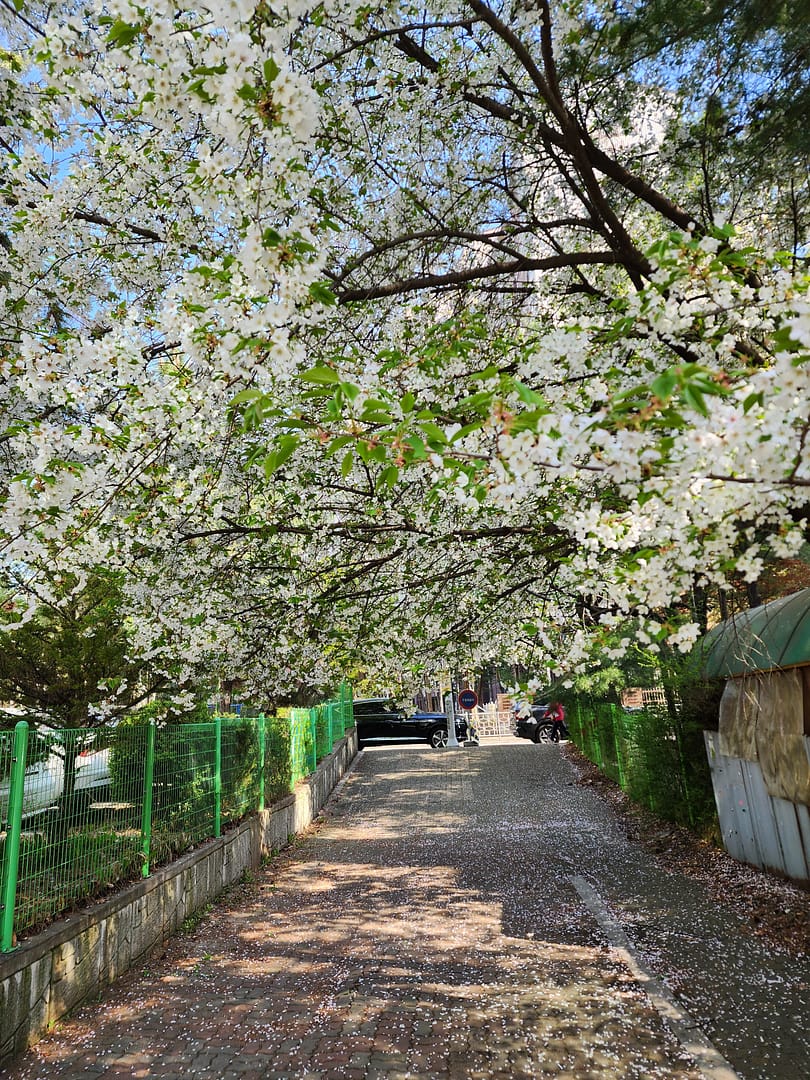




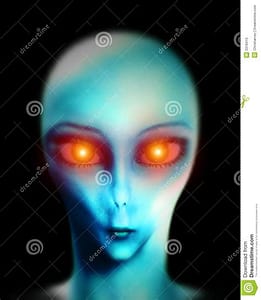

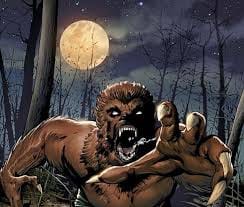
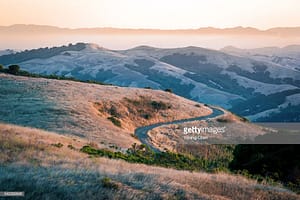







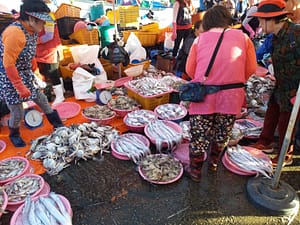
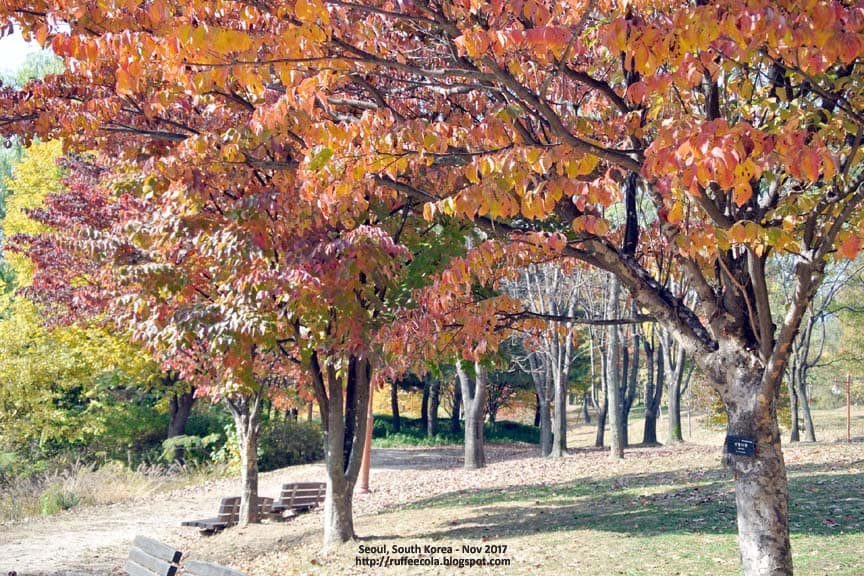


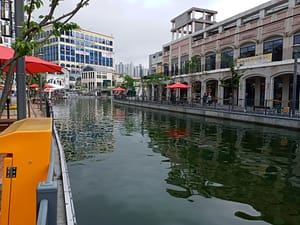
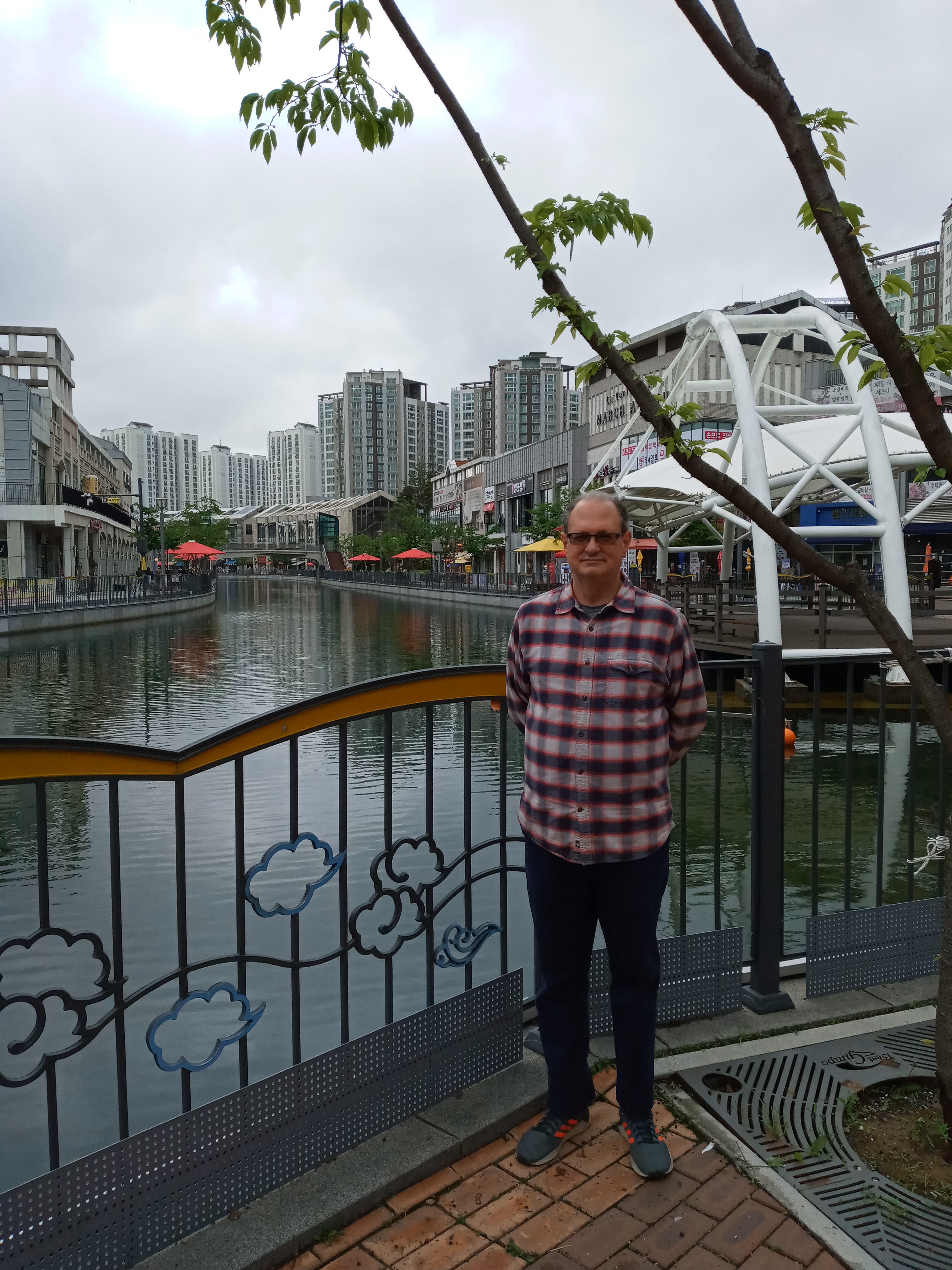
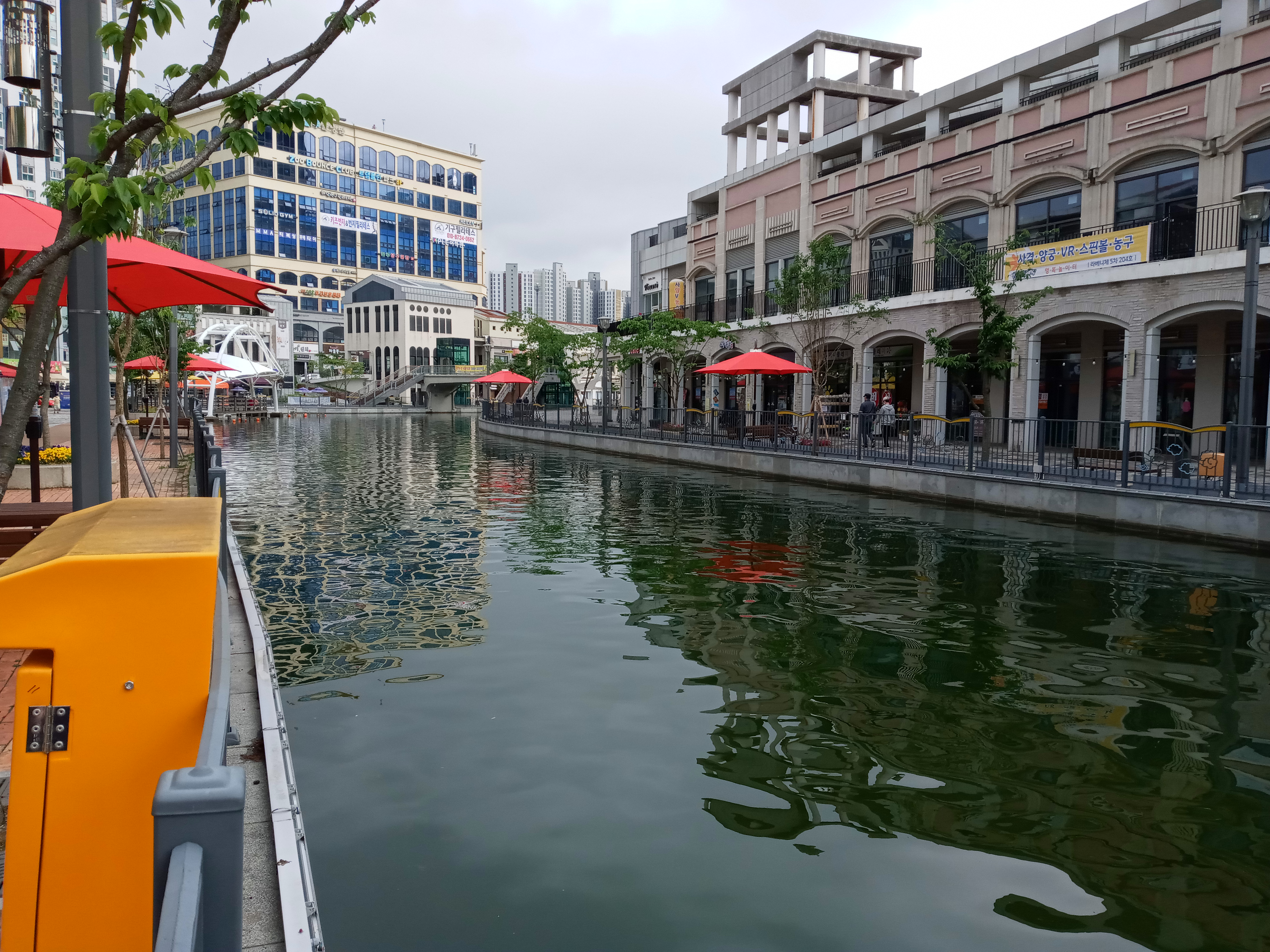









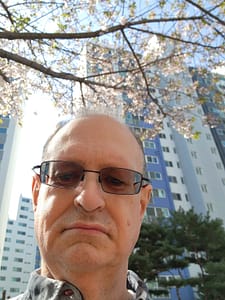
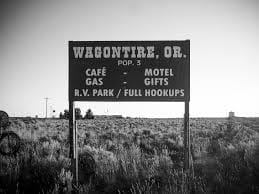





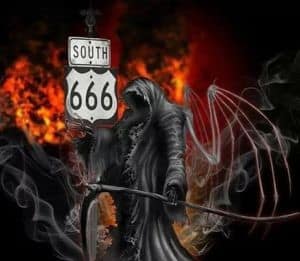





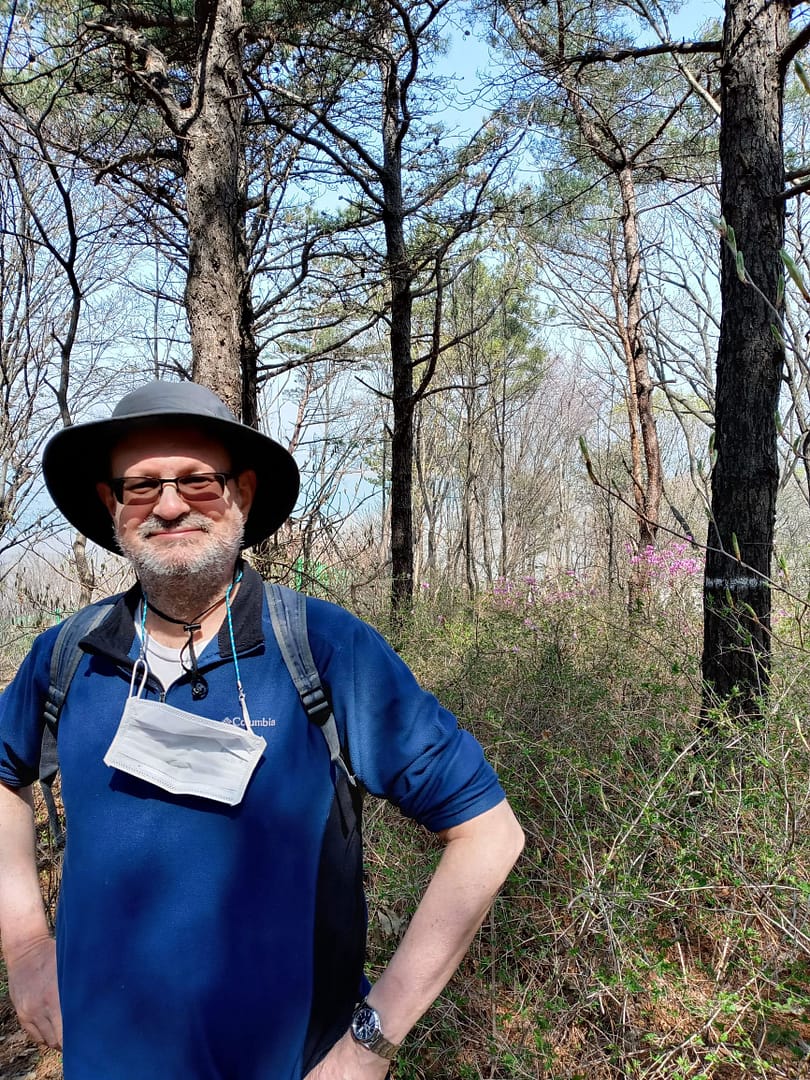







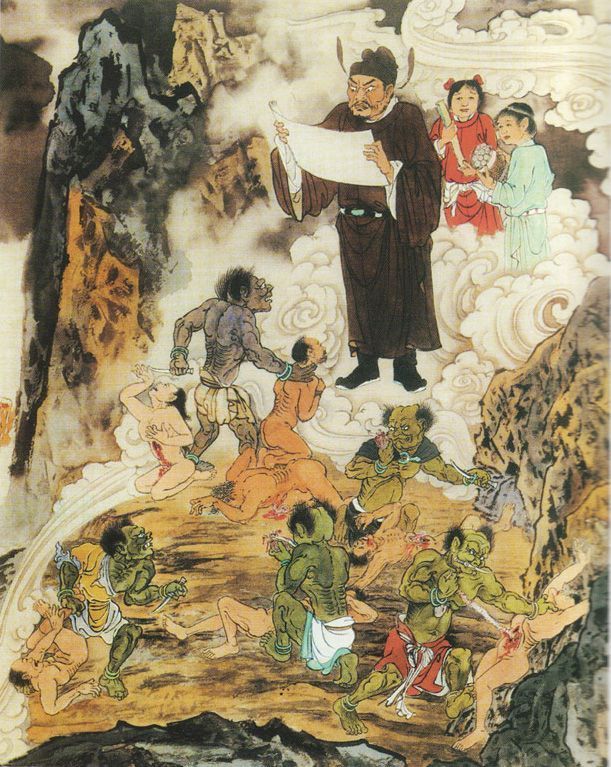
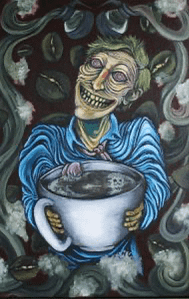




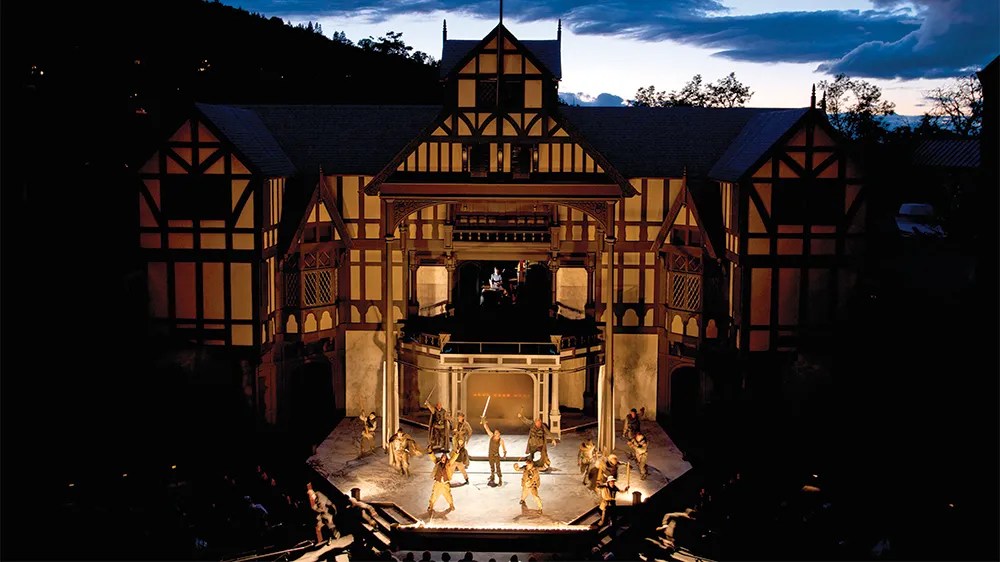
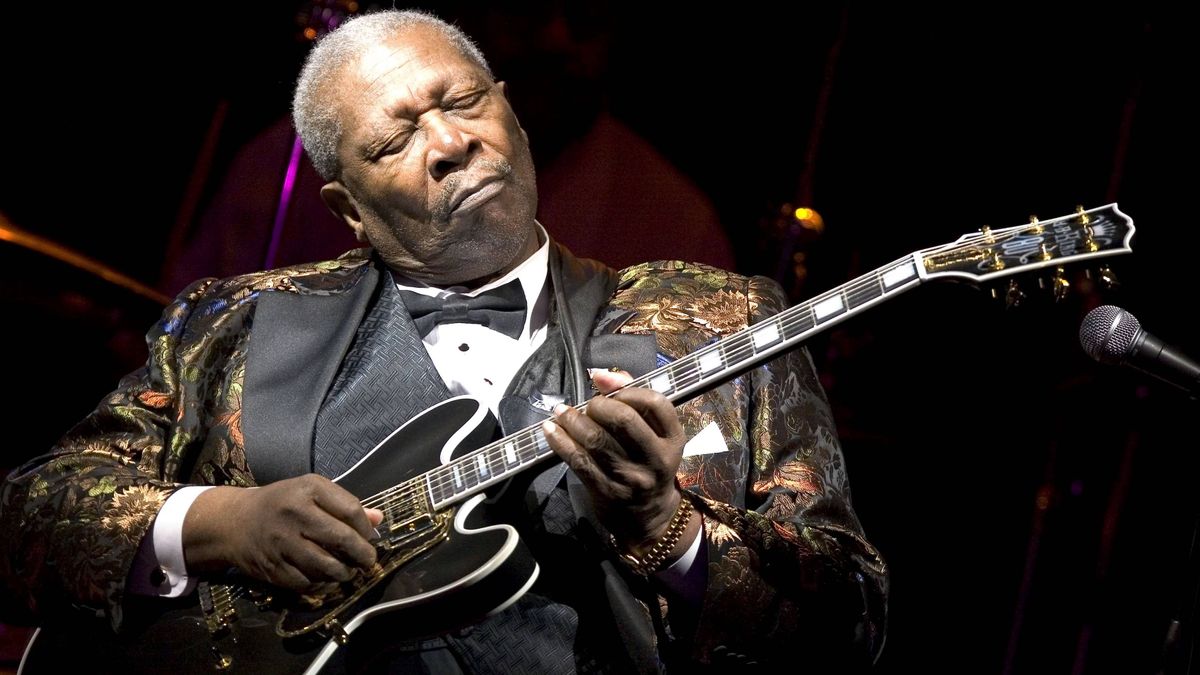
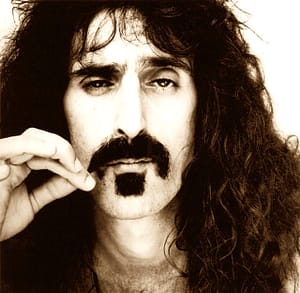
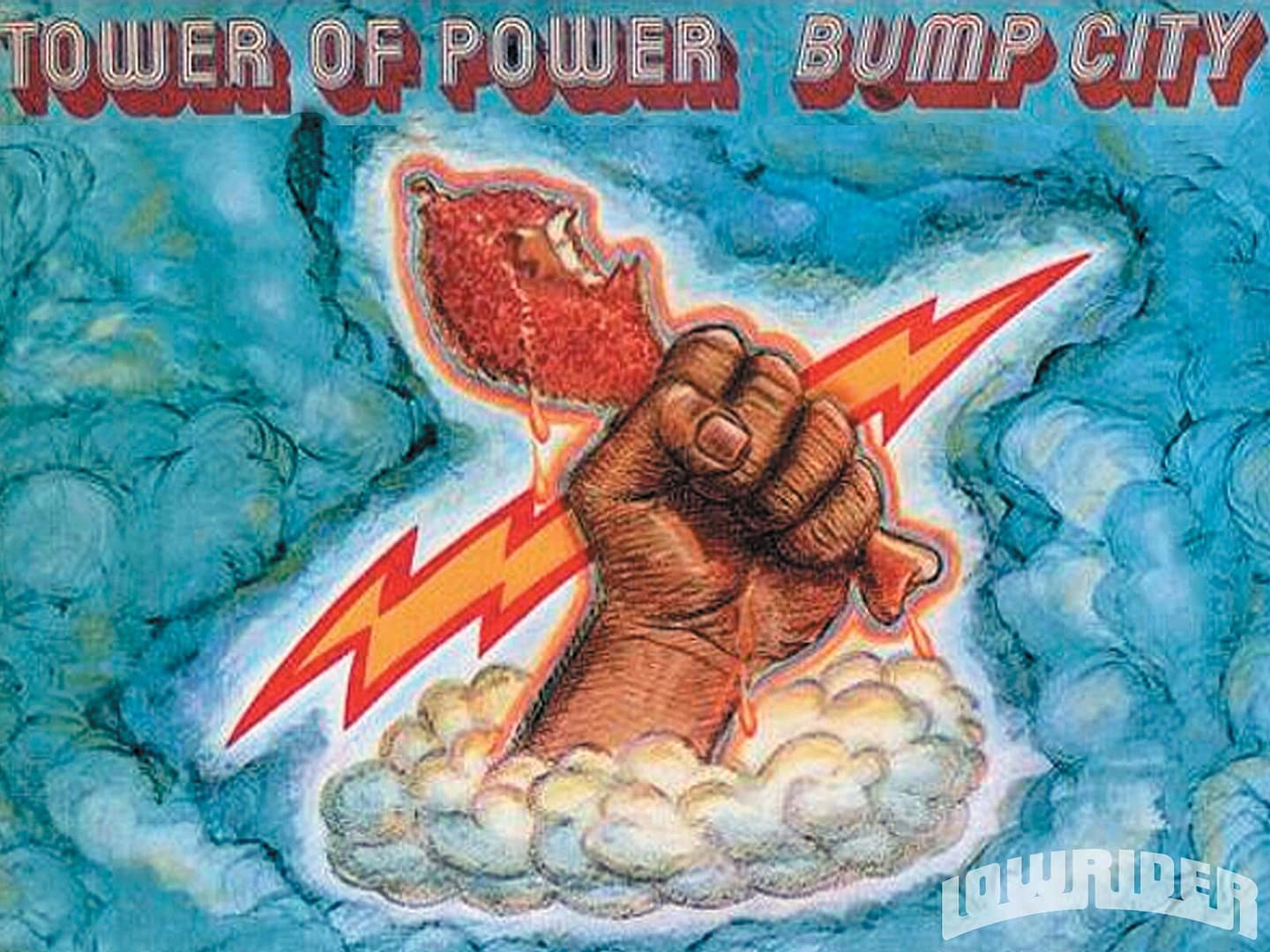





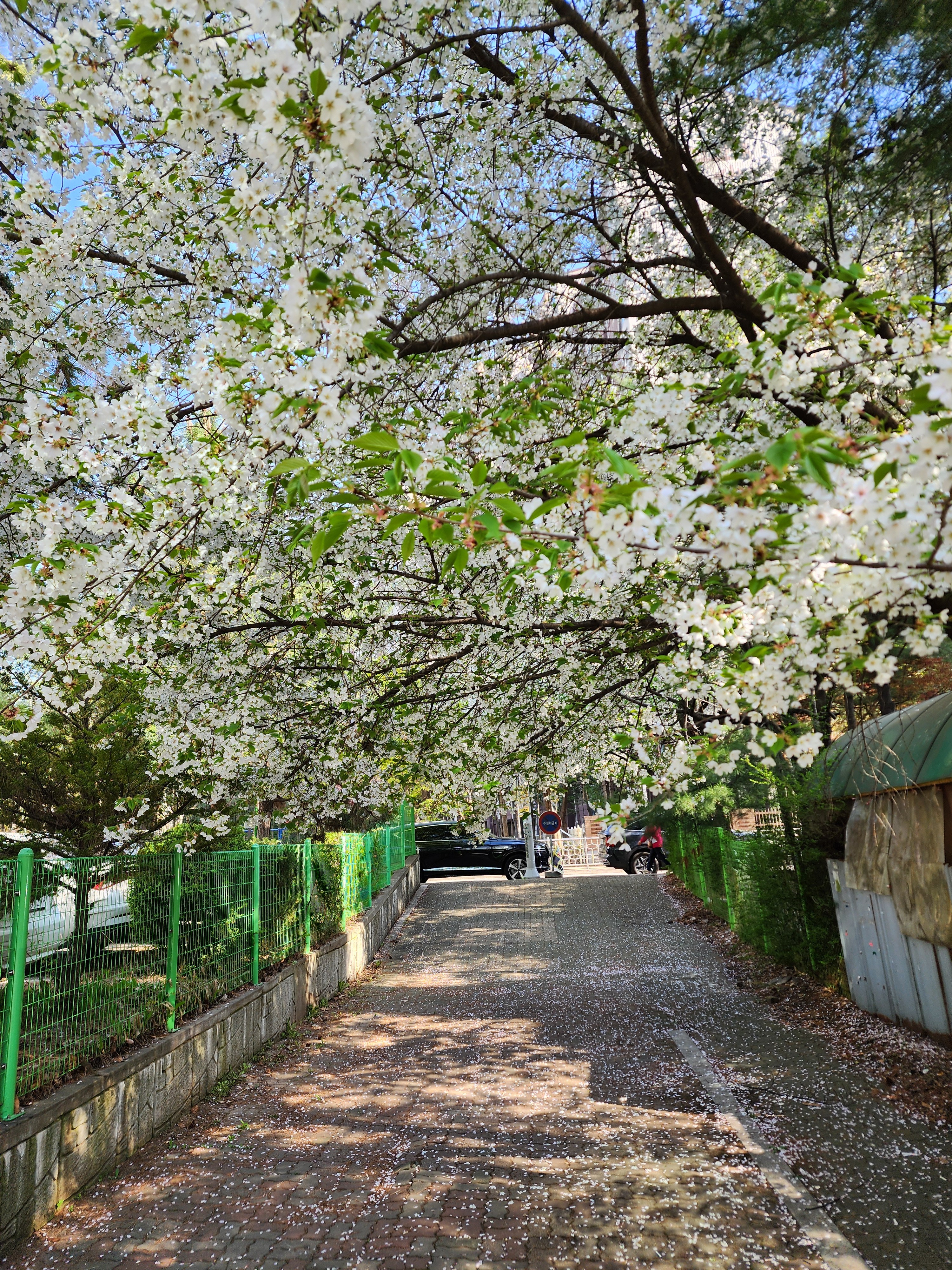
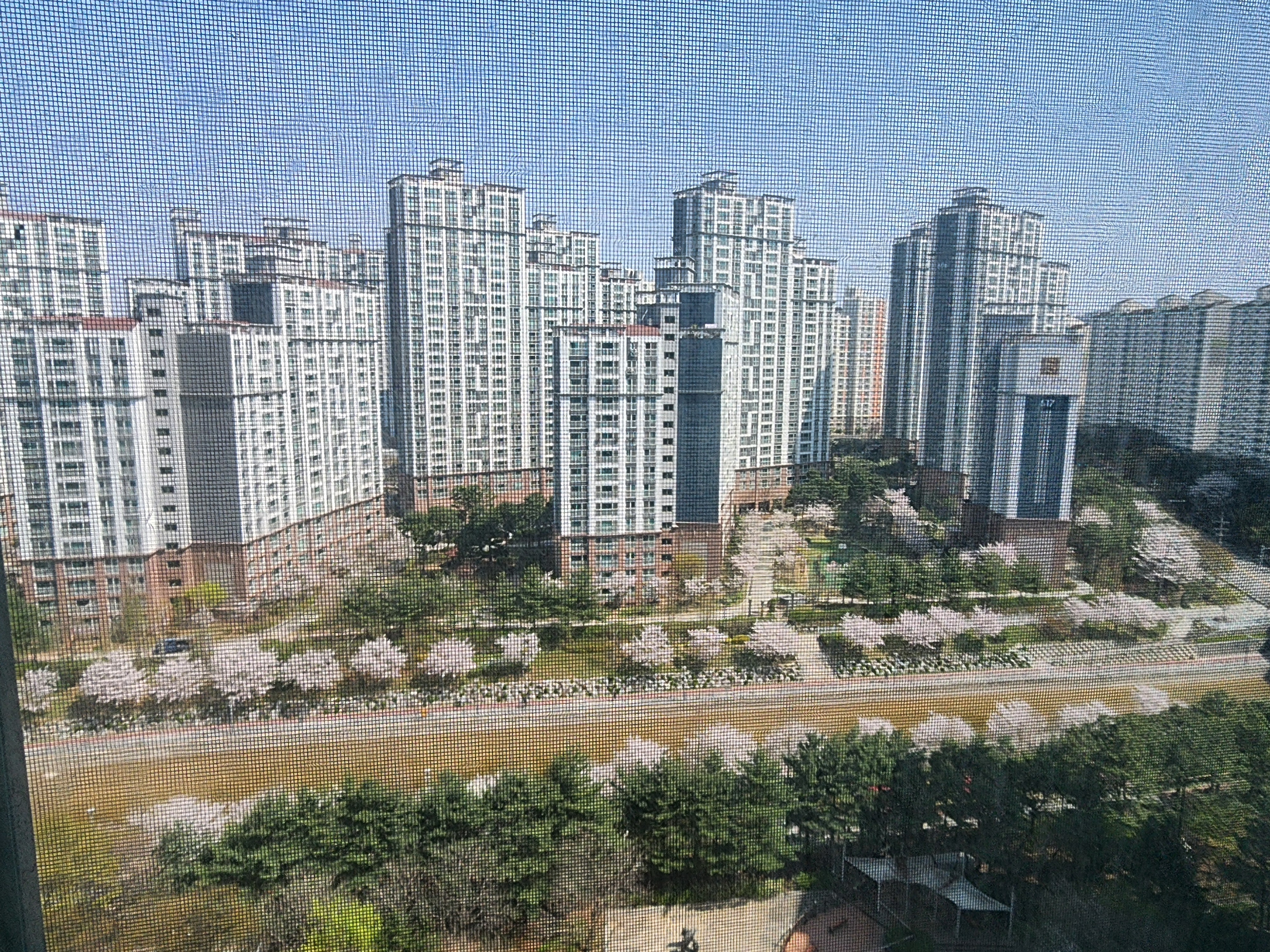

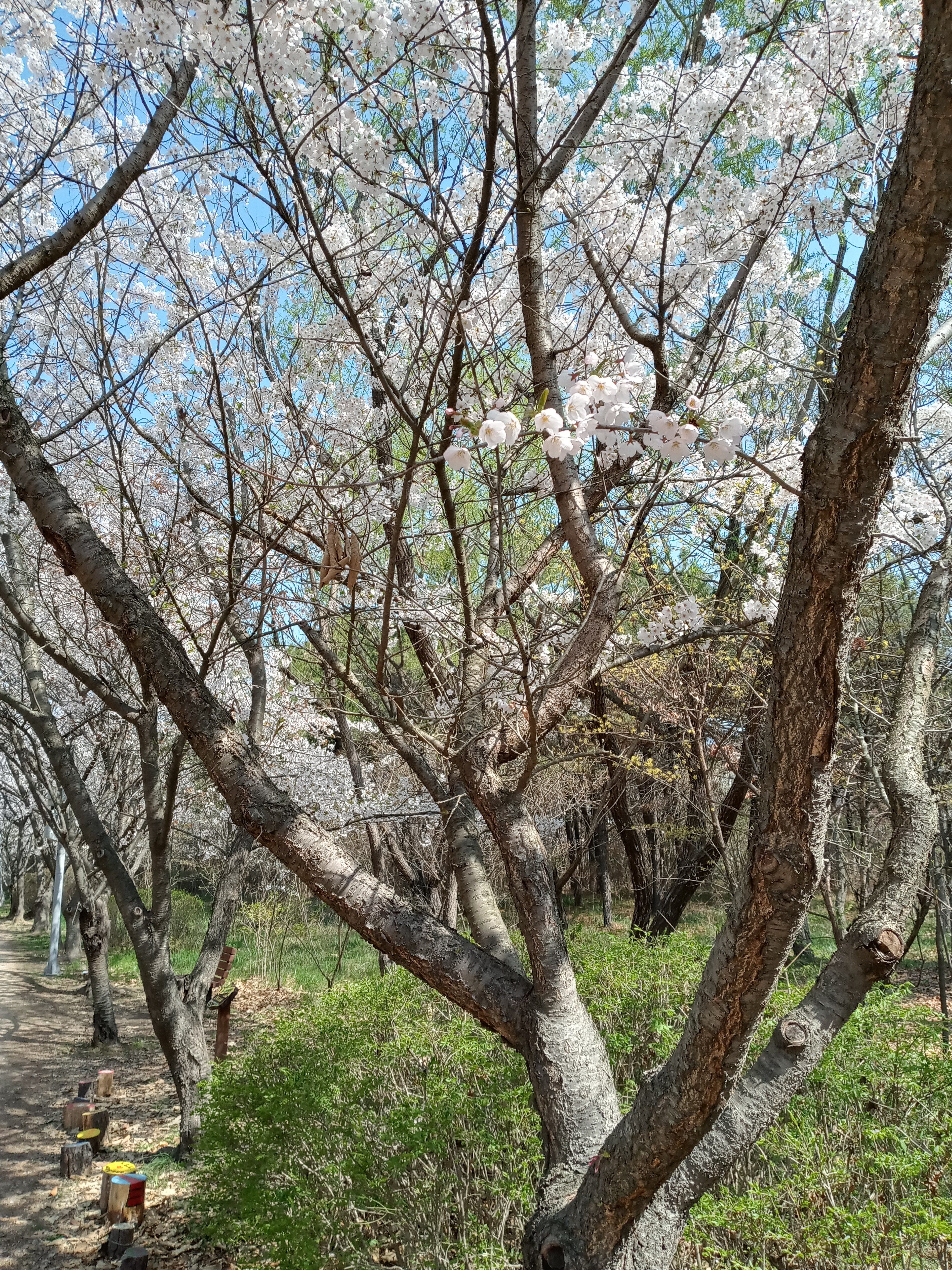
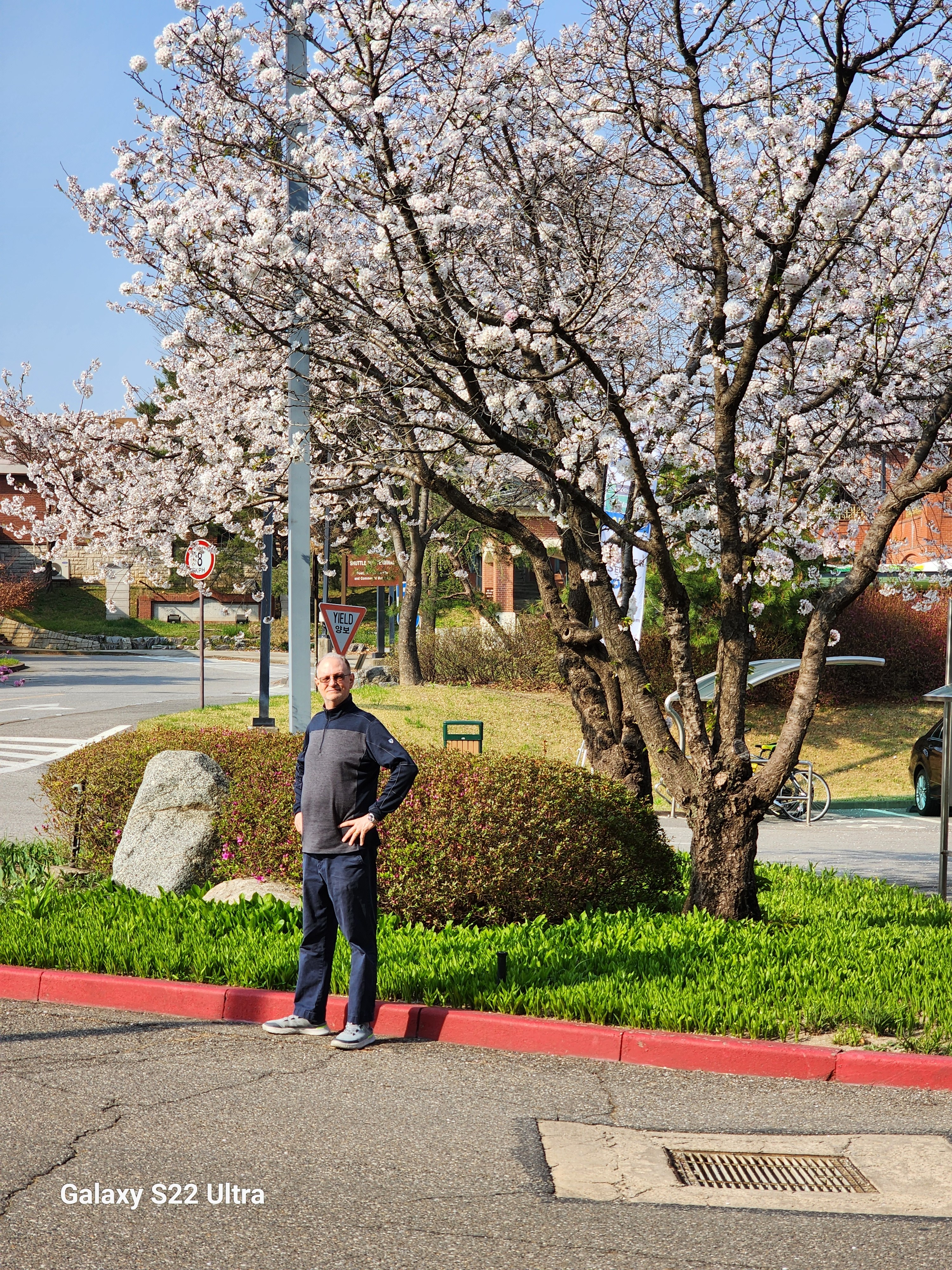
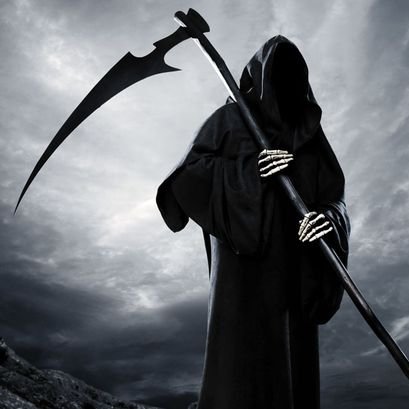 J
J