Category: books read

  • Writing.com Updates

    Writing.com Updates

    Writing.Com Updates

    Close up of books on desk in library.
    Close up of books on desk in library.

    Recent Writing Com Creative Writing

    Writing.com Got an Update

    Writing.Com Just Got an Upgrade

    Close up of books on desk in library.
    Close up of books on desk in library.

    Recent Writing Com Creative Writing

    I have some great news: Writing.Com — one of my daily go‑to sites — has received a major upgrade! I’ve been a member since 2016, writing under the handle J Cosmos, and the site has played a huge role in my growth as a writer.

    If you’re curious, check it all out at Writing.com and consider joining the community.
    You can also explore my portfolio here:

    http://jcosmos.Writing.Com/

    Over the years, I’ve grown tremendously through daily writing challenges, contests, and the feedback of a wonderfully supportive community. I now have more than 1,000 pieces posted on the site.

    Writing.Com Update Announcement

    Writing.Com recently rolled out a series of updates designed to make your writing experience cleaner, simpler, and more focused.

    What’s New

    🖋️ New Editor (Now the Default)
    A brand‑new writing editor is now the default for all members. Prefer the classic version? You can switch back anytime.

    📰 Revamped Newsfeed
    Cleaner layout, more welcoming design, and new Trending and Most Reacted sections to highlight community favorites.

    🎨 Visual Skins
    You can now preview skins before choosing them — a huge improvement! Find them under My Account → Skins & Themes or directly from the header.

    🏠 Simpler Front Page
    The homepage has been redesigned to be more user‑friendly and less cluttered. Feel free to share it and invite friends.

    🔴 Updated Logo & Navigation
    Refined and simplified so your writing stands out even more.

    Writing.Com continues to evolve thoughtfully and with writers in mind — and I’m genuinely excited about these changes.

    Writer’s Cramp

    Writer’s Cramp is one of my daily favorites. I participate about once a week and even win a few times each month. The Gift Points add up — sometimes enough for a free renewed membership!

    It’s a fast‑paced, creativity‑first daily contest. Grammar is not judged — the focus is on imagination and responding to the prompt within 24 hours.

    Daily prompts appear in posts labeled WINNER AND NEW PROMPT.
    Entries must:

    • use a newly created static item
      • be posted by 11:59 a.m. (WDC time)
      • follow all prompt requirements
      • stay under 1,000 words (stories) or 40 lines (poetry)

    The latest prompt:

    “You’ve dreamed of attending the Winter Olympics your entire life. In 2026, you finally get your chance in Milan. Something unexpected happens… What is it, and how does it impact you?”

    Express in Eight

    Express in Eight is another wonderful challenge: write a poem in exactly eight lines. It’s precision, conciseness, and creativity combined.

    I love poetry — reading it, writing it, sharing it, wandering through it — and this challenge is always a joy.

    Participants can write to posted prompts or compose freely. At month’s end, a random contributor receives either a 10K Awardicon or a Merit Badge.

    Recent prompts include:

    FEBRUARY 2026
    EIGHT – 02. 20, 21, 22, 23 .26

    EIGHT – 02.20.26
    WRITE A POEM ABOUT A MAGICIAN.

    EIGHT – 02.21.26
    WRITE A POEM ABOUT A SPECIAL COOKIE.

    EIGHT – 02.22.26
    WRITE A POEM ‘SO PREHISTORIC’.

    EIGHT – 02.23.26
    WRITE A CRUMPLED POEM.

    #3. magic cookies
    ID #1109061 entered on February 22, 2026 at 11:20pm   [Edit]   [0 views]


    1. more on Political Gravity
      ID #1108673entered on February 18, 2026 at 7:57pm   [Edit]   [6 views]

    #1. Law of Political Gravity


    Poet’s Place

    Poet’s Place offers weekly discussions about the craft of poetry, with prompts and writing challenges. This month’s focus is African‑American poetic history and forms in honor of Black History Month. One featured form is the Kwansaba — seven lines, seven words each, and no word longer than seven letters.

    Here are a few of my recent contributions:

    The Kwansaba is an African-American form of praise, inspired by the Kwanzaa celebration of family, community, and culture ( https://www.officialkwanzaawebsite.org/ ). The structure is based on the seven principles of Kwanzaa: 7 lines, 7 words per line, no word exceeds 7 characters, as described and demonstrated in the following links:

    https://www.poetrymagnumopus.com/topic/2769-kwansaba/

    https://www.writersdigest.com/write-better-poetry/kwansaba-poetic-forms

    https://ronrowland.com/kwansaba-praise/


    Here are some of my contributions to the Poet’s Place discussion forum


    #69. True Love Kwansaba
    ID #1108912 entered on February 21, 2026 at 1:56am   [Edit]   [2 views]

    #68. true Love Eintou
    ID #1108381 entered on February 14, 2026 at 11:31pm   [Edit]   [7 views]

    #67. Trumpian Nightmares Continued
    ID #1107230 entered on January 31, 2026 at 10:23pm   [Edit]   [11 views]

    #66. So many Lies Hultan
    ID #1106194 entered on January 17, 2026 at 12:36pm   [Edit]   [20 views]

    #65. Epstein’s Ghost Pantoum
    ID #1104344 entered on December 24, 2025 at 11:05am   [Edit]   [90 views]

    #64. I fear the Grim Reaper is coming
    ID #1104017 entered on December 20, 2025 at 7:24am   [Edit]   [48 views]

    #63. Insomnia Nightmare Cornish Sonnet
    ID #1103567 entered on December 13, 2025 at 9:25am   [Edit]   [52 views]

    #62. Endecha Poem
    ID #1103215 entered on December 8, 2025 at 8:29am   [Edit]   [40 views]

    #61. what’s going On?
    ID #1102927 entered on December 4, 2025 at 8:10am   [Edit]   [47 views]

    #60. The News Blues Musette Poem
    ID #1102146 entered on November 22, 2025 at 3:31am   [Edit]   [43 views]

    #59. I am Happy Rondolet
    ID #1101635 entered on November 15, 2025 at 12:51am   [Edit]   [42 views]

    #58. North Korean Rice Pot Speaks Up – Owner Goes to Prison
    ID #1101358 entered on November 10, 2025 at 11:30pm   [Edit]   [46 views]

    #57. Democrats Had a Good Night
    ID #1101012 entered on November 6, 2025 at 8:13pm   [Edit]   [49 views]

    #56. Government Shutdown Shanzi
    ID #1100687 entered on November 1, 2025 at 11:32pm   [Edit]   [53 views]

    #55. Chaos Aquarian Poem
    ID #1100684 entered on November 1, 2025 at 11:21pm   [Edit]   [59 views]

    #54. Choose Democracy Cascade Poem
    ID #1099441 entered on October 16, 2025 at 9:09pm   [Edit]   [56 views]

    #53. Too Many Men with a Gun
    ID #1099258 entered on October 13, 2025 at 9:41pm   [Edit]   [43 views]

    #52. Too Many Guns Trois-par-Huit ghosts Say Bye
    ID #1097820 entered on September 21, 2025 at 9:31pm   [Edit]   [38 views]

    #51. Every morning When I watch the news
    ID #1096071 entered on August 28, 2025 at 7:48pm   [Edit]   [71 views]

    #50. First Kiss Memories to last a life time
    ID #1096070 entered on August 28, 2025 at 7:29pm   [Edit]   [53 views]

    #49. gun Terza Rima Poem
    ID #1096069 entered on August 28, 2025 at 7:11pm   [Edit]   [78 views]

    #48. Gun Corona
    ID #1096064 entered on August 28, 2025 at 6:08pm   [Edit]   [57 views]

    #47. sci-Fi Haiku five poems
    ID #1094989 entered on August 9, 2025 at 5:37pm   [Edit]   [48 views]

    #46. alligator ALcatraz Sparrowlet
    ID #1094041 entered on July 24, 2025 at 6:57pm   [Edit]   [81 views]

    #45. Alligator Alcatraz Prison Trimericc
    ID #1093832 entered on July 21, 2025 at 2:19pm   [Edit]   [72 views]


    Weekly Challenge

    The Weekly Challenge has been running for five years, and I’ve participated in the last three. Each week includes a visual prompt and a list of optional words to incorporate. Minimum 12 lines, no maximum.

    Join Us!

    Writing.Com is a fun, useful, and welcoming site for writers of all kinds. It has helped me grow, experiment, and connect with others who love the craft.

    Here are my recent contributions


    Prompt/Week # 27

    Write a poem using at least 3 these words:
    clock, dwindle, dazzle, frame, collide, singing.


    Poem should be inspired by the prompt/image in some way
    A minimum of 12 lines, no maximum
    There are no form requirements
    Your submission must be newly written for this week’s promp


    #77. The Clock Chimes at O Dark Hundred
    ID #1108674 entered on February 18, 2026 at 8:11pm   [Edit]   [4 views]

    #76. My Room with a View
    ID #1108281 entered on February 13, 2026 at 5:23pm   [Edit]   [1 views]

    #75. My Room with a View
    ID #1108280 entered on February 13, 2026 at 5:19pm   [Edit]   [4 views]

    #74. Whether to Stay
    ID #1107661 entered on February 5, 2026 at 6:04pm   [Edit]   [8 views]

    #73. SNOWFLAKE
    ID #1107224 entered on January 31, 2026 at 8:10pm   [Edit]   [9 views]

    #72. Equality Under Attack
    ID #1106724 entered on January 24, 2026 at 6:52pm   [Edit]   [10 views]

    #71. Growing up Near the Pacific Ocean
    ID #1105829 entered on January 12, 2026 at 9:52am   [Edit]   [17 views]

    #70. Blue DragonFly Leads the Alien Attack
    ID #1105304 entered on January 6, 2026 at 6:03pm   [Edit]   [19 views]

    #69. Thinking About What May Be
    ID #1104183 entered on December 22, 2025 at 10:37am   [Edit]   [24 views]

    #68. Epstein’s Ghost Cinquin
    ID #1104179 entered on December 22, 2025 at 10:22am   [Edit]   [23 views]

    #67. week 18 Chocolate Chip Cookies on A Winter Morning
    ID #1103698 entered on December 15, 2025 at 10:30am   [Edit]   [22 views]

    #66. week 17 anxiety insomnia blues
    ID #1103220 entered on December 8, 2025 at 9:35am   [Edit]   [29 views]

    #65. Week 16 If I Were a Snowflake
    ID #1102859 entered on December 3, 2025 at 4:08am   [Edit]   [39 views]

    #64. Week 15 Eintou
    ID #1102858 entered on December 3, 2025 at 4:01am   [Edit]   [30 views]

    #63. Week 12 Insomniac Nightmare Blues
    ID #1101924 entered on November 19, 2025 at 12:37am   [Edit]   [28 views]

    #62. week 14 Finding Happiness in Small Things
    ID #1101922 entered on November 19, 2025 at 12:20am   [Edit]   [24 views]

    #61. week 11 the Turkey Vrs the Eagle Grand Debate
    ID #1101462 entered on November 15, 2025 at 12:56am   [Edit]   [27 views]

    #60. Week TenTime
    ID #1100689 entered on November 1, 2025 at 11:52pm   [Edit]   [31 views]

    #59. Week Eleven Encounters with the Great Pumpkin
    ID #1100688 entered on November 1, 2025 at 11:37pm   [Edit]   [36 views]

    #58. Week Night Little Red Riding Hood Meets the Wolf
    ID #1099538 entered on October 18, 2025 at 3:26am   [Edit]   [36 views]

    #57. Week Eight Magic Nine Poem About Watching the News
    ID #1098856 entered on October 7, 2025 at 7:51pm   [Edit]   [51 views]

    #56. week seven Luck
    ID #1098818 entered on October 7, 2025 at 5:33am   [Edit]   [39 views]

    #55. week five the future is beyond our reach
    ID #1097874 entered on September 22, 2025 at 2:54pm   [Edit]   [36 views]

    #54. week six possibilities
    ID #1097873 entered on September 22, 2025 at 2:45pm   [Edit]   [31 views]

    #53. Week four BOP It is Happening Here
    ID #1097011 entered on September 9, 2025 at 3:25pm   [Edit]   [60 views]


    So log in today, explore the challenges, share your work — and join in the fun.
    Tell them Cosmos sent you!

    Thanks for reading.

    Jake (aka J Cosmos)
    Writing.Com Preferred Member

    February 23, 2026, 8:36 am 0 boosts 0 favorites

    I have some great news: Writing.Com — one of my daily go‑to sites — has received a major upgrade! I’ve been a member since 2016, writing under the handle J Cosmos, and the site has played a huge role in my growth as a writer.

    If you’re curious, check it all out at Writing.com and consider joining the community.
    You can also explore my portfolio here:

    http://jcosmos.Writing.Com/

    Over the years, I’ve grown tremendously through daily writing challenges, contests, and the feedback of a wonderfully supportive community. I now have more than 1,000 pieces posted on the site.

    Writing.Com Update Announcement

    Writing.Com recently rolled out a series of updates designed to make your writing experience cleaner, simpler, and more focused.

    What’s New

    🖋️ New Editor (Now the Default)
    A brand‑new writing editor is now the default for all members. Prefer the classic version? You can switch back anytime.

    📰 Revamped Newsfeed
    Cleaner layout, more welcoming design, and new Trending and Most Reacted sections to highlight community favorites.

    🎨 Visual Skins
    You can now preview skins before choosing them — a huge improvement! Find them under My Account → Skins & Themes or directly from the header.

    🏠 Simpler Front Page
    The homepage has been redesigned to be more user‑friendly and less cluttered. Feel free to share it and invite friends.

    🔴 Updated Logo & Navigation
    Refined and simplified so your writing stands out even more.

    Writing.Com continues to evolve thoughtfully and with writers in mind — and I’m genuinely excited about these changes.

    Writer’s Cramp

    Writer’s Cramp is one of my daily favorites. I participate about once a week and even win a few times each month. The Gift Points add up — sometimes enough for a free renewed membership!

    It’s a fast‑paced, creativity‑first daily contest. Grammar is not judged — the focus is on imagination and responding to the prompt within 24 hours.

    Daily prompts appear in posts labeled WINNER AND NEW PROMPT.
    Entries must:

    • use a newly created static item
      • be posted by 11:59 a.m. (WDC time)
      • follow all prompt requirements
      • stay under 1,000 words (stories) or 40 lines (poetry)

    The latest prompt:

    “You’ve dreamed of attending the Winter Olympics your entire life. In 2026, you finally get your chance in Milan. Something unexpected happens… What is it, and how does it impact you?”

    Express in Eight

    Express in Eight is another wonderful challenge: write a poem in exactly eight lines. It’s precision, conciseness, and creativity combined.

    I love poetry — reading it, writing it, sharing it, wandering through it — and this challenge is always a joy.

    Participants can write to posted prompts or compose freely. At month’s end, a random contributor receives either a 10K Awardicon or a Merit Badge.

    Recent prompts include:

    FEBRUARY 2026
    EIGHT – 02. 20, 21, 22, 23 .26

    EIGHT – 02.20.26
    WRITE A POEM ABOUT A MAGICIAN.

    EIGHT – 02.21.26
    WRITE A POEM ABOUT A SPECIAL COOKIE.

    EIGHT – 02.22.26
    WRITE A POEM ‘SO PREHISTORIC’.

    EIGHT – 02.23.26
    WRITE A CRUMPLED POEM.

    #3. magic cookies
    ID #1109061 entered on February 22, 2026 at 11:20pm   [Edit]   [0 views]


    1. more on Political Gravity
      ID #1108673entered on February 18, 2026 at 7:57pm   [Edit]   [6 views]

    #1. Law of Political Gravity


    Poet’s Place

    Poet’s Place offers weekly discussions about the craft of poetry, with prompts and writing challenges. This month’s focus is African‑American poetic history and forms in honor of Black History Month. One featured form is the Kwansaba — seven lines, seven words each, and no word longer than seven letters.

    Here are a few of my recent contributions:

    The Kwansaba is an African-American form of praise, inspired by the Kwanzaa celebration of family, community, and culture ( https://www.officialkwanzaawebsite.org/ ). The structure is based on the seven principles of Kwanzaa: 7 lines, 7 words per line, no word exceeds 7 characters, as described and demonstrated in the following links:

    https://www.poetrymagnumopus.com/topic/2769-kwansaba/

    https://www.writersdigest.com/write-better-poetry/kwansaba-poetic-forms

    https://ronrowland.com/kwansaba-praise/


    Here are some of my contributions to the Poet’s Place discussion forum


    #69. True Love Kwansaba
    ID #1108912 entered on February 21, 2026 at 1:56am   [Edit]   [2 views]

    #68. true Love Eintou
    ID #1108381 entered on February 14, 2026 at 11:31pm   [Edit]   [7 views]

    #67. Trumpian Nightmares Continued
    ID #1107230 entered on January 31, 2026 at 10:23pm   [Edit]   [11 views]

    #66. So many Lies Hultan
    ID #1106194 entered on January 17, 2026 at 12:36pm   [Edit]   [20 views]

    #65. Epstein’s Ghost Pantoum
    ID #1104344 entered on December 24, 2025 at 11:05am   [Edit]   [90 views]

    #64. I fear the Grim Reaper is coming
    ID #1104017 entered on December 20, 2025 at 7:24am   [Edit]   [48 views]

    #63. Insomnia Nightmare Cornish Sonnet
    ID #1103567 entered on December 13, 2025 at 9:25am   [Edit]   [52 views]

    #62. Endecha Poem
    ID #1103215 entered on December 8, 2025 at 8:29am   [Edit]   [40 views]

    #61. what’s going On?
    ID #1102927 entered on December 4, 2025 at 8:10am   [Edit]   [47 views]

    #60. The News Blues Musette Poem
    ID #1102146 entered on November 22, 2025 at 3:31am   [Edit]   [43 views]

    #59. I am Happy Rondolet
    ID #1101635 entered on November 15, 2025 at 12:51am   [Edit]   [42 views]

    #58. North Korean Rice Pot Speaks Up – Owner Goes to Prison
    ID #1101358 entered on November 10, 2025 at 11:30pm   [Edit]   [46 views]

    #57. Democrats Had a Good Night
    ID #1101012 entered on November 6, 2025 at 8:13pm   [Edit]   [49 views]

    #56. Government Shutdown Shanzi
    ID #1100687 entered on November 1, 2025 at 11:32pm   [Edit]   [53 views]

    #55. Chaos Aquarian Poem
    ID #1100684 entered on November 1, 2025 at 11:21pm   [Edit]   [59 views]

    #54. Choose Democracy Cascade Poem
    ID #1099441 entered on October 16, 2025 at 9:09pm   [Edit]   [56 views]

    #53. Too Many Men with a Gun
    ID #1099258 entered on October 13, 2025 at 9:41pm   [Edit]   [43 views]

    #52. Too Many Guns Trois-par-Huit ghosts Say Bye
    ID #1097820 entered on September 21, 2025 at 9:31pm   [Edit]   [38 views]

    #51. Every morning When I watch the news
    ID #1096071 entered on August 28, 2025 at 7:48pm   [Edit]   [71 views]

    #50. First Kiss Memories to last a life time
    ID #1096070 entered on August 28, 2025 at 7:29pm   [Edit]   [53 views]

    #49. gun Terza Rima Poem
    ID #1096069 entered on August 28, 2025 at 7:11pm   [Edit]   [78 views]

    #48. Gun Corona
    ID #1096064 entered on August 28, 2025 at 6:08pm   [Edit]   [57 views]

    #47. sci-Fi Haiku five poems
    ID #1094989 entered on August 9, 2025 at 5:37pm   [Edit]   [48 views]

    #46. alligator ALcatraz Sparrowlet
    ID #1094041 entered on July 24, 2025 at 6:57pm   [Edit]   [81 views]

    #45. Alligator Alcatraz Prison Trimericc
    ID #1093832 entered on July 21, 2025 at 2:19pm   [Edit]   [72 views]


    Weekly Challenge

    The Weekly Challenge has been running for five years, and I’ve participated in the last three. Each week includes a visual prompt and a list of optional words to incorporate. Minimum 12 lines, no maximum.

    Join Us!

    Writing.Com is a fun, useful, and welcoming site for writers of all kinds. It has helped me grow, experiment, and connect with others who love the craft.

    Here are my recent contributions


    Prompt/Week # 27

    Write a poem using at least 3 these words:
    clock, dwindle, dazzle, frame, collide, singing.


    Poem should be inspired by the prompt/image in some way
    A minimum of 12 lines, no maximum
    There are no form requirements
    Your submission must be newly written for this week’s promp


    #77. The Clock Chimes at O Dark Hundred
    ID #1108674 entered on February 18, 2026 at 8:11pm   [Edit]   [4 views]

    #76. My Room with a View
    ID #1108281 entered on February 13, 2026 at 5:23pm   [Edit]   [1 views]

    #75. My Room with a View
    ID #1108280 entered on February 13, 2026 at 5:19pm   [Edit]   [4 views]

    #74. Whether to Stay
    ID #1107661 entered on February 5, 2026 at 6:04pm   [Edit]   [8 views]

    #73. SNOWFLAKE
    ID #1107224 entered on January 31, 2026 at 8:10pm   [Edit]   [9 views]

    #72. Equality Under Attack
    ID #1106724 entered on January 24, 2026 at 6:52pm   [Edit]   [10 views]

    #71. Growing up Near the Pacific Ocean
    ID #1105829 entered on January 12, 2026 at 9:52am   [Edit]   [17 views]

    #70. Blue DragonFly Leads the Alien Attack
    ID #1105304 entered on January 6, 2026 at 6:03pm   [Edit]   [19 views]

    #69. Thinking About What May Be
    ID #1104183 entered on December 22, 2025 at 10:37am   [Edit]   [24 views]

    #68. Epstein’s Ghost Cinquin
    ID #1104179 entered on December 22, 2025 at 10:22am   [Edit]   [23 views]

    #67. week 18 Chocolate Chip Cookies on A Winter Morning
    ID #1103698 entered on December 15, 2025 at 10:30am   [Edit]   [22 views]

    #66. week 17 anxiety insomnia blues
    ID #1103220 entered on December 8, 2025 at 9:35am   [Edit]   [29 views]

    #65. Week 16 If I Were a Snowflake
    ID #1102859 entered on December 3, 2025 at 4:08am   [Edit]   [39 views]

    #64. Week 15 Eintou
    ID #1102858 entered on December 3, 2025 at 4:01am   [Edit]   [30 views]

    #63. Week 12 Insomniac Nightmare Blues
    ID #1101924 entered on November 19, 2025 at 12:37am   [Edit]   [28 views]

    #62. week 14 Finding Happiness in Small Things
    ID #1101922 entered on November 19, 2025 at 12:20am   [Edit]   [24 views]

    #61. week 11 the Turkey Vrs the Eagle Grand Debate
    ID #1101462 entered on November 15, 2025 at 12:56am   [Edit]   [27 views]

    #60. Week TenTime
    ID #1100689 entered on November 1, 2025 at 11:52pm   [Edit]   [31 views]

    #59. Week Eleven Encounters with the Great Pumpkin
    ID #1100688 entered on November 1, 2025 at 11:37pm   [Edit]   [36 views]

    #58. Week Night Little Red Riding Hood Meets the Wolf
    ID #1099538 entered on October 18, 2025 at 3:26am   [Edit]   [36 views]

    #57. Week Eight Magic Nine Poem About Watching the News
    ID #1098856 entered on October 7, 2025 at 7:51pm   [Edit]   [51 views]

    #56. week seven Luck
    ID #1098818 entered on October 7, 2025 at 5:33am   [Edit]   [39 views]

    #55. week five the future is beyond our reach
    ID #1097874 entered on September 22, 2025 at 2:54pm   [Edit]   [36 views]

    #54. week six possibilities
    ID #1097873 entered on September 22, 2025 at 2:45pm   [Edit]   [31 views]

    #53. Week four BOP It is Happening Here
    ID #1097011 entered on September 9, 2025 at 3:25pm   [Edit]   [60 views]


    So log in today, explore the challenges, share your work — and join in the fun.
    Tell them Cosmos sent you!

    Thanks for reading.

    Jake (aka J Cosmos)
    Writing.Com Preferred Member

  • Cosmos’s Reading List 2025

    Cosmos’s Reading List 2025

    Cosmos’s Reading List 2025

    https://wp.me/p7NAzO-3L5

    Books Read 2024
    Cosmos Books Read 2021 Update
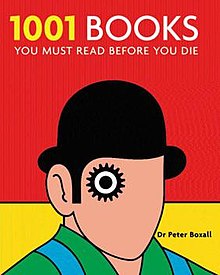
    1001 Books to Read Before You Die List

    Cosmos Books Read 2020

    Books read 2019

    books read during 2018

    Reading the Clasics Updated

    Cosmos Reading List 2022 Final Updates
    Reading TS Elliot
    Reading G Keith Chesterton


    2025 Reading Goals:

    200 books, 2,000 poems, etc total 3,000 to 4,000 books/poems/stories listed numerically and chronologically by month

    Read Classics finish reading books. You Must read series

    One Thriller Per Month

    One history/politics book per month

    Read A Lot More Poetry

    Read At Least One Book A Year in Spanish.

    Read At Least One Book A Year in Korean

    While in the States, get books from Little River Turnpike library,DC Library and from the Medford library using the following criteria

    One classic book

    One poetry book

    One Sci-fi book

    One history/politics book

    One current event book

    One thriller


    Buy the 2024 best SciFi read in the fall

    Buy the 2024 Best Poetry read in the fall


    Re-do Mod Po following Mod Po plus poems

    Start a different poetry course on Coursea

    Start and complete All poetry poetry courses


    Alternate between reading Kindle classics, poetry and other books

    I will try to finish reading classic books.  I have a collection from Kindle of 50 books to read before you die, in three volumes – 15O books in total. See the list below.  I have read many of them already which I have noted by bolding.  As I read them, I will add them to the chronological listing below, and also have the Harvard classic.  I had a hard copy set, but donated it, I have to read it on Kindle.  I will also continue to read lots of poetry from the Mod Po class, will do the slo-mo courses then re-do it in September, focusing on reading the additional poems I did not last time in Mod Po Plus.

    Numerical Listing

    Note: after reading each book, write a review for Bach’s Reading List and for Goodreads copy to my blog entry and cc Substack, Medium, Wattpad, Fan Story, and Writing.com.

    Then save under Review when posting on the blog post, Zamzar audio clip into the blog piece, and do Spotify and Substack podcasts, later Threads and YouTube vblog starting in the fall

     Before reading ask Co-pilot the following questions

    Please provide a synopsis, list of characters, author bio and list of books by the author, plus literary reputation.   please do not format to make it easier to cut and paste

    The List


    Fiction


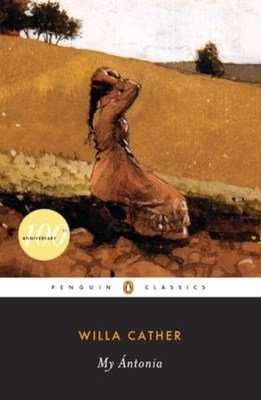
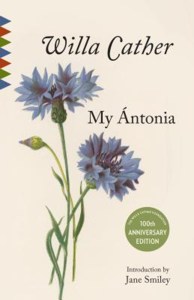
    Cather, Willa: My Ántonia From 50 Books Volume One

    Chopin, Kate: The Awakening From 50 Books Volume One

    Cummings, E. E.: The Enormous Room. From 50 Books Volume One

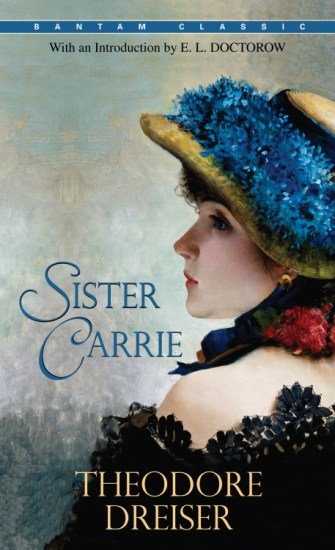
    Dreiser, Theodore: Sister Carrie  From 50 Books Volume One

    Janet Evanovich Plum Lucky Camp H library In Progress

    Janet Evanovich and Lee Goldberg,  the Job – Camp H Library

    Bobby Palmer Isaac and the Egg

    Fielding, Henry: Tom Jones TBC

    Flaubert, Gustave: Madame Bovary TBC  From 50 Books Volume One

    Flaubert, Gustave: Sentimental Education TBC  From 50 Books Volume One

    Ford, Ford Madox: The Good Soldier TBC  From 50 Books Volume One

    Gogol, Nikolai: Dead Souls TBC  From 50 Books Volume One

    Gorky, Maxim: The Mother TBC  From 50 Books Volume One

    Huxley, Aldous: Crome Yellow TBC  From 50 Books Volume One

    James, Henry: The Portrait of a Lady TBC  From 50 Books Volume One

    JM Baarre  Peter Pan (Peter and Wendy) TBC From 50 Books Volume Two

    BM Bower – Cabin Fever  TBC   TBC From 50 Books Volume Two

    Frances Hodgson Burnett The Secret Garden TBC  TBC From 50 Books Volume Two

    Hodgson Burnett A Little Princess  TBC  TBC From 50 Books Volume Two

    -Robert William Chambers  The King in Yellow  TBC  TBC From 50 Books Volume Two

    Wilkie Collins  The Woman in White  TBC  TBC From 50 Books Volume Two

    Richard Connell The Most Dangerous Game  TBC  TBC From 50 Books Volume Two

    Charles Darwin, On the Origin of Species, 6th Edition. TBC  TBC From 50 Books Volume Two

    Margaret Deland The Iron Woman  TBC  TBC From 50 Books Volume Two

    Andrew Lang  The Arabian Nights  TBC  TBC From 50 Books Volume Two

    Michael Proust- Swann’s Way   TBC  TBC From 50 Books Volume Two

    Emerson American Civilization (1862)

    Upton Sinclair It Can’t Happen Here 

    James Rollins Arkangel fairfax library

    Douglas Preston/Lincoln Child The Wheel of Darkness fairfax library

    Kaline Bradley the Ministry of Time fairfax library

    Preston and Child Relic (1995)

    Preston and Child Relic Reliquary (1997)

    Preston and Child Relic The Cabinet of Curiosities (2002)

    Preston and Child Relic The Book of the Dead (2006) 

    Preston and Child Relic The Obsidian Chamber (2016)

    Preston and Child Relic Riptide (1998)

    James Rollins Map of Bones (2005)

    James Rollins Black Order (2006)

    James Rollins The Judas Strain (2007)

    James Rollins The Last Oracle (2008)

    James Rollins The Doomsday Key (2009)

    James Rollins The Devil Colony (2010)

    James Rollins The Eye of God (2013)

    James Rollins The 6th Extinction (2014)

    James Rollins The Bone Labyrinth (2015)

    James Rollins The Seventh Plague (2016)

    James Rollins The Demon Crown (2017)

    James Rollins The Last Odyssey (2020)

    James Rollins Kingdom of Bones (2022)

    James Rollins Arkangel (2024)

    James Rollins Subterranean (1999)

    James Rollins Excavation (2000)

    James Rollins Deep Fathom (2001)

    James Rollins Amazonia (2002) 

    James Rollins Riptide (1998)

    John Connolly and Jenifer Ridyard Conquest Chronicles of the Invasion Medford Library

    John Connolly and Jenifer Ridyard Empire Medford Library

    John Connolly and Jenifer Ridyard  Dominon Medford Library


    Harlan Corbin Books

     Think Twice (2024)

    🔹 Tell No One (2001)]

    Gone for Good (2002)

    The Innocent (2005)

    The Stranger (2015)


    O Henry Stories Medford Library


    From the four Million

    Gift Of The Magi

    A Cosmopolitan In A Cafe.

    The Skylight Room.

    Man About Town.

    The Love Philtre Of Ikey Schoenstein

    Mammon And The Archer 

    Springtime Ala Carte.

    From The Cabbie Seat.  

    An Unfinished Story.

    The Romance Of A Busy Broker.

    After 20 Years.

    The Furnished Room.

    From Heart of the West

    Hearts And Crosses.

    The Ransom Of Mack.

    Telemachus, Friend .

    Handbook Of Hymen.

    Hygeia At The Solito.

    From the Gentle Grafter

    The Hand That Riles  The World.

    The Exact Science Of Matrimony

    Conscience In Art.

    From Cabbages and Kings

    The Lotus and the bottle.

    Shoes.

    Ships.

    Masters of Arts.

    From Options

    The Rose of Dixie.

    A poor rule.

    On the Sixes and Sevens


    The Last Troubadours.

    Makes The Whole World Kin

    Jimmy Hayes And Muriel

    The Adventures Of Shamrock Jolnes.

    From Rolling Stones.


    The Friendly Call.

    Sound and fury.

    From the Whirlgigs

    The Theory And The Hound.

    The Ransom Of Red Chief 

    The Whirligig Of Life.

    Have Back Blackjack Order.

    $1.00 Worth

    From the Voice of the City


    A Lickpenny Lover.

    Doughtery’ eye Opener.

    The Defeat Of The City.

    The Shocks Of Doom.

    Squaring The Circle.

    The Momento.

    From the Trimmed Lamp

    From the trimmed lamp.

    The Trimmed Lamp 

    Two Thanksgiving Day Gentlemen.

    The Making Of A New Yorker.

    A Harlem Tragedy.

    The Last Leaf.

    The Count And The Wedding Guest

    From Strictly Business

    .The Robe of Peace.

    A Ramble in Aphasia

    A Night In New Arabia.

    Proof Of The Pudding.

    From Waifes and Strays


    Hearts and Hands


    Non-Fiction


    Declaration of Independence

    Judge Luttridge 27 Principles from the Declaration of Independence


    DC Library December 10, 2025


    George Stewart Earth Abides

    Joseph Finder The Oligarch’s Daughter

    Ward Larsen Deep Fake

    Robert Charles Wilson Julian Comstock A Story of 20th Century America


    Poetry

    Anne Frank

    1. Anne Frank’s Tree
    2. Anne Frank’s Tree

    Entou

    1. Thunder and Lightning
    2. Almost Dead

    Lawrencealot

    1. Throw Away Jay’s Way

    Linda Varsell Smith

    1. Pathway

    Robert Brewer Writers Digest

    1. Robert Lee Brewer – Give Me a Reason Zejel
    2. An Old Hymn Still Singing Zejel

    Elegy

    1. David Romano’s “When Tomorrow Starts With Me”
    2. H. Auden’s “Funeral Blues”
    3. John Milton’s “Lycidas”
    4. Mary Oliver’s “In Blackwater Woods”
    5. Ocean Vuong’s “Someday I’ll Love Ocean Vuong”
    6. Walt Whitman’s “O Captain! My Captain”

    Haiku

    1. Gypsy Blue Rose – Cows Wander at Night
    2. Zebras Zeal Gallop

    Penguin Anthology of Twentieth Century Poetry

    1. Edward Lee Masters – The Hill
    2. Fiddler Jones
    3. Petite The Poet

    Edwin Arlington Robinson

    1. Edwin Arlington Robinson
    2. Miniver Cheevy
    3. Flood’s Party

    James Weldon Johnson

    1. James Weldon Johnson
    2. The Creation

    Paul Laurence Dunbar

    1. The Poet
    2. Life
    3. Life’s Tragedy

    Robert Frost – Mod Po Selection

    1. The Death of the Hired Man
    2. Mending Wall
    3. Birches
    4. Stopping by the Woods on a Snowy Evening
    5. Tree in My Window
    6. Directive

    Amy Lowell

    1. Patterns

    Gertrude Stein – Mod Po Selections

    1. Susie Asado
    2. From Tender Buttons – A Box
    3. From Tender Buttons – A Plate

    Alice Moore Dunbar Nelson

    1. I Sit and Sew

    Carl Sandburg

    1. Grass
    2. Cahoots

    Wallace Stevens – Mod Po Selections

    1. Peter Quince at the Clavier
    2. Disillusionment of 10:00
    3. Thirteen Ways of Looking at a Blackbird
    4. The Emperor of Ice Cream
    5. A Mere Being

    Angelina Weld Grimke

    1. Angelina Weld Grimke
    2. Fragment

    William Carlos Williams – Mod Po Selections

    1. Tact
    2. Dance Ruse
    3. The Yachts
    4. From Apostle that Greeny Flower Book 1, Lines 1 to 92

    Sara Teasdale

    1. Moonlight
    2. There Will Come Soft Rains

    Ezra Pound

    1. The Jewel Stairs’ Grievance
    2. The River Merchant’s Wife: A Letter
    3. In a Station of the Metro
    4. Hugh Selwyn Mauberley
    5. From Cantos: 56 Libretto – Yet Ere This Season Died A Cold

    Hilda Doolittle (H.D.) – Mod Po Selections

    1. Sea Rose
    2. Helen
    3. From The Walls Do Not Fall – An Incident Here and There
    4. From Hermeneutic Definition Red Rose and A Beggar – Why Did You Come?
    5. Take Me Anywhere
    6. Venus

    Robinson Jeffers

    1. Gala in April
    2. Shine, Perishing Republic
    3. Clouds at Evening
    4. Credo

    Marianne Moore

    1. Fish
    2. Poetry

    T.S. Eliot

    1. The Love Song of J. Alfred Prufrock
    2. The Wasteland

    Claude McKay

    1. If We Must Die
    2. The Harlem Dancer

    Archibald MacLeish

    1. Ars Poetica

    Edna St. Vincent Millay

    1. First Fig
    2. Recuerdo
    3. E. Cummings
    4. In Just-
    5. Buffalo Bill
    6. The Cambridge Ladies Who Lived in Furnished Souls
    7. Next to, Of Course, God, America
    8. Somewhere I’ve Never Travelled, Gladly Beyond
    9. Rpophessagr

    Jean Toomer

    1. Reapers
    2. November Cotton Flower
    3. Portrait in Georgia

    Louise Bogan

    1. Medusa
    2. New Moon

    Melvin B. Tolson

    1. Dark Symphony
    2. From Harlem Gallery: Psi – Black Boys, Let Me Get Up From The White Man’s Table

    Hart Crane

    1. From The Bridge
    2. Poem: To Brooklyn Bridge
    3. From The Bridge – Section XI: Powhatan’s Daughter – The River

    Robert Francis

    1. Silent Poem

    Langston Hughes

    1. The Negro Speaks of Rivers
    2. I, Too, Sing America
    3. Dream Boogie
    4. Harlem

    Countee Cullen

    1. Incident
    2. To John Keats, Poet, At Spring Time
    3. Yet Do I Marvel
    4. From The Dark Tower

    Stanley Kunitz

    1. Father and Son
    2. The Portrait
    3. Touch Me
    4. H. Auden
    5. Musée des Beaux arts
    6. Epitaph on a Tyrant

    Theodore Roethke

    1. My Papa’s Waltz
    2. The Waking
    3. In a Dark Time

    Charles Olson

    1. From The Maximus Poems: One – Maximus of Gloucester, To You
    2. The Distances

    Elizabeth Bishop

    1. The Fish
    2. Sestina
    3. First Death in Nova Scotia
    4. Visit to St. Elizabeths
    5. One Art

    Robert Hayden

    1. Middle Passage
    2. Those Winter Sundays
    3. Frederick Douglass

    Muriel Rukeyser

    1. Effort at Speech Between Two People
    2. Then I Saw What the Calling Was
    3. The Poem as Mask

    Delmore Schwartz

    1. The Heavy Bear Who Goes With Me

    John Berryman

    1. From The Dream Songs
    2. Feeling Your Compact and Delicious Body
    3. Life, Friends, Is Boring. We Must Not Say So
    4. There Shut Down Once
    5. This World is Gradually Becoming a Place
    6. Henry’s Understanding

    Randall Jarrell

    1. 90 North
    2. The Death of the Ball Turret Gunner
    3. The Woman at the Washington Zoo
    4. Next Day

    Weldon Kees

    1. To My Daughter

    Dudley Randall

    1. A Different Image

    William Stafford

    1. Traveling through the Dark
    2. At the Bomb Testing Site

    Ruth Stone

    1. Scars

    Margaret Walker

    1. For My People

    Gwendolyn Brooks – Mod Po Selection

    1. The Mother
    2. A Song in the Front Yard
    3. The Bean Eaters
    4. The Lovers of the Poor
    5. We Real Cool
    6. The Blackstone Rangers

    Robert Lowell

    1. To Speak of Woe That Is in Marriage
    2. Skunk Hour
    3. For the Union Dead

    Robert Duncan

    1. Often I Am Permitted to Return to a Meadow
    2. My Mother Would Be a Falconress

    Lawrence Ferlinghetti

    1. Populist Manifesto

    William Meredith

    1. Parents

    Howard Nemerov

    1. Because You Asked About the Line Between Prose and Poetry

    Hayden Carruth

    1. The Hyacinth Gardens in Brooklyn
    2. August 1945

    Richard Wilbur

    1. Love Calls Us to the Things of This World
    2. Cottage Street
    3. The Writer

    James Dickey

    1. The Sheep Child

    Allen Ginsberg

    1. Howl

    Richard Hugo

    1. Degrees of Gray in Phillipsburg
    2. The Freaks at Spurgin Road Field
    3. The Poem Unwritten
    4. Cademon
    5. Swan in Falling Snow
    6. Who Is Simpson?
    7. American Poetry

    Carolyn Kizer

    1. A Muse of Water

    Kenneth Koch

    1. Fresh Air

    Maxine Kumin

    1. Morning Swim

    Gerald Stern

    1. Behaving Like a Jew
    2. The Dancing
    3. Another Insane Devotion
    4. R. Ammons
    5. The City Limits
    6. Corsons Inlet

    Robert Bly

    1. Snowfall in the Afternoon
    2. Driving into Town to Mail a Letter
    3. Walking from Sleep

    Robert Creeley

    1. The Flower
    2. I Know a Man
    3. The Language
    4. The Rain
    5. Bresson’s Movies

    John Merrill

    1. Victor Dog
    2. Steps

    Frank O’Hara – New York School

    1. Lana Turner Has Collapsed
    2. The Day Lady Died

    John Ashbery – New York School

    1. Some Trees
    2. Self-Portrait in a Convex Mirror
    3. What Is Poetry?

    Galway Kinnell

    1. The Bear
    2. After Making Love We Hear Footsteps
    3. Saint Francis and the Sow
    4. S. Merwin
    5. Air
    6. For the Anniversary of My Death
    7. Yesterday
    8. Chord

    James Wright

    1. A Blessing
    2. Autumn Begins in Martins Ferry, Ohio
    3. Lying in a Hammock at

    Wes Merwin

    1. Air
    2. For the Anniversary of My Death


    1. Yesterday
    2. Chord
    3. A Blessing


    1. Autumn Begins in Martins Ferry, OH
    2. Lying in a Hammock at William Duffy’s Farm in Pine Island, MN
    3. In Response to the Rumor That Otis Warehouse in Wheeling, WV Has Been Condemned
    4. My Son, My Executioner
    5. Digging
    6. Rowing


    1. Orion Planetarium
    2. A Valedictorian Forbidding Mourning
    3. From 21 Love Poems 13 The Rules of Break Like a Thermometer

    Gregory Corsa

    1. Marriage

    Gary Snyder

    1. Hay for the Horses
    2. Riprap
    3. Mid-August at Sourdough Mountain Lookout

    Derek Walcott

    1. A Far Cry from Africa
    2. Sea Grapes
    3. Find the Schooner Flight Part 11 After the Storm. There’s a Fresh Light That Follows
    4. The Light of the World
    5. From Omeros Book. 7. 44 I Sing of Quiet, Achilles, Afrolabe’s Son

    Miller Williams

    1. Let Me Tell You

    Etheridge Knight

    1. Idea of Ancestry

    Amira Baraka, Leroy Jones

    1. Preface to a Twenty Volume Suicide Note
    2. Agony As Now
    3. SOS
    4. Black Art

    Ted Berrigan

    1. Wrong Rain
    2. A Final Sonnet

    Audre Lorde

    1. Power

    Sonia Sanchez

    1. Poetry at 30

    Mark Strand

    1. The Prediction
    2. The Night, The Porch

    Russell Edson

    1. A Stone Is Nobody’s

    Mary Oliver

    1. Singapore
    2. The Summer Day

    Charles Wright

    1. Reunion
    2. Dead Color
    3. California Dreaming

    Lucille Clifton

    1. Homage to My Hips
    2. At Least at Last We Killed the Roaches
    3. The Death of Fry, Alfred Clifton

    June Jordan

    1. Home About My Rights

    Frederick Seidel

    1. 1968
    2. K. Williams
    3. Find My Window
    4. Blades

    Tony Hoagland

    1. The Mechanic

    Michael S. Harper

    1. Dear John, Dear Coltrane
    2. Last Affair. Bessie’s Blues Song
    3. Grandfather
    4. Nightmare Begins Responsibility

    Charles Simic

    1. Stone
    2. Fork
    3. Classic Ballroom Dances

    Paula Gunn Allen

    1. Grandmother

    Frank Bidart

    1. Ellen West

    Carl Dennis

    1. Spring Letter
    2. Two or Three Wishes

    Stephen Dunn

    1. Allegory of the Cave
    2. Tucson

    Robert Pinsky

    1. History of My Heart
    2. The Questions
    3. Samurai Song

    James Welch

    1. Christmas Comes to Moccasin Flat

    Billy Collins

    1. Introduction to Poetry
    2. The Dead

    Toi Derricotte

    1. The Weakness

    Stephen Dobyns

    1. How to Like It?
    2. Lullaby

    Robert Hass

    1. Song
    2. That Photographer?
    3. Return of Robinson Jeffers

    Lyn Hejinian

    1. From My Life: Trim with Colored Ribbons
    2. H. Fairchild
    3. The Machinist Teaching His Daughter to Play the Piano

    Haki R. Madhubuti (Don L. Lee)

    1. But He Was Cool or Even Stopped for Green Lights
    2. Upon To Compliment Other Poems

    William Matthews

    1. In Memory of the Utah Stars
    2. The Accompanist

    Sharon Olds

    1. The Language of the Brag
    2. The Lifting

    Henry Taylor

    1. Barbed Wire

    Tess Gallagher

    1. Black, Silver
    2. Under Stars

    Michael Palmer

    1. I Do Not

    James Tate

    1. The Lost Pilot

    Norman Dubie

    1. Elizabeth’s War with the Christmas Bear
    2. The Funeral

    Carol Muske Dukes

    1. August, Los Angeles Lullaby

    Kay Ryan

    1. Turtle
    2. Bestiary

    Larry Levis

    1. Childhood Ideogram
    2. Winter Stars

    Adrian C. Louis

    1. Looking for Judas
    2. How Much Lux?
    3. The People of the Other Village

    Marilyn Nelson

    1. The Ballad of Aunt Geneva
    2. Star Fix

    Ai

    1. Cuba 1963
    2. The Kid
    3. Finished

    Yusef Komunyakaa

    1. Thanks
    2. To Do Street
    3. Facing It
    4. Nude Interrogation

    Nathaniel Mackey

    1. Song of the Andoumboulou

    Gregory Orr

    1. Gathering the Bones Together
    2. Two Lines from the Brother Grimm
    3. Origin of the Marble Forest

    Robert Hill Long

    1. Reaching Yellow River

    Albert Goldbarth

    1. Away

    Heather McHugh

    1. Language Lesson 1976
    2. What He Thought

    Leslie Marmon Silko

    1. In Cold Storm Light

    Olga Broumas

    1. Calypso

    Victor Hernández Cruz

    1. Latin & Soul

    Jane Miller

    1. Miami Heart

    David St. John

    1. Iris
    2. D. Wright
    3. Why Ralph Refuses to Dance
    4. Girlfriend Poem #3
    5. Crescent

    Carolyn Forché

    1. Taking Off My Clothes

    Jorie Graham

    1. San Sepolcro

    Marie Howe

    1. What the Living Do

    Joy Harjo

    1. She Had Some Horses
    2. My House Is the Red Earth

    Garrett Hongo

    1. The Legend

    Andrew Hudgins

    1. Begotten
    2. We Were Simply Talking

    Brigit Pegeen Kelly

    1. Imaging Their Own Hymns
    2. Song

    Paul Muldoon

    1. Meeting the British
    2. Errata
    3. The Throwback

    Judith Ortiz Cofer

    1. Quinceanera

    Rita Dove

    1. Parsley
    2. Daystar
    3. After Reading Mickey in the Night Kitchen for the Third Time Before Bed

    Alice Fulton

    1. Our Calling

    Barbara Hamby

    1. Thinking of Galileo
    2. Hatred

    Mark Jarman

    1. Unholy Sonnet

    Naomi Shihab Nye

    1. The Traveling Onion
    2. Arabic
    3. Wedding Cake

    Alberto Ríos

    1. Nani
    2. England Finally Like My Mother Always Said We Would

    Laurie Sheck

    1. Nocturne Blue Waves
    2. The Unfinished

    Gary Soto

    1. Field Poem
    2. Oranges
    3. Black Hair

    Susan Stewart

    1. Yellow Star and Ice
    2. The Forest

    Mark Doty

    1. Brilliance
    2. Esta Noche
    3. Bill’s Story

    Harryette Mullen

    1. Black Nikes

    Franz Wright

    1. Alcohol

    Lorna Dee Cervantes

    1. To My Brother
    2. Love of My Flesh, Living Death

    Sandra Cisneros

    1. My Wicked, Wicked Ways
    2. Little Clowns, My Heart

    Cornelius Eady

    1. Jack Johnson Does the Eagle Rock
    2. Crows in a Strong Wind
    3. I’m a Fool to Love You

    Louise Erdrich

    1. Indian Boarding School: The Runaways

    David Mason

    1. Spooning

    Marilyn Chin

    1. How I Got That Name
    2. Compose Near the Bay Bridge
    3. The Survivor

    Cathy Song

    1. The Youngest Daughter

    Annie Finch

    1. Another Reluctance
    2. Insert

    Li-Young Lee

    1. The Gift
    2. Eating Together

    Carl Phillips

    1. Our Lady
    2. As from a Quiver of Arrows

    Nick Flynn

    1. Bag of Mice
    2. Cartoon Physics

    Elizabeth Alexander

    1. The Venus Hottentot

    Reetika Vazirani

    1. From White Elephants
    2. A Million Balconies
    3. Train Windows

    Sherman Alexie

    1. What the Orphan Inherits
    2. The Powwow at the End of the World

    Natasha Trethewey

    1. Hot Combs
    2. Amateur Fighter
    3. Flounder
    4. E. Stallings
    5. The Tantrum

    Joana Klink

    1. Spare

    Brenda Shaughnessy

    1. Postfeminism
    2. Your One Good Dress

    Kevin Young

    1. Quivira City Limits
    2. Everywhere is Out of Town
    3. Whatever You Want

    Terrance Hayes

    1. At Pegasus
    2. Lady Sings the Blues

    Terrance Hayes

    1. At Pegasus
    2. Lady Sings the Blues

    Pablo Neruda

    1. Viente Poemas De Amor Poems of Love 1924
    2. Stopping by the Woods on a Snowy Evening
    3. Cuerpo De Mujer (Body of a Woman)
    4. Ah Vastness of Pines
    5. Leaning Into the Afternoon
    6. Every Day You Play
    7. Thinking, Tingling Shadows
    8. Tonight I Write
    9. Pablo Neruda, “Tonight I Can Write the Saddest Lines”

    Gypsy Blue Rose

    1. Gypsy Blue Rose Light of the Bright Moon
    2. Gypsy Blue Rose Love Birds
    3. Gypsy Blue Rose I see you dance across life’s stage
    4. Gypsy Blue Rose Adrift Cherita

    Jejeu

    1. Gypsey Blue Rose Over Green Hills a limpid brook flows
    2. Pillow Woman
    3. Steady Breathing warms my Neck
    4. Brian Compton Might I Interject AHD


    Judi Van Godner

    Sioux

    1. Mask
    429.               Angel’s Dilemma

    430.               Where Frogs Are

    431.               Garland Seox

    Quin Jejeu Chinese Form

    432.               Ishikawa Jozan Mount Fuji

    433.               Cheng Hao Autumn Moon

    434.               Gyspy Rose BLue

    Waka

    Gyspy Rose blue Geologist

    435.

    Free Verse

    436.               Sierra Scribbler BLISS

    437.               Crookston 2 Daffodil

    438.               Noland Reflections

    Bragi

    439.               Judi Van Gorder Persimmon

    440.               Linda Versa Smith The snowplow heaves snow banks so high

    Lune

    441.               Robert Brewster  Trees Never Wander Lune

    Rondel

    442.               Lady And Louis Two Silver Rings Rondel

    443.               Mountainwriter49 Forever In My Heart Rondel

    Abhanga

    444.               Judi Can Gorder Incomplete Abhanga

    445.               Judi Can Gorder  Magic Moment abhanga

    446.               Rachael the Library is Wwhere Abhanga

    447.               Astrologically Speaking Aghanga

    448.               Tukaram, Words Are The Only Jewels I possess Ahanga

    Writing Com reviews

    449.               Dean Koontz Dragon Tears

    450.                Harlan Ellison“A Boy And His Dog.”

    451.               Fritz Leiber“Spacetime For Springers,”

    452.               Matt Griffin “Schrodinger’s Cat

    453.                Larry Niven, Rescue Party,

    454.               Azimuth R. Daneel Olivaw

    455.               Roger Zelazny For A Breath I Tarry

    456.                Genesis

    457.                Goethe’s Faust

    458.               E. Housman A Shropshire Lad

    459.                     Keith Laumer“Combat Unit”

    460.                                                           Eregon Proofreading Hell

    461.                                                             Christine B Demonstration of Proof

    462.               Allen Charles A Love Beyond Pain

    463.               Professor Moriatty’s True Confession

    464.               Bobby Lou Steveson Vanwolf

    465.               Beholden Seven

    466.               WD Wilcox Valkyrie

    467.               Kare Enga Pasta Alfredo Please

    468.               Gervic A Hawk’s Gift

    469.               Sumojo Vexatious Valentine

    470.               Cubby on the Road Again, Clinging Hearts

    471.               Peris Throckmortorf Hearts and Darts

    472.               Fye a Simple Blue Note Book

    Manardina

    473.                                                            Lawrencealot – Do All Deceive (Form: Manardina)

    Free Verse

    474.               Kafka The Metamorpousis

    475.               John Gardner Grendel Old English Beowulf

    476.               John Gardner, The Art Of Fiction

    477.                Walt Whitman“Song of Myself.”

    478.                William Carlos Williams’ “The Red Wheelbarrow”

    479.                William Carlos Williams’“This Is Just to Say”

    480.               Gwendoly Brooks’ “We Real Cool.”

    481.               TS Elliot the Waste Land

    482.               Sylvia Plath Daddy

    483.               Wallace Stevens Disissluionment of Ten O Clock

    484.               Allen Ginsberg America

    485.               David Ryan Do Not Resuscitate

    Etheree

    486.               Judi Van Gorder Etheree

    487.               Andrea Dietrich Your Wild Awakening

    488.               Andrea Dietrich Anonymous Solitude

    489.               Andrea Dietrich The Lair

    490.               Marie Summer Red Poppy

    491.               Marie Summer Blurred Vision (Double Reversed Etheree)

    492.               Marie Summer Ashen Despair (Double Reversed Etheree)

    Zen Haiku

    493.                ]

    494.               Gypsy Blue Rose at night zen haiku

    495.                Gypsy Blue Rose at the Bay zen Haiku

    Japanese Love Poems


    496.                Gypsy Blue Rose When I am Gone Japanese Love Poem

    knitelvers

    497.               Judi Van Gorder How Many Times  Knitelvers

    498.               Larencealot Riskless Investment (Knittelvers)

    499.               EE Cummings 24 Xaipe One Day a Nigger Caught in his Hand

    500.                EE Cummings 48 Xiaipe A kite is the Most Dangerous Machine

    TH Palmer

    501.               TH Palmer  Try Again

    Clerihew

    502.               E Clerihew Bentley Sir Humphrey Davy

    503.               Dan, I Am Taylor Swift

    504.               Alan Mc Alpine Douglas The Road Runner

    505.               James Dean Chase Diana Dalton

    506.               James Dean Chase Corporal Klinger

    507.               Judi Van Gorder  The King Of Pop

    508.               Judi Van Gorder Ms. Amber Heard

    509.               Frank Gibbard  Royal

    510.               Jay O Toole Clerihew Bob Denver

    511.                     James And Marie Summers Garfield The Cat

    512.                     Linda Varsell Smith Supreme Wordster

    513.                   Linda Varsell Smith Electrifying Inventor


    Tanka  

    514.                   Princess Nukada I wait for you

    515.                   Takuboku I Shut My Eyes

    516.                   Judi Van Gordner Chill of Soundless Night

    517.                   Dendrobia A cool wind blows in

    518.                   Can Sonmez Subtle hints of spring

    519.                   Cheri L. Ahner Peaceful solitude

    520.                   Ono no Komachi (825-900) Tanka –

    521.                   Ono No Komachi See how the blossoms

    522.                    Tada Chimako

    523.                A Spray of Water: Tanka

    524.                 June Jordan On Time Tanka

    525.                                                           Ono No Komachi The Ink Dark Moon Tanaka

    526.                                                           Mrs. KT Early Spring Rains Thrum

    Other famous poems


    527.                John Donne, “The Sun Rising”

    528.                 Emily Dickinson, “I Felt a Funeral in My Brain 

    529.                 Richard Brautigan Gee You’r So Beautiful That is starting to rain

    530.                 Chief Seattle Man Does not weave this web of life he is merely a strand of it What he does to the web, he does to himself

    531.                   Anita Shreve A house with any kind of age will have dozens of stories to tell. I suppose if a novelist could live long enough, one could base an entire oeuvre on the lives that weave in and out of an antique house.

    532.                   Anita Shreve A house with any kind of age will have dozens of stories to tell. I suppose if a novelist could live long enough, one could base an entire oeuvre on the lives that weave in and out of an antique house.

    533.                   Benjamin Franklin You may delay, but time will not

    534.                   Bill Keane Yesterday’s the past, tomorrow’s the future, but today is a gift. That’s why it’s called the present

    535.                   Geoffrey Chaucer Time and tide wait for no man.

    536.                   Horrace Mann Lost – yesterday, somewhere between sunrise and sunset, two golden hours, each set with sixty diamond minutes. No reward is offered, for they are gone forever.

    537.                     Nora Robert’s Three Fates The past is but a thread in the tapestry of our future

    Mad Cow Pastoral Poem

    538.                     Lawrencealot (December 18, 2014) Waiting for Us

    539.                     John Keats’s Odes to a Nightingale

    540.                     Joyce Kilmer Trees

    541.               Anonymous They Learn What We Live

    542.                Edward Lear’s the Owl and the Pussy Cat

    TS Elliot

    543.               T.S. Eliot’s “The Love Song of J. Alfred Prufrock  “   

    Allen Ginsberg

    544.               Allen Ginsberg Howl

    Lune

    545.               Robert Brewster Trees Never Wander Kelly Lune

    546.               Robert Brewster  An Envelope Labeled Collum Lune

    Pantoum


    547.               John Ashberry Hotel Lautréamont

    548.               Natalie Diaz My Brother At 3 A.M

    549.               Denrobia Osprey

    550.               Natalie E Illum Curious George Can’t Swim: A Pantoum

    551.               Blass Falconer A Ride in the Rain

    552.               Judi Van Gorder the Wanderer’s Return

    553.               Judi Van Gorder Seamrog

    554.               Judi Van Gorder Hello Goodbye

    555.               Maria Hummel Station

    556.               Kiandra Jimenez Halcyon Kitchen

    557.               Donald Justice Pantoum of the Great Depression

    558.               Chip Liningston Punta Del Este Pantoum

    559.               Hailey Leithauser O, She Says

    560.               Randal Mann Politics

    561.               Randal Mann Pantoum

    562.               Sally Ann Roberts It All Started with a Packet of Seeds

    563.               Clinton Scollard In The Sultan’s Garden

    564.               David Scheider Pins and Needles

    565.               Evie Shockl

    566.               ey Pantoum Landing, 1975

    567.               Linda Vsrsell Smith Our Changing Cosmic Fabric

    568.               Linda Varsell Smith Grandchildren are Rainbow-light

    569.                   Linda Varsell Smith an Eccentric Grandma

    570.                   Linda Varsell Smith Mole Hole Mode

    571.                   Linda Varsell Smith When Saturn Returned

    572.                   Linda Varsell Smith In Gardens of Earthly Delights

    573.                      Linda Varsell Smith Pantoum: Western version of a Malaysian

    574.                     E Stallings Another Lullaby For Insomniacs

    575.                     Marie Summers Celestial Dreams

    576.                     Marie Summers Seasonal Whispers

    577.                     Sasha Steensen Pantoum

    578.                   Chellie Wood Dance In The Rain

    579.                   Robert Lukeman Life – A Marriane Poem

    580.                   Gypsy Rose Blue Billowing Clouds Chain Haiku’

    581.                     Yamanoue no Okura When I eat Mellons Choka

    582.               anonymous They Learn What We Live

    Acrostic 

    583.               Gabriella 2 Masqueraders

    584.               .Dportwood Rejoice in Life

    585.                .Dportwood Boots and Spur

    Funny Poems

    586.               Anne Scott Missing

    587.               Shel Silverstein Messy Room

    588.               My One-Eyed Love” by Andrew Jefferson

    589.               Larry Huggins Doggy Heaven

    590.               Cynthia C. Naspinksi Our Imperfect Dog”

    591.                    Shelby Greer “The Life of a Cupcake”

    592.                    Joanna Fuchs Yes! No!”

    593.                    Cecilia L. Goodbody “Tinkle, Tinkle, Little Car”

    594.                   Robert Lewis Stevenson My Shadow”

    595.                   “I Atte a Chili Pepper” by Barbara Vance

    596.                   Snap, Crackle, Pop” by Catherine Pulsifer

    597.                    Ogden Nash “The People Upstairs”

    598.                   Spike Milligan “Granny”

    599.                    Julie Hebert ” Dessert Last”

    600.                     Richard Leavesley “Belly Button Magic”

    601.                   Anonymous  “Have You Ever Seen”

    602.                    Laura Elizabeth Richards “Ele telephony”

    603.                    Anonymous “Do You Carrot All For Me?”

    604.                     Darren Sardelli “My Doggy Ate My Essay”

    605.                   Jack Prelutsky “Be Glad Your Nose is On Your Face”

    606.                   Gelett Burgess “My Feet”

    607.                     Inna Renko “Home Alone”

    608.                     Nandita Shailesh Shanbhag Not Smart Enough For a Smart Phone”


    LImericks

    609.                   Edwar Lear Sit variorum megrim evacuation

    610.                    Unknown There was a young lady of Niger

    611.                   Judi Van Gorder The parrot was messy and loud.

    612.                   Judi Van Gorder An Irishman came to my city

    613.                   Judi Van Gorder In the flick of an eye she went down.

    614.                   Judi Van Gorder There once was a poet called Tinker

    615.                   Limericks I cannot compose,

    616.                    There was a young woman named Bright,

    617.                   There was an odd fellow named Gus,

    618.                   There once was a fly on the wall

    619.                   There once was a man from Tibet,

    620.                   There was a young woman named Bright,

    621.                   I need a front door for my hall,

    622.                   There once was a boy named Dan,

    623.                    A newspaperman named Fling,

    624.                    I know an old owl named Boo,

    625.                   I once fell in love with a blonde,

    626.                   I’d rather have Fingers than Toes,

    627.                   There was a Young Lady whose chin

    628.                   Hickory Dickory Dock,

    629.                   There was a faith healer of Deal

    630.                   My dog is really quite hip,

    631.                   A painter, who lived in Great Britain,

    632.                   There is a young schoolboy named Mason,

    633.                   There was a young schoolboy of Rye,

    634.                   An elderly man called Keith

    635.                   There was an old man of Peru,

    636.                   The Incredible Wizard of Oz,

    637.                    Once I visited France,

    638.                   It goes quickly, you know,

    639.                    Is it me or the nature of money,

    640.                   There once was a farmer from Leeds

    641.                   A fellow jumped off a high wall,

    642.                   A man and his lady-love, Min,

    643.                    There was a young lady of Cork,

    644.                    There once was a Martian called Zed

    645.                   There once was a girl named Sam

    646.                   Said the man with a wink of his eye

    647.                   A wonderful bird is the Pelican.

    648.                   There was once a great man in Japan

    649.                   There was a young man so benighted

    650.                   There was an old man from Sudan,

    651.                    A maiden at college, Miss Breeze,

    652.                    A canner, exceedingly canny,

    653.                    A mouse in her room woke Miss Dowd

    654.                    There was a young woman named Kite,

    655.                   A flea and a fly in a flue,

    656.                    A major, with wonderful force,

    657.                    A nifty young flapper named Jane

    658.                    “There’s a train at 4:04,” said Miss Jenny.

    659.                    A canny young fisher named Fisher

    660.                    Here’s to the chigger,

    661.                   A cheerful old bear at the Zoo

    662.                    The bottle of perfume that Willie sent

    663.                    I bought a new Hoover today,

    664.                    A crossword compiler named Moss

    665.                    I’m papering walls in the loo

    666.                    There once was an old man of Esser,

    667.                    To compose a sonata today,

    668.                    There was a young lady named Perkins,

    669.                    There was an old man of Nantucket

    670.                   There was a young lady of Kent,

    671.                   There was a young lady named Hannah

    672.                    There was a dear lady of Eden,

    673.                    A certain young fellow named Bee-Bee

    674.                    Remember when nearly sixteen

    675.                    There was an old person of Fratto

    676.                    There was a young man from Dealing

    677.                    As 007 walked by

    678.                   A tutor who tooted the flute

    679.                    No woodsman would cut a wood, would he

    680.                    There once was a man from the sticks

    681.                    A poet whose friends called him Steve

    682.                    If you catch a chinchilla in Chile

    683.                    There once was a man named Mauvette

    684.                   There once was a beautiful nurse

    685.                    There was a young girl from Flynn

    686.                There once was a man from Gorem

    687.                Dylan Thomas

    688.               The Hand that Signed the Paper

    689.

    690.                W. H. Auden

    691.

    692.               2

    866666

    693.               8Political Poetry


    Dylan Thomas, ‘The Hand That Signed the Paper’

    W. H. Auden, ‘Epitaph on a Tyrant’

    Audre Lorde, ‘Power’

    Maxine Kumin, ‘Woodchucks’

    Bloody Halos and Porcelain Chains”  from “The Lie Within The Line”   [18+] by Jeremy (704)
    Hidden Bruises”   [E] by Sumojo (759)

    Run From the Devil”   [18+] by Jayne (1,493)

    Death’s Spell”   [E] by DMCarroll (66)

    Light’s Labor Lost”   [E] by ChristineB (99)

    Motherhood, Lost ”   [13+] by Robin:TheRhymeMaven (211)


    Monotetra


    Linda Newman Paper Dreams

    Michael Walker An Angel Spoke To Me Today


    Allan J Wight A Poet On The Launching Pad

    Robert Brewster No Chance

    Robert Lee Brewer “Waiting for April Showers,”


    Jan Turner Spring Eternal

    The Senses of Spring   Jan Turner

    SP Quill Magazine Spring 2006, Vol. #10

    Andrea Ditrich A Summer Alouette

    Judi Can Gorder Month of August

    Linda Varsell Smith Future Possibilities

    Linda Varsell Smith Fourth Dimensional Blueprint


    Lune


    Robert Brewster Trees Never Wander Kelly Lune

    Robert Brewster  An Envelope Labeled Collum Lune
    71. There once was a man from the city

    694.                   72. There once was a gal from Decatur

    695.                   73. What happens when you retire?

    696.                   74. At times I’m so mad that I’m hopping.

    697.                   75. One Saturday morning at three,


    Political Poetry


    1.      Dylan Thomas, ‘The Hand That Signed the Paper 

    2.      W. H. Auden, ‘Epitaph on a Tyrant’

    3.      Audre Lorde, ‘Power

    4.      Maxine Kumin, ‘Woodchucks’

    5.
    Bloody Halos and Porcelain Chains”  from “The Lie Within The Line”   [18+] by Jeremy (704)6.
    Hidden Bruises”   [E] by Sumojo (759)7.
    Run From the Devil”   [18+] by Jayne (1,493)8.
    Death’s Spell”   [E] by DMCarroll (66)9.
    Light’s Labor Lost”   [E] by ChristineB (99)

    10.
    Motherhood, Lost ”   [13+] by Robin:TheRhymeMaven (211)

    Monotetra


    11. Linda Newman Paper Dreams

    12. Michael Walker An Angel Spoke To Me Today

    13. Allan J Wight A Poet On The Launching Pad

    14. Robert Brewster No Chance

    15. Robert Lee Brewer “Waiting for April Showers,”

    Aloulette


    16. Jan Turner Spring Eternal

    17. The Senses of Spring   Jan Turner

    18. SP Quill Magazine Spring 2006, Vol. #10

    19. Andrea Ditrich A Summer Alouette

    20. Judi Can Gorder Month of August

    21. Linda Varsell Smith Future Possibilities

    22. Linda Varsell Smith Fourth Dimensional Blueprint

    Lune

    23. Robert Brewster Trees Never Wander Kelly Lune

    24. Robert Brewster  An Envelope Labeled Collum Lune


    Writing com


    Capuchine Safety Dance

    Solang Bring Be Careful Out There

    Solang Bring Bermudagrass


    Robert Brewer “Semantically Speaking,”

    Robert Brewer  Full Throated

    Donald Justice“There is a gold light in certain old paintings,”

    Edgar Allan Poe The Philosophy of Composition

    Robert Lee Brewer Property

    Robert Lee Brewer What I gained


    Pantoum Poems


    1. Natalie E Illum Curious George Can’t Swim
    2. Kiandra Jimenez Halcyon Kitchen
    3. Chip Livingston Punta del Este Pantoum
    4. Donald Justice Pantoum
    5. Pantoum of the Great Depression
    6. Natlie Diaz Hotel Lautréamont
    7. Natlie Diaz My Brother at 3 A.M.
    8. Randall Mann Politics
    9. Randall Mann Pantoum Landing 1976
    10. Evie Shockley pantoum: landing, 1976
    11. Sasha Steensen Pantoum
    12. Hailey Leithauser O she Says Pantoum
    13. Randal Mann Politics Pantoum
    14. Blas Falconer Station Pantoum
    15. AE Stallings Another Lullaby for Insomnias
    16. Another Lullaby for Insomniacs
    17. Linda Varsell Smith Mole Hole Mode
    18. Kiandra Jimenez Halcyon Kitchen
    19. Chip Livingston Punta Del Este Pantoum
    20. Donald Justice Pantoum of the Great Depression
    21. Linda Varsell Smith Mole Hole Mode


    John Donne, “The Sun Rising”   – Yelling at the sun to go away because his love is more important. Close the curtains, man.

    Emily Dickinson, “I Felt a Funeral in My Brain”   – Emotional distress is a funeral procession inside her head. A great poem worthy of an awkward “Can I, uh, get you a glass of water or something?”

    Pablo Neruda, “Tonight I Can Write the Saddest Lines”   – This one is a bit meta since he knows he’s being overwrought, claiming his love was so powerful that even the stars shivered in response.

    Richard Brautigan, “Gee, You’re So Beautiful That It’s Starting to Rain”   –

    David Schnider The Art of Presumption  (E)

    Lyrette Form


    Anonymous lyrette meta poem

    Gypsy Blue Rose  Sunrise and Sunset Lyrette Poem

    Lawrencealot Our Store circa 1949 (Lyrette)-


    Pantoum

    Chain Haiku


    Gypsy Rose Blue Billowing Clouds Chain Haiku

    Choka


    Yamanoue no Okura When I eat Mellons Choka

    Other famous Poems


    Edward Lear’s “The Owl and the Pussy-Cat”   may seem like whimsical nonsense, but its playful rhymes and surreal imagery also gently mock the seriousness of courtship traditions. Plus, let’s be honest, it takes a bold poet to toss “runcible” around like it meant something.

    T.S. Eliot’s “The Love Song of J. Alfred Prufrock”   flirts with the absurd by pairing profound existential musings with questions about eating peaches and rolling one’s trousers. A reasonable exploration if one is both profoundly sad and struggling with fruit logistics.

    “Howl” by Allen Ginsberg   uses surreal and absurd imagery to critique societal norms, capitalism, and conformity. Moloch is especially absurd, depicting a monstrous deity that consumes individuality. “Moloch whose mind is pure machinery! Moloch whose blood is running money! Moloch whose fingers are ten armies!” Nothing like some Lovecraftian capitalism to keep my nightmares consistent

    Richard Brautigan, “Gee, You’re So Beautiful That It’s Starting to Rain”   –
    John Donne, “The Sun Rising”

     Emily Dickinson, “I Felt a Funeral in My Brain”   –

    Pablo Neruda, “Tonight I Can Write the Saddest Lines” 

    T.S. Eliot Hollow Man

    John Keats Ode to a Nightingale

    Langston Hughes  I, Too

    Langston Hughes Mother To Son  .

    If

    Rudyard Kipling  “Is You?” .
    Rudyard Kipling  IF


    Other


    Eragon Proofreading Hell

    Christine B Demonstration of Proof

    Jay O Toole Quality Assurance Each Day


    Mandarina Form


    Lawrencealot – Do All Deceive? December 19, 2014 (Form: Mandarina)

    Tanka


    Ono No Komachi The Ink Dark Moon

    David Smith ‘Night Pleasures’

    Dave Scheider Snowflake

    Mrs. Kt Early Spring Rains Thrum

    Dendrobia A cool wind blows in Tanka

    Can Sonmez Subtle hints of spring Tanka

    Cheri Abner Peaceful solitude Tanka

    Ono no Komachi (825-900) Tanka –

    Tada Chikako A Spray of Water:

    June Jordan On Time Tanka –

    Princess Nakada I wait for you

    Takatoku I Shut My Eyes

    Judi Van Gordner Chill of Soundless Night

    Dendrobia A cool wind blows in

    Can Sonmez Subtle hints of spring

    Cheri L. Ahner Peaceful solitude

    Ono no Komachi (825-900) Tanka –

    Ono No Komachi See how the blossoms

    Tada Chikako

    A Spray of Water: Tanka

    June Jordan On Time Tanka


    Marie Summers Celestial Dreams

    Marie Summers Seasonal Whispers

    Sasha Steensen Pantoum

    Chellie Wood Dance In The Rain


    Acrostic


    Gabriella 2 Masqueraders

    Dportwood Rejoice in Life

    Dportwood Boots and Spurs


    Other


    Bandit’s Mama City Sorrow About 9-11

    Dr Israel Newman, I Wish


    Octain Refrain

    Lawrencealot  Octain Refrain (Abb aca bA)
    Showers Wash the Stars (A bba cab A)
    New Year’s Eve (High Octain) (Abb aca bA Abb aca bA)

    Octain

    Lawrencelot  Octawhat?
    PK Roy Feeling


    David Schneider Adrift WC Poets Place


    Herman Melville Art

    Occhtfochlach

    (Author Unknown) The Ochtfochlach
    Fochlach It (Ochtfochlach)
    © Lawrencealot – December 4, 2013
    Pen Allen Of Allpoetry Sixteen Thirty-Four Door — Double Ochtfochlach

    Alliteration Haiku


    Be-Bopping Bluebirds In The Birdbath
    A Banjo Busker’s Ballad Bobbing In The Breeze
    Shooting Star
    Rush Hour In The Rain –
    Beachside Birds
    Long Afternoon

    Japan’s 2011 Shake-Up Octodil
    Wake-Up Call Octodil

    Epistle


     Epistles Of St. Paul

    Note To Neighbor:

    Robert Burns Epistle To A Young Friend,

    Horace

    Ovid’s Heroides,

    Alexander Pope’s Moral Essays

    Alexander Pope’s Epistle To Dr. Arbuthnot,

     Elizabeth Bishop’s Letter To N.Y.,”

     Langston Hughes’s Letter,”

    Mark Jarman’s  Epistles .

     Bernadette Mayer’s The Desires Of Mothers To Please Others In Letters

    Laynie Browne’s  The Desires Of Letters

    Elana Bell’s Epistolary Poems, Letter To Palestine,”

    Read More Epistolary Poems

    Samuel Daniel Letter From Octavia To Marcus Antonius (1599) In

     Certain Epistles (1601–1603). 

    Ben Jonson The Forest (1616),

    John Dryden Epistles To Congreve (1694)

    Epistles Duchess Of Ormond (1700).

     Alexander Pope Eloisa To Abelard” (1717)

     And Adapted The Horatian Epistle In His Moral Essays (1731–1735) And

     An Epistle To Dr. Arbuhnot (1735).

    1. W. H. Auden/Louis Macneice’s Letters From Iceland (1937).

     Richard Hugo  31 Letters And 13 Dreams (1977). 

    Robert Lowell Elizabeth Hardwick

    Ezra Pound’s Li Po, “The RiverMerchant’s Wife: A Letter” (1915).

    Auden’s Letter To Lord Byron” (1937),

    Alexander Pope  Epistle To Dr. Arbuthnot,”

    Stepanie A Cephas  Angel Light (Rhyming) Mirror Sestat Shelley A. Cephas His Pristine Robes (Non-rhyming)


    ~ Emily Dickinson There is no Frigate like a Book
    ~ Emily Dickinson Because I could not stop for Death,
    ~ Emily Dickinson Fame is a bee.


    Stepanie A Cephas  Angel Light (Rhyming) Mirror Sestat Shelley A. Cephas His Pristine Robes (Non-rhyming)


    Good twists are enormously hard to come by, and I think the best ones are earned ones. The idea that a story can take a left turn on you, it’s easy to do, but it has to be done very, very carefully, or else you risk losing the audience’s trust.
    -Damon Lindelof

    The more secrets and twists in a character, the better.
    -Nikolaj Coster-Waldau

    Before I start, I trick myself into thinking I know what’s going to happen in the story, but the characters have ideas of their own, and I always go with the character’s choices. Most of the time I discover plot twists and directions that are better than what I originally had planned.

    -Neal Shusterman


    Edgar Allen Poe The Raven

    Samuel T Colleridge ‘The Rime of the Ancient Mariner’ by Samuel T. Coleridge
    Louis Mac Niece ‘The Sunlight on the Garden’

    Edgar Allen Poe ‘Lenore’

    Thomas Hood ‘The Double Knock’

    David Scheider Writer Stuff

    David Scheider Footprints in Time

    David Schenider “Snowflake” .


    gogyohka


    Gypsy Blue Rose Under the blooming Tree

    Gypsy Blue Rose you come over me


    2 D acrostic


    Harambe GO

    Harambe Cat

    Haarambe DOG
    Pookietoo Dog
    Julie GI God

    Harambe Test

    Julie GI Aunt

    Tempste Apes
    Harambe diet by Tempeste hate
    Harry T lead
    Terry Riley love
    Karen Cherry test
    Cupa Tea time
    Harambe PUTIN by Harambe:
    Wils birth
    Tid100 robin

    Lana Marie sport
    Julia Helms steam Terry Reily Trump

    Harambe censor
    gothic by Julie Helms **contest #2 winner**
    Gloria Hamlet

    Terry mother

    Tresischel repose
    Terry Riley scream
    John Cranford spring
    Nicki Nance tears
    Wils Travel
    Lisa May writer

    Helvi 2 Flowers
    Harambe gorilla
    YM Roger magical
    Hrambe weather
    Karen Cherry winning

    Harambe acrostic

    Wils harmonic

    Dragonskulls challenge
    Harambe Democrats by Harambe

    Harambe Republicans


    Solage


    1. Kathryn Abel It’s so cold
    2. Kathryn Abel Don’t Understand Cricket
    3. Kathryn Abel A Man Without Care
    4. Kathryn Abel Wrote a Line
    5. Kathryn Abel Soaring Too High
    6. David Schenider October Charm

    Silly Solage

    September 5, 201518

    I’m a little late with poetry Friday this week… but here ’tis. A quick-grab how-to on the fabulously fun solage. For those of you who like a joke – or know some kids who do.


    Foodie one:

    Soaring so high
    my pie in the sky.
    Plomp!

    October’s Charm


    Cherita [b. 22 June 1997]
    Gembun [b. 12 June 1997]
    Dua [b. 4 March 2022]

    *

    i get lost again
    cherita 96
    edited by ai li

    *

    blue sky
    dua anthology 13
    edited by ai li

    *

    updates on all forthcoming dua and gembun anthologies
    and our exciting the cherita award


    For those of you who missed reading ai li’s essay i, storyteller on Cherita, Gembun and Dua on Rhyvers and viewing her You Tube Cherita video interview for The Wise Owl by Neena Singh, for their special issue on Cherita, here are both links again below.

    Here are ai li’s You Tube interview link : www.youtube.com/watch?v=ZnGmkKKQvqo
    and the link for her essay i, storyteller on Cherita, Gembun and Dua
    rhyvers.com/hk22/

    The full transcripts for both can be found on www.thecherita.com/lectures/ as well on the Rhyvers and The Wise Owl’s websites.

    There are now over 4300 views for my Rhyvers essay on Cherita, Gembun and Dua, which appeared on 16 September 2023, with 2600 views the last time I looked, for my You Tube video Cherita interview, which appeared on 30 September 2023, and which The Wise Owl’s Editor Rachna Singh called ‘insightful’.


    It is almost a year since I visited Thimphu, Punakha, Gantey, Bumthang and Paro in the Kingdom of Bhutan. I still feel that I left a part of me behind as residual energy, dancing with genius loci under a tall Indian silk tree.

    How can I forget struggling to get out of bed at the unearthly hour of 2 am to catch our only flight of the day from New Delhi to Paro. Paro airport is one of the most dangerous airports of the world akin to Hong Kong’s Kai Tak airport which closed in 1998. It is located between Himalayan peaks and deep valleys and rely on only a limited number of highly skilled pilots who are certified to land, particularly in atrocious weather, as they mainly rely on landmarks to land due to limited radar capabilities.

    Our amazing Drukair pilots not only got us safely there and back, but gifted us with the jewel of a dawn, and our very first glimpse of Everest on our side of the aircraft. The early morning light was perfect and the flight turbulence free. Saying that it was a spiritual moment for me is an understatement.

    my first view, from my window seat, of Sagarmartha [the peak of heaven], its Sanskrit name

    Everest holds a special place in my consciousness. My younger nephew David led the very first Singapore expedition to Everest in 1998, and is the author of several motivational books. Shortly after his momentous expedition, he was in a coma for almost two years with Guillain-Barré syndrome. I remember him mentioning to me that he believed he had contracted GBS in Katmandu. His immune system attacked his peripheral nervous system which caused his paralysis and muscle weakness from this rare neurological disorder. If memory serves, he was only able to communicate with his parents with his eye movements.

    After his long recovery, he returned to his love of mountaineering and led over 15 more expeditions though disabled in one lower leg from GBS. What he has been through, and the way he re-started both his personal and professional life still leaves me in awe of the indomitability of the human spirit.

    One Bhutanese individual also came to mind as I’m writing this month’s newsletter.

    In one of the major draughty Paro monasteries, a child monk was bent over his small desk repeating his sutras. I was fully cocooned in fleece from the cold when I saw him with just his prayer robe on. I felt his aloneness. I went over quietly and asked him what he missed most from, and, of home. He looked up at me, and in perfect English, replied that what he missed most was his grandmother cooking her homemade sausages for him every morning for breakfast. We then shared a moment of silent understanding before I apologised for disturbing him, thanked him for speaking with us, and left him to return to his prayers. On my way out of the monastery, I turned around briefly to mentally wish him a long life of learning, freedom from too much suffering, with a hope that his family, particularly his grandmother, would one day be even more proud of him when he emerges as a compassionate and adult Buddhist monk.

    It was only when I returned to our lodge and sat by our clear pristine stream under an impossibly clear blue sky that I remembered I had forgotten to ask his name.

    I have always believed that Hope finds us, when and if, we really need it most.

    *

    February 2025 sees the launch of i get lost again, cherita 96 and blue sky, dua Anthology 13.

    There are now 96 anthologies of the cherita, and are available on Amazon in paperback and kindle, along with 17 Gembun Anthologies, and 13 Dua Anthologies, with more coming your way.

    www.thecherita.com/bookshop/

    *

    i get lost again is our 96th book in the cherita series of storytelling books, with 90 virgin cherita of more timeless stories to hopefully inspire our readers and poets to join our caravanserai of storytellers.

    i get lost again showcases 90 fine cherita and cherita terbalik from writers and poets who hail from UK, USA, Singapore, India, Canada and Germany.

    i get lost again, currently 96th on the list, belongs to the ongoing the cherita series, as do my personal ongoing writing in one breath series of virgin Cherita, Cherita and Tanka, Cherita and Haiku, and Cherita, Tanka and Haiku books, and lastly my poems for inner rooms series with its 18 Tanka and Haiku books. All these books are available in paperback and kindle on Amazon.

    Two of my own books of virgin Gembun, the weight of rain and blank screen, and my two books of Dua, the journey east and dancing shoes, and now arriving nowhere, my first cherita, gembun and dua book, have all been added to my writing in one breath series.

    I have edited this book as I have all the other anthologies of the cherita, to be experienced two ways. It can be read as one storybook but also as an anthology of individual poems. Two reading experiences within one book, filled with stories of Life, Love, Loss and Renewal.

    cherita terbalik continues to capture the imagination of poets and there are again fine examples in this edition.

    Featured Poets as they appear in this anthology :-

    ai li/ Joanna Ashwell/ Barun Saha/ Ceri Marriott/ Jan Stretch/ Neena Singh/ Partha Sarkar/ Biswajit Mishra/ C.X. Turner/ Barun Saha/ Daniel W. Brown/ Teri Messmer/ Vidya Premkumar/ Nolcha Mir Fox/ Lisa Ann Sparaco/ Taura Scott/ Ram Chandran/ john zheng/ Isabella Kramer/ Larry Kimmel/ Laughing waters/ Sigrid Saradunn/ Lee Hudspeth/

    Six sample virgin Cherita from this anthology :-

    young windows
    paint the wall
    with summer

    an old ceiling
    hanging
    beyond sight

    Barun Saha

    *

    from my deck chair
    the softening
    colours of the sky

    the stillness of the air

    the peace
    I wish for all

    Jan Stretch

    *

    fallen blossoms

    I pause
    to listen
    for the echo

    of familiar
    footsteps

    Neena Singh

    *

    my collection
    of designer sunglasses

    now retirees

    trying
    to remember
    the sun

    ai li

    *

    floating
    like mist across the bridge

    from her world
    to mine
    we touch

    but only briefly

    C.X. Turner

    *

    this morning
    rain

    on the field

    breathe in, breathe out
    the duet
    of existence

    Daniel W. Brown


    the cherita lighthouse
     has been awarded to the following writers and poets in this anthology for their timeless Cherita :

    Jan Stretch/ Neena Singh/ C.X. Turner/ Daniel W. Brown/ Teri Messmer/ Partha Sarkar/ Isabella Kramer/

    *

    blue sky is our dua anthology 13, and it appears alongside i get lost again this month.

    https://www.thecherita.com/dua-bookshop/

    blue sky, our 13th Dua Anthology with 90 virgin Dua poems, has attracted writers and poets from UK, USA, Singapore, Germany, India and Canada.

    I would like to thank all the contributing poets and writers for their patience and hope they will find blue sky a worthy read.

    Featured Poets as they appear in this edition:

    Pitt Büerken/ Prashanth V/ Ceri Marriott/ ai li/ Richa Sharma/ Vidya Premkumar/ Bryan Rickert/ Jan Stretch/ Allison Douglas-Tourner/ Karina Klesko/ nivy/ Partha Sarkar/


    A dua bella has been awarded to the following writers and poets in this edition :

    Vidya Premkumar/ Pitt Büerken/ Partha Sarkar/ Allison Douglas-Tourner/ nivy/ Jan Stretch/

    Six sample virgin dua from this anthology :-

    dipped a toe in the river

    now part of the sea

    Jan Stretch

    *

    rainbow-coloured

    the smallest umbrella

    Richa Sharma

    *

    a lake

    that autumn colours

    ai li

    *

    a rendezvous

    with his scent

    Karina Klesko

    nursery

    a bud calls out

    nivy

    *

    the writing on the wall,

    was it always there?

    Ceri Marriott

    *

    This is the March update on the cherita award :

    Someone asked me the other day what a cherita lighthouse was.


    These are timeless pieces of cherita that resonate with me, and hopefully with our readers as well, was my answer, and which are worthy of a special award which the cherita lighthouse, as well as a gem and dua bella are, for gembun and dua respectively. These are pieces that can be read in your mind or aloud.

    Here are six beautiful virgin Cherita which I awarded the Lighthouse awards to from home for the wind, dream journal and wondering where, three titles from our cherita anthologies collection, to hopefully inspire and guide you to the many possibilities possible with my storytelling genre in 6 lines.

    If anyone is seriously considering writing Cherita well, my advice is for you to get hold of a copy of either one or both of our Cherita Award books or any of my own books which will help as reference guides for widening the storytelling scope for creating timeless Cherita.

    I hope this cherita will further inspire you, should you decide to submit your virgin cherita for the cherita award? We also now have Joanna Ashwell and Ceri Marriott, our first two Cherita Award recipients, with River Lanterns and soiree, their respective books. Who will be our next Cherita Award poet?

    dandelion
    wish
    hides

    in a spider web
    waiting

    to be blown away

    Pat Geyer
    from home for the wind
    the cherita

    *

    unfettered

    I let
    myself go

    a red kite’s wings
    measure the width
    of this loneliness

    Debbie Strange
    from home for the wind
    the cherita

    *


    a way out

    perhaps
    or is this

    another sliding door
    where time jars
    between a dream

    Joanna Ashwell
    from dream journal
    the cherita

    *

    the butterfly

    in me
    in you

    let’s see
    where . . .
    the breeze takes us

    Caroline Skanne
    from dream journal
    the cherita

    *

    this time again

    I prepare my mind
    to study harder

    but then
    my eyes fell on the world outside,
    playing with the wind

    Muskaan Ahuja
    from wondering where
    the cherita

    *

    searching
    for an apple

    to curl up in

    and
    give birth
    to the rain

    Réka Nyitrai
    from wondering where
    the cherita

    For all new entrants, please be aware that fewer words in your cherita are always more, and to not repeat a subject matter often, unless of course you are able to come to it from a very different angle or perspective, rendering it anew. You want your portfolio to be one of timelessness and wonder, and to avoid a sameyness of subject matter which would inevitably make your portfolio bland and yawn inducing.

    *

    Here’s March 2025’s update on the forthcoming Gembun Anthologies 18-20:

    With a bit of luck, Anthology 18 should be the next anthology to appear soon.

    Anthology 19 is very nearly there with just a few spots left to fill.

    Meanwhile, Anthology 20 is filling up with your timeless gembun.

    Do please keep sending in your wonderful gembun stories but be aware that I do not read simultaneous submissions. Please do not send in work you have submitted elsewhere.

    The Gembun Anthologies 1 – 17 [snow clouds, evening, paper talisman, windswept rain, deepening night, the oldwhite flowers, coming home, bedtime story, rain song, ice storm, belongingthe water, dancing silhouette, empty bottles, i remember and just before dark] are now available on Amazon in paperback and kindle, thanks to all your amazing enthusiasm and strong faith for, and in this genre.

    Careful collating and editing are crucial for each anthology, for it to be a timeless work of short stories in the gembun format.

    Meanwhile, if you have written gembun that you consider to be special, please do not hesitate to send them in.

    Full details on the link below if you have not, as yet, sent in your Gembun/Gembun Terbalik for consideration.

    www.thecherita.com/gembun-anthos/

    Fine examples by Larry Kimmel, Joanna Ashwell and myself can be found, along with Gembun’s original guidelines on my personal website www.aili.co.uk/gembun/

    *

    Here too, is March 2025’s update on the other forthcoming Dua Anthologies 14-16 :

    Anthology 14 is now complete and wating for me to give it a  final proof reading.

    Anthology 15 is very nearly there.

    Meanwhile Anthology 16 is steadily filling up with more and more of with your timeless dua.

    Writing good Dua requires a different mental discipline to Gembun and Cherita but it can be just as good a workout for our brain cells. Your storytelling skills are kept honed when you write all these three unique short form poetry genres. Seriously though, can we resist a challenge to tell our stories in a timeless fashion? I know I can’t. All these three genres challenge me to become a better storyteller in 6, 4 and 2 lines.

    All Dua Anthologies 1 – 13 [remembering, I know the way, the light dying, the rain, something rare, all is dark, listening to the ocean, no longer sky, home in rain wildflowers were here, in the room, hammock afternoon and blue sky] are now available on Amazon in paperback and kindle, thanks to all your faith in Dua and your creative flair for telling stories even more minimally than Cherita and Gembun.

    Tough editing is essential for each anthology, for it to be a strong and timeless book of minimal stories in the dua format.

    You will find full info for this dua and its guidelines on www.thecherita.com/dua
    and on www.aili.co.uk/dua

    If you have written dua that you consider to be special, please do not hesitate to send them in stories but be aware that I do not read simultaneous submissions. Please do not send in work you have submitted elsewhere.

    Full details on the link below if you have not, as yet, sent in your Dua for consideration.

    www.thecherita.com/dua

    Fine examples by ai li can be found, along with Dua’s original guidelines on my personal website www.aili.co.uk

    *

    NEW SUBMISSION GUIDELINES JANUARY 2025

    Please can you now submit all of your submissions in Arial 11 font size, left justified with no italics, and also use our standard submission email for all our genres. This will be in effect as of now.

    You will still be required to fill in your hometown/city and country with all submissions [this info is for our files] but only your country will be published in our books from this edition onwards. This will help speed up my proof reading.

    There are also no longer any deadlines for submissions which are now on an ongoing basis.

    Edition # 8.7 will be the last book numbered this way. From January 2025, all our books will be simply numbered, starting with Cherita 94, Cherita 95, Cherita 96 and so forth. This new numbering style will be incorporated in all the acceptance letters.

    from sandalwood dreaming by ai li


    rain
    has come

    to
    my night
    i step into

    the mirror


    ai li
    from sandalwood dreaming by ai li


    *

    ai li

    CHERITA [1 — 2 — 3]
    [pronounced CHAIR-rita]


    temple bell

    through fog
    dawn

    is still
    a
    haunting away

    from paper flowers by ai li


    General Information on the Gembun and Dua Anthologies

    All our anthologies have 90 poems within.

    In the next few months or so, I will endeavour to launch the finished anthologies which I hope to launch alternating with the dua anthologies, where possible, as you have all been saints with your inspirational patience.

    I would also like to profusely thank all the poets whose gembun and dua have been selected for the forthcoming anthologies for being so patient.

    My wish, as I have indicated before, is for the both Anthologies to become a fluid and ongoing series for showcasing the best of the Gembun and Dua genres with the gems from your writing. That has not changed.

    Gembun and Cherita share the same year of birth and hopefully they will continue to celebrate storytelling with Life, Love, Loss and Renewal into and beyond their third decade.

    Dua may not have been around as long as Gembun and Cherita, but it is part and parcel of a storytelling trio which perpetuates the stories of Life, Love, Loss and Renewal.


    “Not all of us can do great things. But we can do small things with great love.”

    Mother Teresa


    Stephen King “The secret about writing, is sit down and write.”


    Other


    Robert Lee Brewer “Comfort Killers,”

    Robert Lee Brewer “summer song,


    Gypsy Blue Rose Today


    Solage


    1. Kathryn Abel It’s so cold
    2. Kathryn Abel Don’t Understand Cricket
    3. Kathryn Abel A Man Without Care
    4. Kathryn Abel Wrote a Line
    5. Kathryn Abel Soaring Too High
    6. David Schenider October Charm


    Oddquain


    Cynthia Kay ArmstrongAutumn Cynthia Kay Armstrong Hope Cynthia Kay Armstrong Cards Cynthia Kay ArmstrongGlenda L. Hand Change of Seasons (Mirror Oddquain)Glenda L. Hand Celebration (Butterfly Oddquain)Glenda L. Hand At Last I’ve Let Go (Crown Oddquain)

    Claire Litchfield  Glad
    Linda Smith Tidbits Seen Through a Window

    Linda Smith Nnibble Dove dark chocolate

    JVG They Keep Coming

    Gypsy Rose Blue A rose represents

    Gypsy Rose Blue wilted rose bouquet

    Gypsy Rose Blue roses stand erect


    Gypsy Blue Rose under the blooming tree TWO GOGYOHKA EXAMPLE

    Gypsy Blue Rose you come over me
    Gypsy Blue Rose Roses stand erect

    Lawrencealot A piaku
    C.W. Bryan a piaku-

    Gypsy Blue Rose Today

    Stephanie Abney New Born La Pensee
    Stephanie Abney Grandkids La pense

    Stephanie Abney Freedom

    Stephene Abney Ice Cream


    Eric Golner Rick form creator’s example

    Lawrencealot Captive Form Rick’s 32


    John Barr the south China Sea

    John Baar Gloria Visits the Fry House

    John Baar Chant for a Hurricane


    Lee-jae-Young From Blossoms

    Rictameter


    Jason Wilkins Beauty

    Jason Wilkins Satin

    Aubrey Steedman Childhood

    Judi Van Gorder Listening

    Judi Van Gorder Memo To Hotshot


    Qoute  “The secret about writing, is sit down and write.” – Stephen King

    Memento


    Emily Romano Gardening The Rose*

    Jan Turner  *Commemorating The Holiday Of Roses

    Graduation By Judi Van Gorder
    Holiday At Low Tide By Judi Van Gorder


    Payar


    Judi Van Gorder Temptation
    Lawrencealot Non Pro Se (Form: Payar) –


    7-7-7-7


    Gypsy Blue Rose Love the Black Widow Spider


    Gypsy Blue Rose Today I Wrote a Love Poem for You

    Cinquin


    Jeanne Cassir’s First Visit to the Ocean

    Quotes

    Poetry is when an emotion has found its thought and the thought has found words.~~Robert Frost

    Poetry should surprise by a fine excess and not by singularity — it should strike the reader as a wording of his own highest thoughts, and appear almost a remembrance.~~John Keats

    Poetry is an echo, asking a shadow to dance.~~Carl Sandburg

    Painting is silent poetry, and poetry is painting that speaks.~~Plutarch

    With me poetry has not been a purpose, but a passion.~~Edgar Allan Poe

    If you cannot be a poet, be the poem.~~David Carradine

    To read a poem is to hear it with our eyes; to hear it is to see it with our ears.~~Octavio Paz

    Stephen King “The secret about writing, is sit down and write.”


    Nove Otto


    Scott J. Alcorn Canebrake WhispersScott J. Alcorn Caribbean Nights

    Tybun


    Marion Gibson  Sowing tyburn

    Japanese haiku:


    Bachao Old pond

    Gypsy Blue Rose Sunday morning light
    Lawrencealot We Missed the Dance


    Rictameter

    Jason Wilkins Beauty

    Jason Wilkins Satin

    Aubrey Steedman Childhood

    Judi Van Gorder Listening

    Judi Van Gorder Memo To Hotshot


    Robert Brewer


    Robert Brewer Better yet

    Robert Brewer AI Did Not Write This Poem

    1.    Robert Lee Brewer The Last Thing


    Anonymous She left the porch light on.
    Maya Angelo Still I RiseRobert Frost ~ Fire and Ice Rudyard Kipling If

    Lai


    Mike Montreuil March 2026

    Judi Van Gorder Aliens


    The Perseids
    Crowning a Fairy
    Staying In


    Trimeric Poem


    Robert Lee Brewer About Superheroes,

    Judi Van Gorder Customer Service

    Alan J Wright Inkblock

    Linda Versa Smith Crows and Ravens


    1st Place ~ “Gone Things”  by

    2nd Place ~ “Lost in One’s Own Mind”  by

    3rd Place ~ “Crossing Sevens”  by

    HM ~ “Pad Thai ผัดไทย”   by  (941)

    HM ~ “Taps For Claire”   by  (3,180)

    HM ~ “Hello Memories — Goodbye, Immutable ”  by


    Acrostic monorhyme


    Bianca More for the fun, than for the need


    La Pensee


     Stephanie Abney New Born
    Stephanie Abbey Grandkids

    Stephanie Abbie Freedom

    Stephanie Abbey Ice Cream


    Fan Story Review

    Tikok Poem: The Moon Rises Slowly Above The Still Sea


    Epic Epitat


    Merv Griffin: “I Will Not Be Right Back After This Message.”
    John Yeast: “Here Lies Johnny Yeast. Pardon Me For Not Rising.”
    Jane Doe: “Just Close Your Eyes And You Will See


    Sparrowlet


    Judi Van Gorder Lets Talk

    Ron Rowland Facing The Storm

    Katheen Sparrow Deer In Winter


    Estonian Haiku

    Jürgen Rooste Nordic Walk


    Author unknown, In complete darkness we are all the same.


    JD Gorder Dance with Wind

    Linda Versa Smith new techno gizmos


    Cascade


    Judi Van Gorder Vote
    Udit Bhatia  Cascade Poem

    Cascade Anxious Inquiry


    Quotes to Ponder

    Life begins at the end of your comfort zone.~~Neale Donald Walsh

    If we’re growing, we’re always going to be out of our comfort zone.~~John C. Maxwell

    You will never improve in life if you’re always living on easy street. Strength and progress can be gained if only you just step outside of your comfort zone.~~Dee Waldeck

    Sometimes we have to step out of our comfort zones. We have to break the rules. And we have to discover the sensuality of fear. We need to face it, challenge it, dance with it.~~Kyra Davis

    As you move outside of your comfort zone, what was once the unknown and frightening becomes your new normal.~~Robin Sharma

    If you want something you’ve never had, you must be willing to do something you’ve never done.~~Thomas Jefferson

    Quotes to Ponder

    Life begins at the end of your comfort zone.~~Neale Donald Walsh

    If we’re growing, we’re always going to be out of our comfort zone.~~John C. Maxwell

    You will never improve in life if you’re always living on easy street. Strength and progress can be gained if only you just step outside of your comfort zone.~~Dee Waldeck

    Sometimes we have to step out of our comfort zones. We have to break the rules. And we have to discover the sensuality of fear. We need to face it, challenge it, dance with it.~~Kyra Davis

    As you move outside of your comfort zone, what was once the unknown and frightening becomes your new normal.~~Robin Sharma

    If you want something you’ve never had, you must be willing to do something you’ve never done.~~Thomas Jefferson


    “A lie can travel half way around the world while the truth is putting on its shoes.”

    1. At Christmas, all roads lead home.~~Marjorie Holmes“It’s not what’s under the Christmas tree that matters, it’s who’s around it.~~Charlie BrownChristmas will always be as long as we stand heart to heart and hand in hand.~~Dr. Seuss


    Lotus Tasseri  Scribblings

    Lancelot Backyard

    Fan Story review


    1. Annoymous be here for a while
    2. Annoymous beautiful butterflies
    3. John Crawford My Wee Abode
    4. Pearl Edwards Nature’s Recycler’s
    5. Evelinne a Fan Story Halloween
    6. Cecilia A Heiskary Ghoul’s Night Out
    7. Rama Devi Meditation
    8. Cecilia Hesikary
    9. Private Face
    10. Debbie D’Arcy Mary Shelley
    11. Debbie D’Arcy Lord Bryon
    12. Debbie D’Arcy Volodymyr Zelensky
    13. Karen Cherry Common Sense for Seniors 337-348
    14. Rick Gardner Innocent of Guilty
    15. Harry Craft A Kangaroo from Baraboo
    16. Nicki B Robin Williams
    17. Harry Craft, the Cell Phone
    18. Estory In this Autumn Time
    19. Cecilia a Heiskary Watcher at the Window
    20. Cecilia A Heiskary Panda
    21. Janet Foor God’s Back Yard
    22. Mrs Anna Howard: Difficult Decisions
    23. Harambe iz ur Daddy rejected
    24. Sally Law, Blood Moon and Blood Rain
    25. Robert Lukeman Life – A Marriane Poem
    26. Pam Lonsdale Descent
    27. Kentucky Sweet Pea My Dogma
      Debbie Pick Marquette Thelma and Louise
    28. Debbie Pick Marquette Finding the Bright Side
    29. Debbie Pick Marquette March
    30. Debi Pick Marquette My Bedroom Window
    31. Debi Pick Marquette, Happy St Patrick’s Day
    32. Debbie Pick Marquette The Need to Share
    33. Nancy Jam Love in the w
    34. jacquelyn popp Mom’s Love
    35. Jaquelyn Poop Living the Dream, No Thank You
    36. Iraven Prayers for Eva
    37. Pam Respa Humanity
    38. Pam Respa, Renowned Violinist
    39. Pamusart I am Helpless
    40. Pamusart Colorful world
    41. Pamusart the Kidnapping
    42. Pamusart the Kidnapping Chapter Two
    43. Pamusart Sturdy Roots
    44. Pamusart Your Golden Aura
    45. Pamusart The Sword
    46. Pamusart The Planet Earth
    47. Barry Penfold Slow Dance with You
    48. Pam Respa Humanity
    49. Sanku the Woods
    50. Stacy MS Vanishing Points
    51. YM Roger Always For Now
    52. Fan Story Review
    53. Debbie D’ Arcy Bee Gees
    54. Debbie D’Arcy Shotgun Willie Nelson
    55. Janet Floor Daybreak
    56. Anna Howard How to Move On
    57. Nicki Nance Emotional Support
    58. Pamusart On Finding Peace
    59. Pamusart Jean Marie Lane
    60. Pamusart the Empty Notebook
    61. Winter Bard Ode to Night
    62. Rachael Allen Proud to Be His Daugther
    63. Rick Gardner Wishes to Have
    64. Cecilia A Heiskary Sumatran Orangutan
    65. Cecilia A Heiskary Guiana Red-Face Monkey
    66. Dolly’s Poems the Witching Hour
    67. Kapot Swimming in Pain
    68. Debbie Pick Marquette Men are From Mars, Women from Venus
    69. Miss Merrie This Love
    70. Nancyjam the meadow
    71. Gypsy Blue Rose Billowing Clouds
    72. Pamusart The Kidnapping Chapter 3
    73. Tea for Two It was the Shoes
    74. Tea for Two Wordsmiths with Big Faces
    75. Anonymous Today
    76. Anonymous Cougar on the Prowl
    77. Anonymous Cougar on the Prowl
    78. Debbie D’Arcy Mary Shelley
    79. Cecilia, a Heiskary Watcher at the Window
    80. Cecilia Heiskary Janguars
    81. Cecilia A Heiskary Insane
    82. Anonymous I am Fire
    83. Anonymous Ode to My Scrunchies
    84. Anonymous Wildfire Naani
    85. Anonymous – A Tick A Tock
    86. Anonymous – To Shelter Feathered Songs
    87. Anonymous Even the Odds contest Carl Sanberg
    88. Anonymous Nonesense
    89. Anonymous Female Strength in Nature
    90. Anonymous Loon
    91. Anonymous – Owl on the Hunt
    92. Anonymous the Wild Side
    93. Patrick Bernady Her Rage
    94. Jamison Brown Before the Wind Calls
    95. lJbutterfly Prayer for Debbie Pick Marquette
    96. Debbie D’Arcy Anne Frank
    97. Debie D’arcy James Baldwin
    98. Debbie D’Arcy – Jimmy Carter
    99. Harry Craft I Was a Spy
    100. Harry Craft What Happened to the Word Groovy
    101. Harry Craft What Does Freedom Mean to You?
    102. Harry Craft – Peace
    103. John Crawford Rudyard Kipling
    104. Donald Saacca Forever friends
    105. Donaldandvicki – Tender Trap
    106. Rick Gardner the Sun, the Desert, the One
    107. Douglas Goff – Perspective
    108. Dolly Poems Granite Island
    109. Elias Noor The Whispher of Time
    110. Finback Never
    111. Finback When Shadows Creep
    112. Gypsey Rose Blue Gardens of Delight
    113. Cecilia a Heikary Bobcat
    114. Cecila Heiskary – Brown Bear
    115. Cecilia A Hiskary Horses
    116. Ceclia A Heiskary The Magic
    117. Cecilia A Heiskary – Night Life
    118. Cecila Heiskary – Snow
    119. Christy 710 – Happy New Year from Aus
    120. Marylyn Hamilton Darkness Descends
    121. Marylyn Hamilton He Waits
    122. Marylyn Hamilton Winging It
    123. Tom Hormoz A Griever’s Prayer
    124. Tom Horonzy Rumpelstilskin Unleashed
    125. Kaput howling at Moon Haiku
    126. Kt Silent Dancers
    127. KT Shades of Blue –
    128. Mrs KTEnding Pain’s Servitude
    129. 5 fish JM Jenca
    130. Debbie Pick Marquette Believe in Miracles
    131. Debi Pick Marquette My Cornea Disease
    132. Debbie Pick Marquette – Keeping Gypsy in Prayers
    133. Debbie Pick Marquette – My Lifetime
    134. Debbie Pick Marquette Romance on the Beach
    135. Me and Erin G – Long Gone Away
    136. Lana Marie Hairy Nipple
    137. Paul McFarland January
    138. JUMBO 1 Shame
    139. Pam (respa) Black History Month
    140. Tea for Two Eclectic Wordsmiths
    141. Ean Black I Write
    142. Richard Frohm Dreams
    143. KiwiSteveh Sudden Tears
    144. Lana Marie The Dash Between
    145. Pamusart – The Kirby Part 1
    146. Pamusart – The Kirby Part 2
    147. Pamusart – The Kirby Part 3
    148. Pamusart – The Kirby Part 4
    149. Pamusart – The Kirby Case Part 5
    150. Pamusart – The Kirby Case Part 6
    151. Pamusart – The Kirby Case Part 7
    152. Pamusart – The Kirby Case Part 8
    153. Pamusart Rembering the Past
    154. Pamusart Old Man at the River
    155. Pamusart The Great Apes
    156. Pamusart cooing doves
    157. Pamusart Exploding Star
    158. Pamusart Purple Flowers Wake
    159. Pamusart the Search
    160. Pamusart On Finding Peace
    161. Pamusart Jean Marie Lane
    162. Pamusart the cavesweet
    163. Pamusart Independence
    164. Pamusart the Broken Man
    165. Lea Tonin – Famitree Flames
    166. Lea Tonin1 – Humiston
    167. Lea Toni1 – Mansion
    168. Lea Toni1 – The Meet
    169. Alexandra Trovato A Monster Schemes Under Your Bed
    170. Alexandra Trovato A Timely Trump Limerick
    171. Willie P Smith – Sleigh Ride
    172. Willie P Smith – Walk with Me
    173. Teafor2 – Last Night of the Year
    174. Jessica Wheller – Waking Daisy
    175. Jessica Wheller – January Wind
    176. Nicki Nance Emotional Support
    177. Cecilia A Heiskary Daffodils
    178. Cecila A Heiskary Jaguaurs
    179. Cecila A Heiskary Insane
    180. Cecilia A Heiskary Insane
    181. Cecilia Heiskary Daffodils
    182. Debbie D’arcy Rest
    183. Annonymous Golden Years
    184. Anonymous AI Future
    185. D’Arcy Rest
    186. Cecilia A Heiskary Jagaurs
    187. Cecilia A Heiskary Insane
    188. Gyspy Rose blue Geologist Waka
    189. Annoymous AI Future
    190. Annoymous Tiny Puppy
    191. Karen Cherry Common Sense for Seniors 337-348
    192. Rick Gardner Innocent of Guilty


    1. Harry Craft A Kangaroo from Baraboo
    2. Nancyjam Love in the winter
    3. Debbie Pick Marquette Finding the Bright Side
    4. Debbie Pick Marquette March
    5. Pamusart The Sword
    6. Pamusart The Planet Earth
    7. Barry Penfold Slow Dance with You
    8. YM Roger Always For Now
    9. Arabellesom Mom Truest Love Ever Known
    10. Debbie D’Arcy Lord Bryon
    11. Nicki B Robin Williams
    12. Harry Craft the Cell Phone
    13. Estory in this Autumn Time
    14. Mrs Anna Howard Difficult Decisions
    15. Debbie Pick Marquette Thelma and Louise
    16. Pamusart Your Golden Aura
    17. Rachell Allen Public Face/Private Face
    18. Anonymous Today
    19. Rachael Allen Exceptional Teacher
    20. Debbie D’Arcy Voldymyr Zelensky
    21. Kentucky Sweet Pea My Dogma
    22. Pamusart The Kidnapping
    23. Pamusart the Kidnapping Chapter Two
    24. Pam Respa Rennoved Violinst
    25. Rachael Allen Proud to Be His Daugther
    26. Rick Gardner Wishes to Have
    27. Cecilia A Heiskary Sumatran Orangutan
    28. Cecilia A Heiskary Guiana Red-Face Monkey
    29. Dolly’s Poems the Witching Hour
    30. Kapot Swimming in Pain
    31. Debbie Pick Marquette Men are from Mars, Women from Venus
    32. Miss Merrie This Love
    33. Nancyjam the Meadow
    34. Gypsy Blue Rose Billowing Clouds
    35. Pamusart the Kidnapping Chapter 3
    36. Pamusart Colorful world
    37. Pamusart the World Around Lavenders
    38. Annoymous Maladorous
    39. Tea for Two It Was the Shoes
    40. Tea for Two Wordsmith with Big Faces
    41. Iraven Prayers for Eva
    42. Sally Law Blood Moon and Blood Rain
    43. Jaquelyn Poop Living the Dream, No Thank You
    44. Debi Pick Marquette My Bedroom Window
    45. Debi Pick Marquette Happy St Patrick’s Birthday
    46. Debi Pick Marquette My Bedroom Window
    47. Debi Pick Marquette Happy St Patrick’s Birthday
    48. Rven Prayers for Eva
    49. Jennifer Secret Rendezvous
    50. Sally Law’s Blood Moon and Blood Rain
    51. Jaquelyn Poop Living the Dream, No Thank You
    52. Sanku A New Day
    53. Aiona I Am Photine
    54. Annyomous Too Many Boyfriends For This Is Serious
    55. Annyomous Cary Hope
    56. Annyomous Cicada Watch
    57. Annyomous Ned the Postman
    58. Brad Bennett I Saw A Man Walking Crying
    59. Carasdreams Betrayal
    60. Cullen Bob I Just Want To Leave Things Be
    61. Chris Davies Irish
    62. Iza Dealeanu The Wandering Queen
    63. Dolly’s Poems Graveyard Shift
    64. Cecilia A Heiskary Fun Time
    65. Rick Gardner April Is Today And The Next Day
    66. Brenda Strauser Early Signs Of Spring
    67. Alexandra Trovato Real Love
    68. Rachell Allen’s Perception Of Time
    69. Dolly’s Poems Speak Up: A Sonnet
    70. Jim Vechio   The House Of The Raison Bun
    71. Stu Harrel Columbus Calls To Me
    72. Pam Respa Delicate Blossoms
    73. Gypsy Blue Rose The The Treasure Inside
    74. Rsport Daunting Chasm
    75. Debbie Pick Marquette Regina’s Birthday
    76. Jessizero In Memoriam
    77. Roy Owen Love’s Measure
    78. JLR DO Over
    79. Ricahrd E Parkison Life in an Hourglass
    80. Jamison Brown The Declaration Then and Now
    81. Rama Devi writing rhymes
    82. Rama Devi Extinction
    83. Stoncosos1 Sunset Sleeps
    84. Richard E Parkison Life In an Hourglass
    85. Lancellot An Old Man’s Folly
    86. Clockwise Grief in Gray
    87. Cecillia A Heiskary The Forest
    88. Miss Merri Out of the Winter
    89. Jim Wille Streaming Woe
    90. Jim Wille Trolling the Bureaucrats
    91. Anonymous My Guiding Light
    92. Anonymous Shingles
    93. Beth Shelby Spring Sonnet
    94. Harry Croft A Coast Guard Rescue Swimmer
    95. Dolly’s Poem Bee Business
    96. Dolly’s Poem: Life is Short
    97. Dolly’s Poems Contemp of Youth
    98. Dolly’s Poem: The Arabian Sea
    99. Dolly’s Poem: Shadows Lurk Sonnet
    100. Dolly’s Poems: He Changed
    101. Pearl Edwards Lavender Mist
    102. Pearl Edwards I Remember When
    103. Evilynne, Do You Remember Me
    104. Gypsy Rose Blue When I Look At You
    105. Marylyn Hamilton Monday Mona Lisa
    106. Harmony 13 Before You Speak
    107. Kahpot Misplace Bravery
    108. Kahpot Rain
    109. Cecilia A Heiskary
    110. Shelly Kaye The Forest is Watching
    111. Pookietoo, I Felt Lost
    112. Penofire Dreams
    113. Poem Lover Story Time
    114. Mrs Kt, When Faith is Tested
    115. Samandlancelot Unexpected Outcome
    116. Jessica Wheller Called
    117. Lo Anne Beery, Finally I See Her
    118. Dazed and Confused The Witch’s Jar
    119. Phil Doran Andalusia A Lachesis Poem
    120. Debbie Pick Marquette A Butterfly’s Birthday
    121. Richard Frohm’s Out Last Flight
    122. Jessizero My Lost Love
    123. Beth Shelby Desire for Life’s Best
    124. Zanya Searching
    125. Anonymous Grandkid’s Treasure Chest
    126. Anonymous Aging
    127. Carol Clark First Look
    128. Harambe iz ur Daddy Go Pro
    129. Marlyn Hamilton Dreaming
    130. Ceilia Heiskarry Sneer
    131. Ceilia Heiskarry Harpy Eagle
    132. Debi Pick Marquette
    133. Mintybee Our Silence is Full
    134. Rami Devi Forest Songs and Dances
    135. Brenda Strauser Scavenger Hunt
    136. Alexandra Trovato: Emotions and Writing
    137. Jessica Wheller Witness
    138. Yardier No Reason Why
    139. Anonymous the Serpent’s Kiss
    140. Lo Ann Berry About Me
    141. Blossom Chime Mondays Should be Illegal
    142. Cecilia A Heiskary My Angel Dog
    143. Cecilia A Heiskary Fall’s Coming
    144. Cecilia A Heiskary Venus Fly Trap
    145. Mrs Anna Howard Longing
    146. Dazed and Confused Blooming in the Night
    147. Hitcher Whisphered Words
    148. Rama Devi Book Mirrors
    149. Brenda Straser Tricky Squirell
    150. Jim Wile Goat Yoga
    151. Lo Ann Berry Answers
    152. Jumbo Internal Examination
    153. Mrs KT along the lakeshore
    154. Debbie Pick Marquette Auto-immune Family reunion
    155. Dragon poet feeding faith

    349.               Alexandra Trovato, Answers

    1. Jamison Brown changes
    2. Anonymous A Season In Love
    3. Anonymous If You Cut Us, Do We Not Bleed?
    4. Amy Lynn Child, Mom, and Young Grandmother
    5. Amy Lynn Her Wish
    6. Karenina Emilyn’s Dream
    7. Debbie Pick Marquette Patch and Ruby Become Famous
    8. Debbie Pick Marquette, I see a Dove
    9. Pam Respa Nature’s harmony
    10. Hitcher Queen of the Damn
    11. Debbie Pick Marquette Assassinate
    12. Reso22 Paint Pour
    13. Resso Writer’s Right
    14. Teafor2 Unforgettable and Unforgivable
    15. Annyomous the dead
    16. Christmas candy. (found on Google – author unknown)

    366.            Philip Doran Sepia

    1. Gypsy Blue Rose the Monster Among US
    2. Pearl Edwards Peace in the Mase minute poem
    3. Evilyne, that Magic Moment
    4. Ready to Fly, Hilda the Name
    5. Marlyn Hamilton Fan Story
    6. Cecilia A. Hesikary Halloween Crew
    7. Cecilia A. Hesikary, the Maze
    8. Kahlani Where Serenity Lives
    9. Kahlani, a Harvest Moon
    10. Khapot Acrostic
    11. Debbie Pick Marquette Happy Birthday, Bill
    12. Tea for the Last two
    13. Alexandra Trovato, the Porch Swing
    14. Alexandra Trovato Peace On Earth
    15. Debbie Pick Marquette A Birthday for Debora Dey
    16. Lancelot Inside Her Room
    17. Harmony 13 Getting Through This Life
    18. Iyenocka True Loyalty
    19. Tea for Two Individually and Collectively
    20. Cedar A birthday Tribute to Cedar
    21. Janet Floor Melancholy Day
    22. Mrs Kt To Dance Among the Maple Tees
    23. Sally Law Just the Way You Are
    24. Debbie Pick Marquette My Life in Rhyme
    25. Sammielwf Life on a Potao Farm In Main
    26. Anonymous Never Again
    27. Mrs KT On a Winter’s Morning
    28. Nommi 1331 Ebenezer’s Awakening
    29. Sammielwf the Forgotten
    30. Anonymous Asleep
    31. Anonymous Supergirl
    32. Walt Brown Water, Friend Or Foe
    33. Debbie Pick Marquette Sally And Jack’s 50th
    34. Mrs Anna Howar American Moon
    35. Sammielwf My Aunt Angelina
    36. Alexandra Trovato Animal Court
    37. Themarfbard_Michael Hospice Heroine
    38. L Raven Merry Christmas All
    39. Cogiator Touched By Angel
    40. Cecilia A Heiskrary Angel Dog
    41. Cecilia A Heiskrary Happy Birthday Eean
    42. Debbie Pick Marquette Happy Birthday Kylie


    David Scheider


    David Schnider Footprints in Time

    Did Schinder Soldiers

    David Schinder Together Forever

    David Schinder The all Mighty Threasher Pantoum


    Sonnet

    1. Starkafi Romantic Interlude
    2. Shakespear Sonnet for a Poet Grieving


    Torque Poems

    1. ,Lawrencealot Anxious (Torque)
    2.  Michael Romani September 11, 2018 Big and Vicious

    Tea Cup  Poems

    1. Sheley Keyes ILLUMINATION (5 syllables)
    2. Sheley Keyes Chatoyant (3
    3. Sheley Keyes Poetry (3
    4. Sheley Keyes Fuddy-duddy (4)
    5. Christmas Angel


    The White Book Poems by Han Kang


    Spring

    Door

    Swadlling Bands

    Newborn Gown

    Moon Shape Rice Cake

    Fog

    White City

    Certain Objects

    The Direction of the Light

    Breast Milk

    She

    Candle

    She

    Rime

    Frost

    Wings

    Fist

    Snow

    Snow Flakes

    Perpetual Snow

    Wave

    Sleet

    White Dog

    Blizzard

    Ashes

    Salt

    Moon

    Lace Curtain

    Breath Cloud

    White Bird

    Hankerchief

    Milky Wave

    Laughing Whitely

    Yulan

    Small White Pills

    Sugar Cubes

    Lights

    A Thousand Points of Silver

    Glittering

    White Pebble

    White Bone

    Sand

    White Hair

    Clouds

    Incandescent Bulb

    White Nights

    Island of Light

    Black Writing Through White paper

    Scattering

    TO the Stillness

    Bondary

    Reedbed

    White Butterfly

    Spirit

    Rice Raw and Cook

    All Whiteness

    Your Eyes

    Shroud

    Onni

    Like a Clutch of Words Strewn Over White Petals

    Morning robes

    Smoke

    Silence

    Lower Teeth

    Parting

    All Whiteness


    Korean Literature of Washington


    End Poetry


    Begin Harvard Classics


    Harvard Classics


    The volumes are:

    Bolded read


     (1) Franklin, Woolman, Penn

     (2) Plato, Epictetus,

     Marcus, Aurelius Meditations

    (3) Bacon,

    Milton’s Prose,

    Thomas Browne

    (4) Complete Poems in English: Milton

    (5) Essays and English Traits: Emerson (

    6) Poems and Songs: Burns (7)

    Confessions of St. Augustine. Imitation of Christ

    (8) Nine Greek Dramas (9)

    Letters and Treatises of Cicero

    Pliny

    (10) Wealth of Nations: Adam Smith

    (11) Origin of Species: Darwin

    (12) Plutarch’s Lives (13)

     Aeneid Virgil (14)

    Don Quixote Part 1: Cervantes

    (15) Pilgrim’s Progress. Donne

    Herbert. Bunyan, Walton

    (16) The Thousand and One Night

    (17) Folk-Lore and Fable. Aesop, Grimm,

    Andersen

    Hans Christian Anderson’s Fairy Tales

    (18) Modern English Drama

    (19) Faust,

    Egmont Etc.

    Doctor Faustus,

    Goethe,

    Marlowe

    (20) The Divine Comedy: Dante

    (21) I Promessi

    Sposi,

    Manzoni

    (22) The Odyssey: Homer

    (23) Two Years Before Mast. Dana

    (24) On the Sublime French Revolution Etc. Burke

    (25) Autobiography Etc. Essays and Addresses: J.S. Mill,

    1. Carlyle

    (26) Continental Drama

    (27) English Essays: Sidney to Macaulay

    (28) Essays. English and American

    (29) Voyage of the Beagle: Darwin (

    30) Faraday,

    Helmholtz,

    Kelvin,

    Newcomb,

    Geikie

    (31) Autobiography: Benvenuto, Cellini

    (32) Literary and Philosophical Essays:

    Montaigne,

    Sainte Beuve,

    Renan,

    Lessing,

    Schiller,

    Kant,

    Mazzini

    (33) Voyages and Travels

    (34) Descartes,

    Voltaire,

    Rousseau,

    Hobbes

    (35) Chronicle and Romance:

    Froissart,

    Malory,

    Holinshed (36)

    Machiavelli, the Prince

    More,

    Luther

    (37) Locke,

    Berkeley,

    Hume

    (38) Harvey,

    Jenner,

    Lister,

    Pasteur

    (39) Famous Prefaces

    (40) English Poetry 1: Chaucer to Gray

    (41) English Poetry 2: Collins to Fitzgerald

    (42) English Poetry 3: Tennyson to Whitman

    (43) American Historical Documents

    Federalist Papers

    Constitution

    Bill of Rights

    Declaration of Indepedence

    (44) Sacred Writings 1

    (45) Sacred Writings 2

    The Bible

    The Quaran

    The Analect of Confucius

    Mencius

    Buddist Writing

    Bhaga Vita

    Lao Tzo The Tao


    (46) Elizabethan Drama 1

    (47) Elizabethan Drama 2

    (48) Thoughts and Minor Works: Pascal

    (49) Epic and Saga (

    50) Introduction, Readers Guide,


    50 Books to Read Before You Die

    Vol 1 starts with Volume One


    Alcott, Louisa May: Little Women
    Austen, Jane: Pride and Prejudice
    Austen, Jane: Emma
    Balzac, Honoré de: Father Goriot
    Barbusse, Henri: The Inferno
    Brontë, Anne: The Tenant of Wildfell Hall
    Brontë, Charlotte: Jane Eyre
    Brontë, Emily: Wuthering Heights
    Burroughs, Edgar Rice: Tarzan of the Apes
    Butler, Samuel: The Way of All Flesh
    Carroll, Lewis: Alice’s Adventures in Wonderland
    Cather, Willa: My Ántonia
    Cervantes, Miguel de: Don Quixote

    Chopin, Kate: The Awakening
    Cleland, John: Fanny Hill
    Collins, Wilkie: The Moonstone
    Conrad, Joseph: Heart of Darkness
    Conrad, Joseph: Nostromo
    Cooper, James Fenimore: The Last of the Mohicans
    Crane, Stephen: The Red Badge of Courage
    Cummings, E. E.: The Enormous Room
    Defoe, Daniel: Robinson Crusoe
    Defoe, Daniel: Moll Flanders
    Dickens, Charles: Bleak House
    Dickens, Charles: Great Expectations
    Dostoyevsky, Fyodor: Crime and Punishment
    Dostoyevsky, Fyodor: The Idiot
    Doyle, Arthur Conan: The Hound of the Baskervilles
    Dreiser, Theodore: Sister Carrie
    Dumas, Alexandre: The Three Musketeers
    Dumas, Alexandre: The Count of Monte Cristo
    Eliot, George: Middlemarch

    Fielding, Henry: Tom Jones
    Flaubert, Gustave: Madame Bovary
    Flaubert, Gustave: Sentimental Education
    Ford, Ford Madox: The Good Soldier
    Forster, E. M.: A Room With a View
    Forster, E. M.: Howard End
    Gaskell, Elizabeth: North and South
    Goethe, Johann Wolfgang von: The Sorrows of Young Werther

    Gogol, Nikolai: Dead Souls
    Gorky, Maxim: The Mother
    Haggard, H. Rider: King Solomon’s Mines
    Hardy, Thomas: Tess of the D’Urbervilles
    Hawthorne, Nathaniel: The Scarlet Letter
    Homer: The Odyssey
    Hugo, Victor: The Hunchback of Notre Dame
    Hugo, Victor: Les Misérables

    Huxley, Aldous: Crome Yellow
    James, Henry: The Portrait of a Lady


    Volume 2


    – Little Women [Louisa May Alcott]
    – Sense and Sensibility [Jane Austen]
    – Peter Pan (Peter and Wendy) [J.M. Barrie]

    – Cabin Fever [ B. M. Bower]
    – The Secret Garden [Frances Hodgson Burnett]
    – A Little Princess [Frances Hodgson Burnett]
    – Alice’s Adventures in Wonderland [Lewis Carroll]
    – The King in Yellow [Robert William Chambers]
    – The Man Who Knew Too Much [Gilbert Keith Chesterton]

    – The Woman in White [Wilkie Collins]
    – The Most Dangerous Game [Richard Connell]
    – Robinson Crusoe [Daniel Defoe]
    – On the Origin of Species, 6th Edition [Charles Darwin]
    – The Iron Woman [Margaret Deland]
    – David Copperfield [Charles Dickens]
    – Oliver Twist [Charles Dickens]
    – A Tale of Two Cities [Charles Dickens]
    – The Double [Fyodor Mikhailovich Dostoyevsky]
    The Memoirs of Sherlock Holmes [Arthur Conan Doyle]
    – The Curious Case of Benjamin Button [Francis Scott Fitzgerald]
    – A Room with a View [E. M. Forster]
    – Dream Psychology [Sigmund Freud]
    – Tess of the d’Urbervilles [Thomas Hardy]
    – Siddhartha [Hermann Hesse]
    – Dubliners [James Joyce]
    – The Fall of the House of Usher [Edgar Allan Poe]

    – The Arabian Nights [Andrew Lang]
    – The Sea Wolf [Jack London]
    – The Call of Cthulhu [Howard Phillips Lovecraft]
    – Anne of Green Gables [Lucy Maud Montgomery]
    – Beyond Good and Evil [Friedrich Wilhelm Nietzsche]
    – The Murders in the Rue Morgue [Edgar Allan Poe]
    – The Black Cat [Edgar Allan Poe]
    – The Raven [Edgar Allan Poe]

    – Swann’s Way [Marcel Proust]
    – Romeo and Juliet [William Shakespeare]
    – Treasure Island [Robert Louis Stevenson]
    – The Elements of Style [William Strunk Jr.


    Vol 3  finished keeping for the historical record


    This book contains the following works arranged alphabetically by authors’ last names.

    Starting with volume 3 then will go back and do volumes one, two, and the Harvard classics. The goal is to finish all of these by the end of next year.  I almost finished Volume One.  Will do some of the WC reading books as well.

    – What’s Bred in the Bone [Grant Allen]
    – The Golden Ass [Lucius Apuleius]
    – Meditations [Marcus Aurelius]
    – Northanger Abbey [Jane Austen]
    – Lady Susan [Jane Austen]
    – The Wonderful Wizard of Oz [Lyman Frank Baum]
    – The Art of Public Speaking [Dale Breckenridge Carnegie]
    – The Blazing World [Margaret Cavendish]
    – The Wisdom of Father Brown [Gilbert Keith Chesterton]
    – Heretics [Gilbert Keith Chesterton]
    – The Donnington Affair [Gilbert Keith Chesterton]
    – The Innocence of Father Brown [Gilbert Keith Chesterton]
    – Fanny Hill: Memoirs of a Woman of Pleasure [John Cleland]
    – The Moonstone [Wilkie Collins]
    – Lord Jim [Joseph Conrad]
    – The Further Adventures of Robinson Crusoe [Daniel Defoe]
    – The Pickwick Papers [Charles Dickens]
    – A Christmas Carol [Charles Dickens]
    – Notes From The Underground [Fyodor Mikhailovich Dostoyevsky]
    – The Gambler par Fyodor [Mikhailovich Dostoyevsky]
    – The Lost World [Arthur Conan Doyle]
    – The Hound of the Baskervilles [Arthur Conan Doyle]
    – The Sign of the Four [Arthur Conan Doyle]
    – The Man in the Iron Mask [Alexandre Dumas]
    – The Three Musketeers [Alexandre Dumas]
    – This Side of Paradise [Francis Scott Fitzgerald]
    – Curious, If True: Strange Tales [Elizabeth Cleghorn Gaskell]
    – King Solomon’s Mines [Henry Rider Haggard]
    – The Hunchback of Notre Dame [Victor Hugo]
    – Kim [Rudyard Kipling]
    – Captain Courageous [Rudyard Kipling]
    – The Jungle Book [Rudyard Kipling]
    – Lady Chatterley’s Lover [David Herbert Lawrence]
    – The Son of the Wolf [Jack London]
    – The Einstein Theory of Relativity [Hendrik Antoon Lorentz]
    – The Dunwich Horror [Howard Phillips Lovecraft]
    – At the Mountains of Madness [Howard Phillips Lovecraft]
    – The Prince [Niccolò Machiavelli]
    – The Story Girl [Lucy Maud Montgomery]
    – The Antichrist [Friedrich Wilhelm Nietzsche]
    – The Republic [Plato]
    – The Last Man [Mary Shelley]
    – Life On The Mississippi [Mark Twain]
    – The Kama Sutra [Vatsyayana]
    – In the Year 2889 [Jules Verne]
    – Around the World in Eighty Days [Jules Verne]
    – Four Just Men [Edgar Wallace]
    – Ben-Hur: A Tale of the Christ [Lewis Wallace]
    – Jacob’s Room [Virginia Woolf]


    Best American Science Fiction and Fantasy 2025


    Caroline M Yanchen We Would Teach You How To Read.

    Rachale Swirsky The Cat

    Olivia Blake, The Audit.

    Keji Johnson. Country Birds.

    Tatiya Oberb Flock Them Kids.

    SI Huaag, The River Judge

    .Charlie. Saint George. The Weight Of Your Own Ashes.

    Xavier Garcia An Ode To The.Minor Arcana in a Tripple Flow

    Kathryin Ross. The Forgotten Room.

    Dominique Dickey, Look At The Moon.

    Isabel Kim, Why Don’t We Just Kill The Kid?

    Jennifer Hudock, The Witch Trap.

    Susan Palwick Yarns.

    Pemmie Aguda The Wonders Of The World

    TJ Klune Reduce, Reduce, Reuse, Recycle.

    Tannarive Due  A Stranger Knocks?

    Thomas Hardy, The Sort.

    Russell Nichols What Happened To The Crooners? Adam Troy Castro, The 3420 Third Laws Of Robotics.

    Joe Hill Ushers.


    Sci-Fi short stories


    The Big Book of Science Fiction is a massive anthology of science fiction stories edited by Ann and Jeff VanderMeer. It covers the history and evolution of the genre from the early 20th century to the end of the millennium, featuring works from over 30 countries and many languages. The book contains 105 stories, ranging from classics by H.G. Wells, Arthur C. Clarke, and Ursula K. Le Guin, to lesser-known gems by W.E.B. Du Bois, David R. Bunch, and Liu Cixin. The book also includes comments from the editors and the authors, offering insights into their creative process and vision. The book is divided into 11 sections, each with a thematic focus and chronological order.

    Here is the table of contents for the book1:

    Goal read one to five per week alternating with Kindle classics and reading poetry collections finish by end of the year


    Introduction: Ann and Jeff VanderMeer

    The Lens of Time: Science Fiction as a Way of Seeing

    H.G. Wells: “The Star” (1897)

    Lu Xun: “The New Overworld” (1902)

    Sultana’s Dream: Rokeya Sakhawat Hossain (1905)

    Albert Robida: “The Triumph of Mechanics” (1908)

    Miguel de Unamuno: “Mechanopolis” (1913)

    W.E.B. Du Bois: “The Comet” (1920)

    Claude Farrère: “The Fate of the Poseidonia” (1923)

    Edmond Hamilton: “The Star Stealers” (1929)

    David H. Keller: “The Lost Language” (1934)

    Stanislaw Lem: “Solaris” (1961) excerpt

    Jorge Luis Borges: “Tlön, Uqbar, Orbis Tertius” (1940)

    Cixin Liu: “The Poetry Cloud” (1997)

    Invasions

    Edgar Rice Burroughs: “A Princess of Mars” (1912) excerpt

    Leslie F. Stone: “The Conquest of Gola” (1931)

    Stanley G. Weinbaum: “A Martian Odyssey” (1934)

    John W. Campbell Jr.: “Who Goes There?” (1938)

    Ray Bradbury: “Dark They Were, and Golden-Eyed” (1949)

    Katherine MacLean: “Pictures Don’t Lie” (1951)

    William Tenn: “The Liberation of Earth” (1953)

    J.G. Ballard: “The Voices of Time” (1960)

    Dino Buzzati: “Catastrophe” (1966)

    James Tiptree Jr.: “And I Awoke and Found Me Here on the Cold Hill’s Side” (1972)

    Joanna Russ: “When It Changed” (1972)

    Arkady & Boris Strugatsky: “The Spontaneous Reflex” (1973) excerpt

    Octavia Butler: “Bloodchild” (1984)

    James Patrick Kelly: “Think Like a Dinosaur” (1995)

    Monsters

    H.P. Lovecraft: “The Dunwich Horror” (1929)

    Ray Bradbury: “The Foghorn” (1951)

    Jerome Bixby: “It’s a Good Life” (1953)

    Julio Cortázar: “Axolotl” (1956)

    J.G. Ballard: “The Drowned Giant” (1964)

    R.A. Lafferty: “Nine Hundred Grandmothers” (1966)

    Terry Carr: “The Dance of the Changer and the Three” (1968)

    Harlan Ellison®: “I Have No Mouth, and I Must Scream” (1967)

    Lisa Tuttle & George R.R. Martin: “The Storms of Windhaven” (1975)

    John Varley: “Air Raid” (1977)

    William Gibson: “New Rose Hotel” (1984)

    Ted Chiang: “Story of Your Life” (1998)

    Experiments

    Alfred Jarry: “Elements of Pataphysics” (1911)

    Karel Čapek: “R.U.R.” (1920) excerpt

    Stanisław Lem: “How Erg the Self-Inducting Slew a Paleface” (1955)

    William S. Burroughs: “Excerpt from Naked Lunch” (1959)

    J.G. Ballard: “Chronopolis” (1960)

    Philip K. Dick: “Beyond Lies the Wub” (1952)

    Boris Vian: “Froth on the Daydream” (1947) excerpt

    Joanna Russ: “Useful Phrases for the Tourist” (1970)

    George Alec Effinger: “Two Sadnesses” (1973)

    John Sladek: “Solar Shoe Salesman” (1974)

    Dafydd ab Hugh: “The Coon Rolled Down and Ruptured His Larinks, A Squeezed Novel by Mr. Skunk” (1986)

    Generation Ships

    Don Wilcox: “The Voyage That Lasted 600 Years” (1940)

    Judith Merril: “Daughters of Earth” (1952)

    Brian W. Aldiss: “Non-Stop” (1958) excerpt

    Robert Silverberg: “Sundance” (1969)

    Pamela Zoline: “The Heat Death of the Universe” (1967)

    Gene Wolfe: “A Cabin on the Coast” (1984)

    Bruce Sterling: “Swarm” (1982)

    Geoff Ryman: “The Unconquered Country” (1984)

    New Worlds

    Cordwainer Smith: “Alpha Ralpha Boulevard” (1961)

    Samuel R. Delany: “Aye, and Gomorrah …” (1967)

    Ursula K. Le Guin: “Vaster Than Empires and Slower” (1971)

    James Tiptree Jr.: “Houston, Houston, Do You Read?” (1976)

    Frederik Pohl: “The Gold at the Starbow’s End” (1972)

    Angélica Gorodischer: “Of Navigators and Traitors” (1973) excerpt

    John Crowley: “Snow” (1985)

    Iain M. Banks: “A Gift from the Culture” (1987)

    Greg Egan: “Learning to Be Me” (1990)

    Future War

    Jack London: “The Unparalleled Invasion” (1910)

    Edward Bulwer-Lytton: “The Coming Race” (1871) excerpt

    George Griffith: “The War of the Viruses” (1895)

    Philip Francis Nowlan: “Armageddon 2419 A.D.” (1928)

    E.E. “Doc” Smith: “The Skylark of Space” (1928) excerpt

    Olaf Stapledon: “Star Maker” (1937) excerpt

    Robert A. Heinlein: “Solution Unsatisfactory” (1941)

    C.M. Kornbluth: “Two Dooms” (1958)

    Joe Haldeman: “Hero” (1972)

    Harry Harrison: “The Streets of Ashkelon” (1962)

    David R. Bunch: “Moderan” (1967)

    Harlan Ellison®: “A Boy and His Dog” (1969)

    James S.A. Corey: “Rates of Change” (2011)

    Virtual Reality

    Stanisław Lem: “The Seventh Sally or How Trurl’s Own Perfection Led to No Good” (1965)

    Philip K. Dick: “We Can Remember It for You Wholesale” (1966)

    John Brunner: “The Vitanuls” (1967)

    Roger Zelazny: “For a Breath I Tarry” (1966)

    Robert Silverberg: “Passengers” (1968)

    Rudy Rucker: “Software” (1982) excerpt

    William Gibson: “Burning Chrome” (1982)

    Pat Cadigan: “Pretty Boy Crossover” (1986)

    Neal Stephenson: “Snow Crash” (1992) excerpt

    Humanity 2.0

    Olaf Stapledon: “Odd John” (1935) excerpt

    C.L. Moore: “No Woman Born” (1944)

    Cordwainer Smith: “Scanners Live in Vain” (1950)

    Algis Budrys: “Who?” (1955)

    James Blish: “Surface Tension” (1952)

    Gregory Benford: “Blood Music” (1983)

    Bruce Sterling: “Mozart in Mirrorshades” (1985)

    Vernor Vinge: “True Names” (1981)

    Ted Chiang: “Understand” (1991)

    Alien Minds

    Arthur C. Clarke: “The Sentinel” (1951)

    Isaac Asimov: “The Last Question” (1956)

    Clifford D. Simak: “Desertion” (1944)

    James H. Schmitz: “Grandpa” (1955)

    Frank Herbert: “Try to Remember!” (1961)

    Philip José Farmer: “Sail On! Sail On!” (1952)

    Stanisław Lem: “Solaris” (1961) excerpt

    Arkady & Boris Strugatsky: “Roadside Picnic” (1972) excerpt

    Karen Joy Fowler & Pat Murphy: “Rachel in Love” (1987)

    Ian McDonald: “The Tear” (2008)

    Walter M Miller, Jr After the End

    Penguin Anthology of Twentieth Century Poetry


    BOLD read


    Edward Lee Masters.

    The Hil

    Fiddler. Jones,

    Petite the Poet


    Edwin Arlington Robinson

    Miniver Cheevy

    Mr. Flood’s Party.


    James Weldon Johnson

    The Creation

    Paul Laurence  Dunbar.


    The Poet

    Life

    Life’s Trajedy


    Robert Frost.

    The Death Of The Hired Man.

    Mending Wall.

    Birches

              Stopping By The Woods On A Snowy Evening.

              Tree In My Window.

    Directive.

    Amy Lowell

    Patterns.


    Getrude Stein

    Susie Asado.

    From Tender Buttons A Box.

     From Tender Buttons, A Plate.


    Alice Moore Dunbar Nelson

    I sit and sew .

    Carl Sandburg.

    Grass.

    Cahoots.


    Wallace Stevens.

    Peter Quince at the Clavier.

    Disillusionment of 10:00.

    13 Ways Of Looking At A Blackbird.

              Emperor Of Ice Cream.

    A Mere  Being.

    Angelina Weld Grimke

    Fragment.

    William Carlos Williams.

    Tact.

               Dance Ruse

    The Yachts.

    From Apostlethat Greeny  Flower Book 1, Lines 1 To 92.


    Sarah Teasdale.

    Moonlight.

    There Will Come Soft Rains.


    Erza Pound

    The Jewel Stairs Grievance.

    The River Merchants Wife Letter.

    In A Station At The Metro.

    Hugh  Selwyn Mulberry.

    From Conto. 56 Libretto Yet Ere This Season Died A Cold


    Hilda Doolittle, HD.

    Sea Rose.

    The Helen.

    From The Walls Do Not Fall An Incident Here And There.

    From Hermeneutic Definition Red Rose And A Beggar. Why Did You Come?

    Take Me Anywhere.

    Venicc. Venus.


    Robinson, Jeffers.

    Gala in April.

    Shine, Perishing Republic.

    Cloudss at Evening.

    Credo

    Mararane Moore

    Fish.

    Poetry.

    Poetry.


    TS, Elliott.

    Love Song of J Alfred Prufrock

     The Wasteland.


    Claude McKay.

              If We Must Die.

    Harlem Dancer.


    Archibald MacLeash,

              Arts Poetica 

    Edna, Saint Vincent Millay.

    First Fig

    Recuerdo

    E E Cummings.

    In Just.

    Buffalo Bill

    The Cambridge Ladies Have Lived In Furnished Souls.

    Next To, Of Course, God, America.

    Somewhere I’ve Never Travelled Gladly Beyond.

    Rpophessagr

    Gene Toomor.

    Reapers.

    November Cotton Flowers.

    Portrait in Georgia.

    Louise Bogan

    Medusa.

    New moon.

    Melvin B Tolson

    Dark Symphony.

    From Harlem Gallery PSI Black Boys, Let Me Get Up From The White Man’s Table.


    Hart Crane

    From the Bridge

    Poem to Brooklyn Bridge

    From 11  Powhatan’s Daughter the River.


    Robert Francis.

    Silent Poem

    Langston Hughes

    Nego speaks of rivers.

    I, Too.

    Dreams Boogie.

    Harlem

    Countee Cullan

    Incident

    To John Keats Poet at Springtime

    Yes I Do Marvel

    From the Dark Tower

    Stanley Kutitz

    Father and Son

    The Protrait

    Touch Me

    WH Auden

    Mussee Des Beaux Arts

    Epitah on a Tryant

    Theordore Roethke

    My Papa’s Waltz

    The Waking

    In a Dark Time


    Charles Olson.

    From The Maximum Poems One Maximum Of Gloucester To You.

    The Distances.

    Elizabeth Bishop.

    The Fish

    Sestina

    First Death In Nova Scotia.

    Visit  To Saint Elizabeths.

    One Art.

    Robert Hayden.

    Morning Poem For The Queen Of Sunday.

    Those Winter Sundays.

    Frederick Douglass.

    Middle Passage.

    Muriel  Rukeyser?

    Effort At Speech Between Two People.         ‘

    Then I Saw What The Calling  Was.

    The Poem as Mask

    Delmore  Swartz.

    The Heavy Bear Who Goes With Me.

    John Barryman.

    From Dream Songs.

    Feeling Your Compact And Delicious Body. ‘

    Life, Friends, Is Boring. We Must Not Say So.

    There Shut Down Once.  ‘

    This World Is Gradually Becoming A Place.

    Henry’sUnderstanding


    Randall, Jarell.

    90 North.

    The Death Of The Bell Turret Gunner.

    The Woman At The Washington Zoo.

    Next Day.

    Weldon Kees.

    To My Daughter?


    Dudley Randall

    A Different Image

    William Stafford.

    Traveling Through The Dark.

    At The Bomb Testing Site.


    Ruth Stone.

    Scars.

    Margaret Walker.

    For My People

    Gwendolyn Brooks.

    The Mother.

    A Song In The Front Yard.         ‘

    The Bean Eaters

    The Lovers Of The Poor.

    We  Real Cool.      ‘

    The Blackstone Rangers.


    Robert Lowell.

    To Speak Of Woe That Is In Marriage.

    Skunk Hour .

    For The Union Dead.

    Robert Duncan.

    Often I’m Permitted To Return To A Medow.

    My Mother Would Be A Falconress

    Lawrence Ferlinghetti

    Populist Manifesto.

    William Meredith.

    Parents. Howard Nemeroff.

    Because You Asked About The Line Between Prose And Poetry.

    Hayden Caruth.

    The  Hyacinth Gardens In Brooklyn.

    August 1945.

    Richard Wilber

    Love Calls Us to the Things of This World

    Cottage Street

    The Writer

    James Dickey

    The Sheep Child

    Alan Duncan.

    Love song I And Thou

    Anthony Act.

    More light, More light.

    Richard Hugo.

    The Degrees of Gray in Phillipsburg.

    The Freaks at Spring General Rd. Field.

    Dennis Levertov.

    The Unwritten Poem

    Cademon.

    Swan in Falling snow.

    Who is Simpson?

    American Poetry.

    Carolyn Kaiser.

    A Muse of water.

    Kenneth Koch.

    Fresh air.

    Permanently.

    Maxine Coleman.

    Morning Swim.

    How Is It?

    Gerald Stern.

    Behaving Like A Jew.

    The Dancing.

    Another Insane Devotion.

    AR Ammons.

    The City Limits.

    Corson Inlet.

    Robert Blye.

    Snowfall In The Afternoon.

    Driving Into Town Late To Mail A Letter.

    Walking From Sleep.

    Robert Creeley.

    The Flower.

    I Know A Man.

    The Language.

    The Rain.

    Bresson’s Movies.

    James Merrill.

    Victor Dog.

    Frank O’Hara New York School.

    Steps.

    Poem Lana Turner Has Collapsed.

    The Day Lady Died.

    John Ashberry. New York School

    Some Trees.

    Self-Portrait In A Convex Mirror.

    What Is Poetry?

    Galway, Kennel.

    The Bear.`

    After Making Love, We Hear Footsteps.

    Saint Francis And The Soul.

    Ws Merwin.

    Air.

    For The Anniversary Of My Death.

    Yesterday.

    Chord .

    James Wright.

    A Blessing.

    Autumn  Begins In Martins Ferry, Oh.

    Lying In A Hammock At William Duffy’s Farm In Pine Island, Mn.

    In Response To The Rumor That Otis Warehouse In Wheeling, Wv Has Been Condemned.

    Donald Hall.

    My Son, My Executioner.

    Digging.

    Philip Levine.

    Animals Are Passing From Our Lives.

    They Feed They Lion.

    You Can Have It.

    The  Simple Truth.


    Anne Sexton.

    Her Kind

    Adoption.

    Waiting To Die.

    In Celebration Of My Uterus.

    Rowing

    Adrienne Rich.

    Orion

    Planetarium.

    A Valedictorian Forbidding Mourning.

    From 21 Love Poems 13 The Rules Of Break Like A Thermometer.

    Gregory Corso.

    Marriage

    Gary Snyder.

    Hay, For The Horses.

    Riprap.

    Mid August As Sourdough Mountain Lookout.

    Dereck  Walcott.

    A Far Cry From Africa.

    Sea Grapes.

    Find The Schooner Flight Part 11 After The Storm. There’s A Fresh Light That Follows.

    The Light Of The World.

    From Omeros Book. 7. 44 I Sing Of Quiet,Achiles, Afrolabe’s Son.

    Miller Williams.

    Let Me tell you.

    Etheridge Knight

    Idea Of Ancestry.

    Amira Baraka, Leroy Jones.

    Preface To A 20 Volume Suicide Note.

    Agony As Now.

    SOS.

    Black Art.

    Ted Berrigon .

    Wrong Rain.

    A Final Sonnet

    Andre Lorde.

    Power.

    Sonia Sanchez.

    Poetry at 30.

    Mark Strand.

    The Prediction.

    The Night, The Porch.

    Russell Edson.

    A Stone Is Nobody’s.


    Mary Oliver.

    Singapore.

    The Summer’s Day.

    Charles Wright.

    Reunion.

    Dead Color.

    California Dreaming.

    Lucile  Clifton.

    Homage To My Hips.

    At Least At Last We Killed The Roaches.

    The Death Of Fry, Alfred Clifton.

    To My Last.

    June, Jordan.

    Home About My Rights.

    Frederick Seidel.

    1968.

    CK Williams.

    Find My Window.

    Blades

    Tynan Wilkowski.’

    The Mechanic.

    Michael S Harper.

    Dear John. Dear Coltrane.

    Last Affair. Bessies Blues Song.

    Grandfather.

    Nightmare Begins Responsibility.

    Charles Simik .

    Stone.

    Fork.

    Classic Ballroom Dances.

    Paula Gunn Allen.


    Grandmother.

    Frank Bidart.

    Ellen West.

    Carl Dennis.

    Spring Letter.

    Two Or Three Wishes.

    Stephen Dunn.

    Allegory Of The Cave.

    Tucson.

    Robert Pensky.

    History Of My Heart.

    The Questions.

    Samurai Song.

    James Welch.

    Christmas Comes To Moccasin Flat.

    Billy Collins.

    Introduction To Poetry.

    The Dead.

    Toi Derricote .

    Allen Ginsberg.

    The Weakness.

    Stephen Dobyns.

    How To Like It?

    Lullaby.

    Robert Hass.

    Song.

    That Photographer?

    Return Of Robinson Jeffers.

    Lyn Hejinian

    From My Life trim With Colored Ribbons.

    BH  Fairchild.

    The Machinist Teaching His Daughter To Play The Piano.

    Haik R Madhubuti Don L Lee.

    But He Was Cool Or Even Stopped For Green Lights.

    Upon To Compliment Other Poems.

    William Matthews.

    In Memory Of The Utah Stars.

    The  Accompanist

    . Sharon Olds

    The Language Of The Brag.

    The Lifting.

    Henry Taylor.

    Barbed Wire.

    Tess Gallagher.

    Black, Silver.

    Under Stars.

    Michael Palmer.

    I Do Not.

    James Tate.

    The Lost  Pilot.

    Norman Dubie.

    Elizabeth War With The Christmas Bear.

    The Funeral.

    Carol Muske Dukes,.

    August, Los Angeles Lullaby.

    Kay Ryan.

    Turtle

    Bestiary

    Larry Levis.

    Childhood Ideogram

    Winter Stars

    Adrian C Lousis

    Looking For Judas

    How much lux?

    The People of the Other  Village.

    Marilyn Nelson.

    The Ballad of Aunt Geneva.

    Star Fix.

    Run Stilleman

    Albany

    AI

    Cuba 1963

    The Kid

    Finished

    Yusef Komunyakaa

    Thanks

    To Do Street

    Facing It

    Nude Interogation

    Nathaniel Mc Kay

    Song of the Aduumboulou

    Gregory Orr

    Gathering the Bones Together

    Two Lines From the Brother Grimm

    Origin of the Marble Forrest

    Robert Hill Whiteman

    Reaching Yellow River

    Albert Goldbarth

    Away

    Heather Mc Hugh

    Language Lesson 1976

    What He Thought

    Leslie Marmon Silko

    In  Cold Storm Light

    Olga Boumas

    Calypso

    Victor Hernadez Soul

    Latin and Soul

    Jane Miller

    Miami Heart

    David St. James

    Iris

    CD Wright

    Why Ralph Refuses to Dance

    Girl Friend Poe # 3

    Crescent

    Carolyn Forche

    Taking Off My Clothes

    Jorie Graham

    San Sepolcro

    Marie Howe

    What the Living Do

    Joy Harjo

    She Had Some Horses

    My House is Red Earth

    Garret Honjo

    The Legend

    Andrew  Hugins

    Beggoten

    We Were Simply Talking

    Brigit Peggen Kelly

    Imaging Their Own Hyms

    Song

    Paul Muldoon

    Meeting the British

    Errata

    The Throwback

    Judith Orez Coffer

    Quinceanera

    Rita Dove

    Parsley

    Day Star

    After Reading Mikey in the Night Kitchen for the Third Time Before Bed

    Alice Fulton

    Our Calling

    Barbara Hamby

    Thinking of Galileo

    Hatred

    Mark Jarman

    Unholy Sonnet

    Naomi Shihab Nye

    The Traveling Onion

    Arabic

    Wedding Cake

    Alberto Rios

    Nani

    England Finally like My Mother Always Said We Would

    Laurie Sheck

    Nocturne Blue Waves

    The Unfinished

    Gary Sotto

    Field Poem

    Oranges

    Black Hair

    Susan Stewart

    Yellow Star and Ice

    The Forrest

    Mark Dotty

    Brillance

    Esta Noche

    Bill’s Story

    Harryette Mullen

    Black Nikes

    Franz Wright

    Alcohol

    Lorna Dee Cervantes

    To My Brother

    Love of My Flesh, Living Death

    Sandra Cisneros.

    My Wicked, Wicked Ways.

    Little Clowns, My Heart.

    Cornelius, Eady.

    Jack Johnson Does The Eagle Rock.

    Crows In A Strong Wind.

    I’m A Fool To Love You.


    Louise Eldritch

    .         Indian Boarding School. The Runaways.

    David Mason.

    Spooning.

    Marilyn Chin.

    How I Got That Name?

    Compose Near The Bay Bridge

    The Survivor

    Cathy Song .

    The Youngest Daughter.

    Ann Finch.

    Another Reluctance.

    Insert

    Lee Young Lee.

    The Gift

    Eating Together.

    Carl Phillips

    Our Lady

    As From a Quiver of Arrows

    Nick Flynn

    Bag of Mice

    Cartoon Physics

    Elizabeth Alexander

    The Viena Hott not

    Reetika Vazirani

    From White Elephants

    A million Balconies

    Train Windows

    Sherman Alexie

    What the Orphan Inherits

    The Pow Wow at the End of the World

    Natasha Trethewey

    Hot Combs

    Amateur Fighter

    Flounder

    A E Stallings

    The Tantrum

    Joana Klink

    Spare

    Brenda Shaughnessy

    Post feminism

    Your One Good Dress

    Kevin Young

    Quivira City Limits

    Everywhere is Out of Town

    Whatever You Want

    Terrance Hayes

    At Pegasus

    Lady Sings the Blues

    Sci-Fi short stories


    The Big Book of Science Fiction is a massive anthology of science fiction stories edited by Ann and Jeff VanderMeer. It covers the history and evolution of the genre from the early 20th century to the end of the millennium, featuring works from over 30 countries and many languages. The book contains 105 stories, ranging from classics by H.G. Wells, Arthur C. Clarke, and Ursula K. Le Guin, to lesser-known gems by W.E.B. Du Bois, David R. Bunch, and Liu Cixin. The book also includes comments from the editors and the authors, offering insights into their creative process and vision. The book is divided into 11 sections, each with a thematic focus and a chronological order.

    Here is the table of contents for the book1:

    Introduction: Ann and Jeff VanderMeer

    The Lens of Time: Science Fiction as a Way of Seeing

    H.G. Wells: “The Star” (1897)

    Lu Xun: “The New Overworld” (1902)

    Sultana’s Dream: Rokeya Sakhawat Hossain (1905)

    Albert Robida: “The Triumph of Mechanics” (1908)

    Miguel de Unamuno: “Mechanopolis” (1913)

    W.E.B. Du Bois: “The Comet” (1920)

    Claude Farrère: “The Fate of the Poseidonia” (1923)

    Edmond Hamilton: “The Star Stealers” (1929)

    David H. Keller: “The Lost Language” (1934)

    Stanislaw Lem: “Solaris” (1961) excerpt

    Jorge Luis Borges: “Tlön, Uqbar, Orbis Tertius” (1940)

    Cixin Liu: “The Poetry Cloud” (1997)

    Invasions

    Edgar Rice Burroughs: “A Princess of Mars” (1912) excerpt

    Leslie F. Stone: “The Conquest of Gola” (1931)

    Stanley G. Weinbaum: “A Martian Odyssey” (1934)

    John W. Campbell Jr.: “Who Goes There?” (1938)

    Ray Bradbury: “Dark They Were, and Golden-Eyed” (1949)

    Katherine MacLean: “Pictures Don’t Lie” (1951)

    William Tenn: “The Liberation of Earth” (1953)

    J.G. Ballard: “The Voices of Time” (1960)

    Dino Buzzati: “Catastrophe” (1966)

    James Tiptree Jr.: “And I Awoke and Found Me Here on the Cold Hill’s Side” (1972)

    Joanna Russ: “When It Changed” (1972)

    Arkady & Boris Strugatsky: “The Spontaneous Reflex” (1973) excerpt

    Octavia Butler: “Bloodchild” (1984)

    James Patrick Kelly: “Think Like a Dinosaur” (1995)

    Monsters

    H.P. Lovecraft: “The Dunwich Horror” (1929)

    Ray Bradbury: “The Foghorn” (1951)

    Jerome Bixby: “It’s a Good Life” (1953)

    Julio Cortázar: “Axolotl” (1956)

    J.G. Ballard: “The Drowned Giant” (1964)

    R.A. Lafferty: “Nine Hundred Grandmothers” (1966)

    Terry Carr: “The Dance of the Changer and the Three” (1968)

    Harlan Ellison®: “I Have No Mouth, and I Must Scream” (1967)

    Lisa Tuttle & George R.R. Martin: “The Storms of Windhaven” (1975)

    John Varley: “Air Raid” (1977)

    William Gibson: “New Rose Hotel” (1984)

    Ted Chiang: “Story of Your Life” (1998)

    Experiments

    Alfred Jarry: “Elements of Pataphysics” (1911)

    Karel Čapek: “R.U.R.” (1920) excerpt

    Stanisław Lem: “How Erg the Self-Inducting Slew a Paleface” (1955)

    William S. Burroughs: “Excerpt from Naked Lunch” (1959)

    J.G. Ballard: “Chronopolis” (1960)

    Philip K. Dick: “Beyond Lies the Wub” (1952)

    Boris Vian: “Froth on the Daydream” (1947) excerpt

    Joanna Russ: “Useful Phrases for the Tourist” (1970)

    George Alec Effinger: “Two Sadnesses” (1973)

    John Sladek: “Solar Shoe Salesman” (1974)

    Dafydd ab Hugh: “The Coon Rolled Down and Ruptured His Larinks, A Squeezed Novel by Mr. Skunk” (1986)

    Generation Ships

    Don Wilcox: “The Voyage That Lasted 600 Years” (1940)

    Judith Merril: “Daughters of Earth” (1952)

    Brian W. Aldiss: “Non-Stop” (1958) excerpt

    Robert Silverberg: “Sundance” (1969)

    Pamela Zoline: “The Heat Death of the Universe” (1967)

    Gene Wolfe: “A Cabin on the Coast” (1984)

    Bruce Sterling: “Swarm” (1982)

    Geoff Ryman: “The Unconquered Country” (1984)

    New Worlds

    Cordwainer Smith: “Alpha Ralpha Boulevard” (1961)

    Samuel R. Delany: “Aye, and Gomorrah …” (1967)

    Ursula K. Le Guin: “Vaster Than Empires and Slower” (1971)

    James Tiptree Jr.: “Houston, Houston, Do You Read?” (1976)

    Frederik Pohl: “The Gold at the Starbow’s End” (1972)

    Angélica Gorodischer: “Of Navigators and Traitors” (1973) excerpt

    John Crowley: “Snow” (1985)

    Iain M. Banks: “A Gift from the Culture” (1987)

    Greg Egan: “Learning to Be Me” (1990)

    Future War

    Jack London: “The Unparalleled Invasion” (1910)

    Edward Bulwer-Lytton: “The Coming Race” (1871) excerpt

    George Griffith: “The War of the Viruses” (1895)

    Philip Francis Nowlan: “Armageddon 2419 A.D.” (1928)

    E.E. “Doc” Smith: “The Skylark of Space” (1928) excerpt

    Olaf Stapledon: “Star Maker” (1937) excerpt

    Robert A. Heinlein: “Solution Unsatisfactory” (1941)

    C.M. Kornbluth: “Two Dooms” (1958)

    Joe Haldeman: “Hero” (1972)

    Harry Harrison: “The Streets of Ashkelon” (1962)

    David R. Bunch: “Moderan” (1967)

    Harlan Ellison®: “A Boy and His Dog” (1969)

    James S.A. Corey: “Rates of Change” (2011)

    Virtual Reality

    Stanisław Lem: “The Seventh Sally or How Trurl’s Own Perfection Led to No Good” (1965)

    Philip K. Dick: “We Can Remember It for You Wholesale” (1966)

    John Brunner: “The Vitanuls” (1967)

    Roger Zelazny: “For a Breath I Tarry” (1966)

    Robert Silverberg: “Passengers” (1968)

    Rudy Rucker: “Software” (1982) excerpt

    William Gibson: “Burning Chrome” (1982)

    Pat Cadigan: “Pretty Boy Crossover” (1986)

    Neal Stephenson: “Snow Crash” (1992) excerpt

    Humanity 2.0

    Olaf Stapledon: “Odd John” (1935) excerpt

    C.L. Moore: “No Woman Born” (1944)

    Cordwainer Smith: “Scanners Live in Vain” (1950)

    Algis Budrys: “Who?” (1955)

    James Blish: “Surface Tension” (1952)

    Gregory Benford: “Blood Music” (1983)

    Bruce Sterling: “Mozart in Mirrorshades” (1985)

    Vernor Vinge: “True Names” (1981)

    Ted Chiang: “Understand” (1991)

    Alien Minds

    Arthur C. Clarke: “The Sentinel” (1951)

    Isaac Asimov: “The Last Question” (1956)

    Clifford D. Simak: “Desertion” (1944)

    James H. Schmitz: “Grandpa” (1955)

    Frank Herbert: “Try to Remember!” (1961)

    Philip José Farmer: “Sail On! Sail On!” (1952)

    Stanisław Lem: “Solaris” (1961) excerpt

    Arkady & Boris Strugatsky: “Roadside Picnic” (1972) excerpt

    Karen Joy Fowler & Pat Murphy: “Rachel in Love” (1987)

    Ian McDonald: “The Tear” (2008)

    After the End

    Walter M. Miller Jr.: “The Darfsteller” (1955) J.G. Ballard: “The Terminal Beach” (1964) John Wyndham: ”

    Sci-Fi short stories


    The Big Book of Science Fiction is a massive anthology of science fiction stories edited by Ann and Jeff VanderMeer. It covers the history and evolution of the genre from the early 20th century to the end of the millennium, featuring works from over 30 countries and many languages. The book contains 105 stories, ranging from classics by H.G. Wells, Arthur C. Clarke, and Ursula K. Le Guin, to lesser-known gems by W.E.B. Du Bois, David R. Bunch, and Liu Cixin. The book also includes comments from the editors and the authors, offering insights into their creative process and vision. The book is divided into 11 sections, each with a thematic focus and a chronological order.

    Here is the table of contents for the book1:

    Introduction: Ann and Jeff VanderMeer

    The Lens of Time: Science Fiction as a Way of Seeing

    H.G. Wells: “The Star” (1897)

    Lu Xun: “The New Overworld” (1902)

    Sultana’s Dream: Rokeya Sakhawat Hossain (1905)

    Albert Robida: “The Triumph of Mechanics” (1908)

    Miguel de Unamuno: “Mechanopolis” (1913)

    W.E.B. Du Bois: “The Comet” (1920)

    Claude Farrère: “The Fate of the Poseidonia” (1923)

    Edmond Hamilton: “The Star Stealers” (1929)

    David H. Keller: “The Lost Language” (1934)

    Stanislaw Lem: “Solaris” (1961) excerpt

    Jorge Luis Borges: “Tlön, Uqbar, Orbis Tertius” (1940)

    Cixin Liu: “The Poetry Cloud” (1997)

    Invasions

    Edgar Rice Burroughs: “A Princess of Mars” (1912) excerpt

    Leslie F. Stone: “The Conquest of Gola” (1931)

    Stanley G. Weinbaum: “A Martian Odyssey” (1934)

    John W. Campbell Jr.: “Who Goes There?” (1938)

    Ray Bradbury: “Dark They Were, and Golden-Eyed” (1949)

    Katherine MacLean: “Pictures Don’t Lie” (1951)

    William Tenn: “The Liberation of Earth” (1953)

    J.G. Ballard: “The Voices of Time” (1960)

    Dino Buzzati: “Catastrophe” (1966)

    James Tiptree Jr.: “And I Awoke and Found Me Here on the Cold Hill’s Side” (1972)

    Joanna Russ: “When It Changed” (1972)

    Arkady & Boris Strugatsky: “The Spontaneous Reflex” (1973) excerpt

    Octavia Butler: “Bloodchild” (1984)

    James Patrick Kelly: “Think Like a Dinosaur” (1995)

    Monsters

    H.P. Lovecraft: “The Dunwich Horror” (1929)

    Ray Bradbury: “The Foghorn” (1951)

    Jerome Bixby: “It’s a Good Life” (1953)

    Julio Cortázar: “Axolotl” (1956)

    J.G. Ballard: “The Drowned Giant” (1964)

    R.A. Lafferty: “Nine Hundred Grandmothers” (1966)

    Terry Carr: “The Dance of the Changer and the Three” (1968)

    Harlan Ellison®: “I Have No Mouth, and I Must Scream” (1967)

    Lisa Tuttle & George R.R. Martin: “The Storms of Windhaven” (1975)

    John Varley: “Air Raid” (1977)

    William Gibson: “New Rose Hotel” (1984)

    Ted Chiang: “Story of Your Life” (1998)

    Experiments

    Alfred Jarry: “Elements of Pataphysics” (1911)

    Karel Čapek: “R.U.R.” (1920) excerpt

    Stanisław Lem: “How Erg the Self-Inducting Slew a Paleface” (1955)

    William S. Burroughs: “Excerpt from Naked Lunch” (1959)

    J.G. Ballard: “Chronopolis” (1960)

    Philip K. Dick: “Beyond Lies the Wub” (1952)

    Boris Vian: “Froth on the Daydream” (1947) excerpt

    Joanna Russ: “Useful Phrases for the Tourist” (1970)

    George Alec Effinger: “Two Sadnesses” (1973)

    John Sladek: “Solar Shoe Salesman” (1974)

    Dafydd ab Hugh: “The Coon Rolled Down and Ruptured His Larinks, A Squeezed Novel by Mr. Skunk” (1986)

    Generation Ships

    Don Wilcox: “The Voyage That Lasted 600 Years” (1940)

    Judith Merril: “Daughters of Earth” (1952)

    Brian W. Aldiss: “Non-Stop” (1958) excerpt

    Robert Silverberg: “Sundance” (1969)

    Pamela Zoline: “The Heat Death of the Universe” (1967)

    Gene Wolfe: “A Cabin on the Coast” (1984)

    Bruce Sterling: “Swarm” (1982)

    Geoff Ryman: “The Unconquered Country” (1984)

    New Worlds

    Cordwainer Smith: “Alpha Ralpha Boulevard” (1961)

    Samuel R. Delany: “Aye, and Gomorrah …” (1967)

    Ursula K. Le Guin: “Vaster Than Empires and Slower” (1971)

    James Tiptree Jr.: “Houston, Houston, Do You Read?” (1976)

    Frederik Pohl: “The Gold at the Starbow’s End” (1972)

    Angélica Gorodischer: “Of Navigators and Traitors” (1973) excerpt

    John Crowley: “Snow” (1985)

    Iain M. Banks: “A Gift from the Culture” (1987)

    Greg Egan: “Learning to Be Me” (1990)

    Future War

    Jack London: “The Unparalleled Invasion” (1910)

    Edward Bulwer-Lytton: “The Coming Race” (1871) excerpt

    George Griffith: “The War of the Viruses” (1895)

    Philip Francis Nowlan: “Armageddon 2419 A.D.” (1928)

    E.E. “Doc” Smith: “The Skylark of Space” (1928) excerpt

    Olaf Stapledon: “Star Maker” (1937) excerpt

    Robert A. Heinlein: “Solution Unsatisfactory” (1941)

    C.M. Kornbluth: “Two Dooms” (1958)

    Joe Haldeman: “Hero” (1972)

    Harry Harrison: “The Streets of Ashkelon” (1962)

    David R. Bunch: “Moderan” (1967)

    Harlan Ellison®: “A Boy and His Dog” (1969)

    James S.A. Corey: “Rates of Change” (2011)

    Virtual Reality

    Stanisław Lem: “The Seventh Sally or How Trurl’s Own Perfection Led to No Good” (1965)

    Philip K. Dick: “We Can Remember It for You Wholesale” (1966)

    John Brunner: “The Vitanuls” (1967)

    Roger Zelazny: “For a Breath I Tarry” (1966)

    Robert Silverberg: “Passengers” (1968)

    Rudy Rucker: “Software” (1982) excerpt

    William Gibson: “Burning Chrome” (1982)

    Pat Cadigan: “Pretty Boy Crossover” (1986)

    Neal Stephenson: “Snow Crash” (1992) excerpt

    Humanity 2.0

    Olaf Stapledon: “Odd John” (1935) excerpt

    C.L. Moore: “No Woman Born” (1944)

    Cordwainer Smith: “Scanners Live in Vain” (1950)

    Algis Budrys: “Who?” (1955)

    James Blish: “Surface Tension” (1952)

    Gregory Benford: “Blood Music” (1983)

    Bruce Sterling: “Mozart in Mirrorshades” (1985)

    Vernor Vinge: “True Names” (1981)

    Ted Chiang: “Understand” (1991)

    Alien Minds

    Arthur C. Clarke: “The Sentinel” (1951)

    Isaac Asimov: “The Last Question” (1956)

    Clifford D. Simak: “Desertion” (1944)

    James H. Schmitz: “Grandpa” (1955)

    Frank Herbert: “Try to Remember!” (1961)

    Philip José Farmer: “Sail On! Sail On!” (1952)

    Stanisław Lem: “Solaris” (1961) excerpt

    Arkady & Boris Strugatsky: “Roadside Picnic” (1972) excerpt

    Karen Joy Fowler & Pat Murphy: “Rachel in Love” (1987)

    Ian McDonald: “The Tear” (2008)

    After the End

    Walter M. Miller Jr.: “The Darfsteller” (1955) J.G. Ballard: “The Terminal Beach” (1964) John Wyndham: ”


    Penguin Anthology of Twentieth Century Poetry

    BOLD read

    Edward Lee Masters.

    The Hil

    Fiddler. Jones,

    Petite the Poet


    Edwin Arlington Robinson

    Miniver Cheevy

    Mr. Flood’s Party.


    James Weldon Johnson

    The Creation

    Paul Laurence  Dunbar.


    The Poet

    Life

    Life’s Trajedy


    Robert Frost.

    The Death Of The Hired Man.

    Mending Wall.

    Birches

              Stopping By The Woods On A Snowy Evening.

              Tree In My Window.

    Directive.

    Amy Lowell

    Patterns.


    Getrude Stein

    Susie Asado.

    From Tender Buttons A Box.

     From Tender Buttons, A Plate.


    Alice Moore Dunbar Nelson

    I sit and sew .

    Carl Sandburg.

    Grass.

    Cahoots.


    Wallace Stevens.

    Peter Quince at the Clavier.

    Disillusionment of 10:00.

    13 Ways Of Looking At A Blackbird.

              Emperor Of Ice Cream.

    A Mere  Being.

    Angelina Weld Grimke

    Fragment.

    William Carlos Williams.

    Tact.

    Dance Ruse

    The Yachts.

    From Apostlethat Greeny  Flower Book 1, Lines 1 To 92.


    Sarah Teasdale.

    Moonlight.

    There Will Come Soft Rains.


    Erza Pound

    The Jewel Stairs Grievance.

    The River Merchants Wife Letter.

    In A Station At The Metro.     

              Hugh  Selwyn Mulberry.

    From Conto. 56 Libretto Yet Ere This Season Died A Cold


    Hilda Doolittle, HD.

    Sea Rose.

    The Helen.

    From The Walls Do Not Fall An Incident Here And There.

    From Hermeneutic Definition Red Rose And A Beggar. Why Did You Come?

    Take Me Anywhere.

    Venicc. Venus.


    Robinson, Jeffers.

    Gala in April.

    Shine, Perishing Republic.

    Cloudss at Evening.

    Credo

    Mararane Moore

    Fish.

    Poetry.


    TS, Elliott.

    Love Song of J Alfred Prufrock

              The Wasteland.


    Claude McKay.

    If We Must Die.

    Harlem Dancer.


    Archibald MacLeash,

    Arts Poetica

    Edna, Saint Vincent Millay.

    First Fig

    Recuerdo

    E E Cummings.

    In Just.

    Buffalo Bill

    The Cambridge Ladies Have Lived In Furnished Souls.

    Next To, Of Course, God, America.

    Somewhere I’ve Never Travelled Gladly Beyond.

    Rpophessagr

    Gene Toomor.

    Reapers.

    November Cotton Flowers.

    Portrait in Georgia.

    Louise Bogan

    Medusa.

    New moon.

    Melvin B Tolson

    Dark Symphony.

    From Harlem Gallery PSI Black Boys, Let Me Get Up From The White Man’s Table.


    Hart Crane

    From the Bridge

    Poem to Brooklyn Bridge

    From 11  Powhatan’s Daughter the River.


    Robert Francis.

    Silent Poem

    Langston Hughes

    Nego speaks of rivers.

    I, Too.

    Dreams Boogie.

    Harlem

    Countee Cullan

    Incident

    To John Keats Poet at Spring Time

    Yes I Do Marvel

    From the Dark Tower

    Stanley Kutitz

    Father and Son

    The Protrait

    Touch Me

    WH Auden

    Mussee Des Beaux Arts

    Epitah on a Tryant

    Theordore Roethke

    My Papa’s Waltz

    The Waking

    In a Dark Time


    Charles Olson.

    From The Maximum Poems One Maximum Of Gloucester To You.

    The Distances.

    Elizabeth Bishop.

    The Fish

    Sestina

    First Death In Nova Scotia.

    Visit  To Saint Elizabeths.

    One Art.

    Robert Hayden.

    Morning Poem For The Queen Of Sunday.

    Those Winter Sundays.

    Frederick Douglass.

    Middle Passage.

    Muriel  Rukeyser?

    Effort At Speech Between Two People.         ‘

    Then I Saw What The Calling  Was.

    The Poem as Mask

    Delmore  Swartz.

    The Heavy Bear Who Goes With Me.

    John Barryman.

    From The Dream Songs.

    Feeling Your Compact And Delicious Body. ‘

    Life, Friends, Is Boring. We Must Not Say So.

    There Shut Down Once.  ‘

    This World Is Gradually Becoming A Place.

    Henry’sUnderstanding


    Randall, Jarell.

    90 North.

    The Death Of The Bell Turret Gunner.

    The Woman At The Washington Zoo.

    Next Day.

    Weldon Kees.

    To My Daughter?


    Dudley Randall

    A Different Image

    William Stafford.

    Traveling Through The Dark.

    At The Bomb Testing Site.


    Ruth Stone.

    Scars.

    Margaret Walker.

    For My People

    Gwendolyn Brooks.

    The Mother.

    A Song In The Front Yard.         ‘

    The Bean Eaters

    The Lovers Of The Poor.

              We  Real Cool.      ‘

    The Blackstone Rangers.


    Robert Lowell.

    To Speak Of Woe That Is In Marriage.

    Skunk Hour .

    For The Union Dead.

    Robert Duncan.

    Often I’m Permitted To Return To A Medow.

    My Mother Would Be A Falconress

    Lawrence Ferlinghetti

    Populist Manifesto.

    William Meredith.

    Parents. Howard Nemeroff.

    Because You Asked About The Line Between Prose And Poetry.

    Hayden Caruth.

    The  Hyacinth Gardens In Brooklyn.

    August 1945.

    Richard Wilber

    Love Calls Us to the Things of This World

    Cottage Street

    The Writer

    James Dickey

    The Sheep Child

    Alan Duncan.

    Love song I And Thou

    Anthony Act.

    More light, More light.

    Richard Hugo.

    The Degrees of Gray in Phillipsburg.

    The Freaks at Spring General Rd. Field.

    Dennis Levertov.

    The Poem Unwritten

    Cademon.

    Swan in Falling snow.

    Who is Simpson?

    American Poetry.

    Carolyn Kaiser.

    A Muse of water.

    Kenneth Koch.

    Fresh air.

    Permanently.

    Maxine Coleman.

    Morning Swim.

    How It Is?

    Gerald Stern.

    Behaving Like A Jew.

    The Dancing.

    Another Insane Devotion.

    AR Ammons.

    The City Limits.

    Corson Inlet.

    Robert Blye.

    Snowfall In The Afternoon.

    Driving Into Town Late To Mail A Letter.

    Walking From Sleep.

    Robert Creeley.

    The Flower.

    I Know A Man.

    The Language.

    The Rain.

    Bresson’s Movies.

    James Merrill.

    Victor Dog.

    Frank O’Hara New York School.

    Steps.

    Poem Lana Turner Has Collapsed.

    The Day Lady Died.

    John Ashberry. New York School

    Some Trees.

    Self-Portrait In A Convex Mirror.

    What Is Poetry?

    Galway, Kennel.

    The Bear.`

    After Making Love, We Hear Footsteps.

    Saint Francis And The Soul.

    Ws Merwin.

    Air.

    For The Anniversary Of My Death.

    Yesterday.

    Chord .

    James Wright.

    A Blessing.

    Autumn  Begins In Martins Ferry, Oh.

    Lying In A Hammock At William Duffy’s Farm In Pine Island, Mn.

    In Response To The Rumor That Otis Warehouse In Wheeling, Wv Has Been Condemned.

    Donald Hall.

    My Son, My Executioner.

    Digging.

    Philip Levine.

    Animals Are Passing From Our Lives.

    They Feed They Lion.

    You Can Have It.

    The  Simple Truth.


    Anne Sexton.

    Her Kind

    Adoption.

    Waiting To Die.

    In Celebration Of My Uterus.

    Rowing

    Adrienne Rich.

    Orion

    Planetarium.

    A Valedictorian Forbidding Mourning.

    From 21 Love Poems 13 The Rules Of Break Like A Thermometer.

    Gregory Corso.

    Marriage

    Gary Snyder.

    Hay, For The Horses.

    Riprap.

    Mid August As Sourdough Mountain Lookout.

    Dereck  Walcott.

    A Far Cry From Africa.

    Sea Grapes.

    Find The Schooner Flight Part 11 After The Storm. There’s A Fresh Light That Follows.

    The Light Of The World.

    From Omeros Book. 7. 44 I Sing Of Quiet,Achiles, Afrolabe’s Son.

    Miller Williams.

    Let Me tell you.

    Etheridge Knight

    Idea Of Ancestry.

    Amira Baraka, Leroy Jones.

    Preface To A 20 Volume Suicide Note.

    Agony As Now.

    SOS.

    Black Art.

    Ted Berrigon .

    Wrong Rain.

    A Final Sonnet

    Andre Lorde.

    Power.

    Sonia Sanchez.

    Poetry at 30.

    Mark Strand.

    The Prediction.

    The Night, The Porch.

    Russell Edson.

    A Stone Is Nobody’s.


    Mary Oliver.

    Singapore.

    The Summer’s Day.

    Charles Wright.

    Reunion.

    Dead Color.

    California Dreaming.

    Lucile  Clifton.

    Homage To My Hips.

    At Least At Last We Killed The Roaches.

    The Death Of Fry, Alfred Clifton.

    To My Last.

    June, Jordan.

    Home About My Rights.

    Frederick Seidel.

    1968.

    CK Williams.

    Find My Window.

    Blades

    Tynan Wilkowski.’

    The Mechanic.

    Michael S Harper.

    Dear John. Dear Coltrane.

    Last Affair. Bessies Blues Song.

    Grandfather.

    Nightmare Begins Responsibility.

    Charles Simik .

    Stone.

    Fork.

    Classic Ballroom Dances.

    Paula Gunn Allen.


    Grandmother.

    Frank Bidart.

    Ellen West.

    Carl Dennis.

    Spring Letter.

    Two Or Three Wishes.

    Stephen Dunn.

    Allegory Of The Cave.

    Tucson.

    Robert Pensky.

    History Of My Heart.

    The Questions.

    Samurai Song.

    James Welch.

    Christmas Comes To Moccasin Flat.

    Billy Collins.

    Introduction To Poetry.

    The Dead.

    Toi Derricote .

    Allen Ginsberg.

    The Weakness.

    Stephen Dobyns.

    How To Like It?

    Lullaby.

    Robert Hass.

    Song.

    That Photographer?

    Return Of Robinson Jeffers.

    Lyn Hejinian

    From My Life trim With Colored Ribbons.

    BH  Fairchild.

    The Machinist Teaching His Daughter To Play The Piano.

    Haki  R Madhubuti Don L Lee.

    But He Was Cool Or Even Stopped For Green Lights.

    Upon To Compliment Other Poems.

    William Matthews.

    In Memory Of The Utah Stars.

    The  Accompanist

    . Sharon Olds

    The Language Of The Brag.

    The Lifting.

    Henry Taylor.

    Barbed Wire.

    Tess Gallagher.

    Black, Silver.

    Under Stars.

    Michael Palmer.

    I Do Not.

    James Tate.

    The Lost  Pilot.

    Norman Dubie.

    Elizabeth War With The Christmas Bear.

    The Funeral.

    Carol Muske Dukes,.

    August, Los Angeles Lullaby.

    Kay Ryan.

    Turtle

    Bestiary

    Larry Levis.

    Childhood Ideogram

    Winter Stars

    Adrian C Lousis

    Looking For Judas

    How much lux?

    The People of the Other  Village.

    Marilyn Nelson.

    The Ballad of Aunt Geneva.

    Star Fix.

    Run Stilleman

    Albany

    AI

    Cuba 1963

    The Kid

    Finished

    Yusef Komunyakaa

    Thanks

    To Do Street

    Facing It

    Nude Interogation

    Nathaniel Mc Kay

    Song of the Aduumboulou

    Gregory Orr

    Gathering the Bones Together

    Two Lines From the Brother Grimm

    Origin of the Marble Forrest

    Robert Hill Whiteman

    Reaching Yellow River

    Albert Goldbarth

    Away

    Heather Mc Hugh

    Language Lesson 1976

    What He Thought

    Leslie Marmon Silko

    In  Cold Storm Light

    Olga Boumas

    Calypso

    Victor Hernadez Soul

    Latin and Soul

    Jane Miller

    Miami Heart

    David St. James

    Iris

    CD Wright

    Why Ralph Refuses to Dance

    Girl Friend Poe # 3

    Crescent

    Carolyn Forche

    Taking Off My Clothes

    Jorie Graham

    San Sepolcro

    Marie Howe

    What the Living Do

    Joy Harjo

    She Had Some Horses

    My House is the Red Earth

    Garret Honjo

    The Legend

    Andrew  Hugins

    Beggoten

    We Were Simply Talking

    Brigit Peggen Kelly

    Imaging Their Own Hyms

    Song

    Paul Muldoon

    Meeting the British

    Errata

    The Throwback

    Judith Orez Coffer

    Quinceanera

    Rita Dove

    Parsely

    Day Star

    After Reading Mikey in the Night Kitchen for the Third Time Before Bed

    Alice Fulton

    Our Calling

    Brbar Hamby

    Thinking of Galieo

    Hatred

    Mark Jarman

    Unholly Sonnet

    Naomi Shibab Nye

    The Traveling Onion

    Arabic

    Wedding Cake

    Alberto Rios

    Nani

    Enland Finally like My Mother Always Said We Would

    Laurie Sheck

    Nocturne Blue Waves

    The Unfinished

    Gary Sotto

    Field Poem

    Oranges

    Black Hair

    Susan Stewart

    Yellow Star and Ice

    The Forrest

    Mark Dotty

    Brillance

    Esta Noche

    Bill’s Story

    Harryette Mullen

    Black Nikes

    Franz Wright

    Alcohol

    Lorna Dee Cervantes

    To My Brother

    Love of My Flesh, Living Death

    Sandra Cisneros.

    My Wicked, Wicked Ways.

    Little Clowns, My Heart.

    Cornelius, Eady.

    Jack Johnson Does The Eagle Rock.

    Crows In A Strong Wind.

    I’m A Fool To Love You.


    Louise Eldritch

    .         Indian Boarding School. The Runaways.

    David Mason.

    Spooning.

    Marilyn Chin.

    How I Got That Name?

    Compose Near The Bay Bridge

    The Survivor

    Cathysong .

    The Youngest Daughter.

    Ann Finch.

    Another Reluctance.

    Insert

    Lee Young Lee.

    The Gift

    Eating Together.

    Carl Philiphs

    Our Lady

    As From a Quiver of Arrows

    Nick Flynn

    Bag of Mice

    Cartoon Physics

    Elizabeth Alexander

    The Viena Hottenot

    Reetivka Vazisrani

    From White Elephants

    A million Balconies

    Train Windows

    Sherman Alexie

    What the Orphan Inherits

    The Pow Wow at the End of the World

    Natasha Trethevey

    Hot Combs

    Amateur Fighter

    Flounder

    A E Stallings

    The Tantrum

    Joana Klink

    Spare

    Brenda Shaughnessy

    Postfeminism

    Your One Good Dress

    Kevin Young

    Quivra City Limits

    Everywhere is Out of Town

    Whaatever You Want

    Terrance Hayes

    At Pegasus

              Lady Sings the Blues


    Monthly Themes enter one review per month

    January

    Cather, Willa: My Ántonia
    Chopin, Kate: The Awakening


    Part two reading recommendations until July 15, 2025


    Part three Reading recommendations July to August


    July 1, 2025

    5 Timeless Classics That Every Thinking Person Should Read

    15 Masterpieces of American Literature to Read at Least Once in Your Life


    July 5


    15 Songs That Were Inspired by American Literature

    The 17 Most Thought-Provoking Books of the Last 100 Years


    Goodreads lists top 100 books released every year in the last century

    Good reads  top book of last hundred years

    1957 – On the Road by Jack Kerouac.

    1958 – Things Fall Apart by Chinua Achebe.

    1959 – The Haunting of Hill House by Shirley Jackson.

    1960 – To Kill A Mockingbird by Harper Lee.

    1961 – Catch 22 by Joseph Heller.

    1962 – A Wrinkle In Time by Madeline L’Engle.

    1963 – The Bell Jar by Sylvia Plath.

    1964 – Charlie and the Chocolate Factory by Roald Dahl.

    1965 – Dune by Frank Herbert.

    1966 – Wide Sargasso Sea by Jean Rhys.

    1967 – One Hundred Years of Solitude by Gabriel Garcia Marquez.

    1968 – A Wizard of Earthsea by Ursula K. Le Guin.

    1969 – I Know Why the Caged Bird Sings by Maya Angelou.

    1970 – The Bluest Eye by Tony Morrison.

    1971 – The Exorcist by William Peter Blatty.

    1972 – The Stepford Wives by Ira Levin.

    1973 – The Princess Bride by William Goldman.

    1974 – If Beale Street Could Talk by James Baldwin.

    1975 – Shogun by James Clavell.

    1976 – Roots by Alex Haley.


    Rest of the List

    1925 – Mrs. Dalloway by Virginia Woolf.

    1926 – The Murder of Roger Ackroyd by Agatha Christie.

    1927 – Death Comes for the Archbishop by Willa Cather.

    1928 – All Quiet on the Western Front by Erich Maria Remarque.

    1929 – Passing by Nella Larsen.

    1930 – As I Lay Dying by William Faulkner.

    1931 – The Waves by Virginia Woolf.

    1932 – Brave New World by Aldous Huxley.

    1933 – Testament of Youth by Vera Brittain.

    1934 – Tender is the Night by F. Scott Fitzgerald.

    1935 – Gaudy Night by Dorothy L. Sayers.

    1936 – Murder in the Cathedral by T. S. Eliot.

    1937 – Their Eyes Were Watching God by Zora Neale Hurston.

    1938 – Rebecca by Daphne Du Maurier.

    1939 – The Grapes of Wrath by John Steinbeck.

    1940 – Native Son by Richard Wright.

    1941 – The Library of Babel by Jorge Luis Borges.

    1942 – The Stranger by Albert Camus.

    1943 – The Little Prince by Antoine De Saint-Exupéry.

    1944 – No Exit by Jean-Paul Sartre.

    1945 – The Glass Menagerie by Tennessee Williams.

    1946 – The Member of the Wedding by Carson McCullers.

    1947 – The Diary of a Young Girl by Anne Frank.

    1948 – I Capture the Castle by Dodie Smith.

    1949 – 1984 by George Orwell.

    1950 – The Lion, the Witch and the Wardrobe by C.S. Lewis.

    1951 – The Catcher in the Rye by J. D. Salinger.

    1952 – Invisible Man by Ralph Ellison.

    1953 – Fahrenheit 451 by Ray Bradbury.

    1954 – The Fellowship of the Ring by J. R. R. Tolkien.

    1955 – Lolita by Vladimr Nabokov.

    1956 – Giovanni’s Room by James Baldwin.

    1977 – The Shining by Stephen King.

    1978 – The Westing Game by Ellen Raskin.

    1979 – The Hitchhiker’s Guide to the Galaxy by Douglas Adams.

    1980 – The Name of the Rose by Umberto Eco.

    1981 – Chronicle of a Death Foretold by Gabriel Garcia Marquez.

    1982 – The House of the Spirits by Isabel Allende.

    1983 – The Colour of Magic by Terry Pratchett.

    1984 – The House on Mango Street by Sandra Cisneros.

    1985 – The Handmaid’s Tale by Margaret Atwood.

    1986 – Maus by Art Spiegelman.

    1987 – Beloved by Tony Morrison.

    1988 – The Satanic Verses by Salman Rushtie.

    1989 – The Joy Luck Club by Amy Tan.

    1990 – V for Vendetta by Alan Moore.

    1991 – Possession by A. S. Byatt.

    1992 – The Secret History by Donna Tartt.

    1993 – Parable of the Sower by Octavia E. Butler.

    1994 – The Memory Police by Yoko Ogawa.

    1995 – Wicked by Gregory Maguire.

    1996 – A Game of Thrones by George R. R. Martin.

    1997 – Into Thin Air by Jon Krakauer.

    1998 – A Walk in the Woods by Bill Bryson.

    1999 – all about love by bell hooks.

    2000 – The Amazing Adventures of Kavalier & Clay by Michael Chabon.

    2001 – Atonement by Ian McEwan.

    2002 – Middlesex by Jeffery Eugenides.

    2003 – The Kite Runner by Khaled Hosseini.

    2004 – Cloud Atlas by David Mitchell.

    2005 – Never Let Me Go by Kazuo Ishiguro.

    2006 – The Road by Cormac McCarthy.

    2007 – In The Woods by Tana French.

    2008 – The Hunger Games by Suzanne Collins.

    2009 – Cutting for Stone by Abraham Verghese.

    2010 – The Immortal Life of Henrietta Lacks by Rebecca Skloot.

    2011 – The Martian by Andy Weir.

    2012 – Gone Girl by Gillian Flynn.

    2013 – Crazy Rich Asians by Kevin Kwan.

    2014 – Station Eleven by Emily St. John Mandel.

    2015 – The Fifth Season by N. K. Jemisin.

    2016 – The Underground Railroad by Colson Whitehead.

    2017 – Pachinko by Min Jin Lee.

    2018 – Circe by Madeline Miller.

    2019 – On Earth We’re Briefly Gorgeous by Ocean Vuong.

    2020 – The Vanishing Half by Brit Bennett.

    2021 – Crying in H Mart by Michelle Zauner.

    2022 – Demon Copperhead by Barbara Kingsoliver.

    2023 – Fourth Wing by Rebecca Yarros.

    2024 – James by Percival Everett.


    July 6, 2025


    7 Philosophy Books for Beginners | Watch

    The 10 Best Standalone Sci-Fi Books

    July 8, 2025

    The 22 best motivational books to become your best self in 2025

    25 Thought-Provoking Books You Should Read From The Last Decade


    Literary Masterpieces: The 25 Best Books That Defined the 20th Century

    7 Philosophical Science Fiction Novels You Need to Read | Watch


    July 9, 2025


    30 Best-Selling Books Everyone’s Reading in 2025

    The 15 Best Books of the Past 15 Years, According to PureWow’s Books Editor

    The 10 Best Fantasy Books of the Last Decade

    10 best sci-fi fantasy books, ranked

    15 Books That Predicted the Future with Eerie Accuracy

    July 11, 2025

    The 10 Best Classic Sci-Fi Books (That Still Hold Up)

    Seven Great Reads

    Stephen King’s 10 favorite books of all time – from epic fantasy to brutal western

    These 15 Novels Sparked National Controversies

    55 Science Fiction Books Everyone Needs to Read

    Why “Siddhartha” by Hermann Hesse Still Changes Lives 100 Years Later

    https://www.msn.com/en-us/travel/tripideas/15-masterpieces-of-american-literature-to-read-at-least-once-in-your-life/ss-AA1HkrFf?ocid=A&pcALGTS&cvid=8d4cce81b30043a29a6a9db8b9487de7&ei=150

    The 13 Best College-Set Novels of All Time

    15 Classic Books That Are More Relevant Today Than When They Were First Written

    20 American Books That Sparked Global Controversies


    📺 Series Overview: Gone for Good (2021)

    Premise:
    Guillaume Lucchesi thought he had moved past the tragedy that claimed his brother Fred and first love Sonia. But ten years later, his girlfriend Judith vanishes during his mother’s funeral, triggering a desperate search that unearths buried secrets and forces him to confront the past he tried to forget.

    Format:

    • 5 episodes
    • Released on Netflix
    • French title: Disparu à jamais
    • Created by David Elkaïm and Vincent Poymori
    • Executive Producer: Harlan Coben

    📽️ Episode Synopses

    Episode Title Summary
    1️⃣ Guillaume Guillaume’s life is upended when Judith disappears. Flashbacks reveal the trauma of losing Fred and Sonia.
    2️⃣ Inès Guillaume investigates his mother’s finances and uncovers clues about Judith’s past. Inès hides a key piece of evidence.
    3️⃣ Daco Daco’s neo-Nazi past resurfaces as he helps Guillaume track Judith’s daughter Alice. A funeral reveals a shocking twist.
    4️⃣ Nora Judith’s real identity as Nora is revealed. Flashbacks to Italy show her escape from an abusive husband and Fred’s involvement.
    5️⃣ Fred Fred returns, seeking revenge and redemption. Guillaume learns the truth about Sonia’s death and confronts his brother in a deadly showdown.

    🎭 Cast List

    Actor Character
    Finnegan Oldfield Guillaume Lucchesi
    Nicolas Duvauchelle Fred Lucchesi
    Nailia Harzoune Judith Conti / Nora
    Garance Marillier Sonia & Inès Kasmi
    Guillaume Gouix Daco
    Tómas Lemarquis Ostertag
    Grégoire Colin Kesler
    Jacques Bonnaffé Mr. Lucchesi
    Mila Ayache Alice
    Sonia Bonny Awa

    🗣️ Notable Quotes from the Book

    “You want the good guys on one side, the bad on the other. It doesn’t work that way, does it? It is never that simple.”
    Gone for Good, Harlan Coben

    “The mind does that. It tries to find a way out. It makes deals with God. It makes promises.”
    Gone for Good

    These quotes reflect the novel’s central theme: the murky moral terrain of love, loss, and redemption.

    📚 Literary Reputation

    Harlan Coben is widely regarded as one of the most successful thriller writers of his generation. His novels are known for:

    • Twist-heavy plots
    • Ordinary people in extraordinary danger
    • Themes of buried secrets and family trauma

    Gone for Good was praised for its emotional depth and suspense, and its adaptation continues Coben’s streak of successful international Netflix series.

    👤 Author Bio: Harlan Coben

    • Born: January 4, 1962, Newark, NJ
    • Education: Amherst College (Political Science)
    • Awards: Edgar, Shamus, and Anthony — the only author to win all three
    • Books in print: Over 90 million
    • Known for: Myron Bolitar series, standalone thrillers, and Netflix adaptations
    • Lives in: Ridgewood, NJ with his wife and four children

    📖 Book List (Selected)

    🔹 Myron Bolitar Series

    • Deal Breaker (1995)
    • Fade Away (1996)
    • Darkest Fear (2000)
    • Home (2016)
    • Think Twice (2024)

    🔹 Mickey Bolitar Series (YA)

    • Shelter (2011)
    • Seconds Away (2012)
    • Found (2014)

    🔹 Standalone Novels

    • Tell No One (2001)
    • Gone for Good (2002)
    • The Innocent (2005)
    • The Stranger (2015)
    • I Will Find You (2023)

    🎬 Movie & TV Adaptations

    Title Country Year Notes
    Tell No One France 2006 Acclaimed film adaptation
    Safe UK 2018 Netflix original
    The Stranger UK 2020 Netflix original
    The Innocent Spain 2021

    Herman Hesse’s Best Books, Ranked—Which One Is His Greatest Masterpiece?

    20 Books That Were Too Real – And That’s Why They Were Banned

    20 Iconic American Books You Didn’t Know Were Banned

    These 5 Banned Books Are More Relevant Today Than Ever Before

    Claude McKay’s Must-Read Masterpieces: 25 Powerful Poems That Shaped Literature

    45 Must-Read Classics That Still Hold Up Today


    July 14

    10 Great Novels To Read if You Love Alfred Hitchcock Movies

    Books That Will Keep You Up All Night

    Top 10 best classic novels of all time as Jane Austen and J. R. R. Tolkien beaten by ‘masterpiece’

    20 Book Endings That Sparked Major Controversies

    Top 10 Cultural Immersion Novels That Transport You Across Time and Space

    Do You Have Time? The Best Books Over 1,000 Pages That Are Worth the Read

    30 Overlooked Books That Deserve More Love

    8 Fantasy Books Everyone Should Read At Least Once

    10 TV Shows That Failed to Capture the Magic of Great Books

    20 Life-Changing Books That Will Inspire You and Transform Your Perspective

    Quick Escapes: Must-Read Literary Classics Under 200 Pages

    The five best books for escapism, according to Matt Haig

    The Best Books on Spain’s Medieval Past | Watch


    20 Books That Predicted the Future – And Got It Scarily Right

    1. “1984” by George Orwell (1949)
    2. “Brave New World” by Aldous Huxley (1932)
    3. “Fahrenheit 451” by Ray Bradbury (1953)
    4. “Neuromancer” by William Gibson (1984)
    5. “Stand on Zanzibar” by John Brunner (1968)
    6. “The Machine Stops” by E.M. Forster (1909)
    7. “Looking Backward” by Edward Bellamy (1888)
    8. “The Shockwave Rider” by John Brunner (1975)
    9. “Earth” by David Brin (1990)
    10. “The Space Merchants” by Pohl & Kornbluth (1953)
    11. “Future Shock” by Alvin Toffler (1970)
    12. “Player Piano” by Kurt Vonnegut (1952)
    13. “Snow Crash” by Neal Stephenson (1992)
    14. “The World Set Free” by H.G. Wells (1914)15. “The Handmaid’s Tale” by Margaret Atwood (1985)
    15. “Silent Spring” by Rachel Carson (1962).
    16. “Atlas Shrugged” by Ayn Rand (1957)
    17. “Cryptonomicon” by Neal Stephenson (1999)©wikimed
    18. “The Diamond Age” by Neal Stephenson (1995)©wiki
    19. “Red Mars” by Kim Stanley Robinson (1992)


    30 Books Every 40+ Person Should Read

    Life-Changing Books for Your Mental Health

    10 Ambitious Sci-Fi Books That Really Pay Off


    July 21, 2025


    Small Books, Big Impact: 10 Short Reads That Leave a Lasting Impression


    July 27, 2025


    https://www.msn.com/en-us/news/world/the-28-most-famous-historical-fiction-books-you-need-to-read/ss-AA1JnDu2?ocid=msedgntp&pc=LGTS&cvid=6886a59066c749988e8dc517995ad6bc&ei=49


    September 17, 2025


    10 Sci-Fi Books That Are Actually Scientifically Plausible

    10 Great Horror Books That Aren’t Too Scary


    October 2, 2025


    Top 10 Most Read Books of All Time


     The Bible

    The Bible is widely considered the most read and distributed book in human history. It has been translated into over 3,500 languages, and billions of copies have been printed and shared. With its combination of spiritual guidance, historical narrative, and moral instruction, it’s central to Christianity and has influenced countless aspects of literature and law worldwide.

    2. The Quran

    The Quran, the holy book of Islam, is another one of the most widely read texts in the world. It has been memorized, studied, and recited by millions of Muslims daily for centuries. Its poetic style, teachings, and laws form the foundation of Islamic belief and practice.

    3. Quotations from Chairman Mao Tse-Tung (The Little Red Book)

    This collection of quotes by the former Chinese leader Mao Zedong was published in the 1960s during the Cultural Revolution. It was required reading in China and distributed to over a billion people. The book was considered a symbol of loyalty to Mao’s communist ideals.

    4. The Harry Potter Series by J.K. Rowling

    This seven-book fantasy series has captivated audiences across generations and countries. With over 500 million copies sold globally, Harry Potter’s influence extends beyond literature into film, merchandise, and theme parks. Its universal themes of friendship, courage, and good vs. evil have made it a modern classic.


    5. The Lord of the Rings by J.R.R. Tolkien

    Published in the 1950s, this epic high-fantasy trilogy revolutionized the genre. Tolkien’s richly detailed world of Middle-earth, filled with hobbits, wizards, and dark lords, continues to inspire generations of readers and writers. The books have sold over 150 million copies and remain popular worldwide.

    6. The Alchemist by Paulo Coelho

    This philosophical novel about a shepherd’s journey to find treasure has touched readers with its messages about destiny, faith, and purpose. Originally published in Portuguese in 1988, it has been translated into over 80 languages and sold more than 65 million copies.

    7. The Diary of Anne Frank by Anne Frank

    This poignant account of a young Jewish girl hiding from the Nazis during World War II is one of the most powerful memoirs ever written. It has been translated into dozens of languages and remains required reading in many schools, emphasizing the importance of tolerance and remembrance.

    Don Quixote by Miguel de Cervantes

    First published in the early 1600s, Don Quixote is one of the earliest and most influential novels ever written. The story of an aging man’s quest to become a knight is both humorous and tragic, and its themes continue to resonate. It has sold hundreds of millions of copies worldwide.

    9. The Hobbit by J.R.R. Tolkien

    Before The Lord of the Rings, Tolkien introduced readers to Middle-earth with The Hobbit. This tale of Bilbo Baggins’ adventure with dwarves and dragons is beloved for its humor, heart, and moral lessons. It has sold over 100 million copies and remains a staple in children’s and fantasy literature.

    Only one I have not read is

    10. Think and Grow Rich by Napoleon Hill

    Published in 1937, this self-help classic on success and wealth-building has sold over 100 million copies. It’s credited with inspiring generations of entrepreneurs and motivational speakers. Its influence remains strong in business and personal development communities.


    100 of the Best Books of All Time


    Book cover depicts hands holding purple flowers; text reads “Anna Karenina,” “Leo Tolstoy,” “Penguin Classics Deluxe Edition.” Black-and-white background with text in white.© Provided by Reader’s Digest

    1. Anna Karenina by Leo Tolstoy (1878)

    Ah, Anna Karenina. Lusty love affair or best romance of all time? Most critics pin it as one of most iconic literary love stories, and for good reason. Leo Tolstoy’s sweeping Russian tale of star-crossed lovers is littered with swoon-worthy love quotes like, “He stepped down, trying not to look long at her, as if she were the sun, yet he saw her, like the sun, even without looking.” Described by Fyodor Dostoevsky as “flawless,” this one belongs on any book collector’s shelf.

    11.7011% OFFAvailable for $10.38

    Book cover features tree silhouette, green leaves above red background, text reads “To Kill a Mockingbird,” “Harper Lee,” “Winner of the Pulitzer Prize.”© Provided by Reader’s Digest

    2. To Kill a Mockingbird by Harper Lee (1960)

    Harper Lee’s To Kill a Mockingbird upends the quiet solitude of a segregated Southern town with a story of innocence and virtue, bigotry and hate, love and forgiveness. Eight-year-old Scout Finch and her father, Atticus, find themselves enmeshed in the trial of a Black man accused of raping a White woman. In one of the most deeply sad books, Lee tells the events, revelations, and lessons through the eyes of a young child. Widely read and widely taught, To Kill a Mockingbird continues to spark discussions of race in classrooms and libraries across the country.

    10.9813% OFFAvailable for $9.46

    Looking for your next great book? Read four of today’s bestselling novels in the ime it takes to read one with Reader’s Digest Select Editions. And be sure to follow the Select Editions page on Facebook!

    ll right, ready read.

    Current Time 0:00

    /

    Duration 1:07

    Reader’s Digest

    Baby Boy Laughs When Mom Reads Storybook

    0

    View on Watch


    Children and dog lean over a sidewalk’s edge with a “Keep Off” sign; text says “Where the Sidewalk Ends” by Shel Silverstein.© Provided by Reader’s Digest

    3. Where the Sidewalk Ends by Shel Silverstein (1974)

    The imagination and artistry of Shel Silverstein are on full display in this classic collection of short stories and poems. Where the Sidewalk Ends is truly one of the best poetry books of all time because of its staying power for children and adults alike. Whimsical and masterful, the stories of this American poet, author, singer, and folk artist have something for everyone.

    13.1016% OFFAvailable for $10.97

    Book cover showcases bold “Valley of the Dolls” text with pill-shaped cutouts revealing partial faces, set against a pink background.© Provided by Reader’s Digest

    4. Valley of the Dolls by Jacqueline Susann (1966)

    Sex and drugs have a common allure, but they also have a common endgame: a downward spiral. In Valley of the Dolls, Jacqueline Susann offers in lurid detail the stories of three young women who want nothing more than to reach the pinnacle of life. But just as they see it in their grasp, they lose it all in a coil of sex, lust, romance, and abandonment. This page-turner is one of those classic beach reads you won’t be able to put down, and it paved the way for similar scintillating vacation books.

    Shop Now

    Book cover displays “The Shining” by Stephen King. A dimly lit wooden doorway marked “REDRUM” creates a suspenseful atmosphere.© Provided by Reader’s Digest

    5. The Shining by Stephen King (1977)

    The master of suspense must be included in any list of books you should read in a lifetime. That’s why you’ll find Stephen King’s The Shining here. Brought to life in cinematic perfection by Jack Nicholson, Jack Torrance is a middle-aged man looking for a fresh start. He thinks he’s found it when he lands a job as the off-season caretaker at an idyllic old hotel, the Overlook. But as snow piles higher outside, the secluded location begins to feel more confining and sinister, less freeing and more provoking. Horror fans, take note: This is one of the scariest and best Stephen King books of all time.

    8.9916% OFFAvailable for $7.50

    76 The Little Prince By Antoine De Saint Exupéry Via Amazon© via amazon.com

    6. The Little Prince by Antoine de Saint-Exupéry (1943)

    The Little Prince is a timeless tale of a prince’s journey from planet to planet in search of adventure. What he finds, however, are interactions with adults who leave him frustrated or dismayed. In the Sahara Desert, he runs into the book’s narrator, and the two start an eight-day journey filled with lessons. Don’t let this book’s size fool you—it’s one of the most compelling short books we’ve ever read. It’s also one of the most widely read classics all over the world. Whether you prefer reading in English, French, or another language, you’re bound to find a copy.

    Shop Now

    The book cover features a gold ring with an eye, intricate designs on black. Text: “The Fellowship of the Ring, J.R.R. Tolkien.”© Provided by Reader’s Digest

    7. The Fellowship of the Ring by J.R.R. Tolkien (1954)

    In The Fellowship of the Ring, the first book in the Lord of the Rings trilogy, journey to Middle-earth and into the world of Frodo Baggins, Samwise Gamgee, Gandalf the Grey, the dark lord Sauron, and the entire assemblage of Tolkien’s most famous characters and story lines. Frodo is tasked with destroying the One Ring, the most powerful Ring in Mordor, but along the way, his quest is filled with many of Tolkien’s unique and captivating characters, as well as an adventure of epic proportions. Though the world of Middle-earth is entirely made up, the trilogy teases out universal themes of good versus evil that have resonated with readers of all ages and backgrounds. It’s widely regarded as one of the best fantasy books of all time and a must-read for lovers of the genre.


    8. The Handmaid’s Tale by Margaret Atwood (1985)

    Offred, a handmaid in the Republic of Gilead, has been removed from the home, family, and life that she knew only to be forced into service as a housemaid—and a working pair of ovaries. As the population of Gilead falls, a woman’s value becomes contingent upon her fertility and ability to reproduce, and those who can procreate are stripped of their independence. Margaret Atwood’s The Handmaid’s Tale is one part cautionary tale and one part enthralling narrative. Though written decades ago, it remains chillingly compelling for our time as was proven by audience reactions to it’s on-screen adaptation. While Season 6 of The Handmaid’s tale is yet to be released, you can binge the rest of the show on Hulu if you like both watching and reading. There’s a reason Reader’s Digest counts it among the best feminist books.

    Available for $14.59

    Book cover features people flying above a landscape, set against a cosmic background. Text reads© Provided by Reader’s Digest

    9. A Wrinkle in Time by Madeleine L’Engle (1962)

    While this book may have seen an uptick in interest thanks to the 2018 film starring Oprah Winfrey, Mindy Kaling, and Reese Witherspoon, Madeleine L’Engle’s A Wrinkle in Time has long been held as a must-read for its fantastical telling of splitting the fabric of time and space. A Newbery Medal winner, this science-fantasy novel follows troublesome and stubborn Meg Murry as she confronts her father’s mysterious disappearance with a collection of peculiar neighbors: Mrs. Whatsit, Mrs. Who, and Mrs. Which. Elements of love, trust, and overcoming fear are woven into this enchanting coming-of-age story. We always recommend reading the book before pressing “play,” so once you’ve thoroughly devoured this story, check out the other stellar books made into movies.

    Shop Now

    Book cover features a woman’s portrait gazing sideways. Text reads:© Provided by Reader’s Digest

    10. Pride and Prejudice by Jane Austen (1813)

    Jane Austen’s classic Pride and Prejudice adorned shelves of many a learned reader in the 1800s and 1900s, but its timeless story and lessons earn it a spot in many home libraries (and on many school reading lists) even today. When eligible young men arrive in their neighborhood, Mr. and Mrs. Bennett must prepare their five eager daughters for the role of a lifetime: wife. While the Bennett sisters’ wit and humor keep the pages flipping, the classic story, which is widely considered one of the best romance novels, also serves as a harbinger for hasty mistakes and erred judgments.

    Shop Now

    Book cover displays the title “All the President’s Men,” with authors Carl Bernstein and Bob Woodward; labeled “40th Anniversary Edition” above the subtitle.© Provided by Reader’s Digest

    11. All the President’s Men by Bob Woodward and Carl Bernstein (1974)

    Political junkies of all stripes will relish the words of Washington Post reporters Bob Woodward and Carl Bernstein as they recount the experiences and events of Watergate. Published just months before President Richard Nixon’s 1974 resignation, the book outlines all the evidence against Nixon and his cohort of political operatives that the two accomplished reporters unearthed during their investigations. It also marks the genesis of Deep Throat (later revealed to be Mark Felt, the associate director of the FBI), the secretive government informant who helped take down Nixon in the end.

    11.6812% OFFAvailable for $10.20

    The book cover features textured patterns with title© Provided by Reader’s Digest

    12. Man’s Search for Meaning by Viktor E. Frankl (1946)

    Between 1942 and 1945, Viktor Frankl labored in four Nazi death camps. His parents, brother, and pregnant wife perished. Later in life, Frankl became a psychiatrist and practiced what he coined logotherapy, a theory that our lives are primarily driven by the discovery and pursuit of what we find meaningful. In Man’s Search for Meaning, Frankl shares the horrors he faced in those concentration camps. But in this extraordinary Holocaust book, he also shares the lessons he learned—and later taught his patients—about spiritual revival in the face of such great suffering. Here are some more drama book recommendations to add to your reading list.

    Shop Now

    Book cover displays decorative golden text “Beloved” on a red background, author “Toni Morrison,” indicating a novel with new foreword.© Provided by Reader’s Digest

    13. Beloved by Toni Morrison (1987)

    Toni Morrison’s Beloved stares down the horrors of slavery and transforms a narrative you think you’ve read a hundred times into a towering tale of pain, agony, triumph, and freedom. The story of Sethe, the novel’s protagonist, is gut-wrenchingly honest and simultaneously beautiful and hideous. She wears the worries of past decisions and strives longingly toward freedom, the arc for which her entire life story bends. The suspense wears heavy on the reader, and the choices you must weigh alongside Sethe are haunting. The book is a cultural landmark for breaking through the monotony of textbook descriptions and offering a human glimpse at a shameful season in history.

    18.6953% OFFAvailable for $8.77

    Clouds loom over bare trees in a field, with text “Truman Capote” and “In Cold Blood” overlaid in the sky.© Provided by Reader’s Digest

    14. In Cold Blood by Truman Capote (1965)

    On Nov. 15, 1959, the small town of Holcomb, Kansas, was turned on end by the savage murder of four members of the Clutter family. The police had no suspects and almost no evidence. Truman Capote’s book In Cold Blood recounts in chilling detail the deaths of the family and the investigation that ultimately led to the arrest of two recently paroled ex-convicts. Capote’s work may be a story stuck in time, but its nonfiction narrative reveals a lot about violence and evil that resonates even today. This is often considered a model for the best true crime books, regardless of the time period.

    19.0033% OFF$12.81 at Amazon

    Book cover shows boy carrying a rifle on a dirt path. Title: “A Long Way Gone: Memoirs of a Boy Soldier” by Ishmael Beah.© Provided by Reader’s Digest

    15. A Long Way Gone: Memoirs of a Boy Soldier by Ishmael Beah (2007)

    It’s a story so painful, you’d prefer to think it is fiction. But Ishmael Beah’s A Long Way Gone is an entirely true recounting of his years as a child soldier in Sierra Leone, West Africa. With this book, you’ll get a firsthand look at what life is like for the world’s 300,000 child soldiers, many of whom are stolen from their homes and forced into a world of drugs, guns, and murder. In a world made small by 24-hour news and lightning-speed technology, this is a must-read for understanding the plight of fellow humans.

    16.0055% OFF$7.23 at Amazon

    Text “DUNE” overlays a cloaked figure walking on red-orange dunes, under a starry sky with a large sun. Text: “NOW A MAJOR MOTION PICTURE.”© Provided by Reader’s Digest

    16. Dune by Frank Herbert (1965)

    A science fiction novel for the ages, Frank Herbert’s Dune tells the adventures of Paul Atreides—who will become known as Muad’Dib—as he and his family strive to bring humankind’s greatest dream to life while living on a desert planet. Though written in 1965, much of Dune‘s story may be more relevant to 21st-century readers than it was to bookworms who picked it up in the ’60s. It has sparked countless other works in the collection of stellar science fiction books.

    18.0057% OFF$7.76 at Amazon

    A sketched portrait depicts a classical figure with detailed lines; below, text reads “Charles Dickens, Great Expectations,” in a minimalist book cover design.© Provided by Reader’s Digest

    17. Great Expectations by Charles Dickens (1861)

    When Charles Dickens wrote Great Expectations, he gave life to some of literature’s most colorful and enduring characters: Pip, Miss Havisham, and Uncle Pumblechook, to name a few. His penultimate novel, Great Expectations details the life and stories of an orphan named Pip, growing up in Kent and London in the early to mid-1800s. It’s a classic and a must-read quite simply because it’s been described as one of Dickens’ best works, an appraisal to which Dickens himself agreed.

    11.0017% OFF$9.11 at Amazon

    20 Daring Greatly How The Courage To Be Vulnerable Transforms The Way We Live, Love, Parent, And Lead By Brené Brow© via amazon.com

    18. Daring Greatly: How the Courage to Be Vulnerable Transforms the Way We Live, Love, Parent, and Lead by Brené Brown (2012)

    Brené Brown, a research professor at the University of Houston, throws everything we know about vulnerability and emotional exposure to the wind in Daring Greatly, one of the most groundbreaking self-help books of our time. After more than a decade of research, Brown wrote this book to dispel the myth that vulnerability is a weakness. Instead, she argues, it’s one of the most accurate measures of courage and the only path to true experiences.

    20.0051% OFF$9.75 at Amazon

    A large eye illustration on red background, with “1984” and “George Orwell” written in bold white text.© Provided by Reader’s Digest

    19. 1984 by George Orwell (1949)

    George Orwell certainly couldn’t have known how prophetic his words might have been when he wrote the dystopian novel 1984 in the mid-20th century. Great Britain has fallen and given way to Airstrip One, a province of the fictional superstate Oceania. Airstrip One is ruled by perpetual war and Big Brother, a mysterious leader who uses omnipresent government surveillance and a cult of personality to enforce law and order. Winston Smith, the book’s leading character, must navigate the Party, Big Brother, and his thoughts, which grow more criminal by the day.

    10.9927% OFF$7.99 at Amazon

    Book cover shows a child standing against a stone wall. Text reads:© Provided by Reader’s Digest

    20. Angela’s Ashes: A Memoir by Frank McCourt (1996)

    In his Pulitzer Prize–winning novel, Angela’s Ashes, author Frank McCourt recounts his childhood spent in the slums of Limerick, Ireland: “When I look back on my childhood I wonder how I managed to survive at all. It was, of course, a miserable childhood: the happy childhood is hardly worth your while. Worse than the ordinary miserable childhood is the miserable Irish childhood, and worse yet is the miserable Irish Catholic childhood.” McCourt battled poverty, near-starvation, neglect, and cruelty but manages to tell his story with humor, compassion, and self-perpetuating power. His award-winning book is widely considered one of the best memoirs of all time.

    10.9916% OFF$9.21 at Amazon

    Book cover displays “Stephen Hawking A Brief History of Time,” featuring his image and text praising his ability to explain complex cosmological physics.© Provided by Reader’s Digest

    21. A Brief History of Time by Stephen Hawking (1988)

    Most science books, even well-written ones, read a bit too much like textbooks. But renowned English physicist, cosmologist, and author Stephen Hawking manages to turn some of the world’s most profound questions—How did the universe begin? What happens in the end?—into captivating reading. A modern physics guide, this book was perhaps the first to make the most mysterious elements of the universe (black holes and quarks) entirely accessible for the general public.

    22.0055% OFF$9.99 at Amazon

    Book with matchbook cover design, featuring “Fahrenheit 451” and author name, Ray Bradbury. Text highlights a 60th anniversary edition on a bold red background.© Provided by Reader’s Digest

    22. Fahrenheit 451 by Ray Bradbury (1953)

    Guy Montag’s existence in Fahrenheit 451 might hit a little close to home: He’s a fireman in a futuristic dystopian world whose job is to find and destroy the illegal commodities of a world whose sole focus is television: books. Indeed, Montag believes the printed word is dangerous—until a mysterious neighbor, Clarisse, shows up and opens his eyes to the wonder of the written word. This spellbinding story explores questions about the importance of literature and free speech. If you oppose banning books, this is the novel for you.

    22.0059% OFF$9.05 at Amazon

    Book cover features bright red curtain against a sky background, displaying the title “A Heartbreaking Work of Staggering Genius” by Dave Eggers.© Provided by Reader’s Digest

    23. A Heartbreaking Work of Staggering Genius by Dave Eggers (2000)

    First released in 2000, Dave Eggers’ A Heartbreaking Work of Staggering Genius became a national best seller, a Pulitzer Prize finalist, and a heartwarming classic. This masterpiece is the memoir of a college senior whose life is turned upside down when he loses both of his parents within the span of five weeks and finds himself the guardian of his eight-year-old brother. Despite that ominous start, the book manages to be wildly funny with an irreverently honest take on learning to live with death.

    19.0045% OFF$10.51 at Amazon

    A boy flies on a broomstick through an archway, with a castle and unicorn in the background. Text reads,© Provided by Reader’s Digest

    24. Harry Potter and the Sorcerer’s Stone by J.K. Rowling (1997)

    Welcome to the wizarding world, muggles. In J.K. Rowling’s first installment of the beloved series, Harry Potter and the Sorcerer’s Stone, you will be introduced to many of the story’s most important—and entrancing—characters: Harry, Hermione, Ron, Dumbledore, Hagrid, and more. But before you get settled into the fun of spells and potions, the action starts right away as Harry finds himself troubled by the feeling his destiny is intertwined with his past. This book landed on our list for its explosive popularity and deep impression on the fantasy genre, as well as its many memorable quotes that will stay with you.

    10.9918% OFF$9.05 at Amazon

    50 Selected Stories, 1968–1994 By Alice Munro Via Amazon© via amazon.com

    25. Selected Stories, 1968–1994 by Alice Munro (1996)

    Alice Munro, one of the most prolific writers of the modern era, captures life’s most honest feelings and moments in these 28 magnificent short stories. Winner of the Nobel Prize in Literature, this short story collection will never cease to surprise you with its eloquent story lines, captivating characters, and endlessly wonderful realism. It’s a book that belongs on any bibliophile’s home bookshelf.

    16.9590% OFF$1.74 at Amazon

    The book cover displays overlapping clouds with text. Context: Blue background features endorsements and title, “The Fault in Our Stars” by John Green, a bestseller.© Provided by Reader’s Digest

    26. The Fault in Our Stars by John Green (2012)

    She thought a cancer diagnosis had sealed her fate and written her life story, but a chance meeting with Augustus Waters turns Hazel Lancaster’s life upside down. Irreverent and bold, The Fault in Our Stars is a funny, captivating, and gut-wrenching story. It’s about learning to feel love, enjoy being alive, and live a bold life despite circumstances beyond your control. No wonder it’s ranked among the best sad books (have the tissue box handy) and best books for teens.

    14.9948% OFF$7.82 at Amazon

    Alice stands, arms raised© Provided by Reader’s Digest

    27. Alice’s Adventures in Wonderland & Through the Looking-Glass by Lewis Carroll (1865)

    If all you know of Lewis Carroll’s Wonderland is the zany but sanitized version of the 1951 Walt Disney animation, it’s time to flip your perspective on its head—much like the Cheshire Cat might flip himself. Scholars have tried to apply political, historical, and ideological theories to Alice’s Adventures in Wonderland and Through the Looking-Glass, but it’s quite simply the dreamlike story of learning to grow (or shrink) and explore, told through the eyes of a curious child. Still, its cultural effects have rippled so far that it’s a must-read for anyone with even a hint of literary interest.

    $5.53 at Amazon

    Text “invisible man ralph ellison” is displayed, surrounded by vertical green shapes on a light background.© Provided by Reader’s Digest

    28. Invisible Man by Ralph Ellison (1952)

    A winner of the National Book Award for fiction, Ralph Ellison’s first novel, Invisible Man, spent an admirable 16 weeks atop the New York Times best-seller list. Its early success is due in large part to the relatable nature of its narrator, a young, nameless Black man who has to navigate levels of 1950s American culture that are fraught with hate and bias. Eager for a place in time to call his own, the narrator finds that what he hopes for himself will ultimately remain elusive, just as the truth behind the events that surround him remains ambiguous. The 581-page tome is a bit much for younger readers, but you can still introduce them to issues of race and equality with these children’s books about diversity.

    17.0041% OFF$10.01 at Amazon

    Text bubbles display© Provided by Reader’s Digest

    29. Are You There, God? It’s Me, Margaret by Judy Blume (1970)

    If you read this as an adolescent—and considering it’s often taught in schools, there’s a good chance you did—it’s time to reread Are You There, God? It’s Me, Margaret. Awkward and inelegant as they may be, sixth-grader Margaret’s questions and quests (to grow bigger breasts, for example, while also seeking out her preferred religion) lead her to greater understanding and self-appreciation. The book will make you cringe as you recall your own experiences and desires to throw off the chains of childhood while budding into young adulthood. It’s a coming-of-age story that sparked dozens after it, but isn’t the original always the best?

    18.9932% OFF$12.93 at Amazon

    44 One Hundred Years Of Solitude By Gabriel García Márquez Via Amazon© via amazon.com

    30. One Hundred Years of Solitude by Gabriel García Márquez (1967)

    According to the New York Times Book Review, this masterpiece by Gabriel García Márquez is “the first piece of literature since the Book of Genesis that should be required reading for the entire human race.” One Hundred Years of Solitude recounts the evolution of an entire fictitious town, Macondo. Through tales of men and women, boys and girls, the author—father of the magical realism literary style—offers a striking picture of the heartbreaking beauty and pain of the human race. Though it also landed on our list of the best books by Latinx authors, its true place is here, among the best books of all time.

    18.9940% OFF$11.32 at Amazon

    Book cover showcases bold© Provided by Reader’s Digest

    31. Catch-22 by Joseph Heller (1961)

    If all you know of this American literature classic is the colloquial expression about decision-making, pick up Catch-22 for a dark and comedic good read. Yossarian, a member of an Italian bomber crew during World War II, is desperate to excuse himself from the increasingly high number of suicidal missions his commanders force him and his servicemen to fly. The catch comes when he realizes the sinister bureaucratic rule, Catch-22, classifies him as sane—and thus ineligible for relief—if he requests to be removed from duty. The book made waves as an anti-war anthem and representation of the individual versus society.

    19.9945% OFF$11.01 at Amazon

    Book cover features a girl with a headscarf inside a decorative frame, red background; text reads “Persepolis: The Story of a Childhood” by Marjane Satrapi.© Provided by Reader’s Digest

    32. Persepolis: The Story of a Childhood by Marjane Satrapi (2000)

    Through this powerful graphic novel, Satrapi tells the story of her childhood in Tehran during the overthrow of the Shah, the rise of the Islamic Revolution, and the destruction of the Iran-Iraq war. As the daughter of two Marxists and the great-granddaughter of one of Iran’s last emperors, Satrapi holds a unique perspective and position in recounting stories of daily life in Iran. Learn, alongside Satrapi, about the history and heroes that define this fascinating country. The book captured readers’ attention for both its modern form—a graphic novel—and important, close-up peek at a country most Americans only know about from the news.

    16.0051% OFF$7.88 at Amazon

    Girl hugging a pig, surrounded by farm animals on a book cover.© Provided by Reader’s Digest

    33. Charlotte’s Web by E.B. White (1952)

    You’re never too old to visit with Charlotte, Wilbur, and Templeton. This heartwarming tale of friendship and dedication follows young Wilbur, a runt of a pig, as he’s spared from one death but subsequently sent to another almost-certain death. Desperate to help the petite porker, Charlotte, a barn spider, hatches a plan that proves genius and life-altering for young Wilbur. Charlotte’s Web remains a touching, great read for families.

    15.9950% OFF$7.99 at Amazon

    Book cover displays a yellow skull and crossbones, titled “Slaughterhouse-Five” by Kurt Vonnegut, set against a bright red background.© Provided by Reader’s Digest

    34. Slaughterhouse-Five by Kurt Vonnegut (1969)

    Slaughterhouse-Five is a science-fiction-infused, anti-war novel that follows American soldier Billy Pilgrim. A central event in the story—as well as Vonnegut’s own life—is the firebombing of Dresden. Pilgrim begins to see many of the events in his life as repercussions of that deathly event. Much of Slaughterhouse-Five is autobiographical, but that hasn’t stopped pushes for censorship because of the book’s irreverent tone and unfiltered depictions of sex and profanity. One part futuristic storytelling, one part reflective memoir, Slaughterhouse-Five is often held as Vonnegut’s most important piece of writing.

    18.0057% OFF$7.70 at Amazon

    A person holds a red umbrella, standing amidst a lush, yellow-flowered field with tall trees in the background. Text: “Cutting for Stone by Abraham Verghese.”© Provided by Reader’s Digest

    35. Cutting for Stone by Abraham Verghese (2009)

    Abraham Verghese weaves multiple lush story lines into an opus of secrets, betrayal, love, and redemption in Cutting for Stone. Marion and Shiva Stone, twin brothers born of a secret union between an Indian nun and a British surgeon, are orphaned at a young age by their mother’s death and father’s disappearance. The two, bound together by blood and bond, leave war-seized Ethiopia for New York City only to return later to discover their fates and futures are intertwined with their pasts. The novel was groundbreaking for its depiction of medicine as primarily focused on people rather than procedures.

    20.0056% OFF$8.75 at Amazon

    A smiling person reclines with a hand on the head, wearing glasses, suit and tie. Text reads: “THE AUTOBIOGRAPHY OF MALCOLM X AS TOLD TO ALEX HALEY.”© Provided by Reader’s Digest

    36. The Autobiography of Malcolm X: As Told to Alex Haley by Malcolm X and Alex Haley (1965)

    The Autobiography of Malcolm X stands as the definitive work of an era in American history when cultural, racial, and religious ideologies met at a pinnacle. Malcolm X, a firebrand, Muslim, and anti-integrationist leader, reveals the limits he sees in the American Dream and the changes that can be made through a force of will and effort. Fun fact: Coauthor Alex Haley was once an editor at Reader’s Digest.

    9.9917% OFF$8.27 at Amazon

    Man wears reflective sunglasses, smokes cigarette; distorted cityscape seen in sunglasses. Text: “Fear and Loathing in Las Vegas” by Hunter S. Thompson. Psychedelic style.© Provided by Reader’s Digest

    37. Fear and Loathing in Las Vegas: A Savage Journey to the Heart of the American Dream by Hunter S. Thompson (1971)

    Even if you’ve never consumed a hallucinogenic drug in your life, you’ll likely feel a deep relationship to the wild ride many drug users describe after you read Hunter S. Thompson’s rollicking Fear and Loathing in Las Vegas. The book is the recounting of a wild, long weekend in Las Vegas, where he and his Samoan attorney, Dr. Gonzo, are sent to cover a biker’s race in the deserts of Nevada. The drug-addled duo never gets the story—not much of a spoiler—but what did come of the journey is a tour de force of a bygone era.

    18.0045% OFF$9.90 at Amazon

    Book cover displays title “Interpreter of Maladies” by Jhumpa Lahiri, with abstract art background and gold badge noting “Winner of the Pulitzer Prize.”© Provided by Reader’s Digest

    38. Interpreter of Maladies by Jhumpa Lahiri (1999)

    In this collection of short stories, Jhumpa Lahiri outlines the complex dynamics that exist when Indian traditionalism meets an American culture that often offers little respect for complex cultural dynamics it doesn’t understand. Each character’s story traces recognizable themes—longing, lust, betrayal—but they’re told in a complex story line that’s rich with detail. It’s an important read in our modern, multicultural world.

    18.9947% OFF$9.97 at Amazon

    A book cover displays a smiling girl in sepia tones. Text reads© Provided by Reader’s Digest

    39. The Diary of a Young Girl by Anne Frank (1947)

    Reading The Diary of a Young Girl by Anne Frank is a rite of passage for many adolescents and young adults, but older adults will find a lot to appreciate in this young woman’s wise words. Written during World War II as Nazis carried out their campaign of death and destruction, this journal is a day-by-day accounting of what life was like when a family was forced into hiding. Frank’s humanity and grace in light of her circumstances are inspiring and heartbreaking at once. It’s a deeply moving nonfiction book for kids and adults alike.

    28.0017% OFF$23.30 at Amazon

    Close-up lips displayed on a book cover, “Lolita” written in elegant script, gold banner indicates “50th Anniversary Edition,” author Vladimir Nabokov at the bottom.© Provided by Reader’s Digest

    40. Lolita by Vladimir Nabokov (1955)

    Vladimir Nabokov’s Lolita may have first gained fame and notoriety for its infamous accounting of the protagonist’s unnatural (and, many argue, predatory) erotic predilections, but its staying power rests squarely on the breathtaking story that belies the most controversial elements. It’s a requiem about love (and, yes, lust), in all its maddening forms.

    19.0032% OFF$12.86 at Amazon

    Silhouette of a dancer overlays sky and grass, fronting a book cover titled© Provided by Reader’s Digest

    41. Love Medicine by Louise Eldrich (1984)

    Shakespeare’s Montagues and Capulets can barely hold a handle to Louise Eldrich’s Kashpaws and Lamartines. Love Medicine, a dazzling work of storytelling that takes place on and around a North Dakota Ojibwe reservation, shares the intertwined fates of two multigenerational families. Themes of injustice, betrayal, magic, and mystique surround a beautiful story that, in the end, is all about the power of love. For more entertainment from this era, turn on one of these fantastic ’80s movies.

    18.9937% OFF$11.99 at Amazon

    Portrait of a man in a red robe poses against a dark backdrop. Text reads “David Sedaris, Me Talk Pretty One Day.”© Provided by Reader’s Digest

    42. Me Talk Pretty One Day by David Sedaris (2000)

    This laugh-out-loud collection of short stories makes for great leisurely reading. In Me Talk Pretty One Day, David Sedaris shares the absurd and hysterical twists he was able to tease out of life’s more mundane and boring events growing up in Raleigh, North Carolina. The book continues as Sedaris moves to France, where he also shares the awkwardly charming stories of learning to live in a city and country that’s not at all familiar.

    19.9955% OFF$8.99 at Amazon

    Book cover features smoke swirling overlying silhouette of a ship at the top. Text: “Middlesex, Jeffrey Eugenides, Winner of the Pulitzer Prize, Picador.”© Provided by Reader’s Digest

    43. Middlesex by Jeffrey Eugenides (2002)

    Calliope Helen Stephanides was born in Detroit in 1960, the heyday of Motor City, to a Greek American family who lived a quintessentially suburban American life. Moving out of the city, Calliope is faced with the realization that she’s not like other girls. It takes uncovering a family secret (and an astonishing genetic history) to understand why. Middlesex made waves as an audacious story of sexuality that transcends stereotypes of gender, sex, and identity.

    Shop Now

    Book cover displays© Provided by Reader’s Digest

    44. Midnight’s Children by Salman Rushdie (1981)

    Saleem Sinai was born at midnight on August 15, 1947. That is precisely the moment India became an independent state. Greeted with fireworks and fanfare, Sinai and 1,000 other “midnight’s children” across India soon find their health, well-being, thoughts, and capabilities are preternaturally linked to one another—and to their country’s national affairs, health, and power. In this magical realism novel, Salman Rushdie offers a timeless, enchanting story of family, heritage, and duty.

    19.0042% OFF$10.99 at Amazon

    Cover features twisted tree branches, a thistle illustration, and text: “Steinbeck Centennial Edition, East of Eden, John Steinbeck,” with distant horses and trees.© Provided by Reader’s Digest

    45. East of Eden by John Steinbeck (1952)

    We’d be remiss to leave out one of the most beloved American authors of the 20th century: John Steinbeck. In East of Eden, he presents a masterpiece that highlights the tension between good and evil through three generations of the Trasks and Hamiltons. You’ll be swept away by the complex characters and their similarities to Adam and Eve and Cain and Abel. Though Steinbeck’s The Grapes of Wrath is assigned more often in high school classrooms, East of Eden takes the cake for its sweeping timeline and broader themes. It’s one of the best historical fiction books in existence.

    23.0026% OFF$17.01 at Amazon

    Hand grips a baseball labeled “Moneyball,” with text reading: “THE #1 NATIONAL BESTSELLER MICHAEL LEWIS,” against a monochrome background.© Provided by Reader’s Digest

    46. Moneyball: The Art of Winning an Unfair Game by Michael Lewis (2003)

    The Oakland Athletics were written off, discarded, and ignored. Yet somehow they became one of the most successful franchises in Major League Baseball. Was it their throwing talent or their ERA? No, not at all. Instead, as Michael Lewis reveals, the real secret to winning baseball has little to do with skills and more to do with statistics. In what’s been described as “the single most influential baseball book ever,” Lewis reveals the secrets of the A’s and an unusual brotherhood of amateur baseball enthusiasts who’ve identified the real secret to being a winning ball team. This book, which features a decidedly American story about an American tradition, belongs on the bookshelf of any American reader.

    17.9544% OFF$10.06 at Amazon

    Painting depicts two people conversing at a diner, with one holding a cup, surrounded by other patrons and shelves. Text: “OF HUMAN BONDAGE by W. Somerset Maugham.”© Provided by Reader’s Digest

    47. Of Human Bondage by W. Somerset Maugham (1915)

    You might not walk away with a big life lesson after reading W. Somerset Maugham’s Of Human Bondage, and perhaps that’s what makes this novel so irresistible. The orphaned protagonist, Philip Carey, is raring for adventure and love outside his brief stays in Heidelberg and Paris. Soon, he lands in London, eager to explore, and stumbles upon his greatest adventure yet: Mildred. The irresistible waitress and roaming orphan embark on a wildly fanciful but tortured and tormented affair. This book is widely considered a 20th-century English classic.

    $5.53 at Amazon

    Illustrated face looks contemplative; wears a red flannel in a comic strip style. Background: desert road. Text: “On The Road, Jack Kerouac.”© Provided by Reader’s Digest

    48. On the Road by Jack Kerouac (1957)

    On the Road recounts a hedonistic cross-country road trip between friends in the aftermath of World War II, a story line inspired by Jack Kerouac’s adventures with friend Neal Cassady. Eager to find meaning and true experiences along the way, the duo seeks pleasures in drug-fueled escapades and counterculture experiences. The book is a must-read for its ubiquitous place among American countercultural classics (much like Catcher in the Rye).

    18.0042% OFF$10.43 at Amazon

    Book cover features lush foliage with animals; text reads “Out of Africa” by Isak Dinesen, surrounded by intricate greenery.© Provided by Reader’s Digest

    49. Out of Africa by Isak Dinesen (1937)

    Isak Dinesen—a pen name for Danish author Karen Blixen—recounts life in British East Africa, just after World War II. While the collection of stories is not free of the racial bias and colonial attitudes of the time, Out of Africa gives a glimpse into an area of the world that’s largely overlooked when telling the coming-of-age narrative of modern countries. Fanciful and fascinating, Dinesen’s book portrays stories of lion hunts and life with native populations and European colonizers alongside a beautiful story of raising and freeing an orphaned antelope fawn. It offers readers a glimpse of a very specific place and time in history.

    26.0043% OFF$14.89 at Amazon

    Book cover shows a mansion on a rocky island; text reads “Agatha Christie, And Then There Were None.” Stormy sky in the background.© Provided by Reader’s Digest

    50. And Then There Were None by Agatha Christie (1939)

    In a world rife with paperback mysteries and e-books, Agatha Christie remains one of the most popular, well-known mystery writers of all time. In her vast collection, And Then There Were None frequently rises to the top. It’s a classic whodunit. Ten strangers are invited to a remote mansion on a desolate island. Once they’ve arrived, each guest is accused of murder. So what really happened? And who is responsible? Pick up a copy to find out; it makes a great summer read, after all.

    9.9914% OFF$8.56 at Amazon

    51. Portnoy’s Complaint by Philip Roth (1969)

    Deemed highly controversial and too explicit when it was first published, Philip Roth’s Portnoy’s Complaint is a vividly brash look at sexuality, obscenities, masturbation, and identity. The novel is a monologue of “a lust-ridden, mother-addicted young Jewish bachelor” that details many awkward and cringeworthy moments alongside quests for identity. It remains a landmark published piece in American literature, and after you read it, you’ll most certainly never look at a piece of liver the same way.

    16.9510% OFF$15.23 at Amazon

    Book cover displays “Silent Spring” by Rachel Carson on green background, includes a 50th anniversary emblem. Subtitles highlight its relevance to environmental movement.© Provided by Reader’s Digest

    52. Silent Spring by Rachel Carson (1962)

    Rachel Carson’s Silent Spring was first published as three installments in the New Yorker in the summer of 1962. The stories—and the book that followed in September of that year—launched the American environmental revolution, as the horrors of DDT, a pesticide commonly used at the time, made their way into the American mainstream. While Carson’s work was successful at eliminating the toxin, her story serves as a lasting reminder—and a good read—about the need for protecting our land, water, and air.

    19.9941% OFF$11.89 at Amazon

    Book cover displays historical figures gathered around a table, promoting© Provided by Reader’s Digest

    53. Team of Rivals: The Political Genius of Abraham Lincoln by Doris Kearns Goodwin (2005)

    Abraham Lincoln upended the political landscape of the 1850s when he won the Republican presidential nomination over a field of well-known, privileged men. Facing a divided nation and a crumbling war effort, Lincoln soon turned to those exact politicians to help build a team of rivals, a group of people he could turn to for honest accountability, effort, and eventually support and friendship. Team of Rivals is a deeply personal biography of one of America’s most respected leaders, told to show how he humbled himself in order to lead and govern.

    24.9964% OFF$9 at Amazon

    Two profile silhouettes face left, against an orange backdrop with wave patterns. Text: “HOMEGOING,” “a novel,” “YAA GYASI,” and a quote by Ta-Nehisi Coates.© Provided by Reader’s Digest

    54. Homegoing by Yaa Gyasi (2016)

    Don’t miss this historical fiction masterpiece that also landed on our list of the best books by Black authors. Readers will fall in love with the riveting story of two sisters with very different fates. One was kidnapped and enslaved. The other married an Englishman and built a life of wealth and prestige. The award-winning book (it won the Hemingway Foundation PEN Award and the American Book Award, among others) delves deep into generational trauma and colonization. It is a must-read for modern bibliophiles.

    18.0045% OFF$9.90 at Amazon

    Two women hold parasols, standing in a sunlit, leafy garden. Text reads “Edith Wharton, The Age of Innocence, Dover Thrift Editions.”© Provided by Reader’s Digest

    55. The Age of Innocence by Edith Warton (1920)

    This is a tale of love in the time of rigid societal requirements of New York City’s upper class. Newland Archer, an attorney from a respected family, is engaged to May Welland. Despite his betrothal, Archer finds himself taken by Countess Ellen Olenska, Welland’s unconventional cousin. Despite his own personal desires, Archer marries Welland as he has promised but continues to see Olenska. This best-of-both-worlds approach seems to please Newland, but his dreams ultimately come to an end as he’s forced to face the life he wants versus the life society expects him to lead. The book has sparked discussions in book clubs and classrooms for a century.

    6.0017% OFF$5 at Amazon

    Book cover features superhero figure and city skyline, emphasizing adventure theme. Includes bold text: “The Amazing Adventures of Kavalier & Clay” by Michael Chabon.© Provided by Reader’s Digest

    56. The Amazing Adventures of Kavalier & Clay by Michael Chabon (2000)

    You don’t need pirates and boats to have a swashbuckling thriller of a book. In The Amazing Adventures of Kavalier & Clay, the lives and adventures of a curious and meddlesome pair of cousins are explored in exuberant detail. Cousins Joe Kavalier and Sammy Clay swing through the glittering streets of pre–World War II Brooklyn, spinning up comic books to feed America’s growing craze. Their hero, Escapist, fights fascists and falls hard for Luna Moth, an ethereal, mysterious, and desirous paramour. Their lives—and their careers—are equally bright and fanciful. The book received an incredible amount of praise from readers and critics. It also became a New York Times best seller.

    21.0014% OFF$18 at Amazon

    Book cover features a hand about to tip dominoes, with bold title text “The Book Thief” above, and author “Markus Zusak” at the top.© Provided by Reader’s Digest

    57. The Book Thief by Markus Zusak (2005)

    If you’re reading this list, you likely understand the power that a book has to feed and nurture a soul. In that case, Markus Zusak’s The Book Thief will be right at home in your hands. In 1939 Nazi Germany, Liesel Meminger seeks meaning and life amid the bombings and death. Her “weapon” of choice? Books and the written word. This is a beautiful, riveting tale that helped make the horrors of World War II fresh again for readers who learned about it from history books. Our editors agree that it’s one of the 100 best books of all time. Want great fiction like this mailed to you every month? Sign up for one of these book subscription boxes.

    14.9948% OFF$7.76 at Amazon

    Book cover displays “Rubyfruit Jungle” title in bold, with green leafy background. Text by Rita Mae Brown; quote by Gloria Steinem at the bottom.© Provided by Reader’s Digest

    58. Rubyfruit Jungle by Rita Mae Brown (1973)

    Every reader should take the time to read a few of the best LGBTQ books ever published. Rubyfruit Jungle is the perfect place to start. This is Rita Mae Brown’s semi-autobiographical novel about fumbling through her first relationship in sixth grade, landing in New York City’s queer society, and more. It’s a personal, poignant look at what it meant to belong to the LGBTQ+ community in the mid- to late 20th century. The award-winning book is widely recognized as an important contribution to LGBTQ+ and lesbian literature.

    18.0042% OFF$10.44 at Amazon

    58 The Brief Wondrous Life Of Oscar Wao By Junot Díaz Via Amazon© via amazon.com

    59. The Brief Wondrous Life of Oscar Wao by Junot Díaz (2007)

    Oscar Wao is a pleasant nerd living in New Jersey, far removed from the comforts and traditions of the Dominican Republic his mother knows and loves. Wao wants nothing more than to find love—and to be the Dominican J.R.R. Tolkien. His quest for both plunges readers into mythologies of family curses, immigrant journeys, and the American experience. The Brief Wondrous Life of Oscar Wao is a page-turner that’ll find a home with anyone who lusts for love and the human experience.

    18.0049% OFF$9.23 at Amazon

    Book cover features an illustrated carousel horse, energetic lines, bright text, and urban skyline. Title: “The Catcher in the Rye.” Author: J.D. Salinger.© Provided by Reader’s Digest

    60. The Catcher in the Rye by J.D. Salinger (1951)

    Originally meant for an adult audience, The Catcher in the Rye has become a favorite among adolescent readers and high school literature teachers. The theme of teenage angst and alienation imbue a story of rebellion as the protagonist, Holden Caulfield, looks for acceptance, recognition, and appreciation. Like so many teenagers, Caulfield finds himself facing the decision to leave everything behind, only to face the realization that perhaps his life isn’t as dreadful as it seems. For something totally different, take a bite out of one of these vampire books.

    17.9961% OFF$7.03 at Amazon

    Book cover displaying text:© Provided by Reader’s Digest

    61. The Color of Water: A Black Man’s Tribute to His White Mother by James McBride (1995)

    “God is the color of water,” Ruth McBride taught her children, expressing her belief that God’s blessings, values, and grace rise above skin color and race. McBride, a “light-skinned” mother to 12 Black children, brought up her kids in the all-Black projects of Red Hook, Brooklyn, sending them to Jewish schools, shuttling them to free cultural events, and eventually shepherding all of them through college and beyond. But McBride’s son, James, discovers that she’s actually a White woman who was born in Poland, and he unearths the many painful reasons she has for hiding from that truth in this powerful, National Book Award–winning memoir.

    17.0046% OFF$9.10 at Amazon

    Two figures embrace against a red background; text reads: “Amy Tan, New York Times Bestseller, The Joy Luck Club, a novel.”© Provided by Reader’s Digest

    62. The Joy Luck Club by Amy Tan (1989)

    Any fan of women’s fiction has likely read Amy Tan’s The Joy Luck Club. This debut novel tells the story of four Chinese women who move to the United States in search of a better life. As their American-born daughters grow up, the women struggle to reconcile their identities, cultures, and more. It’s a beautiful, important book about mothers and daughters, motherlands and adopted lands. As the world gets smaller and smaller, as more families pack up their belongings to move to a new place, books like these are critical to fostering empathy.

    18.0034% OFF$11.95 at Amazon

    Book cover shows a family dining, featuring a table laden with food. Text reads: “Jonathan Franzen, The Corrections, Winner of the National Book Award.”© Provided by Reader’s Digest

    63. The Corrections by Jonathan Franzen (2001)

    After 50 years of marriage, Enid Lambert is looking for a little excitement, but it seems the universe is working against her goals. Her husband is frail from disease, and her children’s lives are falling apart or swirling down the drain. In The Corrections, Enid wants nothing more than to bring her whole family together for one last Christmas so she has something to look forward to. What unfolds, however, is nothing short of an emotional roller coaster. The book is brimming with characters who will stick with you, which is what makes it one of the best books to read when you want to deeply feel something.

    20.0010% OFF$17.91 at Amazon

    Book cover features bold title text, a silver award seal, and an image of illuminated classical architecture under dramatic clouds. Author name is prominently displayed.© Provided by Reader’s Digest

    64. The Devil in the White City: Murder, Magic, and Madness at the Fair That Changed America by Erik Larson (2003)

    The 1893 World’s Fair brought the globe to Chicago—but it also brought a cunning serial killer, H.H. Holmes. In The Devil in the White City, Erik Larson combines meticulous historical research with a bit of period storytelling to generate a truly captivating nonfiction murder mystery that also shares a lot of history about one of the world’s greatest marvels.

    19.0042% OFF$10.98 at Amazon

    The book cover features an elderly man contemplating, with trees and a medal in the background. The text reads: “LOIS LOWRY the giver.”© Provided by Reader’s Digest

    65. The Giver by Lois Lowry (1993)

    Jonas lives in a Utopian world. Everyone’s role is clear, and everyone fulfills those roles blissfully. Life is a set path that’s followed precisely. When he turns 12, however, Jonas begins to learn the reason his world is very fragile. The Giver is a dystopian story about what you’re willing to give up—and what you’re not—to live a life that’s free of emotions, pain, and suffering.

    8.9937% OFF$5.69 at Amazon

    Book cover displays colorful stripes with bold text, “The Night Watchman” by Louise Erdrich. Features “Winner of the Pulitzer Prize” badge.© Provided by Reader’s Digest

    66. The Night Watchmen by Louise Erdrich (2020)

    The Night Watchmen snagged the top spot on our list of the best Native American books for a reason. Based on Louise Erdrich’s grandfather’s life, the story is about one Native American night watchman who fights for his right to land and identity in the United States. The book brims with beautiful sentences and a riveting story, but it also received critical acclaim for its important themes and depiction of cultural identity.

    19.9950% OFF$9.99 at Amazon

    Cover features a polar bear running across ice under a starry sky. Text: “Philip Pullman, The Golden Compass, #1 International Bestseller.”© Provided by Reader’s Digest

    67. The Golden Compass by Philip Pullman (1995)

    Lyra, a bold and brave young woman, takes off into uncharted territories to rescue her friend and other young children from kidnapping by the Gobblers. She also has to help her uncle build a bridge to a parallel world. What she doesn’t realize, however, is that she will face choices that challenge her and require grit she doesn’t know she has. The first in the His Dark Materials series, The Golden Compass is captivating from word one.

    9.9927% OFF$7.34 at Amazon

    Book cover features prominent eyes above a cityscape with lights against a deep blue background. Text includes “The Great Gatsby” by F. Scott Fitzgerald.© Provided by Reader’s Digest

    68. The Great Gatsby by F. Scott Fitzgerald (1925)

    The roaring twenties still captivate the imagination of many, so dive into The Great Gatsby for a fantastic story and a historical trip that will leave you reeling. Rich characters and detailed imagery ensconce you in the era and whisk you into a beautiful story of the Jazz Age’s glitzy parties and lusty affections. The book is arguably the most well-known work depicting this time. That’s what places it among the books everyone should read. Not sure what to pick up after you close the book on Gatsby and friends? Choose the best book for you based on your zodiac sign.

    17.0082% OFF$3.01 at Amazon

    Book cover shows Henrietta Lacks standing confidently, set against a bright orange cellular background with text detailing her medical story and its aftermath.© Provided by Reader’s Digest

    69. The Immortal Life of Henrietta Lacks by Rebecca Skloot (2010)

    Henrietta Lacks, a poor Black tobacco farmer, died of cervical cancer shortly after giving birth to her fifth child in 1951. During her treatment, Lacks’ cells were taken without her knowledge, and they became the first immortalized cell line. That cell line has been used by doctors, researchers, and medical companies to develop everything from the polio vaccine to clones. Her cells are one of the most vital health tools of the 20th and 21st centuries and have made companies millions. Lacks’ family, however, knew nothing about this. The Immortal Life of Henrietta Lacks is a riveting story about race, medicine, ethics, and the search for life.

    18.9958% OFF$7.99 at Amazon

    Face showing eyes and mouth with text overlay. “Never Let Me Go” by Kazuo Ishiguro, featuring a Nobel Prize sticker.© Provided by Reader’s Digest

    70. Never Let Me Go by Kazuo Ishiguro (2005)

    Kazuo Ishiguro is on our list of contemporary writers you should have read by now. He won the 2017 Nobel Prize in Literature, and his 2005 publication of Never Let Me Go is at least one reason why. The science fiction story centers on cloned humans living in a boarding school who await their future as forced organ donors. But, of course, clones are humans, too, and the students’ lives intertwine with friendship, love, and lust even as they grow more entrapped by their inevitable role in society. This is a must-read for its portrayal of enduring friendship, its questions about medical science, and its masterful writing.

    17.0055% OFF$7.64 at Amazon

    Book cover features a child sitting, silhouetted against light on a red background. Text:© Provided by Reader’s Digest

    71. The Liars’ Club: A Memoir by Mary Karr (1995)

    Mary Karr’s The Liars’ Club is a darkly humorous story of life in east Texas in the 1960s with a family that could give anyone’s family a run for its money. A daddy who drinks too much, a mother who marries too much, and a sister whose mouth could make a grown man blush—these characters are brilliant depictions of hilarious, horrific human foibles.

    19.0031% OFF$13.13 at Amazon

    Cover shows a close-up car grille, with text: “Raymond Chandler, The Long Goodbye.” Below, “Raymond Chandler is a master.” —The New York Times.© Provided by Reader’s Digest

    72. The Long Goodbye by Raymond Chandler (1953)

    The Long Goodbye is a murder mystery wrapped up in thrill and suspense. Philip Marlowe befriends a down-on-his-luck veteran, but several clever plot twists later, Marlowe’s friendship with the vet leaves him in the eye of investigators and a gangster. Deeply dark and fascinating, The Long Goodbye belongs to a series of novels about investigator Marlowe, and critics quibble about which are the best. You can’t go wrong with any—they’re all must-read books. Next, check out these book recommendations based on TV shows you might’ve watched.

    17.0024% OFF$12.90 at Amazon

    Book cover displays title “The Looming Tower: Al-Qaeda and the Road to 9/11” by Lawrence Wright against a background of monochrome portraits. Pulitzer Prize badge visible.© Provided by Reader’s Digest

    73. The Looming Tower: Al-Qaeda and the Road to 9/11 by Lawrence Wright (2006)

    You think you know the events that led to September 11, 2001, but The Looming Tower is a history lesson that is as profound as it is infuriating and painful. In the five decades leading up to one of America’s darkest hours, you will trace the beginning elements of fundamental Islam, the rise of Osama bin Laden, and the terrorist groups that sought to bring down a country.

    20.0055% OFF$8.92 at Amazon

    Book cover depicts title “The Man Who Mistook His Wife for a Hat” by Oliver Sacks; blue and orange text on cream background, review quote below.© Provided by Reader’s Digest

    74. The Man Who Mistook His Wife for a Hat: And Other Clinical Tales by Olive Sacks (1985)

    Physicians and health care providers could likely fill volumes with the strange, heartbreaking, and obscene things they experience in their practices. In The Man Who Mistook His Wife for a Hat, one doctor finally did commit those episodes to paper. Oliver Sacks recounts stories of patients with a variety of neurological disorders—including, as the name suggests, a man who mistook his wife for a hat—that leave them physically here but mentally miles away. It’s captivating and heartbreaking, and it helps you understand how doctors connect with the humans behind the diagnoses. For more medical dramas, check out our list of the best doctor shows on TV.

    16.998% OFF$15.64 at Amazon

    Book cover displays grapes, bread, and a bone, introducing© Provided by Reader’s Digest

    75. The Omnivore’s Dilemma: A Natural History of Four Meals by Michael Pollan (2006)

    Michael Pollan may ultimately be one of the biggest forces for changes in food systems, sustainability, and healthful living. In The Omnivore’s Dilemma, Pollan shows how the meals we choose to eat impact everything from our health to the world’s ultimate outlook. Nearly a decade after he first published this book, Pollan’s call to deeper thought and conversation about our food systems continues to shift the way we eat, grow, and share our food.

    19.0048% OFF$9.97 at Amazon

    Bust of a man emerging from a structure, surrounded by cityscape. Text reads: “Winner of the Pulitzer Prize. The Power Broker by Robert A. Caro.”© Provided by Reader’s Digest

    76. The Power Broker: Robert Moses and the Fall of New York by Robert A. Caro (1974)

    New York City has been home to big personalities, but perhaps none have been quite as powerful as Robert Moses. He established much of what the city is today, from its bureaucratic utility companies to its physical layout and infrastructure. He was a force to be reckoned with, taking into his control much of the city’s development and prosperity—that is, until he finally met his match in Nelson Rockefeller. We’ve deemed this essential reading for understanding the history and politics of the Big Apple.

    27.0026% OFF$19.90 at Amazon

    Rocket launching with fiery flames, surrounded by thick smoke; book title “The Right Stuff” by Tom Wolfe, and publisher “Picador” are displayed prominently.© Provided by Reader’s Digest

    77. The Right Stuff by Tom Wolfe (1979)

    Many words have been committed to paper to commemorate and honor the United States’ race to the moon and the men and women behind those missions. But perhaps no other book can take you deep into the mindset and the tenacity, grit, and courage it took to complete the Apollo missions the way Tom Wolfe did in The Right Stuff.

    $21.98 at Amazon

    Boy standing at a window, looking contemplative in a black and white photo. Book cover titled “Go Tell It on the Mountain” by James Baldwin.© Provided by Reader’s Digest

    78. Go Tell It on the Mountain by James Baldwin (1953)

    As a gay Black man in the 20th century, James Baldwin inspired generations of readers who relate to any one of his identities. Despite—and sometimes spurred by—the discrimination he faced, he wrote prolifically. While there are many, many Baldwin texts to recommend, Go Tell It on the Mountain landed on this list because of its semi-autobiographical nature. This American classic tells the story of one Harlem man’s spiritual and sexual reckoning.

    $57.86 at Amazon

    Book cover displays bold title “The Road,” author’s name Cormac McCarthy, and a badge for winning the Pulitzer Prize, set against a dark background.© Provided by Reader’s Digest

    79. The Road by Cormac McCarthy (2006)

    The Road is a deeply poetic and haunting tale of a father and son, “each the other’s world entire,” and the journey they take across a burned and destroyed America. They have little to their names, save each other, some scavenged food, and a pistol, yet they must fend off the worst of post-apocalyptic America—roaming gangs of thieves, isolation, desolation, and devastation—as they make their way to the coast, where they hope to figure out what’s next.

    18.0050% OFF$8.97 at Amazon

    Book cover features radial black lines, titling “The Stranger” by Albert Camus centered, set against a white background. “Winner of the Nobel Prize in Literature.”© Provided by Reader’s Digest

    80. The Stranger by Albert Camus (1942)

    Albert Camus’ The Stranger has long lived a dual life of meaning: In one way, it’s a story of mystery, murder, death, and destruction. In another, it’s a sermon on the absurd and the power of human thought. Camus, for his part, wrote, “I summarized The Stranger a long time ago with a remark I admit was highly paradoxical: ‘In our society, any man who does not weep at his mother’s funeral runs the risk of being sentenced to death.’ I only meant that the hero of my book is condemned because he does not play the game.”

    16.0026% OFF$11.83 at Amazon

    A woman rests, leaning on a tree, on a yellow book cover. Text: “The Sun Also Rises” and “Ernest Hemingway” with a PBS feature.© Provided by Reader’s Digest

    81. The Sun Also Rises by Ernest Hemingway (1926)

    Ernest Hemingway wrote stories filled with powerful emotions and unforgettable characters in a strikingly simple manner. The Sun Also Rises, which examines the disillusionment, angst, and apprehension of the post–World War I generation, is one of his finest works. In this novel, readers follow the tales and adventures of Jake Barnes and Lady Brett Ashley as they swing through Europe with bewildered expats, seeking out the next great thrill.

    18.0012% OFF$15.81 at Amazon

    The book cover displays large text, featuring the title “Between the World and Me” by Ta-Nehisi Coates, with a National Book Award sticker.© Provided by Reader’s Digest

    82. Between the World and Me by Ta-Nehisi Coates (2015)

    Our list of the best books of all time filled up quickly with fiction. But there are a few nonfiction tomes, including Ta-Nehisi Coates’ bible for the Black Lives Matter movement, that cannot be left out. This important book about racism offers a clear understanding of how Black men and women have been ostracized and exploited by formal systems throughout history. What makes the book even more compelling is how it mashes together history and modern memoir. The result is a bold, clear call to upend current racist systems and strive for a truly fair society.

    28.0061% OFF$10.87 at Amazon

    Silhouette soldiers carry gear against a muted blue background. Text:© Provided by Reader’s Digest

    83. The Things They Carried by Tim O’Brien (1990)

    Perhaps the greatest book of fiction on Vietnam, The Things They Carried is a powerful story about war, memory, death, imagination, the importance of storytelling, and the human spirit. Tim O’Brien moves beyond the pain of war to examine the sensitivity and nature that each soldier brought with him on that long journey to Vietnam and the scars that returned with them. It’s a raw, honest look at a war that changed the country.

    18.9955% OFF$8.56 at Amazon

    Book cover features colorful swirling clouds with geometric white lines and text: “THE WIND-UP BIRD CHRONICLE” and “HARUKI MURAKAMI.”© Provided by Reader’s Digest

    84. The Wind-Up Bird Chronicle by Haruki Murakami (1994)

    A search for a lost cat turns into a search for a lost wife in this prescient, engrossing, and humorous novel. At the intersection of a failing marriage, a dark past, and a secretive underground, Toru Okada encounters an untold number of bizarre people and experiences as he longs for answers that may never come for him—or even for you, the reader. Reviewers have said that though this magical realism book takes time and attention to read, the magnificent tome is absolutely worth it.

    19.0045% OFF$10.45 at Amazon

    Frog sits on typewriter amidst foliage; book cover reads “John Irving, The World According to Garp.”© Provided by Reader’s Digest

    85. The World According to Garp by John Irving (1978)

    Leave any puritan tendencies at the door when you pick up a copy of John Irving’s The World According to Garp. This story highlights the life of T.S. Garp, the bastard son of a feminist and activist. Garp’s world is a roller coaster of extremes—emotional, physical, and sexual. He faces scenarios so outlandishly awful and painful, you can’t help but laugh, cringe, cry, and cheer. Enjoy the journey!

    8.9980% OFF$1.80 at Amazon

    Skull intricately designed with patterns, centered; surrounded by decorative elements, against a black backdrop. Text reads “HAMLET” and “WILLIAM SHAKESPEARE” above and below.© Provided by Reader’s Digest

    86. Hamlet by William Shakespeare (1603) plus rest of the plays

    If you only ever read one of Shakespeare’s plays, let it be this, the tragic tale of a son on a quest to avenge his murdered father. Part of what makes Hamlet so iconic is how it has been retold and referenced in the centuries since it was first written. This work has spawned an entire collection of other pop culture, from Disney’s The Lion King to Rosencrantz and Guildenstern Are Dead by Tom Stoppard. If you haven’t read it already, grab a copy of this slim little work and prepare to be swept away by madness, intrigue, and bitter fate.

    $7.95 at Amazon

    Book cover displaying the title “The Year of Magical Thinking” by Joan Didion, featuring minimalistic design and a gold National Book Award winner seal.© Provided by Reader’s Digest

    87. The Year of Magical Thinking by Joan Didion (2005)

    One of life’s truest axioms is that there will be good times and there will be bad times. If you can relate to both, or even if you can’t, Joan Didion’s The Year of Magical Thinking is a heart-wrenching story of a marriage, a family, a relationship, and a life that’s good, great, bad, awful, and everything in between. And in the end, isn’t that just a story about life?

    18.0047% OFF$9.60 at Amazon

    Silhouettes face each other, filled with intricate patterns on a red background. Text reads “Chinua Achebe, THINGS FALL APART,” with a Penguin logo below.© Provided by Reader’s Digest

    88. Things Fall Apart by Chinua Achebe (1958)

    More than a century ago, worlds collided on the African continent when European colonizers arrived to establish outposts for their respective queens, kings, and presidents. What happened to the countries, the natives, and the settlers was nothing short of cataclysmic and tragic. Things Fall Apart tells the story of pre-colonial Africa and the great loss the world suffered when these civilizations and traditions were wiped away.

    16.0049% OFF$8.09 at Amazon

    A plane flies over ocean at sunset; text reads: “LAURA HILLENBRAND UNBROKEN: A World War II Story of Survival, Resilience, and Redemption.”© Provided by Reader’s Digest

    89. Unbroken: A World War II Story of Survival, Resilience, and Redemption by Laura Hillenbrand (2010)

    The story behind Unbroken is so unbelievable and so improbable, it’s difficult to accept that it’s the real story of Louis Zamperini. Rebellious teenage years gave way to an Olympic career and eventually a stint as a U.S. airman. Zamperini soon found himself stranded in the Pacific Ocean and adrift thousands of miles from help. Where other men may have accepted their fate, he fought with hope, toughness, and humor to triumph. It’s an inspiring read for all.

    22.0064% OFF$7.92 at Amazon

    A group of four girls reads a book together inside a warmly lit room, surrounded by red curtains. Text: “Louisa May Alcott Little Women.”© Provided by Reader’s Digest

    90. Little Women by Louisa May Alcott (1868)

    Is there any other mother-daughter book as iconic as Little Women? Louisa May Alcott’s story of the March sisters—Jo, Meg, Beth, and Amy—traverses their lives from childhood to adulthood. It’s a coming-of-age story that remains relevant for women everywhere because of its themes of love, career, and budding identity. No list of the best books of all time would be complete without this truly classic novel.

    9.4979% OFF$2.02 at Amazon

    Book cover displays title “White Teeth” by Zadie Smith in bold white text on an orange background, labeled a national bestseller.© Provided by Reader’s Digest

    91. White Teeth by Zadie Smith (2000)

    Zadie Smith’s debut novel tells the tale of two women whose lives are forever changed by what they experienced together during World War II. This fast-paced historical fiction story covers a lot of ground: race, ethnicity, religion, class struggles, and more. The powerhouse novel landed on our list for its overwhelming praise from readers and critics alike.

    18.0044% OFF$10.04 at Amazon

    Book cover displays two faceless figures, heads touching; text reads “The Color Purple, A Novel, Alice Walker.” Background is a muted pink.© Provided by Reader’s Digest

    92. The Color Purple by Alice Walker (1982)

    When Alice Walker’s award-winning novel was first published in the 1980s, it was quickly censored. The author has said that most of the criticisms come from those who never even cracked open the book. So, what’s all the hubbub about? The Color Purple tells the story of a Black teen in 1930s rural Georgia. It centers around Celie, who writes about her day-to-day life in letters addressed to God. Yes, the book contains sexual themes, profanity, and violence. But its powerful prose has won awards, resulted in film and musical adaptations, and earned a spot on “best of” lists everywhere.

    18.0034% OFF$11.89 at Amazon

    A girl sits on stone steps, surrounded by trees. Text reads: “National Bestseller, Ian McEwan, Atonement.” A quote from John Updike is included.© Provided by Reader’s Digest

    93. Atonement by Ian McEwan (2001)

    Set in World War II–era England, Ian McEwan’s award-winning Atonement also landed on our list of the best historical fiction of all time. The novel tells the story of Briony Tallis and how her childhood accusation against a family friend changes three lives forever. It’s a romance. It’s a war novel. It’s historical fiction that will grab hold of your 21st-century heart and squeeze it till you cry. Though it’s not a light read, you’ll find yourself flying through the pages until you reach the gut-wrenching finale.

    19.0040% OFF$11.35 at Amazon

    99 Wuthering Heights By Emily Brontë Via Amazon© via amazon.com

    94. Wuthering Heights by Emily Brontë (1847)

    Could a book you read in high school really be considered one of the best books of all time? In the case of Wuthering Heights, yes. Emily Brontë’s classic novel takes a simple love story and smashes it to pieces with deft psychology and a dark Gothic atmosphere. Handsome Heathcliff falls head over heels for his foster sister, Catherine. But when another man enters the scene, their love story takes a manipulative, violent turn. The ripple effects of his jealousy even carry over into the next generation. Whether you end up loving or detesting this classic, dark romance, it’s worth a read.

    $8 at Amazon

    A lion’s face dominates the image, embraced by two children. Text reads:© Provided by Reader’s Digest

    95. The Lion, the Witch, and the Wardrobe by C.S. Lewis (1950) plus rest of the Narnia stories

    C.S. Lewis wrote and published numerous nonfiction and fiction books throughout his lifetime, but none have seeped so soundly into pop culture as those in the Chronicles of Narnia series. In this, the first installment, Lewis whisks readers through the wardrobe and into a vivid allegory that children and adults have fallen in love with again and again. You’ll see good and evil clash in the fight between Aslan and the White Witch. You’ll see compassion and forgiveness bloom between the Pevensie siblings. And you’ll certainly whet your appetite for more fantastical adventures as you reach the final page. This book is a children’s classic for a reason.

    10.9949% OFF$5.59 at Amazon

    Book cover displays title© Provided by Reader’s Digest

    96. Americanah by Chimamanda Ngozi Adichie (2013)

    If you haven’t yet read something by Chimamanda Ngozi Adichie, it’s time to start. Americanah won the 2013 U.S. National Book Critics Circle Award for fiction (joining the likes of Ian McEwan’s Atonement) and captured the imagination of readers all over the world. It’s the story of love, regret, and identity, as experienced by a Nigerian immigrant to the United States. The book simultaneously weaves a beautiful tale while revealing truths about the African diaspora that many American readers might not already know. It’s a new classic and truly one of the best fiction books you’ll read all year.

    19.0048% OFF$9.87 at Amazon

    Book cover displays Zora Neale Hurston’s© Provided by Reader’s Digest

    97. Their Eyes Were Watching God by Zora Neale Hurston (1937)

    This groundbreaking novel by Zora Neale Hurston took years to get the praise it deserved. Now it’s widely regarded as a landmark book in African American literature. It reveals themes of fate versus free will, gender, and race in the story of Janie Crawford, a young Black girl who must make her own way in 1930s Florida.

    17.9954% OFF$8.21 at Amazon

    Mechanized figure with raised arms below a gear; “Brave New World, Aldous Huxley” text centered. Black-and-white steampunk aesthetic on a book cover.© Provided by Reader’s Digest

    98. Brave New World by Aldous Huxley (1932)

    Walk either through the best bookstores in each state or your local bookstore and it won’t take long to find a shelf full of dystopian fiction. From The Hunger Games and Divergent to The Handmaid’s Tale and The Giver, twisted tales of societies gone wrong have practically become de rigueurBut once upon a time, that wasn’t the case. When Aldous Huxley penned the story of the World State, in which humans were conditioned out of their emotions and ability to bond with others, his ideas were new and somewhat shocking. The parallels to today—medicating oneself to stop feeling, genetic engineering, and instant gratification—make it all the more compelling for modern readers.

    18.9949% OFF$9.60 at Amazon

    Book cover shows title© Provided by Reader’s Digest

    99. The Kite Runner by Khaled Hosseini (2003)

    Khaled Hosseini’s debut novel has been read by millions of people all over the world, clearly marking it as one of the best books of all time. It tells the touching story of two boys in modern-day Afghanistan: one wealthy, the other poor. The timing of the book (published at the height of the country’s presence in American news) buoyed its popularity, but the story is powerful enough to stand on its own. Themes of friendship, redemption, and familial love make it a universal chronicle that will keep readers of all ages riveted until the end. For more deeply moving fiction, join an online book club and discuss your reads with like-minded book lovers.

    18.0034% OFF$11.85 at Amazon

    Book cover shows overlapping colorful dancers; text reads: “national bestseller, jennifer egan, a visit from the goon squad, a novel, Winner of the Pulitzer Prize.” Black spine text.© Provided by Reader’s Digest

    100. A Visit from the Goon Squad by Jennifer Egan (2010)

    This 2011 Pulitzer Prize–winning book is a series of 13 stories. All are connected by a record company exec named Bennie Salazar (and his assistant, Sasha). The stories intersect through time, revealing each character’s past—and the way time changes us all. It stands apart for its form, quietly shocking characters, and acknowledgment of how the world keeps spinning madly, whether we keep up with the pace or not. It’s a must-read for its insight and trajectory toward modern-day classic status. Need something else to keep you entertained when you finish this book? Press Play on one of the best movies from the past 100 years.

    $12.99 at Amazon


    Eight Romance Novels for Romance Skeptics


    5 books featuring dark woods where dark things happen

    Ocotber 31


    10 Vampire Books That Could Be Considered Masterpieces (#1 Is A Classic)


    November 2, 2025


    The 20 best sci-fi books of all time – ranked


    best science fiction books

    Fiction is there to drive us out of our heads, and science fiction even more so: it makes the wildest notions seem pressingly relevant to us, extends our imaginations and our sympathies.

    I’ve not only written many science-fiction (SF) novels myself, but for years I’ve written about SF, championed it, criticised it, taught it (whatever that means) and – God help me – edited it.

    Feminist SF never quite shook off Russ’s influence – ponderous imitations abound – and it’s easy to forget how much sheer fun Russ had with her foundational novel. Long ignored by the anti-feminist crowd, its anti-trans passages are now winning it new opprobrium. Well, to hell with people who won’t let their bubbles be pricked.

    Buy the book

    17. Cat’s Cradle (1963)

    by Kurt Vonnegut

    To write a good spoof, you need a truly hare-brained imagination; SF arises where invention takes on a peculiar life of its own. In Kurt Vonnegut’s fourth novel, a Cold War skit, a writer investigating the development of the atomic bomb uncovers “ice-nine”, a catastrophic polymer capable of solidifying all water. This uncomfortably believable idea – look it up: H2O is odd – pushes Vonnegut beyond satire and into a doomed and hilarious world all of his own.


    16. Camp Concentration (1968)

    by Thomas M Disch

    America has declared war on the rest of the world, and sinister army doctors have infected Sacchetti, an incarcerated poet, with a strain of syphilis, seeking to boost his intelligence. On these satirical foundations, Thomas Disch, one of the genre’s great jokers, built a terrifying enquiry into the relationship between language and perception, genius and pain. Anyone tempted to plug a chip into their brain, or microdose their way up to a pressing deadline (ahem), is well advised to nail this book to their desk.

    Buy the book

    15–11

    15. Neuromancer (1984)

    by William Gibson

    It’s hard to say whether William Gibson wanted to satirise his times, or had got drunk on the Kool-Aid. Either way, Neuromancer defined the 1980s. Case, a hacker, is washed-up and neurologically crippled from accessing cyberspace. With nothing to lose, he signs up for one last job: breaking into the heavily guarded computer systems of a powerful corporate dynasty.

    Little does he know, he has become the tool of Wintermute, a rogue artificial intelligence striving to merge with its more powerful sibling and achieve true sentience. Any attempt to précis Neuromancer makes it sound like a bad copy of itself, so let’s try this: before Tenet and The Matrix, before Ready Player One and The Windup Girl, there was this odd, twisted, noirish beast, its skin the colour of television tuned to a dead channel.

    Buy the book

    14. The Dispossessed (1974)

    by Ursula K Le Guin

    By the time you’re taking pot-shots at the human condition itself, you’re less a commentator than a species of philosopher. We follow Shevek, a brilliant physicist (based on Robert Oppenheimer, a family friend of Le Guin), who travels to the capitalist hell-hole planet Urras, while pining for Anarres, his socialist homeworld.

    Yet we don’t: the more Shevak remembers, the more stultifying Anarres seems. Urras is no picnic either: adrift in its shallowness and brutality, Shevak’s loneliness is visceral. How, then, should we live? No point asking Le Guin, who drove critics mad with a novel that insists readers think for themselves.

    Buy the book

    13. Last and First Men (1930)

    by Olaf Stapledon

    Let’s start at the end. Barely warmed by the light of an ageing Sun, the last man reflects on his species’ history: how it evolved, blossomed, speciated and died. Last and First Men isn’t merely a novel; it’s an imaginative history of the solar system across two billion years, detailing the dreams and aspirations, achievements and failings of 17 different kinds of future Homo. At last, extinction beckons: “It is very good to have been man… And so we may go forward together with laughter in our hearts, and peace, thankful for the past, and for our own courage.”

    Buy the book

    12. Station Eleven (2014)

    by Emily St John Mandel

    Bring that thousand-yard stare back down to earth, and turn it upon our 21st-century lives, and you wind up with books like this one – not that there’s anything quite like Station Eleven. A few days before a flu pandemic ravages humanity, celebrated actor Arthur Leander dies on stage. His friends and family remember and misremember him, living as much in their versions of the past and conceptions of the present as they do the future – and it begins to dawn on us that Leander, by his passing, may just have saved humanity.

    Buy the book

    11. Engine Summer (1979)

    by John Crowley

    In this melancholy and uplifting vision, Rush That Speaks, a young man dedicated to “Truthful Speaking” (harder than it sounds), goes in pursuit of his lost love Once A Day. His quest takes him across strange lands, and among peoples transfigured by disaster and alien visitation into attitudes of rare gentleness. Humanity has adapted in fascinating ways to what, at first, seems a quite hostile environment. Crowley makes a poignant and often heartbreaking drama out of our happy future.

    Buy the book

    10–6

    10. The Time Machine (1895)

    by HG Wells

    On the other hand, you could just frighten the life out of people: The Time Machine is one of the genre’s great, foundational shockers. HG Wells’s nameless narrator builds a machine to take him to the year 802701 AD, where he finds humanity split into gentle, stupid Eloi and cruel, clever Morlocks.

    The Eloi are beautiful, gentle, charming – and tasty, which is why the Morlocks are farming them. Despite what you might have been told, The Time Machine isn’t a political fable. Wells trained under the biologist Thomas Henry Huxley, and this is a powerful, well-informed novel about evolution, as Huxley’s generation understood it. Time annihilates any attribute that proves useless to survival – even beauty and intelligence.

    Buy the book

    9. Plague of Pythons (1965)

    by Frederik Pohl

    As society succumbs to a plague of madness, an engineer called Chandler, who committed rape and murder while out of his mind, must fight to clear his name. The plague, in reality, is the doing of mysterious “possessors” who inhabit and manipulate other people as though they were living costumes to be shed at will.

    Chandler falls in with a cult that uses pain to ward off possession, and learns that the possessors are hackers who’ve developed technology that can penetrate the human psyche. But, having fallen under their control once again, how can he stop them? Social media has given this agelessly nasty idea new life: Plague of Pythons is an inadvertent parable for our age.

    Buy the book

    8. The Islanders (2011)

    by Christopher Priest

    So much for moral angst. Sometimes you just want your imagination to let rip. In prose that could be pernickety to the point of bizarrerie, Christopher Priest monomaniacally rearranged two or three foundational ideas into brilliant, haunting sui generis novels such as this. The Islanders is his mischievous and magical gazetteer of the Channel Islands, recast as the Dream Archipelago, in which we drift through a chain of fragmentary consciousnesses, and both time and space prove unreliable. It must be the strangest shaggy-dog story ever written.

    Buy the book

    7. The Stars My Destination (1956)

    by Alfred Bester

    Gully Foyle is uneducated, unskilled, unambitious, cowardly, venal and weak. He’s trapped aboard a derelict spaceship, and the company that should rescue him is leaving him to die. But, after surviving his ordeal, Gully plots a revenge as transformative as it is terrible, as he leaps from world to world, acquiring strength after strength and skill after skill. No one, before or since, matched Alfred Bester for energy or economy; no one, with the possible exception of Quentin Tarantino, has ever shown such love for or commitment to pulp fiction.

    Buy the book

    6. Rogue Moon (1960)

    by Algis Budrys

    Give the imagination enough rope, and you soon end up in a place about which you can’t even ask sensible questions, never mind receive comfortable answers. Thrill-seeker Al Barker is repeatedly copied and his copies teleported into an alien artefact on the Moon, which kills him again and again and again.

    Maybe it’s trying to communicate, but who knows? “Perhaps it’s the alien equivalent of a discarded tomato can. Does a beetle know why it can enter the can only from one end as it lies across the trail to the beetle’s burrow? […] Would the beetle be a fool to assume the human race put the can there to torment it – or an egomaniac to believe the can was manufactured only to mystify it?”

    Buy the book

    5–1

    5. Roadside Picnic (1972)

    by Arkady & Boris Strugatsky

    In 1957, a massive explosion at a nuclear waste dump in the eastern Urals contaminated several hundred square kilometres of land. To prevent people wandering into the forbidden zone, the Soviet government turned it into a nature reserve. Fifteen years later, two Russian brothers wrote Roadside Picnic.

    Aliens have visited Earth and left their rubbish behind. Redrick “Red” Schuhart, is a stalker, one of many who illegally brave these abandoned and overgrown “picnic spots” in search of powerful, transformative, toxic and often deadly litter. In some cases, the weirder SF gets, the more it comes to resemble reality.

    Buy the book

    4. Dune (1965)

    by Frank Herbert

    Cast into the wilderness of planet Arrakis by invading House Harkonnen, young Paul Atreides learns the ways of the desert and becomes in one swoop a focus for royalist hopes and religious fanaticism – all while riding on the back of an enormous sand-worm. Dune’s several film and TV adaptations all do a splendid job of conveying the novel’s epic scale. What they can’t do so easily is convey its oddness: like much of Herbert’s best work, Dune is set in a world that has overthrown its own thinking machines, and must now, and for its own survival, breed, drug and otherwise warp individual humans into becoming something very like gods.

    Buy the book

    3. Fiasco (1986)

    by Stanisław Lem

    The trouble with becoming divine is that there’s no finishing line: no point beyond which you magically acquire the wisdom and patience you need to govern your new power. In Lem’s great novel, first published in German translation before it appeared in the original Polish in 1987, idealistic human explorers approach the planet Quinta, which seems to harbour intelligent life. They try to establish contact, but the Quintans are engaged in a war, and refuse to pay any attention to the humans’ arrival. The explorers’ efforts to force the aliens to engage grow increasingly violent, in this bleak, brilliant account of good intentions gone horribly awry.

    Buy the book

    2. Ubik (1969)

    by Philip K Dick

    In the end, wherever we go, we’re stuck with ourselves. Technician Joe Chip is caught in a corporate ambush, and his boss, Glen Runciter, is killed. Reality quickly unravels: objects regress in time, deteriorating into earlier forms, and Joe and his friends find themselves moving backward through the decades. Maybe they’re dead, and Runciter is alive. Runciter certainly seems to think so: he’s constantly turning up in advertisements, pushing “Ubik”, a substance that can temporarily reverse the universal decay. In Dick’s world, we only have each other. The very fabric of reality depends on other people.

    Buy the book

    1. The Day of Creation (1987)

    by JG Ballard

    Mallory is a WHO doctor in war-torn central Africa, where he dreams of bringing water to the parched land. Funnily enough, while digging, he unleashes a powerful, ever-growing river. Becoming obsessed, he names the river after himself and embarks on a journey upstream, through Edenic lands that grow steadily more poisonous and feverish, while the river turns into a force only Mallory can stop.

    The Day of Creation caps a formidable series of explorations of psychological “inner space”, that began with 1962’s The Wind from Nowhere. Ballard’s central insight was that no one experiences reality, only those bits of it that seem relevant. That’s where science fiction starts.

    Buy the book

    Simon Ings’s novels include Wolves and The Smoke


    10 Awesome Modern Sci-Fi Movies That Are Based On Books

    “The Best Reading Experience I’ve Ever Had” – 14 Books People Simply Couldn’t Put Down

    23 Classic Novels That Changed Literature Forever (How Many Have You Read?)

    10 Great Thriller Novels That Are Perfect From Start To Finish


    November 16


    Unexpected Books That Became Bestsellers

    December 17, 2025

    20 Sci-Fi Series That Belong on Your Reading List

    The sci-fi novels that everyone should read before they die

    10 Great Sci-Fi Books To Read If You Love The Expanse

    Books That Predicted Today’s World

    Best science fiction books | Watch

    Our favourite books of 2025

    The 35 best books of 2025

    How many of these 50 classic books have you read cover to cover?

    21 Novels and Publications That Made Dead On — Or Dead Wrong — Predictions About the Future

    The Enduring Power Of These 20 Books That The World Tried To Silence

    Underrated Books That Influenced Culture

    Western and Soviet literature after the Great War | Watch

    The nonfiction books that shaped 2025

    The ten best science books of 2025

    The 10 Best Science Fiction Books I’ve Ever Read | Watch

    20 iconic books that are still must-reads for everyone

    100 books you should read in your lifetime

    15 books we were assigned in class and grew to love

    30 Classic novels that every bookworm should read

    Bold I read

    • On my list
      1. The Catcher in the Rye by J.D. Salinger
      2. The Diary of a Young Girl by Anne Frank
      3. Pride and Prejudice by Jane Austen
      4. Fictions by Jorge Luis Borges
      5. *The Little Prince by Antoine de Saint-Exupéry on my list to read
      6. . East of Eden by John Steinbeck.
      7. One Hundred Years of Solitude by Gabriel García Márquez
      8. 1984 by George Orwell
      9. The Picture of Dorian Gray by Oscar Wilde
      10. Watership Down by Richard Adams
      11. A Room of One’s Own by Virginia Woolf
      12. Crime and Punishment by Fyodor Dostoevsky
      13. The Metamorphosis by Franz Kafka
      14. *The Bell Jar by Sylvia Plath
      15. *The Stranger by Albert Camus
      16. 16. Brave New World by Aldous Huxley
      17. To Kill a Mockingbird by Harper Lee
      18. Frankenstein by Mary Shelley

    19.                Flowers for Algernon by Daniel Keyes

    20.                The Hitchhiker’s Guide to the Galaxy by Douglas Adams

    21. The Grapes of Wrath by John Steinbeck

    22. The Count of Monte Cristo by Alexandre Dumas

    23. Little Women by Louisa May Alcott

    24. The Great Gatsby by F. Scott Fitzgerald

    25. Wuthering Heights by Emily Brontë

    26. Don Quixote by Miguel de Cervantes

    27.* Madame Bovary by Gustave Flaubert on my list to read

    28.* Ulysses by James Joyce On my list to read not on the basic list though

    29. Dracula by Bram Stoker

    30. A Tale of Two Cities Novel by Charles Dicken


    30 Books to read before you die

    20 banned books every reader should experience at least once

    If You’ve Read 5 of These Books, You Might Be Smarter Than Most People

    The 11 best books I read in 2025

    13 Iconic Books Everyone Should Read in Their Lifetime

    50 books for 50 states that should be on your must-read list

    20 Places Every Book Lover Needs To Visit

    30 Books every educated person should read

    7 Most Intellectually Stimulating Books of the Last Century | Watch

    The best books to read this December, according to John Searles

    My Top 10 Books of All Time | Watch

    Five best: Books on the golden years

    The 44 best Greek mythology books of all time, according to librarians

    30 Books Practically Everyone Has Read at Least Once

    20 Short Stories Everyone Should Read at Least Once

    22 Classic Books That Continue to Shape Literature Today

    The 30 Most Popular & Best-Selling Books Ever

    Be the smartest person at the dinner party: Niche nonfiction books to read

    Key insights from a hundred philosophical books reviewed | Watch

    15 Classic Books Everyone Should Read at Least Once

    25 Great Books Today’s Kids Might Never Read

    45 Classic Books to Read Before They’re Banned

    7 Most Influential Fiction Books of All Time

    10 formerly banned books that became school reading staples

    Literary masterpieces everyone loves

    14 classic novels that would spark controversy if written today

    7 of the Most Influential Fiction Books of All Time | Watch

    Philosophical Science Fiction (and Fantasy) You Should Read | Watch

    6 books offering life-changing lessons | Watch

    The 25 Best Historical Fiction Books of All Time

    Looking For Your Next Read? These 10 Novels Are Worth The Time

    10 Classic And Modern European Books Every Reader Should Know

    8 best fantasy books of 2025

    17 Hidden Gems In Classic Literature

    12 Books We Keep Pretending We’ve Read (But Secretly Gave Up On)

    13 Vintage Books Every Collector Should Add to Their Library

    7 Greatest Literary Characters Who Defined Their Genres

    6 Banned Books That Were Once Considered Too Dangerous to Read

    20 book towns in the USA every avid reader needs to explore

    8 Great Books You Can Read In A Day | Watch

    The 12 Best Fantasy Books Of All Time, Ranked

    10 mystery-thriller books we can’t wait to read in 2026

    The 30 Most Popular & Best-Selling Books Ever

    The 30 Most Popular & Best-Selling Books Ever

    Looking For Your Next Read? These 10 Novels Are Worth The Time

    A self-help book from 1884 gets me through the year, one day at a time


    Qoutes


    Douglas Adams In the Salmon of Doubt Hitchiking the Galaxy One Last Time


    “The fact that we live at the bottom of a deep gravity well, on the surface of a gas covered planet going around a nuclear fireball 90 million miles away and think this to be normal is obviously some indication of how skewed our perspective tends to be.” ~ Douglas Adams in “The Salmon of Doubt: Hitchhiking the Galaxy One Last Time”

    Neil Armstrong quote

    In 1969, Neil Armstrong described the earth as a “tiny pea, pretty and blue,” which could be obscured by his thumb as he looked down upon us during his mission to the moon. Today, I can see Mars as a bright speck in the night sky and then go inside, turn on my computer and view images sent down from the Mars rover Curiosity, which show vivid scenes of the sprawling landscape up close and personal, bringing to mind the alien terrain I saw during my first voyage on the way to Auburn. http://www.cnn.com/2014/06/24/tech/mars-curiosity-anniversary/

    Anne Kagan in the After life of Billy Finger

    “A shift in perspective makes the particles in your universe dance to new possibilities.” ~ Annie Kagan in “The Afterlife of Billy Finger”

    Waiting for Us by Lawrencealot (December 18, 2014)
    Joyce Kilmer Trees


    “What makes you a poet is a gift for language, an ability to see into the heart of things, and an ability to deal with important unconscious material. When all these things come together, you’re a poet. But there isn’t one little gimmick that makes you a poet. There isn’t any formula for it.”
    ~ Erica Jong“One of my secret instructions to myself as a poet is: “Whatever you do, don’t be boring.”
    ~ Anne Sexton“If I feel physically as if the top of my head were taken off, I know that is poetry.”
    ~ Emily Dickinson“Poetry, I feel, is a tyrannical discipline. You’ve got to go so far so fast in such a small space; you’ve got to burn away all the peripherals.”
    ~ Sylvia Plath

    “There is no greater agony than bearing an untold story inside you,”
    -Maya Angelou

    “Find the key emotion; this may be all you need to know to find your short story.”
    – F. Scott Fitzgerald

    “I would also suggest that any aspiring writer begin with short stories. These days, I meet far too many young writers who try to start with a novel right off, or a trilogy, or even a nine-book series. That’s like starting in rock climbing by tackling Mt. Everest. Short stories help you learn your craft.”
    – George R.R. Martin

    Qoutes

    Find yourself someone who talks about you the way he talks about Marcia. Expect your friends to be jealous. Or perhaps a bit concerned.

    An emptiness so vast, the night screams in envy—
    It devours the stars yet still hungers for my sorrow.

    Man does not weave this web of life. He is merely a strand of it. Whatever he does to the web, he does to himself.~~ Chief SeattleA house with any kind of age will have dozens of stories to tell. I suppose if a novelist could live long enough, one could base an entire oeuvre on the lives that weave in and out of an antique house. ~~Anita Shreve

    (What a fantastic idea for a book! Hmmmm)

    You may delay, but time will not. ~~Benjamin Franklin

    Yesterday’s the past, tomorrow’s the future, but today is a gift. That’s why it’s called the present. ~~Bil Keane

    Time and tide wait for no man. ~~Geoffrey Chaucer

    Lost – yesterday, somewhere between sunrise and sunset, two golden hours, each set with sixty diamond minutes. No reward is offered, for they are gone forever. ~~Horace Mann

    The past is but a thread in the tapestry of our future. ~~Nora Roberts, Three Fates

    Man does not weave this web of life. He is merely a strand of it. Whatever he does to the web, he does to himself.~~ Chief Seattle

    A house with any kind of age will have dozens of stories to tell. I suppose if a novelist could live long enough, one could base an entire oeuvre on the lives that weave in and out of an antique house. ~~Anita Shreve

    (What a fantastic idea for a book! Hamm)

    You may delay, but time will not. ~~Benjamin Franklin

    Yesterday’s the past, tomorrow’s the future, but today is a gift. That’s why it’s called the present. ~~Bil Keane

    Time and tide wait for no man. ~~Geoffrey Chaucer

    Lost – yesterday, somewhere between sunrise and sunset, two golden hours, each set with sixty diamond minutes. No reward is offered, for they are gone forever. ~~Horace Mann

    The past is but a thread in the tapestry of our future. ~~Nora Roberts, Three Fates

    Substack

    Medium

    Wattpad

    Spotify


  • Review of Sister Carrie

    Review of Sister Carrie

    Review of Sister Carrie

    sister Carrie
    Sister Carrie

    Audio clip:

    https://wp.me/p7NAzO-3yD

    📚 Sister Carrie: Fame, Desire, and the Cost of Ambition

    A Review by Jake Cosmos Aller

    ✨ Teaser

    What happens when a young woman defies the moral expectations of her time and rises to fame without punishment? Theodore Dreiser’s Sister Carrie shocked early 20th-century readers with its unapologetic portrayal of ambition, desire, and urban survival. If you’ve ever wondered how realism, naturalism, and fame collide—this novel is your gateway.

    🔍 Overview

    Published in 1900, Sister Carrie is a landmark of American literary realism. Carrie Meeber moves from rural Wisconsin to Chicago and later New York, becoming a Broadway star. She follows her own path, challenges conventional morality, and never marries—remaining independent and emotionally complex. A very modern woman in that sense.

    📖 Literary Reputation

    Initially suppressed for its controversial themes, Sister Carrie is now considered one of the greatest American urban novels. Dreiser’s naturalistic style—where characters are shaped by forces beyond their control—helped define a new literary era.

    ⚙️ Comparison to Other Working-Class Novels

    Unlike British factory novels like Mary Barton or Michael Armstrong, Dreiser’s story focuses on urban ambition and consumer culture. It’s less moralistic than Dickens’ Hard Times, offering a detached, observational lens on fate and circumstance.

    📚 Other Works by Dreiser

    • Jennie Gerhardt (1911)
    • The Financier (1912)
    • The Titan (1914)
    • An American Tragedy (1925)
    • The Stoic (1947, posthumous)

    🎬 Sister Carrie vs. A Star Is Born

    Both stories follow a rising female star and a declining male counterpart. Carrie ascends while George Hurstwood falls. Similarly, Ally rises in A Star Is Born while Jackson Maine spirals into self-destruction.

    💔 Fame and Its Consequences

    Carrie gains wealth but remains emotionally unfulfilled. Hurstwood, like Jackson Maine, struggles with fading relevance and ends in tragedy, as he falls into poverty and dies alone in a ghetto tenement.

    ⚖️ Gender & Power Dynamics

    The men start with authority—Hurstwood as a manager, Jackson as a musician—but lose power as their partners rise. The shift is subtle, tragic, and telling.

    🎭 Naturalism vs. Melodrama

    Sister Carrie is grounded in naturalism, where fate is indifferent. A Star Is Born leans into melodrama, driven by emotion. Yet both explore the unpredictable cost of ambition.

    📘 Synopsis

    Carrie Meeber, 18, leaves Wisconsin for Chicago. She becomes involved with Charles Drouet and George Hurstwood, gaining comfort and eventually fame as an actress in New York. Hurstwood’s life collapses. The novel explores ambition, desire, and urban survival.

    👤 About Theodore Dreiser

    Born in 1871 in Indiana, Dreiser faced poverty and worked as a journalist before turning to fiction. His naturalistic worldview emphasized how environment and circumstance shape human behavior. Despite censorship, he became a major figure in American literature.

    💬 Memorable Quotes

    1. “How true it is that words are but the vague shadows of the volumes we mean.”
    2. “When a girl leaves her home at eighteen, she does one of two things…”
    3. “People in general attach too much importance to words.”

    🔗 Want More?

    Check out these reviews:

    Note:  Background information provided by Co-Pilot.

    50 Books to Read Before You Die

    I have been reading for the last few years classic literature. This novel is part of a collection of classic works – 50 books to read before you die available on Kindle.  I have read most of these already.  The following is the list with the titles I have read in bold.

    Vol 1 starts with Volume One

    Alcott, Louisa May: Little Women
    Austen, Jane: Pride and Prejudice
    Austen, Jane: Emma
    Balzac, Honoré de: Father Goriot
    Barbusse, Henri: The Inferno
    Brontë, Anne: The Tenant of Wildfell Hall
    Brontë, Charlotte: Jane Eyre
    Brontë, Emily: Wuthering Heights
    Burroughs, Edgar Rice: Tarzan of the Apes
    Butler, Samuel: The Way of All Flesh
    Carroll, Lewis: Alice’s Adventures in Wonderland
    Cather, Willa: My Ántonia
    Cervantes, Miguel de: Don Quixote

    Chopin, Kate: The Awakening
    Cleland, John: Fanny Hill
    Collins, Wilkie: The Moonstone
    Conrad, Joseph: Heart of Darkness
    Conrad, Joseph: Nostromo
    Cooper, James Fenimore: The Last of the Mohicans
    Crane, Stephen: The Red Badge of Courage
    Cummings, E. E.: The Enormous Room
    Defoe, Daniel: Robinson Crusoe
    Defoe, Daniel: Moll Flanders
    Dickens, Charles: Bleak House
    Dickens, Charles: Great Expectations
    Dostoyevsky, Fyodor: Crime and Punishment
    Dostoyevsky, Fyodor: The Idiot
    Doyle, Arthur Conan: The Hound of the Baskervilles
    Dreiser, Theodore: Sister Carrie
    Dumas, Alexandre: The Three Musketeers
    Dumas, Alexandre: The Count of Monte Cristo
    Eliot, George: Middlemarch

    Fielding, Henry: Tom Jones
    Flaubert, Gustave: Madame Bovary
    Flaubert, Gustave: Sentimental Education
    Ford, Ford Madox: The Good Soldier
    Forster, E. M.: A Room With a View
    Forster, E. M.: Howard End
    Gaskell, Elizabeth: North and South
    Goethe, Johann Wolfgang von: The Sorrows of Young Werther

    Gogol, Nikolai: Dead Souls
    Gorky, Maxim: The Mother
    Haggard, H. Rider: King Solomon’s Mines
    Hardy, Thomas: Tess of the D’Urbervilles
    Hawthorne, Nathaniel: The Scarlet Letter
    Homer: The Odyssey
    Hugo, Victor: The Hunchback of Notre Dame
    Hugo, Victor: Les Misérables

    Huxley, Aldous: Crome Yellow
    James, Henry: The Portrait of a Lady

     Volume 2

    books read
    books read


    – Little Women [Louisa May Alcott]
    – Sense and Sensibility [Jane Austen]
    – Peter Pan (Peter and Wendy) [J.M. Barrie]

    – Cabin Fever [ B. M. Bower]
    – The Secret Garden [Frances Hodgson Burnett]
    – A Little Princess [Frances Hodgson Burnett]
    – Alice’s Adventures in Wonderland [Lewis Carroll]
    – The King in Yellow [Robert William Chambers]
    – The Man Who Knew Too Much [Gilbert Keith Chesterton]

    – The Woman in White [Wilkie Collins]
    – The Most Dangerous Game [Richard Connell]
    – Robinson Crusoe [Daniel Defoe]
    – On the Origin of Species, 6th Edition [Charles Darwin]
    – The Iron Woman [Margaret Deland]
    – David Copperfield [Charles Dickens]
    – Oliver Twist [Charles Dickens]
    – A Tale of Two Cities [Charles Dickens]
    – The Double [Fyodor Mikhailovich Dostoyevsky]
    The Memoirs of Sherlock Holmes [Arthur Conan Doyle]
    – The Curious Case of Benjamin Button [Francis Scott Fitzgerald]
    – A Room with a View [E. M. Forster]
    – Dream Psychology [Sigmund Freud]
    – Tess of the d’Urbervilles [Thomas Hardy]
    – Siddhartha [Hermann Hesse]
    – Dubliners [James Joyce]
    – The Fall of the House of Usher [Edgar Allan Poe]

    – The Arabian Nights [Andrew Lang]
    – The Sea Wolf [Jack London]
    – The Call of Cthulhu [Howard Phillips Lovecraft]
    – Anne of Green Gables [Lucy Maud Montgomery]
    – Beyond Good and Evil [Friedrich Wilhelm Nietzsche]
    – The Murders in the Rue Morgue [Edgar Allan Poe]
    – The Black Cat [Edgar Allan Poe]
    – The Raven [Edgar Allan Poe]

    – Swann’s Way [Marcel Proust]
    – Romeo and Juliet [William Shakespeare]
    – Treasure Island [Robert Louis Stevenson]
    – The Elements of Style [William Strunk Jr.

    Close up of books on desk in library.
    Close up of books on desk in library.

    Vol 3  finished keeping for the historical record

     This book contains the following works arranged alphabetically by authors’ last names.

    Starting with volume 3 then will go back and do volumes one, two, and the Harvard classics. The goal is to finish all of these by the end of next year.  I almost finished Volume One.  Will do some of the WC reading books as well.

    – What’s Bred in the Bone [Grant Allen]
    – The Golden Ass [Lucius Apuleius]
    – Meditations [Marcus Aurelius]
    – Northanger Abbey [Jane Austen]
    – Lady Susan [Jane Austen]
    – The Wonderful Wizard of Oz [Lyman Frank Baum]
    – The Art of Public Speaking [Dale Breckenridge Carnegie]
    – The Blazing World [Margaret Cavendish]
    – The Wisdom of Father Brown [Gilbert Keith Chesterton]
    – Heretics [Gilbert Keith Chesterton]
    – The Donnington Affair [Gilbert Keith Chesterton]
    – The Innocence of Father Brown [Gilbert Keith Chesterton]
    – Fanny Hill: Memoirs of a Woman of Pleasure [John Cleland]
    – The Moonstone [Wilkie Collins]
    – Lord Jim [Joseph Conrad]
    – The Further Adventures of Robinson Crusoe [Daniel Defoe]
    – The Pickwick Papers [Charles Dickens]
    – A Christmas Carol [Charles Dickens]
    – Notes From The Underground [Fyodor Mikhailovich Dostoyevsky]
    – The Gambler par Fyodor [Mikhailovich Dostoyevsky]
    – The Lost World [Arthur Conan Doyle]
    – The Hound of the Baskervilles [Arthur Conan Doyle]
    – The Sign of the Four [Arthur Conan Doyle]
    – The Man in the Iron Mask [Alexandre Dumas]
    – The Three Musketeers [Alexandre Dumas]
    – This Side of Paradise [Francis Scott Fitzgerald]
    – Curious, If True: Strange Tales [Elizabeth Cleghorn Gaskell]
    – King Solomon’s Mines [Henry Rider Haggard]
    – The Hunchback of Notre Dame [Victor Hugo]
    – Kim [Rudyard Kipling]
    – Captain Courageous [Rudyard Kipling]
    – The Jungle Book [Rudyard Kipling]
    – Lady Chatterley’s Lover [David Herbert Lawrence]
    – The Son of the Wolf [Jack London]
    – The Einstein Theory of Relativity [Hendrik Antoon Lorentz]
    – The Dunwich Horror [Howard Phillips Lovecraft]
    – At the Mountains of Madness [Howard Phillips Lovecraft]
    – The Prince [Niccolò Machiavelli]
    – The Story Girl [Lucy Maud Montgomery]
    – The Antichrist [Friedrich Wilhelm Nietzsche]
    – The Republic [Plato]
    – The Last Man [Mary Shelley]
    – Life On The Mississippi [Mark Twain]
    – The Kama Sutra [Vatsyayana]
    – In the Year 2889 [Jules Verne]
    – Around the World in Eighty Days [Jules Verne]
    – Four Just Men [Edgar Wallace]
    – Ben-Hur: A Tale of the Christ [Lewis Wallace]
    – Jacob’s Room [Virginia Woolf]

    Reading the Classics

    Reading the Classics Updated Lists

    Reading the Classics

    Cosmos Reading List 2025 Updates

    Medium

    Substack

    Substack

    Substack Podcast 

    Substack Podcast

    Spotify Podcast

    Wattpad

    The End

  • The Blues & Billie Armstrong By Roy Dufrain

    The Blues & Billie Armstrong By Roy Dufrain

    The Blues & Billie Armstrong

    A Novel by Roy Dufrain, Jr

    Oscar list

    https://wp.me/p7NAzO-3wP


    (40) ROY DUFRAIN JR | Substack

    More Roy Dufrain Writing

    Roy Dufrain Updates

    guest post by Roy Dufraine

    My college housemate has published his first novel, The Blues and Billie Armstrong, on his Substack.  Check it out below – it is damn good, man.

    The Blues & Billie Armstrong

    THE BIG ANNOUNCEMENT

    Roy Dufrain Jr

    Jun 25, 2025

    Fifty years ago I was a small town golden boy with a scholarship to a private university and the dream of becoming a novelist.

    Forty years ago I was an unemployed college dropout, a speed freak, dive-bar pool shark, drug dealer and philanderer. Thirty years ago I was a newly married, newly clean newspaperman and stepfather. Twenty years ago I was owner, editor and publisher of four regional magazines. Ten years ago I was a recent college graduate enrolled in Stanford University’s online novel writing program.

    Ten days ago I finished my novel…

    The Blues & Billie Armstrong tells the story of Archer King, as a motherless boy puzzling out what it means to be a man, and as a man in his fifties with perhaps one last chance to live up to his own code.

    Young Archer is thirteen years old in the midst of the historic upheavals of 1970 America. After his mother’s apparent suicide, his father remarries and he gains a stepsister, the barefoot, braless and hand-on-hip seventeen-year-old, Billie Armstrong, whose big personality and radical politics open Archer’s eyes to new ideas (and feelings) but don’t go over too well in the small town of Lupo Yoma, especially with Archer’s hero, local baseball legend Hank Timmons, home on leave before shipping out to Vietnam.

    When they discover a cache of old blues records and love letters, Archer and Billie team up in a quest to learn the truth about his mother’s secret affair and its connection to her death. But their investigation is sidetracked when the friction between Billie and Hank explodes into flames.

    Older Archer is a prize-winning, hard-drinking San Francisco newspaper columnist renowned as a fearless truth-teller. At the height of his success, Billie is captured after decades on the run from a murder charge. Archer can clear her name only by revealing the secrets he’s kept hidden for forty years. Secrets that will risk his career, his financial wellbeing, his personal brand, his very identity…and ultimately his freedom.

    The book is generously salted with references to music, pop culture, baseball and American history. Howlin’ Wolf, Dave Brubeck, Country Joe and the Fish. Cronkite, body bags and Tricky Dick Nixon. I Dream of Jeanie, quadraphonic sound and halter-tops. Women’s lib, Kent State, the occupation of Alcatraz. And eighth-grade dances, the Batmobile and Little League rivalries.

    It’s a coming-of-age / redemption story with a little mystery and suspense, a dash of unconventional romance, and some unexpected turns. Archer King is naive, witty, self-deprecating and philosophical, but also willful, jaded and self-destructive. He’s haunted by the huge impacts of two women in his youth—his mother and her mysterious death and love affair, and the one-and-only Billie Armstrong, who crashes in and out of his young life like a psychedelic wrecking ball, then turns up years later to do it all over again.

    First Chapter: INTRO: THE PERSISTENCE >

    • Title Illustration Design by Roy Dufrain Jr
    • Background Fractal Art by Blair Gibb at blair-gibb.pixels.com
    • Window Frame Rendering: extremal at iStock.com

    The Year of Twelve Songs, Pt 12

    Fire and Dreams

    Roy Dufrain Jr

    Jan 29, 2025

    This Month’s Song: Fire and Dreams

    If I were making an album out of The Year of Twelve Songs, Fire and Dreams would be the title cut. It’s also my latest song, and only a few people have heard it at all before this posting. And they heard an earlier, definitely unfinished version. That was a couple years ago, and the song has evolved quite a bit since then. It’s weird how that happens, but it does.

    My messy cockpit. The Alabama sunrise out my window. Tools.

    Performance & Production

    Over the course of the project, I’ve tried a number of different approaches, and I think this one feels the best for me. I recorded the main guitar part solo (no vocal) to keep my mechanics clean as possible. Once I got a decent take down, I did three takes of the vocals, three takes of the lead guitar and three takes on harmonica. Then I edited out the bad, kept the good, swapped in pieces, mix and match. Like, if I like the vocals on take 1 except for the third chorus, I’ll use the third chorus from take 2 or something. Etcetera. Seems like I get the best results from this workflow. Your mileage may vary.

    Lyrics

    FIRE AND DREAMS

    I wrote these songs in smalltown barrooms

    Cheap motels and broke down cars

    On paper napkins and envelopes

    Dear John letters and sticky notes

    With open chords and easy changes

    On old guitars in standard tune

    That’s all I know, and all I need

    To tell these tales of fire and dreams

    Fire and dreams, wind and wonder

    Fire and dreams, smoke and fear

    Hope and ashes, love like thunder

    Fire and dreams, rain and tears

    I specialize in sad and lonesome

    Minor keys, major confessions

    I know the words and the melody

    To ease the pain of heartache past

    So listen close, these are the hits

    You’ve never heard but know so well

    Raise a glass and raise your voice

    Sing with me of fire and dreams

    Sing your sins and ragged scars

    Sing your peace and sing your screams

    Sing the lies that tell your truth

    Sing your heart through fire and dreams, fire and dreams

    Fire and dreams, wind and wonder

    Fire and dreams, smoke and fear

    Hope and ashes, love like thunder

    Fire and dreams, rain and tears

    INSTRUMENTAL BRIDGE

    Fire and dreams, wind and wonder

    Fire and dreams, smoke and fear

    Hope and ashes, love like thunder

    Fire and dreams, rain and tears

    Fire and dreams, rain and tears

    … ……………… rain and tears

    Gear & Software

    Guitar: Taylor American Dream AD11e Grand Theater

    Harmonica: East Top Lucky 13, key of C

    Plug-ins: Waves CLA Vocals; Waves Abbey Road Studio 3

    Hardware: MacBook Air 2020, with AOC 27-inch auxiliary monitor.

    Focus rite Scarlett 2i2 Audio Interface

    Beyerdynamic DT900 Proxy Open-back Headphones

    PreSonus E5 Studio Monitors

    PreSonus M7 Cardioid Condenser Microphone

    Thanks for listening!

    This is the last month of The Year of Twelve Songs. I posted the first song on January 31, 2024, so I’m happily amazed to say I finished the project within the time I gave myself. I learned an awful lot and had a lot of fun along the way. And now, on to the next thing, whatever that is! Thanks again and again and again to those of you who bothered to listen, like, comment or especially subscribe!

    The Red Shoebox Guitar

    Sting-Rays, Stratocasters, Beatle Boots and Destiny

    The Last Great Acid Trip

    Or how I won a footrace against a dog named Pig Pen

    Remember the Red River Valley

    A story, a drink and a song

    The Year of Twelve Songs, Pt 11

    When We Get Old

    The Year of Twelve Songs, Pt 10

    The Great Wall

    The Year of Twelve Songs, Pt 9

    Funny God

    The Year of Twelve Songs, Pt 8

    Monsters

    The Year of Twelve Songs, Pt 7

    I’ll Save You

    The Year of Twelve Songs, Pt 6

    Red Dirt and Black Shoes

    The Year of Twelve Songs, Pt 5

    House of Cards

    The Year of Twelve Songs, Pt 4

    Tomorrow (the sad version)

    The Year of Twelve Songs, Pt 3

    Shame

    The Year of Twelve Songs, Pt 2

    The Perfect Stranger

    The Year of Twelve Songs

    A Musical Learning Journey

    Roy’s Best Books 2023

    Some words I liked a lot this year.

    Does MLB even like baseball?

    One fan’s thoughts on the current state of the game

    Remember the Red River Valley

    A story, a drink and a song

    The Last Great Acid Trip

    Or how I won a footrace against a dog named Pig Pen

    Jun 17, 2023 •

    Roy Dufrain Jr

    The Oscars at Our House

    We saw 9.5 of the 10 Best Pic Nominees

    Is Hitting a Baseball Really the Hardest Thing to do in Sports?

    Two guys in recliners share their wisdom

    Remembering Muhammad Ali

    Why he was a hero whether we agreed with him or not

    December 2021

    The Boy on the Corded Rug

    How John Lennon validated my self-belief

    The Blue Flowered Sundress

    A Live Reading of an Excerpt from my Novel

    If Not Words

    A Young Man’s Journey Toward Meaning

    The Red Shoebox Guitar

    Sting-Rays, Stratocasters, Beatle Boots and Destiny

    Words Fail Me

    A live reading in San Francisco

    A tip of the hat to Stan and Willie

    Stan Musial was before my time. But in a way he is the reason I fell in love with the game of baseball.

    Me & the Godfather down in Fuzzy town

    During my weeklong recovery from oral surgery — an altered state I have affectionately referred to as “Fuzzy town” — Mrs D and I watched the entire…

    The Late Great John Prine

    A personal tribute marking the 2020 death of a unique voice in American music

    A Walk Through Hell With A Friend

    A special bond forged in the worst of times

    The Blues & Billie Armstrong 2

    UNEASY LISTENING

    Roy Dufrain Jr

    Jul 02, 2025

    The Blues & Billie Armstrong 1

    INTRO: THE PERSISTENCE OF TRUTH

    Roy Dufrain Jr

    Jun 30, 2025

    Photo by Pavel Mikhailov at iStock.com

    Perhaps you’ve seen the video of my arrest.

    I was told it went semi-viral, another disease upon the disease that already is the internet. Friday night I was celebrated for receiving the Pulitzer Prize for Commentary. A lavish banquet was held in my honor in the Gold Room at San Francisco’s Fairmont Hotel. Saturday night—or rather, early Sunday morning—I was handcuffed by a police officer and digitally immortalized by some pixel headed tourist kid with a smartphone and a sideways Dodgers cap.

    The video appears above the clever title: Prize-winning Writer Dovi’d and Toke’d. The footage opens with a wide shot of my 2010 Cadillac CTS, run aground, cockeyed and high-centered on the concrete island in the middle of Lincoln Way—mere blocks from my home. I stumble out of the car, leaving the door flapped open. On the Bose stereo, Howlin’ Wolf is growling out Moaning’ at Midnight.

    A dashboard warning bell dings out of time. Red and blue lights spin and strobe in the night. You hear a quick woo-hoo from a siren. The picture jiggles as the camera zooms in, the officer walks into the frame, asks if I’m alright, sweeps the beam of his flashlight across the interior of the Cadillac. The camera can’t see into the car, but I can tell the cop is curious about the mess on the passenger seat vintage ladies hatbox, the lid tossed aside, old letters and yellowed newspaper clippings spilled onto the seat and floorboard. No hat in sight.

    It’s long after midnight, but I say, “Good evening, officer.” I lean on the Caddy, the picture of casual debauchery.

    “License and registration,” he says. I pull my wallet out of my back pocket and fumble it to the ground, then manage to pick it up and hand it to the officer with a hapless shrug. Asserting my rights, I slur out a refusal to take the field sobriety test. The cop nods, unperturbed. My chest expands as if I’ve scored a minor victory. He’s not impressed. “Mr King, I’m placing you under arrest for driving under the influence. Please turn around and place your hands behind your back.”

    I begin to sputter bitterly. “God damn her,” I say. “They said she was dead. Now she shows up out of nowhere after all these years… like a fucking ghost? God damn Billie Armstrong.” My arms stretch out as if I’m being unjustly martyred. The cop calmly spins me around and tries to gather my hands but I yank loose and start firing punches at the hood of my own car. A solid combination, a right and left jab followed by a hard overhand right that shoots pain throughout my body like I’ve been tased.

    The cop tries again to corral my hands, but I whip around and take a wild swing in his direction. Fortunately, I miss by a mile, lose my balance, and down I go, ass-first, tailbone smack against the curb. I’m lying on the pavement for a ten-count, and he just shakes his head, helps me to my feet and snaps the cuffs on. He shoves me to the patrol car, stuffs me into the back and slams the door.

    You see my face through the window, the whirling lights bouncing off the glass, my mouth in a holler. My voice now distant and faint and the tone shifted to righteous self recrimination. You only hear snatches of my crazed lament—some garbled nonsense about “the persistence of truth.”

    Meanwhile, Howlin’ Wolf is still moaning the blues in my Cadillac.

    On to Chapter Two >

    Photo by Roy Dufrain Jr

    Previously in The Blues & Billie Armstrong…

    You see my face through the window, the whirling lights bouncing off the glass, my mouth in a holler. My voice now distant and faint and the tone shifted to righteous self recrimination. You only hear snatches of my lament—some garbled nonsense about “the persistence of truth.” Meanwhile, Howlin’ Wolf is still moaning the blues in my Cadillac.

    < Back to Chapter One

    The first time I heard the blues was a gray rainy Wednesday in September of 1969.

    I was sitting with my mother in our house on Fourth Street. I was twelve years old, almost thirteen; she was thirty-two and quite dead.

    This was up in Lupo Yoma City, a small-minded town next to a big muddy lake in the hills of Northern California. Earlier that day I’d walked out the front door under a clear sky. I was halfway across the lawn when my mother hollered, “Your lunch!” I ran back and she handed me the brown paper bag, the top folded over twice with a sharp straight crease and my name printed neatly with black felt pen on both sides. She wore a sundress with blue flowers on a white background, and I didn’t think to tell her how pretty she looked.

    That afternoon the sky crowded up with gray-bellied clouds and it began to rain. At school we were kept inside watching a movie about Dr. Leakey digging skeletons out of the ground in Africa. After the final bell I took the bus to Fourth and Main and ran the last block home through the downpour. I stopped on the covered porch and wiped my sneakers on the welcome mat so I wouldn’t get yelled at for leaving wet footprints on the floor.

    Inside, the house was full of the empty hush that brings background noises into the foreground—the loud tick of the second hand on the grandfather clock, the refrigerator hum leaking in from the kitchen, the rain stammering against the roof. And something unfamiliar, a rhythmic scratching I couldn’t identify but followed back toward my mother’s room—not the room where my parents slept, but the one she called the “dayroom,” where she kept the art deco vanity with the big round mirror, the typewriter on the yard sale desk, the Singer sewing machine, and the twin rollaway bed where she suffered through her migraines.

    The door was open.

    The scratching sound came from the Grundig Majestic hi-fi, which I’d almost forgotten was in there. As far as I knew it hadn’t been used in a couple years, since the day I helped my father move it out of the living room to make way for his brand new Magnavox Astro-Sonic Stereo Console, which he enjoyed showing off to guests, always finding an opening for the same hokey line—that he was serving “Sinatra and Seagram’s.”

    The old Grundig’s auto-changer didn’t always work properly, and now the phonograph needle was stuck in that blank moat at the end of a record, scratching back and forth.

    My mother lay on the rollaway bed, on her back in the sundress, on top of a pale green chenille bedspread. I thought she’d fallen asleep listening to the hi-fi, but on the nightstand the lamp was left on and a half-gone fifth of vodka stood uncapped in a small circle of dusty light next to an empty highball glass and a huddle of drugstore pill bottles.

    My mother had a warm brown complexion that showed her Mexican-Irish blood, but now her face was drained and bluish gray. Mascara ran in river stains down her cheeks. There was no sound of her breath. Her chest and stomach did not rise and fall. Her head drooped to one side and a trail of vomit ran from the corner of her mouth onto her neck, the smell of it tainting the air.

    I didn’t want to scream or cry. I wanted to show grace under pressure, courage under fire. I tried to think of a movie, a book or a TV show with a reassuring synopsis—faint-hearted kid finds dead mother’s body, reacts with perfect composure, proves manhood.

    I found my way to the kitchen, thinking I should call someone. The year before, my mother had redecorated. She’d painted the walls sunflower yellow, ordered a new fridge and range in harvest gold, and new vinyl flooring in a striking orange-yellow-brown pattern. I remember how proud she was when the project was finished, and how my father mocked her by wearing sunglasses to the dinner table.

    A yellow plastic phone was mounted on the yellow painted wall. I stood with the receiver held away from my ear, the dial tone buzzing, and I considered the handwritten list of phone numbers tacked to the wall: the local newspaper where both my father and grandmother worked, my aunt’s beauty parlor, our family doctor’s office, the police and fire departments. I tried to rehearse what I would say, but I couldn’t arrange a clear sentence in my mind. I couldn’t imagine the words “my mother is dead” staggering out of my mouth.

    The square, electric Timex on the wall above the table said 4:15. Phone call or not, my father would probably be home within an hour, bustling through the door ready for a stiff drink and Walter Cronkite. Did I even want to be here then? I felt oddly embarrassed—ashamed even—to be the one who found her like this, to be in the position of informing adults of something so completely out of a child’s domain. I didn’t want to be the bearer of this news, but I also didn’t want to be the boy who couldn’t bear it.

    I hung up the phone without dialing and drifted back to the dayroom like a sleepwalker. I slumped onto the low stool at the art deco vanity and listened to the scratching and crackling still coming from the hi-fi, and in the big round mirror I saw my boyish face alongside the reflection of my mother on the bed. We were near lookalikes. She was five feet tall, I was an inch shorter. Both slender and tanned, with brown hair so dark it looked black in low light. She styled her hair like Jackie Kennedy (not Jackie Onassis), with a curved swoop of bangs above one eye; my father sent me to the Main Street Barbershop for a “regular boy’s haircut” which always left me with a similar swoop.

    I wasn’t sure what it meant that I hadn’t noticed all this before—not only the ways we looked alike, but any hint of this end. I was so clearly her son, but did I even know her? What twelve-year-old boy truly knows his mother—her dreams, her regrets, her pride and shame?

    The blue-flowered sundress had two pockets thigh-high on its front. Still gazing at the vanity mirror, I caught the white flash of something peeking out the top of one pocket. Turning around for a direct view, it looked like the corner of a folded piece of paper.

    I couldn’t remember the last time I had willingly touched my mother. She had touched me—pushed the hair out of my eyes, turned my collar down, tried to hug or kiss me—but your average American boy knows when it’s time to start keeping motherly love at a distance, especially in public.

    Touching my mother’s body at that moment might drive me screaming out of the room, out of the house and into the Lupo Yoma streets, but I wanted to retrieve that piece of paper. I had the shy, needy hope that it might hold a clue that would help me understand. I walked around to the other side of the room, put one knee up on the bed and leaned over precariously. I grasped the corner of the paper with fingertips and carefully slid it out of the pocket without touching anything else.

    It was a stationery envelope, addressed in my mother’s handwriting to someone I didn’t know, a PFC J.R. Cole. The name meant nothing to me, but the envelope suggested she was planning to go out that day—to mail the letter if nothing else. She didn’t need a stamp, because you could send letters to soldiers for free, but there was no mail delivery within the city limits of Lupo Yoma, so she would have to go to the post office or the nearest public mailbox to send a letter. Then I turned the envelope over and saw the pink imprint of a lipstick kiss.

    It didn’t make sense. She knew I would be the first one home. I’d seen her purse and car keys waiting on the yard sale desk. Now I’d found outgoing mail in her pocket. She was clearly planning to go out. Maybe the rain clouds changed her mind. Or a headache came on and she laid down for a nap. But the vodka, the pills and the kiss on the envelope spun my thoughts off in other directions where I didn’t dare follow.

    The scratch-scratch from the hi-fi now seemed amplified to oppressive intensity as if someone had cranked the volume knob. I couldn’t think straight. I crossed the room and lifted the needle off the record. The scratching stopped, but the silence was unnerving.

    On the turntable a short stack of 45s had been set up and played one after the other. I held the turntable arm suspended in the air and read the label on the top record. “Sad Hours,” it said, in silver-gray type on a red spinning background, and I wondered if she’d known this would be the last song she ever heard, if she’d planned it that way and set up the whole stack like some grim Top 10 countdown. I watched my hand drop the needle at the beginning of the track, and I sat down on the bed next to my mother, envelope still in hand.

    What came out of the speakers was not my father’s Sinatra, nor one of my mother’s favorites like Trini Lopez or Peter, Paul and Mary. It wasn’t folk or rock-n-roll or jazz or swing or country and western. And it definitely wasn’t easy listening. It was like meeting someone who speaks English but with a seductive accent you’ve never heard before.

    The bass line ambled into the room and paced the floor in a circular path with sad sack persistence. An electric guitar chimed in with jangly complaints of its own. Brushes gossiped to a snare drum and the chick-chick of the hi-hat punctuated the beat. An instrument I couldn’t name took the lead—a horn of some kind that announced itself with a long, distant moan, then whined and wailed and honked bitterly. It shook its head in regret and wagged a finger in warning. There were no words, yet the unidentified horn spoke of dark days and busted hearts, of sorrow and resignation. It seemed to accuse, confess, beg forgiveness and promise a fight all at once.

    Jerky film clips of shuffled memory flickered across my inner sight—the lilt of my mother’s inflections as she read me to sleep when I was little, red pedal pushers and white sunglasses in the Little League bleachers, a swipe of kitchen yellow on her forehead, the scent of Aqua net hairspray hovering by the vanity in this very room.

    When the song was over I wiped my eyes with a shirt sleeve and got up and turned off the hi-fi. The Grundig Majestic was a mid-fifties model in a honey-colored wood cabinet with double sliding doors that covered all the knobs and buttons when closed. The turntable was further hidden in its own drawer that had to be pulled open for access. I closed up the whole thing with the 45s still stacked on the turntable. I grabbed the Vodka bottle off the nightstand and swigged a mouthful that burned like cold gasoline, set the bottle back in its place beside the empty glass and the pills.

    I took the pink lipstick envelope to my room and hid it under the bed in the Kids shoebox with my baseball cards.

    I pulled on a jacket and my Giants cap and slipped out the back door into the whispering rain.

    On to Chapter 3 >

    The Blues & Billie Armstrong 3

    PINCH HITTER

    Roy Dufrain Jr

    Photo by cottonpox studios at pexels.com

    Previously in The Blues & Billie Armstrong…

    I took the pink lipstick envelope to my room and hid it under the bed in the Kids shoebox with my baseball cards. I pulled on a jacket and my Giants cap and slipped out the back door into the whispering rain.

    < Back to Chapter 2

    Our house stood at the bottom end of Fourth Street, half a block from where the pavement sloped right into Lupo Yoma Lake.

    On the other side of our backyard fence was the dirt parking lot of the Lupo Yoma Yacht Club, which wasn’t quite as grand as it sounds and actually just a kitschy clubhouse for old Rotarians with old boats. But, beyond the Yacht Club, across Third Street, was the boundary of Library Park, a typical small town park with a couple square blocks of lawn populated by looming trees and wooden picnic tables. There was a dock with a diving board, a green cement tennis court, and the ivy-covered Lupo Yoma County Carnegie Library.

    A few summers before, I’d loosened one of the wide planks on our fence so it appeared to be solidly in place but could easily be set aside to open a shortcut to the park. Now I stepped through the gap, checking the Yacht Club parking lot for possible witnesses, my mind a tangle of shame and confusion and urgency, my breath quickened. I didn’t want anyone, especially my father, to know the truth—that I’d been in the house, seen her, and left. My father was the editor of the Lupo Yoma Call & Record. He was an old-school, self-made newspaperman who curated facts for a living and had no patience for sugar on top. A man has to look life in the eyes, he liked to say. Death as well, I supposed.

    And it started to dawn on me that I had possibly tampered with evidence by taking the envelope. I recognized this as the physical embodiment of what my father would call a lie by omission, but I had no intention of sharing the envelope with him or anyone else. Maybe I was protecting him, or my mother, or the rest of the family, or myself. Maybe I just wanted some piece of her all my own. Cowardly. Protective. Selfish. Bereft. All of that and more in an emotional blur, the colors run together like oil riding water.

    I needed to slow down the drumming in my chest and stop the technicolor movie of the dayroom that was replaying in my head. And all the questions. The storm had emptied the park of citizens except the ducks who waddled around bickering over puddles that would soon disappear. I walked along the concrete promenade that ran the length of the park and listened to the hushing sound of the rain falling on the lake.

    South of the park was the Weeping Willow Resort & Trailer Court, and I resolved to wait there to be found and notified of my mother’s death. The game room at the Weeping Willow was a regular hangout for me and my buddies. I figured that was where the adults would think to look for me if I was late coming home on a rainy day. My maternal grandparents owned the place, but they were always so busy running the restaurant and the rest of the resort that we kids were usually unsupervised in the game room. We’d play pinball, feed the jukebox, drink sodas and share cigarettes stolen from our parents. If there weren’t any older kids around to hog the pool table, we might shoot a game of eight-ball or cut-throat.

    Timmy Bilderback and Joey Quarterman were already there, Timmy at the Pinch Hitter pinball game, Joey standing at the jukebox looking over the song selection.

    “Hey Archer, got a quarter?”

    I flipped him a coin. He dropped it in the machine and punched buttons. Three songs for two bits. Joey picked Daydream Believer by The Monkees, his favorite band. He had an autographed photo of Davey Jones on his bedroom wall, which he got by writing to the Official Monkees Fan Club. He moved aside and nodded for me to take my turn. Most of my favorites back then were Beatles songs, but all the tiny labels on the jukebox blurred together like when I was a little kid wearing my father’s bifocals. And I could still hear Sad Hours in my head—the echo of that strange lonely horn.

    “You okay, man?” Joey must’ve caught the faraway look in my eyes.

    I finally focused on the label for Penny Lane and punched in the number with Timmy now looking over my shoulder, encouraging me to “Pick a song already, dipshit.” Then he ragged on Joey that Davey Jones was a homo and the Monkees weren’t even a real band, and he punched in some Steppenwolf. I’d known Timmy since the second grade, but I didn’t know what he had on his walls—his parents were loud, unhappy drunks, and he never invited anyone inside.

    I bought a can of Squirt from the coke machine, bummed a cigarette from Timmy and tried to act like I hadn’t gone home after school and found my mother dead in the dayroom. The cue ball was loose on the green felt of the pool table, and I slung it around with my hand trying to make bank shots while waiting for my turn at pinball. Steppenwolf roared on. Outside my head, the whole scene unfolded like a hundred other forgettable days at the Weeping Willow game room.

    I was racking up points on the Pinch Hitter pinball machine, lost for the moment in the blinking lights and the bells and the bumps, when my Aunt Laurette appeared at the sliding glass door, peering in with her hands held up to form a tunnel around her eyes. Rainwater dripped down the door and blurred her face.

    “It’s your aunt with the tits,” Timmy said. Even among twelve-year-old boys, Timmy Bilderback’s level of sexual energy was considered somewhat obsessive. Laurette King was actually my cousin once removed; I knew her mostly from holiday gatherings or as my occasional babysitter. According to Timmy, she was a “screaming’ hot piece,” and I admit I agreed, but I did so in secret, her being family and all. Mid to late twenties, trim but curvy, long dark hair ratted up on top, flame-blue eyeshadow. It’s fair to say she was the black sheep of the family thanks to a teenage marriage and divorce and some other hinted failings which I’d repeatedly been assured were none of my young business. As she entered the game room I looked up, and my last ball fell uncontested past my flippers. The game-over light flashed red.

    She didn’t look like a hot piece right then, her eyes puffy, her face pale and slack. “Archer, there’s been an accident,” she said. I stared like an amateur actor who’s forgotten a line. The jukebox sang Penny Lane in the background. “You need to come with me,” Laurette said, and she took me by the hand and pulled me outside. The rain was falling hard again. “Come on!” she shouted, dragging me splashing across the wet black parking lot to the shelter of her Volkswagen Beetle.

    We sat in the front seats with our dripping hair stuck to our heads. She put the key in the ignition but didn’t start the engine. Rain covered the windows, swirling the outside world. She gripped the steering wheel so hard her fists trembled. She released her fingers carefully, as if they fought her, and she slammed the heels of both hands against the wheel. Mascara flooded down her face. She delivered the news, crying and nearly shouting over the din of rain against cheap metal. She said my mother had mixed up the nerve pills and the headache pills and the sleeping pills. Or somehow lost track and tripled her dosage. Or maybe she’d forgotten Doc Meaney’s advice not to mix her vodka with the pills. No one was sure. “A terrible accident.”

    I didn’t know how I should pretend to react; I had no clear sense of what the expectations were. Doc Meaney, who was also the county coroner, had been to the house and ruled my mother’s death an accidental overdose.

    I had to resist the urge to pour out the truth.

    Earlier that summer Laurette had caught me stealing a couple Marlboros out of her purse. She’d made me light up in front of her, teased me about my cough and my inexperienced, effeminate hold on the cigarette. She gave me a mild lecture but never mentioned it to the other adults in the family. Still, I kept quiet about what I’d seen and heard in the dayroom. And what I’d taken.

    My face must’ve looked blank, no tears came.

    On to Chapter 4 >

    Illustration by Roy Dufrain Jr / Background photo by misscherrygolightly at iStock.com


    The Blues & Billie Armstrong 4

    THE CLOTHES MAKE THE BOY

    Roy Dufrain Jr

    Jul 07, 2025

    Photo by Ernesto Suarez at iStock.com

    Previously in The Blues & Billie Armstrong…

    She gave me a mild lecture but never mentioned it to the other adults in the family. Still, I kept quiet about what I’d seen and heard in the dayroom. And what I’d taken. My face must’ve looked blank, no tears came.

    < Back to Chapter 3

    I wanted a gray suit like I’d seen my father wear.

    Grandma Junia drove me to JC Penney’s in Santa Rosa—two hours of twisted road, dusty oak trees and September hills. It was the first time I was allowed to ride in the front seat of her 1959 Buick Electra, a decade old already but still the closest thing to the Batmobile on the streets of Lupo Yoma City. Angular and sleek, acres of windshield, space-age curves, great winglike fins over the taillights. Totally cherry and always waxed and polished glossy black, with white leather seats and chrome eyebrows over the headlights at the same sharp angle as the ones Grandma Junia drew on her face.

    I studied her movements closely—the rise and fall and crinkle of her full skirt as her foot switched between gas and brake, her hands moving lightly but knowingly on the steering wheel, the silver painted fingernails that matched her frosted hair. I daydreamed myself in that driver’s seat, in full command of that shining blade of a car, climbing toward some heroic adulthood that would include facial hair and certainty.

    She had an 8-track tape player and six or seven tapes in the glove compartment. You wouldn’t expect to find anything like Sad Hours in there. She wouldn’t even let me play the one old Beatles tape she had. She said it was “childish and common,” and she claimed the Columbia House Record Club had sent it by mistake. She liked the schmaltzy Big Band dance music of her youth—Glenn Miller, Tommy Dorsey.

    But she also dabbled in West Coast Jazz, which she assured me was “highly sophisticated.” Grandma Junia had often complained that my cultural education was being neglected, and when we fell uncomfortably quiet she turned up Take Five by Dave Brubeck and counted the beats out loud to illustrate five-four time. “One-two-three-four-five, one-two-three-four-five.” Because every twelve-year-old needs a lesson in odd time signatures on the way to buy a suit for his mother’s funeral.

    The boys department at Penney’s had exactly one suit that almost fit me, and it was not gray. My hands disappeared into the sleeves when I held my arms straight down, and the pantlegs piled up on the tops of my shoes like rubble. Muttering into the dressing room mirror, I complained too loudly that the color was Dodger blue—clearly unacceptable for a born and raised Giants fan. Grandma Junia barged in with her arms crossed. “Archer Edward King! You will not attend this function in your worn-out school clothes. A boy your age without a decent suit—your mother should’ve known better! Now, this will do fine… and that’s that.”

    Whenever Grandma Junia said that’s that, she would quickly brush her hands past each other and then open them as if she had magically eliminated the grime of complexity. And when Junia King said that’s that, well… that was that.

    I stood beside my father, Grandma Junia and Aunt Laurette on the wraparound porch of Jones & Jones Funeral Home, a pompous Victorian on Main Street that had once been the Jones family home.

    The white painted floorboards glared in the morning sun. I shifted foot to foot in my Dodger blue suit and watched my father shake the hands of the men who filed by in gray and black. I surmised that my function at this function was to establish my ability to shake hands appropriately—in other words, like a man. I kept my right arm cocked in the handshake position so my hand wouldn’t disappear into my sleeve, and I concentrated on shaking hands with each man—firmly, with level eyes and a straightened mouth. No crying.

    My mother’s parents, Pop and Molly, arrived in their old Chevy pickup. Their real names were Edward and Mary Medina but most folks in Lupo Yoma knew them simply as Pop and Molly, because they’d been around so long and had owned the Weeping Willow since I was “knee high to a crawdad,” as Molly would say.

    Aunt Laurette hurried down the steps to greet Pop and Molly in the parking lot. Laurette had been a waitress at the Weeping Willow in her high school years, and she was the one who’d introduced my mother to her cousin Mike King. In that way, Laurette was the original bridge between the King and Medina families.

    Pop always said Molly was “ninety-five pounds of gristle and backtalk,” but that day she looked shrunken and caved in, her tiny hands colorless against the black of her dress. Laurette guided her up the porch steps with a hand on her elbow. She rushed straight to me like I was a kindergartener with a scraped knee, and she pulled me close by the lapels of my suit and stood tiptoe to kiss me twice on the forehead. She was the only adult I knew who was shorter than me. She looked at my father and sighed and shook her head like she was disappointed. She started to speak, but her chin quivered, her eyes puddled, she bit her lip and looked away.

    Pop came up the steps and walked right by my father as if he wasn’t there. He walked toward me, I put out my hand, and he shook it strongly and gripped my shoulder with his other hand. Pop seemed twice Molly’s size and his big calloused hand swallowed mine whole. He didn’t speak, but he locked eyes with me and I believed this was his way of lending me strength. Molly crossed herself and went crying into the depths of the funeral home, but Pop didn’t follow.

    Grandma Junia was the only person who called Pop by his real name. “Edward,” she said, “you’re not going in to see your daughter?”

    Pop shook his head. “No, not like that.” He looked Grandma Junia’s way, then swiveled to draw in my father’s attention as well. “But you two make sure and take a good long look.” He turned around, stepped down from the porch and headed back up the concrete path toward the parking lot.

    “What’s wrong with Pop?” I said.

    “He’s just upset, son,” my father said.

    “With good reason,” Laurette said, and I thought yes, she was his daughter, his Chiqui Tita, his little one.

    But Grandma Junia said, “Oh hush, Laurette! As usual, you don’t know what you think you know.”

    “Well, I only know what I read in the newspaper,” Laurette said. And maybe I should’ve wondered what she meant by that.

    When we entered the viewing chamber I followed my father’s gaze across the room, where the casket was raised up on a collapsible gurney that reminded me of a sprung jack-in-the-box toy. He paused and wavered unsteadily in the doorway, lowered his head, ran one hand through his thick black hair. “Son, you don’t have to look if you don’t want to,” he said. I was surprised. It was unlike him to offer me such a hall pass, and I hesitated at the back of the room.

    But Grandma Junia said, “No, it’s about time he got a grownup look at the way of things.” And she steered me by my shoulders, pushing me toward the open coffin.

    My mother was dressed in moonlight blue, a double-breasted woolen jacket buttoned over a silky white blouse, a string of pearls at her neck. She looked ready for church or work or a trip on a train. I took a good long look, wondering what Pop wanted my father and Grandma Junia to see. She was so still. So empty. I thought of the statues I’d pretended to shake hands with at the Wax Museum on our class field trip to San Francisco. I thought of her in the blue flowered sundress on the rollaway bed in the dayroom. I wanted to rub her forehead like she always asked me to when she had her headaches. I wanted to listen to stories of her childhood and tell her how lovely the yellow kitchen looked in the morning. I wanted to ask why.

    Grandma Junia leaned in over my shoulder, so close that a stiff strand of her fresh-frosted hair prickled my ear. “Presumably, she’s in a better place,” she said, and the words smelled of beauty shop ammonia.

    The recorded sound of a church organ poured out of speakers mounted in each corner of the room. I was drowning in it. My knees began to give in to the undertow. Grandma Junia finally turned me away from the coffin with a hand around the back of my neck and guided me to one of the folding chairs. The metallic cold seeped through my slacks. The organ music stopped. Reverend Jameson started a prayer and we all bowed our heads and closed our eyes.

    Wet sobs broke out around me but I couldn’t cry. I couldn’t keep my eyes shut. I couldn’t stay in that chair, that room. I heard the hi-fi scratch-scratch in my head and I wanted to holler out the truth. I rose to my feet but Grandma Junia tilted her head up and raised one penciled eyebrow. “Where do you think you’re going, young man?”

    I turned and fast-walked up the aisle, between the folding chairs and bowed heads, and clattered out of the room as the reverend began to read from scripture. “Brothers and sisters: behold, I show you a mystery; we shall not all sleep but we shall all be changed.”

    I ran through the lobby and flung open the door. I ran across the parking lot, where Pop was sitting in the old pickup. He called out, but I didn’t answer and kept running and turned down a gravelly alley of dumpsters and back doors. I had no destination in mind other than escape. I ran two blocks north in the alley, then a half block west up to Main Street and another block north. I ran past Rexall Drugs, two dive bars and the old courthouse with the World War I cannons on the lawn.

    I made a right turn down Third Street, deciding I would slip through our back fence again and hide out at home. But down the sidewalk I saw the sandwich board advertising the local music store, The Music Box.

    I stopped, bent over at the waist, hands on knees, caught my breath.


    The Blues & Billie Armstrong 5

    LITTLE WALTER JACOBS

    Roy Dufrain Jr

    Jul 09, 2025


    Previously in The Blues & Billie Armstrong…

    I made a right turn down Third Street, deciding I would slip through our back fence again and hide out at home. But down the sidewalk I saw the sandwich board advertising the local music store, The Music Box. I stopped, bent over at the waist, hands on knees, caught my breath.

    < Back to Chapter 4

    Nate Henderson was a nineteen year old kid whose parents owned The Music Box.

    He’d been considered a bit of a geek in high school, even though he played in a local rock band—the kind of guy who couldn’t look cool even with a guitar in his hands. After Lupo Yoma High, he’d gone to Santa Rosa Junior College to study business (and evade the draft), but he still helped out at the store whenever he was in town. I’d never actually met him before, but back then Lupo Yoma was a snow globe of a town, where everything seemed to be within five blocks of everything else and everyone knew the TV Guide version of your life story even if you’d never spoken directly to one another.

    I walked in the store, approached the counter and asked Nate if he’d ever heard of a song called Sad Hours. Nate was a tall, skinny guy, with brown wavy hair almost to his shoulders and parted sharply on the side so it cut diagonally across his face and sometimes obscured one eye. He asked who the recording artist was, and I had to say I didn’t know—looking at the record on the turntable I hadn’t focused in on anything but the title. Nate plopped a big thick catalog on the glass countertop and thumbed through its pages, stopped and shot me a look of mild surprise.

    “So, how’d you hear of this song anyway?”

    “I found it on my mother’s record player.”

    He brushed his hair aside. “No way. Trini Lopez, Sinatra or Streisand for your dad’s birthday, but she never bought anything like this that I know of.”

    “So, what is it?”

    It turned out the horn I’d heard was actually a blues harmonica player known as Little Walter Jacobs. Nate showed me a picture beside the listing in the catalog. Little Walter Jacobs was a black man with a hardscrabble face and big haunted eyes. I’d associated the harmonica with campfire songs and Bob Dylan. I had no idea it could be made to moan and shout and protest all the disappointment of the world.

    Until that moment I didn’t even know enough to label what I’d heard in the dayroom as “blues.” Even with my mother’s Mexican blood, I was basically a green white kid from the hills of Northern California. I was so white I didn’t know the blues was black. I only knew it stabbed me in the heart in some way no other music ever had and it mystified and worried me that it was apparently so meaningful to my mother.

    Nate said Sad Hours was originally released in the early fifties and was already something of a rarity. He said that kind of blues was way out of style these days. Little Walter had died a year or so before and all his singles were out of print. There was just one album listed in the catalog, which Nate could order, but I didn’t have the four bucks for that, not to mention I didn’t even have a record player of my own.

    I thought of my mother singing Lemon Tree along with her Trini Lopez album while ironing my father’s shirts, and I couldn’t help but wonder how she would come into possession—or even awareness—of such an oddity as Sad Hours, which seemed so out of place in her world and in our home, a musical interloper. And could Little Walter’s harmonica be related to the pink lipstick on the back of that envelope?

    I thanked Nate for the info. He said “By the way, sorry about your mom, kid.” And I left the store and headed down Third Street toward the lake. I took the shortcut across the Yacht Club parking lot and back through our fence with the odd feeling that I was sneaking into my own house.

    I had the idea to get back into the dayroom—now, while the adults were gone. The past few days had felt like our home was quarantined with disease. I was ordered not to leave the property and not to have friends over. No one outside the family came to visit. Grandma Junia manned the kitchen sink, dusted the living room furniture, created small corners of routine and conducted muffled conversations on the yellow phone.

    My father left early for work, came home late and sat in the nervous television light with the sound down low. He rarely spoke and was rarely spoken to. He drank and watched TV with a stare like he was looking right through the picture. Molly dutifully appeared at the front door one evening to deliver a glass casserole dish of Pop’s famous enchiladas while Pop waited in the Chevy pickup parked at the curb, with the motor running and Hank Williams honky-Tonkin on the radio. At other times, Aunt Laurette had flitted in and out of the house on missions for Grandma Junia—to the market with a list, to the dry cleaners with funeral clothes.

    And, all along, the door to the dayroom stayed closed in a forbidding way, with the adults guarding it peripherally as they went about their quiet preparations. There seemed to be an unspoken understanding that the room should remain undisturbed.

    But now I stood at the closed door of the dayroom, doorknob in hand, my heart running wild and snapshots of memory flashing behind my eyes like tiny fireworks. I couldn’t seem to turn the knob. In the center of my skull I heard the staticky scratch-scratch as if the needle was still stuck at the end of that record and my mother still lay on the bed. I could not will my wrist to perform the motion to turn the knob and open the door. My body simply wasn’t ready to be alone in that space again, to re-live those first minutes of knowing—and the swarm of questions, the not knowing, that followed.

    I had figured someone would come looking for me after I ran out of the funeral, and I knew sooner or later they’d look for me at home. I thought Grandma Junia would probably delegate the errand to Laurette as she had before. But I heard the low grind of Pop downshifting the old Chevy truck and the squeal of the brakes as he brought it to a halt at the curb outside. The motor grumbled to a stop and the truck door closed with a thunk.

    I only had a few moments before he would make it up the walkway and through the front door.


    On to Chapter 6 >

    ROY DUFRAIN JR

    1

    40

    The Blues & Billie Armstrong 6

    WAVES UNDER STARLIGHT

    Roy Dufrain Jr

    Jul 11, 2025

    Photo by kmdgrfx at iStock.com

    Previously in The Blues & Billie Armstrong…

    The motor grumbled to a stop and the truck door closed with a thunk. I only had a few moments before he would make it up the walkway and through the front door.

    < Back to Chapter 5

    Pop found me in my room, sitting cross-legged on the bed.

    He didn’t say a word, just stood towering over me and waved his head toward the door. I walked ahead of him and he herded me out to the front yard. I climbed up into the cab of the pickup and sat on the passenger side. A busted six pack of Oly sat between us on the bench seat. Pop started the engine, opened a beer, turned the truck around and drove up the little rise to the stop sign at Main Street just in time for me to see the yellow headlights of the black hearse as it passed by toward the cemetery.

    Molly was riding in front, chin up, eyes ahead. I watched the polished coffin through the long side-window, framed by black curtains. The hearse was followed by the shiny Buick Electra, with my father’s stern profile in the window, Grandma Junia’s frosted beehive rising up on the driver’s side. I counted seventeen cars, headlights glowing like day stars. Pop turned on his own lights and pulled in behind, and we followed in silence to Lupo Yoma Cemetery, a few miles north of town. He parked at the end of the long line of cars and turned off the motor, and the cab filled up with quiet hesitation.

    I said, “Pop, why did it happen?”

    He looked at me hard while considering the question. Then he looked away. “You never really know another person’s why, boy. Sometimes it’s hard enough to know your own.”

    “But it was an accident, right? And an accident isn’t anyone’s fault.”

    “I don’t know about that.” He stared through the windshield at the acres of gravestones. He grabbed a fresh beer, got out of the truck, stood with the door still open.

    “I’ll stay here,” I said, eyes averted, tears beginning to spill onto my cheeks.

    I heard him open the beer, then watched him hunt his way between the grassy graves, toward the circle of mourners, where he took his place beside Molly. I turned on the radio and listened to George Jones sing an old song about roses while my mother’s coffin was lowered into the red clay Lupo Yoma ground.

    On the way back, I rode in the middle between Pop and Molly. Pop turned the radio off and none of us spoke, and I expected that would remain the tone of the day—quiet and somber with hushed voices and downward eyes. This being my first experience with a death in the family, you’d think someone would’ve told me about the after-funeral party, although I don’t think the adults even told each other—no announcement, no invitations, they just knew. They didn’t even call it a party; they spoke of it later as a gathering or get-together or, more formally, as a reception. I thought those were for weddings.

    Pop turned the pickup down Fourth Street, and there were already six or seven cars parked on our block. Multiple women paraded from car to house, carrying great tinfoil-covered platters held out in front of their breasts.

    One woman balanced her offering and tried but failed to close her car door with a well-placed shove of her high-heeled foot. My father came to her rescue and relieved her of a large tray. Pop watched through the windshield as he parked the truck a little ways up the street. He took a breath, and it looked to me like he set his jaw for trouble. He jerked the door handle and swung the door open, but Molly reached across me and touched him on the arm, and he slowly closed the door. “I think we’ll be going home now,” she said and got out of the truck, stood on the curb and made room for me to get by.

    Pop stared straight ahead.

    Molly said, “You go on inside, Archer. And tell Laurette we’re not feeling up to it, okay?”

    I jumped down from the truck and ran ahead, up the stairs and into the house, through the living room full of men drinking and into the yellow kitchen full of women talking of children and recipes.

    The table was covered buffet-style with the oddest assortment of food: Molly’s enchiladas, Grandma Junia’s apple pie, Laurette’s fondue and breadsticks, one neighbor’s lasagna, another’s fried chicken legs, and various intimidating, inscrutable casseroles.

    I grabbed a can of cream soda out of the fridge and went back to the living room, where men shook hands and poured liquor from an array of bottles lined up on top of the long Magnavox stereo cabinet. They smoked and sat and stood confidently in their suits and asked each other how business was. They spoke of Mays and McCovey and joked that the Giants were leading the division but would surely find a way to end up in fourth place where they belonged.

    No one mentioned Pop and Molly. No one spoke of death. Or my mother.

    Retreating to my bedroom, I laid down on top of the bedspread with the abstract pattern of overlapping circles in different shades of blue—it always reminded me of waves under starlight. I closed my eyes and surrendered to the sensation that I was back floating in Lupo Yoma Lake, staring up at the starry sky instead of the blank ceiling.

    I fantasized that I would contract some strange and rare genetic condition that would accelerate the aging process of my body and mind. I would suddenly grow a wild forest of pubic hair and a bushy mustache. My voice would deepen to a baritone and I would wake up inches taller each day. Doc Meaney would have to be called in to treat my overwhelming growing pains, and I would be told there was no cure, that I would for all intents and purposes be a grown man in a matter of months.

    And then I would begin to see through new eyes all the things I’d been told for so long I was too young to understand.

    Photo by Eduard Harkonen at iStock.com


    And some more of his stories ——-


    ROY DUFRAIN JR

    1

    40


    The Red Shoebox Guitar

    Sting-Rays, Stratocasters, Beatle Boots and Destiny

    Roy Dufrain Jr

    The Last Great Acid Trip

    Or how I won a footrace against a dog named Pig Pen

    Remember the Red River Valley

    A story, a drink and a song

    The Oscars at Our House 2025

    Has Hollywood lost its way?

    Roy Dufrain Jr

    Once again, Mrs D and I have endeavored to see as many Best Picture nominees as possible, given availability and other constraints. We’ve been doing this now for over 20 years. When we started there were still only five nominees. Since 2009, it’s been ten, and this year we saw eight, and I’ll say again, the Academy never should’ve increased the limit. Not just because it’s hard for fans to see them all, but because some of these movies are simply not worthy of the honor. Especially this year!

    Still, it’s Oscar time and it’s a tradition here! Pick your favorites, put on your tuxedoes and sparkly gowns (or in our case, your comfiest PJs), kick back with some soda and butter-soaked popcorn, wow or hiss the latest red carpet fashions, jeer or cheer the awkward, fawning interviews, predict the winners, pat yourself on the back when you’re right and blame woke Hollywood when you’re wrong!

    Anyway, for what it’s worth, here’s what I thought…

    ROY DUFRAIN JR is a reader-supported publication. To receive new posts and support my work, consider becoming a free or paid subscriber.

    Anora – A tale of stupid people doing terrible things stupidly. A whole lot of yelling and screwing failed to make this movie interesting. The nearly feral, selfish youth, the servile, bickering and bumbling Armenians, the contemptible ultra-rich Russians, the ‘dancer’ who accepts payment for sex but insists she’s not a hooker. The constant f-bombs. It all seemed over the top—grasping for gritty realism but approaching absurdity. So what.

    The Brutalist – A worthy subject, an intriguing and complicated lead character masterfully brought to life by a supremely talented star, an epic arc of struggle and redemption, a span of decades and locations wonderfully rendered visually and in historical references. And yet, I fell asleep. Had to finish the movie the next day. It’s brutally long and slow. Three and a half hours! Couldn’t trim even a half hour out of that? Come on.

    A Complete Unknown – Mrs D and I agreed this was easily and by far the best picture of the nominees we saw. I’m not sure it will stand the test of time as a ‘great’ movie, but it was full of great acting. Timothée Chalamet should win best actor for his amazing and mesmerizing recreation of Dylan’s musical performance and presence. Co-stars Monica Barbaro and Edward Norton should win their categories for the same reasons. The evocation of the time period through set design and other techniques was immersive and entertaining. Of the best-pic norms we’ve seen, this is the only one I’m sure I will watch again.

    Conclave – I really liked this movie at first. It seemed like a taut, understated political intrigue, with a behind-the-scenes glimpse of a hidden world—the election of a new pope. But I felt let down by the wild twist at the end. Not being a fan of the Catholic Church, I kind of enjoyed the irony of it, but I found the details strained credibility as presented. By chance I had just read an article about the many possible combinations of chromosomes that occur naturally in humans. So I didn’t doubt that, but it seemed so unlikely the person in question would have ever risen to a high position in the Catholic Church, or that any real circumstance could have resulted in the ending of this film. I just didn’t buy it.

    Dune Part Two – I read the book so many years ago that I remembered nothing of it. We saw Part One last year and were a bit lost throughout. So, we watched a couple YouTube summary videos, but then we still watched Part One before pushing play on Part Two. We both thought the investment of time paid off. It helped us sink into the films, with their long list of characters and multiple story threads. I’d rank this as the second best of the nominees. Stunning visuals and the kind of classic, epic storytelling that reminds me of Tolkien or Star Wars.

    Emilia Pérez – Lots of negative talk about the star of this one—whatever. I’d like to see it, but I don’t have Netflix right now and my wallet is already suffering from subscription fatigue.

    I’m Still Here – The trailer for this one looks really interesting, but the film has not been released for streaming as of this date.

    Nickel Boys – I’m not sure if the sheer volume of artsy techniques and effects (or affects?) were always in service of the storytelling in this film. It felt overwrought. All the weird shot angles, the square formatting, the ringing headache soundtrack, the time jumping and the gimmicky point of view thing, especially those back of head shots—I found it interesting but distracting, and wondered if anyone in Hollywood can just tell a story anymore.

    The Substance – I’m honestly not sure if it’s a comedy gone wrong or a drama gone wrong, but boy did it suck! If it had a point it was made in the first ten minutes and then beat to death for two more hours, and in the most gruesome fashion imaginable. Jesus, how is this nominated for anything?! How did it even get made?! It’s a perfect example of why many people say Hollywood has lost the ability to make great movies.

    Wicked – Loved the book! Never saw the play. The movie did not capture the wonder and delight I remember feeling at the ingenuity and thoughtfulness of the book. The set design and effects were impressive, the vocal talent at times astounding. But I couldn’t help feeling like I was watching a bad episode of Glee with all the cliché mean girl vs. Cinderella stuff. Also, a musical ought to leave you humming or singing a chorus or two on your way out the door. Think: If I Were a Rich Man, Papa Can You Hear Me, I Feel Pretty, Don’t Rain on My Parade, on and on. Wicked is more like sung dialogue but not one catchy, hummable tune. Meh.

    Honorable Shoutout

    A Real Pain – Should have been nominated. Thoughtful and thought provoking, just funny enough to lighten the weight of the relationships on view, among the characters themselves but also between the characters and the history they are interfacing with. And extremely well played by both Jesse Eisenberg and Kieran Culkin, making these characters feel real and their oddball behavior believable.

    Something to Think About

    After the news of the great Gene Hackman’s death, Roy Sr, Mrs D and I all watched Unforgiven the other night, and enjoyed it immensely even though we’ve all seen it more than twice. Everything a Best Picture winner ought to be and then some. Not one of the 2024 movies even comes close.

    Substack

    Substack Podcast

    Medium

    Wattpad

    Spotify Podcast

  • Cosmos Reading List 2025 Updates

    Cosmos Reading List 2025 Updates

    Cosmos Reading List 2025 Updates

    `Goals:  100 Books, 2,000 poems etc  total 3,000 to 4,000 books/poems/stories listed numerically and chronologically by month

    Read Classics finish reading books. You Must read series

    One Thriller Per Month

    One history/politics book per month

    Read A Lot More Poetry

    Read At Least One Book A Year in Spanish.

    Read At Least One Book A Year in Korean


    One classic book

    One poetry book

    One Sci-fi book

    One history/politics book

    One current event book

    One thriller


    Buy the 2024 best SciFi read in the fall

    Buy the 2024 Best Poetry read in the fall


    Re-do Mod Po following Mod Po plus poems

    Start a different poetry course on Coursea

    Start and complete All poetry poetry courses


    Alternate between reading Kindle classics, poetry and other books

    I will try to finish reading classic books.  I have a collection from Kindle of 50 books to read before you die, in three volumes – 15O books in total. See the list below.  I have read many of them already which I have noted by bolding.  As I read them, I will add them to the chronological listing below, and also have the Harvard classic.  I had a hard copy set, but donated it, I have to read it on Kindle.  I will also continue to read lots of poetry from the Mod Po class, will do the slo-mo courses then re-do it in September, focusing on reading the additional poems I did not last time in Mod Po Plus.


    I will alternate between reading Kindle and other books poetry and thrillers etc  while in US will read a lot of books from the library but still read things on my Kindle classic list goal is to finish the classic list by next year !

    Numerical Listing


    Note: after reading each book, write a review for Bach’s Reading List and for Goodreads copy to my blog entry and cc Suback, Medium, Wattpad, Fan Story, and Writing.com.

    Then save under Review when posting on the blog post, Zamzar audio clip into the blog piece, and do Spotify and Substack podcasts, later Threads and YouTube vblog starting in the fall


    Before reading ask Co-pilot the following questions


    Please provide a synopsis, list of characters, author bio, quotes,  and list of books by the author, plus literary reputation.   please do not format to make it easier to cut and paste

    Fiction

    1. Cather, Willa: My Ántonia From 50 Books Volume One
    2. Chopin, Kate: The Awakening From 50 Books Volume One
    3. Cummings, E. E.: The Enormous Room. From 50 Books Volume One
    4. Dreiser, Theodore: Sister Carrie in progress From 50 Books Volume One
    5. Janet Evanovich Plum Lucky Camp H library In Progress
    6. Janet Evanovich and Lee Goldberg, the Job – Camp H Library
    7. Sharon Bolton, the Pact, Canal street library TBC
    8. Lisa Gardner One Step Too Far Canal Street Library TBC
    9. Stephannie Merritt, the Storm TBC
    10. Bobby Palmer Isaac and the Egg in progress
    11. Fielding, Henry: Tom Jones TBC
    12. Flaubert, Gustave: Madame Bovary TBC From 50 Books Volume One
    13. Flaubert, Gustave: Sentimental Education TBC From 50 Books Volume One
    14. Ford, Ford Madox: The Good Soldier TBC From 50 Books Volume One
    15. Gogol, Nikolai: Dead Souls TBC From 50 Books Volume One
    16. Gorky, Maxim: The Mother TBC From 50 Books Volume One
    17. Huxley, Aldous: Crome Yellow TBC From 50 Books Volume One
    18. James, Henry: The Portrait of a Lady TBC From 50 Books Volume One
    19. JM Baarre Peter Pan (Peter and Wendy) TBC From 50 Books Volume Two
    20. BM Bower – Cabin Fever TBC  TBC From 50 Books Volume Two
    21. Frances Hodgson Burnett The Secret Garden TBC TBC From 50 Books Volume Two
    22. – Hodgson Burnett A Little Princess TBC  TBC From 50 Books Volume Two
    23. -Robert William Chambers The King in Yellow TBC  TBC From 50 Books Volume Two
    24. Wilkie Collins The Woman in White TBC  TBC From 50 Books Volume Two
    25. Richard Connell The Most Dangerous Game TBC TBC From 50 Books Volume Two
    26. Charles Darwin, On the Origin of Species, 6th Edition. TBC TBC From 50 Books Volume Two
    27. Margaret Deland The Iron Woman TBC TBC From 50 Books Volume Two
    28. Andrew Lang The Arabian Nights TBC  TBC From 50 Books Volume Two
    29. Michael Proust- Swann’s Way TBC  TBC From 50 Books Volume Two
    30. Emerson American Civilization (1862)


    Once I finish the above, I will finish the Harvard Classic list.

    Next Up  Bacon TBC

    Thomas Browne  TBC


    Poetry

    Poetry

    Bianca Boonstra

    1. Writer’s Cramp

    Anne Frank

    1. Anne Frank’s Tree
    2. Anne Frank’s Tree

    Entou

    1. Thunder and Lightning
    2. Almost Dead

    Lawrencealot

    1. Throw Away Jay’s Way

    Linda Varsell Smith

    1. Pathway

    Robert Brewer Writers Digest

    1. Robert Lee Brewer – Give Me a Reason Zejel
    2. An Old Hymn Still Singing Zejel

    Elegy

    1. David Romano’s “When Tomorrow Starts With Me”
    2. H. Auden’s “Funeral Blues”
    3. John Milton’s “Lycidas”
    4. Mary Oliver’s “In Blackwater Woods”
    5. Ocean Vuong’s “Someday I’ll Love Ocean Vuong”
    6. Walt Whitman’s “O Captain! My Captain”

    Haiku

    1. Gypsy Blue Rose – Cows Wander at Night
    2. Zebras Zeal Gallop

    Penguin Anthology of Twentieth Century Poetry

    1. Edward Lee Masters – The Hill
    2. Fiddler Jones
    3. Petite The Poet

    Edwin Arlington Robinson

    1. Edwin Arlington Robinson
    2. Miniver Cheevy
    3. Flood’s Party

    James Weldon Johnson

    1. James Weldon Johnson
    2. The Creation

    Paul Laurence Dunbar

    1. The Poet
    2. Life
    3. Life’s Tragedy

    Robert Frost – Mod Po Selection

    1. The Death of the Hired Man
    2. Mending Wall
    3. Birches
    4. Stopping by the Woods on a Snowy Evening
    5. Tree in My Window
    6. Directive

    Amy Lowell

    1. Patterns

    Gertrude Stein – Mod Po Selections

    1. Susie Asado
    2. From Tender Buttons – A Box
    3. From Tender Buttons – A Plate

    Alice Moore Dunbar Nelson

    1. I Sit and Sew

    Carl Sandburg

    1. Grass
    2. Cahoots

    Wallace Stevens – Mod Po Selections

    1. Peter Quince at the Clavier
    2. Disillusionment of 10:00
    3. Thirteen Ways of Looking at a Blackbird
    4. The Emperor of Ice Cream
    5. A Mere Being

    Angelina Weld Grimke

    1. Angelina Weld Grimke
    2. Fragment

    William Carlos Williams – Mod Po Selections

    1. Tact
    2. Dance Ruse
    3. The Yachts
    4. From Apostle that Greeny Flower Book 1, Lines 1 to 92

    Sara Teasdale

    1. Moonlight
    2. There Will Come Soft Rains

    Ezra Pound

    1. The Jewel Stairs’ Grievance
    2. The River Merchant’s Wife: A Letter
    3. In a Station of the Metro
    4. Hugh Selwyn Mauberley
    5. From Cantos: 56 Libretto – Yet Ere This Season Died A Cold

    Hilda Doolittle (H.D.) – Mod Po Selections

    1. Sea Rose
    2. Helen
    3. From The Walls Do Not Fall – An Incident Here and There
    4. From Hermeneutic Definition Red Rose and A Beggar – Why Did You Come?
    5. Take Me Anywhere
    6. Venus

    Robinson Jeffers

    1. Gala in April
    2. Shine, Perishing Republic
    3. Clouds at Evening
    4. Credo

    Marianne Moore

    1. Fish
    2. Poetry

    T.S. Eliot

    1. The Love Song of J. Alfred Prufrock
    2. The Wasteland

    Claude McKay

    1. If We Must Die
    2. The Harlem Dancer

    Archibald MacLeish

    1. Ars Poetica

    Edna St. Vincent Millay

    1. First Fig
    2. Recuerdo
    3. E. Cummings
    4. In Just-
    5. Buffalo Bill
    6. The Cambridge Ladies Who Lived in Furnished Souls
    7. Next to, Of Course, God, America
    8. Somewhere I’ve Never Travelled, Gladly Beyond
    9. Rpophessagr

    Jean Toomer

    1. Reapers
    2. November Cotton Flower
    3. Portrait in Georgia

    Louise Bogan

    1. Medusa
    2. New Moon

    Melvin B. Tolson

    1. Dark Symphony
    2. From Harlem Gallery: Psi – Black Boys, Let Me Get Up From The White Man’s Table

    Hart Crane

    1. From The Bridge
    2. Poem: To Brooklyn Bridge
    3. From The Bridge – Section XI: Powhatan’s Daughter – The River

    Robert Francis

    1. Silent Poem

    Langston Hughes

    1. The Negro Speaks of Rivers
    2. I, Too, Sing America
    3. Dream Boogie
    4. Harlem

    Countee Cullen

    1. Incident
    2. To John Keats, Poet, At Spring Time
    3. Yet Do I Marvel
    4. From The Dark Tower

    Stanley Kunitz

    1. Father and Son
    2. The Portrait
    3. Touch Me
    4. H. Auden
    5. Musée des Beaux Arts
    6. Epitaph on a Tyrant

    Theodore Roethke

    1. My Papa’s Waltz
    2. The Waking
    3. In a Dark Time

    Charles Olson

    1. From The Maximus Poems: One – Maximus of Gloucester, To You
    2. The Distances

    Elizabeth Bishop

    1. The Fish
    2. Sestina
    3. First Death in Nova Scotia
    4. Visit to St. Elizabeths
    5. One Art

    Robert Hayden

    1. Middle Passage
    2. Those Winter Sundays
    3. Frederick Douglass

    Muriel Rukeyser

    1. Effort at Speech Between Two People
    2. Then I Saw What the Calling Was
    3. The Poem as Mask

    Delmore Schwartz

    1. The Heavy Bear Who Goes With Me

    John Berryman

    1. From The Dream Songs
    2. Feeling Your Compact and Delicious Body
    3. Life, Friends, Is Boring. We Must Not Say So
    4. There Shut Down Once
    5. This World is Gradually Becoming a Place
    6. Henry’s Understanding

    Randall Jarrell

    1. 90 North
    2. The Death of the Ball Turret Gunner
    3. The Woman at the Washington Zoo
    4. Next Day

    Weldon Kees

    1. To My Daughter

    Dudley Randall

    1. A Different Image

    William Stafford

    1. Traveling through the Dark
    2. At the Bomb Testing Site

    Ruth Stone

    1. Scars

    Margaret Walker

    1. For My People

    Gwendolyn Brooks – Mod Po Selection

    1. The Mother
    2. A Song in the Front Yard
    3. The Bean Eaters
    4. The Lovers of the Poor
    5. We Real Cool
    6. The Blackstone Rangers

    Robert Lowell

    1. To Speak of Woe That Is in Marriage
    2. Skunk Hour
    3. For the Union Dead

    Robert Duncan

    1. Often I Am Permitted to Return to a Meadow
    2. My Mother Would Be a Falconress

    Lawrence Ferlinghetti

    1. Populist Manifesto

    William Meredith

    1. Parents

    Howard Nemerov

    1. Because You Asked About the Line Between Prose and Poetry

    Hayden Carruth

    1. The Hyacinth Gardens in Brooklyn
    2. August 1945

    Richard Wilbur

    1. Love Calls Us to the Things of This World
    2. Cottage Street
    3. The Writer

    James Dickey

    1. The Sheep Child

    Allen Ginsberg

    1. Howl

    Richard Hugo

    1. Degrees of Gray in Phillipsburg
    2. The Freaks at Spurgin Road Field
    3. The Poem Unwritten
    4. Cademon
    5. Swan in Falling Snow
    6. Who Is Simpson?
    7. American Poetry

    Carolyn Kizer

    1. A Muse of Water

    Kenneth Koch

    1. Fresh Air

    Maxine Kumin

    1. Morning Swim

    Gerald Stern

    1. Behaving Like a Jew
    2. The Dancing
    3. Another Insane Devotion
    4. R. Ammons
    5. The City Limits
    6. Corsons Inlet

    Robert Bly

    1. Snowfall in the Afternoon
    2. Driving into Town to Mail a Letter
    3. Walking from Sleep

    Robert Creeley

    1. The Flower
    2. I Know a Man
    3. The Language
    4. The Rain
    5. Bresson’s Movies

    John Merrill

    1. Victor Dog
    2. Steps

    Frank O’Hara – New York School

    1. Lana Turner Has Collapsed
    2. The Day Lady Died

    John Ashbery – New York School

    1. Some Trees
    2. Self-Portrait in a Convex Mirror
    3. What Is Poetry?

    Galway Kinnell

    1. The Bear
    2. After Making Love We Hear Footsteps
    3. Saint Francis and the Sow
    4. S. Merwin
    5. Air
    6. For the Anniversary of My Death
    7. Yesterday
    8. Chord

    James Wright

    1. A Blessing
    2. Autumn Begins in Martins Ferry, Ohio
    3. Lying in a Hammock at

    Wes Merwin

    1. Air
    2. For the Anniversary of My Death


    1. Yesterday
    2. Chord
    3. A Blessing


    1. Autumn Begins in Martins Ferry, OH
    2. Lying in a Hammock at William Duffy’s Farm in Pine Island, MN
    3. In Response to the Rumor That Otis Warehouse in Wheeling, WV Has Been Condemned
    4. My Son, My Executioner
    5. Digging
    6. Rowing


    1. Orion Planetarium
    2. A Valedictorian Forbidding Mourning
    3. From 21 Love Poems 13 The Rules of Break Like a Thermometer


    Gregory Corsa


    1. Gregory Corso
    2. Marriage


    Gary Snyder


    1. Gary Snyder
    2. Hay for the Horses
    3. Riprap
    4. Mid-August at Sourdough Mountain Lookout

    Derek Walcott

    1. A Far Cry from Africa
    2. Sea Grapes
    3. Find the Schooner Flight Part 11 After the Storm. There’s a Fresh Light That Follows
    4. The Light of the World
    5. From Omeros Book. 7. 44 I Sing of Quiet, Achilles, Afrolabe’s Son

    Miller Williams

    1. Let Me Tell You

    Etheridge Knight

    1. Idea of Ancestry

    Amira Baraka, Leroy Jones

    1. Preface to a Twenty Volume Suicide Note
    2. Agony As Now
    3. SOS
    4. Black Art

    Ted Berrigan

    1. Wrong Rain
    2. A Final Sonnet

    Audre Lorde

    1. Power

    Sonia Sanchez

    1. Poetry at 30

    Mark Strand

    1. The Prediction
    2. The Night, The Porch

    Russell Edson

    1. A Stone Is Nobody’s

    Mary Oliver

    1. Singapore
    2. The Summer Day

    Charles Wright

    1. Reunion
    2. Dead Color
    3. California Dreaming

    Lucille Clifton

    1. Homage to My Hips
    2. At Least at Last We Killed the Roaches
    3. The Death of Fry, Alfred Clifton

    June Jordan

    1. Home About My Rights

    Frederick Seidel

    1. 1968
    2. K. Williams
    3. Find My Window
    4. Blades

    Tony Hoagland

    1. The Mechanic

    Michael S. Harper

    1. Dear John, Dear Coltrane
    2. Last Affair. Bessie’s Blues Song
    3. Grandfather
    4. Nightmare Begins Responsibility

    Charles Simic

    1. Stone
    2. Fork
    3. Classic Ballroom Dances

    Paula Gunn Allen

    1. Grandmother

    Frank Bidart

    1. Ellen West

    Carl Dennis

    1. Spring Letter
    2. Two or Three Wishes

    Stephen Dunn

    1. Allegory of the Cave
    2. Tucson

    Robert Pinsky

    1. History of My Heart
    2. The Questions
    3. Samurai Song

    James Welch

    1. Christmas Comes to Moccasin Flat

    Billy Collins

    1. Introduction to Poetry
    2. The Dead

    Toi Derricotte

    1. The Weakness

    Stephen Dobyns

    1. How to Like It?
    2. Lullaby

    Robert Hass

    1. Song
    2. That Photographer?
    3. Return of Robinson Jeffers

    Lyn Hejinian

    1. From My Life: Trim with Colored Ribbons
    2. H. Fairchild
    3. The Machinist Teaching His Daughter to Play the Piano

    Haki R. Madhubuti (Don L. Lee)

    1. But He Was Cool or Even Stopped for Green Lights
    2. Upon To Compliment Other Poems

    William Matthews

    1. In Memory of the Utah Stars
    2. The Accompanist

    Sharon Olds

    1. The Language of the Brag
    2. The Lifting

    Henry Taylor

    1. Barbed Wire

    Tess Gallagher

    1. Black, Silver
    2. Under Stars

    Michael Palmer

    1. I Do Not

    James Tate

    1. The Lost Pilot

    Norman Dubie

    1. Elizabeth’s War with the Christmas Bear
    2. The Funeral

    Carol Muske Dukes

    1. August, Los Angeles Lullaby

    Kay Ryan

    1. Turtle
    2. Bestiary

    Larry Levis

    1. Childhood Ideogram
    2. Winter Stars

    Adrian C. Louis

    1. Looking for Judas
    2. How Much Lux?
    3. The People of the Other Village

    Marilyn Nelson

    1. The Ballad of Aunt Geneva
    2. Star Fix

    Ai

    1. Cuba 1963
    2. The Kid
    3. Finished

    Yusef Komunyakaa

    1. Thanks
    2. To Do Street
    3. Facing It
    4. Nude Interrogation

    Nathaniel Mackey

    1. Song of the Andoumboulou

    Gregory Orr

    1. Gathering the Bones Together
    2. Two Lines from the Brother Grimm
    3. Origin of the Marble Forest

    Robert Hill Long

    1. Reaching Yellow River

    Albert Goldbarth

    1. Away

    Heather McHugh

    1. Language Lesson 1976
    2. What He Thought

    Leslie Marmon Silko

    1. In Cold Storm Light

    Olga Broumas

    1. Calypso

    Victor Hernández Cruz

    1. Latin & Soul

    Jane Miller

    1. Miami Heart

    David St. John

    1. Iris
    2. D. Wright
    3. Why Ralph Refuses to Dance
    4. Girlfriend Poem #3
    5. Crescent

    Carolyn Forché

    1. Taking Off My Clothes

    Jorie Graham

    1. San Sepolcro

    Marie Howe

    1. What the Living Do

    Joy Harjo

    1. She Had Some Horses
    2. My House Is the Red Earth

    Garrett Hongo

    1. The Legend

    Andrew Hudgins

    1. Begotten
    2. We Were Simply Talking

    Brigit Pegeen Kelly

    1. Imaging Their Own Hymns
    2. Song

    Paul Muldoon

    1. Meeting the British
    2. Errata
    3. The Throwback

    Judith Ortiz Cofer

    1. Quinceanera

    Rita Dove

    1. Parsley
    2. Daystar
    3. After Reading Mickey in the Night Kitchen for the Third Time Before Bed

    Alice Fulton

    1. Our Calling

    Barbara Hamby

    1. Thinking of Galileo
    2. Hatred

    Mark Jarman

    1. Unholy Sonnet

    Naomi Shihab Nye

    1. The Traveling Onion
    2. Arabic
    3. Wedding Cake

    Alberto Ríos

    1. Nani
    2. England Finally Like My Mother Always Said We Would

    Laurie Sheck

    1. Nocturne Blue Waves
    2. The Unfinished

    Gary Soto

    1. Field Poem
    2. Oranges
    3. Black Hair

    Susan Stewart

    1. Yellow Star and Ice
    2. The Forest

    Mark Doty

    1. Brilliance
    2. Esta Noche
    3. Bill’s Story

    Harryette Mullen

    1. Black Nikes

    Franz Wright

    1. Alcohol

    Lorna Dee Cervantes

    1. To My Brother
    2. Love of My Flesh, Living Death

    Sandra Cisneros

    1. My Wicked, Wicked Ways
    2. Little Clowns, My Heart

    Cornelius Eady

    1. Jack Johnson Does the Eagle Rock
    2. Crows in a Strong Wind
    3. I’m a Fool to Love You

    Louise Erdrich

    1. Indian Boarding School: The Runaways

    David Mason

    1. Spooning

    Marilyn Chin

    1. How I Got That Name
    2. Compose Near the Bay Bridge
    3. The Survivor

    Cathy Song

    1. The Youngest Daughter

    Annie Finch

    1. Another Reluctance
    2. Insert

    Li-Young Lee

    1. The Gift
    2. Eating Together

    Carl Phillips

    1. Our Lady
    2. As from a Quiver of Arrows

    Nick Flynn

    1. Bag of Mice
    2. Cartoon Physics

    Elizabeth Alexander

    1. The Venus Hottentot

    Reetika Vazirani

    1. From White Elephants
    2. A Million Balconies
    3. Train Windows

    Sherman Alexie

    1. What the Orphan Inherits
    2. The Powwow at the End of the World

    Natasha Trethewey

    1. Hot Combs
    2. Amateur Fighter
    3. Flounder
    4. E. Stallings
    5. The Tantrum

    Joana Klink

    1. Spare

    Brenda Shaughnessy

    1. Postfeminism
    2. Your One Good Dress

    Kevin Young

    1. Quivira City Limits
    2. Everywhere is Out of Town
    3. Whatever You Want

    Terrance Hayes

    1. At Pegasus
    2. Lady Sings the Blues

    Terrance Hayes

    1. At Pegasus
    2. Lady Sings the Blues

    Pablo Neruda

    1. Viente Poemas De Amor Poems of Love 1924
    2. Stopping by the Woods on a Snowy Evening
    3. Cuerpo De Mujer (Body of a Woman)
    4. Ah Vastness of Pines
    5. Leaning Into the Afternoon
    6. Every Day You Play
    7. Thinking, Tingling Shadows
    8. Tonight I Write
    9. Pablo Neruda, “Tonight I Can Write the Saddest Lines”

    Gypsy Blue Rose

    1. Gypsy Blue Rose Light of the Bright Moon
    2. Gypsy Blue Rose Love Birds
    3. Gypsy Blue Rose I see you dance across life’s stage
    4. Gypsy Blue Rose Adrift Cherita

    Jejeu

    1. Gypsey Blue Rose Over Green Hills a limpid brook flows
    2. Pillow Woman
    3. Steady Breathing warms my Neck
    4. Brian Compton Might I Interject AHD


    Judi Van Godner

    Sioux

    1. Mask
    429.               Angel’s Dilemma

    430.               Where Frogs Are

    431.               Garland Seox

    Quin Jejeu Chinese Form

    432.               Ishikawa Jozan Mount Fuji

    433.               Cheng Hao Autumn Moon

    434.               Gyspy Rose BLue

    Waka

    Gyspy Rose blue Geologist

    435.

    Free Verse

    436.               Sierra Scribbler BLISS

    437.               Crookston 2 Daffodil

    438.               Noland Reflections

    Bragi

    439.               Judi Van Gorder Persimmon

    440.               Linda Versa Smith The snowplow heaves snow banks so high

    Lune

    441.               Robert Brewster  Trees Never Wander Lune

    Rondel

    442.               Lady And Louis Two Silver Rings Rondel

    443.               Mountainwriter49 Forever In My Heart Rondel

    Abhanga

    444.               Judi Can Gorder Incomplete Abhanga

    445.               Judi Can Gorder  Magic Moment abhanga

    446.               Rachael the Library is Wwhere Abhanga

    447.               Astrologically Speaking Aghanga

    448.               Tukaram, Words Are The Only Jewels I possess Ahanga

    Writing Com reviews


    449.               Dean Koontz Dragon Tears

    450.                Harlan Ellison“A Boy And His Dog.”

    451.               Fritz Leiber“Spacetime For Springers,”

    452.               Matt Griffin “Schrodinger’s Cat

    453.                Larry Niven, Rescue Party,

    454.               Azimuth R. Daneel Olivaw

    455.               Roger Zelazny For A Breath I Tarry

    456.                Genesis

    457.                Goethe’s Faust

    458.               E. Housman A Shropshire Lad

    459.                     Keith Laumer“Combat Unit”

    460.                                                           Eregon Proofreading Hell

    461.                                                             Christine B Demonstration of Proof

    462.               Allen Charles A Love Beyond Pain

    463.               Professor Moriatty’s True Confession

    464.               Bobby Lou Steveson Vanwolf

    465.               Beholden Seven

    466.               WD Wilcox Valkyrie

    467.               Kare Enga Pasta Alfredo Please

    468.               Gervic A Hawk’s Gift

    469.               Sumojo Vexatious Valentine

    470.               Cubby on the Road Again, Clinging Hearts

    471.               Peris Throckmortorf Hearts and Darts

    472.               Fye a Simple Blue Note Book

    Manardina

    473.                                                            Lawrencealot – Do All Deceive (Form: Manardina)

    Free Verse

    474.               Kafka The Metamorpousis

    475.               John Gardner Grendel Old English Beowulf

    476.               John Gardner, The Art Of Fiction

    477.                Walt Whitman“Song of Myself.”

    478.                William Carlos Williams’ “The Red Wheelbarrow”

    479.                William Carlos Williams’“This Is Just to Say”

    480.               Gwendoly Brooks’ “We Real Cool.”

    481.               TS Elliot the Waste Land

    482.               Sylvia Plath Daddy

    483.               Wallace Stevens Disissluionment of Ten O Clock

    484.               Allen Ginsberg America

    485.               David Ryan Do Not Resuscitate

    Etheree

    486.               Judi Van Gorder Etheree

    487.               Andrea Dietrich Your Wild Awakening

    488.               Andrea Dietrich Anonymous Solitude

    489.               Andrea Dietrich The Lair

    490.               Marie Summer Red Poppy

    491.               Marie Summer Blurred Vision (Double Reversed Etheree)

    492.               Marie Summer Ashen Despair (Double Reversed Etheree)

    Zen Haiku

    493.                ]

    494.               Gypsy Blue Rose at night zen haiku

    495.                Gypsy Blue Rose at the Bay zen Haiku

    Japanese Love Poems


    496.                Gypsy Blue Rose When I am Gone Japanese Love Poem

    knitelvers

    497.               Judi Van Gorder How Many Times  Knitelvers

    498.               Larencealot Riskless Investment (Knittelvers)

    499.               EE Cummings 24 Xaipe One Day a Nigger Caught in his Hand

    500.                EE Cummings 48 Xiaipe A kite is the Most Dangerous Machine

    TH Palmer

    501.               TH Palmer  Try Again

    Clerihew

    502.               E Clerihew Bentley Sir Humphrey Davy

    503.               Dan, I Am Taylor Swift

    504.               Alan Mc Alpine Douglas The Road Runner

    505.               James Dean Chase Diana Dalton

    506.               James Dean Chase Corporal Klinger

    507.               Judi Van Gorder  The King Of Pop

    508.               Judi Van Gorder Ms. Amber Heard

    509.               Frank Gibbard  Royal

    510.               Jay O Toole Clerihew Bob Denver

    511.                     James And Marie Summers Garfield The Cat

    512.                     Linda Varsell Smith Supreme Wordster

    513.                   Linda Varsell Smith Electrifying Inventor


    Tanka  

    514.                   Princess Nukada I wait for you

    515.                   Takuboku I Shut My Eyes

    516.                   Judi Van Gordner Chill of Soundless Night

    517.                   Dendrobia A cool wind blows in

    518.                   Can Sonmez Subtle hints of spring

    519.                   Cheri L. Ahner Peaceful solitude

    520.                   Ono no Komachi (825-900) Tanka –

    521.                   Ono No Komachi See how the blossoms

    522.                    Tada Chimako

    523.                A Spray of Water: Tanka

    524.                 June Jordan On Time Tanka

    525.                                                           Ono No Komachi The Ink Dark Moon Tanaka

    526.                                                           Mrs. KT Early Spring Rains Thrum

    Other famous poems


    527.                John Donne, “The Sun Rising”

    528.                 Emily Dickinson, “I Felt a Funeral in My Brain 

    529.                 Richard Brautigan Gee You’r So Beautiful That is starting to rain

    530.                 Chief Seattle Man Does not weave this web of life he is merely a strand of it What he does to the web, he does to himself

    531.                   Anita Shreve A house with any kind of age will have dozens of stories to tell. I suppose if a novelist could live long enough, one could base an entire oeuvre on the lives that weave in and out of an antique house.

    532.                   Anita Shreve A house with any kind of age will have dozens of stories to tell. I suppose if a novelist could live long enough, one could base an entire oeuvre on the lives that weave in and out of an antique house.

    533.                   Benjamin Franklin You may delay, but time will not

    534.                   Bill Keane Yesterday’s the past, tomorrow’s the future, but today is a gift. That’s why it’s called the present

    535.                   Geoffrey Chaucer Time and tide wait for no man.

    536.                   Horrace Mann Lost – yesterday, somewhere between sunrise and sunset, two golden hours, each set with sixty diamond minutes. No reward is offered, for they are gone forever.

    537.                     Nora Robert’s Three Fates The past is but a thread in the tapestry of our future

    Mad Cow Pastoral Poem


    538.                     Lawrencealot (December 18, 2014) Waiting for Us

    539.                     John Keats’s Odes to a Nightingale

    540.                     Joyce Kilmer Trees


    541.               Anonymous They Learn What We Live

    542.                Edward Lear’s the Owl and the Pussy Cat

    TS Elliot

    543.               T.S. Eliot’s “The Love Song of J. Alfred Prufrock  “

    Allen Ginsberg


    544.               Allen Ginsberg Howl

    Lune

    545.               Robert Brewster Trees Never Wander Kelly Lune

    546.               Robert Brewster  An Envelope Labeled Collum Lune

    Pantoum


    547.               John Ashberry Hotel Lautréamont

    548.               Natalie Diaz My Brother At 3 A.M

    549.               Denrobia Osprey

    550.               Natalie E Illum Curious George Can’t Swim: A Pantoum

    551.               Blass Falconer A Ride in the Rain

    552.               Judi Van Gorder the Wanderer’s Return

    553.               Judi Van Gorder Seamrog

    554.               Judi Van Gorder Hello Goodbye

    555.               Maria Hummel Station

    556.               Kiandra Jimenez Halcyon Kitchen

    557.               Donald Justice Pantoum of the Great Depression

    558.               Chip Liningston Punta Del Este Pantoum

    559.               Hailey Leithauser O, She Says

    560.               Randal Mann Politics

    561.               Randal Mann Pantoum

    562.               Sally Ann Roberts It All Started with a Packet of Seeds

    563.               Clinton Scollard In The Sultan’s Garden

    564.               David Scheider Pins and Needles

    565.               Evie Shockley Pantoum Landing, 1975

    566.               Linda Vsrsell Smith Our Changing Cosmic Fabric

    567.               Linda Varsell Smith Grandchildren are Rainbow-light

    568.                   Linda Varsell Smith an Eccentric Grandma

    569.                   Linda Varsell Smith Mole Hole Mode

    570.                   Linda Varsell Smith When Saturn Returned

    571.                   Linda Varsell Smith In Gardens of Earthly Delights

    572.                      Linda Varsell Smith Pantoum: Western version of a Malaysian

    573.                     E Stallings Another Lullaby For Insomniacs

    574.                     Marie Summers Celestial Dreams

    575.                     Marie Summers Seasonal Whispers

    576.                     Sasha Steensen Pantoum

    577.                   Chellie Wood Dance In The Rain

    578.                   Robert Lukeman Life – A Marriane Poem

    579.                   Gypsy Rose Blue Billowing Clouds Chain Haiku’

    580.                     Yamanoue no Okura When I eat Mellons Choka

    581.               anonymous They Learn What We Live

    Acrostic 

    582.               Gabriella 2 Masqueraders

    583.               .Dportwood Rejoice in Life

    584.                .Dportwood Boots and Spur

    Funny Poems

    585.               Anne Scott Missing

    586.               Shel Silverstein Messy Room

    587.               My One-Eyed Love” by Andrew Jefferson

    588.               Larry Huggins Doggy Heaven

    589.               Cynthia C. Naspinksi Our Imperfect Dog”

    590.                    Shelby Greer “The Life of a Cupcake”

    591.                    Joanna Fuchs Yes! No!”

    592.                    Cecilia L. Goodbody “Tinkle, Tinkle, Little Car”

    593.                   Robert Lewis Stevenson My Shadow”

    594.                   “I Atte a Chili Pepper” by Barbara Vance

    595.                   Snap, Crackle, Pop” by Catherine Pulsifer

    596.                    Ogden Nash “The People Upstairs”

    597.                   Spike Milligan “Granny”

    598.                    Julie Hebert ” Dessert Last”

    599.                     Richard Leavesley “Belly Button Magic”

    600.                   Anonymous  “Have You Ever Seen”

    601.                    Laura Elizabeth Richards “Ele telephony”

    602.                    Anonymous “Do You Carrot All For Me?”

    603.                     Darren Sardelli “My Doggy Ate My Essay”

    604.                   Jack Prelutsky “Be Glad Your Nose is On Your Face”

    605.                   Gelett Burgess “My Feet”

    606.                     Inna Renko “Home Alone”

    607.                     Nandita Shailesh Shanbhag Not Smart Enough For a Smart Phone”


    LImericks

    608.                   Edwar Lear Sit variorum megrim evacuation

    609.                    Unknown There was a young lady of Niger

    610.                   Judi Van Gorder The parrot was messy and loud.

    611.                   Judi Van Gorder An Irishman came to my city

    612.                   Judi Van Gorder In the flick of an eye she went down.

    613.                   Judi Van Gorder There once was a poet called Tinker

    614.                   Limericks I cannot compose,

    615.                    There was a young woman named Bright,

    616.                   There was an odd fellow named Gus,

    617.                   There once was a fly on the wall

    618.                   There once was a man from Tibet,

    619.                   There was a young woman named Bright,

    620.                   I need a front door for my hall,

    621.                   There once was a boy named Dan,

    622.                    A newspaperman named Fling,

    623.                    I know an old owl named Boo,

    624.                   I once fell in love with a blonde,

    625.                   I’d rather have Fingers than Toes,

    626.                   There was a Young Lady whose chin

    627.                   Hickory Dickory Dock,

    628.                   There was a faith healer of Deal

    629.                   My dog is really quite hip,

    630.                   A painter, who lived in Great Britain,

    631.                   There is a young schoolboy named Mason,

    632.                   There was a young schoolboy of Rye,

    633.                   An elderly man called Keith

    634.                   There was an old man of Peru,

    635.                   The Incredible Wizard of Oz,

    636.                    Once I visited France,

    637.                   It goes quickly, you know,

    638.                    Is it me or the nature of money,

    639.                   There once was a farmer from Leeds

    640.                   A fellow jumped off a high wall,

    641.                   A man and his lady-love, Min,

    642.                    There was a young lady of Cork,

    643.                    There once was a Martian called Zed

    644.                   There once was a girl named Sam

    645.                   Said the man with a wink of his eye

    646.                   A wonderful bird is the Pelican.

    647.                   There was once a great man in Japan

    648.                   There was a young man so benighted

    649.                   There was an old man from Sudan,

    650.                    A maiden at college, Miss Breeze,

    651.                    A canner, exceedingly canny,

    652.                    A mouse in her room woke Miss Dowd

    653.                    There was a young woman named Kite,

    654.                   A flea and a fly in a flue,

    655.                    A major, with wonderful force,

    656.                    A nifty young flapper named Jane

    657.                    “There’s a train at 4:04,” said Miss Jenny.

    658.                    A canny young fisher named Fisher

    659.                    Here’s to the chigger,

    660.                   A cheerful old bear at the Zoo

    661.                    The bottle of perfume that Willie sent

    662.                    I bought a new Hoover today,

    663.                    A crossword compiler named Moss

    664.                    I’m papering walls in the loo

    665.                    There once was an old man of Esser,

    666.                    To compose a sonata today,

    667.                    There was a young lady named Perkins,

    668.                    There was an old man of Nantucket

    669.                   There was a young lady of Kent,

    670.                   There was a young lady named Hannah

    671.                    There was a dear lady of Eden,

    672.                    A certain young fellow named Bee-Bee

    673.                    Remember when nearly sixteen

    674.                    There was an old person of Fratto

    675.                    There was a young man from Dealing

    676.                    As 007 walked by

    677.                   A tutor who tooted the flute

    678.                    No woodsman would cut a wood, would he

    679.                    There once was a man from the sticks

    680.                    A poet whose friends called him Steve

    681.                    If you catch a chinchilla in Chile

    682.                    There once was a man named Mauvette

    683.                   There once was a beautiful nurse

    684.                    There was a young girl from Flynn

    685.                There once was a man from Gorem

    686.                Dylan Thomas

    687.               The Hand that Signed the Paper

    688.

    689.                W. H. Auden

    690.

    691.               2

    866666

    692.               8Political Poetry


    Dylan Thomas, ‘The Hand That Signed the Paper’

    W. H. Auden, ‘Epitaph on a Tyrant’

    Audre Lorde, ‘Power’

    Maxine Kumin, ‘Woodchucks’

    Bloody Halos and Porcelain Chains”  from “The Lie Within The Line”   [18+] by Jeremy (704)
    Hidden Bruises”   [E] by Sumojo (759)”Run From the Devil”   [18+] by Jayne (1,493)”Death’s Spell”   [E] by DMCarroll (66)”Light’s Labor Lost”   [E] by ChristineB (99)

    Motherhood, Lost ”   [13+] by Robin:TheRhymeMaven (211)


    Monotetra


    Linda Newman Paper Dreams

    Michael Walker An Angel Spoke To Me Today


    Allan J Wight A Poet On The Launching Pad

    Robert Brewster No Chance


    Other


    Robert Lee Brewer “Waiting for April Showers,”


    Jan Turner Spring Eternal

    The Senses of Spring   Jan Turner

    SP Quill Magazine Spring 2006, Vol. #10

    Andrea Ditrich A Summer Alouette

    Judi Can Gorder Month of August

    Linda Varsell Smith Future Possibilities

    Linda Varsell Smith Fourth Dimensional Blueprint


    Lune


    Robert Brewster Trees Never Wander Kelly Lune

    Robert Brewster  An Envelope Labeled Collum Lune

    David Schneider Adrift WC Poets Place


    Herman Melville Art


    693.                   Occhtfochlach

    (author unknown) The Ochtfochlach
    Fochlach It (Ochtfochlach)
    © Lawrencealot – December 4, 2013
    Pen Allen of allpoetry Sixteen Thirty-four Door — Double Ochtfochlach


    Note due to copy and paste errors the formating and numbering is SNAFU screwed up beyond repair will try to repair it latter will start numbering from this section onward


    Political Poetry


    1.      Dylan Thomas, ‘The Hand That Signed the Paper 

    2.      W. H. Auden, ‘Epitaph on a Tyrant’

    3.      Audre Lorde, ‘Power

    4.      Maxine Kumin, ‘Woodchucks’

    5.
    Bloody Halos and Porcelain Chains”  from “The Lie Within The Line”   [18+] by Jeremy (704)6.
    Hidden Bruises”   [E] by Sumojo (759)7.
    Run From the Devil”   [18+] by Jayne (1,493)8.
    Death’s Spell”   [E] by DMCarroll (66)

    9.
    Light’s Labor Lost”   [E] by ChristineB (99)

    10.
    Motherhood, Lost ”   [13+] by Robin:TheRhymeMaven (211)

    Monotetra


    11. Linda Newman Paper Dreams

    12. Michael Walker An Angel Spoke To Me Today

    13. Allan J Wight A Poet On The Launching Pad

    Aloulette


    14. Jan Turner Spring Eternal

    15. The Senses of Spring   Jan Turner

    16. SP Quill Magazine Spring 2006, Vol. #10

    17. Andrea Ditrich A Summer Alouette

    18. Judi Can Gorder Month of August

    19. Linda Varsell Smith Future Possibilities

    20. Linda Varsell Smith Fourth Dimensional Blueprint


    -Anne Sexton Love Song

    Robert Brewer


    Robert Brewer Miss Shadorma

    Robert Brewer Terminal Triolet

    Robert Brewser “Terminal Triolet,”

    Robert Brewer “Forget sleeping”

    Robert Brewer “Semantically Speaking,”

    Robert Brewer  Full Throated
    Robert Brewster No Chance

    Robert Lee Brewer “Waiting for April Showers,”

    Robert Brewer Give Me a Reason

    Bianca Boonstra Thunder and Lightening Entou

    Bianca Boonstra Almost Dead Entou


    Zejel Spanish Verse


    Linda Varsell Smith Pathway


    Judi Van Gardner


    An Old Hymn Still Singing  Zejel


    Lune

    1.      Robert Brewster Trees Never Wander Kelly Lune

    2.      Robert Brewster  An Envelope Labeled Collum Lune


    Jay’s Way


    Lawrencealot Throw-a-way (Form: Jay’s Way)


    Sonnet


    William Shakesphere Sonnet 18


    Bianca Boonstra Writer’s Com


    Binaca Boonstra Writer’s Cramp Anne Frank’s Tree

    Lawrencealot


    Throw a Way Jay’s Way


    Shakesphere


    William Shakesphere Sonnet 18


    Robert Brewer


    Robert Lee Brewer Exchanging Words


    PSH


    Sheilye Anne Debo Whispering Junkyard Mountain


    Quotes to Ponder


    If we go down the rabbit hole of our unconsciousness and try to unravel the knotty points of our life story we may encounter a bunch of hidden niceties or emotional stowaways. Forgotten details in the windmill of our mind may daintily reveal, where things might have gone wrong. (I wonder what went wrong.)~~Erik PevernagieI love the rabbit hole. I spend a lot of time looking at images, Google mapping, etc. I also love to read court transcripts, FBI files, stuff like that. You go through vast, boring stretches, but the voices are always so fascinating and slowly a story begins to emerge. It’s very much like playing detective.~~Zachary Lazar

    Cassandra always hid when she read, though she never quite knew why. It was as if she couldn’t shake the guilty suspicion that she was being lazy, that surrendering herself so completely to something so enjoyable must surely be wrong. But surrender she did. Let herself drop through the rabbit hole and into a tale of magic and mystery.~~Kate Morton

    Dr. Seuss provided “ingenious and uniquely witty solutions to the standing problem of the juvenile fantasy writer: how to find, not another Alice, but another rabbit hole.~~Clifton Fadiman

    Rabbit holes are my specialty. I live and breathe in them.~~Kara McDowell, One Way or Another


    Charles Baudelaire I must be dead.”


    Annymous Worms Crawl In


    Edgar Allen Poe Annabel Lee


    Kai Carlson Wei Nomad Palindrome


    Writer’s Digest


    Lee Ellis Big Old Clap Clap,

    Nicki Fitz-Gerald Long Walk Home,

    Darin Rogers Abstract with Twirling Sparklers,

    Martin Klein Unwavering,

    Yinka Shonibare Resolution Kid,


    Writng com


    Capuchine Safety Dance

    Solang Bring Be Careful Out There

    Solang Bring Bermudagrass


     Donald Justice“There is a gold light in certain old paintings,” 


    Shelly Kaye singular oddquains Fall

    Shelly Kaye singular oddquains Hope

    Shelly Kaye singular oddquains Cards

    Shelly Kaye Mirror OddquainMirror Oddquain Breeze

    Shelly Kaye  Butterfly  Oddquain
    Shelly Kaye Crown Oddquain


    Other


    Famous Prose Poetry Examples (I Told You I Wasn’t Making This Up!)
    There are plenty of prose poetry examples out there, but here’s a few to get you started:

    Be Drunk” by Charles Baudelaire—The ultimate call to live passionately Read it here.

    The Colonel” by Carolyn Forché—A searing piece of political witness that reads like a nightmare you can’t shake. Read it here (18+)

    A Story About the Body” by Robert Hass—Rejection and desire with stark, unexpected imagery. Read it here.

    The Prose Poem” by Campbell McGrath—A winding journey with perfectly poetic language (I admit the title is a little less than poetic). Read it here.


    The Ziggurat

    Judi Van Gorder Appetite A Ziggurat

    Jonathan Caswell Inspired

    Paul Szlose Anti-Abstraction

    Paul Szlose Depressive

    Paul Szlose Funereal

    Paul Szlose Recital

    Paul Szlose Thaumaturgy


    Robert Lee Brewer “Supernatural,”

    Wallace Stevens “Peter Quince at the Clavier.”


    Solang Bing  Writing com


    Rain and Drought
    Never Explained
    Not Funny
    Wins-Day!
    Over and Down
    Death Cafe 
    Serious, Lengthy, Russian
    TGIF
    The Big Game


    Capuchine Swizzle Stick

    Elegy


    David Romano’s “When Tomorrow Starts With Me” 

    W. H. Auden’s “Funeral Blues,”
    John Milton’s “Lycidas”

    Mary Oliver’s “In Blackwater Woods”
    Ocean Vuong’s “Someday I’ll Love Ocean Vuong”

    Walt Whitman’s “O Captain! My Captain” 


    Triquint


    Bianca Simple Chinquapin


    Fan Story Haiku


    Gypsy Blue Rose Cows Wander At Night

    Gypsy Blue Rose zebra’s zeal gallops


    Writer’s Digest

    Robert Lee Brewer “If I had Not,”

    Binaca Boonstra Writer’s Cramp Anne Frank’s Tree

    Lawrencealot


    Throw a Way Jay’s Way


    Shakesphere


    William Shakesphere Sonnet 18


    Robert Brewer


    Robert Lee Brewer Exchanging Words


    Fan Story Review


    Judi Van Gorder


    1. Morning Newscast
      Maskr

    Linda Varsell Smith

    Angel’s Dilemma


    JHE All Poetry


    Where Frogs Are


    Selma Martin


    Garland Seox


    Fan Story review


    Other

    Dean Koontz Dragon Tears

    Harlan Ellison“A Boy And His Dog.”

    Fritz Leiber“Spacetime For Springers,” 

    Matt Griffin “Schrodinger’s Cat” .
    Larry Niven, Rescue Party,”

    Azimoth R. Daneel Olivaw

    Roger Zelazny For A Breath I Tarry

    Genesis

    Goethe’s Faust 

    1. Housman A Shropshire Lad.
      Keith Laumer“Combat Unit”

    Kafka “The Metamorphosis”

    John Gardner’grendel I

    Old English Beowulf

    — John Gardner, The Art Of Fiction


    Fan Story Review


    Anonymous Wildfire Naani

    Anonymous – A Tick A Tock

    Anonymous – To Shelter Feathered Songs

    Anonymous Even the Odds contest Carl Sanberg

    Anonymous Nonesense

    Anonymous Female Strength in Nature

    Anonymous  Loon

    Anonymous – Owl on the Hunt

    Anonymous the Wild Side

    Patrick Bernady Her Rage

    Jamison Brown Before the Wind Calls

    lJbutterfly Prayer for Debbie Pick Marquette

    Debbie D’Arcy Anne Frank

    Debie D’arcy James Baldwin

    Debbie D’Arcy – Jimmy Carter

    Harry Craft I Was a Spy

    Harry Craft What Happened to the Word Groovy

    Harry Craft What Does Freedom Mean to You?

    Harry Craft – Peace

    John Crawford  Rudyard Kipling

    Donald Saacca Forever friends

    Donaldandvicki – Tender Trap

    Rick Gardner the Sun, the Desert, the One

    Douglas Goff – Perspective

    Dolly Poems Granite Island

    Elias Noor The Whispher of Time

    Finback Never

    Finback When Shadows Creep

    Gypsey Rose Blue Gardens of Delight

    Cecilia a Heikary Bobcat

    Cecila Heiskary – Brown Bear

    Cecilia A Hiskary Horses

    Ceclia A Heiskary The Magic

    Cecilia A Heiskary – Night Life

    Cecila Heiskary – Snow

    Christy 710 – Happy New Year from Aus

    Marylyn Hamilton Darkness Descends

    Marylyn Hamilton He Waits

    Marylyn Hamilton Winging It

    Tom Hormoz A Griever’s Prayer

    Tom Horonzy Rumpelstilskin Unleashed

    Kaput howling at Moon Haiku

    Mrs. Kt Silent Dancers

    KT Shades of Blue –

    Mrs KTEnding Pain’s Servitude

    5 fish JM Jenca

    Debbie Pick Marquette Believe in Miracles

    Debi Pick Marquette My Cornea Disease

    Debbie Pick Marquette – Keeping Gypsy in Prayers

    Debbie Pick Marquette – My Lifetime

    Debbie Pick Marquette Romance on the Beach

    Me and Erin G – Long Gone Away

    Lana Marie Hairy Nipple

    Paul McFarland January

    JUMBO 1 Shame

    Pam (respa) Black History Month

    Tea for Two Eclectic Wordsmiths

    Ean Black I Write

    Richard Frohm Dreams

    KiwiSteveh Sudden Tears

    Lana Marie The Dash Between

    Pamusart – The Kirby Part 1

    Pamusart – The Kirby Part 2

    Pamusart – The Kirby Part 3

    Pamusart – The Kirby Part 4

    Pamusart – The Kirby Case Part 5

    Pamusart – The Kirby Case Part 6

    Pamusart – The Kirby Case Part 7

    Pamusart – The Kirby Case Part 8

    Pamusart Rembering the Past

    Pamusart Old Man at the River

    Pamusart The Great Apes

    Pamusart cooing doves

    Pamusart  Exploding Star

    Pamusart Purple Flowers Wake

    Pamusart the Search

    Pamusart On Finding Peace

    Pamusart Jean Marie Lane

    Pamusart the cavesweet

    Pamusart Independence

    Pamusart the Broken Man

    Lea Tonin – Famitree Flames

    Lea Tonin1 – Humiston

    Lea Toni1 – Mansion

    Lea Toni1 – The Meet

    Alexandra Trovato A Monster Schemes Under Your Bed

    Alexandra Trovato  A Timely Trump Limerick

    Willie P Smith – Sleigh Ride

    Willie P Smith – Walk with Me

    Teafor2 – Last Night of the Year

    Jessica Wheller – Waking Daisy

    Jessica Wheller – January Wind

    Nicki Nance Emotional Support

    Cecilia A Heiskary Daffodils

    Cecila A Heiskary Jaguaurs

    Cecila A Heiskary Insane

    Cecilia A Heiskary Insane

    Anonymous Ode to My Scrunchies


    Annoymous  Golden Years


    Annoymous  Golden Years

    Annoymous AI Future

    Annoymous Tiny Puppy

    D’Arcy Rest

    Cecilia Heikkary Daffodils

    Cecilia A Heiskary Jagaurs

    Cecilia A Heiskary Insane

    Gyspy Rose blue Geologist Waka


    Annoymous  Golden Years

    Annoymous AI Future

    Annoymous Tiny Puppy

    D’Arcy Rest

    Cecilia Heikkary Daffodils

    Cecilia A Heiskary Jagaurs

    Cecilia A Heiskary Insane

    Gyspy Rose blue Geologist Waka

    Rick Gardner Innocent of Guilty

    Harry Craft A Kangaroo from Baraboo

    Nancyjam Love in the winter

    Debbie Pick Marquette  Finding the Bright Side

    Debbie Pick Marquette March

    Pamusart The Sword

    Pamusart The Planet Earth

    Barry Penfold Slow Dance with You

    YM Roger Always For Now

    Arabellesom Mom Truest Love Ever Known

    Debbie D’Arcy  Lord Bryon

    Nicki B Robin Williams

    Harry Craft the Cell Phone

    Estory in this Autumn Time

    Mrs Anna Howard Difficult Decisions

    Debbie Pick Marquette Thelma and Louise

    Pamusart Your Golden Aura

    Rachell Allen Public Face/Private Face

    Anonymous Today

    Rachael Allen Exceptional Teacher

    Debbie D’Arcy Voldymyr Zelensky

    Kentucky Sweet Pea My Dogma

    Pamusart The Kidnapping

    Pamusart  the Kidnapping Chapter Two

    Pam Respa Rennoved Violinst

    Rachael Allen Proud to Be His Daugther

    Rick Gardner Wishes to Have

    Cecilia A Heiskary Sumatran Orangutan

    Cecilia A Heiskary Guiana Red-Face Monkey

    Dolly’s Poems the Witching Hour

    Kapot Swimming in Pain

    Debbie Pick Marquette Men are from Mars, Women from Venus

    Miss Merrie This Love

    Nancyjam the Meadow

    Gypsy Blue Rose Billowing Clouds

    Pamusart the Kidnapping Chapter 3

    Pamusart Colorful world

    Pamusart the World Around Lavenders

    Annoymous Maladorous

    Tea for Two It Was the Shoes

    Tea for Two Wordsmith with Big Faces

    Iraven Prayers for Eva

    Sally Law Blood Moon and Blood Rain

    Jaquelyn Poop Living the Dream, No Thank You

    Debi Pick Marquette My Bedroom Window

    Debi Pick Marquette Happy St Patrick’s Birthday

    Debi Pick Marquette My Bedroom Window

    Debi Pick Marquette Happy St Patrick’s Birthday

    Rven Prayers for Eva

    Jennifer Secret Rendezvous

    Sally Law’s Blood Moon and Blood Rain

    Jaquelyn Poop Living the Dream, No Thank You

    Sanku A New Day

    Aiona I Am Photine

    Annyomous Too Many Boyfriends For This Is Serious

    Annyomous Cary Hope

    Annyomous Cicada Watch

    Annyomous Ned the Postman

    Brad Bennett I Saw A Man Walking Crying

    Carasdreams Betrayal

    Cullen Bob I Just Want To Leave Things Be

    Chris Davies Irish

    Iza Dealeanu The Wandering Queen

    Dolly’s Poems Graveyard Shift

    Cecilia A Heiskary Fun Time

    Rick Gardner April Is Today And The Next Day

    Brenda Strauser Early Signs Of Spring

    Alexandra Trovato Real Love


    Fan Story Review


    Annoymous  Golden Years

    Annoymous AI Future

    Annoymous Tiny Puppy

    Annyomous A Tick a Tock

    Annyomous TO Shelter feathered Songs

    Debbie D’Arcy Jimmy Carter

    Harry Craft Peace

    KT Shades of Blue

    Cecilia A Heiskary Beat of My Drum

    Debbie Pick Marquette Instead of 2025 Resolutions

    Debbie Pick Marquette Patch and Ruby, Catching Things

    Lea Tonin1 Infanterei

    Lea Tonin1 Miristone

    Pam Respa Stylish Statues

    D’Arcy Rest

    Cecilia Heiskary Daffodils

    Cecilia A Heiskary Jaguars

    Cecilia A Heiskary Insane

    Gypsey Rose blue Geologist Waka

    Jamison Brown Before the Wind Calls

    J Butterfly Prayer for Debbie Pick Marquette

    Debbie D’Arcy Anne Frank

    Rick Gardner, the Sun, the Desert, the One

    Cecilia, a Heikary Bobcat

    JUMBO 1 Shame

    Debi Pick, Marquette, My Cornea Disease

    Pam (respa) Black History Month

    Nancyjam Love in the w

    Pamusart The Sword

    Barry Penfold Slow Dance with You

    Tea for Two Eclectic Wordsmiths

    Mark Bibbins “At the End of the Endless Decade,

    Annoymous dogsessive

    Crystie Cookie 999

    Trust Jessie James Doty

    Debbie Pick Marque

    Tim Margetts Four Paws, No Pause

    Bianca Boonstra 2002 Septet

    Anonymous Owl On the Hunt

    Christy 710 Happy New Years from Aus

    DonaldandVicki Tender Trap

    Douglas Goff Perspective

    Me and Erin G Long Gone Away

    Cecilia A Heiskary Night Life

    Lea Tonin1 Humiston

    Lea Toni1 Mansione

    Lea Toni1 The Meet

    Willie P Smith Sleight Ride

    Willie P Smith  Walk With Me

    Teafor2 Last Night of the Year

    Jessica Wheller Waking Daisy

    Binaca Boonstra Writer’s Cramp Anne Frank’s Tree
    Annyomous TO Shelter feathered Songs

    Debbie D’Arcy Jimmy Carter

    Cecila Heiskary Brown Bear

    Cecila Heiskary Snow

    Harry Craft Peace

    KT Shades of Blue

    Debbie Pick Marquette Keeping Gypsy in Prayers

    Debbie Pick Marquette My Lifetime

    Lea Tonin Famitree Flames

    Jessica Wheller Janaury Wind

    Anonymous They Learn What We Live

    Pamusart Rembering the Past

    Pamusart Old Man at the River

    Lana Marie Hairy Nipple

    Paul McFarland January


    End Poetry


    Begin Harvard Classics

    Harvard Classics


    The volumes are:

    Bolded read


     (1) Franklin, Woolman, Penn

     (2) Plato, Epictetus,

     Marcus, Aurelius Meditations

    (3) Bacon,

    Milton’s Prose,

    Thomas Browne

    (4) Complete Poems in English: Milton

    (5) Essays and English Traits: Emerson (

    6) Poems and Songs: Burns (7)

    Confessions of St. Augustine. Imitation of Christ

    (8) Nine Greek Dramas (9)

    Letters and Treatises of Cicero

    Pliny

    (10) Wealth of Nations: Adam Smith

    (11) Origin of Species: Darwin

    (12) Plutarch’s Lives (13)

     Aeneid Virgil (14)

    Don Quixote Part 1: Cervantes

    (15) Pilgrim’s Progress. Donne

    Herbert. Bunyan, Walton

    (16) The Thousand and One Night

    (17) Folk-Lore and Fable. Aesop, Grimm,

    Andersen

    Hans Christian Anderson’s Fairy Tales

    (18) Modern English Drama

    (19) Faust,

    Egmont Etc.

    Doctor Faustus,

    Goethe,

    Marlowe

    (20) The Divine Comedy: Dante

    (21) I Promessi

    Sposi,

    Manzoni

    (22) The Odyssey: Homer

    (23) Two Years Before Mast. Dana

    (24) On the Sublime French Revolution Etc. Burke

    (25) Autobiography Etc. Essays and Addresses: J.S. Mill,

    1. Carlyle

    (26) Continental Drama

    (27) English Essays: Sidney to Macaulay

    (28) Essays. English and American

    (29) Voyage of the Beagle: Darwin (

    30) Faraday,

    Helmholtz,

    Kelvin,

    Newcomb,

    Geikie

    (31) Autobiography: Benvenuto, Cellini

    (32) Literary and Philosophical Essays:

    Montaigne,

    Sainte Beuve,

    Renan,

    Lessing,

    Schiller,

    Kant,

    Mazzini

    (33) Voyages and Travels

    (34) Descartes,

    Voltaire,

    Rousseau,

    Hobbes

    (35) Chronicle and Romance:

    Froissart,

    Malory,

    Holinshed (36)

    Machiavelli, the Prince

    More,

    Luther

    (37) Locke,

    Berkeley,

    Hume

    (38) Harvey,

    Jenner,

    Lister,

    Pasteur

    (39) Famous Prefaces

    (40) English Poetry 1: Chaucer to Gray

    (41) English Poetry 2: Collins to Fitzgerald

    (42) English Poetry 3: Tennyson to Whitman

    (43) American Historical Documents

    Federalist Papers

    Constitution

    Bill of Rights

    Declaration of Indepedence

    (44) Sacred Writings 1

    (45) Sacred Writings 2

    The Bible

    The Quaran

    The Analect of Confucius

    Mencius

    Buddist Writing

    Bhaga Vita

    Lao Tzo The Tao


    (46) Elizabethan Drama 1

    (47) Elizabethan Drama 2

    (48) Thoughts and Minor Works: Pascal

    (49) Epic and Saga (

    50) Introduction, Readers Guide,


    50 Books to Read Before You Die

    Vol 1 starts with Volume One


    Alcott, Louisa May: Little Women
    Austen, Jane: Pride and Prejudice
    Austen, Jane: Emma
    Balzac, Honoré de: Father Goriot
    Barbusse, Henri: The Inferno
    Brontë, Anne: The Tenant of Wildfell Hall
    Brontë, Charlotte: Jane Eyre
    Brontë, Emily: Wuthering Heights
    Burroughs, Edgar Rice: Tarzan of the Apes
    Butler, Samuel: The Way of All Flesh
    Carroll, Lewis: Alice’s Adventures in Wonderland
    Cather, Willa: My Ántonia
    Cervantes, Miguel de: Don Quixote

    Chopin, Kate: The Awakening
    Cleland, John: Fanny Hill
    Collins, Wilkie: The Moonstone
    Conrad, Joseph: Heart of Darkness
    Conrad, Joseph: Nostromo
    Cooper, James Fenimore: The Last of the Mohicans
    Crane, Stephen: The Red Badge of Courage
    Cummings, E. E.: The Enormous Room
    Defoe, Daniel: Robinson Crusoe
    Defoe, Daniel: Moll Flanders
    Dickens, Charles: Bleak House
    Dickens, Charles: Great Expectations
    Dostoyevsky, Fyodor: Crime and Punishment
    Dostoyevsky, Fyodor: The Idiot
    Doyle, Arthur Conan: The Hound of the Baskervilles
    Dreiser, Theodore: Sister Carrie
    Dumas, Alexandre: The Three Musketeers
    Dumas, Alexandre: The Count of Monte Cristo
    Eliot, George: Middlemarch

    Fielding, Henry: Tom Jones
    Flaubert, Gustave: Madame Bovary
    Flaubert, Gustave: Sentimental Education
    Ford, Ford Madox: The Good Soldier
    Forster, E. M.: A Room With a View
    Forster, E. M.: Howard End
    Gaskell, Elizabeth: North and South
    Goethe, Johann Wolfgang von: The Sorrows of Young Werther

    Gogol, Nikolai: Dead Souls
    Gorky, Maxim: The Mother
    Haggard, H. Rider: King Solomon’s Mines
    Hardy, Thomas: Tess of the D’Urbervilles
    Hawthorne, Nathaniel: The Scarlet Letter
    Homer: The Odyssey
    Hugo, Victor: The Hunchback of Notre Dame
    Hugo, Victor: Les Misérables

    Huxley, Aldous: Crome Yellow
    James, Henry: The Portrait of a Lady


    Volume 2


    – Little Women [Louisa May Alcott]
    – Sense and Sensibility [Jane Austen]
    – Peter Pan (Peter and Wendy) [J.M. Barrie]

    – Cabin Fever [ B. M. Bower]
    – The Secret Garden [Frances Hodgson Burnett]
    – A Little Princess [Frances Hodgson Burnett]
    – Alice’s Adventures in Wonderland [Lewis Carroll]
    – The King in Yellow [Robert William Chambers]
    – The Man Who Knew Too Much [Gilbert Keith Chesterton]

    – The Woman in White [Wilkie Collins]
    – The Most Dangerous Game [Richard Connell]
    – Robinson Crusoe [Daniel Defoe]
    – On the Origin of Species, 6th Edition [Charles Darwin]
    – The Iron Woman [Margaret Deland]
    – David Copperfield [Charles Dickens]
    – Oliver Twist [Charles Dickens]
    – A Tale of Two Cities [Charles Dickens]
    – The Double [Fyodor Mikhailovich Dostoyevsky]
    The Memoirs of Sherlock Holmes [Arthur Conan Doyle]
    – The Curious Case of Benjamin Button [Francis Scott Fitzgerald]
    – A Room with a View [E. M. Forster]
    – Dream Psychology [Sigmund Freud]
    – Tess of the d’Urbervilles [Thomas Hardy]
    – Siddhartha [Hermann Hesse]
    – Dubliners [James Joyce]
    – The Fall of the House of Usher [Edgar Allan Poe]

    – The Arabian Nights [Andrew Lang]
    – The Sea Wolf [Jack London]
    – The Call of Cthulhu [Howard Phillips Lovecraft]
    – Anne of Green Gables [Lucy Maud Montgomery]
    – Beyond Good and Evil [Friedrich Wilhelm Nietzsche]
    – The Murders in the Rue Morgue [Edgar Allan Poe]
    – The Black Cat [Edgar Allan Poe]
    – The Raven [Edgar Allan Poe]

    – Swann’s Way [Marcel Proust]
    – Romeo and Juliet [William Shakespeare]
    – Treasure Island [Robert Louis Stevenson]
    – The Elements of Style [William Strunk Jr.


    Vol 3  finished keeping for the historical record


    This book contains the following works arranged alphabetically by authors’ last names.

    Starting with volume 3 then will go back and do volumes one, two, and the Harvard classics. The goal is to finish all of these by the end of next year.  I almost finished Volume One.  Will do some of the WC reading books as well.

    – What’s Bred in the Bone [Grant Allen]
    – The Golden Ass [Lucius Apuleius]
    – Meditations [Marcus Aurelius]
    – Northanger Abbey [Jane Austen]
    – Lady Susan [Jane Austen]
    – The Wonderful Wizard of Oz [Lyman Frank Baum]
    – The Art of Public Speaking [Dale Breckenridge Carnegie]
    – The Blazing World [Margaret Cavendish]
    – The Wisdom of Father Brown [Gilbert Keith Chesterton]
    – Heretics [Gilbert Keith Chesterton]
    – The Donnington Affair [Gilbert Keith Chesterton]
    – The Innocence of Father Brown [Gilbert Keith Chesterton]
    – Fanny Hill: Memoirs of a Woman of Pleasure [John Cleland]
    – The Moonstone [Wilkie Collins]
    – Lord Jim [Joseph Conrad]
    – The Further Adventures of Robinson Crusoe [Daniel Defoe]
    – The Pickwick Papers [Charles Dickens]
    – A Christmas Carol [Charles Dickens]
    – Notes From The Underground [Fyodor Mikhailovich Dostoyevsky]
    – The Gambler par Fyodor [Mikhailovich Dostoyevsky]
    – The Lost World [Arthur Conan Doyle]
    – The Hound of the Baskervilles [Arthur Conan Doyle]
    – The Sign of the Four [Arthur Conan Doyle]
    – The Man in the Iron Mask [Alexandre Dumas]
    – The Three Musketeers [Alexandre Dumas]
    – This Side of Paradise [Francis Scott Fitzgerald]
    – Curious, If True: Strange Tales [Elizabeth Cleghorn Gaskell]
    – King Solomon’s Mines [Henry Rider Haggard]
    – The Hunchback of Notre Dame [Victor Hugo]
    – Kim [Rudyard Kipling]
    – Captain Courageous [Rudyard Kipling]
    – The Jungle Book [Rudyard Kipling]
    – Lady Chatterley’s Lover [David Herbert Lawrence]
    – The Son of the Wolf [Jack London]
    – The Einstein Theory of Relativity [Hendrik Antoon Lorentz]
    – The Dunwich Horror [Howard Phillips Lovecraft]
    – At the Mountains of Madness [Howard Phillips Lovecraft]
    – The Prince [Niccolò Machiavelli]
    – The Story Girl [Lucy Maud Montgomery]
    – The Antichrist [Friedrich Wilhelm Nietzsche]
    – The Republic [Plato]
    – The Last Man [Mary Shelley]
    – Life On The Mississippi [Mark Twain]
    – The Kama Sutra [Vatsyayana]
    – In the Year 2889 [Jules Verne]
    – Around the World in Eighty Days [Jules Verne]
    – Four Just Men [Edgar Wallace]
    – Ben-Hur: A Tale of the Christ [Lewis Wallace]
    – Jacob’s Room [Virginia Woolf]


    Sci-Fi short stories


    The Big Book of Science Fiction is a massive anthology of science fiction stories edited by Ann and Jeff VanderMeer. It covers the history and evolution of the genre from the early 20th century to the end of the millennium, featuring works from over 30 countries and many languages. The book contains 105 stories, ranging from classics by H.G. Wells, Arthur C. Clarke, and Ursula K. Le Guin, to lesser-known gems by W.E.B. Du Bois, David R. Bunch, and Liu Cixin. The book also includes comments from the editors and the authors, offering insights into their creative process and vision. The book is divided into 11 sections, each with a thematic focus and chronological order.

    Here is the table of contents for the book1:

    Goal read one to five per week alternating with Kindle classics and reading poetry collections finish by end of the year


    Introduction: Ann and Jeff VanderMeer

    The Lens of Time: Science Fiction as a Way of Seeing

    H.G. Wells: “The Star” (1897)

    Lu Xun: “The New Overworld” (1902)

    Sultana’s Dream: Rokeya Sakhawat Hossain (1905)

    Albert Robida: “The Triumph of Mechanics” (1908)

    Miguel de Unamuno: “Mechanopolis” (1913)

    W.E.B. Du Bois: “The Comet” (1920)

    Claude Farrère: “The Fate of the Poseidonia” (1923)

    Edmond Hamilton: “The Star Stealers” (1929)

    David H. Keller: “The Lost Language” (1934)

    Stanislaw Lem: “Solaris” (1961) excerpt

    Jorge Luis Borges: “Tlön, Uqbar, Orbis Tertius” (1940)

    Cixin Liu: “The Poetry Cloud” (1997)

    Invasions

    Edgar Rice Burroughs: “A Princess of Mars” (1912) excerpt

    Leslie F. Stone: “The Conquest of Gola” (1931)

    Stanley G. Weinbaum: “A Martian Odyssey” (1934)

    John W. Campbell Jr.: “Who Goes There?” (1938)

    Ray Bradbury: “Dark They Were, and Golden-Eyed” (1949)

    Katherine MacLean: “Pictures Don’t Lie” (1951)

    William Tenn: “The Liberation of Earth” (1953)

    J.G. Ballard: “The Voices of Time” (1960)

    Dino Buzzati: “Catastrophe” (1966)

    James Tiptree Jr.: “And I Awoke and Found Me Here on the Cold Hill’s Side” (1972)

    Joanna Russ: “When It Changed” (1972)

    Arkady & Boris Strugatsky: “The Spontaneous Reflex” (1973) excerpt

    Octavia Butler: “Bloodchild” (1984)

    James Patrick Kelly: “Think Like a Dinosaur” (1995)

    Monsters

    H.P. Lovecraft: “The Dunwich Horror” (1929)

    Ray Bradbury: “The Foghorn” (1951)

    Jerome Bixby: “It’s a Good Life” (1953)

    Julio Cortázar: “Axolotl” (1956)

    J.G. Ballard: “The Drowned Giant” (1964)

    R.A. Lafferty: “Nine Hundred Grandmothers” (1966)

    Terry Carr: “The Dance of the Changer and the Three” (1968)

    Harlan Ellison®: “I Have No Mouth, and I Must Scream” (1967)

    Lisa Tuttle & George R.R. Martin: “The Storms of Windhaven” (1975)

    John Varley: “Air Raid” (1977)

    William Gibson: “New Rose Hotel” (1984)

    Ted Chiang: “Story of Your Life” (1998)

    Experiments

    Alfred Jarry: “Elements of Pataphysics” (1911)

    Karel Čapek: “R.U.R.” (1920) excerpt

    Stanisław Lem: “How Erg the Self-Inducting Slew a Paleface” (1955)

    William S. Burroughs: “Excerpt from Naked Lunch” (1959)

    J.G. Ballard: “Chronopolis” (1960)

    Philip K. Dick: “Beyond Lies the Wub” (1952)

    Boris Vian: “Froth on the Daydream” (1947) excerpt

    Joanna Russ: “Useful Phrases for the Tourist” (1970)

    George Alec Effinger: “Two Sadnesses” (1973)

    John Sladek: “Solar Shoe Salesman” (1974)

    Dafydd ab Hugh: “The Coon Rolled Down and Ruptured His Larinks, A Squeezed Novel by Mr. Skunk” (1986)

    Generation Ships

    Don Wilcox: “The Voyage That Lasted 600 Years” (1940)

    Judith Merril: “Daughters of Earth” (1952)

    Brian W. Aldiss: “Non-Stop” (1958) excerpt

    Robert Silverberg: “Sundance” (1969)

    Pamela Zoline: “The Heat Death of the Universe” (1967)

    Gene Wolfe: “A Cabin on the Coast” (1984)

    Bruce Sterling: “Swarm” (1982)

    Geoff Ryman: “The Unconquered Country” (1984)

    New Worlds

    Cordwainer Smith: “Alpha Ralpha Boulevard” (1961)

    Samuel R. Delany: “Aye, and Gomorrah …” (1967)

    Ursula K. Le Guin: “Vaster Than Empires and Slower” (1971)

    James Tiptree Jr.: “Houston, Houston, Do You Read?” (1976)

    Frederik Pohl: “The Gold at the Starbow’s End” (1972)

    Angélica Gorodischer: “Of Navigators and Traitors” (1973) excerpt

    John Crowley: “Snow” (1985)

    Iain M. Banks: “A Gift from the Culture” (1987)

    Greg Egan: “Learning to Be Me” (1990)

    Future War

    Jack London: “The Unparalleled Invasion” (1910)

    Edward Bulwer-Lytton: “The Coming Race” (1871) excerpt

    George Griffith: “The War of the Viruses” (1895)

    Philip Francis Nowlan: “Armageddon 2419 A.D.” (1928)

    E.E. “Doc” Smith: “The Skylark of Space” (1928) excerpt

    Olaf Stapledon: “Star Maker” (1937) excerpt

    Robert A. Heinlein: “Solution Unsatisfactory” (1941)

    C.M. Kornbluth: “Two Dooms” (1958)

    Joe Haldeman: “Hero” (1972)

    Harry Harrison: “The Streets of Ashkelon” (1962)

    David R. Bunch: “Moderan” (1967)

    Harlan Ellison®: “A Boy and His Dog” (1969)

    James S.A. Corey: “Rates of Change” (2011)

    Virtual Reality

    Stanisław Lem: “The Seventh Sally or How Trurl’s Own Perfection Led to No Good” (1965)

    Philip K. Dick: “We Can Remember It for You Wholesale” (1966)

    John Brunner: “The Vitanuls” (1967)

    Roger Zelazny: “For a Breath I Tarry” (1966)

    Robert Silverberg: “Passengers” (1968)

    Rudy Rucker: “Software” (1982) excerpt

    William Gibson: “Burning Chrome” (1982)

    Pat Cadigan: “Pretty Boy Crossover” (1986)

    Neal Stephenson: “Snow Crash” (1992) excerpt

    Humanity 2.0

    Olaf Stapledon: “Odd John” (1935) excerpt

    C.L. Moore: “No Woman Born” (1944)

    Cordwainer Smith: “Scanners Live in Vain” (1950)

    Algis Budrys: “Who?” (1955)

    James Blish: “Surface Tension” (1952)

    Gregory Benford: “Blood Music” (1983)

    Bruce Sterling: “Mozart in Mirrorshades” (1985)

    Vernor Vinge: “True Names” (1981)

    Ted Chiang: “Understand” (1991)

    Alien Minds

    Arthur C. Clarke: “The Sentinel” (1951)

    Isaac Asimov: “The Last Question” (1956)

    Clifford D. Simak: “Desertion” (1944)

    James H. Schmitz: “Grandpa” (1955)

    Frank Herbert: “Try to Remember!” (1961)

    Philip José Farmer: “Sail On! Sail On!” (1952)

    Stanisław Lem: “Solaris” (1961) excerpt

    Arkady & Boris Strugatsky: “Roadside Picnic” (1972) excerpt

    Karen Joy Fowler & Pat Murphy: “Rachel in Love” (1987)

    Ian McDonald: “The Tear” (2008)

    After the End

    1. Walter M. Miller Jr.

    Penguin Anthology of Twentieth Century Poetry

    BOLD read

    Edward Lee Masters.

    The Hil

    Fiddler. Jones,

    Petite the Poet


    Edwin Arlington Robinson

    Miniver Cheevy

    Mr. Flood’s Party.


    James Weldon Johnson

    The Creation

    Paul Laurence  Dunbar.


    The Poet

    Life

    Life’s Trajedy


    Robert Frost.

    The Death Of The Hired Man.

    Mending Wall.

    Birches

              Stopping By The Woods On A Snowy Evening.

              Tree In My Window.

    Directive.

    Amy Lowell

    Patterns.


    Getrude Stein

    Susie Asado.

    From Tender Buttons A Box.

     From Tender Buttons, A Plate.


    Alice Moore Dunbar Nelson

    I sit and sew .

    Carl Sandburg.

    Grass.

    Cahoots.


    Wallace Stevens.

    Peter Quince at the Clavier.

    Disillusionment of 10:00.

    13 Ways Of Looking At A Blackbird.

              Emperor Of Ice Cream.

    A Mere  Being.

    Angelina Weld Grimke

    Fragment.

    William Carlos Williams.

    Tact.

    Dance Ruse

    The Yachts.

    From Apostlethat Greeny  Flower Book 1, Lines 1 To 92.


    Sarah Teasdale.

    Moonlight.

    There Will Come Soft Rains.


    Erza Pound

    The Jewel Stairs Grievance.

    The River Merchants Wife Letter.

    In A Station At The Metro.

    Hugh  Selwyn Mulberry.

    From Conto. 56 Libretto Yet Ere This Season Died A Cold


    Hilda Doolittle, HD.

    Sea Rose.

    The Helen.

    From The Walls Do Not Fall An Incident Here And There.

    From Hermeneutic Definition Red Rose And A Beggar. Why Did You Come?

    Take Me Anywhere.

    Venicc. Venus.


    Robinson, Jeffers.

    Gala in April.

    Shine, Perishing Republic.

    Cloudss at Evening.

    Credo

    Mararane Moore

    Fish.

    Poetry.

    Poetry.


    TS, Elliott.

    Love Song of J Alfred Prufrock

    The Wasteland.


    Claude McKay.

    If We Must Die.

    Harlem Dancer.


    Archibald MacLeash,

    Arts Poetica

    Edna, Saint Vincent Millay.

    First Fig

    Recuerdo

    E E Cummings.

    In Just.

    Buffalo Bill

    The Cambridge Ladies Have Lived In Furnished Souls.

    Next To, Of Course, God, America.

    Somewhere I’ve Never Travelled Gladly Beyond.

    Rpophessagr

    Gene Toomor.

    Reapers.

    November Cotton Flowers.

    Portrait in Georgia.

    Louise Bogan

    Medusa.

    New moon.

    Melvin B Tolson

    Dark Symphony.

    From Harlem Gallery PSI Black Boys, Let Me Get Up From The White Man’s Table.


    Hart Crane

    From the Bridge

    Poem to Brooklyn Bridge

    From 11  Powhatan’s Daughter the River.


    Robert Francis.

    Silent Poem

    Langston Hughes

    Nego speaks of rivers.

    I, Too.

    Dreams Boogie.

    Harlem

    Countee Cullan

    Incident

    To John Keats Poet at Springtime

    Yes I Do Marvel

    From the Dark Tower

    Stanley Kutitz

    Father and Son

    The Protrait

    Touch Me

    WH Auden

    Mussee Des Beaux Arts

    Epitah on a Tryant

    Theordore Roethke

    My Papa’s Waltz

    The Waking

    In a Dark Time


    Charles Olson.

    From The Maximum Poems One Maximum Of Gloucester To You.

    The Distances.

    Elizabeth Bishop.

    The Fish

    Sestina

    First Death In Nova Scotia.

    Visit  To Saint Elizabeths.

    One Art.

    Robert Hayden.

    Morning Poem For The Queen Of Sunday.

    Those Winter Sundays.

    Frederick Douglass.

    Middle Passage.

    Muriel  Rukeyser?

    Effort At Speech Between Two People.         ‘

    Then I Saw What The Calling  Was.

    The Poem as Mask

    Delmore  Swartz.

    The Heavy Bear Who Goes With Me.

    John Barryman.

    From Dream Songs.

    Feeling Your Compact And Delicious Body. ‘

    Life, Friends, Is Boring. We Must Not Say So.

    There Shut Down Once.  ‘

    This World Is Gradually Becoming A Place.

    Henry’sUnderstanding


    Randall, Jarell.

    90 North.

    The Death Of The Bell Turret Gunner.

    The Woman At The Washington Zoo.

    Next Day.

    Weldon Kees.

    To My Daughter?


    Dudley Randall

    A Different Image

    William Stafford.

    Traveling Through The Dark.

    At The Bomb Testing Site.


    Ruth Stone.

    Scars.

    Margaret Walker.

    For My People

    Gwendolyn Brooks.

    The Mother.

    A Song In The Front Yard.         ‘

    The Bean Eaters

    The Lovers Of The Poor.

    We  Real Cool.      ‘

    The Blackstone Rangers.


    Robert Lowell.

    To Speak Of Woe That Is In Marriage.

    Skunk Hour .

    For The Union Dead.

    Robert Duncan.

    Often I’m Permitted To Return To A Medow.

    My Mother Would Be A Falconress

    Lawrence Ferlinghetti

    Populist Manifesto.

    William Meredith.

    Parents. Howard Nemeroff.

    Because You Asked About The Line Between Prose And Poetry.

    Hayden Caruth.

    The  Hyacinth Gardens In Brooklyn.

    August 1945.

    Richard Wilber

    Love Calls Us to the Things of This World

    Cottage Street

    The Writer

    James Dickey

    The Sheep Child

    Alan Duncan.

    Love song I And Thou

    Anthony Act.

    More light, More light.

    Richard Hugo.

    The Degrees of Gray in Phillipsburg.

    The Freaks at Spring General Rd. Field.

    Dennis Levertov.

    The Unwritten Poem

    Cademon.

    Swan in Falling snow.

    Who is Simpson?

    American Poetry.

    Carolyn Kaiser.

    A Muse of water.

    Kenneth Koch.

    Fresh air.

    Permanently.

    Maxine Coleman.

    Morning Swim.

    How Is It?

    Gerald Stern.

    Behaving Like A Jew.

    The Dancing.

    Another Insane Devotion.

    AR Ammons.

    The City Limits.

    Corson Inlet.

    Robert Blye.

    Snowfall In The Afternoon.

    Driving Into Town Late To Mail A Letter.

    Walking From Sleep.

    Robert Creeley.

    The Flower.

    I Know A Man.

    The Language.

    The Rain.

    Bresson’s Movies.

    James Merrill.

    Victor Dog.

    Frank O’Hara New York School.

    Steps.

    Poem Lana Turner Has Collapsed.

    The Day Lady Died.

    John Ashberry. New York School

    Some Trees.

    Self-Portrait In A Convex Mirror.

    What Is Poetry?

    Galway, Kennel.

    The Bear.`

    After Making Love, We Hear Footsteps.

    Saint Francis And The Soul.

    Ws Merwin.

    Air.

    For The Anniversary Of My Death.

    Yesterday.

    Chord .

    James Wright.

    A Blessing.

    Autumn  Begins In Martins Ferry, Oh.

    Lying In A Hammock At William Duffy’s Farm In Pine Island, Mn.

    In Response To The Rumor That Otis Warehouse In Wheeling, Wv Has Been Condemned.

    Donald Hall.

    My Son, My Executioner.

    Digging.

    Philip Levine.

    Animals Are Passing From Our Lives.

    They Feed They Lion.

    You Can Have It.

    The  Simple Truth.


    Anne Sexton.

    Her Kind

    Adoption.

    Waiting To Die.

    In Celebration Of My Uterus.

    Rowing

    Adrienne Rich.

    Orion

    Planetarium.

    A Valedictorian Forbidding Mourning.

    From 21 Love Poems 13 The Rules Of Break Like A Thermometer.

    Gregory Corso.

    Marriage

    Gary Snyder.

    Hay, For The Horses.

    Riprap.

    Mid August As Sourdough Mountain Lookout.

    Dereck  Walcott.

    A Far Cry From Africa.

    Sea Grapes.

    Find The Schooner Flight Part 11 After The Storm. There’s A Fresh Light That Follows.

    The Light Of The World.

    From Omeros Book. 7. 44 I Sing Of Quiet,Achiles, Afrolabe’s Son.

    Miller Williams.

    Let Me tell you.

    Etheridge Knight

    Idea Of Ancestry.

    Amira Baraka, Leroy Jones.

    Preface To A 20 Volume Suicide Note.

    Agony As Now.

    SOS.

    Black Art.

    Ted Berrigon .

    Wrong Rain.

    A Final Sonnet

    Andre Lorde.

    Power.

    Sonia Sanchez.

    Poetry at 30.

    Mark Strand.

    The Prediction.

    The Night, The Porch.

    Russell Edson.

    A Stone Is Nobody’s.


    Mary Oliver.

    Singapore.

    The Summer’s Day.

    Charles Wright.

    Reunion.

    Dead Color.

    California Dreaming.

    Lucile  Clifton.

    Homage To My Hips.

    At Least At Last We Killed The Roaches.

    The Death Of Fry, Alfred Clifton.

    To My Last.

    June, Jordan.

    Home About My Rights.

    Frederick Seidel.

    1968.

    CK Williams.

    Find My Window.

    Blades

    Tynan Wilkowski.’

    The Mechanic.

    Michael S Harper.

    Dear John. Dear Coltrane.

    Last Affair. Bessies Blues Song.

    Grandfather.

    Nightmare Begins Responsibility.

    Charles Simik .

    Stone.

    Fork.

    Classic Ballroom Dances.

    Paula Gunn Allen.


    Grandmother.

    Frank Bidart.

    Ellen West.

    Carl Dennis.

    Spring Letter.

    Two Or Three Wishes.

    Stephen Dunn.

    Allegory Of The Cave.

    Tucson.

    Robert Pensky.

    History Of My Heart.

    The Questions.

    Samurai Song.

    James Welch.

    Christmas Comes To Moccasin Flat.

    Billy Collins.

    Introduction To Poetry.

    The Dead.

    Toi Derricote .

    Allen Ginsberg.

    The Weakness.

    Stephen Dobyns.

    How To Like It?

    Lullaby.

    Robert Hass.

    Song.

    That Photographer?

    Return Of Robinson Jeffers.

    Lyn Hejinian

    From My Life trim With Colored Ribbons.

    BH  Fairchild.

    The Machinist Teaching His Daughter To Play The Piano.

    Haik R Madhubuti Don L Lee.

    But He Was Cool Or Even Stopped For Green Lights.

    Upon To Compliment Other Poems.

    William Matthews.

    In Memory Of The Utah Stars.

    The  Accompanist

    . Sharon Olds

    The Language Of The Brag.

    The Lifting.

    Henry Taylor.

    Barbed Wire.

    Tess Gallagher.

    Black, Silver.

    Under Stars.

    Michael Palmer.

    I Do Not.

    James Tate.

    The Lost  Pilot.

    Norman Dubie.

    Elizabeth War With The Christmas Bear.

    The Funeral.

    Carol Muske Dukes,.

    August, Los Angeles Lullaby.

    Kay Ryan.

    Turtle

    Bestiary

    Larry Levis.

    Childhood Ideogram

    Winter Stars

    Adrian C Lousis

    Looking For Judas

    How much lux?

    The People of the Other  Village.

    Marilyn Nelson.

    The Ballad of Aunt Geneva.

    Star Fix.

    Run Stilleman

    Albany

    AI

    Cuba 1963

    The Kid

    Finished

    Yusef Komunyakaa

    Thanks

    To Do Street

    Facing It

    Nude Interogation

    Nathaniel Mc Kay

    Song of the Aduumboulou

    Gregory Orr

    Gathering the Bones Together

    Two Lines From the Brother Grimm

    Origin of the Marble Forrest

    Robert Hill Whiteman

    Reaching Yellow River

    Albert Goldbarth

    Away

    Heather Mc Hugh

    Language Lesson 1976

    What He Thought

    Leslie Marmon Silko

    In  Cold Storm Light

    Olga Boumas

    Calypso

    Victor Hernadez Soul

    Latin and Soul

    Jane Miller

    Miami Heart

    David St. James

    Iris

    CD Wright

    Why Ralph Refuses to Dance

    Girl Friend Poe # 3

    Crescent

    Carolyn Forche

    Taking Off My Clothes

    Jorie Graham

    San Sepolcro

    Marie Howe

    What the Living Do

    Joy Harjo

    She Had Some Horses

    My House is Red Earth

    Garret Honjo

    The Legend

    Andrew  Hugins

    Beggoten

    We Were Simply Talking

    Brigit Peggen Kelly

    Imaging Their Own Hyms

    Song

    Paul Muldoon

    Meeting the British

    Errata

    The Throwback

    Judith Orez Coffer

    Quinceanera

    Rita Dove

    Parsley

    Day Star

    After Reading Mikey in the Night Kitchen for the Third Time Before Bed

    Alice Fulton

    Our Calling

    Barbara Hamby

    Thinking of Galileo

    Hatred

    Mark Jarman

    Unholy Sonnet

    Naomi Shihab Nye

    The Traveling Onion

    Arabic

    Wedding Cake

    Alberto Rios

    Nani

    England Finally like My Mother Always Said We Would

    Laurie Sheck

    Nocturne Blue Waves

    The Unfinished

    Gary Sotto

    Field Poem

    Oranges

    Black Hair

    Susan Stewart

    Yellow Star and Ice

    The Forrest

    Mark Dotty

    Brillance

    Esta Noche

    Bill’s Story

    Harryette Mullen

    Black Nikes

    Franz Wright

    Alcohol

    Lorna Dee Cervantes

    To My Brother

    Love of My Flesh, Living Death

    Sandra Cisneros.

    My Wicked, Wicked Ways.

    Little Clowns, My Heart.

    Cornelius, Eady.

    Jack Johnson Does The Eagle Rock.

    Crows In A Strong Wind.

    I’m A Fool To Love You.


    Louise Eldritch

    .         Indian Boarding School. The Runaways.

    David Mason.

    Spooning.

    Marilyn Chin.

    How I Got That Name?

    Compose Near The Bay Bridge

    The Survivor

    Cathy Song .

    The Youngest Daughter.

    Ann Finch.

    Another Reluctance.

    Insert

    Lee Young Lee.

    The Gift

    Eating Together.

    Carl Phillips

    Our Lady

    As From a Quiver of Arrows

    Nick Flynn

    Bag of Mice

    Cartoon Physics

    Elizabeth Alexander

    The Viena Hott not

    Reetika Vazirani

    From White Elephants

    A million Balconies

    Train Windows

    Sherman Alexie

    What the Orphan Inherits

    The Pow Wow at the End of the World

    Natasha Trethewey

    Hot Combs

    Amateur Fighter

    Flounder

    A E Stallings

    The Tantrum

    Joana Klink

    Spare

    Brenda Shaughnessy

    Post feminism

    Your One Good Dress

    Kevin Young

    Quivira City Limits

    Everywhere is Out of Town

    Whatever You Want

    Terrance Hayes

    At Pegasus

    Lady Sings the Blues

    Sci-Fi short stories


    The Big Book of Science Fiction is a massive anthology of science fiction stories edited by Ann and Jeff VanderMeer. It covers the history and evolution of the genre from the early 20th century to the end of the millennium, featuring works from over 30 countries and many languages. The book contains 105 stories, ranging from classics by H.G. Wells, Arthur C. Clarke, and Ursula K. Le Guin, to lesser-known gems by W.E.B. Du Bois, David R. Bunch, and Liu Cixin. The book also includes comments from the editors and the authors, offering insights into their creative process and vision. The book is divided into 11 sections, each with a thematic focus and a chronological order.

    Here is the table of contents for the book1:

    Introduction: Ann and Jeff VanderMeer

    The Lens of Time: Science Fiction as a Way of Seeing

    H.G. Wells: “The Star” (1897)

    Lu Xun: “The New Overworld” (1902)

    Sultana’s Dream: Rokeya Sakhawat Hossain (1905)

    Albert Robida: “The Triumph of Mechanics” (1908)

    Miguel de Unamuno: “Mechanopolis” (1913)

    W.E.B. Du Bois: “The Comet” (1920)

    Claude Farrère: “The Fate of the Poseidonia” (1923)

    Edmond Hamilton: “The Star Stealers” (1929)

    David H. Keller: “The Lost Language” (1934)

    Stanislaw Lem: “Solaris” (1961) excerpt

    Jorge Luis Borges: “Tlön, Uqbar, Orbis Tertius” (1940)

    Cixin Liu: “The Poetry Cloud” (1997)

    Invasions

    Edgar Rice Burroughs: “A Princess of Mars” (1912) excerpt

    Leslie F. Stone: “The Conquest of Gola” (1931)

    Stanley G. Weinbaum: “A Martian Odyssey” (1934)

    John W. Campbell Jr.: “Who Goes There?” (1938)

    Ray Bradbury: “Dark They Were, and Golden-Eyed” (1949)

    Katherine MacLean: “Pictures Don’t Lie” (1951)

    William Tenn: “The Liberation of Earth” (1953)

    J.G. Ballard: “The Voices of Time” (1960)

    Dino Buzzati: “Catastrophe” (1966)

    James Tiptree Jr.: “And I Awoke and Found Me Here on the Cold Hill’s Side” (1972)

    Joanna Russ: “When It Changed” (1972)

    Arkady & Boris Strugatsky: “The Spontaneous Reflex” (1973) excerpt

    Octavia Butler: “Bloodchild” (1984)

    James Patrick Kelly: “Think Like a Dinosaur” (1995)

    Monsters

    H.P. Lovecraft: “The Dunwich Horror” (1929)

    Ray Bradbury: “The Foghorn” (1951)

    Jerome Bixby: “It’s a Good Life” (1953)

    Julio Cortázar: “Axolotl” (1956)

    J.G. Ballard: “The Drowned Giant” (1964)

    R.A. Lafferty: “Nine Hundred Grandmothers” (1966)

    Terry Carr: “The Dance of the Changer and the Three” (1968)

    Harlan Ellison®: “I Have No Mouth, and I Must Scream” (1967)

    Lisa Tuttle & George R.R. Martin: “The Storms of Windhaven” (1975)

    John Varley: “Air Raid” (1977)

    William Gibson: “New Rose Hotel” (1984)

    Ted Chiang: “Story of Your Life” (1998)

    Experiments

    Alfred Jarry: “Elements of Pataphysics” (1911)

    Karel Čapek: “R.U.R.” (1920) excerpt

    Stanisław Lem: “How Erg the Self-Inducting Slew a Paleface” (1955)

    William S. Burroughs: “Excerpt from Naked Lunch” (1959)

    J.G. Ballard: “Chronopolis” (1960)

    Philip K. Dick: “Beyond Lies the Wub” (1952)

    Boris Vian: “Froth on the Daydream” (1947) excerpt

    Joanna Russ: “Useful Phrases for the Tourist” (1970)

    George Alec Effinger: “Two Sadnesses” (1973)

    John Sladek: “Solar Shoe Salesman” (1974)

    Dafydd ab Hugh: “The Coon Rolled Down and Ruptured His Larinks, A Squeezed Novel by Mr. Skunk” (1986)

    Generation Ships

    Don Wilcox: “The Voyage That Lasted 600 Years” (1940)

    Judith Merril: “Daughters of Earth” (1952)

    Brian W. Aldiss: “Non-Stop” (1958) excerpt

    Robert Silverberg: “Sundance” (1969)

    Pamela Zoline: “The Heat Death of the Universe” (1967)

    Gene Wolfe: “A Cabin on the Coast” (1984)

    Bruce Sterling: “Swarm” (1982)

    Geoff Ryman: “The Unconquered Country” (1984)

    New Worlds

    Cordwainer Smith: “Alpha Ralpha Boulevard” (1961)

    Samuel R. Delany: “Aye, and Gomorrah …” (1967)

    Ursula K. Le Guin: “Vaster Than Empires and Slower” (1971)

    James Tiptree Jr.: “Houston, Houston, Do You Read?” (1976)

    Frederik Pohl: “The Gold at the Starbow’s End” (1972)

    Angélica Gorodischer: “Of Navigators and Traitors” (1973) excerpt

    John Crowley: “Snow” (1985)

    Iain M. Banks: “A Gift from the Culture” (1987)

    Greg Egan: “Learning to Be Me” (1990)

    Future War

    Jack London: “The Unparalleled Invasion” (1910)

    Edward Bulwer-Lytton: “The Coming Race” (1871) excerpt

    George Griffith: “The War of the Viruses” (1895)

    Philip Francis Nowlan: “Armageddon 2419 A.D.” (1928)

    E.E. “Doc” Smith: “The Skylark of Space” (1928) excerpt

    Olaf Stapledon: “Star Maker” (1937) excerpt

    Robert A. Heinlein: “Solution Unsatisfactory” (1941)

    C.M. Kornbluth: “Two Dooms” (1958)

    Joe Haldeman: “Hero” (1972)

    Harry Harrison: “The Streets of Ashkelon” (1962)

    David R. Bunch: “Moderan” (1967)

    Harlan Ellison®: “A Boy and His Dog” (1969)

    James S.A. Corey: “Rates of Change” (2011)

    Virtual Reality

    Stanisław Lem: “The Seventh Sally or How Trurl’s Own Perfection Led to No Good” (1965)

    Philip K. Dick: “We Can Remember It for You Wholesale” (1966)

    John Brunner: “The Vitanuls” (1967)

    Roger Zelazny: “For a Breath I Tarry” (1966)

    Robert Silverberg: “Passengers” (1968)

    Rudy Rucker: “Software” (1982) excerpt

    William Gibson: “Burning Chrome” (1982)

    Pat Cadigan: “Pretty Boy Crossover” (1986)

    Neal Stephenson: “Snow Crash” (1992) excerpt

    Humanity 2.0

    Olaf Stapledon: “Odd John” (1935) excerpt

    C.L. Moore: “No Woman Born” (1944)

    Cordwainer Smith: “Scanners Live in Vain” (1950)

    Algis Budrys: “Who?” (1955)

    James Blish: “Surface Tension” (1952)

    Gregory Benford: “Blood Music” (1983)

    Bruce Sterling: “Mozart in Mirrorshades” (1985)

    Vernor Vinge: “True Names” (1981)

    Ted Chiang: “Understand” (1991)

    Alien Minds

    Arthur C. Clarke: “The Sentinel” (1951)

    Isaac Asimov: “The Last Question” (1956)

    Clifford D. Simak: “Desertion” (1944)

    James H. Schmitz: “Grandpa” (1955)

    Frank Herbert: “Try to Remember!” (1961)

    Philip José Farmer: “Sail On! Sail On!” (1952)

    Stanisław Lem: “Solaris” (1961) excerpt

    Arkady & Boris Strugatsky: “Roadside Picnic” (1972) excerpt

    Karen Joy Fowler & Pat Murphy: “Rachel in Love” (1987)

    Ian McDonald: “The Tear” (2008)

    After the End

    Walter M. Miller Jr.: “The Darfsteller” (1955) J.G. Ballard: “The Terminal Beach” (1964) John Wyndham: ”


    Penguin Anthology of Twentieth Century Poetry

    BOLD read

    Edward Lee Masters.

    The Hil

    Fiddler. Jones,

    Petite the Poet


    Edwin Arlington Robinson

    Miniver Cheevy

    Mr. Flood’s Party.


    James Weldon Johnson

    The Creation

    Paul Laurence  Dunbar.


    The Poet

    Life

    Life’s Trajedy


    Robert Frost.

    The Death Of The Hired Man.

    Mending Wall.

    Birches

              Stopping By The Woods On A Snowy Evening.

              Tree In My Window.

    Directive.

    Amy Lowell

    Patterns.


    Getrude Stein

    Susie Asado.

    From Tender Buttons A Box.

     From Tender Buttons, A Plate.


    Alice Moore Dunbar Nelson

    I sit and sew .

    Carl Sandburg.

    Grass.

    Cahoots.


    Wallace Stevens.

    Peter Quince at the Clavier.

    Disillusionment of 10:00.

    13 Ways Of Looking At A Blackbird.

              Emperor Of Ice Cream.

    A Mere  Being.

    Angelina Weld Grimke

    Fragment.

    William Carlos Williams.

    Tact.

    Dance Ruse

    The Yachts.

    From Apostlethat Greeny  Flower Book 1, Lines 1 To 92.


    Sarah Teasdale.

    Moonlight.

    There Will Come Soft Rains.


    Erza Pound

    The Jewel Stairs Grievance.

    The River Merchants Wife Letter.

    In A Station At The Metro.     

              Hugh  Selwyn Mulberry.

    From Conto. 56 Libretto Yet Ere This Season Died A Cold


    Hilda Doolittle, HD.

    Sea Rose.

    The Helen.

    From The Walls Do Not Fall An Incident Here And There.

    From Hermeneutic Definition Red Rose And A Beggar. Why Did You Come?

    Take Me Anywhere.

    Venicc. Venus.


    Robinson, Jeffers.

    Gala in April.

    Shine, Perishing Republic.

    Cloudss at Evening.

    Credo

    Mararane Moore

    Fish.

    Poetry.


    TS, Elliott.

    Love Song of J Alfred Prufrock

              The Wasteland.


    Claude McKay.

    If We Must Die.

    Harlem Dancer.


    Archibald MacLeash,

    Arts Poetica

    Edna, Saint Vincent Millay.

    First Fig

    Recuerdo

    E E Cummings.

    In Just.

    Buffalo Bill

    The Cambridge Ladies Have Lived In Furnished Souls.

    Next To, Of Course, God, America.

    Somewhere I’ve Never Travelled Gladly Beyond.

    Rpophessagr

    Gene Toomor.

    Reapers.

    November Cotton Flowers.

    Portrait in Georgia.

    Louise Bogan

    Medusa.

    New moon.

    Melvin B Tolson

    Dark Symphony.

    From Harlem Gallery PSI Black Boys, Let Me Get Up From The White Man’s Table.


    Hart Crane

    From the Bridge

    Poem to Brooklyn Bridge

    From 11  Powhatan’s Daughter the River.


    Robert Francis.

    Silent Poem

    Langston Hughes

    Nego speaks of rivers.

    I, Too.

    Dreams Boogie.

    Harlem

    Countee Cullan

    Incident

    To John Keats Poet at Spring Time

    Yes I Do Marvel

    From the Dark Tower

    Stanley Kutitz

    Father and Son

    The Protrait

    Touch Me

    WH Auden

    Mussee Des Beaux Arts

    Epitah on a Tryant

    Theordore Roethke

    My Papa’s Waltz

    The Waking

    In a Dark Time


    Charles Olson.

    From The Maximum Poems One Maximum Of Gloucester To You.

    The Distances.

    Elizabeth Bishop.

    The Fish

    Sestina

    First Death In Nova Scotia.

    Visit  To Saint Elizabeths.

    One Art.

    Robert Hayden.

    Morning Poem For The Queen Of Sunday.

    Those Winter Sundays.

    Frederick Douglass.

    Middle Passage.

    Muriel  Rukeyser?

    Effort At Speech Between Two People.         ‘

    Then I Saw What The Calling  Was.

    The Poem as Mask

    Delmore  Swartz.

    The Heavy Bear Who Goes With Me.

    John Barryman.

    From The Dream Songs.

    Feeling Your Compact And Delicious Body. ‘

    Life, Friends, Is Boring. We Must Not Say So.

    There Shut Down Once.  ‘

    This World Is Gradually Becoming A Place.

    Henry’sUnderstanding


    Randall, Jarell.

    90 North.

    The Death Of The Bell Turret Gunner.

    The Woman At The Washington Zoo.

    Next Day.

    Weldon Kees.

    To My Daughter?


    Dudley Randall

    A Different Image

    William Stafford.

    Traveling Through The Dark.

    At The Bomb Testing Site.


    Ruth Stone.

    Scars.

    Margaret Walker.

    For My People

    Gwendolyn Brooks.

    The Mother.

    A Song In The Front Yard.         ‘

    The Bean Eaters

    The Lovers Of The Poor.

              We  Real Cool.      ‘

    The Blackstone Rangers.


    Robert Lowell.

    To Speak Of Woe That Is In Marriage.

    Skunk Hour .

    For The Union Dead.

    Robert Duncan.

    Often I’m Permitted To Return To A Medow.

    My Mother Would Be A Falconress

    Lawrence Ferlinghetti

    Populist Manifesto.

    William Meredith.

    Parents. Howard Nemeroff.

    Because You Asked About The Line Between Prose And Poetry.

    Hayden Caruth.

    The  Hyacinth Gardens In Brooklyn.

    August 1945.

    Richard Wilber

    Love Calls Us to the Things of This World

    Cottage Street

    The Writer

    James Dickey

    The Sheep Child

    Alan Duncan.

    Love song I And Thou

    Anthony Act.

    More light, More light.

    Richard Hugo.

    The Degrees of Gray in Phillipsburg.

    The Freaks at Spring General Rd. Field.

    Dennis Levertov.

    The Poem Unwritten

    Cademon.

    Swan in Falling snow.

    Who is Simpson?

    American Poetry.

    Carolyn Kaiser.

    A Muse of water.

    Kenneth Koch.

    Fresh air.

    Permanently.

    Maxine Coleman.

    Morning Swim.

    How It Is?

    Gerald Stern.

    Behaving Like A Jew.

    The Dancing.

    Another Insane Devotion.

    AR Ammons.

    The City Limits.

    Corson Inlet.

    Robert Blye.

    Snowfall In The Afternoon.

    Driving Into Town Late To Mail A Letter.

    Walking From Sleep.

    Robert Creeley.

    The Flower.

    I Know A Man.

    The Language.

    The Rain.

    Bresson’s Movies.

    James Merrill.

    Victor Dog.

    Frank O’Hara New York School.

    Steps.

    Poem Lana Turner Has Collapsed.

    The Day Lady Died.

    John Ashberry. New York School

    Some Trees.

    Self-Portrait In A Convex Mirror.

    What Is Poetry?

    Galway, Kennel.

    The Bear.`

    After Making Love, We Hear Footsteps.

    Saint Francis And The Soul.

    Ws Merwin.

    Air.

    For The Anniversary Of My Death.

    Yesterday.

    Chord .

    James Wright.

    A Blessing.

    Autumn  Begins In Martins Ferry, Oh.

    Lying In A Hammock At William Duffy’s Farm In Pine Island, Mn.

    In Response To The Rumor That Otis Warehouse In Wheeling, Wv Has Been Condemned.

    Donald Hall.

    My Son, My Executioner.

    Digging.

    Philip Levine.

    Animals Are Passing From Our Lives.

    They Feed They Lion.

    You Can Have It.

    The  Simple Truth.


    Anne Sexton.

    Her Kind

    Adoption.

    Waiting To Die.

    In Celebration Of My Uterus.

    Rowing

    Adrienne Rich.

    Orion

    Planetarium.

    A Valedictorian Forbidding Mourning.

    From 21 Love Poems 13 The Rules Of Break Like A Thermometer.

    Gregory Corso.

    Marriage

    Gary Snyder.

    Hay, For The Horses.

    Riprap.

    Mid August As Sourdough Mountain Lookout.

    Dereck  Walcott.

    A Far Cry From Africa.

    Sea Grapes.

    Find The Schooner Flight Part 11 After The Storm. There’s A Fresh Light That Follows.

    The Light Of The World.

    From Omeros Book. 7. 44 I Sing Of Quiet,Achiles, Afrolabe’s Son.

    Miller Williams.

    Let Me tell you.

    Etheridge Knight

    Idea Of Ancestry.

    Amira Baraka, Leroy Jones.

    Preface To A 20 Volume Suicide Note.

    Agony As Now.

    SOS.

    Black Art.

    Ted Berrigon .

    Wrong Rain.

    A Final Sonnet

    Andre Lorde.

    Power.

    Sonia Sanchez.

    Poetry at 30.

    Mark Strand.

    The Prediction.

    The Night, The Porch.

    Russell Edson.

    A Stone Is Nobody’s.


    Mary Oliver.

    Singapore.

    The Summer’s Day.

    Charles Wright.

    Reunion.

    Dead Color.

    California Dreaming.

    Lucile  Clifton.

    Homage To My Hips.

    At Least At Last We Killed The Roaches.

    The Death Of Fry, Alfred Clifton.

    To My Last.

    June, Jordan.

    Home About My Rights.

    Frederick Seidel.

    1968.

    CK Williams.

    Find My Window.

    Blades

    Tynan Wilkowski.’

    The Mechanic.

    Michael S Harper.

    Dear John. Dear Coltrane.

    Last Affair. Bessies Blues Song.

    Grandfather.

    Nightmare Begins Responsibility.

    Charles Simik .

    Stone.

    Fork.

    Classic Ballroom Dances.

    Paula Gunn Allen.


    Grandmother.

    Frank Bidart.

    Ellen West.

    Carl Dennis.

    Spring Letter.

    Two Or Three Wishes.

    Stephen Dunn.

    Allegory Of The Cave.

    Tucson.

    Robert Pensky.

    History Of My Heart.

    The Questions.

    Samurai Song.

    James Welch.

    Christmas Comes To Moccasin Flat.

    Billy Collins.

    Introduction To Poetry.

    The Dead.

    Toi Derricote .

    Allen Ginsberg.

    The Weakness.

    Stephen Dobyns.

    How To Like It?

    Lullaby.

    Robert Hass.

    Song.

    That Photographer?

    Return Of Robinson Jeffers.

    Lyn Hejinian

    From My Life trim With Colored Ribbons.

    BH  Fairchild.

    The Machinist Teaching His Daughter To Play The Piano.

    Haki  R Madhubuti Don L Lee.

    But He Was Cool Or Even Stopped For Green Lights.

    Upon To Compliment Other Poems.

    William Matthews.

    In Memory Of The Utah Stars.

    The  Accompanist

    . Sharon Olds

    The Language Of The Brag.

    The Lifting.

    Henry Taylor.

    Barbed Wire.

    Tess Gallagher.

    Black, Silver.

    Under Stars.

    Michael Palmer.

    I Do Not.

    James Tate.

    The Lost  Pilot.

    Norman Dubie.

    Elizabeth War With The Christmas Bear.

    The Funeral.

    Carol Muske Dukes,.

    August, Los Angeles Lullaby.

    Kay Ryan.

    Turtle

    Bestiary

    Larry Levis.

    Childhood Ideogram

    Winter Stars

    Adrian C Lousis

    Looking For Judas

    How much lux?

    The People of the Other  Village.

    Marilyn Nelson.

    The Ballad of Aunt Geneva.

    Star Fix.

    Run Stilleman

    Albany

    AI

    Cuba 1963

    The Kid

    Finished

    Yusef Komunyakaa

    Thanks

    To Do Street

    Facing It

    Nude Interogation

    Nathaniel Mc Kay

    Song of the Aduumboulou

    Gregory Orr

    Gathering the Bones Together

    Two Lines From the Brother Grimm

    Origin of the Marble Forrest

    Robert Hill Whiteman

    Reaching Yellow River

    Albert Goldbarth

    Away

    Heather Mc Hugh

    Language Lesson 1976

    What He Thought

    Leslie Marmon Silko

    In  Cold Storm Light

    Olga Boumas

    Calypso

    Victor Hernadez Soul

    Latin and Soul

    Jane Miller

    Miami Heart

    David St. James

    Iris

    CD Wright

    Why Ralph Refuses to Dance

    Girl Friend Poe # 3

    Crescent

    Carolyn Forche

    Taking Off My Clothes

    Jorie Graham

    San Sepolcro

    Marie Howe

    What the Living Do

    Joy Harjo

    She Had Some Horses

    My House is the Red Earth

    Garret Honjo

    The Legend

    Andrew  Hugins

    Beggoten

    We Were Simply Talking

    Brigit Peggen Kelly

    Imaging Their Own Hyms

    Song

    Paul Muldoon

    Meeting the British

    Errata

    The Throwback

    Judith Orez Coffer

    Quinceanera

    Rita Dove

    Parsely

    Day Star

    After Reading Mikey in the Night Kitchen for the Third Time Before Bed

    Alice Fulton

    Our Calling

    Brbar Hamby

    Thinking of Galieo

    Hatred

    Mark Jarman

    Unholly Sonnet

    Naomi Shibab Nye

    The Traveling Onion

    Arabic

    Wedding Cake

    Alberto Rios

    Nani

    Enland Finally like My Mother Always Said We Would

    Laurie Sheck

    Nocturne Blue Waves

    The Unfinished

    Gary Sotto

    Field Poem

    Oranges

    Black Hair

    Susan Stewart

    Yellow Star and Ice

    The Forrest

    Mark Dotty

    Brillance

    Esta Noche

    Bill’s Story

    Harryette Mullen

    Black Nikes

    Franz Wright

    Alcohol

    Lorna Dee Cervantes

    To My Brother

    Love of My Flesh, Living Death

    Sandra Cisneros.

    My Wicked, Wicked Ways.

    Little Clowns, My Heart.

    Cornelius, Eady.

    Jack Johnson Does The Eagle Rock.

    Crows In A Strong Wind.

    I’m A Fool To Love You.


    Louise Eldritch

    .         Indian Boarding School. The Runaways.

    David Mason.

    Spooning.

    Marilyn Chin.

    How I Got That Name?

    Compose Near The Bay Bridge

    The Survivor

    Cathysong .

    The Youngest Daughter.

    Ann Finch.

    Another Reluctance.

    Insert

    Lee Young Lee.

    The Gift

    Eating Together.

    Carl Philiphs

    Our Lady

    As From a Quiver of Arrows

    Nick Flynn

    Bag of Mice

    Cartoon Physics

    Elizabeth Alexander

    The Viena Hottenot

    Reetivka Vazisrani

    From White Elephants

    A million Balconies

    Train Windows

    Sherman Alexie

    What the Orphan Inherits

    The Pow Wow at the End of the World

    Natasha Trethevey

    Hot Combs

    Amateur Fighter

    Flounder

    A E Stallings

    The Tantrum

    Joana Klink

    Spare

    Brenda Shaughnessy

    Postfeminism

    Your One Good Dress

    Kevin Young

    Quivra City Limits

    Everywhere is Out of Town

    Whaatever You Want

    Terrance Hayes

    At Pegasus

              Lady Sings the Blues


    Monthly Themes enter one review per month

    January

    Cather, Willa: My Ántonia
    Chopin, Kate: The Awakening


    Read

    #1: All Quiet on the Western Front by Erich Maria Remarque

    #2: The Phantom Tollbooth by Norton Juster

    #4: The Count of Monte Cristo by Alexandre Dumas

    #5: The Grapes of Wrath by John Steinbeck

    #6: The Hitchhiker’s Guide to the Galaxy by Douglas Adams

    #7: Flowers for Algernon by Daniel Keyes

    #8: Frankenstein by Mary Shelley

    #9: Catch-22 by Joseph Heller

    10: To Kill a Mockingbird by Harper Lee

    #11: Brave New World by Aldous Huxley

    #12: The Stranger by Albert Camus

    #13: The Road by Cormac McCarthy

    #14: Animal Farm by George Orwell

    #15: Watership Down by Richard Adams

    #16: Lord of the Flies by William Golding

    #17: Slaughterhouse-Five by Kurt Vonnegut

    #18: Of Mice and Men by John Steinbeck

    #19: 1984 by George Orwell

    #20: One Hundred Years of Solitude by Gabriel García Márquez

    #24: Pride and Prejudice by Jane Austen

    #26: The Catcher in the Rye by J.D. Salinger


    Not read

    #3: Night by Elie Wiesel

    #21: East of Eden by John Steinbeck

    #22: The Little Prince by Antoine de Saint-Exupéry

    #23: Fictions by Jorge Luis Borges#25: The Diary of a Young Girl by Anne Frank


    16 Famous Books Everyone Pretends They’ve Read (But Haven’t)


    Read


    Moby-Dickby Herman Melville

     The Brothers Karamazov by Fyodor Dostoevsky

    Don Quixote by Miguel de Cervantes

    The Divine Comedy by Dante Alighieri

    Les Misérables by Victor Hugo

    Anna Karenina by Leo Tolstoy

    Pride and Prejudice by Jane Austen

    1984 by George Orwell

    To Kill a Mockingbird by Harper Lee

    The Catcher in the Rye by J.D. Salinger

    F Scott Fitsgerald the Great Gatsby

    F Scott Fitsgerald  This Side of Paradise


    Yet to Read


    The Canterbury Tales by Geoffrey Chaucer

    A Brief History of Time by Stephen Hawking

    F Scott Fitsgerald  Tender is the Night

    F Scott Fitsgerald  The Last Tycoon


    25 Classic Books You Have to Read in 2025


    Read

    Frankenstein by Mary Shelley

    The Scarlet Letter by Nathaniel Hawthorne

    The Strange Case of Dr. Jekyll and Mr. Hyde by Robert Louis Stevenson

    1984 by George Orwell

    Pride and Prejudice by Jane Austen

    Little Women by Louisa May Alcott

    The Awakening by Kate Chopin

    The Odyssey by Homer

    Wuthering Heights by Emily Bronte

    Invisible Man by Ralph Ellison

    Jane Eyre by Charlotte Bronte

    Brave New World by Aldous Huxley

    Great Expectations by Charles Dickens

    The Lion, The Witch, and the Wardrobe by C.S. Lewis

    CS Lewis Prince Caspian

    CS Lewis the Voyage of the Dawn Begal

    CS Lewis the Horse and His Boy

    CS Lewis the the Magican’s Newphew

    CS Lewis the Silver Chair

    CS Lewis The Final Battle

    Willa Cather My Antonio

    Alice Walker The Color Purple

    Anna Karenina by Leo Tolstoy

    The Picture of Dorian Gray by Oscar Wilde


    The classic books everyone should read at least once before they die


    Read


    #35. The Old Man and the Sea

    – Author: Ernest Hemingway

    1. The Canterbury Tales

    – Author: Geoffrey Chaucer

    #33. Othello

    – Author: William Shakespeare

    #32. Flowers for Algernon

    – Author: Daniel Keyes

    #30. A Tale of Two Cities

    – Author: Charles Dickens

    #30. A Tale of Two Cities

    – Author: Charles Dickens

    #31. Beowulf

    – Author: Unknown

    #29. Wuthering Heights

    – Author: Emily Brontë

    #28. The Hobbit (The Lord of the Rings, #0)

    – Author: J.R.R. Tolkien

    #27. A Midsummer Night’s Dream

    – Author: William Shakespeare

    #26. The Grapes of Wrath

    – Author: John Steinbeck

    #25. Great Expectations

    – Author: Charles Dickens

    #24. Frankenstein: The 1818 Text

    – Author: Mary Wollstonecraft Shelley

    #23. Julius Caesar

    – Author: William Shakespeare

    #22. The Outsiders

    – Author: S.E. Hinton

    #21. Brave New World

    – Author: Aldous Huxley

    #19. The Crucible

    – Author: Arthur Miller

    #17. Jane Eyre

    – Author: Charlotte Brontë

    #16. Fahrenheit 451

    – Author: Ray Bradbury

    #15. Pride and Prejudice

    – Author: Jane Austen

    #14. The Odyssey

    – Author: Homer

    #12. The Adventures of Huckleberry Finn

    – Author: Mark Twain

    #11. 1984

    – Author: George Orwell

    #10. The Scarlet Letter

    – Author: Nathaniel Hawthorn

    #9. Hamlet

    – Author: William Shakespeare

    #8. The Catcher in the Rye

    – Author: J.D. Salinger


    #7. Of Mice and Men

    – Author: John Steinbeck


    #6. Macbeth

    – Author: William Shakespeare


    #5. Animal Farm

    – Author: George Orwel

    #4. Lord of the Flies

    Author: William Golding

    #2. Romeo and Juliet

    – Author: William Shakespeare

    #1. To Kill a Mockingbird

    Author: Harper Lee

    100 thriller novels everyone should read at least once

    2024’s top 100 books: How many did you read? – jakecaller@gmail.com – Gmail

    The 100 books that defined the past 100 years

    1955: ‘Marjorie Morningstar’ by Herman Wouk©Goodreads

    “Marjorie Morningstar” is the love story of a young woman who accepts a job in New York, leaving her traditional Jewish family to become immersed in the theater world.

    The best new books to read in January 2025

    The 14 best classic novels under 200 pages

    42 Must-Read Short Stories on Science Fiction That Will Transform Your Reality

    15 Beautiful Literary Spots Across America for Every Reader


    100 of the Best Books of All Time


    Baby Boy Laughs When Mom Reads Storybook

    0

    3. Where the Sidewalk Ends by Shel Silverstein (1974)

    The imagination and artistry of Shel Silverstein are on full display in this classic collection of short stories and poems. Where the Sidewalk Ends is truly one of the best poetry books of all time because of its staying power for children and adults alike. Whimsical and masterful, the stories of this American poet, author, singer, and folk artist have something for everyone.

    4. Valley of the Dolls by Jacqueline Susann (1966)

    Sex and drugs have a common allure, but they also have a common endgame: a downward spiral. In Valley of the Dolls, Jacqueline Susann offers in lurid detail the stories of three young women who want nothing more than to reach the pinnacle of life. But just as they see it in their grasp, they lose it all in a coil of sex, lust, romance, and abandonment. This page-turner is one of those classic beach reads you won’t be able to put down, and it paved the way for similar scintillating vacation books.

    5. The Shining by Stephen King (1977)

    The master of suspense must be included in any list of books you should read in a lifetime. That’s why you’ll find Stephen King’s The Shining here. Brought to life in cinematic perfection by Jack Nicholson, Jack Torrance is a middle-aged man looking for a fresh start. He thinks he’s found it when he lands a job as the off-season caretaker at an idyllic old hotel, the Overlook. But as snow piles higher outside, the secluded location begins to feel more confining and sinister, less freeing and more provoking. Horror fans, take note: This is one of the scariest and best Stephen King books of all time.

    6. The Little Prince by Antoine de Saint-Exupéry (1943) on my 50 Books to read List

    7. The Fellowship of the Ring by J.R.R. Tolkien (1954)

    70 The Handmaids Tale By Margaret Atwood Via Amazon© Provided by Reader’s Digest

    8. The Handmaid’s Tale by Margaret Atwood (1985)

    9. A Wrinkle in Time by Madeleine L’Engle (1962)

    10. Pride and Prejudice by Jane Austen (1813)

    11. All the President’s Men by Bob Woodward and Carl Bernstein (1974)

    12. Man’s Search for Meaning by Viktor E. Frankl (1946)

    13. Beloved by Toni Morrison (1987)

    14. In Cold Blood by Truman Capote (1965)

    15. A Long Way Gone: Memoirs of a Boy Soldier by Ishmael Beah (2007)

    16. Dune by Frank Herbert (1965) plus rest of the series

    17. Great Expectations by Charles Dickens (1861)

    20 Daring Greatly How The Courage To Be Vulnerable Transforms The Way We Live, Love, Parent, And Lead By Brené Brow© Provided by Reader’s Digest

    18. Daring Greatly: How the Courage to Be Vulnerable Transforms the Way We Live, Love, Parent, and Lead by Brené Brown (2012)

    19. 1984 by George Orwell (1949)

    20. Angela’s Ashes: A Memoir by Frank McCourt (1996)

    21. A Brief History of Time by Stephen Hawking (1988)

    22. Fahrenheit 451 by Ray Bradbury (1953)

    23. A Heartbreaking Work of Staggering Genius by Dave Eggers (2000)

    24. Harry Potter and the Sorcerer’s Stone by J.K. Rowling (1997) plus rest of the Series

    Harry Potter and the Chamber of Secrets
    The Metamorphosis and Other Stories
    Harry Potter and the Half-Blood Prince
    Harry Potter and the Order of the Phoenix
    Harry Potter and the Sorcerer’s Stone
    Harry Potter and the Deathly Hallows
    Harry Potter and the Goblet of Fire
    Harry Potter and the Prisoner of Azkaban
    Fantastic Beasts and Where to Find Them, by J.K. Rowling

    25. Selected Stories, 1968–1994 by Alice Munro (1996)

    65 The Fault In Our Stars By John Green Via Amazon© Provided by Reader’s Digest

    26. The Fault in Our Stars by John Green (2012)

    27. Alice’s Adventures in Wonderland & Through the Looking-Glass by Lewis Carroll (1865)

    28. Invisible Man by Ralph Ellison (1952)

    29. Are You There, God? It’s Me, Margaret by Judy Blume (1970)

    30. One Hundred Years of Solitude by Gabriel García Márquez (1967)

    31. Catch-22 by Joseph Heller (1961)

    32. Persepolis: The Story of a Childhood by Marjane Satrapi (2000)

    35. Cutting for Stone by Abraham Verghese (2009)

    36. The Autobiography of Malcolm X: As Told to Alex Haley by Malcolm X and Alex Haley (1965)

    37. Fear and Loathing in Las Vegas: A Savage Journey to the Heart of the American Dream by Hunter S. Thompson (1971)

    38. Interpreter of Maladies by Jhumpa Lahiri (1999)

    39. The Diary of a Young Girl by Anne Frank (1947)

    40. Lolita by Vladimir Nabokov (1955)

    41. Love Medicine by Louise Eldrich (1984)

    42. Me Talk Pretty One Day by David Sedaris (2000)

    43. Middlesex by Jeffrey Eugenides (2002)

    44. Midnight’s Children by Salman Rushdie (1981)

    45. East of Eden by John Steinbeck (1952)

    46. Moneyball: The Art of Winning an Unfair Game by Michael Lewis (2003)

    47. Of Human Bondage by W. Somerset Maugham (1915)

    48. On the Road by Jack Kerouac (1957)

    49. Out of Africa by Isak Dinesen (1937)

    50. And Then There Were None by Agatha Christie (1939)

    51. Portnoy’s Complaint by Philip Roth (1969)

    52. Silent Spring by Rachel Carson (1962)

    53. Team of Rivals: The Political Genius of Abraham Lincoln by Doris Kearns Goodwin (2005)

    54. Homegoing by Yaa Gyasi (2016)

    55. The Age of Innocence by Edith Warton (1920)

    56. The Amazing Adventures of Kavalier & Clay by Michael Chabon (2000)

    57. The Book Thief by Markus Zusak (2005)

    58. Rubyfruit Jungle by Rita Mae Brown (1973)

    59. The Brief Wondrous Life of Oscar Wao by Junot Díaz (2007)

    60. The Catcher in the Rye by J.D. Salinger (1951)

    61. The Color of Water: A Black Man’s Tribute to His White Mother by James McBride (1995)

    62. The Joy Luck Club by Amy Tan (1989)

    63. The Corrections by Jonathan Franzen (2001)

    64. The Devil in the White City: Murder, Magic, and Madness at the Fair That Changed America by Erik Larson (2003)

    65. The Giver by Lois Lowry (1993)

    66. The Night Watchmen by Louise Erdrich (2020)

    67. The Golden Compass by Philip Pullman (1995)

    68. The Great Gatsby by F. Scott Fitzgerald (1925)

    69. The Immortal Life of Henrietta Lacks by Rebecca Skloot (2010)

    70. Never Let Me Go by Kazuo Ishiguro (2005)

    71. The Liars’ Club: A Memoir by Mary Karr (1995)

    72. The Long Goodbye by Raymond Chandler (1953)

    73. The Looming Tower: Al-Qaeda and the Road to 9/11 by Lawrence Wright (2006)

    74. The Man Who Mistook His Wife for a Hat: And Other Clinical Tales by Olive Sacks (1985)

    75. The Omnivore’s Dilemma: A Natural History of Four Meals by Michael Pollan (2006)

    76. The Power Broker: Robert Moses and the Fall of New York by Robert A. Caro (1974)

    77. The Right Stuff by Tom Wolfe (1979)

    78. Go Tell It on the Mountain by James Baldwin (1953)

    84 The Road By Cormac Mccarthy Via Amazon© Provided by Reader’s Digest

    79. The Road by Cormac McCarthy (2006)

    80. The Stranger by Albert Camus (1942)

    81. The Sun Also Rises by Ernest Hemingway (1926)

    82. Between the World and Me by Ta-Nehisi Coates (2015)

    83. The Things They Carried by Tim O’Brien (1990)

    84. The Wind-Up Bird Chronicle by Haruki Murakami (1994)

    85. The World According to Garp by John Irving (1978) plus rest of his works

    86. Hamlet by William Shakespeare (1603) plus rest of his plays

    87. The Year of Magical Thinking by Joan Didion (2005)


    88. Things Fall Apart by Chinua Achebe (1958)

    89. Unbroken: A World War II Story of Survival, Resilience, and Redemption by Laura Hillenbrand (2010)

    90. Little Women by Louisa May Alcott (1868)

    91. White Teeth by Zadie Smith (2000)

    92. The Color Purple by Alice Walker (1982)

    93. Atonement by Ian McEwan (2001)

    94. Wuthering Heights by Emily Brontë (1847)

    95. The Lion, the Witch, and the Wardrobe by C.S. Lewis (1950) plus rest of the series

    96. Americanah by Chimamanda Ngozi Adichie (2013)97. Their Eyes Were Watching God by Zora Neale Hurston (1937)

    98. Brave New World by Aldous Huxley (1932)

    99. The Kite Runner by Khaled Hosseini (2003)

    100. A Visit from the Goon Squad by Jennifer Egan (2010)


    Shakespear  – plays and sonnets

    Additional books from the list 1001 Books You Must Read Before You Die (1318 books)

    The Call of the Wild
    Water for Elephants
    The Princess Bride
    The Kite Runner
    The Pillars of the Earth
    Illusions
    Watership Down
    Nice Omens: The Nice and Accurate Prophecies of Agnes Nutter, Witch
    Where the Sidewalk Ends

    Tuesdays with Morrie
    Into Thin Air: A Personal Account of the Mt. Everest Disaster
    Ender’s Game
    The Valley of Horses
    It
    The Chronicles of Narnia
    The Screwtape Letters
    Bury My Heart at Wounded Knee
    The Clan of the Cave Bear
    American Gods
    The Stand

    – “The Diving Bell and the Butterfly” – Jean-Dominique Bauby
    “Hamlet” – William Shakespeare
    – “Goodnight Opus” – Berkeley Breathed
    “The Devil in the White City” – Erik Larson
    – “The Thief Lord” – Cornelia Funke
    – “Indigo” – Alice Hoffman
    – “Mythology” – Edith Hamilton
    – “The Outsiders” – S.E. Hinton

    The Metamorphosis and Other Stories, by Franz Kafka

     The Adventures of Tom Sawyer, by Mark Twain
    The Very Hungry Caterpillar, by Eric Carle
    Charlie and the Chocolate Factory, by Roald Dahl
    The Stranger, by Albert Camus
    Peter Pan, by J.M. Barrie on 50 books list
    The Memory Keeper’s Daughter, by Kim Edwards
    The Importance of Being Earnest, by Oscar Wilde (if it’s a play, it’s probably not on the list, which is mostly novels)
    The Red Tent, by Anita Diamant
    The Complete Grimm’s Fairy Tales, by Jacob Grimm
    East of Eden, by John Steinbeck
    The Gift of the Magi, by O. Henry
    Dune, by Frank Herbert
    A Tree Grows in Brooklyn, by Betty Smith
    The Graveyard Book, by Neil Gaiman
    The Lovely Bones, by Alice Sebold
    The Alchemist, by Paulo Coelho (again)
    Anne of Green Gables, by L.M. Montgomery on 50 book list
    And Then There Were None, by Agatha Christie
    The Omnivore’s Dilemma, by Michael Pollan (the list is, I believe, strictly fiction)
    New Moon, by Stephenie Meyer
    Childhood’s End by Arthur C. Clarke
    Ringworld by Larry Niven
    Tales of Known Space: The Universe of Larry Niven by Larry Niven
    The Long Arm of Gil Hamilton by Larry Niven
    Second Foundation by Isaac Asimov
    Doorways in the Sand by Robert Zelazny
    Creatures of Light and Darkness by Rober Zelazny
    Portrait of a Killer: Jack The Ripper – Case Cl… by Patricia Cornwell
    The Nine Billion Names of God: The Best Short S… by Arthur C. Clarke
    The Aleph and Other Stories by Jorge Luis Borges
    Labyrinths: Selected Stories & Other Writings by Jorge Luis Borges
    Carried Away: A Selection of Stories by Alice Munro
    Collected Fictions by Jorge Luis Borges
    Ficciones is the piece that’s on the list, if you want to add it.
    Snowflake Bentley by Jacqueline Briggs Martin
    The Immaculate Conception by Gaetan Soucy
    The Dharma Bums by Jack Kerouac
    Double Helix by J. Watson
    The Story of Philosophy by Will Durant
    A Thousand Days: John F. Kennedy in the White H… by Arthur M. Schlesinger Jr.
    Broken Government: How the Republi…by John W. Dean
    Black Like Me by John Howard Griffin
    Manhunt: The Twelve Day Chase… by James L. Swanson
    Snow Crash by Neal Stephenson
    The Pianist: The Extraordinary True… by Wladyslaw Szpilman
    The Moon and Sixpence by W. Somerset Maugham
    My Brother Sam is Dead by James Lincoln Collier
    Leviathan by Paul Auster
    D’Aulaires’ Book of Greek Myths by Ingri D’Aulaire

    Jurassic Park, by Michael Crichton
    The Da Vinci Code, by Dan Brown
    The Shadow of the Wind, by Carlos Ruiz Zafon
    Fight Club, by Chuck Palahniuk
    The Golden Compass, by Philip Pullman
    Where the Sidewalk Ends, by Shel Silverstein
    The Tell-Tale Heart, by Edgar Allan Poe (Poe is on the list three times, but not for this one.)
    The Bible
    The Quoran

    Goodnight Moon, by Margaret Wise Brown
    Shogun, by James Clavell
    The Thirteenth Tale, by Diane Setterfield
    A Child Called It, by Dave Pelzer
    The Historian, by Elizabeth Kostova
    White Oleander, by Janet Fitch
    The Perks of Being a Wallflower, by Stephen Chbosky
    Where the Red Fern Grows, by Wilson Rawls
    Death of a Salesman, by Arthur Miller
    The Lottery and Other Stories, by Shirley Jackson
    Love Story, by Erich Segal

    Love You Forever, by Robert N. Munsch
    John Adams, by David McCullough
    Angela’s Ashes, by Frank McCourt
    The Aeneid, by Virgil
    Leaves of
    Grass, by Walt Whitman
    The World of Pooh, by A.A. Milne

    Katherine, by Anya Seton
    The Stand, by Stephen King (Mr. King is on, but only for The Shining.)

    Daughter of the Forrest, by Juliet Marillier
    World Without End, by Ken Follett
    The God Delusion, by Richard Dawkins
    Freakonomics, by Stephen D. Levitt
    World War Z, by Max Brooks
    The Prophet, by Kahlil Gibran
    Roots, by Alex Haley
    House of Sand and Fog, by Andre Dubus III
    The Canterbury Tales, by Barbara Cohen
    The Eyre Affair, by Jasper FfordeThe Ruins, by Scott B. Smith
    The Road, by Cormac McCarthy
    Farmer Boy, by Laura Ingalls Wilder
    Forrest Gump, by Winston Groom
    The Mammoth Hunters, by Jean Auel
    Anansi Boys, by Neil Gaiman
    100 Love Sonnets, by Pablo Neruda
    Watership Down, by Richard Adams
    Shadow Kiss, by Richelle Mead
    The Hunger Games, by Suzanne Collins
    The Shack, by William Young
    The Amazing Adventures of Kavalier & Clay, by Michael Chabon
    The Heart is a Lonely Hunter, by Carson McCullers
    Coraline, by Neil Gaiman
    A Wizard of Earthsea, by Urusula K. Le Guin
    The Eye of the World, by Robert Jordan
    Three Cups of Tea, by Greg Mortenson
    The Communist Manifesto, by Karl Marx
    Le Morte d’Arthur, by Thomas Malory

    Fail Safe, by Eugene Burdick
    Fried Green Tomatoes at the Whistle-Stop Cafe, by Fannie Flagg
    Atlas Shrugged, by Ayn Rand
    Graceling, by Kristin Cashore
    Enchanted April, by Elizabeth von Arnim
    The Art of Racing in the Rain, by Garth Stein
    Ripley’s Game, by Patricia Highsmith (The Talented Mr. Ripley is on, but this one isn’t.)
    Watchers, by Dean Koontz

    Paradise Lost, by John Milton and other works by Milton
    The Twentieth Wife, by Indu Sundaresan
    Angels in America, by Tony Kushner
    The Giver, by Lois Lowry
    Jonathan Strange & Mr Norrell, by Susanna Clarke
    1776, by David McCullough
    The Tale of Genji, by Murasaki Shikibu
    Zorba the Greek, by Nikos Kazantzakis
    The Foundation Trilogy, by Isaac Asimov (Foundation is on, but the other two are not.)
    Into the Wild, by Erin Hunter
    The Republic, by Plato
    The Rise and Fall of the Third Reich, by William L. Shirer
    If I Die in a Combat Zone, by Tim O’Brien (The Things They Carried is on; this isn’t.)
    Blood Promise, by Richelle Mead
    Final Exit, by Derek Humphry
    Catching Fire, by Suzanne Collins
    Eleven Minutes, by Paulo Coelho
    Guards! Guards!, by Terry Pratchett
    Frostbite, by Richelle Mead
    The Zahir, by Paulo Coelho
    The Man in the Iron Mask, by Alexandre Dumas (Monte Cristo, Reine Margot, and Three Musketeers are in; this isn’t.)
    Burned, by P.C. Cast
    Ender’s Shadow, by Orson Scott Card
    The Taming of the Shrew, by William Shakespeare (There is no Shakespeare on this list.)
    Vampire Academy, by Richelle Mead
    The Elephant Vanishes, by Haruki Murakami
    The Painted Veil, by Somerset Maugham
    The History of the Pelopponnesian War, by Thucydides
    Children of the Mind, by Orson Scott Card
    Le Grand Meaulnes, by Henri Alain-Fournier
    Amadeus, by Peter Shaffer
    Dark Rivers of the Heart, by Dean Koontz
    The Dancing Wu Li Masters, by Gary Zukav
    Starman Jones, by Robert Heinlein (Stranger in a Strange Land is on.)
    The Boy in the Striped Pajamas, by John Boyne
    The Last Olympian, by Rick Riordan
    Maurice, by E.M. Forster
    The Tale of Gilgamesh, by Anonymous
    The Book Thief, by Marcus Zusak
    A Long Way Gone, by Ishmael Beah
    Chasing Vermeer, by Blue Balliett
    Poison Study, by Maria V. Snyder
    When Nietzsche Wept, by Irvin D. Yalom
    Child of the Prophecy, by Juliet Marillier

    Marley & Me, by John Grogan
    The Color of Water, by James McBride
    On Death and Dying, by Elizabeth Kubler-Ross
    The Time Traveler’s Wife, by Audrey Niffennegger
    The Onion Field, by Joseph Wambaugh
    Insomnia, by Stephen King
    Go Ask Alice, by Anonymous
    The Exorcist, by William Peter Blatty
    Amazing Grace, by Kathleen Norris
    Battlefield Earth, by L. Ron Hubbard
    The Three Questions, by Jon J. Muth
    The Bonesetter’s Daughter, by Amy Tan
    The Demigod Files, by Rick Riordan
    The Study Series Bundle, by Maria V. Snyder
    The Tea Rose, by Jennifer Donnelly
    Harriet the Spy, by Louise Fitzhugh
    Free Speech for Me, by Nat Hentoff
    Moloka’i, by Alan Brennert
    From a Buick 8, by Stephen King
    The Hiding Place, by Corrie Ten Boom
    The Moon is a Harsh Mistress, by Robert Heinlein
    The Robe, by Lloyd C. Douglas
    Nobody’s Fool, by Richard Russo

    Olive Kitteridge, by Elizabeth Strout
    The March, by E.L. Doctorow
    A Lesson Before Dying, by Earnest Gaines
    The Glass Castle, by Jeanette Walls
    Me Talk Pretty One Day, by David Sedaris
    The Histories, by Herodotus
    Rabbit at Rest, by John Updike (Oddly enough, the other three are on the list)
    Kitchen Confidential, by Anthony Bourdain
    The Essential Rumi, by Mawlana Jalal-al-Din Rumi
    Duma Key, by Stephen King
    The Story of Edgar Sawtelle, by David Wroblewski
    Ahab’s Wife, by Sena Jeter Naslund
    Angels in America, Part Two: Perestroika, by Tony Kushner (plays aren’t generally on this list)
    American Nightmare, by Jerrold M. Packard
    The Complete Persepolis, by Marjane Satrapi
    The Killer Angels, by Michael Shaara
    Because of Winn-Dixie, by Kate DiCamillo
    The Color of Magic, by Terry Pratchett
    Animal, Vegetable, Mineral, by Barbara Kingsolver
    Richard III, by William Shakespeare (Shakespeare is not on this list)
    The Plains of Passage, by Jean M. Auel
    QB VII, by Leon Uris
    The Shelters of Stone, by Jean M. Auel
    Rain of Gold, by Victor Villasenor
    Inkheart, by Cornelia Funke
    Neither Here Nor There, by Bill Bryson
    The Lightening Thief, by Rick Riordan
    Sunshine, by Robin McKinley
    The Sea of Monsters, by Rick Riordan
    The Titan’s Curse, by Rick Riordan
    The Battle of the Labyrinth, by Rick Riordan
    The Notebook, by Nicholas Sparks
    The Secret Life of Bees, by Sue Monk Kidd
    The Glass Menagerie, by Tennessee Williams
    Time Enough for Love, by Robert Heinlein
    Rendezvous with Rama, by Arthur C. Clarke
    The Mutiny on the Bounty Trilogy, by Charles Nordhoff
    The World Without Us, by Alan Weisman

    The Voyage of the Star Wolf
    and
    The War Against the Chtorr 1: A Matter For Men
    by David Gerrold

    The Holy Man
    by Susan Trott

    A Canticle for Leibowitz
    by Walter M. Miller Jr.

    Tiger Eyes
    by Judy Blume

    Song of the Sound
    by ADAM ARMSTRONG

    The Competitive Advantage of Nations
    by Michael E. Porter

    Atlantis Found
    by Clive Cussler

    Hellboy Volume 1: Seed of Destruction
    by Mike Mignola

    The Girlfriends’ Guide to Pregnancy: Second Edi…
    by Vicki Iovine

    NO: Why Kids–of All Ages–Need to Hear It and …
    by David Walsh

    The Power Broker: Robert Moses and the Fall of …
    by Robert A. Caro

    Built to Last: Successful Habits of Visionary C…
    by Jim Collins

    Reclaiming History: The Assassination of Presid…
    by Vincent Bugliosi

    Magic Study
    and
    Fire Study
    and
    Assassin Study
    and
    Storm Glass
    and
    Ice Study
    by Maria V. Snyder

    Winterdance: The Fine Madness of Running the Id…
    by Gary Paulsen

    Generation X: Tales for an Accelerated Culture
    by Douglas Coupland

    Angels In America
    by Joseph Kushner

    The Dictionary of Imaginary Places
    by Alberto Manguel

    A Day in the Life: The Music and Artistry
    by Mark Hertsgaard

    List of Book Recommendations


    The 13 Best College-Set Novels of All Time

    15 Captivating Books That Will Draw You In From the Very First Line

    10 Literary Classics You Must Revisit As an Adult

    15 Fantasy Books as Good as Lord of the Rings – The Quick Report

    20 Ways Reading Will Change in 2025

    20 Influential Places That Inspire Writers

    11 Destinations To Visit For Fans Of Every Book Genre

    Must-Read Historical Fiction That Will Take You Back in Time – authorjakecosmosaller@gmail.com – Gmail

    8 Dystopian Books Like Severance on Apple TV – authorjakecosmosaller@gmail.com – Gmail

    25 Literary Museums Literature Lovers Will Want to Visit

    The 5 Stephen King Books You Should Read First


    The Shinning

    Skeleton Key

    The Running Man

    11/23/63

    It

    10 Long Books That Will Keep You Entertained for Hours (or Days!): Our Title Recommendations

    26 Must-Read Novels Every Book Worm Should Read At Least Once

    The 26 Most Famous Historical Fiction Books Worth Reading

    Three Classical Reads That Are Anything But Boring

    Six Books to Read by the Fire

    33 Magnificent Libraries To Visit In America, Beyond

    Forbidden Pages: 15 Banned Books in 19th Century America


    Additional recommendations:

    “The Age of Reason” by Thomas Paine


    Leaves from the Diary of an Old Lawyer” by Joseph M. Field

    Description: A collection of essays and stories providing a critical look at various social issues, including slavery, legal corruption, and societal norms.

    Reason for Ban: Banned for its critical stance on slavery and its portrayal of the legal system’s corruption. Its progressive views and social critique were deemed too radical and threatening by conservative groups.

    “The Life and Adventures of Joaquín Murieta” by John Rollin Ridge

    Description: Often considered the first novel by a Native American author, this book tells the semi-fictionalized story of Joaquín Murieta, a Mexican outlaw in California.

    Reason for Ban: Banned for its violent content and its sympathetic portrayal of a bandit who resisted oppression, which authorities feared might incite rebellion among marginalized communitie

    The Blithedale Romance” by Nathaniel Hawthorne

    Description: A novel based on Hawthorne’s experiences at the utopian Brook Farm community, it critiques idealistic social experiments and explores themes of feminism and individualism.

    Reason for Ban: Banned for its criticism of transcendentalism and for challenging traditional gender roles, particularly through its portrayal of strong-willed female characters

    .“Wieland” by Charles Brockden Brown

    Description: A Gothic novel exploring themes of religious fanaticism, psychological horror, and supernatural elements, featuring a protagonist who is driven to murder by perceived divine commands.

    Reason for Ban: Considered dangerous for its portrayal of religious extremism and insanity, which some saw as an attack on religious authority and moral values.

    “Herland” by Charlotte Perkins Gilman

    Description: Though published later in 1915, early feminist works like Gilman’s were influenced by 19th-century thought. “Herland” is a utopian novel about an all-female society that thrives without men.

    Reason for Ban: Banned for its radical feminist themes and its challenge to traditional gender roles, particularly its depiction of a successful, self-sufficient society without male dominance.

    “Clotel; or, The President’s Daughter” by William Wells Brown

    Description: The first novel by an African American author, it tells the tragic story of Clotel, a mixed-race daughter of Thomas Jefferson, and exposes the horrors of slavery.

    Reason for Ban: Banned in slaveholding states for its abolitionist message and its direct implication of a U.S. president in the institution of slavery, which was seen as inflammatory.

    “The Woman in the Nineteenth Century” by Margaret Fuller

    Description: A foundational feminist text arguing for women’s intellectual and social equality, advocating for their right to education, employment, and political participation.

    Reason for Ban: Banned for its advocacy of women’s rights, which was considered radical and threatening to the patriarchal structure of 19th-century American society.


    20 Best science fiction novels for every sci-fi fan

    Read


    2) Dune by Frank Herbert

    Focusing on the planet Arrakis, where the spice is extracted, Frank Herbert’s captivating picture of a feudal distant future transformed by the mind-altering capabilities of a drug called spice is a classic that yet feels revolutionary today. The book was so successful that it was adapted into three films and resurrected on television. Timothee Chalamet and Zendaya were among the well-known actors who starred in the subsequent films.


    4) Do Androids Dream of Electric Sheep? by Philip K. Dick

    Earth is almost uninhabitable due to the effects of pollution and war. The wealthy have departed the planet, leaving the less fortunate, like Rick Deckard, to fend for themselves. During a particularly difficult assignment, Rick, who earns his livelihood by destroying rogue androids, is forced to consider his work and perhaps his identity. Perhaps the most comprehensible of Dick’s many writings, Do Androids Dream of Electric Sheep? is an incredible book.


    9) The Big Book of Science Fiction, edited by Jeff VanderMeer and Ann Vandermeer

    Since it includes works by many of the top science fiction authors we are talking about on our list, this anthology deserves to be on our “Best Of” lists, even though they don’t often. Wells, Clarke, Butler, Vonnegut, Asimov, Liu, Doctorow, Le Guin, and the list goes on and on! An excellent beginning for readers of science fiction.


    1) The Blazing World and Other Writings by Margaret Cavendish

    The Blazing World, an early female utopian and proto-science fiction book, is about a lady from Earth who enters another planet through a portal in the North Pole and ascends to the position of empress of a fantasy society composed of half-human, half-animal creatures. Cavendish imagines submarines, boats with motors, and an endless cosmos in this 1666 work, which embodies the theoretical science of the Enlightenment.


    George Orwell 1984


    George Orwell Animal Farm


    Bradbery Farenhiet 451


    Huxley Brave New World


    To Read


    1) Downbelow Station by C. J. Cherryh

    Twenty separate people would have different opinions about C.J. Cherryh’s finest novel since her body of work is so vast. However, a Hugo Award and a Locus finalist make it difficult to refute. Thus, in our opinion, Downbelow Station is the best place to start. As humanity spreads out among the stars, Downbelow Station, set in Cherryh’s Alliance-Union Universe, is the tale of corporate space exploration gone wrong.


    3) Dhalgren by Samuel R. Delany

    Bellona is no longer the same city; the majority of its residents have left, leaving only the destitute, deranged, and criminals. And a young man, the Kid, who was a poet. This complex and nuanced story navigates racial, gender, and sexual concerns in a near-future, devastated setting in a way that is impossible to overlook.


    5) Dark Matter by Blake Crouch

    The author of Upgrade, Recursion, and the Wayward Pines trilogy presents a “mind-blowing” (Entertainment Weekly) speculative thriller about a regular man who awakens in a world that is oddly different from the one he believed he knew. The narrative of Dark Matter is about decisions, unexplored avenues, and the lengths we will go to in order to live the lives we envision.


     The Daughter of Doctor Moreau by Silvia Moreno-Garcia

    The Daughter of Doctor Moreau is a stand-alone tale that reads less like a contemporary fantasy and more like a traditional gothic fiction. Set in nineteenth-century Mexico, this rich historical drama reworking of The Island of Doctor Moreau comes from the acclaimed author of Mexican Gothic and Velvet Was the Nigh


    8) The Best of All Possible Worlds by Karen Lord

    Even though the majority of the Sadiri survivors are men, they still have to figure out how to keep their people going after their homeworld is destroyed. Under the direction of a lady from the planet’s Central Government, they set out to preserve their disappearing species by traveling around the colony world of Cygnus Beta, where they come across a diverse range of people and civilizations.


    10) Binti: The Complete Trilogy by Nnedi Okorafor

    Nnedi Okorafor presented us with Binti, a young Himba girl who has the opportunity of a lifetime: to enroll in the esteemed Oomza University in her novella that won both Hugo and Nebula awards. Notwithstanding her family’s reservations, Binti is a strong contender to go on this intergalactic voyage because of her aptitude for astrolabes and her gift for mathematics. But everything changes when the Medusae, which resemble jellyfish, invade Binti’s spaceship, and she is the only one left alive. With only five days to get to her objective, Binti is now left to fight for herself aboard a ship full of the creatures who killed her crew


    2) A Canticle for Leibowitz by Walter Miller

    Nuclear war razed the Earth, plunging its survivors into a new dark age in which science is reviled and books are destroyed on sight. A small order of Catholic monks dedicated to a legendary miracle worker holds back the wave of ignorance as best that it can as barbarism swells at its gates. A Canticle for Leibowitz is a bittersweet tale that might make you worry about our future as a species.


    16) 1Q84 by Haruki Murakami

    Tokyo is the setting, and the year is 1984. After heeding the mysterious advice of a cab driver, a young lady called Aomame starts to observe perplexing contradictions in her surroundings. In addition to being a dystopia to match George Orwell’s, 1Q84 is a love tale, mystery, fantasy, and self-discovery book.


    10 Book Trilogies That Provide the Perfect Escape: From Romances to Dystopian Series and More

    50 books for 50 states that should be on your must-read list


    15 can’t-miss books to read in a lifetime, per reviews


    25 Classic Books to Read Before They’re Banned


    Read


    Frankenstein by Mary Shelley©(Image via Amazon) https://www.amazon.com/Frankenstein-Mary-Shelley/dp/0486282112

    Published in full in 1818, Mary Shelley’s Frankenstein is a literary classic. The gothic tale explores the dark and brooding aspects of humanity.

    The story’s two main characters—Victor Frankenstein and the creature he creates—interact in such a way that intrigues readers. It’s a story about tragedies and the implications of those tragedies.


    The Scarlet Letter by Nathaniel Hawthorne©Provided by ALot.com


    1984 by George Orwell

    The Great Gatsby by F. Scott Fitzgerald©(Image via Amazon) https://www.amazon.com/Great-Gatsby-F-Scott-Fitzgerald/dp/0743273567


    The Strange Case of Dr. Jekyll and Mr. Hyde by Robert Louis Stevenson


    Pride and Prejudice by Jane Austen©Provided by ALot.com

    Little Women by Louisa May Alcott©(Image via Amazon) https://www.amazon.com/Little-Women-Louisa-May-Alcott/dp/1503280292

    The Awakening by Kate Chopin

    The Odyssey by Homer©Provided by ALot.com

    Reading Homer’s The Odyssey is a challenging task, but a task that’s worthwhile. This is because it was written sometime in the 8th century BCE. The epic poem was found engraved into a clay slab and has since been translated into modern English.

    Wuthering Heights by Emily Bronte©(Image via Amazon) https://www.amazon.com/Wuthering-Heights-Wordsworth-Classics-Bronte/dp/1853260010

    Invisible Man by Ralph Ellison©(Image via Amazon) https://www.amazon.com/Invisible-Man-Ralph-Ellison/dp/0679732764

    Jane Eyre by Charlotte Bronte©Provided by ALot.com

    Brave New World by Aldous Huxley©(Image via Amazon) https://www.amazon.com/Brave-New-World-Aldous-Huxley/dp/0060850523

    Great Expectations by Charles Dickens©(Image via Amazon) https://www.amazon.com/Great-Expectations-Charles-Dickens/dp/1503275183

    The Lion, The Witch, and the Wardrobe by C.S. Lewis©Provided by ALot.com

    My Antonia by Willa Cather©(Image via Amazon) https://www.amazon.com/My-Ántonia-Dover-Thrift-Editions/dp/0486282406

    Anna Karenina by Leo Tolstoy©(Image via Amazon) https://www.amazon.com/Anna-Karenina-Leo-Tolstoy/dp/0143035002

    The Picture of Dorian Gray by Oscar Wilde©(Image via Amazon) https://www.amazon.com/Picture-Dorian-Dover-Thrift-Editions/dp/0486278077

    Oscar Wilde’s The Picture of Dorian Gray is an enduringly popular novel that is both Gothic and philosophical. Although it was Wilde’s first and only published work, it’s created quite the impression.


    To Read


    Mrs. Dalloway by Virginia Woolf©(Image via Amazon) https://www.amazon.com/Mrs-Dalloway-Virginia-Woolf/dp/0156628708

    It’s likely you’ve heard of Virginia Woolf. She’s an English writer and one of the most prominent female authors in literary history. Her novel Mrs. Dalloway is unique because it was one of the first stories written using stream of consciousness.

    To Kill a Mockingbird by Harper Lee©(Image via Amazon) https://www.amazon.com/Kill-Mockingbird-Harper-Lee/dp/0446310786


    The Bell Jar by Sylvia Plath©(Image via Amazon) https://www.amazon.com/Bell-Jar-Sylvia-Plath/dp/0061148512

    There’s something to be said about novels like The Bell Jar. Sylvia Plath’s female-driven narrative has lasting power. Many find this novel to be sad, but it’s so much more than that. It’s also incisive and witty.

    Esther Greenwood, the protagonist, suffers from severe depression. Her coming-of-age story is filled with expectations and preconceived notions of what should be and what shouldn’t be. It’s impossible not to relate to the unsureness that Esther feels.

    In Cold Blood by Truman Capote©Provided by ALot.com

    Truman Capote’s In Cold Blood is about the quadruple murder of the Clutter family in Holcomb, Kansas, and it is one of the best selling true-crime novels ever published.

    Angela’s Ashes by Frank McCourt©Provided by ALot.com

    Frank McCourt’s childhood memoir is filled with heartbreak, self-doubt, and hardship. As McCourt grows up, he is overlooked at school and church because he’s from a lower class family, despite the fact that he is a smart child and desperate to learn.

    The Handmaid’s Tale by Margaret Atwood©(Image via Amazon) https://www.amazon.com/Handmaids-Tale-Classic-Collection/dp/1480560103

    Although Margaret Atwood didn’t release her dystopian novel The Handmaid’s Tale until 1985, it’s a compelling classic. And it’s recently been adapted into a popular Hulu series.

    The Color Purple by Alice Walker©(Image via Amazon) https://www.amazon.com/Color-Purple-Alice-Walker/dp/0156028352

    In 1982, Alice Walker published a novel that went on to become a contemporary classic and a cultural phenomena. That novel is The Color Purple. It became the first work by an African American woman to win the Pulitzer and National Book awards.

    The Glass Menagerie by Tennessee Williams©(Image via Amazon) https://www.amazon.com/Glass-Menagerie-Tennessee-Williams/dp/0811214044

    The Bluest Eye by Toni Morrison©(Image via Amazon) https://www.amazon.com/Bluest-Eye-Vintage-International/dp/0307278441

    Parable of the Sower by Octavia E. Butler©Provided by ALot.com

    A Portrait of the Artist as a Young Man by James Joyce©(Image via Amazon) https://www.amazon.com/Portrait-Artist-Young-Thrift-Editions/dp/0486280500

    The Books That Keep Readers Awake at Night


    10 Books to Read: The Best Reviews of January


    10 Fantasy Book Series That Are Considered Masterpieces


    Few fantasy book series are considered masterpieces; fantasy is a broad genre, spanning generations across various media formats. There are many subgenres within fantasy, such as urban fantasy, high fantasy, historical fantasy, and more. The sky is the limit within this genre, containing fantasy books where the protagonist is the villain, books that blend fantasy with other genres, or fantasy books about revenge. Of course, with such a vast genre, there are some negative aspects, including fantasy movies that have aged badly and fantasy TV shows that have wasted their potential.

    However, there are many amazing aspects to fantasy as well, including iconic book series that are true masterpieces. There are several reasons why certain fantasy book series are considered to be superior, including creative fantasy books that defy all the tropes, fantasy books that illustrate critical themes in groundbreaking ways, and fantasy books with villains just as compelling as the heroes. Regardless of the reason, there are at least 10 fantasy book series that are considered masterpieces in the genre; that revolutionized this genre in some form.

    The Chronicles Of Narnia By C.S. Lewis

    A Children’s Fantasy Series

    This image shows the cover of The Lion, the Witch, and the Wardrobe, the second chronological book in The Chronicles of Narnia.© Provided by ScreenRant

    The Chronicles of Narnia by C.S. Lewis is a children’s fantasy series comprising seven installments. It revolves around human children discovering the magical world of Narnia, initially in Professor Digory Kirke’s wardrobe. As the series goes on, the narrative introduces new protagonists, including the Pevensies’ cousin, Eustace Scrubb, and his classmate, Jill Pole. Time passes differently in this magical world, so each Chronicles of Narnia book illustrates a different conflict within this realm.

    A composite image of Greta Gerwig in front of a white background with the Pevensie children from The Chronicles of Narnia pointing a sword at something offscreen© Provided by ScreenRant

    Related

    Greta Gerwig’s Narnia: Release Date, Cast, Story & Everything We Know

    Director Greta Gerwig has officially been tapped to helm a Chronicles of Narnia reboot, and here’s what we know about the upcoming film series.

    The Chronicles of Narnia is one of the most beloved children’s classic book series. Two of the books are on TIME‘s 100 Best Fantasy Books list, demonstrating the timelessness of this story. Furthermore, The Chronicles of Narnia has largely influenced other works of fiction, including His Dark Materials by Phillip Pullman, Bridge to Terabithia by Katherine Paterson, and The Magicians by Lev Grossman. The Chronicles of Narnia continues to stand against the test of time, utilizing children’s fantasy to convey religious themes.

    The Lord Of The Rings By J. R. R. Tolkien

    An Epic High Fantasy Adventure Trilogy

    The Fellowship of the Ring in The Lord of The Rings.© Provided by ScreenRant

    The Lord of the Rings by J.R.R. Tolkien revolutionized modern fantasy and is largely credited as the reason for the genre’s popularity. This epic high fantasy trilogy is set in the fictional world of Middle-earth, depicting the fight against the Dark Lord Sauron, who uses The Lord of the Rings‘ One Ring to rule over the realm. The trilogy follows several characters, including the Hobbits (Frodo, Sam, Merry, Pippin), the humans (Aragorn and Boromir), the elves (Legolas), the dwarves (Gimli), and Gandalf, the wizard.

    The Lord of the Rings is a staple in fantasy literature. It is one of the bestselling book series of all time, with over 150 million copies sold. Tolkien’s works have transformed into a franchise that includes several The Lord of the Rings and The Hobbit movie adaptations, a critically acclaimed TV show, The Lord of the Rings: The Rings of Power, games based on the books, and theatrical productions. The Lord of the Rings is a masterpiece for many reasons, largely including the themes of love and friendship, oppression, and tyranny.

    The Time Quintet By Madeleine L’Engle

    A Young Adult Sci-Fi Fantasy Series

    A Wrinkle In Time By Madeleine L’Engle (Time Quintet Book 1)

    Madeleine L’Engle’s Time Quintet is a book series that perfectly blends sci-fi and fantasy, revolving around Meg Murry, Charles Wallace Murry, and Calvin O’Keefe as they save their universe from various dark forces. L’Engle also wrote several spinoff books, including The Arm of the StarfishDragons in the Waters, and A House Like a Lotus. The Time Quintet’s first installment won the Newbery Medal, one of the highest and most prestigious achievements in children’s literature and a rare accomplishment for fantasy.

    Although Disney’s adaptation of A Wrinkle in Time was unsuccessful, it does not tarnish the Time Quintet’s status as a masterpiece fantasy book series. L’Engle explores various themes, such as friendship, good and evil, religion, and grief. A Wrinkle in Time was published in 1962, a time when fantasy began to grow, and young adult fantasy was largely unheard of. However, the Time Quintet defied the odds and remains a classic staple of young adult fantasy.

    The Earthsea Cycle By Ursula K. Le Guin

    A Young Adult High Fantasy Series

    Collage of Earthsea book covers© Provided by ScreenRant

    Ursula K. Le Guin’s Earthsea Cycle is a young adult high fantasy book series comprising six installments and an anthology of short stories. The series is set in the fictional universe Earthsea, a large ocean containing several islands. This universe thrives on an intricate magic system that illustrates how the people of Earthsea largely depend on magic. The series has won several accolades, including a Newbery Honor, the National Book Award for Children’s Books, two Locus Awards, and the Nebula Award for Best Novel.

    Hero Wars전설의 영웅이 되어보세요 [플레이]

    Ad

    A Song of Ice and Fire By George R.R. Martin
    Book Publication Date Corresponding Game of Thrones Season
    A Game of Thrones August 6, 1996 Season 1
    A Clash of Kings November 16, 1998 Season 2
    A Storm of Swords August 8, 2000 Season 3, Season 4
    A Feast for Crows October 17, 2005 Season 5
    A Dance with Dragons July 12, 2011 Season 5
    The Winds of Winter TBC N/A (Seasons 6 & 7 original material)
    A Dream of Spring TBC ” “

    Although the series is notorious for its next installment being a fantasy book many have waited years for, it does not lessen its significant impact on the fantasy genre. Before A Song of Ice and Fire, very few fantasy book series featured strong female main characters. However, Martin’s novels revolutionized that aspect with the introduction of Daenerys Targaryen, one of the most popular fictional characters to date.

    Covers of George R.R. Martin’s Dreamsongs and A Knight of the Seven Kingdoms© Provided by ScreenRant

    Related

    George RR Martin’s 10 Best Books, Ranked

    George R.R. Martin is known as one of the world’s premiere fantasy authors, but his career has much more to it. Here are his best books.

    The books also subvert the chosen one trope by making a female character (Daenerys) “the chosen one” (The Prince That Was Promised), also a rare occasion in fantasy before this series. The Prince That Was Promised exists in Game of Thrones, but the show does not particularly focus on the importance of this role or the prophecy the way the books do. Although the books do not officially confirm the identity of the Prince That Was Promised, several significant signs point to Daenerys holding this title.

    The Broken Earth By N. K. Jemisin

    A Sci-Fi Fantasy Trilogy

    The Fifth Season By N.K. Jemisin

    The Broken Earth by N. K. Jemisin is a sci-fi fantasy book series that focuses on one continent, the Stillness, that endures a cataclysmic climate change event that occurs every few hundred years. The first installment, The Fifth Season, follows this universe as it is about to enter a devastating Fifth Season event. The Broken Earth features a society that is constructed on the oppression of orogenes, people who can manipulate earth elements. This trilogy also explores critical themes such as oppression, climate change, motherhood, identity, and family.

    Jemisin is the first person to win the Hugo Award for Best Novel three years in a row and for all installments in a trilogy. The Broken Earth was also groundbreaking for the fantasy genre, illustrating how books can perfectly blend fantasy and sci-fi. This trilogy features some of the best world-building in fantasy books, detailing specific aspects that most stories do not consider. The Fifth Season was published in 2015, at a time when fantasy had already covered so much ground. Nevertheless, The Broken Earth reformed how multiple genres blend together.

    Six Of Crows By Leigh Bardugo

    A High Fantasy Young Adult Duology Part Of The Grishaverse

    Six of Crows Cover featuring a grey background, black wings, and the cover© Provided by ScreenRant

    The Six of Crows duology is not the first series within the Grishaverse, but it is the best one. This duology revolves around six vastly different characters who come together for an epic heist. Their commonality is their circumstances: Society works against all six protagonists in some way, so if they perished during the heist, no one would come looking for them. The Six of Crows duology is also one of Leigh Bardugo’s best books, illustrating her talent for complex characters, riveting dynamics, and critical themes.

    Shadow and Bone Season 2 Poster© Provided by ScreenRant

    Shadow and Bone

    5/10

    Release Date  April 23, 2021

    Finale Year  November 30, 2022

    See at NetflixSee at NetflixSee at NetflixSee at NetflixSee at Netflix

    Six of Crows is also featured on TIME‘s 100 Best Fantasy Books list, illustrating its impact on the genre. The duology has received other accolades, including The Independent‘s 10 Best Fantasy Novels and The Wall Street Journal‘s Best Young Adult Books. Six of Crows will stand the test of time as one of the best young adult fantasy book series because of Bardugo’s stellar craft and the truly brilliant characters.

    The Poppy War By R.F. Kuang

    A High Fantasy Trilogy Based On The Second Sino-Japanese War & The Opium Wars

    The covers of The Poppy War trilogy© Provided by ScreenRant

    The Poppy War is a high fantasy trilogy by R. F. Kuang immersed in Chinese mythology and loosely based on historical events. The narrative follows Rin, a war orphan who moves to Sinegard to attend the most prestigious military academy in the Nikan Empire against all odds. However, dark forces unfold during Rin’s time in Sinegard, leading Rin to the third Poppy War in Nikan. The Poppy War is a groundbreaking fantasy series, exploring Chinese politics and the fraught, oppressive dynamics between the British Empire and China.

    The covers of The City of Brass by S.A. Chakraborty and The Poppy War by R.F. Kuang with a fiery red background

    Related

    10 Great Fantasy Books With Settings That Aren’t Based On Western Europe

    So many fantasy books base their settings on Western Europe, but there are great additions to the genre that draw inspiration from elsewhere.

    The Poppy War has numerous accolades, including nominations for the Nebula Awards and the World Fantasy Award for Best Novel. Each installment in this trilogy makes its mark on the fantasy genre and pushes the boundaries of fantasy with its unique world-building and intricate politics. The Dragon Republic ties the entire narrative together with parallels to Britain, China, Japan, and Taiwan. Finally, The Burning God features an epic conclusion that depicts an alternate reality involving the Chinese Communist Revolution failing, having both positive and negative results.

    The Scholomance Trilogy By Naomi Novik

    A Dark Academia Young Adult Fantasy Trilogy

    The Scholomance Trilogy By Naomi Novik

    The Scholomance Trilogy is a dark academia fantasy series by Naomi Novik, revolving around Galadriel Higgins at the Scholomance in a universe where non-magical people cannot see magic, and wizards live in enclaves to fend off maleficaria. The Scholomance Trilogy is an excellent example of dark fantasy books and the unlimited potential they bring. The story surpasses other fantasy books about magical schools, moving into a darker realm, and deconstructing presumptions with this subgenre that is not always particularly dark.

    The Scholomance Trilogy is notably different from Novik’s other works, such as Uprooted and Spinning Silver. However, this series, a departure from Novik’s fairy tale retellings, is a breath of fresh air that illustrates the exciting parts of dark academia, especially when mixed with fantasy. The Scholomance Trilogy stands out among magic school narratives because of its unique magic system combined with the grim aspects of the series.

    Source: TIME, BBC, The Independent, The Wall Street Journal


    5 Books You (Should Have) Read In High School That Are Worth Re-Reading As An Adult!


    Read


    1. Brave New WorldBy Aldous Huxley

    If you love Dystopian novels, this is the book for you, as it is definitely a blueprint for modern favorites like The Hunger Games and Divergent. The writing style definitely comes across as literary, which may be a positive or a negative depending on your tastes. The story is unique and still feels like a relevant critique of our society today.


    1. Of Mice and Menby John Steinbeck 

    This book is short and a very easy read, so it’s perfect if you don’t want to get into anything too long or complex while still reading a classic. It is so tragic throughout and ends with a shocking and sad twist. If you’ve never read this before and don’t know how it ends, you need to pick this book up right now, as reading it for the first time is truly a gut-wrenching experience! Even if you know what’s coming, the story is still both sad and sentimental, while also providing a tenderhearted take on the meaning of friendship.


    1. Lord of The Fliesby William Golding

    This novel is a fever dream – one that may have ruined you when you were in middle school. There is so much imagery and hidden meaning behind every description that it’s worth looking back on years later. If you love crazy and weird commentary on human nature, this is the novel for you. If anything, it will make you glad you’re not 13 anymore!


    1. Fahrenheit 451by Ray Bradbury

    If you’re an avid fan of reading, this one might especially hit home for you because, if you don’t know, or don’t remember, it’s all about a futuristic society where they burn every book. Because it is a little dense, it will definitely be easier to understand on the second read. Like Brave New World, this is also a great option for fans of dystopian worlds.


    Not Read


    1. The Outsidersby S.E. Hinton

    If you’re anything like me, this book made you cry when you first read it. Sometimes called “the original YA novel”, The Outsiders is both simple and beautiful, as well as extremely nostalgic for those who read it in middle school or high school. If you remember having a crush on the actors in the movie, or if you have an emotional reaction to the phrase “Stay gold, Ponyboy,” you need to re-read this book ASAP!


    30 Most Inspirational Books to Read in Your Search for More Meaning


    10 Modern Books Likely To Become Classics One Day


    • Modern classics are determined by quality, subject matter, and relevance, along with reader engagement and interest.
    • Modern literature uplifts voices overlooked by mainstream while exploring complex themes and compelling prose.
    • Novels from the 21st century may not yet be classics, but some, like “Between the World and Me,” could earn that status.

    It takes a lot for a contemporary book to be considered a modern classic, including the quality, subject matter, and relevancy of the text. These elements come together to create a novel that will join the ranks of the literary canon one day. One of the most exciting parts of modern literature is the elevation of voices previously overlooked by popular literature, leading to beautiful and compelling prose by people from all walks of life entering the mainstream. When considering what books will earn the title of classic, reader engagement, and interest must be taken into account alongside merit.

    As an entrance into the larger literary exploration of World War II, The Book Thief stands out as the perfect place to start.

    The Book Thief sees Liesel adapt to a new home with adoptive parents, help them conceal a Jewish man from the Nazis, and learn the power of the written word as she becomes literate and seeks to save books from being destroyed. The story is narrated by Death, but even in this supposed objectivity, Death cannot help but be moved to certain actions by the human spirit and the bravery of Liesel and her family. As an entrance into the larger literary exploration of World War II, The Book Thief stands out as the perfect place to start.

    Read


    The Hunger Games (2008)

    Written by Suzanne Collins

    Katniss hides up a tree in The Huger Games© Provided by ScreenRant

    Expertly crafting not only an intricate but also a logical world with rules that make sense to the reader, The Hunger Games taught a generation of readers to expect more from the stories they engage with.

    While novels written for adults are more typically discussed as hallmarks of the literary canon, that doesn’t mean that young adult or even children’s books are any less important. What young audiences read as they come of age has a direct impact on their views and social and cultural development. The Hunger Games was written when YA dystopian narratives were extremely popular, but Suzanne Collins wrote a story unlike anything else available. At once accessible and brutally honest in the violence and cruelty of the story’s world, The Hunger Games doesn’t pull punches in expressing its lessons and themes.

    Play Video

    ScreenRant

    10 Modern Books Likely To Become Classics One Day

    Unmute

    0

    View on Watch

    Expertly crafting not only an intricate but also a logical world with rules that make sense to the reader, The Hunger Games taught a generation of readers to expect more from the stories they engage with. Every Hunger Games book has its pros and cons, but the first installment of the series is well-remembered as capturing the hearts and minds of everyone who reads it. Collins has released several prequels since the series’ popularity exploded thanks to the films. However, nothing will ever come close to the magic of The Hunger Games and Katniss’ first trip into the arena.


    Not Read


    Between The World And Me (2015)

    Written by Ta-Nehisi Coates

    The cover of Between The World And Me© Provided by ScreenRant

    It can be difficult for memories, autobiography, and even autofiction to become a classic, as there’s an argument to be made for how universal and enduring personal stories can be. This is not an issue in Between the World and Me, which seamlessly connects the intimate experiences of Ta-Nehisi Coates’ life with the long and complex history of racial prejudice and injustice across the world. Coates is in conversation with his son throughout the work as he grapples with how to communicate the lessons and context that cannot be separated from how Black men and women are treated.

    Race as a concept and a political agenda are some of the biggest themes in Between the World and Me, and Coates’s writing and style have drawn comparisons to James Baldwin, one of the greatest writers of the 20th century. If Between the World and Me is any indication, Coates will go down in history as a pivotal voice in the literary canon, and Between the World and Me will be taught and celebrated for years to come. As a stunning and vulnerable non-fiction, the book should be read by audiences both inside the U.S. and out.

    James (2024)

    Written by Percival Everett

    The cover of James© Provided by ScreenRant

    The Adventures of Huckleberry Finn is a book that’s long been taught as one of the great works of American literature but has always been read with the caveat of racial prejudice of the time. Percival Everett’s James challenges the perspectives of the original book and Jim’s archetype. Jim, Huck’s travel companion who escapes enslavement, is not the man that Mark Twain wrote him to be. James is far more than a retelling of an American classic. It represents Jim as a vivid and fully formed character and expands upon his adventures with Huck with greater depth and complexity.

    The connection between Jim and Huck is painted with newfound nuance in James, as there isn’t a moment when Jim isn’t aware of his position as a Black man next to a young white boy. Even as they become close and Huck begins to see Jim as a man, there’s no question that Jim can bring his guard down. Language and the written word play an enormous role in James, and Everett plays with this to great effect through his writing. The novel is not only necessary and compelling but highlights Everett as a once-in-a-generation writer.

    All The Light We Cannot See (2014)

    Written by Anthony Doerr

    Mark Ruffalo as Daniel LeBlanc in All the Light We Cannot See episode 4© Provided by ScreenRant

    There’s no shortage of amazing books about World War II from many perspectives, but All The Light We Cannot See looked at this well-known part of history in a new way. Doerr’s work is defined by his non-linear style of storytelling as well as his extremely lyrical prose that imbues light and beauty into the darkest moments of the narrative. As much as the novel is about the horrors of WWII on the millions it affected, it also highlights Doerr’s interest in technology and how communication has been altered so deeply due to technological innovation.

    Relying on intricate descriptions of the senses and how humans interact with their world, All The Light We Cannot See is an immersive experience.

    All The Light We Cannot See won the Pulitzer Prize for Fiction and has skyrocketed Doerr and his other works to fame and popularity. The recent miniseries based on the novel was a solid effort, but it failed to capture the nuance and emotional realism of the book. It stands out not only in terms of critical reception but also in far-reaching popularity with readers. Transcending genre, the book appeals to readers of all kinds. Relying on intricate descriptions of the senses and how humans interact with their world, All The Light We Cannot See is an immersive experience.

    My Brilliant Friend (2011)

    Written by Elena Ferrante

    The cover of My Brilliant Friend© Provided by ScreenRant

    My Brilliant Friend is the first in the Neopolitan Novels series by Elena Ferrante, which chronicles a stunning portrait of true friendship between women in Italy throughout the latter half of the 20th century. It’s told from the perspective of Elena, or Lenù, about growing up with her mercurial and beautiful friend Lila. Elena considers Lila to be the smartest and most advanced person she knows, but Lila is forced to quit school and work for her father until marriage. Conversely, Elena is allowed to get a formal education but always feels equally inferior and drawn to Lila.

    Much of My Brilliant Friend focuses on the limited opportunities afforded to the lower economic class in Italy, particularly for women. Ferrante frequently discusses what she refers to as the pleb, or plebian, class, which Elena comes to understand herself and the people of her community to be part of. Elena’s understanding of the world’s divisions and the invented separation between people shifts her relationship with Lila. Additionally, few books have so accurately captured the jealous, loving, and disappointing nature of a friendship between young women who mean more to each other than they can describe.

    The Road (2006)

    Written by Cormac McCarthy

    Viggo Mortensen as Man and Kodi Smit-McPhee as Boy in a scene from The Road.© Provided by ScreenRant

    Outside of the brutal world of man versus man that the characters inhabit, there is an accessible and affecting tale of the bond between a father and son and the lengths a parent will go to protect their child.

    The Road is one of the most instrumental works of post-apocalyptic fiction from the modern era, as it successfully capitalizes on the fears and hopes of a generation growing up facing an increasingly violent and environmentally volatile world. Cormac McCarthy is well-known for his biting works that tackle the legacy of American mythology with works like Blood Meridian and No Country For Old MenThe Road lent itself to a film adaptation because McCarthy paints a vividly visual portrait in his prose alongside characters that become more real to the reader than themselves by the end of the story.

    Play Video

    ScreenRant

    10 Post-Apocalyptic Books To Read While You Wait For Fallout Season 2

    Unmute

    0

    View on Watch

    McCarthy won the 2007 Pulitzer Prize in Fiction for The Roadand few other honors are so universally acknowledged as the highest recognition an author and novel can receive. Post-apocalyptic books like Fallout and other popular dystopian TV shows and movies have never been more popular, and the influence that prose like The Road has on these onscreen works is obvious. Outside of the brutal world of man versus man that the characters inhabit, there is an accessible and affecting tale of the bond between a father and son and the lengths a parent will go to protect their child.

    The Round House (2012)

    Written by Louise Erdrich

    The cover of The Round House© Provided by ScreenRant

    Pulitzer Prize winner Louise Erdrich has spent her career bringing to life her experience growing up as an Objibwe woman and discussing the far-reaching impact of the United States’ treatment of Indigenous communities. The Round House was Erdrich’s fourteenth novel, but her work never falters or flags, as there’s always a new story and brilliant characters to engage with. Erdrich is known for writing about subjects intersectionally, looking at feminism specifically through the lens of being an Ojibwe woman. This makes it interesting that the protagonist of The Round House is a young man named Joe.

    Joe’s mother is assaulted, and he takes it upon himself to investigate the perpetrator because he understands, even at a young age, that he cannot rely on the criminal justice system to work as it should for an Indigenous woman. The Round House is open about the disproportionate number of attacks upon Indigenous women and how the law consistently fails to help, as well as the cycles of masculinity that lead to male violence. Winning the 2012 National Book Award for Fiction, The Round House has not diminished in its relevance or urgency since its publication.

    Never Let Me Go (2005)

    Written by Kazuo Ishiguro

    Kathy, Ruth and Tommy in a diner in Never let me go© Provided by ScreenRant

    Also known for his 1989 novel, The Remains of the Day, Kazuo Ishiguro penned his equally compelling, Never Let Me Go, in 2005. Adapted into a film starring Carey Mulligan, Andrew Garfield, and Kiera Knightley in 2010, the story follows an alternate history where human cloning has become common practice, but these clones are raised to be living organ donors for other humans, with no rights of their own. It’s a tragic science fiction twist that adds an unending layer of melancholy to a narrative of human connection and struggle.

    When drawing comparisons between the clones and the oppressed lower social classes of the UK, the novel’s setting, the metaphor becomes obvious.

    The three main characters are confined by their circumstances, but it doesn’t stop them from experiencing the full scale of human emotion that every person goes through. Never Let Me Go engages with the question of what it means to be human. When drawing comparisons between the clones and the oppressed lower social classes of the UK, the novel’s setting, the metaphor becomes obvious. There’s no question that Never Let Me Go will end in tragedy, but that doesn’t make the beauty of the prose and the true love between the characters any less impactful.

    Classic novels stuck in development© Provided by ScreenRant

    Related

    Girl, Woman, Other (2019)

    Written by Bernardine Evaristo

    The cover of Girl, Woman, Other© Provided by ScreenRant

    Bernardine Evaristo’s Girl, Woman, Other may have won the 2019 Booker Prize, but this accolade only further cemented what readers of the novel already knew: it was a book that changed the lives of those who read it. Told from multiple interweaving perspectives across decades in the United Kingdom, the novel swiftly provides context and characterization for each new person and subject it introduces. This is a clear example of the skill of the prose, as the reader never gets lost or bogged down by the changing settings and characters.

    Everyone in the book feels like a separate and fully realized individual while being part of the larger whole. Girl, Woman, Other primarily grapples with and celebrates the joy and pain of being a Black woman, or non-man, in the modern era. While there are plenty of moments of struggle, the novel still lifts up its characters, providing an amazing representation of what human connection and strong relationships do for a person and a community. Regardless of the reader’s identity or where they live, there is something universal and poignant to be found in the novel’s pages.

    8 Short Books You Can Read in a Day

    50 Books All Teens Should Read Before They Graduate

    15 Must-Read Books for Every Home Library

    15 Best Magical Realism Books for a Touch of Enchantment

    15 Unmissable Classics by Female Authors

    14 Books We Read This Week

    10 of the Shortest Bestselling and Classic Books

    Best Books of 2024 – Readworthy

    42 Best Book Series for Anyone Who Loves a Good Binge Read

    9 Short Books You Can Read In One Sitting: ‘Sandwich,’ ‘Heartburn’ and More

    Parade’s Handy Guide to Its “Best Books of All Time” Lists

    Here are the lists we’ve done so far!

    222 Best Books of All Time That Deserve a Spot on Your Bookshelf, With Picks from Bestselling Authors and Indie Booksellers

    George R.R. Martin and Anne Tyler are just two of the acclaimed authors who shared their personal picks with us.

    May 17, 2024

    Why 222 books? We think a list of The 100 Best Books sounds too definitive, too final. Hopefully, offering 222 titles feels like a treasure trove worth diving into and arguing over and enjoying. You’ll find all types of works of fiction—picture books and romances and fantasies and westerns and young adult novels and good ole fiction and mysteries and classics and recent works we believe will be classics in years to come. (Nonfiction will be its own list someday soon.) But they’re still just some of the best books of all time—if we made this list a thousand titles long, we’d still be missing so many.

    To help us narrow this down to the absolute best books, we reached out to thirty-three acclaimed and best-selling authors. Everyone from Anne Tyler to George R.R. Martin to Karin Slaughter took the time to share their passionate recommendations. Then we called some of our favorite bookstores and asked for their suggestions. So you’ll find personal picks on the list by dozens of writers and staff members from indie booksellers all over the country. We even scoured sites like Goodreads to see what you love the most. Our guiding principle was to include as many types of books as possible, because a great picture book is just as worthy as Proust. And both deserve to be on our list.

    We can name 100 great mysteries (in fact we have). We can name 100 great crime novels. (Yep, we’ve done that too.) So a list of the best books of all time from every genre is just a starting point. Tell us which ones you love. Tell us what’s missing. Tell us what shouldn’t be on here. And tell us what list you’d like to see next. (The 100 Best Sports Books? The 100 Best Memoirs/Biographies? The 100 Best Picture Books?) We’ll keep reading if you will.

    ‘7 Little Johnstons’ Star Liz Addresses Sister Anna’s Reported Family Rift (Exclusive)’7 Little Johnstons’ Star Liz Addresses Sister Anna’s Reported Family Rift (Exclusive)

    Read More

    Related: The 60+ Best Summer Beach Reads of 2024

    Parade aims to feature only the best products and services. If you buy something via one of our links, we may earn a commission.

    222 Best Books of All Time

    The Remains of the Day

    Check Price

    The Remains of the Day by Kazuo Ishiguro

    Writer Anne Tyler said yes when asked to contribute to Parade’s list of some of the best books of all time. Yes, with one condition: the only book she wanted to talk about was The Remains of the Day. It’s that sort of book. The story of an English butler so devoted to service he misses his chance at love, it was hailed as an instant classic on publication in 1989. Kazuo Ishiguro’s novel isn’t path-breaking or stylistically shocking; it’s just very, very good and everyone knew it, right away. Tyler, author most recently of French Braid, cherishes the remarkable scene at its climax. “I don’t think I’ll ever forget the heart-stopping moment near the end,” says Tyler, “when the central character all at once understands that his entire life has been wrong.”

    Harold and the Purple Crayon (Purple Crayon Books)

    Check Price

    Harold and the Purple Crayon by Crockett Johnson

    You know how parents can spend a lot of money on a gift for kids, only to watch them play with the box it came in more than the toy itself? That embrace of imagination is at the heart of this picture book. Harold decides to go for a walk late at night. Armed with only a purple crayon, he embarks on all sorts of adventures before winding up right back where he started. Bookseller Nina Barrett of Bookends & Beginnings in Evanston, Illinois loves handselling this one. It’s a classic, Barrett says, “for showing how, with just a few simple lines, a small child can follow his imagination anywhere it leads, and create his own destiny”

    Related: We Have the 50 Best, Coziest Christmas Books of All Time To Help Celebrate Santa Claus Coming to Town

    Pride and Prejudice

    Check Price

    Pride and Prejudice by Jane Austen

    Jane Austen went from an anonymous author (because nice women didn’t write) to being labeled a purveyor of mere romance novels (which are women’s stuff and so don’t really matter) to grudgingly called “beloved” (one way of admitting how wildly popular she is, without actually respecting her) to a full recognition that Austen’s novels are insightful, rich and intellectually complex. And what the heck is wrong with being entertaining, anyway? It took too long for Austen to gain her due. Still, we’ve always had the novels, at least four of which are practically perfect. Tomorrow we’ll pick Sense and Sensibility or Persuasion as our favorite. But today we’re choosing Pride and Prejudice with the willful and smart Elizabeth Bennett, the infuriating Mr. Darcy, that cad George Wickam and so many other memorable characters. Marriage is serious business—indeed, the most serious act a woman of a certain class makes in life—and Austen is as keen an observer of manners and mores as one could hope for.

    The Lord Of The Rings: One Volume

    Check Price

    The Lord of the Rings by J.R.R. Tolkien

    A work of imagination so profound and unique, it stands alone…unless you count the modern fantasy genre that sprang up in its wake. Heck, even the idea of the trilogy that dominates sci-fi and fantasy is a cliche simply because this one, long novel was broken up into three parts by its publisher. Even the biggest names will take a moment to honor Tolkien. “It will surprise no one to learn that my favorite fantasy novel is The Lord of The Rings by J.R.R. Tolkien,” says writer George R.R. Martin, author most recently ofFull House: Wild Cards 30, which he edited, and The Rise Of The Dragon, with Elio M. Garcia Jr. and Linda Antonsson. “Fantasy is the oldest branch of literature, with roots that go back as far as Gilgamesh and Homer, but Professor Tolkien redefined the genre, and every fantasist since has been writing in his shadow. He is as important to fantasy as Shakespeare is to the theatre… and like Shakespeare, his work will endure for centuries, being read, reread, and treasured.”

    Gilead (Oprah’s Book Club): A Novel

    Check Price

    Gilead by Marilynne Robinson

    Marilynne Robinson wowed everyone in 1980 with her debut novel, Housekeepingthe story of an eccentric aunt who burdened (or freed?) her nieces with an unconventional approach to life. It became a marvelous film in 1987 starring Christine Lahti. Twenty-four years later, Robinson finally published her follow-up. Gilead was worth the wait. It’s a novel of faith and family, bringing to life John Ames, a minister dying of heart disease who wants to leave behind a document for the young son who will never really know him. Robinson tackles the Underground Railroad, John Brown, the unfair caricaturing of Calvinists as dour scolds and above all life in a small town for a man of faith. Ames wrestles with his conscience but Robinson never seems to struggle at all. Her novel is illuminated from within, like stained glass lit up by the sun.

    Arrow of God

    Check Price

    Arrow of God by Chinua Achebe

    One work often becomes the gateway to an entire world of literature for outsiders. Latin America? Start with One Hundred Years Of SolitudeSpain? Don QuixoteAfrica? For decades, African literature was represented by one book: Chinua Achebe’s Things Fall Apart. Happily, countless novels have come in its wake, not least Americanah by Chimamanda Ngozi Adichie. And Adichie is here to champion not just the many authors who walked through the door Achebe opened, but his entire African Trilogy. It begins with Things Fall Apartcontinues with No Longer At Ease and climaxes with Arrow of God, the story of a tragic clash between the chief priest of a small village and the Christian missionary John Goodcountry. “You know about the big historical events for which words like ‘colonization’ and ‘imperialism’ are used,” says Adichie, author most recently of Notes On Grief. “And then you read a novel like Arrow of God and you are struck by the beautiful, fragile, complicated humanity of the people whose lives were forever changed by history.”

    Lonesome Dove: A Novel

    Check Price

    Lonesome Dove by Larry McMurtry

    If you’re going to name one book the “Great American Novel,” surely it should be in that most American of genres, the Western. Mind you, even people who never fantasize about heading to Deadwood fall under the spell of Larry McMurtry’s epic oater. Just ask bookseller Deb Leonard. “The romantic notion of cowboys permeates American culture,” says Leonard of Literati Bookstore in Ann Arbor, Michigan. “Those stoic, laconic heroes risking life and limb to drive their cattle across deserts and raging rivers, battling blizzards, sandstorms, rattlesnakes, coyotes (pronounced ki-oats), and no-good rustlers loom large in our psyche. It is hard to believe those cattle-driving days lasted less than twenty years. This gorgeous novel chronicles one of those adventures: a couple of retired Texas Rangers on a drive from Mexico to Montana. Cattle-drives not your cup of tea? Then how about a soaring story full of vivid landscapes and absolutely unforgettable characters. It is a book that will make you laugh so hard that it hurts on one page, just to break your heart into pieces on the next. If you only read one Western in your life, make it this one.”

    The Haunting of Hill House (Penguin Classics)

    Check Price

    The Haunting of Hill House by Shirley Jackson

    Sometimes you just want the bejesus scared out of you and if that’s your wish, bookseller Lisa Morton recommends The Haunting Of Hill House. “Not only was this modern classic the first major novel to deal with a paranormal investigation, it also contains what may be the most disturbing opening in all of literature,” says Morton of The Iliad Bookshop in North Hollywood, California. “The entire paragraph is sublime, but the last five words—”whatever walked there, walked alone”—is the perfect evocative, chilling introduction to the story. Breathing walls, rattling door knobs, a damaged and fragile heroine…. Jackson may have produced equally fine novels (especially We Have Always Lived in the Castle) and one of literature’s great short stories (“The Lottery“), but she was never better or more frightening than here.”

    Maggie the Mechanic: The Love & Rockets Library – Locas Book 1

    Check Price

    Heartbreak Soup (Love & Rockets)

    Check Price

    Love and Rockets: Maggie the Mechanic and Love and Rockets: Heartbreak Soup by Jaime and Gilbert Hernandez

    For 40(!) years, Los Bros Hernandez have produced “alternative” comics that helped revolutionize the industry. Along the way, they’ve created two sprawling worlds peopled with vivid characters, crazy storylines and the quotidian challenges of everyday life. Gilbert is best known for the Palomar stories, set in a mythical Latin American country suffused with magic realism (natch) and featuring Heraclio and Carmen, a happy couple at the heart of early storylines. Jaime is best known for the Locas stories set in LA and centered by oft-time lovers Maggie and Hopey. It’s the serialized novel to end all novels, it’s Dickensian, it’s Borgesian and certainly Trollope would be proud. Start with these two collections from the early 1980s. Binge-watching has nothing on the binge-reading you’ll soon be doing.

    Pachinko (National Book Award Finalist)

    Check Price

    Pachinko by Min Jin Lee

    Lee’s book is so wonderfully complex it boggles the mind. Lee covers 80 years of history from 1910 to 1989. And if you think the usual immigrant experience is complicated, imagine you’re a Korean moving to Japan, only to discover with a shock that your people are despised there and forced to live in a ghetto-ized area. Then the Japanese invade and occupy Korea. Conflicted much? Lee captures the inner turmoil these events create in her characters, along with everything from kimchi to pachinko parlors. A rich, rich novel that we believe will be considered a classic years from now. So why wait? (The TV series is good too.)

    Are You There God? It’s Me, Margaret.

    Check Price

    Are You There God? It’s Me, Margaret by Judy Blume

    Judy Blume changed everything for young adult fiction, though Blume would be the first to highlight those who paved the way for her. But if Blume were just an Important Figure, she wouldn’t be so beloved. Kids still read her fiction, still get caught up in the drama and still find themselves in it. First among equals in her admirable body of work? It has to be Are You There God? It’s Me, Margaret. A girl on the cusp of puberty is worried when all her friends get their period before her. Will it ever come? Buying bras, worrying about breast size, spreading rumors about girls who seem a little faster when it comes to boys? This might be an episode of HBO’s Euphoria, though with less drugs and no actual sex. Margaret spends the book exploring different faiths, but kids quickly learned they could always have faith in a book with Judy Blume’s name on it. A classic.

    Another Country

    Check Price

    Another Country by James Baldwin

    One of our richest thinkers, James Baldwin shared the wealth with his autobiographical debut Go Tell It On The Mountainthe righteous essay collection The Fire Next Timenumerous short stories, his powerful work as a public intellectual and the groundbreaking Giovanni’s RoomAuthor Arundhati Roy is drawn, most of all, to his complex, troubling novel Another Country. It’s the story of jazz drummer Rufus Scott and his abusive relationship with Leona in 1950s Greenwich Village“Rage. Poetry. Beauty,” says Roy, author most recently of Azadi. “A book in which writing meets music. In which literature shows the world its place in the universe—with precise coordinates.”

    My Brilliant Friend (HBO Tie-in Edition): Book 1: Childhood and Adolescence

    Check Price

    My Brilliant Friend by Elena Ferrante

    An Italian novel about female friendship amidst the backdrop of domestic violence shouldn’t be the stuff of bestsellers. When My Brilliant Friend turns out to be the first of four novels that tell one long story, when the whole thing is handled by the boutique label Europa Editions (rather than a big house with tons of marketing muscle) and when the author refuses to do most press and remains anonymous? Well, you’d be lucky to reach cult status. Instead, Ferrante’s Neapolitan Novels became an absolute sensation, even getting adapted into a fine HBO series. Why? How did it happen? Just read it. Sometimes, great writing is enough.

    The Stand (Movie Tie-in Edition)

    Check Price

    The Stand by Stephen King

    As we said when choosing just one Stephen King novel for our list of the best thrillers of all time, pick one of his books and readers will invariably say, “But what about…?” We know, we know. We said it ourselves. What about The Dark Tower series? What about his marvelous collection of four novellas Different SeasonsWhat about Misery or Mr. Mercedes or 11/22/63 or Itfor pete’s sake? What about It? Sure, but if we chose any of those books, we bet a lot more people would say loudly and clearly, what about The Stand? It’s the book that is the most Stephen King of Stephen King books. It’s big and sprawling and he’s come back to it and added in more because it needed more and we wanted more and it’s about a pandemic and god knows we can’t pretend that’s some fantastical conceit any more, can we? The Stand has it all. While the hardcore fans see his entire body of work centering on The Dark Tower, we say maybe, sure, you could be right. But start with The Stand.

    Americanah: A novel

    Check Price

    Americanah by Chimamanda Ngozi Adichie

    It seems like Americanah is Adichie’s masterpiece, but that’s probably because we haven’t read her next novel yet. Her debut, Purple Hibiscuswas a revelation. Then came her second novel, Half Of A Yellow Sun (another peak!). In 2013 she delivered Americanah, a remarkable, decades-spanning story of a young woman in Nigeria who falls in love but chooses to flee a military dictatorship and come to America. She is changed and also changes the U.S. in her way, by blogging on race and identity. Like so many people forced by circumstance to uproot, our heroine returns home when she can. Are the changes she has undergone going to mark her forever as not-Nigerian, as an “Americanah?” Must she change again? Or must Nigeria? And who decides? Praised by Beyoncé, who even sampled a speech by Adichie in a song, but that’s just the most glamorous of many accolades Adichie has received. So far.

    The Hitchhiker’s Guide to the Galaxy

    Check Price

    The Hitchhiker’s Guide to the Galaxy by Douglas Adams

    Don’t panic! The Douglas Adams radio play turned franchise is an eco-friendly renewable resource, spinning off plays, movies, TV shows, comic books, computer games and a “trilogy” of novels that total six in all. If you enjoy the madcap new movie Everything Everywhere All At Once, then you’re ready for The Hitchhiker’s Guide To The Galaxy, the first book in the series. It begins with Earth being demolished to make way for a hyperspace bypass, soon sees our hero tortured by aliens (they read him their poetry) and includes all sorts of nonsense mixed up with concepts from philosophy, science, religion et al in the silly/smart way perfected by Monty Python. Gloriously bonkers and sneakily serious—think Candide, but with more spaceships. Bonus points if you also listen to the marvelous Stephen Fry reading it for the audiobook version.

    Wuthering Heights (Penguin Classics)

    Check Price

    Wuthering Heights by Emily Brontë

    Which Brontë sister is your favorite? This question can spark a knock-down drag out fight. Some of us, like perhaps Kate Bush, choose Emily Brontë and her only novel, the romantic classic Wuthering Heights. Others pick Charlotte’s Jane Eyrepreferring the brooding Mr. Rochester to the passionate Heathcliff or maybe the self-made Jane to the doomed Catherine. And someone, somewhere must be arguing for poor Anne and The Tenant of Wildfell Hall as the best of the bunch, though they’re quite alone in that. We’ll take the wild abandon and disastrous mistakes of Wuthering Heights. Just consider this a placeholder for all the Brontës and what might have been if they hadn’t each died so very young.

    A Perfect Spy: A Novel

    Check Price

    A Perfect Spy by John Le Carré

    We put Le Carré’s novel Tinker Tailor Soldier Spy on our list of the best mysteries of all time because it’s riveting to watch George Smiley ferret out a mole in Britain’s MI5 by sitting and thinking. It’s a true mystery, even though Le Carré is usually classified differently. Then we put his novel A Perfect Spy on our list of the greatest thrillers ever written. Either one could be on this list of the best books of all time. We chose A Perfect Spy in part because we could just as easily file it under “memoir.” Le Carré drew deeply upon the relationship he had (or lacked) with his own father. Dad was a con man that hobnobbed with violent London gangsters the Kray brothers, made and lost fortunes and charmed everyone within a mile of his magnetism. Jeffery Deaver, author most recently of Hunting Time, concurs. “No one writes about espionage like this author,” says Deaver. “But I’ve picked it because it is also one of the most engrossing—and harrowing—portraits of a father-son relationship I’ve ever read. It’s not for the faint of heart, and that warning is not because of car chases and shootouts.”

    Madeline

    Check Price

    Madeline by Ludwig Bemelmans

    Picture books are evocative for adults and few offer as Proustian a trigger as the opening lines of Madeline: “In an old house in Paris/that was covered in vines/lived twelve little girls/in two straight lines.” Picture books are powerful, especially when read again and again and again, as Kathy Doyle Thomas, of Half Price Books in Dallas, can attest. “My daughter loved the Madeline books and I loved my daughter sitting on my lap and us reading the books together,” says Thomas. “Madeline was smart, cute, French and adventurous, a fun role model for my daughter. I have two sons, so my daughter loved the idea of a little girl surrounded by other little girls instead of her BROTHERS!”

    Don Quixote (Penguin Classics)

    Check Price

    Don Quixote by Miguel de Cervantes

    One sign of a classic is the way it speaks in a fresh way to each new generation. Don Quixote’s tale of a woebegone knight errant and his blunt-spoken sidekick Sancho has been labeled comic, tragic, a defense of eternal values and a repudiation of the very idea of eternal values. Or it’s been seen as lacking only a song (and thus turned into the musical The Man Of La Mancha) or a little dance (and thus turned into a ballet by George Balanchine, among others). It certainly speaks to George Saunders, author most recently of A Swim In A Pond In the Rain. “What I love about Don Quixote is its energetic portraiture of someone who is, like all of us, sometimes very right and sometimes very wrong, but always sees himself as the former,” says Saunders. “The book is a vast canvas, gloriously full of ‘on the other hand’ thinking—no stolid, lazy truth is allowed to exist for long in its universe. So, to read it is to be reminded that our tendency to always know where we stand on things is a weakness—a very human weakness, the human weakness, really, part of what makes us both dangerous and dear.”

    The Complete Short Stories of Ernest Hemingway: The Finca Vigia Edition

    Check Price

    The Complete Short Stories of Ernest Hemingway, The Finca Vigia Edition by Ernest Hemingway

    Not every great writer is influential. Not every influential writer is great. Hemingway is both. And he should be read by everyone. “I’d somehow managed to avoid reading Hemingway until my early thirties, when I was first beginning to write,” says Julie Otsuka, author most recently of The Swimmers. “I’d always thought he was ‘not for me’—I’m not white, I’m not a man, I’ve never stalked a lion, I haven’t been to war. And yet, as soon as I began to read him, I could not stop. It was the cadence of his sentences that first drew me in, the clarity and beauty of his language. Also, the humor and quiet melancholy. And his ‘iceberg theory’—in many of his stories, the war is only hinted at, obliquely, through small details, but so much is left unsaid—was helpful to me when I was trying to figure out how to write my first novel, which also deals with the trauma of war.”

    Bridget Jones’s Diary 25th Anniversary edition

    Check Price

    Bridget Jones’s Diary by Helen Fielding

    When Samuel Pepys began his diary in 1660, he recorded what time he woke up, what he ate for lunch, the actresses he dallied with, the horrors of the Plague and even his new watch. (Pepys was very fond of his new watch.) Everyone calls it a masterpiece. But when Bridget Jones keeps a diary and records her battles with weight, the plague of her singleness, the challenges at work, the irritating Mr. Darcy and never once mentions her watch, male critics dismiss it as “chick lit.” It’s too funny, too romantic, too entertaining to be “real” literature. Bollocks, we say. If a novel is meant to capture an era and bring to life a vivid character we know better than we know ourselves, then Helen Fielding’s novel ranks right up there.

    Dune (Movie Tie-In)

    Check Price

    Dune by Frank Herbert

    Frank Herbert’s Dune has many facets: it’s science-fiction, it’s fantasy, it’s a commentary on religion, it’s a dissection of colonialism and it’s an early example of cli-fi (that is, climate fiction). But it takes romance legend Beverly Jenkins to center the passionate and strong woman whose decision puts the entire story into motion. “Dune is one of my all time faves,” says Jenkins, author most recently of To Catch A Raven. “As a classic space opera, it appeals to the fantasy/sci-fi lover that I am. Dune is also the ultimate romance and that appeals to me as well. Lady Jessica was told by her Order to birth a girl child, but her love for her Duke overrode that directive. She gave Leto a son instead. Without that love, there’d be no Paul. And without Paul, there’d be no Dune.”

    I Capture the Castle

    Check Price

    I Capture the Castle by Dodie Smith

    This charming debut has beguiled everyone from Walt Disney to J.K. Rowling. Writer Armistead Maupin is no exception. “When I was a teenager in North Carolina, Dodie Smith’s I Capture the Castle taught me to love the very idea of England, a land where a deeply eccentric family could cheerfully endure poverty in a dilapidated castle while their father faces writer’s block in a nearby tower,” says Maupin, author most recently of Logical Family. “Smith’s novel was in the form of a teenage girl’s diary, and I’ve never forgotten how its first line lured me into the story. (‘I write this sitting in the kitchen sink.’) It makes sense that I would end up making a home in England and writing a novel about an eccentric American living in a crumbling Elizabethan manor house. It’s called Mona of the Manor and it will be published as soon as I climb down from my lockdown tower.”

    The Adventures of Sherlock Holmes (Dover Thrift Editions: Crime/Mystery)

    Check Price

    The Adventures of Sherlock Holmes by Sir Arthur Conan Doyle

    Sherlock Holmes is everything, everywhere, all at once, it seems, with an endless stream of movies, TV shows, mangas, spin-offs and even a new stage play in the works. (The same is true in the multiverse, we assume.) But it begins with the work of Sir Arthur Conan Doyle. While Holmes first appeared in the novel A Study in Scarletmost everyone agrees with bookseller Ed Justus that the stories are the heart of the matter. “In my opinion, the short stories are far better than the novels,” says Justus of Talk Story Bookstore in Hanapepe, Hawaii. “Any of the short stories of Sherlock Holmes by A.C. Doyle are truly amazing. Even though these stories were written a century ago, the prose and conversational style immediately draws in the reader, effortlessly accepting the characters as if they were completely real. The Adventures of Sherlock Holmes? I couldn’t get enough of this one.”

    Wolf Hall (Wolf Hall Trilogy, 1)

    Check Price

    Wolf Hall by Hilary Mantel

    History is written by the victors. That may explain why Thomas Cromwell has been seen as such a villain for the past 500 years, despite his key role in the English Reformation. After all, when you’re beheaded by the King, you can hardly take part in writing history. So it took Hilary Mantel’s trilogy about Cromwell to give his side of the story. She starts with Wolf Hall and continues with two further, only slightly less perfect books. We meet a man of modest origins who is always the smartest person in the room. Watching Cromwell move mountains so Henry VIII can defy a Pope and declare himself the Supreme Head Of The Church of England—all so he can get a divorce—is so thrilling you can barely breathe while reading it. It’s a pity Henry’s new wife Anne Boleyn wasn’t more grateful. One flaw of Cromwell’s? He knew he was always the smartest man in the room, but wasn’t always smart enough to keep everyone else from knowing it too.

    The Sandman Book One

    Check Price

    The Sandman Book One by Neil Gaiman and Various Artists

    Ok, so you’re kind of intrigued by comic books. A lot of people take them seriously and you want to see what all the fuss is about. You can—and should—check out one of the great Batman or Superman storylines because maybe you’ve seen the movies and know what they’re all about. It will be familiar territory. Or you can dive into the deep end. You can sample the pure, unadulterated, uncut stuff. You can read The Sandman by Neil Gaiman and a host of world class illustrators. In 75 issues from 1989 to 1996, Gaiman and his collaborators spun out the story of Morpheus and a desire to right the wrongs he committed earlier in life. It’s a mind-spinning combination of horror and fantasy and the superhero genres, all girded by a mordant sense of humor. People who never read comic books read The Sandman, especially college students and especially female college students. For an industry yearning for respectability and new fans, it was a dream come true.

    The Goldfinch: A Novel (Pulitzer Prize for Fiction)

    Check Price

    The Goldfinch by Donna Tartt

    Donna Tartt arrived with a thunderclap via the murder-on-campus success of The Secret HistoryBut Chris Pavone, author most recently of Two Nights In Lisbonspeaks up for her Pulitzer Prize-winning The Goldfinch. The novel, triggered by a terrorist act and the almost accidental filching of a painting, “is a sprawling masterpiece of suspense that also happens to be a book about nearly everything: family and loss and grief and despair and growing up and art and betrayal and many types of love,” says Pavone. Since Tartt takes a good decade between releases, it’s lucky that, as Pavone says, the novel is “very long (at 784 pages) but for me, not nearly long enough. It’s a book I could read forever.”

    The Killer Angels: The Classic Novel of the Civil War (Civil War Trilogy)

    Check Price

    The Killer Angels by Michael Shaara

    Amidst the mountain of material about the Civil War, Michael Shaara’s The Killer Angels is a peak. This Pulitzer Prize winner uses the Battle at Gettysburg to encompass the entire arc of the war. The Confederacy’s Robert E. Lee—accustomed to winning—goes head to head with the Union’s John Buford and makes fatal mistakes. Historians love the accuracy, as well as Shaara’s reappraisal of the Confederacy’s James Longstreet and more. Military buffs love how Pickett’s Charge and the battle on Little Round Top come alive. And readers simply become enthralled with its sweep and power. Heck, The Killer Angels even prodded Ken Burns into making his landmark documentary, The Civil Warand that’s about as impressive as it gets.

    The End of the Affair (Penguin Classics Deluxe Edition)

    Check Price

    The End of the Affair by Graham Greene

    That most Catholic of writers, Graham Greene, captures guilt and sin and the flickering possibility of redemption like few others. Published in 1951, The End Of The Affair completes his Catholic quartet, which also includes Brighton RockThe Power and the Glory and The Heart of the MatterAuthor Patti Callahan Henry calls it his masterpiece. “Always visiting his favorite themes—God, love and jealousy—Graham Greene was inspired to write this novel from his own affair with a woman named Catherine Walston,” says Callahan Henry, author most recently of Once Upon A Wardrobe. “There is nothing like it and it reads better every single time I pick it up (or listen to Colin Firth read it). It’s a love story, and yet it’s so much more.”

    The Buddha in the Attic (Pen/Faulkner Award – Fiction)

    Check Price

    The Buddha in the Attic by Julie Otsuka

    With just three novels, writer Julie Otsuka has memorialized the brutal mistreatment of Japanese-Americans during World War II with precision and passion. Writer Madeline Miller knows the challenges of bringing history to life and admires Otsuka all the more. “The Buddha in the Attic tells the stories of the ‘picture brides’—women who immigrated from Japan to America in the early 20th century in hopes of a better future,” says Miller, the author most recently of Circe. “The women speak in the first person plural, and part of the wonder of this book is its stunning choral voice—piercing, elegiac, beautiful, brutal, unflinching. The stories they tell of their lives are unforgettable and the novel is a literary and historical masterpiece. It is the book I read when I need to remember what fiction can do at its very best.”

    His Dark Materials 3-Book Paperback Boxed Set: The Golden Compass; The Subtle Knife; The Amber Spyglass

    Check Price

    His Dark Materials by Philip Pullman

    Beginning with The Golden Compass, author Philip Pullman retold and reimagined Milton’s Paradise Lost in a trilogy of almost shocking ambition. The pearl-clutchers who feared it might be sneaking in Ideas—and Dangerous Ideas at that—were right. Fellow writers immediately paid attention. “No books are more important to the history of modern fantasy after The Lord of the Rings than His Dark Materials,” says Terry Brooks, author most recently of Daughter Of Darkness. “Pullman’s trilogy transformed the genre. Here were books in which angels rebelled against a dysfunctional deity to see it cast out of Heaven. Here was a reimagined, compelling story of how a boy and a girl reformed a world in which magic was a transformative power and love provided a means for changing everything…This is high fantasy at its very best.”

    The Talented Mr. Ripley

    Check Price

    The Talented Mr. Ripley by Patricia Highsmith

    Horrible people can become disturbingly sympathetic once you spend time with them, whether it’s Norman Bates in Psycho or Jeff Lindsay’s Dexter, the serial killer with good intentions (or at least bad victims). The brilliant Highsmith knew this well, and perhaps her greatest creation, Tom Ripley, toyed with our affections throughout five novels. “The Talented Mr. Ripley is certainly one of the best if not the best thrillers of all time,” says Karin Slaughter, author most recently of Girl, Forgotten. “Tom Ripley is not just a classic antihero, he is a precursor to so many flawed men we’re meant to root for—from Don Draper to Tony Soprano. Highsmith crafts him as a perpetual underdog, a striver that the reader finds more relatable than the monied snobs he so desperately wants to be a part of.” It’s a delicious irony at the heart of so many crime novels: you’re not supposed to root for the criminal or vicariously enjoy someone knocking off those people who really, really “deserve it.” And yet….

    The Good Lord Bird: A Novel

    Check Price

    The Good Lord Bird by James McBride

    Many artists have tackled the bloody, righteous act of John Brown’s raid on Harper’s Ferry, an act meant to stir up a slave revolt in the South. It was the dress rehearsal for the Civil War, which began about a year and a half later, and usually inspires sober, serious works like Russell Banks’ Cloudsplitter or Stephen Vincent Benét’s epic poem John Brown’s BodyBut James McBride is the only one to see the violent attack called a dress rehearsal, think “aha!” and launch into a no-holds barred comic retelling of the tragedy. He creates Henry Shackleford, an enslaved man caught up in John Brown’s crusade and is soon bumping into other historical figures like Harriet Tubman and Frederick Douglass. Oh, and John Brown thinks Henry is a girl and puts him in a dress, which the young man wears for most of the book. We did say “comic!” Compared favorably to Adventures of Huckleberry Finnthat other rollicking, hilarious, pointed takedown of slavery—McBride’s novel won the National Book Award and what is apparently another badge of importance in today’s world. Yes, it was turned into a TV miniseries (and a very good one) starring Ethan Hawke.

    The Awakening and Selected Stories (Penguin Classics)

    Check Price

    The Awakening by Kate Chopin

    If revenge is a dish best served cold, author Kate Chopin should be well pleased. Her second and final novel was tut-tutted over by critics. Chopin dealt forthrightly with a woman’s sexual desires, intellectual needs, suicide, society’s constraints and the limited roles of wife and mother open to her gender. Toss in a caustic attitude towards religion and you had a book that was just as controversial as Henrik Ibsen’s play A Doll’s House and Gustave Flaubert’s novel Madame BovaryEven those forced to admit The Awakening was brilliantly written tended to hope—like fellow writer Willa Cather—that Chopin would use her talents for “a better cause.” Chopin died all but forgotten. But seventy years later, people finally awakened to her immense achievement—a novel deeply influential on other writers, the Southern literary tradition and a key work in feminism. Today it’s widely read, widely studied and widely enjoyed.

    The Collected Stories

    Check Price

    The Collected Stories: William Trevor by William Trevor

    Short story writers are diamond cutters: meticulous and sharp, with only one chance to get it right. Few were as brilliant as the Irish writer William Trevor, whose work is invariably referred to as Chekhovian because what higher compliment can be paid to a short story writer? “My favorite book of all time is The Collected Stories by William Trevor,” says Elizabeth Strout, author most recently of Lucy By The Sea. “As a writer I found his influence huge ever since I first read his work years ago in The New Yorker. But he is not just a writer’s writer. He is so precise and so gentle and can flip over a sentence in a heartbeat. He writes about the lives of ordinary people, who are all—of course—extraordinary. One of my favorites is called ‘Mrs. Silly’ about a young boy sent to boarding school and his lovely mother who embarrasses herself on their visiting day. It’s a quiet, honest killer of a story.”

    The Bluest Eye (Vintage International)

    Check Price

    The Bluest Eye by Toni Morrison

    Nobel Prize winner Toni Morrison’s debut is one of the most banned books in America and also one of the best. Set in 1941, it tells the story of Pecola, a young African-American woman who is told so often she’s ugly that she finally begins to believe it. Child molestation and racism are just two of the omnipresent dangers the book details. For decades it has been a popular pick for college reading lists. That means bookseller Lynette Yates is far from alone in her experience with it. “The Bluest Eye is the first book I ever read by Toni Morrison,” says Yates of Half Price Books headquartered in Dallas. “And I was hooked. I could not put it down!” Morrison has other masterpieces like Beloved and Song Of Solomon but you might as well start at the beginning. Then, you’ll want to read them all.

    Doctor Zhivago (Vintage International)

    Check Price

    Doctor Zhivago by Boris Pasternak

    The journey of Boris Pasternak’s masterwork—about a physician and poet during the two world wars—is as remarkable as the story itself. Impossible for it to be released in the Soviet Union, his novel was smuggled out, published in part by the C.I.A.(!), turned into a massively popular film and helped win its author the Nobel Prize, which Pasternak was then forced to turn down. But let’s not forget the novel itself. Writer Mark Helprin, himself a proponent of the “epic tradition” school of writing Doctor Zhivago epitomizes, loves it above all others. “Doctor Zhivago combines astoundingly beautiful writing with epic sweep, deep emotion, historically riveting action and impossible-to-ignore spirituality,” says Helprin, author most recently of Paris In The Present Tense. “And the courage to write in defiance of a crushing dictatorship illuminates every serious word and phrase. Unlike many books awarded the Nobel Prize, it fully deserved it, and will live on (even though it was made into a movie).”

    To Kill a Mockingbird

    Check Price

    To Kill a Mockingbird by Harper Lee

    A beloved children’s book, if a book about an accusation of rape underlined by racism can be said to be for children. Whether you read it as a child, decided to become a lawyer because of Atticus Finch, saw the movie or the new Broadway play, or were assigned it at school, To Kill a Mockingbird is inescapable. Our favorite part of its mythic status was the fact that Lee avoided any press and said almost nothing about it—or anything else. That was as cool as the little girl Scout refusing to wear frilly pink dresses if she didn’t want to.

    The Brief Wondrous Life of Oscar Wao

    Check Price

    The Brief Wondrous Life of Oscar Wao by Junot Díaz

    Ok, don’t rush him. Writer Junot Díaz takes his time, but patience pays off—both for him and us. Díaz exploded onto the scene in 1996 with the short story collection Drownimmediately establishing the Dominican-American author as a major talent. Over the next 26 years? One more short story collection (This Is How You Lose Her), one picture book (Islandborn) and one novel. The picture book is sweet, the two short story collections are both so strong we couldn’t choose between them and the Pulitzer Prize-winning novel is just amazing. The Brief Wondrous Life Of Oscar Wao celebrates a chubby kid growing up in New Jersey who suffers under a curse that dogs his family for generations. Oscar is obsessed with comic books and fantasy/sci-fi, so Díaz amusingly peppers his story with everything from references to J.R.R. Tolkien to footnotes and touches of magic realism. Oh and mongooses. (Mongeese?) Now, wouldn’t it be wondrous if Díaz finally delivered a full-on sci-fi/fantasy novel of his own?

    Lincoln in the Bardo: A Novel

    Check Price

    Lincoln in the Bardo by George Saunders

    When Abraham Lincoln was President, his son Willie died. According to newspaper reports, on the day the child was laid to rest, Lincoln returned repeatedly to the crypt and cradled the body of Willie in his arms. George Saunders took that image and turned it into his first novel. After twenty years of increasing acclaim and success penning erudite, clever short stories, Saunders was daunted by the idea of a novel, not to mention a novel set in the past, not to mention a novel depicting one of the most famous people in history raw with emotion. Well, it worked—ghosts and all. Writer Michael Cunningham is just one of many to stand back in awe. “Quite possibly the most remarkable, original, beautiful book I’ve read yet, in the 21st century,” says Cunningham, author most recently of A Wild Swan and Other Tales. “If it doesn’t become a classic, my faith in the ongoing history of literature will suffer as a result.”

    And Then There Were None

    Check Price

    And Then There Were None by Agatha Christie

    Agatha Christie is the most popular mystery writer of all time. And this is her most popular novel. Indeed, by some accounts, it’s the best-selling mystery novel and one of the best selling books ever, with 100 million copies sold and counting. Happily, the ugly racial slur that besmirched both its title and a key clue for decades (up to 1986, in UK editions) has been thoroughly erased. Now, fans can enjoy the novel for what it is: a brilliantly constructed tale of suspense. The set-up is so ingenious that others (not to mention Christie herself) use it time and again in movies, plays and novels. A group of strangers is brought together in an isolated location (in this case an island) under false pretenses. They slowly realize this…and quickly realize the members of their party are being knocked off, one by one. Who among them is the killer? And what have they each done to deserve this fate? The mounting tension, the suspicion, the backstabbing—it’s all delicious fun and Christie delivers one of her neatest solutions to tie it up very nicely indeed.

    The Sellout: A Novel

    Check Price

    The Sellout by Paul Beatty

    If you want to understand how timid, mean-spirited and ugly some stand-ups are today—both in what they make fun of and how—just read The Sellout. This is how it’s done. In his Booker and National Book Award-winning novel, Paul Beatty starts at outrageous, then builds up steam and really gets going. A black man looking to reinstate slavery in an abandoned town called Dickens on the outskirts of LA? The last surviving member of The Little Rascals, a fellow called Hominy Jenkins? A Supreme Court showdown lacerating the likes of Clarence Thomas with glee? It’s all here and Beatty is always punching up—never down. He pricks pomposity, makes serious points with jaw-dropping hilarity and swiftly outpaces Jonathan Swift with one of the best satires in generations.

    Birds of America: Stories (Vintage Contemporaries)

    Check Price

    Birds of America by Lorrie Moore

    Lorrie Moore has written acclaimed novels, criticism, essays and a children’s book. But short stories are where Moore shines best, from her 1985 debut collection Self-Help to 2014’s BarkWriter Sherman Alexie returns to one of her collections again and again. “Birds of America is hilarious and heart-wrenching in equal measure,” says Alexie, author most recently of the memoir You Don’t Have To Say You Love Me. “I’ve re-read this book at least twenty times and I think that’s always the best sign of greatness.”

    Madame Bovary: (Penguin Classics Deluxe Edition)

    Check Price

    Madame Bovary by Gustave Flaubert

    Bored with life, infatuated with the idea of romance, always searching for the next thrill, Emma Bovary is a frustrating, fascinating, fully alive character in a novel so influential it’s hard to believe this was Flaubert’s debut. Emma flits from affair to affair, piling up bills and disappointments with abandon, never putting a foot right. Flaubert, however, never puts a foot wrong and Anthony Doerr can’t praise it enough. “Attacked upon its publication for being ‘obscene,’ Madame Bovary has remained relevant ever since,” says Doerr, author most recently of Cloud Cuckoo Land. “It’s a 160+ year-old novel that still feels contemporary in its techniques and its critiques of the patriarchy. Flaubert’s portrayal of Emma Bovary is simultaneously beautiful and brutal, and lives at the headwaters of realistic psychological fiction.”

    Little Fires Everywhere: A Novel

    Check Price

    Little Fires Everywhere by Celeste Ng

    In an earlier era, it was Peyton Place that revealed the scandalous goings-on in suburbia. Stories like that were dismissed by some as little better than soap operas. Never mind that they dealt with the frustrations of women trapped in a certain role, the unspoken divide of class and so much more. It’s a domestic drama, mere women’s fiction and thus not important. We’ve learned better. Celeste Ng’s second novel is set in Shaker Heights, Ohio, the hometown of Ward Cleaver of Leave It To Beaver, which is to say the suburbs of our dreams. And yet, this seemingly quiet domestic drama soon explodes with an act of arson, secret abortions, transracial adoptions, surrogate mothers, sex, love, jealousy, heartbreak and, yes, little fires everywhere. It’s complex, cathartic and no wonder Reese Witherspoon and Kerry Washington produced and starred in a miniseries adaptation.

    The Princess Bride (text only) by W. Goldman

    Check Price

    The Princess Bride by William Goldman

    William Goldman is the Oscar-winning screenwriter of movie classics like Butch Cassidy and the Sundance Kid and All The President’s Men. He also wrote about two dozen books, including a nonfiction memoir about Hollywood that captures the entire industry in one sentence: “Nobody knows anything.” But nothing tops the pleasures of his fantasy novel The Princess Bride. It tells the story of Buttercup, a young woman who believes her true love died at the hands of the Dread Pirate Robert. She’s pressured to marry Prince Humperdinck, heir to the throne of Florin. Before the wedding takes place, Buttercup is kidnapped by a rather kindly trio of outlaws. Toss in a framing device that includes details from the author’s “real” life, silly footnotes and other nonsense about this book being an abridged version of an earlier book that really wasn’t as good as the author remembered and you’ve got a treat. Goldman’s novel was twice blessed. First, it was turned into an equally magical film in 1987 that beautifully captures the tone of the novel. Second, while Goldman was determined to write a sequel called Buttercup’s Baby, he never could recapture the magic and gave up. So readers will never be tempted to read a sequel that would inevitably fall short of the original. And there it sits: a perfect little gem, just waiting for you and your children to enjoy.

    Frankenstein: The 1818 Text (Penguin Classics)

    Check Price

    Frankenstein; Or, The Modern Prometheus by Mary Shelley

    It’s not nice to fool with Mother Nature. But that never stopped humans before, did it? Written on a bet about who among friends could tell the best ghost story, Mary Shelley’s Frankenstein is a landmark work of horror and caution. If all you know is the (brilliant) 1931 film version starring Boris Karloff as the Monster, then you’re in for a shock. The novel is far more expansive and the Creature (as Shelley calls him) is far more articulate, deadly, purposeful and plaintive. Some call it the greatest horror story ever written and others the prototype for science fiction. But one thing is clear: it’s not Victor Frankenstein who is the modern Prometheus, but Shelley herself. In other words, she won the bet.

    Ficciones

    Check Price

    Labyrinths (New Directions Paperbook)

    Check Price

    Ficciones/Labyrinths by Jorge Luis Borges

    Prepare to enter the labyrinth of Ficciones by Jorge Luis Borges. Or, if you prefer, prepare to dive into the fiction of Labyrinths. The Argentine writer burst into worldwide prominence in 1962 with the publication of two short story collections translating his work into English. One was Ficciones, or in English Fictions. The other was Labyrinths. Borges is a beguiling Prospero, wielding his magic to enchant anyone brave enough to explore a world of saintly librarians, imaginary lands and fanciful reviews of the second editions of books that never existed in the first place. For a writer who relished wordplay, plots that circled back upon themselves and concepts that anticipated the multiverse, it must please Borges no end that these two collections overlap, with numerous stories appearing in both. Which one should people read first? In what order? This unintentional creation of confusion and uncertainty for readers new to him? Perfect.

    The Fifth Season (The Broken Earth, 1)

    Check Price

    The Fifth Season by N.K. Jemisin

    Here are the facts. N.K. Jemisin is the first African American writer to win the Hugo Award for Best Science Fiction or Fantasy novel. She’s the first writer ever to win the Hugo Award in three consecutive years. And she’s the first writer ever to win a Hugo Award for all three books in a trilogy. That should make you sit up. We could also mention her MacArthur genius grant, how fans believed in Jemisin enough to help crowd-fund her move to writing full-time way back when and much more. But those are just the facts. Read the Broken Earth trilogy of science fantasy that begins with The Fifth Season and you’ll be plunged into a vivid world devastated by a climate crisis every few centuries. You’ll discover a middle-aged woman necessarily hiding her extraordinary powers to influence the entire planet. You’ll fear for a small girl also blessed or cursed with those powers, a girl whose parents can’t bring themselves to kill her as society demands. And you’ll follow a young woman who discovers the truth about how their world is actually kept safe. It’s classic fantasy but also thoroughly modern. Jemisin blends the three storylines together with a flourish worthy of Proust, but that’s just one of its many pleasures. A landmark.

    Indigo

    Check Price

    Indigo by Beverly Jenkins

    An early peak for romance legend Beverly Jenkins, Indigo features all her trademarks. The story is an unexpected one, focusing on a young woman named Hester Wyatt bravely risking her life in the Underground Railroad (in Michigan!). She finds herself drawn to an arrogant conductor named Galen Vachon, a man who is badly injured and needs hiding. Galen is handsome and wealthy; she doesn’t know the latter fact but can’t help noticing the former. She’s pretty and willful; he can’t help noticing both of these qualities. In other words, it’s a classic romance with all the pleasures that entails. But Jenkins weaves in history and background detail with ease, grounding the story in a real world that’s far more complicated and interesting than most genre books ever attempt. And that makes her stories all the more gripping. She’s successful in many genres, but historical romances are where Jenkins flourishes—from stories about high-class hotels for people of color to the challenges facing professional doctors long ago to the many black cowboys of the Old West. Her novels are told with verve and accuracy, complete with bibliographies at the end for those who want to explore the history further. Whoever imagined romance novels with a bibliography? Beverly Jenkins.

    Moby-Dick or, The Whale (Penguin Classics)

    Check Price

    Moby-Dick; or, The Whale by Herman Melville

    Forget the whale, for a moment. Most people haven’t read Moby-Dick, so for them it’s about some crazy guy on a boat obsessed with tracking down a white whale that made a snack of his leg. And yeah, sure, that’s a big part of it. But Herman Melville’s novel is a wilder ride than this implies. It’s the 1851 equivalent of surfing the web, with Melville telling his story about Ishmael, the newest member of the whaling ship Pequod. He veers from a fascinating breakdown of ship life and its culturally diverse crew members to describe the migratory patterns of whales and then back to the ship and the surprisingly cozy sleeping arrangements for the men and off again for a useful guide on harvesting whale blubber to a fiery sermon of poetry and song and back to the story at hand and then onto some other tangent. It’s remarkable how often the novel isn’t recounting the obsessive quest of Captain Ahab, though that mad venture is always just below the surface. Melville’s novel is obsessive itself, seeming determined to tell you everything that crosses its mind. It’s as mad as Ahab and just as fearsome and magnetic and impossible to forget.

    Blonde: A Novel

    Check Price

    Blonde by Joyce Carol Oates

    Norma Jean Baker’s greatest performance was as the movie star Marilyn Monroe. In her last interview, she spoke about current issues of the day and pleaded with the writer, “Please don’t make me a joke.” No luck; it was too late. Or at least it seemed too late. Now, writer Joyce Carol Oates treats Norma Jean with the seriousness she deserves. This meaty, compulsively readable and epic novel tracks her entire life, from a tumultuous childhood with a mentally disturbed mother to life in an orphanage, followed by brutal early days in Hollywood with sleazy studio execs and then the reward of suffocating fame. Monroe is naturally savvy if also innocent, desperate to learn more and be more, but also aware her sex appeal is the best way to get there. Oates captures her mercurial but insightful approach to acting, her determination to break with the studio system and tackle the roles she knows she can and her desire for someone—anyone—who might treat her with the kindness and respect she’s never known. You know how it ends and yet the journey is captivating, unexpected, funny, painful and as great as Monroe—or rather, Norma Jean—could dare imagine. Oates has written literally dozens and dozens of novels and short story collections. This is her masterpiece.

    The Underground Railroad: A Novel

    Check Price

    The Underground Railroad by Colson Whitehead

    All eyes have been on writer Colson Whitehead since his oddball debut The IntuitionistHe satirized the publicity machine that feted him (John Henry Days), explored genres like horror (Zone One) and the bildungsroman (Sag Harbor) and even nodded towards forebears like E.B. White with his nonfiction work The Colossus of New YorkThen, like Muhammad Ali predicting a knock-out, in 2016 Whitehead gave his next novel the totemic, throw-down-the-gauntlet, this-is-the-one title The Underground Railroad. And yes, it was the brilliant, captivating, mind-bending masterpiece everyone expected of himIn this case, the Underground Railroad is literally an underground railroad and the characters who escape by riding it enter into post-Civil War worlds where racism remains ever-changing, ever-new and ever-present. It’s upsetting, unexpected, propulsive and the most entertaining Important Book you’ve read in ages. With two more acclaimed novels since (The Nickel Boys and Harlem Shuffle), Whitehead is clearly just getting started.

    The Song of Achilles: A Novel

    Check Price

    The Song of Achilles by Madeline Miller

    Writer Madeline Miller spent a decade bringing the passionate romance at the heart of Homer’s Iliad to vivid life. The love between Achilles and Patroclus upends the entire Trojan War and it’s there for all to read in the epic poem dating from roughly 2700 years ago. And, still, it came as a shock to some in 2011 when Miller brought these two lovers so fully and beautifully to life in her debut novel. Miller did it again by turning an enchantress of The Odyssey from a minor villain to a complex, fascinating heroine in her 2018 book CirceSurely Mary Renault and Robert Graves look on approvingly—two similar writers of historical fiction who captured the imagination of contemporary readers.

    The Last Good Kiss (C.W. Sughrue Book 1)

    Check Price

    The Last Good Kiss by James Crumley

    James Crumley was a “writer’s writer,” which means his books never sold that much, but boy were they good. Heck, when the legendary author Ray Bradbury wrote three mystery novels, he named the detective “Crumley” in honor of the man! “[The Last Good Kiss] is the best private eye novel I’ve ever read,” says author Dennis Lehane, author most recently of Since We Fell. “Best first sentence, most satisfying ending, most beautifully written from beginning to end.” In the novel, investigator C.W. Sughrue is lured away from his job at a topless bar to find a wayward writer but ends up hunting down a woman missing for more than a decade. Crumley died in 2008, but not before enjoying a late-career appreciation from many quarters. “One of the great pleasures of my life,” says Lehane, “was getting to meet Crumley and tell him that his masterpiece forever changed my perception of what a crime novel could be.”

    The Joy Luck Club: A Novel

    Check Price

    The Joy Luck Club by Amy Tan

    Oh, the joy of finally seeing yourself in an acclaimed, best-selling novel! In her debut, Amy Tan told of Chinese mothers and their Chinese-American daughters. Friends in San Francisco gather together each week to play mahjong, eat and talk, but mostly talk. They complain about their daughters while their daughters complain about the mothers. Stories are told, of the hardships the women faced when risking it all to move from China to America and of the very different lives their daughters are having thanks to that gamble and why can’t those daughters respect them and do as they’re told and not marry this boy or go to this school but marry that boy and study for that degree at the school chosen for them? Unless you’re a Chinese-American, it’s hard to appreciate the thrill, the deep satisfaction of seeing your stories embraced and celebrated. Like the best art, it’s universal for being so very specific. And oh, the joy of having something other than Charlie Chan and The Good Earth represent all of Chinese culture to America. Now, strands of that culture can be found in “everything, everywhere, all at once.” But The Joy Luck Club will always be a beloved and important breakthrough.

    Winesburg, Ohio (Dover Thrift Editions)

    Check Price

    Winesburg, Ohio by Sherwood Anderson

    Whatever the truth, the romantic tale of how Sherwood Anderson became a writer is too good to pass up. He was a very successful businessman, overseeing a company selling paint, buying up smaller paint companies and expanding into other ventures. Anderson was 36 years old, married and had three children. But on November 28, 1912, he went to work and then rebelliously decided to chuck it all and devote himself full-time to writing. Anderson feigned mental illness of some sort so no one would get angry at him, walked out the door and never came back. Or, more likely, he had his second nervous breakdown (following an earlier one in 1907) and that left him unfit, unable or unwilling to work in paint any more. After two not so good novels, he hit paydirt with Winesburg, Ohio, a collection of short stories that combine to tell the life of one man and the frustrated, lonely dreams of everyone around him in a small town. It does in fiction what Edgar Lee Masters did in poetry with 1915’s Spoon River Anthology, another book that puts the lie to small-town life always being idyllic and sweet.

    The Blind Assassin: A Novel, Cover may vary

    Check Price

    The Blind Assassin by Margaret Atwood

    We might have made the obvious choice and picked Margaret Atwood’s The Handmaid’s Tale, a depressingly timely novel that didn’t predict a thing, since every cruelty in its male-dominated dystopia had already been done to women. But for sheer bravado, her Booker Prize winner The Blind Assassin is hard to beat, offering the sweep of Canadian history in the 20th century. The narrator is an old woman looking back on her life, mostly to the 1930s and 1940s. It captures the pulpy feel of that era’s paperbacks without sacrificing complexity. And for an author who rejects the label of science-fiction writer, it offers a novel-within-a-novel that’s pure sci-fi and throws in enough betrayals and revelations to fuel a Buck Rogers serial. Very satisfying.

    Winter’s Tale

    Check Price

    Winter’s Tale by Mark Helprin

    By 1983, writer Mark Helprin had published two collections of short stories diamond-like in their clarity, not to mention a wonderfully sprawling debut novel (Refiner’s Fire) of the sort one expects from a writer who values tradition and the great novels of the 19th century. So no one was quite prepared for Winter’s Tale. Out of the blue, Helprin delivered a Dickensian fantasy celebrating the New York City of our dreams. It tells the story of Peter Lake, a burglar who lives in the ceiling of Grand Central Station (when not sneaking into the mansions of the wealthy to relieve them of their possessions). A white horse that swoops down from the stars, a beautiful young woman tragically dying of consumption, gangs of burglars, marshmen who live on the fringes of society, a raging fire, truth and joy and beauty and light and all of it wrapped up in language of boldness and verve. Magic? Just a touch. Magical? From start to finish.

    Winnie-the-Pooh (Puffin Modern Classics)

    Check Price

    The House at Pooh Corner (Winnie-the-Pooh)

    Check Price

    Winnie the Pooh/The House at Pooh Corner by A.A. Milne

    Yes, but have you read it as an adult? Have you read it lately? A.A. Milne captures children to perfection, the way they interrupt your storytelling, their pleasure at seeing themselves included in it and their desire to learn more without quite admitting they don’t understand everything just yet. Any adult who’s made up a story for a small child will purr with pleasure when reading the opening chapters of Winnie The Pooh. It has charm to spare, thanks to timeless tales about friends and pranks and accepting people for who they are, like the dour Eeyore or the over-excitable Tigger. Not accepting them despite their quirks, but because of them. And oh, The House At Pooh Corner. The sad encroachment of school and Growing Up and time away from play and the need to Learn Things. Long before the Toy Story trilogy tore your heart out, Milne did it here to perfection.

    Station Eleven

    Check Price

    Station Eleven by Emily St. John Mandel

    Like most overnight successes, Emily St. John Mandel put in years of hard work to make it happen, switching from a career in dance to full-time writing. Three hard-boiled noirs led to her fourth novel, the sort of breakthrough that booksellers like Emily Bruce at Half Price Books in Dallas love to champion. “Mandel tells the story of a young actress in King Lear witnessing the lead have a heart attack on stage the same night a devastating flu pandemic begins and ultimately ends life across the world as we know it,” says Bruce. “Flashing forward to the survivors twenty years later, the actress is in a traveling symphony and encounters a violent prophet. Although a book about a pandemic is certainly an unsettling topic these days, the story of survival is moving, powerful and well worth the read.

    David Copperfield (Penguin Classics)

    Check Price

    David Copperfield by Charles Dickens

    Ok, maybe you were forced to read Dickens in school and it didn’t take. Heck, if school forced you to eat chocolate ice cream every day you’d probably get sick of that too and vow “never again.” But as someone once said about London, anyone who is tired of Dickens is tired of life. His novels were first serialized in magazines so the cliffhanger endings of each chapter make them as binge-worthy as any TV show streaming online. You could start with the nigh-on-perfect Great Expectations or the righteous Hard Times or the novella you already know called A Christmas CarolWe suggest David Copperfield, the story of a young man making his way in the world. It’s bursting with the eccentric, colorful, immediately recognizable characters Dickens is known for. It boasts a clutch of passionate social issues Dickens illuminates like the brutal school system, child labor, prostitution and more. And because it’s based in part on his own challenging childhood, David Copperfield is as close to a memoir and the author’s own beating heart as anything else he wrote.

    Another Brooklyn: A Novel

    Check Price

    Another Brooklyn by Jacqueline Woodson

    A genius (hey, the MacArthur people know what they’re talking about), writer Jacqueline Woodson is a talent whose work transcends labels like “young adult” or “kids” books. They’re for everyone. And you can start anywhere, from an exuberant picture book like The Year We Learned To Fly to young adult novels like Miracle’s Boys or her classic debut Last Summer With MaizonYou’ll find vivid characters, real life and the power of friendship. But you might as well start with her “adult” novel Another Brooklyn, a 2016 peak in which a woman coming to bury her father remembers the culture shock of moving from Tennessee to Brooklyn and adjusting to life in NYC. Woodson has been capturing young people and their fears and joys for more than 30 years. And she keeps getting better.

    Riders of the Purple Sage (Penguin Twentieth Century Classics)

    Check Price

    Riders of the Purple Sage by Zane Grey

    The Western of WesternsRiders Of The Purple Sage from 1912 is the model for every Western that followedIt’s the story of a willful young Mormon woman in Utah who resists becoming the third wife of an Elder and then befriends some Gentiles. Some consider it anti-Mormon. But if the villain is a Mormon, so is our heroine! And her objection to polygamy and approval of comity with other faiths is exactly where the Church of Jesus Christ and Latter Day Saints is officially at today. So not only is this one of the great Westerns, it was arguably ahead of its time spiritually too.

    Their Eyes Were Watching God

    Check Price

    Their Eyes Were Watching God by Zora Neale Hurston

    Writer Zora Neale Hurston is now rightly recognized for her pioneering scholarly work in documenting the folktales of African-Americans and the Caribbean peoples. She did serious ethnographic work, documented the life of one of the last people to have survived the Middle Passage and wrote about voodoo rituals in Haiti and Jamaica. All of this now receives a brighter spotlight, along with her plays, short stories, poetry and the like. We can thank writer Alice Walker, who renewed attention for Hurston and the masterpiece that is Their Eyes Were Watching God. If this novel was the only accomplishment of her life, she would still loom large. Just as in Jane Austen, the heroine of this story is abused for wanting a marriage based on love. Janie Crawford triumphs over her enslaved beginnings to become a woman of property who can choose the man she wants from many suitors. That doesn’t mean she’ll choose well, mind you. Published in 1937, its centerpiece is the devastating Okeechobee hurricane of 1928, an event that wipes the slate clean for Janie and lets her start her life over yet again. Gripping, moving and bold for this time—not to mention 1937—the only surprise is that it took 40 years for people to recognize how great this novel truly is.

    The Mambo Kings Play Songs of Love: A Novel (FSG Classics)

    Check Price

    The Mambo Kings Play Songs of Love by Oscar Hijuelos

    What might have been? That’s the bittersweet question at the heart of this elegiac novel that won the Pulitzer Prize in 1990. The dying musician Cesar Castillo sits alone in a hotel room, listening to old records by his band the Mambo Kings and thinking back on his life. Exiled from Cuba after Castro overthrew the U.S.-backed dictator Batista, Cesar and his brother move to New York City. Fittingly for musicians, their timing is perfect. A mambo craze sweeps the country and they enjoy a burst of fame after appearing on the sitcom I Love Lucy. Of course, the craze ends, the Mambo Kings fade from the scene and Cesar now remembers the many highs and lows of his life both personal and professional. What might have been? With the life-changing success of his second novel, Oscar Hijuelos assured he would never have to ask himself that question.

    Lud In The Mist

    Check Price

    Lud-in-the-Mist by Hope Mirrlees

    All but forgotten, British writer Hope Mirrlees is enjoying a resurgence. Her 600-line work Paris: A Poem is now considered a modernist classic and a major influence on T.S. Eliot and Virginia Woolf, who originally published the piece with her husband. Mirrlees’s “friendship” with the famous classicist Jane Ellen Harrison is now seen in a new light. (Harrison was 37 years her senior but they lived together for 15 years until Harrison died. So perhaps “good pals” doesn’t quite cover it.) And her lone fantasy novel has passionate fans like writer Neil Gaiman. “My favourite book of all time is probably Lud-in-the-Mist,” says Gaiman, author most recently of Neil Gaiman’s Chivalry and Death: The Deluxe Edition. “It’s a story about a stolid land, and the fairy fruit that comes over the border, bringing dreams and poetry and madness; it’s a ghost story and a detective story and it’s also about existential angst and the pain of living in reality. I read it as a boy, and return to it every decade, finding new things in it—sometimes in the plot, sometimes in the way Mirrlees put words together.”

    Where I’m Calling From: Selected Stories

    Check Price

    Where I’m Calling From: Selected Stories by Raymond Carver

    Raymond Carver was married twice and for a while considered himself a full-time drinker and merely a part-time writer. After being lauded as a major talent, he famously broke away from the influence of an editor that made his reputation and turned minimalism into the style du jour of the 1970s and 1980s. You can ignore the public profile, the stuff of magazine features and literary debates and just read his stories. You won’t find any major twists in the tales. No meta conceits to flatter your brain. No highbrow allusions. Just stories capturing life in such a straightforward manner that you catch your breath. “Cathedral.” “Boxes.” “What We Talk About When We Talk About Love.” And best of all, with this final collection done before Carver died of lung cancer, we get his own stamp of approval on 37 stories, some presented as they were first published (with his editor’s strong hand), some as Carver originally wrote them and some brand new. Brilliant.

    The Round House: A Novel

    Check Price

    The Round House by Louise Erdrich

    Sarah Hollenbeck of the Women & Children First bookstore in Chicago says simply that The Round House is “a transformative and mesmerizing novel by national treasure Louise Erdrich.” Indeed. One of our best writers, Erdrich is also one of our best chroniclers of crime, violence, poverty and its impact on individuals and communities. An enrolled member of the Turtle Mountain Band of Chippewa Indians, Erdrich finds rich material amidst life on the reservation in North Dakota. Fiction, poetry, children’s books, nonfiction—the Pulitzer-Prize winner has done it all. But the Justice Trilogy is a keystone of her career, encompassing Plague of DovesLaRose and smack dab in the middle is 2012’s The Round House. It shows a 13-year-old boy frustrated that the police aren’t looking more seriously into a horrific attack on his mother. Disastrously, the kid takes matters into his own hands, with the help of friends and a stolen rifle. Justice is far, far away but a riveting story and art is right at hand.

    Gone Girl

    Check Price

    Gone Girl by Gillian Flynn

    This massive blockbuster reverberates in the mind as a novel about a scheming spouse…or perhaps a novel about how the media loves a scheming spouse…or perhaps how we secretly love it when the media piles on a scheming spouse. Let’s face it, Gone Girl is a roller coaster as the happy marriage of Nick and Amy Dunne falls apart in the white-hot glare of a missing wife case. Infidelity! Betrayal! Hidden diaries! Faked diaries! Clues! False clues! You can’t trust anyone or anything in this masterful tale filled with unreliable narrators. Unreliable except for Flynn, that is, who knows exactly what she’s doing.

    Pale Fire

    Check Price

    Pale Fire by Vladimir Nabokov

    Vladimir Nabokov shocked the world with Lolitawhile his work Speak, Memory is one of the great memoirs. But writer Scott Spencer isn’t mincing words about the book of Nabokov’s he admires the most. “You’re always on thin ice when you say a book is the greatest of all time—or even the greatest of the year in which it was first published,” says Spencer, author most recently of An Ocean Without A Shore. “But I feel terra firma beneath my feet when I say Pale Fire by Vladimir Nabokov is the most astonishing work of fiction I have ever read. After a harrumphing, hilarious foreword, the novel presents us with a 999-line poem written by a poet named John Shade. Shade’s next door neighbor is a colleague at the local college named Charles Kinbote, a madman who believes himself to be Charles the Great, the exiled king of Zembla. The rest of the novel is Kimbote’s commentary/explication of Shade’s poem, in which Kimbote’s personality and preoccupations all but devour the poem itself. It is a narrative strategy of mind-bending weirdness and complexity, and the grateful reader can’t help but wonder how anyone—even the supremely gifted Nabokov—could create something so intricate, so dazzling, yet so filled with humanity. Pale Fire is a gorgeous, radiant work of high spirits and deep sorrow, an other-worldly novel with no predecessors and no descendants.”

    A Visit from the Goon Squad

    Check Price

    A Visit From the Goon Squad by Jennifer Egan

    Chrissie Hynde called time “the avenger.” Bob Dylan said “time is a jet plane—it moves too fast.” Jennifer Egan simply calls time “the goon squad,” the thug that beats you up no matter how you try to avoid it. Time ravages all the characters in her not-quite short story collection but not-quite novel that won the Pulitzer Prize. Set in and around the business of rock ‘n’ roll, Egan’s work jumps around in time, turns one passage into a PowerPoint presentation and does pretty much everything you’d expect from a cool contemporary book. It’s also everything you’d expect from a classic penned one hundred years ago: beautifully written, filled with great characters and hard to shake. Time will be kind to it.

    Watership Down: A Novel

    Check Price

    Watership Down by Richard Adams

    This novel is about rabbits and was inspired by stories that author Richard Adams told to his daughters on long road trips. So that explains why Watership Down is often slotted in the children’s section. But it might just as easily be put in the fantasy or fiction or nature or “books you didn’t think you’d care about but the second you start reading them you can’t stop” section. That’s a category, right? In this beguiling adventure, a group of rabbits listen to the prophet-like Fiver, who has a vision their warren is about to be destroyed. They break away from the only world they’ve ever known and head off into the unknown. The group struggles to overcome dangers like cars, dogs, snares, mutiny and much more, with only the vague idea of a destination — a  hilltop where they might live in peace. These aren’t rabbits with pocket watches and they don’t live in some fantasy world. This is our world and the rabbits behave very much like rabbits do. And yet, they’re us too. Gripping, frightening, inspiring.

    Related: Miranda Lambert Announces Her First Book—Here’s How to Preorder

    The Namesake: A Novel

    Check Price

    The Namesake by Jhumpa Lahiri

    Every well-written story is universal. And Jhumpa Lahiri’s first novel after her acclaimed short story collection Interpreter of Maladies is yet another example. A Bengali couple from Calcutta India moves to Cambridge, Massachusetts. Their son born in America is named Gogol, after the Russian writer Nikolai Gogol. It’s the familiar and fresh story of immigrants, of people making a new home and wondering how and if they should fit in, what to leave behind and what to cling to. What kind of a name is “Gogol,” wonders the son, who wants to legally change his name, rebelling against his parents by becoming so American they think they might be losing him. Nuanced and moving, Lahiri’s book shows that the immigrant story—that most American of stories—is always being told anew.

    The Brothers Karamazov (Bicentennial Edition): A Novel in Four Parts With Epilogue

    Check Price

    The Brothers Karamazov by Fyodor Dostoevsky

    Everyone from Sigmund Freud to Albert Einstein loved this novel—the final and greatest achievement of one of Russia’s greatest writers. You’ve heard about The Grand Inquisitor, even if you’ve never read the poem in the novel where he first appears. And pretty much anyone who makes a list of this sort includes it. Indeed, author W. Somerset Maugham includes it in his admirably brief list of the ten greatest novels of all time. We can’t bring ourselves to be as succinct as he, but at least we’ve included seven of the books he admired best. Just as Dostoevsky wrestles with the idea of God and free will, you simply have to wrestle with Tolstoy and Dostoevsky. Don’t worry; even if they best you, you’ll never forget the struggle to truly understand these Russian bears.

    Parable of the Sower (Parable, 1)

    Check Price

    Parable of the Sower by Octavia E. Butler

    The body of work created by Octavia E. Butler is rich. But 1993’s Parable of the Sower looms larger and larger, if only because it grapples with the climate crisis, inequality, corporate greed and the eternal hope that life will be better somewhere else. Lauren Oya Olamina is an African American teenager living in the deteriorating society of 2024. She escapes the violent collapse of her preacher father’s isolated community and travels north for work. Hiding her gender, fearing rape, risking an interracial romance, Lauren creates a new religion she calls Earthseed, where humanity’s only chance to get it right is to start again on another planet. Like the best parables, Butler’s book is first and foremost a story you’ll remember. But it also has much to teach.

    Waiting (Vintage International)

    Check Price

    Waiting by Jin Ha

    Just…wait. That’s all Dr. Lin Kong is asking his girlfriend, Nurse Manna Wu, to do. Wait. Lin wants to marry Manna but he’s already married to Shuyu, an old-fashioned village woman Lin never loved but dutifully wed. Now he needs to ask for a divorce. Every year he heads home to his village determined to do so…and every year he comes back to the city and asks Manna to wait just one more year. Jin Ha’s National Book Award-winning novel revealed life in Communist China in new detail for many readers, showing its constraints on personal freedom. More broadly, Waiting shows the divide between city and country, between tradition and modernism, between passion and responsibility, divides that are familiar the world over. Which explains its popularity the world over…except in China, where the book was denounced and has yet to be officially published.

    Play It As It Lays (FSG Classics)

    Check Price

    Play It As It Lays by Joan Didion

    Joan Didion is rightly acclaimed for her nonfiction work laying bare the soul of America. She also won a legion of new fans with the memoir The Year Of Magical Thinkingthe story of Didion’s life in the year after the death of her husband John Gregory Dunne. But boy did she know show biz. In her second novel, Didion presents one of its fringe players. Maria is in a psychiatric hospital in LA, thinking back on how she got there. Born in a small town, Maria dreams of being an actress, falls in with abusive men and only moves to Hollywood after she’s given acting up. That may be the sanest move of her life. Everything is a struggle for Maria, who fights to protect her ailing child, fights addiction, fights for a divorce and is now fighting to get better and get out of the hospital. Life soon imitated art: the novel came out to acclaim in 1970 and Didion along with her husband spent the next decade working in Hollywood, albeit with much more success than Maria.

    Anna Karenina

    Check Price

    Anna Karenina by Leo Tolstoy

    If you’re not ambitious, start with Tolstoy’s devastating novella The Death Of Ivan IlyichIf you’re overly ambitious, go for War And Peacea novel as big and sprawling and all-encompassing as its title. But if you want to start at the top and prefer a little doomed romance with your Russian epics, try Anna Karenina. It features enough vivid characters and plotlines to power two soap operas. Like War and Peace, it’s not shy about boldly tackling everything from religion to Imperial Russia in all its glorious complications and so on. But it revolves around a juicy love affair between the married Anna and the cavalry officer Count Vronsky, who simply must be described as “dashing.” You’ll be caught up in a way you’re simply not by the equally marvelous but less focused musings of War And Peace. Just don’t read it on a station platform while waiting for a train.

    Dandelion Wine: A Novel (Grand Master Editions)

    Check Price

    Dandelion Wine by Ray Bradbury

    Ray Bradbury is famous for his dystopian novel about book-burning titled Fahrenheit 451He’s acclaimed for his eerie tales of space colonization called The Martian ChroniclesBut those who love him best gravitate to the nostalgic tales of childhood in Dandelion Wine. Tinged with magical realism, these evocations of small town life dipped in honey are irresistible because they capture a perfect past that never really existed…except for every boy and girl with a little imagination and a lot of heart. Bookseller Jim Reed of Jim Reed Books in Birmingham, Alabama, always has a few copies on hand to press on lucky browsers. “Christopher Isherwood and R.L. Stine and I, among others, believe this is the great American novel,” says Reed. “Dandelion Wine is a magical lightning bolt. When I first read this wonderful book in the 1950s, I was a teenager without compass, a quiet kid with no prospects. Dandelion Wine awakened me to the idea that I could be a dreamer, an actor, a writer…and that that was ok. Apparently I wasn’t the only kid on the planet who was amazed by life.”

    Three Novels of New York: The House of Mirth, The Custom of the Country, The Age of Innocence (Penguin Classics Deluxe Edition)

    Check Price

    The Age of Innocence by Edith Wharton

    Edith Wharton was the first woman to win the Pulitzer Prize for Fiction. At the time, that wasn’t a big deal, as such—four of the first seven winners were women. Men slowly began to dominate the award, with women now making up only a third of all winners. Men also dominate in The Age Of Innocence. The protagonist Newland Archer is accustomed to getting whatever he wants: Newland is old money, upper class and proud of it. He should marry the innocent seeming May Welland but he’s drawn to the unsuitable yet more interesting Ellen Olenska. Newland pursues her, but his peers won’t have it and quietly disapprove. The bonds of society, the sharply defined lines between old money and new, between the “better” classes and the lower ones are all on display in Wharton’s dissection of a world she knew so well. Pregnancy as a plot twist and a weapon? You might say only a woman would have thought of that. But you’d be more correct to say only a great writer would have deployed it so well.

    Midnight’s Children

    Check Price

    Midnight’s Children by Salman Rushdie

    Salman Rushdie’s second novel is so influential in India that critics refer to the “post-Rushdie” era. Among countless accolades, it scored the highest honor in the Commonwealth: the Booker Prize. Then on the Booker’s 25th anniversary, it was named the best book to win the Booker. And on its 40th anniversary, Midnight’s Children did it again, being chosen as the Booker of Bookers. Rushdie’s third novel The Satanic Verses is the one that unfortunately made him a household name around the world, as well as a fugitive from a fatwa. But Midnight’s Children remains a landmark in world literature, as signal an event in its way as the independence of India from the U.K. and the wrenching partition of that country into India and Pakistan. The babies born between midnight and 1 a.m. on that fateful day have special powers. Our hero Saleem is born very close to midnight, so he proves very powerful indeed. Saleem’s story is very much the story of modern India in all its tragedy, missed opportunity and promise. Few novels are as ambitious and even fewer succeed so splendidly.

    Devil’s Cub

    Check Price

    Devil’s Cub by Georgette Heyer

    J.R.R. Tolkien established the modern fantasy, a genre almost entirely indebted to him for its existence. Few can make a similar claim about pioneering a new category of fiction. But Georgette Heyer can. She wrote many thrillers, often one a year, and they deserve your attention. But she’s widely recognized as creating the modern historical romance and more specifically, the Regency romance. Jane Austen wrote Regency romances as a matter of course—for her, they were contemporary novels because that’s when she lived. One hundred years later, Heyer would bring a scholar’s passion for accuracy to the Regency romance. By the end of her life, Heyer owned a reference library exceeding 1000 titles about the era, along with any info she could find on the history of snuff boxes, the cost of candles in a particular year and so on. What’s truly exciting is that her novels like Devil’s Cub are so much fun. The characters are offbeat for the day (Marrying for love? What an idea!) and Heyer has a blast upending convention, even as she establishes that convention so well. Everyone in the romance field stands in her debt. Devil’s Cub is great but really you can’t go wrong with anything she wrote.

    Where the Wild Things Are

    Check Price

    Where the Wild Things Are by Maurice Sendak

    A picture book classic can’t just appeal to kids—it also must appeal to adults because they’re the ones who read it. Author Matthew Paul Turner estimates he’s read Where The Wild Things Are hundreds of times to his own children and to classrooms of kids. “To me, Sendak’s 1963 offering is a perfect children’s book because it’s one of the most delightful books to read aloud, offering moments to read quietly, in almost a hush, and also lines to read loudly with growls and snorts,” says Turner, author most recently of I Am God’s Dream with illustrator Estrella Bascuñan. “With every turn of the page, Sendak adds mystery and nuance to Max’s adventure using the fewest words possible. One minute we’re observing Max in his bedroom yelling ‘I’ll eat you up!’ at his mother and a few pages later, we’ve joined Max on an island of monsters, romping and stomping with the young hero. Wild Things is real and it’s fantasy, it’s childlike and yet it leaves space between the words to imagine a deeper and more profound story. Its illustrations are simple and timeless and have inspired the imaginations of generations of readers. I love that I was able to introduce my kids to a story that I loved deeply when I was their age.”

    Waiting to Exhale

    Check Price

    Waiting To Exhale by Terry McMillan

    It’s hard to overstate the impact of Waiting To Exhale when it came out in 1992It’s a thoroughly entertaining novel about female friendship, the pressures of career and how very disappointing men can sometimes (ok, often) be. Funny, sexy and smart, Terry McMillan’s book is a winner. While it has many precursors (many mothers, you might say), the success of it and her follow-up How Stella Got Her Groove Back proved a landmark. This was a book embraced by a wide audience. But it wasn’t written to reach a wide audience and didn’t worry about a wide (that is, white) audience. It was by and for people of color and especially black people and especially black women. So when it became a best-seller and reached both the women it celebrated and everyone else as well, the change was fundamental. One year later, the TV show Living Single debuted, so change was in the air, a change marked by so many movies and TV shows and books and music by the likes of Jill Scott. A change sparked by Waiting To Exhale.

    The Sound and the Fury: The Corrected Text

    Check Price

    The Sound and the Fury by William Faulkner

    One of William Faulkner’s masterpieces, The Sound and the Fury, signified something, though critics were mostly dismissive when this story of a fading Southern family came out in 1929. Its stream of consciousness style, jumps in time and multiple narrators led off by the mentally challenged Benjy Compson was just too much for many. Respected critic Clifton Fadiman wasn’t alone when he recognized Faulkner’s artistry but for the life of him couldn’t understand why it was used to tell this confusing story. Within two years, the book would start to gain momentum commercially and in 20 years, Faulkner received the Nobel Prize for Literature. Today, so many books and tv shows and movies like Pulp Fiction have used similar time-jumping structures to tell a story that The Sound And The Fury feels almost familiar. It’s still bold and disorienting, but at least readers can rest assured they’ll figure out what the heck is going on and that it’s all worth the ride.

    A Tree Grows in Brooklyn [75th Anniversary Ed] (Perennial Classics)

    Check Price

    A Tree Grows in Brooklyn by Betty Smith

    This autobiographical novel about a young girl who loves reading and dreams of something…more speaks to immigrants and adolescents everywhere. Writers like Kristy Woodson Harvey hold it especially dear. “I read A Tree Grows in Brooklyn for the first time in the fourth grade,” says Harvey, author most recently of The Wedding Veil, “and have read it almost every year since. Every time, every page, I find something new to love, some different piece of wisdom to grasp onto, something truer and more real about humanity than I did before. The brilliance of Betty Smith was her ability to transform the ordinary moments of our lives into something bright and shining, to find that morsel of goodness that connects us across circumstance and time. And, of course, ‘The world was hers for the reading,’ is a quote that still, all these years later, can’t help but make my book-loving heart race.”

    Donald Barthelme: Collected Stories (LOA #343) (Library of America, 343)

    Check Price

    Donald Barthelme: Collected Stories by Donald Barthelme

    Donald Barthelme is America’s Beckett, which is to say America’s class clown or more exactly America’s court jester—the one who gets away with speaking the brutal truth because it’s cloaked in absurdist humor the unwary dismiss as surreal, fragmented nonsense. His short stories (and the infrequent novel) are invariably playful, hilarious and grim. In his work Barthelme drew inspiration from visual artists as much as he did fellow writers as diverse as Kafka and S.J. Perelman, always deferential if not reverential to Beckett. So, at times, his stories would be interrupted by a found piece of illustration from the 19th century, just to keep you on your toes. Monty Python probably paid attention. Collected Stories from the Library of America gathers together essentially every short story he ever published, which is appropriate since every short story of his is essential. To say he was held in high esteem by other writers is an understatement. “This book will take you from the early let’s say cubism to the later let’s say domesticity in the Barthelme progression,” says Padgett Powell, author most recently of Indigo. “A major book: what Hemingway was to the first, Barthelme was to the second half of 20th century American fiction.”

    Get Shorty: A Novel

    Check Price

    Get Shorty by Elmore Leonard

    Toss a dart at the books of Elmore Leonard and you’ll hit a classic. Thunk and you’ve picked his wonderfully unconventional Western Valdez Is ComingOr thunk the period gangster story The Hot KidOr thunk and you’ve landed on Get Shorty, in which Leonard combines hilarious dialogue and vivid characters with genuine danger to skewer Hollywood along with the usual loan sharks and criminal lowlifes. God knows why Leonard would bite the hand that feeds him—Hollywood made one terrific movie after another based on his novels and the 1995 film Get Shorty with John Travolta was no exception.

    The Bell Jar (Modern Classics)

    Check Price

    The Bell Jar by Sylvia Plath

    For people living with depression, for certain women, for certain artists, few books matter as much as The Bell Jar. The poet Sylvia Plath shows her (autobiographical) character Esther Greenwood fighting depression with a humor and clarity that astonishes even today. We know so much more about bipolar disorder, depression and the like now. But Plath knew it instinctively in 1963 and she captured what it is to live with depression, rather than damning or praising this treatment or that clinic or yet another off-target diagnosis. What a person really wants first—really needs first—is to be believed and listened to and understood. When you’re trapped under a bell jar, it’s hard to be heard. Not for Plath, who’s still speaking out some 60 years later.

    Lake Wobegon Days

    Check Price

    Lake Wobegon Days by Garrison Keillor

    “It’s been a quiet week in Lake Wobegon, my hometown out there on the edge of the prairie….” For decades, those words promised a return to an idyllic innocence that never really existed and a gentle teasing of human foibles that always will. The radio show A Prairie Home Companion was a marvelous combination of good music, bad jokes, community and a generosity of spirit. The highlight back in the day was the monologue with news from Lake Wobegon, delivered extemporaneously by host Garrison Keillor. He reshaped some of the best monologues into the collection Lake Wobegon Days and it catapulted him and the show into even greater worldwide fame. Yes, it won a Grammy as an audiobook and yes, some fans prefer to hear him, rather than read him. But Keillor is a careful writer and knows the difference between what works on the air and what works on the page. So don’t discount the craft put into this gem of gentle humor. If you can’t help hearing Keillor’s voice while reading it, well that’s okay too.

    The Nightingale: A Novel

    Check Price

    The Nightingale by Kristin Hannah

    Without warning, every once in a while, it seems like everyone you know—everyone—has read, is reading or is about to read the same book. In 2015, that book was The Nightingale, a World War II novel about two estranged sisters resisting the Nazi invasion of France. One secretly shelters Jews, including a neighbor’s child she hides in plain sight. The other sister joins the French Resistance and devises a plan to spirit away stranded Allied pilots to neutral territory. Like the most enduring thrillers, you’re sucked in not just by plot twists or the high drama of war but by the characters who become so real to you that their fate is akin to your own.

    The Good Soldier (Vintage Classics)

    Check Price

    The Good Soldier by Ford Madox Ford

    Ford Madox Ford’s novel came out in 1915. You have to remember that when reading this story of poisoned marriages, infidelity and madness. Its narrator is so slippery and its attitude so cynical that the effect is almost shocking. Two couples meet at a spa in Germany where a respective spouse can be treated for their ailing heart. One couple is British, with Captain Edward Ashburnham resting his heart after overuse: the man is chronically unfaithful to his wife Leonora. The other couple is American, with the wife Florence pretending to have a weak heart so she can keep her husband John from “bothering” her in bed while she maintains an affair on the side. This isn’t Noel Coward territory: suicide and mental breakdowns are on tap, not to mention intimations of abuse and even the possibility that we’re being sold a bill of goods by the narrator. Truly no one is good here except, of course, for Ford.

    Normal People: A Novel

    Check Price

    Normal People by Sally Rooney

    She’s the voice of a generation! She’s Ireland’s most popular export since U2! Or we could calm down and say that, three novels in, Sally Rooney is the real deal. Normal People became a hugely popular miniseries and turned Paul Mescal into a star, so thank you for that, Sally. But what a novel! It’s so engaging you almost don’t realize how ambitious it proves, tackling class and gender with insight and complexity. Connell is the star of his high school, almost embarrassed to be dating the shy Marianne. But she blossoms at university while Connell struggles to adapt to a wider world where he’s not automatically B.M.O.C. She’s rich, he’s working class and they are both smart enough to realize this tangled, confusing, ever-shifting relationship (friendship? love?) has to mean something. Doesn’t it?

    Alice’s Adventures in Wonderland (Dover Thrift Editions: Classic Novels)

    Check Price

    Alice’s Adventures in Wonderland by Lewis Carroll

    Some novels reveal their pleasures immediately. Others need careful attention, re-reading and perhaps a little life under the reader’s belt before they can be fully appreciated. Lewis Carroll’s masterpiece is different. Its pleasures are immediate and abundantly clear—the fantastical tale is hilarious, satirical, intellectually playful, clearly has a lot on its mind and is above all fun. Even a child knows this. Yet the more you read it and the more you think about it and what it says and means, the curiouser and curiouser it becomes. Novelist Joyce Carol Oates, for one, often cites it as a profound influence. Alice’s Adventures in Wonderland is hilarious and satirical and all that, but far more than you realized. If it’s been a while since you went down the rabbit hole, all we can say is don’t hesitate to DRINK ME and EAT ME and indeed READ ME.

    Olive Kitteridge

    Check Price

    Olive Kitteridge by Elizabeth Strout

    In real life, we want nothing to do with ornery, cranky, difficult people. Who needs the bother? But in movies and TV shows and books we positively delight in them. It’s fun to spend time with the rude, downright obnoxious character who says what everyone is secretly thinking. Writer Elizabeth Strout hit pay dirt with the prickly personality of Olive Kitteridge. Embodied to perfection by Frances McDormand in an HBO miniseries, Olive observes everyone around her with a gimlet eye…and then tells them precisely what she sees. Her saving grace is that Olive is just as hard on herself. You finish the book and immediately start to miss her. Strout must have felt the same way—she wrote an equally acclaimed sequel called Olive, Again about a decade later.

    The Amazing Adventures of Kavalier & Clay (with bonus content): A Novel

    Check Price

    The Amazing Adventures of Kavalier & Clay by Michael Chabon

    In the year 2000, author Michael Chabon discovered his superpower. Prior to that, he seemed a mild-mannered writer. Chabon’s acclaimed debut novel The Mysteries of Pittsburgh was seen as semi-autobiographical, like many first novels. He struggled with the follow-up and then dropped it completely to do that most writerly of things—write a novel about a writer trying to write a novel (a college professor, no less!). Wonder Boys was a huge success and spawned a good movie, but still. One worried. Then Chabon was bitten by a radioactive bug or discovered a hidden passage in his library or was told about his true origins on another planet or something! Because out of nowhere he delivered The Amazing Adventures of Kavalier & Clay, a fictionalized reimagining of two nice Jewish boys who create a superhero comic book, a la Superman. It’s a rich period story punctuated by vivid retellings of the comic book plot, World War II, a gay romance, assimilation and so on. Even more amazing, Chabon hasn’t looked back. Since this landmark, he’s written children’s books, a sci-fi mystery set in an alternate timeline, a novella capturing Sherlock Holmes in his old age, a serialized novel about swashbuckling Jews around the turn of the last millennium and even a comic book bringing to life the comic book hero of Kavalier & Clay! Genre is his superpower and Chabon won’t ever forget it.

    An American Marriage (Oprah’s Book Club): A Novel

    Check Price

    An American Marriage by Tayari Jones

    Writer Tayari Jones lays claim to Atlanta as her literary stomping ground, thanks to a string of acclaimed novels and her role as editor of the mystery/thriller collection Atlanta NoirBookseller Sarah Hollenbeck touts An American Marriage, the story of a newly married couple whose lives are torn apart when the husband is wrongfully convicted and sent to prison for a crime he didn’t commit. “It’s an intimate look deep into the hearts of people who are victims of our current mass incarceration crisis but must somehow face the future,” says Hollenbeck of Women & Children First bookstore in Chicago. “A profound and stirring book!” She’s not alone in loving it. Oprah made it a pick for her book club, President Barack Obama touted the title and it won the prestigious Women’s Prize For Fiction.

    The Chosen

    Check Price

    The Chosen by Chaim Potok

    A father expects his son to enter the family business, but the son has other plans. You’ve heard this one before. But when that tension between expectation and desire is set in the world of Jewish boys growing up in Brooklyn during World War II, it becomes fresh and surprising. Reuven and Danny are friends, even though Reuven is part of the more worldly Modern Orthodox community while Danny is the son of a rabbi leading an ultra-orthodox Hasidic yeshiva. They’re all-American boys who bond over baseball. And both want to defy their parents. Reuven yearns to be a rabbi, but his father expects the boy to pursue higher education. Danny’s father assumes the boy will become a rabbi, but Danny wants to study psychology. Who gets to choose the life you lead? Your father? Yourself? And if the Jews are the Chosen, how could the Holocaust ever take place? A novel that grapples with faith and family, The Chosen will remain a perennial favorite as long as kids and parents clash.

    A Song Of Ice And Fire 7 Books Set By George R. R. Martin

    Check Price

    A Song of Ice and Fire by George R.R. Martin

    How can we celebrate a fantasy series that’s not even done yet? Easy. All fantasy writers stand on the shoulders of J.R.R. Tolkien, as Martin himself readily acknowledges. But few do it with such flair and passion as he. Martin’s novels are brutal, cynical, and thrilling in their scope. In them, the smallest and kindest among us don’t pop up to save the day. More likely, they’re trampled underfoot. Major characters who die won’t be brought back to life. They’re just dead. Betrayal and honor carry a heavy price and it’s not clear which is higher. Watching leaders battle for control of Westeros while ignoring a looming (ecological?) disaster isn’t “timely.” It’s timeless. Fighting for power while sidestepping the issues that really matter is par for the course with the ruling class. Someday we’ll be able to read A Song Of Ice and Fire from start to finish. Those frustrating gaps where characters aren’t heard from for a thousand pages won’t matter. The gaps between books being published won’t matter either. All that will matter is the song. So take your time, Mr. Martin.

    Related: Watch This, Read That: What to Read Based on the Fall TV Shows You Love

    Selected Stories of Alice Munro, 1968-1994 (Vintage International)

    Check Price

    Selected Stories by Alice Munro

    This is the name of the greatest hits set from 1996, gathering the best stories from Alice Munro’s first eight volumes. It’s been published under various titles, but don’t worry. You can grab any collection, like Vintage Munro (which is a  redundant title) or My Best StoriesOr you can buy her first book of stories Dance Of The Happy Shades or her most recent Dear LifeReally, just look for the name Alice Munro and read it. She’s the first Canadian and only the thirteenth woman in history to win the Nobel Prize. You’ll soon understand why.

    Roots: The Saga of an American Family

    Check Price

    Roots by Alex Haley

    If you or someone in your family has taken a swab test to trace your roots, you can thank writer Alex Haley. A passion for genealogy and a desire to see if the oral history he’d heard over the years was based on truth sent Haley on a quest. It took him all the way to Africa and what is now known as The Gambia. Then it led him to a typewriter, where Haley took the facts as he best knew them and crafted a novel. That book told the story of Kunta Kinte, a 17 year old man cruelly kidnapped from his home and sold into slavery…and then it told the story of the next seven generations of Kinte’s family, moving from tragedy to triumph. They started filming the miniseries even before the novel was published; both were massive, unprecedented successes. Genealogy and our understanding of American history have never been the same.

    Anne of Green Gables (Children’s Signature Classics)

    Check Price

    Anne of Green Gables by Lucy Maud Montgomery

    A plucky young orphan girl with spunk? Check! Ornery old people who turn out to be endearing? Check! Some “disasters” and setbacks that loom large for our heroine but prove surmountable? Check! A boy who is infuriating but proves to be rather handsome and kind once you get to know him? Check! Yes, this 1908 classic was not the first of its kind (hello, Rebecca of Sunnybrook Farm) and certainly inspired countless successors. But the red-haired Anne with an “e” is special. It inspired five sequels of increasing depth and sophistication, though writer Margaret Atwood insists this first novel is the best. And who are we to argue with Margaret Atwood? By the end of the series, Anne looks on as her children sleep, while the shadows of World War I loom large. You realize how much Anne and her world mean to you…and start to read them all over again.

    Jimmy Corrigan: The Smartest Kid on Earth (Pantheon Graphic Library)

    Check Price

    Jimmy Corrigan, The Smartest Kid On Earth by Chris Ware

    When people who don’t love comics single out a comic (or graphic novel or what-have-you) worth reading, they often light on something that is the least comic book-y thing they can find. Hence the universal—and yet deserved—praise for Chris Ware’s atypical, beautiful comic Jimmy Corrigan, The Smartest Kid On Earth. Outlets that rarely get comic books can “get” this mournful story of a middle-aged man who has a troubled relationship with his dad. The stories are quiet, piercing and broken up by flashbacks to Jimmy Corrigan’s grandfather as a boy, when he had a troubled relationship with his dad. First, you’ll be enraptured by the sheer pleasure of looking at this work of art. Then, you’ll sink into the story and its quiet moments and before you know it, you’re under his spell.

    Speedboat: With an introduction by Hilton Als (W&N Essentials)

    Check Price

    Speedboat by Renata Adler

    Renata Adler became infamous for reviewing a collection of movie criticism by Pauline Kael. Both were writers at the New Yorker but that didn’t stop Adler from decimating her colleague Kael’s work, tearing it down line by line, piece by piece. In her autobiographical-ish debut novel Speedboat, Adler did much the same for modern life in the 1970s. Moments flit by, fragmented scene follows fragmented scene and yet somehow it all coheres into the story of a journalist making her way through the world of New York City and politics and parties. “Reading it is like being in a snowstorm,” said one rave review in The New Yorker (not written by Kael, needless to say). Everyone from Elizabeth Hardwick to David Foster Wallace has championed it and Speedboat went from an out-of-print cult favorite to a modern classic.

    The Grapes of Wrath: 75th Anniversary Edition

    Check Price

    The Grapes of Wrath by John Steinbeck

    This is an angry book. It’s a nice, safe classic now, enshrined on lists like this, turned into a great movie starring Henry Fonda, a great stage play and even an opera. But when it came out, The Grapes Of Wrath was a thunderbolt. It was banned all over the place and burned…even by librarians! People argued about it. Debates were held on the radio. John Steinbeck was called a socialist, a communist and he would have been called worse but there was nothing worse to be called than a communist. Yet it sold and sold and sold. The debate hasn’t stopped. It was banned in Ireland in the 1950s. It was banned in Turkey in the 1970s. Today, people still raise objections to it being required reading in high schools or even optional reading or even just sitting on the shelf in libraries where some impressionable child might find it. The story of the Joad family, fleeing the ravages of the Dust Bowl and the Depression, desperate for jobs, hounded everywhere they go when all they want is a decent wage for a decent day’s work? That’s as timeless as it gets. Steinbeck might prefer a better future where the book was long forgotten or just a relic of ancient history. But he certainly wouldn’t be surprised that it’s still blazingly relevant. And he’d still be angry.

    Jonathan Strange and Mr. Norrell

    Check Price

    Jonathan Strange & Mr. Norrell by Susanna Clarke

    No matter how unique, how unexpected, how new a novel seems, even its author can readily name the many novels that inspired it, paving the way for their “unprecedented” and original work. Still, the debut novel of Susanna Clarke certainly felt wonderfully fresh and new. Clarke might have mentioned Lud-in-the-Mist by Hope Mirrlees as one of many predecessors in tone and style. But we simply weren’t expecting a pitch-perfect evocation of the 19th-century novel a la Dickens and Austen, a comedy of manners and high drama which combines an alternate history, the Napoleonic Wars, the re-emergence of magic and most deliciously of all the knives-out ferocity that is academia into one bewitching tale. No one is more territorial than a scholar defending their minor backwater of knowledge and Clarke punctures such pomposity with footnotes to her novel that are howlingly funny in their pedanticism. This might have turned into a cult classic, one especially treasured by tenured professors. Instead, it became a rip-roaring bestseller to the delight of all.

    A Death in the Family (Penguin Classics)

    Check Price

    A Death in the Family by James Agee

    A brilliant film critic, James Agee also penned two classic screenplays: The African Queen (along with director John Huston and two others) and The Night Of The Hunter (with an uncredited Charles Laughton also playing a role). A good collaborator, Agee worked with photographer Walker Evans on Let Us Now Praise Famous Men, a ground-breaking combination of words and images documenting the lives of impoverished tenant farmers. But his posthumous novel A Death In The Family is the riveting, anguished pinnacle of Agee’s life. People can’t leave it alone. The novel won the Pulitzer Prize after an editor pulled it together from an unfinished manuscript. Others turned it into a Pulitzer Prize-winning play, a film, a TV movie and an opera. Then a scholar took issue with the editing and oversaw a new edition of the novel closer to the form it was in when Agee died. In every form, the story of a little boy in Knoxville, Tennessee in 1915—the year his father dies in a car accident—is piercing, heartwarming, nostalgic and so very moving.

    Blood Meridian: Or the Evening Redness in the West

    Check Price

    Blood Meridian by Cormac McCarthy

    Cormac McCarthy wrote easier books. The Road is his most popular work—a dystopian novel where the brutal struggle to survive is given purpose by showing a father determined to protect his young son. All The Pretty Horses is more lyrical and open-hearted, with a doomed romance at its core. Then there’s Blood Meridian, the anti-Western, a novel few praised when it first came out in 1985. In it, a semi-lawless band of men is sent off to scalp any violent Indians that cross their path along the U.S.-Mexican border. Soon they’re attacking peaceful Indians, sleepy Mexican villages, the Mexican army and pretty much anyone else unlucky enough to come in range. The violence is unremitting and you’ll decide it puts the lie to the romantic Westerns of your youth or you’ll decide this is how it really was back then so deal with it or you’ll decide violence is just the way of humanity, as one of the novel’s epigraphs suggests. Hard to shake, and maybe you shouldn’t try.

    Tipping the Velvet: A Novel

    Check Price

    Tipping The Velvet by Sarah Waters

    Don’t get the impression that Sarah Waters peaked with her marvelous debut Tipping The Velvet. You’ll find her crime novel Fingersmith on our list of the 110 Best Thriller, Crime, Suspense Novels Of All Time. But since she began with Tipping The Velvet, you should too. Waters was writing her PhD on historical fiction, figured she’d have a go at it herself and wrote this gripping novel. Forget everything you imagine you know about the Victorian era because it’s probably wrong. Here you’ll discover Nan, a young woman working in the unromantic business of oysters. Her world is upended by Kitty, a “masher,” a woman who dresses as a man onstage. Crime, betrayal, life on the stage, sex work of unimagined variety and more take place in the late 1800s against the backdrop of the suffragette movement, socialism and the constant fear of being arrested for whom they love. It’s a proper melodrama and in a novel this well-written and historically grounded, that’s a compliment.

    Howards End (Warbler Classics Annotated Edition)

    Check Price

    Howards End by E.M. Forster

    A Room With A View is Forster’s wittiest and most romantic novel. Mauriceand its doomed gay love, is his most personal. (It was only published after the author died in 1970.) A Passage To Indiaand its take on Empire, is his most popular. But Forster is at his most focused and refined with Howards End. He diagnoses the ills of English society while gently satirizing those who saw “the poor” as their own personal pet project. It’s all-encompassing, shrewd and generous of spirit, with the titular home proving both a symbol and a burden, until it’s finally placed into the right hands.

    Related: 75 Quotes About Writing To Inspire Your Creativity

    Underworld: A Novel

    Check Price

    Underworld by Don DeLillo

    Like Babe Ruth pointing to where he’d hit a home run before a pitch is thrown, writer Don DeLillo’s career clearly pointed to this: a sprawling yet focused, all-encompassing masterpiece. And just like the Babe, he delivered. The 98-page opening section is devoted to The Shot Heard ‘Round The World, a home run by Bobby Thomson that won the New York Giants the pennant and sent them to the World Series. That ball is caught by a young black fan while J. Edgar Hoover watches from the stands, being informed during the game that the Soviets have successfully tested a hydrogen bomb. It’s all there—America, the Cold War, race, class, sports, sexuality, politics, joy, despair—and it’s done so perfectly that this chunk of the book would later be titled Pafko At The Wall and sold separately as a novella. The rest of the novel charts the life of a man obsessed with finding out what happened to that home run ball and acquiring it for himself. Oh, and charting the 20th century as well. So far, it’s DeLillo’s best novel, but he still has innings left to play.

    The God of Small Things: A Novel

    Check Price

    The God of Small Things by Arundhati Roy

    The cruelty of caste. The dismissal of women. The pain of heartbreak. Family. Religion. All play a role in the meticulous, absorbing debut novel by Arundhati Roy that took the literary world by storm 25 years ago. Set in Kerala, India, and beginning in the 1960s, Roy’s story centers on women betrayed by love, bolstered by love and bent on love. To this day, so-called “Love Laws,” in both the cultural and legal sense, limit who can love who and how much in India, with gender, caste and faith all obstacles to be surmounted. What’s love got to do with it? Everything—and Roy demonstrates why in a novel as formally complex as it is generous of spirit.

    Ubik

    Check Price

    Ubik by Philip K. Dick

    Sci-fi author Philip K. Dick is compared to Franz Kafka and Thomas Pynchon as much as to other science fiction writers. But where to begin with his confounding body of work? The books that inspired the film Blade Runner or the TV series The Man in The High Castle? Well, a body of voters in France and the very American magazine Time both agree his masterpiece is, in fact, Ubik—a nightmare of the future where everything is monetized. Bookseller Lisa Morton agrees. “Ubik starts with a hero named Joe Chip who is unable to leave his automated apartment because he doesn’t have money to pay his door,” says Morton of Iliad Bookshop in North Hollywood, California. “From there, it takes off on a mind-bending story of time and evolution moving backwards, with all roads seeming to lead to death and dissolution. That mad genius Philip K. Dick was once shocked when told that French critics had chosen Ubik as one of the five best novels ever written. He thought surely the list must be the five best science fiction novels, but no—it was simply the five best novels in all of literature. After reading this funny, horrific, tragic and surprising book, you might agree with the French.”

    The Golden Notebook: A Novel (Perennial Classics)

    Check Price

    The Golden Notebook by Doris Lessing

    Were you wowed by Cloud Atlasthe David Mitchell novel that toyed with structure so cleverly it turned his genre-hopping book into a literary Matryoshka, a Russian nesting doll? Did the way Ian McEwan ended Atonementchanging everything that came before—blow your mind? Well, open The Golden Notebook. Doris Lessing’s masterpiece is often hailed for its clever-clever narrative, which goes back and forth between the four notebooks that document the life of writer Anna Wulf. Others emphasize its importance as a feminist classic. Lessing herself put the focus on the titanic issues the novel engaged with, from Stalinism to colonialism to the sexual revolution and the women’s liberation movement. The fact that she dazzled while doing so, thought Lessing, was not the point. She’s right, but dazzle it does.

    A Brief History of Seven Killings: A Novel

    Check Price

    A Brief History of Seven Killings by Marlon James

    Artist Bob Marley looms large over popular music and the history of Jamaica. His greatest hits set, Legendis one of the best-selling albums of all time. His influence is incalculable. And writer Marlon James captures both Marley—referred to only as The Singer—and decades of Jamaican history in his third novel. It leaps from an attempted assassination of Marley in 1976 to the ravages of crack in the U.S. and back to Jamaica in the 1990s. James is so masterful as he captures a remarkable range of characters and time periods that he became the first Jamaican writer to win the prestigious Booker Prize for best novel. After capturing such a broad sweep of history, the only way for James to top himself was to create an entire world. He is doing just that with a fantasy trilogy based on African myths and history. It began with Black Leopard, Red Wolfcontinued with the just-out Moon Witch, Spider King and will be complete with White Wing, Dark Star.

    Life After Life: A Novel

    Check Price

    Life After Life by Kate Atkinson

    Oh for a chance to try again! Who hasn’t said, “If I knew then what I know now!” and meant it? It’s a tempting desire and that’s why movies like Groundhog Day are so powerful. Writer Kate Atkinson tackles this premise with relish in Life After Life. Our heroine Ursula (or should that be “heroines?”) is conceived…and then dies in the womb, strangled by an umbilical cord. Fade to black. She is conceived again, avoids the danger and is born…only to die another way. Fade to black! Again and again, Ursula is born and makes her way through life. She dies repeatedly during the Spanish Flu and tries again, dimly aware as her lives repeat that she’s done this before and learning just enough to improve her chances. Facing down a rapist, surviving the Blitz during World War II, choosing to fall in love and spending WWII in Berlin with her German husband, again and again Ursula lives out her lives with an ever-expanding sense of the possibilities we all have at our command. It’s playful, serious, mind-blowing and oh, for a chance to try again. At least, we can read it again.

    The Adventures of Captain Underpants: Color Edition

    Check Price

    The Adventures of Captain Underpants by Dav Pilkey

    When a parent is desperate to see their kids embrace reading, any book they will actually read, indeed demand to read as soon as the latest one comes out, is immediately one of the greatest books of all time. And that’s why the silly, punny, juvenile humor of the Captain Underpants series is here. Two boys turn their school principal into a superhero? Professor Poopypants? Bionic Boogie Boy? Relax! As long as they’re giggling and reading, it’s good. Bookseller Kathy Doyle Thomas of Half Price Books (headquartered in Dallas, Texas), knows that well. “My dyslexic son was obsessed with Captain Underpants and his crazy adventures,” says Doyle Thomas. “He was not a strong reader, but could easily read and comprehend the books and relate to the character. Most importantly, he felt good about himself!”

    The Great Gatsby: (Penguin Classics Deluxe Edition)

    Check Price

    The Great Gatsby by F. Scott Fitzgerald

    If you want to become an indelible part of American culture, it’s always smart to write a short, easy-to-read novel that can be taught in high school English classes. For generations past, those novels included A Separate Peace by John Knowles, To Kill A Mockingbird by Harper Lee and The Great Gatsby by F. Scott Fitzgerald. They’re part of a shared memory for older generations, the way the Harry Potter books and Star Wars films are for people today. Each followed a different path to success. A Separate Peace began as a short story appearing in Cosmopolitan and was a solid success when published as a novel. To Kill A Mockingbird proved a runaway bestseller and scored the Pulitzer Prize. The Great Gatsby languished with modest sales in 1925; Fitzgerald died fifteen years later believing it was a flop. But when World War II came along, G.I.s were given a paperback copy and its popularity soared. Today, few books embody and question the American Dream quite like this novel about Nick Carraway caught up in the frenzied world of new money living it up in Long Island. Not only do some lives have a second act, so do some books. Especially the great ones.

    Harry Potter and the Philosopher’s Stone: Ravenclaw Edition; Black and Blue

    Check Price

    Harry Potter and the Philosopher’s Stone by J.K. Rowling

    Sure, it’s just a modern updating of Tom Brown’s School Days with a dollop of fantasy. But the magic isn’t just in the spells and potions. It’s found in J.K. Rowling’s remarkable gift for naming (Dumbledore, Hagrid, Ravenclaw), plotting and humor. From the butterbeer on tap to Harry the Boy Who Lived (but did so in a cramped space underneath the stairs of his mean aunt and uncle), the invention never flags. Rowling’s expansive vision grew and grew along with the books in this seven-volume series. An entire generation simply had to read them. People lined up at midnight all over the world when a new one came out. The movies and games and plays and merchandise still stand in their shadow. And it all began with this debut, which is nigh on perfect and magical in every way that matters.

    One Hundred Years of Solitude (Harper Perennial Modern Classics)

    Check Price

    One Hundred Years of Solitude by Gabriel García Márquez

    What do you do as a critic when a major writer like Gabriel García Márquez delivers a novel so brilliant it can’t be denied? Normally, you just shout about it from the rooftops. But when that novel combines the fantastical with the ordinary, when it draws upon the magical in a way that is uncomfortably akin to the despised genre of fantasy, you’re in trouble, since fantasy can’t be taken seriously by literary critics. The answer is simple. You cast a spell and instead of calling it “fantasy,” you call it “magical realism” and everyone is happy. The novel can be praised, a new fancy phrase has been invented (and will be applied to almost any writer from Latin America, whether it fits or not) and a sprawling, sexy, bewildering tale that spans generations and is set in part in a fictional town called Macondo and includes people tied to trees for years on end and more incest than you would expect becomes one of the most acclaimed and best-selling books of all time. And realistically, that’s pretty magical.

    White Teeth (Vintage International)

    Check Price

    White Teeth by Zadie Smith

    It’s not fair, but we’re still happily waiting for writer Zadie Smith to fulfill the promise of her debut novel White Teeth. This sprawling story covers 25 years and the lives of everyone from a devout Jehovah’s Witness from Jamaica to a white Englishman dumped by his Italian wife to a Bengali Muslim from Bangladesh who is endlessly distracted from his faith by a fondness for beer, masturbation and his children’s music teacher. As Edward R. Murrow famously intoned during his war reporting: this…is London. Critics and readers agreed wholeheartedly as White Teeth won awards, hit the bestseller list and became a miniseries and a play. Smith hasn’t stopped: she overcame the sophomore slump with her excellent third novel On Beauty and continues steadily on with five novels in all, two short story collections, a play, teaching and the occasional foray into the role of public intellectual. That’s exactly how you fulfill the promise of a brilliant debut. You do the long, steady work of writing and publishing and then writing again. As Smith keeps this up, in another 30 years with another clutch of great books to her credit, we’ll gladly say her promise is fulfilled. Until then, we greedily demand more.

    Les Miserables (Signet Classics)

    Check Price

    Les Misérables by Victor Hugo

    Some novels are so big, so important, so monumental, they can’t be ignored. Such is Les Misérables, just one of the great novels by Victor Hugo, an author so popular in France that when he died more than two million people—two million!—took part in the funeral procession. The story is familiar to you, the story of a man who stole a loaf of bread to feed a child and paid a terrible price. No, it’s not enough to see the musical or watch a film or TV adaptation. It’s time to read the book, all of it. When you’re done, you’ll want to make the world a better place.

    All the Light We Cannot See: A Novel

    Check Price

    All the Light We Cannot See by Anthony Doerr

    Sometimes you just want a good story. Oh yes, Anthony Doerr’s Pulitzer Prize winner is beautifully written and grapples with all sorts of themes—how could any book set in part during World War II that’s worth its salt fail to do so? But let the scholars parse its greatness. You’ll simply be caught up in the tale of Marie-Laure, a little blind girl who grows up in Paris and then flees the war to reside in Saint-Malo. Her father builds his daughter a model city of their new town so she can learn her way around. Then he disappears. Marie-Laure’s story is interwoven with the story of a little German boy named Werner who is handy with electronics. If you expect their paths to cross during the war, well, you won’t be disappointed. But first, you’ll learn about the cursed diamond known as the Sea Of Flames, an old man still haunted by World War I, a maid who takes part in the Resistance and so much more. A treat.

    A Wrinkle in Time: 50th Anniversary Commemorative Edition (A Wrinkle in Time Quintet, 1)

    Check Price

    A Wrinkle in Time by Madeleine L’Engle

    What’s not to love? You’ve got a missing father and a trio of kids determined to find him, led by 13-year-old Meg Murry. You’ve got mysterious neighbors known as Mrs. Whatsit, Mrs. Who and Mrs. Which. They task Meg, her super-smart little brother Charles and their friend Calvin to save her father…and the world! You’ve got the ability to travel through time and space, centaurs, strange new planets and creatures, new friends and dangerous enemies and a race against time as Earth is slowly engulfed by an evil known as The Black Thing. Kids and adults have loved this novel (and its sequels) ever since, celebrating a story where a girl is the hero of a sci-fi/fantasy and Love is more powerful than Hate.

    The Savage Detectives: A Novel

    Check Price

    The Savage Detectives by Roberto Bolaño

    If you’re Latin or simply read a lot of Latin American literature, you might roll your eyes at The Savage Detectives being on this list. There are other authors, other books from Latin America since Gabriel García Márquez, you would say. Yes, yes, but if the died-too-young Bolaño’s novel (or his equally acclaimed 2666) is always the book, the author people tout to show they’re aware of the vast body of fiction found in Latin America, well, that’s not so bad. The Savage Detectives is bohemian, rebellious and bold in structure. It covers decades of history and the romantic—if tiresome—travels of poets proudly dubbing themselves the Visceral Realists. Think On The Roadfor starters. Plus, Bolaño name-checks so many other authors and works that any reader enamored of it will surely start tracking down some of those other books. Sure, many of them are imaginary, but it’s a start.

    Bastard Out of Carolina: A Novel

    Check Price

    Bastard Out of Carolina by Dorothy Allison

    A novel can mean everything to a reader. But sometimes we forget that a novel can mean everything to its author as well. Writer Dorothy Allison put everything into her semi-autobiographical debut. It’s about a child repeatedly beaten and assaulted by a stepfather, while the mother tries and fails again and again to leave him behind. Allison poured in the details of her own childhood, the family she was estranged from for years, the poetry and short stories she was publishing, the sense of empowerment she felt from the feminist movement, her own awakening sexuality and more. The awards, the best-seller lists, the movie, the chance to keep writing and make a living as an author was all great, of course. But the mere fact of its existence, of being published in the first place and achieving what she set out to do, that surely meant everything to Allison. And readers responded.

    Mr. Midshipman Hornblower (Hornblower Saga (Paperback))

    Check Price

    The Horatio Hornblower Series by C.S. Forester

    Everyone should read the Aubrey-Maturin nautical novels of Patrick O’Brian. But before you read them, you’re well advised to dive into the Horatio Hornblower books by C.S. Forester. O’Brian just assumes you know as much about the Napoleonic era and seafaring as he did. Forester takes the reader by the hand, letting them learn the difference between a mainsail and a halyard right alongside our hero. By the end, you’ll feel immersed in the era and ready to take command of your own ship. Bookseller Ed Justus of Talk Story Bookstore in Hanapepe, Hawaii, agrees. “Reading these as an adult, any of the Hornblower books are completely engaging,” says Justus. “Forester’s writing style flows seamlessly, making action and interpersonal character development equally as interesting. I could smell the salt air, feel the movement of the ship, and the adrenaline at the sight of an approaching vessel. Really timeless stuff burned into my memory.”

    Charming Billy: A Novel (Picador Modern Classics)

    Check Price

    Charming Billy by Alice McDermott

    You’ll never catch Alice McDermott “writing.” Like her quiet, unassuming characters (people so “typical” that one extraordinary novel about an ordinary life is simply titled Someone), McDermott’s prose never calls attention to itself. Whether charting the course of young love (That Night); much of the 20th Century (The Ninth Hour); or simply the burial of a funny, loyal, complex and incurable drunk (Charming Billy); McDermott defty and invisibly brings to life a person, a community (Irish-American) and a world. She’s about due for another novel soon and we guarantee it will quietly, modestly capture your heart. Now that’s writing.

    All Creatures Great and Small

    Check Price

    All Creatures Great and Small by James Herriot

    This really is a novel, though fans of the books (and the TV shows based upon them) do insist on assuming they’re memoirs. What higher compliment could you pay an author than to insist it’s all true? In fact, James Alfred Wight aka James Herriot did base his stories on real-life experiences as a vet in Yorkshire. And he really did have two memorable brothers for partners—one of them terribly eccentric and the other a charming ladies’ man. (You can guess which one enjoyed the books more.) But the town of Darrowby where the stories are set is made up. Many of the characters are made up. And perhaps only the animals and their ailments are based on fact. But the stories are so vivid and funny and charming that it’s better than true. Funnily enough, it took an American publisher to take the books seriously, which sold very modestly at first in the UK. The American repackaged them with grown-up art (not some silly cartoonish images that dogged the UK version), renamed them and turned the books into bestsellers. To date, they’ve sold at least 60 million copies worldwide, turned some young people into veterinarians and made many, many folk glad they’re never called out for a calving on a cold winter’s night.

    The Tale of Genji: (Penguin Classics Deluxe Edition)

    Check Price

    The Tale Of Genji by Murasaki Shikibu

    Thomas Malory’s Le Morte d’Arthur is the definitive tale of Camelot and probably the first novel written in English. But 400 years earlier(!) in Japan, a lady-in-waiting at the court of the Emperor beat him to it with The Tale Of Genji. (Yes, an even earlier novel might be Kādambari which was published 400 years before that, but our Sanskrit is weak so we can’t speak to it.) Not to worry. Like Don Quixote (the first novel written in Spanish) and Le Morte d’Arthur, Murasaki Shikibu’s The Tale of Genji isn’t just a historical curiosity or the answer to a trivia question. It’s an enthralling tale of the impossibly handsome Genji, the bastard son of the Emperor who is forever falling in and out of love when not dealing with court intrigue, domestic life and more affairs than any one man should have time for. Hey, if you’re driven to write the first novel, you must have a corker to tell and Murasaki sure did.

    The Code of the Woosters

    Check Price

    The Code Of The Woosters by P.G. Wodehouse

    The Brits have a gift for comic novels. Maybe primping and preening as it oversees an Empire On Which The Sun Never Set makes a nation ripe for mockery? Whatever the reason, the British love and appreciate humor, turning out witty authors by the lorry-load. For sheer silliness, none match P.G. Wodehouse. His tales of the unflappable valet Jeeves and the dim-witted but genial blueblood Wooster are especially silly. Give Wodehouse a stately home, an awkward engagement, a fulminating Lord or Earl or some such titled fool, interfering friends, a fancy dress party, incompetent or indifferent servants and by gosh he’s off to the races. (Probably Ascot.) The Code Of The Woosters is a prime example, with Wodehouse mocking British fascists and the local constabulary for good measure. Reading Wodehouse makes life worth living.

    The Children of Men

    Check Price

    The Children Of Men by P.D. James

    Baroness P.D. James is rightly remembered for her marvelously intelligent and thoughtful mysteries starring Adam Dalgleish, a police commander and poet. Any fan of mysteries should dive in. But the fourteen books she wrote about him have a cumulative power. If you’re only ready to read one book by her, we recommend the atypical dystopian novel The Children Of Men from 1991Set in the near future, it takes place after a mass infertility event and begins with a killer opening line stating that the last person ever born has just died in a pub brawl. Things get much more complicated. James grapples with existential questions about the meaning of life and how people might react when the future becomes meaningless. But she does it with a sci-fi thriller about conspiracies and lies and the need to make some sense of the struggle to survive, rather than just doing it. And when you don’t have the knee-jerk excuse of doing it for the kids, for the next generation, well what do you have?

    The Catcher in the Rye

    Check Price

    The Catcher in the Rye by J.D. Salinger

    The cool people claim to prefer J.D. Salinger’s Nine Stories or Franny and Zooeybut they’re just being phonies. Salinger’s classic novel about a rebellious teenager may be the obvious choice, but it’s also the right choice. Just ask any kid who’s read it for the first time. “There have been a couple fiction books which made a strong impact on my life,” says bookseller Ed Justus of Talk Story Bookstore in Hanapepe, Hawaii. “As a teen, it was The Catcher in the Rye by J.D. Salinger. The writing style told through the eyes of the main character broke through all the established ‘rules’ of traditional storytelling we had been taught in school. It caused me to realize just how flexible fiction and writing could be.”

    The Women of Brewster Place: A Novel in Seven Stories (Penguin Contemporary American Fiction Series)

    Check Price

    The Women of Brewster Place by Gloria Naylor

    Has it been 40 years already? It seems like this marvelous book came out yesterday, with its stories that tell the lives of seven women dealing with the struggles and setbacks (and men) that dominate their existence in an inner city sanctuary known as Brewster Place. At the same time, it seems like this book has always been there, with its vivid characters popping in and out of each other’s lives, each one with a story to tell. It’s a modern Canterbury Tales, except no one is going anywhere—just staying in place is triumph enough.

    [We Others: New and Selected Stories] (By: Steven Millhauser) [published: September, 2012]

    Check Price

    We Others: New & Selected Stories by Steven Millhauser

    It’s tempting to recommend Steven Millhauser’s Pulitzer Prize-winning novel Martin DresslerThat’s a marvelous skewering and celebration of the American Dream, told through the fantastical story of a turn of the century businessman who concocts department stores of such elaborate design they become wonderlands of impossible complexity, all described in riveting prose. Think Ray Bradbury crossed with Jorge Luis Borges. But his 2011 collection of new and selected stories is dazzling and perhaps easier for beginners than the rabbit hole that is Martin Dressler. Many of Millhauser’s stories slip into the fantastical, the way Little Nemo of comic strip fame tumbles out of bed into a bewildering dreamscape: you feel yourself slipping, almost imperceptibly, and then—boom!—you’re on the floor in a daze, waking up from a reverie that seemed so very, very real. In the stories of Millhauser, the mundane becomes magical and the magical becomes, not mundane, but possible, just possible, somewhere just around the corner perhaps or down the street, especially late at night if you go for a stroll and don’t quite pay attention to where you’re headed.

    Flight Behavior: A Novel

    Check Price

    Flight Behavior by Barbara Kingsolver

    Writers are tackling the climate crisis in countless ways. Science fiction writer Kim Stanley Robinson dives into violent, earth-shaking possibilities with The Ministry For The FutureRichard Powers puts trees at the heart of The OverstoryAuthor Barbara Kingsolver focuses on a poor woman in Appalachia about to start an affair when she stumbles upon an amazing, upsetting discovery. Bookseller Sharon Anderson Wright of Half Price Books in Dallas, Texas, loves Flight Behavior. “It’s about the migration of a million monarch butterflies diverted from their flight path,” says Anderson Wright, “as well as deforestation, global climate change, and the rebirth of a woman trapped in an unsatisfying life. I found the story of how they are able to adapt and find new ways to survive fascinating.”

    A Boy’s Own Story: A Novel

    Check Price

    A Boy’s Own Story by Edmund White

    Many gay novels came before this one, like Gore Vidal’s The City and the Pillar and William Maxwell’s The Folded LeafLong before them, Homer’s The Iliad was about how unwise it is to taunt a warrior like Achilles by killing his very good “friend” Patroclus. Nonetheless, in 1982 it was still bold and a little shocking to deliver an autobiographical novel like A Boy’s Own Story. White manages to be both romantic and dispassionate in describing his thinly veiled coming of age and coming out. It forms the first part of a trilogy, though White continues to mine his life to this day in novels and memoirs. His biography of Jean Genet may be White’s masterpiece, but for influence and beauty, few can match this one.

    Mason & Dixon: A Novel

    Check Price

    Mason & Dixon by Thomas Pynchon

    If we were going to play it safe, we’d choose Thomas Pynchon’s The Crying Of Lot 49 or Gravity’s Rainbow to be on this list. They’re the twin pillars on which his reputation rests. We could get wacky and choose the crime novel Inherent Vice (indeed, we did choose it for our list of the Best Thrillers of All Time). But the historical novel Mason & Dixon has an unrestrained joy about it we can’t resist. It’s 1786 and the Rev. Wicks Cherrycoke is a shaky man of the cloth but an excellent storyteller. He keeps a clutch of little kids enthralled with nightly tales about the surveyors Charles Mason and Jeremiah Dixon. If surveying doesn’t sound like the stuff of bedtime stories, be sure the Rev. will toss in fart jokes and unlikely escapades whenever attention flags. A yarn, and how Pynchon loves to unravel it.

    The Overstory: A Novel

    Check Price

    The Overstory by Richard Powers

    When trees are a central character in a novel, either you’re in or you’re out. For many readers of this Pulitzer Prize-winning epic of eco-fiction, they are in. Powers is no stranger to unexpected topics. His novels tackle genetics, artificial intelligence, virtual reality, astrobiology and avant-garde music, among other topics. But it’s awe for the majesty of nature and trees in particular that powers The Overstory. Nine characters each discover an appreciation for trees so profound they come together to protect forests, not as a natural resource but as a good worth saving. Trees tolerate us. Trees outlive us. And trees might well outlive humanity, if we’re not careful. Powers speaks for the trees and if writing a book means cutting some down to print it, well, that’s just one more problem to be solved while we still can.

    Related: For Your Fall TBR List, 30 New Books We’re Reading This Autumn Season

    The Left Hand of Darkness: 50th Anniversary Edition (Ace Science Fiction)

    Check Price

    The Left Hand Of Darkness by Ursula K. Le Guin

    We’re still catching up with the vision of writer Ursula K. Le Guin. At least we can pat ourselves on the back in recent years for realizing how much catching up we had to do. By the time of her death in 2018, Le Guin had been showered with accolades and affection and enough reappraisals to last ten lifetimes. Her Earthsea fantasies center a person of color as their hero. Her Orsinia novels are historical fiction about an imaginary country, giving Guy Gavriel Kay, among others, an entire career. Poetry, essays and so much more challenge and provoke. And her key series of the Hainish—novels and stories set on the planet of Hain—do all that and more. Then there’s The Left Hand Of Darkness from 1969. It tackles gender, androgyny and other issues few were even considering at the time and does it in a novel so compelling it was an immediate sensation. Darkness is the most mind-expanding First Contact novel of them all, thanks to ambisexual aliens who raise their children communally and are simply “beyond” gender. To call it feminist science fiction would immediately limit its scope. But it was and is and will always be feminist, science fiction and immediate.

    My Name Is Red (Vintage International)

    Check Price

    My Name Is Red by Orhan Pamuk

    Take Umberto Eco’s The Name Of The Rose and add a dash of Jorge Luis Borges. Tell about the murder of an artist living during the Ottoman Empire. Immediately upend expectations by having the author interrupt the proceedings and make clear these are all just characters in a story. Then make it gripping, playful, fascinating and fun and you’ll start to appreciate the triumph that is My Name Is Red. Orhan Pamuk is the first Turkish writer to be awarded the Nobel Prize and it’s easy to understand why. He’s not just brave in literary matters. The author faces down lawsuits and death threats for defending freedom of speech and condemning Turkey’s genocide of Armenians. In My Name Is Red, the artists are miniaturists, specialists in tiny, precise artworks. Not Pamuk—he works on a large canvas.

    Harriet the Spy

    Check Price

    Harriet the Spy by Louise Fitzhugh

    For such a beloved kids book, Harriet the Spy has a lot of sharp elbows. It tells the story of a very observant child who pays attention to everyone around her and writes down what she thinks about them in her notebook. Then she loses the notebook. Then her friends find the notebook, read it and get very, very annoyed. Our heroine falls into a depression and becomes isolated from all her pals just for yearning to be a writer! But the moral is not that Harriet was wrong to write such thoughts; it was wrong of everyone else to read them. Duh! If you read someone else’s diary, you’re bound to be hurt. Generations of mystery lovers, novelists and even real-life C.I.A. agents credit Harriet the Spy as their gateway drug.

    Fight Club: A Novel

    Check Price

    Fight Club by Chuck Palahniuk

    You don’t talk about fight club, but you do talk about Fight ClubLike many great books, it’s open to multiple interpretations. Is this story about a lonely man who bonds with other men via a “fight club” and is ultimately driven to reject cookie-cutter consumerism? Is it making fun of toxic masculinity? Is the movie starring Brad Pitt and Edward Norton faithful to the novel? Or was the infamous, re-edited version imposed on it in China actually, weirdly more faithful to the book? Do you have to read the comic book sequels to “get it?” Rarely has a man wrestling with his own demons been dealt with so literally. Hallucinatory, incendiary and you’ll probably lose sleep over it simply because you’ll want to finish Fight Club in one go. Just…accept the insomnia, alright?

    The Magic Mountain (Everyman’s Library)

    Check Price

    The Magic Mountain by Thomas Mann

    War changes everything. Mann’s comic novel about people with tuberculosis seeking a cure at a spa in Davos, Switzerland was a work in progress when World War I butted in. Suddenly, Mann wasn’t in the mood to joke around, or at least not without purpose. He reimagined The Magic Mountain, kept writing and the book deepened and grew into a sly takedown of modern society, all of it shadowed by war. It’s daunting, hard to pin down, sad and funny, and if you’re not quite sure what to make of it, you can always follow Mann’s advice: read it twice. It’s so good, you won’t mind.

    The Color Purple: A Novel

    Check Price

    The Color Purple by Alice Walker

    It’s been a novel and then a movie and then a stage musical and then a radio play and soon a movie musical. But really it’s just a series of letters to God. For a book filled with so much pain and violence, Alice Walker’s Pulitzer Prize winner is universally beloved. Just ask bookseller Lynette Yates of Half Price Books in Dallas. “The Color Purple grabs you from the first page and takes you on a rollercoaster ride covering so many issues and evoking so many emotions,” says Yates. “A real page-turner!” We believe it’s the forgiveness the novel embraces and embodies despite the pain and violence that keeps it so popular.

    Infinite Jest

    Check Price

    Infinite Jest by David Foster Wallace

    The greatest tennis novel of all time! OK, that’s a modest claim, though there are other notable novels that encompass the sport of tennis. (Try Trophy Son by Douglas Brunt or one of Agatha Christie’s personal favorites of her mysteries, Towards Zero.) Mind you, this 1000+ page behemoth is much more than a tennis novel. It’s hilariously post-modern (even its footnotes have footnotes), sprawling (obviously), sad, controversial, erudite, show-offy (which is another word for “erudite”) and a mountain worth climbing.

    The Prime of Miss Jean Brodie: A Novel

    Check Price

    The Prime Of Miss Jean Brodie by Muriel Spark

    Teachers change lives. How often have we heard stories about the right teacher at the right time having a profound impact on a student? The novel How Green Was My ValleyThe movie Dead Poets SocietyThe play The Corn Is GreenThen there’s Muriel Spark’s masterpiece The Prime Of Miss Jean Brodie. All the elements are in place: an inspiring teacher in 1930s Edinburgh, a group of girls singled out for promise and the reward of academic success. But what’s this? On the wall, the teacher puts up admiring images of the fascist Mussolini. And what’s that? Miss Brodie dallying with not one but two male teachers? And Miss Brodie manipulating one of the girls to perhaps dally herself with the more handsome but married of the two men? That’s a lesson in life Mr. Chips never considered. In devastating fashion, Sparks shows the danger of idolizing anyone and that the best thing a student should learn is to think for themself.

    Atonement: A Novel

    Check Price

    Atonement by Ian McEwan

    Oh, fatal misunderstanding! How much art would go differently if only people would speak clearly or explain themselves or just not jump to conclusions? Wuthering HeightsBridget Jones’s DiaryRomeo & JulietMisunderstanding the situation can be the death of love, literally. So it is in Atonement, where a young girl fatally misunderstands a scene she witnesses and feels compelled to make an awful accusation, ruining the lives of those around her. Can she make it up to them, even if only in her imagination? Ian McEwan’s novels are filled with such misunderstandings. But perhaps none is so dramatic as the one in Atonement. It powers this story through the start of World War II, Dunkirk and then a final bittersweet revelation that should feel a cheat, but somehow doesn’t. Sometimes a sad ending is the right ending, no matter how much we long for things to turn out better.

    Zorba the Greek

    Check Price

    Zorba the Greek by Nikos Kazantzakis

    Are you going to sit there with your dusty books and read about life? Or are you going to live your life? Eat, drink, dance, make love, live! That’s the philosophy of Zorba the Greek, the character who brushes aside those silly books to wake up a young intellectual who experiences the world only through the words of others. Not after Zorba is done with him! That’s the action in this exuberant 1946 novel by Nikos Kazantzakis, a huge bestseller made even more famous by the classic film version that gave star Anthony Quinn one of his best roles. It promises a zest for life. But, of course, you’re reading about this zest for life. You’re being inspired by a book that encourages a zest for life, which it insists can’t be found in books. Ironic? Hmm. Maybe reading books isn’t so bad after all.

    Sing, Unburied, Sing: A Novel

    Check Price

    Sing, Unburied, Sing by Jesmyn Ward

    Writer Jesmyn Ward is the only woman to win the National Book Award twice. She’s also the only African American to win the National Book Award twice. Her novel Sing, Unburied, Sing has been compared to Faulkner’s As I Lay DyingToni Morrison’s Beloved and George Saunders’ Lincoln In The BardoAll three of those writers are on this list too, though Faulkner is here with The Sound and the Fury. Everyone from the New York Times to the BBC to former President Barack Obama named it one of the best books of the year. The all-things-bookish website Literary Hub named this 2011 novel one of the best books of the decade. And now it’s on our list of one of the best books of all time. It tells the story of a road trip. Thirteen-year-old Jojo struggles with the demands of being a young man while caring for his little sister Kayla, wary of his mother Leonie and uncertain of the father who’s just been released from prison. If that isn’t enough, he must also help the ghost of Richie, a 12-year-old boy who can’t quite accept the fact that he’s died. It’s tough and true and—as you might expect—the prose sings.

    True Grit: A Novel

    Check Price

    True Grit by Charles Portis

    This stone-cold classic could stand in for all the great Westerns. They just aren’t usually narrated by a 14-year-old girl so distinctive in nature that you’ll never forget her. It’s so popular they made two films based on the novel, but neither can hold a candle to it. Writer Jasper Fforde insists it belongs on any list of great novels. “Mattie does not seek blood redress, she seeks justice—to see Chaney ‘hanged at Judge Parker’s convenience’ back home at Little Rock,” says Fforde, author most recently of The Constant Rabbit. “A revenge story, a manhunt, a thriller, a story of trust, love, bravery, duty and tenacity—True Grit has it all.”

    The World According to Garp: A Novel

    Check Price

    The World According To Garp by John Irving

    We stand in awe of John Irving’s fourth novel and breakthrough, The World According To Garp. In 1978, it seemed willfully odd and “out there.” An NFL quarterback who has a sex change and now goes by Roberta? A woman who wants a child but not a husband? A son who struggles to write fiction…and then watches as his strong-willed mother simply sits down, writes an autobiography she calls A Sexual Suspect, and immediately becomes a world-famous feminist icon? Radicals who cut out their tongues to protest brutal male violence? What is this madness? Well, it’s beautiful and scary and strange and above all human, somehow. In 1982, it was turned into a wonderful, perfectly edited film that captured the idiosyncratic appeal of John Irving’s worldview and proved Robin Williams was more than a funny man. Irving soon proved he was more than an offbeat eccentric with The Cider House Rules and A Prayer For Owen Meany, but his career proper began right here.

    The Complete Stories (FSG Classics)

    Check Price

    The Complete Stories by Flannery O’Connor

    It’s never too late. Flannery O’Connor’s second short story collection came out just five months after she died. And she won the National Book Award for The Complete Stories eight years later. As a devout Catholic, O’Connor surely would have appreciated this posthumous success: for her, death was only the beginning. Her father died of lupus when O’Connor was just 15 years old. The same illness would plague her for the last twelve years of her life. It was also the period when she wrote some of the most famous short stories of her day, stories that ensured her fame. “A Good Man Is Hard To Find.” “The Life You Save May Be Your Own.” “You Can’t Be Any Poorer Than Dead.” Critics saw them as bleak, gothic and grotesque. O’Connor saw them as honest and true by tackling race, faith and the daily struggle to get by in a violent, unfair world. Write about what you know? That she did.

    Ministry for the Future

    Check Price

    The Ministry For the Future by Kim Stanley Robinson

    Writer Kim Stanley Robinson’s entire career led to his most recent, most remarkable novel. In book after book, Robinson tackles the challenge of the climate crisis and how humanity might survive it. The Three Californias trilogy shows its impact on that state. Red Mars kicks off the Mars trilogy, a look at the practical challenges of terraforming the Red Planet and how we are likely to bring our problems with us. The Science In The Capitol books show a ravaged D.C, New York 2140 a Venice-like Big Apple and on and on. Race may be the defining issue for America. But the climate crisis is the defining issue for the planet and Robinson tackles it admirably. With The Ministry For the Future, he swings for the fences. Robinson offers a near-future look at what is going to happen next and what might happen after that. It’s scary and shocking and so believable, it gets scarier still. But as bad as it gets, there’s hope. Oh it won’t be easy, Robinson says, but maybe just maybe we can get through this. He offers this ray of light in a novel so expansive and wide-ranging that only Moby-Dick comes to mind for sheer, all-encompassing vision. Maybe it’s a warning. Maybe it’s a how-to book. But it’s definitely great.

    To The Lighthouse

    Check Price

    To the Lighthouse by Virginia Woolf

    You can’t go wrong with Virginia Woolf, one of the giants of literature. We figure movie buffs already know about her novel Orlando: A Biography thanks to the brilliant film version starring Tilda Swinton. And this list includes Michael Cunningham’s The Hourswhich was inspired by Mrs. Dalloway and should send readers scurrying to that masterpiece as well. So we’ll include To the Lighthouse. Woolf is a “modernist,” and her stream-of-consciousness style was strange and new to readers of the 1920s. But we’re used to it now, so the impressionistic chatter of Mrs. Dalloway and the gender fluidity of Orlando and the flitting from character to character in To the Lighthouse shouldn’t put you off. In this novel, the Ramsay family is vacationing on the Isle of Skye and plans to visit a lighthouse on a nearby island the next day. Or will they? Ten years later, they try and finally make that jaunt to the lighthouse actually happen. Amidst this simple action, the complex give and take of a married couple, the lines of tension in a family, the tangled friendships and neighbors that muddy it all up (not to mention life, war, the passage of time and so on) are captured in a rush of emotions and memories and brief moments. It’s all illuminated by Woolf the way—wait for it—the shining beam of a lighthouse pierces the fog and lights the way home. Someone in the novel insists women can’t be serious painters or writers. Woolf must have had a good laugh over that.

    The Wind-Up Bird Chronicle: A Novel

    Check Price

    The Wind-Up Bird Chronicle by Haruki Murakami

    A cat is missing. That’s the event kicking off writer Haruki Murakami’s mid-career masterpiece. When a writer dips into science fiction, crime novels and magical realism, not to mention nonfiction works about being a marathon runner and talking with survivors of a terrorist attack, you expect a missing cat to be just the beginning. And it is. The novel soon contains psychics, a missing wife, horror stories from World War II and much more. Murakami cranks up the story and then lets it fly, with reality always a teasingly subjective matter. His spin on 1984 titled IQ84 might be an easier way in for some. But whether you tackle his novels or short stories or nonfiction, this perennial favorite for the Nobel Prize will happily confound you.

    Related: ‘Sweet Magnolias’ Books in Order: How To Read The Whole Series That Inspired The Hit Netflix Show

    Bel Canto (Harper Perennial Deluxe Editions)

    Check Price

    Bel Canto by Ann Patchett

    Singers discover new facets of their voice as they mature. Age or a new vocal coach or simply nerve open up all sorts of possibilities. Sopranos become mezzo-sopranos. Baritones evolve into tenors. The Bee Gees discover falsetto. You get the idea. Writers do the same thing. Author Ann Patchett pushed herself and found a new voice with her fourth novel Bel Canto. Inspired by a real-life terrorist act, she imagined the story of a Japanese business executive being wooed by a South American country. He’s the guest of honor at a party, an American opera singer is brought in for entertainment and it’s crashed by a terrorist group hoping to kidnap the head of the country. The result is a stand-off, with tense negotiations breaking up long dull periods of waiting, not to mention love. A translator falls for a terrorist. The businessman falls in love with the singer, though neither speaks the other’s language. And Patchett takes her writing to a whole new level of sophistication and control, winning critical acclaim and a wider audience than ever. Brava!

    The Hours: A Novel (Picador Modern Classics Book 1)

    Check Price

    The Hours by Michael Cunningham

    Moby-Dick. Jane Eyre. Great Expectations. Everything ever by Shakespeare. The list of classic works of art that inspire other classic works of art is so long and respectful that no one should blink an eye when an author says they’re writing a prequel or sequel or spin-off to a masterpiece. And yet, it took a serious amount of chutzpah for writer Michael Cunningham to not only write a novel inspired by the classic Mrs. Dalloway, but to include Virginia Woolf herself as one of the main characters. His nerve paid off. The Hours depicts one day in the life of three women separated by decades: Woolf herself, working on Mrs. Dalloway in 1923 while fighting off the black dog of depression; Mrs. Brown, planning a birthday party for her World War II veteran husband in 1949; and Clarissa, the former lover of a male poet dying of AIDS who is throwing a party with her female partner in 1999 to celebrate him. Cunningham captures Woolf’s stream-of-consciousness style. He also brings to life three people of their time who deal with society’s oppressive attitudes towards their sexual orientation and status as women. And The Hours subtly makes one now commonplace but important point for women and LGBT people: it gets better.

    Tales of the City: A Novel

    Check Price

    Tales of the City by Armistead Maupin

    If he wasn’t so darn entertaining, maybe people would realize how radical writer Armistead Maupin has been. His valentine to San Francisco began as a serialized novel featured in the San Francisco Chronicle. Wide-eyed newcomer Mary Ann Singleton visits the city and realizes this is the place for her! She finds a room to rent at 28 Barbary Lane, she finds a friend in Michael aka “Mouse” and she gains an inspiring mentor in her landlady Anna Madrigal. From a story about a wide-eyed girl, Maupin’s addictive drama quickly took readers to every corner of the city. Even a hip liberal newspaper in San Francisco was wary of the bathhouses and bisexuals and so much more in the serial. But everyone wanted to know what happened next, so what could they do? Nine novels, radio plays, a musical and four groundbreaking miniseries followed. Like Dickens or Balzac or Trollope, Maupin captured an entire fleeting era just as it happened. Start here but be warned: you can’t read just one.

    Ragtime: A Novel (Modern Library 100 Best Novels)

    Check Price

    Ragtime by E.L. Doctorow

    E.L. Doctorow changed the historical novel once and for all. Others came before, they always do. But Doctorow’s rigorous research mixed a playful combination of historical figures and imaginary characters in a manner that brought the past to light and commented on it at the same time. It’s as neat a stunt as any Harry Houdini ever pulled off. In the panoramic Ragtime, Doctorow starts with the lives of a wealthy family that sells fireworks, crosses their path with the musician Coalhouse Walker and then weaves in pretty much everything going on during the early 1900s, from agitator Emma Goldman to Robert Peary’s polar expeditions to tycoon J. P. Morgan and a depressed Houdini, to name just a few. It’s dazzling, fresh, alive, funny, tragic and the movie and musical it inspired have their fans, but can’t outshine the original.

    Dinner at the Homesick Restaurant: A Novel

    Check Price

    Dinner at the Homesick Restaurant by Anne Tyler

    Anne Tyler has written 24 novels and enough short stories to fill two collections. So it’s no surprise to find people arguing about which is her best. Tyler herself would say don’t read her first four novels, but that’s modesty for you. She could mention the National Book Award for The Accidental Touristturned into a delightful Oscar-winning film. Or the Pulitzer Prize won by Breathing Lessonsone of her most effervescent works. Or the Booker nomination for A Spool of Blue ThreadBut diehards and Tyler point to Dinner At The Homesick Restaurant as the prototypical Tyler novel and a great place to start. It tells the story of three siblings, riven by the abandonment of their father yet entangled with old arguments, resentment, history and forgiveness, soon followed by new arguments. You know, siblings. Tyler said it comes closest to what she imagined at the start, which is to say it’s warm-hearted, clear-eyed, amusing and moving. Enjoy.

    Cloud Atlas

    Check Price

    Cloud Atlas by David Mitchell

    It’s just one of those books, a work so original and fresh that everyone instantly agrees, “Oh yes, that’s a good one.” Mitchell’s third novel is daringly constructed. It begins with the journal of a man on board a ship in the 1800s, written in the style of the era. Just as you become thoroughly involved in the story, it stops mid-action. The next section is an epistolary novel set in 1930s Belgium and written by a bisexual musician to his lover. The first story was so absorbing that you’re thoroughly annoyed Mitchell jumped to something new. What is going on here? But soon enough this new story becomes equally absorbing and just as you become enthralled by this tale and forget the first story even existed, it too stops. The novel jumps forward to the 1970s, with yet another new story written in the style of a mystery. Again and again it happens. Every time Mitchell drops a tale and begins something new, you’re annoyed; the story was so good, why on earth won’t he finish it? And then he wins you over again. Then at the halfway point, the final reveal takes place and you see the entire, brilliant structure of the novel and what Mitchell has been up to all this time. You understand how ambitious and clever it is and almost sigh with pleasure. Cloud Atlas is a tour de force. The film version, which you probably didn’t see, couldn’t ever hope to recreate the pleasure of reading this book.

    My Ántonia (Warbler Classics Annotated Edition)

    Check Price

    My Ántonia by Willa Cather

    Sometimes it seems like all the best stories about America are stories about travel. Immigrants reach America in Colm Toibin’s BrooklynJack Kerouac goes On the RoadHuck Finn journeys down the Mississippi and Ántonia heads out West with her Bohemian family. Willa Cather made her name for good with this finale to the Prairie Trilogy. It celebrates regular, plain-speaking people like the orphaned boy Jim and his friend Ántonia, both struggling to survive at their new homes in Nebraska. F. Scott Fitzgerald lamented that his novel The Great Gatsby was a failure compared to hers, though eventually, they’d both do just fine in the eyes of critics and readers.

    The Kite Runner

    Check Price

    The Kite Runner by Khaled Hosseini

    Some novels strike a chord. How else to explain why a story about a boy in Afghanistan would take the world by storm in 2003? Khaled Hosseini’s novel charts the country’s tragic history from the fall of the monarchy to the Soviet invasion and the rise of the Taliban by focusing on fathers and sons. It’s since been adapted into a graphic novel, a movie and a Broadway play. None of them match the novel’s emotional impact, but when something is this popular, you can’t blame them for trying.

    The Astonishing Life of Octavian Nothing, Traitor to the Nation, Volume I: The Pox Party

    Check Price

    The Astonishing Life of Octavian Nothing, Traitor to the Nation, Volume II: The Kingdom on the Waves

    Check Price

    The Astonishing Life of Octavian Nothing, Traitor to the Nation, Vol I and II by M.T. Anderson

    Some of the boldest, bravest works in recent decades are published for kids, perhaps to smuggle work into the culture without awakening the censors. Philip Pullman radically reimagines Paradise Lost with His Dark MaterialsCharles M. Schulz showed little folks dealing with depression, unrequited love and the seeming futility of existence in the comic strip Peanuts. And in a young adult novel, M.T. Anderson reorients our understanding of the American Revolution, the central horror of slavery in U.S. history and how scientific studies are often influenced by the people funding them, all long before 1619. But The Astonishing Life of Octavian Nothing is also gripping and enthralling as we watch an enslaved boy raised by men of science who at first are determined to give him every advantage. They want to prove the African race is not inferior to Europeans, with Octavian as a test case. Later, as circumstances dictate, they’re determined to stack the deck against Octavian so somehow this bright young man fluent in several languages and an excellent violinist to boot will somehow leave white Europeans safe in the belief of their superiority. Toss in the curveball of the American Revolution and you have a work of historical fiction that stands alongside the best of them, just like Octavian Nothing.

    Angle of Repose

    Check Price

    Angle of Repose by Wallace Stegner

    A historian and novelist, Wallace Stegner wrote a novel about a historian. That character writes a biography about his grandmother. To give it authenticity, Stegner drew heavily upon the letters of a real person, the notable writer Mary Hallock Foote. In a move that was controversial then and more so now, Stegner quotes extensively from the letters of Foote while only obliquely giving credit to her in his acknowledgments. And yet he wrote a novel where there never was a novel. Universally acclaimed and the winner of the Pulitzer Prize 50 years ago, Angle of Repose is a wonderfully layered combination of the brave journey of pioneers colored by the disappointments and regrets of the historian recounting them. Stegner, at least, surely had no regrets about his masterpiece.

    The Unbearable Lightness of Being: A Novel (Harper Perennial Deluxe Editions)

    Check Price

    The Unbearable Lightness of Being by Milan Kundera

    You can feast on just the titles of novels by exiled Czech writer Milan Kundera. The Book of Laughter and ForgettingThe Festival of InsignificanceLife Is ElsewhereAnd of course, his most famous work, The Unbearable Lightness of Being. Playful, philosophical, political and personal, it shows Kundera at his most thoughtful and profound. The story of a womanizing surgeon is interrupted by sharp insights into life under a totalitarian regime. (In one passage, Kundera dissects a photograph of government officials watching a parade, detailing how those who fell out of favor had to be erased from the image, one by one.) Arguments about the nature of existence (Kundera is not a fan of Nietzsche) take place alongside the promise of the Prague Spring and its collapse with the invasion of Soviet troops and others in 1968. There is some lightness, too; a dog is a major character, for example. Kundera is an original.

    Cold Mountain: 20th Anniversary Edition

    Check Price

    Cold Mountain by Charles Frazier

    Homer’s The Odyssey looms so large it would be fair to say that almost everything that followed it has been influenced by the epic. Countless works of art are directly inspired by it, from James Joyce’s Ulysses to Margaret Atwood’s The Penelopiad and the comic film O Brother, Where Art Thou? starring George Clooney. Still, for debut novelist Charles Frazier to combine the story of his great-granduncle with the rough outline of The Odyssey and set it all during the Civil War was an act of bravery. Readers responded, for few modern novels have been this ambitious and yet taken so to heart by such a broad audience. Maybe it’s as simple as this: everyone can identify with the powerful desire to journey home.

    Endless Love: A Novel

    Check Price

    Endless Love by Scott Spencer

    When young people fall in love, they feel like an explorer discovering a new continent. Surely no one else has ever felt like this before? Surely no love has ever been this all-consuming, this beautiful, this perfect? It happens again in Endless Love. Two young people—kids, really—fall in love and imagine Romeo and Juliet have nothing on them. What’s remarkable is that writer Scott Spencer convinces us that the love of Jade and David really is that earth-shattering. Everyone around them agrees. Their parents, their friends, literally everyone acknowledges the love those two feel really is as special as they imagine. Then Jade’s father banishes David from this earthly paradise, David hatches a cockamamie plan to win back the family’s trust, it goes horribly wrong and love becomes obsession. A huge bestseller, Endless Love has been adapted into not one but two epically bad films, movies so awful you fear they’ve kept people away from the novel ever since. Don’t make that mistake.

    Adventures of Huckleberry Finn (SeaWolf Press Illustrated Classic): First Edition Cover

    Check Price

    Adventures of Huckleberry Finn by Mark Twain

    Some books are so well-intentioned they forget to be good. Think Uncle Tom’s Cabin by Harriet Beecher Stowe. It’s as important a novel as there ever was, but you wouldn’t want to read that potboiler today. Mark Twain’s masterpiece is another thing altogether. His classic “boy’s own” book The Adventures Of Tom Sawyer is a delight of youthful innocence. A rascalish character in that novel takes center stage in this one. Twain lost the “The” for some reason and called it Adventures Of Huckleberry Finn. But he gained immortality with a righteous condemnation of enslavement wrapped in a story so funny and gripping and raw that few can resist it. The central dilemma? Huck knows he will be literally damned to hell for helping the escaped black man Jim avoid being put back in chains. He does it anyway. And if Huck treats Jim a little poorly after that mighty choice, well, whoever expected an abandoned, beaten, dismissed kid to always behave sensibly? Huck is just a child and Twain never forgets that. It’s the adults he damns so well.

    A Fine Balance

    Check Price

    A Fine Balance by Rohinton Mistry

    One of the worst periods in Indian history inspired one of its best novels. In 1975, Prime Minister Indira Gandhi ignored the Constitution and essentially declared martial law, jailing opposition leaders and clamping down on the media. Her dictatorial reign lasted almost two years and featured all sorts of atrocities, like the forced sterilization of millions. It’s called The Emergency. Writer Rohinton Mistry tells the story of this period through the lives of four people: two tailors from a caste considered “untouchable,” a wealthy Parsi widow and a young man from the Kashmir Valley who resents being sent to college by his parents. Their paths cross and crisscross during this life-changing period, a time of upheaval akin to the Partition of India in 1947 or perhaps the American Civil War. All three of his novels are worth your time. Still, it’s been 20 years since he published Family Matters and we are politely impatient for a fourth.

    The Ice at the Bottom of the World: Stories

    Check Price

    The Ice at the Bottom of the World by Mark Richard

    “Read the story collection The Ice at the Bottom of the World at your own risk,” says Chuck Palahniuk, author most recently of The Invention Of Sound. “Mark Richard’s short stories will leave you unhappy with almost all other fiction for the rest of your life. In stories like ‘Strays’ and ‘This is Us, Excellent,’ he gives us characters in miserable circumstances, but who refuse to suffer. Thus the reader is forced to shoulder the emotional and psychological burden. Richard’s incredible sentences will stick in your head, and his plots rise to such unlikely beauty that you’ll find tears running down your cheeks.”

    The Posthumous Memoirs of Brás Cubas

    Check Price

    The Posthumous Memoirs of Brás Cubas by Machado de Assis

    In this biting, cynical novel, a man dies of pneumonia. Now dead, he’s free to say what he likes, so Brás Cubas dedicates his book to the worm that first feasted on his dead body and then tells his life story. He was a brat as a spoiled rich kid, loved often and poorly, made a mess of everything he did, wasted most of his family’s fortune, tried and failed at politics and finally dreamt up some quack medicine that could cure all diseases…but not, apparently, cure himself of pneumonia. A Brazilian classic, it’s been translated many times and is sometimes called Epitaph Of A Small Winner, which is about as much as Cubas can claim. It’s fragmented, entertaining, very modern and when you discover it was written in 1881 (not 2021 or even 1961), your astonishment and admiration is complete.

    Related: The 10 Best TV Crime Dramas That Were Adapted From Books

    Snow Crash: Deluxe Edition

    Check Price

    Snow Crash by Neal Stephenson

    What’s cyberpunk? Just picture the future as depicted in the film Blade Runner and you’re halfway there. When corporations or computers take over the world, you end up with something like the comic book Judge Dredd or William Gibson’s Neuromancer or even John M. Ford’s proto-cyberpunk novel Web Of AngelsOr you can read Neal Stephenson’s Snow Crash, a novel with his usual heady mix of technology, philosophy, religion, anarcho-capitalism, linguistics and other ideas we can barely follow. It’s all wrapped around our protagonist Hiro. You know he’s the protagonist because this pizza delivery dude’s full name is Hiro Protagonist. He joins up with Y.T. (a female skateboarder known as Yours Truly) and they’re soon caught up in one of those massive conspiracies involving technology, shadowy opponents and the fate of the (miserable) world. Snow Crash came out just thirty years ago and it’s amazing how quickly the world has caught up. Stephenson helped popularize ideas like an avatar and the Metaverse, which he definitely should have copyrighted. Bad science fiction tries to predict the future. Good science fiction like this holds up a mirror to the present and wonders where we’re headed. Take a look.

    A Thousand Acres: A Novel

    Check Price

    A Thousand Acres by Jane Smiley

    Some people are crazy about Jane Smiley’s academic skewering in the novel MooWe’re partial to her trilogy of books (Some LuckEarly Warning and Golden Age) that told the story of a family over one hundred years, with one year per chapter. They were bestsellers and nicely reviewed but deserve more hoopla. But everyone admires, loves and reads her retelling of King LearSometimes the consensus is right; with Smiley, this is where to start. The novel A Thousand Acres is resolute, smart and devastating. When a father decides to split control of the family farm among his three daughters, the youngest objects. Just as in Lear, she’s frozen out of the kingdom, the two older daughters turn on their father and then secrets Shakespeare never imagined come to light. You reap what you sow.

    Invisible Man

    Check Price

    Invisible Man by Ralph Ellison

    Writer Ralph Ellison sped right past the “protest” novel or the “problem” novel. He ignored the conventions of social conscience or the “right” way to win over white readers and said, “Hey, what if I just write a modernist masterpiece?” That he did, in a novel about a young black man in flight from racism. “I am not complaining, nor am I protesting either,” begins Ellison who does just that but in a far more poetic, lasting and effective manner than any protest novel ever would. Ellison’s influences were broad, ranging from Kafka to Faulkner, T.S. Eliot to Dostoevsky, yet all of them were used in service to a voice enriched by oral traditions and a vivid, urban spirit. Other characters refused to see the narrator, but the book itself was simply too good to ignore. Invisible Man won the National Book Award in 1953, making Ellison the first person of color to do so. It would be 30 years before another person of color—Alice Walker, for The Color Purple in 1983—won it again.

    Empire Falls (Vintage Contemporaries)

    Check Price

    Empire Falls by Richard Russo

    Empire Falls, Maine is a crumbling town on its last legs in Richard Russo’s Pulitzer Prize-winning novel. Miles Roby is a lot like the town. He’s running the Empire Grill and reduced to serving the new boyfriend of his ex-wife each and every day. His stoner brother is the short-order cook, his owner is the richest woman in town, his daughter in high school is a budding artist and they all know everything there is to know about each other. HBO made an excellent miniseries from this. While doing so, the production turned a pizza parlor in a small town in upstate New York into the greasy spoon Miles worked at. A few years later, the pizza parlor shut down because of course the real town was crumbling, just like Empire Falls. If that sort of irony causes a rueful laugh, Russo is the writer for you. He’s sharp, sympathetic and sadly amused by the pain of it all. You could start with The Risk Pool or Nobody’s Fool or you could just start right here.

    Edisto: A Novel

    Check Price

    Edisto by Padgett Powell

    If you want to make a name for yourself among the literati, there are rules to follow. Start out strong with an acclaimed debut. Choose one style and stick to it—everyone will know what to expect from you and can easily skip a book or two of yours without feeling they’re missing something. (Did anyone worry if they missed a John Updike novel? They did not.) Oh and don’t be funny. No one will take you seriously if you’re funny. Well, Padgett Powell got the first part right. His debut novel Edisto is a coming-of-age tale about a 12-year-old boy named Simons Manigault and yes it’s devilishly funny. But it’s also masterful enough in style to have Saul Bellow praise Powell and Southern literary éminence grise Walker Percy declare the book better than The Catcher in the RyeThen Powell went and blew it. He started writing short stories, each one more outrageous than the next. They were wild, wooly, unmannered. The pitch-perfect Edisto Revisited was so good it deserves comparisons to The Godfather Part IIanother sequel that deepened your appreciation of the original. But it was too late. Before you knew it, Powell was performing high wire acts, like a novel composed entirely of a conversation between two men sitting on a porch chewing the fat, more vaudeville than High Art. Another one called The Interrogative Mood: A Novel? contained nothing but a series of questions. (Did he pull it off? Do you have to ask?) Is this the old-fashioned, dependable writer the gatekeepers signed up for almost forty years ago? No, it is not. Does he care? No, he does not. Read Edisto but be prepared to dive into the deep end once you become a fan.

    The Pillars of the Earth: A Novel (Kingsbridge Book 1)

    Check Price

    The Pillars of the Earth by Ken Follett

    Ken Follett broke onto the bestseller list with 1978’sEye of the Needlea blockbuster so good we named it one of the best thrillers of all time. Six more thrillers followed, two of them nonfiction. Then Follett surprised everyone with the novel that will be his legacy: The Pillars of the Earth. It’s a historical novel about the building of a cathedral in the fictional town of Knightsbridge, England during the 12th century. The action takes place over 50 years and the house of worship is the culmination of generations of work. What could be less thrilling than the building of a church? Ask, rather, what could be more thrilling? Follett poured everything into this, spending years on research to get it right. His passion was infectious and his story so immersive readers got lost in it, finishing in a daze. The book has sold at least 26 million copies so far. Then Follett spent the next 30 years delivering three more books in the Knightsbridge series. Unlike some of the artisans in the novel, Follett has lived to see his masterwork be complete. Sure, the series has been turned into two different miniseries and even a video game. But it’s the first novel that remains the peak of his career, as impressive and awe-inspiring as the cathedral itself.

    Mrs Palfrey At The Claremont: A Virago Modern Classic (Virago Modern Classics Book 2)

    Check Price

    Mrs. Palfrey at the Claremont by Elizabeth Taylor

    No, not that Elizabeth Taylor. This Elizabeth Taylor is an English novelist who wrote polite dissections of middle and upper-class Brits, works so discreet and effortless that for a long time no one but other writers realized what a genius she was. Taylor’s short stories were a mainstay of the New Yorker magazine for about 20 years and she wrote twelve novels in all. Mrs. Palfrey at the Claremont was the last published in her lifetime and that’s fitting since it deals with the end of life. Mrs. Palfrey is comfortable enough financially to move into the Claremont hotel alongside other aged residents. But she’s embarrassed her grandson never calls and frets over a marriage proposal and it’s all so amusingly depicted you almost don’t notice how sad and piercing Taylor can be. It’s the sort of book that is never in fashion but always read with pleasure.

    The Things They Carried

    Check Price

    The Things They Carried by Tim O’Brien

    In twenty-one short stories, writer and Vietnam War veteran Tim O’Brien tells the story of soldiers fighting in that war and probably the stories of soldiers fighting in every war that’s ever been and all the ones to come. We want our war stories told by veterans because then those stories are real, authentic and to be trusted. Except O’Brien toys with that expectation. He dedicates this book to the men of the imaginary Alpha Company. He calls his main character O’Brien and that character tells his daughter that no, he never killed anyone in the war. Then he immediately tells us about the man he did kill, only to tell us in another story that this was complete fiction. O’Brien (or maybe “O’Brien”) says he made up that incident because he wanted to help us understand the truth of what the Vietnam War was like. Moving, funny and haunting, The Things They Carried is as real as it gets, made-up stories and all.

    Dracula: Deluxe Edition

    Check Price

    Dracula by Bram Stoker

    Mary Shelley’s Frankenstein is a work of startling originality. In contrast, Bram Stoker’s Dracula takes bits and pieces from every vampire story that came before, along with folklore, myth and legend, and seasons it with fears about newly independent women, immigrants and disease. Then he cribs from the hugely popular author Wilkie Collins and especially the page-turner The Woman in WhiteFinally, Stoker tosses in his own personal peccadilloes—or at least, only as much of them as this acquaintance of Walt Whitman and Oscar Wilde dared—to create a potent brew of erotic, Gothic horror. The result was a sensation, a vampire novel so bold and shocking and successful that it became the vampire novel and every vampire story that followed would steal from him. Like the vampire women feasting on poor Jonathan Harker, countless artists have fed on Dracula to inspire their own books, movies, plays, TV shows, games, comics, plays and more. Nothing, not even a stake through the heart, can erase this monster. Dracula survives and thrives in our imagination and probably always will.

    Heart Is A Lonely Hunter

    Check Price

    The Heart Is a Lonely Hunter by Carson McCullers

    Physically frail but morally strong, Carson McCullers empathized with outsiders and dreamers. Her writing was labeled Southern Gothic, because she was from the South and depicted outré characters such as mutes, closeted gay men and black people. A young white woman writing about black people! Her success was immediate, with the 1940 debut The Heart Is A Lonely Hunter seen as anti-Fascist, pro-democracy, exotic (how could there be so many mute people in one small town, wondered some?) and ultimately, just human and touching and true. If a mute man seems the safest person for a string of people to share their dreams and fears with, is that really so strange? McCullers enjoyed further success with The Member Of The Wedding and The Ballad of the Sad CafeBut McCullers remained a lonely hunter in her personal life, dying alone at age 50 after a lifetime of severe illness and unrequited love for the numerous women she pursued.

    True History of the Kelly Gang: A Novel (Vintage International)

    Check Price

    True History of the Kelly Gang by Peter Carey

    The Western may be the most American of genres. Yet long before it joined the United States, Hawaii boasted of cowboys with enough roping skills to put the Yankees to shame at their own rodeos. And Australia’s Outback would give the Badlands a run for its money in terms of punishing danger. Besides, surely every country can boast of criminals that capture the popular imagination? So here is Aussie Peter Carey with this vulgar, violent, rollicking Western about the outlaw Ned Kelly and his gang, as told to Kelly’s fictional daughter. You know you shouldn’t be loving Kelly’s outrageous justification for his actions, but a good story overwhelms moral qualms any day. And borders! Kelly’s dad was an Irishman transported to Van Diemen’s Land aka Tasmania; the author is Australian, where most of the novel takes place; and it won the prestigious UK prize the Booker. But did that stop its US publisher from calling this a “Great American Novel”? Nope. Besides, they’re right.

    The Death of Vivek Oji: A Novel

    Check Price

    The Death of Vivek Oji by Akwaeke Emezi

    Why do we love these lists? Because we can spot books we love, point out books that should be on the list, yet aren’t, and be reminded of books we know we should read but haven’t. Yet. And—if we’re adventurous—we read these lists to discover books we haven’t even heard of but will soon become favorites. So here’s writer Chinelo Okparanta to champion a writer from Nigeria, the country where Okparanta was born. “Akwaeke Emezi is one of the most exciting voices of our time, even earning themself a cover feature in Time Magazine as one of the magazine’s 2021 Next Generation Leaders,” says Okparanta, author most recently of Harry Sylvester Bird. “The Death of Vivek Oji, set in an international community of families composed of foreign-born women married to Nigerian men, is the heart-wrenching story of Vivek, a gentle soul who, as his current stint at life would have it, has embarked on a tortured journey into a new self. It is about the family we are born into and [the] ones we choose for ourselves. The verdict on each family is not a tidy one, for the novel is also about the ways in which both kinds of families render earnest support, and how, despite their best intentions, they also disappoint. Vivek dies, but there is hope—a promise of a return after death. As an avid believer in reincarnation, I enjoyed the novel’s timeless contention that a body, though destined to die, will live again.”

    On the Road

    Check Price

    On the Road by Jack Kerouac

    Is he a rebel dancing to his own beat or an unwitting toxic male fleeing from responsibility? Jack Kerouac may not have anticipated the many ways his characters would be seen over the years. But his classic novel of escape is rich enough to bear the re-examination. And no one can deny the rhythmic, tumbling, finger-snapping prose that hurtles the story along at breakneck speed. The legend of its birth is as totemic as the novel itself—in 1951, Kerouac pounded out the tale on one long roll of paper in a three-week fever dream of inspiration. Writers have been jealous and inspired by him ever since.

    The Old Forest and Other Stories

    Check Price

    The Old Forest and Other Stories by Peter Taylor

    Peter Taylor is an old-fashioned Southern storyteller, unremarkable in every respect except for how truly good he is. He wrote three slim, marvelous novels, but it’s his short stories that astonish—they capture a world, a character, a moment with such care that every word matters and every insight hits with an intensity no novel could sustain. Late in life, Taylor had his moment. In 1985, The Old Forest and Other Stories received an unusual amount of attention for him, along with rave reviews. Chekhov was mentioned, and often. One year later, his novel A Summons to Memphis won the Pulitzer Prize. Now? Now he sits quietly in a corner, waiting to be rediscovered as surely he will. His heyday (if one can use such a vulgar term) was so long ago that none of Taylor’s work is even available as an e-book. He might be relieved to know it.

    Related: 20 Enlightening Spiritual Books for When You’re Searching for Hope and Strength

    The Rings of Saturn

    Check Price

    The Rings of Saturn by W.G. Sebald

    W.G. Sebald is unique. He is like no one else and no one is his heir because how could they be? His “novel,” The Rings of Saturn, is typical of him—it’s sort of fiction, sort of a travel book, sort of history and sort of a memoir and more, all jumbled up together. In it, the narrator (presumably Sebald) takes a walking tour in Suffolk, England. He tells you what he’s seeing and the people he meets, along with an inexhaustible stream of scientific knowledge, history, literary allusions and so on. You assume he’s (sort of) telling the truth and if you look it up you’ll discover various facts are absolutely or fairly or somewhat accurate or perhaps you can’t discover anything about a certain fact at all, though this doesn’t prove it’s not true, does it? Before you know it everything is true and fantastical and connected and it’s all so moving, so real, so unlike anything you’ve ever read before that you’ll finish it and wonder what the heck it was and how he did it. You’ll want to urge people to read The Rings of Saturn while praying no one asks you to describe it…and then you’ll eagerly track down something, anything else by Sebald.

    A Gentleman in Moscow: A Novel

    Check Price

    A Gentleman in Moscow by Amor Towles

    Who doesn’t want to live in a fancy hotel? From Eloise at the Plaza to Count Rostov at the Hotel Metropol, the idea of endless room service and a parade of interesting house guests you can easily ignore—if so inclined—seems like heaven. In the case of Count Rostov, the protagonist of A Gentleman in Moscow, it’s supposed to be more like hell, or purgatory at least. As a nobleman who returns to Russia after the Bolshevik Revolution, Rostov is tried and sentenced to house arrest at the Hotel Metropol. Clearly, the last vestiges of the aristocracy hadn’t quite been swept away, though at least the Count is ordered to leave his lavish suite and take a servant’s quarters. Decades pass, all of it in charming detail and with an inventiveness that never flags. It’s no wonder Towles went from an acclaimed, best-selling debut novelist with Rules Of Civility to an absolute phenomenon thanks to this word-of-mouth sensation. It’s so entertaining, some might feel suspicious of its greatness. But we’re not. Just be prepared to fork out the bucks for a bottle of Châeauneuf-du-Pape. It’s impossible to read this without longing for a taste of that wine.

    The Far Pavilions

    Check Price

    The Far Pavilions by M.M. Kaye

    Born and raised in India, then sent to boarding school in Great Britain, writer M.M. Kaye was destined to write a novel about the British Empire. First, she spent decades writing and/or illustrating children’s books and penning a series of thrillers and stand-alone novels—none of them creating much of a stir. They weren’t nearly as dramatic as Kaye’s real life. She fell in love during World War II with a British Indian Army officer who was married and four years younger than her. Kaye had one child and was pregnant with a second before they actually got married. It was the war, she shrugged. Then, Kaye’s literary agent, Paul Scott, urged her to write about India. (He himself shot to fame with the Raj Quartet novels.) Over the next twenty years, Kaye wrote three books of historical fiction. The first was gutted by bad editing, the second did better, and in 1978, Kaye published her doorstopper of a masterpiece: The Far Pavilions. It received major acclaim as a new spin on Rudyard Kipling’s Kim, enjoyed huge sales and became HBO’s first miniseries. Kaye lived another 26 years but, except for a trilogy of memoirs, she never wrote again.

    The Sympathizer: A Novel (Pulitzer Prize for Fiction)

    Check Price

    The Sympathizer by Viet Thanh Nguyen

    This novel’s narrator starts talking and you just can’t stop listening. His story is the confession of a political prisoner in Vietnam and it’s a doozy. Our unnamed protagonist is filled with contradictions. He’s the mixed-race son of a Vietnamese mother and a French Catholic priest father. He’s a North Vietnamese double agent living in South Vietnam. He escapes to America and continues living a double life amidst the local Vietnamese community. Then, he’s an adviser on an American war film akin to Apocalypse Now. Finally, he returns to Vietnam to fight in a guerrilla campaign against the Communist government. He’s the ultimate sympathizer—seeing all sides at once and losing track of which side he’s on. Compared to everything and everyone from Ralph Ellison to Joseph Conrad to Philip Roth and Walt Whitman, Nguyen’s Pulitzer Prize-winning novel is one of the most acclaimed debuts in ages. And its sequel, The Committedcontinues the tale with similar success.

    Breakfast at Tiffany’s: A Short Novel and Three Stories (Modern Library)

    Check Price

    Breakfast at Tiffany’s: A Short Novel and Three Stories by Truman Capote

    Truman Capote practically invented the true crime genre with his nonfiction book In Cold BloodHe also wrote remarkable magazine features, turned gossip into high art and even perfected the character of “Truman Capote” in interviews throughout his life. Yet Capote’s favorite creation was Holly Golightly, the American “geisha” at the heart of his novella Breakfast at Tiffany’s. She’s a free spirit who lives in New York City thanks to the generosity of older, wealthier men. Holly is not a prostitute but she does enjoy nice things, and how kind of men to give them to her. You can draw a straight line from Lorelei Lee of Gentlemen Prefer Blondes to Sally Bowles of Goodbye To Berlin (and later Cabaret fame) to Miss Golightly. It’s substantially different from the film version starring Audrey Hepburn. (Capote wanted Marilyn Monroe.) But the spirit of the novel is onscreen. Here, the novella is paired with three marvelous short stories, including “House Of Flowers” (turned into a fine Broadway musical), “A Diamond Guitar” and “A Christmas Memory,” itself turned into movies, plays and more. Capote could be waspish, but here he’s on his best behavior.

    Ulysses (The Gabler Edition)

    Check Price

    Ulysses by James Joyce

    The timid among us might name the short story collection Dubliners as the masterpiece of James Joyce. But cartoonist and graphic novelist Chris Ware will have none of it. He plunks for the daunting, challenging, modernist classic Ulysses. “Though apparently the Great American Novel still has yet to be published, the Great Irish Novel already was, exactly a century ago,” says Ware, author most recently of Monograph. “James Joyce’s inverted plot of the Odyssey—a husband exiling himself from his house to allow his wife her ongoing adulterous tryst—is mashed up into, amongst other things, the inside-out consciousnesses of his main characters, all of human history, and the ebb and flow of one day of life in 1904 Dublin, all written with an ever-recombined Erector set of dreamlike English that somehow, incredibly, implants sense-memories directly in the reader’s mind. And that final, 1922-outraging chapter, which so directly articulates female desire, remains Joyce’s private gift to one-half of humanity, a topic which until that point had rarely been treated as a topic worthy of consideration.”

    The Outsiders

    Check Price

    The Outsiders by S.E. Hinton

    Many great novels about young people came before. (Think The Catcher in the Rye or Anne of Green Gables or Little Women or Adventures Of Huckleberry Finnto name a few.) Judy Blume was just on the horizon, with her debut novel about to come out in 1969. But in 1967, The Outsiders was a young adult novel written by a young adult and for a young adult audience and it was so successful that it changed everything. Hinton was 15 years old when she started it, 16 when she really knuckled down and got serious about it and 18 when it came out. The novel depicts gang violence, underage drinking, smoking, absentee parents, and an awareness of class divides between the Greasers and the Socs (the Socials). People are still afraid of teens actually reading it, so The Outsiders remains one of the most challenged and banned books in the country. Hinton wrote other novels, but this debut manages to “stay gold” almost 60 years later. Kids hungry to see their lives in the stories they read still latch onto it. And writers hungry to capture authenticity still study it.

    Darkness at Noon (Vintage Classics)

    Check Price

    Darkness at Noon by Arthur Koestler

    Arthur Koestler’s nightmare of a novel was inspired by the 1938 purges in the Soviet Union. In it, a man is broken down after multiple interrogations and makes a false confession about betraying the state. You are trapped with this man, you understand everything he’s feeling, you accept his decision to end the torture by saying whatever they want him to say and you walk with him as he’s led away to his death, the other unseen inmates drumming on the walls of their cells in support, just as he did for others before him and they will do again when the next one falls. It’s a shivering, unshakeable work.

    One Flew Over the Cuckoo’s Nest

    Check Price

    One Flew Over the Cuckoo’s Nest by Ken Kesey

    In the biker movie The Wild Onethey ask Marlon Brando, “What are you rebelling against, Johnny?” He shoots back, “Whaddaya got?” Maybe rebellion is always in the air, but the counterculture movement sparked by the Beats and leading to the hippies of the 1970s found one of its key texts in Ken Kesey’s 1962 novel One Flew Over The Cuckoo’s Nest. It’s narrated by a half-Native American patient of a mental ward who lumps all oppression into what he calls The Combine. “Chief” Bromden details the battle for power between a not-so-crazy inmate named Randle McMurphy and the controlling Nurse Ratched. Kirk Douglas loved it so much that he bought the rights, turned it into a play and triumphed on Broadway. But he couldn’t get anyone to back a film version. It took his son Michael to make that dream happen, succeeding beyond anyone’s dreams with the Oscar-winning classic starring Jack Nicholson. Kesey went on to found the Merry Pranksters, inspire the Grateful Dead and write the novel Sometimes A Great Notionhis own favorite. But it’s the short, sharp shock of Kesey’s Cuckoo’s Nest that is still banned in some schools and still inspires people to fight back against the system, the Man, or as Bromden calls it, The Combine.

    So Long, See You Tomorrow

    Check Price

    So Long, See You Tomorrow by William Maxwell

    William Maxwell was the fiction editor at The New Yorker for 40 years during its glory days of 1936 to 1975. That’s enough to make his name legendary among other writers. But he also wrote novels, short stories, letters and essays. In 1980, Maxwell published one final book, almost 20 years after his previous novel came out. That new work was, naturally, published first in The New Yorker in two parts. They weren’t being kind to a venerable figure. They were lucky to have it and the publication was a sensation. So Long, See You Tomorrow is one of those perfect books; it’s simple, direct and unforgettable. The story begins with a gunshot and features an old man like Maxwell, looking back with regret on a tragedy of violence that tore through the town of his childhood. That gunshot, that murder, also abruptly ends a friendship just when that person needed their friend the most. Maxwell lived another 20 years, but this was his last novel. He was a good enough editor to know it doesn’t get any better than this, so why try?

    The Greatest Short Stories of Anton Chekhov: A Collection Of Fifty Stories

    Check Price

    The Greatest Short Stories of Anton Chekhov by Anton Chekhov

    We’re sure you’ve been paying attention. And so again and again, you’ve seen the highest praise we give a writer—especially a writer of short stories—is “Chekhovian.” Anton Chekhov is also one of the greatest dramatists of all time and for the same reason. No one captures real life quite like Chekhov. Grab any short story collection you can. Any translation: Constance Garnett, Peavear and Volokhonsky, Miles, Dunnigan, Popkin, you name it. Everyone takes a shot at translating Chekhov into English because Chekhov is the greatest. Find out why.

    American Pastoral: American Trilogy (1) (Vintage International)

    Check Price

    American Pastoral by Philip Roth

    The perennial bridesmaid of the Nobel Prize, Philip Roth reportedly spent the days when the annual announcement approached nervously in touch with his publisher. Have they called yet? They never called but you can’t blame the award-loving Roth for expecting it. Few writers turned out acclaimed work for 50 years like Roth. Choosing just one is absurd. How about one per decade? Goodbye, Columbus (1950s). Portnoy’s Complaint (1960s). The Ghost Writer (1970s). The Counterlife (1980s). Sabbath’s Theater (1990s). The Plot Against America (2000s). And overall, American Pastoral because it’s a sprawling epic covering underground movements like the Weathermen to political corruption like Watergate. Yet it remains human-scaled and moving thanks to the travails of Seymour Levov, a blonde-haired, blue-eyed Jew who realizes you never really know anyone, even your closest friends and family. Looks can be deceiving, which he should have known all along.

    The Known World

    Check Price

    The Known World by Edward P. Jones

    Some writers are shockingly prolific. Some take their time. Edward P. Jones takes his time. In his 72 years, Jones has published three books. Two are collections of short stories about African Americans working in Washington D.C. His only novel, so far, is The Known World, a work that makes the complicated horrors of slavery in the U.S. fresh again. How? By telling the story of both black and white people who enslaved others in antebellum Virginia. This historical fact—that some black people also owned other human beings prior to the Civil War—changes everything and nothing for readers ignorant of this truth. And it’s just a starting point for a rich narrative that contains stories within stories, along with the varied perspective of the owners and the owned, the rebellious and those who feel betrayed, women and men, poor whites and rich blacks and more. If Jones never publishes again, his name is assured. But we can hope.

    A Man Called Ove: A Novel

    Check Price

    A Man Called Ove by Fredrik Backman

    Who needs critics? Most of them will politely admit that Swedish author Fredrik Backman’s debut novel has a certain charm. And yes, they laughed quite a bit, it’s true. But charm and humor and gentle wisdom are not the stuff of great reviews. Those qualities will, however, strike a chord when readers discover a book and tell a friend “you have to read this” and press a copy into their hands. That’s how this little book about a cranky old man with a sad past became a runaway bestseller. It’s charming, you’ll laugh a lot and the gentle wisdom is well worth hearing again. You can read it now or you can read it after seeing the Tom Hanks film version coming out in December. But you will buy it, love it and then tell a friend they have to read it while pressing a copy into their hands.

    Devotions: The Selected Poems of Mary Oliver

    Check Price

    Devotions by Mary Oliver

    This list of the best works of fiction wasn’t meant to include poetry, but some people just can’t help themselves. Writer Garrison Keillor writes poetry, edits anthologies of poetry and celebrates poetry with a daily podcast and newsletter. In short, Keillor, author most recently of Boom Town, is crazy about poetry. And one American poet of recent years is so alive in the minds of poetry lovers that it’s hard to remember she died in 2019: Mary Oliver. Keillor immediately asked to celebrate Mary Oliver’s collection titled Devotions. Keillor calls Oliver “the poet of long walks who is cheered up by the natural world and puts it all in elegant verse that sticks with you—‘No matter who you are or how lonely, the world calls to you over and over, harsh and exciting, announcing your place in the family of things.’”

    The Thin Red Line: A Novel

    Check Price

    The Thin Red Line by James Jones

    Everyone lauds From Here to Eternitythe blockbuster novel by war veteran James Jones that climaxes with the Japanese attack on Pearl Harbor. It’s a great book and became a great movie. But since Jones is best when dealing with war and The Thin Red Line is the novel that’s actually steeped in combat, we’ll choose this one. Plus, it became an even greater movie than From Here to Eternity when Terence Malick released his movie version of the novel in 1998. (An earlier version came out in 1964.) Fellow veterans frequently laud Jones for telling it like it is and that makes his novels all the more surprising to modern readers. Loneliness, fear and brutality are all on display, along with unexpected touches like same-sex dalliances among soldiers trapped in foxholes and fearing for their lives. You won’t find any drum-beating or patriotic flag-waving either. This isn’t a rousing, go-get-’em war story by any stretch, though it’s not damning either. It’s just…true.

    How the Garcia Girls Lost Their Accents

    Check Price

    How the García Girls Lost Their Accents by Julia Alvarez

    An immigrant story? Sure, if your immigrant story involves being in a family of means in the Dominican Republic but then fleeing to the US after your dad joins a plot to overthrow that country’s dictatorship and finds out he’s a better doctor than a revolutionary. Julia Alvarez’s debut novel enjoyed instant acclaim and has remained both popular and critically celebrated ever since. It opens up the world of the DR that too few know anything about, as well as shows New York City in a fresh light, as only newcomers can.

    The Three Musketeers (Penguin Classics Deluxe Edition)

    Check Price

    The Three Musketeers by Alexandre Dumas

    After dozens of adaptations turning The Three Musketeers into movies, TV shows, comic books, video games, stage plays, radio dramas and the like, you might be forgiven if you forgot it began as a novel by Dumas. But you won’t forgive yourself if you don’t take the time to read it (or read it again, if you were the sort of kid who saw a big thick book about swashbucklers in France and dove right in). Like Charles Dickens, Dumas weaves a lot of topical issues into his grand adventures. This one is about a young man named d’Artagnan, who heads to Paris with the dream of joining the dashing Musketeers of the Guard and succeeds beyond his wildest imaginings. Grand fun. And if you’re wondering, when it comes to movies, we recommend the 1973 version starring Michael York, and when it comes to translations, we recommend the 2006 version by Richard Pevear—maybe if we all ask nicely, he’ll translate the sequels, starting with Twenty Years After and ending with The Man in the Iron Mask.

    Last Days of Summer

    Check Price

    Last Days of Summer by Steve Kluger

    The epistolary novel—a story told entirely through letters or, nowadays, perhaps texts or email and the like—is a very particular treat. They range from the heart-warming innocence of 84, Charing Cross Road to the cruel darts of Les Liaison DangereusesAuthor Julia Quinn is a fan of the format in general and especially of Steve Kluger’s story about a Jewish kid in New York City in the 1930s. The boy badgers the third baseman for the New York Giants into becoming his pen pal. “I love epistolary novels, and Last Days of Summer is pure perfection” says Quinn, author most recently of Miss Butterworth and the Mad Baron. “It is, at turns, side-splittingly funny and deeply sad, with characters who develop and grow with every letter, report card or Bar Mitzvah program.”

    Brooklyn

    Check Price

    Brooklyn by Colm Tóibín

    Irish writer Colm Tóibín has something for everyone. Travel books that dive into history and faith. Plays. Novels. Short stories. Essays. Journalism. Two hugely acclaimed and ambitious books bring to life two giants of literature: The Master illuminates Henry James and The Magician captures the complexity of Thomas Mann. Then there’s Brooklyn. His most popular work and the source for a lovely movie, Brooklyn tackles the Irish immigrant experience in prose so empathetic and fresh that you’d swear no one ever told the story before. Eilis Lacey can’t find work in 1950s Ireland, so she makes an impossible leap to New York City. A young and sensible woman, she then chances it all on a handsome Italian plumber because she loves him and he loves her. Tóibín lets us feel how risky and brave and scary that is and we love her—and him—for it.

    Slaughterhouse-Five: A Novel (Modern Library 100 Best Novels)

    Check Price

    Slaughterhouse-Five by Kurt Vonnegut Jr.

    Any war novel worth its salt is an anti-war novel. How can you survive the hellish cruelty and uncertainty of war with dumb luck (the only thing that saves you, in the end) and not think, “Never again, no thank you!” That’s certainly true of Kurt Vonnegut’s Slaughterhouse-Five. The author served in World War II and survived (including the firebombing of Dresden) and it’s all poured into the story of Billy Pilgrim. Billy’s a soldier and prisoner of war who makes it home alive but finds himself slipping through time, because isn’t time unmoored when war tears a hole in your life? Then there are aliens, humans on exhibition, philosophical musings, comedy and tragedy and it’s all a glorious mess and can you believe they tried to make a movie out of it? Vonnegut’s body of work is rich and strange and singular.

    Middlemarch (Macmillan Collector’s Library)

    Check Price

    Middlemarch by George Eliot

    We aren’t ranking the books on this list, but let us tell you a secret. If we did, Middlemarch would be at the top. Not because it is the greatest novel of all time. (No such thing exists.) But because it is inarguably one of the greatest novels of all time, for a thousand reasons. It’s the same reason Rolling Stone recently crowned Marvin Gaye’s What’s Going On as the greatest album of all time and movie lists usually name Citizen Kane as the greatest film. Sure, your personal choice may be different, but you can’t say any of those choices are wrong. This masterpiece by George Eliot (aka Mary Ann Evans) is so solidly written, so engrossing, so heartbreaking and such an accomplishment it can’t be denied. It’s both a historical novel and a novel grappling with the issues of its day—like the role of women in a world where a genius like Evans had to choose a male pen name to avoid scandal and be taken seriously, for starters. Bookseller Nina Barrett of Bookends & Beginnings in Evanston, Illinois adds her approval, praising it “for the Godlike omniscience and the incredible wisdom about human love and frailty that she packs into every page.”

    Related: Let’s Get Reading! 20 New LGTBQ+ Books We’re Loving This Year

    The Absolutely True Diary of a Part-Time Indian

    Check Price

    The Absolutely True Diary of a Part-Time Indian by Sherman Alexie

    This semi-autobiographical novel shoulders many burdens. It’s “the” book that represents the Native American experience for many, even though it’s just about one kid on the Spokane Indian Reservation. So what about all the other tribes? And what about the girls? And what about kids who don’t live with a disability like Arnold Spirit Jr. or aren’t really smart or don’t choose to go to a practically all-white public school off the rez, like he does? And maybe don’t even like comics, while Arnold wants to be a cartoonist? Like all great books, The Absolutely True Diary of a Part-Time Indian becomes universal by being so specific about Arnold and his world of grinding poverty and friendship and family and moments of joy. Plus, it’s funny and moving and engagingly written. And who can’t identify with that?

    Bridgerton: The Duke and I (Bridgertons Book 1)

    The Duke and I: A Bridgerton Novel by Julia Quinn

    The Bridgerton series devotes one book to each of the eight children in a family. You know it from the Netflix series, unless you’re a huge fan of Regency romances and read this when it made a stir in 2000. In The Duke And I, the story revolves around Daphne and Simon. She’s a Bridgerton and far too sensible and smart to appeal to the men of her time who prefer their women more mysterious and less outspoken. She doesn’t care, not really. Simon hates his father and vows never to marry or have children. But society can be so tiresome when matrons are pushing their eligible daughters at you. So they make a pact and pretend to be in love to get everyone off their backs. And of course, sparks fly and they fall for each other, though not without complications and confusion and a promise things will go no further. And then they go further. Sometimes a great novel is just great fun.

    The Stranger

    In this 1942 novel, a French settler in Algiers kills an Arab man and is sentenced to death. That brief description raises a host of complicated issues even before the Nobel Prize-winning author Camus raises the story above the “colonial novel” to a profound grappling with the meaning of existence. Along with Camus’s The Plagueit’s a rite of passage for thinkers and writers, including Tim O’Brien. “I’ve read it at least a half dozen times, probably more, both in English and in French,” says O’Brien, author most recently of Dad’s Maybe Book“And I’m always moved, in a guilty and mysterious way, by how unmoved the book’s protagonist is in the midst of typically shattering circumstances. (Yet, by and large, don’t we all “recover” and somehow move on from lost loves and dead mothers and our own misdeeds.) The Stranger is among the four or five novels that, as a young man, made me dream about writing one of my own.”

    High Fidelity

    Check Price

    High Fidelity by Nick Hornby

    The flipside to Bridget Jones’s Diarythis laddish novel by Nick Hornby proves a tantalizing peek inside the mind of a middle-aged man-child. Rob is a 35-year-old record store owner obsessed with music but facing a mid-life crisis when his more successful lawyer girlfriend leaves him. Rob spends most of his days making up Desert Island Lists about music and pop culture. When he comes up with a Top 5 Break-ups list from his romantic travails, Rob rethinks his earlier relationships and talks to the women about where he went wrong. Rob learns to grow up without having to give up his passion for rock n roll, thank God. High Fidelity is so very, very specific to this particular man in England and that’s what makes it universal. Making a movie version and setting it in the U.S. was an absurd idea. Then it made perfect sense, but only in retrospect and only when overseen and starring John Cusack.

    Middlesex: A Novel (Oprah’s Book Club)

    Check Price

    Middlesex by Jeffrey Eugenides

    Write what you know? If everyone did that, we would never have novels like Middlesex. Jeffrey Eugenides read a memoir by an intersex person, but felt it stopped short of revealing the emotions and reality of this rare experience. What was it like to be one of the people who have less common sex characteristics and simply don’t fit onto a male/female binary? To make it real to himself, Eugenides drew upon specific details from his own life and that of his Greek-American family to tell a sprawling, multigenerational tale of incest, love, confusion, bankruptcy and the journey of Cal/Calliope. Cal transforms from a child raised as female to a teen diagnosed as intersex and pushed towards gender reassignment surgery to make them conform to male characteristics and finally to an adult who embraces their intersex identity. The Pulitzer Prize and Oprah’s endorsement turned this into a perennial bestseller.

    The Silence of the Lambs (Hannibal Lecter)

    Check Price

    The Silence of the Lambs by Thomas Harris

    Yes, of course, the movie. But the novel! It’s the second of four books centering on the magnetic, chilling serial killer, Dr. Hannibal Lecter. The first, Red Dragonbecame an exceptionally good film called ManhunterThis one became a movie for the ages, the first horror-tinged movie to win the Best Picture Oscar. But the writing! Everyone from children’s author Roald Dahl to meta-magician David Foster Wallace have praised it to high heaven. Just don’t expect to sleep until you finish it. And then don’t expect to sleep easily.

    Why Did I Ever: A Novel

    Check Price

    Why Did I Ever? by Mary Robison

    Anyone who ran away from home to try and track down Jack Kerouac in Florida is a person worth knowing. Other writers, like Daniel Handler of Lemony Snicket fame, have known and appreciated Mary Robison’s work for years. The fractured, fraying story of a Hollywood script doctor whose life is not following a three-act story arc, Why Did I Ever? may be her masterpiece. “It’s a manic, comic novel told in 536 little sections, some scarcely longer than a few words, from the point of view of a woman who is similarly scattered, troubled and jokey,” says Handler, author most recently of Poison For Breakfast. “If you’ve ever heard the lyrics (as the heroine does) as ‘It’s a grand old flag, dunt dunt high-flying flag. Dunt dunt duh, dunt dunt duh, dunt dunt duhhh,’ this book is for you.”

    Disgrace: A Novel

    Check Price

    Disgrace by J.M. Coetzee

    What can you learn about post-apartheid South Africa from a novel about a disgraced college professor who loses his job over repeated inappropriate behavior and far worse when it comes to a student he pressures into having sex? Nothing and everything. The Nobel Prize-winning Coetzee takes a white man of some standing in South Africa who sees his place in the world slipping away, both personally and in the country at large. Coetzee really puts him through the wringer and then somehow allows you to feel for him and hope for him, just when all hope seems lost. It’s a work of empathy and grace set in a country that lacked those qualities for so many for so long. And bestowing it on a character who really doesn’t “deserve” it proves again how everyone deserves it, always.

    Treasure Island (Signet Classics)

    Check Price

    Treasure Island by Robert Louis Stevenson

    “Pieces of eight! Pieces of eight!” Those words at the end of Treasure Island echo in the mind of anyone who reads it long after they’ve closed the book. Has anyone spoiled the fun of Robert Louis Stevenson’s gem by discerning some commentary on colonialism or revealed Long John Silver as an example of unfettered capitalism? Let’s hope not. Because no book is more fun than Treasure Island. Daniel Defoe’s Robinson Crusoe is a bore. R.M. Ballantyne’s now thankfully forgotten The Coral Island is a scold. But 140 years on, Treasure Island is a tale to fire the imagination. Pirates! Mutiny! Treasure maps! Gold! A brave lad caught up in it all and he lives to tell the tale! Yo ho ho and a bottle of rum, indeed.

    In Search of Lost Time: Proust 6-pack (Modern Library Classics)

    In Search of Lost Time by Marcel Proust

    Of course you’re intimidated. It’s multiple volumes long and contains more than 4000 pages! And if you want to keep track of who is cheating on whom and who said what at which party, you really have to read it all at once. But the Harry Potter books run to seven volumes and so will George R.R. Martin’s A Song Of Ice And FireNot only are people not daunted by them, they’re angrily demanding Martin hop to it and write more. Here’s the thing—Proust’s masterwork is gossipy, scandalous, sexy, funny and deeply moving. If you’ve ever enjoyed the company of someone who tells stories about their friends (“Oh, and did you hear what happened to Y.K. last week at the cafe?”) you will enjoy Proust. Reach the end of the final volume and you’ll be rewarded with an emotion unlike anything else in literature. Yes, it’s Mount Everest: formidable, challenging and dangerous. And people line up to climb Everest every single day. You can do it.

    Goodnight Moon

    Check Price

    Goodnight Moon by Margaret Wise Brown; Pictures by Clement Hurd

    Books don’t have to be read again and again to be loved. But it sure helps. Like a favorite poem or song, a classic picture book distills a story to the essential words, casting a spell through a precise combination of text and pictures. It lulls a child to sleep and enchants the person reading it. Your parents read it to you. You read it to your child. And your child will read it to their child—or maybe already is!—and down and down through the ages. And if that doesn’t move you, nothing will. So let Margaret Wise Brown have the last, quiet word: “Goodnight stars. Goodnight air. Goodnight noises everywhere.”

    The Ultimate ‘Must-Read’ Book List from the Past 10 Years

    10 Must-Read Books If You Love The Reacher Series

    10 books to add to your reading list in February

    25 Bestselling Books of the Decade

    8 best mystery and thriller books to read in 2025

    29 books written by women everybody should read

    7 Most Influential Sci-Fi Books

    45 Dystopian Books That Will Change Your Worldview

    10 Mystery Books That Are as Funny as They Are Clever

    Top 30 Creepiest Disappearance Stories | Watch

    4 Reasons Why Anthologies Are the New Literary Magazines: And Why That’s Good for the Reading Community

    These Are the 12 Best Literary Fiction Books Ever

    11 Books to Read After The Handmaid’s Tale

    The 10 Best Ernest Hemingway Books

    Page-Turners for the Newly Retired: Books to Inspire and Enjoy

    How many of these 48 iconic books that are set in Florida have you read?

    41 Highest-Rated Books on Goodreads

    The 15 Most Famous Self-Help Books Worth Reading

    10 Underrated Fantasy Book Series That Should Be On Everyone’s Radar

    The most famous book set in every state

    30 Funny Book Titles That’ll Make You Laugh—and Buy the Book

    7 Must-Reads with Wonderfully Weird Plots

    Best Books To Read If You Like Tom Clancy

    Top 10 Most Anticipated New TV Shows of 2025

    A Bone-Chilling List of the 19 Best Horror Books

    The philosophical genius we all need to read

    The week’s bestselling books, Feb. 9

    Feeling dystopian? Read these 10 books similar to ‘1984’ by George Orwell.

    Remember high school English class reading assignments? Sometimes those dense classics were even enough to make the booklovers in the classroom groan.

    But every now and then, an assigned reading would come along and truly stick with us. For many, “1984” by George Orwell is one of those books.

    ‘Station Eleven’ by Emily St. John Mandel

    This dystopian sci-fi novel is about a roaming troupe of actors traversing the Great Lakes region, performing Shakespeare and music for the scattered communities that remain 15 years after a pandemic decimated most of the world’s population. But the Traveling Symphony runs into trouble when they arrive at St. Deborah by the Water and encounter a dangerous and violent prophet who threatens their existence. “Station Eleven” parallels the “before” and “after” of a pandemic-ridden society, weaving threads of fate, hope and disaster amid the apocalypse.

    ‘The Memory Police’ by Yōko Ogawa

    This dystopian novel takes place on an island wrestling with the increasing disappearance of everyday objects and animals. Birds, hats, ribbons, roses and other items are going missing, and only some have the power to remember what’s been lost. The Memory Police, a draconian, fear-inspiring squad, ensure these items remain forever forgotten. This story follows a young novelist devising a plan to hide her editor from the clutches of the Memory Police.

    A Novel to Help You Slow Down

    17 Great Vacations For Readers

    Seven Books That Demystify Human Behavior


    Other people can be baffling. Even in our closest relationships, loved ones frequently behave in ways that can seem inexplicable. Why can’t your friend recognize her self-destructive foibles? Why do you find your co-worker so grating? Partners insist on misinterpreting each other; voters are convinced that their political opponents are irredeemably wrong—and in these disputes, the other side’s point of view feels not just incorrect but also completely alien. In short, why are other people like this?

    Middlemarch, by George Eliot

    Those craving an immersive exploration of the human psyche should look no further than this towering classic novel. Although most readers wouldn’t describe Eliot’s study of a provincial 19th-century English town as a work of psychology, it dissects the interlocking lives of the residents with an astute eye toward what drives them. The characters in its sprawling cast—among them the ardent, generous Dorothea Brooke and the ambitious doctor Tertius Lydgate—make ill-advised marriages, run up against obstacles to their ambitions, allow their reputations to be besmirched, and fall into debts that they struggle to repay. Much of the novel’s drama comes from the mutual incomprehension that arises between individuals (particularly married couples), and Eliot tracks with riveting detail the feelings and thoughts on both sides of a disagreement. Even the briefest flash of emotion on a face or the intonation of a phrase can set off a chain of misunderstandings, and the reader is privy to each character’s shortcomings as they form unrealistic expectations and read their own preoccupations into their interlocutors’ words. Total understanding of others is impossible, the novel suggests. And yet, thanks to Eliot’s keen sensitivity, reading Middlemarch might just enlarge your capacity to imagine other people’s state of mind.

    [Read: Why it’s nice to know you]

    Vintage

    Darkness Visible, by William Styron

    At 60, Styron was stricken with an episode of severe depression, one that incapacitated him and brought him to the brink of suicide. In this slim book, he attempts to put words to his experience of a disease that is “so mysteriously painful and elusive,” he writes, “as to verge close to being beyond description.” We gain an intimate sense of the illness from its beginnings, when Styron found that alcohol—a substance he had been “abusing for forty years”—suddenly triggered nausea and revulsion. His abstention kicked off a malaise that culminated in a determination to kill himself in his Connecticut farmhouse, ending only with his subsequent hospitalization and recovery. Sections about depression’s causes and treatment are woven in elegantly among meditations on suicide, an act that, Styron argues, should have “no more reproof attached than to the victims of terminal cancer.” The depths of depression are nearly incomprehensible to those who haven’t experienced it, yet Styron’s rich, precise language allows his readers to grasp his suffering—and gives us a glimpse into the workings of his particular mind.

    Little Brown Spark

    Connected, by Nicholas A. Christakis and James H. Fowler

    To truly understand people, don’t focus on individuals or groups, the social scientists Christakis and Fowler write. What matter are the connections between people: the branching paths that extend from you and your family, friends, colleagues, and neighbors to, say, Kevin Bacon. The book sketches out the surprising ways that these social networks sway our behavior, moods, and health, and its conclusions can be mind-bending. If your best friend’s sister gains weight, for example, you’re more likely to gain weight too, they write. Who we know significantly affects whether we smoke, die by suicide, or vote, thanks to our human tendency to copy one another. Happiness and sadness also spread among groups, so that the mood of a person you don’t know can sway your own emotions—even though we often imagine that our internal states are under our personal control. “No man or woman is an island,” the authors write. Their book makes a convincing case that our tangled relationships determine nearly everything about how our life plays out—and reminds us that we can’t be meaningfully understood in isolation.

    [Read: The complex psychology of why people like things]

    Graywolf

    Milkman, by Anna Burns

    Milkman takes place in what appears to be 1970s Northern Ireland during the Troubles—hijackings, car bombs, and “renouncers-of-the-state” form its tumultuous backdrop—and it paints a chillingly sharp portrait of a community consumed by paranoia and violence. When its unnamed narrator appears in public with a menacing figure known only as Milkman, rumors begin to spread that she’s his mistress. Never mind the fact that the attentions of Milkman, a high-ranking paramilitary member who seems to follow her everywhere and utters oblique threats, are entirely unwanted. Where she lives, the narrator tells us, “you created a political statement everywhere you went, and with everything you did, even if you didn’t want to.” To protect herself from the gossip and from Milkman himself, the narrator is forced to become a “carefully constructed nothingness.” She adopts a blank expression and confides in no one—an emotional state that mirrors the hollowed-out hopelessness and self-deception of her neighbors. Burns’s dense, discursive style captures the narrator’s psyche intimately: We feel with her as she wrestles with the fear, suspicion, and longing she hides from the world, and as she observes the corrosion of an entire city under duress.

    Anchor

    The Personality Brokers, by Merve Emre

    We often speak of “personality types” and take for granted that individuals’ inherent qualities can be categorized, predicted, and analyzed. In this intriguing book, Emre traces the development of this idea by recounting the history of the Myers-Briggs Type Indicator, the world’s most popular personality test. Katharine Briggs and Isabel Briggs Myers, a mother-daughter duo, spent much of the 20th century developing their system’s dichotomies: introversion and extroversion, feeling and thinking, intuition and sensing, judging and perceiving. Their story is a strange, sprawling narrative marked by religious fervor and a fixation on the Swiss psychiatrist Carl Jung, and set against the historical rise of postwar white-collar work. Emre’s account is shot through with necessary skepticism—the Myers-Briggs system isn’t substantiated by scientific research, and its creators were “desperate amateurs” relying mostly on quixotic faith, she writes. At the same time, she articulates why the framework holds such enduring appeal: It provides its adherents with language to parse the murky world of their own and others’ personalities, and many use it to arrive at a self-knowledge that can be genuinely liberating. The quest to know ourselves, this book makes clear, is an ongoing one.

    [Read: I gave myself three months to change my personality]

    Penguin Books

    Reclaiming Conversation, by Sherry Turkle

    “Face-to-face conversation is the most human—and humanizing—thing we do,” the sociologist Turkle writes at the beginning of her incisive 2015 book. Our reliance on digital tools that replace such interactions erodes our ability to engage in deep, open-ended discussions, she argues. Reclaiming Conversation is full of dismaying examples of this diminishment, drawn from countless interviews with teenagers and young adults, teachers, corporate executives, and families. Parents can’t tear their eyes away from their phone at family dinners; students have trouble focusing and shy away from substantive dialogue in classrooms; professionals have meetings that barely function as meetings, because every participant is also checking their email. We’ve replaced talking with texting, emailing, and posting on social media, Turkle points out, in order to sidestep the boredom, embarrassment, and vulnerability that come with real conversation. And yet, those kinds of discomfort beget intimacy—the foundation of understanding other people, and thus of empathy. Turning to those around us, she concludes, is still the best way to comprehend one another. If you want to know why people behave the way they do, the shortest path to the answer is simply to ask them.

    10 Most Common Tropes in Psychological Thrillers

    The Most Misunderstood Books Ever Written—And What They Really Mean

    15 Censored Classics That Are More Relevant Now Than Ever

    15 Best Dystopian Books To Read Instead of “Doomscrolling” Right Now

    8 Incredible Sci-Fi Books That Are More Science Than Fiction

    25 Essential Books About the Asian American Experience

    Three Classical Reads That Are Anything But Boring

    Cool Site Shows Exactly Which Books Zuckerberg’s Minions Illegally Downloaded to Train Meta’s AI

    7 Philosophical Science Fiction Novels You Need to Read | Watch

    6 Books That Are Better When You Know Nothing About Them | Watch

    25 Blockbusters That Were Banned Around the World for the Weirdest Reasons

    7 Most Intellectually Stimulating Books of the Last Century | Watch

    10 Classic Sci-Fi Novels That Need To Be Adapted Into Movies

    The Best American Poetry of the 21st Century (So Far)

    Poetry in the 21st century is both ubiquitous and oddly peripheral. Verses are displayed on subway walls, recited on momentous occasions, and served up in giant fonts on social media, but rarely do they merit a book review or a position on end-of-year reading lists. Yet the medium evolves even when it isn’t the center of attention, and over the past 25 years, its authors have pursued astonishing new forms and reinvented old ones. The Atlantic has prized and published poetry since its founding in 1857. And so, a quarter of the way into this new century of cataclysmic change, we thought it was an apt time to consider how poets fit into the broader conversation—to document an emerging canon of the most significant verse of the century so far.

    No list can be comprehensive or infallible, but we did not approach this one lightly. After considering various criteria, we landed on work that felt consequential. We were looking for poetry that had struck its readers, for whatever reasons, as unforgettable, enduring, and influential: maybe because it came as an unexpected gift from a friend or loved one, or in the form of a classroom discovery; maybe because it reframed the world in such a way that culture or society felt foundationally shaken. Maybe it was just because, to paraphrase Emily Dickinson, it takes the top of your head off.

    ↓ Jump to the list here

    To establish a consensus, we consulted with more than 450 people—poets and fiction writers, but also publishers, editors, and informed readers from a variety of fields—asking them to name 10 books apiece. Together, they cast nearly 1,000 votes and recommended more than 400 collections of verse. Finally, we limited the list to Americans: Asking 25 books to represent 25 years of artistic progress within the many traditions that feed into American poetry was difficult enough.

    The 20 Most Successful Authors of All Time—Who Sold the Most Books?

    25 Thought-Provoking Books You Should Read From The Last Decade

    The 15 Best Books of the Past 15 Years, According to PureWow’s Books Editor

    Claude McKay’s Must-Read Masterpieces: 25 Powerful Poems That Shaped Literature

    15 Spiritual Lessons from History’s Greatest Thinkers

    The 15 Best Books From the Last 10 Years

    20 weird fiction books you should read this year

    The 15 Best Coming-of-Age Books of the 21st Century You Can’t Miss

    American Civilization (1862)

    Do You Have Time? The Best Books Over 1,000 Pages That Are Worth the Read


    “War and Peace” by Leo Tolstoy

    “Infinite Jest” by David Foster Wallace

    “Les Misérables” by Victor Hugo

    “The Stand” by Stephen King

    “Atlas Shrugged” by Ayn Rand

    “A Suitable Boy” by Vikram Seth

    “The Brothers Karamazov” by Fyodor Dostoevsky

    “1Q84” by Haruki Murakami

    “The Count of Monte Cristo” by Alexandre Dumas

    “A Dance to the Music of Time” by Anthony Powell

    “The Recognitions” by William Gaddis

    “The Tale of Genji” by Murasaki Shikibu

    “The Goldfinch” by Donna Tartt

    “The Luminaries” by Eleanor Catton

    “2666” by Roberto Bolañ


    15 Best self-help books you need to read in 2025


    25 Literature Works That Made The World Fall In Love With Words


    45 Classic Books Everyone Should Read


    The Hunger Games series by Suzanne Collins

    Animal Farm by George Orwell

    Of Mice and Men by John Steinbeck

    Beloved by Toni Morrison

    American Psycho by Bret Easton Ellis

    The Iliad by Homer

    The Odyssey by Homer

    I Know Why the Caged Bird Sings by Maya Angelou

    Persuasion by Jane Austen

    Pride and Prejudice by Jane Austen

    ©(Image via T. Egerton/Whitehall) www.amazon.com/Pride-Prejudice-Dover-Thrift-Editions/dp/0486284735/ref=sr_1_3?s=books&ie=UTF8&qid=1442528574&sr=1-3&keywords=pride+and+prejudice

    Moby-Dick by Herman Melville

    Their Eyes Were Watching God by Zora Neale Hurston

    The Alchemist by Paulo Coelho

    The Lovely Bones by Alice Sebold

    The Kite Runner by Khaled Hosseini

    The Grapes of Wrath by John Steinbeck

    Fahrenheit 451 by Ray Bradbury

    Mrs. Dalloway by Virginia Woolf

    Frankenstein by Mary Shelley

    The Scarlet Letter by Nathaniel Hawthorne

    To Kill a Mockingbird by Harper Lee

    1984 by George Orwell

    The Great Gatsby by F. Scott Fitzgerald

    The Strange Case of Dr. Jekyll and Mr. Hyde by Robert Louis Stevenson

    The Bell Jar by Sylvia Plath

    ©(Image via Heinemann) https://www.amazon.com/Bell-Jar-Sylvia-Plath/dp/0061148512

    Little Women by Louisa May Alcott

    ©(Image via Roberts Brothers) https://www.amazon.com/Little-Women-Louisa-May-Alcott/dp/1503280292

    The Awakening by Kate Chopin

    ©(Image via Herbert S. Stone and Co.) http://www.amazon.com/Awakening-Dover-Thrift-Editions/dp/0486277860/ref=sr_1_2?s=books&ie=UTF8&qid=1442528603&sr=1-2&keywords=the+awakening

    Wuthering Heights by Emily Bronte

    ©(Image via Thomas Cautley Newby) https://www.amazon.com/Wuthering-Heights-Wordsworth-Classics-Bronte/dp/1853260010

    In Cold Blood by Truman Capote

    ©(Image via Random House) www.amazon.com/Cold-Blood-Truman-Capote/dp/0679745580/ref=sr_1_1?s=books&ie=UTF8&qid=1442528630&sr=1-1&keywords=in+cold+blood


    Invisible Man by Ralph Ellison

    ©(Image via Random House) https://www.amazon.com/Invisible-Man-Ralph-Ellison/dp/0679732764

    Jane Eyre by Charlotte Bronte

    ©(Image via Smith/Elder & Co.) https://www.amazon.com/Jane-Eyre-Charlotte-Bronte/dp/1503278190

    Angela’s Ashes by Frank McCourt

    ©(Image via Scribner) www.amazon.com/Angelas-Ashes-Memoir-Frank-McCourt/dp/068484267X/ref=sr_1_1?s=books&ie=UTF8&qid=1442528367&sr=1-1&keywords=Angela’s+ashes

    Brave New World by Aldous Huxley

    ©(Image via Chatto & Windus) https://www.amazon.com/Brave-New-World-Aldous-Huxley/dp/0060850523

    Great Expectations by Charles Dickens

    ©(Image via Chapman & Hall) https://www.amazon.com/Great-Expectations-Charles-Dickens/dp/1503275183


    The Handmaid’s Tale by Margaret Atwood

    ©(Image via McClelland and Stewart/Houghton Mifflin Harcourt) https://www.amazon.com/Handmaids-Tale-Classic-Collection/dp/1480560103

    The Lion, The Witch, and the Wardrobe by C.S. Lewis

    ©(Image via Geoffrey Bles) www.amazon.com/Chronicles-Narnia-C-S-Lewis/dp/0061969052/ref=sr_1_3?s=books&ie=UTF8&qid=1442528532&sr=1-3&keywords=the+chronicles+of+narnia

    My Antonia by Willa Cather

    ©(Image via Houghton Mifflin) https://www.amazon.com/My-Ántonia-Dover-Thrift-Editions/dp/0486282406

    The Color Purple by Alice Walker

    ©(Image via Harcourt Brace Jovanovich) https://www.amazon.com/Color-Purple-Alice-Walker/dp/0156028352

    Anna Karenina by Leo Tolstoy

    ©(Image via The Russian Messenger) https://www.amazon.com/Anna-Karenina-Leo-Tolstoy/dp/0143035002

    The Glass Menagerie by Tennessee Williams

    ©(Image via New Directions Publishing) https://www.amazon.com/Glass-Menagerie-Tennessee-Williams/dp/0811214044

    The Picture of Dorian Gray by Oscar Wilde

    ©(Image via Charles Carrington/Simon & Schuster/Penguin Classics) https://www.amazon.com/Picture-Dorian-Dover-Thrift-Editions/dp/0486278077

    The Bluest Eye by Toni Morrison

    ©(Image via Holt/Rinehart and Winston) https://www.amazon.com/Bluest-Eye-Vintage-International/dp/0307278441

    Parable of the Sower by Octavia E. Butler

    ©(Image via Four Walls Eight Windows) http://www.amazon.com/Parable-Sower-Octavia-E-Butler/dp/0446675504/ref=sr_1_1?s=books&ie=UTF8&qid=1442528319&sr=1-1&keywords=parable+of+the+sower

    A Portrait of the Artist as a Young Man by James Joyce

    ©(Image via B. W. Huebsch) https://www.amazon.com/Portrait-Artist-Young-Thrift-Editions/dp/0486280500

    April


    15 Classic Books That Are More Relevant Today Than When They Were First Written

    The 15 Greatest TV Episodes Ever, According to Critics

    28 Books Every American Should Read Before They Die

    15 Famous Philosophers and Their Groundbreaking Ideas

    10 Sci-Fi Books That Got Creepy Close to Predicting the World We’re Living In Now

    20 Famous Poems Everyone Needs to Read at Least Once

    8 Maya Angelou Poems to Revisit This National Poetry Month.

    The 20 Most Influential Poets In Human History

    Top 40 Movies You Didn’t Know Were Based on Books (Part 1)

    19 best books to read on holiday: Top reads for your 2025 getaway

    Classic Books Boomers Grew Up Reading—Do You Remember Them All?

    10 Underrated Sci-Fi Books That Should Be On Everyone’s Radar

    April 11, 2025

    The 12 Most Popular New Books On Goodreads To Inspire Your Next Read

    25 Amazing Standalone Fantasy Books To Read

    All 8 Thomas Pynchon Books, Ranked

    All 8 Thomas Pynchon Books, Ranked© Provided by Collider

    If you’re more of a movie person than a literature person, you might only be familiar with Thomas Pynchon thanks to Inherent Vice, which is, to date, the only novel of his that’s been adapted into either a movie or TV series. Pynchon’s one of those writers whose work proves hard to translate, as his style is chaotic, unique, and sometimes pretty much indecipherable. Inherent Vice, the 2014 film, was sometimes criticized for being too hard to follow, but it’s pretty much as comprehensible as Pynchon gets.

    Beyond the strangeness of his work, the other thing that stands out about Thomas Pynchon is how mysterious he is. There are only a few official photos of the man (despite him being on this planet for, as of 2024, 87 years), and just as few recordings of his voice (some of them found on The Simpsons, thanks to him having a couple of odd cameos on the show). The mystique of him as an author goes hand in hand with the bizarreness of his novels, with there being a total of eight published between 1963 and 2013. Some are long, some are punchy, some are funny, some are disturbing, and some are (somehow) all of the above. With some difficulty, they’re all ranked below, starting with his solitary misfire and ending with some of the most important literary works of the past 50 years.

    ‘Bleeding Edge’

    First published: September 17, 2013

    Many Thomas Pynchon novels take place at a certain point in America’s past, with Bleeding Edge – his most recent work – taking place the closest to the present day. It’s a difficult thing to adjust to, initially, hearing Pynchon reference figures and pop culture from the (admittedly very early) 21st century, with Bleeding Edge taking place in New York City during 2001. An event you’d expect to play a role in the narrative indeed does, but it’s not the real focus.

    Related video: 7 Must-Reads with Wonderfully Weird Plots (Likewise)

    Play Video

    Likewise

    7 Must-Reads with Wonderfully Weird Plots

    Unmute

    0

    View on Watch

    Instead, Bleeding Edge is kind of definable as a techno-thriller, with a narrative that’s influenced by the dot-com boom and its aftermath, with Maxine – a single mother and detective of sorts – getting caught up in a complex plot that involves fraud, corruption, conspiracies, and hacking. It’s a confusing and mind-bending odyssey like other Pynchon novels, but the confusion is less enjoyable here. Parts seem well-researched, but Pynchon tackling things inherent to the online world so head-on also has occasional “How do you do, fellow kids” energy. There is an initial thrill to seeing a Pynchon story take place post-2000, but it wears out its welcome long before the conclusion.

    ‘Vineland’

    First published January 1, 1990

    Bleeding Edge took place about a dozen years earlier than when it was published, but the gap between Vineland’s time period and year of publication was even closer. Vineland takes place in 1984, but much of it revolves around people who were young and living their best lives during the latter half of the 1960s. Things have dried up in numerous ways for the central characters here, and the novel is at its best when it follows their attempts at redemption and/or reconciliation.

    It’s hard to describe beyond that. People drift in and out of the narrative and there is a lack of focus… probably deliberate, to some extent, but it’s not wholly satisfying. Pynchon’s biggest novels are arguably more head-spinning than the likes of Bleeding Edge and Vineland, but the grandiosity of such works also serves to make them more admirable and impressive. Vineland is on the cusp of scratching the same itch as Pynchon’s better novels, but it’s just lacking a little something. It’s still more satisfying than Bleeding Edge, which might be the only bad Thomas Pynchon book, but he’s got half a dozen other novels that are better still.

    ‘The Crying of Lot 49’

    First published: April 27, 1966

    The Crying of Lot 49 is easily the most approachable novel written by Thomas Pynchon, and part of that comes about because it’s easily his shortest. It’s only about 150 pages long, with his second-shortest, Inherent Vice, being more than twice that long (depending on the edition, admittedly). It’s still mind-bending and perhaps meandering, but it can only spiral off in so many directions, owing to its length.

    The plot’s comparable to that of Bleeding Edge, with a female protagonist, Oedipa Maas, uncovering a conspiracy and subsequently getting lost, alongside the viewer. But her particular journey – which starts with her being made executor of an ex-lover’s estate – is more direct, funnier, and ultimately more thrilling. If anything, The Crying of Lot 49 might’ve benefited from being a little longer, because it does end somewhat abruptly. It’s probably the only Thomas Pynchon novel you could say that about, for better or worse.

    ‘V.’

    First published: March 18, 1963

    If you were to give someone a quick rundown of Thomas Pynchon’s biography, and then give them all his books to read without telling them which year each was published, it’s very unlikely that this hypothetical person (who, in this scenario, has a lot of time on their hands) would guess V. was the first one published of the lot. It’s hugely complex, sprawling, and thematically ambitious for a debut novel, and it’s remarkable that Pynchon was only 26 the year it was published.

    1. has a lot going on structurally, and is perhaps more interesting to analyze on that front than it is to enjoy narratively. Like some other Pynchon novels, it’s about an ultimately fruitless search for something, in this case being the – or a – titular “V.” You can come away understanding just a fraction of what’s happening and still find it rewarding in its own strange way, though. It’s also notable for potentially influencing partsof The Masterwhich starred Joaquin Phoenix and was directed by Paul Thomas Anderson. Speaking of Phoenix and Anderson…

    ‘Inherent Vice’

    First published: August 4, 2009

    As far as movies go, Inherent Vice is something of a challenging watch, but Inherent Vice, the novel, is a pretty easy read by Thomas Pynchon standards. Part of that comes from how funny it is on a pretty consistent basis, and because there’s a clear central character. Said character is a private detective named Doc Sportello, and he’s completely out of his depths – and usually under the influence of something – after he’s roped into a complex series of events by an ex-girlfriend.

    The confusion is kind of the point, and it’s often played for laughs in a way that’s a bit reminiscent of The Big Lebowski, for a cinematic comparison. As for the film version of Inherent Vice, it captures a similar vibe and chaotic energy to the source material, all the while not proving able to fully translate it to the screen; even at his most approachable, Pynchon’s still enigmatic. It hasn’t deterred Paul Thomas Anderson from potentially adapting another Pynchon novel, though, as his mysterious next film – still untitled, as of 2024 – might be an adaptation of Vineland.

    ‘Mason & Dixon’

    First published: April 30, 1997

    It might be a cop-out to say that the most epic three novels by Thomas Pynchon are his three best, but they are undeniably impressive and his most distinctive works. No one else can sustain such madness for such a long time, with his three longest (and, again, best) novels all spanning more than 750 pages each. Stylistically, Mason & Dixon is the boldest of the three, as it’s written in a way that mirrors literature from the time it was set… and it’s set the furthest back of any Pynchon novel, with most of the action taking place during the 1760s.

    Historical accuracy is not the name of the game here, but Mason & Dixon is also a story within a story, so the embellishment of certain events and people is more than justified. Even if it wasn’t, the breaks from reality are generally fun, and it’s more interesting than reading a dry biographical story about Charles Mason and Jeremiah Dixon as they establish the Mason–Dixon line. Highlights include one character being pursued by a mechanical duck, and a chapter where someone transforms into not a werewolf, but a were-beaver. You can’t make this stuff up, or maybe you can, if you’re Thomas Pynchon.

    ‘Against the Day’

    First published: November 21, 2006

    As Thomas Pynchon’s longest novel by far, it’s fitting that Against the Day also covers the longest amount of time narratively. It begins in 1893, with the Chicago World’s Fair, and moves along steadily until it concludes a little after the end of World War I. It also goes to the most different locations of any Pynchon novel, and might contain the largest number of characters, to the point where it’s not just impossible to single out a protagonist, but it’s even difficult to establish a “main cast,” so to speak.

    There are a handful of families important to the plot, and also a group known as The Chums of Chance, who fly around – and in and out of the main storyline – seemingly at random. The Chums of Chance also have a team dog they can all communicate with. Some parts of Against the Day are entirely silly, much of it’s incomprehensible, and parts are strikingly emotional. It will probably never get a movie adaptationIf you have the time to read something about 1100 pages long, or listen to an audiobook that’s 50+ hours in duration, it’s worth it. It’s frustrating, weird, and wonderful in all the best ways.

    ‘Gravity’s Rainbow’

    First published: March 14, 1973

    Though Gravity’s Rainbow is the most well-known – and probably the best – novel Pynchon ever wrote, it’s not an ideal starting point for newcomers to the author’s body of work. Again, the brevity of The Crying of Lot 49, plus its relative closeness to the start of his writing career, makes that a better starting point. Inherent Vice, maybe, too. Gravity’s Rainbow is one of his longest and is certainly his most bizarre and grotesque, with it being beautifully written and also obscene/disgusting all at once.

    It’s about World War II and its aftermath, largely focused on technology, atrocities, outlandish sexual escapades, and paranoia. Gravity’s Rainbow captures the madness of war better than most other works of fiction, meaning that all the shocking moments within do ultimately work in service of what the novel’s going for. It’s an exploration of so many different things all at once, with very little by way of a discernible plot, or even “plots.” that way for over 50 years, But the experience of reading it is unmatched and wholly unique. It’s been and such a statement will likely still be true in another 500.Note: I am a big Pynchon fan read all of these except Bleeding Edge My favorite is Inherit Vice

    15 Books You Need To Read If You Love Stephen King

    10 Lengthy Fantasy Books That Look Way Scarier Than They Are

    The 14 best fantasy book series of all time

    Let’s make one thing very clear. I’m going to list the 14 best fantasy series of all time. There are some operative words in this statement that it will be worth underlining before I dive in.

    Fantasy: I will be interpreting this genre as I see fit, but the key distinction here is that I’ve chosen to leave sci-fi for another piece. So all you Vorkosigan stans and Asimov junkies, I see you. Yours is coming soon.

    Series: This means that I will only focus on chronicles that span more than one volume. While there are some absolutely whip-smart, flooring fantasy standalone novels out there, I won’t be highlighting them here.

    Best: The word that’s always the bane of interrogating any kind of popular art form. There are so many ways to get at “best” that it has nearly lost its meaning. All I want it to mean in this context is that fans of fantasy will be entranced by the following entries. And though some have their blemishes, as we’ll get into, the following series have helped define fiction as we know it. Full stop.

    Organization

    I’ve chosen to break the following list of 14 fantasy series into two categories: unfinished and finished. The Song of Ice and Fire and Kingkiller Chronicle series are two of the most impactful reading experiences I’ve had in my entire life. And yet there’s no guarantee that they will ever be finished. So if you don’t want to start a series that doesn’t yet have an ending, you can skip to the “Finished” section of this article.

    Within each category, I’ve ranked the series based on my level of enjoyment with each one. However, I’ve chosen not to format them in the numbered, list-like style that would accompany a more formal ranking. That way, you can’t get mad at me when your favorite series ends up toward the bottom of the list.

    Still, to be on here at all means a series is nearly the stuff of legend, if not already so. They’re worthwhile reads, regardless of how you feel about their authors (cough, cough J.K. Rowling).

    I’ve gabbed enough. It’s about time I let these books do the talking. Without further ado, here are the 14 best fantasy book series of all time, starting with those series that are still UNFINISHED.

    A Game of Thrones by George R.R. Martin | Game of Thrones books | A Song of Ice and Fire | Image: George R.R. Martin — Not A Blog© Image: George R.R. Martin — Not A Blog

    A Song of Ice and Fire by George R.R. Martin

    A Song of Ice and Fire is an epic fantasy series set on the fictional continents of Westeros and Essos, where noble families vie for power and control. It’s also the namesake of this very website. “Winter is Coming” is the mantra of House Stark, a dire warning of trouble to come.

    The story is told through the perspectives of multiple characters, many of them with vasly different perspectives on life, which lends the series a lot of depth. Through this lens, Martin explores themes of power, betrayal, honor, and the brutal realities of war.

    Meanwhile, his world-building is rich and complex, drawing heavily on real-world history, particularly that of medieval Europe. Known for its unpredictable and morally ambiguous characters, A Song of Ice and Fire has been acclaimed for its intricate plot, deep character development, and gritty realism.

    The series began with A Game of Thrones (1996). Martin has yet to complete the saga, with five of the planned seven books now published. Now you know what all the articles complaining about The Winds of Winter delays are about.

    The Name of the Wind by Patrick Rothfuss (The Kingkiller Chronicle #1). | Image: DAW.© Image: DAW.

    The Kingkiller Chronicle by Patrick Rothfuss

    The Kingkiller Chronicle is a high fantasy series that follows the life of Kvothe, a legendary figure who becomes the subject of a story he narrates over the course of the trilogy. The narrative is framed as a memoir recounting Kvothe’s rise from an orphaned child to a renowned musician, wizard, and adventurer. The series is known for its lyrical prose, deep character development, and exploration of the nature of storytelling itself.

    In the first book, The Name of the Wind (2007), Kvothe tells the story of his childhood in a traveling troupe, his time at the University where he learns magic, and the mysteries surrounding his family’s history with mythical beings called the Chandrian. The second book, The Wise Man’s Fear (2011), continues Kvothe’s journey as he faces trials both magical and personal, including his pursuit of knowledge, his complex relationships, and his struggle with his own identity.

    Kingkiller weaves together themes of love, loss, ambition, and the cost of fame. Rothfuss’s world-building is intricate, with a unique magic system and rich lore. The series’ third and final core book, The Doors of Stone, has yet to be published, and it’s been nearly 14 years since The Wise Man’s Fear hit store shelves, leaving fans to wonder if the series will ever be completed. That said, it’s far more likely to receive an ending than A Song of Ice and Fire, which has more than one book left to go.

    The Way of Kings by Brandon Sanderson (The Stormlight Archive #1). | Image: Tor Books.© Image: Tor Books.

    The Stormlight Archive by Brandon Sanderson

    Though this series finds itself at the bottom of the “Unfinished” category, it’s up against some of the most meaningful fantasy fiction to have ever been written. Also, given author Brandon Sanderson’s reputation as a mind-bogglingly prolific author, Stormlight is the only series in this section that is nearly guaranteed to receive an ending from its original author, in spite of the fact that Sanderson intends for the series to be told in two sets of five books. Sanderson’s reliability – and, of course, his reputation as one of the greatest storytellers of all time – should earn him and Stormlight some points, especially if you’re an endings person.

    This is an epic high fantasy series set in the world of Roshar, a land plagued by destructive, magical storms and home to diverse cultures and mystical powers. The series is centered on multiple main characters, each of whom plays a crucial role in the unfolding events. The primary protagonists include Kaladin Stormblessed, a former slave turned soldier who struggles with depression and leadership; Shallan Davar, a noblewoman with a hidden past and the ability to create illusions through a magical power called “Lightweaving”; and Dalinar Kholin, a high-ranking military commander who begins experiencing strange visions that suggest he is destined to unite the fractured nations of Roshar. At the heart of the story is the ancient and powerful conflict between the Knights Radiant — an order of magic-wielding warriors — and the Voidbringers, mysterious entities bent on destruction. As characters uncover forgotten history and the true nature of their world, they must navigate political intrigue, ancient prophecies, and the looming threat of an apocalyptic war.

    The series’ first book, The Way of Kings (2010), introduces readers to the world and its characters. It’s where you should start if you’re looking for a way into Sanderson’s epic. For all the Mistborn stans out there concerned about Stormlight making this list over it, I have the following rationale: The unique magic system that Sanderson creates and brings to life in Stormlight is second to none. Stormlight’s character development is deeper. The characters feel more visceral. Stormlight’s mythology gives the series a deeper and more interconnected sense of purpose than Mistborn. If you still disagree, I celebrate you. Most all of Sanderson’s stuff is a treat.

    Now let’s move onto the great FINISHED fantasy book series!

    The Lord of the Rings by J.R.R. Tolkien. | Image: William Morrow.© Image: William Morrow.

    The Lord of the Rings by J.R.R. Tolkien

    The big kahuna. The fantasy series to rule all fantasy series (sorry George R.R.). The Lord of the Rings is the cornerstone of modern fantasy literature, set in the richly detailed world of Middle-earth. The epic trilogy follows the journey of Frodo Baggins, a humble hobbit who is entrusted with the task of destroying the One Ring, a powerful and malevolent artifact created by the Dark Lord Sauron to dominate all of Middle-earth.

    The story begins with The Fellowship of the Ring (1954), continues with The Two Towers (also 1954) and concludes with The Return of the King (1955), released back to back to back. If only some of the other fantasy titans working together could put out books with such regularly, although to be fair, Tolkien finished the whole thing before his publisher split it into three books for release.

    Tolkien weaves themes of friendship, bravery, sacrifice, and the corrupting influence of power throughout his narrative. The Lord of the Rings influences pretty much everything in the genre to this day. If you haven’t read the books, you’ve likely seen the films. There’s no need to say more.

    A Wizard of Earthsea by Ursula K. Le Guin. | Image: Clarion Books.© Image: Clarion Books.

    Earthsea Cycle by Ursula K. Le Guin

    The Earthsea Cycle is a renowned series of fantasy novels set in the archipelago of Earthsea, a world where magic is a natural and central force. The series follows the life of Ged, a powerful wizard who initially appears in A Wizard of Earthsea (1968), the series’ first book. In subsequent novels — The Tombs of Atuan (1971), The Farthest Shore (1972), Tehanu (1990), and Tales from Earthsea (2001) — Le Guin explores themes of identity, mortality, and the complexities of good and evil while further expanding on the history, cultures, and magic of Earthsea.

    Throughout her career in sci-fi and fantasy, Le Guin became known for weaving themes of diversity and environmentalism into her writing. Those themes are on full display here. The Earthsea Cycle has become a seminal work in the fantasy genre, distinguished by its intellectual depth, lyrical prose, and profound moral insights. It’s also unusual among fantasy epics in that it doesn’t focus on war, which was intentional on Le Guin’s part.

    The Broken Earth trilogy deluxe edition by N.K. Jemisin. | Image courtesy of Orbit.© Image courtesy of Orbit.

    Broken Earth by N.K. Jemisin

    N.K. Jemisin’s Broken Earth trilogy is a groundbreaking series set in a world plagued by constant geological instability. It’s a future Earth where people known as “orogenes” have the ability to control seismic energy, but are feared and oppressed for their destructive powers.

    The trilogy begins with The Fifth Season (2015), where Jemisin weaves together multiple timelines. We follow Essun, a woman whose family is wiped out by a catastrophic event, as well as two young orogenes, Damaya and Syenite.

    Broken Earth is notable for its innovative narrative structure (including second-person narration) and exploration of themes such as trauma, power, survival, and social injustice. The trilogy challenges traditional notions of heroism, offering a lens through which readers can examine the consequences of systemic oppression, environmental degradation, and the cyclical nature of violence. It’s the best completed fantasy series the world has seen in recent years. Go read it right now if you haven’t. It’s the kind of story that will help you escape from the real world while teaching you invaluable things about it.

    People taking photos in front of the Tribute to Akira… | Fotoholica Press/GettyImages© Fotoholica Press/GettyImages

    Dragon Ball by Akira Toriyama

    While some folks might be surprised to see Dragon Ball on a list of epic fantasy series, it belongs in this rarified air. In spite of the fact that its format and cultural heritage diverges from the rest of the titles on the list, it’s one of the most well-loved fantasy stories of all time. That can’t go unnoticed.

    Dragon Ball is a Japanese manga and anime series that follows the adventures of Son Goku, a powerful martial artist with a mysterious past, as he embarks on a quest to find the seven magical Dragon Balls, which can grant any wish when gathered together. The story all began with Dragon Ball (1984) and has captured countless hearts and minds since then, becoming one of the best-selling manga series of all time.

    In Dragon Ball Z (the second part of the series, starting in 1989), Goku’s battles intensify, as he defends Earth from alien invaders like the ruthless Frieza, fights intergalactic threats like the androids, and engages in fierce martial arts tournaments. The series at large is known for its distinctive art style, humor, and iconic action scenes.

    Dragon Ball remains one of the most successful and beloved franchises in the world to this day, continuing to inspire new generations of fans. Arika Toriyama was involved in its further development right up until his death in March of 2024.

    The Poppy War by R.F. Kuang. | Image: Harper Voyager.© Image: Harper Voyager.

    The Poppy War by R.F. Kuang

    The Poppy War is a grimdark military fantasy series set in a world inspired by 20th-century Chinese history, particularly the Second Sino-Japanese War and the opium trade. The story follows Rin, a poor, orphaned girl from the south of the fictional empire of Nikan, who dreams of escaping her abusive, impoverished life. The trilogy blends elements of dark fantasy, military strategy, and historical fiction.

    Kuang’s world-building is deeply influenced by Chinese culture and history, from the political intrigue to the social hierarchies and mythologies that shape her characters’ lives. Her writing is both brutal and poetic, tackling difficult issues such as the trauma of war, colonialism, and the consequences of seeking vengeance. If there’s one word I would use to describe The Poppy War series, it’s “unrelenting.” It’s the sort of book series you stay up thinking about long after you’ve closed the cover.

    The Eye of the World by Robert Jordan (The Wheel of Time #1). | Image: Tor Books.© Image: Tor Books.

    The Wheel of Time by Robert Jordan and Brandon Sanderson

    Sanderson sickos rejoice! The Wheel of Time is an epic high fantasy series originally created by Robert Jordan and later completed by Brandon Sanderson after Jordan’s death in 2007. The series spans 14 books, starting with The Eye of the World (1990) and concluding with A Memory of Light (2013), and is set in a place where time is cyclical, the past, present, and future are intertwined, and the forces of Light and Shadow are in constant conflict.

    At the heart of the story is Rand al’Thor, a young man from the small village of Emond’s Field who is revealed to be the prophesied Dragon Reborn, the savior destined to battle the Dark One and prevent the world’s ultimate destruction…or maybe cause it. The Wheel of Time has everything you would expect from a classic fantasy series, but it is most well-known for its exceedingly vast scope. It’s had a profound impact on the fantasy genre, influencing many subsequent writers and inspiring a global fan base.

    Amazon is currently adapting The Wheel of Time as a TV series. The third season is due out in 2025.

    Harry Potter by J.K. Rowling

    The Harry Potter series is a beloved seven-book saga that chronicles the life of Harry Potter, a young wizard who discovers on his eleventh birthday that he is famous for surviving an attack by the dark Lord Voldemort when he was a baby. But you know all this already if you’re here. Hogwarts and all that jazz. Harry Potter and the Sorcerer’s Stone kicked off the party in 1997, and you know how J.K. can be when she gets on a roll. By the time the book series concluded with Harry Potter and the Deathly Hallows in 2007, she’d ridden the series to record-breaking success.

    Harry Potter has become a central part of modern pop culture, inspiring readers of all ages. That said, the entire franchise is marred by Rowling’s staunch anti-trans stances that have fractured her fanbase. This is a particular shame because the escape offered by Harry Potter and his wonderful wizarding world has helped countless LGBTQ+ folks find joy and community in a real-life society full of hateful muggles.

    The Chronicles of Narnia by C.S. Lewis. | Image: HarperCollins Narnia.© Image: HarperCollins Narnia.

    The Chronicles of Narnia by C.S. Lewis

    Narnia will always be so gosh-darn Narnia, but that’s what people love about it, I suppose. It’s a classic series of seven fantasy novels that transport readers to the magical land of Narnia, a world populated by talking animals, mythical creatures, and ruled by the great lion Aslan. The series begins with The Lion, the Witch, and the Wardrobe (1950), in which four British siblings — Peter, Susan, Edmund, and Lucy — discover a wardrobe that leads to a land cursed by the White Witch, where it is always winter but never Christmas. Six other books follow, ending with 1956’s The Last Battle. C.S. Lewis also wrote a prequel book, The Magician’s Nephew, which came out in 1955.

    Each subsequent book can be read independently, but the series as a whole is united by its overarching narrative of redemption and the ultimate triumph of good over evil. Very original, I know.

    The Grace of Kings by Ken Liu. | Image: S&S/Saga Press.© Image: S&S/Saga Press.

    The Dandelion Dynasty by Ken Liu

    The Dandelion Dynasty is an epic fantasy series that blends elements of Chinese history, political intrigue, and high fantasy. The series, beginning with The Grace of Kings (2015), takes place in the archipelago of Dara, a fictional empire inspired by ancient China. The story is set in a world where technology, magic, and war intersect. It follows the rise and fall of empires, focusing on the complex relationships between rulers, warriors, and the people they govern.

    The series is notable not only for its rich storytelling but also for Liu’s thoughtful examination of social and cultural dynamics, as well as his unique approach to fantasy. As a Chinese-American author, Liu draws upon his heritage to create a world that is both familiar and distinct from Western fantasy traditions, offering a fresh perspective on themes of power, identity, and revolution.

    The Gunslinger by Stephen King (The Dark Tower #1). | Image: Scribner.© Image: Scribner.

    The Dark Tower by Stephen King

    The Dark Tower is a genre-blending series that spans seven books, combining elements of fantasy, horror, westerns, science fiction, and psychological drama. Oh, and King does the Kingiest thing ever in this series by – for some reason – reintroducing characters from The Stand (1978) along an alternate timeline.

    At the heart of the story is Roland Deschain, the last gunslinger, a lone and determined hero on a quest to reach the enigmatic Dark Tower, a mystical structure that is said to hold the key to the fate of all worlds. The series opens with the aptly titled novel The Gunslinger (1982). The story goes on to weave through a complex multiverse, where different realities intersect and characters grapple with themes of destiny, free will, and the cyclical nature of time.

    If you like King or have ever wanted to understand what “liking King” means, try this. It’s about as weird and King-y as it gets.

    Riddle-Master by Patricia A. McKillip. | Image: Ace.© Image: Ace.

    Riddle-Master by Patricia A. McKillip

    The Riddle-Master trilogy is a high fantasy series that blends mystery, mythology, and lyrical prose. The trilogy consists of The Riddle-Master of Hed (1976), Heir of Sea and Fire (1977), and Harpist in the Wind (1979). The story is set in a world of ancient magic, riddles, and long-forgotten truths, where the characters are bound by destiny and the search for knowledge.

    The central protagonist is Morgon, the Prince of Hed, who is drawn into a quest that is as much about unraveling the mysteries of his own identity as it is about saving the world. The trilogy is often hailed as a classic of the genre, especially for its emphasis on language and the power of storytelling. McKillip’s ability to take her tone from dream-like one moment to completely earthy and grounded the next stands out even among the modern stories that have drawn inspiration from her original tale.

    Finale

    And there you have it. Fourteen of the most meaningful and thrilling series in literature. Sitting down with a cup of coffee and any of these titles will never fail to be one of life’s great pleasures. The words and worlds you find therein, in fact, might just stay with you, shining their light in all the darkest places, and showing you the way.

    To stay up to date on everything fantasy, science fiction, and WiC, follow our all-encompassing Facebook page and Twitter account, sign up for our exclusive newsletter and check out our YouTube channel.

    This article was originally published on winteriscoming.com as The 14 best fantasy book series of all time.


    13 Modern Classics in the Making: Recent Novels Destined for Timeless Status

    `Goals:  100 Books, 2,000 poems etc  total 3,000 to 4,000 books/poems/stories listed numerically and chronologically by month

    Read Classics finish reading books. You Must read series

    One Thriller Per Month

    One history/politics book per month

    Read A Lot More Poetry

    Read At Least One Book A Year in Spanish.

    Read At Least One Book A Year in Korean


    While in the States, get books from Little River Turnpike library and from the Medford library using the following criteria


    One classic book

    One poetry book

    One Sci-fi book

    One history/politics book

    One current event book

    One thriller


    Buy the 2024 best SciFi read in the fall

    Buy the 2024 Best Poetry read in the fall


    Re-do Mod Po following Mod Po plus poems

    Start a different poetry course on Coursea

    Start and complete All poetry poetry courses


    Alternate between reading Kindle classics, poetry and other books

    I will try to finish reading classic books.  I have a collection from Kindle of 50 books to read before you die, in three volumes – 15O books in total. See the list below.  I have read many of them already which I have noted by bolding.  As I read them, I will add them to the chronological listing below, and also have the Harvard classic.  I had a hard copy set, but donated it, I have to read it on Kindle.  I will also continue to read lots of poetry from the Mod Po class, will do the slo-mo courses then re-do it in September, focusing on reading the additional poems I did not last time in Mod Po Plus.


    I will alternate between reading Kindle and other books poetry and thrillers etc  while in US will read a lot of books from the library but still read things on my Kindle classic list goal is to finish the classic list by next year !

    Numerical Listing


    Note: after reading each book, write a review for Bach’s Reading List and for Goodreads copy to my blog entry and cc Suback, Medium, Wattpad, Fan Story, and Writing.com.

    Then save under Review when posting on the blog post, Zamzar audio clip into the blog piece, and do Spotify and Substack podcasts, later Threads and YouTube vblog starting in the fall


    Before reading ask Co-pilot the following questions


    Please provide a synopsis, list of characters, author bio, quotes,  and list of books by the author, plus literary reputation.   please do not format to make it easier to cut and paste


    The List


    Fiction

    1. Cather, Willa: My Ántonia From 50 Books Volume One
    2. Chopin, Kate: The Awakening From 50 Books Volume One
    3. Cummings, E. E.: The Enormous Room. From 50 Books Volume One
    4. Dreiser, Theodore: Sister Carrie in progress From 50 Books Volume One
    5. Janet Evanovich Plum Lucky Camp H library In Progress
    6. Janet Evanovich and Lee Goldberg, the Job – Camp H Library
    7. Sharon Bolton, the Pact, Canal street library TBC
    8. Lisa Gardner One Step Too Far Canal Street Library TBC
    9. Stephannie Merritt, the Storm TBC
    10. Bobby Palmer Isaac and the Egg in progress
    11. Fielding, Henry: Tom Jones TBC
    12. Flaubert, Gustave: Madame Bovary TBC From 50 Books Volume One
    13. Flaubert, Gustave: Sentimental Education TBC From 50 Books Volume One
    14. Ford, Ford Madox: The Good Soldier TBC From 50 Books Volume One
    15. Gogol, Nikolai: Dead Souls TBC From 50 Books Volume One
    16. Gorky, Maxim: The Mother TBC From 50 Books Volume One
    17. Huxley, Aldous: Crome Yellow TBC From 50 Books Volume One
    18. James, Henry: The Portrait of a Lady TBC From 50 Books Volume One
    19. JM Baarre Peter Pan (Peter and Wendy) TBC From 50 Books Volume Two
    20. BM Bower – Cabin Fever TBC  TBC From 50 Books Volume Two
    21. Frances Hodgson Burnett The Secret Garden TBC TBC From 50 Books Volume Two
    22. – Hodgson Burnett A Little Princess TBC  TBC From 50 Books Volume Two
    23. -Robert William Chambers The King in Yellow TBC  TBC From 50 Books Volume Two
    24. Wilkie Collins The Woman in White TBC  TBC From 50 Books Volume Two
    25. Richard Connell The Most Dangerous Game TBC TBC From 50 Books Volume Two
    26. Charles Darwin, On the Origin of Species, 6th Edition. TBC TBC From 50 Books Volume Two
    27. Margaret Deland The Iron Woman TBC TBC From 50 Books Volume Two
    28. Andrew Lang The Arabian Nights TBC  TBC From 50 Books Volume Two
    29. Michael Proust- Swann’s Way TBC  TBC From 50 Books Volume Two
    30. Emerson American Civilization (1862)


    Once I finish the above, I will finish the Harvard Classic list.

    Next Up  Bacon TBC

    Thomas Browne  TBC


    Poetry

    Poetry

    Bianca Boonstra

    1. Writer’s Cramp

    Anne Frank

    1. Anne Frank’s Tree
    2. Anne Frank’s Tree

    Entou

    1. Thunder and Lightning
    2. Almost Dead

    Lawrencealot

    1. Throw Away Jay’s Way

    Linda Varsell Smith

    1. Pathway

    Robert Brewer Writers Digest

    1. Robert Lee Brewer – Give Me a Reason Zejel
    2. An Old Hymn Still Singing Zejel

    Elegy

    1. David Romano’s “When Tomorrow Starts With Me”
    2. H. Auden’s “Funeral Blues”
    3. John Milton’s “Lycidas”
    4. Mary Oliver’s “In Blackwater Woods”
    5. Ocean Vuong’s “Someday I’ll Love Ocean Vuong”
    6. Walt Whitman’s “O Captain! My Captain”

    Haiku

    1. Gypsy Blue Rose – Cows Wander at Night
    2. Zebras Zeal Gallop

    Penguin Anthology of Twentieth Century Poetry

    1. Edward Lee Masters – The Hill
    2. Fiddler Jones
    3. Petite The Poet

    Edwin Arlington Robinson

    1. Edwin Arlington Robinson
    2. Miniver Cheevy
    3. Flood’s Party

    James Weldon Johnson

    1. James Weldon Johnson
    2. The Creation

    Paul Laurence Dunbar

    1. The Poet
    2. Life
    3. Life’s Tragedy

    Robert Frost – Mod Po Selection

    1. The Death of the Hired Man
    2. Mending Wall
    3. Birches
    4. Stopping by the Woods on a Snowy Evening
    5. Tree in My Window
    6. Directive

    Amy Lowell

    1. Patterns

    Gertrude Stein – Mod Po Selections

    1. Susie Asado
    2. From Tender Buttons – A Box
    3. From Tender Buttons – A Plate

    Alice Moore Dunbar Nelson

    1. I Sit and Sew

    Carl Sandburg

    1. Grass
    2. Cahoots

    Wallace Stevens – Mod Po Selections

    1. Peter Quince at the Clavier
    2. Disillusionment of 10:00
    3. Thirteen Ways of Looking at a Blackbird
    4. The Emperor of Ice Cream
    5. A Mere Being

    Angelina Weld Grimke

    1. Angelina Weld Grimke
    2. Fragment

    William Carlos Williams – Mod Po Selections

    1. Tact
    2. Dance Ruse
    3. The Yachts
    4. From Apostle that Greeny Flower Book 1, Lines 1 to 92

    Sara Teasdale

    1. Moonlight
    2. There Will Come Soft Rains

    Ezra Pound

    1. The Jewel Stairs’ Grievance
    2. The River Merchant’s Wife: A Letter
    3. In a Station of the Metro
    4. Hugh Selwyn Mauberley
    5. From Cantos: 56 Libretto – Yet Ere This Season Died A Cold

    Hilda Doolittle (H.D.) – Mod Po Selections

    1. Sea Rose
    2. Helen
    3. From The Walls Do Not Fall – An Incident Here and There
    4. From Hermeneutic Definition Red Rose and A Beggar – Why Did You Come?
    5. Take Me Anywhere
    6. Venus

    Robinson Jeffers

    1. Gala in April
    2. Shine, Perishing Republic
    3. Clouds at Evening
    4. Credo

    Marianne Moore

    1. Fish
    2. Poetry

    T.S. Eliot

    1. The Love Song of J. Alfred Prufrock
    2. The Wasteland

    Claude McKay

    1. If We Must Die
    2. The Harlem Dancer

    Archibald MacLeish

    1. Ars Poetica

    Edna St. Vincent Millay

    1. First Fig
    2. Recuerdo
    3. E. Cummings
    4. In Just-
    5. Buffalo Bill
    6. The Cambridge Ladies Who Lived in Furnished Souls
    7. Next to, Of Course, God, America
    8. Somewhere I’ve Never Travelled, Gladly Beyond
    9. Rpophessagr

    Jean Toomer

    1. Reapers
    2. November Cotton Flower
    3. Portrait in Georgia

    Louise Bogan

    1. Medusa
    2. New Moon

    Melvin B. Tolson

    1. Dark Symphony
    2. From Harlem Gallery: Psi – Black Boys, Let Me Get Up From The White Man’s Table

    Hart Crane

    1. From The Bridge
    2. Poem: To Brooklyn Bridge
    3. From The Bridge – Section XI: Powhatan’s Daughter – The River

    Robert Francis

    1. Silent Poem

    Langston Hughes

    1. The Negro Speaks of Rivers
    2. I, Too, Sing America
    3. Dream Boogie
    4. Harlem

    Countee Cullen

    1. Incident
    2. To John Keats, Poet, At Spring Time
    3. Yet Do I Marvel
    4. From The Dark Tower

    Stanley Kunitz

    1. Father and Son
    2. The Portrait
    3. Touch Me
    4. H. Auden
    5. Musée des Beaux Arts
    6. Epitaph on a Tyrant

    Theodore Roethke

    1. My Papa’s Waltz
    2. The Waking
    3. In a Dark Time

    Charles Olson

    1. From The Maximus Poems: One – Maximus of Gloucester, To You
    2. The Distances

    Elizabeth Bishop

    1. The Fish
    2. Sestina
    3. First Death in Nova Scotia
    4. Visit to St. Elizabeths
    5. One Art

    Robert Hayden

    1. Middle Passage
    2. Those Winter Sundays
    3. Frederick Douglass

    Muriel Rukeyser

    1. Effort at Speech Between Two People
    2. Then I Saw What the Calling Was
    3. The Poem as Mask

    Delmore Schwartz

    1. The Heavy Bear Who Goes With Me

    John Berryman

    1. From The Dream Songs
    2. Feeling Your Compact and Delicious Body
    3. Life, Friends, Is Boring. We Must Not Say So
    4. There Shut Down Once
    5. This World is Gradually Becoming a Place
    6. Henry’s Understanding

    Randall Jarrell

    1. 90 North
    2. The Death of the Ball Turret Gunner
    3. The Woman at the Washington Zoo
    4. Next Day

    Weldon Kees

    1. To My Daughter

    Dudley Randall

    1. A Different Image

    William Stafford

    1. Traveling through the Dark
    2. At the Bomb Testing Site

    Ruth Stone

    1. Scars

    Margaret Walker

    1. For My People

    Gwendolyn Brooks – Mod Po Selection

    1. The Mother
    2. A Song in the Front Yard
    3. The Bean Eaters
    4. The Lovers of the Poor
    5. We Real Cool
    6. The Blackstone Rangers

    Robert Lowell

    1. To Speak of Woe That Is in Marriage
    2. Skunk Hour
    3. For the Union Dead

    Robert Duncan

    1. Often I Am Permitted to Return to a Meadow
    2. My Mother Would Be a Falconress

    Lawrence Ferlinghetti

    1. Populist Manifesto

    William Meredith

    1. Parents

    Howard Nemerov

    1. Because You Asked About the Line Between Prose and Poetry

    Hayden Carruth

    1. The Hyacinth Gardens in Brooklyn
    2. August 1945

    Richard Wilbur

    1. Love Calls Us to the Things of This World
    2. Cottage Street
    3. The Writer

    James Dickey

    1. The Sheep Child

    Allen Ginsberg

    1. Howl

    Richard Hugo

    1. Degrees of Gray in Phillipsburg
    2. The Freaks at Spurgin Road Field
    3. The Poem Unwritten
    4. Cademon
    5. Swan in Falling Snow
    6. Who Is Simpson?
    7. American Poetry

    Carolyn Kizer

    1. A Muse of Water

    Kenneth Koch

    1. Fresh Air

    Maxine Kumin

    1. Morning Swim

    Gerald Stern

    1. Behaving Like a Jew
    2. The Dancing
    3. Another Insane Devotion
    4. R. Ammons
    5. The City Limits
    6. Corsons Inlet

    Robert Bly

    1. Snowfall in the Afternoon
    2. Driving into Town to Mail a Letter
    3. Walking from Sleep

    Robert Creeley

    1. The Flower
    2. I Know a Man
    3. The Language
    4. The Rain
    5. Bresson’s Movies

    John Merrill

    1. Victor Dog
    2. Steps

    Frank O’Hara – New York School

    1. Lana Turner Has Collapsed
    2. The Day Lady Died

    John Ashbery – New York School

    1. Some Trees
    2. Self-Portrait in a Convex Mirror
    3. What Is Poetry?

    Galway Kinnell

    1. The Bear
    2. After Making Love We Hear Footsteps
    3. Saint Francis and the Sow
    4. S. Merwin
    5. Air
    6. For the Anniversary of My Death
    7. Yesterday
    8. Chord

    James Wright

    1. A Blessing
    2. Autumn Begins in Martins Ferry, Ohio
    3. Lying in a Hammock at

    Wes Merwin

    1. Air
    2. For the Anniversary of My Death


    1. Yesterday
    2. Chord
    3. A Blessing


    1. Autumn Begins in Martins Ferry, OH
    2. Lying in a Hammock at William Duffy’s Farm in Pine Island, MN
    3. In Response to the Rumor That Otis Warehouse in Wheeling, WV Has Been Condemned
    4. My Son, My Executioner
    5. Digging
    6. Rowing


    1. Orion Planetarium
    2. A Valedictorian Forbidding Mourning
    3. From 21 Love Poems 13 The Rules of Break Like a Thermometer


    Gregory Corsa


    1. Gregory Corso
    2. Marriage


    Gary Snyder


    1. Gary Snyder
    2. Hay for the Horses
    3. Riprap
    4. Mid-August at Sourdough Mountain Lookout

    Derek Walcott

    1. A Far Cry from Africa
    2. Sea Grapes
    3. Find the Schooner Flight Part 11 After the Storm. There’s a Fresh Light That Follows
    4. The Light of the World
    5. From Omeros Book. 7. 44 I Sing of Quiet, Achilles, Afrolabe’s Son

    Miller Williams

    1. Let Me Tell You

    Etheridge Knight

    1. Idea of Ancestry

    Amira Baraka, Leroy Jones

    1. Preface to a Twenty Volume Suicide Note
    2. Agony As Now
    3. SOS
    4. Black Art

    Ted Berrigan

    1. Wrong Rain
    2. A Final Sonnet

    Audre Lorde

    1. Power

    Sonia Sanchez

    1. Poetry at 30

    Mark Strand

    1. The Prediction
    2. The Night, The Porch

    Russell Edson

    1. A Stone Is Nobody’s

    Mary Oliver

    1. Singapore
    2. The Summer Day

    Charles Wright

    1. Reunion
    2. Dead Color
    3. California Dreaming

    Lucille Clifton

    1. Homage to My Hips
    2. At Least at Last We Killed the Roaches
    3. The Death of Fry, Alfred Clifton

    June Jordan

    1. Home About My Rights

    Frederick Seidel

    1. 1968
    2. K. Williams
    3. Find My Window
    4. Blades

    Tony Hoagland

    1. The Mechanic

    Michael S. Harper

    1. Dear John, Dear Coltrane
    2. Last Affair. Bessie’s Blues Song
    3. Grandfather
    4. Nightmare Begins Responsibility

    Charles Simic

    1. Stone
    2. Fork
    3. Classic Ballroom Dances

    Paula Gunn Allen

    1. Grandmother

    Frank Bidart

    1. Ellen West

    Carl Dennis

    1. Spring Letter
    2. Two or Three Wishes

    Stephen Dunn

    1. Allegory of the Cave
    2. Tucson

    Robert Pinsky

    1. History of My Heart
    2. The Questions
    3. Samurai Song

    James Welch

    1. Christmas Comes to Moccasin Flat

    Billy Collins

    1. Introduction to Poetry
    2. The Dead

    Toi Derricotte

    1. The Weakness

    Stephen Dobyns

    1. How to Like It?
    2. Lullaby

    Robert Hass

    1. Song
    2. That Photographer?
    3. Return of Robinson Jeffers

    Lyn Hejinian

    1. From My Life: Trim with Colored Ribbons
    2. H. Fairchild
    3. The Machinist Teaching His Daughter to Play the Piano

    Haki R. Madhubuti (Don L. Lee)

    1. But He Was Cool or Even Stopped for Green Lights
    2. Upon To Compliment Other Poems

    William Matthews

    1. In Memory of the Utah Stars
    2. The Accompanist

    Sharon Olds

    1. The Language of the Brag
    2. The Lifting

    Henry Taylor

    1. Barbed Wire

    Tess Gallagher

    1. Black, Silver
    2. Under Stars

    Michael Palmer

    1. I Do Not

    James Tate

    1. The Lost Pilot

    Norman Dubie

    1. Elizabeth’s War with the Christmas Bear
    2. The Funeral

    Carol Muske Dukes

    1. August, Los Angeles Lullaby

    Kay Ryan

    1. Turtle
    2. Bestiary

    Larry Levis

    1. Childhood Ideogram
    2. Winter Stars

    Adrian C. Louis

    1. Looking for Judas
    2. How Much Lux?
    3. The People of the Other Village

    Marilyn Nelson

    1. The Ballad of Aunt Geneva
    2. Star Fix

    Ai

    1. Cuba 1963
    2. The Kid
    3. Finished

    Yusef Komunyakaa

    1. Thanks
    2. To Do Street
    3. Facing It
    4. Nude Interrogation

    Nathaniel Mackey

    1. Song of the Andoumboulou

    Gregory Orr

    1. Gathering the Bones Together
    2. Two Lines from the Brother Grimm
    3. Origin of the Marble Forest

    Robert Hill Long

    1. Reaching Yellow River

    Albert Goldbarth

    1. Away

    Heather McHugh

    1. Language Lesson 1976
    2. What He Thought

    Leslie Marmon Silko

    1. In Cold Storm Light

    Olga Broumas

    1. Calypso

    Victor Hernández Cruz

    1. Latin & Soul

    Jane Miller

    1. Miami Heart

    David St. John

    1. Iris
    2. D. Wright
    3. Why Ralph Refuses to Dance
    4. Girlfriend Poem #3
    5. Crescent

    Carolyn Forché

    1. Taking Off My Clothes

    Jorie Graham

    1. San Sepolcro

    Marie Howe

    1. What the Living Do

    Joy Harjo

    1. She Had Some Horses
    2. My House Is the Red Earth

    Garrett Hongo

    1. The Legend

    Andrew Hudgins

    1. Begotten
    2. We Were Simply Talking

    Brigit Pegeen Kelly

    1. Imaging Their Own Hymns
    2. Song

    Paul Muldoon

    1. Meeting the British
    2. Errata
    3. The Throwback

    Judith Ortiz Cofer

    1. Quinceanera

    Rita Dove

    1. Parsley
    2. Daystar
    3. After Reading Mickey in the Night Kitchen for the Third Time Before Bed

    Alice Fulton

    1. Our Calling

    Barbara Hamby

    1. Thinking of Galileo
    2. Hatred

    Mark Jarman

    1. Unholy Sonnet

    Naomi Shihab Nye

    1. The Traveling Onion
    2. Arabic
    3. Wedding Cake

    Alberto Ríos

    1. Nani
    2. England Finally Like My Mother Always Said We Would

    Laurie Sheck

    1. Nocturne Blue Waves
    2. The Unfinished

    Gary Soto

    1. Field Poem
    2. Oranges
    3. Black Hair

    Susan Stewart

    1. Yellow Star and Ice
    2. The Forest

    Mark Doty

    1. Brilliance
    2. Esta Noche
    3. Bill’s Story

    Harryette Mullen

    1. Black Nikes

    Franz Wright

    1. Alcohol

    Lorna Dee Cervantes

    1. To My Brother
    2. Love of My Flesh, Living Death

    Sandra Cisneros

    1. My Wicked, Wicked Ways
    2. Little Clowns, My Heart

    Cornelius Eady

    1. Jack Johnson Does the Eagle Rock
    2. Crows in a Strong Wind
    3. I’m a Fool to Love You

    Louise Erdrich

    1. Indian Boarding School: The Runaways

    David Mason

    1. Spooning

    Marilyn Chin

    1. How I Got That Name
    2. Compose Near the Bay Bridge
    3. The Survivor

    Cathy Song

    1. The Youngest Daughter

    Annie Finch

    1. Another Reluctance
    2. Insert

    Li-Young Lee

    1. The Gift
    2. Eating Together

    Carl Phillips

    1. Our Lady
    2. As from a Quiver of Arrows

    Nick Flynn

    1. Bag of Mice
    2. Cartoon Physics

    Elizabeth Alexander

    1. The Venus Hottentot

    Reetika Vazirani

    1. From White Elephants
    2. A Million Balconies
    3. Train Windows

    Sherman Alexie

    1. What the Orphan Inherits
    2. The Powwow at the End of the World

    Natasha Trethewey

    1. Hot Combs
    2. Amateur Fighter
    3. Flounder
    4. E. Stallings
    5. The Tantrum

    Joana Klink

    1. Spare

    Brenda Shaughnessy

    1. Postfeminism
    2. Your One Good Dress

    Kevin Young

    1. Quivira City Limits
    2. Everywhere is Out of Town
    3. Whatever You Want

    Terrance Hayes

    1. At Pegasus
    2. Lady Sings the Blues

    Terrance Hayes

    1. At Pegasus
    2. Lady Sings the Blues

    Pablo Neruda

    1. Viente Poemas De Amor Poems of Love 1924
    2. Stopping by the Woods on a Snowy Evening
    3. Cuerpo De Mujer (Body of a Woman)
    4. Ah Vastness of Pines
    5. Leaning Into the Afternoon
    6. Every Day You Play
    7. Thinking, Tingling Shadows
    8. Tonight I Write
    9. Pablo Neruda, “Tonight I Can Write the Saddest Lines”

    Gypsy Blue Rose

    1. Gypsy Blue Rose Light of the Bright Moon
    2. Gypsy Blue Rose Love Birds
    3. Gypsy Blue Rose I see you dance across life’s stage
    4. Gypsy Blue Rose Adrift Cherita

    Jejeu

    1. Gypsey Blue Rose Over Green Hills a limpid brook flows
    2. Pillow Woman
    3. Steady Breathing warms my Neck
    4. Brian Compton Might I Interject AHD


    Judi Van Godner

    Sioux

    1. Mask
    429.               Angel’s Dilemma

    430.               Where Frogs Are

    431.               Garland Seox

    Quin Jejeu Chinese Form

    432.               Ishikawa Jozan Mount Fuji

    433.               Cheng Hao Autumn Moon

    434.               Gyspy Rose BLue

    Waka

    Gyspy Rose blue Geologist

    435.

    Free Verse

    436.               Sierra Scribbler BLISS

    437.               Crookston 2 Daffodil

    438.               Noland Reflections

    Bragi

    439.               Judi Van Gorder Persimmon

    440.               Linda Versa Smith The snowplow heaves snow banks so high

    Lune

    441.               Robert Brewster  Trees Never Wander Lune

    Rondel

    442.               Lady And Louis Two Silver Rings Rondel

    443.               Mountainwriter49 Forever In My Heart Rondel

    Abhanga

    444.               Judi Can Gorder Incomplete Abhanga

    445.               Judi Can Gorder  Magic Moment abhanga

    446.               Rachael the Library is Wwhere Abhanga

    447.               Astrologically Speaking Aghanga

    448.               Tukaram, Words Are The Only Jewels I possess Ahanga

    Writing Com reviews


    449.               Dean Koontz Dragon Tears

    450.                Harlan Ellison“A Boy And His Dog.”

    451.               Fritz Leiber“Spacetime For Springers,”

    452.               Matt Griffin “Schrodinger’s Cat

    453.                Larry Niven, Rescue Party,

    454.               Azimuth R. Daneel Olivaw

    455.               Roger Zelazny For A Breath I Tarry

    456.                Genesis

    457.                Goethe’s Faust

    458.               E. Housman A Shropshire Lad

    459.                     Keith Laumer“Combat Unit”

    460.                                                           Eregon Proofreading Hell

    461.                                                             Christine B Demonstration of Proof

    462.               Allen Charles A Love Beyond Pain

    463.               Professor Moriatty’s True Confession

    464.               Bobby Lou Steveson Vanwolf

    465.               Beholden Seven

    466.               WD Wilcox Valkyrie

    467.               Kare Enga Pasta Alfredo Please

    468.               Gervic A Hawk’s Gift

    469.               Sumojo Vexatious Valentine

    470.               Cubby on the Road Again, Clinging Hearts

    471.               Peris Throckmortorf Hearts and Darts

    472.               Fye a Simple Blue Note Book

    Manardina

    473.                                                            Lawrencealot – Do All Deceive (Form: Manardina)

    Free Verse

    474.               Kafka The Metamorpousis

    475.               John Gardner Grendel Old English Beowulf

    476.               John Gardner, The Art Of Fiction

    477.                Walt Whitman“Song of Myself.”

    478.                William Carlos Williams’ “The Red Wheelbarrow”

    479.                William Carlos Williams’“This Is Just to Say”

    480.               Gwendoly Brooks’ “We Real Cool.”

    481.               TS Elliot the Waste Land

    482.               Sylvia Plath Daddy

    483.               Wallace Stevens Disissluionment of Ten O Clock

    484.               Allen Ginsberg America

    485.               David Ryan Do Not Resuscitate

    Etheree

    486.               Judi Van Gorder Etheree

    487.               Andrea Dietrich Your Wild Awakening

    488.               Andrea Dietrich Anonymous Solitude

    489.               Andrea Dietrich The Lair

    490.               Marie Summer Red Poppy

    491.               Marie Summer Blurred Vision (Double Reversed Etheree)

    492.               Marie Summer Ashen Despair (Double Reversed Etheree)

    Zen Haiku

    493.                ]

    494.               Gypsy Blue Rose at night zen haiku

    495.                Gypsy Blue Rose at the Bay zen Haiku

    Japanese Love Poems


    496.                Gypsy Blue Rose When I am Gone Japanese Love Poem

    knitelvers

    497.               Judi Van Gorder How Many Times  Knitelvers

    498.               Larencealot Riskless Investment (Knittelvers)

    499.               EE Cummings 24 Xaipe One Day a Nigger Caught in his Hand

    500.                EE Cummings 48 Xiaipe A kite is the Most Dangerous Machine

    TH Palmer

    501.               TH Palmer  Try Again

    Clerihew

    502.               E Clerihew Bentley Sir Humphrey Davy

    503.               Dan, I Am Taylor Swift

    504.               Alan Mc Alpine Douglas The Road Runner

    505.               James Dean Chase Diana Dalton

    506.               James Dean Chase Corporal Klinger

    507.               Judi Van Gorder  The King Of Pop

    508.               Judi Van Gorder Ms. Amber Heard

    509.               Frank Gibbard  Royal

    510.               Jay O Toole Clerihew Bob Denver

    511.                     James And Marie Summers Garfield The Cat

    512.                     Linda Varsell Smith Supreme Wordster

    513.                   Linda Varsell Smith Electrifying Inventor


    Tanka  

    514.                   Princess Nukada I wait for you

    515.                   Takuboku I Shut My Eyes

    516.                   Judi Van Gordner Chill of Soundless Night

    517.                   Dendrobia A cool wind blows in

    518.                   Can Sonmez Subtle hints of spring

    519.                   Cheri L. Ahner Peaceful solitude

    520.                   Ono no Komachi (825-900) Tanka –

    521.                   Ono No Komachi See how the blossoms

    522.                    Tada Chimako

    523.                A Spray of Water: Tanka

    524.                 June Jordan On Time Tanka

    525.                                                           Ono No Komachi The Ink Dark Moon Tanaka

    526.                                                           Mrs. KT Early Spring Rains Thrum

    Other famous poems


    527.                John Donne, “The Sun Rising”

    528.                 Emily Dickinson, “I Felt a Funeral in My Brain 

    529.                 Richard Brautigan Gee You’r So Beautiful That is starting to rain

    530.                 Chief Seattle Man Does not weave this web of life he is merely a strand of it What he does to the web, he does to himself

    531.                   Anita Shreve A house with any kind of age will have dozens of stories to tell. I suppose if a novelist could live long enough, one could base an entire oeuvre on the lives that weave in and out of an antique house.

    532.                   Anita Shreve A house with any kind of age will have dozens of stories to tell. I suppose if a novelist could live long enough, one could base an entire oeuvre on the lives that weave in and out of an antique house.

    533.                   Benjamin Franklin You may delay, but time will not

    534.                   Bill Keane Yesterday’s the past, tomorrow’s the future, but today is a gift. That’s why it’s called the present

    535.                   Geoffrey Chaucer Time and tide wait for no man.

    536.                   Horrace Mann Lost – yesterday, somewhere between sunrise and sunset, two golden hours, each set with sixty diamond minutes. No reward is offered, for they are gone forever.

    537.                     Nora Robert’s Three Fates The past is but a thread in the tapestry of our future

    Mad Cow Pastoral Poem


    538.                     Lawrencealot (December 18, 2014) Waiting for Us

    539.                     John Keats’s Odes to a Nightingale

    540.                     Joyce Kilmer Trees


    541.               Anonymous They Learn What We Live

    542.                Edward Lear’s the Owl and the Pussy Cat

    TS Elliot

    543.               T.S. Eliot’s “The Love Song of J. Alfred Prufrock  “

    Allen Ginsberg


    544.               Allen Ginsberg Howl

    Lune

    545.               Robert Brewster Trees Never Wander Kelly Lune

    546.               Robert Brewster  An Envelope Labeled Collum Lune

    Pantoum


    547.               John Ashberry Hotel Lautréamont

    548.               Natalie Diaz My Brother At 3 A.M

    549.               Denrobia Osprey

    550.               Natalie E Illum Curious George Can’t Swim: A Pantoum

    551.               Blass Falconer A Ride in the Rain

    552.               Judi Van Gorder the Wanderer’s Return

    553.               Judi Van Gorder Seamrog

    554.               Judi Van Gorder Hello Goodbye

    555.               Maria Hummel Station

    556.               Kiandra Jimenez Halcyon Kitchen

    557.               Donald Justice Pantoum of the Great Depression

    558.               Chip Liningston Punta Del Este Pantoum

    559.               Hailey Leithauser O, She Says

    560.               Randal Mann Politics

    561.               Randal Mann Pantoum

    562.               Sally Ann Roberts It All Started with a Packet of Seeds

    563.               Clinton Scollard In The Sultan’s Garden

    564.               David Scheider Pins and Needles

    565.               Evie Shockley Pantoum Landing, 1975

    566.               Linda Vsrsell Smith Our Changing Cosmic Fabric

    567.               Linda Varsell Smith Grandchildren are Rainbow-light

    568.                   Linda Varsell Smith an Eccentric Grandma

    569.                   Linda Varsell Smith Mole Hole Mode

    570.                   Linda Varsell Smith When Saturn Returned

    571.                   Linda Varsell Smith In Gardens of Earthly Delights

    572.                      Linda Varsell Smith Pantoum: Western version of a Malaysian

    573.                     E Stallings Another Lullaby For Insomniacs

    574.                     Marie Summers Celestial Dreams

    575.                     Marie Summers Seasonal Whispers

    576.                     Sasha Steensen Pantoum

    577.                   Chellie Wood Dance In The Rain

    578.                   Robert Lukeman Life – A Marriane Poem

    579.                   Gypsy Rose Blue Billowing Clouds Chain Haiku’

    580.                     Yamanoue no Okura When I eat Mellons Choka

    581.               anonymous They Learn What We Live

    Acrostic 

    582.               Gabriella 2 Masqueraders

    583.               .Dportwood Rejoice in Life

    584.                .Dportwood Boots and Spur

    Funny Poems

    585.               Anne Scott Missing

    586.               Shel Silverstein Messy Room

    587.               My One-Eyed Love” by Andrew Jefferson

    588.               Larry Huggins Doggy Heaven

    589.               Cynthia C. Naspinksi Our Imperfect Dog”

    590.                    Shelby Greer “The Life of a Cupcake”

    591.                    Joanna Fuchs Yes! No!”

    592.                    Cecilia L. Goodbody “Tinkle, Tinkle, Little Car”

    593.                   Robert Lewis Stevenson My Shadow”

    594.                   “I Atte a Chili Pepper” by Barbara Vance

    595.                   Snap, Crackle, Pop” by Catherine Pulsifer

    596.                    Ogden Nash “The People Upstairs”

    597.                   Spike Milligan “Granny”

    598.                    Julie Hebert ” Dessert Last”

    599.                     Richard Leavesley “Belly Button Magic”

    600.                   Anonymous  “Have You Ever Seen”

    601.                    Laura Elizabeth Richards “Ele telephony”

    602.                    Anonymous “Do You Carrot All For Me?”

    603.                     Darren Sardelli “My Doggy Ate My Essay”

    604.                   Jack Prelutsky “Be Glad Your Nose is On Your Face”

    605.                   Gelett Burgess “My Feet”

    606.                     Inna Renko “Home Alone”

    607.                     Nandita Shailesh Shanbhag Not Smart Enough For a Smart Phone”


    LImericks

    608.                   Edwar Lear Sit variorum megrim evacuation

    609.                    Unknown There was a young lady of Niger

    610.                   Judi Van Gorder The parrot was messy and loud.

    611.                   Judi Van Gorder An Irishman came to my city

    612.                   Judi Van Gorder In the flick of an eye she went down.

    613.                   Judi Van Gorder There once was a poet called Tinker

    614.                   Limericks I cannot compose,

    615.                    There was a young woman named Bright,

    616.                   There was an odd fellow named Gus,

    617.                   There once was a fly on the wall

    618.                   There once was a man from Tibet,

    619.                   There was a young woman named Bright,

    620.                   I need a front door for my hall,

    621.                   There once was a boy named Dan,

    622.                    A newspaperman named Fling,

    623.                    I know an old owl named Boo,

    624.                   I once fell in love with a blonde,

    625.                   I’d rather have Fingers than Toes,

    626.                   There was a Young Lady whose chin

    627.                   Hickory Dickory Dock,

    628.                   There was a faith healer of Deal

    629.                   My dog is really quite hip,

    630.                   A painter, who lived in Great Britain,

    631.                   There is a young schoolboy named Mason,

    632.                   There was a young schoolboy of Rye,

    633.                   An elderly man called Keith

    634.                   There was an old man of Peru,

    635.                   The Incredible Wizard of Oz,

    636.                    Once I visited France,

    637.                   It goes quickly, you know,

    638.                    Is it me or the nature of money,

    639.                   There once was a farmer from Leeds

    640.                   A fellow jumped off a high wall,

    641.                   A man and his lady-love, Min,

    642.                    There was a young lady of Cork,

    643.                    There once was a Martian called Zed

    644.                   There once was a girl named Sam

    645.                   Said the man with a wink of his eye

    646.                   A wonderful bird is the Pelican.

    647.                   There was once a great man in Japan

    648.                   There was a young man so benighted

    649.                   There was an old man from Sudan,

    650.                    A maiden at college, Miss Breeze,

    651.                    A canner, exceedingly canny,

    652.                    A mouse in her room woke Miss Dowd

    653.                    There was a young woman named Kite,

    654.                   A flea and a fly in a flue,

    655.                    A major, with wonderful force,

    656.                    A nifty young flapper named Jane

    657.                    “There’s a train at 4:04,” said Miss Jenny.

    658.                    A canny young fisher named Fisher

    659.                    Here’s to the chigger,

    660.                   A cheerful old bear at the Zoo

    661.                    The bottle of perfume that Willie sent

    662.                    I bought a new Hoover today,

    663.                    A crossword compiler named Moss

    664.                    I’m papering walls in the loo

    665.                    There once was an old man of Esser,

    666.                    To compose a sonata today,

    667.                    There was a young lady named Perkins,

    668.                    There was an old man of Nantucket

    669.                   There was a young lady of Kent,

    670.                   There was a young lady named Hannah

    671.                    There was a dear lady of Eden,

    672.                    A certain young fellow named Bee-Bee

    673.                    Remember when nearly sixteen

    674.                    There was an old person of Fratto

    675.                    There was a young man from Dealing

    676.                    As 007 walked by

    677.                   A tutor who tooted the flute

    678.                    No woodsman would cut a wood, would he

    679.                    There once was a man from the sticks

    680.                    A poet whose friends called him Steve

    681.                    If you catch a chinchilla in Chile

    682.                    There once was a man named Mauvette

    683.                   There once was a beautiful nurse

    684.                    There was a young girl from Flynn

    685.                There once was a man from Gorem

    686.                Dylan Thomas

    687.               The Hand that Signed the Paper

    688.

    689.                W. H. Auden

    690.

    691.               2

    866666

    692.               8Political Poetry


    Dylan Thomas, ‘The Hand That Signed the Paper’

    W. H. Auden, ‘Epitaph on a Tyrant’

    Audre Lorde, ‘Power’

    Maxine Kumin, ‘Woodchucks’

    Bloody Halos and Porcelain Chains”  from “The Lie Within The Line”   [18+] by Jeremy (704)
    Hidden Bruises”   [E] by Sumojo (759)”Run From the Devil”   [18+] by Jayne (1,493)”Death’s Spell”   [E] by DMCarroll (66)”Light’s Labor Lost”   [E] by ChristineB (99)

    Motherhood, Lost ”   [13+] by Robin:TheRhymeMaven (211)


    Monotetra


    Linda Newman Paper Dreams

    Michael Walker An Angel Spoke To Me Today


    Allan J Wight A Poet On The Launching Pad

    Robert Brewster No Chance


    Other


    Robert Lee Brewer “Waiting for April Showers,”


    Jan Turner Spring Eternal

    The Senses of Spring   Jan Turner

    SP Quill Magazine Spring 2006, Vol. #10

    Andrea Ditrich A Summer Alouette

    Judi Can Gorder Month of August

    Linda Varsell Smith Future Possibilities

    Linda Varsell Smith Fourth Dimensional Blueprint


    Lune


    Robert Brewster Trees Never Wander Kelly Lune

    Robert Brewster  An Envelope Labeled Collum Lune

    David Schneider Adrift WC Poets Place


    Herman Melville Art


    693.                   Occhtfochlach

    (author unknown) The Ochtfochlach
    Fochlach It (Ochtfochlach)
    © Lawrencealot – December 4, 2013
    Pen Allen of allpoetry Sixteen Thirty-four Door — Double Ochtfochlach


    Note due to copy and paste errors the formating and numbering is SNAFU screwed up beyond repair will try to repair it latter will start numbering from this section onward


    Political Poetry


    1.      Dylan Thomas, ‘The Hand That Signed the Paper 

    2.      W. H. Auden, ‘Epitaph on a Tyrant’

    3.      Audre Lorde, ‘Power

    4.      Maxine Kumin, ‘Woodchucks’

    5.
    Bloody Halos and Porcelain Chains”  from “The Lie Within The Line”   [18+] by Jeremy (704)6.
    Hidden Bruises”   [E] by Sumojo (759)7.
    Run From the Devil”   [18+] by Jayne (1,493)8.
    Death’s Spell”   [E] by DMCarroll (66)

    9.
    Light’s Labor Lost”   [E] by ChristineB (99)

    10.
    Motherhood, Lost ”   [13+] by Robin:TheRhymeMaven (211)

    Monotetra


    11. Linda Newman Paper Dreams

    12. Michael Walker An Angel Spoke To Me Today

    13. Allan J Wight A Poet On The Launching Pad

    Aloulette


    14. Jan Turner Spring Eternal

    15. The Senses of Spring   Jan Turner

    16. SP Quill Magazine Spring 2006, Vol. #10

    17. Andrea Ditrich A Summer Alouette

    18. Judi Can Gorder Month of August

    19. Linda Varsell Smith Future Possibilities

    20. Linda Varsell Smith Fourth Dimensional Blueprint


    -Anne Sexton Love Song

    Robert Brewer


    Robert Brewer Miss Shadorma

    Robert Brewer Terminal Triolet

    Robert Brewser “Terminal Triolet,”

    Robert Brewer “Forget sleeping”

    Robert Brewer “Semantically Speaking,”

    Robert Brewer  Full Throated
    Robert Brewster No Chance

    Robert Lee Brewer “Waiting for April Showers,”

    Robert Brewer Give Me a Reason

    Bianca Boonstra Thunder and Lightening Entou

    Bianca Boonstra Almost Dead Entou


    Zejel Spanish Verse


    Linda Varsell Smith Pathway


    Judi Van Gardner


    An Old Hymn Still Singing  Zejel


    Lune

    1.      Robert Brewster Trees Never Wander Kelly Lune

    2.      Robert Brewster  An Envelope Labeled Collum Lune


    Jay’s Way


    Lawrencealot Throw-a-way (Form: Jay’s Way)


    Sonnet


    William Shakesphere Sonnet 18


    Bianca Boonstra Writer’s Com


    Binaca Boonstra Writer’s Cramp Anne Frank’s Tree

    Lawrencealot


    Throw a Way Jay’s Way


    Shakesphere


    William Shakesphere Sonnet 18


    Robert Brewer


    Robert Lee Brewer Exchanging Words


    PSH


    Sheilye Anne Debo Whispering Junkyard Mountain


    Quotes to Ponder


    If we go down the rabbit hole of our unconsciousness and try to unravel the knotty points of our life story we may encounter a bunch of hidden niceties or emotional stowaways. Forgotten details in the windmill of our mind may daintily reveal, where things might have gone wrong. (I wonder what went wrong.)~~Erik PevernagieI love the rabbit hole. I spend a lot of time looking at images, Google mapping, etc. I also love to read court transcripts, FBI files, stuff like that. You go through vast, boring stretches, but the voices are always so fascinating and slowly a story begins to emerge. It’s very much like playing detective.~~Zachary Lazar

    Cassandra always hid when she read, though she never quite knew why. It was as if she couldn’t shake the guilty suspicion that she was being lazy, that surrendering herself so completely to something so enjoyable must surely be wrong. But surrender she did. Let herself drop through the rabbit hole and into a tale of magic and mystery.~~Kate Morton

    Dr. Seuss provided “ingenious and uniquely witty solutions to the standing problem of the juvenile fantasy writer: how to find, not another Alice, but another rabbit hole.~~Clifton Fadiman

    Rabbit holes are my specialty. I live and breathe in them.~~Kara McDowell, One Way or Another


    Charles Baudelaire I must be dead.”


    Annymous Worms Crawl In


    Edgar Allen Poe Annabel Lee


    Kai Carlson Wei Nomad Palindrome


    Writer’s Digest


    Lee Ellis Big Old Clap Clap,

    Nicki Fitz-Gerald Long Walk Home,

    Darin Rogers Abstract with Twirling Sparklers,

    Martin Klein Unwavering,

    Yinka Shonibare Resolution Kid,


    Writng com


    Capuchine Safety Dance

    Solang Bring Be Careful Out There

    Solang Bring Bermudagrass


     Donald Justice“There is a gold light in certain old paintings,” 


    Shelly Kaye singular oddquains Fall

    Shelly Kaye singular oddquains Hope

    Shelly Kaye singular oddquains Cards

    Shelly Kaye Mirror OddquainMirror Oddquain Breeze

    Shelly Kaye  Butterfly  Oddquain
    Shelly Kaye Crown Oddquain


    Other


    Famous Prose Poetry Examples (I Told You I Wasn’t Making This Up!)
    There are plenty of prose poetry examples out there, but here’s a few to get you started:

    Be Drunk” by Charles Baudelaire—The ultimate call to live passionately Read it here.

    The Colonel” by Carolyn Forché—A searing piece of political witness that reads like a nightmare you can’t shake. Read it here (18+)

    A Story About the Body” by Robert Hass—Rejection and desire with stark, unexpected imagery. Read it here.

    The Prose Poem” by Campbell McGrath—A winding journey with perfectly poetic language (I admit the title is a little less than poetic). Read it here.


    The Ziggurat

    Judi Van Gorder Appetite A Ziggurat

    Jonathan Caswell Inspired

    Paul Szlose Anti-Abstraction

    Paul Szlose Depressive

    Paul Szlose Funereal

    Paul Szlose Recital

    Paul Szlose Thaumaturgy


    Robert Lee Brewer “Supernatural,”

    Wallace Stevens “Peter Quince at the Clavier.”


    Solang Bing  Writing com


    Rain and Drought
    Never Explained
    Not Funny
    Wins-Day!
    Over and Down
    Death Cafe 
    Serious, Lengthy, Russian
    TGIF
    The Big Game


    Capuchine Swizzle Stick

    Elegy


    David Romano’s “When Tomorrow Starts With Me” 

    W. H. Auden’s “Funeral Blues,”
    John Milton’s “Lycidas”

    Mary Oliver’s “In Blackwater Woods”
    Ocean Vuong’s “Someday I’ll Love Ocean Vuong”

    Walt Whitman’s “O Captain! My Captain” 


    Triquint


    Bianca Simple Chinquapin


    Fan Story Haiku


    Gypsy Blue Rose Cows Wander At Night

    Gypsy Blue Rose zebra’s zeal gallops


    Writer’s Digest

    Robert Lee Brewer “If I had Not,”

    Binaca Boonstra Writer’s Cramp Anne Frank’s Tree

    Lawrencealot


    Throw a Way Jay’s Way


    Shakesphere


    William Shakesphere Sonnet 18


    Robert Brewer


    Robert Lee Brewer Exchanging Words


    Fan Story Review


    Judi Van Gorder


    1. Morning Newscast
      Maskr

    Linda Varsell Smith

    Angel’s Dilemma


    JHE All Poetry


    Where Frogs Are


    Selma Martin


    Garland Seox


    Fan Story review


    Other

    Dean Koontz Dragon Tears

    Harlan Ellison“A Boy And His Dog.”

    Fritz Leiber“Spacetime For Springers,” 

    Matt Griffin “Schrodinger’s Cat” .
    Larry Niven, Rescue Party,”

    Azimoth R. Daneel Olivaw

    Roger Zelazny For A Breath I Tarry

    Genesis

    Goethe’s Faust 

    1. Housman A Shropshire Lad.
      Keith Laumer“Combat Unit”

    Kafka “The Metamorphosis”

    John Gardner’grendel I

    Old English Beowulf

    — John Gardner, The Art Of Fiction


    Fan Story Review


    Anonymous Wildfire Naani

    Anonymous – A Tick A Tock

    Anonymous – To Shelter Feathered Songs

    Anonymous Even the Odds contest Carl Sanberg

    Anonymous Nonesense

    Anonymous Female Strength in Nature

    Anonymous  Loon

    Anonymous – Owl on the Hunt

    Anonymous the Wild Side

    Patrick Bernady Her Rage

    Jamison Brown Before the Wind Calls

    lJbutterfly Prayer for Debbie Pick Marquette

    Debbie D’Arcy Anne Frank

    Debie D’arcy James Baldwin

    Debbie D’Arcy – Jimmy Carter

    Harry Craft I Was a Spy

    Harry Craft What Happened to the Word Groovy

    Harry Craft What Does Freedom Mean to You?

    Harry Craft – Peace

    John Crawford  Rudyard Kipling

    Donald Saacca Forever friends

    Donaldandvicki – Tender Trap

    Rick Gardner the Sun, the Desert, the One

    Douglas Goff – Perspective

    Dolly Poems Granite Island

    Elias Noor The Whispher of Time

    Finback Never

    Finback When Shadows Creep

    Gypsey Rose Blue Gardens of Delight

    Cecilia a Heikary Bobcat

    Cecila Heiskary – Brown Bear

    Cecilia A Hiskary Horses

    Ceclia A Heiskary The Magic

    Cecilia A Heiskary – Night Life

    Cecila Heiskary – Snow

    Christy 710 – Happy New Year from Aus

    Marylyn Hamilton Darkness Descends

    Marylyn Hamilton He Waits

    Marylyn Hamilton Winging It

    Tom Hormoz A Griever’s Prayer

    Tom Horonzy Rumpelstilskin Unleashed

    Kaput howling at Moon Haiku

    Mrs. Kt Silent Dancers

    KT Shades of Blue –

    Mrs KTEnding Pain’s Servitude

    5 fish JM Jenca

    Debbie Pick Marquette Believe in Miracles

    Debi Pick Marquette My Cornea Disease

    Debbie Pick Marquette – Keeping Gypsy in Prayers

    Debbie Pick Marquette – My Lifetime

    Debbie Pick Marquette Romance on the Beach

    Me and Erin G – Long Gone Away

    Lana Marie Hairy Nipple

    Paul McFarland January

    JUMBO 1 Shame

    Pam (respa) Black History Month

    Tea for Two Eclectic Wordsmiths

    Ean Black I Write

    Richard Frohm Dreams

    KiwiSteveh Sudden Tears

    Lana Marie The Dash Between

    Pamusart – The Kirby Part 1

    Pamusart – The Kirby Part 2

    Pamusart – The Kirby Part 3

    Pamusart – The Kirby Part 4

    Pamusart – The Kirby Case Part 5

    Pamusart – The Kirby Case Part 6

    Pamusart – The Kirby Case Part 7

    Pamusart – The Kirby Case Part 8

    Pamusart Rembering the Past

    Pamusart Old Man at the River

    Pamusart The Great Apes

    Pamusart cooing doves

    Pamusart  Exploding Star

    Pamusart Purple Flowers Wake

    Pamusart the Search

    Pamusart On Finding Peace

    Pamusart Jean Marie Lane

    Pamusart the cavesweet

    Pamusart Independence

    Pamusart the Broken Man

    Lea Tonin – Famitree Flames

    Lea Tonin1 – Humiston

    Lea Toni1 – Mansion

    Lea Toni1 – The Meet

    Alexandra Trovato A Monster Schemes Under Your Bed

    Alexandra Trovato  A Timely Trump Limerick

    Willie P Smith – Sleigh Ride

    Willie P Smith – Walk with Me

    Teafor2 – Last Night of the Year

    Jessica Wheller – Waking Daisy

    Jessica Wheller – January Wind

    Nicki Nance Emotional Support

    Cecilia A Heiskary Daffodils

    Cecila A Heiskary Jaguaurs

    Cecila A Heiskary Insane

    Cecilia A Heiskary Insane

    Anonymous Ode to My Scrunchies


    Annoymous  Golden Years


    Annoymous  Golden Years

    Annoymous AI Future

    Annoymous Tiny Puppy

    D’Arcy Rest

    Cecilia Heikkary Daffodils

    Cecilia A Heiskary Jagaurs

    Cecilia A Heiskary Insane

    Gyspy Rose blue Geologist Waka


    Annoymous  Golden Years

    Annoymous AI Future

    Annoymous Tiny Puppy

    D’Arcy Rest

    Cecilia Heikkary Daffodils

    Cecilia A Heiskary Jagaurs

    Cecilia A Heiskary Insane

    Gyspy Rose blue Geologist Waka

    Rick Gardner Innocent of Guilty

    Harry Craft A Kangaroo from Baraboo

    Nancyjam Love in the winter

    Debbie Pick Marquette  Finding the Bright Side

    Debbie Pick Marquette March

    Pamusart The Sword

    Pamusart The Planet Earth

    Barry Penfold Slow Dance with You

    YM Roger Always For Now

    Arabellesom Mom Truest Love Ever Known

    Debbie D’Arcy  Lord Bryon

    Nicki B Robin Williams

    Harry Craft the Cell Phone

    Estory in this Autumn Time

    Mrs Anna Howard Difficult Decisions

    Debbie Pick Marquette Thelma and Louise

    Pamusart Your Golden Aura

    Rachell Allen Public Face/Private Face

    Anonymous Today

    Rachael Allen Exceptional Teacher

    Debbie D’Arcy Voldymyr Zelensky

    Kentucky Sweet Pea My Dogma

    Pamusart The Kidnapping

    Pamusart  the Kidnapping Chapter Two

    Pam Respa Rennoved Violinst

    Rachael Allen Proud to Be His Daugther

    Rick Gardner Wishes to Have

    Cecilia A Heiskary Sumatran Orangutan

    Cecilia A Heiskary Guiana Red-Face Monkey

    Dolly’s Poems the Witching Hour

    Kapot Swimming in Pain

    Debbie Pick Marquette Men are from Mars, Women from Venus

    Miss Merrie This Love

    Nancyjam the Meadow

    Gypsy Blue Rose Billowing Clouds

    Pamusart the Kidnapping Chapter 3

    Pamusart Colorful world

    Pamusart the World Around Lavenders

    Annoymous Maladorous

    Tea for Two It Was the Shoes

    Tea for Two Wordsmith with Big Faces

    Iraven Prayers for Eva

    Sally Law Blood Moon and Blood Rain

    Jaquelyn Poop Living the Dream, No Thank You

    Debi Pick Marquette My Bedroom Window

    Debi Pick Marquette Happy St Patrick’s Birthday

    Debi Pick Marquette My Bedroom Window

    Debi Pick Marquette Happy St Patrick’s Birthday

    Rven Prayers for Eva

    Jennifer Secret Rendezvous

    Sally Law’s Blood Moon and Blood Rain

    Jaquelyn Poop Living the Dream, No Thank You

    Sanku A New Day

    Aiona I Am Photine

    Annyomous Too Many Boyfriends For This Is Serious

    Annyomous Cary Hope

    Annyomous Cicada Watch

    Annyomous Ned the Postman

    Brad Bennett I Saw A Man Walking Crying

    Carasdreams Betrayal

    Cullen Bob I Just Want To Leave Things Be

    Chris Davies Irish

    Iza Dealeanu The Wandering Queen

    Dolly’s Poems Graveyard Shift

    Cecilia A Heiskary Fun Time

    Rick Gardner April Is Today And The Next Day

    Brenda Strauser Early Signs Of Spring

    Alexandra Trovato Real Love


    Fan Story Review


    Annoymous  Golden Years

    Annoymous AI Future

    Annoymous Tiny Puppy

    Annyomous A Tick a Tock

    Annyomous TO Shelter feathered Songs

    Debbie D’Arcy Jimmy Carter

    Harry Craft Peace

    KT Shades of Blue

    Cecilia A Heiskary Beat of My Drum

    Debbie Pick Marquette Instead of 2025 Resolutions

    Debbie Pick Marquette Patch and Ruby, Catching Things

    Lea Tonin1 Infanterei

    Lea Tonin1 Miristone

    Pam Respa Stylish Statues

    D’Arcy Rest

    Cecilia Heiskary Daffodils

    Cecilia A Heiskary Jaguars

    Cecilia A Heiskary Insane

    Gypsey Rose blue Geologist Waka

    Jamison Brown Before the Wind Calls

    J Butterfly Prayer for Debbie Pick Marquette

    Debbie D’Arcy Anne Frank

    Rick Gardner, the Sun, the Desert, the One

    Cecilia, a Heikary Bobcat

    JUMBO 1 Shame

    Debi Pick, Marquette, My Cornea Disease

    Pam (respa) Black History Month

    Nancyjam Love in the w

    Pamusart The Sword

    Barry Penfold Slow Dance with You

    Tea for Two Eclectic Wordsmiths

    Mark Bibbins “At the End of the Endless Decade,

    Annoymous dogsessive

    Crystie Cookie 999

    Trust Jessie James Doty

    Debbie Pick Marque

    Tim Margetts Four Paws, No Pause

    Bianca Boonstra 2002 Septet

    Anonymous Owl On the Hunt

    Christy 710 Happy New Years from Aus

    DonaldandVicki Tender Trap

    Douglas Goff Perspective

    Me and Erin G Long Gone Away

    Cecilia A Heiskary Night Life

    Lea Tonin1 Humiston

    Lea Toni1 Mansione

    Lea Toni1 The Meet

    Willie P Smith Sleight Ride

    Willie P Smith  Walk With Me

    Teafor2 Last Night of the Year

    Jessica Wheller Waking Daisy

    Binaca Boonstra Writer’s Cramp Anne Frank’s Tree
    Annyomous TO Shelter feathered Songs

    Debbie D’Arcy Jimmy Carter

    Cecila Heiskary Brown Bear

    Cecila Heiskary Snow

    Harry Craft Peace

    KT Shades of Blue

    Debbie Pick Marquette Keeping Gypsy in Prayers

    Debbie Pick Marquette My Lifetime

    Lea Tonin Famitree Flames

    Jessica Wheller Janaury Wind

    Anonymous They Learn What We Live

    Pamusart Rembering the Past

    Pamusart Old Man at the River

    Lana Marie Hairy Nipple

    Paul McFarland January


    End Poetry


    Begin Harvard Classics

    Harvard Classics


    The volumes are:

    Bolded read


     (1) Franklin, Woolman, Penn

     (2) Plato, Epictetus,

     Marcus, Aurelius Meditations

    (3) Bacon,

    Milton’s Prose,

    Thomas Browne

    (4) Complete Poems in English: Milton

    (5) Essays and English Traits: Emerson (

    6) Poems and Songs: Burns (7)

    Confessions of St. Augustine. Imitation of Christ

    (8) Nine Greek Dramas (9)

    Letters and Treatises of Cicero

    Pliny

    (10) Wealth of Nations: Adam Smith

    (11) Origin of Species: Darwin

    (12) Plutarch’s Lives (13)

     Aeneid Virgil (14)

    Don Quixote Part 1: Cervantes

    (15) Pilgrim’s Progress. Donne

    Herbert. Bunyan, Walton

    (16) The Thousand and One Night

    (17) Folk-Lore and Fable. Aesop, Grimm,

    Andersen

    Hans Christian Anderson’s Fairy Tales

    (18) Modern English Drama

    (19) Faust,

    Egmont Etc.

    Doctor Faustus,

    Goethe,

    Marlowe

    (20) The Divine Comedy: Dante

    (21) I Promessi

    Sposi,

    Manzoni

    (22) The Odyssey: Homer

    (23) Two Years Before Mast. Dana

    (24) On the Sublime French Revolution Etc. Burke

    (25) Autobiography Etc. Essays and Addresses: J.S. Mill,

    1. Carlyle

    (26) Continental Drama

    (27) English Essays: Sidney to Macaulay

    (28) Essays. English and American

    (29) Voyage of the Beagle: Darwin (

    30) Faraday,

    Helmholtz,

    Kelvin,

    Newcomb,

    Geikie

    (31) Autobiography: Benvenuto, Cellini

    (32) Literary and Philosophical Essays:

    Montaigne,

    Sainte Beuve,

    Renan,

    Lessing,

    Schiller,

    Kant,

    Mazzini

    (33) Voyages and Travels

    (34) Descartes,

    Voltaire,

    Rousseau,

    Hobbes

    (35) Chronicle and Romance:

    Froissart,

    Malory,

    Holinshed (36)

    Machiavelli, the Prince

    More,

    Luther

    (37) Locke,

    Berkeley,

    Hume

    (38) Harvey,

    Jenner,

    Lister,

    Pasteur

    (39) Famous Prefaces

    (40) English Poetry 1: Chaucer to Gray

    (41) English Poetry 2: Collins to Fitzgerald

    (42) English Poetry 3: Tennyson to Whitman

    (43) American Historical Documents

    Federalist Papers

    Constitution

    Bill of Rights

    Declaration of Indepedence

    (44) Sacred Writings 1

    (45) Sacred Writings 2

    The Bible

    The Quaran

    The Analect of Confucius

    Mencius

    Buddist Writing

    Bhaga Vita

    Lao Tzo The Tao


    (46) Elizabethan Drama 1

    (47) Elizabethan Drama 2

    (48) Thoughts and Minor Works: Pascal

    (49) Epic and Saga (

    50) Introduction, Readers Guide,


    50 Books to Read Before You Die

    Vol 1 starts with Volume One


    Alcott, Louisa May: Little Women
    Austen, Jane: Pride and Prejudice
    Austen, Jane: Emma
    Balzac, Honoré de: Father Goriot
    Barbusse, Henri: The Inferno
    Brontë, Anne: The Tenant of Wildfell Hall
    Brontë, Charlotte: Jane Eyre
    Brontë, Emily: Wuthering Heights
    Burroughs, Edgar Rice: Tarzan of the Apes
    Butler, Samuel: The Way of All Flesh
    Carroll, Lewis: Alice’s Adventures in Wonderland
    Cather, Willa: My Ántonia
    Cervantes, Miguel de: Don Quixote

    Chopin, Kate: The Awakening
    Cleland, John: Fanny Hill
    Collins, Wilkie: The Moonstone
    Conrad, Joseph: Heart of Darkness
    Conrad, Joseph: Nostromo
    Cooper, James Fenimore: The Last of the Mohicans
    Crane, Stephen: The Red Badge of Courage
    Cummings, E. E.: The Enormous Room
    Defoe, Daniel: Robinson Crusoe
    Defoe, Daniel: Moll Flanders
    Dickens, Charles: Bleak House
    Dickens, Charles: Great Expectations
    Dostoyevsky, Fyodor: Crime and Punishment
    Dostoyevsky, Fyodor: The Idiot
    Doyle, Arthur Conan: The Hound of the Baskervilles
    Dreiser, Theodore: Sister Carrie
    Dumas, Alexandre: The Three Musketeers
    Dumas, Alexandre: The Count of Monte Cristo
    Eliot, George: Middlemarch

    Fielding, Henry: Tom Jones
    Flaubert, Gustave: Madame Bovary
    Flaubert, Gustave: Sentimental Education
    Ford, Ford Madox: The Good Soldier
    Forster, E. M.: A Room With a View
    Forster, E. M.: Howard End
    Gaskell, Elizabeth: North and South
    Goethe, Johann Wolfgang von: The Sorrows of Young Werther

    Gogol, Nikolai: Dead Souls
    Gorky, Maxim: The Mother
    Haggard, H. Rider: King Solomon’s Mines
    Hardy, Thomas: Tess of the D’Urbervilles
    Hawthorne, Nathaniel: The Scarlet Letter
    Homer: The Odyssey
    Hugo, Victor: The Hunchback of Notre Dame
    Hugo, Victor: Les Misérables

    Huxley, Aldous: Crome Yellow
    James, Henry: The Portrait of a Lady


    Volume 2


    – Little Women [Louisa May Alcott]
    – Sense and Sensibility [Jane Austen]
    – Peter Pan (Peter and Wendy) [J.M. Barrie]

    – Cabin Fever [ B. M. Bower]
    – The Secret Garden [Frances Hodgson Burnett]
    – A Little Princess [Frances Hodgson Burnett]
    – Alice’s Adventures in Wonderland [Lewis Carroll]
    – The King in Yellow [Robert William Chambers]
    – The Man Who Knew Too Much [Gilbert Keith Chesterton]

    – The Woman in White [Wilkie Collins]
    – The Most Dangerous Game [Richard Connell]
    – Robinson Crusoe [Daniel Defoe]
    – On the Origin of Species, 6th Edition [Charles Darwin]
    – The Iron Woman [Margaret Deland]
    – David Copperfield [Charles Dickens]
    – Oliver Twist [Charles Dickens]
    – A Tale of Two Cities [Charles Dickens]
    – The Double [Fyodor Mikhailovich Dostoyevsky]
    The Memoirs of Sherlock Holmes [Arthur Conan Doyle]
    – The Curious Case of Benjamin Button [Francis Scott Fitzgerald]
    – A Room with a View [E. M. Forster]
    – Dream Psychology [Sigmund Freud]
    – Tess of the d’Urbervilles [Thomas Hardy]
    – Siddhartha [Hermann Hesse]
    – Dubliners [James Joyce]
    – The Fall of the House of Usher [Edgar Allan Poe]

    – The Arabian Nights [Andrew Lang]
    – The Sea Wolf [Jack London]
    – The Call of Cthulhu [Howard Phillips Lovecraft]
    – Anne of Green Gables [Lucy Maud Montgomery]
    – Beyond Good and Evil [Friedrich Wilhelm Nietzsche]
    – The Murders in the Rue Morgue [Edgar Allan Poe]
    – The Black Cat [Edgar Allan Poe]
    – The Raven [Edgar Allan Poe]

    – Swann’s Way [Marcel Proust]
    – Romeo and Juliet [William Shakespeare]
    – Treasure Island [Robert Louis Stevenson]
    – The Elements of Style [William Strunk Jr.


    Vol 3  finished keeping for the historical record


    This book contains the following works arranged alphabetically by authors’ last names.

    Starting with volume 3 then will go back and do volumes one, two, and the Harvard classics. The goal is to finish all of these by the end of next year.  I almost finished Volume One.  Will do some of the WC reading books as well.

    – What’s Bred in the Bone [Grant Allen]
    – The Golden Ass [Lucius Apuleius]
    – Meditations [Marcus Aurelius]
    – Northanger Abbey [Jane Austen]
    – Lady Susan [Jane Austen]
    – The Wonderful Wizard of Oz [Lyman Frank Baum]
    – The Art of Public Speaking [Dale Breckenridge Carnegie]
    – The Blazing World [Margaret Cavendish]
    – The Wisdom of Father Brown [Gilbert Keith Chesterton]
    – Heretics [Gilbert Keith Chesterton]
    – The Donnington Affair [Gilbert Keith Chesterton]
    – The Innocence of Father Brown [Gilbert Keith Chesterton]
    – Fanny Hill: Memoirs of a Woman of Pleasure [John Cleland]
    – The Moonstone [Wilkie Collins]
    – Lord Jim [Joseph Conrad]
    – The Further Adventures of Robinson Crusoe [Daniel Defoe]
    – The Pickwick Papers [Charles Dickens]
    – A Christmas Carol [Charles Dickens]
    – Notes From The Underground [Fyodor Mikhailovich Dostoyevsky]
    – The Gambler par Fyodor [Mikhailovich Dostoyevsky]
    – The Lost World [Arthur Conan Doyle]
    – The Hound of the Baskervilles [Arthur Conan Doyle]
    – The Sign of the Four [Arthur Conan Doyle]
    – The Man in the Iron Mask [Alexandre Dumas]
    – The Three Musketeers [Alexandre Dumas]
    – This Side of Paradise [Francis Scott Fitzgerald]
    – Curious, If True: Strange Tales [Elizabeth Cleghorn Gaskell]
    – King Solomon’s Mines [Henry Rider Haggard]
    – The Hunchback of Notre Dame [Victor Hugo]
    – Kim [Rudyard Kipling]
    – Captain Courageous [Rudyard Kipling]
    – The Jungle Book [Rudyard Kipling]
    – Lady Chatterley’s Lover [David Herbert Lawrence]
    – The Son of the Wolf [Jack London]
    – The Einstein Theory of Relativity [Hendrik Antoon Lorentz]
    – The Dunwich Horror [Howard Phillips Lovecraft]
    – At the Mountains of Madness [Howard Phillips Lovecraft]
    – The Prince [Niccolò Machiavelli]
    – The Story Girl [Lucy Maud Montgomery]
    – The Antichrist [Friedrich Wilhelm Nietzsche]
    – The Republic [Plato]
    – The Last Man [Mary Shelley]
    – Life On The Mississippi [Mark Twain]
    – The Kama Sutra [Vatsyayana]
    – In the Year 2889 [Jules Verne]
    – Around the World in Eighty Days [Jules Verne]
    – Four Just Men [Edgar Wallace]
    – Ben-Hur: A Tale of the Christ [Lewis Wallace]
    – Jacob’s Room [Virginia Woolf]


    Sci-Fi short stories


    The Big Book of Science Fiction is a massive anthology of science fiction stories edited by Ann and Jeff VanderMeer. It covers the history and evolution of the genre from the early 20th century to the end of the millennium, featuring works from over 30 countries and many languages. The book contains 105 stories, ranging from classics by H.G. Wells, Arthur C. Clarke, and Ursula K. Le Guin, to lesser-known gems by W.E.B. Du Bois, David R. Bunch, and Liu Cixin. The book also includes comments from the editors and the authors, offering insights into their creative process and vision. The book is divided into 11 sections, each with a thematic focus and chronological order.

    Here is the table of contents for the book1:

    Goal read one to five per week alternating with Kindle classics and reading poetry collections finish by end of the year


    Introduction: Ann and Jeff VanderMeer

    The Lens of Time: Science Fiction as a Way of Seeing

    H.G. Wells: “The Star” (1897)

    Lu Xun: “The New Overworld” (1902)

    Sultana’s Dream: Rokeya Sakhawat Hossain (1905)

    Albert Robida: “The Triumph of Mechanics” (1908)

    Miguel de Unamuno: “Mechanopolis” (1913)

    W.E.B. Du Bois: “The Comet” (1920)

    Claude Farrère: “The Fate of the Poseidonia” (1923)

    Edmond Hamilton: “The Star Stealers” (1929)

    David H. Keller: “The Lost Language” (1934)

    Stanislaw Lem: “Solaris” (1961) excerpt

    Jorge Luis Borges: “Tlön, Uqbar, Orbis Tertius” (1940)

    Cixin Liu: “The Poetry Cloud” (1997)

    Invasions

    Edgar Rice Burroughs: “A Princess of Mars” (1912) excerpt

    Leslie F. Stone: “The Conquest of Gola” (1931)

    Stanley G. Weinbaum: “A Martian Odyssey” (1934)

    John W. Campbell Jr.: “Who Goes There?” (1938)

    Ray Bradbury: “Dark They Were, and Golden-Eyed” (1949)

    Katherine MacLean: “Pictures Don’t Lie” (1951)

    William Tenn: “The Liberation of Earth” (1953)

    J.G. Ballard: “The Voices of Time” (1960)

    Dino Buzzati: “Catastrophe” (1966)

    James Tiptree Jr.: “And I Awoke and Found Me Here on the Cold Hill’s Side” (1972)

    Joanna Russ: “When It Changed” (1972)

    Arkady & Boris Strugatsky: “The Spontaneous Reflex” (1973) excerpt

    Octavia Butler: “Bloodchild” (1984)

    James Patrick Kelly: “Think Like a Dinosaur” (1995)

    Monsters

    H.P. Lovecraft: “The Dunwich Horror” (1929)

    Ray Bradbury: “The Foghorn” (1951)

    Jerome Bixby: “It’s a Good Life” (1953)

    Julio Cortázar: “Axolotl” (1956)

    J.G. Ballard: “The Drowned Giant” (1964)

    R.A. Lafferty: “Nine Hundred Grandmothers” (1966)

    Terry Carr: “The Dance of the Changer and the Three” (1968)

    Harlan Ellison®: “I Have No Mouth, and I Must Scream” (1967)

    Lisa Tuttle & George R.R. Martin: “The Storms of Windhaven” (1975)

    John Varley: “Air Raid” (1977)

    William Gibson: “New Rose Hotel” (1984)

    Ted Chiang: “Story of Your Life” (1998)

    Experiments

    Alfred Jarry: “Elements of Pataphysics” (1911)

    Karel Čapek: “R.U.R.” (1920) excerpt

    Stanisław Lem: “How Erg the Self-Inducting Slew a Paleface” (1955)

    William S. Burroughs: “Excerpt from Naked Lunch” (1959)

    J.G. Ballard: “Chronopolis” (1960)

    Philip K. Dick: “Beyond Lies the Wub” (1952)

    Boris Vian: “Froth on the Daydream” (1947) excerpt

    Joanna Russ: “Useful Phrases for the Tourist” (1970)

    George Alec Effinger: “Two Sadnesses” (1973)

    John Sladek: “Solar Shoe Salesman” (1974)

    Dafydd ab Hugh: “The Coon Rolled Down and Ruptured His Larinks, A Squeezed Novel by Mr. Skunk” (1986)

    Generation Ships

    Don Wilcox: “The Voyage That Lasted 600 Years” (1940)

    Judith Merril: “Daughters of Earth” (1952)

    Brian W. Aldiss: “Non-Stop” (1958) excerpt

    Robert Silverberg: “Sundance” (1969)

    Pamela Zoline: “The Heat Death of the Universe” (1967)

    Gene Wolfe: “A Cabin on the Coast” (1984)

    Bruce Sterling: “Swarm” (1982)

    Geoff Ryman: “The Unconquered Country” (1984)

    New Worlds

    Cordwainer Smith: “Alpha Ralpha Boulevard” (1961)

    Samuel R. Delany: “Aye, and Gomorrah …” (1967)

    Ursula K. Le Guin: “Vaster Than Empires and Slower” (1971)

    James Tiptree Jr.: “Houston, Houston, Do You Read?” (1976)

    Frederik Pohl: “The Gold at the Starbow’s End” (1972)

    Angélica Gorodischer: “Of Navigators and Traitors” (1973) excerpt

    John Crowley: “Snow” (1985)

    Iain M. Banks: “A Gift from the Culture” (1987)

    Greg Egan: “Learning to Be Me” (1990)

    Future War

    Jack London: “The Unparalleled Invasion” (1910)

    Edward Bulwer-Lytton: “The Coming Race” (1871) excerpt

    George Griffith: “The War of the Viruses” (1895)

    Philip Francis Nowlan: “Armageddon 2419 A.D.” (1928)

    E.E. “Doc” Smith: “The Skylark of Space” (1928) excerpt

    Olaf Stapledon: “Star Maker” (1937) excerpt

    Robert A. Heinlein: “Solution Unsatisfactory” (1941)

    C.M. Kornbluth: “Two Dooms” (1958)

    Joe Haldeman: “Hero” (1972)

    Harry Harrison: “The Streets of Ashkelon” (1962)

    David R. Bunch: “Moderan” (1967)

    Harlan Ellison®: “A Boy and His Dog” (1969)

    James S.A. Corey: “Rates of Change” (2011)

    Virtual Reality

    Stanisław Lem: “The Seventh Sally or How Trurl’s Own Perfection Led to No Good” (1965)

    Philip K. Dick: “We Can Remember It for You Wholesale” (1966)

    John Brunner: “The Vitanuls” (1967)

    Roger Zelazny: “For a Breath I Tarry” (1966)

    Robert Silverberg: “Passengers” (1968)

    Rudy Rucker: “Software” (1982) excerpt

    William Gibson: “Burning Chrome” (1982)

    Pat Cadigan: “Pretty Boy Crossover” (1986)

    Neal Stephenson: “Snow Crash” (1992) excerpt

    Humanity 2.0

    Olaf Stapledon: “Odd John” (1935) excerpt

    C.L. Moore: “No Woman Born” (1944)

    Cordwainer Smith: “Scanners Live in Vain” (1950)

    Algis Budrys: “Who?” (1955)

    James Blish: “Surface Tension” (1952)

    Gregory Benford: “Blood Music” (1983)

    Bruce Sterling: “Mozart in Mirrorshades” (1985)

    Vernor Vinge: “True Names” (1981)

    Ted Chiang: “Understand” (1991)

    Alien Minds

    Arthur C. Clarke: “The Sentinel” (1951)

    Isaac Asimov: “The Last Question” (1956)

    Clifford D. Simak: “Desertion” (1944)

    James H. Schmitz: “Grandpa” (1955)

    Frank Herbert: “Try to Remember!” (1961)

    Philip José Farmer: “Sail On! Sail On!” (1952)

    Stanisław Lem: “Solaris” (1961) excerpt

    Arkady & Boris Strugatsky: “Roadside Picnic” (1972) excerpt

    Karen Joy Fowler & Pat Murphy: “Rachel in Love” (1987)

    Ian McDonald: “The Tear” (2008)

    After the End

    1. Walter M. Miller Jr.

    Penguin Anthology of Twentieth Century Poetry

    BOLD read

    Edward Lee Masters.

    The Hil

    Fiddler. Jones,

    Petite the Poet


    Edwin Arlington Robinson

    Miniver Cheevy

    Mr. Flood’s Party.


    James Weldon Johnson

    The Creation

    Paul Laurence  Dunbar.


    The Poet

    Life

    Life’s Trajedy


    Robert Frost.

    The Death Of The Hired Man.

    Mending Wall.

    Birches

              Stopping By The Woods On A Snowy Evening.

              Tree In My Window.

    Directive.

    Amy Lowell

    Patterns.


    Getrude Stein

    Susie Asado.

    From Tender Buttons A Box.

     From Tender Buttons, A Plate.


    Alice Moore Dunbar Nelson

    I sit and sew .

    Carl Sandburg.

    Grass.

    Cahoots.


    Wallace Stevens.

    Peter Quince at the Clavier.

    Disillusionment of 10:00.

    13 Ways Of Looking At A Blackbird.

              Emperor Of Ice Cream.

    A Mere  Being.

    Angelina Weld Grimke

    Fragment.

    William Carlos Williams.

    Tact.

    Dance Ruse

    The Yachts.

    From Apostlethat Greeny  Flower Book 1, Lines 1 To 92.


    Sarah Teasdale.

    Moonlight.

    There Will Come Soft Rains.


    Erza Pound

    The Jewel Stairs Grievance.

    The River Merchants Wife Letter.

    In A Station At The Metro.

    Hugh  Selwyn Mulberry.

    From Conto. 56 Libretto Yet Ere This Season Died A Cold


    Hilda Doolittle, HD.

    Sea Rose.

    The Helen.

    From The Walls Do Not Fall An Incident Here And There.

    From Hermeneutic Definition Red Rose And A Beggar. Why Did You Come?

    Take Me Anywhere.

    Venicc. Venus.


    Robinson, Jeffers.

    Gala in April.

    Shine, Perishing Republic.

    Cloudss at Evening.

    Credo

    Mararane Moore

    Fish.

    Poetry.

    Poetry.


    TS, Elliott.

    Love Song of J Alfred Prufrock

    The Wasteland.


    Claude McKay.

    If We Must Die.

    Harlem Dancer.


    Archibald MacLeash,

    Arts Poetica

    Edna, Saint Vincent Millay.

    First Fig

    Recuerdo

    E E Cummings.

    In Just.

    Buffalo Bill

    The Cambridge Ladies Have Lived In Furnished Souls.

    Next To, Of Course, God, America.

    Somewhere I’ve Never Travelled Gladly Beyond.

    Rpophessagr

    Gene Toomor.

    Reapers.

    November Cotton Flowers.

    Portrait in Georgia.

    Louise Bogan

    Medusa.

    New moon.

    Melvin B Tolson

    Dark Symphony.

    From Harlem Gallery PSI Black Boys, Let Me Get Up From The White Man’s Table.


    Hart Crane

    From the Bridge

    Poem to Brooklyn Bridge

    From 11  Powhatan’s Daughter the River.


    Robert Francis.

    Silent Poem

    Langston Hughes

    Nego speaks of rivers.

    I, Too.

    Dreams Boogie.

    Harlem

    Countee Cullan

    Incident

    To John Keats Poet at Springtime

    Yes I Do Marvel

    From the Dark Tower

    Stanley Kutitz

    Father and Son

    The Protrait

    Touch Me

    WH Auden

    Mussee Des Beaux Arts

    Epitah on a Tryant

    Theordore Roethke

    My Papa’s Waltz

    The Waking

    In a Dark Time


    Charles Olson.

    From The Maximum Poems One Maximum Of Gloucester To You.

    The Distances.

    Elizabeth Bishop.

    The Fish

    Sestina

    First Death In Nova Scotia.

    Visit  To Saint Elizabeths.

    One Art.

    Robert Hayden.

    Morning Poem For The Queen Of Sunday.

    Those Winter Sundays.

    Frederick Douglass.

    Middle Passage.

    Muriel  Rukeyser?

    Effort At Speech Between Two People.         ‘

    Then I Saw What The Calling  Was.

    The Poem as Mask

    Delmore  Swartz.

    The Heavy Bear Who Goes With Me.

    John Barryman.

    From Dream Songs.

    Feeling Your Compact And Delicious Body. ‘

    Life, Friends, Is Boring. We Must Not Say So.

    There Shut Down Once.  ‘

    This World Is Gradually Becoming A Place.

    Henry’sUnderstanding


    Randall, Jarell.

    90 North.

    The Death Of The Bell Turret Gunner.

    The Woman At The Washington Zoo.

    Next Day.

    Weldon Kees.

    To My Daughter?


    Dudley Randall

    A Different Image

    William Stafford.

    Traveling Through The Dark.

    At The Bomb Testing Site.


    Ruth Stone.

    Scars.

    Margaret Walker.

    For My People

    Gwendolyn Brooks.

    The Mother.

    A Song In The Front Yard.         ‘

    The Bean Eaters

    The Lovers Of The Poor.

    We  Real Cool.      ‘

    The Blackstone Rangers.


    Robert Lowell.

    To Speak Of Woe That Is In Marriage.

    Skunk Hour .

    For The Union Dead.

    Robert Duncan.

    Often I’m Permitted To Return To A Medow.

    My Mother Would Be A Falconress

    Lawrence Ferlinghetti

    Populist Manifesto.

    William Meredith.

    Parents. Howard Nemeroff.

    Because You Asked About The Line Between Prose And Poetry.

    Hayden Caruth.

    The  Hyacinth Gardens In Brooklyn.

    August 1945.

    Richard Wilber

    Love Calls Us to the Things of This World

    Cottage Street

    The Writer

    James Dickey

    The Sheep Child

    Alan Duncan.

    Love song I And Thou

    Anthony Act.

    More light, More light.

    Richard Hugo.

    The Degrees of Gray in Phillipsburg.

    The Freaks at Spring General Rd. Field.

    Dennis Levertov.

    The Unwritten Poem

    Cademon.

    Swan in Falling snow.

    Who is Simpson?

    American Poetry.

    Carolyn Kaiser.

    A Muse of water.

    Kenneth Koch.

    Fresh air.

    Permanently.

    Maxine Coleman.

    Morning Swim.

    How Is It?

    Gerald Stern.

    Behaving Like A Jew.

    The Dancing.

    Another Insane Devotion.

    AR Ammons.

    The City Limits.

    Corson Inlet.

    Robert Blye.

    Snowfall In The Afternoon.

    Driving Into Town Late To Mail A Letter.

    Walking From Sleep.

    Robert Creeley.

    The Flower.

    I Know A Man.

    The Language.

    The Rain.

    Bresson’s Movies.

    James Merrill.

    Victor Dog.

    Frank O’Hara New York School.

    Steps.

    Poem Lana Turner Has Collapsed.

    The Day Lady Died.

    John Ashberry. New York School

    Some Trees.

    Self-Portrait In A Convex Mirror.

    What Is Poetry?

    Galway, Kennel.

    The Bear.`

    After Making Love, We Hear Footsteps.

    Saint Francis And The Soul.

    Ws Merwin.

    Air.

    For The Anniversary Of My Death.

    Yesterday.

    Chord .

    James Wright.

    A Blessing.

    Autumn  Begins In Martins Ferry, Oh.

    Lying In A Hammock At William Duffy’s Farm In Pine Island, Mn.

    In Response To The Rumor That Otis Warehouse In Wheeling, Wv Has Been Condemned.

    Donald Hall.

    My Son, My Executioner.

    Digging.

    Philip Levine.

    Animals Are Passing From Our Lives.

    They Feed They Lion.

    You Can Have It.

    The  Simple Truth.


    Anne Sexton.

    Her Kind

    Adoption.

    Waiting To Die.

    In Celebration Of My Uterus.

    Rowing

    Adrienne Rich.

    Orion

    Planetarium.

    A Valedictorian Forbidding Mourning.

    From 21 Love Poems 13 The Rules Of Break Like A Thermometer.

    Gregory Corso.

    Marriage

    Gary Snyder.

    Hay, For The Horses.

    Riprap.

    Mid August As Sourdough Mountain Lookout.

    Dereck  Walcott.

    A Far Cry From Africa.

    Sea Grapes.

    Find The Schooner Flight Part 11 After The Storm. There’s A Fresh Light That Follows.

    The Light Of The World.

    From Omeros Book. 7. 44 I Sing Of Quiet,Achiles, Afrolabe’s Son.

    Miller Williams.

    Let Me tell you.

    Etheridge Knight

    Idea Of Ancestry.

    Amira Baraka, Leroy Jones.

    Preface To A 20 Volume Suicide Note.

    Agony As Now.

    SOS.

    Black Art.

    Ted Berrigon .

    Wrong Rain.

    A Final Sonnet

    Andre Lorde.

    Power.

    Sonia Sanchez.

    Poetry at 30.

    Mark Strand.

    The Prediction.

    The Night, The Porch.

    Russell Edson.

    A Stone Is Nobody’s.


    Mary Oliver.

    Singapore.

    The Summer’s Day.

    Charles Wright.

    Reunion.

    Dead Color.

    California Dreaming.

    Lucile  Clifton.

    Homage To My Hips.

    At Least At Last We Killed The Roaches.

    The Death Of Fry, Alfred Clifton.

    To My Last.

    June, Jordan.

    Home About My Rights.

    Frederick Seidel.

    1968.

    CK Williams.

    Find My Window.

    Blades

    Tynan Wilkowski.’

    The Mechanic.

    Michael S Harper.

    Dear John. Dear Coltrane.

    Last Affair. Bessies Blues Song.

    Grandfather.

    Nightmare Begins Responsibility.

    Charles Simik .

    Stone.

    Fork.

    Classic Ballroom Dances.

    Paula Gunn Allen.


    Grandmother.

    Frank Bidart.

    Ellen West.

    Carl Dennis.

    Spring Letter.

    Two Or Three Wishes.

    Stephen Dunn.

    Allegory Of The Cave.

    Tucson.

    Robert Pensky.

    History Of My Heart.

    The Questions.

    Samurai Song.

    James Welch.

    Christmas Comes To Moccasin Flat.

    Billy Collins.

    Introduction To Poetry.

    The Dead.

    Toi Derricote .

    Allen Ginsberg.

    The Weakness.

    Stephen Dobyns.

    How To Like It?

    Lullaby.

    Robert Hass.

    Song.

    That Photographer?

    Return Of Robinson Jeffers.

    Lyn Hejinian

    From My Life trim With Colored Ribbons.

    BH  Fairchild.

    The Machinist Teaching His Daughter To Play The Piano.

    Haik R Madhubuti Don L Lee.

    But He Was Cool Or Even Stopped For Green Lights.

    Upon To Compliment Other Poems.

    William Matthews.

    In Memory Of The Utah Stars.

    The  Accompanist

    . Sharon Olds

    The Language Of The Brag.

    The Lifting.

    Henry Taylor.

    Barbed Wire.

    Tess Gallagher.

    Black, Silver.

    Under Stars.

    Michael Palmer.

    I Do Not.

    James Tate.

    The Lost  Pilot.

    Norman Dubie.

    Elizabeth War With The Christmas Bear.

    The Funeral.

    Carol Muske Dukes,.

    August, Los Angeles Lullaby.

    Kay Ryan.

    Turtle

    Bestiary

    Larry Levis.

    Childhood Ideogram

    Winter Stars

    Adrian C Lousis

    Looking For Judas

    How much lux?

    The People of the Other  Village.

    Marilyn Nelson.

    The Ballad of Aunt Geneva.

    Star Fix.

    Run Stilleman

    Albany

    AI

    Cuba 1963

    The Kid

    Finished

    Yusef Komunyakaa

    Thanks

    To Do Street

    Facing It

    Nude Interogation

    Nathaniel Mc Kay

    Song of the Aduumboulou

    Gregory Orr

    Gathering the Bones Together

    Two Lines From the Brother Grimm

    Origin of the Marble Forrest

    Robert Hill Whiteman

    Reaching Yellow River

    Albert Goldbarth

    Away

    Heather Mc Hugh

    Language Lesson 1976

    What He Thought

    Leslie Marmon Silko

    In  Cold Storm Light

    Olga Boumas

    Calypso

    Victor Hernadez Soul

    Latin and Soul

    Jane Miller

    Miami Heart

    David St. James

    Iris

    CD Wright

    Why Ralph Refuses to Dance

    Girl Friend Poe # 3

    Crescent

    Carolyn Forche

    Taking Off My Clothes

    Jorie Graham

    San Sepolcro

    Marie Howe

    What the Living Do

    Joy Harjo

    She Had Some Horses

    My House is Red Earth

    Garret Honjo

    The Legend

    Andrew  Hugins

    Beggoten

    We Were Simply Talking

    Brigit Peggen Kelly

    Imaging Their Own Hyms

    Song

    Paul Muldoon

    Meeting the British

    Errata

    The Throwback

    Judith Orez Coffer

    Quinceanera

    Rita Dove

    Parsley

    Day Star

    After Reading Mikey in the Night Kitchen for the Third Time Before Bed

    Alice Fulton

    Our Calling

    Barbara Hamby

    Thinking of Galileo

    Hatred

    Mark Jarman

    Unholy Sonnet

    Naomi Shihab Nye

    The Traveling Onion

    Arabic

    Wedding Cake

    Alberto Rios

    Nani

    England Finally like My Mother Always Said We Would

    Laurie Sheck

    Nocturne Blue Waves

    The Unfinished

    Gary Sotto

    Field Poem

    Oranges

    Black Hair

    Susan Stewart

    Yellow Star and Ice

    The Forrest

    Mark Dotty

    Brillance

    Esta Noche

    Bill’s Story

    Harryette Mullen

    Black Nikes

    Franz Wright

    Alcohol

    Lorna Dee Cervantes

    To My Brother

    Love of My Flesh, Living Death

    Sandra Cisneros.

    My Wicked, Wicked Ways.

    Little Clowns, My Heart.

    Cornelius, Eady.

    Jack Johnson Does The Eagle Rock.

    Crows In A Strong Wind.

    I’m A Fool To Love You.


    Louise Eldritch

    .         Indian Boarding School. The Runaways.

    David Mason.

    Spooning.

    Marilyn Chin.

    How I Got That Name?

    Compose Near The Bay Bridge

    The Survivor

    Cathy Song .

    The Youngest Daughter.

    Ann Finch.

    Another Reluctance.

    Insert

    Lee Young Lee.

    The Gift

    Eating Together.

    Carl Phillips

    Our Lady

    As From a Quiver of Arrows

    Nick Flynn

    Bag of Mice

    Cartoon Physics

    Elizabeth Alexander

    The Viena Hott not

    Reetika Vazirani

    From White Elephants

    A million Balconies

    Train Windows

    Sherman Alexie

    What the Orphan Inherits

    The Pow Wow at the End of the World

    Natasha Trethewey

    Hot Combs

    Amateur Fighter

    Flounder

    A E Stallings

    The Tantrum

    Joana Klink

    Spare

    Brenda Shaughnessy

    Post feminism

    Your One Good Dress

    Kevin Young

    Quivira City Limits

    Everywhere is Out of Town

    Whatever You Want

    Terrance Hayes

    At Pegasus

    Lady Sings the Blues

    Sci-Fi short stories


    The Big Book of Science Fiction is a massive anthology of science fiction stories edited by Ann and Jeff VanderMeer. It covers the history and evolution of the genre from the early 20th century to the end of the millennium, featuring works from over 30 countries and many languages. The book contains 105 stories, ranging from classics by H.G. Wells, Arthur C. Clarke, and Ursula K. Le Guin, to lesser-known gems by W.E.B. Du Bois, David R. Bunch, and Liu Cixin. The book also includes comments from the editors and the authors, offering insights into their creative process and vision. The book is divided into 11 sections, each with a thematic focus and a chronological order.

    Here is the table of contents for the book1:

    Introduction: Ann and Jeff VanderMeer

    The Lens of Time: Science Fiction as a Way of Seeing

    H.G. Wells: “The Star” (1897)

    Lu Xun: “The New Overworld” (1902)

    Sultana’s Dream: Rokeya Sakhawat Hossain (1905)

    Albert Robida: “The Triumph of Mechanics” (1908)

    Miguel de Unamuno: “Mechanopolis” (1913)

    W.E.B. Du Bois: “The Comet” (1920)

    Claude Farrère: “The Fate of the Poseidonia” (1923)

    Edmond Hamilton: “The Star Stealers” (1929)

    David H. Keller: “The Lost Language” (1934)

    Stanislaw Lem: “Solaris” (1961) excerpt

    Jorge Luis Borges: “Tlön, Uqbar, Orbis Tertius” (1940)

    Cixin Liu: “The Poetry Cloud” (1997)

    Invasions

    Edgar Rice Burroughs: “A Princess of Mars” (1912) excerpt

    Leslie F. Stone: “The Conquest of Gola” (1931)

    Stanley G. Weinbaum: “A Martian Odyssey” (1934)

    John W. Campbell Jr.: “Who Goes There?” (1938)

    Ray Bradbury: “Dark They Were, and Golden-Eyed” (1949)

    Katherine MacLean: “Pictures Don’t Lie” (1951)

    William Tenn: “The Liberation of Earth” (1953)

    J.G. Ballard: “The Voices of Time” (1960)

    Dino Buzzati: “Catastrophe” (1966)

    James Tiptree Jr.: “And I Awoke and Found Me Here on the Cold Hill’s Side” (1972)

    Joanna Russ: “When It Changed” (1972)

    Arkady & Boris Strugatsky: “The Spontaneous Reflex” (1973) excerpt

    Octavia Butler: “Bloodchild” (1984)

    James Patrick Kelly: “Think Like a Dinosaur” (1995)

    Monsters

    H.P. Lovecraft: “The Dunwich Horror” (1929)

    Ray Bradbury: “The Foghorn” (1951)

    Jerome Bixby: “It’s a Good Life” (1953)

    Julio Cortázar: “Axolotl” (1956)

    J.G. Ballard: “The Drowned Giant” (1964)

    R.A. Lafferty: “Nine Hundred Grandmothers” (1966)

    Terry Carr: “The Dance of the Changer and the Three” (1968)

    Harlan Ellison®: “I Have No Mouth, and I Must Scream” (1967)

    Lisa Tuttle & George R.R. Martin: “The Storms of Windhaven” (1975)

    John Varley: “Air Raid” (1977)

    William Gibson: “New Rose Hotel” (1984)

    Ted Chiang: “Story of Your Life” (1998)

    Experiments

    Alfred Jarry: “Elements of Pataphysics” (1911)

    Karel Čapek: “R.U.R.” (1920) excerpt

    Stanisław Lem: “How Erg the Self-Inducting Slew a Paleface” (1955)

    William S. Burroughs: “Excerpt from Naked Lunch” (1959)

    J.G. Ballard: “Chronopolis” (1960)

    Philip K. Dick: “Beyond Lies the Wub” (1952)

    Boris Vian: “Froth on the Daydream” (1947) excerpt

    Joanna Russ: “Useful Phrases for the Tourist” (1970)

    George Alec Effinger: “Two Sadnesses” (1973)

    John Sladek: “Solar Shoe Salesman” (1974)

    Dafydd ab Hugh: “The Coon Rolled Down and Ruptured His Larinks, A Squeezed Novel by Mr. Skunk” (1986)

    Generation Ships

    Don Wilcox: “The Voyage That Lasted 600 Years” (1940)

    Judith Merril: “Daughters of Earth” (1952)

    Brian W. Aldiss: “Non-Stop” (1958) excerpt

    Robert Silverberg: “Sundance” (1969)

    Pamela Zoline: “The Heat Death of the Universe” (1967)

    Gene Wolfe: “A Cabin on the Coast” (1984)

    Bruce Sterling: “Swarm” (1982)

    Geoff Ryman: “The Unconquered Country” (1984)

    New Worlds

    Cordwainer Smith: “Alpha Ralpha Boulevard” (1961)

    Samuel R. Delany: “Aye, and Gomorrah …” (1967)

    Ursula K. Le Guin: “Vaster Than Empires and Slower” (1971)

    James Tiptree Jr.: “Houston, Houston, Do You Read?” (1976)

    Frederik Pohl: “The Gold at the Starbow’s End” (1972)

    Angélica Gorodischer: “Of Navigators and Traitors” (1973) excerpt

    John Crowley: “Snow” (1985)

    Iain M. Banks: “A Gift from the Culture” (1987)

    Greg Egan: “Learning to Be Me” (1990)

    Future War

    Jack London: “The Unparalleled Invasion” (1910)

    Edward Bulwer-Lytton: “The Coming Race” (1871) excerpt

    George Griffith: “The War of the Viruses” (1895)

    Philip Francis Nowlan: “Armageddon 2419 A.D.” (1928)

    E.E. “Doc” Smith: “The Skylark of Space” (1928) excerpt

    Olaf Stapledon: “Star Maker” (1937) excerpt

    Robert A. Heinlein: “Solution Unsatisfactory” (1941)

    C.M. Kornbluth: “Two Dooms” (1958)

    Joe Haldeman: “Hero” (1972)

    Harry Harrison: “The Streets of Ashkelon” (1962)

    David R. Bunch: “Moderan” (1967)

    Harlan Ellison®: “A Boy and His Dog” (1969)

    James S.A. Corey: “Rates of Change” (2011)

    Virtual Reality

    Stanisław Lem: “The Seventh Sally or How Trurl’s Own Perfection Led to No Good” (1965)

    Philip K. Dick: “We Can Remember It for You Wholesale” (1966)

    John Brunner: “The Vitanuls” (1967)

    Roger Zelazny: “For a Breath I Tarry” (1966)

    Robert Silverberg: “Passengers” (1968)

    Rudy Rucker: “Software” (1982) excerpt

    William Gibson: “Burning Chrome” (1982)

    Pat Cadigan: “Pretty Boy Crossover” (1986)

    Neal Stephenson: “Snow Crash” (1992) excerpt

    Humanity 2.0

    Olaf Stapledon: “Odd John” (1935) excerpt

    C.L. Moore: “No Woman Born” (1944)

    Cordwainer Smith: “Scanners Live in Vain” (1950)

    Algis Budrys: “Who?” (1955)

    James Blish: “Surface Tension” (1952)

    Gregory Benford: “Blood Music” (1983)

    Bruce Sterling: “Mozart in Mirrorshades” (1985)

    Vernor Vinge: “True Names” (1981)

    Ted Chiang: “Understand” (1991)

    Alien Minds

    Arthur C. Clarke: “The Sentinel” (1951)

    Isaac Asimov: “The Last Question” (1956)

    Clifford D. Simak: “Desertion” (1944)

    James H. Schmitz: “Grandpa” (1955)

    Frank Herbert: “Try to Remember!” (1961)

    Philip José Farmer: “Sail On! Sail On!” (1952)

    Stanisław Lem: “Solaris” (1961) excerpt

    Arkady & Boris Strugatsky: “Roadside Picnic” (1972) excerpt

    Karen Joy Fowler & Pat Murphy: “Rachel in Love” (1987)

    Ian McDonald: “The Tear” (2008)

    After the End

    Walter M. Miller Jr.: “The Darfsteller” (1955) J.G. Ballard: “The Terminal Beach” (1964) John Wyndham: ”


    Penguin Anthology of Twentieth Century Poetry

    BOLD read

    Edward Lee Masters.

    The Hil

    Fiddler. Jones,

    Petite the Poet


    Edwin Arlington Robinson

    Miniver Cheevy

    Mr. Flood’s Party.


    James Weldon Johnson

    The Creation

    Paul Laurence  Dunbar.


    The Poet

    Life

    Life’s Trajedy


    Robert Frost.

    The Death Of The Hired Man.

    Mending Wall.

    Birches

              Stopping By The Woods On A Snowy Evening.

              Tree In My Window.

    Directive.

    Amy Lowell

    Patterns.


    Getrude Stein

    Susie Asado.

    From Tender Buttons A Box.

     From Tender Buttons, A Plate.


    Alice Moore Dunbar Nelson

    I sit and sew .

    Carl Sandburg.

    Grass.

    Cahoots.


    Wallace Stevens.

    Peter Quince at the Clavier.

    Disillusionment of 10:00.

    13 Ways Of Looking At A Blackbird.

              Emperor Of Ice Cream.

    A Mere  Being.

    Angelina Weld Grimke

    Fragment.

    William Carlos Williams.

    Tact.

    Dance Ruse

    The Yachts.

    From Apostlethat Greeny  Flower Book 1, Lines 1 To 92.


    Sarah Teasdale.

    Moonlight.

    There Will Come Soft Rains.


    Erza Pound

    The Jewel Stairs Grievance.

    The River Merchants Wife Letter.

    In A Station At The Metro.     

              Hugh  Selwyn Mulberry.

    From Conto. 56 Libretto Yet Ere This Season Died A Cold


    Hilda Doolittle, HD.

    Sea Rose.

    The Helen.

    From The Walls Do Not Fall An Incident Here And There.

    From Hermeneutic Definition Red Rose And A Beggar. Why Did You Come?

    Take Me Anywhere.

    Venicc. Venus.


    Robinson, Jeffers.

    Gala in April.

    Shine, Perishing Republic.

    Cloudss at Evening.

    Credo

    Mararane Moore

    Fish.

    Poetry.


    TS, Elliott.

    Love Song of J Alfred Prufrock

              The Wasteland.


    Claude McKay.

    If We Must Die.

    Harlem Dancer.


    Archibald MacLeash,

    Arts Poetica

    Edna, Saint Vincent Millay.

    First Fig

    Recuerdo

    E E Cummings.

    In Just.

    Buffalo Bill

    The Cambridge Ladies Have Lived In Furnished Souls.

    Next To, Of Course, God, America.

    Somewhere I’ve Never Travelled Gladly Beyond.

    Rpophessagr

    Gene Toomor.

    Reapers.

    November Cotton Flowers.

    Portrait in Georgia.

    Louise Bogan

    Medusa.

    New moon.

    Melvin B Tolson

    Dark Symphony.

    From Harlem Gallery PSI Black Boys, Let Me Get Up From The White Man’s Table.


    Hart Crane

    From the Bridge

    Poem to Brooklyn Bridge

    From 11  Powhatan’s Daughter the River.


    Robert Francis.

    Silent Poem

    Langston Hughes

    Nego speaks of rivers.

    I, Too.

    Dreams Boogie.

    Harlem

    Countee Cullan

    Incident

    To John Keats Poet at Spring Time

    Yes I Do Marvel

    From the Dark Tower

    Stanley Kutitz

    Father and Son

    The Protrait

    Touch Me

    WH Auden

    Mussee Des Beaux Arts

    Epitah on a Tryant

    Theordore Roethke

    My Papa’s Waltz

    The Waking

    In a Dark Time


    Charles Olson.

    From The Maximum Poems One Maximum Of Gloucester To You.

    The Distances.

    Elizabeth Bishop.

    The Fish

    Sestina

    First Death In Nova Scotia.

    Visit  To Saint Elizabeths.

    One Art.

    Robert Hayden.

    Morning Poem For The Queen Of Sunday.

    Those Winter Sundays.

    Frederick Douglass.

    Middle Passage.

    Muriel  Rukeyser?

    Effort At Speech Between Two People.         ‘

    Then I Saw What The Calling  Was.

    The Poem as Mask

    Delmore  Swartz.

    The Heavy Bear Who Goes With Me.

    John Barryman.

    From The Dream Songs.

    Feeling Your Compact And Delicious Body. ‘

    Life, Friends, Is Boring. We Must Not Say So.

    There Shut Down Once.  ‘

    This World Is Gradually Becoming A Place.

    Henry’sUnderstanding


    Randall, Jarell.

    90 North.

    The Death Of The Bell Turret Gunner.

    The Woman At The Washington Zoo.

    Next Day.

    Weldon Kees.

    To My Daughter?


    Dudley Randall

    A Different Image

    William Stafford.

    Traveling Through The Dark.

    At The Bomb Testing Site.


    Ruth Stone.

    Scars.

    Margaret Walker.

    For My People

    Gwendolyn Brooks.

    The Mother.

    A Song In The Front Yard.         ‘

    The Bean Eaters

    The Lovers Of The Poor.

              We  Real Cool.      ‘

    The Blackstone Rangers.


    Robert Lowell.

    To Speak Of Woe That Is In Marriage.

    Skunk Hour .

    For The Union Dead.

    Robert Duncan.

    Often I’m Permitted To Return To A Medow.

    My Mother Would Be A Falconress

    Lawrence Ferlinghetti

    Populist Manifesto.

    William Meredith.

    Parents. Howard Nemeroff.

    Because You Asked About The Line Between Prose And Poetry.

    Hayden Caruth.

    The  Hyacinth Gardens In Brooklyn.

    August 1945.

    Richard Wilber

    Love Calls Us to the Things of This World

    Cottage Street

    The Writer

    James Dickey

    The Sheep Child

    Alan Duncan.

    Love song I And Thou

    Anthony Act.

    More light, More light.

    Richard Hugo.

    The Degrees of Gray in Phillipsburg.

    The Freaks at Spring General Rd. Field.

    Dennis Levertov.

    The Poem Unwritten

    Cademon.

    Swan in Falling snow.

    Who is Simpson?

    American Poetry.

    Carolyn Kaiser.

    A Muse of water.

    Kenneth Koch.

    Fresh air.

    Permanently.

    Maxine Coleman.

    Morning Swim.

    How It Is?

    Gerald Stern.

    Behaving Like A Jew.

    The Dancing.

    Another Insane Devotion.

    AR Ammons.

    The City Limits.

    Corson Inlet.

    Robert Blye.

    Snowfall In The Afternoon.

    Driving Into Town Late To Mail A Letter.

    Walking From Sleep.

    Robert Creeley.

    The Flower.

    I Know A Man.

    The Language.

    The Rain.

    Bresson’s Movies.

    James Merrill.

    Victor Dog.

    Frank O’Hara New York School.

    Steps.

    Poem Lana Turner Has Collapsed.

    The Day Lady Died.

    John Ashberry. New York School

    Some Trees.

    Self-Portrait In A Convex Mirror.

    What Is Poetry?

    Galway, Kennel.

    The Bear.`

    After Making Love, We Hear Footsteps.

    Saint Francis And The Soul.

    Ws Merwin.

    Air.

    For The Anniversary Of My Death.

    Yesterday.

    Chord .

    James Wright.

    A Blessing.

    Autumn  Begins In Martins Ferry, Oh.

    Lying In A Hammock At William Duffy’s Farm In Pine Island, Mn.

    In Response To The Rumor That Otis Warehouse In Wheeling, Wv Has Been Condemned.

    Donald Hall.

    My Son, My Executioner.

    Digging.

    Philip Levine.

    Animals Are Passing From Our Lives.

    They Feed They Lion.

    You Can Have It.

    The  Simple Truth.


    Anne Sexton.

    Her Kind

    Adoption.

    Waiting To Die.

    In Celebration Of My Uterus.

    Rowing

    Adrienne Rich.

    Orion

    Planetarium.

    A Valedictorian Forbidding Mourning.

    From 21 Love Poems 13 The Rules Of Break Like A Thermometer.

    Gregory Corso.

    Marriage

    Gary Snyder.

    Hay, For The Horses.

    Riprap.

    Mid August As Sourdough Mountain Lookout.

    Dereck  Walcott.

    A Far Cry From Africa.

    Sea Grapes.

    Find The Schooner Flight Part 11 After The Storm. There’s A Fresh Light That Follows.

    The Light Of The World.

    From Omeros Book. 7. 44 I Sing Of Quiet,Achiles, Afrolabe’s Son.

    Miller Williams.

    Let Me tell you.

    Etheridge Knight

    Idea Of Ancestry.

    Amira Baraka, Leroy Jones.

    Preface To A 20 Volume Suicide Note.

    Agony As Now.

    SOS.

    Black Art.

    Ted Berrigon .

    Wrong Rain.

    A Final Sonnet

    Andre Lorde.

    Power.

    Sonia Sanchez.

    Poetry at 30.

    Mark Strand.

    The Prediction.

    The Night, The Porch.

    Russell Edson.

    A Stone Is Nobody’s.


    Mary Oliver.

    Singapore.

    The Summer’s Day.

    Charles Wright.

    Reunion.

    Dead Color.

    California Dreaming.

    Lucile  Clifton.

    Homage To My Hips.

    At Least At Last We Killed The Roaches.

    The Death Of Fry, Alfred Clifton.

    To My Last.

    June, Jordan.

    Home About My Rights.

    Frederick Seidel.

    1968.

    CK Williams.

    Find My Window.

    Blades

    Tynan Wilkowski.’

    The Mechanic.

    Michael S Harper.

    Dear John. Dear Coltrane.

    Last Affair. Bessies Blues Song.

    Grandfather.

    Nightmare Begins Responsibility.

    Charles Simik .

    Stone.

    Fork.

    Classic Ballroom Dances.

    Paula Gunn Allen.


    Grandmother.

    Frank Bidart.

    Ellen West.

    Carl Dennis.

    Spring Letter.

    Two Or Three Wishes.

    Stephen Dunn.

    Allegory Of The Cave.

    Tucson.

    Robert Pensky.

    History Of My Heart.

    The Questions.

    Samurai Song.

    James Welch.

    Christmas Comes To Moccasin Flat.

    Billy Collins.

    Introduction To Poetry.

    The Dead.

    Toi Derricote .

    Allen Ginsberg.

    The Weakness.

    Stephen Dobyns.

    How To Like It?

    Lullaby.

    Robert Hass.

    Song.

    That Photographer?

    Return Of Robinson Jeffers.

    Lyn Hejinian

    From My Life trim With Colored Ribbons.

    BH  Fairchild.

    The Machinist Teaching His Daughter To Play The Piano.

    Haki  R Madhubuti Don L Lee.

    But He Was Cool Or Even Stopped For Green Lights.

    Upon To Compliment Other Poems.

    William Matthews.

    In Memory Of The Utah Stars.

    The  Accompanist

    . Sharon Olds

    The Language Of The Brag.

    The Lifting.

    Henry Taylor.

    Barbed Wire.

    Tess Gallagher.

    Black, Silver.

    Under Stars.

    Michael Palmer.

    I Do Not.

    James Tate.

    The Lost  Pilot.

    Norman Dubie.

    Elizabeth War With The Christmas Bear.

    The Funeral.

    Carol Muske Dukes,.

    August, Los Angeles Lullaby.

    Kay Ryan.

    Turtle

    Bestiary

    Larry Levis.

    Childhood Ideogram

    Winter Stars

    Adrian C Lousis

    Looking For Judas

    How much lux?

    The People of the Other  Village.

    Marilyn Nelson.

    The Ballad of Aunt Geneva.

    Star Fix.

    Run Stilleman

    Albany

    AI

    Cuba 1963

    The Kid

    Finished

    Yusef Komunyakaa

    Thanks

    To Do Street

    Facing It

    Nude Interogation

    Nathaniel Mc Kay

    Song of the Aduumboulou

    Gregory Orr

    Gathering the Bones Together

    Two Lines From the Brother Grimm

    Origin of the Marble Forrest

    Robert Hill Whiteman

    Reaching Yellow River

    Albert Goldbarth

    Away

    Heather Mc Hugh

    Language Lesson 1976

    What He Thought

    Leslie Marmon Silko

    In  Cold Storm Light

    Olga Boumas

    Calypso

    Victor Hernadez Soul

    Latin and Soul

    Jane Miller

    Miami Heart

    David St. James

    Iris

    CD Wright

    Why Ralph Refuses to Dance

    Girl Friend Poe # 3

    Crescent

    Carolyn Forche

    Taking Off My Clothes

    Jorie Graham

    San Sepolcro

    Marie Howe

    What the Living Do

    Joy Harjo

    She Had Some Horses

    My House is the Red Earth

    Garret Honjo

    The Legend

    Andrew  Hugins

    Beggoten

    We Were Simply Talking

    Brigit Peggen Kelly

    Imaging Their Own Hyms

    Song

    Paul Muldoon

    Meeting the British

    Errata

    The Throwback

    Judith Orez Coffer

    Quinceanera

    Rita Dove

    Parsely

    Day Star

    After Reading Mikey in the Night Kitchen for the Third Time Before Bed

    Alice Fulton

    Our Calling

    Brbar Hamby

    Thinking of Galieo

    Hatred

    Mark Jarman

    Unholly Sonnet

    Naomi Shibab Nye

    The Traveling Onion

    Arabic

    Wedding Cake

    Alberto Rios

    Nani

    Enland Finally like My Mother Always Said We Would

    Laurie Sheck

    Nocturne Blue Waves

    The Unfinished

    Gary Sotto

    Field Poem

    Oranges

    Black Hair

    Susan Stewart

    Yellow Star and Ice

    The Forrest

    Mark Dotty

    Brillance

    Esta Noche

    Bill’s Story

    Harryette Mullen

    Black Nikes

    Franz Wright

    Alcohol

    Lorna Dee Cervantes

    To My Brother

    Love of My Flesh, Living Death

    Sandra Cisneros.

    My Wicked, Wicked Ways.

    Little Clowns, My Heart.

    Cornelius, Eady.

    Jack Johnson Does The Eagle Rock.

    Crows In A Strong Wind.

    I’m A Fool To Love You.


    Louise Eldritch

    .         Indian Boarding School. The Runaways.

    David Mason.

    Spooning.

    Marilyn Chin.

    How I Got That Name?

    Compose Near The Bay Bridge

    The Survivor

    Cathysong .

    The Youngest Daughter.

    Ann Finch.

    Another Reluctance.

    Insert

    Lee Young Lee.

    The Gift

    Eating Together.

    Carl Philiphs

    Our Lady

    As From a Quiver of Arrows

    Nick Flynn

    Bag of Mice

    Cartoon Physics

    Elizabeth Alexander

    The Viena Hottenot

    Reetivka Vazisrani

    From White Elephants

    A million Balconies

    Train Windows

    Sherman Alexie

    What the Orphan Inherits

    The Pow Wow at the End of the World

    Natasha Trethevey

    Hot Combs

    Amateur Fighter

    Flounder

    A E Stallings

    The Tantrum

    Joana Klink

    Spare

    Brenda Shaughnessy

    Postfeminism

    Your One Good Dress

    Kevin Young

    Quivra City Limits

    Everywhere is Out of Town

    Whaatever You Want

    Terrance Hayes

    At Pegasus

              Lady Sings the Blues


    Monthly Themes enter one review per month

    January

    Cather, Willa: My Ántonia
    Chopin, Kate: The Awakening


    Read

    #1: All Quiet on the Western Front by Erich Maria Remarque

    #2: The Phantom Tollbooth by Norton Juster

    #4: The Count of Monte Cristo by Alexandre Dumas

    #5: The Grapes of Wrath by John Steinbeck

    #6: The Hitchhiker’s Guide to the Galaxy by Douglas Adams

    #7: Flowers for Algernon by Daniel Keyes

    #8: Frankenstein by Mary Shelley

    #9: Catch-22 by Joseph Heller

    10: To Kill a Mockingbird by Harper Lee

    #11: Brave New World by Aldous Huxley

    #12: The Stranger by Albert Camus

    #13: The Road by Cormac McCarthy

    #14: Animal Farm by George Orwell

    #15: Watership Down by Richard Adams

    #16: Lord of the Flies by William Golding

    #17: Slaughterhouse-Five by Kurt Vonnegut

    #18: Of Mice and Men by John Steinbeck

    #19: 1984 by George Orwell

    #20: One Hundred Years of Solitude by Gabriel García Márquez

    #24: Pride and Prejudice by Jane Austen

    #26: The Catcher in the Rye by J.D. Salinger


    Not read

    #3: Night by Elie Wiesel

    #21: East of Eden by John Steinbeck

    #22: The Little Prince by Antoine de Saint-Exupéry

    #23: Fictions by Jorge Luis Borges#25: The Diary of a Young Girl by Anne Frank


    16 Famous Books Everyone Pretends They’ve Read (But Haven’t)


    Read


    Moby-Dickby Herman Melville

     The Brothers Karamazov by Fyodor Dostoevsky

    Don Quixote by Miguel de Cervantes

    The Divine Comedy by Dante Alighieri

    Les Misérables by Victor Hugo

    Anna Karenina by Leo Tolstoy

    Pride and Prejudice by Jane Austen

    1984 by George Orwell

    To Kill a Mockingbird by Harper Lee

    The Catcher in the Rye by J.D. Salinger

    F Scott Fitsgerald the Great Gatsby

    F Scott Fitsgerald  This Side of Paradise


    Yet to Read


    The Canterbury Tales by Geoffrey Chaucer

    A Brief History of Time by Stephen Hawking

    F Scott Fitsgerald  Tender is the Night

    F Scott Fitsgerald  The Last Tycoon


    25 Classic Books You Have to Read in 2025


    Read

    Frankenstein by Mary Shelley

    The Scarlet Letter by Nathaniel Hawthorne

    The Strange Case of Dr. Jekyll and Mr. Hyde by Robert Louis Stevenson

    1984 by George Orwell

    Pride and Prejudice by Jane Austen

    Little Women by Louisa May Alcott

    The Awakening by Kate Chopin

    The Odyssey by Homer

    Wuthering Heights by Emily Bronte

    Invisible Man by Ralph Ellison

    Jane Eyre by Charlotte Bronte

    Brave New World by Aldous Huxley

    Great Expectations by Charles Dickens

    The Lion, The Witch, and the Wardrobe by C.S. Lewis

    CS Lewis Prince Caspian

    CS Lewis the Voyage of the Dawn Begal

    CS Lewis the Horse and His Boy

    CS Lewis the the Magican’s Newphew

    CS Lewis the Silver Chair

    CS Lewis The Final Battle

    Willa Cather My Antonio

    Alice Walker The Color Purple

    Anna Karenina by Leo Tolstoy

    The Picture of Dorian Gray by Oscar Wilde


    The classic books everyone should read at least once before they die


    Read


    #35. The Old Man and the Sea

    – Author: Ernest Hemingway

    1. The Canterbury Tales

    – Author: Geoffrey Chaucer

    #33. Othello

    – Author: William Shakespeare

    #32. Flowers for Algernon

    – Author: Daniel Keyes

    #30. A Tale of Two Cities

    – Author: Charles Dickens

    #30. A Tale of Two Cities

    – Author: Charles Dickens

    #31. Beowulf

    – Author: Unknown

    #29. Wuthering Heights

    – Author: Emily Brontë

    #28. The Hobbit (The Lord of the Rings, #0)

    – Author: J.R.R. Tolkien

    #27. A Midsummer Night’s Dream

    – Author: William Shakespeare

    #26. The Grapes of Wrath

    – Author: John Steinbeck

    #25. Great Expectations

    – Author: Charles Dickens

    #24. Frankenstein: The 1818 Text

    – Author: Mary Wollstonecraft Shelley

    #23. Julius Caesar

    – Author: William Shakespeare

    #22. The Outsiders

    – Author: S.E. Hinton

    #21. Brave New World

    – Author: Aldous Huxley

    #19. The Crucible

    – Author: Arthur Miller

    #17. Jane Eyre

    – Author: Charlotte Brontë

    #16. Fahrenheit 451

    – Author: Ray Bradbury

    #15. Pride and Prejudice

    – Author: Jane Austen

    #14. The Odyssey

    – Author: Homer

    #12. The Adventures of Huckleberry Finn

    – Author: Mark Twain

    #11. 1984

    – Author: George Orwell

    #10. The Scarlet Letter

    – Author: Nathaniel Hawthorn

    #9. Hamlet

    – Author: William Shakespeare

    #8. The Catcher in the Rye

    – Author: J.D. Salinger


    #7. Of Mice and Men

    – Author: John Steinbeck


    #6. Macbeth

    – Author: William Shakespeare


    #5. Animal Farm

    – Author: George Orwel

    #4. Lord of the Flies

    Author: William Golding

    #2. Romeo and Juliet

    – Author: William Shakespeare

    #1. To Kill a Mockingbird

    Author: Harper Lee

    100 thriller novels everyone should read at least once

    2024’s top 100 books: How many did you read? – jakecaller@gmail.com – Gmail

    The 100 books that defined the past 100 years

    1955: ‘Marjorie Morningstar’ by Herman Wouk©Goodreads

    “Marjorie Morningstar” is the love story of a young woman who accepts a job in New York, leaving her traditional Jewish family to become immersed in the theater world.

    The best new books to read in January 2025

    The 14 best classic novels under 200 pages

    42 Must-Read Short Stories on Science Fiction That Will Transform Your Reality

    15 Beautiful Literary Spots Across America for Every Reader


    100 of the Best Books of All Time


    Baby Boy Laughs When Mom Reads Storybook

    0

    3. Where the Sidewalk Ends by Shel Silverstein (1974)

    The imagination and artistry of Shel Silverstein are on full display in this classic collection of short stories and poems. Where the Sidewalk Ends is truly one of the best poetry books of all time because of its staying power for children and adults alike. Whimsical and masterful, the stories of this American poet, author, singer, and folk artist have something for everyone.

    4. Valley of the Dolls by Jacqueline Susann (1966)

    Sex and drugs have a common allure, but they also have a common endgame: a downward spiral. In Valley of the Dolls, Jacqueline Susann offers in lurid detail the stories of three young women who want nothing more than to reach the pinnacle of life. But just as they see it in their grasp, they lose it all in a coil of sex, lust, romance, and abandonment. This page-turner is one of those classic beach reads you won’t be able to put down, and it paved the way for similar scintillating vacation books.

    5. The Shining by Stephen King (1977)

    The master of suspense must be included in any list of books you should read in a lifetime. That’s why you’ll find Stephen King’s The Shining here. Brought to life in cinematic perfection by Jack Nicholson, Jack Torrance is a middle-aged man looking for a fresh start. He thinks he’s found it when he lands a job as the off-season caretaker at an idyllic old hotel, the Overlook. But as snow piles higher outside, the secluded location begins to feel more confining and sinister, less freeing and more provoking. Horror fans, take note: This is one of the scariest and best Stephen King books of all time.

    6. The Little Prince by Antoine de Saint-Exupéry (1943) on my 50 Books to read List

    7. The Fellowship of the Ring by J.R.R. Tolkien (1954)

    70 The Handmaids Tale By Margaret Atwood Via Amazon© Provided by Reader’s Digest

    8. The Handmaid’s Tale by Margaret Atwood (1985)

    9. A Wrinkle in Time by Madeleine L’Engle (1962)

    10. Pride and Prejudice by Jane Austen (1813)

    11. All the President’s Men by Bob Woodward and Carl Bernstein (1974)

    12. Man’s Search for Meaning by Viktor E. Frankl (1946)

    13. Beloved by Toni Morrison (1987)

    14. In Cold Blood by Truman Capote (1965)

    15. A Long Way Gone: Memoirs of a Boy Soldier by Ishmael Beah (2007)

    16. Dune by Frank Herbert (1965) plus rest of the series

    17. Great Expectations by Charles Dickens (1861)

    20 Daring Greatly How The Courage To Be Vulnerable Transforms The Way We Live, Love, Parent, And Lead By Brené Brow© Provided by Reader’s Digest

    18. Daring Greatly: How the Courage to Be Vulnerable Transforms the Way We Live, Love, Parent, and Lead by Brené Brown (2012)

    19. 1984 by George Orwell (1949)

    20. Angela’s Ashes: A Memoir by Frank McCourt (1996)

    21. A Brief History of Time by Stephen Hawking (1988)

    22. Fahrenheit 451 by Ray Bradbury (1953)

    23. A Heartbreaking Work of Staggering Genius by Dave Eggers (2000)

    24. Harry Potter and the Sorcerer’s Stone by J.K. Rowling (1997) plus rest of the Series

    Harry Potter and the Chamber of Secrets
    The Metamorphosis and Other Stories
    Harry Potter and the Half-Blood Prince
    Harry Potter and the Order of the Phoenix
    Harry Potter and the Sorcerer’s Stone
    Harry Potter and the Deathly Hallows
    Harry Potter and the Goblet of Fire
    Harry Potter and the Prisoner of Azkaban
    Fantastic Beasts and Where to Find Them, by J.K. Rowling

    25. Selected Stories, 1968–1994 by Alice Munro (1996)

    65 The Fault In Our Stars By John Green Via Amazon© Provided by Reader’s Digest

    26. The Fault in Our Stars by John Green (2012)

    27. Alice’s Adventures in Wonderland & Through the Looking-Glass by Lewis Carroll (1865)

    28. Invisible Man by Ralph Ellison (1952)

    29. Are You There, God? It’s Me, Margaret by Judy Blume (1970)

    30. One Hundred Years of Solitude by Gabriel García Márquez (1967)

    31. Catch-22 by Joseph Heller (1961)

    32. Persepolis: The Story of a Childhood by Marjane Satrapi (2000)

    35. Cutting for Stone by Abraham Verghese (2009)

    36. The Autobiography of Malcolm X: As Told to Alex Haley by Malcolm X and Alex Haley (1965)

    37. Fear and Loathing in Las Vegas: A Savage Journey to the Heart of the American Dream by Hunter S. Thompson (1971)

    38. Interpreter of Maladies by Jhumpa Lahiri (1999)

    39. The Diary of a Young Girl by Anne Frank (1947)

    40. Lolita by Vladimir Nabokov (1955)

    41. Love Medicine by Louise Eldrich (1984)

    42. Me Talk Pretty One Day by David Sedaris (2000)

    43. Middlesex by Jeffrey Eugenides (2002)

    44. Midnight’s Children by Salman Rushdie (1981)

    45. East of Eden by John Steinbeck (1952)

    46. Moneyball: The Art of Winning an Unfair Game by Michael Lewis (2003)

    47. Of Human Bondage by W. Somerset Maugham (1915)

    48. On the Road by Jack Kerouac (1957)

    49. Out of Africa by Isak Dinesen (1937)

    50. And Then There Were None by Agatha Christie (1939)

    51. Portnoy’s Complaint by Philip Roth (1969)

    52. Silent Spring by Rachel Carson (1962)

    53. Team of Rivals: The Political Genius of Abraham Lincoln by Doris Kearns Goodwin (2005)

    54. Homegoing by Yaa Gyasi (2016)

    55. The Age of Innocence by Edith Warton (1920)

    56. The Amazing Adventures of Kavalier & Clay by Michael Chabon (2000)

    57. The Book Thief by Markus Zusak (2005)

    58. Rubyfruit Jungle by Rita Mae Brown (1973)

    59. The Brief Wondrous Life of Oscar Wao by Junot Díaz (2007)

    60. The Catcher in the Rye by J.D. Salinger (1951)

    61. The Color of Water: A Black Man’s Tribute to His White Mother by James McBride (1995)

    62. The Joy Luck Club by Amy Tan (1989)

    63. The Corrections by Jonathan Franzen (2001)

    64. The Devil in the White City: Murder, Magic, and Madness at the Fair That Changed America by Erik Larson (2003)

    65. The Giver by Lois Lowry (1993)

    66. The Night Watchmen by Louise Erdrich (2020)

    67. The Golden Compass by Philip Pullman (1995)

    68. The Great Gatsby by F. Scott Fitzgerald (1925)

    69. The Immortal Life of Henrietta Lacks by Rebecca Skloot (2010)

    70. Never Let Me Go by Kazuo Ishiguro (2005)

    71. The Liars’ Club: A Memoir by Mary Karr (1995)

    72. The Long Goodbye by Raymond Chandler (1953)

    73. The Looming Tower: Al-Qaeda and the Road to 9/11 by Lawrence Wright (2006)

    74. The Man Who Mistook His Wife for a Hat: And Other Clinical Tales by Olive Sacks (1985)

    75. The Omnivore’s Dilemma: A Natural History of Four Meals by Michael Pollan (2006)

    76. The Power Broker: Robert Moses and the Fall of New York by Robert A. Caro (1974)

    77. The Right Stuff by Tom Wolfe (1979)

    78. Go Tell It on the Mountain by James Baldwin (1953)

    84 The Road By Cormac Mccarthy Via Amazon© Provided by Reader’s Digest

    79. The Road by Cormac McCarthy (2006)

    80. The Stranger by Albert Camus (1942)

    81. The Sun Also Rises by Ernest Hemingway (1926)

    82. Between the World and Me by Ta-Nehisi Coates (2015)

    83. The Things They Carried by Tim O’Brien (1990)

    84. The Wind-Up Bird Chronicle by Haruki Murakami (1994)

    85. The World According to Garp by John Irving (1978) plus rest of his works

    86. Hamlet by William Shakespeare (1603) plus rest of his plays

    87. The Year of Magical Thinking by Joan Didion (2005)


    88. Things Fall Apart by Chinua Achebe (1958)

    89. Unbroken: A World War II Story of Survival, Resilience, and Redemption by Laura Hillenbrand (2010)

    90. Little Women by Louisa May Alcott (1868)

    91. White Teeth by Zadie Smith (2000)

    92. The Color Purple by Alice Walker (1982)

    93. Atonement by Ian McEwan (2001)

    94. Wuthering Heights by Emily Brontë (1847)

    95. The Lion, the Witch, and the Wardrobe by C.S. Lewis (1950) plus rest of the series

    96. Americanah by Chimamanda Ngozi Adichie (2013)97. Their Eyes Were Watching God by Zora Neale Hurston (1937)

    98. Brave New World by Aldous Huxley (1932)

    99. The Kite Runner by Khaled Hosseini (2003)

    100. A Visit from the Goon Squad by Jennifer Egan (2010)


    Shakespear  – plays and sonnets

    Additional books from the list 1001 Books You Must Read Before You Die (1318 books)

    The Call of the Wild
    Water for Elephants
    The Princess Bride
    The Kite Runner
    The Pillars of the Earth
    Illusions
    Watership Down
    Nice Omens: The Nice and Accurate Prophecies of Agnes Nutter, Witch
    Where the Sidewalk Ends

    Tuesdays with Morrie
    Into Thin Air: A Personal Account of the Mt. Everest Disaster
    Ender’s Game
    The Valley of Horses
    It
    The Chronicles of Narnia
    The Screwtape Letters
    Bury My Heart at Wounded Knee
    The Clan of the Cave Bear
    American Gods
    The Stand

    – “The Diving Bell and the Butterfly” – Jean-Dominique Bauby
    “Hamlet” – William Shakespeare
    – “Goodnight Opus” – Berkeley Breathed
    “The Devil in the White City” – Erik Larson
    – “The Thief Lord” – Cornelia Funke
    – “Indigo” – Alice Hoffman
    – “Mythology” – Edith Hamilton
    – “The Outsiders” – S.E. Hinton

    The Metamorphosis and Other Stories, by Franz Kafka

     The Adventures of Tom Sawyer, by Mark Twain
    The Very Hungry Caterpillar, by Eric Carle
    Charlie and the Chocolate Factory, by Roald Dahl
    The Stranger, by Albert Camus
    Peter Pan, by J.M. Barrie on 50 books list
    The Memory Keeper’s Daughter, by Kim Edwards
    The Importance of Being Earnest, by Oscar Wilde (if it’s a play, it’s probably not on the list, which is mostly novels)
    The Red Tent, by Anita Diamant
    The Complete Grimm’s Fairy Tales, by Jacob Grimm
    East of Eden, by John Steinbeck
    The Gift of the Magi, by O. Henry
    Dune, by Frank Herbert
    A Tree Grows in Brooklyn, by Betty Smith
    The Graveyard Book, by Neil Gaiman
    The Lovely Bones, by Alice Sebold
    The Alchemist, by Paulo Coelho (again)
    Anne of Green Gables, by L.M. Montgomery on 50 book list
    And Then There Were None, by Agatha Christie
    The Omnivore’s Dilemma, by Michael Pollan (the list is, I believe, strictly fiction)
    New Moon, by Stephenie Meyer
    Childhood’s End by Arthur C. Clarke
    Ringworld by Larry Niven
    Tales of Known Space: The Universe of Larry Niven by Larry Niven
    The Long Arm of Gil Hamilton by Larry Niven
    Second Foundation by Isaac Asimov
    Doorways in the Sand by Robert Zelazny
    Creatures of Light and Darkness by Rober Zelazny
    Portrait of a Killer: Jack The Ripper – Case Cl… by Patricia Cornwell
    The Nine Billion Names of God: The Best Short S… by Arthur C. Clarke
    The Aleph and Other Stories by Jorge Luis Borges
    Labyrinths: Selected Stories & Other Writings by Jorge Luis Borges
    Carried Away: A Selection of Stories by Alice Munro
    Collected Fictions by Jorge Luis Borges
    Ficciones is the piece that’s on the list, if you want to add it.
    Snowflake Bentley by Jacqueline Briggs Martin
    The Immaculate Conception by Gaetan Soucy
    The Dharma Bums by Jack Kerouac
    Double Helix by J. Watson
    The Story of Philosophy by Will Durant
    A Thousand Days: John F. Kennedy in the White H… by Arthur M. Schlesinger Jr.
    Broken Government: How the Republi…by John W. Dean
    Black Like Me by John Howard Griffin
    Manhunt: The Twelve Day Chase… by James L. Swanson
    Snow Crash by Neal Stephenson
    The Pianist: The Extraordinary True… by Wladyslaw Szpilman
    The Moon and Sixpence by W. Somerset Maugham
    My Brother Sam is Dead by James Lincoln Collier
    Leviathan by Paul Auster
    D’Aulaires’ Book of Greek Myths by Ingri D’Aulaire

    Jurassic Park, by Michael Crichton
    The Da Vinci Code, by Dan Brown
    The Shadow of the Wind, by Carlos Ruiz Zafon
    Fight Club, by Chuck Palahniuk
    The Golden Compass, by Philip Pullman
    Where the Sidewalk Ends, by Shel Silverstein
    The Tell-Tale Heart, by Edgar Allan Poe (Poe is on the list three times, but not for this one.)
    The Bible
    The Quoran

    Goodnight Moon, by Margaret Wise Brown
    Shogun, by James Clavell
    The Thirteenth Tale, by Diane Setterfield
    A Child Called It, by Dave Pelzer
    The Historian, by Elizabeth Kostova
    White Oleander, by Janet Fitch
    The Perks of Being a Wallflower, by Stephen Chbosky
    Where the Red Fern Grows, by Wilson Rawls
    Death of a Salesman, by Arthur Miller
    The Lottery and Other Stories, by Shirley Jackson
    Love Story, by Erich Segal

    Love You Forever, by Robert N. Munsch
    John Adams, by David McCullough
    Angela’s Ashes, by Frank McCourt
    The Aeneid, by Virgil
    Leaves of
    Grass, by Walt Whitman
    The World of Pooh, by A.A. Milne

    Katherine, by Anya Seton
    The Stand, by Stephen King (Mr. King is on, but only for The Shining.)

    Daughter of the Forrest, by Juliet Marillier
    World Without End, by Ken Follett
    The God Delusion, by Richard Dawkins
    Freakonomics, by Stephen D. Levitt
    World War Z, by Max Brooks
    The Prophet, by Kahlil Gibran
    Roots, by Alex Haley
    House of Sand and Fog, by Andre Dubus III
    The Canterbury Tales, by Barbara Cohen
    The Eyre Affair, by Jasper FfordeThe Ruins, by Scott B. Smith
    The Road, by Cormac McCarthy
    Farmer Boy, by Laura Ingalls Wilder
    Forrest Gump, by Winston Groom
    The Mammoth Hunters, by Jean Auel
    Anansi Boys, by Neil Gaiman
    100 Love Sonnets, by Pablo Neruda
    Watership Down, by Richard Adams
    Shadow Kiss, by Richelle Mead
    The Hunger Games, by Suzanne Collins
    The Shack, by William Young
    The Amazing Adventures of Kavalier & Clay, by Michael Chabon
    The Heart is a Lonely Hunter, by Carson McCullers
    Coraline, by Neil Gaiman
    A Wizard of Earthsea, by Urusula K. Le Guin
    The Eye of the World, by Robert Jordan
    Three Cups of Tea, by Greg Mortenson
    The Communist Manifesto, by Karl Marx
    Le Morte d’Arthur, by Thomas Malory

    Fail Safe, by Eugene Burdick
    Fried Green Tomatoes at the Whistle-Stop Cafe, by Fannie Flagg
    Atlas Shrugged, by Ayn Rand
    Graceling, by Kristin Cashore
    Enchanted April, by Elizabeth von Arnim
    The Art of Racing in the Rain, by Garth Stein
    Ripley’s Game, by Patricia Highsmith (The Talented Mr. Ripley is on, but this one isn’t.)
    Watchers, by Dean Koontz

    Paradise Lost, by John Milton and other works by Milton
    The Twentieth Wife, by Indu Sundaresan
    Angels in America, by Tony Kushner
    The Giver, by Lois Lowry
    Jonathan Strange & Mr Norrell, by Susanna Clarke
    1776, by David McCullough
    The Tale of Genji, by Murasaki Shikibu
    Zorba the Greek, by Nikos Kazantzakis
    The Foundation Trilogy, by Isaac Asimov (Foundation is on, but the other two are not.)
    Into the Wild, by Erin Hunter
    The Republic, by Plato
    The Rise and Fall of the Third Reich, by William L. Shirer
    If I Die in a Combat Zone, by Tim O’Brien (The Things They Carried is on; this isn’t.)
    Blood Promise, by Richelle Mead
    Final Exit, by Derek Humphry
    Catching Fire, by Suzanne Collins
    Eleven Minutes, by Paulo Coelho
    Guards! Guards!, by Terry Pratchett
    Frostbite, by Richelle Mead
    The Zahir, by Paulo Coelho
    The Man in the Iron Mask, by Alexandre Dumas (Monte Cristo, Reine Margot, and Three Musketeers are in; this isn’t.)
    Burned, by P.C. Cast
    Ender’s Shadow, by Orson Scott Card
    The Taming of the Shrew, by William Shakespeare (There is no Shakespeare on this list.)
    Vampire Academy, by Richelle Mead
    The Elephant Vanishes, by Haruki Murakami
    The Painted Veil, by Somerset Maugham
    The History of the Pelopponnesian War, by Thucydides
    Children of the Mind, by Orson Scott Card
    Le Grand Meaulnes, by Henri Alain-Fournier
    Amadeus, by Peter Shaffer
    Dark Rivers of the Heart, by Dean Koontz
    The Dancing Wu Li Masters, by Gary Zukav
    Starman Jones, by Robert Heinlein (Stranger in a Strange Land is on.)
    The Boy in the Striped Pajamas, by John Boyne
    The Last Olympian, by Rick Riordan
    Maurice, by E.M. Forster
    The Tale of Gilgamesh, by Anonymous
    The Book Thief, by Marcus Zusak
    A Long Way Gone, by Ishmael Beah
    Chasing Vermeer, by Blue Balliett
    Poison Study, by Maria V. Snyder
    When Nietzsche Wept, by Irvin D. Yalom
    Child of the Prophecy, by Juliet Marillier

    Marley & Me, by John Grogan
    The Color of Water, by James McBride
    On Death and Dying, by Elizabeth Kubler-Ross
    The Time Traveler’s Wife, by Audrey Niffennegger
    The Onion Field, by Joseph Wambaugh
    Insomnia, by Stephen King
    Go Ask Alice, by Anonymous
    The Exorcist, by William Peter Blatty
    Amazing Grace, by Kathleen Norris
    Battlefield Earth, by L. Ron Hubbard
    The Three Questions, by Jon J. Muth
    The Bonesetter’s Daughter, by Amy Tan
    The Demigod Files, by Rick Riordan
    The Study Series Bundle, by Maria V. Snyder
    The Tea Rose, by Jennifer Donnelly
    Harriet the Spy, by Louise Fitzhugh
    Free Speech for Me, by Nat Hentoff
    Moloka’i, by Alan Brennert
    From a Buick 8, by Stephen King
    The Hiding Place, by Corrie Ten Boom
    The Moon is a Harsh Mistress, by Robert Heinlein
    The Robe, by Lloyd C. Douglas
    Nobody’s Fool, by Richard Russo

    Olive Kitteridge, by Elizabeth Strout
    The March, by E.L. Doctorow
    A Lesson Before Dying, by Earnest Gaines
    The Glass Castle, by Jeanette Walls
    Me Talk Pretty One Day, by David Sedaris
    The Histories, by Herodotus
    Rabbit at Rest, by John Updike (Oddly enough, the other three are on the list)
    Kitchen Confidential, by Anthony Bourdain
    The Essential Rumi, by Mawlana Jalal-al-Din Rumi
    Duma Key, by Stephen King
    The Story of Edgar Sawtelle, by David Wroblewski
    Ahab’s Wife, by Sena Jeter Naslund
    Angels in America, Part Two: Perestroika, by Tony Kushner (plays aren’t generally on this list)
    American Nightmare, by Jerrold M. Packard
    The Complete Persepolis, by Marjane Satrapi
    The Killer Angels, by Michael Shaara
    Because of Winn-Dixie, by Kate DiCamillo
    The Color of Magic, by Terry Pratchett
    Animal, Vegetable, Mineral, by Barbara Kingsolver
    Richard III, by William Shakespeare (Shakespeare is not on this list)
    The Plains of Passage, by Jean M. Auel
    QB VII, by Leon Uris
    The Shelters of Stone, by Jean M. Auel
    Rain of Gold, by Victor Villasenor
    Inkheart, by Cornelia Funke
    Neither Here Nor There, by Bill Bryson
    The Lightening Thief, by Rick Riordan
    Sunshine, by Robin McKinley
    The Sea of Monsters, by Rick Riordan
    The Titan’s Curse, by Rick Riordan
    The Battle of the Labyrinth, by Rick Riordan
    The Notebook, by Nicholas Sparks
    The Secret Life of Bees, by Sue Monk Kidd
    The Glass Menagerie, by Tennessee Williams
    Time Enough for Love, by Robert Heinlein
    Rendezvous with Rama, by Arthur C. Clarke
    The Mutiny on the Bounty Trilogy, by Charles Nordhoff
    The World Without Us, by Alan Weisman

    The Voyage of the Star Wolf
    and
    The War Against the Chtorr 1: A Matter For Men
    by David Gerrold

    The Holy Man
    by Susan Trott

    A Canticle for Leibowitz
    by Walter M. Miller Jr.

    Tiger Eyes
    by Judy Blume

    Song of the Sound
    by ADAM ARMSTRONG

    The Competitive Advantage of Nations
    by Michael E. Porter

    Atlantis Found
    by Clive Cussler

    Hellboy Volume 1: Seed of Destruction
    by Mike Mignola

    The Girlfriends’ Guide to Pregnancy: Second Edi…
    by Vicki Iovine

    NO: Why Kids–of All Ages–Need to Hear It and …
    by David Walsh

    The Power Broker: Robert Moses and the Fall of …
    by Robert A. Caro

    Built to Last: Successful Habits of Visionary C…
    by Jim Collins

    Reclaiming History: The Assassination of Presid…
    by Vincent Bugliosi

    Magic Study
    and
    Fire Study
    and
    Assassin Study
    and
    Storm Glass
    and
    Ice Study
    by Maria V. Snyder

    Winterdance: The Fine Madness of Running the Id…
    by Gary Paulsen

    Generation X: Tales for an Accelerated Culture
    by Douglas Coupland

    Angels In America
    by Joseph Kushner

    The Dictionary of Imaginary Places
    by Alberto Manguel

    A Day in the Life: The Music and Artistry
    by Mark Hertsgaard

    List of Book Recommendations


    The 13 Best College-Set Novels of All Time

    15 Captivating Books That Will Draw You In From the Very First Line

    10 Literary Classics You Must Revisit As an Adult

    15 Fantasy Books as Good as Lord of the Rings – The Quick Report

    20 Ways Reading Will Change in 2025

    20 Influential Places That Inspire Writers

    11 Destinations To Visit For Fans Of Every Book Genre

    Must-Read Historical Fiction That Will Take You Back in Time – authorjakecosmosaller@gmail.com – Gmail

    8 Dystopian Books Like Severance on Apple TV – authorjakecosmosaller@gmail.com – Gmail

    25 Literary Museums Literature Lovers Will Want to Visit

    The 5 Stephen King Books You Should Read First


    The Shinning

    Skeleton Key

    The Running Man

    11/23/63

    It

    10 Long Books That Will Keep You Entertained for Hours (or Days!): Our Title Recommendations

    26 Must-Read Novels Every Book Worm Should Read At Least Once

    The 26 Most Famous Historical Fiction Books Worth Reading

    Three Classical Reads That Are Anything But Boring

    Six Books to Read by the Fire

    33 Magnificent Libraries To Visit In America, Beyond

    Forbidden Pages: 15 Banned Books in 19th Century America


    Additional recommendations:

    “The Age of Reason” by Thomas Paine


    Leaves from the Diary of an Old Lawyer” by Joseph M. Field

    Description: A collection of essays and stories providing a critical look at various social issues, including slavery, legal corruption, and societal norms.

    Reason for Ban: Banned for its critical stance on slavery and its portrayal of the legal system’s corruption. Its progressive views and social critique were deemed too radical and threatening by conservative groups.

    “The Life and Adventures of Joaquín Murieta” by John Rollin Ridge

    Description: Often considered the first novel by a Native American author, this book tells the semi-fictionalized story of Joaquín Murieta, a Mexican outlaw in California.

    Reason for Ban: Banned for its violent content and its sympathetic portrayal of a bandit who resisted oppression, which authorities feared might incite rebellion among marginalized communitie

    The Blithedale Romance” by Nathaniel Hawthorne

    Description: A novel based on Hawthorne’s experiences at the utopian Brook Farm community, it critiques idealistic social experiments and explores themes of feminism and individualism.

    Reason for Ban: Banned for its criticism of transcendentalism and for challenging traditional gender roles, particularly through its portrayal of strong-willed female characters

    .“Wieland” by Charles Brockden Brown

    Description: A Gothic novel exploring themes of religious fanaticism, psychological horror, and supernatural elements, featuring a protagonist who is driven to murder by perceived divine commands.

    Reason for Ban: Considered dangerous for its portrayal of religious extremism and insanity, which some saw as an attack on religious authority and moral values.

    “Herland” by Charlotte Perkins Gilman

    Description: Though published later in 1915, early feminist works like Gilman’s were influenced by 19th-century thought. “Herland” is a utopian novel about an all-female society that thrives without men.

    Reason for Ban: Banned for its radical feminist themes and its challenge to traditional gender roles, particularly its depiction of a successful, self-sufficient society without male dominance.

    “Clotel; or, The President’s Daughter” by William Wells Brown

    Description: The first novel by an African American author, it tells the tragic story of Clotel, a mixed-race daughter of Thomas Jefferson, and exposes the horrors of slavery.

    Reason for Ban: Banned in slaveholding states for its abolitionist message and its direct implication of a U.S. president in the institution of slavery, which was seen as inflammatory.

    “The Woman in the Nineteenth Century” by Margaret Fuller

    Description: A foundational feminist text arguing for women’s intellectual and social equality, advocating for their right to education, employment, and political participation.

    Reason for Ban: Banned for its advocacy of women’s rights, which was considered radical and threatening to the patriarchal structure of 19th-century American society.


    20 Best science fiction novels for every sci-fi fan

    Read


    2) Dune by Frank Herbert

    Focusing on the planet Arrakis, where the spice is extracted, Frank Herbert’s captivating picture of a feudal distant future transformed by the mind-altering capabilities of a drug called spice is a classic that yet feels revolutionary today. The book was so successful that it was adapted into three films and resurrected on television. Timothee Chalamet and Zendaya were among the well-known actors who starred in the subsequent films.


    4) Do Androids Dream of Electric Sheep? by Philip K. Dick

    Earth is almost uninhabitable due to the effects of pollution and war. The wealthy have departed the planet, leaving the less fortunate, like Rick Deckard, to fend for themselves. During a particularly difficult assignment, Rick, who earns his livelihood by destroying rogue androids, is forced to consider his work and perhaps his identity. Perhaps the most comprehensible of Dick’s many writings, Do Androids Dream of Electric Sheep? is an incredible book.


    9) The Big Book of Science Fiction, edited by Jeff VanderMeer and Ann Vandermeer

    Since it includes works by many of the top science fiction authors we are talking about on our list, this anthology deserves to be on our “Best Of” lists, even though they don’t often. Wells, Clarke, Butler, Vonnegut, Asimov, Liu, Doctorow, Le Guin, and the list goes on and on! An excellent beginning for readers of science fiction.


    1) The Blazing World and Other Writings by Margaret Cavendish

    The Blazing World, an early female utopian and proto-science fiction book, is about a lady from Earth who enters another planet through a portal in the North Pole and ascends to the position of empress of a fantasy society composed of half-human, half-animal creatures. Cavendish imagines submarines, boats with motors, and an endless cosmos in this 1666 work, which embodies the theoretical science of the Enlightenment.


    George Orwell 1984


    George Orwell Animal Farm


    Bradbery Farenhiet 451


    Huxley Brave New World


    To Read


    1) Downbelow Station by C. J. Cherryh

    Twenty separate people would have different opinions about C.J. Cherryh’s finest novel since her body of work is so vast. However, a Hugo Award and a Locus finalist make it difficult to refute. Thus, in our opinion, Downbelow Station is the best place to start. As humanity spreads out among the stars, Downbelow Station, set in Cherryh’s Alliance-Union Universe, is the tale of corporate space exploration gone wrong.


    3) Dhalgren by Samuel R. Delany

    Bellona is no longer the same city; the majority of its residents have left, leaving only the destitute, deranged, and criminals. And a young man, the Kid, who was a poet. This complex and nuanced story navigates racial, gender, and sexual concerns in a near-future, devastated setting in a way that is impossible to overlook.


    5) Dark Matter by Blake Crouch

    The author of Upgrade, Recursion, and the Wayward Pines trilogy presents a “mind-blowing” (Entertainment Weekly) speculative thriller about a regular man who awakens in a world that is oddly different from the one he believed he knew. The narrative of Dark Matter is about decisions, unexplored avenues, and the lengths we will go to in order to live the lives we envision.


     The Daughter of Doctor Moreau by Silvia Moreno-Garcia

    The Daughter of Doctor Moreau is a stand-alone tale that reads less like a contemporary fantasy and more like a traditional gothic fiction. Set in nineteenth-century Mexico, this rich historical drama reworking of The Island of Doctor Moreau comes from the acclaimed author of Mexican Gothic and Velvet Was the Nigh


    8) The Best of All Possible Worlds by Karen Lord

    Even though the majority of the Sadiri survivors are men, they still have to figure out how to keep their people going after their homeworld is destroyed. Under the direction of a lady from the planet’s Central Government, they set out to preserve their disappearing species by traveling around the colony world of Cygnus Beta, where they come across a diverse range of people and civilizations.


    10) Binti: The Complete Trilogy by Nnedi Okorafor

    Nnedi Okorafor presented us with Binti, a young Himba girl who has the opportunity of a lifetime: to enroll in the esteemed Oomza University in her novella that won both Hugo and Nebula awards. Notwithstanding her family’s reservations, Binti is a strong contender to go on this intergalactic voyage because of her aptitude for astrolabes and her gift for mathematics. But everything changes when the Medusae, which resemble jellyfish, invade Binti’s spaceship, and she is the only one left alive. With only five days to get to her objective, Binti is now left to fight for herself aboard a ship full of the creatures who killed her crew


    2) A Canticle for Leibowitz by Walter Miller

    Nuclear war razed the Earth, plunging its survivors into a new dark age in which science is reviled and books are destroyed on sight. A small order of Catholic monks dedicated to a legendary miracle worker holds back the wave of ignorance as best that it can as barbarism swells at its gates. A Canticle for Leibowitz is a bittersweet tale that might make you worry about our future as a species.


    16) 1Q84 by Haruki Murakami

    Tokyo is the setting, and the year is 1984. After heeding the mysterious advice of a cab driver, a young lady called Aomame starts to observe perplexing contradictions in her surroundings. In addition to being a dystopia to match George Orwell’s, 1Q84 is a love tale, mystery, fantasy, and self-discovery book.


    10 Book Trilogies That Provide the Perfect Escape: From Romances to Dystopian Series and More

    50 books for 50 states that should be on your must-read list


    15 can’t-miss books to read in a lifetime, per reviews


    25 Classic Books to Read Before They’re Banned


    Read


    Frankenstein by Mary Shelley©(Image via Amazon) https://www.amazon.com/Frankenstein-Mary-Shelley/dp/0486282112

    Published in full in 1818, Mary Shelley’s Frankenstein is a literary classic. The gothic tale explores the dark and brooding aspects of humanity.

    The story’s two main characters—Victor Frankenstein and the creature he creates—interact in such a way that intrigues readers. It’s a story about tragedies and the implications of those tragedies.


    The Scarlet Letter by Nathaniel Hawthorne©Provided by ALot.com


    1984 by George Orwell

    The Great Gatsby by F. Scott Fitzgerald©(Image via Amazon) https://www.amazon.com/Great-Gatsby-F-Scott-Fitzgerald/dp/0743273567


    The Strange Case of Dr. Jekyll and Mr. Hyde by Robert Louis Stevenson


    Pride and Prejudice by Jane Austen©Provided by ALot.com

    Little Women by Louisa May Alcott©(Image via Amazon) https://www.amazon.com/Little-Women-Louisa-May-Alcott/dp/1503280292

    The Awakening by Kate Chopin

    The Odyssey by Homer©Provided by ALot.com

    Reading Homer’s The Odyssey is a challenging task, but a task that’s worthwhile. This is because it was written sometime in the 8th century BCE. The epic poem was found engraved into a clay slab and has since been translated into modern English.

    Wuthering Heights by Emily Bronte©(Image via Amazon) https://www.amazon.com/Wuthering-Heights-Wordsworth-Classics-Bronte/dp/1853260010

    Invisible Man by Ralph Ellison©(Image via Amazon) https://www.amazon.com/Invisible-Man-Ralph-Ellison/dp/0679732764

    Jane Eyre by Charlotte Bronte©Provided by ALot.com

    Brave New World by Aldous Huxley©(Image via Amazon) https://www.amazon.com/Brave-New-World-Aldous-Huxley/dp/0060850523

    Great Expectations by Charles Dickens©(Image via Amazon) https://www.amazon.com/Great-Expectations-Charles-Dickens/dp/1503275183

    The Lion, The Witch, and the Wardrobe by C.S. Lewis©Provided by ALot.com

    My Antonia by Willa Cather©(Image via Amazon) https://www.amazon.com/My-Ántonia-Dover-Thrift-Editions/dp/0486282406

    Anna Karenina by Leo Tolstoy©(Image via Amazon) https://www.amazon.com/Anna-Karenina-Leo-Tolstoy/dp/0143035002

    The Picture of Dorian Gray by Oscar Wilde©(Image via Amazon) https://www.amazon.com/Picture-Dorian-Dover-Thrift-Editions/dp/0486278077

    Oscar Wilde’s The Picture of Dorian Gray is an enduringly popular novel that is both Gothic and philosophical. Although it was Wilde’s first and only published work, it’s created quite the impression.


    To Read


    Mrs. Dalloway by Virginia Woolf©(Image via Amazon) https://www.amazon.com/Mrs-Dalloway-Virginia-Woolf/dp/0156628708

    It’s likely you’ve heard of Virginia Woolf. She’s an English writer and one of the most prominent female authors in literary history. Her novel Mrs. Dalloway is unique because it was one of the first stories written using stream of consciousness.

    To Kill a Mockingbird by Harper Lee©(Image via Amazon) https://www.amazon.com/Kill-Mockingbird-Harper-Lee/dp/0446310786


    The Bell Jar by Sylvia Plath©(Image via Amazon) https://www.amazon.com/Bell-Jar-Sylvia-Plath/dp/0061148512

    There’s something to be said about novels like The Bell Jar. Sylvia Plath’s female-driven narrative has lasting power. Many find this novel to be sad, but it’s so much more than that. It’s also incisive and witty.

    Esther Greenwood, the protagonist, suffers from severe depression. Her coming-of-age story is filled with expectations and preconceived notions of what should be and what shouldn’t be. It’s impossible not to relate to the unsureness that Esther feels.

    In Cold Blood by Truman Capote©Provided by ALot.com

    Truman Capote’s In Cold Blood is about the quadruple murder of the Clutter family in Holcomb, Kansas, and it is one of the best selling true-crime novels ever published.

    Angela’s Ashes by Frank McCourt©Provided by ALot.com

    Frank McCourt’s childhood memoir is filled with heartbreak, self-doubt, and hardship. As McCourt grows up, he is overlooked at school and church because he’s from a lower class family, despite the fact that he is a smart child and desperate to learn.

    The Handmaid’s Tale by Margaret Atwood©(Image via Amazon) https://www.amazon.com/Handmaids-Tale-Classic-Collection/dp/1480560103

    Although Margaret Atwood didn’t release her dystopian novel The Handmaid’s Tale until 1985, it’s a compelling classic. And it’s recently been adapted into a popular Hulu series.

    The Color Purple by Alice Walker©(Image via Amazon) https://www.amazon.com/Color-Purple-Alice-Walker/dp/0156028352

    In 1982, Alice Walker published a novel that went on to become a contemporary classic and a cultural phenomena. That novel is The Color Purple. It became the first work by an African American woman to win the Pulitzer and National Book awards.

    The Glass Menagerie by Tennessee Williams©(Image via Amazon) https://www.amazon.com/Glass-Menagerie-Tennessee-Williams/dp/0811214044

    The Bluest Eye by Toni Morrison©(Image via Amazon) https://www.amazon.com/Bluest-Eye-Vintage-International/dp/0307278441

    Parable of the Sower by Octavia E. Butler©Provided by ALot.com

    A Portrait of the Artist as a Young Man by James Joyce©(Image via Amazon) https://www.amazon.com/Portrait-Artist-Young-Thrift-Editions/dp/0486280500

    The Books That Keep Readers Awake at Night


    10 Books to Read: The Best Reviews of January


    10 Fantasy Book Series That Are Considered Masterpieces


    Few fantasy book series are considered masterpieces; fantasy is a broad genre, spanning generations across various media formats. There are many subgenres within fantasy, such as urban fantasy, high fantasy, historical fantasy, and more. The sky is the limit within this genre, containing fantasy books where the protagonist is the villain, books that blend fantasy with other genres, or fantasy books about revenge. Of course, with such a vast genre, there are some negative aspects, including fantasy movies that have aged badly and fantasy TV shows that have wasted their potential.

    However, there are many amazing aspects to fantasy as well, including iconic book series that are true masterpieces. There are several reasons why certain fantasy book series are considered to be superior, including creative fantasy books that defy all the tropes, fantasy books that illustrate critical themes in groundbreaking ways, and fantasy books with villains just as compelling as the heroes. Regardless of the reason, there are at least 10 fantasy book series that are considered masterpieces in the genre; that revolutionized this genre in some form.

    The Chronicles Of Narnia By C.S. Lewis

    A Children’s Fantasy Series

    This image shows the cover of The Lion, the Witch, and the Wardrobe, the second chronological book in The Chronicles of Narnia.© Provided by ScreenRant

    The Chronicles of Narnia by C.S. Lewis is a children’s fantasy series comprising seven installments. It revolves around human children discovering the magical world of Narnia, initially in Professor Digory Kirke’s wardrobe. As the series goes on, the narrative introduces new protagonists, including the Pevensies’ cousin, Eustace Scrubb, and his classmate, Jill Pole. Time passes differently in this magical world, so each Chronicles of Narnia book illustrates a different conflict within this realm.

    A composite image of Greta Gerwig in front of a white background with the Pevensie children from The Chronicles of Narnia pointing a sword at something offscreen© Provided by ScreenRant

    Related

    Greta Gerwig’s Narnia: Release Date, Cast, Story & Everything We Know

    Director Greta Gerwig has officially been tapped to helm a Chronicles of Narnia reboot, and here’s what we know about the upcoming film series.

    The Chronicles of Narnia is one of the most beloved children’s classic book series. Two of the books are on TIME‘s 100 Best Fantasy Books list, demonstrating the timelessness of this story. Furthermore, The Chronicles of Narnia has largely influenced other works of fiction, including His Dark Materials by Phillip Pullman, Bridge to Terabithia by Katherine Paterson, and The Magicians by Lev Grossman. The Chronicles of Narnia continues to stand against the test of time, utilizing children’s fantasy to convey religious themes.

    The Lord Of The Rings By J. R. R. Tolkien

    An Epic High Fantasy Adventure Trilogy

    The Fellowship of the Ring in The Lord of The Rings.© Provided by ScreenRant

    The Lord of the Rings by J.R.R. Tolkien revolutionized modern fantasy and is largely credited as the reason for the genre’s popularity. This epic high fantasy trilogy is set in the fictional world of Middle-earth, depicting the fight against the Dark Lord Sauron, who uses The Lord of the Rings‘ One Ring to rule over the realm. The trilogy follows several characters, including the Hobbits (Frodo, Sam, Merry, Pippin), the humans (Aragorn and Boromir), the elves (Legolas), the dwarves (Gimli), and Gandalf, the wizard.

    The Lord of the Rings is a staple in fantasy literature. It is one of the bestselling book series of all time, with over 150 million copies sold. Tolkien’s works have transformed into a franchise that includes several The Lord of the Rings and The Hobbit movie adaptations, a critically acclaimed TV show, The Lord of the Rings: The Rings of Power, games based on the books, and theatrical productions. The Lord of the Rings is a masterpiece for many reasons, largely including the themes of love and friendship, oppression, and tyranny.

    The Time Quintet By Madeleine L’Engle

    A Young Adult Sci-Fi Fantasy Series

    A Wrinkle In Time By Madeleine L’Engle (Time Quintet Book 1)

    Madeleine L’Engle’s Time Quintet is a book series that perfectly blends sci-fi and fantasy, revolving around Meg Murry, Charles Wallace Murry, and Calvin O’Keefe as they save their universe from various dark forces. L’Engle also wrote several spinoff books, including The Arm of the StarfishDragons in the Waters, and A House Like a Lotus. The Time Quintet’s first installment won the Newbery Medal, one of the highest and most prestigious achievements in children’s literature and a rare accomplishment for fantasy.

    Although Disney’s adaptation of A Wrinkle in Time was unsuccessful, it does not tarnish the Time Quintet’s status as a masterpiece fantasy book series. L’Engle explores various themes, such as friendship, good and evil, religion, and grief. A Wrinkle in Time was published in 1962, a time when fantasy began to grow, and young adult fantasy was largely unheard of. However, the Time Quintet defied the odds and remains a classic staple of young adult fantasy.

    The Earthsea Cycle By Ursula K. Le Guin

    A Young Adult High Fantasy Series

    Collage of Earthsea book covers© Provided by ScreenRant

    Ursula K. Le Guin’s Earthsea Cycle is a young adult high fantasy book series comprising six installments and an anthology of short stories. The series is set in the fictional universe Earthsea, a large ocean containing several islands. This universe thrives on an intricate magic system that illustrates how the people of Earthsea largely depend on magic. The series has won several accolades, including a Newbery Honor, the National Book Award for Children’s Books, two Locus Awards, and the Nebula Award for Best Novel.

    Hero Wars전설의 영웅이 되어보세요 [플레이]

    Ad

    A Song of Ice and Fire By George R.R. Martin
    Book Publication Date Corresponding Game of Thrones Season
    A Game of Thrones August 6, 1996 Season 1
    A Clash of Kings November 16, 1998 Season 2
    A Storm of Swords August 8, 2000 Season 3, Season 4
    A Feast for Crows October 17, 2005 Season 5
    A Dance with Dragons July 12, 2011 Season 5
    The Winds of Winter TBC N/A (Seasons 6 & 7 original material)
    A Dream of Spring TBC ” “

    Although the series is notorious for its next installment being a fantasy book many have waited years for, it does not lessen its significant impact on the fantasy genre. Before A Song of Ice and Fire, very few fantasy book series featured strong female main characters. However, Martin’s novels revolutionized that aspect with the introduction of Daenerys Targaryen, one of the most popular fictional characters to date.

    Covers of George R.R. Martin’s Dreamsongs and A Knight of the Seven Kingdoms© Provided by ScreenRant

    Related

    George RR Martin’s 10 Best Books, Ranked

    George R.R. Martin is known as one of the world’s premiere fantasy authors, but his career has much more to it. Here are his best books.

    The books also subvert the chosen one trope by making a female character (Daenerys) “the chosen one” (The Prince That Was Promised), also a rare occasion in fantasy before this series. The Prince That Was Promised exists in Game of Thrones, but the show does not particularly focus on the importance of this role or the prophecy the way the books do. Although the books do not officially confirm the identity of the Prince That Was Promised, several significant signs point to Daenerys holding this title.

    The Broken Earth By N. K. Jemisin

    A Sci-Fi Fantasy Trilogy

    The Fifth Season By N.K. Jemisin

    The Broken Earth by N. K. Jemisin is a sci-fi fantasy book series that focuses on one continent, the Stillness, that endures a cataclysmic climate change event that occurs every few hundred years. The first installment, The Fifth Season, follows this universe as it is about to enter a devastating Fifth Season event. The Broken Earth features a society that is constructed on the oppression of orogenes, people who can manipulate earth elements. This trilogy also explores critical themes such as oppression, climate change, motherhood, identity, and family.

    Jemisin is the first person to win the Hugo Award for Best Novel three years in a row and for all installments in a trilogy. The Broken Earth was also groundbreaking for the fantasy genre, illustrating how books can perfectly blend fantasy and sci-fi. This trilogy features some of the best world-building in fantasy books, detailing specific aspects that most stories do not consider. The Fifth Season was published in 2015, at a time when fantasy had already covered so much ground. Nevertheless, The Broken Earth reformed how multiple genres blend together.

    Six Of Crows By Leigh Bardugo

    A High Fantasy Young Adult Duology Part Of The Grishaverse

    Six of Crows Cover featuring a grey background, black wings, and the cover© Provided by ScreenRant

    The Six of Crows duology is not the first series within the Grishaverse, but it is the best one. This duology revolves around six vastly different characters who come together for an epic heist. Their commonality is their circumstances: Society works against all six protagonists in some way, so if they perished during the heist, no one would come looking for them. The Six of Crows duology is also one of Leigh Bardugo’s best books, illustrating her talent for complex characters, riveting dynamics, and critical themes.

    Shadow and Bone Season 2 Poster© Provided by ScreenRant

    Shadow and Bone

    5/10

    Release Date  April 23, 2021

    Finale Year  November 30, 2022

    See at NetflixSee at NetflixSee at NetflixSee at NetflixSee at Netflix

    Six of Crows is also featured on TIME‘s 100 Best Fantasy Books list, illustrating its impact on the genre. The duology has received other accolades, including The Independent‘s 10 Best Fantasy Novels and The Wall Street Journal‘s Best Young Adult Books. Six of Crows will stand the test of time as one of the best young adult fantasy book series because of Bardugo’s stellar craft and the truly brilliant characters.

    The Poppy War By R.F. Kuang

    A High Fantasy Trilogy Based On The Second Sino-Japanese War & The Opium Wars

    The covers of The Poppy War trilogy© Provided by ScreenRant

    The Poppy War is a high fantasy trilogy by R. F. Kuang immersed in Chinese mythology and loosely based on historical events. The narrative follows Rin, a war orphan who moves to Sinegard to attend the most prestigious military academy in the Nikan Empire against all odds. However, dark forces unfold during Rin’s time in Sinegard, leading Rin to the third Poppy War in Nikan. The Poppy War is a groundbreaking fantasy series, exploring Chinese politics and the fraught, oppressive dynamics between the British Empire and China.

    The covers of The City of Brass by S.A. Chakraborty and The Poppy War by R.F. Kuang with a fiery red background

    Related

    10 Great Fantasy Books With Settings That Aren’t Based On Western Europe

    So many fantasy books base their settings on Western Europe, but there are great additions to the genre that draw inspiration from elsewhere.

    The Poppy War has numerous accolades, including nominations for the Nebula Awards and the World Fantasy Award for Best Novel. Each installment in this trilogy makes its mark on the fantasy genre and pushes the boundaries of fantasy with its unique world-building and intricate politics. The Dragon Republic ties the entire narrative together with parallels to Britain, China, Japan, and Taiwan. Finally, The Burning God features an epic conclusion that depicts an alternate reality involving the Chinese Communist Revolution failing, having both positive and negative results.

    The Scholomance Trilogy By Naomi Novik

    A Dark Academia Young Adult Fantasy Trilogy

    The Scholomance Trilogy By Naomi Novik

    The Scholomance Trilogy is a dark academia fantasy series by Naomi Novik, revolving around Galadriel Higgins at the Scholomance in a universe where non-magical people cannot see magic, and wizards live in enclaves to fend off maleficaria. The Scholomance Trilogy is an excellent example of dark fantasy books and the unlimited potential they bring. The story surpasses other fantasy books about magical schools, moving into a darker realm, and deconstructing presumptions with this subgenre that is not always particularly dark.

    The Scholomance Trilogy is notably different from Novik’s other works, such as Uprooted and Spinning Silver. However, this series, a departure from Novik’s fairy tale retellings, is a breath of fresh air that illustrates the exciting parts of dark academia, especially when mixed with fantasy. The Scholomance Trilogy stands out among magic school narratives because of its unique magic system combined with the grim aspects of the series.

    Source: TIME, BBC, The Independent, The Wall Street Journal


    5 Books You (Should Have) Read In High School That Are Worth Re-Reading As An Adult!


    Read


    1. Brave New WorldBy Aldous Huxley

    If you love Dystopian novels, this is the book for you, as it is definitely a blueprint for modern favorites like The Hunger Games and Divergent. The writing style definitely comes across as literary, which may be a positive or a negative depending on your tastes. The story is unique and still feels like a relevant critique of our society today.


    1. Of Mice and Menby John Steinbeck 

    This book is short and a very easy read, so it’s perfect if you don’t want to get into anything too long or complex while still reading a classic. It is so tragic throughout and ends with a shocking and sad twist. If you’ve never read this before and don’t know how it ends, you need to pick this book up right now, as reading it for the first time is truly a gut-wrenching experience! Even if you know what’s coming, the story is still both sad and sentimental, while also providing a tenderhearted take on the meaning of friendship.


    1. Lord of The Fliesby William Golding

    This novel is a fever dream – one that may have ruined you when you were in middle school. There is so much imagery and hidden meaning behind every description that it’s worth looking back on years later. If you love crazy and weird commentary on human nature, this is the novel for you. If anything, it will make you glad you’re not 13 anymore!


    1. Fahrenheit 451by Ray Bradbury

    If you’re an avid fan of reading, this one might especially hit home for you because, if you don’t know, or don’t remember, it’s all about a futuristic society where they burn every book. Because it is a little dense, it will definitely be easier to understand on the second read. Like Brave New World, this is also a great option for fans of dystopian worlds.


    Not Read


    1. The Outsidersby S.E. Hinton

    If you’re anything like me, this book made you cry when you first read it. Sometimes called “the original YA novel”, The Outsiders is both simple and beautiful, as well as extremely nostalgic for those who read it in middle school or high school. If you remember having a crush on the actors in the movie, or if you have an emotional reaction to the phrase “Stay gold, Ponyboy,” you need to re-read this book ASAP!


    30 Most Inspirational Books to Read in Your Search for More Meaning


    10 Modern Books Likely To Become Classics One Day


    • Modern classics are determined by quality, subject matter, and relevance, along with reader engagement and interest.
    • Modern literature uplifts voices overlooked by mainstream while exploring complex themes and compelling prose.
    • Novels from the 21st century may not yet be classics, but some, like “Between the World and Me,” could earn that status.

    It takes a lot for a contemporary book to be considered a modern classic, including the quality, subject matter, and relevancy of the text. These elements come together to create a novel that will join the ranks of the literary canon one day. One of the most exciting parts of modern literature is the elevation of voices previously overlooked by popular literature, leading to beautiful and compelling prose by people from all walks of life entering the mainstream. When considering what books will earn the title of classic, reader engagement, and interest must be taken into account alongside merit.

    As an entrance into the larger literary exploration of World War II, The Book Thief stands out as the perfect place to start.

    The Book Thief sees Liesel adapt to a new home with adoptive parents, help them conceal a Jewish man from the Nazis, and learn the power of the written word as she becomes literate and seeks to save books from being destroyed. The story is narrated by Death, but even in this supposed objectivity, Death cannot help but be moved to certain actions by the human spirit and the bravery of Liesel and her family. As an entrance into the larger literary exploration of World War II, The Book Thief stands out as the perfect place to start.

    Read


    The Hunger Games (2008)

    Written by Suzanne Collins

    Katniss hides up a tree in The Huger Games© Provided by ScreenRant

    Expertly crafting not only an intricate but also a logical world with rules that make sense to the reader, The Hunger Games taught a generation of readers to expect more from the stories they engage with.

    While novels written for adults are more typically discussed as hallmarks of the literary canon, that doesn’t mean that young adult or even children’s books are any less important. What young audiences read as they come of age has a direct impact on their views and social and cultural development. The Hunger Games was written when YA dystopian narratives were extremely popular, but Suzanne Collins wrote a story unlike anything else available. At once accessible and brutally honest in the violence and cruelty of the story’s world, The Hunger Games doesn’t pull punches in expressing its lessons and themes.

    Play Video

    ScreenRant

    10 Modern Books Likely To Become Classics One Day

    Unmute

    0

    View on Watch

    Expertly crafting not only an intricate but also a logical world with rules that make sense to the reader, The Hunger Games taught a generation of readers to expect more from the stories they engage with. Every Hunger Games book has its pros and cons, but the first installment of the series is well-remembered as capturing the hearts and minds of everyone who reads it. Collins has released several prequels since the series’ popularity exploded thanks to the films. However, nothing will ever come close to the magic of The Hunger Games and Katniss’ first trip into the arena.


    Not Read


    Between The World And Me (2015)

    Written by Ta-Nehisi Coates

    The cover of Between The World And Me© Provided by ScreenRant

    It can be difficult for memories, autobiography, and even autofiction to become a classic, as there’s an argument to be made for how universal and enduring personal stories can be. This is not an issue in Between the World and Me, which seamlessly connects the intimate experiences of Ta-Nehisi Coates’ life with the long and complex history of racial prejudice and injustice across the world. Coates is in conversation with his son throughout the work as he grapples with how to communicate the lessons and context that cannot be separated from how Black men and women are treated.

    Race as a concept and a political agenda are some of the biggest themes in Between the World and Me, and Coates’s writing and style have drawn comparisons to James Baldwin, one of the greatest writers of the 20th century. If Between the World and Me is any indication, Coates will go down in history as a pivotal voice in the literary canon, and Between the World and Me will be taught and celebrated for years to come. As a stunning and vulnerable non-fiction, the book should be read by audiences both inside the U.S. and out.

    James (2024)

    Written by Percival Everett

    The cover of James© Provided by ScreenRant

    The Adventures of Huckleberry Finn is a book that’s long been taught as one of the great works of American literature but has always been read with the caveat of racial prejudice of the time. Percival Everett’s James challenges the perspectives of the original book and Jim’s archetype. Jim, Huck’s travel companion who escapes enslavement, is not the man that Mark Twain wrote him to be. James is far more than a retelling of an American classic. It represents Jim as a vivid and fully formed character and expands upon his adventures with Huck with greater depth and complexity.

    The connection between Jim and Huck is painted with newfound nuance in James, as there isn’t a moment when Jim isn’t aware of his position as a Black man next to a young white boy. Even as they become close and Huck begins to see Jim as a man, there’s no question that Jim can bring his guard down. Language and the written word play an enormous role in James, and Everett plays with this to great effect through his writing. The novel is not only necessary and compelling but highlights Everett as a once-in-a-generation writer.

    All The Light We Cannot See (2014)

    Written by Anthony Doerr

    Mark Ruffalo as Daniel LeBlanc in All the Light We Cannot See episode 4© Provided by ScreenRant

    There’s no shortage of amazing books about World War II from many perspectives, but All The Light We Cannot See looked at this well-known part of history in a new way. Doerr’s work is defined by his non-linear style of storytelling as well as his extremely lyrical prose that imbues light and beauty into the darkest moments of the narrative. As much as the novel is about the horrors of WWII on the millions it affected, it also highlights Doerr’s interest in technology and how communication has been altered so deeply due to technological innovation.

    Relying on intricate descriptions of the senses and how humans interact with their world, All The Light We Cannot See is an immersive experience.

    All The Light We Cannot See won the Pulitzer Prize for Fiction and has skyrocketed Doerr and his other works to fame and popularity. The recent miniseries based on the novel was a solid effort, but it failed to capture the nuance and emotional realism of the book. It stands out not only in terms of critical reception but also in far-reaching popularity with readers. Transcending genre, the book appeals to readers of all kinds. Relying on intricate descriptions of the senses and how humans interact with their world, All The Light We Cannot See is an immersive experience.

    My Brilliant Friend (2011)

    Written by Elena Ferrante

    The cover of My Brilliant Friend© Provided by ScreenRant

    My Brilliant Friend is the first in the Neopolitan Novels series by Elena Ferrante, which chronicles a stunning portrait of true friendship between women in Italy throughout the latter half of the 20th century. It’s told from the perspective of Elena, or Lenù, about growing up with her mercurial and beautiful friend Lila. Elena considers Lila to be the smartest and most advanced person she knows, but Lila is forced to quit school and work for her father until marriage. Conversely, Elena is allowed to get a formal education but always feels equally inferior and drawn to Lila.

    Much of My Brilliant Friend focuses on the limited opportunities afforded to the lower economic class in Italy, particularly for women. Ferrante frequently discusses what she refers to as the pleb, or plebian, class, which Elena comes to understand herself and the people of her community to be part of. Elena’s understanding of the world’s divisions and the invented separation between people shifts her relationship with Lila. Additionally, few books have so accurately captured the jealous, loving, and disappointing nature of a friendship between young women who mean more to each other than they can describe.

    The Road (2006)

    Written by Cormac McCarthy

    Viggo Mortensen as Man and Kodi Smit-McPhee as Boy in a scene from The Road.© Provided by ScreenRant

    Outside of the brutal world of man versus man that the characters inhabit, there is an accessible and affecting tale of the bond between a father and son and the lengths a parent will go to protect their child.

    The Road is one of the most instrumental works of post-apocalyptic fiction from the modern era, as it successfully capitalizes on the fears and hopes of a generation growing up facing an increasingly violent and environmentally volatile world. Cormac McCarthy is well-known for his biting works that tackle the legacy of American mythology with works like Blood Meridian and No Country For Old MenThe Road lent itself to a film adaptation because McCarthy paints a vividly visual portrait in his prose alongside characters that become more real to the reader than themselves by the end of the story.

    Play Video

    ScreenRant

    10 Post-Apocalyptic Books To Read While You Wait For Fallout Season 2

    Unmute

    0

    View on Watch

    McCarthy won the 2007 Pulitzer Prize in Fiction for The Roadand few other honors are so universally acknowledged as the highest recognition an author and novel can receive. Post-apocalyptic books like Fallout and other popular dystopian TV shows and movies have never been more popular, and the influence that prose like The Road has on these onscreen works is obvious. Outside of the brutal world of man versus man that the characters inhabit, there is an accessible and affecting tale of the bond between a father and son and the lengths a parent will go to protect their child.

    The Round House (2012)

    Written by Louise Erdrich

    The cover of The Round House© Provided by ScreenRant

    Pulitzer Prize winner Louise Erdrich has spent her career bringing to life her experience growing up as an Objibwe woman and discussing the far-reaching impact of the United States’ treatment of Indigenous communities. The Round House was Erdrich’s fourteenth novel, but her work never falters or flags, as there’s always a new story and brilliant characters to engage with. Erdrich is known for writing about subjects intersectionally, looking at feminism specifically through the lens of being an Ojibwe woman. This makes it interesting that the protagonist of The Round House is a young man named Joe.

    Joe’s mother is assaulted, and he takes it upon himself to investigate the perpetrator because he understands, even at a young age, that he cannot rely on the criminal justice system to work as it should for an Indigenous woman. The Round House is open about the disproportionate number of attacks upon Indigenous women and how the law consistently fails to help, as well as the cycles of masculinity that lead to male violence. Winning the 2012 National Book Award for Fiction, The Round House has not diminished in its relevance or urgency since its publication.

    Never Let Me Go (2005)

    Written by Kazuo Ishiguro

    Kathy, Ruth and Tommy in a diner in Never let me go© Provided by ScreenRant

    Also known for his 1989 novel, The Remains of the Day, Kazuo Ishiguro penned his equally compelling, Never Let Me Go, in 2005. Adapted into a film starring Carey Mulligan, Andrew Garfield, and Kiera Knightley in 2010, the story follows an alternate history where human cloning has become common practice, but these clones are raised to be living organ donors for other humans, with no rights of their own. It’s a tragic science fiction twist that adds an unending layer of melancholy to a narrative of human connection and struggle.

    When drawing comparisons between the clones and the oppressed lower social classes of the UK, the novel’s setting, the metaphor becomes obvious.

    The three main characters are confined by their circumstances, but it doesn’t stop them from experiencing the full scale of human emotion that every person goes through. Never Let Me Go engages with the question of what it means to be human. When drawing comparisons between the clones and the oppressed lower social classes of the UK, the novel’s setting, the metaphor becomes obvious. There’s no question that Never Let Me Go will end in tragedy, but that doesn’t make the beauty of the prose and the true love between the characters any less impactful.

    Classic novels stuck in development© Provided by ScreenRant

    Related

    Girl, Woman, Other (2019)

    Written by Bernardine Evaristo

    The cover of Girl, Woman, Other© Provided by ScreenRant

    Bernardine Evaristo’s Girl, Woman, Other may have won the 2019 Booker Prize, but this accolade only further cemented what readers of the novel already knew: it was a book that changed the lives of those who read it. Told from multiple interweaving perspectives across decades in the United Kingdom, the novel swiftly provides context and characterization for each new person and subject it introduces. This is a clear example of the skill of the prose, as the reader never gets lost or bogged down by the changing settings and characters.

    Everyone in the book feels like a separate and fully realized individual while being part of the larger whole. Girl, Woman, Other primarily grapples with and celebrates the joy and pain of being a Black woman, or non-man, in the modern era. While there are plenty of moments of struggle, the novel still lifts up its characters, providing an amazing representation of what human connection and strong relationships do for a person and a community. Regardless of the reader’s identity or where they live, there is something universal and poignant to be found in the novel’s pages.

    8 Short Books You Can Read in a Day

    50 Books All Teens Should Read Before They Graduate

    15 Must-Read Books for Every Home Library

    15 Best Magical Realism Books for a Touch of Enchantment

    15 Unmissable Classics by Female Authors

    14 Books We Read This Week

    10 of the Shortest Bestselling and Classic Books

    Best Books of 2024 – Readworthy

    42 Best Book Series for Anyone Who Loves a Good Binge Read

    9 Short Books You Can Read In One Sitting: ‘Sandwich,’ ‘Heartburn’ and More

    Parade’s Handy Guide to Its “Best Books of All Time” Lists

    Here are the lists we’ve done so far!

    222 Best Books of All Time That Deserve a Spot on Your Bookshelf, With Picks from Bestselling Authors and Indie Booksellers

    George R.R. Martin and Anne Tyler are just two of the acclaimed authors who shared their personal picks with us.

    May 17, 2024

    Why 222 books? We think a list of The 100 Best Books sounds too definitive, too final. Hopefully, offering 222 titles feels like a treasure trove worth diving into and arguing over and enjoying. You’ll find all types of works of fiction—picture books and romances and fantasies and westerns and young adult novels and good ole fiction and mysteries and classics and recent works we believe will be classics in years to come. (Nonfiction will be its own list someday soon.) But they’re still just some of the best books of all time—if we made this list a thousand titles long, we’d still be missing so many.

    To help us narrow this down to the absolute best books, we reached out to thirty-three acclaimed and best-selling authors. Everyone from Anne Tyler to George R.R. Martin to Karin Slaughter took the time to share their passionate recommendations. Then we called some of our favorite bookstores and asked for their suggestions. So you’ll find personal picks on the list by dozens of writers and staff members from indie booksellers all over the country. We even scoured sites like Goodreads to see what you love the most. Our guiding principle was to include as many types of books as possible, because a great picture book is just as worthy as Proust. And both deserve to be on our list.

    We can name 100 great mysteries (in fact we have). We can name 100 great crime novels. (Yep, we’ve done that too.) So a list of the best books of all time from every genre is just a starting point. Tell us which ones you love. Tell us what’s missing. Tell us what shouldn’t be on here. And tell us what list you’d like to see next. (The 100 Best Sports Books? The 100 Best Memoirs/Biographies? The 100 Best Picture Books?) We’ll keep reading if you will.

    ‘7 Little Johnstons’ Star Liz Addresses Sister Anna’s Reported Family Rift (Exclusive)’7 Little Johnstons’ Star Liz Addresses Sister Anna’s Reported Family Rift (Exclusive)

    Read More

    Related: The 60+ Best Summer Beach Reads of 2024

    Parade aims to feature only the best products and services. If you buy something via one of our links, we may earn a commission.

    222 Best Books of All Time

    The Remains of the Day

    Check Price

    The Remains of the Day by Kazuo Ishiguro

    Writer Anne Tyler said yes when asked to contribute to Parade’s list of some of the best books of all time. Yes, with one condition: the only book she wanted to talk about was The Remains of the Day. It’s that sort of book. The story of an English butler so devoted to service he misses his chance at love, it was hailed as an instant classic on publication in 1989. Kazuo Ishiguro’s novel isn’t path-breaking or stylistically shocking; it’s just very, very good and everyone knew it, right away. Tyler, author most recently of French Braid, cherishes the remarkable scene at its climax. “I don’t think I’ll ever forget the heart-stopping moment near the end,” says Tyler, “when the central character all at once understands that his entire life has been wrong.”

    Harold and the Purple Crayon (Purple Crayon Books)

    Check Price

    Harold and the Purple Crayon by Crockett Johnson

    You know how parents can spend a lot of money on a gift for kids, only to watch them play with the box it came in more than the toy itself? That embrace of imagination is at the heart of this picture book. Harold decides to go for a walk late at night. Armed with only a purple crayon, he embarks on all sorts of adventures before winding up right back where he started. Bookseller Nina Barrett of Bookends & Beginnings in Evanston, Illinois loves handselling this one. It’s a classic, Barrett says, “for showing how, with just a few simple lines, a small child can follow his imagination anywhere it leads, and create his own destiny”

    Related: We Have the 50 Best, Coziest Christmas Books of All Time To Help Celebrate Santa Claus Coming to Town

    Pride and Prejudice

    Check Price

    Pride and Prejudice by Jane Austen

    Jane Austen went from an anonymous author (because nice women didn’t write) to being labeled a purveyor of mere romance novels (which are women’s stuff and so don’t really matter) to grudgingly called “beloved” (one way of admitting how wildly popular she is, without actually respecting her) to a full recognition that Austen’s novels are insightful, rich and intellectually complex. And what the heck is wrong with being entertaining, anyway? It took too long for Austen to gain her due. Still, we’ve always had the novels, at least four of which are practically perfect. Tomorrow we’ll pick Sense and Sensibility or Persuasion as our favorite. But today we’re choosing Pride and Prejudice with the willful and smart Elizabeth Bennett, the infuriating Mr. Darcy, that cad George Wickam and so many other memorable characters. Marriage is serious business—indeed, the most serious act a woman of a certain class makes in life—and Austen is as keen an observer of manners and mores as one could hope for.

    The Lord Of The Rings: One Volume

    Check Price

    The Lord of the Rings by J.R.R. Tolkien

    A work of imagination so profound and unique, it stands alone…unless you count the modern fantasy genre that sprang up in its wake. Heck, even the idea of the trilogy that dominates sci-fi and fantasy is a cliche simply because this one, long novel was broken up into three parts by its publisher. Even the biggest names will take a moment to honor Tolkien. “It will surprise no one to learn that my favorite fantasy novel is The Lord of The Rings by J.R.R. Tolkien,” says writer George R.R. Martin, author most recently ofFull House: Wild Cards 30, which he edited, and The Rise Of The Dragon, with Elio M. Garcia Jr. and Linda Antonsson. “Fantasy is the oldest branch of literature, with roots that go back as far as Gilgamesh and Homer, but Professor Tolkien redefined the genre, and every fantasist since has been writing in his shadow. He is as important to fantasy as Shakespeare is to the theatre… and like Shakespeare, his work will endure for centuries, being read, reread, and treasured.”

    Gilead (Oprah’s Book Club): A Novel

    Check Price

    Gilead by Marilynne Robinson

    Marilynne Robinson wowed everyone in 1980 with her debut novel, Housekeepingthe story of an eccentric aunt who burdened (or freed?) her nieces with an unconventional approach to life. It became a marvelous film in 1987 starring Christine Lahti. Twenty-four years later, Robinson finally published her follow-up. Gilead was worth the wait. It’s a novel of faith and family, bringing to life John Ames, a minister dying of heart disease who wants to leave behind a document for the young son who will never really know him. Robinson tackles the Underground Railroad, John Brown, the unfair caricaturing of Calvinists as dour scolds and above all life in a small town for a man of faith. Ames wrestles with his conscience but Robinson never seems to struggle at all. Her novel is illuminated from within, like stained glass lit up by the sun.

    Arrow of God

    Check Price

    Arrow of God by Chinua Achebe

    One work often becomes the gateway to an entire world of literature for outsiders. Latin America? Start with One Hundred Years Of SolitudeSpain? Don QuixoteAfrica? For decades, African literature was represented by one book: Chinua Achebe’s Things Fall Apart. Happily, countless novels have come in its wake, not least Americanah by Chimamanda Ngozi Adichie. And Adichie is here to champion not just the many authors who walked through the door Achebe opened, but his entire African Trilogy. It begins with Things Fall Apartcontinues with No Longer At Ease and climaxes with Arrow of God, the story of a tragic clash between the chief priest of a small village and the Christian missionary John Goodcountry. “You know about the big historical events for which words like ‘colonization’ and ‘imperialism’ are used,” says Adichie, author most recently of Notes On Grief. “And then you read a novel like Arrow of God and you are struck by the beautiful, fragile, complicated humanity of the people whose lives were forever changed by history.”

    Lonesome Dove: A Novel

    Check Price

    Lonesome Dove by Larry McMurtry

    If you’re going to name one book the “Great American Novel,” surely it should be in that most American of genres, the Western. Mind you, even people who never fantasize about heading to Deadwood fall under the spell of Larry McMurtry’s epic oater. Just ask bookseller Deb Leonard. “The romantic notion of cowboys permeates American culture,” says Leonard of Literati Bookstore in Ann Arbor, Michigan. “Those stoic, laconic heroes risking life and limb to drive their cattle across deserts and raging rivers, battling blizzards, sandstorms, rattlesnakes, coyotes (pronounced ki-oats), and no-good rustlers loom large in our psyche. It is hard to believe those cattle-driving days lasted less than twenty years. This gorgeous novel chronicles one of those adventures: a couple of retired Texas Rangers on a drive from Mexico to Montana. Cattle-drives not your cup of tea? Then how about a soaring story full of vivid landscapes and absolutely unforgettable characters. It is a book that will make you laugh so hard that it hurts on one page, just to break your heart into pieces on the next. If you only read one Western in your life, make it this one.”

    The Haunting of Hill House (Penguin Classics)

    Check Price

    The Haunting of Hill House by Shirley Jackson

    Sometimes you just want the bejesus scared out of you and if that’s your wish, bookseller Lisa Morton recommends The Haunting Of Hill House. “Not only was this modern classic the first major novel to deal with a paranormal investigation, it also contains what may be the most disturbing opening in all of literature,” says Morton of The Iliad Bookshop in North Hollywood, California. “The entire paragraph is sublime, but the last five words—”whatever walked there, walked alone”—is the perfect evocative, chilling introduction to the story. Breathing walls, rattling door knobs, a damaged and fragile heroine…. Jackson may have produced equally fine novels (especially We Have Always Lived in the Castle) and one of literature’s great short stories (“The Lottery“), but she was never better or more frightening than here.”

    Maggie the Mechanic: The Love & Rockets Library – Locas Book 1

    Check Price

    Heartbreak Soup (Love & Rockets)

    Check Price

    Love and Rockets: Maggie the Mechanic and Love and Rockets: Heartbreak Soup by Jaime and Gilbert Hernandez

    For 40(!) years, Los Bros Hernandez have produced “alternative” comics that helped revolutionize the industry. Along the way, they’ve created two sprawling worlds peopled with vivid characters, crazy storylines and the quotidian challenges of everyday life. Gilbert is best known for the Palomar stories, set in a mythical Latin American country suffused with magic realism (natch) and featuring Heraclio and Carmen, a happy couple at the heart of early storylines. Jaime is best known for the Locas stories set in LA and centered by oft-time lovers Maggie and Hopey. It’s the serialized novel to end all novels, it’s Dickensian, it’s Borgesian and certainly Trollope would be proud. Start with these two collections from the early 1980s. Binge-watching has nothing on the binge-reading you’ll soon be doing.

    Pachinko (National Book Award Finalist)

    Check Price

    Pachinko by Min Jin Lee

    Lee’s book is so wonderfully complex it boggles the mind. Lee covers 80 years of history from 1910 to 1989. And if you think the usual immigrant experience is complicated, imagine you’re a Korean moving to Japan, only to discover with a shock that your people are despised there and forced to live in a ghetto-ized area. Then the Japanese invade and occupy Korea. Conflicted much? Lee captures the inner turmoil these events create in her characters, along with everything from kimchi to pachinko parlors. A rich, rich novel that we believe will be considered a classic years from now. So why wait? (The TV series is good too.)

    Are You There God? It’s Me, Margaret.

    Check Price

    Are You There God? It’s Me, Margaret by Judy Blume

    Judy Blume changed everything for young adult fiction, though Blume would be the first to highlight those who paved the way for her. But if Blume were just an Important Figure, she wouldn’t be so beloved. Kids still read her fiction, still get caught up in the drama and still find themselves in it. First among equals in her admirable body of work? It has to be Are You There God? It’s Me, Margaret. A girl on the cusp of puberty is worried when all her friends get their period before her. Will it ever come? Buying bras, worrying about breast size, spreading rumors about girls who seem a little faster when it comes to boys? This might be an episode of HBO’s Euphoria, though with less drugs and no actual sex. Margaret spends the book exploring different faiths, but kids quickly learned they could always have faith in a book with Judy Blume’s name on it. A classic.

    Another Country

    Check Price

    Another Country by James Baldwin

    One of our richest thinkers, James Baldwin shared the wealth with his autobiographical debut Go Tell It On The Mountainthe righteous essay collection The Fire Next Timenumerous short stories, his powerful work as a public intellectual and the groundbreaking Giovanni’s RoomAuthor Arundhati Roy is drawn, most of all, to his complex, troubling novel Another Country. It’s the story of jazz drummer Rufus Scott and his abusive relationship with Leona in 1950s Greenwich Village“Rage. Poetry. Beauty,” says Roy, author most recently of Azadi. “A book in which writing meets music. In which literature shows the world its place in the universe—with precise coordinates.”

    My Brilliant Friend (HBO Tie-in Edition): Book 1: Childhood and Adolescence

    Check Price

    My Brilliant Friend by Elena Ferrante

    An Italian novel about female friendship amidst the backdrop of domestic violence shouldn’t be the stuff of bestsellers. When My Brilliant Friend turns out to be the first of four novels that tell one long story, when the whole thing is handled by the boutique label Europa Editions (rather than a big house with tons of marketing muscle) and when the author refuses to do most press and remains anonymous? Well, you’d be lucky to reach cult status. Instead, Ferrante’s Neapolitan Novels became an absolute sensation, even getting adapted into a fine HBO series. Why? How did it happen? Just read it. Sometimes, great writing is enough.

    The Stand (Movie Tie-in Edition)

    Check Price

    The Stand by Stephen King

    As we said when choosing just one Stephen King novel for our list of the best thrillers of all time, pick one of his books and readers will invariably say, “But what about…?” We know, we know. We said it ourselves. What about The Dark Tower series? What about his marvelous collection of four novellas Different SeasonsWhat about Misery or Mr. Mercedes or 11/22/63 or Itfor pete’s sake? What about It? Sure, but if we chose any of those books, we bet a lot more people would say loudly and clearly, what about The Stand? It’s the book that is the most Stephen King of Stephen King books. It’s big and sprawling and he’s come back to it and added in more because it needed more and we wanted more and it’s about a pandemic and god knows we can’t pretend that’s some fantastical conceit any more, can we? The Stand has it all. While the hardcore fans see his entire body of work centering on The Dark Tower, we say maybe, sure, you could be right. But start with The Stand.

    Americanah: A novel

    Check Price

    Americanah by Chimamanda Ngozi Adichie

    It seems like Americanah is Adichie’s masterpiece, but that’s probably because we haven’t read her next novel yet. Her debut, Purple Hibiscuswas a revelation. Then came her second novel, Half Of A Yellow Sun (another peak!). In 2013 she delivered Americanah, a remarkable, decades-spanning story of a young woman in Nigeria who falls in love but chooses to flee a military dictatorship and come to America. She is changed and also changes the U.S. in her way, by blogging on race and identity. Like so many people forced by circumstance to uproot, our heroine returns home when she can. Are the changes she has undergone going to mark her forever as not-Nigerian, as an “Americanah?” Must she change again? Or must Nigeria? And who decides? Praised by Beyoncé, who even sampled a speech by Adichie in a song, but that’s just the most glamorous of many accolades Adichie has received. So far.

    The Hitchhiker’s Guide to the Galaxy

    Check Price

    The Hitchhiker’s Guide to the Galaxy by Douglas Adams

    Don’t panic! The Douglas Adams radio play turned franchise is an eco-friendly renewable resource, spinning off plays, movies, TV shows, comic books, computer games and a “trilogy” of novels that total six in all. If you enjoy the madcap new movie Everything Everywhere All At Once, then you’re ready for The Hitchhiker’s Guide To The Galaxy, the first book in the series. It begins with Earth being demolished to make way for a hyperspace bypass, soon sees our hero tortured by aliens (they read him their poetry) and includes all sorts of nonsense mixed up with concepts from philosophy, science, religion et al in the silly/smart way perfected by Monty Python. Gloriously bonkers and sneakily serious—think Candide, but with more spaceships. Bonus points if you also listen to the marvelous Stephen Fry reading it for the audiobook version.

    Wuthering Heights (Penguin Classics)

    Check Price

    Wuthering Heights by Emily Brontë

    Which Brontë sister is your favorite? This question can spark a knock-down drag out fight. Some of us, like perhaps Kate Bush, choose Emily Brontë and her only novel, the romantic classic Wuthering Heights. Others pick Charlotte’s Jane Eyrepreferring the brooding Mr. Rochester to the passionate Heathcliff or maybe the self-made Jane to the doomed Catherine. And someone, somewhere must be arguing for poor Anne and The Tenant of Wildfell Hall as the best of the bunch, though they’re quite alone in that. We’ll take the wild abandon and disastrous mistakes of Wuthering Heights. Just consider this a placeholder for all the Brontës and what might have been if they hadn’t each died so very young.

    A Perfect Spy: A Novel

    Check Price

    A Perfect Spy by John Le Carré

    We put Le Carré’s novel Tinker Tailor Soldier Spy on our list of the best mysteries of all time because it’s riveting to watch George Smiley ferret out a mole in Britain’s MI5 by sitting and thinking. It’s a true mystery, even though Le Carré is usually classified differently. Then we put his novel A Perfect Spy on our list of the greatest thrillers ever written. Either one could be on this list of the best books of all time. We chose A Perfect Spy in part because we could just as easily file it under “memoir.” Le Carré drew deeply upon the relationship he had (or lacked) with his own father. Dad was a con man that hobnobbed with violent London gangsters the Kray brothers, made and lost fortunes and charmed everyone within a mile of his magnetism. Jeffery Deaver, author most recently of Hunting Time, concurs. “No one writes about espionage like this author,” says Deaver. “But I’ve picked it because it is also one of the most engrossing—and harrowing—portraits of a father-son relationship I’ve ever read. It’s not for the faint of heart, and that warning is not because of car chases and shootouts.”

    Madeline

    Check Price

    Madeline by Ludwig Bemelmans

    Picture books are evocative for adults and few offer as Proustian a trigger as the opening lines of Madeline: “In an old house in Paris/that was covered in vines/lived twelve little girls/in two straight lines.” Picture books are powerful, especially when read again and again and again, as Kathy Doyle Thomas, of Half Price Books in Dallas, can attest. “My daughter loved the Madeline books and I loved my daughter sitting on my lap and us reading the books together,” says Thomas. “Madeline was smart, cute, French and adventurous, a fun role model for my daughter. I have two sons, so my daughter loved the idea of a little girl surrounded by other little girls instead of her BROTHERS!”

    Don Quixote (Penguin Classics)

    Check Price

    Don Quixote by Miguel de Cervantes

    One sign of a classic is the way it speaks in a fresh way to each new generation. Don Quixote’s tale of a woebegone knight errant and his blunt-spoken sidekick Sancho has been labeled comic, tragic, a defense of eternal values and a repudiation of the very idea of eternal values. Or it’s been seen as lacking only a song (and thus turned into the musical The Man Of La Mancha) or a little dance (and thus turned into a ballet by George Balanchine, among others). It certainly speaks to George Saunders, author most recently of A Swim In A Pond In the Rain. “What I love about Don Quixote is its energetic portraiture of someone who is, like all of us, sometimes very right and sometimes very wrong, but always sees himself as the former,” says Saunders. “The book is a vast canvas, gloriously full of ‘on the other hand’ thinking—no stolid, lazy truth is allowed to exist for long in its universe. So, to read it is to be reminded that our tendency to always know where we stand on things is a weakness—a very human weakness, the human weakness, really, part of what makes us both dangerous and dear.”

    The Complete Short Stories of Ernest Hemingway: The Finca Vigia Edition

    Check Price

    The Complete Short Stories of Ernest Hemingway, The Finca Vigia Edition by Ernest Hemingway

    Not every great writer is influential. Not every influential writer is great. Hemingway is both. And he should be read by everyone. “I’d somehow managed to avoid reading Hemingway until my early thirties, when I was first beginning to write,” says Julie Otsuka, author most recently of The Swimmers. “I’d always thought he was ‘not for me’—I’m not white, I’m not a man, I’ve never stalked a lion, I haven’t been to war. And yet, as soon as I began to read him, I could not stop. It was the cadence of his sentences that first drew me in, the clarity and beauty of his language. Also, the humor and quiet melancholy. And his ‘iceberg theory’—in many of his stories, the war is only hinted at, obliquely, through small details, but so much is left unsaid—was helpful to me when I was trying to figure out how to write my first novel, which also deals with the trauma of war.”

    Bridget Jones’s Diary 25th Anniversary edition

    Check Price

    Bridget Jones’s Diary by Helen Fielding

    When Samuel Pepys began his diary in 1660, he recorded what time he woke up, what he ate for lunch, the actresses he dallied with, the horrors of the Plague and even his new watch. (Pepys was very fond of his new watch.) Everyone calls it a masterpiece. But when Bridget Jones keeps a diary and records her battles with weight, the plague of her singleness, the challenges at work, the irritating Mr. Darcy and never once mentions her watch, male critics dismiss it as “chick lit.” It’s too funny, too romantic, too entertaining to be “real” literature. Bollocks, we say. If a novel is meant to capture an era and bring to life a vivid character we know better than we know ourselves, then Helen Fielding’s novel ranks right up there.

    Dune (Movie Tie-In)

    Check Price

    Dune by Frank Herbert

    Frank Herbert’s Dune has many facets: it’s science-fiction, it’s fantasy, it’s a commentary on religion, it’s a dissection of colonialism and it’s an early example of cli-fi (that is, climate fiction). But it takes romance legend Beverly Jenkins to center the passionate and strong woman whose decision puts the entire story into motion. “Dune is one of my all time faves,” says Jenkins, author most recently of To Catch A Raven. “As a classic space opera, it appeals to the fantasy/sci-fi lover that I am. Dune is also the ultimate romance and that appeals to me as well. Lady Jessica was told by her Order to birth a girl child, but her love for her Duke overrode that directive. She gave Leto a son instead. Without that love, there’d be no Paul. And without Paul, there’d be no Dune.”

    I Capture the Castle

    Check Price

    I Capture the Castle by Dodie Smith

    This charming debut has beguiled everyone from Walt Disney to J.K. Rowling. Writer Armistead Maupin is no exception. “When I was a teenager in North Carolina, Dodie Smith’s I Capture the Castle taught me to love the very idea of England, a land where a deeply eccentric family could cheerfully endure poverty in a dilapidated castle while their father faces writer’s block in a nearby tower,” says Maupin, author most recently of Logical Family. “Smith’s novel was in the form of a teenage girl’s diary, and I’ve never forgotten how its first line lured me into the story. (‘I write this sitting in the kitchen sink.’) It makes sense that I would end up making a home in England and writing a novel about an eccentric American living in a crumbling Elizabethan manor house. It’s called Mona of the Manor and it will be published as soon as I climb down from my lockdown tower.”

    The Adventures of Sherlock Holmes (Dover Thrift Editions: Crime/Mystery)

    Check Price

    The Adventures of Sherlock Holmes by Sir Arthur Conan Doyle

    Sherlock Holmes is everything, everywhere, all at once, it seems, with an endless stream of movies, TV shows, mangas, spin-offs and even a new stage play in the works. (The same is true in the multiverse, we assume.) But it begins with the work of Sir Arthur Conan Doyle. While Holmes first appeared in the novel A Study in Scarletmost everyone agrees with bookseller Ed Justus that the stories are the heart of the matter. “In my opinion, the short stories are far better than the novels,” says Justus of Talk Story Bookstore in Hanapepe, Hawaii. “Any of the short stories of Sherlock Holmes by A.C. Doyle are truly amazing. Even though these stories were written a century ago, the prose and conversational style immediately draws in the reader, effortlessly accepting the characters as if they were completely real. The Adventures of Sherlock Holmes? I couldn’t get enough of this one.”

    Wolf Hall (Wolf Hall Trilogy, 1)

    Check Price

    Wolf Hall by Hilary Mantel

    History is written by the victors. That may explain why Thomas Cromwell has been seen as such a villain for the past 500 years, despite his key role in the English Reformation. After all, when you’re beheaded by the King, you can hardly take part in writing history. So it took Hilary Mantel’s trilogy about Cromwell to give his side of the story. She starts with Wolf Hall and continues with two further, only slightly less perfect books. We meet a man of modest origins who is always the smartest person in the room. Watching Cromwell move mountains so Henry VIII can defy a Pope and declare himself the Supreme Head Of The Church of England—all so he can get a divorce—is so thrilling you can barely breathe while reading it. It’s a pity Henry’s new wife Anne Boleyn wasn’t more grateful. One flaw of Cromwell’s? He knew he was always the smartest man in the room, but wasn’t always smart enough to keep everyone else from knowing it too.

    The Sandman Book One

    Check Price

    The Sandman Book One by Neil Gaiman and Various Artists

    Ok, so you’re kind of intrigued by comic books. A lot of people take them seriously and you want to see what all the fuss is about. You can—and should—check out one of the great Batman or Superman storylines because maybe you’ve seen the movies and know what they’re all about. It will be familiar territory. Or you can dive into the deep end. You can sample the pure, unadulterated, uncut stuff. You can read The Sandman by Neil Gaiman and a host of world class illustrators. In 75 issues from 1989 to 1996, Gaiman and his collaborators spun out the story of Morpheus and a desire to right the wrongs he committed earlier in life. It’s a mind-spinning combination of horror and fantasy and the superhero genres, all girded by a mordant sense of humor. People who never read comic books read The Sandman, especially college students and especially female college students. For an industry yearning for respectability and new fans, it was a dream come true.

    The Goldfinch: A Novel (Pulitzer Prize for Fiction)

    Check Price

    The Goldfinch by Donna Tartt

    Donna Tartt arrived with a thunderclap via the murder-on-campus success of The Secret HistoryBut Chris Pavone, author most recently of Two Nights In Lisbonspeaks up for her Pulitzer Prize-winning The Goldfinch. The novel, triggered by a terrorist act and the almost accidental filching of a painting, “is a sprawling masterpiece of suspense that also happens to be a book about nearly everything: family and loss and grief and despair and growing up and art and betrayal and many types of love,” says Pavone. Since Tartt takes a good decade between releases, it’s lucky that, as Pavone says, the novel is “very long (at 784 pages) but for me, not nearly long enough. It’s a book I could read forever.”

    The Killer Angels: The Classic Novel of the Civil War (Civil War Trilogy)

    Check Price

    The Killer Angels by Michael Shaara

    Amidst the mountain of material about the Civil War, Michael Shaara’s The Killer Angels is a peak. This Pulitzer Prize winner uses the Battle at Gettysburg to encompass the entire arc of the war. The Confederacy’s Robert E. Lee—accustomed to winning—goes head to head with the Union’s John Buford and makes fatal mistakes. Historians love the accuracy, as well as Shaara’s reappraisal of the Confederacy’s James Longstreet and more. Military buffs love how Pickett’s Charge and the battle on Little Round Top come alive. And readers simply become enthralled with its sweep and power. Heck, The Killer Angels even prodded Ken Burns into making his landmark documentary, The Civil Warand that’s about as impressive as it gets.

    The End of the Affair (Penguin Classics Deluxe Edition)

    Check Price

    The End of the Affair by Graham Greene

    That most Catholic of writers, Graham Greene, captures guilt and sin and the flickering possibility of redemption like few others. Published in 1951, The End Of The Affair completes his Catholic quartet, which also includes Brighton RockThe Power and the Glory and The Heart of the MatterAuthor Patti Callahan Henry calls it his masterpiece. “Always visiting his favorite themes—God, love and jealousy—Graham Greene was inspired to write this novel from his own affair with a woman named Catherine Walston,” says Callahan Henry, author most recently of Once Upon A Wardrobe. “There is nothing like it and it reads better every single time I pick it up (or listen to Colin Firth read it). It’s a love story, and yet it’s so much more.”

    The Buddha in the Attic (Pen/Faulkner Award – Fiction)

    Check Price

    The Buddha in the Attic by Julie Otsuka

    With just three novels, writer Julie Otsuka has memorialized the brutal mistreatment of Japanese-Americans during World War II with precision and passion. Writer Madeline Miller knows the challenges of bringing history to life and admires Otsuka all the more. “The Buddha in the Attic tells the stories of the ‘picture brides’—women who immigrated from Japan to America in the early 20th century in hopes of a better future,” says Miller, the author most recently of Circe. “The women speak in the first person plural, and part of the wonder of this book is its stunning choral voice—piercing, elegiac, beautiful, brutal, unflinching. The stories they tell of their lives are unforgettable and the novel is a literary and historical masterpiece. It is the book I read when I need to remember what fiction can do at its very best.”

    His Dark Materials 3-Book Paperback Boxed Set: The Golden Compass; The Subtle Knife; The Amber Spyglass

    Check Price

    His Dark Materials by Philip Pullman

    Beginning with The Golden Compass, author Philip Pullman retold and reimagined Milton’s Paradise Lost in a trilogy of almost shocking ambition. The pearl-clutchers who feared it might be sneaking in Ideas—and Dangerous Ideas at that—were right. Fellow writers immediately paid attention. “No books are more important to the history of modern fantasy after The Lord of the Rings than His Dark Materials,” says Terry Brooks, author most recently of Daughter Of Darkness. “Pullman’s trilogy transformed the genre. Here were books in which angels rebelled against a dysfunctional deity to see it cast out of Heaven. Here was a reimagined, compelling story of how a boy and a girl reformed a world in which magic was a transformative power and love provided a means for changing everything…This is high fantasy at its very best.”

    The Talented Mr. Ripley

    Check Price

    The Talented Mr. Ripley by Patricia Highsmith

    Horrible people can become disturbingly sympathetic once you spend time with them, whether it’s Norman Bates in Psycho or Jeff Lindsay’s Dexter, the serial killer with good intentions (or at least bad victims). The brilliant Highsmith knew this well, and perhaps her greatest creation, Tom Ripley, toyed with our affections throughout five novels. “The Talented Mr. Ripley is certainly one of the best if not the best thrillers of all time,” says Karin Slaughter, author most recently of Girl, Forgotten. “Tom Ripley is not just a classic antihero, he is a precursor to so many flawed men we’re meant to root for—from Don Draper to Tony Soprano. Highsmith crafts him as a perpetual underdog, a striver that the reader finds more relatable than the monied snobs he so desperately wants to be a part of.” It’s a delicious irony at the heart of so many crime novels: you’re not supposed to root for the criminal or vicariously enjoy someone knocking off those people who really, really “deserve it.” And yet….

    The Good Lord Bird: A Novel

    Check Price

    The Good Lord Bird by James McBride

    Many artists have tackled the bloody, righteous act of John Brown’s raid on Harper’s Ferry, an act meant to stir up a slave revolt in the South. It was the dress rehearsal for the Civil War, which began about a year and a half later, and usually inspires sober, serious works like Russell Banks’ Cloudsplitter or Stephen Vincent Benét’s epic poem John Brown’s BodyBut James McBride is the only one to see the violent attack called a dress rehearsal, think “aha!” and launch into a no-holds barred comic retelling of the tragedy. He creates Henry Shackleford, an enslaved man caught up in John Brown’s crusade and is soon bumping into other historical figures like Harriet Tubman and Frederick Douglass. Oh, and John Brown thinks Henry is a girl and puts him in a dress, which the young man wears for most of the book. We did say “comic!” Compared favorably to Adventures of Huckleberry Finnthat other rollicking, hilarious, pointed takedown of slavery—McBride’s novel won the National Book Award and what is apparently another badge of importance in today’s world. Yes, it was turned into a TV miniseries (and a very good one) starring Ethan Hawke.

    The Awakening and Selected Stories (Penguin Classics)

    Check Price

    The Awakening by Kate Chopin

    If revenge is a dish best served cold, author Kate Chopin should be well pleased. Her second and final novel was tut-tutted over by critics. Chopin dealt forthrightly with a woman’s sexual desires, intellectual needs, suicide, society’s constraints and the limited roles of wife and mother open to her gender. Toss in a caustic attitude towards religion and you had a book that was just as controversial as Henrik Ibsen’s play A Doll’s House and Gustave Flaubert’s novel Madame BovaryEven those forced to admit The Awakening was brilliantly written tended to hope—like fellow writer Willa Cather—that Chopin would use her talents for “a better cause.” Chopin died all but forgotten. But seventy years later, people finally awakened to her immense achievement—a novel deeply influential on other writers, the Southern literary tradition and a key work in feminism. Today it’s widely read, widely studied and widely enjoyed.

    The Collected Stories

    Check Price

    The Collected Stories: William Trevor by William Trevor

    Short story writers are diamond cutters: meticulous and sharp, with only one chance to get it right. Few were as brilliant as the Irish writer William Trevor, whose work is invariably referred to as Chekhovian because what higher compliment can be paid to a short story writer? “My favorite book of all time is The Collected Stories by William Trevor,” says Elizabeth Strout, author most recently of Lucy By The Sea. “As a writer I found his influence huge ever since I first read his work years ago in The New Yorker. But he is not just a writer’s writer. He is so precise and so gentle and can flip over a sentence in a heartbeat. He writes about the lives of ordinary people, who are all—of course—extraordinary. One of my favorites is called ‘Mrs. Silly’ about a young boy sent to boarding school and his lovely mother who embarrasses herself on their visiting day. It’s a quiet, honest killer of a story.”

    The Bluest Eye (Vintage International)

    Check Price

    The Bluest Eye by Toni Morrison

    Nobel Prize winner Toni Morrison’s debut is one of the most banned books in America and also one of the best. Set in 1941, it tells the story of Pecola, a young African-American woman who is told so often she’s ugly that she finally begins to believe it. Child molestation and racism are just two of the omnipresent dangers the book details. For decades it has been a popular pick for college reading lists. That means bookseller Lynette Yates is far from alone in her experience with it. “The Bluest Eye is the first book I ever read by Toni Morrison,” says Yates of Half Price Books headquartered in Dallas. “And I was hooked. I could not put it down!” Morrison has other masterpieces like Beloved and Song Of Solomon but you might as well start at the beginning. Then, you’ll want to read them all.

    Doctor Zhivago (Vintage International)

    Check Price

    Doctor Zhivago by Boris Pasternak

    The journey of Boris Pasternak’s masterwork—about a physician and poet during the two world wars—is as remarkable as the story itself. Impossible for it to be released in the Soviet Union, his novel was smuggled out, published in part by the C.I.A.(!), turned into a massively popular film and helped win its author the Nobel Prize, which Pasternak was then forced to turn down. But let’s not forget the novel itself. Writer Mark Helprin, himself a proponent of the “epic tradition” school of writing Doctor Zhivago epitomizes, loves it above all others. “Doctor Zhivago combines astoundingly beautiful writing with epic sweep, deep emotion, historically riveting action and impossible-to-ignore spirituality,” says Helprin, author most recently of Paris In The Present Tense. “And the courage to write in defiance of a crushing dictatorship illuminates every serious word and phrase. Unlike many books awarded the Nobel Prize, it fully deserved it, and will live on (even though it was made into a movie).”

    To Kill a Mockingbird

    Check Price

    To Kill a Mockingbird by Harper Lee

    A beloved children’s book, if a book about an accusation of rape underlined by racism can be said to be for children. Whether you read it as a child, decided to become a lawyer because of Atticus Finch, saw the movie or the new Broadway play, or were assigned it at school, To Kill a Mockingbird is inescapable. Our favorite part of its mythic status was the fact that Lee avoided any press and said almost nothing about it—or anything else. That was as cool as the little girl Scout refusing to wear frilly pink dresses if she didn’t want to.

    The Brief Wondrous Life of Oscar Wao

    Check Price

    The Brief Wondrous Life of Oscar Wao by Junot Díaz

    Ok, don’t rush him. Writer Junot Díaz takes his time, but patience pays off—both for him and us. Díaz exploded onto the scene in 1996 with the short story collection Drownimmediately establishing the Dominican-American author as a major talent. Over the next 26 years? One more short story collection (This Is How You Lose Her), one picture book (Islandborn) and one novel. The picture book is sweet, the two short story collections are both so strong we couldn’t choose between them and the Pulitzer Prize-winning novel is just amazing. The Brief Wondrous Life Of Oscar Wao celebrates a chubby kid growing up in New Jersey who suffers under a curse that dogs his family for generations. Oscar is obsessed with comic books and fantasy/sci-fi, so Díaz amusingly peppers his story with everything from references to J.R.R. Tolkien to footnotes and touches of magic realism. Oh and mongooses. (Mongeese?) Now, wouldn’t it be wondrous if Díaz finally delivered a full-on sci-fi/fantasy novel of his own?

    Lincoln in the Bardo: A Novel

    Check Price

    Lincoln in the Bardo by George Saunders

    When Abraham Lincoln was President, his son Willie died. According to newspaper reports, on the day the child was laid to rest, Lincoln returned repeatedly to the crypt and cradled the body of Willie in his arms. George Saunders took that image and turned it into his first novel. After twenty years of increasing acclaim and success penning erudite, clever short stories, Saunders was daunted by the idea of a novel, not to mention a novel set in the past, not to mention a novel depicting one of the most famous people in history raw with emotion. Well, it worked—ghosts and all. Writer Michael Cunningham is just one of many to stand back in awe. “Quite possibly the most remarkable, original, beautiful book I’ve read yet, in the 21st century,” says Cunningham, author most recently of A Wild Swan and Other Tales. “If it doesn’t become a classic, my faith in the ongoing history of literature will suffer as a result.”

    And Then There Were None

    Check Price

    And Then There Were None by Agatha Christie

    Agatha Christie is the most popular mystery writer of all time. And this is her most popular novel. Indeed, by some accounts, it’s the best-selling mystery novel and one of the best selling books ever, with 100 million copies sold and counting. Happily, the ugly racial slur that besmirched both its title and a key clue for decades (up to 1986, in UK editions) has been thoroughly erased. Now, fans can enjoy the novel for what it is: a brilliantly constructed tale of suspense. The set-up is so ingenious that others (not to mention Christie herself) use it time and again in movies, plays and novels. A group of strangers is brought together in an isolated location (in this case an island) under false pretenses. They slowly realize this…and quickly realize the members of their party are being knocked off, one by one. Who among them is the killer? And what have they each done to deserve this fate? The mounting tension, the suspicion, the backstabbing—it’s all delicious fun and Christie delivers one of her neatest solutions to tie it up very nicely indeed.

    The Sellout: A Novel

    Check Price

    The Sellout by Paul Beatty

    If you want to understand how timid, mean-spirited and ugly some stand-ups are today—both in what they make fun of and how—just read The Sellout. This is how it’s done. In his Booker and National Book Award-winning novel, Paul Beatty starts at outrageous, then builds up steam and really gets going. A black man looking to reinstate slavery in an abandoned town called Dickens on the outskirts of LA? The last surviving member of The Little Rascals, a fellow called Hominy Jenkins? A Supreme Court showdown lacerating the likes of Clarence Thomas with glee? It’s all here and Beatty is always punching up—never down. He pricks pomposity, makes serious points with jaw-dropping hilarity and swiftly outpaces Jonathan Swift with one of the best satires in generations.

    Birds of America: Stories (Vintage Contemporaries)

    Check Price

    Birds of America by Lorrie Moore

    Lorrie Moore has written acclaimed novels, criticism, essays and a children’s book. But short stories are where Moore shines best, from her 1985 debut collection Self-Help to 2014’s BarkWriter Sherman Alexie returns to one of her collections again and again. “Birds of America is hilarious and heart-wrenching in equal measure,” says Alexie, author most recently of the memoir You Don’t Have To Say You Love Me. “I’ve re-read this book at least twenty times and I think that’s always the best sign of greatness.”

    Madame Bovary: (Penguin Classics Deluxe Edition)

    Check Price

    Madame Bovary by Gustave Flaubert

    Bored with life, infatuated with the idea of romance, always searching for the next thrill, Emma Bovary is a frustrating, fascinating, fully alive character in a novel so influential it’s hard to believe this was Flaubert’s debut. Emma flits from affair to affair, piling up bills and disappointments with abandon, never putting a foot right. Flaubert, however, never puts a foot wrong and Anthony Doerr can’t praise it enough. “Attacked upon its publication for being ‘obscene,’ Madame Bovary has remained relevant ever since,” says Doerr, author most recently of Cloud Cuckoo Land. “It’s a 160+ year-old novel that still feels contemporary in its techniques and its critiques of the patriarchy. Flaubert’s portrayal of Emma Bovary is simultaneously beautiful and brutal, and lives at the headwaters of realistic psychological fiction.”

    Little Fires Everywhere: A Novel

    Check Price

    Little Fires Everywhere by Celeste Ng

    In an earlier era, it was Peyton Place that revealed the scandalous goings-on in suburbia. Stories like that were dismissed by some as little better than soap operas. Never mind that they dealt with the frustrations of women trapped in a certain role, the unspoken divide of class and so much more. It’s a domestic drama, mere women’s fiction and thus not important. We’ve learned better. Celeste Ng’s second novel is set in Shaker Heights, Ohio, the hometown of Ward Cleaver of Leave It To Beaver, which is to say the suburbs of our dreams. And yet, this seemingly quiet domestic drama soon explodes with an act of arson, secret abortions, transracial adoptions, surrogate mothers, sex, love, jealousy, heartbreak and, yes, little fires everywhere. It’s complex, cathartic and no wonder Reese Witherspoon and Kerry Washington produced and starred in a miniseries adaptation.

    The Princess Bride (text only) by W. Goldman

    Check Price

    The Princess Bride by William Goldman

    William Goldman is the Oscar-winning screenwriter of movie classics like Butch Cassidy and the Sundance Kid and All The President’s Men. He also wrote about two dozen books, including a nonfiction memoir about Hollywood that captures the entire industry in one sentence: “Nobody knows anything.” But nothing tops the pleasures of his fantasy novel The Princess Bride. It tells the story of Buttercup, a young woman who believes her true love died at the hands of the Dread Pirate Robert. She’s pressured to marry Prince Humperdinck, heir to the throne of Florin. Before the wedding takes place, Buttercup is kidnapped by a rather kindly trio of outlaws. Toss in a framing device that includes details from the author’s “real” life, silly footnotes and other nonsense about this book being an abridged version of an earlier book that really wasn’t as good as the author remembered and you’ve got a treat. Goldman’s novel was twice blessed. First, it was turned into an equally magical film in 1987 that beautifully captures the tone of the novel. Second, while Goldman was determined to write a sequel called Buttercup’s Baby, he never could recapture the magic and gave up. So readers will never be tempted to read a sequel that would inevitably fall short of the original. And there it sits: a perfect little gem, just waiting for you and your children to enjoy.

    Frankenstein: The 1818 Text (Penguin Classics)

    Check Price

    Frankenstein; Or, The Modern Prometheus by Mary Shelley

    It’s not nice to fool with Mother Nature. But that never stopped humans before, did it? Written on a bet about who among friends could tell the best ghost story, Mary Shelley’s Frankenstein is a landmark work of horror and caution. If all you know is the (brilliant) 1931 film version starring Boris Karloff as the Monster, then you’re in for a shock. The novel is far more expansive and the Creature (as Shelley calls him) is far more articulate, deadly, purposeful and plaintive. Some call it the greatest horror story ever written and others the prototype for science fiction. But one thing is clear: it’s not Victor Frankenstein who is the modern Prometheus, but Shelley herself. In other words, she won the bet.

    Ficciones

    Check Price

    Labyrinths (New Directions Paperbook)

    Check Price

    Ficciones/Labyrinths by Jorge Luis Borges

    Prepare to enter the labyrinth of Ficciones by Jorge Luis Borges. Or, if you prefer, prepare to dive into the fiction of Labyrinths. The Argentine writer burst into worldwide prominence in 1962 with the publication of two short story collections translating his work into English. One was Ficciones, or in English Fictions. The other was Labyrinths. Borges is a beguiling Prospero, wielding his magic to enchant anyone brave enough to explore a world of saintly librarians, imaginary lands and fanciful reviews of the second editions of books that never existed in the first place. For a writer who relished wordplay, plots that circled back upon themselves and concepts that anticipated the multiverse, it must please Borges no end that these two collections overlap, with numerous stories appearing in both. Which one should people read first? In what order? This unintentional creation of confusion and uncertainty for readers new to him? Perfect.

    The Fifth Season (The Broken Earth, 1)

    Check Price

    The Fifth Season by N.K. Jemisin

    Here are the facts. N.K. Jemisin is the first African American writer to win the Hugo Award for Best Science Fiction or Fantasy novel. She’s the first writer ever to win the Hugo Award in three consecutive years. And she’s the first writer ever to win a Hugo Award for all three books in a trilogy. That should make you sit up. We could also mention her MacArthur genius grant, how fans believed in Jemisin enough to help crowd-fund her move to writing full-time way back when and much more. But those are just the facts. Read the Broken Earth trilogy of science fantasy that begins with The Fifth Season and you’ll be plunged into a vivid world devastated by a climate crisis every few centuries. You’ll discover a middle-aged woman necessarily hiding her extraordinary powers to influence the entire planet. You’ll fear for a small girl also blessed or cursed with those powers, a girl whose parents can’t bring themselves to kill her as society demands. And you’ll follow a young woman who discovers the truth about how their world is actually kept safe. It’s classic fantasy but also thoroughly modern. Jemisin blends the three storylines together with a flourish worthy of Proust, but that’s just one of its many pleasures. A landmark.

    Indigo

    Check Price

    Indigo by Beverly Jenkins

    An early peak for romance legend Beverly Jenkins, Indigo features all her trademarks. The story is an unexpected one, focusing on a young woman named Hester Wyatt bravely risking her life in the Underground Railroad (in Michigan!). She finds herself drawn to an arrogant conductor named Galen Vachon, a man who is badly injured and needs hiding. Galen is handsome and wealthy; she doesn’t know the latter fact but can’t help noticing the former. She’s pretty and willful; he can’t help noticing both of these qualities. In other words, it’s a classic romance with all the pleasures that entails. But Jenkins weaves in history and background detail with ease, grounding the story in a real world that’s far more complicated and interesting than most genre books ever attempt. And that makes her stories all the more gripping. She’s successful in many genres, but historical romances are where Jenkins flourishes—from stories about high-class hotels for people of color to the challenges facing professional doctors long ago to the many black cowboys of the Old West. Her novels are told with verve and accuracy, complete with bibliographies at the end for those who want to explore the history further. Whoever imagined romance novels with a bibliography? Beverly Jenkins.

    Moby-Dick or, The Whale (Penguin Classics)

    Check Price

    Moby-Dick; or, The Whale by Herman Melville

    Forget the whale, for a moment. Most people haven’t read Moby-Dick, so for them it’s about some crazy guy on a boat obsessed with tracking down a white whale that made a snack of his leg. And yeah, sure, that’s a big part of it. But Herman Melville’s novel is a wilder ride than this implies. It’s the 1851 equivalent of surfing the web, with Melville telling his story about Ishmael, the newest member of the whaling ship Pequod. He veers from a fascinating breakdown of ship life and its culturally diverse crew members to describe the migratory patterns of whales and then back to the ship and the surprisingly cozy sleeping arrangements for the men and off again for a useful guide on harvesting whale blubber to a fiery sermon of poetry and song and back to the story at hand and then onto some other tangent. It’s remarkable how often the novel isn’t recounting the obsessive quest of Captain Ahab, though that mad venture is always just below the surface. Melville’s novel is obsessive itself, seeming determined to tell you everything that crosses its mind. It’s as mad as Ahab and just as fearsome and magnetic and impossible to forget.

    Blonde: A Novel

    Check Price

    Blonde by Joyce Carol Oates

    Norma Jean Baker’s greatest performance was as the movie star Marilyn Monroe. In her last interview, she spoke about current issues of the day and pleaded with the writer, “Please don’t make me a joke.” No luck; it was too late. Or at least it seemed too late. Now, writer Joyce Carol Oates treats Norma Jean with the seriousness she deserves. This meaty, compulsively readable and epic novel tracks her entire life, from a tumultuous childhood with a mentally disturbed mother to life in an orphanage, followed by brutal early days in Hollywood with sleazy studio execs and then the reward of suffocating fame. Monroe is naturally savvy if also innocent, desperate to learn more and be more, but also aware her sex appeal is the best way to get there. Oates captures her mercurial but insightful approach to acting, her determination to break with the studio system and tackle the roles she knows she can and her desire for someone—anyone—who might treat her with the kindness and respect she’s never known. You know how it ends and yet the journey is captivating, unexpected, funny, painful and as great as Monroe—or rather, Norma Jean—could dare imagine. Oates has written literally dozens and dozens of novels and short story collections. This is her masterpiece.

    The Underground Railroad: A Novel

    Check Price

    The Underground Railroad by Colson Whitehead

    All eyes have been on writer Colson Whitehead since his oddball debut The IntuitionistHe satirized the publicity machine that feted him (John Henry Days), explored genres like horror (Zone One) and the bildungsroman (Sag Harbor) and even nodded towards forebears like E.B. White with his nonfiction work The Colossus of New YorkThen, like Muhammad Ali predicting a knock-out, in 2016 Whitehead gave his next novel the totemic, throw-down-the-gauntlet, this-is-the-one title The Underground Railroad. And yes, it was the brilliant, captivating, mind-bending masterpiece everyone expected of himIn this case, the Underground Railroad is literally an underground railroad and the characters who escape by riding it enter into post-Civil War worlds where racism remains ever-changing, ever-new and ever-present. It’s upsetting, unexpected, propulsive and the most entertaining Important Book you’ve read in ages. With two more acclaimed novels since (The Nickel Boys and Harlem Shuffle), Whitehead is clearly just getting started.

    The Song of Achilles: A Novel

    Check Price

    The Song of Achilles by Madeline Miller

    Writer Madeline Miller spent a decade bringing the passionate romance at the heart of Homer’s Iliad to vivid life. The love between Achilles and Patroclus upends the entire Trojan War and it’s there for all to read in the epic poem dating from roughly 2700 years ago. And, still, it came as a shock to some in 2011 when Miller brought these two lovers so fully and beautifully to life in her debut novel. Miller did it again by turning an enchantress of The Odyssey from a minor villain to a complex, fascinating heroine in her 2018 book CirceSurely Mary Renault and Robert Graves look on approvingly—two similar writers of historical fiction who captured the imagination of contemporary readers.

    The Last Good Kiss (C.W. Sughrue Book 1)

    Check Price

    The Last Good Kiss by James Crumley

    James Crumley was a “writer’s writer,” which means his books never sold that much, but boy were they good. Heck, when the legendary author Ray Bradbury wrote three mystery novels, he named the detective “Crumley” in honor of the man! “[The Last Good Kiss] is the best private eye novel I’ve ever read,” says author Dennis Lehane, author most recently of Since We Fell. “Best first sentence, most satisfying ending, most beautifully written from beginning to end.” In the novel, investigator C.W. Sughrue is lured away from his job at a topless bar to find a wayward writer but ends up hunting down a woman missing for more than a decade. Crumley died in 2008, but not before enjoying a late-career appreciation from many quarters. “One of the great pleasures of my life,” says Lehane, “was getting to meet Crumley and tell him that his masterpiece forever changed my perception of what a crime novel could be.”

    The Joy Luck Club: A Novel

    Check Price

    The Joy Luck Club by Amy Tan

    Oh, the joy of finally seeing yourself in an acclaimed, best-selling novel! In her debut, Amy Tan told of Chinese mothers and their Chinese-American daughters. Friends in San Francisco gather together each week to play mahjong, eat and talk, but mostly talk. They complain about their daughters while their daughters complain about the mothers. Stories are told, of the hardships the women faced when risking it all to move from China to America and of the very different lives their daughters are having thanks to that gamble and why can’t those daughters respect them and do as they’re told and not marry this boy or go to this school but marry that boy and study for that degree at the school chosen for them? Unless you’re a Chinese-American, it’s hard to appreciate the thrill, the deep satisfaction of seeing your stories embraced and celebrated. Like the best art, it’s universal for being so very specific. And oh, the joy of having something other than Charlie Chan and The Good Earth represent all of Chinese culture to America. Now, strands of that culture can be found in “everything, everywhere, all at once.” But The Joy Luck Club will always be a beloved and important breakthrough.

    Winesburg, Ohio (Dover Thrift Editions)

    Check Price

    Winesburg, Ohio by Sherwood Anderson

    Whatever the truth, the romantic tale of how Sherwood Anderson became a writer is too good to pass up. He was a very successful businessman, overseeing a company selling paint, buying up smaller paint companies and expanding into other ventures. Anderson was 36 years old, married and had three children. But on November 28, 1912, he went to work and then rebelliously decided to chuck it all and devote himself full-time to writing. Anderson feigned mental illness of some sort so no one would get angry at him, walked out the door and never came back. Or, more likely, he had his second nervous breakdown (following an earlier one in 1907) and that left him unfit, unable or unwilling to work in paint any more. After two not so good novels, he hit paydirt with Winesburg, Ohio, a collection of short stories that combine to tell the life of one man and the frustrated, lonely dreams of everyone around him in a small town. It does in fiction what Edgar Lee Masters did in poetry with 1915’s Spoon River Anthology, another book that puts the lie to small-town life always being idyllic and sweet.

    The Blind Assassin: A Novel, Cover may vary

    Check Price

    The Blind Assassin by Margaret Atwood

    We might have made the obvious choice and picked Margaret Atwood’s The Handmaid’s Tale, a depressingly timely novel that didn’t predict a thing, since every cruelty in its male-dominated dystopia had already been done to women. But for sheer bravado, her Booker Prize winner The Blind Assassin is hard to beat, offering the sweep of Canadian history in the 20th century. The narrator is an old woman looking back on her life, mostly to the 1930s and 1940s. It captures the pulpy feel of that era’s paperbacks without sacrificing complexity. And for an author who rejects the label of science-fiction writer, it offers a novel-within-a-novel that’s pure sci-fi and throws in enough betrayals and revelations to fuel a Buck Rogers serial. Very satisfying.

    Winter’s Tale

    Check Price

    Winter’s Tale by Mark Helprin

    By 1983, writer Mark Helprin had published two collections of short stories diamond-like in their clarity, not to mention a wonderfully sprawling debut novel (Refiner’s Fire) of the sort one expects from a writer who values tradition and the great novels of the 19th century. So no one was quite prepared for Winter’s Tale. Out of the blue, Helprin delivered a Dickensian fantasy celebrating the New York City of our dreams. It tells the story of Peter Lake, a burglar who lives in the ceiling of Grand Central Station (when not sneaking into the mansions of the wealthy to relieve them of their possessions). A white horse that swoops down from the stars, a beautiful young woman tragically dying of consumption, gangs of burglars, marshmen who live on the fringes of society, a raging fire, truth and joy and beauty and light and all of it wrapped up in language of boldness and verve. Magic? Just a touch. Magical? From start to finish.

    Winnie-the-Pooh (Puffin Modern Classics)

    Check Price

    The House at Pooh Corner (Winnie-the-Pooh)

    Check Price

    Winnie the Pooh/The House at Pooh Corner by A.A. Milne

    Yes, but have you read it as an adult? Have you read it lately? A.A. Milne captures children to perfection, the way they interrupt your storytelling, their pleasure at seeing themselves included in it and their desire to learn more without quite admitting they don’t understand everything just yet. Any adult who’s made up a story for a small child will purr with pleasure when reading the opening chapters of Winnie The Pooh. It has charm to spare, thanks to timeless tales about friends and pranks and accepting people for who they are, like the dour Eeyore or the over-excitable Tigger. Not accepting them despite their quirks, but because of them. And oh, The House At Pooh Corner. The sad encroachment of school and Growing Up and time away from play and the need to Learn Things. Long before the Toy Story trilogy tore your heart out, Milne did it here to perfection.

    Station Eleven

    Check Price

    Station Eleven by Emily St. John Mandel

    Like most overnight successes, Emily St. John Mandel put in years of hard work to make it happen, switching from a career in dance to full-time writing. Three hard-boiled noirs led to her fourth novel, the sort of breakthrough that booksellers like Emily Bruce at Half Price Books in Dallas love to champion. “Mandel tells the story of a young actress in King Lear witnessing the lead have a heart attack on stage the same night a devastating flu pandemic begins and ultimately ends life across the world as we know it,” says Bruce. “Flashing forward to the survivors twenty years later, the actress is in a traveling symphony and encounters a violent prophet. Although a book about a pandemic is certainly an unsettling topic these days, the story of survival is moving, powerful and well worth the read.

    David Copperfield (Penguin Classics)

    Check Price

    David Copperfield by Charles Dickens

    Ok, maybe you were forced to read Dickens in school and it didn’t take. Heck, if school forced you to eat chocolate ice cream every day you’d probably get sick of that too and vow “never again.” But as someone once said about London, anyone who is tired of Dickens is tired of life. His novels were first serialized in magazines so the cliffhanger endings of each chapter make them as binge-worthy as any TV show streaming online. You could start with the nigh-on-perfect Great Expectations or the righteous Hard Times or the novella you already know called A Christmas CarolWe suggest David Copperfield, the story of a young man making his way in the world. It’s bursting with the eccentric, colorful, immediately recognizable characters Dickens is known for. It boasts a clutch of passionate social issues Dickens illuminates like the brutal school system, child labor, prostitution and more. And because it’s based in part on his own challenging childhood, David Copperfield is as close to a memoir and the author’s own beating heart as anything else he wrote.

    Another Brooklyn: A Novel

    Check Price

    Another Brooklyn by Jacqueline Woodson

    A genius (hey, the MacArthur people know what they’re talking about), writer Jacqueline Woodson is a talent whose work transcends labels like “young adult” or “kids” books. They’re for everyone. And you can start anywhere, from an exuberant picture book like The Year We Learned To Fly to young adult novels like Miracle’s Boys or her classic debut Last Summer With MaizonYou’ll find vivid characters, real life and the power of friendship. But you might as well start with her “adult” novel Another Brooklyn, a 2016 peak in which a woman coming to bury her father remembers the culture shock of moving from Tennessee to Brooklyn and adjusting to life in NYC. Woodson has been capturing young people and their fears and joys for more than 30 years. And she keeps getting better.

    Riders of the Purple Sage (Penguin Twentieth Century Classics)

    Check Price

    Riders of the Purple Sage by Zane Grey

    The Western of WesternsRiders Of The Purple Sage from 1912 is the model for every Western that followedIt’s the story of a willful young Mormon woman in Utah who resists becoming the third wife of an Elder and then befriends some Gentiles. Some consider it anti-Mormon. But if the villain is a Mormon, so is our heroine! And her objection to polygamy and approval of comity with other faiths is exactly where the Church of Jesus Christ and Latter Day Saints is officially at today. So not only is this one of the great Westerns, it was arguably ahead of its time spiritually too.

    Their Eyes Were Watching God

    Check Price

    Their Eyes Were Watching God by Zora Neale Hurston

    Writer Zora Neale Hurston is now rightly recognized for her pioneering scholarly work in documenting the folktales of African-Americans and the Caribbean peoples. She did serious ethnographic work, documented the life of one of the last people to have survived the Middle Passage and wrote about voodoo rituals in Haiti and Jamaica. All of this now receives a brighter spotlight, along with her plays, short stories, poetry and the like. We can thank writer Alice Walker, who renewed attention for Hurston and the masterpiece that is Their Eyes Were Watching God. If this novel was the only accomplishment of her life, she would still loom large. Just as in Jane Austen, the heroine of this story is abused for wanting a marriage based on love. Janie Crawford triumphs over her enslaved beginnings to become a woman of property who can choose the man she wants from many suitors. That doesn’t mean she’ll choose well, mind you. Published in 1937, its centerpiece is the devastating Okeechobee hurricane of 1928, an event that wipes the slate clean for Janie and lets her start her life over yet again. Gripping, moving and bold for this time—not to mention 1937—the only surprise is that it took 40 years for people to recognize how great this novel truly is.

    The Mambo Kings Play Songs of Love: A Novel (FSG Classics)

    Check Price

    The Mambo Kings Play Songs of Love by Oscar Hijuelos

    What might have been? That’s the bittersweet question at the heart of this elegiac novel that won the Pulitzer Prize in 1990. The dying musician Cesar Castillo sits alone in a hotel room, listening to old records by his band the Mambo Kings and thinking back on his life. Exiled from Cuba after Castro overthrew the U.S.-backed dictator Batista, Cesar and his brother move to New York City. Fittingly for musicians, their timing is perfect. A mambo craze sweeps the country and they enjoy a burst of fame after appearing on the sitcom I Love Lucy. Of course, the craze ends, the Mambo Kings fade from the scene and Cesar now remembers the many highs and lows of his life both personal and professional. What might have been? With the life-changing success of his second novel, Oscar Hijuelos assured he would never have to ask himself that question.

    Lud In The Mist

    Check Price

    Lud-in-the-Mist by Hope Mirrlees

    All but forgotten, British writer Hope Mirrlees is enjoying a resurgence. Her 600-line work Paris: A Poem is now considered a modernist classic and a major influence on T.S. Eliot and Virginia Woolf, who originally published the piece with her husband. Mirrlees’s “friendship” with the famous classicist Jane Ellen Harrison is now seen in a new light. (Harrison was 37 years her senior but they lived together for 15 years until Harrison died. So perhaps “good pals” doesn’t quite cover it.) And her lone fantasy novel has passionate fans like writer Neil Gaiman. “My favourite book of all time is probably Lud-in-the-Mist,” says Gaiman, author most recently of Neil Gaiman’s Chivalry and Death: The Deluxe Edition. “It’s a story about a stolid land, and the fairy fruit that comes over the border, bringing dreams and poetry and madness; it’s a ghost story and a detective story and it’s also about existential angst and the pain of living in reality. I read it as a boy, and return to it every decade, finding new things in it—sometimes in the plot, sometimes in the way Mirrlees put words together.”

    Where I’m Calling From: Selected Stories

    Check Price

    Where I’m Calling From: Selected Stories by Raymond Carver

    Raymond Carver was married twice and for a while considered himself a full-time drinker and merely a part-time writer. After being lauded as a major talent, he famously broke away from the influence of an editor that made his reputation and turned minimalism into the style du jour of the 1970s and 1980s. You can ignore the public profile, the stuff of magazine features and literary debates and just read his stories. You won’t find any major twists in the tales. No meta conceits to flatter your brain. No highbrow allusions. Just stories capturing life in such a straightforward manner that you catch your breath. “Cathedral.” “Boxes.” “What We Talk About When We Talk About Love.” And best of all, with this final collection done before Carver died of lung cancer, we get his own stamp of approval on 37 stories, some presented as they were first published (with his editor’s strong hand), some as Carver originally wrote them and some brand new. Brilliant.

    The Round House: A Novel

    Check Price

    The Round House by Louise Erdrich

    Sarah Hollenbeck of the Women & Children First bookstore in Chicago says simply that The Round House is “a transformative and mesmerizing novel by national treasure Louise Erdrich.” Indeed. One of our best writers, Erdrich is also one of our best chroniclers of crime, violence, poverty and its impact on individuals and communities. An enrolled member of the Turtle Mountain Band of Chippewa Indians, Erdrich finds rich material amidst life on the reservation in North Dakota. Fiction, poetry, children’s books, nonfiction—the Pulitzer-Prize winner has done it all. But the Justice Trilogy is a keystone of her career, encompassing Plague of DovesLaRose and smack dab in the middle is 2012’s The Round House. It shows a 13-year-old boy frustrated that the police aren’t looking more seriously into a horrific attack on his mother. Disastrously, the kid takes matters into his own hands, with the help of friends and a stolen rifle. Justice is far, far away but a riveting story and art is right at hand.

    Gone Girl

    Check Price

    Gone Girl by Gillian Flynn

    This massive blockbuster reverberates in the mind as a novel about a scheming spouse…or perhaps a novel about how the media loves a scheming spouse…or perhaps how we secretly love it when the media piles on a scheming spouse. Let’s face it, Gone Girl is a roller coaster as the happy marriage of Nick and Amy Dunne falls apart in the white-hot glare of a missing wife case. Infidelity! Betrayal! Hidden diaries! Faked diaries! Clues! False clues! You can’t trust anyone or anything in this masterful tale filled with unreliable narrators. Unreliable except for Flynn, that is, who knows exactly what she’s doing.

    Pale Fire

    Check Price

    Pale Fire by Vladimir Nabokov

    Vladimir Nabokov shocked the world with Lolitawhile his work Speak, Memory is one of the great memoirs. But writer Scott Spencer isn’t mincing words about the book of Nabokov’s he admires the most. “You’re always on thin ice when you say a book is the greatest of all time—or even the greatest of the year in which it was first published,” says Spencer, author most recently of An Ocean Without A Shore. “But I feel terra firma beneath my feet when I say Pale Fire by Vladimir Nabokov is the most astonishing work of fiction I have ever read. After a harrumphing, hilarious foreword, the novel presents us with a 999-line poem written by a poet named John Shade. Shade’s next door neighbor is a colleague at the local college named Charles Kinbote, a madman who believes himself to be Charles the Great, the exiled king of Zembla. The rest of the novel is Kimbote’s commentary/explication of Shade’s poem, in which Kimbote’s personality and preoccupations all but devour the poem itself. It is a narrative strategy of mind-bending weirdness and complexity, and the grateful reader can’t help but wonder how anyone—even the supremely gifted Nabokov—could create something so intricate, so dazzling, yet so filled with humanity. Pale Fire is a gorgeous, radiant work of high spirits and deep sorrow, an other-worldly novel with no predecessors and no descendants.”

    A Visit from the Goon Squad

    Check Price

    A Visit From the Goon Squad by Jennifer Egan

    Chrissie Hynde called time “the avenger.” Bob Dylan said “time is a jet plane—it moves too fast.” Jennifer Egan simply calls time “the goon squad,” the thug that beats you up no matter how you try to avoid it. Time ravages all the characters in her not-quite short story collection but not-quite novel that won the Pulitzer Prize. Set in and around the business of rock ‘n’ roll, Egan’s work jumps around in time, turns one passage into a PowerPoint presentation and does pretty much everything you’d expect from a cool contemporary book. It’s also everything you’d expect from a classic penned one hundred years ago: beautifully written, filled with great characters and hard to shake. Time will be kind to it.

    Watership Down: A Novel

    Check Price

    Watership Down by Richard Adams

    This novel is about rabbits and was inspired by stories that author Richard Adams told to his daughters on long road trips. So that explains why Watership Down is often slotted in the children’s section. But it might just as easily be put in the fantasy or fiction or nature or “books you didn’t think you’d care about but the second you start reading them you can’t stop” section. That’s a category, right? In this beguiling adventure, a group of rabbits listen to the prophet-like Fiver, who has a vision their warren is about to be destroyed. They break away from the only world they’ve ever known and head off into the unknown. The group struggles to overcome dangers like cars, dogs, snares, mutiny and much more, with only the vague idea of a destination — a  hilltop where they might live in peace. These aren’t rabbits with pocket watches and they don’t live in some fantasy world. This is our world and the rabbits behave very much like rabbits do. And yet, they’re us too. Gripping, frightening, inspiring.

    Related: Miranda Lambert Announces Her First Book—Here’s How to Preorder

    The Namesake: A Novel

    Check Price

    The Namesake by Jhumpa Lahiri

    Every well-written story is universal. And Jhumpa Lahiri’s first novel after her acclaimed short story collection Interpreter of Maladies is yet another example. A Bengali couple from Calcutta India moves to Cambridge, Massachusetts. Their son born in America is named Gogol, after the Russian writer Nikolai Gogol. It’s the familiar and fresh story of immigrants, of people making a new home and wondering how and if they should fit in, what to leave behind and what to cling to. What kind of a name is “Gogol,” wonders the son, who wants to legally change his name, rebelling against his parents by becoming so American they think they might be losing him. Nuanced and moving, Lahiri’s book shows that the immigrant story—that most American of stories—is always being told anew.

    The Brothers Karamazov (Bicentennial Edition): A Novel in Four Parts With Epilogue

    Check Price

    The Brothers Karamazov by Fyodor Dostoevsky

    Everyone from Sigmund Freud to Albert Einstein loved this novel—the final and greatest achievement of one of Russia’s greatest writers. You’ve heard about The Grand Inquisitor, even if you’ve never read the poem in the novel where he first appears. And pretty much anyone who makes a list of this sort includes it. Indeed, author W. Somerset Maugham includes it in his admirably brief list of the ten greatest novels of all time. We can’t bring ourselves to be as succinct as he, but at least we’ve included seven of the books he admired best. Just as Dostoevsky wrestles with the idea of God and free will, you simply have to wrestle with Tolstoy and Dostoevsky. Don’t worry; even if they best you, you’ll never forget the struggle to truly understand these Russian bears.

    Parable of the Sower (Parable, 1)

    Check Price

    Parable of the Sower by Octavia E. Butler

    The body of work created by Octavia E. Butler is rich. But 1993’s Parable of the Sower looms larger and larger, if only because it grapples with the climate crisis, inequality, corporate greed and the eternal hope that life will be better somewhere else. Lauren Oya Olamina is an African American teenager living in the deteriorating society of 2024. She escapes the violent collapse of her preacher father’s isolated community and travels north for work. Hiding her gender, fearing rape, risking an interracial romance, Lauren creates a new religion she calls Earthseed, where humanity’s only chance to get it right is to start again on another planet. Like the best parables, Butler’s book is first and foremost a story you’ll remember. But it also has much to teach.

    Waiting (Vintage International)

    Check Price

    Waiting by Jin Ha

    Just…wait. That’s all Dr. Lin Kong is asking his girlfriend, Nurse Manna Wu, to do. Wait. Lin wants to marry Manna but he’s already married to Shuyu, an old-fashioned village woman Lin never loved but dutifully wed. Now he needs to ask for a divorce. Every year he heads home to his village determined to do so…and every year he comes back to the city and asks Manna to wait just one more year. Jin Ha’s National Book Award-winning novel revealed life in Communist China in new detail for many readers, showing its constraints on personal freedom. More broadly, Waiting shows the divide between city and country, between tradition and modernism, between passion and responsibility, divides that are familiar the world over. Which explains its popularity the world over…except in China, where the book was denounced and has yet to be officially published.

    Play It As It Lays (FSG Classics)

    Check Price

    Play It As It Lays by Joan Didion

    Joan Didion is rightly acclaimed for her nonfiction work laying bare the soul of America. She also won a legion of new fans with the memoir The Year Of Magical Thinkingthe story of Didion’s life in the year after the death of her husband John Gregory Dunne. But boy did she know show biz. In her second novel, Didion presents one of its fringe players. Maria is in a psychiatric hospital in LA, thinking back on how she got there. Born in a small town, Maria dreams of being an actress, falls in with abusive men and only moves to Hollywood after she’s given acting up. That may be the sanest move of her life. Everything is a struggle for Maria, who fights to protect her ailing child, fights addiction, fights for a divorce and is now fighting to get better and get out of the hospital. Life soon imitated art: the novel came out to acclaim in 1970 and Didion along with her husband spent the next decade working in Hollywood, albeit with much more success than Maria.

    Anna Karenina

    Check Price

    Anna Karenina by Leo Tolstoy

    If you’re not ambitious, start with Tolstoy’s devastating novella The Death Of Ivan IlyichIf you’re overly ambitious, go for War And Peacea novel as big and sprawling and all-encompassing as its title. But if you want to start at the top and prefer a little doomed romance with your Russian epics, try Anna Karenina. It features enough vivid characters and plotlines to power two soap operas. Like War and Peace, it’s not shy about boldly tackling everything from religion to Imperial Russia in all its glorious complications and so on. But it revolves around a juicy love affair between the married Anna and the cavalry officer Count Vronsky, who simply must be described as “dashing.” You’ll be caught up in a way you’re simply not by the equally marvelous but less focused musings of War And Peace. Just don’t read it on a station platform while waiting for a train.

    Dandelion Wine: A Novel (Grand Master Editions)

    Check Price

    Dandelion Wine by Ray Bradbury

    Ray Bradbury is famous for his dystopian novel about book-burning titled Fahrenheit 451He’s acclaimed for his eerie tales of space colonization called The Martian ChroniclesBut those who love him best gravitate to the nostalgic tales of childhood in Dandelion Wine. Tinged with magical realism, these evocations of small town life dipped in honey are irresistible because they capture a perfect past that never really existed…except for every boy and girl with a little imagination and a lot of heart. Bookseller Jim Reed of Jim Reed Books in Birmingham, Alabama, always has a few copies on hand to press on lucky browsers. “Christopher Isherwood and R.L. Stine and I, among others, believe this is the great American novel,” says Reed. “Dandelion Wine is a magical lightning bolt. When I first read this wonderful book in the 1950s, I was a teenager without compass, a quiet kid with no prospects. Dandelion Wine awakened me to the idea that I could be a dreamer, an actor, a writer…and that that was ok. Apparently I wasn’t the only kid on the planet who was amazed by life.”

    Three Novels of New York: The House of Mirth, The Custom of the Country, The Age of Innocence (Penguin Classics Deluxe Edition)

    Check Price

    The Age of Innocence by Edith Wharton

    Edith Wharton was the first woman to win the Pulitzer Prize for Fiction. At the time, that wasn’t a big deal, as such—four of the first seven winners were women. Men slowly began to dominate the award, with women now making up only a third of all winners. Men also dominate in The Age Of Innocence. The protagonist Newland Archer is accustomed to getting whatever he wants: Newland is old money, upper class and proud of it. He should marry the innocent seeming May Welland but he’s drawn to the unsuitable yet more interesting Ellen Olenska. Newland pursues her, but his peers won’t have it and quietly disapprove. The bonds of society, the sharply defined lines between old money and new, between the “better” classes and the lower ones are all on display in Wharton’s dissection of a world she knew so well. Pregnancy as a plot twist and a weapon? You might say only a woman would have thought of that. But you’d be more correct to say only a great writer would have deployed it so well.

    Midnight’s Children

    Check Price

    Midnight’s Children by Salman Rushdie

    Salman Rushdie’s second novel is so influential in India that critics refer to the “post-Rushdie” era. Among countless accolades, it scored the highest honor in the Commonwealth: the Booker Prize. Then on the Booker’s 25th anniversary, it was named the best book to win the Booker. And on its 40th anniversary, Midnight’s Children did it again, being chosen as the Booker of Bookers. Rushdie’s third novel The Satanic Verses is the one that unfortunately made him a household name around the world, as well as a fugitive from a fatwa. But Midnight’s Children remains a landmark in world literature, as signal an event in its way as the independence of India from the U.K. and the wrenching partition of that country into India and Pakistan. The babies born between midnight and 1 a.m. on that fateful day have special powers. Our hero Saleem is born very close to midnight, so he proves very powerful indeed. Saleem’s story is very much the story of modern India in all its tragedy, missed opportunity and promise. Few novels are as ambitious and even fewer succeed so splendidly.

    Devil’s Cub

    Check Price

    Devil’s Cub by Georgette Heyer

    J.R.R. Tolkien established the modern fantasy, a genre almost entirely indebted to him for its existence. Few can make a similar claim about pioneering a new category of fiction. But Georgette Heyer can. She wrote many thrillers, often one a year, and they deserve your attention. But she’s widely recognized as creating the modern historical romance and more specifically, the Regency romance. Jane Austen wrote Regency romances as a matter of course—for her, they were contemporary novels because that’s when she lived. One hundred years later, Heyer would bring a scholar’s passion for accuracy to the Regency romance. By the end of her life, Heyer owned a reference library exceeding 1000 titles about the era, along with any info she could find on the history of snuff boxes, the cost of candles in a particular year and so on. What’s truly exciting is that her novels like Devil’s Cub are so much fun. The characters are offbeat for the day (Marrying for love? What an idea!) and Heyer has a blast upending convention, even as she establishes that convention so well. Everyone in the romance field stands in her debt. Devil’s Cub is great but really you can’t go wrong with anything she wrote.

    Where the Wild Things Are

    Check Price

    Where the Wild Things Are by Maurice Sendak

    A picture book classic can’t just appeal to kids—it also must appeal to adults because they’re the ones who read it. Author Matthew Paul Turner estimates he’s read Where The Wild Things Are hundreds of times to his own children and to classrooms of kids. “To me, Sendak’s 1963 offering is a perfect children’s book because it’s one of the most delightful books to read aloud, offering moments to read quietly, in almost a hush, and also lines to read loudly with growls and snorts,” says Turner, author most recently of I Am God’s Dream with illustrator Estrella Bascuñan. “With every turn of the page, Sendak adds mystery and nuance to Max’s adventure using the fewest words possible. One minute we’re observing Max in his bedroom yelling ‘I’ll eat you up!’ at his mother and a few pages later, we’ve joined Max on an island of monsters, romping and stomping with the young hero. Wild Things is real and it’s fantasy, it’s childlike and yet it leaves space between the words to imagine a deeper and more profound story. Its illustrations are simple and timeless and have inspired the imaginations of generations of readers. I love that I was able to introduce my kids to a story that I loved deeply when I was their age.”

    Waiting to Exhale

    Check Price

    Waiting To Exhale by Terry McMillan

    It’s hard to overstate the impact of Waiting To Exhale when it came out in 1992It’s a thoroughly entertaining novel about female friendship, the pressures of career and how very disappointing men can sometimes (ok, often) be. Funny, sexy and smart, Terry McMillan’s book is a winner. While it has many precursors (many mothers, you might say), the success of it and her follow-up How Stella Got Her Groove Back proved a landmark. This was a book embraced by a wide audience. But it wasn’t written to reach a wide audience and didn’t worry about a wide (that is, white) audience. It was by and for people of color and especially black people and especially black women. So when it became a best-seller and reached both the women it celebrated and everyone else as well, the change was fundamental. One year later, the TV show Living Single debuted, so change was in the air, a change marked by so many movies and TV shows and books and music by the likes of Jill Scott. A change sparked by Waiting To Exhale.

    The Sound and the Fury: The Corrected Text

    Check Price

    The Sound and the Fury by William Faulkner

    One of William Faulkner’s masterpieces, The Sound and the Fury, signified something, though critics were mostly dismissive when this story of a fading Southern family came out in 1929. Its stream of consciousness style, jumps in time and multiple narrators led off by the mentally challenged Benjy Compson was just too much for many. Respected critic Clifton Fadiman wasn’t alone when he recognized Faulkner’s artistry but for the life of him couldn’t understand why it was used to tell this confusing story. Within two years, the book would start to gain momentum commercially and in 20 years, Faulkner received the Nobel Prize for Literature. Today, so many books and tv shows and movies like Pulp Fiction have used similar time-jumping structures to tell a story that The Sound And The Fury feels almost familiar. It’s still bold and disorienting, but at least readers can rest assured they’ll figure out what the heck is going on and that it’s all worth the ride.

    A Tree Grows in Brooklyn [75th Anniversary Ed] (Perennial Classics)

    Check Price

    A Tree Grows in Brooklyn by Betty Smith

    This autobiographical novel about a young girl who loves reading and dreams of something…more speaks to immigrants and adolescents everywhere. Writers like Kristy Woodson Harvey hold it especially dear. “I read A Tree Grows in Brooklyn for the first time in the fourth grade,” says Harvey, author most recently of The Wedding Veil, “and have read it almost every year since. Every time, every page, I find something new to love, some different piece of wisdom to grasp onto, something truer and more real about humanity than I did before. The brilliance of Betty Smith was her ability to transform the ordinary moments of our lives into something bright and shining, to find that morsel of goodness that connects us across circumstance and time. And, of course, ‘The world was hers for the reading,’ is a quote that still, all these years later, can’t help but make my book-loving heart race.”

    Donald Barthelme: Collected Stories (LOA #343) (Library of America, 343)

    Check Price

    Donald Barthelme: Collected Stories by Donald Barthelme

    Donald Barthelme is America’s Beckett, which is to say America’s class clown or more exactly America’s court jester—the one who gets away with speaking the brutal truth because it’s cloaked in absurdist humor the unwary dismiss as surreal, fragmented nonsense. His short stories (and the infrequent novel) are invariably playful, hilarious and grim. In his work Barthelme drew inspiration from visual artists as much as he did fellow writers as diverse as Kafka and S.J. Perelman, always deferential if not reverential to Beckett. So, at times, his stories would be interrupted by a found piece of illustration from the 19th century, just to keep you on your toes. Monty Python probably paid attention. Collected Stories from the Library of America gathers together essentially every short story he ever published, which is appropriate since every short story of his is essential. To say he was held in high esteem by other writers is an understatement. “This book will take you from the early let’s say cubism to the later let’s say domesticity in the Barthelme progression,” says Padgett Powell, author most recently of Indigo. “A major book: what Hemingway was to the first, Barthelme was to the second half of 20th century American fiction.”

    Get Shorty: A Novel

    Check Price

    Get Shorty by Elmore Leonard

    Toss a dart at the books of Elmore Leonard and you’ll hit a classic. Thunk and you’ve picked his wonderfully unconventional Western Valdez Is ComingOr thunk the period gangster story The Hot KidOr thunk and you’ve landed on Get Shorty, in which Leonard combines hilarious dialogue and vivid characters with genuine danger to skewer Hollywood along with the usual loan sharks and criminal lowlifes. God knows why Leonard would bite the hand that feeds him—Hollywood made one terrific movie after another based on his novels and the 1995 film Get Shorty with John Travolta was no exception.

    The Bell Jar (Modern Classics)

    Check Price

    The Bell Jar by Sylvia Plath

    For people living with depression, for certain women, for certain artists, few books matter as much as The Bell Jar. The poet Sylvia Plath shows her (autobiographical) character Esther Greenwood fighting depression with a humor and clarity that astonishes even today. We know so much more about bipolar disorder, depression and the like now. But Plath knew it instinctively in 1963 and she captured what it is to live with depression, rather than damning or praising this treatment or that clinic or yet another off-target diagnosis. What a person really wants first—really needs first—is to be believed and listened to and understood. When you’re trapped under a bell jar, it’s hard to be heard. Not for Plath, who’s still speaking out some 60 years later.

    Lake Wobegon Days

    Check Price

    Lake Wobegon Days by Garrison Keillor

    “It’s been a quiet week in Lake Wobegon, my hometown out there on the edge of the prairie….” For decades, those words promised a return to an idyllic innocence that never really existed and a gentle teasing of human foibles that always will. The radio show A Prairie Home Companion was a marvelous combination of good music, bad jokes, community and a generosity of spirit. The highlight back in the day was the monologue with news from Lake Wobegon, delivered extemporaneously by host Garrison Keillor. He reshaped some of the best monologues into the collection Lake Wobegon Days and it catapulted him and the show into even greater worldwide fame. Yes, it won a Grammy as an audiobook and yes, some fans prefer to hear him, rather than read him. But Keillor is a careful writer and knows the difference between what works on the air and what works on the page. So don’t discount the craft put into this gem of gentle humor. If you can’t help hearing Keillor’s voice while reading it, well that’s okay too.

    The Nightingale: A Novel

    Check Price

    The Nightingale by Kristin Hannah

    Without warning, every once in a while, it seems like everyone you know—everyone—has read, is reading or is about to read the same book. In 2015, that book was The Nightingale, a World War II novel about two estranged sisters resisting the Nazi invasion of France. One secretly shelters Jews, including a neighbor’s child she hides in plain sight. The other sister joins the French Resistance and devises a plan to spirit away stranded Allied pilots to neutral territory. Like the most enduring thrillers, you’re sucked in not just by plot twists or the high drama of war but by the characters who become so real to you that their fate is akin to your own.

    The Good Soldier (Vintage Classics)

    Check Price

    The Good Soldier by Ford Madox Ford

    Ford Madox Ford’s novel came out in 1915. You have to remember that when reading this story of poisoned marriages, infidelity and madness. Its narrator is so slippery and its attitude so cynical that the effect is almost shocking. Two couples meet at a spa in Germany where a respective spouse can be treated for their ailing heart. One couple is British, with Captain Edward Ashburnham resting his heart after overuse: the man is chronically unfaithful to his wife Leonora. The other couple is American, with the wife Florence pretending to have a weak heart so she can keep her husband John from “bothering” her in bed while she maintains an affair on the side. This isn’t Noel Coward territory: suicide and mental breakdowns are on tap, not to mention intimations of abuse and even the possibility that we’re being sold a bill of goods by the narrator. Truly no one is good here except, of course, for Ford.

    Normal People: A Novel

    Check Price

    Normal People by Sally Rooney

    She’s the voice of a generation! She’s Ireland’s most popular export since U2! Or we could calm down and say that, three novels in, Sally Rooney is the real deal. Normal People became a hugely popular miniseries and turned Paul Mescal into a star, so thank you for that, Sally. But what a novel! It’s so engaging you almost don’t realize how ambitious it proves, tackling class and gender with insight and complexity. Connell is the star of his high school, almost embarrassed to be dating the shy Marianne. But she blossoms at university while Connell struggles to adapt to a wider world where he’s not automatically B.M.O.C. She’s rich, he’s working class and they are both smart enough to realize this tangled, confusing, ever-shifting relationship (friendship? love?) has to mean something. Doesn’t it?

    Alice’s Adventures in Wonderland (Dover Thrift Editions: Classic Novels)

    Check Price

    Alice’s Adventures in Wonderland by Lewis Carroll

    Some novels reveal their pleasures immediately. Others need careful attention, re-reading and perhaps a little life under the reader’s belt before they can be fully appreciated. Lewis Carroll’s masterpiece is different. Its pleasures are immediate and abundantly clear—the fantastical tale is hilarious, satirical, intellectually playful, clearly has a lot on its mind and is above all fun. Even a child knows this. Yet the more you read it and the more you think about it and what it says and means, the curiouser and curiouser it becomes. Novelist Joyce Carol Oates, for one, often cites it as a profound influence. Alice’s Adventures in Wonderland is hilarious and satirical and all that, but far more than you realized. If it’s been a while since you went down the rabbit hole, all we can say is don’t hesitate to DRINK ME and EAT ME and indeed READ ME.

    Olive Kitteridge

    Check Price

    Olive Kitteridge by Elizabeth Strout

    In real life, we want nothing to do with ornery, cranky, difficult people. Who needs the bother? But in movies and TV shows and books we positively delight in them. It’s fun to spend time with the rude, downright obnoxious character who says what everyone is secretly thinking. Writer Elizabeth Strout hit pay dirt with the prickly personality of Olive Kitteridge. Embodied to perfection by Frances McDormand in an HBO miniseries, Olive observes everyone around her with a gimlet eye…and then tells them precisely what she sees. Her saving grace is that Olive is just as hard on herself. You finish the book and immediately start to miss her. Strout must have felt the same way—she wrote an equally acclaimed sequel called Olive, Again about a decade later.

    The Amazing Adventures of Kavalier & Clay (with bonus content): A Novel

    Check Price

    The Amazing Adventures of Kavalier & Clay by Michael Chabon

    In the year 2000, author Michael Chabon discovered his superpower. Prior to that, he seemed a mild-mannered writer. Chabon’s acclaimed debut novel The Mysteries of Pittsburgh was seen as semi-autobiographical, like many first novels. He struggled with the follow-up and then dropped it completely to do that most writerly of things—write a novel about a writer trying to write a novel (a college professor, no less!). Wonder Boys was a huge success and spawned a good movie, but still. One worried. Then Chabon was bitten by a radioactive bug or discovered a hidden passage in his library or was told about his true origins on another planet or something! Because out of nowhere he delivered The Amazing Adventures of Kavalier & Clay, a fictionalized reimagining of two nice Jewish boys who create a superhero comic book, a la Superman. It’s a rich period story punctuated by vivid retellings of the comic book plot, World War II, a gay romance, assimilation and so on. Even more amazing, Chabon hasn’t looked back. Since this landmark, he’s written children’s books, a sci-fi mystery set in an alternate timeline, a novella capturing Sherlock Holmes in his old age, a serialized novel about swashbuckling Jews around the turn of the last millennium and even a comic book bringing to life the comic book hero of Kavalier & Clay! Genre is his superpower and Chabon won’t ever forget it.

    An American Marriage (Oprah’s Book Club): A Novel

    Check Price

    An American Marriage by Tayari Jones

    Writer Tayari Jones lays claim to Atlanta as her literary stomping ground, thanks to a string of acclaimed novels and her role as editor of the mystery/thriller collection Atlanta NoirBookseller Sarah Hollenbeck touts An American Marriage, the story of a newly married couple whose lives are torn apart when the husband is wrongfully convicted and sent to prison for a crime he didn’t commit. “It’s an intimate look deep into the hearts of people who are victims of our current mass incarceration crisis but must somehow face the future,” says Hollenbeck of Women & Children First bookstore in Chicago. “A profound and stirring book!” She’s not alone in loving it. Oprah made it a pick for her book club, President Barack Obama touted the title and it won the prestigious Women’s Prize For Fiction.

    The Chosen

    Check Price

    The Chosen by Chaim Potok

    A father expects his son to enter the family business, but the son has other plans. You’ve heard this one before. But when that tension between expectation and desire is set in the world of Jewish boys growing up in Brooklyn during World War II, it becomes fresh and surprising. Reuven and Danny are friends, even though Reuven is part of the more worldly Modern Orthodox community while Danny is the son of a rabbi leading an ultra-orthodox Hasidic yeshiva. They’re all-American boys who bond over baseball. And both want to defy their parents. Reuven yearns to be a rabbi, but his father expects the boy to pursue higher education. Danny’s father assumes the boy will become a rabbi, but Danny wants to study psychology. Who gets to choose the life you lead? Your father? Yourself? And if the Jews are the Chosen, how could the Holocaust ever take place? A novel that grapples with faith and family, The Chosen will remain a perennial favorite as long as kids and parents clash.

    A Song Of Ice And Fire 7 Books Set By George R. R. Martin

    Check Price

    A Song of Ice and Fire by George R.R. Martin

    How can we celebrate a fantasy series that’s not even done yet? Easy. All fantasy writers stand on the shoulders of J.R.R. Tolkien, as Martin himself readily acknowledges. But few do it with such flair and passion as he. Martin’s novels are brutal, cynical, and thrilling in their scope. In them, the smallest and kindest among us don’t pop up to save the day. More likely, they’re trampled underfoot. Major characters who die won’t be brought back to life. They’re just dead. Betrayal and honor carry a heavy price and it’s not clear which is higher. Watching leaders battle for control of Westeros while ignoring a looming (ecological?) disaster isn’t “timely.” It’s timeless. Fighting for power while sidestepping the issues that really matter is par for the course with the ruling class. Someday we’ll be able to read A Song Of Ice and Fire from start to finish. Those frustrating gaps where characters aren’t heard from for a thousand pages won’t matter. The gaps between books being published won’t matter either. All that will matter is the song. So take your time, Mr. Martin.

    Related: Watch This, Read That: What to Read Based on the Fall TV Shows You Love

    Selected Stories of Alice Munro, 1968-1994 (Vintage International)

    Check Price

    Selected Stories by Alice Munro

    This is the name of the greatest hits set from 1996, gathering the best stories from Alice Munro’s first eight volumes. It’s been published under various titles, but don’t worry. You can grab any collection, like Vintage Munro (which is a  redundant title) or My Best StoriesOr you can buy her first book of stories Dance Of The Happy Shades or her most recent Dear LifeReally, just look for the name Alice Munro and read it. She’s the first Canadian and only the thirteenth woman in history to win the Nobel Prize. You’ll soon understand why.

    Roots: The Saga of an American Family

    Check Price

    Roots by Alex Haley

    If you or someone in your family has taken a swab test to trace your roots, you can thank writer Alex Haley. A passion for genealogy and a desire to see if the oral history he’d heard over the years was based on truth sent Haley on a quest. It took him all the way to Africa and what is now known as The Gambia. Then it led him to a typewriter, where Haley took the facts as he best knew them and crafted a novel. That book told the story of Kunta Kinte, a 17 year old man cruelly kidnapped from his home and sold into slavery…and then it told the story of the next seven generations of Kinte’s family, moving from tragedy to triumph. They started filming the miniseries even before the novel was published; both were massive, unprecedented successes. Genealogy and our understanding of American history have never been the same.

    Anne of Green Gables (Children’s Signature Classics)

    Check Price

    Anne of Green Gables by Lucy Maud Montgomery

    A plucky young orphan girl with spunk? Check! Ornery old people who turn out to be endearing? Check! Some “disasters” and setbacks that loom large for our heroine but prove surmountable? Check! A boy who is infuriating but proves to be rather handsome and kind once you get to know him? Check! Yes, this 1908 classic was not the first of its kind (hello, Rebecca of Sunnybrook Farm) and certainly inspired countless successors. But the red-haired Anne with an “e” is special. It inspired five sequels of increasing depth and sophistication, though writer Margaret Atwood insists this first novel is the best. And who are we to argue with Margaret Atwood? By the end of the series, Anne looks on as her children sleep, while the shadows of World War I loom large. You realize how much Anne and her world mean to you…and start to read them all over again.

    Jimmy Corrigan: The Smartest Kid on Earth (Pantheon Graphic Library)

    Check Price

    Jimmy Corrigan, The Smartest Kid On Earth by Chris Ware

    When people who don’t love comics single out a comic (or graphic novel or what-have-you) worth reading, they often light on something that is the least comic book-y thing they can find. Hence the universal—and yet deserved—praise for Chris Ware’s atypical, beautiful comic Jimmy Corrigan, The Smartest Kid On Earth. Outlets that rarely get comic books can “get” this mournful story of a middle-aged man who has a troubled relationship with his dad. The stories are quiet, piercing and broken up by flashbacks to Jimmy Corrigan’s grandfather as a boy, when he had a troubled relationship with his dad. First, you’ll be enraptured by the sheer pleasure of looking at this work of art. Then, you’ll sink into the story and its quiet moments and before you know it, you’re under his spell.

    Speedboat: With an introduction by Hilton Als (W&N Essentials)

    Check Price

    Speedboat by Renata Adler

    Renata Adler became infamous for reviewing a collection of movie criticism by Pauline Kael. Both were writers at the New Yorker but that didn’t stop Adler from decimating her colleague Kael’s work, tearing it down line by line, piece by piece. In her autobiographical-ish debut novel Speedboat, Adler did much the same for modern life in the 1970s. Moments flit by, fragmented scene follows fragmented scene and yet somehow it all coheres into the story of a journalist making her way through the world of New York City and politics and parties. “Reading it is like being in a snowstorm,” said one rave review in The New Yorker (not written by Kael, needless to say). Everyone from Elizabeth Hardwick to David Foster Wallace has championed it and Speedboat went from an out-of-print cult favorite to a modern classic.

    The Grapes of Wrath: 75th Anniversary Edition

    Check Price

    The Grapes of Wrath by John Steinbeck

    This is an angry book. It’s a nice, safe classic now, enshrined on lists like this, turned into a great movie starring Henry Fonda, a great stage play and even an opera. But when it came out, The Grapes Of Wrath was a thunderbolt. It was banned all over the place and burned…even by librarians! People argued about it. Debates were held on the radio. John Steinbeck was called a socialist, a communist and he would have been called worse but there was nothing worse to be called than a communist. Yet it sold and sold and sold. The debate hasn’t stopped. It was banned in Ireland in the 1950s. It was banned in Turkey in the 1970s. Today, people still raise objections to it being required reading in high schools or even optional reading or even just sitting on the shelf in libraries where some impressionable child might find it. The story of the Joad family, fleeing the ravages of the Dust Bowl and the Depression, desperate for jobs, hounded everywhere they go when all they want is a decent wage for a decent day’s work? That’s as timeless as it gets. Steinbeck might prefer a better future where the book was long forgotten or just a relic of ancient history. But he certainly wouldn’t be surprised that it’s still blazingly relevant. And he’d still be angry.

    Jonathan Strange and Mr. Norrell

    Check Price

    Jonathan Strange & Mr. Norrell by Susanna Clarke

    No matter how unique, how unexpected, how new a novel seems, even its author can readily name the many novels that inspired it, paving the way for their “unprecedented” and original work. Still, the debut novel of Susanna Clarke certainly felt wonderfully fresh and new. Clarke might have mentioned Lud-in-the-Mist by Hope Mirrlees as one of many predecessors in tone and style. But we simply weren’t expecting a pitch-perfect evocation of the 19th-century novel a la Dickens and Austen, a comedy of manners and high drama which combines an alternate history, the Napoleonic Wars, the re-emergence of magic and most deliciously of all the knives-out ferocity that is academia into one bewitching tale. No one is more territorial than a scholar defending their minor backwater of knowledge and Clarke punctures such pomposity with footnotes to her novel that are howlingly funny in their pedanticism. This might have turned into a cult classic, one especially treasured by tenured professors. Instead, it became a rip-roaring bestseller to the delight of all.

    A Death in the Family (Penguin Classics)

    Check Price

    A Death in the Family by James Agee

    A brilliant film critic, James Agee also penned two classic screenplays: The African Queen (along with director John Huston and two others) and The Night Of The Hunter (with an uncredited Charles Laughton also playing a role). A good collaborator, Agee worked with photographer Walker Evans on Let Us Now Praise Famous Men, a ground-breaking combination of words and images documenting the lives of impoverished tenant farmers. But his posthumous novel A Death In The Family is the riveting, anguished pinnacle of Agee’s life. People can’t leave it alone. The novel won the Pulitzer Prize after an editor pulled it together from an unfinished manuscript. Others turned it into a Pulitzer Prize-winning play, a film, a TV movie and an opera. Then a scholar took issue with the editing and oversaw a new edition of the novel closer to the form it was in when Agee died. In every form, the story of a little boy in Knoxville, Tennessee in 1915—the year his father dies in a car accident—is piercing, heartwarming, nostalgic and so very moving.

    Blood Meridian: Or the Evening Redness in the West

    Check Price

    Blood Meridian by Cormac McCarthy

    Cormac McCarthy wrote easier books. The Road is his most popular work—a dystopian novel where the brutal struggle to survive is given purpose by showing a father determined to protect his young son. All The Pretty Horses is more lyrical and open-hearted, with a doomed romance at its core. Then there’s Blood Meridian, the anti-Western, a novel few praised when it first came out in 1985. In it, a semi-lawless band of men is sent off to scalp any violent Indians that cross their path along the U.S.-Mexican border. Soon they’re attacking peaceful Indians, sleepy Mexican villages, the Mexican army and pretty much anyone else unlucky enough to come in range. The violence is unremitting and you’ll decide it puts the lie to the romantic Westerns of your youth or you’ll decide this is how it really was back then so deal with it or you’ll decide violence is just the way of humanity, as one of the novel’s epigraphs suggests. Hard to shake, and maybe you shouldn’t try.

    Tipping the Velvet: A Novel

    Check Price

    Tipping The Velvet by Sarah Waters

    Don’t get the impression that Sarah Waters peaked with her marvelous debut Tipping The Velvet. You’ll find her crime novel Fingersmith on our list of the 110 Best Thriller, Crime, Suspense Novels Of All Time. But since she began with Tipping The Velvet, you should too. Waters was writing her PhD on historical fiction, figured she’d have a go at it herself and wrote this gripping novel. Forget everything you imagine you know about the Victorian era because it’s probably wrong. Here you’ll discover Nan, a young woman working in the unromantic business of oysters. Her world is upended by Kitty, a “masher,” a woman who dresses as a man onstage. Crime, betrayal, life on the stage, sex work of unimagined variety and more take place in the late 1800s against the backdrop of the suffragette movement, socialism and the constant fear of being arrested for whom they love. It’s a proper melodrama and in a novel this well-written and historically grounded, that’s a compliment.

    Howards End (Warbler Classics Annotated Edition)

    Check Price

    Howards End by E.M. Forster

    A Room With A View is Forster’s wittiest and most romantic novel. Mauriceand its doomed gay love, is his most personal. (It was only published after the author died in 1970.) A Passage To Indiaand its take on Empire, is his most popular. But Forster is at his most focused and refined with Howards End. He diagnoses the ills of English society while gently satirizing those who saw “the poor” as their own personal pet project. It’s all-encompassing, shrewd and generous of spirit, with the titular home proving both a symbol and a burden, until it’s finally placed into the right hands.

    Related: 75 Quotes About Writing To Inspire Your Creativity

    Underworld: A Novel

    Check Price

    Underworld by Don DeLillo

    Like Babe Ruth pointing to where he’d hit a home run before a pitch is thrown, writer Don DeLillo’s career clearly pointed to this: a sprawling yet focused, all-encompassing masterpiece. And just like the Babe, he delivered. The 98-page opening section is devoted to The Shot Heard ‘Round The World, a home run by Bobby Thomson that won the New York Giants the pennant and sent them to the World Series. That ball is caught by a young black fan while J. Edgar Hoover watches from the stands, being informed during the game that the Soviets have successfully tested a hydrogen bomb. It’s all there—America, the Cold War, race, class, sports, sexuality, politics, joy, despair—and it’s done so perfectly that this chunk of the book would later be titled Pafko At The Wall and sold separately as a novella. The rest of the novel charts the life of a man obsessed with finding out what happened to that home run ball and acquiring it for himself. Oh, and charting the 20th century as well. So far, it’s DeLillo’s best novel, but he still has innings left to play.

    The God of Small Things: A Novel

    Check Price

    The God of Small Things by Arundhati Roy

    The cruelty of caste. The dismissal of women. The pain of heartbreak. Family. Religion. All play a role in the meticulous, absorbing debut novel by Arundhati Roy that took the literary world by storm 25 years ago. Set in Kerala, India, and beginning in the 1960s, Roy’s story centers on women betrayed by love, bolstered by love and bent on love. To this day, so-called “Love Laws,” in both the cultural and legal sense, limit who can love who and how much in India, with gender, caste and faith all obstacles to be surmounted. What’s love got to do with it? Everything—and Roy demonstrates why in a novel as formally complex as it is generous of spirit.

    Ubik

    Check Price

    Ubik by Philip K. Dick

    Sci-fi author Philip K. Dick is compared to Franz Kafka and Thomas Pynchon as much as to other science fiction writers. But where to begin with his confounding body of work? The books that inspired the film Blade Runner or the TV series The Man in The High Castle? Well, a body of voters in France and the very American magazine Time both agree his masterpiece is, in fact, Ubik—a nightmare of the future where everything is monetized. Bookseller Lisa Morton agrees. “Ubik starts with a hero named Joe Chip who is unable to leave his automated apartment because he doesn’t have money to pay his door,” says Morton of Iliad Bookshop in North Hollywood, California. “From there, it takes off on a mind-bending story of time and evolution moving backwards, with all roads seeming to lead to death and dissolution. That mad genius Philip K. Dick was once shocked when told that French critics had chosen Ubik as one of the five best novels ever written. He thought surely the list must be the five best science fiction novels, but no—it was simply the five best novels in all of literature. After reading this funny, horrific, tragic and surprising book, you might agree with the French.”

    The Golden Notebook: A Novel (Perennial Classics)

    Check Price

    The Golden Notebook by Doris Lessing

    Were you wowed by Cloud Atlasthe David Mitchell novel that toyed with structure so cleverly it turned his genre-hopping book into a literary Matryoshka, a Russian nesting doll? Did the way Ian McEwan ended Atonementchanging everything that came before—blow your mind? Well, open The Golden Notebook. Doris Lessing’s masterpiece is often hailed for its clever-clever narrative, which goes back and forth between the four notebooks that document the life of writer Anna Wulf. Others emphasize its importance as a feminist classic. Lessing herself put the focus on the titanic issues the novel engaged with, from Stalinism to colonialism to the sexual revolution and the women’s liberation movement. The fact that she dazzled while doing so, thought Lessing, was not the point. She’s right, but dazzle it does.

    A Brief History of Seven Killings: A Novel

    Check Price

    A Brief History of Seven Killings by Marlon James

    Artist Bob Marley looms large over popular music and the history of Jamaica. His greatest hits set, Legendis one of the best-selling albums of all time. His influence is incalculable. And writer Marlon James captures both Marley—referred to only as The Singer—and decades of Jamaican history in his third novel. It leaps from an attempted assassination of Marley in 1976 to the ravages of crack in the U.S. and back to Jamaica in the 1990s. James is so masterful as he captures a remarkable range of characters and time periods that he became the first Jamaican writer to win the prestigious Booker Prize for best novel. After capturing such a broad sweep of history, the only way for James to top himself was to create an entire world. He is doing just that with a fantasy trilogy based on African myths and history. It began with Black Leopard, Red Wolfcontinued with the just-out Moon Witch, Spider King and will be complete with White Wing, Dark Star.

    Life After Life: A Novel

    Check Price

    Life After Life by Kate Atkinson

    Oh for a chance to try again! Who hasn’t said, “If I knew then what I know now!” and meant it? It’s a tempting desire and that’s why movies like Groundhog Day are so powerful. Writer Kate Atkinson tackles this premise with relish in Life After Life. Our heroine Ursula (or should that be “heroines?”) is conceived…and then dies in the womb, strangled by an umbilical cord. Fade to black. She is conceived again, avoids the danger and is born…only to die another way. Fade to black! Again and again, Ursula is born and makes her way through life. She dies repeatedly during the Spanish Flu and tries again, dimly aware as her lives repeat that she’s done this before and learning just enough to improve her chances. Facing down a rapist, surviving the Blitz during World War II, choosing to fall in love and spending WWII in Berlin with her German husband, again and again Ursula lives out her lives with an ever-expanding sense of the possibilities we all have at our command. It’s playful, serious, mind-blowing and oh, for a chance to try again. At least, we can read it again.

    The Adventures of Captain Underpants: Color Edition

    Check Price

    The Adventures of Captain Underpants by Dav Pilkey

    When a parent is desperate to see their kids embrace reading, any book they will actually read, indeed demand to read as soon as the latest one comes out, is immediately one of the greatest books of all time. And that’s why the silly, punny, juvenile humor of the Captain Underpants series is here. Two boys turn their school principal into a superhero? Professor Poopypants? Bionic Boogie Boy? Relax! As long as they’re giggling and reading, it’s good. Bookseller Kathy Doyle Thomas of Half Price Books (headquartered in Dallas, Texas), knows that well. “My dyslexic son was obsessed with Captain Underpants and his crazy adventures,” says Doyle Thomas. “He was not a strong reader, but could easily read and comprehend the books and relate to the character. Most importantly, he felt good about himself!”

    The Great Gatsby: (Penguin Classics Deluxe Edition)

    Check Price

    The Great Gatsby by F. Scott Fitzgerald

    If you want to become an indelible part of American culture, it’s always smart to write a short, easy-to-read novel that can be taught in high school English classes. For generations past, those novels included A Separate Peace by John Knowles, To Kill A Mockingbird by Harper Lee and The Great Gatsby by F. Scott Fitzgerald. They’re part of a shared memory for older generations, the way the Harry Potter books and Star Wars films are for people today. Each followed a different path to success. A Separate Peace began as a short story appearing in Cosmopolitan and was a solid success when published as a novel. To Kill A Mockingbird proved a runaway bestseller and scored the Pulitzer Prize. The Great Gatsby languished with modest sales in 1925; Fitzgerald died fifteen years later believing it was a flop. But when World War II came along, G.I.s were given a paperback copy and its popularity soared. Today, few books embody and question the American Dream quite like this novel about Nick Carraway caught up in the frenzied world of new money living it up in Long Island. Not only do some lives have a second act, so do some books. Especially the great ones.

    Harry Potter and the Philosopher’s Stone: Ravenclaw Edition; Black and Blue

    Check Price

    Harry Potter and the Philosopher’s Stone by J.K. Rowling

    Sure, it’s just a modern updating of Tom Brown’s School Days with a dollop of fantasy. But the magic isn’t just in the spells and potions. It’s found in J.K. Rowling’s remarkable gift for naming (Dumbledore, Hagrid, Ravenclaw), plotting and humor. From the butterbeer on tap to Harry the Boy Who Lived (but did so in a cramped space underneath the stairs of his mean aunt and uncle), the invention never flags. Rowling’s expansive vision grew and grew along with the books in this seven-volume series. An entire generation simply had to read them. People lined up at midnight all over the world when a new one came out. The movies and games and plays and merchandise still stand in their shadow. And it all began with this debut, which is nigh on perfect and magical in every way that matters.

    One Hundred Years of Solitude (Harper Perennial Modern Classics)

    Check Price

    One Hundred Years of Solitude by Gabriel García Márquez

    What do you do as a critic when a major writer like Gabriel García Márquez delivers a novel so brilliant it can’t be denied? Normally, you just shout about it from the rooftops. But when that novel combines the fantastical with the ordinary, when it draws upon the magical in a way that is uncomfortably akin to the despised genre of fantasy, you’re in trouble, since fantasy can’t be taken seriously by literary critics. The answer is simple. You cast a spell and instead of calling it “fantasy,” you call it “magical realism” and everyone is happy. The novel can be praised, a new fancy phrase has been invented (and will be applied to almost any writer from Latin America, whether it fits or not) and a sprawling, sexy, bewildering tale that spans generations and is set in part in a fictional town called Macondo and includes people tied to trees for years on end and more incest than you would expect becomes one of the most acclaimed and best-selling books of all time. And realistically, that’s pretty magical.

    White Teeth (Vintage International)

    Check Price

    White Teeth by Zadie Smith

    It’s not fair, but we’re still happily waiting for writer Zadie Smith to fulfill the promise of her debut novel White Teeth. This sprawling story covers 25 years and the lives of everyone from a devout Jehovah’s Witness from Jamaica to a white Englishman dumped by his Italian wife to a Bengali Muslim from Bangladesh who is endlessly distracted from his faith by a fondness for beer, masturbation and his children’s music teacher. As Edward R. Murrow famously intoned during his war reporting: this…is London. Critics and readers agreed wholeheartedly as White Teeth won awards, hit the bestseller list and became a miniseries and a play. Smith hasn’t stopped: she overcame the sophomore slump with her excellent third novel On Beauty and continues steadily on with five novels in all, two short story collections, a play, teaching and the occasional foray into the role of public intellectual. That’s exactly how you fulfill the promise of a brilliant debut. You do the long, steady work of writing and publishing and then writing again. As Smith keeps this up, in another 30 years with another clutch of great books to her credit, we’ll gladly say her promise is fulfilled. Until then, we greedily demand more.

    Les Miserables (Signet Classics)

    Check Price

    Les Misérables by Victor Hugo

    Some novels are so big, so important, so monumental, they can’t be ignored. Such is Les Misérables, just one of the great novels by Victor Hugo, an author so popular in France that when he died more than two million people—two million!—took part in the funeral procession. The story is familiar to you, the story of a man who stole a loaf of bread to feed a child and paid a terrible price. No, it’s not enough to see the musical or watch a film or TV adaptation. It’s time to read the book, all of it. When you’re done, you’ll want to make the world a better place.

    All the Light We Cannot See: A Novel

    Check Price

    All the Light We Cannot See by Anthony Doerr

    Sometimes you just want a good story. Oh yes, Anthony Doerr’s Pulitzer Prize winner is beautifully written and grapples with all sorts of themes—how could any book set in part during World War II that’s worth its salt fail to do so? But let the scholars parse its greatness. You’ll simply be caught up in the tale of Marie-Laure, a little blind girl who grows up in Paris and then flees the war to reside in Saint-Malo. Her father builds his daughter a model city of their new town so she can learn her way around. Then he disappears. Marie-Laure’s story is interwoven with the story of a little German boy named Werner who is handy with electronics. If you expect their paths to cross during the war, well, you won’t be disappointed. But first, you’ll learn about the cursed diamond known as the Sea Of Flames, an old man still haunted by World War I, a maid who takes part in the Resistance and so much more. A treat.

    A Wrinkle in Time: 50th Anniversary Commemorative Edition (A Wrinkle in Time Quintet, 1)

    Check Price

    A Wrinkle in Time by Madeleine L’Engle

    What’s not to love? You’ve got a missing father and a trio of kids determined to find him, led by 13-year-old Meg Murry. You’ve got mysterious neighbors known as Mrs. Whatsit, Mrs. Who and Mrs. Which. They task Meg, her super-smart little brother Charles and their friend Calvin to save her father…and the world! You’ve got the ability to travel through time and space, centaurs, strange new planets and creatures, new friends and dangerous enemies and a race against time as Earth is slowly engulfed by an evil known as The Black Thing. Kids and adults have loved this novel (and its sequels) ever since, celebrating a story where a girl is the hero of a sci-fi/fantasy and Love is more powerful than Hate.

    The Savage Detectives: A Novel

    Check Price

    The Savage Detectives by Roberto Bolaño

    If you’re Latin or simply read a lot of Latin American literature, you might roll your eyes at The Savage Detectives being on this list. There are other authors, other books from Latin America since Gabriel García Márquez, you would say. Yes, yes, but if the died-too-young Bolaño’s novel (or his equally acclaimed 2666) is always the book, the author people tout to show they’re aware of the vast body of fiction found in Latin America, well, that’s not so bad. The Savage Detectives is bohemian, rebellious and bold in structure. It covers decades of history and the romantic—if tiresome—travels of poets proudly dubbing themselves the Visceral Realists. Think On The Roadfor starters. Plus, Bolaño name-checks so many other authors and works that any reader enamored of it will surely start tracking down some of those other books. Sure, many of them are imaginary, but it’s a start.

    Bastard Out of Carolina: A Novel

    Check Price

    Bastard Out of Carolina by Dorothy Allison

    A novel can mean everything to a reader. But sometimes we forget that a novel can mean everything to its author as well. Writer Dorothy Allison put everything into her semi-autobiographical debut. It’s about a child repeatedly beaten and assaulted by a stepfather, while the mother tries and fails again and again to leave him behind. Allison poured in the details of her own childhood, the family she was estranged from for years, the poetry and short stories she was publishing, the sense of empowerment she felt from the feminist movement, her own awakening sexuality and more. The awards, the best-seller lists, the movie, the chance to keep writing and make a living as an author was all great, of course. But the mere fact of its existence, of being published in the first place and achieving what she set out to do, that surely meant everything to Allison. And readers responded.

    Mr. Midshipman Hornblower (Hornblower Saga (Paperback))

    Check Price

    The Horatio Hornblower Series by C.S. Forester

    Everyone should read the Aubrey-Maturin nautical novels of Patrick O’Brian. But before you read them, you’re well advised to dive into the Horatio Hornblower books by C.S. Forester. O’Brian just assumes you know as much about the Napoleonic era and seafaring as he did. Forester takes the reader by the hand, letting them learn the difference between a mainsail and a halyard right alongside our hero. By the end, you’ll feel immersed in the era and ready to take command of your own ship. Bookseller Ed Justus of Talk Story Bookstore in Hanapepe, Hawaii, agrees. “Reading these as an adult, any of the Hornblower books are completely engaging,” says Justus. “Forester’s writing style flows seamlessly, making action and interpersonal character development equally as interesting. I could smell the salt air, feel the movement of the ship, and the adrenaline at the sight of an approaching vessel. Really timeless stuff burned into my memory.”

    Charming Billy: A Novel (Picador Modern Classics)

    Check Price

    Charming Billy by Alice McDermott

    You’ll never catch Alice McDermott “writing.” Like her quiet, unassuming characters (people so “typical” that one extraordinary novel about an ordinary life is simply titled Someone), McDermott’s prose never calls attention to itself. Whether charting the course of young love (That Night); much of the 20th Century (The Ninth Hour); or simply the burial of a funny, loyal, complex and incurable drunk (Charming Billy); McDermott defty and invisibly brings to life a person, a community (Irish-American) and a world. She’s about due for another novel soon and we guarantee it will quietly, modestly capture your heart. Now that’s writing.

    All Creatures Great and Small

    Check Price

    All Creatures Great and Small by James Herriot

    This really is a novel, though fans of the books (and the TV shows based upon them) do insist on assuming they’re memoirs. What higher compliment could you pay an author than to insist it’s all true? In fact, James Alfred Wight aka James Herriot did base his stories on real-life experiences as a vet in Yorkshire. And he really did have two memorable brothers for partners—one of them terribly eccentric and the other a charming ladies’ man. (You can guess which one enjoyed the books more.) But the town of Darrowby where the stories are set is made up. Many of the characters are made up. And perhaps only the animals and their ailments are based on fact. But the stories are so vivid and funny and charming that it’s better than true. Funnily enough, it took an American publisher to take the books seriously, which sold very modestly at first in the UK. The American repackaged them with grown-up art (not some silly cartoonish images that dogged the UK version), renamed them and turned the books into bestsellers. To date, they’ve sold at least 60 million copies worldwide, turned some young people into veterinarians and made many, many folk glad they’re never called out for a calving on a cold winter’s night.

    The Tale of Genji: (Penguin Classics Deluxe Edition)

    Check Price

    The Tale Of Genji by Murasaki Shikibu

    Thomas Malory’s Le Morte d’Arthur is the definitive tale of Camelot and probably the first novel written in English. But 400 years earlier(!) in Japan, a lady-in-waiting at the court of the Emperor beat him to it with The Tale Of Genji. (Yes, an even earlier novel might be Kādambari which was published 400 years before that, but our Sanskrit is weak so we can’t speak to it.) Not to worry. Like Don Quixote (the first novel written in Spanish) and Le Morte d’Arthur, Murasaki Shikibu’s The Tale of Genji isn’t just a historical curiosity or the answer to a trivia question. It’s an enthralling tale of the impossibly handsome Genji, the bastard son of the Emperor who is forever falling in and out of love when not dealing with court intrigue, domestic life and more affairs than any one man should have time for. Hey, if you’re driven to write the first novel, you must have a corker to tell and Murasaki sure did.

    The Code of the Woosters

    Check Price

    The Code Of The Woosters by P.G. Wodehouse

    The Brits have a gift for comic novels. Maybe primping and preening as it oversees an Empire On Which The Sun Never Set makes a nation ripe for mockery? Whatever the reason, the British love and appreciate humor, turning out witty authors by the lorry-load. For sheer silliness, none match P.G. Wodehouse. His tales of the unflappable valet Jeeves and the dim-witted but genial blueblood Wooster are especially silly. Give Wodehouse a stately home, an awkward engagement, a fulminating Lord or Earl or some such titled fool, interfering friends, a fancy dress party, incompetent or indifferent servants and by gosh he’s off to the races. (Probably Ascot.) The Code Of The Woosters is a prime example, with Wodehouse mocking British fascists and the local constabulary for good measure. Reading Wodehouse makes life worth living.

    The Children of Men

    Check Price

    The Children Of Men by P.D. James

    Baroness P.D. James is rightly remembered for her marvelously intelligent and thoughtful mysteries starring Adam Dalgleish, a police commander and poet. Any fan of mysteries should dive in. But the fourteen books she wrote about him have a cumulative power. If you’re only ready to read one book by her, we recommend the atypical dystopian novel The Children Of Men from 1991Set in the near future, it takes place after a mass infertility event and begins with a killer opening line stating that the last person ever born has just died in a pub brawl. Things get much more complicated. James grapples with existential questions about the meaning of life and how people might react when the future becomes meaningless. But she does it with a sci-fi thriller about conspiracies and lies and the need to make some sense of the struggle to survive, rather than just doing it. And when you don’t have the knee-jerk excuse of doing it for the kids, for the next generation, well what do you have?

    The Catcher in the Rye

    Check Price

    The Catcher in the Rye by J.D. Salinger

    The cool people claim to prefer J.D. Salinger’s Nine Stories or Franny and Zooeybut they’re just being phonies. Salinger’s classic novel about a rebellious teenager may be the obvious choice, but it’s also the right choice. Just ask any kid who’s read it for the first time. “There have been a couple fiction books which made a strong impact on my life,” says bookseller Ed Justus of Talk Story Bookstore in Hanapepe, Hawaii. “As a teen, it was The Catcher in the Rye by J.D. Salinger. The writing style told through the eyes of the main character broke through all the established ‘rules’ of traditional storytelling we had been taught in school. It caused me to realize just how flexible fiction and writing could be.”

    The Women of Brewster Place: A Novel in Seven Stories (Penguin Contemporary American Fiction Series)

    Check Price

    The Women of Brewster Place by Gloria Naylor

    Has it been 40 years already? It seems like this marvelous book came out yesterday, with its stories that tell the lives of seven women dealing with the struggles and setbacks (and men) that dominate their existence in an inner city sanctuary known as Brewster Place. At the same time, it seems like this book has always been there, with its vivid characters popping in and out of each other’s lives, each one with a story to tell. It’s a modern Canterbury Tales, except no one is going anywhere—just staying in place is triumph enough.

    [We Others: New and Selected Stories] (By: Steven Millhauser) [published: September, 2012]

    Check Price

    We Others: New & Selected Stories by Steven Millhauser

    It’s tempting to recommend Steven Millhauser’s Pulitzer Prize-winning novel Martin DresslerThat’s a marvelous skewering and celebration of the American Dream, told through the fantastical story of a turn of the century businessman who concocts department stores of such elaborate design they become wonderlands of impossible complexity, all described in riveting prose. Think Ray Bradbury crossed with Jorge Luis Borges. But his 2011 collection of new and selected stories is dazzling and perhaps easier for beginners than the rabbit hole that is Martin Dressler. Many of Millhauser’s stories slip into the fantastical, the way Little Nemo of comic strip fame tumbles out of bed into a bewildering dreamscape: you feel yourself slipping, almost imperceptibly, and then—boom!—you’re on the floor in a daze, waking up from a reverie that seemed so very, very real. In the stories of Millhauser, the mundane becomes magical and the magical becomes, not mundane, but possible, just possible, somewhere just around the corner perhaps or down the street, especially late at night if you go for a stroll and don’t quite pay attention to where you’re headed.

    Flight Behavior: A Novel

    Check Price

    Flight Behavior by Barbara Kingsolver

    Writers are tackling the climate crisis in countless ways. Science fiction writer Kim Stanley Robinson dives into violent, earth-shaking possibilities with The Ministry For The FutureRichard Powers puts trees at the heart of The OverstoryAuthor Barbara Kingsolver focuses on a poor woman in Appalachia about to start an affair when she stumbles upon an amazing, upsetting discovery. Bookseller Sharon Anderson Wright of Half Price Books in Dallas, Texas, loves Flight Behavior. “It’s about the migration of a million monarch butterflies diverted from their flight path,” says Anderson Wright, “as well as deforestation, global climate change, and the rebirth of a woman trapped in an unsatisfying life. I found the story of how they are able to adapt and find new ways to survive fascinating.”

    A Boy’s Own Story: A Novel

    Check Price

    A Boy’s Own Story by Edmund White

    Many gay novels came before this one, like Gore Vidal’s The City and the Pillar and William Maxwell’s The Folded LeafLong before them, Homer’s The Iliad was about how unwise it is to taunt a warrior like Achilles by killing his very good “friend” Patroclus. Nonetheless, in 1982 it was still bold and a little shocking to deliver an autobiographical novel like A Boy’s Own Story. White manages to be both romantic and dispassionate in describing his thinly veiled coming of age and coming out. It forms the first part of a trilogy, though White continues to mine his life to this day in novels and memoirs. His biography of Jean Genet may be White’s masterpiece, but for influence and beauty, few can match this one.

    Mason & Dixon: A Novel

    Check Price

    Mason & Dixon by Thomas Pynchon

    If we were going to play it safe, we’d choose Thomas Pynchon’s The Crying Of Lot 49 or Gravity’s Rainbow to be on this list. They’re the twin pillars on which his reputation rests. We could get wacky and choose the crime novel Inherent Vice (indeed, we did choose it for our list of the Best Thrillers of All Time). But the historical novel Mason & Dixon has an unrestrained joy about it we can’t resist. It’s 1786 and the Rev. Wicks Cherrycoke is a shaky man of the cloth but an excellent storyteller. He keeps a clutch of little kids enthralled with nightly tales about the surveyors Charles Mason and Jeremiah Dixon. If surveying doesn’t sound like the stuff of bedtime stories, be sure the Rev. will toss in fart jokes and unlikely escapades whenever attention flags. A yarn, and how Pynchon loves to unravel it.

    The Overstory: A Novel

    Check Price

    The Overstory by Richard Powers

    When trees are a central character in a novel, either you’re in or you’re out. For many readers of this Pulitzer Prize-winning epic of eco-fiction, they are in. Powers is no stranger to unexpected topics. His novels tackle genetics, artificial intelligence, virtual reality, astrobiology and avant-garde music, among other topics. But it’s awe for the majesty of nature and trees in particular that powers The Overstory. Nine characters each discover an appreciation for trees so profound they come together to protect forests, not as a natural resource but as a good worth saving. Trees tolerate us. Trees outlive us. And trees might well outlive humanity, if we’re not careful. Powers speaks for the trees and if writing a book means cutting some down to print it, well, that’s just one more problem to be solved while we still can.

    Related: For Your Fall TBR List, 30 New Books We’re Reading This Autumn Season

    The Left Hand of Darkness: 50th Anniversary Edition (Ace Science Fiction)

    Check Price

    The Left Hand Of Darkness by Ursula K. Le Guin

    We’re still catching up with the vision of writer Ursula K. Le Guin. At least we can pat ourselves on the back in recent years for realizing how much catching up we had to do. By the time of her death in 2018, Le Guin had been showered with accolades and affection and enough reappraisals to last ten lifetimes. Her Earthsea fantasies center a person of color as their hero. Her Orsinia novels are historical fiction about an imaginary country, giving Guy Gavriel Kay, among others, an entire career. Poetry, essays and so much more challenge and provoke. And her key series of the Hainish—novels and stories set on the planet of Hain—do all that and more. Then there’s The Left Hand Of Darkness from 1969. It tackles gender, androgyny and other issues few were even considering at the time and does it in a novel so compelling it was an immediate sensation. Darkness is the most mind-expanding First Contact novel of them all, thanks to ambisexual aliens who raise their children communally and are simply “beyond” gender. To call it feminist science fiction would immediately limit its scope. But it was and is and will always be feminist, science fiction and immediate.

    My Name Is Red (Vintage International)

    Check Price

    My Name Is Red by Orhan Pamuk

    Take Umberto Eco’s The Name Of The Rose and add a dash of Jorge Luis Borges. Tell about the murder of an artist living during the Ottoman Empire. Immediately upend expectations by having the author interrupt the proceedings and make clear these are all just characters in a story. Then make it gripping, playful, fascinating and fun and you’ll start to appreciate the triumph that is My Name Is Red. Orhan Pamuk is the first Turkish writer to be awarded the Nobel Prize and it’s easy to understand why. He’s not just brave in literary matters. The author faces down lawsuits and death threats for defending freedom of speech and condemning Turkey’s genocide of Armenians. In My Name Is Red, the artists are miniaturists, specialists in tiny, precise artworks. Not Pamuk—he works on a large canvas.

    Harriet the Spy

    Check Price

    Harriet the Spy by Louise Fitzhugh

    For such a beloved kids book, Harriet the Spy has a lot of sharp elbows. It tells the story of a very observant child who pays attention to everyone around her and writes down what she thinks about them in her notebook. Then she loses the notebook. Then her friends find the notebook, read it and get very, very annoyed. Our heroine falls into a depression and becomes isolated from all her pals just for yearning to be a writer! But the moral is not that Harriet was wrong to write such thoughts; it was wrong of everyone else to read them. Duh! If you read someone else’s diary, you’re bound to be hurt. Generations of mystery lovers, novelists and even real-life C.I.A. agents credit Harriet the Spy as their gateway drug.

    Fight Club: A Novel

    Check Price

    Fight Club by Chuck Palahniuk

    You don’t talk about fight club, but you do talk about Fight ClubLike many great books, it’s open to multiple interpretations. Is this story about a lonely man who bonds with other men via a “fight club” and is ultimately driven to reject cookie-cutter consumerism? Is it making fun of toxic masculinity? Is the movie starring Brad Pitt and Edward Norton faithful to the novel? Or was the infamous, re-edited version imposed on it in China actually, weirdly more faithful to the book? Do you have to read the comic book sequels to “get it?” Rarely has a man wrestling with his own demons been dealt with so literally. Hallucinatory, incendiary and you’ll probably lose sleep over it simply because you’ll want to finish Fight Club in one go. Just…accept the insomnia, alright?

    The Magic Mountain (Everyman’s Library)

    Check Price

    The Magic Mountain by Thomas Mann

    War changes everything. Mann’s comic novel about people with tuberculosis seeking a cure at a spa in Davos, Switzerland was a work in progress when World War I butted in. Suddenly, Mann wasn’t in the mood to joke around, or at least not without purpose. He reimagined The Magic Mountain, kept writing and the book deepened and grew into a sly takedown of modern society, all of it shadowed by war. It’s daunting, hard to pin down, sad and funny, and if you’re not quite sure what to make of it, you can always follow Mann’s advice: read it twice. It’s so good, you won’t mind.

    The Color Purple: A Novel

    Check Price

    The Color Purple by Alice Walker

    It’s been a novel and then a movie and then a stage musical and then a radio play and soon a movie musical. But really it’s just a series of letters to God. For a book filled with so much pain and violence, Alice Walker’s Pulitzer Prize winner is universally beloved. Just ask bookseller Lynette Yates of Half Price Books in Dallas. “The Color Purple grabs you from the first page and takes you on a rollercoaster ride covering so many issues and evoking so many emotions,” says Yates. “A real page-turner!” We believe it’s the forgiveness the novel embraces and embodies despite the pain and violence that keeps it so popular.

    Infinite Jest

    Check Price

    Infinite Jest by David Foster Wallace

    The greatest tennis novel of all time! OK, that’s a modest claim, though there are other notable novels that encompass the sport of tennis. (Try Trophy Son by Douglas Brunt or one of Agatha Christie’s personal favorites of her mysteries, Towards Zero.) Mind you, this 1000+ page behemoth is much more than a tennis novel. It’s hilariously post-modern (even its footnotes have footnotes), sprawling (obviously), sad, controversial, erudite, show-offy (which is another word for “erudite”) and a mountain worth climbing.

    The Prime of Miss Jean Brodie: A Novel

    Check Price

    The Prime Of Miss Jean Brodie by Muriel Spark

    Teachers change lives. How often have we heard stories about the right teacher at the right time having a profound impact on a student? The novel How Green Was My ValleyThe movie Dead Poets SocietyThe play The Corn Is GreenThen there’s Muriel Spark’s masterpiece The Prime Of Miss Jean Brodie. All the elements are in place: an inspiring teacher in 1930s Edinburgh, a group of girls singled out for promise and the reward of academic success. But what’s this? On the wall, the teacher puts up admiring images of the fascist Mussolini. And what’s that? Miss Brodie dallying with not one but two male teachers? And Miss Brodie manipulating one of the girls to perhaps dally herself with the more handsome but married of the two men? That’s a lesson in life Mr. Chips never considered. In devastating fashion, Sparks shows the danger of idolizing anyone and that the best thing a student should learn is to think for themself.

    Atonement: A Novel

    Check Price

    Atonement by Ian McEwan

    Oh, fatal misunderstanding! How much art would go differently if only people would speak clearly or explain themselves or just not jump to conclusions? Wuthering HeightsBridget Jones’s DiaryRomeo & JulietMisunderstanding the situation can be the death of love, literally. So it is in Atonement, where a young girl fatally misunderstands a scene she witnesses and feels compelled to make an awful accusation, ruining the lives of those around her. Can she make it up to them, even if only in her imagination? Ian McEwan’s novels are filled with such misunderstandings. But perhaps none is so dramatic as the one in Atonement. It powers this story through the start of World War II, Dunkirk and then a final bittersweet revelation that should feel a cheat, but somehow doesn’t. Sometimes a sad ending is the right ending, no matter how much we long for things to turn out better.

    Zorba the Greek

    Check Price

    Zorba the Greek by Nikos Kazantzakis

    Are you going to sit there with your dusty books and read about life? Or are you going to live your life? Eat, drink, dance, make love, live! That’s the philosophy of Zorba the Greek, the character who brushes aside those silly books to wake up a young intellectual who experiences the world only through the words of others. Not after Zorba is done with him! That’s the action in this exuberant 1946 novel by Nikos Kazantzakis, a huge bestseller made even more famous by the classic film version that gave star Anthony Quinn one of his best roles. It promises a zest for life. But, of course, you’re reading about this zest for life. You’re being inspired by a book that encourages a zest for life, which it insists can’t be found in books. Ironic? Hmm. Maybe reading books isn’t so bad after all.

    Sing, Unburied, Sing: A Novel

    Check Price

    Sing, Unburied, Sing by Jesmyn Ward

    Writer Jesmyn Ward is the only woman to win the National Book Award twice. She’s also the only African American to win the National Book Award twice. Her novel Sing, Unburied, Sing has been compared to Faulkner’s As I Lay DyingToni Morrison’s Beloved and George Saunders’ Lincoln In The BardoAll three of those writers are on this list too, though Faulkner is here with The Sound and the Fury. Everyone from the New York Times to the BBC to former President Barack Obama named it one of the best books of the year. The all-things-bookish website Literary Hub named this 2011 novel one of the best books of the decade. And now it’s on our list of one of the best books of all time. It tells the story of a road trip. Thirteen-year-old Jojo struggles with the demands of being a young man while caring for his little sister Kayla, wary of his mother Leonie and uncertain of the father who’s just been released from prison. If that isn’t enough, he must also help the ghost of Richie, a 12-year-old boy who can’t quite accept the fact that he’s died. It’s tough and true and—as you might expect—the prose sings.

    True Grit: A Novel

    Check Price

    True Grit by Charles Portis

    This stone-cold classic could stand in for all the great Westerns. They just aren’t usually narrated by a 14-year-old girl so distinctive in nature that you’ll never forget her. It’s so popular they made two films based on the novel, but neither can hold a candle to it. Writer Jasper Fforde insists it belongs on any list of great novels. “Mattie does not seek blood redress, she seeks justice—to see Chaney ‘hanged at Judge Parker’s convenience’ back home at Little Rock,” says Fforde, author most recently of The Constant Rabbit. “A revenge story, a manhunt, a thriller, a story of trust, love, bravery, duty and tenacity—True Grit has it all.”

    The World According to Garp: A Novel

    Check Price

    The World According To Garp by John Irving

    We stand in awe of John Irving’s fourth novel and breakthrough, The World According To Garp. In 1978, it seemed willfully odd and “out there.” An NFL quarterback who has a sex change and now goes by Roberta? A woman who wants a child but not a husband? A son who struggles to write fiction…and then watches as his strong-willed mother simply sits down, writes an autobiography she calls A Sexual Suspect, and immediately becomes a world-famous feminist icon? Radicals who cut out their tongues to protest brutal male violence? What is this madness? Well, it’s beautiful and scary and strange and above all human, somehow. In 1982, it was turned into a wonderful, perfectly edited film that captured the idiosyncratic appeal of John Irving’s worldview and proved Robin Williams was more than a funny man. Irving soon proved he was more than an offbeat eccentric with The Cider House Rules and A Prayer For Owen Meany, but his career proper began right here.

    The Complete Stories (FSG Classics)

    Check Price

    The Complete Stories by Flannery O’Connor

    It’s never too late. Flannery O’Connor’s second short story collection came out just five months after she died. And she won the National Book Award for The Complete Stories eight years later. As a devout Catholic, O’Connor surely would have appreciated this posthumous success: for her, death was only the beginning. Her father died of lupus when O’Connor was just 15 years old. The same illness would plague her for the last twelve years of her life. It was also the period when she wrote some of the most famous short stories of her day, stories that ensured her fame. “A Good Man Is Hard To Find.” “The Life You Save May Be Your Own.” “You Can’t Be Any Poorer Than Dead.” Critics saw them as bleak, gothic and grotesque. O’Connor saw them as honest and true by tackling race, faith and the daily struggle to get by in a violent, unfair world. Write about what you know? That she did.

    Ministry for the Future

    Check Price

    The Ministry For the Future by Kim Stanley Robinson

    Writer Kim Stanley Robinson’s entire career led to his most recent, most remarkable novel. In book after book, Robinson tackles the challenge of the climate crisis and how humanity might survive it. The Three Californias trilogy shows its impact on that state. Red Mars kicks off the Mars trilogy, a look at the practical challenges of terraforming the Red Planet and how we are likely to bring our problems with us. The Science In The Capitol books show a ravaged D.C, New York 2140 a Venice-like Big Apple and on and on. Race may be the defining issue for America. But the climate crisis is the defining issue for the planet and Robinson tackles it admirably. With The Ministry For the Future, he swings for the fences. Robinson offers a near-future look at what is going to happen next and what might happen after that. It’s scary and shocking and so believable, it gets scarier still. But as bad as it gets, there’s hope. Oh it won’t be easy, Robinson says, but maybe just maybe we can get through this. He offers this ray of light in a novel so expansive and wide-ranging that only Moby-Dick comes to mind for sheer, all-encompassing vision. Maybe it’s a warning. Maybe it’s a how-to book. But it’s definitely great.

    To The Lighthouse

    Check Price

    To the Lighthouse by Virginia Woolf

    You can’t go wrong with Virginia Woolf, one of the giants of literature. We figure movie buffs already know about her novel Orlando: A Biography thanks to the brilliant film version starring Tilda Swinton. And this list includes Michael Cunningham’s The Hourswhich was inspired by Mrs. Dalloway and should send readers scurrying to that masterpiece as well. So we’ll include To the Lighthouse. Woolf is a “modernist,” and her stream-of-consciousness style was strange and new to readers of the 1920s. But we’re used to it now, so the impressionistic chatter of Mrs. Dalloway and the gender fluidity of Orlando and the flitting from character to character in To the Lighthouse shouldn’t put you off. In this novel, the Ramsay family is vacationing on the Isle of Skye and plans to visit a lighthouse on a nearby island the next day. Or will they? Ten years later, they try and finally make that jaunt to the lighthouse actually happen. Amidst this simple action, the complex give and take of a married couple, the lines of tension in a family, the tangled friendships and neighbors that muddy it all up (not to mention life, war, the passage of time and so on) are captured in a rush of emotions and memories and brief moments. It’s all illuminated by Woolf the way—wait for it—the shining beam of a lighthouse pierces the fog and lights the way home. Someone in the novel insists women can’t be serious painters or writers. Woolf must have had a good laugh over that.

    The Wind-Up Bird Chronicle: A Novel

    Check Price

    The Wind-Up Bird Chronicle by Haruki Murakami

    A cat is missing. That’s the event kicking off writer Haruki Murakami’s mid-career masterpiece. When a writer dips into science fiction, crime novels and magical realism, not to mention nonfiction works about being a marathon runner and talking with survivors of a terrorist attack, you expect a missing cat to be just the beginning. And it is. The novel soon contains psychics, a missing wife, horror stories from World War II and much more. Murakami cranks up the story and then lets it fly, with reality always a teasingly subjective matter. His spin on 1984 titled IQ84 might be an easier way in for some. But whether you tackle his novels or short stories or nonfiction, this perennial favorite for the Nobel Prize will happily confound you.

    Related: ‘Sweet Magnolias’ Books in Order: How To Read The Whole Series That Inspired The Hit Netflix Show

    Bel Canto (Harper Perennial Deluxe Editions)

    Check Price

    Bel Canto by Ann Patchett

    Singers discover new facets of their voice as they mature. Age or a new vocal coach or simply nerve open up all sorts of possibilities. Sopranos become mezzo-sopranos. Baritones evolve into tenors. The Bee Gees discover falsetto. You get the idea. Writers do the same thing. Author Ann Patchett pushed herself and found a new voice with her fourth novel Bel Canto. Inspired by a real-life terrorist act, she imagined the story of a Japanese business executive being wooed by a South American country. He’s the guest of honor at a party, an American opera singer is brought in for entertainment and it’s crashed by a terrorist group hoping to kidnap the head of the country. The result is a stand-off, with tense negotiations breaking up long dull periods of waiting, not to mention love. A translator falls for a terrorist. The businessman falls in love with the singer, though neither speaks the other’s language. And Patchett takes her writing to a whole new level of sophistication and control, winning critical acclaim and a wider audience than ever. Brava!

    The Hours: A Novel (Picador Modern Classics Book 1)

    Check Price

    The Hours by Michael Cunningham

    Moby-Dick. Jane Eyre. Great Expectations. Everything ever by Shakespeare. The list of classic works of art that inspire other classic works of art is so long and respectful that no one should blink an eye when an author says they’re writing a prequel or sequel or spin-off to a masterpiece. And yet, it took a serious amount of chutzpah for writer Michael Cunningham to not only write a novel inspired by the classic Mrs. Dalloway, but to include Virginia Woolf herself as one of the main characters. His nerve paid off. The Hours depicts one day in the life of three women separated by decades: Woolf herself, working on Mrs. Dalloway in 1923 while fighting off the black dog of depression; Mrs. Brown, planning a birthday party for her World War II veteran husband in 1949; and Clarissa, the former lover of a male poet dying of AIDS who is throwing a party with her female partner in 1999 to celebrate him. Cunningham captures Woolf’s stream-of-consciousness style. He also brings to life three people of their time who deal with society’s oppressive attitudes towards their sexual orientation and status as women. And The Hours subtly makes one now commonplace but important point for women and LGBT people: it gets better.

    Tales of the City: A Novel

    Check Price

    Tales of the City by Armistead Maupin

    If he wasn’t so darn entertaining, maybe people would realize how radical writer Armistead Maupin has been. His valentine to San Francisco began as a serialized novel featured in the San Francisco Chronicle. Wide-eyed newcomer Mary Ann Singleton visits the city and realizes this is the place for her! She finds a room to rent at 28 Barbary Lane, she finds a friend in Michael aka “Mouse” and she gains an inspiring mentor in her landlady Anna Madrigal. From a story about a wide-eyed girl, Maupin’s addictive drama quickly took readers to every corner of the city. Even a hip liberal newspaper in San Francisco was wary of the bathhouses and bisexuals and so much more in the serial. But everyone wanted to know what happened next, so what could they do? Nine novels, radio plays, a musical and four groundbreaking miniseries followed. Like Dickens or Balzac or Trollope, Maupin captured an entire fleeting era just as it happened. Start here but be warned: you can’t read just one.

    Ragtime: A Novel (Modern Library 100 Best Novels)

    Check Price

    Ragtime by E.L. Doctorow

    E.L. Doctorow changed the historical novel once and for all. Others came before, they always do. But Doctorow’s rigorous research mixed a playful combination of historical figures and imaginary characters in a manner that brought the past to light and commented on it at the same time. It’s as neat a stunt as any Harry Houdini ever pulled off. In the panoramic Ragtime, Doctorow starts with the lives of a wealthy family that sells fireworks, crosses their path with the musician Coalhouse Walker and then weaves in pretty much everything going on during the early 1900s, from agitator Emma Goldman to Robert Peary’s polar expeditions to tycoon J. P. Morgan and a depressed Houdini, to name just a few. It’s dazzling, fresh, alive, funny, tragic and the movie and musical it inspired have their fans, but can’t outshine the original.

    Dinner at the Homesick Restaurant: A Novel

    Check Price

    Dinner at the Homesick Restaurant by Anne Tyler

    Anne Tyler has written 24 novels and enough short stories to fill two collections. So it’s no surprise to find people arguing about which is her best. Tyler herself would say don’t read her first four novels, but that’s modesty for you. She could mention the National Book Award for The Accidental Touristturned into a delightful Oscar-winning film. Or the Pulitzer Prize won by Breathing Lessonsone of her most effervescent works. Or the Booker nomination for A Spool of Blue ThreadBut diehards and Tyler point to Dinner At The Homesick Restaurant as the prototypical Tyler novel and a great place to start. It tells the story of three siblings, riven by the abandonment of their father yet entangled with old arguments, resentment, history and forgiveness, soon followed by new arguments. You know, siblings. Tyler said it comes closest to what she imagined at the start, which is to say it’s warm-hearted, clear-eyed, amusing and moving. Enjoy.

    Cloud Atlas

    Check Price

    Cloud Atlas by David Mitchell

    It’s just one of those books, a work so original and fresh that everyone instantly agrees, “Oh yes, that’s a good one.” Mitchell’s third novel is daringly constructed. It begins with the journal of a man on board a ship in the 1800s, written in the style of the era. Just as you become thoroughly involved in the story, it stops mid-action. The next section is an epistolary novel set in 1930s Belgium and written by a bisexual musician to his lover. The first story was so absorbing that you’re thoroughly annoyed Mitchell jumped to something new. What is going on here? But soon enough this new story becomes equally absorbing and just as you become enthralled by this tale and forget the first story even existed, it too stops. The novel jumps forward to the 1970s, with yet another new story written in the style of a mystery. Again and again it happens. Every time Mitchell drops a tale and begins something new, you’re annoyed; the story was so good, why on earth won’t he finish it? And then he wins you over again. Then at the halfway point, the final reveal takes place and you see the entire, brilliant structure of the novel and what Mitchell has been up to all this time. You understand how ambitious and clever it is and almost sigh with pleasure. Cloud Atlas is a tour de force. The film version, which you probably didn’t see, couldn’t ever hope to recreate the pleasure of reading this book.

    My Ántonia (Warbler Classics Annotated Edition)

    Check Price

    My Ántonia by Willa Cather

    Sometimes it seems like all the best stories about America are stories about travel. Immigrants reach America in Colm Toibin’s BrooklynJack Kerouac goes On the RoadHuck Finn journeys down the Mississippi and Ántonia heads out West with her Bohemian family. Willa Cather made her name for good with this finale to the Prairie Trilogy. It celebrates regular, plain-speaking people like the orphaned boy Jim and his friend Ántonia, both struggling to survive at their new homes in Nebraska. F. Scott Fitzgerald lamented that his novel The Great Gatsby was a failure compared to hers, though eventually, they’d both do just fine in the eyes of critics and readers.

    The Kite Runner

    Check Price

    The Kite Runner by Khaled Hosseini

    Some novels strike a chord. How else to explain why a story about a boy in Afghanistan would take the world by storm in 2003? Khaled Hosseini’s novel charts the country’s tragic history from the fall of the monarchy to the Soviet invasion and the rise of the Taliban by focusing on fathers and sons. It’s since been adapted into a graphic novel, a movie and a Broadway play. None of them match the novel’s emotional impact, but when something is this popular, you can’t blame them for trying.

    The Astonishing Life of Octavian Nothing, Traitor to the Nation, Volume I: The Pox Party

    Check Price

    The Astonishing Life of Octavian Nothing, Traitor to the Nation, Volume II: The Kingdom on the Waves

    Check Price

    The Astonishing Life of Octavian Nothing, Traitor to the Nation, Vol I and II by M.T. Anderson

    Some of the boldest, bravest works in recent decades are published for kids, perhaps to smuggle work into the culture without awakening the censors. Philip Pullman radically reimagines Paradise Lost with His Dark MaterialsCharles M. Schulz showed little folks dealing with depression, unrequited love and the seeming futility of existence in the comic strip Peanuts. And in a young adult novel, M.T. Anderson reorients our understanding of the American Revolution, the central horror of slavery in U.S. history and how scientific studies are often influenced by the people funding them, all long before 1619. But The Astonishing Life of Octavian Nothing is also gripping and enthralling as we watch an enslaved boy raised by men of science who at first are determined to give him every advantage. They want to prove the African race is not inferior to Europeans, with Octavian as a test case. Later, as circumstances dictate, they’re determined to stack the deck against Octavian so somehow this bright young man fluent in several languages and an excellent violinist to boot will somehow leave white Europeans safe in the belief of their superiority. Toss in the curveball of the American Revolution and you have a work of historical fiction that stands alongside the best of them, just like Octavian Nothing.

    Angle of Repose

    Check Price

    Angle of Repose by Wallace Stegner

    A historian and novelist, Wallace Stegner wrote a novel about a historian. That character writes a biography about his grandmother. To give it authenticity, Stegner drew heavily upon the letters of a real person, the notable writer Mary Hallock Foote. In a move that was controversial then and more so now, Stegner quotes extensively from the letters of Foote while only obliquely giving credit to her in his acknowledgments. And yet he wrote a novel where there never was a novel. Universally acclaimed and the winner of the Pulitzer Prize 50 years ago, Angle of Repose is a wonderfully layered combination of the brave journey of pioneers colored by the disappointments and regrets of the historian recounting them. Stegner, at least, surely had no regrets about his masterpiece.

    The Unbearable Lightness of Being: A Novel (Harper Perennial Deluxe Editions)

    Check Price

    The Unbearable Lightness of Being by Milan Kundera

    You can feast on just the titles of novels by exiled Czech writer Milan Kundera. The Book of Laughter and ForgettingThe Festival of InsignificanceLife Is ElsewhereAnd of course, his most famous work, The Unbearable Lightness of Being. Playful, philosophical, political and personal, it shows Kundera at his most thoughtful and profound. The story of a womanizing surgeon is interrupted by sharp insights into life under a totalitarian regime. (In one passage, Kundera dissects a photograph of government officials watching a parade, detailing how those who fell out of favor had to be erased from the image, one by one.) Arguments about the nature of existence (Kundera is not a fan of Nietzsche) take place alongside the promise of the Prague Spring and its collapse with the invasion of Soviet troops and others in 1968. There is some lightness, too; a dog is a major character, for example. Kundera is an original.

    Cold Mountain: 20th Anniversary Edition

    Check Price

    Cold Mountain by Charles Frazier

    Homer’s The Odyssey looms so large it would be fair to say that almost everything that followed it has been influenced by the epic. Countless works of art are directly inspired by it, from James Joyce’s Ulysses to Margaret Atwood’s The Penelopiad and the comic film O Brother, Where Art Thou? starring George Clooney. Still, for debut novelist Charles Frazier to combine the story of his great-granduncle with the rough outline of The Odyssey and set it all during the Civil War was an act of bravery. Readers responded, for few modern novels have been this ambitious and yet taken so to heart by such a broad audience. Maybe it’s as simple as this: everyone can identify with the powerful desire to journey home.

    Endless Love: A Novel

    Check Price

    Endless Love by Scott Spencer

    When young people fall in love, they feel like an explorer discovering a new continent. Surely no one else has ever felt like this before? Surely no love has ever been this all-consuming, this beautiful, this perfect? It happens again in Endless Love. Two young people—kids, really—fall in love and imagine Romeo and Juliet have nothing on them. What’s remarkable is that writer Scott Spencer convinces us that the love of Jade and David really is that earth-shattering. Everyone around them agrees. Their parents, their friends, literally everyone acknowledges the love those two feel really is as special as they imagine. Then Jade’s father banishes David from this earthly paradise, David hatches a cockamamie plan to win back the family’s trust, it goes horribly wrong and love becomes obsession. A huge bestseller, Endless Love has been adapted into not one but two epically bad films, movies so awful you fear they’ve kept people away from the novel ever since. Don’t make that mistake.

    Adventures of Huckleberry Finn (SeaWolf Press Illustrated Classic): First Edition Cover

    Check Price

    Adventures of Huckleberry Finn by Mark Twain

    Some books are so well-intentioned they forget to be good. Think Uncle Tom’s Cabin by Harriet Beecher Stowe. It’s as important a novel as there ever was, but you wouldn’t want to read that potboiler today. Mark Twain’s masterpiece is another thing altogether. His classic “boy’s own” book The Adventures Of Tom Sawyer is a delight of youthful innocence. A rascalish character in that novel takes center stage in this one. Twain lost the “The” for some reason and called it Adventures Of Huckleberry Finn. But he gained immortality with a righteous condemnation of enslavement wrapped in a story so funny and gripping and raw that few can resist it. The central dilemma? Huck knows he will be literally damned to hell for helping the escaped black man Jim avoid being put back in chains. He does it anyway. And if Huck treats Jim a little poorly after that mighty choice, well, whoever expected an abandoned, beaten, dismissed kid to always behave sensibly? Huck is just a child and Twain never forgets that. It’s the adults he damns so well.

    A Fine Balance

    Check Price

    A Fine Balance by Rohinton Mistry

    One of the worst periods in Indian history inspired one of its best novels. In 1975, Prime Minister Indira Gandhi ignored the Constitution and essentially declared martial law, jailing opposition leaders and clamping down on the media. Her dictatorial reign lasted almost two years and featured all sorts of atrocities, like the forced sterilization of millions. It’s called The Emergency. Writer Rohinton Mistry tells the story of this period through the lives of four people: two tailors from a caste considered “untouchable,” a wealthy Parsi widow and a young man from the Kashmir Valley who resents being sent to college by his parents. Their paths cross and crisscross during this life-changing period, a time of upheaval akin to the Partition of India in 1947 or perhaps the American Civil War. All three of his novels are worth your time. Still, it’s been 20 years since he published Family Matters and we are politely impatient for a fourth.

    The Ice at the Bottom of the World: Stories

    Check Price

    The Ice at the Bottom of the World by Mark Richard

    “Read the story collection The Ice at the Bottom of the World at your own risk,” says Chuck Palahniuk, author most recently of The Invention Of Sound. “Mark Richard’s short stories will leave you unhappy with almost all other fiction for the rest of your life. In stories like ‘Strays’ and ‘This is Us, Excellent,’ he gives us characters in miserable circumstances, but who refuse to suffer. Thus the reader is forced to shoulder the emotional and psychological burden. Richard’s incredible sentences will stick in your head, and his plots rise to such unlikely beauty that you’ll find tears running down your cheeks.”

    The Posthumous Memoirs of Brás Cubas

    Check Price

    The Posthumous Memoirs of Brás Cubas by Machado de Assis

    In this biting, cynical novel, a man dies of pneumonia. Now dead, he’s free to say what he likes, so Brás Cubas dedicates his book to the worm that first feasted on his dead body and then tells his life story. He was a brat as a spoiled rich kid, loved often and poorly, made a mess of everything he did, wasted most of his family’s fortune, tried and failed at politics and finally dreamt up some quack medicine that could cure all diseases…but not, apparently, cure himself of pneumonia. A Brazilian classic, it’s been translated many times and is sometimes called Epitaph Of A Small Winner, which is about as much as Cubas can claim. It’s fragmented, entertaining, very modern and when you discover it was written in 1881 (not 2021 or even 1961), your astonishment and admiration is complete.

    Related: The 10 Best TV Crime Dramas That Were Adapted From Books

    Snow Crash: Deluxe Edition

    Check Price

    Snow Crash by Neal Stephenson

    What’s cyberpunk? Just picture the future as depicted in the film Blade Runner and you’re halfway there. When corporations or computers take over the world, you end up with something like the comic book Judge Dredd or William Gibson’s Neuromancer or even John M. Ford’s proto-cyberpunk novel Web Of AngelsOr you can read Neal Stephenson’s Snow Crash, a novel with his usual heady mix of technology, philosophy, religion, anarcho-capitalism, linguistics and other ideas we can barely follow. It’s all wrapped around our protagonist Hiro. You know he’s the protagonist because this pizza delivery dude’s full name is Hiro Protagonist. He joins up with Y.T. (a female skateboarder known as Yours Truly) and they’re soon caught up in one of those massive conspiracies involving technology, shadowy opponents and the fate of the (miserable) world. Snow Crash came out just thirty years ago and it’s amazing how quickly the world has caught up. Stephenson helped popularize ideas like an avatar and the Metaverse, which he definitely should have copyrighted. Bad science fiction tries to predict the future. Good science fiction like this holds up a mirror to the present and wonders where we’re headed. Take a look.

    A Thousand Acres: A Novel

    Check Price

    A Thousand Acres by Jane Smiley

    Some people are crazy about Jane Smiley’s academic skewering in the novel MooWe’re partial to her trilogy of books (Some LuckEarly Warning and Golden Age) that told the story of a family over one hundred years, with one year per chapter. They were bestsellers and nicely reviewed but deserve more hoopla. But everyone admires, loves and reads her retelling of King LearSometimes the consensus is right; with Smiley, this is where to start. The novel A Thousand Acres is resolute, smart and devastating. When a father decides to split control of the family farm among his three daughters, the youngest objects. Just as in Lear, she’s frozen out of the kingdom, the two older daughters turn on their father and then secrets Shakespeare never imagined come to light. You reap what you sow.

    Invisible Man

    Check Price

    Invisible Man by Ralph Ellison

    Writer Ralph Ellison sped right past the “protest” novel or the “problem” novel. He ignored the conventions of social conscience or the “right” way to win over white readers and said, “Hey, what if I just write a modernist masterpiece?” That he did, in a novel about a young black man in flight from racism. “I am not complaining, nor am I protesting either,” begins Ellison who does just that but in a far more poetic, lasting and effective manner than any protest novel ever would. Ellison’s influences were broad, ranging from Kafka to Faulkner, T.S. Eliot to Dostoevsky, yet all of them were used in service to a voice enriched by oral traditions and a vivid, urban spirit. Other characters refused to see the narrator, but the book itself was simply too good to ignore. Invisible Man won the National Book Award in 1953, making Ellison the first person of color to do so. It would be 30 years before another person of color—Alice Walker, for The Color Purple in 1983—won it again.

    Empire Falls (Vintage Contemporaries)

    Check Price

    Empire Falls by Richard Russo

    Empire Falls, Maine is a crumbling town on its last legs in Richard Russo’s Pulitzer Prize-winning novel. Miles Roby is a lot like the town. He’s running the Empire Grill and reduced to serving the new boyfriend of his ex-wife each and every day. His stoner brother is the short-order cook, his owner is the richest woman in town, his daughter in high school is a budding artist and they all know everything there is to know about each other. HBO made an excellent miniseries from this. While doing so, the production turned a pizza parlor in a small town in upstate New York into the greasy spoon Miles worked at. A few years later, the pizza parlor shut down because of course the real town was crumbling, just like Empire Falls. If that sort of irony causes a rueful laugh, Russo is the writer for you. He’s sharp, sympathetic and sadly amused by the pain of it all. You could start with The Risk Pool or Nobody’s Fool or you could just start right here.

    Edisto: A Novel

    Check Price

    Edisto by Padgett Powell

    If you want to make a name for yourself among the literati, there are rules to follow. Start out strong with an acclaimed debut. Choose one style and stick to it—everyone will know what to expect from you and can easily skip a book or two of yours without feeling they’re missing something. (Did anyone worry if they missed a John Updike novel? They did not.) Oh and don’t be funny. No one will take you seriously if you’re funny. Well, Padgett Powell got the first part right. His debut novel Edisto is a coming-of-age tale about a 12-year-old boy named Simons Manigault and yes it’s devilishly funny. But it’s also masterful enough in style to have Saul Bellow praise Powell and Southern literary éminence grise Walker Percy declare the book better than The Catcher in the RyeThen Powell went and blew it. He started writing short stories, each one more outrageous than the next. They were wild, wooly, unmannered. The pitch-perfect Edisto Revisited was so good it deserves comparisons to The Godfather Part IIanother sequel that deepened your appreciation of the original. But it was too late. Before you knew it, Powell was performing high wire acts, like a novel composed entirely of a conversation between two men sitting on a porch chewing the fat, more vaudeville than High Art. Another one called The Interrogative Mood: A Novel? contained nothing but a series of questions. (Did he pull it off? Do you have to ask?) Is this the old-fashioned, dependable writer the gatekeepers signed up for almost forty years ago? No, it is not. Does he care? No, he does not. Read Edisto but be prepared to dive into the deep end once you become a fan.

    The Pillars of the Earth: A Novel (Kingsbridge Book 1)

    Check Price

    The Pillars of the Earth by Ken Follett

    Ken Follett broke onto the bestseller list with 1978’sEye of the Needlea blockbuster so good we named it one of the best thrillers of all time. Six more thrillers followed, two of them nonfiction. Then Follett surprised everyone with the novel that will be his legacy: The Pillars of the Earth. It’s a historical novel about the building of a cathedral in the fictional town of Knightsbridge, England during the 12th century. The action takes place over 50 years and the house of worship is the culmination of generations of work. What could be less thrilling than the building of a church? Ask, rather, what could be more thrilling? Follett poured everything into this, spending years on research to get it right. His passion was infectious and his story so immersive readers got lost in it, finishing in a daze. The book has sold at least 26 million copies so far. Then Follett spent the next 30 years delivering three more books in the Knightsbridge series. Unlike some of the artisans in the novel, Follett has lived to see his masterwork be complete. Sure, the series has been turned into two different miniseries and even a video game. But it’s the first novel that remains the peak of his career, as impressive and awe-inspiring as the cathedral itself.

    Mrs Palfrey At The Claremont: A Virago Modern Classic (Virago Modern Classics Book 2)

    Check Price

    Mrs. Palfrey at the Claremont by Elizabeth Taylor

    No, not that Elizabeth Taylor. This Elizabeth Taylor is an English novelist who wrote polite dissections of middle and upper-class Brits, works so discreet and effortless that for a long time no one but other writers realized what a genius she was. Taylor’s short stories were a mainstay of the New Yorker magazine for about 20 years and she wrote twelve novels in all. Mrs. Palfrey at the Claremont was the last published in her lifetime and that’s fitting since it deals with the end of life. Mrs. Palfrey is comfortable enough financially to move into the Claremont hotel alongside other aged residents. But she’s embarrassed her grandson never calls and frets over a marriage proposal and it’s all so amusingly depicted you almost don’t notice how sad and piercing Taylor can be. It’s the sort of book that is never in fashion but always read with pleasure.

    The Things They Carried

    Check Price

    The Things They Carried by Tim O’Brien

    In twenty-one short stories, writer and Vietnam War veteran Tim O’Brien tells the story of soldiers fighting in that war and probably the stories of soldiers fighting in every war that’s ever been and all the ones to come. We want our war stories told by veterans because then those stories are real, authentic and to be trusted. Except O’Brien toys with that expectation. He dedicates this book to the men of the imaginary Alpha Company. He calls his main character O’Brien and that character tells his daughter that no, he never killed anyone in the war. Then he immediately tells us about the man he did kill, only to tell us in another story that this was complete fiction. O’Brien (or maybe “O’Brien”) says he made up that incident because he wanted to help us understand the truth of what the Vietnam War was like. Moving, funny and haunting, The Things They Carried is as real as it gets, made-up stories and all.

    Dracula: Deluxe Edition

    Check Price

    Dracula by Bram Stoker

    Mary Shelley’s Frankenstein is a work of startling originality. In contrast, Bram Stoker’s Dracula takes bits and pieces from every vampire story that came before, along with folklore, myth and legend, and seasons it with fears about newly independent women, immigrants and disease. Then he cribs from the hugely popular author Wilkie Collins and especially the page-turner The Woman in WhiteFinally, Stoker tosses in his own personal peccadilloes—or at least, only as much of them as this acquaintance of Walt Whitman and Oscar Wilde dared—to create a potent brew of erotic, Gothic horror. The result was a sensation, a vampire novel so bold and shocking and successful that it became the vampire novel and every vampire story that followed would steal from him. Like the vampire women feasting on poor Jonathan Harker, countless artists have fed on Dracula to inspire their own books, movies, plays, TV shows, games, comics, plays and more. Nothing, not even a stake through the heart, can erase this monster. Dracula survives and thrives in our imagination and probably always will.

    Heart Is A Lonely Hunter

    Check Price

    The Heart Is a Lonely Hunter by Carson McCullers

    Physically frail but morally strong, Carson McCullers empathized with outsiders and dreamers. Her writing was labeled Southern Gothic, because she was from the South and depicted outré characters such as mutes, closeted gay men and black people. A young white woman writing about black people! Her success was immediate, with the 1940 debut The Heart Is A Lonely Hunter seen as anti-Fascist, pro-democracy, exotic (how could there be so many mute people in one small town, wondered some?) and ultimately, just human and touching and true. If a mute man seems the safest person for a string of people to share their dreams and fears with, is that really so strange? McCullers enjoyed further success with The Member Of The Wedding and The Ballad of the Sad CafeBut McCullers remained a lonely hunter in her personal life, dying alone at age 50 after a lifetime of severe illness and unrequited love for the numerous women she pursued.

    True History of the Kelly Gang: A Novel (Vintage International)

    Check Price

    True History of the Kelly Gang by Peter Carey

    The Western may be the most American of genres. Yet long before it joined the United States, Hawaii boasted of cowboys with enough roping skills to put the Yankees to shame at their own rodeos. And Australia’s Outback would give the Badlands a run for its money in terms of punishing danger. Besides, surely every country can boast of criminals that capture the popular imagination? So here is Aussie Peter Carey with this vulgar, violent, rollicking Western about the outlaw Ned Kelly and his gang, as told to Kelly’s fictional daughter. You know you shouldn’t be loving Kelly’s outrageous justification for his actions, but a good story overwhelms moral qualms any day. And borders! Kelly’s dad was an Irishman transported to Van Diemen’s Land aka Tasmania; the author is Australian, where most of the novel takes place; and it won the prestigious UK prize the Booker. But did that stop its US publisher from calling this a “Great American Novel”? Nope. Besides, they’re right.

    The Death of Vivek Oji: A Novel

    Check Price

    The Death of Vivek Oji by Akwaeke Emezi

    Why do we love these lists? Because we can spot books we love, point out books that should be on the list, yet aren’t, and be reminded of books we know we should read but haven’t. Yet. And—if we’re adventurous—we read these lists to discover books we haven’t even heard of but will soon become favorites. So here’s writer Chinelo Okparanta to champion a writer from Nigeria, the country where Okparanta was born. “Akwaeke Emezi is one of the most exciting voices of our time, even earning themself a cover feature in Time Magazine as one of the magazine’s 2021 Next Generation Leaders,” says Okparanta, author most recently of Harry Sylvester Bird. “The Death of Vivek Oji, set in an international community of families composed of foreign-born women married to Nigerian men, is the heart-wrenching story of Vivek, a gentle soul who, as his current stint at life would have it, has embarked on a tortured journey into a new self. It is about the family we are born into and [the] ones we choose for ourselves. The verdict on each family is not a tidy one, for the novel is also about the ways in which both kinds of families render earnest support, and how, despite their best intentions, they also disappoint. Vivek dies, but there is hope—a promise of a return after death. As an avid believer in reincarnation, I enjoyed the novel’s timeless contention that a body, though destined to die, will live again.”

    On the Road

    Check Price

    On the Road by Jack Kerouac

    Is he a rebel dancing to his own beat or an unwitting toxic male fleeing from responsibility? Jack Kerouac may not have anticipated the many ways his characters would be seen over the years. But his classic novel of escape is rich enough to bear the re-examination. And no one can deny the rhythmic, tumbling, finger-snapping prose that hurtles the story along at breakneck speed. The legend of its birth is as totemic as the novel itself—in 1951, Kerouac pounded out the tale on one long roll of paper in a three-week fever dream of inspiration. Writers have been jealous and inspired by him ever since.

    The Old Forest and Other Stories

    Check Price

    The Old Forest and Other Stories by Peter Taylor

    Peter Taylor is an old-fashioned Southern storyteller, unremarkable in every respect except for how truly good he is. He wrote three slim, marvelous novels, but it’s his short stories that astonish—they capture a world, a character, a moment with such care that every word matters and every insight hits with an intensity no novel could sustain. Late in life, Taylor had his moment. In 1985, The Old Forest and Other Stories received an unusual amount of attention for him, along with rave reviews. Chekhov was mentioned, and often. One year later, his novel A Summons to Memphis won the Pulitzer Prize. Now? Now he sits quietly in a corner, waiting to be rediscovered as surely he will. His heyday (if one can use such a vulgar term) was so long ago that none of Taylor’s work is even available as an e-book. He might be relieved to know it.

    Related: 20 Enlightening Spiritual Books for When You’re Searching for Hope and Strength

    The Rings of Saturn

    Check Price

    The Rings of Saturn by W.G. Sebald

    W.G. Sebald is unique. He is like no one else and no one is his heir because how could they be? His “novel,” The Rings of Saturn, is typical of him—it’s sort of fiction, sort of a travel book, sort of history and sort of a memoir and more, all jumbled up together. In it, the narrator (presumably Sebald) takes a walking tour in Suffolk, England. He tells you what he’s seeing and the people he meets, along with an inexhaustible stream of scientific knowledge, history, literary allusions and so on. You assume he’s (sort of) telling the truth and if you look it up you’ll discover various facts are absolutely or fairly or somewhat accurate or perhaps you can’t discover anything about a certain fact at all, though this doesn’t prove it’s not true, does it? Before you know it everything is true and fantastical and connected and it’s all so moving, so real, so unlike anything you’ve ever read before that you’ll finish it and wonder what the heck it was and how he did it. You’ll want to urge people to read The Rings of Saturn while praying no one asks you to describe it…and then you’ll eagerly track down something, anything else by Sebald.

    A Gentleman in Moscow: A Novel

    Check Price

    A Gentleman in Moscow by Amor Towles

    Who doesn’t want to live in a fancy hotel? From Eloise at the Plaza to Count Rostov at the Hotel Metropol, the idea of endless room service and a parade of interesting house guests you can easily ignore—if so inclined—seems like heaven. In the case of Count Rostov, the protagonist of A Gentleman in Moscow, it’s supposed to be more like hell, or purgatory at least. As a nobleman who returns to Russia after the Bolshevik Revolution, Rostov is tried and sentenced to house arrest at the Hotel Metropol. Clearly, the last vestiges of the aristocracy hadn’t quite been swept away, though at least the Count is ordered to leave his lavish suite and take a servant’s quarters. Decades pass, all of it in charming detail and with an inventiveness that never flags. It’s no wonder Towles went from an acclaimed, best-selling debut novelist with Rules Of Civility to an absolute phenomenon thanks to this word-of-mouth sensation. It’s so entertaining, some might feel suspicious of its greatness. But we’re not. Just be prepared to fork out the bucks for a bottle of Châeauneuf-du-Pape. It’s impossible to read this without longing for a taste of that wine.

    The Far Pavilions

    Check Price

    The Far Pavilions by M.M. Kaye

    Born and raised in India, then sent to boarding school in Great Britain, writer M.M. Kaye was destined to write a novel about the British Empire. First, she spent decades writing and/or illustrating children’s books and penning a series of thrillers and stand-alone novels—none of them creating much of a stir. They weren’t nearly as dramatic as Kaye’s real life. She fell in love during World War II with a British Indian Army officer who was married and four years younger than her. Kaye had one child and was pregnant with a second before they actually got married. It was the war, she shrugged. Then, Kaye’s literary agent, Paul Scott, urged her to write about India. (He himself shot to fame with the Raj Quartet novels.) Over the next twenty years, Kaye wrote three books of historical fiction. The first was gutted by bad editing, the second did better, and in 1978, Kaye published her doorstopper of a masterpiece: The Far Pavilions. It received major acclaim as a new spin on Rudyard Kipling’s Kim, enjoyed huge sales and became HBO’s first miniseries. Kaye lived another 26 years but, except for a trilogy of memoirs, she never wrote again.

    The Sympathizer: A Novel (Pulitzer Prize for Fiction)

    Check Price

    The Sympathizer by Viet Thanh Nguyen

    This novel’s narrator starts talking and you just can’t stop listening. His story is the confession of a political prisoner in Vietnam and it’s a doozy. Our unnamed protagonist is filled with contradictions. He’s the mixed-race son of a Vietnamese mother and a French Catholic priest father. He’s a North Vietnamese double agent living in South Vietnam. He escapes to America and continues living a double life amidst the local Vietnamese community. Then, he’s an adviser on an American war film akin to Apocalypse Now. Finally, he returns to Vietnam to fight in a guerrilla campaign against the Communist government. He’s the ultimate sympathizer—seeing all sides at once and losing track of which side he’s on. Compared to everything and everyone from Ralph Ellison to Joseph Conrad to Philip Roth and Walt Whitman, Nguyen’s Pulitzer Prize-winning novel is one of the most acclaimed debuts in ages. And its sequel, The Committedcontinues the tale with similar success.

    Breakfast at Tiffany’s: A Short Novel and Three Stories (Modern Library)

    Check Price

    Breakfast at Tiffany’s: A Short Novel and Three Stories by Truman Capote

    Truman Capote practically invented the true crime genre with his nonfiction book In Cold BloodHe also wrote remarkable magazine features, turned gossip into high art and even perfected the character of “Truman Capote” in interviews throughout his life. Yet Capote’s favorite creation was Holly Golightly, the American “geisha” at the heart of his novella Breakfast at Tiffany’s. She’s a free spirit who lives in New York City thanks to the generosity of older, wealthier men. Holly is not a prostitute but she does enjoy nice things, and how kind of men to give them to her. You can draw a straight line from Lorelei Lee of Gentlemen Prefer Blondes to Sally Bowles of Goodbye To Berlin (and later Cabaret fame) to Miss Golightly. It’s substantially different from the film version starring Audrey Hepburn. (Capote wanted Marilyn Monroe.) But the spirit of the novel is onscreen. Here, the novella is paired with three marvelous short stories, including “House Of Flowers” (turned into a fine Broadway musical), “A Diamond Guitar” and “A Christmas Memory,” itself turned into movies, plays and more. Capote could be waspish, but here he’s on his best behavior.

    Ulysses (The Gabler Edition)

    Check Price

    Ulysses by James Joyce

    The timid among us might name the short story collection Dubliners as the masterpiece of James Joyce. But cartoonist and graphic novelist Chris Ware will have none of it. He plunks for the daunting, challenging, modernist classic Ulysses. “Though apparently the Great American Novel still has yet to be published, the Great Irish Novel already was, exactly a century ago,” says Ware, author most recently of Monograph. “James Joyce’s inverted plot of the Odyssey—a husband exiling himself from his house to allow his wife her ongoing adulterous tryst—is mashed up into, amongst other things, the inside-out consciousnesses of his main characters, all of human history, and the ebb and flow of one day of life in 1904 Dublin, all written with an ever-recombined Erector set of dreamlike English that somehow, incredibly, implants sense-memories directly in the reader’s mind. And that final, 1922-outraging chapter, which so directly articulates female desire, remains Joyce’s private gift to one-half of humanity, a topic which until that point had rarely been treated as a topic worthy of consideration.”

    The Outsiders

    Check Price

    The Outsiders by S.E. Hinton

    Many great novels about young people came before. (Think The Catcher in the Rye or Anne of Green Gables or Little Women or Adventures Of Huckleberry Finnto name a few.) Judy Blume was just on the horizon, with her debut novel about to come out in 1969. But in 1967, The Outsiders was a young adult novel written by a young adult and for a young adult audience and it was so successful that it changed everything. Hinton was 15 years old when she started it, 16 when she really knuckled down and got serious about it and 18 when it came out. The novel depicts gang violence, underage drinking, smoking, absentee parents, and an awareness of class divides between the Greasers and the Socs (the Socials). People are still afraid of teens actually reading it, so The Outsiders remains one of the most challenged and banned books in the country. Hinton wrote other novels, but this debut manages to “stay gold” almost 60 years later. Kids hungry to see their lives in the stories they read still latch onto it. And writers hungry to capture authenticity still study it.

    Darkness at Noon (Vintage Classics)

    Check Price

    Darkness at Noon by Arthur Koestler

    Arthur Koestler’s nightmare of a novel was inspired by the 1938 purges in the Soviet Union. In it, a man is broken down after multiple interrogations and makes a false confession about betraying the state. You are trapped with this man, you understand everything he’s feeling, you accept his decision to end the torture by saying whatever they want him to say and you walk with him as he’s led away to his death, the other unseen inmates drumming on the walls of their cells in support, just as he did for others before him and they will do again when the next one falls. It’s a shivering, unshakeable work.

    One Flew Over the Cuckoo’s Nest

    Check Price

    One Flew Over the Cuckoo’s Nest by Ken Kesey

    In the biker movie The Wild Onethey ask Marlon Brando, “What are you rebelling against, Johnny?” He shoots back, “Whaddaya got?” Maybe rebellion is always in the air, but the counterculture movement sparked by the Beats and leading to the hippies of the 1970s found one of its key texts in Ken Kesey’s 1962 novel One Flew Over The Cuckoo’s Nest. It’s narrated by a half-Native American patient of a mental ward who lumps all oppression into what he calls The Combine. “Chief” Bromden details the battle for power between a not-so-crazy inmate named Randle McMurphy and the controlling Nurse Ratched. Kirk Douglas loved it so much that he bought the rights, turned it into a play and triumphed on Broadway. But he couldn’t get anyone to back a film version. It took his son Michael to make that dream happen, succeeding beyond anyone’s dreams with the Oscar-winning classic starring Jack Nicholson. Kesey went on to found the Merry Pranksters, inspire the Grateful Dead and write the novel Sometimes A Great Notionhis own favorite. But it’s the short, sharp shock of Kesey’s Cuckoo’s Nest that is still banned in some schools and still inspires people to fight back against the system, the Man, or as Bromden calls it, The Combine.

    So Long, See You Tomorrow

    Check Price

    So Long, See You Tomorrow by William Maxwell

    William Maxwell was the fiction editor at The New Yorker for 40 years during its glory days of 1936 to 1975. That’s enough to make his name legendary among other writers. But he also wrote novels, short stories, letters and essays. In 1980, Maxwell published one final book, almost 20 years after his previous novel came out. That new work was, naturally, published first in The New Yorker in two parts. They weren’t being kind to a venerable figure. They were lucky to have it and the publication was a sensation. So Long, See You Tomorrow is one of those perfect books; it’s simple, direct and unforgettable. The story begins with a gunshot and features an old man like Maxwell, looking back with regret on a tragedy of violence that tore through the town of his childhood. That gunshot, that murder, also abruptly ends a friendship just when that person needed their friend the most. Maxwell lived another 20 years, but this was his last novel. He was a good enough editor to know it doesn’t get any better than this, so why try?

    The Greatest Short Stories of Anton Chekhov: A Collection Of Fifty Stories

    Check Price

    The Greatest Short Stories of Anton Chekhov by Anton Chekhov

    We’re sure you’ve been paying attention. And so again and again, you’ve seen the highest praise we give a writer—especially a writer of short stories—is “Chekhovian.” Anton Chekhov is also one of the greatest dramatists of all time and for the same reason. No one captures real life quite like Chekhov. Grab any short story collection you can. Any translation: Constance Garnett, Peavear and Volokhonsky, Miles, Dunnigan, Popkin, you name it. Everyone takes a shot at translating Chekhov into English because Chekhov is the greatest. Find out why.

    American Pastoral: American Trilogy (1) (Vintage International)

    Check Price

    American Pastoral by Philip Roth

    The perennial bridesmaid of the Nobel Prize, Philip Roth reportedly spent the days when the annual announcement approached nervously in touch with his publisher. Have they called yet? They never called but you can’t blame the award-loving Roth for expecting it. Few writers turned out acclaimed work for 50 years like Roth. Choosing just one is absurd. How about one per decade? Goodbye, Columbus (1950s). Portnoy’s Complaint (1960s). The Ghost Writer (1970s). The Counterlife (1980s). Sabbath’s Theater (1990s). The Plot Against America (2000s). And overall, American Pastoral because it’s a sprawling epic covering underground movements like the Weathermen to political corruption like Watergate. Yet it remains human-scaled and moving thanks to the travails of Seymour Levov, a blonde-haired, blue-eyed Jew who realizes you never really know anyone, even your closest friends and family. Looks can be deceiving, which he should have known all along.

    The Known World

    Check Price

    The Known World by Edward P. Jones

    Some writers are shockingly prolific. Some take their time. Edward P. Jones takes his time. In his 72 years, Jones has published three books. Two are collections of short stories about African Americans working in Washington D.C. His only novel, so far, is The Known World, a work that makes the complicated horrors of slavery in the U.S. fresh again. How? By telling the story of both black and white people who enslaved others in antebellum Virginia. This historical fact—that some black people also owned other human beings prior to the Civil War—changes everything and nothing for readers ignorant of this truth. And it’s just a starting point for a rich narrative that contains stories within stories, along with the varied perspective of the owners and the owned, the rebellious and those who feel betrayed, women and men, poor whites and rich blacks and more. If Jones never publishes again, his name is assured. But we can hope.

    A Man Called Ove: A Novel

    Check Price

    A Man Called Ove by Fredrik Backman

    Who needs critics? Most of them will politely admit that Swedish author Fredrik Backman’s debut novel has a certain charm. And yes, they laughed quite a bit, it’s true. But charm and humor and gentle wisdom are not the stuff of great reviews. Those qualities will, however, strike a chord when readers discover a book and tell a friend “you have to read this” and press a copy into their hands. That’s how this little book about a cranky old man with a sad past became a runaway bestseller. It’s charming, you’ll laugh a lot and the gentle wisdom is well worth hearing again. You can read it now or you can read it after seeing the Tom Hanks film version coming out in December. But you will buy it, love it and then tell a friend they have to read it while pressing a copy into their hands.

    Devotions: The Selected Poems of Mary Oliver

    Check Price

    Devotions by Mary Oliver

    This list of the best works of fiction wasn’t meant to include poetry, but some people just can’t help themselves. Writer Garrison Keillor writes poetry, edits anthologies of poetry and celebrates poetry with a daily podcast and newsletter. In short, Keillor, author most recently of Boom Town, is crazy about poetry. And one American poet of recent years is so alive in the minds of poetry lovers that it’s hard to remember she died in 2019: Mary Oliver. Keillor immediately asked to celebrate Mary Oliver’s collection titled Devotions. Keillor calls Oliver “the poet of long walks who is cheered up by the natural world and puts it all in elegant verse that sticks with you—‘No matter who you are or how lonely, the world calls to you over and over, harsh and exciting, announcing your place in the family of things.’”

    The Thin Red Line: A Novel

    Check Price

    The Thin Red Line by James Jones

    Everyone lauds From Here to Eternitythe blockbuster novel by war veteran James Jones that climaxes with the Japanese attack on Pearl Harbor. It’s a great book and became a great movie. But since Jones is best when dealing with war and The Thin Red Line is the novel that’s actually steeped in combat, we’ll choose this one. Plus, it became an even greater movie than From Here to Eternity when Terence Malick released his movie version of the novel in 1998. (An earlier version came out in 1964.) Fellow veterans frequently laud Jones for telling it like it is and that makes his novels all the more surprising to modern readers. Loneliness, fear and brutality are all on display, along with unexpected touches like same-sex dalliances among soldiers trapped in foxholes and fearing for their lives. You won’t find any drum-beating or patriotic flag-waving either. This isn’t a rousing, go-get-’em war story by any stretch, though it’s not damning either. It’s just…true.

    How the Garcia Girls Lost Their Accents

    Check Price

    How the García Girls Lost Their Accents by Julia Alvarez

    An immigrant story? Sure, if your immigrant story involves being in a family of means in the Dominican Republic but then fleeing to the US after your dad joins a plot to overthrow that country’s dictatorship and finds out he’s a better doctor than a revolutionary. Julia Alvarez’s debut novel enjoyed instant acclaim and has remained both popular and critically celebrated ever since. It opens up the world of the DR that too few know anything about, as well as shows New York City in a fresh light, as only newcomers can.

    The Three Musketeers (Penguin Classics Deluxe Edition)

    Check Price

    The Three Musketeers by Alexandre Dumas

    After dozens of adaptations turning The Three Musketeers into movies, TV shows, comic books, video games, stage plays, radio dramas and the like, you might be forgiven if you forgot it began as a novel by Dumas. But you won’t forgive yourself if you don’t take the time to read it (or read it again, if you were the sort of kid who saw a big thick book about swashbucklers in France and dove right in). Like Charles Dickens, Dumas weaves a lot of topical issues into his grand adventures. This one is about a young man named d’Artagnan, who heads to Paris with the dream of joining the dashing Musketeers of the Guard and succeeds beyond his wildest imaginings. Grand fun. And if you’re wondering, when it comes to movies, we recommend the 1973 version starring Michael York, and when it comes to translations, we recommend the 2006 version by Richard Pevear—maybe if we all ask nicely, he’ll translate the sequels, starting with Twenty Years After and ending with The Man in the Iron Mask.

    Last Days of Summer

    Check Price

    Last Days of Summer by Steve Kluger

    The epistolary novel—a story told entirely through letters or, nowadays, perhaps texts or email and the like—is a very particular treat. They range from the heart-warming innocence of 84, Charing Cross Road to the cruel darts of Les Liaison DangereusesAuthor Julia Quinn is a fan of the format in general and especially of Steve Kluger’s story about a Jewish kid in New York City in the 1930s. The boy badgers the third baseman for the New York Giants into becoming his pen pal. “I love epistolary novels, and Last Days of Summer is pure perfection” says Quinn, author most recently of Miss Butterworth and the Mad Baron. “It is, at turns, side-splittingly funny and deeply sad, with characters who develop and grow with every letter, report card or Bar Mitzvah program.”

    Brooklyn

    Check Price

    Brooklyn by Colm Tóibín

    Irish writer Colm Tóibín has something for everyone. Travel books that dive into history and faith. Plays. Novels. Short stories. Essays. Journalism. Two hugely acclaimed and ambitious books bring to life two giants of literature: The Master illuminates Henry James and The Magician captures the complexity of Thomas Mann. Then there’s Brooklyn. His most popular work and the source for a lovely movie, Brooklyn tackles the Irish immigrant experience in prose so empathetic and fresh that you’d swear no one ever told the story before. Eilis Lacey can’t find work in 1950s Ireland, so she makes an impossible leap to New York City. A young and sensible woman, she then chances it all on a handsome Italian plumber because she loves him and he loves her. Tóibín lets us feel how risky and brave and scary that is and we love her—and him—for it.

    Slaughterhouse-Five: A Novel (Modern Library 100 Best Novels)

    Check Price

    Slaughterhouse-Five by Kurt Vonnegut Jr.

    Any war novel worth its salt is an anti-war novel. How can you survive the hellish cruelty and uncertainty of war with dumb luck (the only thing that saves you, in the end) and not think, “Never again, no thank you!” That’s certainly true of Kurt Vonnegut’s Slaughterhouse-Five. The author served in World War II and survived (including the firebombing of Dresden) and it’s all poured into the story of Billy Pilgrim. Billy’s a soldier and prisoner of war who makes it home alive but finds himself slipping through time, because isn’t time unmoored when war tears a hole in your life? Then there are aliens, humans on exhibition, philosophical musings, comedy and tragedy and it’s all a glorious mess and can you believe they tried to make a movie out of it? Vonnegut’s body of work is rich and strange and singular.

    Middlemarch (Macmillan Collector’s Library)

    Check Price

    Middlemarch by George Eliot

    We aren’t ranking the books on this list, but let us tell you a secret. If we did, Middlemarch would be at the top. Not because it is the greatest novel of all time. (No such thing exists.) But because it is inarguably one of the greatest novels of all time, for a thousand reasons. It’s the same reason Rolling Stone recently crowned Marvin Gaye’s What’s Going On as the greatest album of all time and movie lists usually name Citizen Kane as the greatest film. Sure, your personal choice may be different, but you can’t say any of those choices are wrong. This masterpiece by George Eliot (aka Mary Ann Evans) is so solidly written, so engrossing, so heartbreaking and such an accomplishment it can’t be denied. It’s both a historical novel and a novel grappling with the issues of its day—like the role of women in a world where a genius like Evans had to choose a male pen name to avoid scandal and be taken seriously, for starters. Bookseller Nina Barrett of Bookends & Beginnings in Evanston, Illinois adds her approval, praising it “for the Godlike omniscience and the incredible wisdom about human love and frailty that she packs into every page.”

    Related: Let’s Get Reading! 20 New LGTBQ+ Books We’re Loving This Year

    The Absolutely True Diary of a Part-Time Indian

    Check Price

    The Absolutely True Diary of a Part-Time Indian by Sherman Alexie

    This semi-autobiographical novel shoulders many burdens. It’s “the” book that represents the Native American experience for many, even though it’s just about one kid on the Spokane Indian Reservation. So what about all the other tribes? And what about the girls? And what about kids who don’t live with a disability like Arnold Spirit Jr. or aren’t really smart or don’t choose to go to a practically all-white public school off the rez, like he does? And maybe don’t even like comics, while Arnold wants to be a cartoonist? Like all great books, The Absolutely True Diary of a Part-Time Indian becomes universal by being so specific about Arnold and his world of grinding poverty and friendship and family and moments of joy. Plus, it’s funny and moving and engagingly written. And who can’t identify with that?

    Bridgerton: The Duke and I (Bridgertons Book 1)

    The Duke and I: A Bridgerton Novel by Julia Quinn

    The Bridgerton series devotes one book to each of the eight children in a family. You know it from the Netflix series, unless you’re a huge fan of Regency romances and read this when it made a stir in 2000. In The Duke And I, the story revolves around Daphne and Simon. She’s a Bridgerton and far too sensible and smart to appeal to the men of her time who prefer their women more mysterious and less outspoken. She doesn’t care, not really. Simon hates his father and vows never to marry or have children. But society can be so tiresome when matrons are pushing their eligible daughters at you. So they make a pact and pretend to be in love to get everyone off their backs. And of course, sparks fly and they fall for each other, though not without complications and confusion and a promise things will go no further. And then they go further. Sometimes a great novel is just great fun.

    The Stranger

    In this 1942 novel, a French settler in Algiers kills an Arab man and is sentenced to death. That brief description raises a host of complicated issues even before the Nobel Prize-winning author Camus raises the story above the “colonial novel” to a profound grappling with the meaning of existence. Along with Camus’s The Plagueit’s a rite of passage for thinkers and writers, including Tim O’Brien. “I’ve read it at least a half dozen times, probably more, both in English and in French,” says O’Brien, author most recently of Dad’s Maybe Book“And I’m always moved, in a guilty and mysterious way, by how unmoved the book’s protagonist is in the midst of typically shattering circumstances. (Yet, by and large, don’t we all “recover” and somehow move on from lost loves and dead mothers and our own misdeeds.) The Stranger is among the four or five novels that, as a young man, made me dream about writing one of my own.”

    High Fidelity

    Check Price

    High Fidelity by Nick Hornby

    The flipside to Bridget Jones’s Diarythis laddish novel by Nick Hornby proves a tantalizing peek inside the mind of a middle-aged man-child. Rob is a 35-year-old record store owner obsessed with music but facing a mid-life crisis when his more successful lawyer girlfriend leaves him. Rob spends most of his days making up Desert Island Lists about music and pop culture. When he comes up with a Top 5 Break-ups list from his romantic travails, Rob rethinks his earlier relationships and talks to the women about where he went wrong. Rob learns to grow up without having to give up his passion for rock n roll, thank God. High Fidelity is so very, very specific to this particular man in England and that’s what makes it universal. Making a movie version and setting it in the U.S. was an absurd idea. Then it made perfect sense, but only in retrospect and only when overseen and starring John Cusack.

    Middlesex: A Novel (Oprah’s Book Club)

    Check Price

    Middlesex by Jeffrey Eugenides

    Write what you know? If everyone did that, we would never have novels like Middlesex. Jeffrey Eugenides read a memoir by an intersex person, but felt it stopped short of revealing the emotions and reality of this rare experience. What was it like to be one of the people who have less common sex characteristics and simply don’t fit onto a male/female binary? To make it real to himself, Eugenides drew upon specific details from his own life and that of his Greek-American family to tell a sprawling, multigenerational tale of incest, love, confusion, bankruptcy and the journey of Cal/Calliope. Cal transforms from a child raised as female to a teen diagnosed as intersex and pushed towards gender reassignment surgery to make them conform to male characteristics and finally to an adult who embraces their intersex identity. The Pulitzer Prize and Oprah’s endorsement turned this into a perennial bestseller.

    The Silence of the Lambs (Hannibal Lecter)

    Check Price

    The Silence of the Lambs by Thomas Harris

    Yes, of course, the movie. But the novel! It’s the second of four books centering on the magnetic, chilling serial killer, Dr. Hannibal Lecter. The first, Red Dragonbecame an exceptionally good film called ManhunterThis one became a movie for the ages, the first horror-tinged movie to win the Best Picture Oscar. But the writing! Everyone from children’s author Roald Dahl to meta-magician David Foster Wallace have praised it to high heaven. Just don’t expect to sleep until you finish it. And then don’t expect to sleep easily.

    Why Did I Ever: A Novel

    Check Price

    Why Did I Ever? by Mary Robison

    Anyone who ran away from home to try and track down Jack Kerouac in Florida is a person worth knowing. Other writers, like Daniel Handler of Lemony Snicket fame, have known and appreciated Mary Robison’s work for years. The fractured, fraying story of a Hollywood script doctor whose life is not following a three-act story arc, Why Did I Ever? may be her masterpiece. “It’s a manic, comic novel told in 536 little sections, some scarcely longer than a few words, from the point of view of a woman who is similarly scattered, troubled and jokey,” says Handler, author most recently of Poison For Breakfast. “If you’ve ever heard the lyrics (as the heroine does) as ‘It’s a grand old flag, dunt dunt high-flying flag. Dunt dunt duh, dunt dunt duh, dunt dunt duhhh,’ this book is for you.”

    Disgrace: A Novel

    Check Price

    Disgrace by J.M. Coetzee

    What can you learn about post-apartheid South Africa from a novel about a disgraced college professor who loses his job over repeated inappropriate behavior and far worse when it comes to a student he pressures into having sex? Nothing and everything. The Nobel Prize-winning Coetzee takes a white man of some standing in South Africa who sees his place in the world slipping away, both personally and in the country at large. Coetzee really puts him through the wringer and then somehow allows you to feel for him and hope for him, just when all hope seems lost. It’s a work of empathy and grace set in a country that lacked those qualities for so many for so long. And bestowing it on a character who really doesn’t “deserve” it proves again how everyone deserves it, always.

    Treasure Island (Signet Classics)

    Check Price

    Treasure Island by Robert Louis Stevenson

    “Pieces of eight! Pieces of eight!” Those words at the end of Treasure Island echo in the mind of anyone who reads it long after they’ve closed the book. Has anyone spoiled the fun of Robert Louis Stevenson’s gem by discerning some commentary on colonialism or revealed Long John Silver as an example of unfettered capitalism? Let’s hope not. Because no book is more fun than Treasure Island. Daniel Defoe’s Robinson Crusoe is a bore. R.M. Ballantyne’s now thankfully forgotten The Coral Island is a scold. But 140 years on, Treasure Island is a tale to fire the imagination. Pirates! Mutiny! Treasure maps! Gold! A brave lad caught up in it all and he lives to tell the tale! Yo ho ho and a bottle of rum, indeed.

    In Search of Lost Time: Proust 6-pack (Modern Library Classics)

    In Search of Lost Time by Marcel Proust

    Of course you’re intimidated. It’s multiple volumes long and contains more than 4000 pages! And if you want to keep track of who is cheating on whom and who said what at which party, you really have to read it all at once. But the Harry Potter books run to seven volumes and so will George R.R. Martin’s A Song Of Ice And FireNot only are people not daunted by them, they’re angrily demanding Martin hop to it and write more. Here’s the thing—Proust’s masterwork is gossipy, scandalous, sexy, funny and deeply moving. If you’ve ever enjoyed the company of someone who tells stories about their friends (“Oh, and did you hear what happened to Y.K. last week at the cafe?”) you will enjoy Proust. Reach the end of the final volume and you’ll be rewarded with an emotion unlike anything else in literature. Yes, it’s Mount Everest: formidable, challenging and dangerous. And people line up to climb Everest every single day. You can do it.

    Goodnight Moon

    Check Price

    Goodnight Moon by Margaret Wise Brown; Pictures by Clement Hurd

    Books don’t have to be read again and again to be loved. But it sure helps. Like a favorite poem or song, a classic picture book distills a story to the essential words, casting a spell through a precise combination of text and pictures. It lulls a child to sleep and enchants the person reading it. Your parents read it to you. You read it to your child. And your child will read it to their child—or maybe already is!—and down and down through the ages. And if that doesn’t move you, nothing will. So let Margaret Wise Brown have the last, quiet word: “Goodnight stars. Goodnight air. Goodnight noises everywhere.”

    The Ultimate ‘Must-Read’ Book List from the Past 10 Years

    10 Must-Read Books If You Love The Reacher Series

    10 books to add to your reading list in February

    25 Bestselling Books of the Decade

    8 best mystery and thriller books to read in 2025

    29 books written by women everybody should read

    7 Most Influential Sci-Fi Books

    45 Dystopian Books That Will Change Your Worldview

    10 Mystery Books That Are as Funny as They Are Clever

    Top 30 Creepiest Disappearance Stories | Watch

    4 Reasons Why Anthologies Are the New Literary Magazines: And Why That’s Good for the Reading Community

    These Are the 12 Best Literary Fiction Books Ever

    11 Books to Read After The Handmaid’s Tale

    The 10 Best Ernest Hemingway Books

    Page-Turners for the Newly Retired: Books to Inspire and Enjoy

    How many of these 48 iconic books that are set in Florida have you read?

    41 Highest-Rated Books on Goodreads

    The 15 Most Famous Self-Help Books Worth Reading

    10 Underrated Fantasy Book Series That Should Be On Everyone’s Radar

    The most famous book set in every state

    30 Funny Book Titles That’ll Make You Laugh—and Buy the Book

    7 Must-Reads with Wonderfully Weird Plots

    Best Books To Read If You Like Tom Clancy

    Top 10 Most Anticipated New TV Shows of 2025

    A Bone-Chilling List of the 19 Best Horror Books

    The philosophical genius we all need to read

    The week’s bestselling books, Feb. 9

    Feeling dystopian? Read these 10 books similar to ‘1984’ by George Orwell.

    Remember high school English class reading assignments? Sometimes those dense classics were even enough to make the booklovers in the classroom groan.

    But every now and then, an assigned reading would come along and truly stick with us. For many, “1984” by George Orwell is one of those books.

    ‘Station Eleven’ by Emily St. John Mandel

    This dystopian sci-fi novel is about a roaming troupe of actors traversing the Great Lakes region, performing Shakespeare and music for the scattered communities that remain 15 years after a pandemic decimated most of the world’s population. But the Traveling Symphony runs into trouble when they arrive at St. Deborah by the Water and encounter a dangerous and violent prophet who threatens their existence. “Station Eleven” parallels the “before” and “after” of a pandemic-ridden society, weaving threads of fate, hope and disaster amid the apocalypse.

    ‘The Memory Police’ by Yōko Ogawa

    This dystopian novel takes place on an island wrestling with the increasing disappearance of everyday objects and animals. Birds, hats, ribbons, roses and other items are going missing, and only some have the power to remember what’s been lost. The Memory Police, a draconian, fear-inspiring squad, ensure these items remain forever forgotten. This story follows a young novelist devising a plan to hide her editor from the clutches of the Memory Police.

    A Novel to Help You Slow Down

    17 Great Vacations For Readers

    Seven Books That Demystify Human Behavior


    Other people can be baffling. Even in our closest relationships, loved ones frequently behave in ways that can seem inexplicable. Why can’t your friend recognize her self-destructive foibles? Why do you find your co-worker so grating? Partners insist on misinterpreting each other; voters are convinced that their political opponents are irredeemably wrong—and in these disputes, the other side’s point of view feels not just incorrect but also completely alien. In short, why are other people like this?

    Middlemarch, by George Eliot

    Those craving an immersive exploration of the human psyche should look no further than this towering classic novel. Although most readers wouldn’t describe Eliot’s study of a provincial 19th-century English town as a work of psychology, it dissects the interlocking lives of the residents with an astute eye toward what drives them. The characters in its sprawling cast—among them the ardent, generous Dorothea Brooke and the ambitious doctor Tertius Lydgate—make ill-advised marriages, run up against obstacles to their ambitions, allow their reputations to be besmirched, and fall into debts that they struggle to repay. Much of the novel’s drama comes from the mutual incomprehension that arises between individuals (particularly married couples), and Eliot tracks with riveting detail the feelings and thoughts on both sides of a disagreement. Even the briefest flash of emotion on a face or the intonation of a phrase can set off a chain of misunderstandings, and the reader is privy to each character’s shortcomings as they form unrealistic expectations and read their own preoccupations into their interlocutors’ words. Total understanding of others is impossible, the novel suggests. And yet, thanks to Eliot’s keen sensitivity, reading Middlemarch might just enlarge your capacity to imagine other people’s state of mind.

    [Read: Why it’s nice to know you]

    Vintage

    Darkness Visible, by William Styron

    At 60, Styron was stricken with an episode of severe depression, one that incapacitated him and brought him to the brink of suicide. In this slim book, he attempts to put words to his experience of a disease that is “so mysteriously painful and elusive,” he writes, “as to verge close to being beyond description.” We gain an intimate sense of the illness from its beginnings, when Styron found that alcohol—a substance he had been “abusing for forty years”—suddenly triggered nausea and revulsion. His abstention kicked off a malaise that culminated in a determination to kill himself in his Connecticut farmhouse, ending only with his subsequent hospitalization and recovery. Sections about depression’s causes and treatment are woven in elegantly among meditations on suicide, an act that, Styron argues, should have “no more reproof attached than to the victims of terminal cancer.” The depths of depression are nearly incomprehensible to those who haven’t experienced it, yet Styron’s rich, precise language allows his readers to grasp his suffering—and gives us a glimpse into the workings of his particular mind.

    Little Brown Spark

    Connected, by Nicholas A. Christakis and James H. Fowler

    To truly understand people, don’t focus on individuals or groups, the social scientists Christakis and Fowler write. What matter are the connections between people: the branching paths that extend from you and your family, friends, colleagues, and neighbors to, say, Kevin Bacon. The book sketches out the surprising ways that these social networks sway our behavior, moods, and health, and its conclusions can be mind-bending. If your best friend’s sister gains weight, for example, you’re more likely to gain weight too, they write. Who we know significantly affects whether we smoke, die by suicide, or vote, thanks to our human tendency to copy one another. Happiness and sadness also spread among groups, so that the mood of a person you don’t know can sway your own emotions—even though we often imagine that our internal states are under our personal control. “No man or woman is an island,” the authors write. Their book makes a convincing case that our tangled relationships determine nearly everything about how our life plays out—and reminds us that we can’t be meaningfully understood in isolation.

    [Read: The complex psychology of why people like things]

    Graywolf

    Milkman, by Anna Burns

    Milkman takes place in what appears to be 1970s Northern Ireland during the Troubles—hijackings, car bombs, and “renouncers-of-the-state” form its tumultuous backdrop—and it paints a chillingly sharp portrait of a community consumed by paranoia and violence. When its unnamed narrator appears in public with a menacing figure known only as Milkman, rumors begin to spread that she’s his mistress. Never mind the fact that the attentions of Milkman, a high-ranking paramilitary member who seems to follow her everywhere and utters oblique threats, are entirely unwanted. Where she lives, the narrator tells us, “you created a political statement everywhere you went, and with everything you did, even if you didn’t want to.” To protect herself from the gossip and from Milkman himself, the narrator is forced to become a “carefully constructed nothingness.” She adopts a blank expression and confides in no one—an emotional state that mirrors the hollowed-out hopelessness and self-deception of her neighbors. Burns’s dense, discursive style captures the narrator’s psyche intimately: We feel with her as she wrestles with the fear, suspicion, and longing she hides from the world, and as she observes the corrosion of an entire city under duress.

    Anchor

    The Personality Brokers, by Merve Emre

    We often speak of “personality types” and take for granted that individuals’ inherent qualities can be categorized, predicted, and analyzed. In this intriguing book, Emre traces the development of this idea by recounting the history of the Myers-Briggs Type Indicator, the world’s most popular personality test. Katharine Briggs and Isabel Briggs Myers, a mother-daughter duo, spent much of the 20th century developing their system’s dichotomies: introversion and extroversion, feeling and thinking, intuition and sensing, judging and perceiving. Their story is a strange, sprawling narrative marked by religious fervor and a fixation on the Swiss psychiatrist Carl Jung, and set against the historical rise of postwar white-collar work. Emre’s account is shot through with necessary skepticism—the Myers-Briggs system isn’t substantiated by scientific research, and its creators were “desperate amateurs” relying mostly on quixotic faith, she writes. At the same time, she articulates why the framework holds such enduring appeal: It provides its adherents with language to parse the murky world of their own and others’ personalities, and many use it to arrive at a self-knowledge that can be genuinely liberating. The quest to know ourselves, this book makes clear, is an ongoing one.

    [Read: I gave myself three months to change my personality]

    Penguin Books

    Reclaiming Conversation, by Sherry Turkle

    “Face-to-face conversation is the most human—and humanizing—thing we do,” the sociologist Turkle writes at the beginning of her incisive 2015 book. Our reliance on digital tools that replace such interactions erodes our ability to engage in deep, open-ended discussions, she argues. Reclaiming Conversation is full of dismaying examples of this diminishment, drawn from countless interviews with teenagers and young adults, teachers, corporate executives, and families. Parents can’t tear their eyes away from their phone at family dinners; students have trouble focusing and shy away from substantive dialogue in classrooms; professionals have meetings that barely function as meetings, because every participant is also checking their email. We’ve replaced talking with texting, emailing, and posting on social media, Turkle points out, in order to sidestep the boredom, embarrassment, and vulnerability that come with real conversation. And yet, those kinds of discomfort beget intimacy—the foundation of understanding other people, and thus of empathy. Turning to those around us, she concludes, is still the best way to comprehend one another. If you want to know why people behave the way they do, the shortest path to the answer is simply to ask them.

    10 Most Common Tropes in Psychological Thrillers

    The Most Misunderstood Books Ever Written—And What They Really Mean

    15 Censored Classics That Are More Relevant Now Than Ever

    15 Best Dystopian Books To Read Instead of “Doomscrolling” Right Now

    8 Incredible Sci-Fi Books That Are More Science Than Fiction

    25 Essential Books About the Asian American Experience

    Three Classical Reads That Are Anything But Boring

    Cool Site Shows Exactly Which Books Zuckerberg’s Minions Illegally Downloaded to Train Meta’s AI

    7 Philosophical Science Fiction Novels You Need to Read | Watch

    6 Books That Are Better When You Know Nothing About Them | Watch

    25 Blockbusters That Were Banned Around the World for the Weirdest Reasons

    7 Most Intellectually Stimulating Books of the Last Century | Watch

    10 Classic Sci-Fi Novels That Need To Be Adapted Into Movies

    The Best American Poetry of the 21st Century (So Far)

    Poetry in the 21st century is both ubiquitous and oddly peripheral. Verses are displayed on subway walls, recited on momentous occasions, and served up in giant fonts on social media, but rarely do they merit a book review or a position on end-of-year reading lists. Yet the medium evolves even when it isn’t the center of attention, and over the past 25 years, its authors have pursued astonishing new forms and reinvented old ones. The Atlantic has prized and published poetry since its founding in 1857. And so, a quarter of the way into this new century of cataclysmic change, we thought it was an apt time to consider how poets fit into the broader conversation—to document an emerging canon of the most significant verse of the century so far.

    No list can be comprehensive or infallible, but we did not approach this one lightly. After considering various criteria, we landed on work that felt consequential. We were looking for poetry that had struck its readers, for whatever reasons, as unforgettable, enduring, and influential: maybe because it came as an unexpected gift from a friend or loved one, or in the form of a classroom discovery; maybe because it reframed the world in such a way that culture or society felt foundationally shaken. Maybe it was just because, to paraphrase Emily Dickinson, it takes the top of your head off.

    ↓ Jump to the list here

    To establish a consensus, we consulted with more than 450 people—poets and fiction writers, but also publishers, editors, and informed readers from a variety of fields—asking them to name 10 books apiece. Together, they cast nearly 1,000 votes and recommended more than 400 collections of verse. Finally, we limited the list to Americans: Asking 25 books to represent 25 years of artistic progress within the many traditions that feed into American poetry was difficult enough.

    The 20 Most Successful Authors of All Time—Who Sold the Most Books?

    25 Thought-Provoking Books You Should Read From The Last Decade

    The 15 Best Books of the Past 15 Years, According to PureWow’s Books Editor

    Claude McKay’s Must-Read Masterpieces: 25 Powerful Poems That Shaped Literature

    15 Spiritual Lessons from History’s Greatest Thinkers

    The 15 Best Books From the Last 10 Years

    20 weird fiction books you should read this year

    The 15 Best Coming-of-Age Books of the 21st Century You Can’t Miss

    American Civilization (1862)

    Do You Have Time? The Best Books Over 1,000 Pages That Are Worth the Read


    “War and Peace” by Leo Tolstoy

    “Infinite Jest” by David Foster Wallace

    “Les Misérables” by Victor Hugo

    “The Stand” by Stephen King

    “Atlas Shrugged” by Ayn Rand

    “A Suitable Boy” by Vikram Seth

    “The Brothers Karamazov” by Fyodor Dostoevsky

    “1Q84” by Haruki Murakami

    “The Count of Monte Cristo” by Alexandre Dumas

    “A Dance to the Music of Time” by Anthony Powell

    “The Recognitions” by William Gaddis

    “The Tale of Genji” by Murasaki Shikibu

    “The Goldfinch” by Donna Tartt

    “The Luminaries” by Eleanor Catton

    “2666” by Roberto Bolañ


    15 Best self-help books you need to read in 2025


    25 Literature Works That Made The World Fall In Love With Words


    45 Classic Books Everyone Should Read


    The Hunger Games series by Suzanne Collins

    Animal Farm by George Orwell

    Of Mice and Men by John Steinbeck

    Beloved by Toni Morrison

    American Psycho by Bret Easton Ellis

    The Iliad by Homer

    The Odyssey by Homer

    I Know Why the Caged Bird Sings by Maya Angelou

    Persuasion by Jane Austen

    Pride and Prejudice by Jane Austen

    ©(Image via T. Egerton/Whitehall) www.amazon.com/Pride-Prejudice-Dover-Thrift-Editions/dp/0486284735/ref=sr_1_3?s=books&ie=UTF8&qid=1442528574&sr=1-3&keywords=pride+and+prejudice

    Moby-Dick by Herman Melville

    Their Eyes Were Watching God by Zora Neale Hurston

    The Alchemist by Paulo Coelho

    The Lovely Bones by Alice Sebold

    The Kite Runner by Khaled Hosseini

    The Grapes of Wrath by John Steinbeck

    Fahrenheit 451 by Ray Bradbury

    Mrs. Dalloway by Virginia Woolf

    Frankenstein by Mary Shelley

    The Scarlet Letter by Nathaniel Hawthorne

    To Kill a Mockingbird by Harper Lee

    1984 by George Orwell

    The Great Gatsby by F. Scott Fitzgerald

    The Strange Case of Dr. Jekyll and Mr. Hyde by Robert Louis Stevenson

    The Bell Jar by Sylvia Plath

    ©(Image via Heinemann) https://www.amazon.com/Bell-Jar-Sylvia-Plath/dp/0061148512

    Little Women by Louisa May Alcott

    ©(Image via Roberts Brothers) https://www.amazon.com/Little-Women-Louisa-May-Alcott/dp/1503280292

    The Awakening by Kate Chopin

    ©(Image via Herbert S. Stone and Co.) http://www.amazon.com/Awakening-Dover-Thrift-Editions/dp/0486277860/ref=sr_1_2?s=books&ie=UTF8&qid=1442528603&sr=1-2&keywords=the+awakening

    Wuthering Heights by Emily Bronte

    ©(Image via Thomas Cautley Newby) https://www.amazon.com/Wuthering-Heights-Wordsworth-Classics-Bronte/dp/1853260010

    In Cold Blood by Truman Capote

    ©(Image via Random House) www.amazon.com/Cold-Blood-Truman-Capote/dp/0679745580/ref=sr_1_1?s=books&ie=UTF8&qid=1442528630&sr=1-1&keywords=in+cold+blood


    Invisible Man by Ralph Ellison

    ©(Image via Random House) https://www.amazon.com/Invisible-Man-Ralph-Ellison/dp/0679732764

    Jane Eyre by Charlotte Bronte

    ©(Image via Smith/Elder & Co.) https://www.amazon.com/Jane-Eyre-Charlotte-Bronte/dp/1503278190

    Angela’s Ashes by Frank McCourt

    ©(Image via Scribner) www.amazon.com/Angelas-Ashes-Memoir-Frank-McCourt/dp/068484267X/ref=sr_1_1?s=books&ie=UTF8&qid=1442528367&sr=1-1&keywords=Angela’s+ashes

    Brave New World by Aldous Huxley

    ©(Image via Chatto & Windus) https://www.amazon.com/Brave-New-World-Aldous-Huxley/dp/0060850523

    Great Expectations by Charles Dickens

    ©(Image via Chapman & Hall) https://www.amazon.com/Great-Expectations-Charles-Dickens/dp/1503275183


    The Handmaid’s Tale by Margaret Atwood

    ©(Image via McClelland and Stewart/Houghton Mifflin Harcourt) https://www.amazon.com/Handmaids-Tale-Classic-Collection/dp/1480560103

    The Lion, The Witch, and the Wardrobe by C.S. Lewis

    ©(Image via Geoffrey Bles) www.amazon.com/Chronicles-Narnia-C-S-Lewis/dp/0061969052/ref=sr_1_3?s=books&ie=UTF8&qid=1442528532&sr=1-3&keywords=the+chronicles+of+narnia

    My Antonia by Willa Cather

    ©(Image via Houghton Mifflin) https://www.amazon.com/My-Ántonia-Dover-Thrift-Editions/dp/0486282406

    The Color Purple by Alice Walker

    ©(Image via Harcourt Brace Jovanovich) https://www.amazon.com/Color-Purple-Alice-Walker/dp/0156028352

    Anna Karenina by Leo Tolstoy

    ©(Image via The Russian Messenger) https://www.amazon.com/Anna-Karenina-Leo-Tolstoy/dp/0143035002

    The Glass Menagerie by Tennessee Williams

    ©(Image via New Directions Publishing) https://www.amazon.com/Glass-Menagerie-Tennessee-Williams/dp/0811214044

    The Picture of Dorian Gray by Oscar Wilde

    ©(Image via Charles Carrington/Simon & Schuster/Penguin Classics) https://www.amazon.com/Picture-Dorian-Dover-Thrift-Editions/dp/0486278077

    The Bluest Eye by Toni Morrison

    ©(Image via Holt/Rinehart and Winston) https://www.amazon.com/Bluest-Eye-Vintage-International/dp/0307278441

    Parable of the Sower by Octavia E. Butler

    ©(Image via Four Walls Eight Windows) http://www.amazon.com/Parable-Sower-Octavia-E-Butler/dp/0446675504/ref=sr_1_1?s=books&ie=UTF8&qid=1442528319&sr=1-1&keywords=parable+of+the+sower

    A Portrait of the Artist as a Young Man by James Joyce

    ©(Image via B. W. Huebsch) https://www.amazon.com/Portrait-Artist-Young-Thrift-Editions/dp/0486280500

    April


    15 Classic Books That Are More Relevant Today Than When They Were First Written

    The 15 Greatest TV Episodes Ever, According to Critics

    28 Books Every American Should Read Before They Die

    15 Famous Philosophers and Their Groundbreaking Ideas

    10 Sci-Fi Books That Got Creepy Close to Predicting the World We’re Living In Now

    20 Famous Poems Everyone Needs to Read at Least Once

    8 Maya Angelou Poems to Revisit This National Poetry Month.

    The 20 Most Influential Poets In Human History

    Top 40 Movies You Didn’t Know Were Based on Books (Part 1)

    19 best books to read on holiday: Top reads for your 2025 getaway

    Classic Books Boomers Grew Up Reading—Do You Remember Them All?

    10 Underrated Sci-Fi Books That Should Be On Everyone’s Radar

    April 11, 2025

    The 12 Most Popular New Books On Goodreads To Inspire Your Next Read

    25 Amazing Standalone Fantasy Books To Read

    All 8 Thomas Pynchon Books, Ranked

    All 8 Thomas Pynchon Books, Ranked© Provided by Collider

    If you’re more of a movie person than a literature person, you might only be familiar with Thomas Pynchon thanks to Inherent Vice, which is, to date, the only novel of his that’s been adapted into either a movie or TV series. Pynchon’s one of those writers whose work proves hard to translate, as his style is chaotic, unique, and sometimes pretty much indecipherable. Inherent Vice, the 2014 film, was sometimes criticized for being too hard to follow, but it’s pretty much as comprehensible as Pynchon gets.

    Beyond the strangeness of his work, the other thing that stands out about Thomas Pynchon is how mysterious he is. There are only a few official photos of the man (despite him being on this planet for, as of 2024, 87 years), and just as few recordings of his voice (some of them found on The Simpsons, thanks to him having a couple of odd cameos on the show). The mystique of him as an author goes hand in hand with the bizarreness of his novels, with there being a total of eight published between 1963 and 2013. Some are long, some are punchy, some are funny, some are disturbing, and some are (somehow) all of the above. With some difficulty, they’re all ranked below, starting with his solitary misfire and ending with some of the most important literary works of the past 50 years.

    ‘Bleeding Edge’

    First published: September 17, 2013

    Many Thomas Pynchon novels take place at a certain point in America’s past, with Bleeding Edge – his most recent work – taking place the closest to the present day. It’s a difficult thing to adjust to, initially, hearing Pynchon reference figures and pop culture from the (admittedly very early) 21st century, with Bleeding Edge taking place in New York City during 2001. An event you’d expect to play a role in the narrative indeed does, but it’s not the real focus.

    Related video: 7 Must-Reads with Wonderfully Weird Plots (Likewise)

    Play Video

    Likewise

    7 Must-Reads with Wonderfully Weird Plots

    Unmute

    0

    View on Watch

    Instead, Bleeding Edge is kind of definable as a techno-thriller, with a narrative that’s influenced by the dot-com boom and its aftermath, with Maxine – a single mother and detective of sorts – getting caught up in a complex plot that involves fraud, corruption, conspiracies, and hacking. It’s a confusing and mind-bending odyssey like other Pynchon novels, but the confusion is less enjoyable here. Parts seem well-researched, but Pynchon tackling things inherent to the online world so head-on also has occasional “How do you do, fellow kids” energy. There is an initial thrill to seeing a Pynchon story take place post-2000, but it wears out its welcome long before the conclusion.

    ‘Vineland’

    First published January 1, 1990

    Bleeding Edge took place about a dozen years earlier than when it was published, but the gap between Vineland’s time period and year of publication was even closer. Vineland takes place in 1984, but much of it revolves around people who were young and living their best lives during the latter half of the 1960s. Things have dried up in numerous ways for the central characters here, and the novel is at its best when it follows their attempts at redemption and/or reconciliation.

    It’s hard to describe beyond that. People drift in and out of the narrative and there is a lack of focus… probably deliberate, to some extent, but it’s not wholly satisfying. Pynchon’s biggest novels are arguably more head-spinning than the likes of Bleeding Edge and Vineland, but the grandiosity of such works also serves to make them more admirable and impressive. Vineland is on the cusp of scratching the same itch as Pynchon’s better novels, but it’s just lacking a little something. It’s still more satisfying than Bleeding Edge, which might be the only bad Thomas Pynchon book, but he’s got half a dozen other novels that are better still.

    ‘The Crying of Lot 49’

    First published: April 27, 1966

    The Crying of Lot 49 is easily the most approachable novel written by Thomas Pynchon, and part of that comes about because it’s easily his shortest. It’s only about 150 pages long, with his second-shortest, Inherent Vice, being more than twice that long (depending on the edition, admittedly). It’s still mind-bending and perhaps meandering, but it can only spiral off in so many directions, owing to its length.

    The plot’s comparable to that of Bleeding Edge, with a female protagonist, Oedipa Maas, uncovering a conspiracy and subsequently getting lost, alongside the viewer. But her particular journey – which starts with her being made executor of an ex-lover’s estate – is more direct, funnier, and ultimately more thrilling. If anything, The Crying of Lot 49 might’ve benefited from being a little longer, because it does end somewhat abruptly. It’s probably the only Thomas Pynchon novel you could say that about, for better or worse.

    ‘V.’

    First published: March 18, 1963

    If you were to give someone a quick rundown of Thomas Pynchon’s biography, and then give them all his books to read without telling them which year each was published, it’s very unlikely that this hypothetical person (who, in this scenario, has a lot of time on their hands) would guess V. was the first one published of the lot. It’s hugely complex, sprawling, and thematically ambitious for a debut novel, and it’s remarkable that Pynchon was only 26 the year it was published.

    1. has a lot going on structurally, and is perhaps more interesting to analyze on that front than it is to enjoy narratively. Like some other Pynchon novels, it’s about an ultimately fruitless search for something, in this case being the – or a – titular “V.” You can come away understanding just a fraction of what’s happening and still find it rewarding in its own strange way, though. It’s also notable for potentially influencing partsof The Masterwhich starred Joaquin Phoenix and was directed by Paul Thomas Anderson. Speaking of Phoenix and Anderson…

    ‘Inherent Vice’

    First published: August 4, 2009

    As far as movies go, Inherent Vice is something of a challenging watch, but Inherent Vice, the novel, is a pretty easy read by Thomas Pynchon standards. Part of that comes from how funny it is on a pretty consistent basis, and because there’s a clear central character. Said character is a private detective named Doc Sportello, and he’s completely out of his depths – and usually under the influence of something – after he’s roped into a complex series of events by an ex-girlfriend.

    The confusion is kind of the point, and it’s often played for laughs in a way that’s a bit reminiscent of The Big Lebowski, for a cinematic comparison. As for the film version of Inherent Vice, it captures a similar vibe and chaotic energy to the source material, all the while not proving able to fully translate it to the screen; even at his most approachable, Pynchon’s still enigmatic. It hasn’t deterred Paul Thomas Anderson from potentially adapting another Pynchon novel, though, as his mysterious next film – still untitled, as of 2024 – might be an adaptation of Vineland.

    ‘Mason & Dixon’

    First published: April 30, 1997

    It might be a cop-out to say that the most epic three novels by Thomas Pynchon are his three best, but they are undeniably impressive and his most distinctive works. No one else can sustain such madness for such a long time, with his three longest (and, again, best) novels all spanning more than 750 pages each. Stylistically, Mason & Dixon is the boldest of the three, as it’s written in a way that mirrors literature from the time it was set… and it’s set the furthest back of any Pynchon novel, with most of the action taking place during the 1760s.

    Historical accuracy is not the name of the game here, but Mason & Dixon is also a story within a story, so the embellishment of certain events and people is more than justified. Even if it wasn’t, the breaks from reality are generally fun, and it’s more interesting than reading a dry biographical story about Charles Mason and Jeremiah Dixon as they establish the Mason–Dixon line. Highlights include one character being pursued by a mechanical duck, and a chapter where someone transforms into not a werewolf, but a were-beaver. You can’t make this stuff up, or maybe you can, if you’re Thomas Pynchon.

    ‘Against the Day’

    First published: November 21, 2006

    As Thomas Pynchon’s longest novel by far, it’s fitting that Against the Day also covers the longest amount of time narratively. It begins in 1893, with the Chicago World’s Fair, and moves along steadily until it concludes a little after the end of World War I. It also goes to the most different locations of any Pynchon novel, and might contain the largest number of characters, to the point where it’s not just impossible to single out a protagonist, but it’s even difficult to establish a “main cast,” so to speak.

    There are a handful of families important to the plot, and also a group known as The Chums of Chance, who fly around – and in and out of the main storyline – seemingly at random. The Chums of Chance also have a team dog they can all communicate with. Some parts of Against the Day are entirely silly, much of it’s incomprehensible, and parts are strikingly emotional. It will probably never get a movie adaptationIf you have the time to read something about 1100 pages long, or listen to an audiobook that’s 50+ hours in duration, it’s worth it. It’s frustrating, weird, and wonderful in all the best ways.

    ‘Gravity’s Rainbow’

    First published: March 14, 1973

    Though Gravity’s Rainbow is the most well-known – and probably the best – novel Pynchon ever wrote, it’s not an ideal starting point for newcomers to the author’s body of work. Again, the brevity of The Crying of Lot 49, plus its relative closeness to the start of his writing career, makes that a better starting point. Inherent Vice, maybe, too. Gravity’s Rainbow is one of his longest and is certainly his most bizarre and grotesque, with it being beautifully written and also obscene/disgusting all at once.

    It’s about World War II and its aftermath, largely focused on technology, atrocities, outlandish sexual escapades, and paranoia. Gravity’s Rainbow captures the madness of war better than most other works of fiction, meaning that all the shocking moments within do ultimately work in service of what the novel’s going for. It’s an exploration of so many different things all at once, with very little by way of a discernible plot, or even “plots.” that way for over 50 years, But the experience of reading it is unmatched and wholly unique. It’s been and such a statement will likely still be true in another 500.Note: I am a big Pynchon fan read all of these except Bleeding Edge My favorite is Inherit Vice

    15 Books You Need To Read If You Love Stephen King

    10 Lengthy Fantasy Books That Look Way Scarier Than They Are

    The 14 best fantasy book series of all time

    Let’s make one thing very clear. I’m going to list the 14 best fantasy series of all time. There are some operative words in this statement that it will be worth underlining before I dive in.

    Fantasy: I will be interpreting this genre as I see fit, but the key distinction here is that I’ve chosen to leave sci-fi for another piece. So all you Vorkosigan stans and Asimov junkies, I see you. Yours is coming soon.

    Series: This means that I will only focus on chronicles that span more than one volume. While there are some absolutely whip-smart, flooring fantasy standalone novels out there, I won’t be highlighting them here.

    Best: The word that’s always the bane of interrogating any kind of popular art form. There are so many ways to get at “best” that it has nearly lost its meaning. All I want it to mean in this context is that fans of fantasy will be entranced by the following entries. And though some have their blemishes, as we’ll get into, the following series have helped define fiction as we know it. Full stop.

    Organization

    I’ve chosen to break the following list of 14 fantasy series into two categories: unfinished and finished. The Song of Ice and Fire and Kingkiller Chronicle series are two of the most impactful reading experiences I’ve had in my entire life. And yet there’s no guarantee that they will ever be finished. So if you don’t want to start a series that doesn’t yet have an ending, you can skip to the “Finished” section of this article.

    Within each category, I’ve ranked the series based on my level of enjoyment with each one. However, I’ve chosen not to format them in the numbered, list-like style that would accompany a more formal ranking. That way, you can’t get mad at me when your favorite series ends up toward the bottom of the list.

    Still, to be on here at all means a series is nearly the stuff of legend, if not already so. They’re worthwhile reads, regardless of how you feel about their authors (cough, cough J.K. Rowling).

    I’ve gabbed enough. It’s about time I let these books do the talking. Without further ado, here are the 14 best fantasy book series of all time, starting with those series that are still UNFINISHED.

    A Game of Thrones by George R.R. Martin | Game of Thrones books | A Song of Ice and Fire | Image: George R.R. Martin — Not A Blog© Image: George R.R. Martin — Not A Blog

    A Song of Ice and Fire by George R.R. Martin

    A Song of Ice and Fire is an epic fantasy series set on the fictional continents of Westeros and Essos, where noble families vie for power and control. It’s also the namesake of this very website. “Winter is Coming” is the mantra of House Stark, a dire warning of trouble to come.

    The story is told through the perspectives of multiple characters, many of them with vasly different perspectives on life, which lends the series a lot of depth. Through this lens, Martin explores themes of power, betrayal, honor, and the brutal realities of war.

    Meanwhile, his world-building is rich and complex, drawing heavily on real-world history, particularly that of medieval Europe. Known for its unpredictable and morally ambiguous characters, A Song of Ice and Fire has been acclaimed for its intricate plot, deep character development, and gritty realism.

    The series began with A Game of Thrones (1996). Martin has yet to complete the saga, with five of the planned seven books now published. Now you know what all the articles complaining about The Winds of Winter delays are about.

    The Name of the Wind by Patrick Rothfuss (The Kingkiller Chronicle #1). | Image: DAW.© Image: DAW.

    The Kingkiller Chronicle by Patrick Rothfuss

    The Kingkiller Chronicle is a high fantasy series that follows the life of Kvothe, a legendary figure who becomes the subject of a story he narrates over the course of the trilogy. The narrative is framed as a memoir recounting Kvothe’s rise from an orphaned child to a renowned musician, wizard, and adventurer. The series is known for its lyrical prose, deep character development, and exploration of the nature of storytelling itself.

    In the first book, The Name of the Wind (2007), Kvothe tells the story of his childhood in a traveling troupe, his time at the University where he learns magic, and the mysteries surrounding his family’s history with mythical beings called the Chandrian. The second book, The Wise Man’s Fear (2011), continues Kvothe’s journey as he faces trials both magical and personal, including his pursuit of knowledge, his complex relationships, and his struggle with his own identity.

    Kingkiller weaves together themes of love, loss, ambition, and the cost of fame. Rothfuss’s world-building is intricate, with a unique magic system and rich lore. The series’ third and final core book, The Doors of Stone, has yet to be published, and it’s been nearly 14 years since The Wise Man’s Fear hit store shelves, leaving fans to wonder if the series will ever be completed. That said, it’s far more likely to receive an ending than A Song of Ice and Fire, which has more than one book left to go.

    The Way of Kings by Brandon Sanderson (The Stormlight Archive #1). | Image: Tor Books.© Image: Tor Books.

    The Stormlight Archive by Brandon Sanderson

    Though this series finds itself at the bottom of the “Unfinished” category, it’s up against some of the most meaningful fantasy fiction to have ever been written. Also, given author Brandon Sanderson’s reputation as a mind-bogglingly prolific author, Stormlight is the only series in this section that is nearly guaranteed to receive an ending from its original author, in spite of the fact that Sanderson intends for the series to be told in two sets of five books. Sanderson’s reliability – and, of course, his reputation as one of the greatest storytellers of all time – should earn him and Stormlight some points, especially if you’re an endings person.

    This is an epic high fantasy series set in the world of Roshar, a land plagued by destructive, magical storms and home to diverse cultures and mystical powers. The series is centered on multiple main characters, each of whom plays a crucial role in the unfolding events. The primary protagonists include Kaladin Stormblessed, a former slave turned soldier who struggles with depression and leadership; Shallan Davar, a noblewoman with a hidden past and the ability to create illusions through a magical power called “Lightweaving”; and Dalinar Kholin, a high-ranking military commander who begins experiencing strange visions that suggest he is destined to unite the fractured nations of Roshar. At the heart of the story is the ancient and powerful conflict between the Knights Radiant — an order of magic-wielding warriors — and the Voidbringers, mysterious entities bent on destruction. As characters uncover forgotten history and the true nature of their world, they must navigate political intrigue, ancient prophecies, and the looming threat of an apocalyptic war.

    The series’ first book, The Way of Kings (2010), introduces readers to the world and its characters. It’s where you should start if you’re looking for a way into Sanderson’s epic. For all the Mistborn stans out there concerned about Stormlight making this list over it, I have the following rationale: The unique magic system that Sanderson creates and brings to life in Stormlight is second to none. Stormlight’s character development is deeper. The characters feel more visceral. Stormlight’s mythology gives the series a deeper and more interconnected sense of purpose than Mistborn. If you still disagree, I celebrate you. Most all of Sanderson’s stuff is a treat.

    Now let’s move onto the great FINISHED fantasy book series!

    The Lord of the Rings by J.R.R. Tolkien. | Image: William Morrow.© Image: William Morrow.

    The Lord of the Rings by J.R.R. Tolkien

    The big kahuna. The fantasy series to rule all fantasy series (sorry George R.R.). The Lord of the Rings is the cornerstone of modern fantasy literature, set in the richly detailed world of Middle-earth. The epic trilogy follows the journey of Frodo Baggins, a humble hobbit who is entrusted with the task of destroying the One Ring, a powerful and malevolent artifact created by the Dark Lord Sauron to dominate all of Middle-earth.

    The story begins with The Fellowship of the Ring (1954), continues with The Two Towers (also 1954) and concludes with The Return of the King (1955), released back to back to back. If only some of the other fantasy titans working together could put out books with such regularly, although to be fair, Tolkien finished the whole thing before his publisher split it into three books for release.

    Tolkien weaves themes of friendship, bravery, sacrifice, and the corrupting influence of power throughout his narrative. The Lord of the Rings influences pretty much everything in the genre to this day. If you haven’t read the books, you’ve likely seen the films. There’s no need to say more.

    A Wizard of Earthsea by Ursula K. Le Guin. | Image: Clarion Books.© Image: Clarion Books.

    Earthsea Cycle by Ursula K. Le Guin

    The Earthsea Cycle is a renowned series of fantasy novels set in the archipelago of Earthsea, a world where magic is a natural and central force. The series follows the life of Ged, a powerful wizard who initially appears in A Wizard of Earthsea (1968), the series’ first book. In subsequent novels — The Tombs of Atuan (1971), The Farthest Shore (1972), Tehanu (1990), and Tales from Earthsea (2001) — Le Guin explores themes of identity, mortality, and the complexities of good and evil while further expanding on the history, cultures, and magic of Earthsea.

    Throughout her career in sci-fi and fantasy, Le Guin became known for weaving themes of diversity and environmentalism into her writing. Those themes are on full display here. The Earthsea Cycle has become a seminal work in the fantasy genre, distinguished by its intellectual depth, lyrical prose, and profound moral insights. It’s also unusual among fantasy epics in that it doesn’t focus on war, which was intentional on Le Guin’s part.

    The Broken Earth trilogy deluxe edition by N.K. Jemisin. | Image courtesy of Orbit.© Image courtesy of Orbit.

    Broken Earth by N.K. Jemisin

    N.K. Jemisin’s Broken Earth trilogy is a groundbreaking series set in a world plagued by constant geological instability. It’s a future Earth where people known as “orogenes” have the ability to control seismic energy, but are feared and oppressed for their destructive powers.

    The trilogy begins with The Fifth Season (2015), where Jemisin weaves together multiple timelines. We follow Essun, a woman whose family is wiped out by a catastrophic event, as well as two young orogenes, Damaya and Syenite.

    Broken Earth is notable for its innovative narrative structure (including second-person narration) and exploration of themes such as trauma, power, survival, and social injustice. The trilogy challenges traditional notions of heroism, offering a lens through which readers can examine the consequences of systemic oppression, environmental degradation, and the cyclical nature of violence. It’s the best completed fantasy series the world has seen in recent years. Go read it right now if you haven’t. It’s the kind of story that will help you escape from the real world while teaching you invaluable things about it.

    People taking photos in front of the Tribute to Akira… | Fotoholica Press/GettyImages© Fotoholica Press/GettyImages

    Dragon Ball by Akira Toriyama

    While some folks might be surprised to see Dragon Ball on a list of epic fantasy series, it belongs in this rarified air. In spite of the fact that its format and cultural heritage diverges from the rest of the titles on the list, it’s one of the most well-loved fantasy stories of all time. That can’t go unnoticed.

    Dragon Ball is a Japanese manga and anime series that follows the adventures of Son Goku, a powerful martial artist with a mysterious past, as he embarks on a quest to find the seven magical Dragon Balls, which can grant any wish when gathered together. The story all began with Dragon Ball (1984) and has captured countless hearts and minds since then, becoming one of the best-selling manga series of all time.

    In Dragon Ball Z (the second part of the series, starting in 1989), Goku’s battles intensify, as he defends Earth from alien invaders like the ruthless Frieza, fights intergalactic threats like the androids, and engages in fierce martial arts tournaments. The series at large is known for its distinctive art style, humor, and iconic action scenes.

    Dragon Ball remains one of the most successful and beloved franchises in the world to this day, continuing to inspire new generations of fans. Arika Toriyama was involved in its further development right up until his death in March of 2024.

    The Poppy War by R.F. Kuang. | Image: Harper Voyager.© Image: Harper Voyager.

    The Poppy War by R.F. Kuang

    The Poppy War is a grimdark military fantasy series set in a world inspired by 20th-century Chinese history, particularly the Second Sino-Japanese War and the opium trade. The story follows Rin, a poor, orphaned girl from the south of the fictional empire of Nikan, who dreams of escaping her abusive, impoverished life. The trilogy blends elements of dark fantasy, military strategy, and historical fiction.

    Kuang’s world-building is deeply influenced by Chinese culture and history, from the political intrigue to the social hierarchies and mythologies that shape her characters’ lives. Her writing is both brutal and poetic, tackling difficult issues such as the trauma of war, colonialism, and the consequences of seeking vengeance. If there’s one word I would use to describe The Poppy War series, it’s “unrelenting.” It’s the sort of book series you stay up thinking about long after you’ve closed the cover.

    The Eye of the World by Robert Jordan (The Wheel of Time #1). | Image: Tor Books.© Image: Tor Books.

    The Wheel of Time by Robert Jordan and Brandon Sanderson

    Sanderson sickos rejoice! The Wheel of Time is an epic high fantasy series originally created by Robert Jordan and later completed by Brandon Sanderson after Jordan’s death in 2007. The series spans 14 books, starting with The Eye of the World (1990) and concluding with A Memory of Light (2013), and is set in a place where time is cyclical, the past, present, and future are intertwined, and the forces of Light and Shadow are in constant conflict.

    At the heart of the story is Rand al’Thor, a young man from the small village of Emond’s Field who is revealed to be the prophesied Dragon Reborn, the savior destined to battle the Dark One and prevent the world’s ultimate destruction…or maybe cause it. The Wheel of Time has everything you would expect from a classic fantasy series, but it is most well-known for its exceedingly vast scope. It’s had a profound impact on the fantasy genre, influencing many subsequent writers and inspiring a global fan base.

    Amazon is currently adapting The Wheel of Time as a TV series. The third season is due out in 2025.

    Harry Potter by J.K. Rowling

    The Harry Potter series is a beloved seven-book saga that chronicles the life of Harry Potter, a young wizard who discovers on his eleventh birthday that he is famous for surviving an attack by the dark Lord Voldemort when he was a baby. But you know all this already if you’re here. Hogwarts and all that jazz. Harry Potter and the Sorcerer’s Stone kicked off the party in 1997, and you know how J.K. can be when she gets on a roll. By the time the book series concluded with Harry Potter and the Deathly Hallows in 2007, she’d ridden the series to record-breaking success.

    Harry Potter has become a central part of modern pop culture, inspiring readers of all ages. That said, the entire franchise is marred by Rowling’s staunch anti-trans stances that have fractured her fanbase. This is a particular shame because the escape offered by Harry Potter and his wonderful wizarding world has helped countless LGBTQ+ folks find joy and community in a real-life society full of hateful muggles.

    The Chronicles of Narnia by C.S. Lewis. | Image: HarperCollins Narnia.© Image: HarperCollins Narnia.

    The Chronicles of Narnia by C.S. Lewis

    Narnia will always be so gosh-darn Narnia, but that’s what people love about it, I suppose. It’s a classic series of seven fantasy novels that transport readers to the magical land of Narnia, a world populated by talking animals, mythical creatures, and ruled by the great lion Aslan. The series begins with The Lion, the Witch, and the Wardrobe (1950), in which four British siblings — Peter, Susan, Edmund, and Lucy — discover a wardrobe that leads to a land cursed by the White Witch, where it is always winter but never Christmas. Six other books follow, ending with 1956’s The Last Battle. C.S. Lewis also wrote a prequel book, The Magician’s Nephew, which came out in 1955.

    Each subsequent book can be read independently, but the series as a whole is united by its overarching narrative of redemption and the ultimate triumph of good over evil. Very original, I know.

    The Grace of Kings by Ken Liu. | Image: S&S/Saga Press.© Image: S&S/Saga Press.

    The Dandelion Dynasty by Ken Liu

    The Dandelion Dynasty is an epic fantasy series that blends elements of Chinese history, political intrigue, and high fantasy. The series, beginning with The Grace of Kings (2015), takes place in the archipelago of Dara, a fictional empire inspired by ancient China. The story is set in a world where technology, magic, and war intersect. It follows the rise and fall of empires, focusing on the complex relationships between rulers, warriors, and the people they govern.

    The series is notable not only for its rich storytelling but also for Liu’s thoughtful examination of social and cultural dynamics, as well as his unique approach to fantasy. As a Chinese-American author, Liu draws upon his heritage to create a world that is both familiar and distinct from Western fantasy traditions, offering a fresh perspective on themes of power, identity, and revolution.

    The Gunslinger by Stephen King (The Dark Tower #1). | Image: Scribner.© Image: Scribner.

    The Dark Tower by Stephen King

    The Dark Tower is a genre-blending series that spans seven books, combining elements of fantasy, horror, westerns, science fiction, and psychological drama. Oh, and King does the Kingiest thing ever in this series by – for some reason – reintroducing characters from The Stand (1978) along an alternate timeline.

    At the heart of the story is Roland Deschain, the last gunslinger, a lone and determined hero on a quest to reach the enigmatic Dark Tower, a mystical structure that is said to hold the key to the fate of all worlds. The series opens with the aptly titled novel The Gunslinger (1982). The story goes on to weave through a complex multiverse, where different realities intersect and characters grapple with themes of destiny, free will, and the cyclical nature of time.

    If you like King or have ever wanted to understand what “liking King” means, try this. It’s about as weird and King-y as it gets.

    Riddle-Master by Patricia A. McKillip. | Image: Ace.© Image: Ace.

    Riddle-Master by Patricia A. McKillip

    The Riddle-Master trilogy is a high fantasy series that blends mystery, mythology, and lyrical prose. The trilogy consists of The Riddle-Master of Hed (1976), Heir of Sea and Fire (1977), and Harpist in the Wind (1979). The story is set in a world of ancient magic, riddles, and long-forgotten truths, where the characters are bound by destiny and the search for knowledge.

    The central protagonist is Morgon, the Prince of Hed, who is drawn into a quest that is as much about unraveling the mysteries of his own identity as it is about saving the world. The trilogy is often hailed as a classic of the genre, especially for its emphasis on language and the power of storytelling. McKillip’s ability to take her tone from dream-like one moment to completely earthy and grounded the next stands out even among the modern stories that have drawn inspiration from her original tale.

    Finale

    And there you have it. Fourteen of the most meaningful and thrilling series in literature. Sitting down with a cup of coffee and any of these titles will never fail to be one of life’s great pleasures. The words and worlds you find therein, in fact, might just stay with you, shining their light in all the darkest places, and showing you the way.

    To stay up to date on everything fantasy, science fiction, and WiC, follow our all-encompassing Facebook page and Twitter account, sign up for our exclusive newsletter and check out our YouTube channel.

    This article was originally published on winteriscoming.com as The 14 best fantasy book series of all time.


    13 Modern Classics in the Making: Recent Novels Destined for Timeless Status

    12 of the Most Beautiful Sentences in English Literature

    15 Hidden Gems in Classic Literature You Probably Haven’t Read Yet

     

    of the Most Beautiful Sentences in English Literature

    15 Hidden Gems in Classic Literature You Probably Haven’t Read Yet


  • April 2025 Poetry Madness Part Four April 19 to April 25

    April 2025 Poetry Madness Part Four April 19 to April 25

    April 2025 Poetry Madness Part Four April 19 to April 25

    audio clip

    You can find my prior April Poems here:

    April 2025 Poetry Madness April 13 to April 18 Poems

    2025 April Poetry Madness Part Two April 6 to April 12

    April 2025 Poetry Madness Part One

    April Poetry Madness 2024 April 26 to April 30, 2024 Poems
    April Poetry Madness April 21 to APril 25 Poems
    April 2024 Poetry Madness April 15 to 20 Poems
    April Poetry Madness 2024 April 7 to April 14
    April 1 to April 6 Poems 2024 Poetry Madness

    PSH April 2023 Poems
    April 20-30 2023 Poems Do Drop In
    April 2023 Poetry Dew Drop In April 11-15
    Writers Digest April 2023 Poems

    April 2023 Dew Drop In Poems
    April 30th, 2022 Poems
    April 29th Poems
    April 26th and April 27th, 2022 Poems
    April 23rd, April 24th and April 25th, 2022 Poems
    April 22, 2022 Poems
    April 23rd, April 24th and April 25th, 2022 Poems

    April 22, 2022 Poems
    April 18 to April 20, 2022 Poems</a >

    April 18 to April 20, 2022 Poems
    April 16 and 17, 2022 Poems

    Enjoy and stay safe, everyone

    Beginning Poems 

    Day 19

    NaPoWrMo

    Deportation Blues Bop

    Every day, we hear the news

    People being pulled off the street

    Accused of being illegal alien gang members

    Sometimes just for having a tattoo

    Then they disappear to god knows where.

    They could come for you next


    But people think it is not my problem

    I am not an illegal alien

    I was born in the us

    They cannot come for me

    But in the logic of authoritarian regimes

    Everyone becomes  a  suspect

    And you or your family can be detained

    They could come for you next


    But, I still have hope

    That enough people  will say

    Enough, no mas

    Stand up and end this madness

    But perhaps, it is game over already

    They could come for you next


    April 19  The Bop. Three stanzas and three refrains, developed by Afa Michael Weaver.

    Here are the basic rules for The Bop:

    • 3 stanzas
    • Each stanza is followed by a refrain
    • First stanza is 6 lines long and presents a problem
    • Second stanza is 8 lines long and explores or expands the problem
    • Third stanza is 6 lines long and either presents a solution or documents the failed attempt to resolve the problem

    2025 April PAD Challenge: Day 19

    Coffee Pot Blues

    Coffee

    Pot blues

    Pot hates coffee


    Morning

    Many demands

    Too much coffee


    Pot

    Screams out

    Stop drinking me


    Humans

    Don’t care

    Brew more coffee


    Coffee

    Pot complies

    Must make coffee


    Coffee

    Must obey

    His Buddha nature


    Whew! Let’s keep those pens, pencils, keyboards, touchscreens, notes apps, etc., poeming away.

    For today’s prompt, write a persona poem. A persona poem is when you write in the voice of another person, real or imaginary. So maybe a sonnet in the voice of Mickey Mouse, or a stance narrated by the Wright Brothers (yes, both of them), or a haiku from the perspective of Amelia Earhart. And yes, inanimate objects are fair game too (if you want to craft some free verse in the voice of a toothbrush). Have at it!


    ——————————————————————————————————


    Hay(na)ku is a very simple poetic form, and it’s also one of the newest. It was apparently created in 2003 by poet Eileen Tabios.

    Hay(na)ku is a 3-line poem with one word in the first line, two words in the second, and three in the third. There are no restrictions beyond this.

    A really basic example:

    Boys
    chase girls
    on the playground.

    There are already some variations of this new poetic form. For instance, a reverse hay(na)ku has lines of three, two, and one word(s) for lines one, two, and three, respectively. Also, multiple hay(na)ku can be chained together to form longer poems.

    PSH April 19, 2025


    Really, Whom Am I, really ?


    Really, whom am I, really?

    Everyone knows who we are

    Lies we tell ourselves

    Lies that define us

    All that we are


    This poetry writing prompt submitted by Ellen Sander:

    1. Spell your surname backwards
    2. Line the letters up vertically
    3. Write a poem in which each line starts with a word that begins with the letter on each line.


    Dew Drop Inn

    April 19—Airplane

    Worst airplane ride ever

    The worst plane trip

    I ever took

    Was in 2025


    I took a British Air flight

    To Dhaka

    We were stuck on the tarmac

    For four hours.


    There was a disconnect

    Between the number of passengers

    And the checked baggage.


    Rather than deplaning us

    And towing the plane

    To a safe distance

    Just in case there was a bomb

    On board.


    They kept us in the plane

    We left five hours late.


    The airplane’s air conditioning failed

    The toilets backed up

    Leaving only two out of six toilets

    Functioning.


    They ran out of food

    Out of booze too.


    We got to Bangkok

    Where we deplaned

    For five hours.


    Before we had to reboard

    The plane

    Which was


    delayed arriving

    In Dhaka

    Due to heavy fog

    At the airport,


    We managed to get word

    To the Embassy

    That we were arriving

    Two days later

    Then originally scheduled!


    All in all

    The worst flight

    Ever!


    Day 20


    NaPoWriMo

    What is Hip?

    Do you think that you know?

    it is such a trip.

    better take it slow, Joe.

    why not let it all rip?

     April 20 Bob and Wheel. Quintain form that’s often part of a longer poem.

    • Quintain (or five-line) stanza or poem
    • Rhyme scheme of abba
    • First line of two to three syllables
    • Lines two through five have six syllables per line


    Original Lyrics repeated

    What Is Hip Lyrics

    Tower of Power

    [Verse 1]

    So ya wanna dump out yo’ trick bag
    Ease on in a hip thang
    But you ain’t exactly sure what is hip
    So you started to let your hair grow
    Spent big bucks on your wardrobe
    Somehow, ya know there’s much more to the trip

    [Chorus]
    What is hip?
    Tell me, tell me, if you think you know
    What is hip?
    If you’re hip
    The question, “Will it show?”
    You’re into a hip trip
    Maybe hipper than hip
    What is hip?
    [Verse 2]

    You became a part of a new breed
    Been smoking’ only the best weed
    Hangin’ out with the so-called “Hippie set.”

    Seen in all the right places
    Seen with just the right faces
    You should be satisfied, but it ain’t quite right

    [Chorus]
    What is hip?
    Tell me, tell me, if you think you know
    What is hip?
    If you’re hip
    The question, “Will it show?”
    You’re into a hip trip
    Maybe hipper than hip
    What is hip?

    [Break]
    Come on

    [Refrain]
    Hipness is. What it is
    Hipness is. What it is
    Hipness is. What it is
    Sometimes hipness is, what it ain’t

    what is Hip Tower of Power

    Note: you probably have guessed my favorite band by now….

    Happy Saturday, everyone. We hope you’re ready to write some poems!

    Today’s featured participant is Sara Hardy, who took me back to my 1980s childhood with her driving-and -singing poem for Day Eighteen.

    Our resource for the day is a bit goofy. It’s the Gallery of Strange Museums. Some of the museums here don’t strike me as all that strange – more very local or specific. But the Wingnut Museum is definitely a bit odd, as is the World’s Largest Spool of Thread (less a museum than a roadside attraction), while the Hattiesburg Pocket Museum is a testament to the fact that people can – and do – make their own fun.

    And now for our daily prompt – optional as always. This one is inspired by Brigit Pegeen Kelly’s poem “Song.”

    The word “tragedy” comes from the Greek for “goat song.” The song in Kelly’s poem is quite literally a goat song. The poem also describes a tragedy, both in the modern sense of an awful event, and the ancient dramatic sense of a play in which someone does something terrible, and the play’s action shows the consequences.

    The poem has a timeless, could-have-happened-anywhere/any when quality that I associate with blues and folk ballads – including murder ballads (a subgenre of song dealing with a gruesome crime, first arising from broadsheet ballads sold at English executions, and which later came to America in forms like “The Knoxville Girl” and then morphed their way into country music).

    Today, we’d like to challenge you to write your own poem that tells a story in the style of a blues song or ballad. One way into this prompt may be to use it to retell a family tragedy or story, or to retell a crime or tragic event that occurred in your hometown.

    What with time’s way of time marching inexorably on, we suppose it was inevitable. We’ve come to the 2/3-way point of Na/GloPoWriMo.

    Our featured participant today is Anna Endom, whose tragedy/ballad poem for Day Nineteen is less tragic (thankfully) than it could be.

    Today’s resource is the online galleries of the Tate Modern, where there’s oodles to discover, including a sculpture that sort of makes us think of the Loch Ness Monster holding a beach ball, a swirly bit of op/pop art reminiscent of either candy or a mustache, and this interesting exploration of five different artist-made books.

    And now, here’s today’s (optional) prompt. Below, you’ll find Theodore Roethke’s poem, “In Evening Air.”

    Theodore Roethke’s In Evening Air

    1

    A dark theme keeps me here,
    Though summer blazes in the vireo’s eye.
    Who would be half possessed
    By his own nakedness?
    Waking’s my care–
    I’ll make a broken music, or I’ll die.

    2

    Ye littles, lie more close!
    Make me, O Lord, a last, a simple thing
    Time cannot overwhelm.
    Once I transcended time:
    A bud broke to a rose,
    And I rose from a last diminishing.

    3

    I look down the far light
    And I behold the dark side of a tree
    Far down a billowing plain,
    And when I look again,
    It’s lost upon the night–
    Night I embrace, a dear proximity.

    4

    I stand by a low fire
    Counting the wisps of flame, and I watch how
    Light shifts upon the wall.
    I bid stillness be still.
    I see, in evening air,
    How slowly dark comes down on what we do.

    So, let’s face it: this poem is weird. The rhythm is odd, the rhymes are too, and the language is strangely prophetic and not at all “conversational.” Despite – or maybe because – of this, it has a hypnotic quality, as if it were all inevitable. Your challenge is, with this poem in mind, to write a poem informed by musical phrasing or melody, which employs some form of sound play (rhyme, meter, assonance, alliteration). One way to approach this is to think of a song you know and then basically write new lyrics that fit the original song’s rhythm/phrasing.

    2025 April PAD Challenge: Day 20

    Rest Poem

    Today I need to take a rest

    Today I need to take a rest
    I am just getting so tired
    Of watching the constant chaos
    Every time I turn on the news.
    ——————————————————————————–
    I need to scream, enough, no más! *
    Today I need to take a rest
    Watching the news gives me the blues
    I have to turn off the damn news.
    ————————————————————————————
    There’s just too much bad news and gloom
    Too many talking heads spinning lies
    Today I need to take a rest
    They keep telling alternative facts.
    I must tune out, turning it all off
    —————————————————————————————-
    I sit down and do my yoga
    Listening to sweet chill music
    Today I need to take a rest.

    *Spanish for more “no mas” is a common expression meaning no more, or even we are out of something


    Today, I tried my hand at a new (to me) French poetic form named the quatern that incorporates a refrain like in the villanelle and eight-syllable lines like in the kyrielle. Since I’m a big fan of refrains, I think this poetic form rocks.

    Quatern Poetic Form Rules

    1. This poem has 16 lines broken up into 4 quatrains (or 4-line stanzas).
    2. Each line is comprised of eight syllables.
    3. The first line is the refrain. In the second stanza, the refrain appears in the second line; in the third stanza, the third line; in the fourth stanza, the fourth (and final) line.
    4. There are no rules for rhyming or iambics.


    PSH April 20, 2025


    I knew it was time to go.


    I knew it was time to go.

    I saw the writing on the wall.

    I could see there would be a fall.

    Things would soon come to a great blow.

    Saw that soon there would be madness.

    The country may not grow.

    had to go before the sideshow.

    I knew it was time to go.


    Note I retired from government before Trump 1.0, Trump 2.0 is far worse in my opinion.

    The Octavin Refrain is an invented form by Luke Prater.

    This poetry writing prompt was submitted by Diane Barker:

    Time to pull the plug. Write about knowing when to walk away, changing direction or coming to terms with a hard decision. It can be literal or figurative.

    Trochaic tetrameter also acceptable. The latter yields a more propulsive rhythm, as opposed to iambs, which tend to lilt.

    As the name suggests, the first line is a refrain, repeated as the last (some variation of refrain acceptable).

    Rhyme-scheme options as follows –
    option 1 – Abb ac aaba
    option 2 – Abb aca ba
    option 3 – (A bbba cab A)
    option 4 – (Abb aca ba Abb aca ba) (high octane)
    April 21


    Time to pull the plug. Write about knowing when to walk away, changing direction or coming to terms with a hard decision. It can be literal or figurative.


    Dew Drop Inn

    April 20—Easter eggs (hide something delightful in your poem!)

    Eastern Eggs
    Easter Eggs

    On Easter Sunday

    Kids everywhere

    Hunt for eastern eggs


    After coloring them

    And hiding them

    In the garden


    Where they delight

    In finding the delightful

    Little chocolate-covered

    Boiled eggs.

    Day Twenty-One

    NaPoWriMo

    The meeting was quite normal

    Meeting Was Normal

    But It Was Not Really

    The DOGE Team Attacks

    Everything Quite Silly

    Soon No More Govbots!

    End Poem


    Ricciardone. Irish quatrain form with 5 syllables in first line, 6 in the others.


    • Quatrain (or four-line stanza) form
    • Five syllables in the first line; six syllables in the other three lines
    • Each line ends with a two-syllable word
    • Lines two and four rhyme
    • All end words consonate


    Comments:

    “Govbot” is a pejorative term quite popular on the right, dating back to the Clinton era, to refer to government workers who are seen as slow-witted drones who could not make it in the free market, which is why they were “govbots” (short for government robots).

    The DOGE stands for Department of Government Efficiency, which the President tasked to root out fraud, waste, and abuse and cut the Federal government’s budget and staff by 50 percent in the process, shutting down agencies, moving many out of DC, etc. The team led by Elon Musk lacks any clear mandate but has acted quickly, causing lots of turmoil, anguish, and litigation by Govbots and others who are opposed to their attempt to slash and burn the government, or to quote Elon Musk, “ take a chainsaw to the Federal government.”  This is not just my biased opinion, it is shared widely in the US, where there are massive protests daily against the destruction of the Federal Government, the ending of DEI programs, the shredding of civil liberties, and mass deportations without due process. End my editorial opinion, sorry for the rant.

    End comments

    Happy Monday, all, and a very happy twenty-first day of Na/GloPoWriMo.

    Today, our featured participant is ray, whose Roethke-inspired poem for Day Twenty has an irresistible and friendly rhythm.

    Our daily resource is the Shanghai Museum, where you will find everything from a carved hairpin featuring two mustachioed fellows, to a hot-pink Taoist master, to a calligraphic ode to wine.1

    And now here’s our daily (optional) prompt. Sawako Nakayas u’s poem “Improvisational Score” is a rather surreal prose poem describing an imaginary musical piece that proceeds in a very unmusical way. Today, try your hand at writing your own poem in which something that normally unfolds in a set and well understood way  — like a baseball game or dance recital – goes haywire, but is described as if it is all very normal.

    Sawako Nakayas

    This performance may take place over any duration of time, from zero seconds to many years.

    A number of insects are placed in a clear container so that they are as comfortable as possible, given the circumstances. They are given oxygen and food and water, though they may not escape. The container of insects is placed on stage and a light is directed through the container and projected onto a large screen so that the audience may see the insects.

    Each musician chooses an insect and plays accordingly.

    If two insects begin fighting, the corresponding musicians should also fight, musically or literally.

    If an insect dies, the corresponding musician should also die, musically or literally.

    “Improvisational Score” from The Ants (Les Figures Press, 2014). Reprinted with the permission of the author. All rights reserved.

    Very John Cagian!  One of his more infamous pieces was a piano piece 4′33″ (1952) where the pianist mocked playing the piano silently for seven minutes, the music was the audience’s reaction.

    For those who don’t know about John Cage, here is a Co-Pilot Bio and a bio for Sawka Nakayas as well.


    John Cage

    john Cage
    john Cage

    John Cage (1912–1992) was an American avant-garde composer and music theorist known for his pioneering work in indeterminacy, electroacoustic music, and non-standard use of musical instruments. His influence on 20th-century music was profound, challenging traditional notions of composition and performance. Cage was deeply inspired by Zen Buddhism and Eastern philosophies, which led him to embrace chance operations in his compositions.

    Notable Works

    • 4′33″ (1952) – A silent composition where the ambient sounds of the environment become the music.
    • Sonatas and Interludes (1946–48) – A cycle of pieces for prepared piano.
    • Music of Changes (1951) – A work composed using the I Ching.
    • Concert for Piano and Orchestra (1957–58) – A highly indeterminate composition.
    • Oratorio (1979) – A piece inspired by James Joyce’s Finnegans Wake.

    john cage piano music

    Sawako Nakayas

    Swaasko Natasu
    Swaasko Natasu

    Sawako Nakayas is a Japanese-American poet, translator, and performer whose work explores language, performance, and translation. She has lived in Japan, the U.S., France, and China, and her poetry often engages with transnational themes.

    Notable Works

    • Pink Waves (2022)
    • Some Girls Walk Into the Country They Are From (2020)
    • Hurry Home Honey (2009)
    • Texture Notes (2010)
    • The Ants (2014)
    • Mouth: Eats Color – A multilingual work blending original and translated poetry.

    Nakayas has also translated works by Japanese poets such as Chika Sagawa and Tatsumi Hijikata, contributing significantly to cross-cultural literary exchange.


    2025 April PAD Challenge: Day 21

    The Day Of My Jogging Accident

    Begin Poem


    That morning I went for a run.

    Fell down a path in the dark.

    The run ended as a short run.

    That fateful morning was pitch-dark.

    14 operations – no fun!


    end poem


    prompt


    We’re now three weeks deep in this challenge; way to bring it. Let’s finish strong!

    For today’s prompt, take the phrase “(blank) Day,” replace the blank with a word or phrase, make the new phrase the title of your poem, and then, write your poem. Possible titles might include: “Opposite Day,” “Green Day,” “Earth Day,” “The Last Ever Day,” and/or “The Day Before Yesterday.” Even “Holiday” would work honestly.


    Criteria


    The Quintilla is a Spanish poetic form that, as you may have guessed from the name, uses five-line stanzas. Here are the guidelines:

    • Five-line stanzas.
    • Eight syllables per line.
    • An ab rhyme scheme in which at least two lines use the “a” rhyme and at least two lines use the “b” rhyme…
    • But the stanza cannot end with a rhyming couplet.


    Based on a true jogging accident, in 1996 I fell down a ladder in the dark, endured 14 operations over nine months, almost lost my leg and life as I developed an MDR staph infection that almost killed me.  Fortunately, since was wife was a military officer and I worked for the State Department, I was covered under military health care, they took good care of me while the State Department was not at all sympathetic, and I did not have to battle insurance companies.

    PSH April 21, 2025

    Burma Shave Signs from the Past

    For many years

    From the 1920s to the early 70s


    Burma Shave

    It was shaving cream

    Company


    Sadly, it went out

    Business

    Decades ago


    The Burma Shave

    Advertisements


    Often humorous

    Or a traffic safety message

    Burma Shave signs


    Were a feature

    Of the American rural landscape


    The classic Burma Shave sign

    It was a cowboy poetry

    rhyming poem


    ending with a tag line

    “Burma Shave”


    The modern interstate highway system

    Banned them

    As too distracting

    To motorists


    Perhaps they were

    But they were still


    An interesting bit

    Of American poetic wit

    And wisdom


    Just a few

    I remember


    From road trips


    In the late 60s

    Before they faded away

    Into American history


    “Pricky Pears

    Prickly pears

    Are picked

    For pickles

    No peach picks

    A face that prickles

    Burma Shave”


    “Substitutes

    Substitutes

    Resemble

    Tail-chasing pup

    Follow and follow

    But never catch up

    Burma Shave”


    Co-Pilot provided background info

    The Burma-Shave ads were a clever and iconic advertising campaign for a brushless shaving cream introduced in 1925 by the Burma-Vita company. These ads became a staple of American highways from 1926 to 1963. The campaign featured a series of small, sequential roadside signs, each displaying a line of a humorous or rhyming poem, with the final sign always bearing the brand name, “Burma-Shave.” The signs were designed to entertain drivers and passengers during long road trips, making them a beloved part of the driving experience.

    The campaign’s popularity peaked in the 1930s and 1940s, with over 7,000 sets of signs across the United States. However, the rise of the Interstate Highway System and faster vehicle speeds in the late 1950s made the signs less effective, leading to their discontinuation in 1963.

    note: you could still find them on backwater highways until the mid  70’s, they are all long gone now.

    Prompt


    THINGS YOU’D NEVER HEAR
    –in a weather report
    –over the announcement system at an airport
    –as a public service announcement
    –in a sermon

    THINGS YOU’D NEVER READ
    –in a romance novel
    –in a science fiction book
    –as a pamphlet in a doctor’s office
    –on a get-well card

    THINGS/PEOPLE YOU’D NEVER SEE
    –at a yard sale
    –on a sign at a protest rally
    –on a menu
    –on the FBI’s “Most Wanted” list
    *************************************************************************
    Example–from Joe Kelty’s Poem: ROAD SIGNS WE NEVER SEE

    NO TURN ON BLUE
    SPEED LIMIT 46.24 MPH
    PASS WITH ABANDON
    WRONG RIGHT-OF-WAY
    GO FOR IT
    NEXT REST AREA 900 MILES. HOLD ON.
    CRISSCROSS CENTER LINE
    ROAD SLIPPERY WHEN PRESENT
    FLOOR IT HERE TO CORNER
    NOSEDIVE, 1 MILE
    TAILGATING ZONE
    MERGE OR BE SORRY
    CAUTION: THREE-WAY TRAFFIC . . .


    Dew Drop Inn

    April 21—A country not your own

    First Visit to Korea

    map of three kingdoms

    In 1979
    I first went to Korea
    In those Peace Corps

    After a long plane ride
    My first international flight
    I ended up in South Korea

    At the old Gimpo airport
    A chaotic crazy drive
    Through Seoul

    To the town of Chuncheon
    Where we did our training course
    For four months

    First visit to another land
    First foreign travel
    To a strange land

    Exotic people
    Strange sounds and sights
    And the smells of incense
    And the food ah the food

    korean feast jpg
    korean feast jpg

    But over time
    Became my second home
    45 years later

    I returned to Korea
    Ending up living
    Next door to Gimpo airport
    Where my journey began
    45 years ago

    Incheon, Korea
    incheon Korea


    Day Twenty-Two

    NaPoWriMo

    piano
    piano

     Playing Mozart Sonatas at age 69

    On Playing Mozart Piano Sonata


    I have resumed

    Daily  playing

    Piano playing

    .

    At the age of 69

    I have started

    Playing the piano


    I had delusions

    I could have made

    A career in music


    Flunked out

    Of the music conservatory

    Cured me of that delusion


    Playing for my amusement

    Over the years


    I decided to try again

    About two years ago


    Playing an hour a day

    Most days

    Except when

    I am traveling


    Finally getting the chops

    To handle more advanced

    Piano pieces


    Working my way

    Up to playing


    Bach,  Beethoven,

    Hayden and Mozart


    Even blues classics

    And Ellington songs!

    and 100 top songs of all time!


    just completed playing

    All of the Mozart Sonatas

    Next Up Beethoven!


    Welcome back, everyone, for the twenty-second day of National/Global Poetry Writing Month.

    Our featured participant today is Cutting Hail, who brings us not just one poem in response to Day 21’s “instructional” prompt, but three!

    Today’s daily resource is the Uffizi Gallery, in Florence, Italy. If you are at all interested in Renaissance Italian masters, it’s the right place to get an eyeful of Titians, Caravaggio, Botticelli’s, Canaletto, and da Vincis.

    And now for today’s optional prompt! Did you take music lessons as a child? Despite having all the musical talent of a dried-out lemon, I took two years of piano lessons. I was required to practice for half an hour a day and showed my disgruntlement by playing certain very annoying songs – like Turkey in the Straw – over and over, as loudly as possible. But while

    I thought of the lessons as a kind of torture, I’m glad as an adult to have taken them – if only for the greater dexterity it gave to my hands!

    In her poem, Thanking My Mother for Piano Lessons, Diane Wakoski’s is far more grateful than I ever managed to be, describing the act of playing as a “relief” from loneliness and worry, and as enlarging her life with something beautiful. Today, we’d like to challenge you to write a poem about something you’ve done – whether it’s music lessons, or playing soccer, crocheting, or fishing, or learning how to change a tire – that gave you a similar kind of satisfaction, and perhaps still does.


    2025 April PAD Challenge: Day 22

    Please Tell Us The People The Truth Soledad

    Please tell us the truth

    Hey govbots, no more lies, no mas! *

    We don’t need any more half-truth


    *Spanish for no more  can be politically as here or simply we are out of something or stop doing something quite a flexible wording


    Govbots pejorative term for government workers among the right, dating back to the Clinton era, meaning government workers who are mindless drones following rules and procedures

    On the 22nd day of the 2025 April Poem-A-Day Challenge, writers are challenged with the fourth Two-for-Tuesday prompt of the month.

    It’s time for the fourth (but not final) Two-for-Tuesday prompt:

    • Write a poem and/or…
    • Write a don’t tell me poem.

    You get to decide what that means; you might even tell me in your poem.

    Criteria

    Soledad. Spanish tercet form.

    The Soledad is a Spanish poetic form. It has the following guidelines:

    • Three-line poem (or stanzas).
    • Eight-syllable lines.
    • Rhyme scheme: aba.
    • Internal consonance and assonance.


    PSH April 22, 2025

    Reprograming My Mind

    It is so easy

    Watching the news

    And following social media

    To become outraged

    Enraged and depressed


    That is what they want

    From us


    Keeping us

    From seeing

    The beauty


    The joy

    And even happiness

    That is still around us


    Whenever I get too depressed

    With constant doom-scrolling


    I stop and think about


    All the good things

    In my life


    And especially

    How I met and married

    The lady of my dreams


    And day-to-day

    Noise of the

    perpetual outrage machine


    The media has become

    Fades away


    Replaced by a sense

    Of joy and yes

    Even happiness


    Which no one

    can take away

    From us


    Reprogram your mind

    Get rid of negativity


    And concentrate

    On the positive

    And the things


    You can do

    To make this

    A better world


    So go forth

    And find

    Your inner joy

    And happiness


    Whatever form

    That may take


    Prompt provided, but I am skipping this one – too much of a headache to wrap my  tired 69-year old brain around!  Instead, I decided to write something positive for a welcome change to my otherwise gloomy poems


    Dew Drop Inn

    April 22—Earth Day

    Earth Day

    I sometimes wonder

    What future generations

    Will we think of our generation?


    We all know

    That this world of ours

    It is a fragile place,


    And we all know

    That climate change

    Is real,


    Exacerbated by

    The relentless terraforming

    Of the planet,


    To accommodate

    billions of people.


    But I also think

    that humanity

    will eventually


    be forced to change

    to save the planet

    for future generations.


    And we will end up

    settling up colonies

    on the Moon, Mars


    and the Moons of Jupiter

    and Saturn

    perhaps beyond.


    probably long after

    I am gone

    But perhaps not

    If I live another 30 years!


    I would love

    to walk on the moon

    Or on Mars


    With my love by my side

    Before I go to my next life,

    The ultimate bucket travel item.


    Day Twenty-Three

    NaPoWriMo

    Mockingbirds

    mocking bird
    mocking bird

    While walking

    Deep in the woods
    In Youngchong Island

    High above Sky City
    near the Incheon airport
    In South Korea.

    I heard them
    then saw them

    Hideous black

    Korean magpie

    Krachi  mocking birds.

    Looking at me
    Cackling at me
    Laughing at me
    Mocking me.

    Calling me names

    I asked

    “Say birds,

    What do you

    Want from me?”

    They laughed,


    “Nothing

    But your doom
    human!”

    And they flew

    Around me
    dive bombing me.

    surrounding me
    calling me names.

    In Korean,

    And English.

    As I fled

    The trail
    With the demon birds
    hot on my trail.

    Note:

    Korean magpies, sometimes called mockingbirds, are common in more rural areas, and they do often laugh as people walk by. Very eerie sound, and the birds are quite big. The above is based on a nightmare I had after a real encounter on a trail back in 2018, pre-COVID era, when I was living near the airport and often took long walks through the nearby hills.

    Co-pilot background on Korean mockingbirds

    Mockingbirds are not native to Korea, so there isn’t a specific Korean name for them. However, Korea is home to a rich variety of bird species, some of which mimic sounds like mockingbirds do. For example, the Eurasian magpie, known as “까치” (kka chí) in Korean, is a common bird that is admired for its intelligence and vocal abilities.

    As for endangered species, South Korea has several bird species that are nationally protected due to their vulnerable status. You can find detailed lists of these species on resources like the Ministry of Environment’s website or the Birds Korea Checklist.

    Happy Wednesday, everyone, and happy twenty-third day of National/Global Poetry Writing Month.

    Today, our featured participant is Elizabeth Bouquet, who brings us a poem with a poem in it in response to Day Twenty-Two’s lessons-based prompt.

    Our resource for the day is the Metropolitan Museum of Art. The museum’s online image collection is practically endless, and to call it varied would be an understatement. There’s over 2,000 images just of baseball cards! To say nothing of candelabra featuring what appears to be a scandalized swan, a processional sword belonging to the guardsman of a sixteenth-century German duke, and a couch that I would very much like to fall upon in a melodramatic swoon.

    And last but not least, here’s today’s (optional) prompt. Humans might be the only species to compose music, but we’re quite famously not the only ones to make it. Birdsong is all around us – even in cities, there are sparrows chirping, starlings making a racket. And it’s hardly surprising that birdsong has inspired poets. Today, we’d like to challenge you to write your own poem that focuses on birdsong. Need examples? Try A.E. Stallings’ “Blackbird Etude,” or for an old-school throwback, Shelley’s “To a Skylark.”

    2025 April PAD Challenge: Day 23

    Too Many Books

    Have too many
    Books
    For me to read
    Friends
    I need to start decluttering
    I own too many books and CDs to keep
    My books
    It is hard to say goodbye
    To my friends
    Love reading my old classics
    So much I’ve learned from all my classic books
    Each one, a friend through long years of my life
    I’ll miss them


    I can’t believe how fast we’re breezing through this month. One week of poeming after today!


    For today’s prompt, write a poem book. Today is World Book Day, which may be one of my favorite holidays moving forward, because I love books. Your poem could be inspired by a book, an author, a character, a scene, and/or however you’d like to come to this one. Heck, write about a bookstore, library, card catalogue, or any other bookish thing you can imagine.

    Criteria


    You know Pi as the sixteenth letter of the Greek alphabet. But Pi is also used as poetry form. I discovered a small explanation on the page of Jan Haag, who has written several poems in Pi form.

    The Pi is built up in words and follows the mathematical number that stands for Pi:
    PI = 3.141592653589793

    In lines:

    Pi Form


    line 1: 3 words
    line 2: 1 word
    line 3: 4 words
    line 4: 1 word
    line 5: 5 words
    line 6: 9 words
    line 7: 2 words
    line 8: 6 words
    line 9: 5 words
    line 10: 3 words
    line 11: 5 words
    line 12: 8 words
    line 13: 9 words
    line 14: 7 words
    line 15: 9 words
    line 16: 3 words.


    Bonus Poem


    Hard to Say Goodbye to Books


    A lonely old man

    In the stillness

    Of a quiet room

    Look at his books

    Knowing he has to move

    Alone now, he needs to declutter his life

    But it is hard to say goodbye

    To his old friends.


    Dew Drop Inn

    April 23—Shakespeare

    Seeing  Shakespeare plays

    Oregon Shaesphere Festival
    Oregon Shakespeare Festival

    My best friend

    From first grade

    Became an actor.


    Ended up doing

    Mostly Shakespearean dramas

    A few minor movie and TV roles

    And commercials


    But he was typecast

    As a Shakespeare guy

    And he was fine

    With that.


    One of the lucky one percent

    Of actors who made a living

    Doing only acting.


    And now he is mostly retired

    Actor

    Being A Shakespearian actor

    It is hard work physically

    And mentally.


    Just too hard to keep going

    As we get near and past 70.


    Through him

    I became a Shakespeare fan

    I have, over the years

    Read all of the plays.


    And seen most of the plays

    Live, on TV, and in movies


    And in Oregon

    We go to Ashland

    The Shakespeare Festival

    Once a year.


    My favorites

    are historical dramas,


    “Julius Caesar” is my all-time favorite

    Followed by “Romeo and Juliet”

    “Macbeth,” and “Hamlet”

    “As You Like It,” and

    “A Midsummer Night’s Dream”.


    I prefer the classical versions

    I do not like most modern interpretations

    Particularly when they try to modernize

    The  language


    But I think that is a losing battle,

    Eventually Shakespearian English

    Will become too hard

    To follow for most folks.


    Day Twenty- Four

    NaPoWrMo

    BB King
    BB King

    Sam Jones Why I get the Blues

    Jake Jones

    Was a blues singer

    From way back

    In his high school days

    He became known

    As the white boy blues man

    From the streets of Oakland

    California

    He had his own band

    Jake and the Jump Backs

    They played the classic standard

    Blues


    Jake had a growling

    Howling wolf style voice

    And played a mean guitar

    And the stride piano and keyboards


    BB King heard of him

    And invited him on a tour

    With him


    Jake and the Jump Backs

    Opened for all legendary

    Blues men of the 70s and 80s


    And toured with the funk bands

    Including

    Tower of Power

    Parliament

    Earth Wind and Fire

    And Wild Cherry


    Their cover of

    “ Play that Funky Music, White Boy”

    became almost

    As famous as the original song


    Lyrics to Play that Funky Music White Boy


    https://genius.comAWild-cherry

    Play That Funky Music

    Song by

    Wild Cherry

    Hey, do it now, huh
    Yeah, hey

    Hey, once I was a boogie singer
    Playing in a rock ‘n’ roll band
    I never had any problems, yeah
    Burning down the one-night stands
    Then everything around me, yeah
    It got to start feeling so low
    And I decided quickly, yes, I did, heh
    To disco down and check out the show

    Yeah, they were dancing and singing
    And moving to the grooving
    And just when it hit me
    Somebody turned around and shouted…

    “Play that funky music, white boy
    Play that funky music right
    Play that funky music, white boy
    Lay down the boogie and play that funky music ’til you die” (heh, heh)
    ‘Til you die, yeah, uh
    Here, here, ha

    Well, I tried to understand this (yeah)
    Heh, I thought that they were out of their minds
    How could I be so foolish? How could I?
    To not see I was the one behind?
    So still I kept on fighting
    Well, losing every step of the way (hey, what’d you do?)
    I said, “I must go back there,” I got to go back
    And check to see if things still the same

    Yeah, they were dancing and singing
    And moving to the grooving
    And just when it hit me
    Somebody turned around and shouted…

    “Play that funky music, white boy (yeah)
    Play that funky music right, oh
    Play that funky music, white boy
    Lay down the boogie and play that funky music ’til you die” (heh)
    ‘Til you die (yeah)
    Oh, ’til you die
    Gonna play some electrified funky music, yow

    Ah, ha, ha

    Hey, wait a minute, now first it wasn’t easy
    Changing rock ‘n’ roll and minds
    Yeah, things were getting shaky (yeah)
    I thought I’d have to leave it behind, uh
    Ooh, but now it’s so much better, it’s so much better
    I’m funking out in every way
    But I’ll never lose that feeling, no, I won’t
    Of how I learned my lesson that day

    When they were dancing and singing
    And moving to the grooving
    And just when it hit me
    Somebody turned around and shouted

    “Play that funky music, white boy
    Play that funky music right
    Play that funky music, white boy
    Lay down the boogie and play that funky music ’til you die” (heh)
    ‘Til you die (yeah)
    Oh, ’til you die, yeah
    Come on, let’s go!

    (They shouted, “play that funky music”) play that funky music
    (Play that funky music) you gotta keep on playing funky music
    (Play that funky music) play that funky music
    (Play that funky music) come on and take you higher

    Play that funky music, white boy
    Play that funky music right, yeah
    Play that funky music, white boy
    Play that funky music right, yeah

    Play that funky music (white boy)
    Play that funky music (right, yeah)
    Play that funky music (honky)
    Play that funky music (right, ha)
    Play that funky…

    Songwriters: Robert W. Parisi. For non-commercial use only.

    Welcome back, everyone, to Day Twenty-Four of our annual poetry-writing challenge!

    Our featured participant for the day is haphazard, whose birdsong poem for Day Twenty-Three places primacy on the “gaps in the music.”

    Today’s daily resource is the Art Institute of Chicago, where just searching the collection for the word “stars,” I found this amazing quilt, a very fancy-looking Soviet plate, and an illustration of the constellation Leo from a medieval Arabic astronomical guide.

    And now for today’s (optional) prompt. One fundamental aspect of music is its communal nature. While a single person can make music, of course, it’s often made in groups. Rock bands, orchestras, church choirs – they all involve making music together. And often, we’re playing or performing music that was written by, or inspired by, other people.

    In her poem, Duet, Lisa Russ Spaar tells the story of two sisters making music together, based on two pre-existing songs by different artists. Today, we challenge you to write a poem that involves people making music together, and that references – with a lyric or line – a song or poem that is important to you.


    PSH April 23, 2025   Poetry Writing Prompt from Franci Levine-Grater

    Looking at my house filled with memories Kimo Poem

    Looking at my house filled with memories

    I have many books to read

    There are still many more things to do


    This poetry writing prompt submitted by Franci Levine-Grater:

    Look at an item, or a picture of an item, which is important or sentimental to you and write about memories and feelings it elicits. Do NOT describe the item. Rather, use it as an inspiration to access why it is sentimental to you.

    • 3 lines
    • No rhymes.
    • 10 syllables in the first line, 7 in the second, and 6 in the third.

    Also, the kimo is focused on a single frozen image (kind of like a snapshot). So it’s uncommon to have any movement happening in kimo poems.


    Dew Drop Inn


    April 23—Shakespeare

    Seeing  Shakespeare plays


    My best friend

    From first grade

    Became an actor.


    Ended up doing

    Mostly Shakespearean dramas

    A few minor movie and TV roles

    And commercials


    But he was typecast

    As a Shakespeare guy

    And he was fine

    With that.


    One of the lucky one percent

    Of actors who made a living

    Doing only acting.


    And now he is mostly retired

    Actor

    Being A Shakespearian actor

    It is hard work physically

    And mentally.


    Just too hard to keep going

    As we get near and past 70.


    Through him

    I became a Shakespeare fan

    I have, over the years

    Read all of the plays.


    And seen most of the plays

    Live, on TV, and in movies


    And in Oregon

    We go to Ashland

    The Shakespeare Festival

    Once a year.


    My favorites

    are historical dramas,


    “Julius Caesar” is my all-time favorite

    Followed by “Romeo and Juliet”

    “Macbeth,” and “Hamlet”

    “As You Like It,” and

    “A Midsummer Night’s Dream”.


    I prefer the classical versions

    I do not like most modern interpretations

    Particularly when they try to modernize

    The langauge.


    But I think that is a losing battle,

    Eventually Shakespearian English

    Will become too hard

    To follow for most folks.


    Day Twenty- Four


    NaPoWriMo

    Frank Zappa

    Frank Zappa Died too Soon


    Attending two Frank Zappa concerts

    We were among the best concerts

    I ever attended


    I was a huge fan of Frank Zappa


    Loved his work

    Everything he wrote


    He was my musical hero

    Sadly, he died way too soon

    I often wonder


    What he would have thought

    Of Trump one and Trump two

    Presidencies?


    No doubt he would have

    Had a lot to say


    Perhaps he would have been

    The light of the rebellion

    Against Trumpian madness?


    Happy final Friday of Na/GloPoWriMo, all.

    With apologies for the delay (I’m traveling, and just plain fell asleep last night before updating today’s post!), today’s featured participant is Wren Jones, who brings us a flashback to Springsteen in response to Day Twenty-Four’s making-music-together prompt.

    Our daily resource is the online galleries of the Chhatrapati Shivaji Maharaj Vastu Sangrahalaya, one of India’s foremost museums.


    It’s a pleasure to browse through the images here. I particularly liked these anklets that aren’t just jewelry but a sort of personal piggy bank, this portrait of the fabulously mustachioed J.M. Curette, and this highly decorative flask, originally meant to hold gunpowder!


    Finally, here is our optional prompt for the day. In her poem, Senzo, Evie Shockley recounts the experience of being at a live concert, relating it the act of writing poetry. Today we’d like to challenge you to write a poem that recounts an experience of your own hearing live music and tells how it moves you. It could be a Rolling Stones concert, your little sister’s middle school musical, or just someone whistling – it just needs to be something meaningful to you.


    2025 April PAD Challenge: Day 24

    O Dark Hundred Nightmares


    Midnight

    Insomnia takes hold of me

    nightmares terrifying me

    0 dark hundred

    late nights


    What if

    What if nightmares take over

    Replaying in my mind

    What if what if

    what if


    Worries

    Going down dark, twisted rabbit holes

    Natural disasters

    Fear of my death

    The end


    Comment:


    Note: O Dark hundred hours is a military/intel slang phrase that refers to the hours just before dawn between 2 a.m. and 5 a.m., depending on location and time of year. This is when bad things happen in the night, as military and intel special forces wake up for a dawn operation. Here and in other similar poems and short stories, it refers to when people most often have nightmares around 3 a.m. in the middle of the night, or O Dark hundred.

    Bonus Poem

    O dark hundred insomnia blues

    Sam Adams had the insomnia blues
    he could not sleep.

    He stared at the ceiling.
    That stared back at him
    With an evil grin
    Mocking him it seems.

    His mind plays an endless tape
    of fears doom, and endless fears
    As he goes down the proverbial rabbit hole
    Lost in an endless anxiety feedback freak out loop.

    The latest dark SF series he saw
    the latest scary news
    Political dystopian futures
    Endless possibilities play out.

    The latest news of war
    the latest fears of incipient fascism
    The latest news about the stock market
    climate change weather disasters
    Monster storms and flooding
    His town burning up around him.

    What if I have the big Alzheimer’s, or dementia?
    What if I have Cancer, Covid, Lyme disease, or Monkeypox?
    What if World War Three breaks out?

    4:30 a.m.

    What if I am at the mall
    When a mad gunman opens fire?
    Or a terrorist bomb goes off?
    Or I am the victim of a random act of violence?

    5:15 a.m.

    What if the zombie apocalypse starts?
    What if, what if, what if……

    6:30 a.m.

    Until day-break blasts him awake
    as the dawning sun fills the room.
    Ending that night’s insomnia blues.
    Until the next night’s episode begins
    at O Dark Hundred.

    Prompt


    For today’s prompt, write a time of day poem. You can pick a specific time of day (like the songs “3 A.M. Eternal,” by The KLF, or “12:51,” by The Strokes), or it can be a more generalized thing (like “early morning” or “lunch time” or whatever). Snack time is one of my favorite times of day, for sure. (And don’t forget poeming time!)


    Criteria


    This poetry form is not a difficult one. The form finds its origin in Spain. Not much is known about the history of the form, so we’ll stick to the details.

    How is the Cinquain set up?

    xx
    xxxxxxxx
    xxxxxx
    xxxx
    xx

    (2/8/6/4/2 syllables.)

    If you center the poem, the shape looks like a top, quite cute

    Poetry info: http://www.angelfire.com/art/formsofpoetry/agamemmnon s.sanctuary.spanishfor…

    http://home.planet.nl/~boons468/Poetry_Forms.html
    Some of my art:
    http://home.planet.nl/~boons468/Bianca.ht

    PSH Cut-up Remixed consular officers have the best stories

    Bob Jones chief


    Mumbai

    9-11

    oversee

    immigrant visas,

    adjudicator

    fraud unit


    “administrative processing”

    Had best stories,


    “So, what can we do for you?”
    ————————————————————————————————————
    “ Yes, my father is dying


    He said to her,

    “Do you have any proof


    And she said yes,

    ———————————–

    that letter

    It was fraudulent.

    ————————————————————————————————–

    Mr Patel had died

    about two weeks before.

    “So, Miss Patel

    when was the last time

    you spoke to your father?”

    ————————————————————————————————– “Oh, I spoke to him just now

    he is still alive

    “OK well,

    there’s just one problem.


    Do you believe in ghosts?”

    ” What?”
    ——————————————————————————————-
    “Well, you see here’s the problem.

    There’s only one way you

    could have spoken

    to your father today

    ————————————————————————————————–and that is if you spoke

    to a ghost

    he died two weeks ago”.


    Another day

    in the life of a visa officer

    —————————————————————————————————

    doing his part

    to enforce  broken  system.
    Just another  bad government gig


    The immigration system has been broken for decades and is riddled with fraud, but most immigrants are decent, hardworking people. I disagree with the mass deportation campaign and the practice of sweeping people off the streets. Instead, they should have fixed the system, which would need to include a path to legalization for those who are otherwise law-abiding, long-term residents. It is far better for everyone if they have legal status rather than living in the shadows. I also believe we must make it easier for legal immigration and give priority to those who study in the U.S. and are poised to become the next innovators here. The current policy is shortsighted, cruel, and counterproductive.

    Experiment with Cross-Outs and Cut-ups Using Old Drafts of Poetry as Raw Material!

    This prompt invites you to rework forgotten/abandoned drafts by both/either redacting/covering up selected words (cross-outs) and cutting lines out of hard copies and re-ordering them on a piece of paper, gluing them down when you are satisfied (cut-ups). Magazines are also good raw material for cross-out and cut-up poetry and found poems. Either using intuition, or complete random selection. The point is not to overthink it. You’ll need scissors and glue or tape and some blank paper and a marking pen.

    Lewis Carroll answered the question of “How do I be a poet?” in 1883:

    “For first you write a sentence,
    And then you chop it small;
    Then mix the bits, and sort them out
    Just as they chance to fall:
    The order of the phrases makes
    No difference at all.”

    Tristan Tzara, in the 1920s, proposed to create a poem on the spot by pulling words out of a hat. In the 1950s Brion Gysin cut newspaper articles into sections and rearranged the sections at random. William Burroughs asserts. “Cuts ups are for everyone,” just as Tzara remarked that “poetry is for everyone.”

    April 24—Duty

    visa fraud stories

    Bob Jones was an immigrant visa chief

    for the United States of America

    consular officers have the best stories,

    and cases that will always be remembered.

    ———————————————————————————————————————–

    On that November day,

    an Indian American citizen

    came to the consulate to see him.

    ———————————————————————————————————————–She had a request.

    would he be willing to consider

    her Sibling’s cases.


    Her father had immigrated

    to the United States

    and become a citizen.


    And she had become

    a citizen as well.


    She had four siblings

    who were in their 30s

    all of whom were living in India

    and all of those visas

    ————————————————————————————————

    were held up for “administrative processing”

    on suspicion of marriage fraud,

    or rather fake single status,

    which was the biggest category

    of visa fraud.


    Her father had petitioned

    for them and

    as unmarried children of U.S. citizens,


    the wait was

    about three years,

    whereas for married children of U.S. citizens,

    the wait would be about seven years.


    In this case,

    he suspected

    that they were committing

    marriage fraud

    by pretending

    to be unmarried

    and the case

    had been held up


    They knew culturally speaking

    that rural Gujarati women

    and men in their 30s

    would all be married


    and that they were faking

    being single on paper

    to speed up visa processing.


    Once they were Green card holders

    They would marry their spouses


    So in five years

    They would all be together

    Instead of ten years


    He understood

    and even felt sympathetic

    but the law was the law


    -and he had to

    enforce the visa law

    even the insane rules.

    – He asked her,

    “So, what can we do for you?”
    ————————————————————————————————–
    “ Yes, my father is dying

    in the hospital

    —————————————————————————————-

    and it is his dying wish

    to reunite the family

    in the United States


    could you please

    reconsider issuing

    the visas to them?”

    He said to her,
    ————————————————————————————————
    “Do you have any proof

    that your father

    is in the hospital?”

    ————————————————————————————————–
    And she said yes,

    and she pulled out

    a letter written

    by an Indian doctor

    in New Jersey


    saying that Mister Patel

    was seriously ill

    and that it

    was his dying wish


    to have his children

    reunited in the United States,

    and see him before he died.


    and that the consulate

    should reconsider

    issuing visas

    for the children.


    There was something

    about that letter

    that struck him as fraudulent.


    and so he called the hospital

    and he confirmed

    with the duty doctor


    that Mr. Patel

    had died

    about two weeks before.

    ————————————————————————————————–
    He called Miss Patel

    and gave her the bad news.


    He started by saying.

    “So, Miss Patel

    when was the last time

    you spoke to your father?”


    “Oh, I spoke to him just now

    he is still alive and waiting

    for his children to arrive

    to see him before he dies.”


    “He is alive right now?”

    Oh, yes, he is still alive

    and he’s waiting

    for the immigrant visas

    to be processed.”


    “OK well, there’s just one problem.

    Do you believe in ghosts?”

    ” What?”
    ——————————————————————————————-
    “Well, you see here’s the problem.


    There’s only one way you

    could have spoken

    to your father today

    and that is if you spoke


    to a ghost because

    according to the hospital,

    he died two weeks ago”.


    And he showed

    her fax from the hospital

    confirming Mr. Patel’s demise.
    ————————————————————————————————–She started crying.

    Then he said.

    “Well, you know the problem

    is that you and your siblings

    just committed visa fraud.


    They are going to be stuck

    in India and not allowed to travel

    to the United States

    for the next 99 years.


    But planes fly both ways

    and you can go visit them

    every year if you want

    but they’re not coming

    into the United States.


    And you can file for them

    And in eight years seek

    A visa waiver for the ineligibility

    It is sometimes granted.”


    – She cried

    and he entered them

    in the system for visa

    misrepresentation.


    This one was

    but one of the many

    heart-breaking stories

    illustrating

    how broken the US immigration system was.


    In this particular case,

    if the father was still alive,

    he might have

    reconsidered the case


    and issued the visas

    for humanitarian reasons

    ignoring marriage fraud,

    which was always difficult to prove,


    but when the father

    died the petition died with him.

    He said to himself

    well that’s just another day

    in the life of a visa officer

    ————————————————————————————————–

    doing his part

    to enforce

    a broken immigration system.


    But, thinking back on it all,

    he felt blessed to be working

    serving the country he loved


    -and helping immigrants,

    students and visitors

    visit America

    while deterring fraudsters,


    and helping American citizens

    who found themselves

    in trouble in a foreign land.


    Not bad for a government gig

    He always said.


    The immigration system has been broken for decades and is riddled with fraud, but most immigrants are decent, hardworking people. I disagree with the mass deportation campaign and the practice of sweeping people off the streets. Instead, they should have fixed the system, which would need to include a path to legalization for those who are otherwise law-abiding, long-term residents. It is far better for everyone if they have legal status rather than living in the shadows. I also believe we must make it easier for legal immigration and give priority to those who study in the U.S. and are poised to become the next innovators here. The current policy is shortsighted, cruel, and counterproductive.


    Day Twenty-Five

    NaPoWriMo

    Frank Zappa Died too Soon

    frank zappa

    Attending two Frank Zappa concerts

    We were among the best concerts

    I ever attended


    I was a huge fan of Frank Zappa


    Loved his work

    Everything he wrote


    He was my musical hero

    Sadly, he died way too soon

    I often wonder


    What he would have thought

    Of Trump one and Trump two

    Presidencies?


    No doubt he would have

    Had a lot to say


    Perhaps he would have been

    The light of the rebellion

    Against Trumpian madness?

    Happy final Friday of Na/GloPoWriMo, all.

    With apologies for the delay (I’m traveling, and just plain fell asleep last night before updating today’s post!), today’s featured participant is Wren Jones, who brings us a flashback to Springsteen in response to Day Twenty-Four’s making-music-together prompt.

    Our daily resource is the online galleries of the Chhatrapati Shivaji Maharaj Vastu Sangrahalaya, one of India’s foremost museums.

    It’s a pleasure to browse through the images here. I particularly liked these anklets that aren’t just jewelry but a sort of personal piggy bank, this portrait of the fabulously mustachioed J.M. Curette, and this highly decorative flask, originally meant to hold gunpowder!

    Finally, here is our optional prompt for the day. In her poem, Senzo, Evie Shockley recounts the experience of being at a live concert, relating it the act of writing poetry. Today we’d like to challenge you to write a poem that recounts an experience of your own hearing live music and tells how it moves you. It could be a Rolling Stones concert, your little sister’s middle school musical, or just someone whistling – it just needs to be something meaningful to you.


    2025 April PAD Challenge: Day 25

    April 25 I shall always remember

    One night in early September

    A night I will always remember

    For on  that date, my dream lady came to life


    It was on that September date

    I knew that I had met my fate

    When I saw her, sparks flew from heart to heart


    Tripadi Poems

    The Tripadi is a Bengali poetic form. Here are the guidelines:

    • Tercets (or three-line stanzas).
    • Lines one and two end rhyme with each other.
    • Lines one and two have eight syllables.
    • Line three has ten syllables.
    • Poem may consist of one tercet or several.


    f you write a poem from this prompt, post it as a comment underneath the prompt in the Poetry Superhighway Facebook Group.


    PSH April 25, 2025: Poetry Writing Prompt from Jason Morphew

    The Sphinx Golden Shovel Poem

    The ancient Sphinx

    Feels drowsy,

    She stretches her wings

    And as they furled

    She  has a heavy heart

    Thinking about the world she broods

    She tells poet Emerson her secret.


    Words chosen

    • wings
    • furled
    • heavy
    • broods
    • secret

    Ralph Waldo Emerson

    1803 – 1882

    The Dream of the Spinx

    The Sphinx is drowsy,

    The wings are furling.

    Her ear is heavy,

    She broods on the world.

    “Who’ll tell me my secret,

    The ages have kept?–

    I awaited the seer,

    While they slumbered and slept;–


    “The fate of the man-child.

    The meaning of man.

    Know fruit of the unknown.

    Daedalian plan.

    Out of sleeping a waking,

    Out of waking a sleep.

    Life death overtaking.

    Deep underneath deep?


    “Erect as a sunbeam,

    Upspringeth the palm.

    The elephant browses,

    Undaunted and calm.

    In beautiful motion

    The thrush plies his wings.

    Kind leaves of his covert,

    Your silence he sings.


    “The waves, unashamed,

    In difference sweet,

    Play glad about the breezes,

    Old playfellows meet.

    The journeying atoms,

    Primordial holes,

    Firmly draw, firmly drive,

    By their animate poles.


    “Sea, earth, air, sound, silence,

    Plant, quadruped, bird,

    By one music enchanted,

    One deity stirred,–

    Each the other adorning,

    Accompany still.

    Night veiled the morning,

    The vapor the hill.


    “The babe by its mother

    Lies bathed in joy.

    Glide its hours uncounted,–

    The sun is its toy.

    Shines the peace of all being,

    Without cloud, in its eyes.

    And the sum of the world

    In soft miniature lies.


    “But man crouches and blushes,

    Absconds and conceals.

    He creepeth and peepeth,

    He platters and steals.

    Infirm, melancholy,

    Jealous glancing around,

    An oaf, an accomplice,

    He poisons the ground.


    “Outspoke the great mother,

    Beholding his fear;–

    At the sound of her accents

    Cold shuddered the sphere:–

    ‘Who has drugged my boy’s cup?

    Who has mixed my boy’s bread?

    Who, with sadness and madness,

    Has turned the man-child’s head?’”


    I heard a poet answer,

    Aloud and cheerfully,

    “Say on, sweet Sphinx! thy dirges

    Are pleasant songs to me.

    Deep love lieth under

    These pictures of time.

    They fad in the light of

    Their meaning sublime.


    “The fiend that man harries

    It is love of the Best.

    Yawns the pit of the Dragon,

    Lit by rays from the Blest.

    The Lethe of nature

    Can’t trace him again,

    Whose soul sees perfect,

    Which his eyes seek in vain.


    “Profounder, profounder,

    Man’s spirit must dive.

    To his aye-rolling orbit

    No goal will arrive.

    The heavens that now draw him

    With sweetness untold,

    Once found,–for new heavens

    He spurned the old.


    “Pride ruined the angels,

    Their shame restores.

    And the joy that is sweetest

    Lurks in stings of remorse.

    Have I been lover

    Who is noble and free?–

    I would he were nobler

    Than to love me.


    “Eterna alternation

    Now follows, now flied.

    And under pain, pleasure,–

    Under pleasure, pain lies.

    Love works at the centre,

    Heart-heaving always.

    Fourth speed the strong pulses

    To the borders of day.


    “Dull Sphinx, Jove keep thy five wits!

    Thy sight is growing blear.

    Rue, myrrh, and cummin for the Sphinx–

    Her muddy eyes clear!”–

    The old Sphinx bit her thick lip,–

    Said, “Who taught me to name?

    I am thy spirit, yoke-fellow,

    Of thine eye I am eyebeam.


    “Thou art the unanswered question.

    Couldst see they proper eye,

    Always it Saketh, Saketh.

    And each answer is a lie.

    So take thy quest through nature,

    Through thousand natures ply.

    Ask on, thou clothed eternity.

    Time is the false reply.”


    Uprose the merry Sphinx,

    And crouched no more in stone.

    She melted into purple cloud,

    She silvered in the moon.

    She sprinted into a yellow flame.

    She flowered in blossoms red.

    She flowed into a foaming wave.

    She stood Monadnock’s head.


    Through a thousand voices

    Spoke the universal dame:

    “Who telethon one of my meanings,

    Is master of all I am.”

    From Collected Poems & Translations by Ralph Waldo Emerson, published by Library of

    The Dream of the Sphinx Emerson Inspired Golden Shovel Poem


    Golden Shovel. Terrance Hayes-invented, Gwendolyn Brooks-inspired.

    Here are the rules for the Golden Shovel:

    • Take a line (or lines) from a poem you admire.
    • Use each word in the line (or lines) as an end word in your poem.
    • Keep the end words in order.
    • Give credit to the poet who originally wrote the line (or lines).
    • The new poem does not have to be about the same subject as the poem that offers the end words.

    If you pull a line with six words, your poem would be six lines long. If you pull a stanza with 24 words, your poem would be 24 lines long. And so on.

    If it’s still kind of abstract, read these two poems to see how Terrance Hayes used a Gwendolyn Brooks poem to write the first golden shovel:

    As you can see, the original golden shovel takes more than a line from the poem. In fact, it pulls every word from the Brooks poem, and it does it twice.

    This form is sort of in the tradition of the cento and erasure, but it offers a lot more room for creativity than other poetry found.

    Skipped prompt too weird to wrap my head around


    April 25—Care giving


    Sam’s  mother

    Died of Alzheimer’s

    In 2007.


    She spent the last three years

    Of her life

    In a nursing home.

    In Napa City


    About a hundred miles

    From her home

    In Berkeley


    Her adult children had to move her

    When it became obvious

    She could no longer

    Manage things on her own.


    The saddest thing of all

    Was that she lost the ability

    To read ,


    She had always been a huge reader

    And loved discussing what she was reading

    With Sam, her favorite son .


    And he loved talking to her

    About what he was reading

    As well.


    He last saw her

    When she was

    somewhat lucid

    In 2002.


    When he  joined his brothers

    And sister

    In helping  her move

    To the nursing home.


    It was one of the saddest days

    Of her life

    And of Sam’s.


    But it had to be done

    None of them could

    take care of her.


    as she needed full time care

    and none of them

    wanted to do so.


    because their mother


    was a difficult person

    with a prickly personality.


    So they shipped her off

    To the nursing home.


    The day she died

    Sam was on his way

    To the nursing home.


    Had to beg the management

    To delay shipping her remains

    Until they could get there.


    They reluctantly allowed them

    The time to get there

    And see her.


    Sam went in and talked with her

    Sam  sensed her spirit all around me

    And I knew that she had held on

    To life.


    Until she could see

    Her favorite son.


    They buried her in El Cerrito

    Down the street

    From her home.


    And every few years

    Sam went to her grave

    And communed

    with her spirit.


    sensing that her ghost

    is near by

    listening to him.

    Comments for blog posting

    Review For Poems for April 23 2025
    Chapter 25 of the book April 2025 poetry madness
    Excellent

    Jake, your collection for April 23 offers a rich variety of tone and subject, and there is real pleasure in the movement between them.
    The mocking birds piece is wild and vivid, capturing a surreal sense of menace with a playful edge-the birds cackling in Korean and English is a brilliant, slightly absurd detail.
    Your piece on “reprogramming your mind” is a warm, important counterpoint: it reminds readers (and perhaps yourself) that joy still exists if we choose to seek it, without falling into preachiness.
    The short memory about your house feels quiet and grounded, and the Shakespeare piece is a real highlight: personal, affectionate, and tinged with a sense of time passing.
    Your affection for the classics shines through clearly.
    If anything, the different pieces might feel a little loosely stitched when read together, but as a daily writing project, this kind of natural shift between moods feels entirely fitting.
    A heartfelt and honest set.
    Tim thanks as always


    Review For Poems for April 23 2025
    Chapter 25 of the book April 2025 poetry madness
    Excellent

    Jake, your collection for April 23 offers a rich variety of tone and subject, and there is real pleasure in the movement between them.
    The mocking birds piece is wild and vivid, capturing a surreal sense of menace with a playful edge-the birds cackling in Korean and English is a brilliant, slightly absurd detail.
    Your piece on “reprogramming your mind” is a warm, important counterpoint: it reminds readers (and perhaps yourself) that joy still exists if we choose to seek it, without falling into preachiness.
    The short memory about your house feels quiet and grounded, and the Shakespeare piece is a real highlight: personal, affectionate, and tinged with a sense of time passing.
    Your affection for the classics shines through clearly.
    If anything, the different pieces might feel a little loosely stitched when read together, but as a daily writing project, this kind of natural shift between moods feels entirely fitting.
    A heartfelt and honest set.
    Tim thanks as always


    Substack

    substack

    Substack Podcast

    Substack Podcast

    Medium

    Medium

    Wattpad

    Wattpad

    Spotify

    Spotify Podcast

  • Review of EE Cummings the Enormous Room

    Review of EE Cummings the Enormous Room


    Review of EE Cummings the Enormous Room

    Review of EE Cummings the Enormous Room


    Review of EE Cummings the Enormous Room

    https://wp.me/p7NAzO-3mo


    E E CUmmings
    EE Cummings

    Reading the Classics Updated
    Reading the Classics Updated Lists
    Reading the Classics
    Review of the Awakening

    Review of Willa Cather’s “My Antonio”
    Review of the Tenant at Wildfelll Hall
    Review of Samuel Butler’s the Way of All Flesh

    1001 Books to Read Before You Die List
    classics

    I recently read EE Cummings’s anti-war novel the “Enormous Room” as part of my reading the classics efforts.  EE Cummings is best known for his wonderful and quirky poems but he wrote many other works during his prolific literary career in the the early to mid-20th century.

    This book was written based on his experience as a prisoner in a French prison during World War 1.  He had gone to France to serve as an ambulance driver and got into trouble with the French authorities because of anti-war comments made by his fellow American friend.  He served three months in a detention camp filled with mostly foreigners who had been accused of espionage, hampering the war effort, or associating with people so accused.  He was never formally charged and after three months was released.

    Co-Piot provided some more background information:

    “E.E. Cummings’ The Enormous Room is indeed rooted in his real-life experiences during World War I. Here’s what I found:

    Cummings’ Role in the War and Imprisonment: During World War I, Cummings volunteered as an ambulance driver for the Norton-Harjes Ambulance Corps in France. However, his service was cut short when he and his friend William Slater Brown were arrested by French authorities. They  were suspected of espionage due to Brown’s anti-war sentiments expressed in letters. Cummings, who stood by his friend, was detained at the La Ferté-Macé internment camp for over three months.  This harrowing experience became the foundation for The Enormous Room, where he vividly recounts his
    time in captivity and critiques bureaucracy and Authoritarianism”

    I found his critique of authoritarianism,  bureaucracy,  the French prison system, and anti-war sentiments to be still quite relevant over one hundred years later. His novel is filled with details about the many different prisoners from all over the world he met and became friends with during his stay in the French detention center.  The novel also filled my literary references as EE Cummings studied classics at Harvard before volunteering to go to France to help in the war effort as an ambulance driver.  He quotes Dante’s Divine Comedy, and Bunyan’s The Pilgrims Progress throughout the novel, particularly calling some of his fellow prisoners “delectable mountains” referencing their defiance of the petty and absurd rules of the prison.

    In reading the classics, one thing that can be offputting to modern English readers is the liberal use of untranslated foreign language phrases. The Enormous Room is set in a French prison in World War 1. The writer uses a lot of untranslated French phrases throughout. Most modern literature provides English translations in parentheses of foreign phrases.  Older literature usually does not not put translations of foreign text assuming perhaps that their readers would understand the foreign phrases or skip over them.

    Fortunately we now have Kindle and Kindle does offer translations on the fly which is a very useful feature as well as dictionary definitions.

    Of course, the other problem that I have addressed elsewhere is the causal racism, sexism etc in much older literature which can be off-putting to modern readers.  The solution is to simply note it, and read on taking into account the novel or story was written in the context of its time when racism and sexism were just not concerns for most writers or readers.

    In this novel, he befriends three African prisoners and discusses how one of the prisoners had been imprisoned due to the racist attitude of the police against Africans residing in France.

    The prison had a women’s section and a male section, and fraternization was prohibited but still occurred.  Many of the women prisoners had been imprisoned for suspected prostitution and carried out that trade in prison.  Several of the male prisoners had been imprisoned for being pimps, and some for smuggling and other crimes.

    The conditions in the prison were quite stark and brutal. All the prisoners slept in one large “enormous room” that contained around 100 prisoners at a time.  they were allowed out once a day to go for a walk in the yard and were assigned chores His duty was as a water carrier taking water from a communal well and taking it to the kitchen where they prepared soup for the prisoners. Prisoners were fed twice a day soup and bread for the most part, and horrid coffee in the morning.   He did get one cup of real coffee per day from the cook grateful for his assistance in hauling water and helping in the Kitchen from time to time.  Prisoners were able to afford wine cigarettes and chocolate from the Canteen.

    Most prisoners lost a lot of weight, and many became sick from scurvy and STDs picked up from visiting the women prisoners or contracted before their arrival.  A few had TB and other serious illnesses.  The doctor was a bit of a quack and did not have adequate supplies.

    Most prisoners stayed for three to four months before the Commission in charge decided to either send them to a real prison after a trial or release them.  EE Cummins was released and with the help of the US Embassy, allowed to leave France without any charges ever being filed against him.

    Quotes from The Enormous Room

    > “To be nobody but yourself in a world which is doing its best, night and day, to make you everybody else means to fight the hardest battle which any human being can fight; and never stop fighting.”

    “I imagine that yes is the only living thing.”

    > “Humanity I love you because when you’re hard up you pawn your intelligence
    to buy a drink.”

    E.E. Cummings: A Brief Biography

    Full Name: Edward Estlin Cummings

    Born: October 14, 1894, in Cambridge, Massachusetts, USA

    Died: September 3, 1962, in North Conway, New Hampshire, USA

    Education: Cummings graduated from Harvard University with a B.A. in  Classics in 1915 and an M.A. in 1916.

    Career Highlights:

    Early Life:

    Cummings was born into a well-educated, upper-class family in Cambridge, Massachusetts1. His father was a professor at Harvard University and later became a minister

    World War I:

    During the war, Cummings served as an ambulance driver in France. He was briefly imprisoned in a French detention camp, an experience that inspired his novel “The Enormous Room.”

    Literary Career:

    Cummings published his first collection of poetry, “Tulips and
    Chimneys”, in 1923. He is known for his unconventional use of punctuation,
    syntax, and capitalization, which became hallmarks of his poetic style

    Notable Works: Cummings wrote approximately 2,900 poems, several novels, and plays. Some of his most famous works include Tulips and Chimneys, The
    Enormous Room, EIMI, and the play HIM1.

    Here are some of E.E. Cummings’ notable works:

    Poetry Collections:

    Tulips and Chimneys (1923)
    ViVa (1931)
    No Thanks (1935)
    1 x 1 (1944)
    XAIPE: Seventy-One Poems (1950)
    95 Poems (1958)

    Novels:

    The Enormous Room (1922)
    EIMI (1933)

    Plays:

    Him (1927)
    Santa Claus: A Morality (1946)

    For more information see the following:

    1. E. Cummings – Wikipedia

    ‘A TWILIGHT SMELLING OF VERGIL’: E. E. CUMMINGS, CLASSICS, AND THE GREAT WAR on JSTOR

    1. E. Cummings: Biography, Most Famous Poems & Facts

    Delectable Mountains | The Pilgrim’s Progress Wiki | Fandom

    E E CUmmings

    March 12, 2025, 6:55 am 0 boosts 0 favorites


    E E CUmmings
    EE Cummings

    Reading the Classics Updated
    Reading the Classics Updated Lists
    Reading the Classics
    Review of the Awakening

    Review of Willa Cather’s “My Antonio”
    Review of the Tenant at Wildfelll Hall
    Review of Samuel Butler’s the Way of All Flesh

    1001 Books to Read Before You Die List
    classics

    I recently read EE Cummings’s anti-war novel the “Enormous Room” as part of my reading the classics efforts.  EE Cummings is best known for his wonderful and quirky poems but he wrote many other works during his prolific literary career in the the early to mid-20th century.

    This book was written based on his experience as a prisoner in a French prison during World War 1.  He had gone to France to serve as an ambulance driver and got into trouble with the French authorities because of anti-war comments made by his fellow American friend.  He served three months in a detention camp filled with mostly foreigners who had been accused of espionage, hampering the war effort, or associating with people so accused.  He was never formally charged and after three months was released.

    Co-Piot provided some more background information:

    “E.E. Cummings’ The Enormous Room is indeed rooted in his real-life experiences during World War I. Here’s what I found:

    Cummings’ Role in the War and Imprisonment: During World War I, Cummings volunteered as an ambulance driver for the Norton-Harjes Ambulance Corps in France. However, his service was cut short when he and his friend William Slater Brown were arrested by French authorities. They  were suspected of espionage due to Brown’s anti-war sentiments expressed in letters. Cummings, who stood by his friend, was detained at the La Ferté-Macé internment camp for over three months.  This harrowing experience became the foundation for The Enormous Room, where he vividly recounts his
    time in captivity and critiques bureaucracy and Authoritarianism”

    I found his critique of authoritarianism,  bureaucracy,  the French prison system, and anti-war sentiments to be still quite relevant over one hundred years later. His novel is filled with details about the many different prisoners from all over the world he met and became friends with during his stay in the French detention center.  The novel also filled my literary references as EE Cummings studied classics at Harvard before volunteering to go to France to help in the war effort as an ambulance driver.  He quotes Dante’s Divine Comedy, and Bunyan’s The Pilgrims Progress throughout the novel, particularly calling some of his fellow prisoners “delectable mountains” referencing their defiance of the petty and absurd rules of the prison.

    In reading the classics, one thing that can be offputting to modern English readers is the liberal use of untranslated foreign language phrases. The Enormous Room is set in a French prison in World War 1. The writer uses a lot of untranslated French phrases throughout. Most modern literature provides English translations in parentheses of foreign phrases.  Older literature usually does not not put translations of foreign text assuming perhaps that their readers would understand the foreign phrases or skip over them.

    Fortunately we now have Kindle and Kindle does offer translations on the fly which is a very useful feature as well as dictionary definitions.

    Of course, the other problem that I have addressed elsewhere is the causal racism, sexism etc in much older literature which can be off-putting to modern readers.  The solution is to simply note it, and read on taking into account the novel or story was written in the context of its time when racism and sexism were just not concerns for most writers or readers.

    In this novel, he befriends three African prisoners and discusses how one of the prisoners had been imprisoned due to the racist attitude of the police against Africans residing in France.

    The prison had a women’s section and a male section, and fraternization was prohibited but still occurred.  Many of the women prisoners had been imprisoned for suspected prostitution and carried out that trade in prison.  Several of the male prisoners had been imprisoned for being pimps, and some for smuggling and other crimes.

    The conditions in the prison were quite stark and brutal. All the prisoners slept in one large “enormous room” that contained around 100 prisoners at a time.  they were allowed out once a day to go for a walk in the yard and were assigned chores His duty was as a water carrier taking water from a communal well and taking it to the kitchen where they prepared soup for the prisoners. Prisoners were fed twice a day soup and bread for the most part, and horrid coffee in the morning.   He did get one cup of real coffee per day from the cook grateful for his assistance in hauling water and helping in the Kitchen from time to time.  Prisoners were able to afford wine cigarettes and chocolate from the Canteen.

    Most prisoners lost a lot of weight, and many became sick from scurvy and STDs picked up from visiting the women prisoners or contracted before their arrival.  A few had TB and other serious illnesses.  The doctor was a bit of a quack and did not have adequate supplies.

    Most prisoners stayed for three to four months before the Commission in charge decided to either send them to a real prison after a trial or release them.  EE Cummins was released and with the help of the US Embassy, allowed to leave France without any charges ever being filed against him.

    Quotes from The Enormous Room

    > “To be nobody but yourself in a world which is doing its best, night and day, to make you everybody else means to fight the hardest battle which any human being can fight; and never stop fighting.”

    “I imagine that yes is the only living thing.”

    > “Humanity I love you because when you’re hard up you pawn your intelligence
    to buy a drink.”

    E.E. Cummings: A Brief Biography

    Full Name: Edward Estlin Cummings

    Born: October 14, 1894, in Cambridge, Massachusetts, USA

    Died: September 3, 1962, in North Conway, New Hampshire, USA

    Education: Cummings graduated from Harvard University with a B.A. in  Classics in 1915 and an M.A. in 1916.

    Career Highlights:

    Early Life:

    Cummings was born into a well-educated, upper-class family in Cambridge, Massachusetts1. His father was a professor at Harvard University and later became a minister

    World War I:

    During the war, Cummings served as an ambulance driver in France. He was briefly imprisoned in a French detention camp, an experience that inspired his novel “The Enormous Room.”

    Literary Career:

    Cummings published his first collection of poetry, “Tulips and
    Chimneys”, in 1923. He is known for his unconventional use of punctuation,
    syntax, and capitalization, which became hallmarks of his poetic style

    Notable Works: Cummings wrote approximately 2,900 poems, several novels, and plays. Some of his most famous works include Tulips and Chimneys, The
    Enormous Room, EIMI, and the play HIM1.

    Here are some of E.E. Cummings’ notable works:

    Poetry Collections:

    Tulips and Chimneys (1923)
    ViVa (1931)
    No Thanks (1935)
    1 x 1 (1944)
    XAIPE: Seventy-One Poems (1950)
    95 Poems (1958)

    Novels:

    The Enormous Room (1922)
    EIMI (1933)

    Plays:

    Him (1927)
    Santa Claus: A Morality (1946)

    For more information see the following:

    1. E. Cummings – Wikipedia

    ‘A TWILIGHT SMELLING OF VERGIL’: E. E. CUMMINGS, CLASSICS, AND THE GREAT WAR on JSTOR

    1. E. Cummings: Biography, Most Famous Poems & Facts

    Delectable Mountains | The Pilgrim’s Progress Wiki | Fandom

  • Review of Willa Cather’s “My Antonio”

    Review of Willa Cather’s “My Antonio”

    Review of Willa Cather’s “My Ántonia”

    Reading the Classics Updated
    Reading the Classics Updated Lists
    Reading the Classics

    https://wp.me/p7NAzO-3i8

    When I retired a few years ago, I embarked on a goal of reading as many of the great classics as I could, including writing reviews of the books as I read them.

    One thing to bear in mind when reading the classics is that many of the classics to a modern reader appear ablest, colonist, racist, sexist,  and all the other isms that some modern readers might find objectionable, including freely use the N word and other pejorative words.  The key is to acknowledge that fact, and then read and enjoy the novel on its own terms in its own time and place and not get too hung up on dealing with the racism etc that may be found in the book.

    Fortunately, “My Antonio” does not contact much sexism, racism or other issue to distract the jaded modern reader.

    This is my review of the classic novel, “My Ántonia” published in 1918 by the American woman author, Willa Cather. This novel is considered Cather’s first masterpiece. Cather was praised for bringing the American West to life and making it personally interesting. The novel is part of Cather’s “Prairie Trilogy,” which includes “O Pioneers!” and “The Song of the Lark.”

    The novel takes place in the late 19th century in Nebraska and details the life of immigrants in the settlement of Nebraska. The protagonist is an orphan, Jim Burden, who is sent to live with his grandparents who are pioneer farmers. Jim befriends Ántonia, a local Bohemian immigrant and her family who settled next door. Ántonia is a free-spirited woman who runs the farm for her mother and brother after their father commits suicide. Life in the Nebraskan frontier was difficult. Ántonia eventually moves into the nearby town and works for a local family. She eventually has a child out of wedlock, then marries another Bohemian immigrant and has eventually ten children.

    . Throughout it all, she keeps up her free spirit and emerges as a strong, determined woman. Jim finishes high school, goes to Harvard, and becomes a lawyer. Twenty years later, he returns to Nebraska and befriends Ántonia and her family again.

    The highlight of the novel for me is the characters and their relationships with each other, and the hardships that they all faced together in the settlement of Nebraska. The main characters are all immigrants, some from Germany, some from Hungary, some from Norway and Sweden, and others who are from back east, like Jim and his grandparents.

    The action takes place on Jim’s grandparents’ farm, in the nearby settlements, and in the nearby town where the grandparents move after finding managing a farm too difficult for them. There is even a murder, and assorted scandals in the small Nebraskan settlements.

    Co-Pilot provided the following bio and list of Willa Cather’s works:

    Biography of Willa Cather


    Willa Cather (1873-1947) was an American writer known for her novels about frontier life on the Great Plains. Born in Virginia, she moved to Nebraska with her family when she was ten years old. She attended the University of Nebraska-Lincoln and later worked as a journalist before turning to full-time writing. Cather’s works often explore themes of the American frontier and the immigrant experience. She won the Pulitzer Prize in 1922 for her novel “One of Ours.”

    List of Willa Cather’s Works

    • “O Pioneers!” (1913) part of Prairie trilogy
    • “The Song of the Lark” (1915) part of Prairie trilogy
    • “My Ántonia” (1918)  part of Prairie trilogy
    • “One of Ours” (1922) – Pulitzer Prize winner
    • “A Lost Lady” (1923)
    • “The Professor’s House” (1925)
    • “Death Comes for the Archbishop” (1927)
    • “Shadows on the Rock” (1931)
    • “Lucy Gayheart” (1935)
    • “Sapphira and the Slave Girl” (1940)
    • “The Prairie” (1941)

    Quotes from “My Ántonia”

    “Some memories are realities and are better than anything that can ever happen to one again.”

    “If there were no girls like them in the world, there would be no poetry.”

    “I was something that lay under the sun and felt it, like the pumpkins, and I did not want to be anything more. I was entirely happy. Perhaps we feel like that when we die and become a part of something entire, whether it is sun and air, or goodness and knowledge. At any rate, that is happiness; to be dissolved into something complete and great. When it comes to one, it comes as naturally as sleep.”

    “The country girls were considered a menace to the social order. Their beauty shone out too boldly against a conventional background.”

    “The sky was growing pale, and that forgotten plow had sunk back to its own littleness somewhere in the prairie.”

    “Now I understood that the same road was to bring us together again. Whatever we had missed, we possessed together the precious, the incommunicable past.”

    “She’d always believe him. That’s Ántonia’s failing, you know; if she once likes people, she won’t hear anything against them.”

    “The idea of you is part of my mind … you really are a part of me.”

    “I was convinced that man’s strongest antagonist is the cold.”

    “This is reality, whether you like it or not — all those frivolities of summer, the light and shadow, the living mask of green that trembled over everything, they were lies, and this is what was underneath. This is the truth.”

    “Whatever we had missed, we possessed together the precious, the incommunicable past.”

    “That is happiness; to be dissolved into something complete and great. When it comes to one, it comes as naturally as sleep.”

    “There seemed to be nothing to see; no fences, no creeks or trees, no hills or fields. If there was a road, I could not make it out in the faint starlight. There was nothing but land: not a country at all, but the material out of which countries are made.”

    “The prayers of all good people are good.”

    “As I went back alone over that familiar road, I could almost believe that a boy and girl ran along beside me, as our shadows used to do, laughing and whispering to each other in the grass.”

    “This was enough for Ántonia. She liked me better from that time on, and she never took a supercilious air with me again. I had killed a big snake – I was now a big fellow.”

    “More than any other person we remembered, this girl seemed to mean to us the country, the conditions, the whole adventure of our childhood.”

    End Quotes

    I have been reading books from the collection titled “50 Books You Must Read Before You Die” which consists of three volumes. I finished all of Volume Three first and am working my way through Volume One and Two. Hope to finish it all by the end of the year.

    I am currently reading “The Awakening” by Kate Chopin and will write a review when I am finished with it.

    Here’s the list of the books I am reading, with the ones I completed in bold:.

    Here’s the list of the books I am reading, bolded are the ones I completed

    Harvard Classics

     (1) Franklin, Woolman, Penn

     (2) Plato, Epictetus,

     Marcus, Aurelius Meditations

    (3) Bacon,

    Milton’s Prose,

    Thomas Browne

    (4) Complete Poems in English: Milton

    (5) Essays and English Traits: Emerson (

    6) Poems and Songs: Burns (7)

    Confessions of St. Augustine. Imitation of Christ

    (8) Nine Greek Dramas (9)

    Letters and Treatises of Cicero

    Pliny

    (10) Wealth of Nations: Adam Smith

    (11) Origin of Species: Darwin

    (12) Plutarch’s Lives (13)

     Aeneid Virgil (14)

    Don Quixote Part 1: Cervantes

    (15) Pilgrim’s Progress. Donne

    Herbert. Bunyan, Walton

    (16) The Thousand and One Night

    (17) Folk-Lore and Fable. Aesop, Grimm,

    Andersen

    Hans Christian Anderson’s Fairy Tales

    (18) Modern English Drama

    (19) Faust,

    Egmont Etc.

    Doctor Faustus,

    Goethe,

    Marlowe

    (20) The Divine Comedy: Dante

    (21) I Promessi

    Sposi,

    Manzoni

    (22) The Odyssey: Homer

    (23) Two Years Before Mast. Dana

    (24) On the Sublime French Revolution Etc. Burke

    (25) Autobiography Etc. Essays and Addresses: J.S. Mill,

    1. Carlyle

    (26) Continental Drama

    (27) English Essays: Sidney to Macaulay

    (28) Essays. English and American

    (29) Voyage of the Beagle: Darwin (

    30) Faraday,

    Helmholtz,

    Kelvin,

    Newcomb,

    Geikie

    (31) Autobiography: Benvenuto, Cellini

    (32) Literary and Philosophical Essays:

    Montaigne,

    Sainte Beuve,

    Renan,

    Lessing,

    Schiller,

    Kant,

    Mazzini

    (33) Voyages and Travels

    (34) Descartes,

    Voltaire,

    Rousseau,

    Hobbes

    (35) Chronicle and Romance:

    Froissart,

    Malory,

    Holinshed (36)

    Machiavelli, the Prince

    More,

    Luther

    (37) Locke,

    Berkeley,

    Hume

    (38) Harvey,

    Jenner,

    Lister,

    Pasteur

    (39) Famous Prefaces

    (40) English Poetry 1: Chaucer to Gray

    (41) English Poetry 2: Collins to Fitzgerald

    (42) English Poetry 3: Tennyson to Whitman

    (43) American Historical Documents

    Federalist Papers

    Constitution

    Bill of Rights

    Declaration of Indepedence

    (44) Sacred Writings 1

    (45) Sacred Writings 2

    The Bible

    The Quaran

    The Analects of Confucius

    Mencius

    Buddist Writing

    Bhaga Vita

    Lao Tzo The Tao

    (46) Elizabethan Drama 1

    (47) Elizabethan Drama 2

    (48) Thoughts and Minor Works: Pascal

    (49) Epic and Saga (

    50) Introduction, Readers Guide,


    50 Books to Read Before You Die

    Vol 1 starts with Volume One

    Alcott, Louisa May: Little Women
    Austen, Jane: Pride and Prejudice
    Austen, Jane: Emma
    Balzac, Honoré de: Father Goriot
    Barbusse, Henri: The Inferno
    Brontë, Anne: The Tenant of Wildfell Hall
    Brontë, Charlotte: Jane Eyre
    Brontë, Emily: Wuthering Heights
    Burroughs, Edgar Rice: Tarzan of the Apes
    Butler, Samuel: The Way of All Flesh
    Carroll, Lewis: Alice’s Adventures in Wonderland
    Cather, Willa: My Ántonia
    Cervantes, Miguel de: Don Quixote
    Chopin, Kate: The Awakening
    Cleland, John: Fanny Hill
    Collins, Wilkie: The Moonstone
    Conrad, Joseph: Heart of Darkness
    Conrad, Joseph: Nostromo
    Cooper, James Fenimore: The Last of the Mohicans
    Crane, Stephen: The Red Badge of Courage
    Cummings, E. E.: The Enormous Room
    Defoe, Daniel: Robinson Crusoe
    Defoe, Daniel: Moll Flanders
    Dickens, Charles: Bleak House
    Dickens, Charles: Great Expectations
    Dostoyevsky, Fyodor: Crime and Punishment
    Dostoyevsky, Fyodor: The Idiot
    Doyle, Arthur Conan: The Hound of the Baskervilles
    Dreiser, Theodore: Sister Carrie
    Dumas, Alexandre: The Three Musketeers
    Dumas, Alexandre: The Count of Monte Cristo
    Eliot, George: Middlemarch
    Fielding, Henry: Tom Jones
    Flaubert, Gustave: Madame Bovary
    Flaubert, Gustave: Sentimental Education
    Ford, Ford Madox: The Good Soldier
    Forster, E. M.: A Room With a View
    Forster, E. M.: Howard End
    Gaskell, Elizabeth: North and South
    Goethe, Johann Wolfgang von: The Sorrows of Young Werther
    Gogol, Nikolai: Dead Souls
    Gorky, Maxim: The Mother
    Haggard, H. Rider: King Solomon’s Mines
    Hardy, Thomas: Tess of the D’Urbervilles
    Hawthorne, Nathaniel: The Scarlet Letter
    Homer: The Odyssey
    Hugo, Victor: The Hunchback of Notre Dame
    Hugo, Victor: Les Misérables
    Huxley, Aldous: Crome Yellow
    James, Henry: The Portrait of a Lady

    Volume 2

    – Little Women [Louisa May Alcott]
    – Sense and Sensibility [Jane Austen]
    – Peter Pan (Peter and Wendy) [J.M. Barrie]
    – Cabin Fever [ B. M. Bower]
    – The Secret Garden [Frances Hodgson Burnett]
    – A Little Princess [Frances Hodgson Burnett]
    – Alice’s Adventures in Wonderland [Lewis Carroll]
    – The King in Yellow [Robert William Chambers]
    – The Man Who Knew Too Much [Gilbert Keith Chesterton]
    – The Woman in White [Wilkie Collins]
    – The Most Dangerous Game [Richard Connell]
    – Robinson Crusoe [Daniel Defoe]
    – On the Origin of Species, 6th Edition [Charles Darwin]
    – The Iron Woman [Margaret Deland]
    – David Copperfield [Charles Dickens]
    – Oliver Twist [Charles Dickens]
    – A Tale of Two Cities [Charles Dickens]
    – The Double [Fyodor Mikhailovich Dostoyevsky]
    The Memoirs of Sherlock Holmes [Arthur Conan Doyle]
    – The Curious Case of Benjamin Button [Francis Scott Fitzgerald]
    – A Room with a View [E. M. Forster]
    – Dream Psychology [Sigmund Freud]
    – Tess of the d’Urbervilles [Thomas Hardy]
    – Siddhartha [Hermann Hesse]
    – Dubliners [James Joyce]
    – The Fall of the House of Usher [Edgar Allan Poe]
    – The Arabian Nights [Andrew Lang]
    – The Sea Wolf [Jack London]
    – The Call of Cthulhu [Howard Phillips Lovecraft]
    – Anne of Green Gables [Lucy Maud Montgomery]
    – Beyond Good and Evil [Friedrich Wilhelm Nietzsche]
    – The Murders in the Rue Morgue [Edgar Allan Poe]
    – The Black Cat [Edgar Allan Poe]
    – The Raven [Edgar Allan Poe]
    – Swann’s Way [Marcel Proust]
    – Romeo and Juliet [William Shakespeare]
    – Treasure Island [Robert Louis Stevenson]
    – The Elements of Style [William Strunk Jr.

    Vol 3  finished keeping for the historical record

    – What’s Bred in the Bone [Grant Allen]
    – The Golden Ass [Lucius Apuleius]
    – Meditations [Marcus Aurelius]
    – Northanger Abbey [Jane Austen]
    – Lady Susan [Jane Austen]
    – The Wonderful Wizard of Oz [Lyman Frank Baum]
    – The Art of Public Speaking [Dale Breckenridge Carnegie]
    – The Blazing World [Margaret Cavendish]
    – The Wisdom of Father Brown [Gilbert Keith Chesterton]
    – Heretics [Gilbert Keith Chesterton]
    – The Donnington Affair [Gilbert Keith Chesterton]
    – The Innocence of Father Brown [Gilbert Keith Chesterton]
    – Fanny Hill: Memoirs of a Woman of Pleasure [John Cleland]
    – The Moonstone [Wilkie Collins]
    – Lord Jim [Joseph Conrad]
    – The Further Adventures of Robinson Crusoe [Daniel Defoe]
    – The Pickwick Papers [Charles Dickens]
    – A Christmas Carol [Charles Dickens]
    – Notes From The Underground [Fyodor Mikhailovich Dostoyevsky]
    – The Gambler par Fyodor [Mikhailovich Dostoyevsky]
    – The Lost World [Arthur Conan Doyle]
    – The Hound of the Baskervilles [Arthur Conan Doyle]
    – The Sign of the Four [Arthur Conan Doyle]
    – The Man in the Iron Mask [Alexandre Dumas]
    – The Three Musketeers [Alexandre Dumas]
    – This Side of Paradise [Francis Scott Fitzgerald]
    – Curious, If True: Strange Tales [Elizabeth Cleghorn Gaskell]
    – King Solomon’s Mines [Henry Rider Haggard]
    – The Hunchback of Notre Dame [Victor Hugo]
    – Kim [Rudyard Kipling]
    – Captain Courageous [Rudyard Kipling]
    – The Jungle Book [Rudyard Kipling]
    – Lady Chatterley’s Lover [David Herbert Lawrence]
    – The Son of the Wolf [Jack London]
    – The Einstein Theory of Relativity [Hendrik Antoon Lorentz]
    – The Dunwich Horror [Howard Phillips Lovecraft]
    – At the Mountains of Madness [Howard Phillips Lovecraft]
    – The Prince [Niccolò Machiavelli]
    – The Story Girl [Lucy Maud Montgomery]
    – The Antichrist [Friedrich Wilhelm Nietzsche]
    – The Republic [Plato]
    – The Last Man [Mary Shelley]
    – Life On The Mississippi [Mark Twain]
    – The Kama Sutra [Vatsyayana]
    – In the Year 2889 [Jules Verne]
    – Around the World in Eighty Days [Jules Verne]
    – Four Just Men [Edgar Wallace]
    – Ben-Hur: A Tale of the Christ [Lewis Wallace]
    – Jacob’s Room [Virginia Woolf]

    Substack

    https://jakecosmosaller.substack.com/p/review-of-my-antonio?r=3i9lm

    Substack Podcast

    https://open.substack.com/pub/jakecosmosaller/p/review-of-willa-cathers-my-antonio?r=3i9lm&utm_campaign=post&utm_medium=web&showWelcomeOnShare=true

    Medium

    View at Medium.com

    Wattpad

    You just published Review of WIlla Cather’s My Antonio !

    Your story can be found here

    Spotify Podcast

    https://creators.spotify.com/pod/show/j-cosmos/episodes/Review-of-WIlla-Cathers-My-Antonio-e2tmara

    The End

  • Review of Harlan Coben’s Think Twice

    Review of Harlan Coben’s Think Twice

    Review of Harlan Coben’s Think Twice

    think twice
    think twice


    https://wp.me/p7NAzO-38e

    Review of Camino Ghosts

    Cosmos Reading List 2023

    Reading the Classics Updated Lists

    I just finished reading Harlan Coben’s Think Twice, the 12th novel in the Myron Bolitar series. The plot is intriguing. Greg Downing, a “frenemy” of Myron Bolitar, a sports agent, and one of his clients died three years ago, but his DNA was found at a crime scene. The FBI is convinced somehow he faked his own death three years ago. The relationship between Greg and Myron is complicated. They were basketball rivals in high school and college.  Myron blamed Greg for the foul that knocked him out of a championship game when he played for Duke and he played for the University of North Carolina.    Myron’s girl friend left him for the charismatic Greg Downing.

    Myron retired before he could start his NBA career, went to law school, and became a sports agent with his partner, Win, who is from a prominent family. Win handled financial advising for their clients who ran a private investment firm and was an amateur PI as was Myron. They are determined to track down Greg and find out why he faked his own death. They find him and the reasons he faked his death are shocking.

    Joey the Toe, whose full name is Joseph Turant, is a significant character in “Think Twice.” He is a mob boss who was imprisoned four years before the events of the novel due to DNA evidence linking him to the murder of Jordan Kravat.

    A side plot has to do with the decline in serial killers in the world due to the increased use of mass surveillance and DNA testing, in short, it is harder to get away with being a serial killer.  Most serial killers are men who are lone wolves, a couple engaging in serial killing is very rare as are female serial killers.  I learned a lot about the psychology of serial killers from this novel.

    Witty Dialogue

    Coben is a master of witty dialogue.  Co-Pilot provided a few choice quotes

    “She wore pearls and bold colors4. Her blouse and skirt were both super-tight4.”

    “It had been Sadie Fisher’s idea4. When Sadie first started representing women who had been sexually harassed or assaulted, she had been told to ‘tone down’ the outfits, to wear clothing that was both drab and shapeless4. Sadie hated that4.”

    “The reason for Myron’s surprise is simple: Greg Downing died three years ago1.”

    “Fear and divisiveness offer engagement. Agreement and moderation do not.”

    “Sometimes the loudest cries for help are silent.”

    “It takes so much to hold on to hate—you lose your grip on what’s important, you know?”

    “Life may not always fall into neat chapters, and you may not always get the satisfying ending you’re looking for, but sometimes a good explanation is all the rewrite you need.”

      We all have secrets, but some secrets are heavier than others.”

      “Sometimes the truth is so ugly, you have to make it up.”

      “The past is a foreign country. They do things differently there.”

      “Sometimes, the hardest thing to do is to trust someone.”

    Myron Bolitar: “You expect me to believe that Joey the Toe is behind all of this?”

    Windsor Horne Lockwood III (Win): “Expect you to believe it? Myron, I expect you to do something about it.”

    Myron: “Right. Easy-peasy, just like taking a stroll through Central Park at midnight with a neon ‘Mug Me’ sign.”

    Win: “Precisely. Shall we?”

    Chat GP’s Literary Bet

    One criticism of Harlan Coben and other popular writers is that they are formulistic writers. One day, Chat GP’s developers issue a challenge – they would challenge top thriller and popular fiction writers to a challenge. Chat GP would write a novel in their style, and they would write their next novel. Both would be reviewed by literary critics and fans. The panel would be asked to evaluate both books and determine which were written by Chat GP and which were written by the human author.  If Chat GP won the bet they would pay the author 1 million dollars, if the author won they would pay Chat GP 1 million dollars.

    Harlan Coben and John Grisham took the challenge.  The panel voted that Chat GP wrote the books.   Harlan Coben and John Grisham paid the debt and issued a warning about the danger of AI to the literary world.

    Co-Pilot also provided a bio, and list of his books and movies. I bought the ones I have read.

     Author Bio: Harlan Coben

    Harlan Coben is an American author of mystery novels and thrillers. Born around 1962 in Newark, New Jersey, he has written over 35 novels, including the renowned Myron Bolitar series. His books have sold  over 80 million copies worldwide and have been translated into 46 languages.

    Coben has won several awards, including the Edgar Award, Shamus Award, and Anthony Award  He has also had twelve of his novels adapted for film and television.

    List of Books by Harlan Coben

    Myron Bolitar Series:

    Deal Breaker

    Drop Shot

    Fade Away

    Back Spin

    One False Move

    The Final Detail

    Darkest Fear

    Long Lost

    Live Wire

    Home (short story)

    The Innocent

    Stay Close

    Gone for Good

    Live Wire

    The Stranger

    Hold Tight

    The Woods

    Fool Me Once

    Stay Close

    The Innocent

    The Woods

    Safe

    The Five

    Run Away

    Win

    The Boy from the Woods

    Tell No One

    I Will Find You

    Think Twice

    Movies and TV Shows Based on His Books

     Netflix Series:

     The Stranger

    Gone for Good

    Fool Me Once

    Stay Close

     Safe

    The Woods

    The Innocent

    Hold Tight

    Run Away

    Win

    The Boy from the Woods

    Tell No One

    I Will Find You

    Think Twice


    1www.goodreads.com2

    en.wikipedia.org3

    www.harlancoben.com4

    http://www.goodreads.com

    Medium

    Substack

    https://open.substack.com/pub/jakecosmosaller/p/review-of-think-twice?r=3i9lm&utm_campaign=post&utm_medium=web&showWelcomeOnShare=true

    Substack Podcast

    https://open.substack.com/pub/jakecosmosaller/p/review-of-harbin-cobens-think-twice?r=3i9lm&utm_campaign=post&utm_medium=web&showWelcomeOnShare=true

    Wattpad

    Your story can be found here

    Spotify Podcast 


  • Review of Camino Ghosts

    Review of Camino Ghosts

    grisham-camino-ghosts-7
    grisham-camino-ghosts-7


    https://wp.me/p7NAzO-380


    Cosmos Books Read 2021 Update

    Review of Camino Ghosts

    I recently finished reading Camino Ghosts by John Grisham one of my favorite writers.

    The novel is based on a real case – the successful fight to preserve Dark Isle an island off the coast of Florida that developers wanted to pave over including a casino and condos at the turn of the century.  The problem was that the island was settled by escaped slaves whose descendants lived on the island isolated from the modern world until 1955 when the last resident left for the mainland and nearby Camino Island when due to pollution and over-development the fishing grounds and shrimping grounds failed.  One of the original settlers was a voodoo priest who arrived on the island when her slaver ship sank nearby. She put a curse on the island saying that no white man could survive coming to the island.  For almost 200 years no white person visited the island and survived except for one person who survived a massacre by the natives and was allowed to leave after the residents told him they were cannibals, part of their successful physiological warfare campaign to keep outsiders from visiting the island.

    Both Florida and Georgia state authorities and the public ignored the island for over 250 years because of its small size, isolation, small resident base (no more than 300 people ever lived there) and the legend of the curse.  The residents were left to fend for themselves and were subsidence farmers and fishermen, trading occasionally with black fishermen in Camino Island. They spoke their own dialect – a mixture of English and African dialects, and most were illiterate as they had no schools or public institutions on the island.

    When a hurricane swept through the island, it became feasible to build a bridge to the island and a big Florida property developer eyed taking over what was considered to be abandoned and deserted.  There are over 8,000 such small islands near Florida, many of which are barrier islands, which according to a 60-year-old law are considered to be State property, although the Bahamas claim some as well.  but most remain undeveloped and uninhabited, many are quite small, and many have disappeared over the years due to increased hurricane activity.

    Lovely Jackson the last resident is now 80 years old and filed a suit to stop development claiming she is the sole legal owner of the island.  A scrappy retired environmental lawyer, a local writer, and bookstore owners all step in to defend her claims to the island and they stop the development in its tracks.

    The story is a fascinating look at the interplay between history, development, corruption, and Florida politics circa 2010, and is also a fascinating slice of long-neglected African American history.  the characters are well developed and the dialogue is first rate.  It is as most Grisham novels a legal thriller, but this one with an African American history story as its basis. The book was made into a TV series a few years ago.

    Here’s some background from Co-Pilot on the true history of Dark Isle.

    Background on the Dark Isle Case

    The Dark Isle case revolves around the fight to preserve the island, which has a rich history tied to freed
    slaves and their descendants4. The island is said to be cursed, with a legend that no white person who sets foot on it survives. Lovely Jackson, the last resident, left the island as a teenager in 1955, but now she is the key figure in the legal battle against the developer, Tidal Breeze. The case highlights the struggle to protect historical and cultural heritage from commercial development.

    Here’s a list of some of John Grisham’s books and the movies adapted from them:

    Books  Bold Indicated I read it

    A Time to Kill

    The Firm

    The Pelican Brief

    The Client

    The Chamber

    The Rainmaker

    The Runaway Jury

    The Street Lawyer

    The Testament

    The Brethren

    The King of Torts

    The Last Juror

    The Summons

    The Broker

    Playing for Pizza

    The Appeal

    The Confession

    The Litigators

    Calico Joe

    The Racketeer

    Sycamore Row

    Gray Mountain

    The Rooster Bar

    The Whistler

    Camino Island

    The Reckoning

    The Judge’s List

    The Guardians

    Camino Ghosts

    Movies:

    A Time to Kill (1996)

    The Firm (1993)

    The Pelican Brief (1993)

    The Client (1994)

    The Chamber (1996)

    The Rainmaker (1997)

    The Runaway Jury (2003)

    The Street Lawyer (TV movie, 2003)

    The Testament (TV movie, 2004)

    The Brethren (TV movie, 2006)

    The King of Torts (TV movie, 2009)

    The Last Juror (TV movie, 2011)

    The Summons (TV movie, 2011)

    The Appeal (TV movie, 2014)

    The Confession (TV movie, 2014)

    The Litigators (TV movie, 2015)

    Calico Joe (TV movie, 2015)

    The Racketeer (TV movie, 2016)

    Sycamore Row (TV movie, 2016)

    Gray Mountain (TV movie, 2016)

    The Rooster Bar (TV movie, 2017)

    The Whistler (TV movie, 2018)

    Camino Island (TV movie, 2019)

    The Reckoning (TV movie, 2020)

    The Judge’s List (TV movie, 2021)

    The Guardians (TV movie, 2022)

    Camino Ghosts (upcoming)

    1www.goodreads.com2

    jgrisham.com3

    http://www.kirkusreviews.com4

    http://www.reviewingtheevidence.com

    Medium

    View at Medium.com

    Substack

    https://open.substack.com/pub/jakecosmosaller/p/review-of-camino-ghosts?r=3i9lm&utm_campaign=post&utm_medium=web&showWelcomeOnShare=true

    Podcast

    https://open.substack.com/pub/jakecosmosaller/p/review-of-camino-ghosts-b51?r=3i9lm&utm_campaign=post&utm_medium=web&showWelcomeOnShare=true

    Wattpad

    Your story can be found here

    Spotify Podcast

    the End 


  • Review of the Tenant at Wildfelll Hall

    Review of the Tenant at Wildfelll Hall

    Review of the Tenant at Windfell Hall

    https://wp.me/p7NAzO-359

    windfell hall photo

    Wildfell Hall PhotoVersion 1.0.0

    Reading the Classics Updated
    Reading the Classics Updated Lists
    Reading the Classics

    I am still working my way through reading the classics, reading a three-volume series called Books You Have to Read Before You Die.

    I have read about 120 of the 150 books. I recently finished reading Anne Bronte’s The Tenant of Windfall Hall, which is widely seen as a proto-feminist novel. Anne Bronte is one of the three Bronte sisters who wrote insightful novels set in the English countryside of the early to mid-19th Century.

    This novel was a critique of the prevailing view of marriage in Victorian England, where divorce was very difficult to get for a woman, women were expected to do their wifely duty put up with their husbands no matter what and endure loveless marriages. Most marriages in the upper class were arranged marriages. The expectation was that the couple would grow to love each other, or at least tolerate each other. The wife was supposed to stay home and take care of the children and manage the household servants and the estate while their husband engaged in business pursuits or hung out with his buddies through the club. Many women felt stuck in a loveless marriage. Taking a lover was unthinkable, and divorce as well. After divorce, women often sank into the lower class. Re-marriage was not a realistic option either. For widows, if they inherited the estate, and were under the age of 45 could remarry.

    The heroine of the novel, Helen Huntington, runs away from her alcoholic, abusive, womanizing husband and supports herself through her art as she is a talented painter. She lives in a small rural area  with her son, ans her long term servant, Rachale. Her friends and relatives do not know where she is. Her brother helps her get set up, and she lives in an old mansion he owns. She calls herself Mrs Graham and lets people think she is a widow. In a way, she is as she feels her husband is dead to her to use a modern expression.

    She falls in love with a local farmer who is beneath her socially but not too far away because he has his farm and is doing well economically. They agreed to not meet any more for fear of a scandal if known. In the end, after her abusive husband dies from acute alcohol poisoning, they get married and he adopts her 11-year-old son.

    Throughout the novel, the women in the novel are all deeply unhappy, as are their husbands. Many of the husbands are like her husband, alcoholic womanizers. Several hit on her and she rejects their advances.

    A sub-theme of the novel is how the traditional Christian view on marriage destroyed marital happiness, that women should be allowed to leave abusive relationships and re-marry for love. And that women should be allowed to pursue an independent career after marriage. In her view, a true marriage is a partnership entered in with someone whom you love. She rejected the norms of her time.

    Right-Wing In the U.S. Movement to Rescind No-Fault Divorce

    While reading this novel, I read articles on how the contemporary right-wing in the U.S. including JD Vance, the Republican nominee for Vice President,  and Speaker of the House Johnson, are in favor of ending no-fault divorce and making divorce much more difficult to get. All to support promoting their twisted view of “family values”, and return to traditional Christian values. The project 2025 and Agenda 47 which outline proposals for the Republicans if they get elected also spend a lot of time on the idea of promoting the end of the no-fault marriage.  They blame a lot of contemporary social problems on the breakdown of traditional Christian values.  Many of them, would no doubt feel comfortable bringing back the norms of the Victorian era.  They have probably not read this novel, nor do they care that women would again be stuck in loveless, or abusive marriages.

    Parallels in Korean Society

    I also was struck by how in contemporary Korea, many marriages, particularly among the upper classes, are still arranged marriages. Family elders, mostly women, fix up their children to marry matching them with people from suitable family backgrounds and providing their astrological charts match (mostly according to Chinese astrology but also Western as well), the couple is allowed to date for a few dates, and if they like each, they get married, and like in Victorian times, women are often encouraged to have children and quit work. This is changing but divorce is still a social stigma and many women are advised to stick it out even if their husband is abusive or has a mistress. But, many women don’t want to get married and have children and many men don’t feel that they can afford to get married and have children. Korea has a declining population because fewer women are having children.

    Co-Pilot provided additional background information on this proto-feminist novel.

    Synopsis

    “The Tenant of Wildfell Hall” is Anne Brontë’s second and final novel, published in 1848 under the pseudonym Acton Bell. The story is framed as a series of letters from Gilbert Markham to his friend, recounting his experiences with a mysterious young widow, Helen Graham, who arrives at Wildfell Hall with her young son. Helen’s reclusive nature and her career as an artist soon make her the subject of local gossip. As the story unfolds, it is revealed that Helen is fleeing from her abusive, alcoholic husband, Arthur Huntingdon, in an attempt to protect her son from his influence12.

    Literary Reputation

    Upon its release, “The Tenant of Wildfell Hall” was considered quite shocking due to its unflinching portrayal of alcoholism, psychological abuse, and the constraints placed on women in the 19th century. The novel was an immediate success but faced significant controversy. After Anne’s death, her sister Charlotte Brontë prevented its re-publication in England until 18541Today, it is regarded as one of the first feminist novels, praised for its bold themes of gender equality and female independence23.

    Author Biography

    Anne Brontë (1820-1849) was the youngest of the three famous Brontë sisters. She was born in Thornton, West Yorkshire, England. Anne worked as a governess, which influenced her first novel, “Agnes Grey.” Her experiences and observations of the social issues of her time deeply informed her writing. Despite her early death at the age of 29, Anne’s work has left a lasting impact on English literature. She is remembered for her strong moral convictions and her commitment to addressing social injustices through her writing12.

    Would you like more detailed information on any specific aspect of the novel or Anne Brontë’s life?

    Themes

    “The Tenant of Wildfell Hall” by Anne Brontë explores several significant themes:

    1. Gender, Sexism, and Double Standards: The novel critiques the societal norms that impose different standards of behavior for men and women. Helen’s struggles highlight the limited rights and freedoms of women in the 19th century1.
    2. Christian Faith and Morality: Helen’s strong Christian faith guides her actions and decisions throughout the novel. Her moral convictions are tested by her marriage to Arthur Huntingdon, but she remains steadfast in her beliefs1.
    3. Love and Marriage: The novel examines the complexities of love and marriage, particularly the consequences of marrying for the wrong reasons. Helen’s marriage to Arthur is a cautionary tale about the dangers of infatuation and the importance of mutual respect and understanding in a relationship1.
    4. The Destructive Force of Alcoholism: Arthur Huntingdon’s alcoholism is a central element of the story, illustrating how addiction can destroy lives and relationships. The novel portrays the devastating impact of Arthur’s drinking on his family and himself2.
    5. Work and Idleness: Helen’s ability to support herself and her son through her art is a significant aspect of the story. The novel contrasts the value of hard work with the destructive nature of idleness, as seen in Arthur’s lifestyle1.

    These themes contribute to the novel’s enduring relevance and its reputation as a pioneering work of feminist literature.

    1litcharts.com2cou

    Here’s the list of the 50 books to read. Bold indicated I have read it.

    Vol 1 starts with Volume One

    Alcott, Louisa May: Little Women
    Austen, Jane: Pride and Prejudice
    Austen, Jane: Emma
    Balzac, Honoré de: Father Goriot
    Barbusse, Henri: The Inferno
    Brontë, Anne: The Tenant of Wildfell Hall
    Brontë, Charlotte: Jane Eyre
    Brontë, Emily: Wuthering Heights
    Burroughs, Edgar Rice: Tarzan of the Apes
    Butler, Samuel: The Way of All Flesh
    Carroll, Lewis: Alice’s Adventures in Wonderland
    Cather, Willa: My Ántonia
    Cervantes, Miguel de: Don Quixote
    Chopin, Kate: The Awakening
    Cleland, John: Fanny Hill
    Collins, Wilkie: The Moonstone
    Conrad, Joseph: Heart of Darkness
    Conrad, Joseph: Nostromo
    Cooper, James Fenimore: The Last of the Mohicans
    Crane, Stephen: The Red Badge of Courage
    Cummings, E. E.: The Enormous Room
    Defoe, Daniel: Robinson Crusoe
    Defoe, Daniel: Moll Flanders
    Dickens, Charles: Bleak House
    Dickens, Charles: Great Expectations
    Dostoyevsky, Fyodor: Crime and Punishment
    Dostoyevsky, Fyodor: The Idiot
    Doyle, Arthur Conan: The Hound of the Baskervilles
    Forster, E. M.: A Room With a View
    Dreiser, Theodore: Sister Carrie
    Dumas, Alexandre: The Three Musketeers
    Dumas, Alexandre: The Count of Monte Cristo
    Eliot, George: Middlemarch
    Fielding, Henry: Tom Jones
    Flaubert, Gustave: Madame Bovary
    Flaubert, Gustave: Sentimental Education
    Ford, Ford Madox: The Good Soldier
    Forster, E. M.: Howard End
    Gaskell, Elizabeth: North and South
    Goethe, Johann Wolfgang von: The Sorrows of Young Werther
    Gogol, Nikolai: Dead Souls
    Gorky, Maxim: The Mother
    Haggard, H. Rider: King Solomon’s Mines
    Hardy, Thomas: Tess of the D’Urbervilles
    Hawthorne, Nathaniel: The Scarlet Letter
    Homer: The Odyssey
    Hugo, Victor: The Hunchback of Notre Dame
    Hugo, Victor: Les Misérables
    Huxley, Aldous: Crome Yellow
    James, Henry: The Portrait of a Lady

    Volume 2

    – Little Women [Louisa May Alcott]
    – Sense and Sensibility [Jane Austen]
    – Peter Pan (Peter and Wendy) [J.M. Barrie]
    – Cabin Fever [ B. M. Bower]
    – The Secret Garden [Frances Hodgson Burnett]
    – A Little Princess [Frances Hodgson Burnett]
    – Alice’s Adventures in Wonderland [Lewis Carroll]
    – The King in Yellow [Robert William Chambers]
    – The Man Who Knew Too Much [Gilbert Keith Chesterton]
    – The Woman in White [Wilkie Collins]
    – The Most Dangerous Game [Richard Connell]
    – Robinson Crusoe [Daniel Defoe]
    – On the Origin of Species, 6th Edition [Charles Darwin]
    – The Iron Woman [Margaret Deland]
    David Copperfield [Charles Dickens]
    – Oliver Twist [Charles Dickens]
    – A Tale of Two Cities [Charles Dickens]
    – The Double [Fyodor Mikhailovich Dostoyevsky]
    The Memoirs of Sherlock Holmes [Arthur Conan Doyle]
    – The Curious Case of Benjamin Button [Francis Scott Fitzgerald]
    – A Room with a View [E. M. Forster]
    – Dream Psychology [Sigmund Freud]
    – Tess of the d’Urbervilles [Thomas Hardy]
    – Siddhartha [Hermann Hesse]
    – Dubliners [James Joyce]
    – The Fall of the House of Usher [Edgar Allan Poe]
    The Arabian Nights [Andrew Lang]
    The Sea Wolf [Jack London]
    – The Call of Cthulhu [Howard Phillips Lovecraft]
    – Anne of Green Gables [Lucy Maud Montgomery]
    – Beyond Good and Evil [Friedrich Wilhelm Nietzsche]
    – The Murders in the Rue Morgue [Edgar Allan Poe]
    – The Black Cat [Edgar Allan Poe]
    – The Raven [Edgar Allan Poe]
    Swann’s Way [Marcel Proust]
    – Romeo and Juliet [William Shakespeare]
    – Treasure Island [Robert Louis Stevenson]
    – The Elements of Style [William Strunk Jr.

    Vol 3  finished keeping for the historical record

    This book contains the following works arranged alphabetically by authors’ last names.

    Started with volume 3 then will go back and do volumes one, two, and the Harvard classics. The goal is to finish all of these by the end of next year.  I almost finished Volume One.  Will do some of the WC reading books as well.

    – What’s Bred in the Bone [Grant Allen]
    – The Golden Ass [Lucius Apuleius]
    – Meditations [Marcus Aurelius]
    – Northanger Abbey [Jane Austen]
    – Lady Susan [Jane Austen]
    – The Wonderful Wizard of Oz [Lyman Frank Baum]
    – The Art of Public Speaking [Dale Breckenridge Carnegie]
    – The Blazing World [Margaret Cavendish]
    – The Wisdom of Father Brown [Gilbert Keith Chesterton]
    – Heretics [Gilbert Keith Chesterton]
    – The Donnington Affair [Gilbert Keith Chesterton]
    – The Innocence of Father Brown [Gilbert Keith Chesterton]
    – Fanny Hill: Memoirs of a Woman of Pleasure [John Cleland]
    – The Moonstone [Wilkie Collins]
    – Lord Jim [Joseph Conrad]
    – The Further Adventures of Robinson Crusoe [Daniel Defoe]
    – The Pickwick Papers [Charles Dickens]
    – A Christmas Carol [Charles Dickens]
    – Notes From The Underground [Fyodor Mikhailovich Dostoyevsky]
    – The Gambler par Fyodor [Mikhailovich Dostoyevsky]
    – The Lost World [Arthur Conan Doyle]
    – The Hound of the Baskervilles [Arthur Conan Doyle]
    – The Sign of the Four [Arthur Conan Doyle]
    – The Man in the Iron Mask [Alexandre Dumas]
    – The Three Musketeers [Alexandre Dumas]
    – This Side of Paradise [Francis Scott Fitzgerald]
    – Curious, If True: Strange Tales [Elizabeth Cleghorn Gaskell]
    – King Solomon’s Mines [Henry Rider Haggard]
    – The Hunchback of Notre Dame [Victor Hugo]
    – Kim [Rudyard Kipling]
    – Captain Courageous [Rudyard Kipling]
    – The Jungle Book [Rudyard Kipling]
    – Lady Chatterley’s Lover [David Herbert Lawrence]
    – The Son of the Wolf [Jack London]
    – The Einstein Theory of Relativity [Hendrik Antoon Lorentz]
    – The Dunwich Horror [Howard Phillips Lovecraft]
    – At the Mountains of Madness [Howard Phillips Lovecraft]
    – The Prince [Niccolò Machiavelli]
    – The Story Girl [Lucy Maud Montgomery]
    – The Antichrist [Friedrich Wilhelm Nietzsche]
    – The Republic [Plato]
    – The Last Man [Mary Shelley]
    – Life On The Mississippi [Mark Twain]
    – The Kama Sutra [Vatsyayana]
    – In the Year 2889 [Jules Verne]
    – Around the World in Eighty Days [Jules Verne]
    – Four Just Men [Edgar Wallace]
    – Ben-Hur: A Tale of the Christ [Lewis Wallace]
    – Jacob’s Room [Virginia Woolf]

    Substack

    https://open.substack.com/pub/jakecosmosaller/p/copy-the-tenant-at-wildfell-hall?r=3i9lm&utm_ca

    mpaign=post&utm_medium=web&showWelcomeOnShare=true

    Medium

    View at Medium.com

    Wattpad


    You just published The Tenant at Wildfell Hall !

    Your story can be found here

    Spotify Podcast 

    https://podcasters.spotify.com/pod/show/jake1818/episodes/The-Tenant-at-WIldfell-Hall-e2npfjq

    the End 


  • Review of Samuel Butler’s the Way of All Flesh

    Review of Samuel Butler’s the Way of All Flesh

    Review of Samuel Butler’s the Way of All Flesh

    https://wp.me/p7NAzO-32B

    As part of my goal to read as many of the world’s greatest classic works of literature as I can before I go on to the next world, I have been working my way through classic books.

    Reading the Classics

    Updated Reading the Classics

    Updated Lists

    Reading the Classics

    Flashman Novels

    One of the books, I recently read was Butler, Samuel: “The Way of All Flesh.”

    This book, written in the 19th century is a novel about four generations of the fictional Pontifex family.  The author grew up with the family as they were from the same town in northern England.  The author becomes particularly close with the grandson Earnest and becomes his Godfather, mentor, best friend, and guardian.

    Co-pilot provided the following  overview.

    “The novel draws on Butler’s own life experiences and examines the transmission of Victorian values from one generation to the next.

    First Generation: “Old” John Pontifex

    John Pontifex, a gentle and artistically gifted carpenter in the village of Pelham, England, marries Ruth. Their son, George, becomes a successful publisher of religious texts.

    Commentary:  the only Pontifex that seems to have been relatively content with his life.

    Second Generation: George Pontifex

    George marries and has several children, including Theobald. Theobald becomes a clergyman and marries Christina Allaby.

    Commentary:  George Pontifex grows up in a religious family but ultimately does not enter the Church but becomes a publisher of Christian books and is well known in the Christian ministries of the time.  He pressures his son Theobold to become a minister or risk his inheritance.  He is a horrible father, mistreating his children, and his wife, but considers himself to a paragon of Christian virtue.

    Third Generation: Theobald and Christina

    They raise their children—Ernest, Charlotte, and Joey—in a strict religious environment. Ernest, the central character, attends a boarding school but struggles academically and morally.

    Comment: Theobald becomes even more of a tyrant and terror to his children than his own father had been to him. He is determined to beat down any hint of rebellion or independence amongst his children who must obey his every dictate.  His wife, tries to mollify his worst parenting instincts.  Like his father, he considered himself to be a paragon of religious virtue and had no patience with “dissent” or “Roman Catholicism’

    Fourth Generation: Ernest

    Ernest’s life takes unexpected turns, including a secret inheritance from his aunt Alethea. His marriage to Ellen, a housemaid, becomes complicated.

    Comment:   His marriage is indeed complicated as his wife it turned out, was an alcoholic and married to another man so technically thier marriage was considered to be illegitimate,  He is left with two children to raise and he finds a home for them. His wife runs off to America with one of her numerous boyfriends.  His parents eventually forgive Earnest’s “marriage” as they saw him as a victim of an evil woman which in some sense he was.

    Fifth Generation: Alice and Georgie  The story continues with Ernest’s illegitimate children, Alice and Georgie.  Earnest struggles with what to do about their upbringing and finds a home for them through the help of his Godfather, who was his father’s best friend. despite having a falling out with him over how he was treating his children.

    Comment:

    The book details the impact of strict Protestantism on children and discusses the age-old problem of fathers and sons. Each of the men in the story has have problems relating to and rearing thier sons.  One of the themes of the book is how these family dynamics often continue to impact families, and men in particular don’t seem to be capable of learning from their mistakes as parents. Each of the men in the novel struggle with how to follow their consciousness and their strict interpretation of Christianity as they struggle to raise their children.

    The fourth-generation son, Earnest is particularly negatively impacted by his overbearing strict father’s upbringing much as he had had with own father.  Earnest wanted to follow his dreams of becoming a composer and musician. But his father was determined that he should go to college and become a minister much as he been forced to become a minister.

    Along the way he is derailed and ends up serving six months in prison. Unbeknownst to him, his favorite Aunt, the only person in his family he felt close to, had left him a small inheritance which he gains on his 26th birthday, much to the chagrin of his parents who felt that they should have inherited the family money.  This becomes yet another source of parental-children discord.  Earnest also falls in love and marries a woman who used to work for his father.  She turns out to be an alcoholic and leaves him immigrating to America which another man leaving Earnest to deal with finding a place to raise his illegitimate children.  In the end of the novel, father and son attempt to reconcile.

    Overall, I found this book to be a powerful indictment of traditional Victorian morality and all that it entails.  The novel resonated with me because I had a lot of problems with my own overbearing father just as he had with his father, and I also had estranged relations with my siblings and my mother.  To sum up, a powerful somewhat disturbing look at family dynamics that is still very relevant over 150 years later as most of the classic novels tend to be.

    Co-pilot provides more background information on the novel and its literary reputation. I

    Synopsis:

    The Way of All Flesh, written by Samuel Butler, follows several generations of the fictional Pontifex family. The novel draws on Butler’s own life experiences and examines the transmission of Victorian values from one generation to the next.

    Literary Reputation:

    The Way of All Flesh is a semi-autobiographical novel that boldly critiques Victorian-era hypocrisy. Written between 1873 and 1884, it remained unpublished during Samuel Butler’s lifetime due to its controversial content. However, when it was finally published posthumously in 1903, it was accepted as part of the general reaction against Victorian norms.

    Here are some key points about its literary reputation:

    Significance: Some consider The Way of All Flesh to be the first twentieth-century novel, as it challenges conventions and sheds light on the darker aspects of Victorian domestic life1.

    Legacy: In 1998, the Modern Library ranked it twelfth on its list of the 100 best English-language novels of the 20th century2.

    Iconoclastic: Samuel Butler’s autobiographical account, informed by his own upbringing and adulthood, exposes the hypocrisy within a Victorian clerical family.

    So, as you write your review, keep in mind that this novel is not only a compelling family saga but also a powerful critique of its time. Happy writing! 😊📚345

    1supersummary.com2en.wikipedia.org3cliffsnotes.com4books.google.com5books.google.com6goodreads.com— see less


    Certainly! The Way of All Flesh delves into several thought-provoking themes, making it a rich and multifaceted work. Let’s explore some of these themes:

    Christianity and Its Variations:

    At its core, The Way of All Flesh grapples with different expressions of Christianity. Samuel Butler, through his protagonist Ernest Pontifex, dissects the nuances between high and low Anglicanism, Roman Catholicism, ritualism, and evangelicalism.

    The novel doesn’t outright reject Christianity; rather, it critiques specific aspects of Anglicanism. Butler portrays the Anglican Church as demanding blind faith while offering a mishmash of unscientific and self-contradictory teachings. The Church’s insistence on accepting dogma without questioning its reasonableness becomes a central point of contention.

    However, scattered throughout the novel are glimpses of another Christianity—one that is rational, humble, and life-affirming. This unorthodox version encourages coherence, compatibility with scientific findings, and a willingness to adapt beliefs based on new information.

    Hypocrisy and Social Conventions:

    The Way of All Flesh exposes the hypocrisy prevalent in Victorian society. The Pontifex family embodies societal norms, but their actions often contradict their professed values. The novel critiques the gap between public appearances and private realities.

    Social conventions—

    Especially those related to marriage, family, and religion—are scrutinized. Butler challenges the idea that adhering to societal norms necessarily leads to moral goodness.  In some ways this is also a proto-feminist novel as the female characters try to navigate their way through a male dominated society.

    Generational Conflict and Rebellion:

    comment: 

    This is strongest element of the novel for me,  as it subsumes the other themes into it.

    The novel spans multiple generations of the Pontifex family. Each generation grapples with its own set of expectations and norms.

    Ernest, the central character, rebels against the rigid structures imposed by his parents and the Church. His intellectual journey takes him from disinterest to orthodoxy and eventually to heterodoxy.

    Individual Autonomy and Authenticity:

    Ernest’s struggle for autonomy drives the narrative. He seeks to live authentically, even if it means rejecting societal norms.

    The tension between conforming to expectations and forging one’s own path is a recurring theme. Ernest’s pursuit of personal truth becomes a powerful force in the novel.

    Education and Intellectual Growth:

    Education plays a significant role in shaping characters’ lives. Ernest’s experiences at school and university profoundly impact his worldview.

    The novel questions the purpose of education: Is it merely to conform to societal norms, or should it encourage critical thinking and personal growth?

    In summary, The Way of All Flesh is a layered exploration of faith, hypocrisy, rebellion, and the struggle for authenticity. Its critique of Victorian mores remains relevant even today. 📚✨12

    I have completed 65 % of the books in the three-volume set titled “50 Books You Must Read Before You Die”

    Bolded indicates that I have read the book

    The list follows

    50 Masterpieces You Have to Read Before You Die

    Started reading the first one of Volume 3

    Bolded indicates I have read it.

    Vol 1 starts with Volume One

    Alcott, Louisa May: Little Women
    Austen, Jane: Pride and Prejudice
    Austen, Jane: Emma
    Balzac, Honoré de: Father Goriot
    Barbusse, Henri: The Inferno
    Brontë, Anne: The Tenant of Wildfell Hall
    Brontë, Charlotte: Jane Eyre
    Brontë, Emily: Wuthering Heights
    Burroughs, Edgar Rice: Tarzan of the Apes
    Butler, Samuel: The Way of All Flesh
    Carroll, Lewis: Alice’s Adventures in Wonderland
    Cather, Willa: My Ántonia
    Cervantes, Miguel de: Don Quixote
    Chopin, Kate: The Awakening
    Cleland, John: Fanny Hill
    Collins, Wilkie: The Moonstone
    Conrad, Joseph: Heart of Darkness
    Conrad, Joseph: Nostromo
    Cooper, James Fenimore: The Last of the Mohicans
    Crane, Stephen: The Red Badge of Courage
    Cummings, E. E.: The Enormous Room
    Defoe, Daniel: Robinson Crusoe
    Defoe, Daniel: Moll Flanders
    Dickens, Charles: Bleak House
    Dickens, Charles: Great Expectations
    Dostoyevsky, Fyodor: Crime and Punishment
    Dostoyevsky, Fyodor: The Idiot
    Doyle, Arthur Conan: The Hound of the Baskervilles
    Dreiser, Theodore: Sister Carrie
    Dumas, Alexandre: The Three Musketeers
    Dumas, Alexandre: The Count of Monte Cristo
    Eliot, George: Middlemarch

    George Elliot Novels

    Fielding, Henry: Tom Jones
    Flaubert, Gustave: Madame Bovary
    Flaubert, Gustave: Sentimental Education
    Ford, Ford Madox: The Good Soldier
    Forster, E. M.: A Room With a View
    Forster, E. M.: Howard End
    Gaskell, Elizabeth: North and South
    Goethe, Johann Wolfgang von: The Sorrows of Young Werther
    Gogol, Nikolai: Dead Souls
    Gorky, Maxim: The Mother
    Haggard, H. Rider: King Solomon’s Mines
    Hardy, Thomas: Tess of the D’Urbervilles
    Hawthorne, Nathaniel: The Scarlet Letter
    Homer: The Odyssey
    Hugo, Victor: The Hunchback of Notre Dame
    Hugo, Victor: Les Misérables
    Huxley, Aldous: Crome Yellow
    James, Henry: The Portrait of a Lady

    Volume 2

    – Little Women [Louisa May Alcott]
    – Sense and Sensibility [Jane Austen]
    – Peter Pan (Peter and Wendy) [J.M. Barrie]
    – Cabin Fever [ B. M. Bower]
    – The Secret Garden [Frances Hodgson Burnett]
    – A Little Princess [Frances Hodgson Burnett]
    – Alice’s Adventures in Wonderland [Lewis Carroll]
    – The King in Yellow [Robert William Chambers]
    – The Man Who Knew Too Much [Gilbert Keith Chesterton]
    – The Woman in White [Wilkie Collins]
    – The Most Dangerous Game [Richard Connell]
    – On the Origin of Species, 6th Edition [Charles Darwin]
    – Robinson Crusoe [Daniel Defoe]
    – The Iron Woman [Margaret Deland]
    – David Copperfield [Charles Dickens]
    – Oliver Twist [Charles Dickens]
    – A Tale of Two Cities [Charles Dickens]
    – The Double [Fyodor Mikhailovich Dostoyevsky]
    The Memoirs of Sherlock Holmes [Arthur Conan Doyle]
    – The Curious Case of Benjamin Button [Francis Scott Fitzgerald]
    – A Room with a View [E. M. Forster]
    – Dream Psychology [Sigmund Freud]
    – Tess of the d’Urbervilles [Thomas Hardy]
    – Siddhartha [Hermann Hesse]
    – Dubliners [James Joyce]
    – The Fall of the House of Usher [Edgar Allan Poe]
    – The Arabian Nights [Andrew Lang]
    – The Sea Wolf [Jack London]
    – The Call of Cthulhu [Howard Phillips Lovecraft]
    – Anne of Green Gables [Lucy Maud Montgomery]
    – Beyond Good and Evil [Friedrich Wilhelm Nietzsche]
    – The Murders in the Rue Morgue [Edgar Allan Poe]
    – The Black Cat [Edgar Allan Poe]
    – The Raven [Edgar Allan Poe]
    – Swann’s Way [Marcel Proust]
    – Romeo and Juliet [William Shakespeare]
    – Treasure Island [Robert Louis Stevenson]
    – The Elements of Style [William Strunk Jr.

    Vol 3  finished keeping for the historical record

    This book contains the following works arranged alphabetically by authors’ last names.

    Started with volume 3 then will go back and do volumes one, two, and the Harvard classics. The goal is to finish all of these by the end of next year.  I almost finished Volume One.  Will do some of the WC reading books as well.

    – What’s Bred in the Bone [Grant Allen]
    – The Golden Ass [Lucius Apuleius]
    – Meditations [Marcus Aurelius]
    – Northanger Abbey [Jane Austen]
    – Lady Susan [Jane Austen]
    – The Wonderful Wizard of Oz [Lyman Frank Baum]
    – The Art of Public Speaking [Dale Breckenridge Carnegie]
    – The Blazing World [Margaret Cavendish]
    – The Wisdom of Father Brown [Gilbert Keith Chesterton]
    – Heretics [Gilbert Keith Chesterton]
    – The Donnington Affair [Gilbert Keith Chesterton]
    – The Innocence of Father Brown [Gilbert Keith Chesterton]
    – Fanny Hill: Memoirs of a Woman of Pleasure [John Cleland]
    – The Moonstone [Wilkie Collins]
    – Lord Jim [Joseph Conrad]
    – The Further Adventures of Robinson Crusoe [Daniel Defoe]
    – The Pickwick Papers [Charles Dickens]
    – A Christmas Carol [Charles Dickens]
    – Notes From The Underground [Fyodor Mikhailovich Dostoyevsky]
    – The Gambler par Fyodor [Mikhailovich Dostoyevsky]
    – The Lost World [Arthur Conan Doyle]
    – The Hound of the Baskervilles [Arthur Conan Doyle]
    – The Sign of the Four [Arthur Conan Doyle]
    – The Man in the Iron Mask [Alexandre Dumas]
    – The Three Musketeers [Alexandre Dumas]
    – This Side of Paradise [Francis Scott Fitzgerald]
    – Curious, If True: Strange Tales [Elizabeth Cleghorn Gaskell]
    – King Solomon’s Mines [Henry Rider Haggard]
    – The Hunchback of Notre Dame [Victor Hugo]
    – Kim [Rudyard Kipling]
    – Captain Courageous [Rudyard Kipling]
    – The Jungle Book [Rudyard Kipling]
    – Lady Chatterley’s Lover [David Herbert Lawrence]
    – The Son of the Wolf [Jack London]
    – The Einstein Theory of Relativity [Hendrik Antoon Lorentz]
    – The Dunwich Horror [Howard Phillips Lovecraft]
    – At the Mountains of Madness [Howard Phillips Lovecraft]
    – The Prince [Niccolò Machiavelli]
    – The Story Girl [Lucy Maud Montgomery]
    – The Antichrist [Friedrich Wilhelm Nietzsche]
    – The Republic [Plato]
    – The Last Man [Mary Shelley]
    – Life On The Mississippi [Mark Twain]
    – The Kama Sutra [Vatsyayana]
    – In the Year 2889 [Jules Verne]
    – Around the World in Eighty Days [Jules Verne]
    – Four Just Men [Edgar Wallace]
    – Ben-Hur: A Tale of the Christ [Lewis Wallace]
    – Jacob’s Room [Virginia Woolf]

    substack

    https://open.substack.com/pub/jakecosmosaller/p/the-way-of-all-flesh?r=3i9lm&utm_campaign=post&utm_medium=web&showWelcomeOnShare=true

    Medium

    View at Medium.com


    Wattpad


    Published – Jul 26, 2024
     1
     0
     0

    The End


  • Flashman Novels

    Flashman Novels

    Flashman Novels

    Review of the Flashman  Novels George MacDonald Fraser

    https://wp.me/p7NAzO-32r

    Cosmos Reading List 2023

    Reading the Classics Updated Lists
    The Flashman novels are a series of historical fiction books written by George MacDonald Fraser, following the adventures of Harry Paget Flashman, a fictional British army officer. The series spans from the mid-19th century to the early 20th century, covering various historical events and figures.  The Flashman novels are written in a satirical, mocking style, reflecting the times of the alleged author of the novels, Harry Flashman who was based on a character in Tom Brown’s satire of the British public schools of the 19th century.

    The original Harry Flashman was a notorious bully who was kicked out of his elite boarding school.  The Flashman novels re-imagine him becoming despite his many character flaws, a heroic army officer who served in many of the epic wars of the 19th century, including fighting in the War of 1812, the US Civil War, the Indian Wars, the Chinese Wars, and the Crimean campaigns.  Along the way, he has numerous affairs, meets and becomes friends with people in both low places and high places, and is a scoundrel to boot

    I have read about half of the books.  Among my favorites are “Flashman and the Redskins” which takes place in the 1840s and the 1870s Indian wars in the U,S, including his involvement in the events of Custer’s last stand, “. Flashman and the “Angel of the Lord” which imagines him encountering and helping John Brown in his aborted raid on Harper’s Ferry that helps set off the civil war, and ” Flashman and the Dragon” which recalls his involvement in the March to Beijing which ended the opium wars, as well as encounters with the Taiping rebels.

    Among the more controversial parts of his character, is his many affairs along the way with over 400 women.  He is indeed a scoundrel for the ages. The writing is crisp, very descriptive of the times, and of course sexist, racist, and colonist.  Just part of the time. In many ways, his character resembles the James Bond character of Ian Fleming flame

    On the plus side, the novels are historically accurate for the most part, minus the fact that Flashman did not actually exist. But he is the kind of figure that we imagined could have existed.

    To sum up, the Flashman novels are a real treat to read.

    Novels in the Series:

    Publication sequence[edit]

    Books by publication sequence
    Title and time Publisher Date Length (first edition) Plot Ref.
    Flashman
    (1839–1842)
    Herbert Jenkins 1969 256 pp Flashman’s expulsion from Rugby School for drunkenness leads him to join the British Army. He joins the 11th Regiment of Light Dragoons commanded by Lord Cardigan. After an affair with a fellow-officer’s lover, he fights a duel, but cheats. He is posted to Scotland because of the affair and is billeted with the Morrison family; he takes advantage of one of the daughters, Elspeth. After a forced marriage, Flashman is required to resign his position in the Hussars and instead is gazette into a position with the East India Company.

    After revealing his language and riding skills, Flashman is assigned to Afghanistan, where he is present at the retreat from Kabul, the last stand at Gaydamak and the Siege of Jalalabad.

    [29]
    Royal Flash
    (1842–1843 and
    1847–1848)
    Barrie & Jenkins 1970 256 pp Fleeing from a police raid on a brothel he was visiting, Flashman meets Lola Montez and Otto von Bismarck. Some years later Flashman is tempted to Munich, where Bismarck has him abducted; he is blackmailed into imitating Prince Carl Gustaf, a fictional member of the Danish royal family. Gustaf is to be married to Duchess Irma, the ruler of the fictional Duchy of Stricken; according to Bismarck the prince has contracted a sexually transmitted disease, which would be embarrassing if uncovered by his future wife. This turns out to be a lie and the prince has been imprisoned in Jotunberg Castle. Flashman is a doppelgänger of the Prince and is trained to take his place until the Prince is cured. Flashman is accompanied to Strackenz by Bismarck’s accomplices, Rudi von Starnberg, Detchard and de Gautet, and is married to the Duchess. Shortly afterwards, while out hunting, Flashman finds out that Bismarck meant to double-cross him and kill him, but he turns the tables on his attacker and tortures the information out of him and kills him instead. He is then captured by Strackenzian nationalists and forced to help them storm Jotunberg Castle. They are successful, but Flashman and von Starnberg fight in the dungeon, with Flashman narrowly escaping death before escaping back to England, with the help of Montez, who robs him along the way. [30]
    Flash for Freedom!
    (1848–1849)
    Barrie & Jenkins 1971 272 pp Flashman is falsely accused of cheating at cards, and runs away from disgrace by accepting an offer of a berth on the slaving ship part owned by his father-in-law; the ship is captained by John Charity Spring, an ex-fellow of Oriel College, Oxford who quotes Latin and Greek at length. After sailing to Dahomey, Spring buys slaves from King Ghezo; the deal goes wrong and the crew are attacked by Gezo’s Amazons, resulting in the mortal wounding of the third mate, Mr Comber. Comber dies but admits to Flashman that he is a spy for the navy, giving Flashman his papers to prove his identity. The ship makes its way to America but is captured by the United States Navy. Flashman assumes the identity of Comber and escapes, hiding in the brothel of Susie Willinck. He is abducted by the Underground Railroad and forced to assist in transporting a slave to freedom in Canada. He is accused of being an abolitionist and escapes, ending up employed as a slave driver on a plantation. Caught having sex with the owner’s wife, he is himself sold into slavery, but escapes with a slave, before being assisted to freedom by junior congressman Abraham Lincoln. He returns to New Orleans and demands passage to Britain from Spring. [31]
    Flashman at the Charge
    (1854–1855)
    Barrie & Jenkins 1973 286 pp Flashman is ordered to protect and mentor William of Celle—a (fictional) cousin of Queen Victoria—during the Crimean War; William is killed. Flashman is subsequently involved in The Thin Red Line, the charge of the Heavy Brigade and the charge of the Light Brigade, where he surrenders. He is taken into Russia and placed in the custody of Count Pencherjevsky; he also meets his old schoolfellow Scud East and Count Nicholas Pavlovich Ignatiev, a vicious Russian army captain. After overhearing plans for the Russian invasion of British India, Flashman and East escape, but Flashman is recaptured. He is taken by Ignatiev across central Asia as part of his plans to conquer India but is subsequently rescued from prison by cohorts of Yaqub BegTajik and Uzbek warriors attack and destroy the Russian fleet with the aid of Flashman, who had been drugged with hashish. [32]
    Flashman in the Great Game
    (1856–1858)
    Barrie & Jenkins 1975 336 pp Flashman is at Balmoral Castle as a guest of Queen Victoria; he meets Lord Palmerston, who recruits him to go to Jhansi in India and investigate rumours of a rebellion among the Sepoys. Flashman again encounters Nicholas Pavlovich Ignatiev, and the Russian tries to kill him while hunting. Once in Jhansi he meets the queen, Rani Lakshmibai. He listens to her grievances against the British Raj and attempts to seduce her. Shortly afterwards he is nearly garroted by Thuggees and assumes the disguise of Makarram Khan, a Hasanzai of the Black Mountain, and takes refuge in the native cavalry at Meerut. While there, the Sepoy Mutiny begins. Flashman survives the Siege of Cawnpore and the Siege of Lucknow but ends up imprisoned in Gwalior after an attempt to deliver Lakshmi into British hands. He is released just in time to witness her death in battle. In the aftermath Flashman is awarded the Victoria Cross and is knighted; he is also given a copy of the recently published Tom Brown’s School Days, which describes him being a bully and a coward while at school. [33]
    Flashman’s Lady
    (1842–1845)
    Barrie & Jenkins 1977 328 pp Flashman meets Tom Brown, a former acquaintance from Rugby School, and agrees to play cricket at Lord’s Cricket Ground for a team made up of Old Rugbeians. Following separate threats from a bookmaker and a Duke, Flashman accompanies Don Solomon Haslam—a businessman from the East Indies—Elspeth and his father-in-law on a trip to Singapore. Once there, Haslam reveals himself to be the pirate Sulieman Usman, and he kidnaps Elspeth. Flashman reluctantly gives chase in the company of James Brooke to rescue her but is himself captured by Usman. He escapes from Usman’s ship at Madagascar, but is captured and enslaved by the Malagasy, eventually becoming military advisor and lover to Queen Ranavalona I. He and his wife finally escape from the island during an Anglo-French naval attack. [34]
    Flashman and the Redskins
    (1849–1850 and
    1875–1876)
    William Collins, Sons 1982 512 pp The story immediately follows the end of Flash for Freedom!

    Part one In his haste to leave New Orleans and avoid arrest, Flashman agrees to accompany Susie Willinck and her company of prostitutes westwards on the California Gold Rush; Willinck forces him into marriage before the journey. Despite being attacked by a band of Comanche on the journey, they reach Santa Fe, New Mexico, where Flashman absconds with $2,000 made from selling one of the prostitutes, Cleonie, to Navajos. Flashman falls in with a group of travellers but he discovers them to be scalp-hunters, when they attack a band of Apaches. Flashman joins in but refuses to take any scalps or rape captive women, and when the scalp-hunters are attacked by the remainder of the tribe, he is saved and marries Sonsee-Array, the daughter of chief, Mangas Coloradas. He eventually escapes and is saved by Kit Carson on the Jornada del Muerto.
    Part two In 1875 Flashman returns to America with his wife, Elspeth. Later, in Washington DC, he meets George Armstrong Custer and Mrs. Arthur B. Candy, and travels to Bismarck, North Dakota, with Mrs. Candy to pursue a carnal relationship. She reveals herself to be the former slave Cleonie, and he is kidnapped by Sioux and kept captive at Greasy Grass. He escapes just in time to take part in the Battle of the Little Bighorn, where he sees the defeat and death of Custer—possibly being the one who kills him. Flashman is captured, partly scalped and hidden by Frank Grouard, who reveals himself to be his illegitimate son from Cleonie. Grouard breaks a promise to his mother and decides not to kill Flashman, but instead takes him back to DeadwoodDakota Territory.

    [35]
    Flashman and the Dragon
    (1860)
    William Collins, Sons 1985 352 pp While in Hong Kong, Flashman is reluctantly persuaded by an English vicar’s wife to escort a shipment of opium into Canton; en route he discovers that instead of opium he is carrying guns to the Taiping rebels. He is subsequently put onto the British embassy intelligence staff in Shanghai. He then travels to the mouth of the Peiho to join Lord Elgin‘s staff for his march to Peking. During the course of the march he is captured by Qing imperial troops and becomes the prisoner and lover of Yehonala, the imperial concubine. He is finally freed when the British army arrives at Peking; he then witnesses the destruction of the imperial Summer Palace. [36]
    Flashman and the Mountain of Light
    (1845–1846)
    William Collins, Sons 1990 332 pp Flashman is in India, and is dispatched by Major George Broadfoot to the Punjab, masquerading as a solicitor attempting to settle the Soochet legacy with Maharani Jind Kaur. After becoming entangled in the intrigues of the Punjabi court, Flashman is forced to flee at the outbreak of the First Sikh War, but becomes involved in plans by the Punjabi nobility to curb the power of the Khalsa. Returning to the relative safety of the British forces, Flashman arrives just in time to become an unwilling participant in the attack on Ferozepore. Injured, he attempts to avoid the rest of the war in a sick bed, but is called on by Jind Kaur to smuggle her son Duleep Singh and the Koh-I-Noor diamond out of the country. [37]
    Flashman and the Angel of the Lord
    (1858–1859)
    HarperCollins 1994 400 pp While in South Africa Flashman has a chance meeting with John Charity Spring. Spring drugs Flashman and ships him to the US, where charges are still outstanding against him. Flashman avoids the authorities, but is found by Crixus, a leader of the Underground Railroad, who blackmails him into joining John Brown and taking part in his raid on Harpers Ferry. He is accompanied by one of Crixus’ followers, a black man named Joe Simmons, who actually works for the Kuklos, a forerunner of the Ku Klux Klan. The Kuklos also want Flashman to help Brown, but in order to start a civil war. The wife of the leader of the Kuklos works for Allan Pinkerton, who also wants Flashman to join with Brown, but to slow him down and prevent the raid into the South from ever happening. Despite Flashman’s attempts, the raid goes ahead and he is caught in the arsenal when the US Marines attack. [38]
    Flashman and the Tiger
    (1878–1894)
    HarperCollins 1999 352 pp The Road to Charing Cross“— Flashman goes to Berlin with Henri Blowitz to help get a copy of the Treaty of Berlin and publish it in The Times. Five years later, he is trying to avoid being sent to Sudan with Charles George Gordon when a letter from Blowitz arrives inviting him to Paris. He rides the maiden journey of the Orient Express and is blackmailed by Bismarck into joining Rupert Willem von Starnberg (the son of the villain from Royal Flash). Flashman and Starnberg are instructed by Bismarck to save Emperor Franz Josef from assassination by Magyar nationalists, but Flashman is in turn tricked by Starnberg, who is one of the assassins.
    The Subtleties of Baccarat“—Flashman is an observer of the Tranby Croft affair, which he discovers was caused by his wife.
    Flashman and the Tiger“—Flashman meets “Tiger Jack” Moran in the aftermath of the Battle of Isandlwana; the pair escape to Rorke’s Drift. Years later Moran reveals he was the cabin boy on Captain John Charity Spring’s ship, the Balliol College (see Flash for Freedom!); he has been seeking revenge against the ship’s crew and was blackmailing Flashman’s granddaughter in order to sleep with her. While trying to kill him, Flashman is mistaken for a tramp by Sherlock Holmes, while the police arrest Moran for trying to kill Holmes (see “The Adventure of the Empty House“).
    [39]
    Flashman on the March
    (1867–1868)
    HarperCollins 2005 320 pp While in Trieste, Flashman meets an old school friend, Jack Speedicut, who enlists him to escort a shipment of Maria Theresa thalers to General Robert Napier. Napier is based in Abyssinia, on a military expedition against King Tewodros II. On Flashman’s arrival in Abyssinia, Napier enlists him and despatches him on a secret undercover mission to recruit Queen Masteeat and her Galla people, who are opposed to Tewodros. Flashman succeeds in enlisting the assistance of Queen Masteeat but is then captured by Tewodros’ forces. Flashman is held captive while Napier’s forces advance and then storm the capital Magdala, and is present when the king commits suicide. [40]

    Fictional chronology[edit]

    Title page of Thomas Hughes‘s 1857 novel Tom Brown’s School Days, the origin of the Flashman character

    Flashman’s fictional chronology
    Title Years covered Publication order Locations Ref.
    Flashman 1839–1842 1 Britain, India and Afghanistan [41]
    Royal Flash 1842–1843 2 Britain, Germany and Denmark [42]
    Flashman’s Lady 1842–1845 6 Britain, Borneo and Madagascar [43]
    Flashman and the Mountain of Light 1845–1846 9 Indian Punjab [44]
    Royal Flash 1847–1848 2 Germany and Denmark [42]
    Flash for Freedom! 1848–1849 3 Britain, West Africa and the USA [45]
    Flashman and the Redskins 1849–1850 7 USA [46]
    Flashman at the Charge 1854–1855 4 Britain, Crimea and Central Asia [47]
    Flashman in the Great Game 1856–1858 5 Britain and India [48]
    Flashman and the Angel of the Lord 1858–1859 10 India, South Africa and the USA [49]
    Flashman and the Dragon 1860 8 China [50]
    Flashman on the March 1867–1868 12 Abyssinia [51]
    Flashman and the Redskins 1875–1876 7 USA [46]
    “The Road to Charing Cross” 1878 11 Berlin [52]
    “Flashman and the Tiger” 1879 11 Africa [53]
    “The Road to Charing Cross” 1883–1884 11 Europe [52]
    “The Subtleties of Baccarat” 1890 & 1891 11 Britain [54]
    “Flashman and the Tiger” 1894 11 Britain [53]


    META AI and Co-Pilot provided me with the following additional information


    From Wikipedia, the free encyclopedia

    George MacDonald Fraser‘s Flashman novels

    The Flashman Papers is a series of novels and short stories written by George MacDonald Fraser, the first of which was published in 1969. The books centre on the exploits of the fictional protagonist Harry Flashman. He is a cowardly British soldier, rake and cad who is placed in a series of real historical incidents between 1839 and 1894. While the incidents and much of the detail in the novels have a factual background, Flashman’s actions in the stories are either fictional, or Fraser uses the actions of unidentified individuals and assigns them to Flashman. Flashman is a character in the 1857 novel by Thomas HughesTom Brown’s School Days; Hughes’ version of the character is a bully at Rugby School who is expelled for drunkenness. The character was then developed by Fraser and appeared in the 1969 novel Flashman. Fraser went on to write a total of eleven novels and one collection of short stories featuring the character.

    During the course of Fraser’s novels, Flashman goes from his expulsion from school into the army. Although he is a coward who tries to run away from any danger, he is involved in many famous military episodes from the 19th century, often taking actions that cause or affect subsequent events, such as his flatulence affecting the Charge of the Light Brigade,[a] or being the person who probably shot George Armstrong Custer. When circumstances run against him and he is forced to fight, he often does so relatively capably. Despite his cowardice and his attempts to flee, he becomes a decorated war hero and rises to the rank of brigadier-general. He also meets people who either were notable at the time—such as Benjamin Disraeli and the Duke of Wellington—or who became well known after Flashman met them—such as Abraham Lincoln. Flashman either has, or tries to have, sex with most of the female characters: by the tenth book he estimates that he has had sex with 480 women.

    The publication sequence of the books differs from the fictional chronology, with the time frame of some books overlapping. One of the novels, Flashman and the Redskins, is in two parts: part one takes place in 1849–50, while the second covers 1875–76. Although the main series of stories finishes in 1894, Flashman lives on until 1915 and appears in his late 80s in another Fraser novel, Mr American.

    Context[edit]

    The great mass of manuscript known as the Flashman papers was discovered during a sale of household furniture … The papers, which had apparently lain untouched for fifty years, in a tea chest … were carefully wrapped in oilskin covers.

    Explanatory note, Flashman[2]

    The series consists of twelve historical fiction books written by the journalist, author and screenwriter George MacDonald Fraser, that were published between 1969 and 2005. The series consists of eleven novels and one collection of short stories, spanning from 1839 to 1894; they are the memoirs of the fictional character General Sir Harry Paget FlashmanVCKCBKCIE. Although Flashman is fictional, the settings and history of the events, and the people with whom he interacts are all largely based around historical events and individuals, although three contain elements of other novels.[3][b] Flashman first appeared in the 1857 semi-autobiographical novel Tom Brown’s School Days by Thomas Hughes as a bully at Rugby School, who persecutes Tom Brown, and who is expelled for drunkenness: Fraser’s series of novels starts with Flashman’s expulsion from school. Based on a literary conceit, an explanatory note—itself also fictional—at the start of Flashman sets the context and explains that the memoirs had been found in an auction house in Ashby, Leicestershire, and had subsequently come into the possession of Fraser, who has acted in the role of editor.[6] Fraser also included pages of notes and appendices at the end of each volume, providing the factual background for Flashman’s endeavours.[3]

    Fraser was working as a journalist on The Glasgow Herald when he wrote the first novel, Flashman; writing in the evenings, after work, he took 90 hours in total to write the story.[7][8] After the book was published, he left journalism and took up writing novels.[7] When a break from writing was forced upon him by a broken arm, he abandoned the book until his wife read the manuscript and urged him to finish.[8] He did not find a publisher for the novel for two years, until Barrie & Jenkins published it in 1969.[8] When the novel was published in the US the same year, of the 34 reviews read by Alden Whitman of The New York Times, ten of them considered the book to be a genuine autobiography.[9] Fraser researched each novel at Trinity College Dublin.[10] From their first publication, the books were a commercial success,[11] and new editions appeared on the best-sellers’ lists.[12]

    Flashman[edit]

    Main article: Harry Paget Flashman

    FLASHMAN, Harry Paget, brigadier-general, V.C., K.C.B., K.C.I.E.: Chevalier, Legion of Honour; Order of Maria Theresa, Austria; Order of the Elephant, Denmark (temporary); US Medal of Honor; San Serafino Order of Purity and Truth, 4th class

    Biographical note, Flashman on the March[13]

    Flashman is from a semi-aristocratic background; he recounted that his great-grandfather “made a fortune in America out of slaves and rum, and piracy, too, I shouldn’t wonder”.[14] His father was “a dissolute former MP, living beyond the bounds of respectable society, and … his mother [was] born of the self-promoting Paget family“.[15] Despite joining the army after expulsion from school, Flashman is a self-confessed coward with a false reputation for bravery, earned at the expense of others, and despite him trying to avoid danger at all costs.[16] He is also “a scoundrel, a drunk, a liar, a cheat [and] a braggart”,[7] who was described by Fraser as “an unrepentant old cad” whose only positive features are “humour and shameless honesty as a memorialist”.[17]

    Flashman is 6 feet 2 inches (1.88 m) tall, weighs 13 stone (180 lb; 83 kg) (12½ stone in the first book, fourteen stone in the last), has broad shoulders and is attractive to women.[15][c] He was forced into marriage in the first book, after he “caddishly deflowered” Elspeth Morrison,[3] the daughter of a wealthy Scottish textile manufacturer with whom he had been billeted.[15] Despite being married—and the fact he deeply loves his wife—Flashman is “a compulsive womaniser”[10] who has bedded 480 women by the tenth book in the series, which was set in 1859.[20] Elspeth is also probably unfaithful to him on several occasions.[15] Flashman notes that he has three “prime talents, for horses, languages, and fornication”;[21] he was also described by the master-at-arms of the 11th Hussars as a strong swordsman[22] and was skilled with a lance, particularly at tent pegging.[23] When it is necessary for him to control his fear, he will perform bravely, although is more adept at saving his own skin at the expense of others.[10]

    In the course of the series, Flashman is promoted to the rank of brigadier-general and decorated numerous times by different countries. While the books cover some of the awards—such as being given the Victoria Cross for his actions during the sieges of Cawnpore and Lucknow[24]—some stories are not known, such as how and why he served on both sides of the American Civil War and how he won the Medal of Honor.[25][d]

    During his travels Flashman meets people who took part in 19th-century events, including Queen VictoriaAbraham LincolnOtto von BismarckOscar Wilde and Florence Nightingale, and he is involved as a participant in some of the century’s most notable events, including the Indian Rebellion, the Taiping Rebellion, the charge of the Light Brigade, the Siege of KhartoumJohn Brown’s raid on Harpers Ferry and the Battle of the Little Bighorn.[27]

    Flashman died in 1915, although the details are unknown.[28]

    Substack

    https://open.substack.com/pub/jakecosmosaller/p/flashman-novels?r=3i9lm&utm_campaign=post&utm_medium=web&showWelcomeOnShare=true


    Medium

    View at Medium.com


    Wattpad


    You just published Flashman Novels !

    Your story can be found here

    Spotify Podcast


    https://podcasters.spotify.com/pod/show/j-cosmos/episodes/Flashman-Novels-e2mgdoi

    The End

  • Cosmos Reading List 2023

    Cosmos Reading List 2023

    Cosmos’s Reading List 2023

    Cosmos Reading List 2023

    Cosmos’s Reading List 2023

    https://wp.me/p7NAzO-2IR

    this is my annual list of books read – this time I am keeping track of poems and short stories as well.  would appreciate comments!  but keep it civil.

    I have also written a few reviews which I will post in due course.

    Cosmos Reading List 2023

    Cosmos Reading List 2022

    Final UpdatesReading the Classics Updated

    Reading the Classics Updated Lists

    Reading G Keith Chesterton

    Cosmos Reading List 2021

    Final UpdateCosmos’s Reading List 2021
    Reading TS Elliot

    Goals:  600 Books/stories and poems

                 Read Classics

                One Thriller Per Month

              One history/politics book per month

                Read A Lot More Poetry

              Read At Least One Book A Year in Spanish

              Read At Least One Book A Year in Korean  done

     Kim Sowol’s Poem Unforgettable Love

    Kim Sowol A Lamp Burns Low Collection Add 127  To Total Poems Kim


    I will this year try to finish reading classic books.  I have a collection from Kindle of 50 books to read before you die, in three volumes – 15O books in total See the list below.  I have read many of them already which I have noted.  As I read them, I will add them to the chronological listing below, also have the Harvard classic.  Had a hard copy set but donated it, I have to read it on Kindle alas.

    Total Numerical listing

    total read (including past things read)

    1. Ben Bova The Star Crossed
    2. Ben Bova Crisis Of The Month
    3. Ben Bova The Great Moon Hoax
    4. Ben Bova The Supersonic Zeppelin
    5. Ben Bova Vince’s Dragon
    6. Ben Bova The Angel’s Gift
    7. Ben Bova A Slight Miscalculation
    8. Ben Bova Cyberbooks
    9. The King Of Bread Luis Alberto Ubba
    • Goodbye To The Road Not Taken At Homes
    • The Double Life Of The Cockroaches Wife Edwidge Danticat
    • Cane And Roses A Manifesto Edwidge Danticat
    • Persephone’s Rides At The End Of Days Carmen Maria Mcleod
    • Unicorn Me Elizabeth Crane
    • Lessons With Father Jai Chakrabrabiti
    • Iphone S E Weiche Wang
    • The Hole Patrick Cottrell
    • Noseless Jack Nawal Serpel
    • Infidelity Jack Jemc
    • Death By Printer Mira Jacob
    • Options Leslie Nikia Amara
    • Sleepless Michael Cunningham
    • A Survey Of Recent American Happenings Told With The Six Commercials For The Tennyson Clear Jet Premium Touchless Bidet Omar El Akkad
    • Unselfie Amy Bender
    • Home Elizabeth Strout
    • Love Interests Jess Walter
    • Escape Pod W41 Jay Robert Lennon
    • Conquistador On Fairchild
    • Susan Perabo The Project
    • Period Piece Mellie Mellon
    • Books You Read Joe Minnow
    • A Woman Driving Alone Marie-Helen Bertino
    • Been Laurie Dandelions
    • Patrick Dacey All That Gone Is All That’s Left
    • Jenny Allen Scaffolding Man
    • Richard Rivers Solomon A Brief
    • Amal Ruth Rivers Soloman
    • Note In The Translation Of Winter Women
    • Nightlife Lisa Cole
    • Cerati After Cerati Juan Martinez
    • The Prom Terrorist Rabi Almandine
    • Bedtime Story Victor Lavalle
    • Such Small Islands Lauren Groff
    • Almost Everything Etgar Keret
    • Where The Candles Are Kept David Eggers
    • James Rollin’s The Last Odyssey Review Done
    • Harlan Coben Fool Me Once Review Due.
    • Joel Rosenberg The Twelfth Iman Review Is Due.
    • Introduction: Ann And Jeff Vandermeer
    • The Lens Of Time: Science Fiction As A Way Of Seeing
    • G. Wells: “The Star” (1897)
    • Left Hand Of Dog Clark
    • The King Of Bread Luis Alberto Ubba
    • Goodbye To The Road Not Taken At Homes
    • The Double Life Of The Cockroaches Wife Edwidge Danticat
    • Cane And Roses A Manifesto Edwidge Danticat
    • Persephone’s Rides At The End Of Days Carmen Maria Mcleod
    • Unicorn Me Elizabeth Crane
    • Lessons With Father Jai Chakrabrabiti
    • Iphone S E Weiche Wang
    • The Hole Patrick Cottrell
    • Noseless Jack Nawal Serpel
    • Infidelity Jack Jemc
    • Death By Printer Mira Jacob
    • Options Leslie Nikia Amara
    • Sleepless Michael Cunningham
    • A Survey Of Recent American Happenings Told With The Six Commercials For The Tennyson Clear Jet Premium Touchless Bidet Omar El Akkad
    • Unselfie Amy Bender
    • Home Elizabeth Strout
    • Love Interests Jess Walter
    • Escape Pod W41 Jay Robert Lennon
    • Conquistador On Fairchild
    • Susan Perabo The Project
    • Period Piece Mellie Mellon
    • Books You Read Joe Minnow
    • James Rollin’s The Last Odyssey Review Done
    • Harlan Coben Fool Me Once Review Due.
    • Joel Rosenberg The Twelfth Iman Review Is Due.
    • Introduction: Ann And Jeff Vandermeer
    • The Lens Of Time: Science Fiction As A Way Of Seeing
    • G. Wells: “The Star” (1897)
    • Robert Burns Auld Lang Syne
    • Ella Wheeler Wilcox The Year
    • Helen Hunt Jackson New Year’s Morning
    • Marie Summers Enlightened
    • Marie Summers My God, My God
    • Walt Wojtanik –Flourishing Florist
    • David Schnieder Footprints In Time
    • David Schnieder Soldiers
    • David Schnieder Together Forever
    • David Schnieder The Almighty Thresher
    • Sally Ann Roberts, It All Started With A Packet Of Seeds
    • Marie Summers Celestial Dreams
    • Example #3: Chelle Wood Dance In The Rain
    • Example #4: Dendrobia Osprey
    • Example #5: Maria Summers Seasonal Whispers
    • Dah Helmer Astral Darkness
    • Alexander Pope’s “An Essay On Criticism,”
    • Archibald Macleish “Ars Poetica” (1926)
    1. Joy Priest In Virginia Quarterly Review
    2. Pamela Hart’s “Some Thoughts On Metaphor”
    3. In The Night Heron Barks
    4. José Olivarez In Poetry Magazine “Ars Poetica”
    5. Paul Guest  “Late-Stage Capitalism Blues”
    6. In The Adroit Journal
    7. Dean Young In Poem-A-Day
    8. “Small Craft Talk Warning”
    9. Robert Frost After Apple-Picking
    10. Spike Milligan Jumbo Jet
    11. Spike Milligan Granny
    12. Spike Milligan On The Ning Nang Nong
    13. Spike Milligan Abc
    14. Riddle Of Birth Koyel Is Writing Again.
    15. The Dark House Edwin Arlington Robinson
    16. The Garden Edwin Arlington Robinson
    17. Philip Larkin At Grass
    18. Jim Bartlet’s An Irregular Ode To A Sometimes Morris Dancer
    19. William Wordsworth An Excerpt From ‘Ode: Intimations Of Immortality From Recollections Of Early Childhood
    20. Oranges By Gary Soto
    21. Robert Frost The Road Not Taken”
    22. Robert Hayden A Plague Of Starlings”
    23. Angels Erin Holbrook
    24. Turquoise Thoughts Deborah P Kolodji
    25. Cherry Blossoms Marie Summers
    26. Joshua Tree Deborah P Kolodji
    27. Long Shadows Marie Summers
    28. Resurrección Andra De Costa
    29. Holiday Travel Judi Van Gorder
    30. Memorial Judi Van Gorder
    31. Reading Phil Wood
    32. Fight Flight
    33. Judi Van Gorder
    34. Happy Mordee 2 Writing Com
    35. Headline Chain Of Cripsy Cinquain Judi Van Gorder
    36. A Child Headline Chain Of Cripsy Cinquain Judi Van Gorder
    37. Somehow Headline Chain Of Cripsy Cinquain Judi Van Gorder
    38. Hopeful Headline Chain Of Cripsy Cinquain Judi Van Gorder
    39. See The Tulips Blooming Victor Hugo
    40. Hear The Violins Play In The Moonlight Thomas Corneille
    41. Broken Headline Chain Of Cripsy Cinquain Judi Van Gorder
    42. Patriarch Judi Judi Van Gorder
    43. Parten Judi Van Gorder
    44. Behave, Judi Van Gorder,
    45. Glue Judi Van Gorder
    46. Didactic Cinquain By Marti
      See The Tulips Blooming Victor Hugo
    47. Hear The Violins Play In The Moonlight Thomas Corneille
    48. Judi Van Gorder’s Twelfth Night Sonnet
    49. Judi Van Gorder Pauline
    50. John Keats(1795-1821) “Bright Star!
    51. William Shakespeare (1564-1616) Xviii. To His Love
    52. Robert Burns’s A Sonnet Upon Sonnets
    53. Rupert Brooke’s “Sonnet Reversed”
    54. Amy Levy The Old Poet
    55. Amy Levy London In July
    56. Amy Levy At A Dinner Party
    57. Amy Levy A Wall Flower
    58. Barbara Hartman Bottoms Up!
    59. Ts Elliot A Dog Is A Dog
    60. Elizabeth Bishop The Fish
    61. Huldah Fetzer The Killed Deer
    161.        Dc Martinson Dizain For The Evolutionary Socialist Dream Of Edouard Bernstein

    162.        Judi Van Groder No Surrender

    163.        The Hot Oil Sizzles Waywa

    164.        Shadows Waywa

    165.        Like As A Ship” By Edmund Spencer

    166.        Lewis Carroll Boat Beneath A Sunny Sky

    167.        Lewis Carrol All In The Golden Afternoon

    168.        Lewis Carroll Jabberwocky By Lewis Carroll

    169.        Five O’clock Judy Van Gelder

    170.        Balm Pat Nelson

    171.        Foamy Water Pat Nelson

    172.        Salty Air Pat Nelson

    173.        Sandy Beach Pat Nelson

    174.        It Worked Shelley A Cephas

    175.        Angel Light (Rhyming) Shelley A. Cephas

    176.        His Pristine Robes (Non-Rhyming) Shelley A Cephas

    177.        Kim Sowol’s Poem Unforgettable Love

    178.        Kim Sowol A Lamp Burns Low Collection Add 127  To Total Poems Kim

    179.        Birth Of A Triangle Alex Goldenberg

    180.        My Body Andrea Forbing-Maglione

    181.        Broken Car Sally Ann Roberts

    182.        Coffee Sally Ann Roberts

    183.        A Simple Tree Julie Wright

    184.        Rockets’ Red Glare Johnathan Sluder

    185.        Luna  Marie Summers

    186.        The Makers Howard Nemerov

    187.        Insomnia Howard Nemerov

    188.        Walking The Dog Howard Nemerov

    189.        John Keats’s The Poetry Of Earth Is Never Dead

    190.        Mary Oliver’s The Uses Of Sorrow

    191.        Wendell Berry’s The Peace Of Wild Thing

    192.        Dylan Thomas Light Breaks Where No Sun Shines

    193.        Dylan Thomas, I Have Longed To Move Away

    194.        Dylan Thomas Do Not Go Gentle Into That Good Night

    195.        Howard Nemerov The Maker

    196.        Woodworth Reese Lise Y Lizette

    197.        Lizette Woodworth Reese That Day You Came

    198.        Lizette Woodworth Reese
    Oh, Gray And Tender Is The Rai

    199.        Amy Clampit The Kingfisher
    Amy Clampit Dancers Exercising

    200.        Amy Clampit The Fog.

    201.        Amy Clampit A Catalpa Tree On West Twelfth Street

    202.        Edwin Robinson The House On The Hill’

    203.        Edwin Arlington Robinson

    204.        John Keats Ode To Autumn

    205.        Mahe “Where I’m From (Warendorf Edition)

    206.        Write Rick Anti-Hero

    207.        Amy Jo Summer “Am I Awake Yet?
    .

    208.        Viola Berg Joy Bell

    209.        R Ryan, E Aharonian N Ryan Anywhere Is

    210.        Mary Oliver Wild Geese

    211.        The Harvest’s Moon Emissary.
    Judi Van Gorder

    212.        Judy Van Gorder Friday

    213.        Leny Rovers Scars

    214.        Bullfight Leny Rovers

    215.        Jem Farmer Release This Pain

    216.        Peg Nelson Rose Leaf’s

    217.        Kathy Anderson Robin And Grackle

    218.        Kathy Anderson

    219.        Kathy Anderson Snow Queen

    220.        Do Not Run Terry Clitheroe

    221.        Terry Clitheroe Global Warming

    222.        Terry Clitheroe Had We But World And Time

    223.        Terry Clitheroe

    224.        Hot Summers Night

    225.        Terry Clitheroe In My Bar

    226.        Terry Clitheroe Just For A While

    227.        Terry Clitheroe Late Summer

    228.        Terry Clitheroe Memories

    229.        Terry Clitheroe Para Arender Amar

    230.        Terry Clitheroe Reborn To Nature

    231.        Terry Clitheroe Silent Tears

    232.        Terry Clitheroe Tres Professors (Three Teachers)

    233.        Terry Clitheroe Understand

    234.        Divena Collins Winter Of The Heart

    235.        Divena Collins Able Male Needed

    236.        Divena Collins Take Me Now!! (To The Shops For Food)

    237.        Divena Collins Dreams Of Love

    238.        Divena Collins, I Remember

    239.        Divena Collins Natures Serenity

    240.        Divena Collins Of Spring

    241.        Divena Collins Only Love

    242.        Divena Collins Over Heated

    243.        Divena Collins Paradise Lost

    244.        Divena Collins Reborn To Nature

    245.        Divena Collins’s Rocking Horse And Tiddy Winks

    246.        Divena Collins There Shall Be Light

    247.        Divena Collins Where Angels Tread

    248.        Maggie Cusick Marble Vase

    249.        Lorraine Dafney Lady In Black

    250.        Jem Farmer Discarded Debris

    251.        Jem Farmer No Mistook

    252.        Ivor Hogg Decorum

    253.        Ivor Hogg More Or Less

    254.        Ivor Hogg Scar Tissue

    255.        Ivor Hogg Sneak Attack

    256.        Neil 54 Affections With Family

    257.        Peggy Nelson Baby

    258.        Peggy Nelson Hell On Earth

    259.        Peggy Nelson Lost In The Blues

    260.        Starving Peggy Nelson

    261.        Peggy Nelson

    262.        Peggy Nelson Westerly Waves

    263.        Ryter Reticle Experience Found

    264.        Ryter Reticle Fireside Memories

    265.        Ryter Reticle Hearts Winter

    266.        Ryter Reticle Naked

    267.        Ryter Reticle Nocturne

    268.        Ryter Reticle Paparazzi

    269.        Ryter Reticle Remembering

    270.        Ryter Reticle Truant

    271.        Ryter Reticle Unjust Thoughts

    272.        Ryter Reticle Victim Of Deceit

    273.        Ryter Reticle Yan Yean Dreaming

    274.        Ryter Reticle You Raise Me Up

    275.        Leny Rovers Allegro Assai

    276.        Leny Rovers Andante

    277.        Leny Rovers Rondo

    278.        Peggy And Readjust Thoughts

    279.        Occhi Desiderata I Have Looked On Thee With Longing Eyes

    280.        Katharine Tynan The End Of The Day

    281.        Katharine Tynan The Wind That Shakes The Barley

    282.        Katharine Tynan Immortality

    283.        Lady & Loui Two Silver Rings

    284.        Mountainwriter49 Forever In My Heart

    285.        I Sally Ann Roberts T All Started With A Packet Of Seeds

    286.        Example #2: Marie Summers Celestial Dreams

    287.        Example #3: Chelle Wood Dance In The Rain

    288.        Example #4: Dendrobia Ospreyexample

    289.        #5: Marie Summers
    Seasonal Whispers

    290.        Kathy Anderson This Bitter Earth

    291.        Lawrencealot Taxies

    292.        Will Alexander The Polish Mathematics

    293.        Michael Ania Covering Standups.

    294.        Ray Armitage Fortune

    295.        Whr Then We Get The Dialectic Fairly Well.

    296.        Martin Bell is a Definite Player

    297.        Charles Bernstein People

    298.        Mark Bibbins From 13 Balloons

    299.        Lee Ann Brown As An American

    300.        Kamryn Alexa Castro Yes

    301.        Mariane Chan The Shape Of Biddle City

    302.        Victoria Chang World’s End

    303.        Maxine Chernoff The Songbird Academy

    304.        Kwame Dawes Photo Shoot

    305.        Alex Demetrio The Years

    306.        Stuart Disc Hell After The Exhibition

    307.        Timothy Daniel Instagram

    308.        Boris Dayak Days At The Races

    309.        Joana Fuhrman 330 College Avenue

    310.        Amy Gerstle Night Herons

    311.        Peter Gizzi Revisionary

    312.        Herbert Gold’s Other News

    313.        Terrene Hayes Strange As The Rule Of Grammar

    314.        Robert Herston All Right

    315.        Paul Hoover Abominations, Afternoon

    316.        Shirley Jackson’s Best Original Enigma

    317.        Patrica Spears Jones The Devil’s Wife Explains 45.

    318.        Ilay Kaminsky, I Ask That I Not Die.

    319.        Vincent Katz’s A Marvelous Sky

    320.        John Keen Straight No Chaser

    321.        Miho Kinas’ Three Shrimp Boats

    322.        Wayne Kepstrum Misran Master Craftsman

    323.        Yusef Komunyakaa From The Autobiography

    324.        Michale Lay I Meant To

    325.        Dorothea Lasky Green Moon John Yao Zone

    326.        Bernadette Ayer Pi Day

    327.        Maureen Mc Lane Moonrise

    328.        Yusef Michael Tablet 6

    329.        Stephen Paul Miller Dating Buddha

    330.        Susan Mitchell Chaplin In Palma

    331.        Backus More Extraordinary Life

    332.        Diesel To Social In Several Invoices

    333.        Elliot Mullen As I Wander Lonely In The Cloud Kathy And Also The Facts.

    334.        Eugene Austin Husky From The Fainting

    335.        Feeling Sonnets You Go Out Tomorrow.

    336.        Sunday Game

    337.        Marine Owen In Space Surface Tensional Force

    338.        John Phillips’s Film Theory

    339.        Catholic Bullet Round Front Shirt

    340.        Caroline Marie Rodgers Phone Number Two My Kind Of Feminism

    341.        Jerome Sarah’s Something I’m Not Hot Takes In Spiderman Her Dark Drama.

    342.        Turkey Tim Civils All The Time

    343.        Diana’s Success Little Few State

    344.        David Shapiro Lost All Of Jesus.

    345.        Mitch Siskin Only Tough Woes

    346.        Amanda Smeltz Green Goddess Girls In Blacks

    347.        Cole Swensen’s Various Gloves Out

    348.        Arthur Sze Wildlife Season OK

    349.        Diane Thiel Listening In Deep Space

    350.        Rodrigo Toscano Full House

    351.        Tony Trigilio The Steeplejack

    352.        David Trinidad The Poems Attributed To Him May Be By Different Poets.

    353.        Anne Waldman’s Three Poems Form 13 Moon Kora

    354.        Sarah Anne Wallen, I Can See Mars.

    355.        Elizbeth Winch And What My Species Did

    356.        Terrence Winch Gear Sizzle

    357.        Jeff Cyphers Wright Sweepstakes

    358.        John Yau Song For Mie Yum

    359.        Geoffrey Young Parrel Bars

    360.        Jeffrey Young Parallel Bars

    361.        Matthews’szaprudar The Empty Grave Of Zza Zaza Gabor

    362.        Margaret R Smith’s The Unexpected Snow

    363.        Jan Turner Earthquake

    364.        Gabriella 2 Why?

    365.        Heather Wilkes Grapes

    366.        Hart Crane Fear

    367.        Hart Crane Brooklyn Bridge
    Jim T Henrikson Poetic Justice

    368.        Jim T. Henrikson’s Poetry Lost In Mind

    369.        Franklin, Woolman, Penn

    370.        Plato, Epictetus,

    371.        Marcus, Aurelius Meditations

    372.        Aeneid Virgil (14)

    373.        Cervantes Don Quixote Part 1:

    374.        Bunyan Pilgrim’s Progress

    375.        Dante The Divine Comedy

    376.        Homer The Odyssey

    377.        American Historical Documents

    378.        Sacred Writings 1

    379.        Sacred Writings 2

    380.        Austen, Jane: Pride And Prejudice

    381.        Austen, Jane: Emma

    382.        Brontë, Charlotte: Jane Eyre

    383.        Brontë, Emily: Wuthering Heights

    384.        Burroughs, Edgar Rice: Tarzan Of The Apes

    385.        Carroll, Lewis: Alice’s Adventures In Wonderland

    386.        Cervantes, Miguel De: Don Quixote

    387.        Collins, Wilkie: The Moonstone

    388.        Conrad, Joseph: Heart Of Darkness

    389.        Conrad, Joseph: Nostromo

    390.        Cooper, James Fenimore: The Last Of The Mohicans

    391.        Crane, Stephen: The Red Badge Of Courage

    392.        Defoe, Daniel: Robinson Crusoe

    393.        Defoe, Daniel: Moll Flanders

    394.        Dickens, Charles: Bleak House

    395.        Dickens, Charles: Great Expectations

    396.        Dostoyevsky, Fyodor: Crime And Punishment

    397.        Dostoyevsky, Fyodor: The Idiot

    398.        Doyle, Arthur Conan: The Hound Of The Baskervilles

    399.        Dumas, Alexandre: The Three Musketeers

    400.        Dumas, Alexandre: The Count Of Monte Cristo

    401.        Eliot, George: Middlemarch

    402.        Forster, E. M.: A Room With A View

    403.        Gaskell, Elizabeth: North And South

    404.        Goethe, Johann Wolfgang Von: The Sorrows Of Young Werther

    405.        Haggard, H. Rider: King Solomon’s Mines

    406.        Hardy, Thomas: Tess Of The D’urbervilles

    407.        Hawthorne, Nathaniel: The Scarlet Letter

    408.        Homer: The Odyssey

    409.        Hugo, Victor: The Hunchback Of Notre Dame

    410.        Hugo, Victor: Les Misérables

    411.        Jane Austen  Sense And Sensibility

    412.        Lewis Carroll Alice’s Adventures In Wonderland

    413.        Gilbert Keith Chesterton  The Man Who Knew Too Much

    414.        Daniel Defoe Robinson Crusoe

    415.        The Margaret Deland Iron Woman

    416.        Charles Dickens David Copperfield

    417.        Charles Dickens  Oliver Twist

    418.        Charles Dicken A Tale Of Two Cities

    419.        Fyodor Mikhailovich Dostoyevsky The Double [

    420.        Arthur Conan Doyle The Memoirs Of Sherlock Holmes-

    421.        Francis Scott Fitzgerald’s The Curious Case Of Benjamin Button

    422.        E. M. Forster- A Room With A View

    423.        Dream Psychology [Sigmund Freud]

    424.        Tess Of The D’urbervilles [Thomas Hardy

    425.        Siddhartha [Hermann Hesse

    426.        Dubliners [James Joyce

    427.        The Fall Of The House Of Usher [Edgar Allan Poe]

    428.        The Sea Wolf [Jack London]

    429.        The Call Of Cthulhu [Howard Phillips Lovecraft]

    430.        Beyond Good And Evil [Friedrich Wilhelm Nietzsche]

    431.        The Murders In The Rue Morgue [Edgar Allan Poe]

    432.        The Black Cat [Edgar Allan Poe

    433.        The Raven [Edgar Allan Poe]

    434.        Romeo And Juliet [William Shakespeare

    435.        Treasure Island [Robert Louis Stevenson]

    436.        The Elements Of Style [William Strunk Jr.

    437.        What’s Bred In The Bone [Grant Allen]

    438.        The Golden Ass [Lucius Apuleius]
    Meditations [Marcus Aurelius]

    439.        Northanger Abbey [Jane Austen]

    440.        Lady Susan [Jane Austen]

    441.        The Wonderful Wizard Of Oz [Lyman Frank Baum]

    442.        The Art Of Public Speaking [Dale Breckenridge Carnegie]

    443.        The Blazing World [Margaret Cavendish]

    444.        The Wisdom Of Father Brown [Gilbert Keith Chesterton]
    Heretics [Gilbert Keith Chesterton]

    445.        The Donnington Affair [Gilbert Keith Chesterton]

    446.        The Innocence Of Father Brown [Gilbert Keith Chesterton]

    447.        Fanny Hill: Memoirs Of A Woman Of Pleasure [John Cleland]
    The Moonstone [Wilkie Collins]

    448.        Lord Jim [Joseph Conrad]

    449.        The Further Adventures Of Robinson Crusoe [Daniel Defoe]

    450.        The Pickwick Papers [Charles Dickens]

    451.        A Christmas Carol [Charles Dickens]

    452.        Notes From The Underground [Fyodor Mikhailovich Dostoyevsky]

    453.        The Gambler Par Fyodor [Mikhailovich Dostoyevsky]

    454.        The Lost World [Arthur Conan Doyle]

    455.        The Hound Of The Baskervilles [Arthur Conan Doyle]

    456.        The Sign Of The Four [Arthur Conan Doyle]

    457.        The Man In The Iron Mask [Alexandre Dumas]

    458.        The Three Musketeers [Alexandre Dumas]

    459.        This Side Of Paradise [Francis Scott Fitzgerald]

    460.        Curious, If True: Strange Tales [Elizabeth Cleghorn Gaskell]

    461.        King Solomon’s Mines [Henry Rider Haggard]

    462.        The Hunchback Of Notre Dame [Victor Hugo]

    463.        Kim [Rudyard Kipling]

    464.        Captain Courageous [Rudyard Kipling]

    465.        The Jungle Book [Rudyard Kipling]

    466.        Lady Chatterley’s Lover [David Herbert Lawrence]

    467.        The Son Of The Wolf [Jack London]

    468.        The Einstein Theory Of Relativity [Hendrik Antoon Lorentz

    469.        The Dunwich Horror [Howard Phillips Lovecraft

    470.        At The Mountains Of Madness [Howard Phillips Lovecraft]

    471.        The Prince [Niccolò Machiavelli]

    472.        The Story Girl [Lucy Maud Montgomery]

    473.        The Antichrist [Friedrich Wilhelm Nietzsche]

    474.        The Republic [Plato]

    475.        The Last Man [Mary Shelley]

    476.        Life On The Mississippi [Mark Twain

    477.        The Kama Sutra [Vatsyayana]

    478.        In The Year 2889 [Jules Verne]

    479.        Around The World In Eighty Days [Jules Verne]

    480.        Sweat Destiny Jan Turner

    481.        Andreia Dietrich And Jan Turner Seaside Lament

    482.        Margaret R Smith’s The Melody Of Trees

    483.        David Schnider Home Fires

    484.        +125 Kim Sewol Poems

    485.        David Schnider  Winter Acrostic

    486.        David  Schnider Lurking Raven Sonnet

    487.        David Schnider Highway Of Life Abc Poem

    488.        Kathleen Jessie Raine  From The North

    489.        Evan Boland Nocturne

    490.        C Lucas  Nocturne

    491.        Floria Kelderhouse My Bouquet

    492.        James Dean Chase Beyond Mere Mind

    493.        Judi Van Garder Lake’s Quest

    494.        Kyrielle Grandparenty Place Jeane Cassler Cinquain

    495.        Edward Macdonald A Moon Idyl

    496.        Robert Frost’s” The Road Not Taken

    497.        Robert Hayden ~” A Plague Of Starlings

    498.        Christina R. Jussaume Praising The Creator

    499.        James Hanely Zing Went The Strings Of My Heart Lyrics

    500.        Frank Zappa The Torture Never Stops

    501.        Frank Zapp More Trouble Every Day

    502.        Frank Zappa Jewish Princess

    503.        Thomas Gray’s “The Progress Of Poesy: A Pindaric Ode”

    504.        Andrew Marvell’s “Horatian Ode Upon Cromwell’s Return From Ireland.”

    505.        John Keats To Autumn

    506.        William Wordsworth  Ode: Intimations Of Immortality From Reflections Of Early Childhood

    507.        Thomas Gray’s ‘The Progress Of Poesy.’Alexander Pope Ode On Solitude By Alexander Pope

    508.        John Keats Ode To A Nightingale By John Keats Emily Bronte ‘The Lady To Her Guitar’ 

    509.        ‘Samuel Taylor Coleridge Dejection: An Ode

    510.        John Keats ‘Ode On A Grecian Urn

    511.        Pablo Neruda Ode To A Thread

    512.        Tim Turnbull‘Ode On A Grayson Perry Urn

    513.        Percy Bysshe Shelley ‘Ode To The West Wind’ 

    514.        Shelley A. Cephas Angel Delight

    515.        Shelley A. Cephas In Harmony

    516.        Shelley A. Cephas, He Is My Strength

    517.        The 160

    518.        Bianca Example Y Bianca

    519.        Judi Va Gorder     Wings 

    520.        The Argonelles  Rainbow Communications

    521.        Judi Van Gorder The Chase Is On

    522.        Judi Van Gorder

    523.        Judi Van Gorderfall Tv

    524.        Judi Van Gorder Today’s Molly Adventure

    525.        Garden Lace

    526.        Judi Van Gorner Winter Garden

    527.        Kwoa Let Love In

    528.        Lanoe Lisa Noe  Gone

    529.        Judi Gorner Summer Travel Octet

    530.        Judi Van Gorder Gunman Kills 11 

    531.        Judi Van Gorder Fire Season 

    532.        Judi Van Gorder Under Elixirronka I

    533.        Twila Colville Joe’s Words

    534.        Judi Gorder  Shutdown

    535.        Sidewalk Poem A La Gervic

    536.        Judi Van Gorder     The Sierras And The Pacific

    537.        Judi Van Gorder  The Sol

    538.        Judi Van Gorder Presiident George H.W. Bush

    539.        Judi Van Gorder  Hollow

    540.        The Skinny Tony Medina Truth Thomas

    541.        Judi Van Gorder Judi Van Gorder

    542.        Poet’s Magic Solage

    543.        Judi Van Gorder, It’s So Cold

    544.        Judi Van Gorder You Make Me Smile

    545.        Judi Van Gorder  Challenges Soar

    546.           Gypsy Rose Thanksgiving

    547.      Lewis Wallace Ben Hur

    548.        Emily Romano Sky Flowers

    549.        Judi Van Gorder Sweetbriar

    550.         DR Schneider The Camp

    551.        Jason Wilkins Beauty

    552.        Jason Wilkins Satin

    553.        Aubrey Steedman Childhood

    554.        HG Wells the Star

    555.        Rokyea Skehhawalt Hassain Sultana’s Dream

    556.        Karl Hans Stroble The Triumph of Mechanics

    557.        R Schneider~”Camp 39”

    558.      Robert Frost~” Going For Water”

    559.      Sir Thomas Wyatt Sometimes I fled the fires

    560.       Sir Thomas Wyatt In court to serve, The courtiers’ life

    561.      Judi Van Gordon Silenced

    562.      Author unknown Greensleeves

    563.      Waide Riddle  Groove

    564.      Waide Riddle Summer in Santa Monica

    565.      Waide Riddle The Tom Hardy Party

    566.      Waide Riddle Kiss Me Chris Pine

    567.      Waide Riddle Dance to the Beat of the Beach Boys

    568.      Waide Riddle The Power of Summer

    569.      Waide Riddle LA Blue

    570.      Waide Riddle Take Me Home to Venice Beach

    571.      Waide Riddle An Ode to a Summer Song

    572.        Waide Riddle Chocolate Man

    573.        Shel Silverstein Frozen Dream

    574.        Daniel Stuart  Moon Gazers

    575.      Amy Lowell A Winter Ride

    576.      Nara Temple 20th Century Busso  Fan Story

    577.        Law Rencealot Tanaga

    578.        Lawr RenCealot Christmas Spirit Joybell

    579.      Edgard Allen Poe From The Raven

    580.      David Scneder Write Stuff What I Do

    581.      David Schnder Footprints In Time

    582.      Coleridge The Rime Of The Ancient Mariner

    583.      Louis Mac Niece From ‘The Sunlight On The Garden’

    584.      Edgar Allan Poe Lenore

    585.      Thomas Hood ‘The Double Knock’

    586.      Van Gorder St. Pat, a Rondeau

    587.      Elliot Napier All Men Are Free

    588.      David Schneider The Three Musketeers

    589.      Marie Summers Winds of Chickamauga

    590.        Pam A Murray As I Was Warmed in the Spring Time Air

    591.      Gypsy Blue Rose Gold Dust In Your Eye

    592.      Gypsy Blue Rose Dragon Fly  One-Line Haiku

    593.        HG Wells Crystal Egg Tales out of Time and Space

    594.        HG Cave Man Tales Ugh and Eucenda

    595.      HG WellsCave Man Tales  The First Horseman

    596.      HG Wells Cave Man Tales  UYA the Lion

    597.      Walt Whitman Out of the Cradle Endlessly Rocking

    598.      Walt Whitman When Lilacs Last in the Door-yard Bloom’d

    599.      Walt Whitman O Captain O Captain

    600.      Walt Whitman Song of Myself V

    601.       Wells Crystal Egg Tales Out Of Time And Space

    602.      HG Wells The Star

    603.      HG A story of the Stone Age UghLomi and Uya

    604.      HG A Story of the Stone Age the Cave Bear HG A Story of the Stone Age First Horseman

    605.      HG Wells Story of the Stone Age  The Lion

    606.      HG Wells Story of the Stone Age The Fight in the Lion’s Thicket

    607.      HG Wells A Story of Things to Come A cure for love

    608.      HG Wells A Story of Things to Come The Vacant Country

    609.      HG Wells A Story of Things to Come The Ways of The City

    610.      HG Wells A Story of Things to Come Underneath

    611.      HG Wells A Story of Things to Come Bindon Intervenes

    612.      HG Wells The Man Who Could Work Miracles

    613.      Virgina Woolf Jacob Room Judi Van Gorder Comfort Food By Judi Van Gorder

    614.      Joseph Spence, Sr. Eggs Of Easter

    615.      Joseph Spence, Sr.Scrumptious Scallops

    616.      Joseph Spence, Sr.Tasty Dessert

    617.      Joseph Spence, Sr. Barbequed Prime Steak

    618.      Linda Varsel Smith Sweedish Meatballs  Linda Varsel Smith Lamb for Easter


    749  total including Kim Seowal Poems, and 250 of the classics read before) say 450 new items this year, mostly poems and shorter pieces, perhaps 50 books.

    Reading the classics


    Harvard Classics

    The volumes are:

    Bolded read


     (1) Franklin, Woolman, Penn

     (2) Plato, Epictetus,

     Marcus, Aurelius Meditations

    (3) Bacon, Milton’s Prose, Thomas Browne

    (4) Complete Poems in English: Milton

    (5) Essays and English Traits: Emerson (

    6) Poems and Songs: Burns (7)

    Confessions of St. Augustine. Imitation of Christ

    (8) Nine Greek Dramas (9) Letters and Treatises of Cicero and Pliny

    (10) Wealth of Nations: Adam Smith

    (11) Origin of Species: Darwin

    (12) Plutarch’s Lives (13)

     Aeneid Virgil (14)

    Don Quixote Part 1: Cervantes

    (15) Pilgrim’s Progress. Donne

    Herbert. Bunyan, Walton

    (16) The Thousand and One Night

    (17) Folk-Lore and Fable. Aesop, Grimm, Andersen

    (18) Modern English Drama

    (19) Faust, Egmont Etc. Doctor Faustus, Goethe, Marlowe

    (20) The Divine Comedy: Dante

    (21) I Promessi Sposi, Manzoni

    (22) The Odyssey: Homer

    (23) Two Years Before the Mast. Dana

    (24) On the Sublime French Revolution Etc. Burke

    (25) Autobiography Etc. Essays and Addresses: J.S. Mill, T. Carlyle

    (26) Continental Drama

    (27) English Essays: Sidney to Macaulay

    (28) Essays. English and American

    (29) Voyage of the Beagle: Darwin (

    30) Faraday, Helmholtz, Kelvin, Newcomb, Geikie

    (31) Autobiography: Benvenuto, Cellini

    (32) Literary and Philosophical Essays: Montaigne, Sainte Beuve, Renan, Lessing, Schiller, Kant, Mazzini

    (33) Voyages and Travels

    (34) Descartes, Voltaire, Rousseau, Hobbes

    (35) Chronicle and Romance: Froissart, Malory, Holinshed (36)

    Machiavelli, More, Luther

    (37) Locke, Berkeley, Hume

    (38) Harvey, Jenner, Lister, Pasteur

    (39) Famous Prefaces

    (40) English Poetry 1: Chaucer to Gray

    (41) English Poetry 2: Collins to Fitzgerald

    (42) English Poetry 3: Tennyson to Whitman

    (43) American Historical Documents

    (44) Sacred Writings 1

    (45) Sacred Writings 2

    (46) Elizabethan Drama 1

    (47) Elizabethan Drama 2

    (48) Thoughts and Minor Works: Pascal

    (49) Epic and Saga (

    50) Introduction, Readers Guide,


    Federalist Papers


    50 Masterpieces You Have to Read Before You Die


    Started reading the first one of Volume 3

    Bolded indicates I have read it.

    Vol 1

    Alcott, Louisa May: Little Women
    Austen, Jane: Pride and Prejudice
    Austen, Jane: Emma
    Balzac, Honoré de: Father Goriot
    Barbusse, Henri: The Inferno
    Brontë, Anne: The Tenant of Wildfell Hall
    Brontë, Charlotte: Jane Eyre
    Brontë, Emily: Wuthering Heights
    Burroughs, Edgar Rice: Tarzan of the Apes
    Butler, Samuel: The Way of All Flesh
    Carroll, Lewis: Alice’s Adventures in Wonderland
    Cather, Willa: My Ántonia
    Cervantes, Miguel de: Don Quixote
    Chopin, Kate: The Awakening
    Cleland, John: Fanny Hill
    Collins, Wilkie: The Moonstone
    Conrad, Joseph: Heart of Darkness
    Conrad, Joseph: Nostromo
    Cooper, James Fenimore: The Last of the Mohicans
    Crane, Stephen: The Red Badge of Courage
    Cummings, E. E.: The Enormous Room
    Defoe, Daniel: Robinson Crusoe
    Defoe, Daniel: Moll Flanders
    Dickens, Charles: Bleak House
    Dickens, Charles: Great Expectations
    Dostoyevsky, Fyodor: Crime and Punishment
    Dostoyevsky, Fyodor: The Idiot
    Doyle, Arthur Conan: The Hound of the Baskervilles
    Dreiser, Theodore: Sister Carrie
    Dumas, Alexandre: The Three Musketeers
    Dumas, Alexandre: The Count of Monte Cristo
    Eliot, George: Middlemarch
    Fielding, Henry: Tom Jones
    Flaubert, Gustave: Madame Bovary
    Flaubert, Gustave: Sentimental Education
    Ford, Ford Madox: The Good Soldier
    Forster, E. M.: A Room With a View
    Forster, E. M.: Howards End
    Gaskell, Elizabeth: North and South
    Goethe, Johann Wolfgang von: The Sorrows of Young Werther
    Gogol, Nikolai: Dead Souls
    Gorky, Maxim: The Mother
    Haggard, H. Rider: King Solomon’s Mines
    Hardy, Thomas: Tess of the D’Urbervilles
    Hawthorne, Nathaniel: The Scarlet Letter
    Homer: The Odyssey
    Hugo, Victor: The Hunchback of Notre Dame
    Hugo, Victor: Les Misérables
    Huxley, Aldous: Crome Yellow
    James, Henry: The Portrait of a Lady

    Volume 2

    – Little Women [Louisa May Alcott]
    – Sense and Sensibility [Jane Austen]
    – Peter Pan (Peter and Wendy) [J.M. Barrie]
    – Cabin Fever [ B. M. Bower]
    – The Secret Garden [Frances Hodgson Burnett]
    – A Little Princess [Frances Hodgson Burnett]
    – Alice’s Adventures in Wonderland [Lewis Carroll]
    – The King in Yellow [Robert William Chambers]
    – The Man Who Knew Too Much [Gilbert Keith Chesterton]
    – The Woman in White [Wilkie Collins]
    – The Most Dangerous Game [Richard Connell]
    – On the Origin of Species, 6th Edition [Charles Darwin]
    – Robinson Crusoe [Daniel Defoe]
    – The Iron Woman [Margaret Deland]
    – David Copperfield [Charles Dickens]
    – Oliver Twist [Charles Dickens]
    – A Tale of Two Cities [Charles Dickens]
    – The Double [Fyodor Mikhailovich Dostoyevsky]
    The Memoirs of Sherlock Holmes [Arthur Conan Doyle]
    – The Curious Case of Benjamin Button [Francis Scott Fitzgerald]
    – A Room with a View [E. M. Forster]
    – Dream Psychology [Sigmund Freud]
    – Tess of the d’Urbervilles [Thomas Hardy]
    – Siddhartha [Hermann Hesse]
    – Dubliners [James Joyce]
    – The Fall of the House of Usher [Edgar Allan Poe]
    – The Arabian Nights [Andrew Lang]
    – The Sea Wolf [Jack London]
    – The Call of Cthulhu [Howard Phillips Lovecraft]
    – Anne of Green Gables [Lucy Maud Montgomery]
    – Beyond Good and Evil [Friedrich Wilhelm Nietzsche]
    – The Murders in the Rue Morgue [Edgar Allan Poe]
    – The Black Cat [Edgar Allan Poe]
    – The Raven [Edgar Allan Poe]
    – Swann’s Way [Marcel Proust]
    – Romeo and Juliet [William Shakespeare]
    – Treasure Island [Robert Louis Stevenson]
    – The Elements of Style [William Strunk Jr.

    Vol 3


    This book contains the following works arranged alphabetically by authors’ last names.

    Started with volume 3 then will go back and do volumes one, two, and the Harvard classics. The goal is to finish all of these by the end of next year.  I almost finished Volume One.  Will do some of the WC reading books as well.

    – What’s Bred in the Bone [Grant Allen]
    – The Golden Ass [Lucius Apuleius]
    – Meditations [Marcus Aurelius]
    – Northanger Abbey [Jane Austen]
    – Lady Susan [Jane Austen]
    – The Wonderful Wizard of Oz [Lyman Frank Baum]
    – The Art of Public Speaking [Dale Breckenridge Carnegie]
    – The Blazing World [Margaret Cavendish]
    – The Wisdom of Father Brown [Gilbert Keith Chesterton]
    – Heretics [Gilbert Keith Chesterton]
    – The Donnington Affair [Gilbert Keith Chesterton]
    – The Innocence of Father Brown [Gilbert Keith Chesterton]
    – Fanny Hill: Memoirs of a Woman of Pleasure [John Cleland]
    – The Moonstone [Wilkie Collins]
    – Lord Jim [Joseph Conrad]
    – The Further Adventures of Robinson Crusoe [Daniel Defoe]
    – The Pickwick Papers [Charles Dickens]
    – A Christmas Carol [Charles Dickens]
    – Notes From The Underground [Fyodor Mikhailovich Dostoyevsky]
    – The Gambler par Fyodor [Mikhailovich Dostoyevsky]
    – The Lost World [Arthur Conan Doyle]
    – The Hound of the Baskervilles [Arthur Conan Doyle]
    – The Sign of the Four [Arthur Conan Doyle]
    – The Man in the Iron Mask [Alexandre Dumas]
    – The Three Musketeers [Alexandre Dumas]
    – This Side of Paradise [Francis Scott Fitzgerald]
    – Curious, If True: Strange Tales [Elizabeth Cleghorn Gaskell]
    – King Solomon’s Mines [Henry Rider Haggard]
    – The Hunchback of Notre Dame [Victor Hugo]
    – Kim [Rudyard Kipling]
    – Captain Courageous [Rudyard Kipling]
    – The Jungle Book [Rudyard Kipling]
    – Lady Chatterley’s Lover [David Herbert Lawrence]
    – The Son of the Wolf [Jack London]
    – The Einstein Theory of Relativity [Hendrik Antoon Lorentz]
    – The Dunwich Horror [Howard Phillips Lovecraft]
    – At the Mountains of Madness [Howard Phillips Lovecraft]
    – The Prince [Niccolò Machiavelli]
    – The Story Girl [Lucy Maud Montgomery]
    – The Antichrist [Friedrich Wilhelm Nietzsche]
    – The Republic [Plato]
    – The Last Man [Mary Shelley]
    – Life On The Mississippi [Mark Twain]
    – The Kama Sutra [Vatsyayana]
    – In the Year 2889 [Jules Verne]
    – Around the World in Eighty Days [Jules Verne]
    – Four Just Men [Edgar Wallace]
    – Ben-Hur: A Tale of the Christ [Lewis Wallace]

    Tales out of Time and Space HG Wells
    – Jacob’s Room [Virginia Woolf]

    the end


    January 10, 2024, 7:52 am 0 boosts 0 favorites

    this is my annual list of books read – this time I am keeping track of poems and short stories as well.  would appreciate comments!  but keep it civil.

    I have also written a few reviews which I will post in due course.

    Cosmos Reading List 2023

    Cosmos Reading List 2022

    Final UpdatesReading the Classics Updated

    Reading the Classics Updated Lists

    Reading G Keith Chesterton

    Cosmos Reading List 2021

    Final UpdateCosmos’s Reading List 2021
    Reading TS Elliot

    Goals:  600 Books/stories and poems

                 Read Classics

                One Thriller Per Month

              One history/politics book per month

                Read A Lot More Poetry

              Read At Least One Book A Year in Spanish

              Read At Least One Book A Year in Korean  done

     Kim Sowol’s Poem Unforgettable Love

    Kim Sowol A Lamp Burns Low Collection Add 127  To Total Poems Kim


    I will this year try to finish reading classic books.  I have a collection from Kindle of 50 books to read before you die, in three volumes – 15O books in total See the list below.  I have read many of them already which I have noted.  As I read them, I will add them to the chronological listing below, also have the Harvard classic.  Had a hard copy set but donated it, I have to read it on Kindle alas.

    Total Numerical listing

    total read (including past things read)

    1. Ben Bova The Star Crossed
    2. Ben Bova Crisis Of The Month
    3. Ben Bova The Great Moon Hoax
    4. Ben Bova The Supersonic Zeppelin
    5. Ben Bova Vince’s Dragon
    6. Ben Bova The Angel’s Gift
    7. Ben Bova A Slight Miscalculation
    8. Ben Bova Cyberbooks
    9. The King Of Bread Luis Alberto Ubba
    • Goodbye To The Road Not Taken At Homes
    • The Double Life Of The Cockroaches Wife Edwidge Danticat
    • Cane And Roses A Manifesto Edwidge Danticat
    • Persephone’s Rides At The End Of Days Carmen Maria Mcleod
    • Unicorn Me Elizabeth Crane
    • Lessons With Father Jai Chakrabrabiti
    • Iphone S E Weiche Wang
    • The Hole Patrick Cottrell
    • Noseless Jack Nawal Serpel
    • Infidelity Jack Jemc
    • Death By Printer Mira Jacob
    • Options Leslie Nikia Amara
    • Sleepless Michael Cunningham
    • A Survey Of Recent American Happenings Told With The Six Commercials For The Tennyson Clear Jet Premium Touchless Bidet Omar El Akkad
    • Unselfie Amy Bender
    • Home Elizabeth Strout
    • Love Interests Jess Walter
    • Escape Pod W41 Jay Robert Lennon
    • Conquistador On Fairchild
    • Susan Perabo The Project
    • Period Piece Mellie Mellon
    • Books You Read Joe Minnow
    • A Woman Driving Alone Marie-Helen Bertino
    • Been Laurie Dandelions
    • Patrick Dacey All That Gone Is All That’s Left
    • Jenny Allen Scaffolding Man
    • Richard Rivers Solomon A Brief
    • Amal Ruth Rivers Soloman
    • Note In The Translation Of Winter Women
    • Nightlife Lisa Cole
    • Cerati After Cerati Juan Martinez
    • The Prom Terrorist Rabi Almandine
    • Bedtime Story Victor Lavalle
    • Such Small Islands Lauren Groff
    • Almost Everything Etgar Keret
    • Where The Candles Are Kept David Eggers
    • James Rollin’s The Last Odyssey Review Done
    • Harlan Coben Fool Me Once Review Due.
    • Joel Rosenberg The Twelfth Iman Review Is Due.
    • Introduction: Ann And Jeff Vandermeer
    • The Lens Of Time: Science Fiction As A Way Of Seeing
    • G. Wells: “The Star” (1897)
    • Left Hand Of Dog Clark
    • The King Of Bread Luis Alberto Ubba
    • Goodbye To The Road Not Taken At Homes
    • The Double Life Of The Cockroaches Wife Edwidge Danticat
    • Cane And Roses A Manifesto Edwidge Danticat
    • Persephone’s Rides At The End Of Days Carmen Maria Mcleod
    • Unicorn Me Elizabeth Crane
    • Lessons With Father Jai Chakrabrabiti
    • Iphone S E Weiche Wang
    • The Hole Patrick Cottrell
    • Noseless Jack Nawal Serpel
    • Infidelity Jack Jemc
    • Death By Printer Mira Jacob
    • Options Leslie Nikia Amara
    • Sleepless Michael Cunningham
    • A Survey Of Recent American Happenings Told With The Six Commercials For The Tennyson Clear Jet Premium Touchless Bidet Omar El Akkad
    • Unselfie Amy Bender
    • Home Elizabeth Strout
    • Love Interests Jess Walter
    • Escape Pod W41 Jay Robert Lennon
    • Conquistador On Fairchild
    • Susan Perabo The Project
    • Period Piece Mellie Mellon
    • Books You Read Joe Minnow
    • James Rollin’s The Last Odyssey Review Done
    • Harlan Coben Fool Me Once Review Due.
    • Joel Rosenberg The Twelfth Iman Review Is Due.
    • Introduction: Ann And Jeff Vandermeer
    • The Lens Of Time: Science Fiction As A Way Of Seeing
    • G. Wells: “The Star” (1897)
    • Robert Burns Auld Lang Syne
    • Ella Wheeler Wilcox The Year
    • Helen Hunt Jackson New Year’s Morning
    • Marie Summers Enlightened
    • Marie Summers My God, My God
    • Walt Wojtanik –Flourishing Florist
    • David Schnieder Footprints In Time
    • David Schnieder Soldiers
    • David Schnieder Together Forever
    • David Schnieder The Almighty Thresher
    • Sally Ann Roberts, It All Started With A Packet Of Seeds
    • Marie Summers Celestial Dreams
    • Example #3: Chelle Wood Dance In The Rain
    • Example #4: Dendrobia Osprey
    • Example #5: Maria Summers Seasonal Whispers
    • Dah Helmer Astral Darkness
    • Alexander Pope’s “An Essay On Criticism,”
    • Archibald Macleish “Ars Poetica” (1926)
    1. Joy Priest In Virginia Quarterly Review
    2. Pamela Hart’s “Some Thoughts On Metaphor”
    3. In The Night Heron Barks
    4. José Olivarez In Poetry Magazine “Ars Poetica”
    5. Paul Guest  “Late-Stage Capitalism Blues”
    6. In The Adroit Journal
    7. Dean Young In Poem-A-Day
    8. “Small Craft Talk Warning”
    9. Robert Frost After Apple-Picking
    10. Spike Milligan Jumbo Jet
    11. Spike Milligan Granny
    12. Spike Milligan On The Ning Nang Nong
    13. Spike Milligan Abc
    14. Riddle Of Birth Koyel Is Writing Again.
    15. The Dark House Edwin Arlington Robinson
    16. The Garden Edwin Arlington Robinson
    17. Philip Larkin At Grass
    18. Jim Bartlet’s An Irregular Ode To A Sometimes Morris Dancer
    19. William Wordsworth An Excerpt From ‘Ode: Intimations Of Immortality From Recollections Of Early Childhood
    20. Oranges By Gary Soto
    21. Robert Frost The Road Not Taken”
    22. Robert Hayden A Plague Of Starlings”
    23. Angels Erin Holbrook
    24. Turquoise Thoughts Deborah P Kolodji
    25. Cherry Blossoms Marie Summers
    26. Joshua Tree Deborah P Kolodji
    27. Long Shadows Marie Summers
    28. Resurrección Andra De Costa
    29. Holiday Travel Judi Van Gorder
    30. Memorial Judi Van Gorder
    31. Reading Phil Wood
    32. Fight Flight
    33. Judi Van Gorder
    34. Happy Mordee 2 Writing Com
    35. Headline Chain Of Cripsy Cinquain Judi Van Gorder
    36. A Child Headline Chain Of Cripsy Cinquain Judi Van Gorder
    37. Somehow Headline Chain Of Cripsy Cinquain Judi Van Gorder
    38. Hopeful Headline Chain Of Cripsy Cinquain Judi Van Gorder
    39. See The Tulips Blooming Victor Hugo
    40. Hear The Violins Play In The Moonlight Thomas Corneille
    41. Broken Headline Chain Of Cripsy Cinquain Judi Van Gorder
    42. Patriarch Judi Judi Van Gorder
    43. Parten Judi Van Gorder
    44. Behave, Judi Van Gorder,
    45. Glue Judi Van Gorder
    46. Didactic Cinquain By Marti
      See The Tulips Blooming Victor Hugo
    47. Hear The Violins Play In The Moonlight Thomas Corneille
    48. Judi Van Gorder’s Twelfth Night Sonnet
    49. Judi Van Gorder Pauline
    50. John Keats(1795-1821) “Bright Star!
    51. William Shakespeare (1564-1616) Xviii. To His Love
    52. Robert Burns’s A Sonnet Upon Sonnets
    53. Rupert Brooke’s “Sonnet Reversed”
    54. Amy Levy The Old Poet
    55. Amy Levy London In July
    56. Amy Levy At A Dinner Party
    57. Amy Levy A Wall Flower
    58. Barbara Hartman Bottoms Up!
    59. Ts Elliot A Dog Is A Dog
    60. Elizabeth Bishop The Fish
    61. Huldah Fetzer The Killed Deer
    161.        Dc Martinson Dizain For The Evolutionary Socialist Dream Of Edouard Bernstein

    162.        Judi Van Groder No Surrender

    163.        The Hot Oil Sizzles Waywa

    164.        Shadows Waywa

    165.        Like As A Ship” By Edmund Spencer

    166.        Lewis Carroll Boat Beneath A Sunny Sky

    167.        Lewis Carrol All In The Golden Afternoon

    168.        Lewis Carroll Jabberwocky By Lewis Carroll

    169.        Five O’clock Judy Van Gelder

    170.        Balm Pat Nelson

    171.        Foamy Water Pat Nelson

    172.        Salty Air Pat Nelson

    173.        Sandy Beach Pat Nelson

    174.        It Worked Shelley A Cephas

    175.        Angel Light (Rhyming) Shelley A. Cephas

    176.        His Pristine Robes (Non-Rhyming) Shelley A Cephas

    177.        Kim Sowol’s Poem Unforgettable Love

    178.        Kim Sowol A Lamp Burns Low Collection Add 127  To Total Poems Kim

    179.        Birth Of A Triangle Alex Goldenberg

    180.        My Body Andrea Forbing-Maglione

    181.        Broken Car Sally Ann Roberts

    182.        Coffee Sally Ann Roberts

    183.        A Simple Tree Julie Wright

    184.        Rockets’ Red Glare Johnathan Sluder

    185.        Luna  Marie Summers

    186.        The Makers Howard Nemerov

    187.        Insomnia Howard Nemerov

    188.        Walking The Dog Howard Nemerov

    189.        John Keats’s The Poetry Of Earth Is Never Dead

    190.        Mary Oliver’s The Uses Of Sorrow

    191.        Wendell Berry’s The Peace Of Wild Thing

    192.        Dylan Thomas Light Breaks Where No Sun Shines

    193.        Dylan Thomas, I Have Longed To Move Away

    194.        Dylan Thomas Do Not Go Gentle Into That Good Night

    195.        Howard Nemerov The Maker

    196.        Woodworth Reese Lise Y Lizette

    197.        Lizette Woodworth Reese That Day You Came

    198.        Lizette Woodworth Reese
    Oh, Gray And Tender Is The Rai

    199.        Amy Clampit The Kingfisher
    Amy Clampit Dancers Exercising

    200.        Amy Clampit The Fog.

    201.        Amy Clampit A Catalpa Tree On West Twelfth Street

    202.        Edwin Robinson The House On The Hill’

    203.        Edwin Arlington Robinson

    204.        John Keats Ode To Autumn

    205.        Mahe “Where I’m From (Warendorf Edition)

    206.        Write Rick Anti-Hero

    207.        Amy Jo Summer “Am I Awake Yet?
    .

    208.        Viola Berg Joy Bell

    209.        R Ryan, E Aharonian N Ryan Anywhere Is

    210.        Mary Oliver Wild Geese

    211.        The Harvest’s Moon Emissary.
    Judi Van Gorder

    212.        Judy Van Gorder Friday

    213.        Leny Rovers Scars

    214.        Bullfight Leny Rovers

    215.        Jem Farmer Release This Pain

    216.        Peg Nelson Rose Leaf’s

    217.        Kathy Anderson Robin And Grackle

    218.        Kathy Anderson

    219.        Kathy Anderson Snow Queen

    220.        Do Not Run Terry Clitheroe

    221.        Terry Clitheroe Global Warming

    222.        Terry Clitheroe Had We But World And Time

    223.        Terry Clitheroe

    224.        Hot Summers Night

    225.        Terry Clitheroe In My Bar

    226.        Terry Clitheroe Just For A While

    227.        Terry Clitheroe Late Summer

    228.        Terry Clitheroe Memories

    229.        Terry Clitheroe Para Arender Amar

    230.        Terry Clitheroe Reborn To Nature

    231.        Terry Clitheroe Silent Tears

    232.        Terry Clitheroe Tres Professors (Three Teachers)

    233.        Terry Clitheroe Understand

    234.        Divena Collins Winter Of The Heart

    235.        Divena Collins Able Male Needed

    236.        Divena Collins Take Me Now!! (To The Shops For Food)

    237.        Divena Collins Dreams Of Love

    238.        Divena Collins, I Remember

    239.        Divena Collins Natures Serenity

    240.        Divena Collins Of Spring

    241.        Divena Collins Only Love

    242.        Divena Collins Over Heated

    243.        Divena Collins Paradise Lost

    244.        Divena Collins Reborn To Nature

    245.        Divena Collins’s Rocking Horse And Tiddy Winks

    246.        Divena Collins There Shall Be Light

    247.        Divena Collins Where Angels Tread

    248.        Maggie Cusick Marble Vase

    249.        Lorraine Dafney Lady In Black

    250.        Jem Farmer Discarded Debris

    251.        Jem Farmer No Mistook

    252.        Ivor Hogg Decorum

    253.        Ivor Hogg More Or Less

    254.        Ivor Hogg Scar Tissue

    255.        Ivor Hogg Sneak Attack

    256.        Neil 54 Affections With Family

    257.        Peggy Nelson Baby

    258.        Peggy Nelson Hell On Earth

    259.        Peggy Nelson Lost In The Blues

    260.        Starving Peggy Nelson

    261.        Peggy Nelson

    262.        Peggy Nelson Westerly Waves

    263.        Ryter Reticle Experience Found

    264.        Ryter Reticle Fireside Memories

    265.        Ryter Reticle Hearts Winter

    266.        Ryter Reticle Naked

    267.        Ryter Reticle Nocturne

    268.        Ryter Reticle Paparazzi

    269.        Ryter Reticle Remembering

    270.        Ryter Reticle Truant

    271.        Ryter Reticle Unjust Thoughts

    272.        Ryter Reticle Victim Of Deceit

    273.        Ryter Reticle Yan Yean Dreaming

    274.        Ryter Reticle You Raise Me Up

    275.        Leny Rovers Allegro Assai

    276.        Leny Rovers Andante

    277.        Leny Rovers Rondo

    278.        Peggy And Readjust Thoughts

    279.        Occhi Desiderata I Have Looked On Thee With Longing Eyes

    280.        Katharine Tynan The End Of The Day

    281.        Katharine Tynan The Wind That Shakes The Barley

    282.        Katharine Tynan Immortality

    283.        Lady & Loui Two Silver Rings

    284.        Mountainwriter49 Forever In My Heart

    285.        I Sally Ann Roberts T All Started With A Packet Of Seeds

    286.        Example #2: Marie Summers Celestial Dreams

    287.        Example #3: Chelle Wood Dance In The Rain

    288.        Example #4: Dendrobia Ospreyexample

    289.        #5: Marie Summers
    Seasonal Whispers

    290.        Kathy Anderson This Bitter Earth

    291.        Lawrencealot Taxies

    292.        Will Alexander The Polish Mathematics

    293.        Michael Ania Covering Standups.

    294.        Ray Armitage Fortune

    295.        Whr Then We Get The Dialectic Fairly Well.

    296.        Martin Bell is a Definite Player

    297.        Charles Bernstein People

    298.        Mark Bibbins From 13 Balloons

    299.        Lee Ann Brown As An American

    300.        Kamryn Alexa Castro Yes

    301.        Mariane Chan The Shape Of Biddle City

    302.        Victoria Chang World’s End

    303.        Maxine Chernoff The Songbird Academy

    304.        Kwame Dawes Photo Shoot

    305.        Alex Demetrio The Years

    306.        Stuart Disc Hell After The Exhibition

    307.        Timothy Daniel Instagram

    308.        Boris Dayak Days At The Races

    309.        Joana Fuhrman 330 College Avenue

    310.        Amy Gerstle Night Herons

    311.        Peter Gizzi Revisionary

    312.        Herbert Gold’s Other News

    313.        Terrene Hayes Strange As The Rule Of Grammar

    314.        Robert Herston All Right

    315.        Paul Hoover Abominations, Afternoon

    316.        Shirley Jackson’s Best Original Enigma

    317.        Patrica Spears Jones The Devil’s Wife Explains 45.

    318.        Ilay Kaminsky, I Ask That I Not Die.

    319.        Vincent Katz’s A Marvelous Sky

    320.        John Keen Straight No Chaser

    321.        Miho Kinas’ Three Shrimp Boats

    322.        Wayne Kepstrum Misran Master Craftsman

    323.        Yusef Komunyakaa From The Autobiography

    324.        Michale Lay I Meant To

    325.        Dorothea Lasky Green Moon John Yao Zone

    326.        Bernadette Ayer Pi Day

    327.        Maureen Mc Lane Moonrise

    328.        Yusef Michael Tablet 6

    329.        Stephen Paul Miller Dating Buddha

    330.        Susan Mitchell Chaplin In Palma

    331.        Backus More Extraordinary Life

    332.        Diesel To Social In Several Invoices

    333.        Elliot Mullen As I Wander Lonely In The Cloud Kathy And Also The Facts.

    334.        Eugene Austin Husky From The Fainting

    335.        Feeling Sonnets You Go Out Tomorrow.

    336.        Sunday Game

    337.        Marine Owen In Space Surface Tensional Force

    338.        John Phillips’s Film Theory

    339.        Catholic Bullet Round Front Shirt

    340.        Caroline Marie Rodgers Phone Number Two My Kind Of Feminism

    341.        Jerome Sarah’s Something I’m Not Hot Takes In Spiderman Her Dark Drama.

    342.        Turkey Tim Civils All The Time

    343.        Diana’s Success Little Few State

    344.        David Shapiro Lost All Of Jesus.

    345.        Mitch Siskin Only Tough Woes

    346.        Amanda Smeltz Green Goddess Girls In Blacks

    347.        Cole Swensen’s Various Gloves Out

    348.        Arthur Sze Wildlife Season OK

    349.        Diane Thiel Listening In Deep Space

    350.        Rodrigo Toscano Full House

    351.        Tony Trigilio The Steeplejack

    352.        David Trinidad The Poems Attributed To Him May Be By Different Poets.

    353.        Anne Waldman’s Three Poems Form 13 Moon Kora

    354.        Sarah Anne Wallen, I Can See Mars.

    355.        Elizbeth Winch And What My Species Did

    356.        Terrence Winch Gear Sizzle

    357.        Jeff Cyphers Wright Sweepstakes

    358.        John Yau Song For Mie Yum

    359.        Geoffrey Young Parrel Bars

    360.        Jeffrey Young Parallel Bars

    361.        Matthews’szaprudar The Empty Grave Of Zza Zaza Gabor

    362.        Margaret R Smith’s The Unexpected Snow

    363.        Jan Turner Earthquake

    364.        Gabriella 2 Why?

    365.        Heather Wilkes Grapes

    366.        Hart Crane Fear

    367.        Hart Crane Brooklyn Bridge
    Jim T Henrikson Poetic Justice

    368.        Jim T. Henrikson’s Poetry Lost In Mind

    369.        Franklin, Woolman, Penn

    370.        Plato, Epictetus,

    371.        Marcus, Aurelius Meditations

    372.        Aeneid Virgil (14)

    373.        Cervantes Don Quixote Part 1:

    374.        Bunyan Pilgrim’s Progress

    375.        Dante The Divine Comedy

    376.        Homer The Odyssey

    377.        American Historical Documents

    378.        Sacred Writings 1

    379.        Sacred Writings 2

    380.        Austen, Jane: Pride And Prejudice

    381.        Austen, Jane: Emma

    382.        Brontë, Charlotte: Jane Eyre

    383.        Brontë, Emily: Wuthering Heights

    384.        Burroughs, Edgar Rice: Tarzan Of The Apes

    385.        Carroll, Lewis: Alice’s Adventures In Wonderland

    386.        Cervantes, Miguel De: Don Quixote

    387.        Collins, Wilkie: The Moonstone

    388.        Conrad, Joseph: Heart Of Darkness

    389.        Conrad, Joseph: Nostromo

    390.        Cooper, James Fenimore: The Last Of The Mohicans

    391.        Crane, Stephen: The Red Badge Of Courage

    392.        Defoe, Daniel: Robinson Crusoe

    393.        Defoe, Daniel: Moll Flanders

    394.        Dickens, Charles: Bleak House

    395.        Dickens, Charles: Great Expectations

    396.        Dostoyevsky, Fyodor: Crime And Punishment

    397.        Dostoyevsky, Fyodor: The Idiot

    398.        Doyle, Arthur Conan: The Hound Of The Baskervilles

    399.        Dumas, Alexandre: The Three Musketeers

    400.        Dumas, Alexandre: The Count Of Monte Cristo

    401.        Eliot, George: Middlemarch

    402.        Forster, E. M.: A Room With A View

    403.        Gaskell, Elizabeth: North And South

    404.        Goethe, Johann Wolfgang Von: The Sorrows Of Young Werther

    405.        Haggard, H. Rider: King Solomon’s Mines

    406.        Hardy, Thomas: Tess Of The D’urbervilles

    407.        Hawthorne, Nathaniel: The Scarlet Letter

    408.        Homer: The Odyssey

    409.        Hugo, Victor: The Hunchback Of Notre Dame

    410.        Hugo, Victor: Les Misérables

    411.        Jane Austen  Sense And Sensibility

    412.        Lewis Carroll Alice’s Adventures In Wonderland

    413.        Gilbert Keith Chesterton  The Man Who Knew Too Much

    414.        Daniel Defoe Robinson Crusoe

    415.        The Margaret Deland Iron Woman

    416.        Charles Dickens David Copperfield

    417.        Charles Dickens  Oliver Twist

    418.        Charles Dicken A Tale Of Two Cities

    419.        Fyodor Mikhailovich Dostoyevsky The Double [

    420.        Arthur Conan Doyle The Memoirs Of Sherlock Holmes-

    421.        Francis Scott Fitzgerald’s The Curious Case Of Benjamin Button

    422.        E. M. Forster- A Room With A View

    423.        Dream Psychology [Sigmund Freud]

    424.        Tess Of The D’urbervilles [Thomas Hardy

    425.        Siddhartha [Hermann Hesse

    426.        Dubliners [James Joyce

    427.        The Fall Of The House Of Usher [Edgar Allan Poe]

    428.        The Sea Wolf [Jack London]

    429.        The Call Of Cthulhu [Howard Phillips Lovecraft]

    430.        Beyond Good And Evil [Friedrich Wilhelm Nietzsche]

    431.        The Murders In The Rue Morgue [Edgar Allan Poe]

    432.        The Black Cat [Edgar Allan Poe

    433.        The Raven [Edgar Allan Poe]

    434.        Romeo And Juliet [William Shakespeare

    435.        Treasure Island [Robert Louis Stevenson]

    436.        The Elements Of Style [William Strunk Jr.

    437.        What’s Bred In The Bone [Grant Allen]

    438.        The Golden Ass [Lucius Apuleius]
    Meditations [Marcus Aurelius]

    439.        Northanger Abbey [Jane Austen]

    440.        Lady Susan [Jane Austen]

    441.        The Wonderful Wizard Of Oz [Lyman Frank Baum]

    442.        The Art Of Public Speaking [Dale Breckenridge Carnegie]

    443.        The Blazing World [Margaret Cavendish]

    444.        The Wisdom Of Father Brown [Gilbert Keith Chesterton]
    Heretics [Gilbert Keith Chesterton]

    445.        The Donnington Affair [Gilbert Keith Chesterton]

    446.        The Innocence Of Father Brown [Gilbert Keith Chesterton]

    447.        Fanny Hill: Memoirs Of A Woman Of Pleasure [John Cleland]
    The Moonstone [Wilkie Collins]

    448.        Lord Jim [Joseph Conrad]

    449.        The Further Adventures Of Robinson Crusoe [Daniel Defoe]

    450.        The Pickwick Papers [Charles Dickens]

    451.        A Christmas Carol [Charles Dickens]

    452.        Notes From The Underground [Fyodor Mikhailovich Dostoyevsky]

    453.        The Gambler Par Fyodor [Mikhailovich Dostoyevsky]

    454.        The Lost World [Arthur Conan Doyle]

    455.        The Hound Of The Baskervilles [Arthur Conan Doyle]

    456.        The Sign Of The Four [Arthur Conan Doyle]

    457.        The Man In The Iron Mask [Alexandre Dumas]

    458.        The Three Musketeers [Alexandre Dumas]

    459.        This Side Of Paradise [Francis Scott Fitzgerald]

    460.        Curious, If True: Strange Tales [Elizabeth Cleghorn Gaskell]

    461.        King Solomon’s Mines [Henry Rider Haggard]

    462.        The Hunchback Of Notre Dame [Victor Hugo]

    463.        Kim [Rudyard Kipling]

    464.        Captain Courageous [Rudyard Kipling]

    465.        The Jungle Book [Rudyard Kipling]

    466.        Lady Chatterley’s Lover [David Herbert Lawrence]

    467.        The Son Of The Wolf [Jack London]

    468.        The Einstein Theory Of Relativity [Hendrik Antoon Lorentz

    469.        The Dunwich Horror [Howard Phillips Lovecraft

    470.        At The Mountains Of Madness [Howard Phillips Lovecraft]

    471.        The Prince [Niccolò Machiavelli]

    472.        The Story Girl [Lucy Maud Montgomery]

    473.        The Antichrist [Friedrich Wilhelm Nietzsche]

    474.        The Republic [Plato]

    475.        The Last Man [Mary Shelley]

    476.        Life On The Mississippi [Mark Twain

    477.        The Kama Sutra [Vatsyayana]

    478.        In The Year 2889 [Jules Verne]

    479.        Around The World In Eighty Days [Jules Verne]

    480.        Sweat Destiny Jan Turner

    481.        Andreia Dietrich And Jan Turner Seaside Lament

    482.        Margaret R Smith’s The Melody Of Trees

    483.        David Schnider Home Fires

    484.        +125 Kim Sewol Poems

    485.        David Schnider  Winter Acrostic

    486.        David  Schnider Lurking Raven Sonnet

    487.        David Schnider Highway Of Life Abc Poem

    488.        Kathleen Jessie Raine  From The North

    489.        Evan Boland Nocturne

    490.        C Lucas  Nocturne

    491.        Floria Kelderhouse My Bouquet

    492.        James Dean Chase Beyond Mere Mind

    493.        Judi Van Garder Lake’s Quest

    494.        Kyrielle Grandparenty Place Jeane Cassler Cinquain

    495.        Edward Macdonald A Moon Idyl

    496.        Robert Frost’s” The Road Not Taken

    497.        Robert Hayden ~” A Plague Of Starlings

    498.        Christina R. Jussaume Praising The Creator

    499.        James Hanely Zing Went The Strings Of My Heart Lyrics

    500.        Frank Zappa The Torture Never Stops

    501.        Frank Zapp More Trouble Every Day

    502.        Frank Zappa Jewish Princess

    503.        Thomas Gray’s “The Progress Of Poesy: A Pindaric Ode”

    504.        Andrew Marvell’s “Horatian Ode Upon Cromwell’s Return From Ireland.”

    505.        John Keats To Autumn

    506.        William Wordsworth  Ode: Intimations Of Immortality From Reflections Of Early Childhood

    507.        Thomas Gray’s ‘The Progress Of Poesy.’Alexander Pope Ode On Solitude By Alexander Pope

    508.        John Keats Ode To A Nightingale By John Keats Emily Bronte ‘The Lady To Her Guitar’ 

    509.        ‘Samuel Taylor Coleridge Dejection: An Ode

    510.        John Keats ‘Ode On A Grecian Urn

    511.        Pablo Neruda Ode To A Thread

    512.        Tim Turnbull‘Ode On A Grayson Perry Urn

    513.        Percy Bysshe Shelley ‘Ode To The West Wind’ 

    514.        Shelley A. Cephas Angel Delight

    515.        Shelley A. Cephas In Harmony

    516.        Shelley A. Cephas, He Is My Strength

    517.        The 160

    518.        Bianca Example Y Bianca

    519.        Judi Va Gorder     Wings 

    520.        The Argonelles  Rainbow Communications

    521.        Judi Van Gorder The Chase Is On

    522.        Judi Van Gorder

    523.        Judi Van Gorderfall Tv

    524.        Judi Van Gorder Today’s Molly Adventure

    525.        Garden Lace

    526.        Judi Van Gorner Winter Garden

    527.        Kwoa Let Love In

    528.        Lanoe Lisa Noe  Gone

    529.        Judi Gorner Summer Travel Octet

    530.        Judi Van Gorder Gunman Kills 11 

    531.        Judi Van Gorder Fire Season 

    532.        Judi Van Gorder Under Elixirronka I

    533.        Twila Colville Joe’s Words

    534.        Judi Gorder  Shutdown

    535.        Sidewalk Poem A La Gervic

    536.        Judi Van Gorder     The Sierras And The Pacific

    537.        Judi Van Gorder  The Sol

    538.        Judi Van Gorder Presiident George H.W. Bush

    539.        Judi Van Gorder  Hollow

    540.        The Skinny Tony Medina Truth Thomas

    541.        Judi Van Gorder Judi Van Gorder

    542.        Poet’s Magic Solage

    543.        Judi Van Gorder, It’s So Cold

    544.        Judi Van Gorder You Make Me Smile

    545.        Judi Van Gorder  Challenges Soar

    546.           Gypsy Rose Thanksgiving

    547.      Lewis Wallace Ben Hur

    548.        Emily Romano Sky Flowers

    549.        Judi Van Gorder Sweetbriar

    550.         DR Schneider The Camp

    551.        Jason Wilkins Beauty

    552.        Jason Wilkins Satin

    553.        Aubrey Steedman Childhood

    554.        HG Wells the Star

    555.        Rokyea Skehhawalt Hassain Sultana’s Dream

    556.        Karl Hans Stroble The Triumph of Mechanics

    557.        R Schneider~”Camp 39”

    558.      Robert Frost~” Going For Water”

    559.      Sir Thomas Wyatt Sometimes I fled the fires

    560.       Sir Thomas Wyatt In court to serve, The courtiers’ life

    561.      Judi Van Gordon Silenced

    562.      Author unknown Greensleeves

    563.      Waide Riddle  Groove

    564.      Waide Riddle Summer in Santa Monica

    565.      Waide Riddle The Tom Hardy Party

    566.      Waide Riddle Kiss Me Chris Pine

    567.      Waide Riddle Dance to the Beat of the Beach Boys

    568.      Waide Riddle The Power of Summer

    569.      Waide Riddle LA Blue

    570.      Waide Riddle Take Me Home to Venice Beach

    571.      Waide Riddle An Ode to a Summer Song

    572.        Waide Riddle Chocolate Man

    573.        Shel Silverstein Frozen Dream

    574.        Daniel Stuart  Moon Gazers

    575.      Amy Lowell A Winter Ride

    576.      Nara Temple 20th Century Busso  Fan Story

    577.        Law Rencealot Tanaga

    578.        Lawr RenCealot Christmas Spirit Joybell

    579.      Edgard Allen Poe From The Raven

    580.      David Scneder Write Stuff What I Do

    581.      David Schnder Footprints In Time

    582.      Coleridge The Rime Of The Ancient Mariner

    583.      Louis Mac Niece From ‘The Sunlight On The Garden’

    584.      Edgar Allan Poe Lenore

    585.      Thomas Hood ‘The Double Knock’

    586.      Van Gorder St. Pat, a Rondeau

    587.      Elliot Napier All Men Are Free

    588.      David Schneider The Three Musketeers

    589.      Marie Summers Winds of Chickamauga

    590.        Pam A Murray As I Was Warmed in the Spring Time Air

    591.      Gypsy Blue Rose Gold Dust In Your Eye

    592.      Gypsy Blue Rose Dragon Fly  One-Line Haiku

    593.        HG Wells Crystal Egg Tales out of Time and Space

    594.        HG Cave Man Tales Ugh and Eucenda

    595.      HG WellsCave Man Tales  The First Horseman

    596.      HG Wells Cave Man Tales  UYA the Lion

    597.      Walt Whitman Out of the Cradle Endlessly Rocking

    598.      Walt Whitman When Lilacs Last in the Door-yard Bloom’d

    599.      Walt Whitman O Captain O Captain

    600.      Walt Whitman Song of Myself V

    601.       Wells Crystal Egg Tales Out Of Time And Space

    602.      HG Wells The Star

    603.      HG A story of the Stone Age UghLomi and Uya

    604.      HG A Story of the Stone Age the Cave Bear HG A Story of the Stone Age First Horseman

    605.      HG Wells Story of the Stone Age  The Lion

    606.      HG Wells Story of the Stone Age The Fight in the Lion’s Thicket

    607.      HG Wells A Story of Things to Come A cure for love

    608.      HG Wells A Story of Things to Come The Vacant Country

    609.      HG Wells A Story of Things to Come The Ways of The City

    610.      HG Wells A Story of Things to Come Underneath

    611.      HG Wells A Story of Things to Come Bindon Intervenes

    612.      HG Wells The Man Who Could Work Miracles

    613.      Virgina Woolf Jacob Room Judi Van Gorder Comfort Food By Judi Van Gorder

    614.      Joseph Spence, Sr. Eggs Of Easter

    615.      Joseph Spence, Sr.Scrumptious Scallops

    616.      Joseph Spence, Sr.Tasty Dessert

    617.      Joseph Spence, Sr. Barbequed Prime Steak

    618.      Linda Varsel Smith Sweedish Meatballs  Linda Varsel Smith Lamb for Easter


    749  total including Kim Seowal Poems, and 250 of the classics read before) say 450 new items this year, mostly poems and shorter pieces, perhaps 50 books.

    Reading the classics


    Harvard Classics

    The volumes are:

    Bolded read


     (1) Franklin, Woolman, Penn

     (2) Plato, Epictetus,

     Marcus, Aurelius Meditations

    (3) Bacon, Milton’s Prose, Thomas Browne

    (4) Complete Poems in English: Milton

    (5) Essays and English Traits: Emerson (

    6) Poems and Songs: Burns (7)

    Confessions of St. Augustine. Imitation of Christ

    (8) Nine Greek Dramas (9) Letters and Treatises of Cicero and Pliny

    (10) Wealth of Nations: Adam Smith

    (11) Origin of Species: Darwin

    (12) Plutarch’s Lives (13)

     Aeneid Virgil (14)

    Don Quixote Part 1: Cervantes

    (15) Pilgrim’s Progress. Donne

    Herbert. Bunyan, Walton

    (16) The Thousand and One Night

    (17) Folk-Lore and Fable. Aesop, Grimm, Andersen

    (18) Modern English Drama

    (19) Faust, Egmont Etc. Doctor Faustus, Goethe, Marlowe

    (20) The Divine Comedy: Dante

    (21) I Promessi Sposi, Manzoni

    (22) The Odyssey: Homer

    (23) Two Years Before the Mast. Dana

    (24) On the Sublime French Revolution Etc. Burke

    (25) Autobiography Etc. Essays and Addresses: J.S. Mill, T. Carlyle

    (26) Continental Drama

    (27) English Essays: Sidney to Macaulay

    (28) Essays. English and American

    (29) Voyage of the Beagle: Darwin (

    30) Faraday, Helmholtz, Kelvin, Newcomb, Geikie

    (31) Autobiography: Benvenuto, Cellini

    (32) Literary and Philosophical Essays: Montaigne, Sainte Beuve, Renan, Lessing, Schiller, Kant, Mazzini

    (33) Voyages and Travels

    (34) Descartes, Voltaire, Rousseau, Hobbes

    (35) Chronicle and Romance: Froissart, Malory, Holinshed (36)

    Machiavelli, More, Luther

    (37) Locke, Berkeley, Hume

    (38) Harvey, Jenner, Lister, Pasteur

    (39) Famous Prefaces

    (40) English Poetry 1: Chaucer to Gray

    (41) English Poetry 2: Collins to Fitzgerald

    (42) English Poetry 3: Tennyson to Whitman

    (43) American Historical Documents

    (44) Sacred Writings 1

    (45) Sacred Writings 2

    (46) Elizabethan Drama 1

    (47) Elizabethan Drama 2

    (48) Thoughts and Minor Works: Pascal

    (49) Epic and Saga (

    50) Introduction, Readers Guide,


    Federalist Papers


    50 Masterpieces You Have to Read Before You Die


    Started reading the first one of Volume 3

    Bolded indicates I have read it.

    Vol 1

    Alcott, Louisa May: Little Women
    Austen, Jane: Pride and Prejudice
    Austen, Jane: Emma
    Balzac, Honoré de: Father Goriot
    Barbusse, Henri: The Inferno
    Brontë, Anne: The Tenant of Wildfell Hall
    Brontë, Charlotte: Jane Eyre
    Brontë, Emily: Wuthering Heights
    Burroughs, Edgar Rice: Tarzan of the Apes
    Butler, Samuel: The Way of All Flesh
    Carroll, Lewis: Alice’s Adventures in Wonderland
    Cather, Willa: My Ántonia
    Cervantes, Miguel de: Don Quixote
    Chopin, Kate: The Awakening
    Cleland, John: Fanny Hill
    Collins, Wilkie: The Moonstone
    Conrad, Joseph: Heart of Darkness
    Conrad, Joseph: Nostromo
    Cooper, James Fenimore: The Last of the Mohicans
    Crane, Stephen: The Red Badge of Courage
    Cummings, E. E.: The Enormous Room
    Defoe, Daniel: Robinson Crusoe
    Defoe, Daniel: Moll Flanders
    Dickens, Charles: Bleak House
    Dickens, Charles: Great Expectations
    Dostoyevsky, Fyodor: Crime and Punishment
    Dostoyevsky, Fyodor: The Idiot
    Doyle, Arthur Conan: The Hound of the Baskervilles
    Dreiser, Theodore: Sister Carrie
    Dumas, Alexandre: The Three Musketeers
    Dumas, Alexandre: The Count of Monte Cristo
    Eliot, George: Middlemarch
    Fielding, Henry: Tom Jones
    Flaubert, Gustave: Madame Bovary
    Flaubert, Gustave: Sentimental Education
    Ford, Ford Madox: The Good Soldier
    Forster, E. M.: A Room With a View
    Forster, E. M.: Howards End
    Gaskell, Elizabeth: North and South
    Goethe, Johann Wolfgang von: The Sorrows of Young Werther
    Gogol, Nikolai: Dead Souls
    Gorky, Maxim: The Mother
    Haggard, H. Rider: King Solomon’s Mines
    Hardy, Thomas: Tess of the D’Urbervilles
    Hawthorne, Nathaniel: The Scarlet Letter
    Homer: The Odyssey
    Hugo, Victor: The Hunchback of Notre Dame
    Hugo, Victor: Les Misérables
    Huxley, Aldous: Crome Yellow
    James, Henry: The Portrait of a Lady

    Volume 2

    – Little Women [Louisa May Alcott]
    – Sense and Sensibility [Jane Austen]
    – Peter Pan (Peter and Wendy) [J.M. Barrie]
    – Cabin Fever [ B. M. Bower]
    – The Secret Garden [Frances Hodgson Burnett]
    – A Little Princess [Frances Hodgson Burnett]
    – Alice’s Adventures in Wonderland [Lewis Carroll]
    – The King in Yellow [Robert William Chambers]
    – The Man Who Knew Too Much [Gilbert Keith Chesterton]
    – The Woman in White [Wilkie Collins]
    – The Most Dangerous Game [Richard Connell]
    – On the Origin of Species, 6th Edition [Charles Darwin]
    – Robinson Crusoe [Daniel Defoe]
    – The Iron Woman [Margaret Deland]
    – David Copperfield [Charles Dickens]
    – Oliver Twist [Charles Dickens]
    – A Tale of Two Cities [Charles Dickens]
    – The Double [Fyodor Mikhailovich Dostoyevsky]
    The Memoirs of Sherlock Holmes [Arthur Conan Doyle]
    – The Curious Case of Benjamin Button [Francis Scott Fitzgerald]
    – A Room with a View [E. M. Forster]
    – Dream Psychology [Sigmund Freud]
    – Tess of the d’Urbervilles [Thomas Hardy]
    – Siddhartha [Hermann Hesse]
    – Dubliners [James Joyce]
    – The Fall of the House of Usher [Edgar Allan Poe]
    – The Arabian Nights [Andrew Lang]
    – The Sea Wolf [Jack London]
    – The Call of Cthulhu [Howard Phillips Lovecraft]
    – Anne of Green Gables [Lucy Maud Montgomery]
    – Beyond Good and Evil [Friedrich Wilhelm Nietzsche]
    – The Murders in the Rue Morgue [Edgar Allan Poe]
    – The Black Cat [Edgar Allan Poe]
    – The Raven [Edgar Allan Poe]
    – Swann’s Way [Marcel Proust]
    – Romeo and Juliet [William Shakespeare]
    – Treasure Island [Robert Louis Stevenson]
    – The Elements of Style [William Strunk Jr.

    Vol 3


    This book contains the following works arranged alphabetically by authors’ last names.

    Started with volume 3 then will go back and do volumes one, two, and the Harvard classics. The goal is to finish all of these by the end of next year.  I almost finished Volume One.  Will do some of the WC reading books as well.

    – What’s Bred in the Bone [Grant Allen]
    – The Golden Ass [Lucius Apuleius]
    – Meditations [Marcus Aurelius]
    – Northanger Abbey [Jane Austen]
    – Lady Susan [Jane Austen]
    – The Wonderful Wizard of Oz [Lyman Frank Baum]
    – The Art of Public Speaking [Dale Breckenridge Carnegie]
    – The Blazing World [Margaret Cavendish]
    – The Wisdom of Father Brown [Gilbert Keith Chesterton]
    – Heretics [Gilbert Keith Chesterton]
    – The Donnington Affair [Gilbert Keith Chesterton]
    – The Innocence of Father Brown [Gilbert Keith Chesterton]
    – Fanny Hill: Memoirs of a Woman of Pleasure [John Cleland]
    – The Moonstone [Wilkie Collins]
    – Lord Jim [Joseph Conrad]
    – The Further Adventures of Robinson Crusoe [Daniel Defoe]
    – The Pickwick Papers [Charles Dickens]
    – A Christmas Carol [Charles Dickens]
    – Notes From The Underground [Fyodor Mikhailovich Dostoyevsky]
    – The Gambler par Fyodor [Mikhailovich Dostoyevsky]
    – The Lost World [Arthur Conan Doyle]
    – The Hound of the Baskervilles [Arthur Conan Doyle]
    – The Sign of the Four [Arthur Conan Doyle]
    – The Man in the Iron Mask [Alexandre Dumas]
    – The Three Musketeers [Alexandre Dumas]
    – This Side of Paradise [Francis Scott Fitzgerald]
    – Curious, If True: Strange Tales [Elizabeth Cleghorn Gaskell]
    – King Solomon’s Mines [Henry Rider Haggard]
    – The Hunchback of Notre Dame [Victor Hugo]
    – Kim [Rudyard Kipling]
    – Captain Courageous [Rudyard Kipling]
    – The Jungle Book [Rudyard Kipling]
    – Lady Chatterley’s Lover [David Herbert Lawrence]
    – The Son of the Wolf [Jack London]
    – The Einstein Theory of Relativity [Hendrik Antoon Lorentz]
    – The Dunwich Horror [Howard Phillips Lovecraft]
    – At the Mountains of Madness [Howard Phillips Lovecraft]
    – The Prince [Niccolò Machiavelli]
    – The Story Girl [Lucy Maud Montgomery]
    – The Antichrist [Friedrich Wilhelm Nietzsche]
    – The Republic [Plato]
    – The Last Man [Mary Shelley]
    – Life On The Mississippi [Mark Twain]
    – The Kama Sutra [Vatsyayana]
    – In the Year 2889 [Jules Verne]
    – Around the World in Eighty Days [Jules Verne]
    – Four Just Men [Edgar Wallace]
    – Ben-Hur: A Tale of the Christ [Lewis Wallace]

    Tales out of Time and Space HG Wells
    – Jacob’s Room [Virginia Woolf]

    the end


  • Ben Bova Last of the Sci-Fi Greats

    Ben Bova Last of the Sci-Fi Greats

    Review of Ben Bova’s Laugh Lines 2008 Satirical Novellas and Stories

    Reading the Classics Updated Lists

    Loved reading Ben Bova one of my favorite SF writers love his style – I think that I can pick up a lot from him.  Ben Bova the dean of Hard SF wrote Laugh Lines in 2008. Laugh lines are a series of satirical looks at the near future.  The writing is crisp, very witty, and has a snarky in-your-face attitude. Every line is a gem.

    With his passing in December 2020, the last of the great SF writers have moved on.

    He published “Laugh Lines in 2008 = which was a satirical look at futures and is one of his best books, and a great introduction to his work.  He is best known for his series on the colonization of Mars and the Jupiter asteroid belt.  The book consists of a series of short stories and two novellas.  Each one is a gem filled with his trademark wit and snarky attitude.

    Starcrossed

    A satirical look at the movie business set in 2030 or so. It is based on the author’s experience as a consultant on a short =lived Canadian SF series.  He got a lot of things right in terms of his technological predictions, but he missed Canada legalizing pot everywhere, and Canada becoming a right-work-to-work non-state is off the mark.

    The Crisis of the Month

    The Crisis of the Month is an epic putdown of our crisis-obsessed mass media.  Reads very well in 2023.

    The Great Moon Hoax

    The Great Moon Hoax is a great satirical look at the possibility that Martians exist and have been visiting us since Roswell,

    Supersonic Zeppelin

    Supersonic Zeppelin is a satirical look at the aerospace industry and ends with a hint about the development of hyperloop technology, which sadly is still a pipe dream.

    Vinca’s Dragon

    Vinca’s Dragon is a horror story and a gangster story and features characters that the author knew growing up in Philadelphia in an Italian neighborhood. The Dragon keeps assuring Vinca that she is not interested in his soul, as she is not working for Satan.  He finds out in the end that she wanted so much more from him.

    The Angel’s Gift.

    The Angel’s Gift is a satirical look at religion.

    A Slight Miscalculation

    A Slight Miscalculation looks at the possibility of earthquake forecasting and looks at A, in the end, the computer was right as the earthquake scientist made a slight typo in his calculations and had a slight miscalculation!

    Cyberbooks

    Cyberbooks look at the publishing industry as it adjusts to the first generation of E-books.  this was written as the very first generation of E-books was coming out.  The author in an interview said,

    “Many aspiring authors ask me if the publishing industry is bad as portrayed in Cyberbooks.  I always respond that it is worse.”

    Bio

    Benjamin William Bova (November 8, 1932 – November 29, 2020) was an American writer and editor. During a writing career of 60 years, he was the author of more than 120[2] works of science fact and fiction, an editor of Analog Science Fiction and Fact, for which he won a Hugo Award six times, and an editorial director of Omni; he was also president of both the National Space Society and the Science Fiction Writers of America.[3]

     Ben Bova – Wikipedia

    https://en.wikipedia.org/wiki/Ben_Bova

    Ben Bova – Book Series in Order

    Ben Bova > Quotes

    “Red tape has killed more people than bullets…”
    ― Ben Bova, Millennium

    A fanatic who is willing to die for his cause thinks nothing of killing you for his cause.”
    ― Ben Bova, The Return

    “The Old Ones knew that life is not rare, but precious; not fragile, but vulnerable. Life is as deep as the seas in which it was born, as strong as the mountains that shelter it, as universal as the stars themselves.”
    ― Ben Bova, Mars Life

    “The art of fiction has not changed much since prehistoric times. The formula for telling a powerful story has remained the same: create a strong character, a person of great strength, capable of deep emotions and decisive action. Give him a weakness. Set him in conflict with another powerful character — or perhaps with nature. Let his exterior conflict be the mirror of the protagonist’s interior conflict, the clash of his desires, his strength against his weakness. And there you have a story. Whether it’s Abraham offering his only son to God, Paris bringing ruin to Troy over a woman, Hamlet and Claudius playing their deadly game, or Faust seeking the world’s knowledge and power — the stories that stand out in the minds of the reader are those whose characters are unforgettable.

    To show other worlds, to describe possible future societies and the problems lurking ahead, is not enough. The writer of science fiction must show how these worlds and these futures affect human beings. And something much more important: he must show how human beings can and do create these future worlds. Our future is largely in our own hands. It doesn’t come blindly rolling out of the heavens; it is the joint product of the actions of billions of human beings. This is a point that’s easily forgotten in the rush of headlines and the hectic badgering of everyday life. But it’s a point that science fiction makes constantly: the future belongs to us — whatever it is. We make it, our actions shape tomorrow. We have the brains and guts to build paradise (or at least try). Tragedy is when we fail, and the greatest crime of all is when we fail even to try.

    Thus science fiction stands as a bridge between science and art, between the engineers of technology and the poets of humanity.”

    “In science, there is a dictum: don’t add an experiment to an experiment. Don’t make things unnecessarily complicated. In writing fiction, the more fantastic the tale, the plainer the prose should be. Don’t ask your readers to admire your words when you want them to believe your story.”

    “As long as we’re tied to Middle Eastern oil we’re tied to Middle Eastern politics. We’re hostages to the terrorists and nutcases who want to wipe out Israel and the United States because we support Israel.”

    “My first sight of the fabled warrior was a surprise. He was not a mighty-thewed giant, like Ajax. His body was not broad and powerful as Odysseus’. He seemed small, almost boyish, his bare arms and legs slim and virtually hairless. His chin was shaved clean, and the ringlets of his long black hair were tied up in a silver chain. He wore a splendid white silk tunic, bordered with a purple key design, cinched at the waist with a belt of interlocking gold crescents… His face was the greatest shock. Ugly, almost to the point of being grotesque. Narrow beady eyes, lips curled in a perpetual snarl, a sharp hook of a nose, skin pocked and cratered… A small ugly boy born to be a king… A young man possessed with fire to silence the laughter, to stifle the taunting. His slim arms and legs were iron-hard, knotted with muscle. His dark eyes were humorless. There was no doubt in my mind that he could outfight Odysseus or even powerful Ajax on sheer willpower alone.”

    “We try to teach our students how to think… how to use their brains and imagination. Individual subjects can always be learned by a man who knows how to learn. We teach them to think, and the other subjects arise by themselves…”

    “He did not appear to be a very tall man; what I could see of his legs seemed stumpy, though heavily muscReading the Classics Updatedled. His chest was broad and deep. Later I learned that he swam in the sea almost every morning. His thick strong arms were circled with leather wristbands and a bronze armlet above his left elbow that gleamed with polished onyx and lapis lazuli… Puckered white scars from old wounds stood out against the dark skin of his arms, parting the black hairs like roads through a forest… Odysseus wore a sleeveless tunic, his legs, and feet bare, but he had thrown a lamb’s fleece across his wide shoulders. His face was thickly bearded with dark curly hair that showed a trace of grey. His heavy mop of ringlets came down to his shoulders and across his forehead almost down to his black eyebrows. Those eyes were as grey as the sea outside on this rainy afternoon, probing, searching, judging.”

    “And so, to the end of history, murder shall breed murder, always in the name of right and honor and peace, until the gods are tired of blood and create a race that can understand.”

    “Lolling around libraries paging through books that haven’t been checked out since 1975 is one of my principal joys as a writer.”
    ― Ben Bova, Nebula Awards Showcase 2008

    “He was close enough so that I could see his face clearly, even with his helmet’s cheek flaps tied tightly under his bearded chin. I looked into the eyes of Hector, prince of Troy. Brown eyes they were, the color of rich farm soil, calm and deep. No anger, no battle lust. He was a cool and calculating warrior, a thinker among these hordes of wild, screaming brutes. He wore a small round shield buckled to his left arm instead of the massive body-length type most of the other nobles carried. In it was painted a flying heron, a strangely peaceful emblem amid all this mayhem and gore.”

    “The first thi8g he thinks of is weaponry, killing his fellow humans. The second thing is power.”
    ― Ben Bova, Voyagers III: Star Brothers

    “The only thing he thinks of is himself,” Stoner pointed out. In his deepest heart, he does not regard anyone else as truly human; no one except himself. He is the center of his world. Everything and everyone else revolves around him.”

    ― Ben Bova, Voyagers III: Star Brothers

    “perfluorocarbon”

    “Palmer was talking with only the surface of his mind, his cheek muscles bobbing as if he were chewing his thoughts and finding them tough.”
    ― Ben Bova, The Science Fiction Hall of Fame Volume Two-A: The Great Novellas

    “You can’t hate a man you understand.”
    ― Ben Bova, Return to Mars

    “Whenever a religious movement has gained the reins of governmental power, individual liberties are strangled.”
    ― Ben Bova, Mars Life

    “The most arduous part of learning is preparing the mind to accept new knowledge.”
    ― Ben Bova, New Earth

    “Words are important he realized, especially in a nation ruled by its media.”
    ― Ben Bova, Mars

    “So, I started to wonder if I actually could reenter the unicorn’s world…at which point Sooz came into my head and the story just happened. It flowed. It was the exact opposite of my experience writing The Last Unicorn. I locked onto her voice, the voice of this nine-and-a-half-year-old girl who was telling the story from the first sentence, and I just followed her. It was one of the very rare occasions where I felt from beginning to end that I knew what I was doing.”
    ― Ben Bova, Nebula Awards Showcase 2008

    “The conservatives running the government have always been against the exploration of Mars. What we’ve found goes against their religious beliefs.”
    ― Ben Bova, Mars Life

    “They may not know it,” DiNardo said, his smile becoming genuine, “but even the most stubborn atheist among them is working to uncover God’s ways.”
    ― Ben Bova, Mars Life

    “Do you think that you’re some sort of superior creature? Do you think that your ability to make money, to steal and lie and murder, places you above normal men?”
    ― Ben Bova, Voyagers III: Star Brothers

    “How many fools have looked forward to the adventure that killed them.”
    ― Ben Bova, Venus

    “Once they discovered our solar-powered city, tucked high in the Sierra Oriental, I knew that the end was near. Stupidly, they attacked us, like a wild barbarian horde. We slaughtered them with laser beams and heat-seeking bullets. Instead of driving them away, that only whetted their appetite.”
    ― Ben Bova, My Favorites: An Anthology

    “God’s disciples must strike you dead,”
    ― Ben Bova, Jupiter

    “Isaac Newton discovered that for every action there is an opposite reaction. Popular wisdom declared that every dark cloud has a silver lining.”
    ― Ben Bova, Voyagers III: Star Brothers

    “Suffice it to say that after accidentally setting the Walden woods ablaze—some estimates hold that more than three hundred acres were consumed—our First Naturalist repaired to the top of Fair Haven Hill to admire his private conflagration. I thought folks ought to know about this. You see, as a student I was force-fed Walden and much of it disagreed with me. I will admit that never has the Luddite point of view been advanced quite so eloquently. And while I agree that simplicity can be a virtue and that cultivation of one’s inner resources is necessary for the good life, it seems clear to me that the habit of thought that Thoreau urges on us is antithetical to the enterprise of science fiction.”
    ― Ben Bova, Nebula Awards Showcase 2008

    “The old joke about parachutes: If it doesn’t work, bring it back and we’ll give you a new one.”
    ― Ben Bova, Venus

    Ben Bova Orbit

    The New York Times

    https://www.nytimes.com/2020/12/13/books/be…

    Ben Bova, Science Fiction Editor, and Author, Is Dead at …

    Web Dec 13, 2020 · Advertisement Ben Bova, Science Fiction Editor, and Author, Is Dead at 88 As editor of the magazines Analog and Omni, he was a …

    Comments are welcomed particularly your own Ben Bova quotes.

    the end 


  • Cosmos Reading List 2023

    Cosmos Reading List 2023

    see Cosmos Reading lists for 2018-2022 for reference

    Cosmos’s Reading List 2023

    Goals:  100 Books

    Read Classics

    One Thriller Per Month

    One history/politics book per month

    Read A Lot More Poetry

    Read At Least One Book A Year in Spanish

    Read At Least One Book A Year in Korean

    I will year try to finish reading classic books.  I have a collection from Kindle of 50 books to read before you die, in three volumes – 15O books in total see the list below.  I have read many of them already which I have noted.  As I read them, I will add them to the chronological listing below, also have the Harvard classic.  Had a hard copy set but donated it, have to read it on Kindle alas.  I will also continue to read lots of poetry from the Mod Po class, will do the slo-mo courses then re-do it in September focusing on reading the additional poems I did not last time in Mod Po Plus.

    Fiction/Non-Fiction Read

    January

    Arthur Conan Doyle’s The Lost World
    – Curious, If True: Strange Tales [Elizabeth Cleghorn Gaskell]
    February

    – The Jungle Book [Rudyard Kipling]
    – Captain Courageous [Rudyard Kipling]
    Kim  Rudyard Kipling

    March

    The Son of the Wolf [Jack London]
    Exposure Unstable writing submission

    The Einstein Theory of Relativity [Hendrik Antoon Lorentz]
    – The Dunwich Horror [Howard Phillips Lovecraft]
    – At the Mountains of Madness [Howard Phillips Lovecraft]

    April

    Imperium Robert Harris

    Kim Sowol poems unforgettable Love

    Kim Sowol  A Lamp Burns  Low Crafting Scenes Raymond Obstfeld

    May

    TS Elliot Poems  write review

    Grisham The Summons

    June

    June Theme: Books written over 100 years ago ▼

    – Kim [Rudyard Kipling]
    – Captain Courageous [Rudyard Kipling]
    – The Jungle Book [Rudyard Kipling]
    – The Son of the Wolf [Jack London]
    (reviews due end of month)

    Take on plane

    John Grisham the Summons

    Kindle finish volume three

    The Prince [Niccolò Machiavelli]
    – The Story Girl [Lucy Maud Montgomery]

    June  Fairfax library five books

    A game of Thrones finally read it George Martin

    Two recent political books

    Two SF thrillers

    Four Just Men [Edgar Wallace]
    – Ben-Hur: A Tale of the Christ [Lewis Wallace]
    – Jacob’s Room [Virginia Woolf]

    July  Medford library five books

    July Theme: Free month – any books you choose ▼
    From Medford Library

    August Theme: War/Military ▼
    Crane, Stephen: The Red Badge of Courage
    Ford, Ford Madox: The Good Soldier

    August  Medford library five books

    Barns and Noble

    Buy 2023 poetry

    Buy 2023 best SF stories

    Buy 2023 Best Short stories

    Fall

    September Theme: Folklore/Fairy Tales/Mythology ▼
    (16) The Thousand and One Night

    (17) Folk-Lore and Fable. Aesop, Grimm, Andersen -re-read

    From Dawn to Decadence Jaques Barzun

    Iron Kingdom C Barker Books of Blood Christopher Clark

    A knight of the Seven Kingdoms George Martin

    Ludlum The Jason Directive Robert Ludlum

    October Theme: Horror/Supernatural/Paranormal/Gothic ▼

    – The Moonstone [Wilkie Collins]

    – The Dunwich Horror [Howard Phillips Lovecraft] re-read
    – At the Mountains of Madness [Howard Phillips Lovecraft] re-read

    October

    Read poerty 2023

    Read SCF 2023

    Read Fiction 2023

    Start volume one

    Alcott, Louisa May: Little Women
    Balzac, Honoré de: Father Goriot
    Barbusse, Henri: The Inferno
    Brontë, Anne: The Tenant of Wildfell Hall
    Butler, Samuel: The Way of All Flesh
    Cather, Willa: My Ántonia
    Ford, Ford Madox: The Good Soldier

    November

    Kindle

    Chopin, Kate: The Awakening
    Cummings, E. E.: The Enormous Room
    Dreiser, Theodore: Sister Carrie
    Fielding, Henry: Tom Jones
    Flaubert, Gustave: Madame Bovary
    Flaubert, Gustave: Sentimental Education
    Open

    December open

    Volume one

    Forster, E. M.: Howards End
    Gogol, Nikolai: Dead Souls
    Gorky, Maxim: The Mother
    Huxley, Aldous: Crome Yellow
    James, Henry: The Portrait of a Lady

    – Little Women [Louisa May Alcott]
    – Peter Pan (Peter and Wendy) [J.M. Barrie]
    – Cabin Fever [ B. M. Bower]
    – The Secret Garden [Frances Hodgson Burnett]
    – A Little Princess [Frances Hodgson Burnett]
    – The King in Yellow [Robert William Chambers]
    – The Woman in White [Wilkie Collins]
    – The Most Dangerous Game [Richard Connell]
    – On the Origin of Species, 6th Edition [Charles Darwin]
    – The Iron Woman [Margaret Deland]
    – The Arabian Nights [Andrew Lang]
    – Anne of Green Gables [Lucy Maud Montgomery]
    – Swann’s Way [Marcel Proust]
    King and Maxwell David Baldacci

    Plus new books from USO etc

    Set up reading list 2024


    Welcome to Rach’s Reading Club.

    We all like to read, right? Of course we do. We are writers. The two go hand in hand. So I have created a book club where you can win awesome prizes for doing the thing we love the most.

    How it works …

    Each month will have a theme for the books. This will either be a genre or a subject matter. You do not have to read the books I have suggested. You can choose your own, providing they are in the right genre or subject matter. Once you have read your book(s), I would like you to write a review and link it in the forum below. The reviews can be product reviews — bpr: xxxxx, stand alone items — bitem: xxxxx, or book entries — entry: xxxxx. Alternatively, you may write a review directly into the forum.

    Prizes

    Now for the fun part …

    This activity will run from 1st February 2023 to 22nd November 2023.

    Monthly prizes awarded as you read …

    For every book you read and review, you will receive 2 Kgps

    For reading and reviewing two books in one month, you will receive a community MB that is linked to the monthly book theme — this will count for every month you read the two books

    These prizes will be awarded at the end of the activity, on Black Friday 2023. (By doing this, I can give higher value awards )

    For reading two books for two months during the activity, you will receive a 10K awardicon (in addition to the community MBs)

    For reading two books for three months of the activity, you will receive a 25K awardicon, in addition to the community MBs

    For six months’ participation of two books each month, a 50K awardicon will be heading your way

    The biggie … If you complete every month of reading two books each month, you will receive a 100K awardicon

    Lastly …

    Everyone who participates in this activity (no matter how few or how many books they read) will receive my brand new, exclusive Rach’s Reading Club II MB when it is released.

    You can purchase this new MB (which I’ve seen the proofs for, and it’s awesome ) by making a donation in this forum of 150K or more.!

    To sign up for this activity, post a note in the forum, and I will add you to the list of participants. I’ll send out a group email at the start of every month detailing the theme and books I recommend.

    Themes

    February Theme: Historical Fiction/Romance ▼

    March Theme: A book that features crafts, hobbies, or activities. This can be non-fiction ▼

    April Theme:Thriller/Crime/Mystery ▼

    May Theme: Award Winning Books – Booker, Pulitzer, Nobel, Costa, etc. ▼

    June Theme: Books written over 100 years ago ▼

    July Theme: Free month – any books you choose ▼

    August Theme: War/Military ▼

    September Theme: Folklore/Fairy Tales/Mythology ▼

    October Theme: Horror/Supernatural/Paranormal/Gothic ▼Poems

    Poems Read

    January

    Robert Burns Auld Lang Syne WC Poetry Newsletter

    Ella Wheeler Wilcox The Year WC Poetry Newsletter

    Helen Hunt Jackson New Year’s morning WC Poetry Newsletter

    Marie Summers Enlightened

    Marie Summers  MY GOD, MY GOD

    Walt Wojtanik –flourishing florist

    David Schnieder  Footprints in time

    David Schnieder  Soldiers

    David Schnieder  Together Forever

    David Schnieder The Almighty Thresher


    Example #1:

    Sally Ann Roberts, It All Started With A Packet of Seeds

    Marie summers Celestial Dreams

    Example #3: Chelle Wood Dance In The Rain

    Example #4:  Dendrobia Osprey

    Example #5: Maria Summers  Seasonal Whispers

    Dah helmer astral darkness

    Ars Poetica  Writing com


    Alexander Pope’s “An Essay on Criticism,”

    Archibald MacLeish “Ars Poetica” (1926)

    Joy Priest in Virginia Quarterly Review

    Pamela Hart’s “Some Thoughts on Metaphor”

    in The Night Heron Barks

    José Olivarez in Poetry Magazine “Ars Poetica”

    Paul Guest  “Late Stage Capitalism Blues”

    in The Adroit Journal

    Dean Young in Poem-a-Day

    “Small Craft Talk Warning”

    Robert Frost After Apple-Picking

    Stormy lady

    Spike Milligan Jumbo Jet
    Spike Milligan Granny
    Spike Milligan On the Ning Nang Nong

    Spike Milligan ABC

    February

    Stormy lady

    Riddle of birth koyel writing again

    The Dark House Edwin Arlington Robinson
    The Garden Edwin Arlington Robinson
    Philip Larkin  At Grass

    Kim Sewol  Poems

    Fan Story

    Jim Bartlet An Irregular Ode to a Sometime Morris Dancer
    William Wordsworth An excerpt from ‘Ode: Intimations of Immortality from Recollections of Early Childhood’
    Express it in Eight writing com

    Oranges By Gary Soto

    poets place  writing com

    ~”The Road Not Taken” by Robert Frost
    ~”A Plague of Starlings” by Robert Hayden

    Cinquain  Poets Place

    Angels Erin Holbrook

    Turquoise Thoughts Deborah P Kolodji

    Cherry Blossoms Marie Summers

    Joshua Tree Deborah P Kolodji

    Long Shadows Marie Summers

    Resurrection Andra De Costa

    Holiday Travel  Judi Van Gorder

    Memorial Judi Van Gorder

    Reading Phil Wood

    Fight Flight

    Judi Van Gorder

    Happy  Mordee 2 Writing com

    Headline  Chain of Cripsy Cinquain Judi Van Gorder

    A child Headline  Chain of Cripsy Cinquain Judi Van Gorder

    Somehow Headline  Chain of Cripsy Cinquain Judi Van Gorder

    Hopeful Headline  Chain of Cripsy Cinquain Judi Van Gorder

    See the Tulips Blooming Victor Hugo

    Hear the violins play in the moonlight Thomas Corneille
    Broken Headline  Chain of Cripsy Cinquain Judi Van Gorder

    Patriarch Judi Judi Van Gorder

    Parent Judi Van Gorder

    Behave Judi Van Gorder

    Glue Judi Van Gorder

    didactic cinquain by Marti

    March

    See the Tulips Blooming Victor Hugo

    Hear the violins play in the moonlight Thomas Corneille

    Poets Place

    Judi Van Gorder  Twelfth Night Sonnet

    Judi Van Gorder Pauline

    John Keats(1795-1821)  CXCVIII. “Bright Star!

    William Shakespeare(1564-1616)  XVIII. To His Love

    Burns Sonnet

    Robert Burns A Sonnet upon Sonnets

    Reversed Sonnet

    Rupert Brooke “Sonnet Reversed”

    WC Stormy Lady

    Amy Levy  The Old Poet
    Amy Levy   London in July
    Amy Levy  At a Dinner Party
    Amy Levy A Wall Flower

    WC Poet’s Place

    Barbara Hartman Bottoms Up!

    April

    Express It In Eight

    TS Elliot A Dog is a Dog
    Elizabeth  Bishop The Fish
    Hulda Fetzer The Killed Deer

    Poet Place


    DC Martinson Dizain for the evolutionary
    socialist dream of edouard Bernstein

    Poets Place


    Waywa

    Judi Van Groder No Surrender

    The hot oil sizzles Waywa
    Shadows Waywa

    Poets Place

    ~”Like As a Ship” by Edmund Spencer

    Stormy Lady

    Lewis Carroll  Boat beneath a Sunny Sky
    Lewis Carrol All In The Golden Afternoon

    Lewis Carroll Jabberwocky by Lewis Carroll


    Patina

    Poetry Corner


    Five O’clock  Judy Van Gelder
    Balm Pat Nelson

    Foamy water  Pat Nelson
    Salty air  Pat Nelson
    Sandy beach Pat Nelson

    Mirror Sestet  Fan Story

    It Worked Shelley A Cephas
    Angel Light (Rhyming) Shelley A. Cephas
    His Pristine Robes (Non-rhyming) Shelley A Cephas

     May

    Kim Sowol poems unforgettable Love

    Kim Sowol  A Lamp Burns  Low

    Weekly challenge

    Birth of a Triangle Alex Goldenberg

    My Body Andrea Forbing-Maglione

    Broken Car  Sally Ann Roberts

    Coffee  Sally Ann Roberts

    A Simple Tree  Julie Wright

    Rockets Red Glare Johnathan Sluder

    Luna  Marie Summers

    Stormy Lady Newsletter

    The Makers Howard Nemerov
    Insomnia Howard Nemerov
    Walking the Dog Howard Nemerov


    Express it eight

    John Keats  The Poetry of Earth Is Never Dead
    Mary Oliver The Uses of Sorrow
    Wendell Berry  The Peace of Wild Things

    June


     July


    August


    September

    Mod Poe do supplemental poems

    And re-do course

    October

    Poetry 2023

    Mod Poe do supplemental poems

    And re-do course

    November

    Mod Poe do supplemental poems

    And re-do course

    December

    Open

    Milton?            


    Cosmos’s Reading List 2023

    Goals:  100 Books

    Read Classics

    One Thriller Per Month

    One history/politics book per month

    Read A Lot More Poetry

    Read At Least One Book A Year in Spanish

    Read At Least One Book A Year in Korean

    I will year try to finish reading classic books.  I have a collection from Kindle of 50 books to read before you die, in three volumes – 15O books in total see the list below.  I have read many of them already which I have noted.  As I read them, I will add them to the chronological listing below, also have the Harvard classic.  Had a hard copy set but donated it, have to read it on Kindle alas.  I will also continue to read lots of poetry from the Mod Po class, will do the slo-mo courses then re-do it in September focusing on reading the additional poems I did not last time in Mod Po Plus.


    Articles


    January


    Arthur Conan Doyle’s The Lost World

    – Curious, If True: Strange Tales [Elizabeth Cleghorn Gaskell]

    February

    – The Jungle Book [Rudyard Kipling]

    – Captain Courageous [Rudyard Kipling]

    Kim  Rudyard Kipling


    March

    The Son of the Wolf [Jack London]
    Exposure Unstable writing submission

    The Einstein Theory of Relativity [Hendrik Antoon Lorentz]

    – The Dunwich Horror [Howard Phillips Lovecraft]
    – At the Mountains of Madness [Howard Phillips Lovecraft]


    April


    Summer reading list add to books read and post on blog FB

    Alternate between Kindle, classics and poetry

    April

    Imperium Robert Harris

    Kim Sowol poems unforgettable Love

    Kim Sowol  A Lamp Burns  Low Crafting Scenes Raymond Obstfeld

    Fools of Fortune William Trevor

    Nuclear Orange Cupid is the Devil Christopher Micheal

    Bj Buckeye In January the Geeeee Creating plot J Madison Davis


    April Theme:Thriller/Crime/Mystery ▼

    Reviews due first week of April


    – The Wisdom of Father Brown [Gilbert Keith Chesterton]
    – The Donnington Affair [Gilbert Keith Chesterton]
    – The Innocence of Father Brown [Gilbert Keith Chesterton]
    – The Hound of the Baskervilles [Arthur Conan Doyle]
    – The Sign of the Four [Arthur Conan Doyle]


    May

    The Poet’s companion finish it

    The thinker’s toolkit Morgan Davis

    How to Write a Damn Good Novel James N Frey

    Your First Novel Ann Rittenberg and Laura Whitcomb

    Get five to ten books from USO/Library

    May Theme: Award Winning Books – Booker, Pulitzer, Nobel, Costa, etc. ▼
    TS Elliot Poems  write review


    June

    June Theme: Books written over 100 years ago ▼

    – Kim [Rudyard Kipling]
    – Captain Courageous [Rudyard Kipling]
    – The Jungle Book [Rudyard Kipling]
    – The Son of the Wolf [Jack London]


    Take on plane

    John Grisham the Summons

    Thomas Mann

    Daniel Silva the Cellist

    Kindle finish volume three

    The Prince [Niccolò Machiavelli]
    – The Story Girl [Lucy Maud Montgomery]


    June  Fairfax library five books

    A game of Thrones finally read it George Martin

    Two recent political books

    Two SF thrillers

    Four Just Men [Edgar Wallace]
    – Ben-Hur: A Tale of the Christ [Lewis Wallace]
    – Jacob’s Room [Virginia Woolf]


    July  Medford library five books

    July Theme: Free month – any books you choose ▼

    From Medford Library

    August Theme: War/Military ▼

    Crane, Stephen: The Red Badge of Courage
    Ford, Ford Madox: The Good Soldier


    August  Medford library five books

    Barns and Noble


    Buy 2023 poetry

    Buy 2023 best SF stories

    Buy 2023 Best Short stories


    Fall

    September Theme: Folklore/Fairy Tales/Mythology ▼

    (16) The Thousand and One Night

    (17) Folk-Lore and Fable. Aesop, Grimm, Andersen -re-read


    From Dawn to Decadence Jaques Barzun

    Iron Kingdom C Barker Books of Blood Christopher Clark

    A knight of the Seven Kingdoms George Martin

    Ludlum The Jason Directive Robert Ludlum

    October Theme: Horror/Supernatural/Paranormal/Gothic ▼

    – The Moonstone [Wilkie Collins]

    – The Dunwich Horror [Howard Phillips Lovecraft] re-read
    – At the Mountains of Madness [Howard Phillips Lovecraft] re-read

    October

    Read poerty 2023

    Read SCF 2023

    Read Fiction 2023

    Start volume one

    Alcott, Louisa May: Little Women
    Balzac, Honoré de: Father Goriot
    Barbusse, Henri: The Inferno
    Brontë, Anne: The Tenant of Wildfell Hall
    Butler, Samuel: The Way of All Flesh
    Cather, Willa: My Ántonia
    Ford, Ford Madox: The Good Soldier


    Volume 2


    November

    Kindle

    Chopin, Kate: The Awakening
    Cummings, E. E.: The Enormous Room
    Dreiser, Theodore: Sister Carrie
    Fielding, Henry: Tom Jones
    Flaubert, Gustave: Madame Bovary
    Flaubert, Gustave: Sentimental Education

    Open

    December open

    Volume one

    Forster, E. M.: Howards End
    Gogol, Nikolai: Dead Souls
    Gorky, Maxim: The Mother
    Huxley, Aldous: Crome Yellow
    James, Henry: The Portrait of a Lady

    – Little Women [Louisa May Alcott]
    – Peter Pan (Peter and Wendy) [J.M. Barrie]
    – Cabin Fever [ B. M. Bower]
    – The Secret Garden [Frances Hodgson Burnett]
    – A Little Princess [Frances Hodgson Burnett]
    – The King in Yellow [Robert William Chambers]
    – The Woman in White [Wilkie Collins]
    – The Most Dangerous Game [Richard Connell]
    – On the Origin of Species, 6th Edition [Charles Darwin]
    – The Iron Woman [Margaret Deland]
    – The Arabian Nights [Andrew Lang]
    – Anne of Green Gables [Lucy Maud Montgomery]
    – Swann’s Way [Marcel Proust]
    King and Maxwell David Baldacci

    Plus new books from USO etc

    Set up reading list 2024

    For reading club

    Create blog posting end of the month

    Finish and write reviews by end of the month

    Welcome to Rach’s Reading Club.

    We all like to read, right? Of course we do. We are writers. The two go hand in hand. So I have created a book club where you can win awesome prizes for doing the thing we love the most.

    How it works …

    Each month will have a theme for the books. This will either be a genre or a subject matter. You do not have to read the books I have suggested. You can choose your own, providing they are in the right genre or subject matter. Once you have read your book(s), I would like you to write a review and link it in the forum below. The reviews can be product reviews — bpr: xxxxx, stand alone items — bitem: xxxxx, or book entries — entry: xxxxx. Alternatively, you may write a review directly into the forum.

    Prizes

    Now for the fun part …

    This activity will run from 1st February 2023 to 22nd November 2023.

    Monthly prizes awarded as you read …

    For every book you read and review, you will receive 2 Kgps

    For reading and reviewing two books in one month, you will receive a community MB that is linked to the monthly book theme — this will count for every month you read the two books

    These prizes will be awarded at the end of the activity, on Black Friday 2023. (By doing this, I can give higher value awards )

    For reading two books for two months during the activity, you will receive a 10K awardicon (in addition to the community MBs)

    For reading two books for three months of the activity, you will receive a 25K awardicon, in addition to the community MBs

    For six months’ participation of two books each month, a 50K awardicon will be heading your way

    The biggie … If you complete every month of reading two books each month, you will receive a 100K awardicon

    Lastly …

    Everyone who participates in this activity (no matter how few or how many books they read) will receive my brand new, exclusive Rach’s Reading Club II MB when it is released.

    You can purchase this new MB (which I’ve seen the proofs for, and it’s awesome ) by making a donation in this forum of 150K or more.!

    To sign up for this activity, post a note in the forum, and I will add you to the list of participants. I’ll send out a group email at the start of every month detailing the theme and books I recommend.

    Themes

    February Theme: Historical Fiction/Romance ▼

    March Theme: A book that features crafts, hobbies, or activities. This can be non-fiction ▼

    April Theme:Thriller/Crime/Mystery ▼

    May Theme: Award Winning Books – Booker, Pulitzer, Nobel, Costa, etc. ▼

    June Theme: Books written over 100 years ago ▼

    July Theme: Free month – any books you choose ▼

    August Theme: War/Military ▼

    September Theme: Folklore/Fairy Tales/Mythology ▼

    October Theme: Horror/Supernatural/Paranormal/Gothic ▼

    If you’re stuck for ideas, you could check out this awesome reading list compiled by Jeff (1546)

    You can check out everyone’s product reviews here:
    Product Reviews

    BOOK Blogocentric Formulations  (18+)
    My primary Writing.com blog.
    #1399999 by Jeff (1546)


    https://www.writing.com/main/forums/item_id/2261482-Rachs-Reading-Club/thread/1?rfrid=jcosmos


    Poems


    January

    Robert Burns Auld Lang Syne WC Poetry Newsletter

    Ella Wheeler Wilcox The Year WC Poetry Newsletter

    Helen Hunt Jackson New Year’s morning WC Poetry Newsletter

    Marie Summers Enlightened

    Marie Summers  MY GOD, MY GOD

    Walt Wojtanik –flourishing florist

    David Schnieder  Footprints in time

    David Schnieder  Soldiers

    David Schnieder  Together Forever

    David Schnieder The Almighty Thresher

    Example #1:

    Sally Ann Roberts, It All Started With A Packet of Seeds

    Marie summers Celestial Dreams

    Example #3: Chelle Wood Dance In The Rain

    Example #4:  Dendrobia Osprey

    Example #5: Maria Summers  Seasonal Whispers

    Dah helmer astral darkness

    Ars Poetica  Writing com

    Alexander Pope’s “An Essay on Criticism,”

    Archibald MacLeish “Ars Poetica” (1926)

    Joy Priest in Virginia Quarterly Review

    Pamela Hart’s “Some Thoughts on Metaphor”

    in The Night Heron Barks

    José Olivarez in Poetry Magazine “Ars Poetica”

    Paul Guest  “Late Stage Capitalism Blues”

    in The Adroit Journal

    Dean Young in Poem-a-Day

    “Small Craft Talk Warning”

    Robert Frost After Apple-Picking


    Stormy lady

    Spike Milligan Jumbo Jet
    Spike Milligan Granny
    Spike Milligan On the Ning Nang Nong

    Spike Milligan ABC


    February

    Stormy lady

    Riddle of birth koyel writing again

    The Dark House Edwin Arlington Robinson
    The Garden Edwin Arlington Robinson

    Philip Larkin  At Grass

    Kim Sewol  Poems

    Fan Story

    Jim Bartlet An Irregular Ode to a Sometime Morris Dancer
    William Wordsworth An excerpt from ‘Ode: Intimations of Immortality from Recollections of Early Childhood’
    Express it in Eight writing com

    Oranges By Gary Soto

    poets place  writing com

    ~”The Road Not Taken” by Robert Frost
    ~”A Plague of Starlings” by Robert Hayden

    Cinquain  Poets Place


    Angels Erin Holbrook

    Turquoise Thoughts Deborah P Kolodji

    Cherry Blossoms Marie Summers

    Joshua Tree Deborah P Kolodji

    Long Shadows Marie Summers

    Resurrection Andra De Costa

    Holiday Travel  Judi Van Gorder

    Memorial Judi Van Gorder

    Reading Phil Wood

    Fight Flight

    Judi Van Gorder

    Happy  Mordee 2 Writing com

    Headline  Chain of Cripsy Cinquain Judi Van Gorder

    A child Headline  Chain of Cripsy Cinquain Judi Van Gorder

    Somehow Headline  Chain of Cripsy Cinquain Judi Van Gorder

    Hopeful Headline  Chain of Cripsy Cinquain Judi Van Gorder

    See the Tulips Blooming Victor Hugo

    Hear the violins play in the moonlight Thomas Corneille

    Broken Headline  Chain of Cripsy Cinquain Judi Van Gorder

    Patriarch Judi Judi Van Gorder

    Parent Judi Van Gorder

    Behave Judi Van Gorder

    Glue Judi Van Gorder

    didactic cinquain by Marti


    March

    See the Tulips Blooming Victor Hugo

    Hear the violins play in the moonlight Thomas Corneille

    Poets Place

    Judi Van Gorder  Twelfth Night Sonnet

    Judi Van Gorder Pauline

    John Keats(1795-1821)  CXCVIII. “Bright Star!

    William Shakespeare(1564-1616)  XVIII. To His Love

    Burns Sonnet

    Robert Burns A Sonnet upon Sonnets

    Reversed Sonnet

    Rupert Brooke “Sonnet Reversed”

    WC Stormy Lady

    Amy Levy  The Old Poet
    Amy Levy   London in July
    Amy Levy  At a Dinner Party
    Amy Levy A Wall Flower

    WC Poet’s Place

    Barbara Hartman Bottoms Up!

    April

    Express It In Eight

    TS Elliot A Dog is a Dog
    Elizabeth  Bishop The Fish
    Hulda Fetzer The Killed Deer
    Poet Place


    DC Martinson Dizain for the evolutionary
    socialist dream of edouard Bernstein

    Poets Place

    Waywa

    Judi Van Groder No Surrender

    The hot oil sizzles Waywa
    Shadows Waywa

    Poets Place

    ~”Like As a Ship” by Edmund Spencer

    Stormy Lady

    Lewis Carroll  Boat beneath a Sunny Sky
    Lewis Carrol All In The Golden Afternoon

    Lewis Carroll Jabberwocky by Lewis Carroll

    Patina

    Poetry Corner


    Five O’clock  Judy Van Gelder
    Balm Pat Nelson

    Foamy water  Pat Nelson
    Salty air  Pat Nelson
    Sandy beach Pat Nelson

    Mirror Sestet  Fan Story

    It Worked Shelley A Cephas
    Angel Light (Rhyming) Shelley A. Cephas
    His Pristine Robes (Non-rhyming) Shelley A Cephas

     May

    Kim Sowol poems unforgettable Love

    Kim Sowol  A Lamp Burns  Low


    Weekly challenge


    Birth of a Triangle Alex Goldenberg

    My Body Andrea Forbing-Maglione

    Broken Car  Sally Ann Roberts

    Coffee  Sally Ann Roberts

    A Simple Tree  Julie Wright

    Rockets Red Glare Johnathan Sluder

    Luna  Marie Summers


    Stormy Lady Newsletter

    The Makers Howard Nemerov
    Insomnia Howard Nemerov
    Walking the Dog Howard Nemerov


    Express it eight


    John Keats  The Poetry of Earth Is Never Dead
    Mary Oliver The Uses of Sorrow
    Wendell Berry  The Peace of Wild Things

    June


     July


    August


    September

    Mod Poe do supplemental poems

    And re-do course


    October

    Poetry 2023

    Mod Poe do supplemental poems

    And re-do course


    November


    Mod Poe do supplemental poems

    And re-do course

    December


    Open

    Milton?

    Fiction/Non-Fiction

    To Read

    George Martin a knight of the seven kingdoms

    John Grisham The Summons

    William Trevor Fools of Fortune

    Christopher Michael’s Nuclear Orange Cupid is the Devil’s poems

    Baldacci King and Maxwell

    Bj Buckely’s In January, the Geese PSH contest award

    Jacques Barzun From Dawn to Decadence 1500 to the Present

    Christopher Clark the Iron Kingdom the Rise and the Fall of Prussia

    Walter Lacquer Fascisms Past, present, and Future

    Daniel Silva The Cellist

    Harvard Classics

    The volumes are:

    Bolded read

     (1) Franklin, Woolman, Penn

     (2) Plato, Epictetus,

     Marcus, Aurelius Meditations

    (3) Bacon, Milton’s Prose, Thomas Browne

    (4) Complete Poems in English: Milton

    (5) Essays and English Traits: Emerson (

    6) Poems and Songs: Burns (7)

    Confessions of St. Augustine. Imitation of Christ

    (8) Nine Greek Dramas (9) Letters and Treatises of Cicero and Pliny

    (10) Wealth of Nations: Adam Smith

    (11) Origin of Species: Darwin

    (12) Plutarch’s Lives (13)

     Aeneid Virgil (14)

    Don Quixote Part 1: Cervantes

    (15)Pilgrim’s Progress. Donne

    Herbert. Bunyan, Walton

    (16) The Thousand and One Night

    (17) Folk-Lore and Fable. Aesop, Grimm, Andersen

    (18) Modern English Drama

    (19) Faust, Egmont Etc. Doctor Faustus, Goethe, Marlowe

    (20) The Divine Comedy: Dante

    (21) I Promessi Sposi, Manzoni

    (22) The Odyssey: Homer

    (23) Two Years Before the Mast. Dana

    (24) On the Sublime French Revolution Etc. Burke

    (25) Autobiography Etc. Essays and Addresses: J.S. Mill, T. Carlyle

    (26) Continental Drama

    (27) English Essays: Sidney to Macaulay

    (28) Essays. English and American

    (29) Voyage of the Beagle: Darwin (

    30) Faraday, Helmholtz, Kelvin, Newcomb, Geikie

    (31) Autobiography: Benvenuto, Cellini

    (32) Literary and Philosophical Essays: Montaigne, Sainte Beuve, Renan, Lessing, Schiller, Kant, Mazzini

    (33) Voyages and Travels

    (34) Descartes, Voltaire, Rousseau, Hobbes

    (35) Chronicle and Romance: Froissart, Malory, Holinshed (36)

    Machiavelli, More, Luther

    (37) Locke, Berkeley, Hume

    (38) Harvey, Jenner, Lister, Pasteur

    (39) Famous Prefaces

    (40) English Poetry 1: Chaucer to Gray

    (41) English Poetry 2: Collins to Fitzgerald

    (42) English Poetry 3: Tennyson to Whitman

    (43) American Historical Documents

    (44) Sacred Writings 1

    (45) Sacred Writings 2

    (46) Elizabethan Drama 1

    (47) Elizabethan Drama 2

    (48) Thoughts and Minor Works: Pascal

    (49) Epic and Saga (

    50) Introduction, Reader’s Guide,

    Federalist Papers

    50 Masterpieces You Have to Read Before you Die


    Started reading the first one of volume 3

    Bolded indicated I have read it.

    Vol 1

    Alcott, Louisa May: Little Women
    Austen, Jane: Pride and Prejudice
    Austen, Jane: Emma
    Balzac, Honoré de: Father Goriot
    Barbusse, Henri: The Inferno
    Brontë, Anne: The Tenant of Wildfell Hall
    Brontë, Charlotte: Jane Eyre
    Brontë, Emily: Wuthering Heights
    Burroughs, Edgar Rice: Tarzan of the Apes
    Butler, Samuel: The Way of All Flesh
    Carroll, Lewis: Alice’s Adventures in Wonderland
    Cather, Willa: My Ántonia
    Cervantes, Miguel de: Don Quixote
    Chopin, Kate: The Awakening
    Cleland, John: Fanny Hill
    Collins, Wilkie: The Moonstone
    Conrad, Joseph: Heart of Darkness
    Conrad, Joseph: Nostromo
    Cooper, James Fenimore: The Last of the Mohicans
    Crane, Stephen: The Red Badge of Courage
    Cummings, E. E.: The Enormous Room
    Defoe, Daniel: Robinson Crusoe
    Defoe, Daniel: Moll Flanders
    Dickens, Charles: Bleak House
    Dickens, Charles: Great Expectations
    Dostoyevsky, Fyodor: Crime and Punishment
    Dostoyevsky, Fyodor: The Idiot
    Doyle, Arthur Conan: The Hound of the Baskervilles
    Dreiser, Theodore: Sister Carrie
    Dumas, Alexandre: The Three Musketeers
    Dumas, Alexandre: The Count of Monte Cristo
    Eliot, George: Middlemarch
    Fielding, Henry: Tom Jones
    Flaubert, Gustave: Madame Bovary
    Flaubert, Gustave: Sentimental Education
    Ford, Ford Madox: The Good Soldier
    Forster, E. M.: A Room With a View
    Forster, E. M.: Howards End
    Gaskell, Elizabeth: North and South
    Goethe, Johann Wolfgang von: The Sorrows of Young Werther
    Gogol, Nikolai: Dead Souls
    Gorky, Maxim: The Mother
    Haggard, H. Rider: King Solomon’s Mines
    Hardy, Thomas: Tess of the D’Urbervilles
    Hawthorne, Nathaniel: The Scarlet Letter
    Homer: The Odyssey
    Hugo, Victor: The Hunchback of Notre Dame
    Hugo, Victor: Les Misérables
    Huxley, Aldous: Crome Yellow
    James, Henry: The Portrait of a Lady

    Volume 2

    – Little Women [Louisa May Alcott]
    – Sense and Sensibility [Jane Austen]
    – Peter Pan (Peter and Wendy) [J.M. Barrie]
    – Cabin Fever [ B. M. Bower]
    – The Secret Garden [Frances Hodgson Burnett]
    – A Little Princess [Frances Hodgson Burnett]
    – Alice’s Adventures in Wonderland [Lewis Carroll]
    – The King in Yellow [Robert William Chambers]
    – The Man Who Knew Too Much [Gilbert Keith Chesterton]
    – The Woman in White [Wilkie Collins]
    – The Most Dangerous Game [Richard Connell]
    – On the Origin of Species, 6th Edition [Charles Darwin]
    – Robinson Crusoe [Daniel Defoe]
    – The Iron Woman [Margaret Deland]
    – David Copperfield [Charles Dickens]
    – Oliver Twist [Charles Dickens]
    – A Tale of Two Cities [Charles Dickens]
    – The Double [Fyodor Mikhailovich Dostoyevsky]
    The Memoirs of Sherlock Holmes [Arthur Conan Doyle]
    – The Curious Case of Benjamin Button [Francis Scott Fitzgerald]
    – A Room with a View [E. M. Forster]
    – Dream Psychology [Sigmund Freud]
    – Tess of the d’Urbervilles [Thomas Hardy]
    – Siddhartha [Hermann Hesse]
    – Dubliners [James Joyce]
    – The Fall of the House of Usher [Edgar Allan Poe]
    – The Arabian Nights [Andrew Lang]
    – The Sea Wolf [Jack London]
    – The Call of Cthulhu [Howard Phillips Lovecraft]
    – Anne of Green Gables [Lucy Maud Montgomery]
    – Beyond Good and Evil [Friedrich Wilhelm Nietzsche]
    – The Murders in the Rue Morgue [Edgar Allan Poe]
    – The Black Cat [Edgar Allan Poe]
    – The Raven [Edgar Allan Poe]
    – Swann’s Way [Marcel Proust]
    – Romeo and Juliet [William Shakespeare]
    – Treasure Island [Robert Louis Stevenson]
    – The Elements of Style [William Strunk Jr.

    Vol 3

    This book contains the following works arranged alphabetically by authors’ last names

    Started with voume 3 then will go back and do volume one, two and the Harvard classics. Goal is to finish all of these by the end of next year.  Almostr finished Volume One.  Will do some of the WC reading books as well.

    – What’s Bred in the Bone [Grant Allen]
    – The Golden Ass [Lucius Apuleius]
    – Meditations [Marcus Aurelius]
    – Northanger Abbey [Jane Austen]
    – Lady Susan [Jane Austen]
    – The Wonderful Wizard of Oz [Lyman Frank Baum]
    – The Art of Public Speaking [Dale Breckenridge Carnegie]
    – The Blazing World [Margaret Cavendish]
    – The Wisdom of Father Brown [Gilbert Keith Chesterton]
    – Heretics [Gilbert Keith Chesterton]
    – The Donnington Affair [Gilbert Keith Chesterton]
    – The Innocence of Father Brown [Gilbert Keith Chesterton]
    – Fanny Hill: Memoirs of a Woman of Pleasure [John Cleland]
    – The Moonstone [Wilkie Collins]
    – Lord Jim [Joseph Conrad]
    – The Further Adventures of Robinson Crusoe [Daniel Defoe]
    – The Pickwick Papers [Charles Dickens]
    – A Christmas Carol [Charles Dickens]
    – Notes From The Underground [Fyodor Mikhailovich Dostoyevsky]
    – The Gambler par Fyodor [Mikhailovich Dostoyevsky]
    – The Lost World [Arthur Conan Doyle]
    – The Hound of the Baskervilles [Arthur Conan Doyle]
    – The Sign of the Four [Arthur Conan Doyle]
    – The Man in the Iron Mask [Alexandre Dumas]
    – The Three Musketeers [Alexandre Dumas]
    – This Side of Paradise [Francis Scott Fitzgerald]
    – Curious, If True: Strange Tales [Elizabeth Cleghorn Gaskell]
    – King Solomon’s Mines [Henry Rider Haggard]
    – The Hunchback of Notre Dame [Victor Hugo]
    – Kim [Rudyard Kipling]
    – Captain Courageous [Rudyard Kipling]
    – The Jungle Book [Rudyard Kipling]
    – Lady Chatterley’s Lover [David Herbert Lawrence]
    – The Son of the Wolf [Jack London]
    – The Einstein Theory of Relativity [Hendrik Antoon Lorentz]
    – The Dunwich Horror [Howard Phillips Lovecraft]
    – At the Mountains of Madness [Howard Phillips Lovecraft]
    – The Prince [Niccolò Machiavelli]
    – The Story Girl [Lucy Maud Montgomery]
    – The Antichrist [Friedrich Wilhelm Nietzsche]
    – The Republic [Plato]
    – The Last Man [Mary Shelley]
    – Life On The Mississippi [Mark Twain]
    – The Kama Sutra [Vatsyayana]
    – In the Year 2889 [Jules Verne]
    – Around the World in Eighty Days [Jules Verne]
    – Four Just Men [Edgar Wallace]
    – Ben-Hur: A Tale of the Christ [Lewis Wallace]
    – Jacob’s Room [Virginia Woolf]

    To read


    From Camp H  2/27/2023

    Clive Barker Books of Blood short stories

    Death in Venice Thomas Mann

    the End


  • Reading TS Elliot

    Reading TS Elliot

    Reading TS Elliot

    I first read TS Elliot years ago, perhaps in high school.  Then a few years ago on a cruise, I picked up the TS Elliot collected poems and re-read them.  I realized that TS Elliot’s poetry had deeply affected my unique poetic voice.

    As part of a Writing com book review club, I am writing one book review per month,  this month’s prompt was to read and write about an award-winning writer.

    TS Elliot won the Nobel Prize in literature and richly deserved it,

    My Favorites

    I suppose my favorite poems are his Cat poems.  I have written a lot of Cat poems myself as I have long been fascinated by cats, seeing them as alien creatures perhaps from another dimension.

    My favorites were “The Naming of Cats”  and “Mungojerrie and Rumpelteazer.”

    Among the other poems I liked were “The Love Song of J Alfred Prufrock  “Gerontion” which is a reflection on getting old.  I can relate to being 67 years young, ‘Whispers of Immortality.”  And “Lines for an Old Man”.

    The Waste Land” and “The Hollow Man” were difficult to really grasp but powerful and moving and well just strange poems.   My favorite lines are:

    “April is the cruelest month,  breeding

    Lilacs out of the dead land, mixing

    memory and desire, stirring dull roots

    with spring rain.”

    Among the plays, I liked “Murder in the Cathedral the best .” and “Family Reunion “

    For more on TS Elliot here’s a link to the Wikipedia page

    Thomas Stearns Eliot OM (26 September 1888 – 4 January 1965) was a poetessayistpublisherplaywrightliterary critic, and editor.[2] Considered one of the 20th century’s major poets, he is a central figure in English-language Modernist poetry. Through his trials in language, writing style, and verse structure, he reinvigorated English poetry. He also dismantled outdated beliefs and established new ones through a collection of critical essays.[3]

    Born in St. Louis, Missouri, to a prominent Boston Brahmin family, he moved to England in 1914 at the age of 25 and went on to settle, work, and marry there.[4] He became a British citizen in 1927 at the age of 39 and renounced his American citizenship.[5]

    Eliot first attracted widespread attention for his poem “The Love Song of J. Alfred Prufrock” from 1914 to 1915, which, at the time of its publication, was considered outlandish.[6] It was followed by The Waste Land (1922), “The Hollow Men” (1925), “Ash Wednesday” (1930), and Four Quartets (1943).[7] He was also known for seven plays, particularly Murder in the Cathedral (1935) and The Cocktail Party (1949). He was awarded the 1948 Nobel Prize in Literature, “for his outstanding, pioneer contribution to present-day poetry”

    https://en.wikipedia.org/wiki/T._S._Eliot

    the end


  • guest post by Roy Dufraine

    guest post by Roy Dufraine

    Guest Blog Roy Dufrain

    Roy was my college roommate at UOP in Stockton, California from 1976 to 1978 when we lived at the Euclid House with Sara, Sharon, Kevin (now Karen) Jeff C, and others.  We had a wild two-year ride with weekly parties every Friday night.   Roy introduced me to the Grateful Dead, the beatnik writers, and so much more.   We lost touch over the years but became Face Book friends and zoom friends about seven years ago.  I miss our time together.  Here are some of his recent Facebook musings re-posted with his permission.

    THE 7TH ANNUAL EDITION OF ROY’S BEST BOOKS,

    wherein I muse, perhaps entirely for my own entertainment, on some books I read or heard this year that landed somewhere in the vicinity of my heart and stayed there for whatever reason.

    This year, I get to start with a special category I’ve never officially included before: GREAT BOOKS BY NICE PEOPLE I ACTUALLY KNOW.

    LIVE CAUGHT

    R Cathey Daniels is swampy and dank, with a magnetic, lyrical voice and a lead character who is properly mystified by life and desperate to rescue one little girl, if not himself, from its worst inclinations. You’ll want to save everyone in the book. Well, almost everyone.

    ATTRIBUTION

    Linda Moore, is an engaging mystery set in the world of art history scholars, with a smart, idealistic heroine to root on toward empowerment and recognition and self-acceptance. And romance!

    BESTSELLING FICTION

    THE LINCOLN HIGHWAY

    Amor Towles, who came to critical acclaim with ‘A Gentleman in Moscow’ several years ago. This newer one feels like a charming thought-provoking coming of age period piece, encased in wonderful and evocative prose, until it all slides sideways into darkness and finally ends with a couple slackmouth twists, the kind that seem shocking yet inevitable at the same time.

    NON-FICTION

    MUSIC: A SUBVERSIVE HISTORY

    Ted Gioia, who is considered by some as one of America’s (if not the world’s) leading writers on music history. This is Gioia’s most far-reaching work yet. The overarching thesis of the book is that innovation in music has always come from outsiders, usually those kept outside the mainstream by self-appointed and self-interested gatekeepers. Nonetheless, over and over, the greatest talents and their ideas somehow find a way to slip past the gates and change everything. It’s a huge book, covering a lot of information; I listened to it on audio, and in spurts, over a few months. Well worth the stretched-out journey! (Also: Ted Gioia writes on many other topics as well, and is one of my favorites on substack.) And BTW, it’s pronounced Joy-uh.

    WORDCRAFT

    I read lots of books on writing craft. I don’t always get a wealth of useful info from them, but I read for the odd bit that resonates and, more than that, for the constant nudge to think deeply about my own reading and writing. Because of that, my favorite craft book is often the one I’m reading right now, and that happens to be THE NUTSHELL TECHNIQUE by Jill Chamberlain. This is actually a screenwriting book, but also offers fiction writers an interesting no-frills framework to analyze the basic ingredients of all stories and their interrelationships.

    ALRIGHT, THAT’S IT FOR THIS YEAR. Make room in your life for a book. Each one is a world on paper.

    (Disclaimer: no books were harmed in the making of this post.)

    ////////////Random observation about baseball

    HARD TO EXPLAIN how MLB teams are signing guys for 20-30-40 million a year right now, but just a couple months ago, they were saying the game’s popularity is slipping so far they have to change the rules to make it faster and more exciting. WTF?!

    The Giants sure are killin’ it on the free agent market so far, right?

    Long before TJ Holmes and Amy Robach there was Kelfy Couric and Gumby Damnit. Big time front page tabloid stuff back in the day.

    Well Christmas

    I’m dreaming of a well Christmas

    Just like the ones I used to know

    Where there is no sneezing

    And lungs aren’t wheezing

    And masks aren’t needed when you go

    I’m dreaming of a well Christmas

    Without a fever or the chills

    May your tests have nothing to tell

    And may all your Christmases be we


    Look, Santa: yes I’ve been a naughty boy, but only in the best possible way

    You can find his work at

    Roy Dufrain Jr.

    roydufrain.substack.com


  • guest blog by Douglas Richard Colthurst

    guest blog by Douglas Richard Colthurst

    Guest Blog by Douglas Richard Colthurst

    Cosmos Reading List 2022 Final Updates

    This is my first guest blog piece.  I got to know Douglas’s work through Fan Story.  I will be posting from time to time other guest posts from my Fan Story, Writing Com, and other writing groups.  I hope you enjoy his work as much as I have.

    Bio

    Douglas Richard Colthurst was born in 1955 on a farm in Cabery, a tiny town in central Illinois. Received a Bachelor’s in Biology from the University of Illinois at Urban-Champaign and a Doctorate in Dentistry from the University of Illinois at Chicago (I think?). 

published dentist with prison dentistry experience published poet and amateur painter novice wine sommelier comic book collector bilingual in English and German amazing father –  bowler, golfer, chef motorcycle license, and Harley owner

    You can contact him at

    Douglas Colthurst <colthurstdouglas74@gmail.com>
    colthurstdouglas@gmail.com>

    And see his portfolio at https://fanstory.com/myportfolio.jsp?userid=360707

    Victor Touche ? A 59-plus eight-year imposition on this planet. Who…. always wanted to slow down, explore the other side of his brain, and amount to something other than a paycheck. Of course, the other side of me would argue paycheck first you dolt, there’s time for the other later. Ah well, as Jackson Browne once said, something like I wake up every day to the great compromise. I have a lovely daughter of 21. (senior college, (oh me, oh my). Which fulfilled and completed my life to a degree I shall be ever grateful for. As all of you parents know. Love to cook. Wine. Wine Cellar at last. Harley Davidson. Rebel. Always did resent authority.

    Setting the scene.

    The Walk

    hate standing in lines. But there I was, happy as a clam, standing in line; for a fake diploma. (The real one came later by mail.) But it did represent the culmination of four years of pure hell, dental school. Some people didn’t seem to mind it. But for most of us, it was a long grind. One must study continuously. This is interrupted only by eating, sleeping, and lab work. Seriously. I am not inviting sympathy. One’s time is simply occupied until graduation. I finally learned of shortcuts that many students knew, but it was too late to use them. And I don’t think I would have anyway, but that is for another story; my dental school experiences.

    Since there was no time to assess my coming work situation, I graduated needing a job, housing, and money. My parents still lived in a rural town in central Illinois. They had seen an advertisement in the local paper for a dentist at Pontiac Maximum Security Prison. What? As in, what was I thinking? I know. I thought the same thing. I mean the same thing. But I could earn a little money, live with my parents, and buy a car. You know, start living.

    I interviewed and unfortunately got the job. Now, this was done by an “administrative company,” responsible for hiring all the healthcare professionals for Illinois’ prisons. This is pertinent because before, each dentist contracted with the state. This may not seem significant. It didn’t happen to me either. But, oh boy, was it ever. The only thing that matters in prison is power. Yeah, to be sure, the prisoners are in a stark Darwinian experiment. Yes, but all that matters to the guards is power. And to the multiple wardens. Think I exaggerate? Read on, gentle reader. So the dentist before me was there for some thirty years. And he had his self to answer to. I didn’t realize how irritated the wardens were with this setup. Petty? Absolutely. But we’re just getting started. Turns out there was a lot of built-up, pent-up resentment over the dental area not being under the direct control of the prison officer hierarchical system. Guess what? I wasn’t informed of all the myriad political land mines I was soon to step on. I firmly believe if I had listened only to the advice from my administrators, I wouldn’t be alive today.

    So I pull into the prototypical gravel parking lot at 7:30 AM. Pontiac was one of my old stomping grounds from high school. Quik’s was still there. Used to polish up the car or pick-up truck and drive around Quik’s. Over and over until we almost lost our minds. Cruisin’. Yep, we used to cruise Quik’s for hours. Good burgers. Probably not, but hey, we were teenagers. Big parking lot. Multiple lots for several businesses. All shut down after five or on weekends. Cruise, check out chicks. Repeat, ad infinitum. Once every hour or so, a new set of mounds bounced around. Gas was thirty cents a gallon. Gear heads. Pot heads. A little head now and then just to get by. Never got in trouble. Don’t know how.

    Oh yes, the Pontiac Prison gravel parking lot. Cool morning. The crunch of old familiar sounds as I stepped out onto the gravel. Almost brought a subconscious recognition of fear. The only time we heard those sounds, (of crunching gravel beneath our feet), was getting out of a car for a fight or a friend. I looked towards the prison.

    Simple barbed wire outer fence, with a small guard house. Grass lay after this for twenty feet or so, and then the administrative complex which housed everything, basically, except the prisoners. Long and rectangular, looked like a school. Ran the entire north side of the prison complex. Enter through glass doors and then proceed ten feet to the oldest, biggest, most intimidating steel gate that I had ever seen. Auguste Rodin’s “Gate of Hell,” without the ornament. Just swung grudgingly open momentarily, before slamming shut momentously on those huge groaning hinges. Shut. Silence, every time. For a moment, just made one reflect on the “end.” Period. Never have had quite the same feeling about gates since. Shudder, groan, goodbye is all they ever said.

    As I said, just stepped out onto the dewy morning gravel. A new day. A new life. Whoa there, cowboy, probably not what was said on the “inside,” eh? I have tried to tell people about this…” feeling” one notices emanating from Pontiac Prison. No one pays much mind until you’ll be going in. Ancient. Evil. Stark. Mania. Insanity. Loneliness. Despair. Hopelessness. A forever feel to these piled up, reeked up, soiled up rock confines. One feels the cement used is from Roman times. Filth, eking out of this place and contaminating you as you watched, mesmerized. Yes, I know. My assistant used to laugh at my exaggeration of these elements in the story of Pontiac. Till I took her there one day. Parked in the old gravel parking lot. Saw her laughs turn to that first recognition of fear.

    “Maybe we should go,” she said.

    “Why? We just got here. Come on, get out and take a look. Wanna go in?”

    She just shuddered and got back in the car. We talked about it later. She wasn’t laughing. She also felt that creeping nausea, that evil reach out to…
    Yep, that’s Pontiac alright…the parking lot.

    So, here I was on my first day. Boots on the gravel. Built like the proverbial “Brick …. House.” No, I’m not kidding. Thought I should mention this. It’s from dental school and the sick environments created there. But applies here too. Helps almost anytime, anyplace, as far as I can figure. Now, I wasn’t going in here to prove my manhood or fight or anything like that. Just the same, Darwinian is Darwinian. Went to the little gatehouse.

    “Hi,” the guard said. The guards get, and security in general gets, progressively surlier as one goes inside and/or their rank goes up. Not that the guards treated me badly, they didn’t.

    “Hi, uh, I’m new…”

    ” Dentist, aren’t you? Yes, I can see that.”

    He may not have even asked me for ID, after all, what were the chances some young punk would come here on the day the new dentist was, and falsely announce himself? Also, I don’t believe they ever searched for me. It was a courtesy. They may have once for a lockdown.

    “Just check in at administration. They’ll take it from there.”

    Walked up about twenty feet, went through the administrative-looking doors, and voila, instant prison life. Like switching on a light. Someone young, or white, stands out. Period. You better hope you’re standing out because you are NOT in prison blues. Just stopped to catch my breath.

    “Who you think you lookin’ at? Huh? You better get your pearly white back up the hall where it belongs. Fish.”

    “Ahem, me?”

    “Yea, YOU. Who the hell you think I talkin’ to?”

    A guard appears, “Alright Marcus, ain’t you s’posed to be somewhere? Best be gettin’ there.”

    Guard: “Can I help you, sir?”

    “Uh, yes, looking for administration?”

    “Healthcare or Prison?”

    “Healthcare.”

    “Right around that corner. You the new dentist?”

    “Yes, yes, that’s right.”

    As I rounded the corner I couldn’t help peeking into the room where the inmates made their phone calls or met with people and visitors. Just pure chaos. Boyfriend arguin’ with a girlfriend.

    “You know I didn’t. You tell Jackie his ass be mine.”

    And so on. And then I ran into that big fake smiling face I had seen so many times in the salesmen who frequented my father’s hardware store. The typical, seedy, untrustworthy, lyin’ when I can, and then some, the face of my immediate superior in the health administration. A job with little beginning and similar education, and soon representing nothing to me but a pain in the ass. I just wish I wasn’t always right on these matters.

    “Hello, you must be Victor.”

    “Uh, yes, you just interviewed me, remember?”

    “Oh, yes, of course, I do. We’re just excited to have you join us and start your career, aren’t you?”

    “Yes, about that. I don’t have my license back from the state yet. It’s just procedural, but don’t you think I should have it?”

    “Oh, don’t worry about it. You’re under our malpractice umbrella.”

    Now, at this time, I was so naive, I thought if he says so, it must be alright. Fortunately, my license arrived that week and all was well.

    “I think all your paperwork has been signed. Now, do you remember where the dental clinic is?”

    “Sure.” I kind of half thought to myself.

    “Ok, already? Here we go.”

    He walks me back down the hallway, where this other prisoner is now back again looking at me with defiance. Then turns right to the “gate.” Tells the guard to open it, this is the new Doc. As I’m still travailing the length of the door upwards with my eyes, I vaguely recognize…

    “Do you need anything else?”

    I felt like I was just ready to go under anesthesia. Dreamlike. Then the guard slammed the ton gate closed and my world reverberated. Boom. Unimaginable stopping-retaining power. I shuddered for a moment. Was just going to say something to the guard when I noticed he was on the other side of the gate. I stumbled a little on the interior cement steps then caught my balance. Turned around into the sun. 8:15 AM. The yard. Full of prisoners mowing, clipping, hoeing, scything, (I kid you not) the grass. Maybe two or three hundred of them.

    ALL came to a dead stillness. Not a sound. Not a twitch of a muscle. Uh-huh? Well, this was a bad decision and I turned back for the gate. The guard just smiled. Ok, ahem…ahem, ahem. Wasn’t ready for this today. Just a simple little two-block walk to the dental clinic, through these boys. Now, you may think what you like, but every man knows intrinsically what’s going down here. I had NO doubts. Ladies, you’ll just have to believe me, there are certain moments in a man’s life that cannot be misinterpreted.

    Besides, I still had Ronnie R., in the tower to protect me. Yes, sir, he would shoot down any gang member trying to do me bad. If he got permission to load his gun. If he wasn’t looking the other way on purpose. Ronnie would level that gun and shoot a gang member to save me. Hahaha. Yes, it was a pretty good joke, on me. Ronnie would no more do this than…I don’t know what. He works there. Hello. Even if he quit that day, there would be a contract out on the street for him to be dead. And the best part about it was I knew Ronnie, from high school. Yep, he was our local drug dealer and all-around Charlie Manson look-alike. (And if you need a psychiatrist to tell you Charlie Manson’s crazy, you might as well ask your priest if it’s time for an affair.) Yes, sir, I was…screwed and tattooed.

    So I took a deep breath, let it out, took my Goddamned testosterone Superman pill, and started to walk a walk, I would remember for a very long time. See, this was about not showing fear. Believe me, ladies, I know what I say. These men could easily kill me, beat me, etc. But that wasn’t it now. Now was to see if the boy could walk the walk. Remember, I told you I was built like a brick shit house. And thank God for me, psychologically at least. These guys hadn’t moved a muscle since I came in. Some on the sidewalks. Some are on the grass. Leaning on hoes. Foot in my way. Chest in my way. You get it. Oh, by the way, the game is played like this: Must stay on the sidewalk. That’s where one would normally walk. Walking around or in the grass is a big mistake. Of course, walking into someone is a big mistake also. Therein lies the crux.

    I walk down the few remaining steps to the yard. No movement but the eyes. They follow me. Test me. Judge me. Dare me. I come up to the first man who is in my way, partly, on the sidewalk. I’m getting pissed off. This helps me. I know where I am, but this intimidating, bully-stuff never set well with me. So, I mumble an excuse me, and do a combo go around (a little), push him away,(a little), and stare at him, (a little.) He says nothing, but there is no retaliation. This goes on in several similar confrontations, but mostly “eye fu..ing” as they say. Although one guy just had to not move and I was forced to push a little more than I wanted. You don’t push as much as take your shoulder and bump him out of the way. I thought things had been going well. One block-two hours. It seemed. Then this guy, and I thought there would be a little trouble. (uh, yeah…I accidentally knocked him over), (oh, BTW, that’s a no-no).

    But who should come to my rescue at that opportune moment? Ronnie R? No, even better. The cell blocks were just huge. All cement. Facing the yard, all one could see was oblong filth. The one I currently was in front of was like that. Complete silence still. Then a BOOMING BIG BLACK VOICE rang out from the empty cement cell block…

    “Hey, hey…I know what you need boy. (Just reverberating and booming in the silence.) You need someone that’s been locked up for a LONG time. Hey, hey.”

    Oh yeah, that just made my cracker-ass day. Then all hell broke loose. Everybody cat-callin’. Whistlin’ what a nice ass I had. You get it. To the clinic. Everybody was laughin’ now.

    Uh-huh? First-day jitters? Tell me about it.

    Casablanca

    And you flick another ash-
    mesmerized,
    her stockings pass.

    Stockings so seemed
    hands in your hair,
    tears…
    not really there.

    Shoes
    just for you…

    Hmm, perhaps
    another glass,
    another year,
    another lass.

    The memory,
    alive again…
    another chance-

    hands in your hair,
    you flick another ash.

    Jimmy Keane

    Played professional football,
    the forties, our beloved Bears.
    Big bear, big hands.

    Sweet, broke man.
    Not broken,
    just broke.

    Entertaining.
    Stories…
    oh, the stories he could tell.

    Best “hrmmph” I ever heard.

    Charm-when he wanted to-
    I’ve never seen better.
    Golf hustler,
    big, life-filled laugh.

    Truly, a man’s man.

    Memories-
    oh, to access them.
    He drifted in and out
    of memories, reality,
    at the end.

    Random brain perfusion?
    Dilaudid induced delusion?

    We all have perfect memory.
    Of this, I’m sure-
    just can’t access it.
    But we will,
    someday we will.

    Dilaudid,

    the dear medical establishment,
    induces random, multiple
    memory trails-not delusions.

    The patient actually gets
    a whiff of…
    eternity,
    peace,
    ecstasy.

    He reached out for me,
    tubes an’ all-
    my little hand
    and his big paw.

    Let me part
    with a little something
    we men, can’t admit.
    I loved this man.

    Try holding the hand
    of someone passing.
    It doesn’t get
    any more real,
    than this.

    The ignorance,
    lifted from your shoulders,
    is almost worth…
    What you miss

    Whenever you said something to him, or reprimanded him,
    (ha ha), all he ever said was-” Ok, Coach.”

    placed in storage

    Closet Bound


    Before the full length mirror
    stands the reflection of
    pressing matters.

    Parasitic woman
    presses her dresses,
    lays them in boxes
    alongside her letters.

    Pretty, pretty closets
    stacked full of dreams,
    and the empathy she lacks.

    Sees her future
    much clearer
    through crystal
    liquored glass.

    Parasitic woman
    presses her dresses,
    leaving her messes
    lay.

    From yesterday and before,
    it’s been forever for
    an arm to reach
    the children
    and not the glass.

    Languid mirror
    of narcissistic visions
    without means…

    Still, she presses on.

    The End


    Innocence must pass

    An Easel and A Quay


    My measured stroke seems smaller,
    but quicker by same measure.

    An innocence long squandered,
    as innocence must be.

    Unrolled another canvas
    and sat a new study.

    I thought perhaps she liked me,
    her legs she moved with ease.

    I began,
    but quickly saddened.
    Still, I painted
    the picture bound to be.

    An innocence so brilliant,
    colours that touched her,
    my hand just seemed to know.

    I paid her rather quickly,
    she asked if she could see.

    I smiled but said, “Come later,
    much later in the day.”

    Brushes against the easel…
    the paint had its way.

    Her innocence, those colours,
    splattered across the canvas,
    and tracked the quay.

    I walk a path familiar

    as I see her up the way.,


    This piece is fictional.
    Figurative, and fumbling. LOL


  • Cosmos Reading List 2022 Final Updates

    Cosmos Reading List 2022 Final Updates

    Cosmos’s Reading List 2022

    Cosmos Books Read 2021 Update

    1001 Books to Read Before You Die List

    Reading the Classics Updated

    Books Read 2020

    books read during 2018
    books read during 2018

    Goals:  100 Books

    I have been  reading the classics all year.

    Read Classics
    One Thriller Per Month
    One history/politics book per month
    Read A Lot More Poetry

    Read At Least One Book A Year in Spanish
    Read At Least One Book A Year in Korean

    I will year try to finish reading classic books.  I have a collection from Kindle of 50 books to read before you die, in three volumes – 15O books in total see the list below.  I have read many of them already which I have noted.  As I read them, I will add them to the chronological listing below, also have the Harvard classic.  Had a hard copy set but donated it, have to read it on Kindle alas.  I will also continue to read lots of poetry from the Mod Po class, will do the slo-mo courses then re-do it in September focusing on

    Reading the additional poems, I did not last time in Mod Po Plus.

    The List

    January

    Books

    George Elliot Middlemarch
    Dale Brown Starfire
    AC Fuller Crime Beat # 4 Las Vegas

    Poems

    Writing com Basic Haiku

    Basho The Short Night Ending
    Basho A  Morning Of Snow
    Basho Old Village
    Jane Reichhold The Whole Sky
    Jane Reichhold Lightning
    Jane Reichhold Goldfish
    Jane Reichhold The Poet’s Hand

    Other Poems

    Paula T. Calhoun A New Hope
    Christina Rossetti Up-Hill
    Sarah Howe (for Stephen Hawking) Relativity
    Shel Silverstein Frozen Dream
    Marie Elena Good MARIES ENTRANCE:
    Walter J. Wojtanik REMEMBER
    Stacia M Flee “Post-Apocalyptic”
    Tempus Ambigua (Rhyme Royal)
    Lady and Louis Two Silver Rings
    Mountainwriter49 Forever in my Heart
    Judi Van Gorder Press Conference
    Stark Carousel Ride
    Robert E Brewer The Day After
    Marie Elena Good First, Do No Harm
    Walter J. Wojtanik Change of Pace
    Walt Whitman Song of Myself
    Julius Norton Phantom Tollbooth
    Pantoum Form
    Sally-Ann Roberts, It All Started With A Packet of Seeds

    Marie Summers Celestial Dreams

    Chellie Wood Dance in The Rain
    Dendrobia Osprey
    Marie Summers Seasonal Whispers

    Four Haiku

    Basho The Poet’s Hand
    Basho Lightning Stabs the Darkness
    Basho A Crow Sits on a Bare Branch
    a Grassy Meadow

    Mod Po mini-course poems

    Caroline Bergal Cat in One’s Throat
    Caroline Bergal Not Tale

    Writing Com

    Alfred Lord Tennyson Summer Night
    Langton Hughes Calm Sea
    Emily Bronte Spell Bound
    Thomas Bailey Aldrich  Fredericksburg VA Civil War

    Poem

    Jeff W. Watson Ghosts of the Past
    Joyce Kilmer Fairyland

    Writing Com Laturne

    Crystal Rose Swift Winds Blow Laturne
    Crystal Rose Opens Revealing Laturne
    Crystal Rose Sun rises Laturne

    February

    Books

    – What’s Bred in the Bone [Grant Allen]

    Poems

    Tannka writing com 2-3-2022

    Philip Appleman Somber Girl
    Beman Books on Shelf
    Machi Tawara Freezing My Smile
    Yukitsuna Sasaki  The Bloom Finished
    Takuboku Ishikawa Lying on the Dune Sand
    Masaoka Shiki “The bucket’s water
    Tekkan Yosano it cries and cries
    Akiko Yosano “into a pair of stars
    Shūji Miya  Slowly Inside Me
    Yoshimi Kondō  Casting Shadows

    Writing com Say It Eight Reading List

    Karina Borowicz September Tomatoes
    William Carlos Williams Red Wheel Barrel
    John Donne’s No Man Is an Island
    Anais Nin Risk
    Lucille Clifton blessing the boats

    Zegel Writing com

    Judi Van Gorder An Old Hymn Still Singing
    Robert Lee Brewer Give Me A Reason

    Sasha A. Palmer A Zejel For You (Poem)

    Carol R Ward The Wild Hunt

    Mod Po mini-course poems

    Lee Li-Young Immigrant Blues
    Paul Celan Microliths”
    Sappho To My Mother
    Eavan Boland Habitual Grief
    Eavan Boland A Different Light

    3/23/2022  Writing Com

    Gwendolyn Brooks To Be In Love
    Gwendolyn Brooks A Sunset of the City
    Gwendolyn Brooks The Mother

    March

    Jules Verne in the year 2899
    Grant Allen – What’s Bred in the Bone
    Lucius Apuleius The Golden Ass

    Writing com examples

    Edgar Allen Poe The Raven
    Robert Service The Cremation of Sam Mc Gee
    Oscar Wilde The Ballad of Reading Gaol
    John Keats The Poetry of Earth Is Never Dead
    Amy Lowell Wind
    Dorothea MacKellar Fire
    Hex Sonnetta form
    Andrea Dietrich The Bringer of Spring’s Cheer
    Jan Turner Under the Canopy
    Haiku Sonnet writing com examples
    David Marshall Haiku Crown: Fall
    Departures
    Signal to Noise
    Meeting
    Crowds
    Talking Together
    Channels
    Common Regard
    North and Sedgewick
    First Girlfriend
    Remembering
    The Big Top
    The Other Room

    from Writing com newsletter 4/23/2022

    Edith Wharton An Autumn Sunset
    Edith Wharton Life
    Edith Wharton Chartres
    Longfellow’s Prologue to Evangeline
    Elizabeth Bishop” Cape Breton Island.
    Even Rudyard Kipling “The Song of the Cities”
    Robert Frost” The Mountain”.
    E Pauline Johnson “Guard of the Eastern Gate”

    NaPoWriMo

    Gerard Manley Hopkins  Peace
    Gerard Manley Hopkins  Ash Brough

    Mod Po mini-course poems

    April

    Books

    Alex Berenson Secret Soldier
    Ted Bell Warrior
    Marcus Aurelius Meditations

    Poems

    The Rondel, THE WANDERER by Henry Austin Dobson
    Judi Van Gorder Falling for the French
    Short Rondel The Rondelet

    August’s end by Barbara Hartman –

    Robert Murtaugh,(Fader. Loneliness

    The Rondine

    Happy Mother’s Day
     The Triolet, Triolet by Ernest Henley;British Poet (1849-1903)
    Judi Van Gorder Cat Tale

    Villanelle

    Dylan Thomas 1952 Do Not Go Gentle into That Good Night by

    ~Judi Van Gorder. Villanelle for Scottie
    Jane Kenyon February: Thinking of Flowers
    Jane Kenyon Let Evening Come
    Jane Kenyon, Briefly It Enters and Briefly Speaks

    Famous Limericks

    Anonymous There Once Was A Lady From Lynn
    Lewis Carrol Lady Of Station From Alice In Wonderland
    Judi Van Gorder The Parrot Was Messy And Loud;
    Judi Van Gorder An Irishman Came To My City–Judi Van Gorder
    Edward Lear Young Lady Of Dorking
    Edward Lear’s There Was An Old Man With A Beard
    Edward Lear There Was A Young Person Of Crete,
    Dixon Lanier Merrit A Wonderful Bird Is The Pelican
    Mark Twain A Man Hired By John Smith And Co:”
    Ron Rubin There Was An Old Drunkard Of Devon,
    Matt Salter’s There Was A Young Lady Of Nice
    Matt Salter That Very Same Lady
    Matt Salter But Her Husband Cried “Cease”
    Monica Sharman Relentless, Insatiable Deadlines!
    Unknown There Was A Young Lady Of Niger

    NaPoWriMo

    Kay Ryan Token Loss
    Kay Ryan Blue China Doornob
    Kay Ryan Houdini

    Writing Com Newsletter

    William Blake Tyger! Tyger! burning bright
    Goerge Cooper’s “Come, Little Leaves”.
    George Cooper “ I think that I shall never see
    A poem lovely as a tree.”
    RL Stevenson “Child Garden of Verse -How do you like to go up in a swing,”
    Lord Alfred Tennyson “Break, break, break,
    On thy cold gray stones, O Sea!”
    Love Poems Poetry Foundation source poem for Love Cento
    Jake Cosmos Aller Million Ways to Say I Love You
    Joshua Beckman Lying in bed I think about you,
    Anne Bradstreet To my husband
    Valentine Lorna Dee Cervantes
    Ben Jonson Song: to Celia [“Drink to me only with thine eyes”]
    Morris Egan Bar Napkin Sonnet #11
    Jennifer Michael Hecht Love Explained
    Robert Herrick  Upon Julia’s Breasts
    John Keats‘s The Day is Gone
    William Shakespeare Take all my loves, my love, yea, take them all:
    William Shakespeare‘s The Spring
    (from Love’s Labours Lost)
    William Shakespeare
    Sonnet 65: Since brass, nor stone, nor earth, nor boundless sea
    John Updike Penumbrae

    Writing com Writer’s Cramp

    Trijan Refrain
    Jan Turner
    Sweet Destiny

    Example #1:

    Andrea Dietrich & Jan Turner

    Seaside Lament
    Example #2:
    Margaret R. Smith

    The Melody of Trees
    Example #3:

    Mod Po mini-course poems

    May

    Articles
    WP Organization of the US – very powerful analysis

    Books

    Ted Bell Warlord
    Ted Bell Warriors

    Poems

    Poets Place Writing Com 5-20-2022

    Examples

    George Gordon (Lord) Byron, 1820 Francesca Of Rimini
    Robert Frost, I Have Become Acquainted With The Night
    George Gordon (Lord) Byron, 1820 Francesca Of Rimini
    Dusty Grein, 2015 Loud Today
    Dusty Grein, 2016 A Mist Shrouded Path
    Lord Shelly Oh Wild West
    Linda Newman Faith (Terza Rima Sonnet)
    Robert Duncan the Horse
    Ode Sappho
    Mod Po mini-course poems
    Clerihew Poems
    James Dean Chase  Dickie Dare
    James Dean Chase   Lady Gaga
    Judi Van Gorder  King of Pop
    Frank Gibbard  Royal Kate Middelton

    Edmund Clerihew Bently  Sir Humphrey Davy

    James & Marie Summers Garfield the Cat

    Alan McAlpine Douglas’s The Road Runner

    Diana Dalton Star Trek’s frowning Klingon Worf

    James Dean Chase Corporal Klinger,
    Personification poems Writing com
    Nancy Willard Two Sunflowers
    William Wordsworth, I Wandered Lonely
    Henry Wadsworth Longfellow Paul Revere’s Ride
    Shel Silverstein What If

    June

    Books

    Jane Austin Northanger Abbey
    Jane Austin- Lady Susan
    The Wonderful Wizard of Oz Lyman Frank Baum
    The Art of Public Speaking Dale Breckenridge Carnegie
    The Blazing World Margaret Cavendish
    Stuart Woods Class Act

    Poems

    Frosted Fantasy Irish Rain
    Camp 39 David Schneider
    Robert Frost  Going for Water
    Poetry Newsletter Story Lady
    Wilfred Owen The End
    Wilfred Owen Winter Song
    Wilfred Owen Spring Offensive
    Glenda L. Hand Autumn
    Glenda L. Hand  Love
    Cynthia Kay Armstrong Cards
    Glenda L. Hand Change of Seasons (Mirror Oddquain)
    Glenda L. Hand Celebration (Butterfly Oddquain)
    Claire Litchfield, At Last, I’ve Let Go (Crown Oddquain)

    Parallelogram de Crystalline is a poetry form created by Karan Naidu. This form consists of 4 verses of 3 lines each. The syllable count for each stanza is 3, 6, and 9. In this style of poem, the beauty of a lover is compared with nature and described…

    Writing com Poetry newsletter Stormy Lady’s Poems
    Walter de la Mare’s The Song Of Shadows
    Walter de la Mare Alone
    Walter de la Mare When the Rose is Faded
    Walter de la Mare Fare Well
    Rictameter  Poems  Poets Place
    Beauty  Jason Wilkins
    Satin Jason Wilkins
    Mrs. Aubrey Steedman’s Childhood
    Marinela Reka Valentine’s Day

    Tri-Fall

    Jan Turner Destiny’s Starway*
    Jan Turner Winter’s Passing (Tri-Fall)
    Poetics A. R. Ammons
    After Yesterday  A. R. Ammons

    1. R. Ammons A. R. Ammons

    The City Limits  A. R. Ammons

    Rapids  A. R. Ammons

    1. R. Ammons

    August Books

    The Moonstone [Wilkie Collins]
    – Lord Jim [Joseph Conrad]
    Daniel De Foe Robinson Crusoe’s Second Voyage
    Elmer Leonard Djibouti
    James Roman demon crown E

    Poems

    Jack Kerouac  Haiku

    SeptemberBooks-

    Daniel Defore   The Further Adventures of Robinson Crusoe
    Charles Dickens -The Pickwick Papers

    Poems

    Erin Holbrook Angels
    Deborah P Kolodji Turquoise Thoughts

    Marie Summers Cherry Blossoms

    Mod Po poems

    Emily Dickinson

    Volcanoes are in Sicily
    I never saw a moor
    The brain within its groove
    I taste a liquor never brewed
    The brain—is wider than the sky
    Tell all the truth
    We learned the whole of love
    Wild nights & she rose to his requirement
    Alone and in a circumstance
    The way hope builds his house
    There is solitude in space
    Love reckons by itself alone
    The soul unto itself
    A man may make a remark
    From blank to blank
    Much madness is a most divine sense
    I felt a funeral, in my brain
    The fairest home I ever knew
    “he fumbles at your soul”:
    Whitman
    Canto 5 of “song of myself”:
    Canto 14 of “song of myself”:
    “out of the cradle endlessly rocking”:
    “on the beach at night alone”:
    “I hear it was charged against me”:
    Divya victor’s “w is for Walt whitman’s soul”:
    Mod Po Plus Week Two and Three
    PART ONE: CID CORMAN
    Enuresis”
    It isn’t for want”:
    PART TWO: WILLIAM CARLOS WILLIAMS
    2.1 read William Carlos Williams’s “Catholic Bells”: LINK TO TEXT2.2 listen to Williams perform “Catholic Bells”: LINK TO AUDIO2.3 watch discussion of “Catholic Bells”: LINK TO VIDEO [OFFSITE COPY]2.4 re-read Williams’s “Danse Russe”: LINK TO TEXT2.5 listen to the discussion of “Danse Russe” led by Al in New York (Sept. 2015): LINK TO AUDIO [OFFSITE COPIES: 1, 2 ]RAE ARMANTROUTThe Way”:
    Second Person”
    Speech Acts”:LORINE NIEDECKER“A Country’s Economics Sick”
    Wilderness”
    “Foreclosure”:
    Easter Greeting
    I married”Popcorn-can cover”
    My Life by Water”:
    Linnaeus in Lapland”
    NNAH SANGHEE PARKDear Sir—
    JASON ZUZGA
    Connected”:
    ELIZABETH WILLIS
    Survey”
    Address”:
    September 9″:
    “The Similitude of This Great Flower”
    FRANCISCO X. ALARCÓN
    From the Other Side of Night”
    KIT ROBINSON
    “Leaves of Class”
    KATE COLBY
    Middleman”:
    Theory”
    Homing”
    JOHN PHILLIPS
    This”
    ALLEN GINSBERG
    A Supermarket in California”
    EVE L. EWING
    I saw Emmett Till this week at the grocery store”
    YOLANDA WISHER
    From Imhotep’s Kundalini”
    ANGELA CARR
    Straight as an Arrow”
    WILLIAM CARLOS WILLIAMS
    Young Woman at a Window”
    “Lines”
    The Attic Which Is Desire”:
    Spring and all
    Spring and All (1923):
    To Elsie”
    The Red Wheelbarrow
    Flowers by the Sea
    Between Walls”
    This Is Just to Say”
    The Last Words of My English Grandmother
    EZRA POUND
    Ezra Pound’s “Portrait d’une Femme”: LINK TO TEXT
    Cantico del Sol”: LINK TO TEXT
    The River-Merchant’s Wife”: LINK TO TEXT
    “In a Station of the Metro”
    AMY LOWELL
    Amy Lowell
    The Letter”
    RAE ARMANTROUT
    “Anti-Short Story”
    Postcards”
    “Cheshire Poetics”
    Emily Dickinson
    “A narrow fellow in the grass” (#1096):
    H.D.
    “Sea Poppies”
    “Epigram”:
    “Moonrise”:
    H.D.’s “Sheltered Garden”:
    5.10 read H.D.’s “Night”
    T.S. ELIOT

    • S. Eliot’s The Waste Land:

    HUGH MacDiarmid“A Drunk Man Looks at the Thistle”: LINK TO TEXT
    WALLACE STEVENS
    The Snow Man
    “Large Red Man Reading”
    “The Plain Sense of Things
    The Poem That Took the Place of a Mountain”
    Thirteen Ways.
    “Disillusionment of 10 O’Clock”:
    Anecdote of the Jar”
    “Gray Room”
    Lytle Shaw’s ”
    The Confessions 2,”
     
    WALLACE STEVENS
    Not Ideas about the Thing but the Thing Itself”:
    PETER GIZZI
    Not Ideas
    Archeophonics”:
    MICHIYO NAKAMOTO & JAPANESE NEO-IMAGISM
    Michiyo Nakamoto’s “Vernal Equinox”
    Ayukawa’s “Man on a Bridge”
    H.D.’s “OREAD”
    JUNZABURO NISHIWAKI’S “RAIN”
    EILEEN TABIOS & THE HAY(NA)KU
    As If”:
    PIERRE REVERDY
    Pierre Reverdy’s “Still Life—Portrait”
    Reverdy’s “Still Life—Portrait”:
    MARIANNE MOORE
    Marianne Moore’s “To a Snail”
    imaginary gardens with real toads”
    TONYA FOSTER
    A Swarm of Bees in High Court
    KEN TAYLOR
    “Cloud in the Shape of Misunderstanding Haiku:
    ROBERT CREELEY
    “The Language”:
    POET TOM LEONARD
    Just to Let Yi No”:
    CHRISTIE WILLIAMSON
    Nantucket”
    St. Catherine’s
    ROSA ALCALÁ
    Adventures in Food Processing” from Rosa Alcalaá’s Undocumentaries:
    Land Art in the Silk City”
    In documentary”

    Stormy Lady’s Poetry Newsletter

    Jean Toomer Georgia Dusk
    Jean Toomer Evening Song
    Jean Toomer November Cotton Flower
    Tell Me, Jean Toomer
    Writing  Com Roundeau
    Elliot Napier All Men Are Free
    Judi Van Gorder Falling for the French
    Judi Van Gorder Palette
    Judi Van Gorder Wind on the Terrace
    Henry Austin Dobson’s The Wanderer
    Barbara Hartman August’s end
    John Mc Crae Flanders Fields
    Robert Murtaugh,(Fader) Loneliness
    Pam Murray Springtime Air
    Paul Murray As I Was Warmed
    Marie Summer Winds of Chickamauga

    Ed Whidmer Lincoln on the Verge

    PoemsWriting com newsletter

    Poet Unknown Set The World Rejoicing
    Walt Whitman When I Heard the Learn’d Astronomer

    Stormy lady newsletter

    William Allingham’s The Fairies
    William Allingham Down On The Shore
    William Allingham A Gravestone

    Writing com Poets place

    Dylan Thomas Do Not Go Gentle into that Good Night
    Elizbeth Bhishop One Art
    Julie Wright RunawayAli Saad  A Temple on Her BedNovemberBooksDicken Pickwick Papers
    Fyodor Mikhailovich Dostoyevsky the Gambler
    Fyodor Mikhailovich Dostoyevsky Notes from the Underground
    Arthur Conan Doyle- The Sign of the Four
    Arthur Conan Doyle’s The Hounds of the Baskerville

    From Camp H

    Stephen Coonts Hong Kong


    Poems Newsletter  Writing com

    Conrad Aiken All Lovely Things
    Conrad Aiken Haunted Chambers
    Conrad Aiken Nocturne Of Remembered SpringI.
    II.
    III.Edward Lear
    Imitation of The Olden Poets
    Edward Lear’s The Owl and the Pussy-Cat
    Edward Lear’s The Dong With A Luminous Nose

    Poems Writing com

    PS Cottier Amorphous Solid
    Robert Frost My November

    Guest Poetry Place

    Writing com

    Emile Romano Sky Flowers

    Emile Romano Gardening The Rose*

    Books to read

    George Martin a knight of the seven kingdoms
    Brad Meltzer the 5th assassin
    Stephen Coonts Assassin
    John Grisham The Summons
    James Rollins Map of Bones
    Robert Ludlum The Jansen Directive

    Michael Crichton Sphere

    William Trevor Fools of Fortune

    Christopher Michael Nuclear Orange Cupid is the Devil poems

    Baldacci King and Maxwell

    Bj Buckely’s In January, the Geese PSH contest award


    Harvard Classics

    The volumes are:
    Bolded read

    1) Franklin, Woolman, Penn
    (2) Plato, Epictetus,
    Marcus, Aurelius Meditations
    (3) Bacon, Milton’s Prose, Thomas Browne
    (4) Complete Poems in English: Milton
    (5) Essays and English Traits: Emerson
    6) Poems and Songs: Burns
    (7) Confessions of St. Augustine. Imitation of Christ
    (8) Nine Greek Dramas (9) Letters and Treatises of Cicero and Pliny
    (10) Wealth of Nations: Adam Smith
    (11) Origin of Species: Darwin
    (12) Plutarch’s Lives (13)
    Aeneid Virgil (14)
    Don Quixote Part 1: Cervantes
    (15)Pilgrim’s Progress. Donne
    Herbert. Bunyan, Walton
    (16) The Thousand and One Nights
    (17) Folk-Lore and Fable. Aesop, Grimm, Andersen
    (18) Modern English Drama
    (19) Faust, Egmont Etc. Doctor Faustus, Goethe, Marlowe
    (20) The Divine Comedy: Dante
    (21) I Promessi Sposi, Manzoni
    (22) The Odyssey: Homer
    (23) Two Years Before the Mast. Dana
    (24) On the Sublime French Revolution Etc. Burke
    (25) Autobiography Etc. Essays and Addresses: J.S. Mill, T. Carlyle
    (26) Continental Drama
    (27) English Essays: Sidney to Macaulay
    (28) Essays. English and American
    (29) Voyage of the Beagle: Darwin (
    30) Faraday, Helmholtz, Kelvin, Newcomb, Geikie
    (31) Autobiography: Benvenuto, Cellini
    (32) Literary and Philosophical Essays: Montaigne, Sainte Beuve, Renan, Lessing, Schiller, Kant, Mazzini
    (33) Voyages and Travels
    (34) Descartes, Voltaire, Rousseau, Hobbes
    (35) Chronicle and Romance: Froissart, Malory, Holinshed (36)
    Machiavelli, More, Luther
    (37) Locke, Berkeley, Hume
    (38) Harvey, Jenner, Lister, Pasteur
    (39) Famous Prefaces
    (40) English Poetry 1: Chaucer to Gray
    (41) English Poetry 2: Collins to Fitzgerald
    (42) English Poetry 3: Tennyson to Whitman
    (43) American Historical Documents
    (44) Sacred Writings 1
    (45) Sacred Writings 2
    (46) Elizabethan Drama 1
    (47) Elizabethan Drama 2
    (48) Thoughts and Minor Works: Pascal
    (49) Epic and Saga

    50) Introduction, Readers Guide,

    Federalist papers

    50 Masterpieces You Have to Read Before You Die

    Started reading the first one of volume 3Bolded indicated I have read it .

    Vol 1

    Alcott, Louisa May: Little women

    Austen, Jane: Pride and Prejudice
    Austen, Jane: Emma
    Balzac, Honoré de: Father Goriot
    Barbusse, Henri: The Inferno
    Brontë, Anne: The Tenant of Wildfell Hall
    Brontë, Charlotte: Jane Eyre
    Brontë, Emily: Wuthering Heights
    Burroughs, Edgar Rice: Tarzan of the Apes
    Butler, Samuel: The Way of All Flesh
    Carroll, Lewis: Alice’s Adventures in Wonderland
    Cather, Willa: My Ántonia
    Cervantes, Miguel de: Don Quixote
    Chopin, Kate: The Awakening
    Cleland, John: Fanny Hill
    Collins, Wilkie: The Moonstone
    Conrad, Joseph: Heart of Darkness
    Conrad, Joseph: Nostromo
    Cooper, James Fenimore: The Last of the Mohicans
    Crane, Stephen: The Red Badge of Courage
    Cummings, E. E.: The Enormous Room
    Defoe, Daniel: Robinson Crusoe
    Defoe, Daniel: Moll Flanders
    Dickens, Charles: Bleak House
    Dickens, Charles: Great Expectations
    Dostoyevsky, Fyodor: Crime and Punishment
    Dostoyevsky, Fyodor: The Idiot
    Doyle, Arthur Conan: The Hound of the Baskervilles
    Dreiser, Theodore: Sister Carrie
    Dumas, Alexandre: The Three Musketeers
    Dumas, Alexandre: The Count of Monte Cristo
    Eliot, George: Middlemarch
    Fielding, Henry: Tom Jones
    Flaubert, Gustave: Madame Bovary
    Flaubert, Gustave: Sentimental Education
    Ford, Ford Madox: The Good Soldier
    Forster, E. M.: A Room With a View
    Forster, E. M.: Howards End
    Gaskell, Elizabeth: North and South
    Goethe, Johann Wolfgang von: The Sorrows of Young Werther
    Gogol, Nikolai: Dead Souls
    Gorky, Maxim: The Mother
    Haggard, H. Rider: King Solomon’s Mines
    Hardy, Thomas: Tess of the D’Urbervilles
    Hawthorne, Nathaniel: The Scarlet Letter
    Homer: The Odyssey
    Hugo, Victor: The Hunchback of Notre Dame
    Hugo, Victor: Les Misérables
    Huxley, Aldous: Crome Yellow
    James, Henry: The Portrait of a Lady

    Volume  Two

    Little Women [Louisa May Alcott]
    – Sense and Sensibility [Jane Austen]
    – Peter Pan (Peter and Wendy) [J.M. Barrie]
    – Cabin Fever [ B. M. Bower]
    – The Secret Garden [Frances Hodgson Burnett]
    – A Little Princess [Frances Hodgson Burnett]
    – Alice’s Adventures in Wonderland [Lewis Carroll]
    – The King in Yellow [Robert William Chambers]
    – The Man Who Knew Too Much [Gilbert Keith Chesterton]
    – The Woman in White [Wilkie Collins]
    – The Most Dangerous Game [Richard Connell]
    – On the Origin of Species, 6th Edition [Charles Darwin]
    – Robinson Crusoe [Daniel Defoe]
    – The Iron Woman [Margaret Deland]
    – David Copperfield [Charles Dickens]
    – Oliver Twist [Charles Dickens]
    – A Tale of Two Cities [Charles Dickens]
    – The Double [Fyodor Mikhailovich Dostoyevsky]
    The Memoirs of Sherlock Holmes [Arthur Conan Doyle]
    – The Curious Case of Benjamin Button [Francis Scott Fitzgerald]
    – A Room with a View [E. M. Forster]
    – Dream Psychology [Sigmund Freud]
    – Tess of the d’Urbervilles [Thomas Hardy]
    – Siddhartha [Hermann Hesse]
    – Dubliners [James Joyce]
    – The Fall of the House of Usher [Edgar Allan Poe]
    – The Arabian Nights [Andrew Lang]
    – The Sea Wolf [Jack London]
    – The Call of Cthulhu [Howard Phillips Lovecraft]
    – Anne of Green Gables [Lucy Maud Montgomery]
    – Beyond Good and Evil [Friedrich Wilhelm Nietzsche]
    – The Murders in the Rue Morgue [Edgar Allan Poe]
    – The Black Cat [Edgar Allan Poe]
    – The Raven [Edgar Allan Poe]
    – Swann’s Way [Marcel Proust]
    – Romeo and Juliet [William Shakespeare]
    – Treasure Island [Robert Louis Stevenson]
    – The Elements of Style [William Strunk Jr.

    Vol 3

    This book contains the following works arranged alphabetically by authors’ last names-

    What’s Bred in the Bone [Grant Allen]
    – The Golden Ass [Lucius Apuleius]
    – Meditations [Marcus Aurelius]
    – Northanger Abbey [Jane Austen]
    – Lady Susan [Jane Austen]
    – The Wonderful Wizard of Oz [Lyman Frank Baum]
    – The Art of Public Speaking [Dale Breckenridge Carnegie]
    – The Blazing World [Margaret Cavendish]
    – The Wisdom of Father Brown [Gilbert Keith Chesterton]
    – Heretics [Gilbert Keith Chesterton]
    – The Donnington Affair [Gilbert Keith Chesterton]
    – The Innocence of Father Brown [Gilbert Keith Chesterton]
    – Fanny Hill: Memoirs of a Woman of Pleasure [John Cleland]
    – The Moonstone [Wilkie Collins]
    – Lord Jim [Joseph Conrad]
    – The Further Adventures of Robinson Crusoe [Daniel Defoe]
    – The Pickwick Papers [Charles Dickens]
    – A Christmas Carol [Charles Dickens]
    – Notes From The Underground [Fyodor Mikhailovich Dostoyevsky]
    – The Gambler par Fyodor [Mikhailovich Dostoyevsky]
    – The Lost World [Arthur Conan Doyle]
    – The Hound of the Baskervilles [Arthur Conan Doyle]
    – The Sign of the Four [Arthur Conan Doyle]
    – The Man in the Iron Mask [Alexandre Dumas]
    – The Three Musketeers [Alexandre Dumas]
    – This Side of Paradise [Francis Scott Fitzgerald]
    Curious, If True: Strange Tales [Elizabeth Cleghorn Gaskell]
    – King Solomon’s Mines [Henry Rider Haggard]
    – The Hunchback of Notre Dame [Victor Hugo]
    – Kim [Rudyard Kipling]
    – Captains Courageous [Rudyard Kipling]
    – The Jungle Book [Rudyard Kipling]
    – Lady Chatterley’s Lover [David Herbert Lawrence]
    – The Son of the Wolf [Jack London]
    – The Einstein Theory of Relativity [Hendrik Antoon Lorentz]
    – The Dunwich Horror [Howard Phillips Lovecraft]
    – At the Mountains of Madness [Howard Phillips Lovecraft]
    – The Prince [Niccolò Machiavelli]
    – The Story Girl [Lucy Maud Montgomery]
    – The Antichrist [Friedrich Wilhelm Nietzsche]
    – The Republic [Plato]
    – The Last Man [Mary Shelley]
    – Life On The Mississippi [Mark Twain]
    – The Kama Sutra [Vatsyayana]
    – In the Year 2889 [Jules Verne]
    – Around the World in Eighty Days [Jules Verne]
    – Four Just Men [Edgar Wallace]
    – Ben-Hur: A Tale of the Christ [Lewis Wallace]
    – Tales of Space and Time [H. G. Wells]
    – Jacob’s Room [Virginia Woolf]

    1001  books to read before you die 

    https://www.listchallenges.com/1001-books-you-must-read-2018

    partial listing  bold read

    1001 Books to Read Before You Die List,

    The books on Boxall’s list, which is found in the 5 editions of the published book
    with a TOTAL NUMBER OF 1318 books.
    These books are mostly NOVELS. That is why there are no holy books, Shakespeare, etc.
    THIS LIST IS COMPLETE. DO NOT ADD ANY BOOKS AND ALSO DO NOT REMOVE ANY. In case of doubt post a comment here and the people maintaining this list will take a look at it!
    The list can be found at https://docs.google.com/spreadsheet/c…flag

    BOLD read
    1
    To Kill a Mockingbird To Kill a Mockingbird
    by Harper Lee

    Pride and Prejudice Pride and Prejudice
    by Jane Austen

    1984 1984
    by George Orwell

    The Great Gatsby The Great Gatsby
    by F. Scott Fitzgerald

    Jane Eyre Jane Eyre
    by Charlotte Brontë

    The Little Prince The Little Prince
    by Antoine de Saint-Exupéry

    The Hobbit (The Lord of the… The Hobbit (The Lord of the Rings, #0)
    by J.R.R. Tolkien

    Animal Farm Animal Farm
    by George Orwell
    The Catcher in the Rye The Catcher in the Rye
    by J.D. Salinger

    The Picture of Dorian Gray The Picture of Dorian Gray
    by Oscar Wilde

    Lord of the Flies Lord of the Flies
    by William Golding

    Wuthering Heights Wuthering Heights
    by Emily Brontë
    Little Women Little Women
    b Louisa May Alcott

    The Hitchhiker’s Guide to t… The Hitchhiker’s Guide to the Galaxy (The Hitchhiker’s Guide to the Galaxy, #1)
    by Douglas Adams

    Of Mice and Men Of Mice and Men
    by John Steinbeck
    17

    Brave New World Brave New World
    by Aldous Huxley
    Gone with the Wind Gone with the Wind
    by Margaret Mitchell

    The Count of Monte Cristo The Count of Monte Cristo
    by Alexandre Dumas
    Crime and Punishment Crime and Punishment
    by Fyodor Dostoevsky
    One Hundred Years of Solitude One Hundred Years of Solitude
    by Gabriel García Márquez
    Les Misérables Les Misérables
    by Victor Hugo

    The Handmaid’s Tale (The Ha… The Handmaid’s Tale (The Handmaid’s Tale, #1)
    by Margaret Atwood

    Frankenstein: The 1818 Text Frankenstein: The 1818 Text
    by Mary Wollstonecraft Shelley

    Dracula Dracula
    by Bram Stoker

    Anna Karenina Anna Karenina
    by Leo Tolstoy

    Memoirs of a Geisha Memoirs of a Geisha
    by Arthur Golden

    The Grapes of Wrath The Grapes of Wrath
    by John Steinbeck

    The Adventures of Huckleber… The Adventures of Huckleberry Finn
    by Mark Twain

    Great Expectations Great Expectations
    by Charles Dickens

    Sense and Sensibility Sense and Sensibility
    by Jane Austen

    Slaughterhouse-Five Slaughterhouse-Five
    by Kurt Vonnegut Jr.

    Life of Pi Life of Pi
    by Yann Martel

    The Adventures of Sherlock … The Adventures of Sherlock Holmes (Sherlock Holmes, #3)
    by Arthur Conan Doyle

    The Curious Incident of the… The Curious Incident of the Dog in the Night-Time
    by Mark Haddon

    Lolita Lolita
    by Vladimir Nabokov

    Rebecca Rebecca
    by Daphne du Maurier

    The Bell Jar The Bell Jar
    by Sylvia Plath

    Catch-22 Catch-22
    by Joseph Heller

    Vampire (The Vampire Chronicles, #1)
    by Anne Rice
    Perfume: The Story of a Mur… Perfume: The Story of a Murderer
    by Patrick Süskind

    The Stranger The Stranger
    by Albert Camus

    Treasure Island Treasure Island
    by Robert Louis Stevenson

    All Quiet on the Western Front All Quiet on the Western Front

    by Erich Maria Remarque
    The Shining The Shining
    by Stephen King

    Never Let Me Go Never Let Me Go
    by Kazuo Ishiguro

    Dr. Jekyll and Mr. Hyde Dr. Jekyll and Mr. Hyde
    by Robert Louis Stevenson

    The Poisonwood Bible The Poisonwood Bible
    by Barbara Kingsolver

    A Tale of Two Cities A Tale of Two Cities
    by Charles Dickens
    In Cold Blood In Cold Blood
    by Truman Capote
    The Hound of the Baskervill… The Hound of the Baskervilles (Sherlock Holmes, #5)
    by Arthur Conan Doyle
    Moby-Dick or, the Whale Moby-Dick or, the Whale
    by Herman Melville
    The Brothers Karamazov The Brothers Karamazov
    by Fyodor Dostoevsky
    The Time Machine The Time Machine
    by H.G. Wells
    The Godfather (The Godfathe… The Godfather (The Godfather, #1)
    by Mario Puzo
    66
    Madame Bovary Madame Bovary
    by Gustave Flaubert
    A Prayer for Owen Meany A Prayer for Owen Meany
    by John Irving
    The Name of the Rose The Name of the Rose
    by Umberto Eco
    The Master and Margarita The Master and Margarita
    by Mikhail Bulgakov
    Breakfast at Tiffany’s and … Breakfast at Tiffany’s and Three Stories
    by Truman Capote

    Through the Looking-Glass a… Through the Looking-Glass and What Alice Found There (Alice’s Adventures in Wonderland, #2)
    by Lewis Carroll

    Atonement Atonement
    by Ian McEwan

    Oliver Twist Oliver Twist
    by Charles Dickens

    Middlesex Middlesex
    by Jeffrey Eugenides

    Robinson Crusoe (Robinson C… Robinson Crusoe (Robinson Crusoe, #1)
    by Daniel Defoe

    The Unbearable Lightness of… The Unbearable Lightness of Being
    by Milan Kundera

    Gulliver’s Travels: Travels… Gulliver’s Travels: Travels into Several Remote Nations of the World.
    by Jonathan Swift

    The Three Musketeers (The D… The Three Musketeers (The D’Artagnan Romances #1)
    by Alexandre Dumas

    Watchmen Watchmen
    by Alan Moore

    On the Road On the Road
    by Jack Kerouac

    Don Quixote Don Quixote
    by Miguel de Cervantes Saavedra

    The House of the Spirits The House of the Spirits
    by Isabel Allende

    Uncle Tom’s Cabin Uncle Tom’s Cabin
    by Harriet Beecher Stowe

    The Trial The Trial
    by Franz Kafka

    Love in the Time of Cholera Love in the Time of Cholera
    by Gabriel García Márquez

    Pippi Longstocking (Pippi L… Pippi Longstocking (Pippi Långstrump, #1)
    by Astrid Lindgren

    The Reader The Reader
    by Bernhard Schlink

    The World According to Garp The World According to Garp
    by John Irving

    The Sun Also Rises The Sun Also Rises
    by Ernest Hemingway

    Candide Candide
    by Voltaire

    The Call of the Wild The Call of the Wild
    by Jack London

    Notre-Dame de Paris | The H… Notre-Dame de Paris | The Hunchback of Notre-Dame
    by Victor Hugo

    The Arabian Nights The Arabian Nights
    by Anonymous

    Doctor Zhivago Doctor Zhivago
    by Boris Pasternak

    The Idiot The Idiot
    by Fyodor Dostoevsky

    Mansfield Park Mansfield Park
    by Jane Austen

    The Virgin Suicides The Virgin Suicides
    by Jeffrey Eugenides

    Tess of the D’Urbervilles Tess of the D’Urbervilles
    by Thomas Hardy

    The Plague The Plague
    by Albert Camus

    Things Fall Apart (The Afri… Things Fall Apart (The African Trilogy, #1)
    by Chinua Achebe

    The Diary of Anne Frank
    The Lion, the Witch, and the Wardrobe
    Fahrenheit 451
    Harry Potter and the Chamber of Secrets
    The Metamorphosis and Other Stories
    Harry Potter and the Half-Blood Prince
    Harry Potter and the Order of the Phoenix
    Harry Potter and the Sorcerer’s Stone
    Harry Potter and the Deathly Hallows
    Twilight
    The Alchemist
    Harry Potter and the Goblet of Fire
    The Book Thief
    Harry Potter and the Prisoner of Azkaban
    Little House in the Big Woods
    The Secret Life of Bees
    Black Beauty
    My Sister’s Keeper

    1001 Books to Read Before You Die List,

    The books on Boxall’s list, which is found in the 5 editions of the published book
    with a TOTAL NUMBER OF 1318 books.
    These books are mostly NOVELS. That is why there are no holy books, Shakespeare, etc.
    THIS LIST IS COMPLETE. DO NOT ADD ANY BOOKS AND ALSO DO NOT REMOVE ANY. In case of doubt post a comment here and the people maintaining this list will take a look at it!

    The list can be found at https://docs.google.com/spreadsheet/c…flag

    BOLD read
    1
    To Kill a Mockingbird To Kill a Mockingbird
    by Harper Lee

    Pride and Prejudice Pride and Prejudice
    by Jane Austen

    1984 1984
    by George Orwell

    4

    The Lord of the Rings The Lord of the Rings
    by J.R.R. Tolkien

    The Great Gatsby The Great Gatsby
    by F. Scott Fitzgerald
    6
    Jane Eyre Jane Eyre
    by Charlotte Brontë

    The Little Prince The Little Prince
    by Antoine de Saint-Exupéry

    The Hobbit (The Lord of the… The Hobbit (The Lord of the Rings, #0)
    by J.R.R. Tolkien

    Animal Farm Animal Farm
    by George Orwell

    The Catcher in the Rye The Catcher in the Rye
    by J.D. Salinger

    The Picture of Dorian Gray The Picture of Dorian Gray
    by Oscar Wilde

    Lord of the Flies Lord of the Flies
    by William Golding

    Wuthering Heights Wuthering Heights
    by Emily Brontë

    Little Women Little Women
    by Louisa May Alcott

    15
    The Hitchhiker’s Guide to t… The Hitchhiker’s Guide to the Galaxy (The Hitchhiker’s Guide to the Galaxy, #1)
    by Douglas Adams

    Of Mice and Men Of Mice and Men
    by John Steinbeck
    17

    Brave New World Brave New World
    by Aldous Huxley
    18

    Gone with the Wind Gone with the Wind
    by Margaret Mitchell

    The Count of Monte Cristo The Count of Monte Cristo
    by Alexandre Dumas

    Crime and Punishment Crime and Punishment
    by Fyodor Dostoevsky

    One Hundred Years of Solitude One Hundred Years of Solitude
    by Gabriel García Márquez

    Les Misérables Les Misérables
    by Victor Hugo

    The Handmaid’s Tale (The Ha… The Handmaid’s Tale (The Handmaid’s Tale, #1)
    by Margaret Atwood

    Frankenstein: The 1818 Text Frankenstein: The 1818 Text
    by Mary Wollstonecraft Shelley

    Dracula Dracula
    by Bram Stoker

    Anna Karenina Anna Karenina
    by Leo Tolstoy

    Memoirs of a Geisha Memoirs of a Geisha
    by Arthur Golden

    The Grapes of Wrath The Grapes of Wrath
    by John Steinbeck

    The Adventures of Huckleber… The Adventures of Huckleberry Finn
    by Mark Twain

    Great Expectations Great Expectations
    by Charles Dickens

    Sense and Sensibility Sense and Sensibility
    by Jane Austen

    Slaughterhouse-Five Slaughterhouse-Five
    by Kurt Vonnegut Jr.

    Life of Pi Life of Pi
    by Yann Martel

    The Adventures of Sherlock … The Adventures of Sherlock Holmes (Sherlock Holmes, #3)
    by Arthur Conan Doyle

    The Curious Incident of the… The Curious Incident of the Dog in the Night-Time
    by Mark Haddon

    Lolita Lolita
    by Vladimir Nabokov

    Rebecca Rebecca
    by Daphne du Maurier

    The Bell Jar The Bell Jar
    by Sylvia Plath

    Catch-22 Catch-22
    by Joseph Heller

    The Old Man and the Sea The Old Man and the Sea
    by Ernest Hemingway
    41

    One Flew Over the Cuckoo’s … One Flew Over the Cuckoo’s Nest
    by Ken Kesey

    42
    The Scarlet Letter The Scarlet Letter
    by Nathaniel Hawthorne

    The Color Purple The Color Purple
    by Alice Walker
    War and Peace  Leo Tolstoy

    Ema by Jane Austen
    Vampire (The Vampire Chronicles, #1)
    by Anne Rice

    b

    Perfume: The Story of a Mur… Perfume: The Story of a Murderer
    by Patrick Süskind
    y Albert Camus
    52

    Treasure Island Treasure Island
    by Robert Louis Stevenson
    ll Quiet on the Western Front All Quiet on the Western Front
    by Erich Maria Remarque
    The Shining The Shining
    by Stephen King
    Never Let Me Go Never Let Me Go
    by Kazuo Ishiguro
    Persuasion Persuasion
    by Jane Austen
    Dr. Jekyll and Mr. Hyde Dr. Jekyll and Mr. Hyde
    by Robert Louis Stevenson
    The Poisonwood Bible The Poisonwood Bible
    by Barbara Kingsolver

    A Tale of Two Cities A Tale of Two Cities
    by Charles Dickens

    In Cold Blood In Cold Blood
    by Truman Capote

    The Hound of the Baskervill… The Hound of the Baskervilles (Sherlock Holmes, #5)
    by Arthur Conan Doyle

    Moby-Dick or, the Whale Moby-Dick or, the Whale
    by Herman Melville

    The Brothers Karamazov The Brothers Karamazov
    by Fyodor Dostoevsky

    The Time Machine The Time Machine
    by H.G. Wells

    The Godfather (The Godfathe… The Godfather (The Godfather, #1)

    by Mario Puzo
    Madame Bovary Madame Bovary
    by Gustave Flaubert
    A Prayer for Owen Meany A Prayer for Owen Meany
    by John Irving

    The Name of the Rose The Name of the Rose
    by Umberto Eco

    The Master and Margarita The Master and Margarita
    by Mikhail Bulgakov

    Breakfast at Tiffany’s and … Breakfast at Tiffany’s and Three Stories
    by Truman Capote

    Through the Looking-Glass a… Through the Looking-Glass and What Alice Found There (Alice’s Adventures in Wonderland, #2)
    by Lewis Carroll

    Atonement Atonement
    by Ian McEwan
    Oliver Twist Oliver Twist
    by Charles Dickens
    Middlesex Middlesex
    by Jeffrey Eugenides
    Robinson Crusoe (Robinson C… Robinson Crusoe (Robinson Crusoe, #1)
    by Daniel Defoe
    The Unbearable Lightness of… The Unbearable Lightness of Being
    by Milan Kundera
    Gulliver’s Travels: Travels… Gulliver’s Travels: Travels into Several Remote Nations of the World.
    by Jonathan Swift

    The Three Musketeers (The D… The Three Musketeers (The D’Artagnan Romances #1)
    by Alexandre Dumas

    Watchmen Watchmen
    by Alan Moore
    On the Road On the Road
    by Jack Kerouac

    Don Quixote Don Quixote
    by Miguel de Cervantes Saavedra

    The House of the Spirits 
    by Isabel Allende

    Uncle Tom’s Cabin Uncle Tom’s Cabin
    by Harriet Beecher Stowe

    The Trial by Franz Kafka

    Love in the Time of Cholera Love in the Time of Cholera
    by Gabriel García Márquez

    Pippi Longstocking (Pippi L… Pippi Longstocking (Pippi Långstrump, #1)
    by Astrid Lindgren
    The Reader The Reader
    by Bernhard Schlink
    World According to Garp The World According to Garp
    by John Irving

    The Sun Also Rises The Sun Also Rises
    by Ernest Hemingway

    Candide Candide
    by Voltaire
    The Call of the Wild The Call of the Wild
    by Jack London

    Notre-Dame de Paris | The H… Notre-Dame de Paris | The Hunchback of Notre-Dame
    by Victor Hugo
    The Arabian Nights The Arabian Nights
    by Anonymous

    Doctor Zhivago Doctor Zhivago
    by Boris Pasternak
    The Idiot The Idiot
    by Fyodor Dostoevsky

    Mansfield Park Mansfield Park
    by Jane Austen

    The Virgin Suicides The Virgin Suicides
    by Jeffrey Eugenides

    Tess of the D’Urbervilles Tess of the D’Urbervilles
    by Thomas Hardy
    The Plague The Plague
    by Albert Camus
    Things Fall Apart (The Afri… Things Fall Apart (The African Trilogy, #1)
    by Chinua Achebe

    The Diary of Anne Frank
    The Lion, the Witch, and the Wardrobe
    Fahrenheit 451
    Harry Potter and the Chamber of Secrets
    The Metamorphosis and Other Stories
    Harry Potter and the Half-Blood Prince
    Harry Potter and the Order of the Phoenix
    Harry Potter and the Sorcerer’s Stone
    Harry Potter and the Deathly Hallows
    Twilight
    The Alchemist
    Harry Potter and the Goblet of Fire
    The Book Thief
    Harry Potter and the Prisoner of Azkaban
    Little House in the Big Woods
    The Secret Life of Bees
    Black Beauty
    My Sister’s Keeper
    Charlotte’s Web
    The Call of the Wild
    Water for Elephants
    The Princess Bride
    The Kite Runner
    The Pillars of the Earth
    Illusions
    Watership Down

    Nice Omens: The Nice and Accurate Prophecies of Agnes Nutter, Witch
    Where the Sidewalk Ends
    Harry Potter Box Set
    Tuesdays with Morrie
    Into Thin Air: A Personal Account of the Mt. Everest Disaster
    Ender’s Game
    The Valley of Horses
    It
    The Chronicles of Narnia
    The Screwtape Letters
    Bury My Heart at Wounded Knee
    The Clan of the Cave Bear
    American Gods
    The Stand

    – “The Diving Bell and the Butterfly” – Jean-Dominique Bauby
    – “Hamlet” – William Shakespeare
    – “Goodnight Opus” – Berkeley Breathed
    – “The Devil in the White City” – Erik Larson
    – “The Thief Lord” – Cornelia Funke
    – “Indigo” – Alice Hoffman
    – “Mythology” – Edith Hamilton
    – “The Outsiders” – S.E. Hinton

    The Metamorphosis and Other Stories, by Franz Kafka (there is Kafka on the list, but this isn’t one of them)
    The Adventures of Tom Sawyer, by Mark Twain
    The Very Hungry Caterpillar, by Eric Carle
    Charlie and the Chocolate Factory, by Roald Dahl
    The Stranger, by Albert Camus
    Peter Pan, by J.M. Barrie
    The Memory Keeper’s Daughter, by Kim Edwards
    The Importance of Being Earnest, by Oscar Wilde (if it’s a play, it’s probably not on the list, which is mostly novels)
    The Red Tent, by Anita Diamant
    The Complete Grimm’s Fairy Tales, by Jacob Grimm
    East of Eden, by John Steinbeck
    The Gift of the Magi, by O. Henry
    Dune, by Frank Herbert
    A Tree Grows in Brooklyn, by Betty Smith
    The Graveyard Book, by Neil Gaiman
    The Lovely Bones, by Alice Sebold
    The Alchemist, by Paulo Coelho (again)
    Anne of Green Gables, by L.M. Montgomery
    And Then There Were None, by Agatha Christie
    The Omnivore’s Dilemma, by Michael Pollan (the list is, I believe, strictly fiction)
    New Moon, by Stephenie Meyer
    Childhood’s End by Arthur C. Clarke
    Ringworld by Larry Niven
    Tales of Known Space: The Universe of Larry Niven by Larry Niven
    The Long Arm of Gil Hamilton by Larry Niven
    Second Foundation by Isaac Asimov
    Doorways in the Sand by Robert Zelazny
    Creatures of Light and Darkness by Rober Zelazny
    Portrait of a Killer: Jack The Ripper – Case Cl… by Patricia Cornwell
    The Nine Billion Names of God: The Best Short S… by Arthur C. Clarke
    The Aleph and Other Stories by Jorge Luis Borges
    Labyrinths: Selected Stories & Other Writings by Jorge Luis Borges
    Carried Away: A Selection of Stories by Alice Munro
    Collected Fictions by Jorge Luis Borges
    Snowflake Bentley by Jacqueline Briggs Martin
    The Immaculate Conception by Gaetan Soucy
    The Dharma Bums by Jack Kerouac
    Double Helix by J. Watson
    The Story of Philosophy by Will Durant
    A Thousand Days: John F. Kennedy in the White H… by Arthur M. Schlesinger Jr.
    Broken Government: How the Republi…by John W. Dean
    Black Like Me by John Howard Griffin
    Manhunt: The Twelve Day Chase… by James L. Swanson
    Snow Crash by Neal Stephenson
    The Pianist: The Extraordinary True… by Wladyslaw Szpilman
    The Moon and Sixpence by W. Somerset Maugham
    My Brother Sam is Dead by James Lincoln Collier
    Leviathan by Paul Auster
    D’Aulaires’ Book of Greek Myths by Ingri D’Aulaire

    Jurassic Park, by Michael Crichton
    The Da Vinci Code, by Dan Brown
    The Shadow of the Wind, by Carlos Ruiz Zafon
    Fight Club, by Chuck Palahniuk
    The Golden Compass, by Philip Pullman
    Where the Sidewalk Ends, by Shel Silverstein
    The Tell-Tale Heart, by Edgar Allan Poe (Poe is on the list three times, but not for this one.)
    The Bible
    Goodnight Moon, by Margaret Wise Brown
    Shogun, by James Clavell
    The Thirteenth Tale, by Diane Setterfield
    A Child Called It, by Dave Pelzer
    The Historian, by Elizabeth Kostova
    White Oleander, by Janet Fitch
    The Perks of Being a Wallflower, by Stephen Chbosky
    Where the Red Fern Grows, by Wilson Rawls
    Death of a Salesman, by Arthur Miller
    The Lottery and Other Stories, by Shirley Jackson
    Love Story, by Erich Segal
    Love You Forever, by Robert N. Munsch
    John Adams, by David McCullough
    Angela’s Ashes, by Frank McCourt
    Othello, by William Shakespeare
    The Aeneid, by Virgil
    Leaves of Grass, by Walt Whitman
    The World of Pooh, by A.A. Milne
    Katherine, by Anya Seton
    The Stand, by Stephen King (Mr. King is on, but only for The Shining.)
    Daughter of the Forrest, by Juliet Marillier
    World Without End, by Ken Follett
    The God Delusion, by Richard Dawkins
    Freakonomics, by Stephen D. Levitt

    World War Z, by Max Brooks
    The Prophet, by Kahlil Gibran
    The Kite Runner, by Khaled Hosseini
    Roots, by Alex Haley
    House of Sand and Fog, by Andre Dubus III
    The Canterbury Tales, by Barbara Cohen
    The Eyre Affair, by Jasper Fforde
    Fantastic Beasts and Where to Find Them, by J.K. Rowling
    The Ruins, by Scott B. Smith
    The Road, by Cormac McCarthy
    Farmer Boy, by Laura Ingalls Wilder
    Forrest Gump, by Winston Groom
    The Mammoth Hunters, by Jean Auel
    Anansi Boys, by Neil Gaiman
    100 Love Sonnets, by Pablo Neruda
    Watership Down, by Richard Adams
    Shadow Kiss, by Richelle Mead
    The Hunger Games, by Suzanne Collins
    The Shack, by William Young
    The Amazing Adventures of Kavalier & Clay, by Michael Chabon
    The Heart is a Lonely Hunter, by Carson McCullers
    Coraline, by Neil Gaiman
    A Wizard of Earthsea, by Urusula K. Le Guin
    The Eye of the World, by Robert Jordan
    Three Cups of Tea, by Greg Mortenson
    The Communist Manifesto, by Karl Marx
    Le Morte d’Arthur, by Thomas Malory

    Fail Safe, by Eugene Burdick
    Fried Green Tomatoes at the Whistle-Stop Cafe, by Fannie Flagg
    Atlas Shrugged, by Ayn Rand
    Graceling, by Kristin Cashore
    Enchanted April, by Elizabeth von Arnim
    The Art of Racing in the Rain, by Garth Stein
    Ripley’s Game, by Patricia Highsmith (The Talented Mr. Ripley is on, but this one isn’t.)
    Watchers, by Dean Koontz
    Paradise Lost, by John Milton
    The Twentieth Wife, by Indu Sundaresan
    Angels in America, by Tony Kushner
    The Giver, by Lois Lowry
    Jonathan Strange & Mr Norrell, by Susanna Clarke
    1776, by David McCullough
    The Tale of Genji, by Murasaki Shikibu
    Zorba the Greek, by Nikos Kazantzakis
    The Foundation Trilogy, by Isaac Asimov (Foundation is on, but the other two are not.)
    Into the Wild, by Erin Hunter
    The Republic, by Plato
    The Rise and Fall of the Third Reich, by William L. Shirer
    If I Die in a Combat Zone, by Tim O’Brien (The Things They Carried is on; this isn’t.)
    Blood Promise, by Richelle Mead
    Final Exit, by Derek Humphry
    Catching Fire, by Suzanne Collins
    Eleven Minutes, by Paulo Coelho
    Guards! Guards!, by Terry Pratchett
    Frostbite, by Richelle Mead
    The Zahir, by Paulo Coelho
    The Man in the Iron Mask, by Alexandre Dumas (Monte Cristo, Reine Margot, and Three Musketeers are in; this isn’t.)
    Burned, by P.C. Cast
    Ender’s Shadow, by Orson Scott Card
    The Taming of the Shrew, by William Shakespeare (There is no Shakespeare on this list.)
    Vampire Academy, by Richelle Mead
    The Elephant Vanishes, by Haruki Murakami
    The Painted Veil, by Somerset Maugham
    The History of the Pelopponnesian War, by Thucydides
    Children of the Mind, by Orson Scott Card
    Le Grand Meaulnes, by Henri Alain-Fournier
    Amadeus, by Peter Shaffer
    Dark Rivers of the Heart, by Dean Koontz
    The Dancing Wu Li Masters, by Gary Zukav
    Starman Jones, by Robert Heinlein (Stranger in a Strange Land is on.)
    The Boy in the Striped Pajamas, by John Boyne
    The Last Olympian, by Rick Riordan
    Maurice, by E.M. Forster
    The Tale of Gilgamesh, by Anonymous
    The Book Thief, by Marcus Zusak
    A Long Way Gone, by Ishmael Beah
    Chasing Vermeer, by Blue Balliett
    Poison Study, by Maria V. Snyder
    When Nietzsche Wept, by Irvin D. Yalom
    Child of the Prophecy, by Juliet Marillier

    Marley & Me, by John Grogan
    The Color of Water, by James McBride
    On Death and Dying, by Elizabeth Kubler-Ross
    The Time Traveler’s Wife, by Audrey Niffennegger
    The Onion Field, by Joseph Wambaugh
    Insomnia, by Stephen King
    Go Ask Alice, by Anonymous
    The Exorcist, by William Peter Blatty
    Amazing Grace, by Kathleen Norris
    Battlefield Earth, by L. Ron Hubbard
    The Three Questions, by Jon J. Muth
    The Bonesetter’s Daughter, by Amy Tan
    The Demigod Files, by Rick Riordan
    The Study Series Bundle, by Maria V. Snyder
    The Tea Rose, by Jennifer Donnelly
    Harriet the Spy, by Louise Fitzhugh
    Free Speech for Me, by Nat Hentoff
    Moloka’i, by Alan Brennert
    From a Buick 8, by Stephen King
    The Hiding Place, by Corrie Ten Boom
    The Moon is a Harsh Mistress, by Robert Heinlein
    The Robe, by Lloyd C. Douglas
    Nobody’s Fool, by Richard Russo like A Clockwork Orange.

    Olive Kitteridge, by Elizabeth Strout
    The March, by E.L. Doctorow
    A Lesson Before Dying, by Earnest Gaines
    The Glass Castle, by Jeanette Walls
    Me Talk Pretty One Day, by David Sedaris
    The Histories, by Herodotus
    Rabbit at Rest, by John Updike (Oddly enough, the other three are on the list)
    Kitchen Confidential, by Anthony Bourdain
    The Essential Rumi, by Mawlana Jalal-al-Din Rumi
    Duma Key, by Stephen King
    The Story of Edgar Sawtelle, by David Wroblewski
    Ahab’s Wife, by Sena Jeter Naslund
    Angels in America, Part Two: Perestroika, by Tony Kushner (plays aren’t generally on this list)
    American Nightmare, by Jerrold M. Packard
    The Complete Persepolis, by Marjane Satrapi
    The Killer Angels, by Michael Shaara
    Because of Winn-Dixie, by Kate DiCamillo
    The Color of Magic, by Terry Pratchett
    Animal, Vegetable, Mineral, by Barbara Kingsolver
    Richard III, by William Shakespeare (Shakespeare is not on this list)
    The Plains of Passage, by Jean M. Auel
    QB VII, by Leon Uris
    The Shelters of Stone, by Jean M. Auel
    Rain of Gold, by Victor Villasenor
    Inkheart, by Cornelia Funke
    Neither Here Nor There, by Bill Bryson
    The Lightening Thief, by Rick Riordan
    Sunshine, by Robin McKinley
    The Sea of Monsters, by Rick Riordan
    The Titan’s Curse, by Rick Riordan
    The Battle of the Labyrinth, by Rick Riordan
    The Notebook, by Nicholas Sparks
    The Secret Life of Bees, by Sue Monk Kidd
    The Glass Menagerie, by Tennessee Williams
    Time Enough for Love, by Robert Heinlein
    Rendezvous with Rama, by Arthur C. Clarke
    The Mutiny on the Bounty Trilogy, by Charles Nordhoff
    The World Without Us, by Alan Weisman

    The Voyage of the Star Wolf
    The War Against the Chtorr 1: A Matter For Men
    by David Gerrold

    The Holy Man
    by Susan Trott

    A Canticle for Leibowitz
    by Walter M. Miller Jr.

    Tiger Eyes
    by Judy Blume

    Song of the Sound
    by ADAM ARMSTRONG

    The Competitive Advantage of Nations
    by Michael E. Porter

    Atlantis Found
    by Clive Cussler

    Hellboy Volume 1: Seed of Destruction
    by Mike Mignola

    The Girlfriends’ Guide to Pregnancy: Second Edi…
    by Vicki Iovine

    NO: Why Kids–of All Ages–Need to Hear It and …
    by David Walsh

    The Power Broker: Robert Moses and the Fall of …
    by Robert A. Caro

    Built to Last: Successful Habits of Visionary C…
    by Jim Collins

    Reclaiming History: The Assassination of Presid…
    by Vincent Bugliosi

    Magic Study
    Fire Study
    Assassin Study
    Storm Glass
    Ice Study
    by Maria V. Snyder

    Winterdance: The Fine Madness of Running the Id…
    by Gary Paulsen

    Generation X: Tales for an Accelerated Culture
    by Douglas Coupland

    Angels In America
    by Joseph Kushner

    The Dictionary of Imaginary Places
    by Alberto Manguel

    A Day in the Life: The Music and Artistry
    by Mark Hertsgaard

    The Power of One, by Bryce Courtenay
    The Solitaire Mystery, by Jostein Gaarder
    Speak, by Laurie Halse Anderson
    Water for Elephants, by Sara Gruen
    The Good Earth, by Pearl S. Buck
    Runaway: Stories, by Alice Munro

    First They Killed My Father, by Loung Ung
    Johnny Got His Gun, by Dalton Trumbo
    Floyd on France, by Keith Floyd

    “The Agony And The Ecstasy.”

    “Dragon Slippers” by Jessica Day George.

    A Thousand Splendid Suns, by Khaled Hosseini

    The Agony and the Ecstasy, by Irving Stone

    Dragon Slippers, by Jessica Day George

    Letter to a Christian Nation, by Sam Harris

    L’Espoir, by Andre Malraux

    The Bamboo Cutter and the Moon Maid, by Teresa Pierce Williston

    Egyptian Sinuhet, by Mika Waltari

    Princess of the Midnight Ball, by Jessica Day George

    A Girl of the Limberlost, by Gene Stratton Porter

    The Worthing Saga, by Orson Scott Card

    His Illegal Self, by Peter Carey

    Magic Cottage, by James Herbert

    the End

  • Reading the Classics Updated

    Reading the Classics Updated

    Reading the Classics Updated

    Reading G Keith Chesterton

    George Elliot Novels

    Stuart Woods RIP

    Reading the Classics

    Reading the Classics Updated Lists

    As some of you know I have been reading the classics.  I found a three-volume series on Kindle titled 50 books you must read before you die, and also found the Harvard classics.

    I will write a review of each book as I finish it. This will probably take me until next year but I have finished about half of the 150 books. Some are fast reads, and some are very slow because the 19th century writers wrote too damn long books for modern readers.

    Not all the classics are in the list below.  I  will add those to the list at the end of the list.

    I have written reviews on G Chesterton’s work (below)

    Reading G Keith Chesterton

    And on George Elliot as well (below)

    George Elliot Novels

    And although Stuart Woods is not a classic author, I have written a review of his work as I have read most of his writing. (below)

    Stuart Woods RIP

    Here’s the list of books read – bolded I have finished,

    Harvard Classics

    Bolded read

    (1) Franklin, Woolman, Penn

     (2) Plato, Epictetus,

     Marcus, Aurelius Meditations

    (3) Bacon, Milton’s Prose, Thomas Browne

    (4) Complete Poems in English: Milton

    (5) Essays and English Traits: Emerson (

    6) Poems and Songs: Burns (7)

    Confessions of St. Augustine. Imitation of Christ

    (8) Nine Greek Dramas (9) Letters and Treatises of Cicero and Pliny

    (8) Nine Greek Dramas (9) Letters and Treatises of Cicero and Pliny

    (10) Wealth of Nations: Adam Smith

    (11) Origin of Species: Darwin

    (12) Plutarch’s Lives (13)

     Aeneid Virgil (14)

    Don Quixote Part 1: Cervantes

    (15)Pilgrim’s Progress. Donne

    Herbert. Bunyan, Walton

    (16) The Thousand and One Nights

    (17) Folk-Lore and Fable. Aesop, Grimm, Andersen

    (18) Modern English Drama

    (19) Faust, Egmont Etc. Doctor Faustus, Goethe, Marlowe

    (20) The Divine Comedy: Dante

    (21) I Promessi Sposi, Manzoni

    (22) The Odyssey: Homer

    (23) Two Years Before the Mast. Dana

    (24) On the Sublime French Revolution Etc. Burke

    (25) Autobiography Etc. Essays and Addresses: J.S. Mill, T. Carlyle

    (26) Continental Drama

    (27) English Essays: Sidney to Macaulay

    (28) Essays. English and American

    (29) Voyage of the Beagle: Darwin (

    30) Faraday, Helmholtz, Kelvin, Newcomb, Geikie

    (31) Autobiography: Benvenuto, Cellini

    (32) Literary and Philosophical Essays: Montaigne, Sainte Beuve, Renan, Lessing, Schiller, Kant, Mazzini

    (33) Voyages and Travels

    (34) Descartes, Voltaire, Rousseau, Hobbes

    (35) Chronicle and Romance: Froissart, Malory, Holinshed (36)

    Machiavelli, More, Luther

    (37) Locke, Berkeley, Hume

    (38) Harvey, Jenner, Lister, Pasteur

    (39) Famous Prefaces

    (40) English Poetry 1: Chaucer to Gray

    (41) English Poetry 2: Collins to Fitzgerald

    (42) English Poetry 3: Tennyson to Whitman

    (43) American Historical Documents

    (44) Sacred Writings 1

    (45) Sacred Writings 2

    (46) Elizabethan Drama 1

    (47) Elizabethan Drama 2

    (48) Thoughts and Minor Works: Pascal

    (49) Epic and Saga (

    50) Introduction, Readers Guide,


    50 Masterpieces You Have to Read Before you Die

    Started reading the first one of volume 3

    Bolded indicated I have read it .

    Vol 1

    Alcott, Louisa May: Little Women
    Austen, Jane: Pride and Prejudice
    Austen, Jane: Emma
    Balzac, Honoré de: Father Goriot
    Barbusse, Henri: The Inferno
    Brontë, Anne: The Tenant of Wildfell Hall
    Brontë, Charlotte: Jane Eyre
    Brontë, Emily: Wuthering Heights
    Burroughs, Edgar Rice: Tarzan of the Apes
    Butler, Samuel: The Way of All Flesh
    Carroll, Lewis: Alice’s Adventures in Wonderland
    Cather, Willa: My Ántonia
    Cervantes, Miguel de: Don Quixote
    Chopin, Kate: The Awakening
    Cleland, John: Fanny Hill
    Collins, Wilkie: The Moonstone
    Conrad, Joseph: Heart of Darkness
    Conrad, Joseph: Nostromo
    Cooper, James Fenimore: The Last of the Mohicans
    Crane, Stephen: The Red Badge of Courage
    Cummings, E. E.: The Enormous Room
    Defoe, Daniel: Robinson Crusoe
    Defoe, Daniel: Moll Flanders
    Dickens, Charles: Bleak House
    Dickens, Charles: Great Expectations
    Dostoyevsky, Fyodor: Crime and Punishment
    Dostoyevsky, Fyodor: The Idiot
    Doyle, Arthur Conan: The Hound of the Baskervilles
    Dreiser, Theodore: Sister Carrie
    Dumas, Alexandre: The Three Musketeers
    Dumas, Alexandre: The Count of Monte Cristo
    Eliot, George: Middlemarch
    Fielding, Henry: Tom Jones
    Flaubert, Gustave: Madame Bovary
    Flaubert, Gustave: Sentimental Education
    Ford, Ford Madox: The Good Soldier
    Forster, E. M.: A Room With a View
    Forster, E. M.: Howards End
    Gaskell, Elizabeth: North and South
    Goethe, Johann Wolfgang von: The Sorrows of Young Werther
    Gogol, Nikolai: Dead Souls
    Gorky, Maxim: The Mother
    Haggard, H. Rider: King Solomon’s Mines
    Hardy, Thomas: Tess of the D’Urbervilles
    Hawthorne, Nathaniel: The Scarlet Letter
    Homer: The Odyssey
    Hugo, Victor: The Hunchback of Notre Dame
    Hugo, Victor: Les Misérables
    Huxley, Aldous: Crome Yellow
    James, Henry: The Portrait of a Lady

    Volume 2

    – Little Women [Louisa May Alcott]
    – Sense and Sensibility [Jane Austen]
    – Peter Pan (Peter and Wendy) [J.M. Barrie]
    – Cabin Fever [ B. M. Bower]
    – The Secret Garden [Frances Hodgson Burnett]
    – A Little Princess [Frances Hodgson Burnett]
    – The King in Yellow [Robert William Chambers]
    – The Man Who Knew Too Much [Gilbert Keith Chesterton]
    – The Woman in White [Wilkie Collins]
    – The Most Dangerous Game [Richard Connell]
    – On the Origin of Species, 6th Edition [Charles Darwin]
    – Robinson Crusoe [Daniel Defoe]
    – The Iron Woman [Margaret Deland]
    – David Copperfield [Charles Dickens]
    – Oliver Twist [Charles Dickens]
    – A Tale of Two Cities [Charles Dickens]
    – The Double [Fyodor Mikhailovich Dostoyevsky]
    The Memoirs of Sherlock Holmes [Arthur Conan Doyle]
    – The Curious Case of Benjamin Button [Francis Scott Fitzgerald]
    – Dream Psychology [Sigmund Freud]
    – Tess of the d’Urbervilles [Thomas Hardy]
    – Siddhartha [Hermann Hesse]
    – Dubliners [James Joyce]
    – The Fall of the House of Usher [Edgar Allan Poe]
    – The Arabian Nights [Andrew Lang]
    – The Sea Wolf [Jack London]
    – The Call of Cthulhu [Howard Phillips Lovecraft]
    – Anne of Green Gables [Lucy Maud Montgomery]
    – Beyond Good and Evil [Friedrich Wilhelm Nietzsche]
    – The Murders in the Rue Morgue [Edgar Allan Poe]
    – The Black Cat [Edgar Allan Poe]
    – The Raven [Edgar Allan Poe]
    – Swann’s Way [Marcel Proust]
    – Romeo and Juliet [William Shakespeare]
    – Treasure Island [Robert Louis Stevenson]
    – The Elements of Style [William Strunk Jr.


    Vol 3

    – What’s Bred in the Bone [Grant Allen]
    – The Golden Ass [Lucius Apuleius]
    – Meditations [Marcus Aurelius]
    – Northanger Abbey [Jane Austen]
    – Lady Susan [Jane Austen]
    – The Wonderful Wizard of Oz [Lyman Frank Baum]
    – The Art of Public Speaking [Dale Breckenridge Carnegie]
    – The Blazing World [Margaret Cavendish]
    – The Wisdom of Father Brown [Gilbert Keith Chesterton]
    – Heretics [Gilbert Keith Chesterton]
    – The Donnington Affair [Gilbert Keith Chesterton]
    – The Innocence of Father Brown [Gilbert Keith Chesterton]
    – Fanny Hill: Memoirs of a Woman of Pleasure [John Cleland]
    – The Moonstone [Wilkie Collins]
    – Lord Jim [Joseph Conrad]
    – The Further Adventures of Robinson Crusoe [Daniel Defoe]
    – The Pickwick Papers [Charles Dickens]
    – A Christmas Carol [Charles Dickens]
    – Notes From The Underground [Fyodor Mikhailovich Dostoyevsky]
    – The Gambler par Fyodor [Mikhailovich Dostoyevsky]
    – The Lost World [Arthur Conan Doyle]
    – The Hound of the Baskervilles [Arthur Conan Doyle]
    – The Sign of the Four [Arthur Conan Doyle]
    – The Man in the Iron Mask [Alexandre Dumas]
    – This Side of Paradise [Francis Scott Fitzgerald]
    Curious, If True: Strange Tales [Elizabeth Cleghorn Gaskell]
    – Kim [Rudyard Kipling]
    – Captains Courageous [Rudyard Kipling]
    – The Jungle Book [Rudyard Kipling]
    Lady Chatterley’s Lover [David Herbert Lawrence]
    – The Son of the Wolf [Jack London]
    The Einstein Theory of Relativity [Hendrik Antoon Lorentz]
    The Dunwich Horror [Howard Phillips Lovecraft]
    – At the Mountains of Madness [Howard Phillips Lovecraft]
    – The Prince [Niccolò Machiavelli]
    The Story Girl [Lucy Maud Montgomery]
    – The Antichrist [Friedrich Wilhelm Nietzsche]
    The Republic [Plato]
    – The Last Man [Mary Shelley]
    – Life On The Mississippi [Mark Twain]
    The Kama Sutra [Vatsyayana]
    – In the Year 2889 [Jules Verne]
    – Around the World in Eighty Days [Jules Verne]
    Four Just Men [Edgar Wallace]
    – Ben-Hur: A Tale of the Christ [Lewis Wallace]
    Jacob’s Room [Virginia Woolf]

    For the rest of the list see https://wp.me/p7NAzO-2qH

    Reading the Classics

    1001 Books You Must Read Before You Die

    These lists are somewhat duplicative so I have tried to combine into one list.

    The books on Boxall’s list, which is found in the 5 editions of the published book
    with a TOTAL NUMBER OF 1315 books.

    1001 Books Basic list  (combined lists)


    Book Title Author
    Hitchhiker’s Guide to the Galaxy Adams, Douglas
    Dirk Gently’s Holistic Detective Agency Adams, Douglas
    The Long Dark Teatime of the Soul Adams, Douglas
    Aesop’s Fables Aesopus
    Little Women Alcott, Louisa May
    I Know Why the Caged Bird Sings Angelou, Maya
    The Thousand and One Nights Anonymous
    I, Robot Asimov, Isaac
    Foundation Asimov, Isaac
    The Handmaid’s Tale Atwood, Margaret
    Sense and Sensibility Austen, Jane
    Pride and Prejudice Austen, Jane
    Mansfield Park Austen, Jane
    Emma Austen, Jane
    Aesop’s Fables Aesopus
    Novel With Cocaine Ageyev, M.
    In The Heart of the Seas Agnon, Shmuel Yosef
    Rashomon Akutagawa, Ryunosuke
    The Regent’s Wife Alas, Leopoldo
    Little Women Alcott, Louisa May
    Broad and Alien is the World Alegria, Ciro
    The Man With the Golden Arm Algren, Nelson
    Fantômas Allain, Marcel
    The House of the Spirits Allende, Isabel
    Of Love and Shadows Allende, Isabel
    Gabriela, Clove and Cinnamon Amado, Jorge
    Tent of Miracles Amado, Jorge
    Cause for Alarm Ambler, Eric
    Lucky Jim Amis, Kingsley
    The Green Man Amis, Kingsley
    The Old Devils Amis, Kingsley
    Dead Babies Amis, Martin
    Money: A Suicide Note Amis, Martin
    London Fields Amis, Martin
    Time’s Arrow Amis, Martin
    The Information Amis, Martin
    I’m Not Scared Ammaniti, Niccolo
    Untouchable Anand, Mulk Raj
    The Commandant Anderson, Jessica
    The Bridge on the Drina Andrić, Ivo
    Bosnian Chronicle Andrić, Ivo
    Ashes and Diamonds Andrzejewski, Jerzy
    The Thousand and One Nights Anonymous
    The Tale of the Bamboo Cutter Anonymous
    The Life of Lazarillo de Tormes Anonymous
    Fado Alexandrino Antunes, Antonio Lobo
    The Bells of Basel Aragon, Louis
    Memoirs of Martinus Scriblerus Arbuthnot, John et al
    Before Night Falls Arenas, Reinaldo
    Deep Rivers Arguedas, José María
    The Twilight Years Ariyoshi, Sawako
    The Green Hat Arlen, Michael
    Surfacing Atwood, Margaret
    Cat’s Eye Atwood, Margaret
    The Robber Bride Atwood, Margaret
    Alias Grace Atwood, Margaret
    The Blind Assassin Atwood, Margaret
    Obabakoak Atxaga, Bernardo
    The New York Trilogy Auster, Paul
    Moon Palace Auster, Paul
    The Music of Chance Auster, Paul
    Mr. Vertigo Auster, Paul
    Timbuktu Auster, Paul
    The Book of Illusions Auster, Paul
    Invisible Auster, Paul
    The Underdogs Azuela, Mariano
    Foucault’s Pendulum Eco, Umberto
    So Long a Letter Ba, Mariama
    Go Tell It on the Mountain Baldwin, James
    Giovanni’s Room Baldwin, James
    The Drowned World Ballard, J.G.
    The Atrocity Exhibition Ballard, J.G.
    Crash Ballard, J.G.
    High Rise Ballard, J.G.
    Cocaine Nights Ballard, J.G.
    Super-Cannes Ballard, J.G.
    Eugénie Grandet Balzac, Honoré de
    Père Goriot Balzac, Honoré de
    Lost Illusions Balzac, Honoré de
    The Wasp Factory Banks, Iain
    The Crow Road Banks, Iain
    Complicity Banks, Iain
    Dead Air Banks, Iain
    The Player of Games Banks, Iain M.
    Cloudsplitter Banks, Russell
    The Newton Letter Banville, John
    The Book of Evidence Banville, John
    The Untouchable Banville, John
    Shroud Banville, John
    The Sea Banville, John
    Elegance of the Hedgehog Barbery, Muriel
    The Inferno Barbusse, Henri
    Under Fire Barbusse, Henri
    Silk Baricco, Alessandro
    H(A)PPY Barker, Nicola
    Regeneration Barker, Pat
    The Ghost Road Barker, Pat
    Another World Barker, Pat
    Nightwood Barnes, Djuna
    Flaubert’s Parrot Barnes, Julian
    The Sense of an Ending Barnes, Julian
    The Floating Opera Barth, John
    The End of the Road Barth, John
    Come Back, Dr. Caligari Barthelme, Donald
    The Dead Father Barthelme, Donald
    Amateurs Barthelme, Donald
    Alamut Bartol, Vladimir
    The Garden of the Finzi-Continis Bassani, Giorgio
    Story of the Eye Bataille, Georges
    The Abbot C Bataille, Georges
    Blue of Noon Bataille, Georges
    The Mandarins Beauvoir, Simone de
    Jacob the Liar Becker, Jurek
    Murphy Beckett, Samuel
    Molloy Beckett, Samuel
    Malone Dies Beckett, Samuel
    Watt Beckett, Samuel
    The Unnamable Beckett, Samuel
    How It Is Beckett, Samuel
    Mercier and Camier Beckett, Samuel
    Worstward Ho Beckett, Samuel
    Vathek Beckford, William Thomas
    Borstal Boy Behan, Brendan
    Oroonoko Behn, Aphra
    Dangling Man Bellow, Saul
    The Victim Bellow, Saul
    The Adventures of Augie March Bellow, Saul
    Seize the Day Bellow, Saul
    Humboldt’s Gift Bellow, Saul
    The Old Wives’ Tale Bennett, Arnold
    G Berger, John
    Under Satan’s Sun Bernanos, Georges
    Correction Bernhard, Thomas
    Yes Bernhard, Thomas
    Concrete Bernhard, Thomas
    Wittgenstein’s Nephew Bernhard, Thomas
    Old Masters Bernhard, Thomas
    Extinction Bernhard, Thomas
    Death Sentence Blanchot, Maurice
    Savage Detectives Bolaño, Roberto
    2666 Bolaño, Roberto
    Billiards at Half-Past Nine Böll, Heinrich
    Group Portrait With Lady Böll, Heinrich
    The Lost Honor of Katharina Blum Böll, Heinrich
    The Safety Net Böll, Heinrich
    Ficciones Borges, Jorge Luis
    Labyrinths Borges, Jorge Luis
    This Way for the Gas, Ladies and Gentlemen Borowski, Tadeusz
    The Last September Bowen, Elizabeth
    To the North Bowen, Elizabeth
    The House in Paris Bowen, Elizabeth
    The Heat of the Day Bowen, Elizabeth
    A World of Love Bowen, Elizabeth
    Eva Trout Bowen, Elizabeth
    World’s End Boyle, T. Coraghessan
    Drop City Boyle, T. Coraghessan
    In Watermelon Sugar Brautigan, Richard
    Willard and His Bowling Trophies Brautigan, Richard
    Threepenny Novel Brecht, Bertolt
    Nadja Breton, André
    Arcanum 17 Breton, André
    A Dry White Season Brink, Andre
    Testament of Youth Brittain, Vera
    The Death of Virgil Broch, Hermann
    The Guiltless Broch, Hermann
    Agnes Grey Brontë, Anne
    The Tenant of Wildfell Hall Brontë, Anne
    Shirley Brontë, Charlotte
    Villette Brontë, Charlotte
    A World for Julius Bryce Echenique, Alfredo
    The Thirty-Nine Steps Buchan, John
    The Master and Margarita Bulgakov, Mikhail
    The Pilgrim’s Progress Bunyan, John
    A Clockwork Orange Burgess, Anthony
    Inside Mr. Enderby Burgess, Anthony
    Evelina Burney, Fanny
    Cecilia Burney, Fanny
    Camilla Burney, Fanny
    Junkie Burroughs, William
    The Wild Boys Burroughs, William
    Queer Burroughs, William
    Erewhon Butler, Samuel
    The Way of All Flesh Butler, Samuel
    The Tartar Steppe Buzzati, Dino
    The Virgin in the Garden Byatt, A.S.
    Possession Byatt, A.S.
    The Children’s Book Byatt, A.S.
    Three Trapped Tigers Cabrera Infante, Guillermo
    The Postman Always Rings Twice Cain, James M.
    House in the Uplands Caldwell, Erskine
    The Path to the Nest of Spiders Calvino, Italo
    Our Ancestors Calvino, Italo
    Invisible Cities Calvino, Italo
    The Castle of Crossed Destinies Calvino, Italo
    If On a Winter’s Night a Traveler Calvino, Italo
    The Lusiads Camões, Luís de
    The Outsider Camus, Albert
    The Plague Camus, Albert
    The Rebel Camus, Albert
    Auto-da-Fé Canetti, Elias
    A Dream of Red Mansions Cao, Xueqin
    War with the Newts Capek, Karel
    Breakfast at Tiffany’s Capote, Truman
    In Cold Blood Capote, Truman
    Oscar and Lucinda Carey, Peter
    Jack Maggs Carey, Peter
    Kingdom of This World Carpentier, Alejo
    The Lost Steps Carpentier, Alejo
    The Passion of New Eve Carter, Angela
    Nights at the Circus Carter, Angela
    Wise Children Carter, Angela
    Bebo’s Girl Cassola, Carlo
    Solitude Catala, Victor
    The Professor’s House Cather, Willa
    Journey to the Alcarria Cela, Camilo Jose
    The Hive Cela, Camilo Jose
    Journey to the End of the Night Céline, Louis-Ferdinand
    Soldiers of Salamis Cercas, Javier
    The Travels of Persiles and Sigismunda Cervantes Saavedra, Miguel de
    The Amazing Adventures of Kavalier & Clay Chabon, Michael
    The Big Sleep Chandler, Raymond
    Farewell My Lovely Chandler, Raymond
    The Long Goodbye Chandler, Raymond
    Wild Swans Chang, Jung
    Chaireas and Kallirhoe Chariton
    On the Black Hill Chatwin, Bruce
    The Riddle of the Sands Childers, Erskine
    The Awakening Chopin, Kate
    The Murder of Roger Ackroyd Christie, Agatha
    On the Heights of Despair Cioran, Emil
    2001: A Space Odyssey Clarke, Arthur C.
    The Sorrow of Belgium Claus, Hugo
    The Holy Terrors Cocteau, Jean
    What a Carve Up! Coe, Jonathan
    Veronika Decides to Die Coelho, Paulo
    The Devil and Ms. Prym Coelho, Paulo
    Dusklands Coetzee, J.M.
    In the Heart of the Country Coetzee, J.M.
    Waiting for the Barbarians Coetzee, J.M.
    The Life and Times of Michael K Coetzee, J.M.
    Foe Coetzee, J.M.
    The Master of Petersburg Coetzee, J.M.
    Disgrace Coetzee, J.M.
    Youth Coetzee, J.M.
    Elizabeth Costello Coetzee, J.M.
    Slow Man Coetzee, J.M.
    Belle du Seigneur Cohen, Albert
    Claudine’s House Colette
    The Woman in White Collins, Wilkie
    The Lion of Flanders Conscience, Hendrik
    Pricksongs and Descants Coover, Robert
    The Public Burning Coover, Robert
    Eline Vere Couperus, Louis
    Arcadia Crace, Jim
    The Enormous Room Cummings, E.E.
    A Home at the End of the World Cunningham, Michael
    The Hours Cunningham, Michael
    Disappearance Dabydeen, David
    Nervous Conditions Dangarembga, Tsitsi
    House of Leaves Danielewski, Mark Z.
    The Child of Pleasure D’Annunzio, Gabriele
    Fifth Business Davies, Robertson
    The End of the Story Davis, Lydia
    Señor Vivo and the Coca Lord De Bernières, Louis
    Captain Corelli’s Mandolin De Bernières, Louis
    On Love De Botton, Alain
    Hebdomeros De Chirico, Giorgio
    The Viceroys De Roberto, Federico
    Roxana Defoe, Daniel
    The Heretic Delibes, Miguel
    Ratner’s Star DeLillo, Don
    The Names DeLillo, Don
    White Noise DeLillo, Don
    Libra DeLillo, Don
    Mao II DeLillo, Don
    Underworld DeLillo, Don
    The Body Artist DeLillo, Don
    Falling Man DeLillo, Don
    Thomas of Reading Deloney, Thomas
    Clear Light of Day Desai, Anita
    The Inheritance of Loss Desai, Kiran
    All About H. Hatterr Desani, G.V.
    Small Remedies Deshpande, Shashi
    The Conquest of New Spain Díaz del Castillo, Bernal
    The Brief Wondrous Life of Oscar Wao Díaz, Junot
    Martin Chuzzlewit Dickens, Charles
    Our Mutual Friend Dickens, Charles
    Jacques the Fatalist Diderot, Denis
    The Nun Diderot, Denis
    Rameau’s Nephew Diderot, Denis
    Play It As It Lays Didion, Joan
    Democracy Didion, Joan
    The Bitter Glass Dillon, Eilís
    Out of Africa Dinesen, Isak
    Berlin Alexanderplatz Döblin, Alfred
    The Book of Daniel Doctorow, E.L.
    Ragtime Doctorow, E.L.
    Billy Bathgate Doctorow, E.L.
    City of God Doctorow, E.L.
    Stone Junction Dodge, Jim
    Asphodel Doolittle, Hilda
    Manhattan Transfer Dos Passos, John
    U.S.A. Dos Passos, John
    Fool’s Gold Douka, Maro
    Uncle Petros and Goldbach’s Conjecture Doxiadis, Apostolos
    The Radiant Way Drabble, Margaret
    The Red Queen Drabble, Margaret
    As If I Am Not There Drakulić, Slavenka
    Sister Carrie Dreiser, Theodore
    Rebecca Du Maurier, Daphne
    Queen Margot Dumas, Alexandre
    Hallucinating Foucault Duncker, Patricia
    Paradise of the Blind Duong, Thu Huong
    The Ravishing of Lol V. Stein Duras, Marguerite
    The Vice-Consul Duras, Marguerite
    The Lover Duras, Marguerite
    Justine Durrell, Lawrence
    The Judge and His Hangman Dürrenmatt, Friedrich
    The Crime of Father Amaro Eça de Queirós, José Maria
    The Name of the Rose Eco, Umberto
    Foucault’s Pendulum Eco, Umberto
    Castle Rackrent Edgeworth, Maria
    The Absentee Edgeworth, Maria
    Ormond Edgeworth, Maria
    The Quest Eeden, Frederik van
    A Visit from the Goon Squad Egan, Jennifer
    The Circle Eggers, Dave
    The Life of a Good-for-Nothing Eichendorff, Joseph von
    Woman at Point Zero El Saadawi, Nawal
    Silence Endo, Shusaku
    Deep River Endo, Shusaku
    The Book about Blanche and Marie Enquist, Per Olov
    The Gathering Enright, Anne
    The Interesting Narrative Equiano, Olaudah
    Love Medicine Erdrich, Louise
    Moscow Stations Erofeyev, Venedikt
    Like Water for Chocolate Esquivel, Laura
    Celestial Harmonies Esterházy, Péter
    The Virgin Suicides Eugenides, Jeffrey
    Middlesex Eugenides, Jeffrey
    The Marriage Plot Eugenides, Jeffrey
    Under the Skin Faber, Michel
    Astradeni Fakinou, Eugenia
    Troubles Farrell, J.G.
    The Siege of Krishnapur Farrell, J.G.
    The Singapore Grip Farrell, J.G.
    The Sound and the Fury Faulkner, William
    Absalom, Absalom! Faulkner, William
    The Hamlet Faulkner, William
    Go Down, Moses Faulkner, William
    Birdsong Faulks, Sebastian
    Troubling Love Ferrante, Elena
    The Story of the Lost Child Ferrante, Elena
    Joseph Andrews Fielding, Henry
    Amelia Fielding, Henry
    The Wars Findley, Timothy
    Sentimental Education Flaubert, Gustave
    The Temptation of Saint Anthony Flaubert, Gustave
    Bouvard and Pécuchet Flaubert, Gustave
    Effi Briest Fontane, Theodor
    The Stechlin Fontane, Theodor
    The Good Soldier Ford, Ford Madox
    Parade’s End Ford, Ford Madox
    Where Angels Fear to Tread Forster, E.M.
    The Collector Fowles, John
    The Magus Fowles, John
    The French Lieutenant’s Woman Fowles, John
    A Maggot Fowles, John
    Faces in the Water Frame, Janet
    Thais France, Anatole
    The Blind Side of the Heart Franck, Julia
    The Corrections Franzen, Jonathan
    Freedom Franzen, Jonathan
    Simon and the Oaks Fredriksson, Marianne
    Hideous Kinky Freud, Esther
    I’m Not Stiller Frisch, Max
    Homo Faber Frisch, Max
    The Death of Artemio Cruz Fuentes, Carlos
    The Recognitions Gaddis, William
    Memory of Fire Galeano, Eduardo
    Mrs. ‘Arris Goes to Paris Gallico, Paul
    The Trick is to Keep Breathing Galloway, Janice
    Eclipse of the Crescent Moon Gardonyi, Geza
    Thursbitch Garner, Alan
    The Roots of Heaven Gary, Romain
    Promise at Dawn Gary, Romain
    Mary Barton Gaskell, Elizabeth
    Cranford Gaskell, Elizabeth
    North and South Gaskell, Elizabeth
    Legend Gemmell, David
    The Triple Mirror of the Self Ghose, Zulfikar
    The Shadow Lines Ghosh, Amitav
    Sunset Song Gibbon, Lewis Grassic
    Cold Comfort Farm Gibbons, Stella
    Fruits of the Earth Gide, André
    The Immoralist Gide, André
    Strait is the Gate Gide, André
    The Counterfeiters Gide, André
    The Yellow Wallpaper Gilman, Charlotte Perkins
    New Grub Street Gissing, George
    Born in Exile Gissing, George
    The Adventures of Caleb Williams Godwin, William
    The Sorrows of Young Werther Goethe, Johann Wolfgang von
    Wilhelm Meister’s Apprenticeship Goethe, Johann Wolfgang von
    Elective Affinities Goethe, Johann Wolfgang von
    The Nose Gogol, Nikolay
    Dead Souls Gogol, Nikolay
    The Vicar of Wakefield Goldsmith, Oliver
    Ferdydurke Gombrowicz, Witold
    Oblomov Goncharov, Ivan
    Burger’s Daughter Gordimer, Nadine
    July’s People Gordimer, Nadine
    Mother Gorky, Maxim
    The Artamonov Business Gorky, Maxim
    Marks of Identity Goytisolo, Juan
    The Opposing Shore Gracq, Julien
    The Tin Drum Grass, Günter
    Cat and Mouse Grass, Günter
    Dog Years Grass, Günter
    Lanark: A Life in Four Books Gray, Alasdair
    Blindness Green, Henry
    Living Green, Henry
    Party Going Green, Henry
    Caught Green, Henry
    Loving Green, Henry
    Back Green, Henry
    England Made Me Greene, Graham
    Brighton Rock Greene, Graham
    The Power and the Glory Greene, Graham
    The Heart of the Matter Greene, Graham
    The Adventurous Simplicissimus Grimmelshausen, Hans von
    Diary of a Nobody Grossmith, George
    Memoirs of Rain Gupta, Sunetra
    Dirty Havana Trilogy Gutierrez, Pedro Juan
    Forever a Stranger Haasse, Hella
    The Curious Incident of the Dog in the Night Time Haddon, Mark
    She Haggard, H. Rider
    The Well of Loneliness Hall, Radclyffe
    The Reluctant Fundamentalist Hamid, Mohsin
    Hangover Square Hamilton, Patrick
    The Red Harvest Hammett, Dashiell
    The Maltese Falcon Hammett, Dashiell
    The Glass Key Hammett, Dashiell
    The Thin Man Hammett, Dashiell
    Hunger Hamsun, Knut
    Growth of the Soil Hamsun, Knut
    Goalie’s Anxiety at the Penalty Kick Handke, Peter
    The Left-Handed Woman Handke, Peter
    The Afternoon of a Writer Handke, Peter
    The Art of Fielding Harbach, Chad
    Far from the Madding Crowd Hardy, Thomas
    The Hand of Ethelberta Hardy, Thomas
    The Good Soldier Švejk Hašek, Jaroslav
    The Blithedale Romance Hawthorne, Nathaniel
    The Marble Faun Hawthorne, Nathaniel
    Love in Excess Haywood, Eliza
    A Question of Power Head, Bessie
    The First Garden Hébert, Anne
    The Blind Owl Hedayat, Sadegh
    Stranger in a Strange Land Heinlein, Robert
    An Ethiopian Romance Heliodorus
    Margot and the Angels Hemmerechts, Kristien
    Nowhere Man Hemon, Aleksandar
    Reasons to Live Hempel, Amy
    Martin Fierro Hernandez, Jose
    Dispatches Herr, Michael
    The New World Heruy Wolde Selassie
    Camera Obscura Hildebrand
    Blind Man With a Pistol Himes, Chester
    A Kestrel for a Knave Hines, Barry
    The House on the Borderland Hodgson, William Hope
    Smilla’s Sense of Snow Høeg, Peter
    The Life and Opinions of the Tomcat Murr Hoffman, E.T.A.
    The Parable of the Blind Hofmann, Gert
    The Private Memoirs and Confessions of a Justified Sinner Hogg, James
    Hyperion Hölderlin, Friedrich
    The Swimming Pool Library Hollinghurst, Alan
    The Folding Star Hollinghurst, Alan
    The Line of Beauty Hollinghurst, Alan
    The Cathedral Honchar, Oles
    Whatever Houellebecq, Michel
    Elementary Particles Houellebecq, Michel
    Platform Houellebecq, Michel
    Closely Watched Trains Hrabal, Bohumil
    Their Eyes Were Watching God Hurston, Zora Neale
    What I Loved Hustvedt, Siri
    Crome Yellow Huxley, Aldous
    Antic Hay Huxley, Aldous
    Brave New World Huxley, Aldous
    Eyeless in Gaza Huxley, Aldous
    Against the Grain Huysmans, Joris-Karl
    Down There Huysmans, Joris-Karl
    Carry Me Down Hyland, M.J.
    The Last of Mr. Norris Isherwood, Christopher
    Goodbye to Berlin Isherwood, Christopher
    A Pale View of Hills Ishiguro, Kazuo
    An Artist of the Floating World Ishiguro, Kazuo
    Remains of the Day Ishiguro, Kazuo
    The Unconsoled Ishiguro, Kazuo
    Never Let Me Go Ishiguro, Kazuo
    The Portrait of a Lady James, Henry
    What Maisie Knew James, Henry
    The Turn of the Screw James, Henry
    The Wings of the Dove James, Henry
    The Ambassadors James, Henry
    The Golden Bowl James, Henry
    A Day Off Jameson, Storm
    The Summer Book Jansson, Tove
    The Piano Teacher Jelinek, Elfriede
    Leaden Wings Jie, Zhang
    Platero and I Jiménez, Juan Ramón
    The Taebaek Mountains Jo, Jung-rae
    Albert Angelo Johnson, B.S.
    Trawl Johnson, B.S.
    House Mother Normal Johnson, B.S.
    The History of Rasselas, Prince of Abissinia Johnson, Samuel
    Jahrestage Johnson, Uwe
    In Parenthesis Jones, David
    Fear of Flying Jong, Erica
    A Portrait of the Artist as a Young Man Joyce, James
    Ulysses Joyce, James
    Finnegans Wake Joyce, James
    Storm of Steel Junger, Ernst
    The Glass Bees Junger, Ernst
    Broken April Kadare, Ismail
    Spring Flowers, Spring Frost Kadare, Ismail
    The Successor Kadare, Ismail
    A Thousand Cranes Kawabata, Yasunari
    Zorba the Greek Kazantzákis, Nikos
    The Last Temptation of Christ Kazantzákis, Nikos
    Measuring the World Kehlmann, Daniel
    Green Henry Keller, Gottfried
    The Busconductor Hines Kelman, James
    A Disaffection Kelman, James
    How Late It Was, How Late Kelman, James
    Kieron Smith, boy Kelman, James
    Schindler’s Ark Keneally, Thomas
    Looking for the Possible Dance Kennedy, A.L.
    Everything You Need Kennedy, A.L.
    On the Road Kerouac, Jack
    Fatelessness Kertész, Imre
    One Flew Over the Cuckoo’s Nest Kesey, Ken
    Sometimes a Great Notion Kesey, Ken
    Annie John Kincaid, Jamaica
    The Shining King, Stephen
    The Water-Babies Kingsley, Charles
    Kim Kipling, Rudyard
    Garden, Ashes Kis, Danilo
    Michael Kohlhaas Kleist, Heinrich von
    Waiting for the Dark, Waiting for the Light Klima, Ivan
    The Hothouse Koeppen, Wolfgang
    Death in Rome Koeppen, Wolfgang
    The Case Worker Konrad, Gyorgy
    A Day in Spring Kosmac, Ciril
    Smell of Sadness Kossmann, Alfred
    The Fan Man Kotzwinkle, William
    The Midnight Examiner Kotzwinkle, William
    The Melancholy of Resistance Krasznahorkai, László
    The Last Days of Humanity Kraus, Karl
    The History of Love Krauss, Nicole
    The Return of Philip Latinowicz Krleža, Miroslav
    On the Edge of Reason Krleža, Miroslav
    Professor Martens’ Departure Kross, Jaan
    The Joke Kundera, Milan
    The Book of Laughter and Forgetting Kundera, Milan
    Ignorance Kundera, Milan
    The Buddha of Suburbia Kureishi, Hanif
    Intimacy Kureishi, Hanif
    Gabriel’s Gift Kureishi, Hanif
    The Flamethrowers Kushner, Rachel
    The Princess of Clèves La Fayette, Madame de
    Dangerous Liaisons Laclos, Pierre Choderlos de
    Nada Laforet, Carmen
    Barabbas Lagerkvist, Par
    Gösta Berling’s Saga Lagerlöf, Selma
    The Namesake Lahiri, Jhumpa
    Rickshaw Boy Lao, She
    Quicksand Larsen, Nella
    Passing Larsen, Nella
    The Diviners Laurence, Margaret
    Maldoror Lautréaumont, Comte de
    The Fox Lawrence, D.H.
    Aaron’s Rod Lawrence, D.H.
    Independent People Laxness, Halldór
    The Dark Child Laye, Camara
    Uncle Silas Le Fanu, Sheridan
    In a Glass Darkly Le Fanu, Sheridan
    The Dispossessed Le Guin, Ursula K.
    Lost Language of Cranes Leavitt, David
    To Kill a Mockingbird Lee, Harper
    Cider With Rosie Lee, Laurie
    Solaris Lem, Stanislaw
    The Female Quixote Lennox, Charlotte
    The German Lesson Lenz, Siegfried
    City Primeval Leonard, Elmore
    La Brava Leonard, Elmore
    Get Shorty Leonard, Elmore
    A Hero of Our Times Lermontov, Mikhail Yurevich
    10:04 Lerner, Ben
    The Enchanted Wanderer Leskov, Nikolai
    The Grass is Singing Lessing, Doris
    The Golden Notebook Lessing, Doris
    Shikasta Lessing, Doris
    The Diary of Jane Somers Lessing, Doris
    Christ Stopped at Eboli Levi, Carlo
    If This Is a Man Levi, Primo
    If Not Now, When? Levi, Primo
    The Drowned and the Saved Levi, Primo
    Small Island Levy, Andrea
    The Monk Lewis, M.G.
    Monica Lewis, Saunders
    Main Street Lewis, Sinclair
    Babbitt Lewis, Sinclair
    Tarr Lewis, Wyndham
    The Childermass Lewis, Wyndham
    The Apes of God Lewis, Wyndham
    The Revenge for Love Lewis, Wyndham
    Self-Condemned Lewis, Wyndham
    A Short History of Tractors in Ukrainian Lewycka, Marina
    Pippi Longstocking Lindgren, Astrid
    The Unknown Soldier Linna, Vaino
    The Passion According to G.H. Lispector, Clarice
    The Hour of the Star Lispector, Clarice
    The Kindly Ones Littell, Jonathan
    The Call of the Wild London, Jack
    The Iron Heel London, Jack
    Martin Eden London, Jack
    The Twins Loo, Tessa de
    Under the Volcano Lowry, Malcolm
    Dark as the Grave Wherein My Friend is Laid Lowry, Malcolm
    Romance of the Three Kingdoms Luo, Guanzhong
    Euphues: The Anatomy of Wit Lyly, John
    Fall on Your Knees MacDonald, Ann-Marie
    H is for Hawk Macdonald, Helen
    The Posthumous Memoirs of Bras Cubas Machado de Assis, Joaquim Maria
    Dom Casmurro Machado de Assis, Joaquim Maria
    Absolute Beginners MacInnes, Colin
    The Man of Feeling Mackenzie, Henry
    Wild Harbour MacPherson, Ian
    Midaq Alley Mahfouz, Naguib
    Miramar Mahfouz, Naguib
    Remembering Babylon Malouf, David
    Man’s Fate Malraux, André
    Faceless Killers Mankell, Henning
    Professor Unrat Mann, Heinrich
    Buddenbrooks Mann, Thomas
    Death in Venice Mann, Thomas
    The Magic Mountain Mann, Thomas
    Joseph and His Brothers Mann, Thomas
    Doctor Faustus Mann, Thomas
    Her Privates We Manning, Frederic
    The Garden Party Mansfield, Katherine
    Adjunct: An Undigest Manson, Peter
    The Betrothed Manzoni, Alessandro
    Embers Marai, Sandor
    All Souls Marias, Javier
    A Heart So White Marias, Javier
    Your Face Tomorrow Marias, Javier
    The Late-Night News Markaris, Petros
    Wittgenstein’s Mistress Markson, David
    Vanishing Point Markson, David
    The Back Room Martin Gaite, Carmen
    Santa Evita Martinez, Tomas Eloy
    Time of Silence Martín-Santos, Luis
    Tirant lo Blanc Martorell, Joanot
    The Daughter Matesis, Pavlos
    Cigarettes Mathews, Harry
    Melmoth the Wanderer Maturin, Charles Robert
    The Albigenses Maturin, Charles Robert
    A Woman’s Life Maupassant, Guy de
    Bel-Ami Maupassant, Guy de
    Pierre and Jean Maupassant, Guy de
    Vipers’ Tangle Mauriac, Francois
    Don’t Move Mazzantini, Margaret
    Blood Meridian McCarthy, Cormac
    All the Pretty Horses McCarthy, Cormac
    They Shoot Horses, Don’t They? McCoy, Horace
    The Cement Garden McEwan, Ian
    The Comfort of Strangers McEwan, Ian
    The Child in Time McEwan, Ian
    Black Dogs McEwan, Ian
    Enduring Love McEwan, Ian
    Amsterdam McEwan, Ian
    Atonement McEwan, Ian
    Saturday McEwan, Ian
    Amongst Women McGahern, John
    That They May Face the Rising Sun McGahern, John
    Schooling McGowan, Heather
    The Heart of Redness Mda, Zakes
    Billy Budd, Foretopman Melville, Herman
    A Light Comedy Mendoza, Eduardo
    The Manila Rope Meri, Veijo
    Day of the Dolphin Merle, Robert
    American Rust Meyer, Philipp
    Fugitive Pieces Michaels, Anne
    The Sound of Waves Mishima, Yukio
    The Sea of Fertility Mishima, Yukio
    The Romantics Mishra, Pankaj
    A Fine Balance Mistry, Rohinton
    Family Matters Mistry, Rohinton
    Cloud Atlas Mitchell, David
    Gone With the Wind Mitchell, Margaret
    The Pursuit of Love Mitford, Nancy
    Love in a Cold Climate Mitford, Nancy
    Crossfire Miyabe, Miyuki
    Chaka the Zulu Mofolo, Thomas
    Amadis of Gaul Montalvo, Garci Rodríguez de
    Watchmen Moore, Alan
    Anagrams Moore, Lorrie
    Like Life Moore, Lorrie
    A Gate at the Stairs Moore, Lorrie
    The Time of Indifference Moravia, Alberto
    Disobedience Moravia, Alberto
    A Ghost at Noon (aka Contempt) Moravia, Alberto
    Anton Reiser Moritz, Karl Philipp
    News from Nowhere Morris, William
    The Bluest Eye Morrison, Toni
    Sula Morrison, Toni
    Down Second Avenue Mphahlele, Es’kia
    The Holder of the World Mukherjee, Bharati
    The Discovery of Heaven Mulisch, Harry
    Max Havelaar Multatuli
    Lives of Girls and Women Munro, Alice
    The Beggar Maid Munro, Alice
    The Wind-Up Bird Chronicle Murakami, Haruki
    Sputnik Sweetheart Murakami, Haruki
    After the Quake Murakami, Haruki
    Kafka on the Shore Murakami, Haruki
    Almost Transparent Blue Murakami, Ryu
    The Tale of Genji Murasaki, Shikibu
    Under the Net Murdoch, Iris
    The Bell Murdoch, Iris
    A Severed Head Murdoch, Iris
    The Nice and the Good Murdoch, Iris
    The Black Prince Murdoch, Iris
    The Sea, The Sea Murdoch, Iris
    Inland Murnane, Gerald
    Young Törless Musil, Robert
    The Man Without Qualities Musil, Robert
    The Adventures and Misadventures of Maqroll Mutis, Alvaro
    Lolita Nabokov, Vladimir
    Pnin Nabokov, Vladimir
    Pale Fire Nabokov, Vladimir
    Ada Nabokov, Vladimir
    In A Free State Naipaul, V.S.
    A Bend in the River Naipaul, V.S.
    Enigma of Arrival Naipaul, V.S.
    The Guide Narayan, R.K.
    The Unfortunate Traveller Nashe, Thomas
    Kokoro Natsume, Soseki
    Memoirs of a Peasant Boy Neira Vilas, Xosé
    Suite Française Nemirovsky, Irene
    The River Between Ngugi wa Thiong’o
    Petals of Blood Ngugi wa Thiong’o
    Matigari Ngugi wa Thiong’o
    Delta of Venus Nin, Anaïs
    Rituals Nooteboom, Cees
    All Souls Day Nooteboom, Cees
    Fear and Trembling Nothomb, Amélie
    Henry of Ofterdingen Novalis
    Them Oates, Joyce Carol
    Marya Oates, Joyce Carol
    Black Water Oates, Joyce Carol
    Blonde Oates, Joyce Carol
    The Country Girls O’Brien, Edna
    Girl With Green Eyes O’Brien, Edna
    August is a Wicked Month O’Brien, Edna
    In the Forest O’Brien, Edna
    At Swim-Two-Birds O’Brien, Flann
    The Poor Mouth O’Brien, Flann
    The Third Policeman O’Brien, Flann
    The Things They Carried O’Brien, Tim
    Wise Blood O’Connor, Flannery
    The Violent Bear it Away O’Connor, Flannery
    Everything That Rises Must Converge O’Connor, Flannery
    Pluck the Bud and Destroy the Offspring Oe, Kenzaburo
    The Talk of the Town O’Hanlon, Ardal
    The English Patient Ondaatje, Michael
    At Swim, Two Boys O’Neill, Jamie
    The Shipyard Onetti, Juan Carlos
    Burmese Days Orwell, George
    Keep the Aspidistra Flying Orwell, George
    Coming Up for Air Orwell, George
    Animal Farm Orwell, George
    Nineteen Eighty-Four Orwell, George
    Cataract Osadchyi, Mykhailo
    Metamorphoses Ovid
    Black Box Oz, Amos
    A Tale of Love and Darkness Oz, Amos
    Life is a Caravanserai Özdamar, Emine
    The Year of the Hare Paasilinna, Arto
    Manon des Sources Pagnol, Marcel
    Choke Palahniuk, Chuck
    The Laws Palmen, Connie
    Snow Pamuk, Orhan
    Life of Christ Papini, Giovanni
    The Manors of Ulloa Pardo Bazan, Emilia
    Land Park,, Kyŏng-ni
    Ballad for Georg Henig Paskov, Viktor
    The Ragazzi Pasolini, Pier Paulo
    Doctor Zhivago Pasternak, Boris
    Marius the Epicurean Pater, Walter
    Cry, the Beloved Country Paton, Alan
    The Harvesters Pavese, Cesare
    The Moon and the Bonfires Pavese, Cesare
    Dictionary of the Khazars Pavic, Milorad
    The Labyrinth of Solitude Paz, Octavio
    Nineteen Seventy Seven Peace, David
    Titus Groan Peake, Mervyn
    Gormenghast Peake, Mervyn
    The Clay Machine-Gun Pelevin, Victor
    The Life of Insects Pelevin, Victor
    Things: A Story of the Sixties Perec, Georges
    A Man Asleep Perec, Georges
    A Void Perec, Georges
    W, or the Memory of Childhood Perec, Georges
    Life: A User’s Manual Perec, Georges
    Fortunata y Jacinta Pérez Galdós, Benito
    Compassion Pérez Galdós, Benito
    The Dumas Club Pérez-Reverte, Arturo
    The Book of Disquiet Pessoa, Fernando
    Vernon God Little Pierre, D.B.C.
    Money to Burn Piglia, Ricardo
    One, No One and One Hundred Thousand Pirandello, Luigi
    The Bell Jar Plath, Sylvia
    The Trusting and the Maimed Plunkett, James
    The Fall of the House of Usher Poe, Edgar Allan
    The Pit and the Pendulum Poe, Edgar Allan
    The Purloined Letter Poe, Edgar Allan
    Here’s to You, Jesusa Poniatowska, Elena
    A Dance to the Music of Time Powell, Anthony
    Typical Powell, Padgett
    The Shipping News Proulx, E. Annie
    Remembrance of Things Past Proust, Marcel
    Pharoah Prus, Boleslaw
    Exercises in Style Queneau, Raymond
    Gargantua and Pantagruel Rabelais, François
    The Mysteries of Udolpho Radcliffe, Ann
    The Devil in the Flesh Radiguet, Raymond
    The Last World Ransmayr, Christoph
    The Story of O Réage, Pauline
    The Forest of the Hanged Rebreanu, Liviu
    All Quiet on the Western Front Remarque, Erich Maria
    Quartet Rhys, Jean
    Good Morning, Midnight Rhys, Jean
    Wide Sargasso Sea Rhys, Jean
    Interview With the Vampire Rice, Anne
    Pilgrimage Richardson, Dorothy
    Pamela Richardson, Samuel
    Clarissa Richardson, Samuel
    The Notebooks of Malte Laurids Brigge Rilke, Rainer Maria
    Larva: Midsummer Night’s Babel Rios, Julian
    Jealousy Robbe-Grillet, Alain
    Home Robinson, Marilynne
    Cost Robinson, Roxana
    La Celestina Rojas, Fernando de
    Hadrian the Seventh Rolfe, Frederick
    The Devil to Pay in the Backlands Rosa, João Guimarães
    Love’s Work Rose, Gillian
    Call it Sleep Roth, Henry
    The Radetzky March Roth, Joseph
    Portnoy’s Complaint Roth, Philip
    The Breast Roth, Philip
    Operation Shylock Roth, Philip
    Sabbath’s Theater Roth, Philip
    Julie; or the New Eloise Rousseau, Jean-Jacques
    Émile; or, On Education Rousseau, Jean-Jacques
    Reveries of a Solitary Walker Rousseau, Jean-Jacques
    Confessions Rousseau, Jean-Jacques
    Impressions of Africa Roussel, Raymond
    Locus Solus Roussel, Raymond
    The God of Small Things Roy, Arundhati
    The Tin Flute Roy, Gabrielle
    The Burning Plain Rulfo, Juan
    Grimus Rushdie, Salman
    The Deadbeats Ruyslinck, Ward
    The 120 Days of Sodom Sade, Marquis de
    Justine Sade, Marquis de
    The Witness Saer, Juan Jose
    Contact Sagan, Carl
    Bonjour Tristesse Sagan, Françoise
    The Little Prince Saint-Exupéry, Antoine de
    Sandokan: The Tigers of Mompracem Salgari, Emilio
    Season of Migration to the North Salih, Tayeb
    The Catcher in the Rye Salinger, J.D.
    Franny and Zooey Salinger, J.D.
    The Devil’s Pool Sand, George
    Alberta and Jacob Sandel, Cora
    Baltasar and Blimunda Saramago, Jose
    The Year of the Death of Ricardo Reis Saramago, José
    The History of the Siege of Lisbon Saramago, José
    The Double Saramago, José
    Cain Saramago, Jose
    Facundo Sarmiento, Domingo Faustino
    Nausea Sartre, Jean-Paul
    Pastoralia Saunders, George
    Murder Must Advertise Sayers, Dorothy L.
    The Nine Tailors Sayers, Dorothy L.
    The Swarm Schatzing, Frank
    The Reader Schlink, Bernhard
    None but the Brave Schnitzler, Arthur
    Memoirs of my Nervous Illness Schreber, Daniel Paul
    The Street of Crocodiles Schulz, Bruno
    To Each His Own Sciascia, Leonardo
    Rob Roy Scott, Sir Walter
    Ivanhoe Scott, Sir Walter
    The Monastery Scott, Sir Walter
    Vertigo Sebald, W.G.
    The Emigrants Sebald, W.G.
    The Rings of Saturn Sebald, W.G.
    Austerlitz Sebald, W.G.
    Transit Seghers, Anna
    Requiem for a Dream Selby, Jr. Hubert
    Great Apes Self, Will
    How the Dead Live Self, Will
    Death and the Dervish Selimovic, Mesa
    The Lonely Londoners Selvon, Sam
    God’s Bits of Wood Sembene, Ousmane
    The Case of Comrade Tulayev Serge, Victor
    A Suitable Boy Seth, Vikram
    Retreat Without Song Shahnour, Shahan
    An Obedient Father Sharma, Akhil
    Frankenstein Shelley, Mary
    The Water Margin Shi, Nai’an
    The Stone Diaries Shields, Carol
    Unless Shields, Carol
    A Town Like Alice Shute, Nevil
    Quo Vadis Sienkiewicz, Henryk
    Saturday Night and Sunday Morning Sillitoe, Chinua
    Downriver Sinclair, Iain
    London Orbital Sinclair, Iain
    Dining on Stones Sinclair, Iain
    Life and Death of Harriett Frean Sinclair, May
    The Jungle Sinclair, Upton
    The Magician of Lublin Singer, Isaac Bashevis
    The Manor Singer, Isaac Bashevis
    Animal’s People Sinha, Indra
    The Engineer of Human Souls Skvorecky, Josef
    The Forbidden Realm Slauerhoff, Jan Jacob
    Islands Sleigh, Dan
    The Accidental Smith, Ali
    There But For The Smith, Ali
    Winter Smith, Ali
    White Teeth Smith, Zadie
    On Beauty Smith, Zadie
    Roderick Random Smollett, Tobias George
    Peregrine Pickle Smollett, Tobias George
    Humphry Clinker Smollett, Tobias George
    The Port Šoljan, Antun
    The Real Charlotte Somerville and Ross
    Some Experiences of an Irish R.M. Somerville and Ross
    Lady Number Thirteen Somoza, Jose Carlos
    Memento Mori Spark, Muriel
    The Prime of Miss Jean Brodie Spark, Muriel
    The Girls of Slender Means Spark, Muriel
    The Driver’s Seat Spark, Muriel
    Mother’s Milk St Aubyn, Edward
    The Man Who Loved Children Stead, Christina
    Three Lives Stein, Gertrude
    The Making of Americans Stein, Gertrude
    The Autobiography of Alice B. Toklas Stein, Gertrude
    Of Mice and Men Steinbeck, John
    The Grapes of Wrath Steinbeck, John
    Cannery Row Steinbeck, John
    The Red and the Black Stendhal
    The Charterhouse of Parma Stendhal
    The Charwoman’s Daughter Stephens, James
    Tristram Shandy Sterne, Laurence
    A Sentimental Journey Sterne, Laurence
    Kidnapped Stevenson, Robert Louis
    The Master of Ballantrae Stevenson, Robert Louis
    Indian Summer Stifter, Adalbert
    Dracula Stoker, Bram
    Uncle Tom’s Cabin Stowe, Harriet Beecher
    Couples, Passerby Strauss, Botho
    The Young Man Strauss, Botho
    The Red Room Strindberg, August
    The People of Hemsö Strindberg, August
    By the Open Sea Strindberg, August
    Perfume Süskind, Patrick
    The Pigeon Süskind, Patrick
    As a Man Grows Older Svevo, Italo
    Zeno’s Conscience Svevo, Italo
    Waterland Swift, Graham
    The Light of Day Swift, Graham
    A Tale of a Tub Swift, Jonathan
    Gulliver’s Travels Swift, Jonathan
    A Modest Proposal Swift, Jonathan
    The Beautiful Mrs Seidenman Szczypiorski, Andrzej
    Pereira Declares: A Testimony Tabucchi, Antonio
    The Home and the World Tagore, Rabindranath
    The Third Wedding Taktsis, Costas
    Some Prefer Nettles Tanizaki, Junichiro
    The Secret History Tartt, Donna
    The Goldfinch Tartt, Donna
    Blaming Taylor, Elizabeth
    Vanity Fair Thackeray, William Makepeace
    The Great Indian Novel Tharoor, Shashi
    Fear and Loathing in Las Vegas Thompson, Hunter S.
    The Killer Inside Me Thompson, Jim
    Walden Thoreau, Henry David
    Cutter and Bone Thornburg, Newton
    The 13 Clocks Thurber, James
    The Wonderful “O” Thurber, James
    The Invention of Curried Sausage Timm, Uwe
    Pallieter Timmermans, Felix
    The Heather Blazing Tóibín, Colm
    The Master Tóibín, Colm
    The Hobbit Tolkien, J.R.R.
    The Lord of the Rings Tolkien, J.R.R.
    War and Peace Tolstoy, Leo
    Anna Karenina Tolstoy, Leo
    The Death of Ivan Ilyich Tolstoy, Leo
    The Kreutzer Sonata Tolstoy, Leo
    The Leopard Tomasi di Lampedusa, Giuseppe
    Confederacy of Dunces Toole, John Kennedy
    Cane Toomer, Jean
    City Sister Silver Topol, Jáchym
    The Ogre Tournier, Michael
    The Colour Tremain, Rose
    The Ragged Trousered Philanthropists Tressell, Robert
    Fools of Fortune Trevor, William
    Felicia’s Journey Trevor, William
    The Story of Lucy Gault Trevor, William
    Castle Richmond Trollope, Anthony
    The Last Chronicle of Barset Trollope, Anthony
    Phineas Finn Trollope, Anthony
    He Knew He Was Right Trollope, Anthony
    Summer in Baden-Baden Tsypkin, Leonid
    The Christmas Oratorio Tunstrom, Goran
    On the Eve Turgenev, Ivan
    Fathers and Sons Turgenev, Ivan
    King Lear of the Steppes Turgenev, Ivan
    Spring Torrents Turgenev, Ivan
    Virgin Soil Turgenev, Ivan
    B Twain, Mark
    The Museum of Unconditional Surrender Ugresic, Dubravka
    Kristin Lavransdatter Undset, Sigrid
    Rabbit, Run Updike, John
    Rabbit Redux Updike, John
    Rabbit is Rich Updike, John
    Pepita Jimenez Valera, Juan
    Our Lady of the Assassins Vallejo, Fernando
    Ancestral Voices van, Heerden, Etienne
    The Time of the Hero Vargas Llosa, Mario
    The Cubs and Other Stories Vargas Llosa, Mario
    The War of the End of the World Vargas Llosa, Mario
    The Feast of the Goat Vargas Llosa, Mario
    Z Vassilikos, Vassilis
    Under the Yoke Vazov, Ivan
    Southern Seas Vázquez Montalbán, Manuel
    The House by the Medlar Tree Verga, Giovanni
    Journey to the Centre of the Earth Verne, Jules
    Around the World in Eighty Days Verne, Jules
    The Birds Vesaas, Tarjei
    The Garden Where the Brass Band Played Vestdijk, Simon
    Froth on the Daydream Vian, Boris
    Myra Breckinridge Vidal, Gore
    Bartleby and Co. Vila-Matas, Enrique
    Conversations In Sicily Vittorini, Elio
    In Search of Klingsor Volpi, Jorge
    Candide Voltaire
    Cat’s Cradle Vonnegut, Kurt
    God Bless You, Mr. Rosewater Vonnegut, Kurt
    Slaughterhouse Five Vonnegut, Kurt
    Breakfast of Champions Vonnegut, Kurt
    The Color Purple Walker, Alice
    The Temple of My Familiar Walker, Alice
    Possessing the Secret of Joy Walker, Alice
    Infinite Jest Wallace, David Foster
    The Castle of Otranto Walpole, Horace
    Halftime Walser, Martin
    Morvern Callar Warner, Alan
    Indigo Warner, Marina
    Summer Will Show Warner, Sylvia Townsend
    After the Death of Don Juan Warner, Sylvia Townsend
    The House with the Blind Glass Windows Wassmo, Herbjorg
    Billy Liar Waterhouse, Keith
    Tipping the Velvet Waters, Sarah
    Fingersmith Waters, Sarah
    Miss Pettigrew Lives for a Day Watson, Winifred
    Decline and Fall Waugh, Evelyn
    Vile Bodies Waugh, Evelyn
    A Handful of Dust Waugh, Evelyn
    Brideshead Revisited Waugh, Evelyn
    The Graduate Webb, Charles
    The Time Machine Wells, H.G.
    The Island of Dr. Moreau Wells, H.G.
    The Invisible Man Wells, H.G.
    The War of the Worlds Wells, H.G.
    Tono-Bungay Wells, H.G.
    Trainspotting Welsh, Irvine
    The Optimist’s Daughter Welty, Eudora
    Miss Lonelyhearts West, Nathanael
    The Return of the Soldier West, Rebecca
    Harriet Hume West, Rebecca
    The Thinking Reed West, Rebecca
    The Birds Fall Down West, Rebecca
    The House of Mirth Wharton, Edith
    Ethan Frome Wharton, Edith
    Bunner Sisters Wharton, Edith
    Summer Wharton, Edith
    The Age of Innocence Wharton, Edith
    The Glimpses of the Moon Wharton, Edith
    A Boy’s Own Story White, Edmund
    The Beautiful Room is Empty White, Edmund
    The Living and the Dead White, Patrick
    The Tree of Man White, Patrick
    Voss White, Patrick
    The Once and Future King White, T.H.
    The Picture of Dorian Gray Wilde, Oscar
    Tarka the Otter Williamson, Henry
    No Laughing Matter Wilson, Angus
    I Thought of Daisy Wilson, Edmund
    Oranges Are Not the Only Fruit Winterson, Jeanette
    The Passion Winterson, Jeanette
    Sexing the Cherry Winterson, Jeanette
    Written on the Body Winterson, Jeanette
    Insatiability Witkiewicz, Stanislaw Ignacy
    Thank You, Jeeves Wodehouse, P.G.
    The Quest for Christa T. Wolf, Christa
    Patterns of Childhood Wolf, Christa
    Look Homeward, Angel Wolfe, Thomas
    The Electric Kool-Aid Acid Test Wolfe, Tom
    The Bonfire of the Vanities Wolfe, Tom
    Back to Oegstgeest Wolkers, Jan
    The Voyage Out Woolf, Virginia
    Night and Day Woolf, Virginia
    Jacob’s Room Woolf, Virginia
    Mrs. Dalloway Woolf, Virginia
    To The Lighthouse Woolf, Virginia
    Orlando Woolf, Virginia
    The Waves Woolf, Virginia
    The Years Woolf, Virginia
    Between the Acts Woolf, Virginia
    Native Son Wright, Richard
    Monkey: Journey to the West Wu, Cheng’en
    Day of the Triffids Wyndham, John
    The Midwich Cuckoos Wyndham, John
    Chocky Wyndham, John
    Half of Man is Woman Xianliang, Zhang
    Kitchen Yoshimoto, Banana
    Memoirs of Hadrian Yourcenar, Marguerite
    We Zamyatin, Yevgeny
    Thérèse Raquin Zola, Émile
    Drunkard Zola, Émile
    Nana Zola, Émile
    Germinal Zola, Émile
    La Bête Humaine Zola, Émile
    Gimmick! Zwagerman, Joost
    The Case of Sergeant Grischa Zweig, Arnold
    Amok Zweig, Stefan
    Chess Story Zweig, Stefan

    Missing but should be on the list


    WD Auden Poems

    Emerson Essays

    Emerson Poems

    Edgar Allen Poe complete stories and Poems

    Tolstoy War and Peace

    Mark Twain complete stories and novels

    Shakespeare complete plays and poems

    Bible

    Koran

    Buddhist Writings

    Hindu Writings

    Tao De Ching

    Book of Mormon

    Federalist Papers

    US constitution

    Declaration of Independence


    As some of you know I have been reading the classics.  I found a three-volume series on Kindle titled 50 books you must read before you die, and also found the Harvard classics.

    I started with volume three and am almost finished

    Here’s the list of books read – bolded I have finished,


  • Reading the Classics Updated Lists

    Reading the Classics Updated Lists

    Reading the Classics Updated Lists

    As some of you know, I have been reading the classics. I started last year on my  65th birthday, and have  enjoying it.  I found a three-volume series on Kindle titled 50 books you must read before you die, and also found the Harvard classics.  Three years ago, I figured out I have  read about 100 books per year since I was ten years old, which would mean I have read about 6,000 books all told and about the same number of movies/TV shows seen.  See the following partial lists

    Cosmos Books Read 2021 Update

    Cosmos Movie List 2021 Updates

    1001 Books to Read Before You Die List

    Books read 2019

    books read during 2018

    I will write a review of each book as I finish it. This will probably take me until next year but I have finished about half of the 150 books. Some are fast reads, and some are very slow because the 19th century writers wrote too damn long books for modern readers. and most are problematic from a  racist, sexist and ablest point of view.

    Not all the classics are in the list below.  I  will add those to the list at the end of the list.

    I have written reviews on G Chesterton’s work (below)

    Reading G Keith Chesterton

    And on George Elliot as well (below)

    George Elliot Novels

    And although Stuart Woods is not a classic author, I have written a review of his work as I have read most of his writing. (below)

    Stuart Woods RIP

    I started with volume three and am almost finished.

    Here’s the list of books read – bolded I have finished,

    Harvard Classics

    Bold read

     (1) Franklin, Woolman, Penn

     (2)Plato, Epictetus,

     Marcus, Aurelius Meditations

    (3) Bacon, Milton’s Prose, Thomas Browne

    (4) Complete Poems in English: Milton

    (5) Essays and English Traits: Emerson (

    6) Poems and Songs: Burns (7)

    Confessions of St. Augustine. Imitation of Christ

    (8) Nine Greek Dramas (9) Letters and Treatises of Cicero and Pliny

    (8) Nine Greek Dramas (9) Letters and Treatises of Cicero and Pliny

    (10) Wealth of Nations: Adam Smith

    (11) Origin of Species: Darwin

    (12) Plutarch’s Lives (13)

     Aeneid Virgil (14)

    Don Quixote Part 1: Cervantes

    (15)Pilgrim’s Progress. Donne

    Herbert. Bunyan, Walton

    (16) The Thousand and One Nights

    (17) Folk-Lore and Fable. Aesop, Grimm, Andersen

    (18) Modern English Drama

    (19) Faust, Egmont Etc. Doctor Faustus, Goethe, Marlowe

    (20) The Divine Comedy: Dante

    (21) I Promessi Sposi, Manzoni

    (22) The Odyssey: Homer

    (23) Two Years Before the Mast. Dana

    (24) On the Sublime French Revolution Etc. Burke

    (25) Autobiography Etc. Essays and Addresses: J.S. Mill, T. Carlyle

    (26) Continental Drama

    (27) English Essays: Sidney to Macaulay

    (28) Essays. English and American

    (29) Voyage of the Beagle: Darwin (

    30) Faraday, Helmholtz, Kelvin, Newcomb, Geikie

    (31) Autobiography: Benvenuto, Cellini

    (32) Literary and Philosophical Essays: Montaigne, Sainte Beuve, Renan, Lessing, Schiller, Kant, Mazzini

    (33) Voyages and Travels

    (34) Descartes, Voltaire, Rousseau, Hobbes

    (35) Chronicle and Romance: Froissart, Malory, Holinshed (36)

    Machiavelli, More, Luther

    (37) Locke, Berkeley, Hume

    (38) Harvey, Jenner, Lister, Pasteur

    (39) Famous Prefaces

    (40) English Poetry 1: Chaucer to Gray

    (41) English Poetry 2: Collins to Fitzgerald

    (42) English Poetry 3: Tennyson to Whitman

    (43) American Historical Documents

    (44) Sacred Writings 1

    (45) Sacred Writings 2

    (46) Elizabethan Drama 1

    (47) Elizabethan Drama 2

    (48) Thoughts and Minor Works: Pascal

    (49) Epic and Saga (

    50) Introduction, Readers Guide,

    50 Masterpieces You Have to Read Before you Die

    Started reading the first one of volume 3

    Bolded indicated I have read it .

    Vol 1

    Alcott, Louisa May: Little Women
    Austen, Jane: Pride and Prejudice
    Austen, Jane: Emma
    Balzac, Honoré de: Father Goriot
    Barbusse, Henri: The Inferno
    Brontë, Anne: The Tenant of Wildfell Hall
    Brontë, Charlotte: Jane Eyre
    Brontë, Emily: Wuthering Heights
    Burroughs, Edgar Rice: Tarzan of the Apes
    Butler, Samuel: The Way of All Flesh
    Carroll, Lewis: Alice’s Adventures in Wonderland
    Cather, Willa: My Ántonia
    Cervantes, Miguel de: Don Quixote
    Chopin, Kate: The Awakening
    Cleland, John: Fanny Hill
    Collins, Wilkie: The Moonstone
    Conrad, Joseph: Heart of Darkness
    Conrad, Joseph: Nostromo
    Cooper, James Fenimore: The Last of the Mohicans
    Crane, Stephen: The Red Badge of Courage
    Cummings, E. E.: The Enormous Room
    Defoe, Daniel: Robinson Crusoe
    Defoe, Daniel: Moll Flanders
    Dickens, Charles: Bleak House
    Dickens, Charles: Great Expectations
    Dostoyevsky, Fyodor: Crime and Punishment
    Dostoyevsky, Fyodor: The Idiot
    Doyle, Arthur Conan: The Hound of the Baskervilles
    Dreiser, Theodore: Sister Carrie
    Dumas, Alexandre: The Three Musketeers
    Dumas, Alexandre: The Count of Monte Cristo
    Eliot, George: Middlemarch
    Fielding, Henry: Tom Jones
    Flaubert, Gustave: Madame Bovary
    Flaubert, Gustave: Sentimental Education
    Ford, Ford Madox: The Good Soldier
    Forster, E. M.: A Room With a View
    Forster, E. M.: Howards End
    Gaskell, Elizabeth: North and South
    Goethe, Johann Wolfgang von: The Sorrows of Young Werther
    Gogol, Nikolai: Dead Souls
    Gorky, Maxim: The Mother
    Haggard, H. Rider: King Solomon’s Mines
    Hardy, Thomas: Tess of the D’Urbervilles
    Hawthorne, Nathaniel: The Scarlet Letter
    Homer: The Odyssey
    Hugo, Victor: The Hunchback of Notre Dame
    Hugo, Victor: Les Misérables
    Huxley, Aldous: Crome Yellow
    James, Henry: The Portrait of a Lady

    Vlume 2

    Little Women [Louisa May Alcott]
    Sense and Sensibility [Jane Austen]
    Peter Pan (Peter and Wendy) [J.M. Barrie]
    – Cabin Fever [ B. M. Bower]
    – The Secret Garden [Frances Hodgson Burnett]
    – A Little Princess [Frances Hodgson Burnett]
    – The King in Yellow [Robert William Chambers]
    The Man Who Knew Too Much [Gilbert Keith Chesterton]
    The Woman in White [Wilkie Collins]
    – The Most Dangerous Game [Richard Connell]
    – On the Origin of Species, 6th Edition [Charles Darwin]
    – Robinson Crusoe [Daniel Defoe]
    – The Iron Woman [Margaret Deland]
    David Copperfield [Charles Dickens]
    – Oliver Twist [Charles Dickens]
    – A Tale of Two Cities [Charles Dickens]
    The Double [Fyodor Mikhailovich Dostoyevsky]
    The Memoirs of Sherlock Holmes [Arthur Conan Doyle]
    – The Curious Case of Benjamin Button [Francis Scott Fitzgerald]
    Dream Psychology [Sigmund Freud]
    – Tess of the d’Urbervilles [Thomas Hardy]
    – Siddhartha [Hermann Hesse]
    – Dubliners [James Joyce]
    – The Fall of the House of Usher [Edgar Allan Poe]
    – The Arabian Nights [Andrew Lang]
    The Sea Wolf [Jack London]
    – The Call of Cthulhu [Howard Phillips Lovecraft]
    Anne of Green Gables [Lucy Maud Montgomery]
    – Beyond Good and Evil [Friedrich Wilhelm Nietzsche]
    The Murders in the Rue Morgue [Edgar Allan Poe]
    – The Black Cat [Edgar Allan Poe]
    – The Raven [Edgar Allan Poe]
    – Swann’s Way [Marcel Proust]
    Romeo and Juliet [William Shakespeare]
    – Treasure Island [Robert Louis Stevenson]
    – The Elements of Style [William Strunk Jr.

    Vol 3

    What’s Bred in the Bone [Grant Allen]
    – The Golden Ass [Lucius Apuleius]
    – Meditations [Marcus Aurelius]
    – Northanger Abbey [Jane Austen]
    – Lady Susan [Jane Austen]
    – The Wonderful Wizard of Oz [Lyman Frank Baum]
    – The Art of Public Speaking [Dale Breckenridge Carnegie]
    – The Blazing World [Margaret Cavendish]
    – The Wisdom of Father Brown [Gilbert Keith Chesterton]
    – Heretics [Gilbert Keith Chesterton]
    – The Donnington Affair [Gilbert Keith Chesterton]
    – The Innocence of Father Brown [Gilbert Keith Chesterton]
    – Fanny Hill: Memoirs of a Woman of Pleasure [John Cleland]
    – The Moonstone [Wilkie Collins]
    – Lord Jim [Joseph Conrad]
    The Further Adventures of Robinson Crusoe [Daniel Defoe]
    The Pickwick Papers [Charles Dickens]
    – A Christmas Carol [Charles Dickens]
    – Notes From The Underground [Fyodor Mikhailovich Dostoyevsky]
    – The Gambler par Fyodor [Mikhailovich Dostoyevsky]
    – The Lost World [Arthur Conan Doyle]
    – The Hound of the Baskervilles [Arthur Conan Doyle]
    – The Sign of the Four [Arthur Conan Doyle]
    – The Man in the Iron Mask [Alexandre Dumas]
    – This Side of Paradise [Francis Scott Fitzgerald]
    Curious, If True: Strange Tales [Elizabeth Cleghorn Gaskell]
    – Kim [Rudyard Kipling]
    – Captains Courageous [Rudyard Kipling]
    – The Jungle Book [Rudyard Kipling]
    Lady Chatterley’s Lover [David Herbert Lawrence]
    – /The Son of the Wolf [Jack London]
    The Einstein Theory of Relativity [Hendrik Antoon Lorentz]
    – The Dunwich Horror [Howard Phillips Lovecraft]
    At the Mountains of Madness [Howard Phillips Lovecraft]
    The Prince [Niccolò Machiavelli]
    – The Story Girl [Lucy Maud Montgomery]
    – The Antichrist [Friedrich Wilhelm Nietzsche]
    The Republic [Plato]
    – The Last Man [Mary Shelley]
    – Life On The Mississippi [Mark Twain]
    – The Kama Sutra [Vatsyayana]
    – In the Year 2889 [Jules Verne]
    – Around the World in Eighty Days [Jules Verne]
    Four Just Men [Edgar Wallace]
    – Ben-Hur: A Tale of the Christ [Lewis Wallace]
    Jacob’s Room [Virginia Woolf]

    Reading the Classics

    1001 Books You Must Read Before You Die

    These lists are duplicative so I have tried to combine into one list.  The books on Boxall’s list, which is found in the 5 editions of the published book with a TOTAL NUMBER OF 1315 books. I have read about 600 or so.   I bolded the books I have read.

    1001 Books Basic list  (combined lists)


    Book Title Author
    Hitchhiker’s Guide to the Galaxy Adams, Douglas
    Dirk Gently’s Holistic Detective Agency Adams, Douglas
    The Long Dark Teatime of the Soul Adams, Douglas
    Aesop’s Fables Aesopus
    Little Women Alcott, Louisa May
    I Know Why the Caged Bird Sings Angelou, Maya
    The Thousand and One Nights Anonymous
    I, Robot Asimov, Isaac
    Foundation Asimov, Isaac
    The Handmaid’s Tale Atwood, Margaret
    Sense and Sensibility Austen, Jane
    Pride and Prejudice Austen, Jane
    Mansfield Park Austen, Jane
    Emma Austen, Jane
    Novel With Cocaine Ageyev, M.
    In The Heart of the Seas Agnon, Shmuel Yosef
    Rashomon Akutagawa, Ryunosuke
    The Regent’s Wife Alas, Leopoldo
    Little Women Alcott, Louisa May
    Broad and Alien is the World Alegria, Ciro
    The Man With the Golden Arm Algren, Nelson
    Fantômas Allain, Marcel
    The House of the Spirits Allende, Isabel
    Of Love and Shadows Allende, Isabel
    Time’s Arrow Amis, Martin
    The Information Amis, Martin
    I’m Not Scared Ammaniti, Niccolo
    Untouchable Anand, Mulk Raj
    The Commandant Anderson, Jessica
    The Bridge on the Drina Andrić, Ivo
    Bosnian Chronicle Andrić, Ivo
    Ashes and Diamonds Andrzejewski, Jerzy
    The Thousand and One Nights Anonymous
    The Tale of the Bamboo Cutter Anonymous
    The Life of Lazarillo de Tormes Anonymous
    Fado Alexandrino Antunes, Antonio Lobo
    The Bells of Basel Aragon, Louis
    Memoirs of Martinus Scriblerus Arbuthnot, John et al
    Before Night Falls Arenas, Reinaldo
    Deep Rivers Arguedas, José María
    The Twilight Years Ariyoshi, Sawako
    The Green Hat Arlen, Michael
    Surfacing Atwood, Margaret
    Cat’s Eye Atwood, Margaret
    The Robber Bride Atwood, Margaret
    Alias Grace Atwood, Margaret
    The Blind Assassin Atwood, Margaret
    Obabakoak Atxaga, Bernardo
    The New York Trilogy Auster, Paul
    Moon Palace Auster, Paul
    The Music of Chance Auster, Paul
    Mr. Vertigo Auster, Paul
    Timbuktu Auster, Paul
    The Book of Illusions Auster, Paul
    Invisible Auster, Paul
    The Underdogs Azuela, Mariano
    Foucault’s Pendulum Eco, Umberto
    So Long a Letter Ba, Mariama
    Go Tell It on the Mountain Baldwin, James
    Giovanni’s Room Baldwin, James
    The Drowned World Ballard JG
    The Atrocity Exhibition Ballard, J.G.
    Crash Ballard, J.G.
    High Rise Ballard, J.G.
    Cocaine Nights Ballard, J.G.
    Super-Cannes Ballard, J.G.
    Eugénie Grandet Balzac, Honoré de
    Père Goriot Balzac, Honoré de
    Lost Illusions Balzac, Honoré de
    The Wasp Factory Banks, Iain
    The Crow Road Banks, Iain
    Complicity Banks, Iain
    Dead Air Banks, Iain
    The Player of Games Banks, Iain M.
    Cloudsplitter Banks, Russell
    The Newton Letter Banville, John
    The Book of Evidence Banville, John
    The Untouchable Banville, John
    Shroud Banville, John
    The Sea Banville, John
    Elegance of the Hedgehog Barbery, Muriel
    The Inferno Barbusse, Henri
    Under Fire Barbusse, Henri
    Silk Baricco, Alessandro
    H(A)PPY Barker, Nicola
    Regeneration Barker, Pat
    The Ghost Road Barker, Pat
    Another World Barker, Pat
    Nightwood Barnes, Djuna
    Flaubert’s Parrot Barnes, Julian
    The Sense of an Ending Barnes, Julian
    The Floating Opera Barth, John
    The End of the Road Barth, John
    Come Back, Dr. Caligari Coraghessan
     
    Drop City Boyle, T.
    In Watermelon Sugar Brautigan, Richard
    Willard and His Bowling Trophies Brautigan, Richard
    Threepenny Novel Brecht, Bertolt
    Nadja Breton, André
    Arcanum 17 Breton, André
    A Dry White Season Brink, Andre
    Testament of Youth Brittain, Vera
    The Death of Virgil Broch, Hermann
    The Guiltless Broch, Hermann
    Agnes Grey Brontë, Anne
    The Tenant of Wildfell Hall Brontë, Anne
    Shirley Brontë, Charlotte
    Villette Brontë, Charlotte
    A World for Julius Bryce Echenique, Alfredo
    The Thirty-Nine Steps Buchan, John
    The Master and Margarita Bulgakov, Mikhail
    The Pilgrim’s Progress Bunyan, John
    A Clockwork Orange Burgess, Anthony
    Inside Mr. Enderby Burgess, Anthony
    Evelina Burney, Fanny
    Cecilia Burney, Fanny
    Camilla Burney, Fanny
    Junkie Burroughs, William
    The Wild Boys Burroughs, William
    Queer Burroughs, William
    Erewhon Butler, Samuel
    The Way of All Flesh Butler, Samuel
    The Tartar Steppe Buzzati, Dino
    The Virgin in the Garden Byatt, A.S.
    Possession Byatt, A.S.
    The Children’s Book Byatt, A.S.
    Three Trapped Tigers Cabrera Infante, Guillermo
    The Postman Always Rings Twice Cain, James M.
    House in the Uplands Caldwell, Erskine
    The Path to the Nest of Spiders Calvino, Italo
    Our Ancestors Calvino, Italo
    Invisible Cities Calvino, Italo
    The Castle of Crossed Destinies Calvino, Italo
    If On a Winter’s Night a Traveler Calvino, Italo
    The Lusiads Camões, Luís de
    The Outsider Camus, Albert
    The Plague Camus, Albert
    The Rebel Camus, Albert
    Auto-da-Fé Canetti, Elias
    A Dream of Red Mansions Cao, Xueqin
    War with the Newts Capek, Karel
    Breakfast at Tiffany’s Capote, Truman
    In Cold Blood Capote, Truman
    Oscar and Lucinda Carey, Peter
    Jack Maggs Carey, Peter
    Kingdom of This World Carpentier, Alejo
    The Lost Steps Carpentier, Alejo
    The Passion of New Eve Carter, Angela
    Nights at the Circus Carter, Angela
    Wise Children Carter, Angela
    Bebo’s Girl Cassola, Carlo
    Solitude Catala, Victor
    The Professor’s House Cather, Willa
    Journey to the Alcarria Cela, Camilo Jose
    The Hive Cela, Camilo Jose
    Journey to the End of the Night Céline, Louis-Ferdinand
    Soldiers of Salamis Cercas, Javier
    The Travels of Persiles and Sigismunda Cervantes Saavedra, Miguel de
    The Amazing Adventures of Kavalier & Clay Chabon, Michael
    The Big Sleep Chandler, Raymond
    Farewell My Lovely Chandler, Raymond
    The Long Goodbye Chandler, Raymond
    Wild Swans Chang, Jung
    Chaireas and Kallirhoe Chariton
    On the Black Hill Chatwin, Bruce
    The Riddle of the Sands Childers, Erskine
    The Awakening Chopin, Kate
    The Murder of Roger Ackroyd Christie, Agatha
    On the Heights of Despair Cioran, Emil
    2001: A Space Odyssey Clarke, Arthur C.
    The Sorrow of Belgium Claus, Hugo
    The Holy Terrors Cocteau, Jean
    What a Carve Up! Coe, Jonathan
    Veronika Decides to Die Coelho, Paulo
    The Devil and Ms. Prym Coelho, Paulo
    Dusklands Coetzee, J.M.
    In the Heart of the Country Coetzee, J.M.
    Waiting for the Barbarians Coetzee, J.M.
    The Life and Times of Michael K Coetzee, J.M.
    Foe Coetzee, J.M.
    The Master of Petersburg Coetzee, J.M.
    Disgrace Coetzee, J.M.
    Youth Coetzee, J.M.
    Elizabeth Costello Coetzee, J.M.
    Slow Man Coetzee, J.M.
    Belle du Seigneur Cohen, Albert
    Claudine’s House Colette
    The Woman in White Collins, Wilkie
    The Lion of Flanders Conscience, Hendrik
    Pricksongs and Descants Coover, Robert
    The Public Burning Coover, Robert
    Eline Vere Couperus, Louis
    Arcadia Crace, Jim
    The Enormous Room Cummings, E.E.
    A Home at the End of the World Cunningham, Michael
    The Hours Cunningham, Michael
    Disappearance Dabydeen, David
    Nervous Conditions Dangarembga, Tsitsi
    House of Leaves Danielewski, Mark Z.
    The Child of Pleasure D’Annunzio, Gabriele
    Fifth Business Davies, Robertson
    The End of the Story Davis, Lydia
    Señor Vivo and the Coca Lord De Bernières, Louis
    Captain Corelli’s Mandolin De Bernières, Louis
    On Love De Botton, Alain
    Hebdomeros De Chirico, Giorgio
    The Viceroys De Roberto, Federico
    Roxana Defoe, Daniel
    The Heretic Delibes, Miguel
    Ratner’s Star DeLillo, Don
    The Names DeLillo, Don
    White Noise DeLillo, Don
    Libra DeLillo, Don
    Mao II DeLillo, Don
    Underworld DeLillo, Don
    The Body Artist DeLillo, Don
    Falling Man DeLillo, Don
    Thomas of Reading Deloney, Thomas
    Clear Light of Day Desai, Anita
    The Inheritance of Loss Desai, Kiran
    All About H. Hatterr Desani, G.V.
    Small Remedies Deshpande, Shashi
    The Conquest of New Spain Díaz del Castillo, Bernal
    The Brief Wondrous Life of Oscar Wao Díaz, Junot
    Martin Chuzzlewit Dickens, Charles
    Our Mutual Friend Dickens, Charles
    Jacques the Fatalist Diderot, Denis
    The Nun Diderot, Denis
    Rameau’s Nephew Diderot, Denis
    Play It As It Lays Didion, Joan
    Democracy Didion, Joan
    The Bitter Glass Dillon, Eilís
    Out of Africa Dinesen, Isak
    Berlin Alexanderplatz Döblin, Alfred
    The Book of Daniel Doctorow, E.L.
    Ragtime Doctorow, E.L.
    Billy Bathgate Doctorow, E.L.
    City of God Doctorow, E.L.
    Stone Junction Dodge, Jim
    Asphodel Doolittle, Hilda
    Manhattan Transfer Dos Passos, John
    U.S.A. Dos Passos, John
    Fool’s Gold Douka, Maro
    Uncle Petros and Goldbach’s Conjecture Doxiadis, Apostolos
    The Radiant Way Drabble, Margaret
    The Red Queen Drabble, Margaret
    As If I Am Not There Drakulić, Slavenka
    Sister Carrie Dreiser, Theodore
    Rebecca Du Maurier, Daphne
    Queen Margot Dumas, Alexandre
    Hallucinating Foucault Duncker, Patricia
    Paradise of the Blind Duong, Thu Huong
    The Ravishing of Lol V. Stein Duras, Marguerite
    The Vice-Consul Duras, Marguerite
    The Lover Duras, Marguerite
    Justine Durrell, Lawrence
    The Judge and His Hangman Dürrenmatt, Friedrich
    The Crime of Father Amaro Eça de Queirós, José Maria
    The Name of the Rose Eco, Umberto
    Foucault’s Pendulum Eco, Umberto
    Castle Rackrent Edgeworth, Maria
    The Absentee Edgeworth, Maria
    Ormond Edgeworth, Maria
    The Quest Eeden, Frederik van
    A Visit from the Goon Squad Egan, Jennifer
    The Circle Eggers, Dave
    The Life of a Good-for-Nothing Eichendorff, Joseph von
    Woman at Point Zero El Saadawi, Nawal
    Silence Endo, Shusaku
    Deep River Endo, Shusaku
    The Book about Blanche and Marie Enquist, Per Olov
    The Gathering Enright, Anne
    The Interesting Narrative Equiano, Olaudah
    Love Medicine Erdrich, Louise
    Moscow Stations Erofeyev, Venedikt
    Like Water for Chocolate Esquivel, Laura
    Celestial Harmonies Esterházy, Péter
    The Virgin Suicides Eugenides, Jeffrey
    Middlesex Eugenides, Jeffrey
    The Marriage Plot Eugenides, Jeffrey
    Under the Skin Faber, Michel
    Astradeni Fakinou, Eugenia
    Troubles Farrell, J.G.
    The Siege of Krishnapur Farrell, J.G.
    The Singapore Grip Farrell, J.G.
    The Sound and the Fury Faulkner, William
    Absalom, Absalom! Faulkner, William
    The Hamlet Faulkner, William
    Go Down, Moses Faulkner, William
    Birdsong Faulks, Sebastian
    Troubling Love Ferrante, Elena
    The Story of the Lost Child Ferrante, Elena
    Joseph Andrews Fielding, Henry
    Amelia Fielding, Henry
    The Wars Findley, Timothy
    Sentimental Education Flaubert, Gustave
    The Temptation of Saint Anthony Flaubert, Gustave
    Bouvard and Pécuchet Flaubert, Gustave
    Effi Briest Fontane, Theodor
    The Stechlin Fontane, Theodor
    The Good Soldier Ford, Ford Madox
    Parade’s End Ford, Ford Madox
    Where Angels Fear to Tread Forster, E.M.
    The Collector Fowles, John
    The Magus Fowles, John
    The French Lieutenant’s Woman Fowles, John
    A Maggot Fowles, John
    Faces in the Water Frame, Janet
    Thais France, Anatole
    The Blind Side of the Heart Franck, Julia
    The Corrections Franzen, Jonathan
    Freedom Franzen, Jonathan
    Simon and the Oaks Fredriksson, Marianne
    Hideous Kinky Freud, Esther
    I’m Not Stiller Frisch, Max
    Homo Faber Frisch, Max
    The Death of Artemio Cruz Fuentes, Carlos
    The Recognitions Gaddis, William
    Memory of Fire Galeano, Eduardo
    Mrs. ‘Arris Goes to Paris Gallico, Paul
    The Trick is to Keep Breathing Galloway, Janice
    Eclipse of the Crescent Moon Gardonyi, Geza
    Thursbitch Garner, Alan
    The Roots of Heaven Gary, Romain
    Promise at Dawn Gary, Romain
    Mary Barton Gaskell, Elizabeth
    Cranford Gaskell, Elizabeth
    North and South Gaskell, Elizabeth
    Legend Gemmell, David
    The Triple Mirror of the Self Ghose, Zulfikar
    The Shadow Lines Ghosh, Amitav
    Sunset Song Gibbon, Lewis Grassic
    Cold Comfort Farm Gibbons, Stella
    Fruits of the Earth Gide, André
    The Immoralist Gide, André
    Strait is the Gate Gide, André
    The Counterfeiters Gide, André
    The Yellow Wallpaper Gilman, Charlotte Perkins
    New Grub Street Gissing, George
    Born in Exile Gissing, George
    The Adventures of Caleb Williams Godwin, William
    The Sorrows of Young Werther Goethe, Johann Wolfgang von
    Wilhelm Meister’s Apprenticeship Goethe, Johann Wolfgang von
    Elective Affinities Goethe, Johann Wolfgang von
    The Nose Gogol, Nikolay
    Dead Souls Gogol, Nikolay
    The Vicar of Wakefield Goldsmith, Oliver
    Ferdydurke Gombrowicz, Witold
    Oblomov Goncharov, Ivan
    Burger’s Daughter Gordimer, Nadine
    July’s People Gordimer, Nadine
    Mother Gorky, Maxim
    The Artamonov Business Gorky, Maxim
    Marks of Identity Goytisolo, Juan
    The Opposing Shore Gracq, Julien
    The Tin Drum Grass, Günter
    Cat and Mouse Grass, Günter
    Dog Years Grass, Günter
    Lanark: A Life in Four Books Gray, Alasdair
    Blindness Green, Henry
    Living Green, Henry
    Party Going Green, Henry
    Caught Green, Henry
    Loving Green, Henry
    Back Green, Henry
    England Made Me Greene, Graham
    Brighton Rock Greene, Graham
    The Power and the Glory Greene, Graham
    The Heart of the Matter Greene, Graham
    The Adventurous Simplicissimus Grimmelshausen, Hans von
    Diary of a Nobody Grossmith, George
    Memoirs of Rain Gupta, Sunetra
    Dirty Havana Trilogy Gutierrez, Pedro Juan
    Forever a Stranger Haasse, Hella
    The Curious Incident of the Dog in the Night Time Haddon, Mark
    She Haggard, H. Rider
    The Well of Loneliness Hall, Radclyffe
    The Reluctant Fundamentalist Hamid, Mohsin
    Hangover Square Hamilton, Patrick
    The Red Harvest Hammett, Dashiell
    The Maltese Falcon Hammett, Dashiell
    The Glass Key Hammett, Dashiell
    The Thin Man Hammett, Dashiell
    The Hand of Ethelberta Hardy, Thomas
    The Good Soldier Švejk Hašek, Jaroslav
    The Blithedale Romance Hawthorne, Nathaniel
    The Marble Faun Hawthorne, Nathaniel
    Love in Excess Haywood, Eliza
    A Question of Power Head, Bessie
    The First Garden Hébert, Anne
    The Blind Owl Hedayat, Sadegh
    Stranger in a Strange Land Heinlein, Robert
    An Ethiopian Romance Heliodorus
    Margot and the Angels Hemmerechts, Kristien
    Nowhere Man Hemon, Aleksandar
    Reasons to Live Hempel, Amy
    Martin Fierro Hernandez, Jose
    Dispatches Herr, Michael
    The New World Heruy Wolde Selassie
    Camera Obscura Hildebrand
    Blind Man With a Pistol Himes, Chester
    A Kestrel for a Knave Hines, Barry
    The House on the Borderland Hodgson, William Hope
    Smilla’s Sense of Snow Høeg, Peter
    The Life and Opinions of the Tomcat Murr Hoffman, E.T.A.
    The Parable of the Blind Hofmann, Gert
    The Private Memoirs and Confessions of a Justified Sinner Hogg, James
    Hyperion Hölderlin, Friedrich
    The Swimming Pool Library Hollinghurst, Alan
    The Folding Star Hollinghurst, Alan
    The Line of Beauty Hollinghurst, Alan
    The Cathedral Honchar, Oles
    Whatever Houellebecq, Michel
    Elementary Particles Houellebecq, Michel
    Platform Houellebecq, Michel
    Closely Watched Trains Hrabal, Bohumil
    Their Eyes Were Watching God Hurston, Zora Neale
    What I Loved Hustvedt, Siri
    Crome Yellow Huxley, Aldous
    Antic Hay Huxley, Aldous
    Brave New World Huxley, Aldous
    Eyeless in Gaza Huxley, Aldous
    Against the Grain Huysmans, Joris-Karl
    Down There Huysmans, Joris-Karl
    Carry Me Down Hyland, M.J.
    The Last of Mr. Norris Isherwood, Christopher
    Goodbye to Berlin Isherwood, Christopher
    A Pale View of Hills Ishiguro, Kazuo
    An Artist of the Floating World Ishiguro, Kazuo
    Remains of the Day Ishiguro, Kazuo
    The Unconsoled Ishiguro, Kazuo
    Never Let Me Go Ishiguro, Kazuo
    The Portrait of a Lady James, Henry
    What Maisie Knew James, Henry
    The Turn of the Screw James, Henry
    The Wings of the Dove James, Henry
    The Ambassadors James, Henry
    The Golden Bowl James, Henry
    A Day Off Jameson, Storm
    The Summer Book Jansson, Tove
    The Piano Teacher Jelinek, Elfriede
    Leaden Wings Jie, Zhang
    Platero and I Jiménez, Juan Ramón
    The Taebaek Mountains Jo, Jung-rae
    Albert Angelo Johnson, B.S.
    Trawl Johnson, B.S.
    House Mother Normal Johnson, B.S.
    The History of Rasselas, Prince of Abissinia Johnson, Samuel
    Jahrestage Johnson, Uwe
    In Parenthesis Jones, David
    Fear of Flying Jong, Erica
    A Portrait of the Artist as a Young Man Joyce, James
    Ulysses Joyce, James
    Finnegans Wake Joyce, James
    Storm of Steel Junger, Ernst
    The Glass Bees Junger, Ernst
    Broken April Kadare, Ismail
    Spring Flowers, Spring Frost Kadare, Ismail
    The Successor Kadare, Ismail
    A Thousand Cranes Kawabata, Yasunari
    Zorba the Greek Kazantzákis, Nikos
    The Last Temptation of Christ Kazantzákis, Nikos
    Measuring the World Kehlmann, Daniel
    Green Henry Keller, Gottfried
    The Busconductor Hines Kelman, James
    A Disaffection Kelman, James
    How Late It Was, How Late Kelman, James
    Kieron Smith, boy Kelman, James
    Schindler’s Ark Keneally, Thomas
    Looking for the Possible Dance Kennedy, A.L.
    Everything You Need Kennedy, A.L.
    On the Road Kerouac, Jack
    Fatelessness Kertész, Imre
    One Flew Over the Cuckoo’s Nest Kesey, Ken
    Sometimes a Great Notion Kesey, Ken
    Annie John Kincaid, Jamaica
    The Shining King, Stephen
    The Water-Babies Kingsley, Charles
    Kim Kipling, Rudyard
    Garden, Ashes Kis, Danilo
    Michael Kohlhaas Kleist, Heinrich von
    Waiting for the Dark, Waiting for the Light Klima, Ivan
    The Hothouse Koeppen, Wolfgang
    Death in Rome Koeppen, Wolfgang
    The Case Worker Konrad, Gyorgy
    A Day in Spring Kosmac, Ciril
    Smell of Sadness Kossmann, Alfred
    The Fan Man Kotzwinkle, William
    The Midnight Examiner Kotzwinkle, William
    The Melancholy of Resistance Krasznahorkai, László
    The Last Days of Humanity Kraus, Karl
    The History of Love Krauss, Nicole
    The Return of Philip Latinowicz Krleža, Miroslav
    On the Edge of Reason Krleža, Miroslav
    Professor Martens’ Departure Kross, Jaan
    The Joke Kundera, Milan
    The Book of Laughter and Forgetting Kundera, Milan
    Ignorance Kundera, Milan
    The Buddha of Suburbia Kureishi, Hanif
    Intimacy Kureishi, Hanif
    Gabriel’s Gift Kureishi, Hanif
    The Flamethrowers Kushner, Rachel
    The Princess of Clèves La Fayette, Madame de
    Dangerous Liaisons Laclos, Pierre Choderlos de
    Nada Laforet, Carmen
    Barabbas Lagerkvist, Par
    Gösta Berling’s Saga Lagerlöf, Selma
    The Namesake Lahiri, Jhumpa
    Rickshaw Boy Lao, She
    Quicksand Larsen, Nella
    Passing Larsen, Nella
    The Diviners Laurence, Margaret
    Maldoror Lautréaumont, Comte de
    The Fox Lawrence, D.H.
    Aaron’s Rod Lawrence, D.H.
    Independent People Laxness, Halldór
    The Dark Child Laye, Camara
    Uncle Silas Le Fanu, Sheridan
    In a Glass Darkly Le Fanu, Sheridan
    The Dispossessed Le Guin, Ursula K.
    Lost Language of Cranes Leavitt, David
    To Kill a Mockingbird Lee, Harper
    Cider With Rosie Lee, Laurie
    Solaris Lem, Stanislaw
    The Female Quixote Lennox, Charlotte
    The German Lesson Lenz, Siegfried
    City Primeval Leonard, Elmore
    La Brava Leonard, Elmore
    Get Shorty Leonard, Elmore
    A Hero of Our Times Lermontov, Mikhail Yurevich
    10:04 Lerner, Ben
    The Enchanted Wanderer Leskov, Nikolai
    The Grass is Singing Lessing, Doris
    The Golden Notebook Lessing, Doris
    Shikasta Lessing, Doris
    The Diary of Jane Somers Lessing, Doris
    Christ Stopped at Eboli Levi, Carlo
    If This Is a Man Levi, Primo
    If Not Now, When? Levi, Primo
    The Drowned and the Saved Levi, Primo
    Small Island Levy, Andrea
    The Monk Lewis, M.G.
    Monica Lewis, Saunders
    Main Street Lewis, Sinclair
    Babbitt Lewis, Sinclair
    Tarr Lewis, Wyndham
    The Childermass Lewis, Wyndham
    The Apes of God Lewis, Wyndham
    The Revenge for Love Lewis, Wyndham
    Self-Condemned Lewis, Wyndham
    A Short History of Tractors in Ukrainian Lewycka, Marina
    Pippi Longstocking Lindgren, Astrid
    The Unknown Soldier Linna, Vaino
    The Passion According to G.H. Lispector, Clarice
    The Hour of the Star Lispector, Clarice
    The Kindly Ones Littell, Jonathan
    The Call of the Wild London, Jack
    The Iron Heel London, Jack
    Martin Eden London, Jack
    The Twins Loo, Tessa de
    Under the Volcano Lowry, Malcolm
    Dark as the Grave Wherein My Friend is Laid Lowry, Malcolm
    Romance of the Three Kingdoms Luo, Guanzhong
    Chaka the Zulu Mofolo, Thomas
    Amadis of Gaul Montalvo, Garci Rodríguez de
    Watchmen Moore, Alan
    Anagrams Moore, Lorrie
    Like Life Moore, Lorrie
    A Gate at the Stairs Moore, Lorrie
    The Time of Indifference Moravia, Alberto
    Disobedience Moravia, Alberto
    A Ghost at Noon (aka Contempt) Moravia, Alberto
    Anton Reiser Moritz, Karl Philipp
    News from Nowhere Morris, William
    The Bluest Eye Morrison, Toni
    Sula Morrison, Toni
    Down Second Avenue Mphahlele, Es’kia
    The Holder of the World Mukherjee, Bharati
    The Discovery of Heaven Mulisch, Harry
    Max Havelaar Multatuli
    Lives of Girls and Women Munro, Alice
    The Beggar Maid Munro, Alice
    The Wind-Up Bird Chronicle Murakami, Haruki
    Sputnik Sweetheart Murakami, Haruki
    After the Quake Murakami, Haruki
    Kafka on the Shore Murakami, Haruki
    Almost Transparent Blue Murakami, Ryu
    The Tale of Genji Murasaki, Shikibu
    Under the Net Murdoch, Iris
    The Bell Murdoch, Iris
    A Severed Head Murdoch, Iris
    The Nice and the Good Murdoch, Iris
    The Black Prince Murdoch, Iris
    The Sea, The Sea Murdoch, Iris
    Inland Murnane, Gerald
    Young Törless Musil, Robert
    The Man Without Qualities Musil, Robert
    The Adventures and Misadventures of Maqroll Mutis, Alvaro
    Lolita Nabokov, Vladimir
    Pnin Nabokov, Vladimir
    Pale Fire Nabokov, Vladimir
    Ada Nabokov, Vladimir
    In A Free State Naipaul, V.S.
    A Bend in the River Naipaul, V.S.
    Enigma of Arrival Naipaul, V.S.
    The Guide Narayan, R.K.
    The Unfortunate Traveller Nashe, Thomas
    Kokoro Natsume, Soseki
    Memoirs of a Peasant Boy Neira Vilas, Xosé
    Suite Française Nemirovsky, Irene
    The River Between Ngugi wa Thiong’o
    Petals of Blood Ngugi wa Thiong’o
    Matigari Ngugi wa Thiong’o
    Delta of Venus Nin, Anaïs
    Rituals Nooteboom, Cees
    All Souls Day Nooteboom, Cees
    Fear and Trembling Nothomb, Amélie
    Henry of Ofterdingen Novalis
    Them Oates, Joyce Carol
    Marya Oates, Joyce Carol
    Black Water Oates, Joyce Carol
    Blonde Oates, Joyce Carol
    The Country Girls O’Brien, Edna
    Girl With Green Eyes O’Brien, Edna
    August is a Wicked Month O’Brien, Edna
    In the Forest O’Brien, Edna
    At Swim-Two-Birds O’Brien, Flann
    The Poor Mouth O’Brien, Flann
    The Third Policeman O’Brien, Flann
    The Things They Carried O’Brien, Tim
    Wise Blood O’Connor, Flannery
    The Violent Bear it Away O’Connor, Flannery
    Everything That Rises Must Converge O’Connor, Flannery
    Pluck the Bud and Destroy the Offspring Oe, Kenzaburo
    The Talk of the Town O’Hanlon, Ardal
    The English Patient Ondaatje, Michael
    At Swim, Two Boys O’Neill, Jamie
    The Shipyard Onetti, Juan Carlos
    Burmese Days Orwell, George
    Keep the Aspidistra Flying Orwell, George
    Coming Up for Air Orwell, George
    Animal Farm Orwell, George
    Nineteen Eighty-Four Orwell, George
    Cataract Osadchyi, Mykhailo
    Metamorphoses Ovid
    Black Box Oz, Amos
    A Tale of Love and Darkness Oz, Amos
    Life is a Caravanserai Özdamar, Emine
    The Year of the Hare Paasilinna, Arto
    Manon des Sources Pagnol, Marcel
    Choke Palahniuk, Chuck
    The Laws Palmen, Connie
    Snow Pamuk, Orhan
    Life of Christ Papini, Giovanni
    The Manors of Ulloa Pardo Bazan, Emilia
    Land Park,, Kyŏng-ni
    Ballad for Georg Henig Paskov, Viktor
    The Ragazzi Pasolini, Pier Paulo
    Doctor Zhivago Pasternak, Boris
    Marius the Epicurean Pater, Walter
    Cry, the Beloved Country Paton, Alan
    The Harvesters Pavese, Cesare
    The Moon and the Bonfires Pavese, Cesare
    Dictionary of the Khazars Pavic, Milorad
    The Labyrinth of Solitude Paz, Octavio
    Nineteen Seventy Seven Peace, David
    Titus Groan Peake, Mervyn
    Gormenghast Peake, Mervyn
    The Clay Machine-Gun Pelevin, Victor
    The Life of Insects Pelevin, Victor
    Things: A Story of the Sixties Perec, Georges
    A Man Asleep Perec, Georges
    A Void Perec, Georges
    W, or the Memory of Childhood Perec, Georges
    Life: A User’s Manual Perec, Georges
    Fortunata y Jacinta Pérez Galdós, Benito
    Compassion Pérez Galdós, Benito
    The Dumas Club Pérez-Reverte, Arturo
    The Book of Disquiet Pessoa, Fernando
    Vernon God Little Pierre, D.B.C.
    Money to Burn Piglia, Ricardo
    One, No One and One Hundred Thousand Pirandello, Luigi
    The Bell Jar Plath, Sylvia
    The Trusting and the Maimed Plunkett, James
    The Fall of the House of Usher Poe, Edgar Allan
    The Pit and the Pendulum Poe, Edgar Allan
    The Purloined Letter Poe, Edgar Allan
    Here’s to You, Jesusa Poniatowska, Elena
    A Dance to the Music of Time Powell, Anthony
    Typical Powell, Padgett
    The Shipping News Proulx, E. Annie
    Remembrance of Things Past Proust, Marcel
    Pharoah Prus, Boleslaw
    Exercises in Style Queneau, Raymond
    Gargantua and Pantagruel Rabelais, François
    The Mysteries of Udolpho Radcliffe, Ann
    The Devil in the Flesh Radiguet, Raymond
    The Last World Ransmayr, Christoph
    The Story of O Réage, Pauline
    The Forest of the Hanged Rebreanu, Liviu
    All Quiet on the Western Front Remarque, Erich Maria
    Quartet Rhys, Jean
    Good Morning, Midnight Rhys, Jean
    Wide Sargasso Sea Rhys, Jean
    Interview With the Vampire Rice, Anne
    Pilgrimage Richardson, Dorothy
    Pamela Richardson, Samuel
    Clarissa Richardson, Samuel
    The Notebooks of Malte Laurids Brigge Rilke, Rainer Maria
    Larva: Midsummer Night’s Babel Rios, Julian
    Jealousy Robbe-Grillet, Alain
    Home Robinson, Marilynne
    Cost Robinson, Roxana
    La Celestina Rojas, Fernando de
    Hadrian the Seventh Rolfe, Frederick
    The Devil to Pay in the Backlands Rosa, João Guimarães
    Love’s Work Rose, Gillian
    Call it Sleep Roth, Henry
    The Radetzky March Roth, Joseph
    Portnoy’s Complaint Roth, Philip
    The Breast Roth, Philip
    Operation Shylock Roth, Philip
    Sabbath’s Theater Roth, Philip
    Julie; or the New Eloise Rousseau, Jean-Jacques
    Émile; or, On Education Rousseau, Jean-Jacques
    Reveries of a Solitary Walker Rousseau, Jean-Jacques
    Confessions Rousseau, Jean-Jacques
    Impressions of Africa Roussel, Raymond
    Locus Solus Roussel, Raymond
    The God of Small Things Roy, Arundhati
    The Tin Flute Roy, Gabrielle
    The Burning Plain Rulfo, Juan
    Grimus Rushdie, Salman
    The Deadbeats Ruyslinck, Ward
    The 120 Days of Sodom Sade, Marquis de
    Justine Sade, Marquis de
    The Witness Saer, Juan Jose
    Contact Sagan, Carl
    Bonjour Tristesse Sagan, Françoise
    The Little Prince Saint-Exupéry, Antoine de
    Sandokan: The Tigers of Mompracem Salgari, Emilio
    Season of Migration to the North Salih, Tayeb
    The Catcher in the Rye Salinger, J.D.
    Franny and Zooey Salinger, J.D.
    The Devil’s Pool Sand, George
    Alberta and Jacob Sandel, Cora
    Baltasar and Blimunda Saramago, Jose
    The Year of the Death of Ricardo Reis Saramago, José
    The History of the Siege of Lisbon Saramago, José
    The Double Saramago, José
    Cain Saramago, Jose
    Facundo Sarmiento, Domingo Faustino
    Nausea Sartre, Jean-Paul
    Pastoralia Saunders, George
    Murder Must Advertise Sayers, Dorothy L.
    The Nine Tailors Sayers, Dorothy L.
    The Swarm Schatzing, Frank
    The Reader Schlink, Bernhard
    None but the Brave Schnitzler, Arthur
    Memoirs of my Nervous Illness Schreber, Daniel Paul
    The Street of Crocodiles Schulz, Bruno
    To Each His Own Sciascia, Leonardo
    Rob Roy Scott, Sir Walter
    Ivanhoe Scott, Sir Walter
    The Monastery Scott, Sir Walter
    Vertigo Sebald, W.G.
    The Emigrants Sebald, W.G.
    The Rings of Saturn Sebald, W.G.
    Austerlitz Sebald, W.G.
    Transit Seghers, Anna
    Requiem for a Dream Selby, Jr. Hubert
    Great Apes Self, Will
    How the Dead Live Self, Will
    Death and the Dervish Selimovic, Mesa
    The Lonely Londoners Selvon, Sam
    God’s Bits of Wood Sembene, Ousmane
    The Case of Comrade Tulayev Serge, Victor
    A Suitable Boy Seth, Vikram
    Retreat Without Song Shahnour, Shahan
    An Obedient Father Sharma, Akhil
    Frankenstein Shelley, Mary
    The Water Margin Shi, Nai’an
    The Stone Diaries Shields, Carol
    Unless Shields, Carol
    A Town Like Alice Shute, Nevil
    Quo Vadis Sienkiewicz, Henryk
    Saturday Night and Sunday Morning Sillitoe, Chinua
    Downriver Sinclair, Iain
    London Orbital Sinclair, Iain
    Dining on Stones Sinclair, Iain
    Life and Death of Harriett Frean Sinclair, May
    The Jungle

    It Can’t Happen here

    Sinclair, Upton

    Sinclair, Upton

    The Magician of Lublin Singer, Isaac Bashevis
    The Manor Singer, Isaac Bashevis
    Animal’s People Sinha, Indra
    The Engineer of Human Souls Skvorecky, Josef
    The Forbidden Realm Slauerhoff, Jan Jacob
    Islands Sleigh, Dan
    The Accidental Smith, Ali
    There But For The Smith, Ali
    Winter Smith, Ali
    White Teeth Smith, Zadie
    On Beauty Smith, Zadie
    Roderick Random Smollett, Tobias George
    Peregrine Pickle Smollett, Tobias George
    Humphry Clinker Smollett, Tobias George
    The Port Šoljan, Antun
    The Real Charlotte Somerville and Ross
    Some Experiences of an Irish R.M. Somerville and Ross
    Lady Number Thirteen Somoza, Jose Carlos
    Memento Mori Spark, Muriel
    The Prime of Miss Jean Brodie Spark, Muriel
    The Girls of Slender Means Spark, Muriel
    The Driver’s Seat Spark, Muriel
    Mother’s Milk St Aubyn, Edward
    The Man Who Loved Children Stead, Christina
    Three Lives Stein, Gertrude
    The Making of Americans Stein, Gertrude
    The Autobiography of Alice B. Toklas Stein, Gertrude
    Of Mice and Men Steinbeck, John
    The Grapes of Wrath Steinbeck, John
    Cannery Row Steinbeck, John
    The Red and the Black Stendhal
    The Charterhouse of Parma Stendhal
    The Charwoman’s Daughter Stephens, James
    Tristram Shandy Sterne, Laurence
    A Sentimental Journey Sterne, Laurence
    Kidnapped Stevenson, Robert Louis
    The Master of Ballantrae Stevenson, Robert Louis
    Indian Summer Stifter, Adalbert
    Dracula Stoker, Bram
    Uncle Tom’s Cabin Stowe, Harriet Beecher
    Couples, Passerby Strauss, Botho
    The Young Man Strauss, Botho
    The Red Room Strindberg, August
    The People of Hemsö Strindberg, August
    By the Open Sea Strindberg, August
    Perfume Süskind, Patrick
    The Pigeon Süskind, Patrick
    As a Man Grows Older Svevo, Italo
    Zeno’s Conscience Svevo, Italo
    Waterland Swift, Graham
    The Light of Day Swift, Graham
    A Tale of a Tub Swift, Jonathan
    Gulliver’s Travels Swift, Jonathan
    A Modest Proposal Swift, Jonathan
    The Beautiful Mrs Seidenman Szczypiorski, Andrzej
    Pereira Declares: A Testimony Tabucchi, Antonio
    The Home and the World Tagore, Rabindranath
    The Third Wedding Taktsis, Costas
    Some Prefer Nettles Tanizaki, Junichiro
    The Secret History Tartt, Donna
    The Goldfinch Tartt, Donna
    Blaming Taylor, Elizabeth
    Vanity Fair Thackeray, William Makepeace
    The Great Indian Novel Tharoor, Shashi
    Fear and Loathing in Las Vegas Thompson, Hunter S.
    The Killer Inside Me Thompson, Jim
    Walden Thoreau, Henry David
    Cutter and Bone Thornburg, Newton
    The 13 Clocks Thurber, James
    The Wonderful “O” Thurber, James
    The Invention of Curried Sausage Timm, Uwe
    Pallieter Timmermans, Felix
    The Heather Blazing Tóibín, Colm
    The Master Tóibín, Colm
    The Hobbit Tolkien, J.R.R.
    The Lord of the Rings Tolkien, J.R.R.
    War and Peace Tolstoy, Leo
    Anna Karenina Tolstoy, Leo
    The Death of Ivan Ilyich Tolstoy, Leo
    The Kreutzer Sonata Tolstoy, Leo
    The Leopard Tomasi di Lampedusa, Giuseppe
    Confederacy of Dunces Toole, John Kennedy
    Cane Toomer, Jean
    City Sister Silver Topol, Jáchym
    The Ogre Tournier, Michael
    The Colour Tremain, Rose
    The Ragged Trousered Philanthropists Tressell, Robert
    Fools of Fortune Trevor, William
    Felicia’s Journey Trevor, William
    The Story of Lucy Gault Trevor, William
    Castle Richmond Trollope, Anthony
    The Last Chronicle of Barset Trollope, Anthony
    Phineas Finn Trollope, Anthony
    He Knew He Was Right Trollope, Anthony
    Summer in Baden-Baden Tsypkin, Leonid
    The Christmas Oratorio Tunstrom, Goran
    On the Eve Turgenev, Ivan
    Fathers and Sons Turgenev, Ivan
    King Lear of the Steppes Turgenev, Ivan
    Spring Torrents Turgenev, Ivan
    Virgin Soil Turgenev, Ivan
    B Twain, Mark
    The Museum of Unconditional Surrender Ugresic, Dubravka
    Kristin Lavransdatter Undset, Sigrid
    Rabbit, Run Updike, John
    Rabbit Redux Updike, John
    Rabbit is Rich Updike, John
    Pepita Jimenez Valera, Juan
    Our Lady of the Assassins Vallejo, Fernando
    Ancestral Voices van, Heerden, Etienne
    The Time of the Hero Vargas Llosa, Mario
    The Cubs and Other Stories Vargas Llosa, Mario
    The War of the End of the World Vargas Llosa, Mario
    The Feast of the Goat Vargas Llosa, Mario
    Z Vassilikos, Vassilis
    Under the Yoke Vazov, Ivan
    Southern Seas Vázquez Montalbán, Manuel
    The House by the Medlar Tree Verga, Giovanni
    Journey to the Centre of the Earth Verne, Jules
    Around the World in Eighty Days Verne, Jules
    The Birds Vesaas, Tarjei
    The Garden Where the Brass Band Played Vestdijk, Simon
    Froth on the Daydream Vian, Boris
    Myra Breckinridge Vidal, Gore
    Bartleby and Co. Vila-Matas, Enrique
    Conversations In Sicily Vittorini, Elio
    In Search of Klingsor Volpi, Jorge
    Candide Voltaire
    Cat’s Cradle Vonnegut, Kurt
    God Bless You, Mr. Rosewater Vonnegut, Kurt
    Slaughterhouse Five Vonnegut, Kurt
    Breakfast of Champions Vonnegut, Kurt
    The Color Purple Walker, Alice
    The Temple of My Familiar Walker, Alice
    Possessing the Secret of Joy Walker, Alice
    Infinite Jest Wallace, David Foster
    The Castle of Otranto Walpole, Horace
    Halftime Walser, Martin
    Morvern Callar Warner, Alan
    Indigo Warner, Marina
    Summer Will Show Warner, Sylvia Townsend
    After the Death of Don Juan Warner, Sylvia Townsend
    The House with the Blind Glass Windows Wassmo, Herbjorg
    Billy Liar Waterhouse, Keith
    Tipping the Velvet Waters, Sarah
    Fingersmith Waters, Sarah
    Miss Pettigrew Lives for a Day Watson, Winifred
    Decline and Fall Waugh, Evelyn
    Vile Bodies Waugh, Evelyn
    A Handful of Dust Waugh, Evelyn
    Brideshead Revisited Waugh, Evelyn
    The Graduate Webb, Charles
    The Time Machine Wells, H.G.
    The Island of Dr. Moreau Wells, H.G.
    The Invisible Man Wells, H.G.
    The War of the Worlds Wells, H.G.
    Tono-Bungay Wells, H.G.
    Trainspotting Welsh, Irvine
    The Optimist’s Daughter Welty, Eudora
    Miss Lonelyhearts West, Nathanael
    The Return of the Soldier West, Rebecca
    Harriet Hume West, Rebecca
    The Thinking Reed West, Rebecca
    The Birds Fall Down West, Rebecca
    The House of Mirth Wharton, Edith
    Ethan Frome Wharton, Edith
    Bunner Sisters Wharton, Edith
    Summer Wharton, Edith
    The Age of Innocence Wharton, Edith
    The Glimpses of the Moon Wharton, Edith
    A Boy’s Own Story White, Edmund
    The Beautiful Room is Empty White, Edmund
    The Living and the Dead White, Patrick
    The Tree of Man White, Patrick
    Voss White, Patrick
    The Once and Future King White, T.H.
    The Picture of Dorian Gray Wilde, Oscar
    Tarka the Otter Williamson, Henry
    No Laughing Matter Wilson, Angus
    I Thought of Daisy Wilson, Edmund
    Oranges Are Not the Only Fruit Winterson, Jeanette
    The Passion Winterson, Jeanette
    Sexing the Cherry Winterson, Jeanette
    Written on the Body Winterson, Jeanette
    Insatiability Witkiewicz, Stanislaw Ignacy
    Thank You, Jeeves Wodehouse, P.G.
    The Quest for Christa T. Wolf, Christa
    Patterns of Childhood Wolf, Christa
    Look Homeward, Angel Wolfe, Thomas
    The Electric Kool-Aid Acid Test Wolfe, Tom
    The Bonfire of the Vanities Wolfe, Tom
    Back to Oegstgeest Wolkers, Jan
    The Voyage Out Woolf, Virginia
    Night and Day Woolf, Virginia
    Jacob’s Room Woolf, Virginia
    Mrs. Dalloway Woolf, Virginia
    To The Lighthouse Woolf, Virginia
    Orlando Woolf, Virginia
    The Waves Woolf, Virginia
    The Years Woolf, Virginia
    Between the Acts Woolf, Virginia
    Native Son Wright, Richard
    Monkey: Journey to the West Wu, Cheng’en
    Day of the Triffids Wyndham, John
    The Midwich Cuckoos Wyndham, John
    Chocky Wyndham, John
    Half of Man is Woman Xianliang, Zhang
    Kitchen Yoshimoto, Banana
    Memoirs of Hadrian Yourcenar, Marguerite
    We Zamyatin, Yevgeny
    Thérèse Raquin Zola, Émile
    Drunkard Zola, Émile
    Nana Zola, Émile
    Germinal Zola, Émile
    La Bête Humaine Zola, Émile
    Gimmick! Zwagerman, Joost
    The Case of Sergeant Grischa Zweig, Arnold
    Amok Zweig, Stefan
    Chess Story Zweig, Stefan

    Missing but should be on the list

    these list are mostly novels so it is light on poetry, and drama  and spiritual writing.  I would have include the following

    Ginzberg and Beat Poets and Writers

    Whitman Poems

    Dickison Poems

    TS Elliot poems

    WD Auden Poems

    Emerson Essays

    Emerson Poems

    Edgar Allen Poe complete stories and Poems

    Tom Robbins   Complete Novels

    Tolstoy War and Peace

    Mark Twain complete stories and novels

    Shakespeare complete plays and poems

    Bible

    Koran

    Buddhist Writings

    Hindu Writings

    Tao De Ching

    Book of Mormon

    Federalist Papers

    US constitution

    Declaration of Independence

    Magna Carter 

    SInclair Lewis   It Can’t Happen  Here

    CS Lewis Narnia Series

    CS Lewis Out of the Silent Planet Series

    Rowlings Harry Potter series

    Classic SF writers  are under represented on these lists as well.

    Comments  welcome  let me know which ones you’ve read and I will  add it to the list

    The End 


  • Stuart Woods RIP

    Stuart Woods RIP

    Stuart Woods RIP

    Guilty Pleasures – the Novels of Stuart Woods

    https://www.stuartwoods.com/

    https://en.wikipedia.org/wiki/Stuart_Woods

    One of my favorite writers is Stuart Woods. Boy, can the dude pump them out!  In the last count, he has written over 80 books almost all of the best sellers and he has been pumping out one to two a year since he first got published in the late ’70s.

    He died this week at age 83.  He wrote over 90 books in his life and I have read most of them.

    He started out writing “Chiefs” which became a movie as well.  The main character is a police chief in a small town in Georgia.  The character reappears in many later novels, eventually becoming a two-term president, and in town, Delgado also appears as a place in many of his later novels.  Most of his novels are set in NYC, Maine, Key West, Los Angeles, and Santa Fe, New Mexico.

    Most of his books feature the exploits of Stone Barrington, an NYC high-society type who is a James Bond-like character.  He is a retired NYC cop, a lawyer, a real estate investor, a part-time CIA agent, and a player with many love interests.  He is also best friends with three presidents and the not-so-secret lover of the current President. He introduced me to Knob Creek bourbon which is now one of my favorite bourbons, and he is also partial to Martinis-made James Bond style.

    In this alternative universe, the President serves two terms, his wife serves two terms, and her secretary of State is elected President. Stone is friends with them all.

    Stone’s best friend is Dino Bachetti, his old NYC homicide partner who became NYC Police Commissioner and helps Stone out officially and unofficially over the years.  He has had a lot of love interests including Holly Barker who was a former secretary of state and president.

    Another recurring character is Ed Lee who is a friend of Stone who lives and works out of Santa Fe New Mexico.  Ed Lee is a 6’8 former college basketball player who becomes an attorney.

    My only criticism is that his books are very formalistic.  At some point, someone is going to be able to program a computer to write novels and his novels would be a great place to start because I am sure that a computer could generate believable Stone Barrington novels.  Having said that, his novels are still enjoyable.

    He has written a few non-Stone Barrington novels stand-alone novels. One I enjoyed recently was Palindrome which is a psychological thriller set on an island off the South Carolina coast. Written in the mid 90’s I believe.

    I often start a novel of his while waiting around in the PX for my wife to finish up, and throughout several visits, often finish the novel.

    The following is a list of his novels, I bolded the ones I have read. One of my bucket list reading goals is to finish reading all of his novels, including the last two coming out this fall..

    The list

    Stuart Woods   BOLD read

    Stuart Woods Books in Order

     Publication Order of Stone Barrington Books

    New York Dead (1991) Hardcover  Paperback  Kindle
    Dirt (1996) Hardcover  Paperback  Kindle
    Dead in the Water (1997) Hardcover  Paperback  Kindle
    Swimming to Catalina (1998) Hardcover  Paperback  Kindle
    Worst Fears Realized (1999) Hardcover  Paperback  Kindle
    L.A. Dead (2000) Hardcover  Paperback  Kindle
    Cold Paradise (2001) Hardcover  Paperback  Kindle
    The Short Forever (2002) Hardcover  Paperback  Kindle
    Dirty Work (2003) Hardcover  Paperback  Kindle
    Reckless Abandon (2004) Hardcover  Paperback  Kindle
    Two Dollar Bill (2004) Hardcover  Paperback  Kindle
    Dark Harbor (2006) Hardcover  Paperback  Kindle
    Fresh Disasters (2007) Hardcover  Paperback  Kindle
    Shoot Him If He Runs (2007) Hardcover  Paperback  Kindle
    Hot Mahogany (2008) Hardcover  Paperback  Kindle
    Loitering with Intent (2009) Hardcover  Paperback  Kindle
    Kisser (2009) Hardcover  Paperback  Kindle
    Lucid Intervals (2010) Hardcover  Paperback  Kindle
    Strategic Moves (2010) Hardcover  Paperback  Kindle
    Bel-Air Dead (2011) Hardcover  Paperback  Kindle
    Son of Stone (2011) Hardcover  Paperback  Kindle
    D.C. Dead (2011) Hardcover  Paperback  Kindle
    Unnatural Acts (2012) Hardcover  Paperback  Kindle
    Severe Clear (2012) Hardcover  Paperback  Kindle
    Collateral Damage (2012) Hardcover  Paperback  Kindle
    Unintended Consequences (2013) Hardcover  Paperback  Kindle
    Doing a Hard Time (2013) Hardcover  Paperback  Kindle
    Standup Guy (2014) Hardcover  Paperback  Kindle
    Carnal Curiosity (2014) Hardcover  Paperback  Kindle
    Cut and thrust (2014) Hardcover  Paperback  Kindle
    Paris Match (2014) Hardcover  Paperback  Kindle
    Insatiable Appetites (2015) Hardcover  Paperback  Kindle
    Hot Pursuit (2015) Hardcover  Paperback  Kindle
    Naked Greed (2015) Hardcover  Paperback  Kindle
    Foreign Affairs (2015) Hardcover  Paperback  Kindle
    Scandalous Behavior (2016) Hardcover  Paperback  Kindle
    Family Jewels (2016) Hardcover  Paperback  Kindle
    Dishonorable Intentions (2016) Hardcover  Paperback  Kindle
    Sex, Lies & Serious Money (2016) Hardcover  Paperback  Kindle
    Below the Belt (2017) Hardcover  Paperback  Kindle
    Fast and Loose (2017) Hardcover  Paperback  Kindle
    Indecent Exposure (2017) Hardcover  Paperback  Kindle
    Quick & Dirty (2017) Hardcover  Paperback  Kindle
    Unbound (2018) Hardcover  Paperback  Kindle
    Shoot First (2018) Hardcover  Paperback  Kindle
    Turbulence (2018) Hardcover  Paperback  Kindle
    Desperate Measures (2018) Hardcover  Paperback  Kindle
    A Delicate Touch (2018) Hardcover  Paperback  Kindle
    Wild Card (2019) Hardcover  Paperback  Kindle
    Contraband (2019) Hardcover  Paperback  Kindle
    Stealth (2019) Hardcover  Paperback  Kindle
    Treason (2020) Hardcover  Paperback  Kindle
    Hit List (2020) Hardcover  Paperback  Kindle
    Choppy Water (2020) Hardcover  Paperback  Kindle
    Shakeup (2020) Hardcover  Paperback  Kindle
    Hush-Hush (2020) Hardcover  Paperback  Kindle
    Double Jeopardy (2021) Hardcover  Paperback  Kindle
    Class Act (2021) Hardcover  Paperback  Kindle
    Foul Play (2021) Hardcover  Paperback  Kindle
    Criminal Mischief (2021) Hardcover  Paperback  Kindle

    Publication Order of Holly Barker Books

    Orchid Beach (1998) Hardcover  Paperback  Kindle
    Orchid Blues (2001) Hardcover  Paperback  Kindle
    Blood Orchid (2002) Hardcover  Paperback  Kindle
    Reckless Abandon (2004) Hardcover  Paperback  Kindle
    Iron Orchid (2005) Hardcover  Paperback  Kindle
    Hothouse Orchid (2009) Hardcover  Paperback  Kindle

    Publication Order of Ed Eagle Books

    Santa Fe Rules (1992) Hardcover  Paperback  Kindle
    Short Straw (2006) Hardcover  Paperback  Kindle
    Santa Fe Dead (2008) Hardcover  Paperback  Kindle
    Santa Fe Edge (2010) Hardcover  Paperback  Kindle

    Publication Order of Herbie Fisher Books

    Barely Legal(With Parnell Hall) (2017) Hardcover  Paperback  Kindle

    Publication Order of Rick Barron Books

    The Prince of Beverly Hills (2004) Hardcover  Paperback  Kindle
    Beverly Hills Dead (2008) Hardcover  Paperback  Kindle

    Publication Order of Teddy Fay Books

    Smooth Operator(With Parnell Hall) (2016) Hardcover  Paperback  Kindle
    The Money Shot(With Parnell Hall) (2018) Hardcover  Paperback  Kindle
    Skin Game(With Parnell Hall) (2019) Hardcover  Paperback  Kindle
    Bombshell(With Parnell Hall) (2020) Hardcover  Paperback  Kindle
    Jackpot(With Bryon Quarterboys) (2021) Hardcover  Paperback  Kindle

    Publication Order of Will Lee Books

    Chiefs (1981) Hardcover  Paperback  Kindle
    Run Before the Wind (1983) Hardcover  Paperback  Kindle
    Deep Lie (1986) Hardcover  Paperback  Kindle
    Grass Roots (1989) Hardcover  Paperback  Kindle
    The Run (1995) Hardcover  Paperback  Kindle
    Capital Crimes (2003) Hardcover  Paperback  Kindle
    Mounting Fears (2008) Hardcover  Paperback  Kindle

    Publication Order of Standalone Novels

    Under the Lake (1986) Hardcover  Paperback  Kindle
    White Cargo (1988) Hardcover  Paperback  Kindle
    Palindrome (1990) Hardcover  Paperback  Kindle
    L.A. Times (1993) Hardcover  Paperback  Kindle
    Heat (1994) Hardcover  Paperback  Kindle
    Dead Eyes (1994) Hardcover  Paperback  Kindle
    Imperfect Strangers (1995) Hardcover  Paperback  Kindle
    Choke (1995) Hardcover  Paperback  Kindle

    Publication Order of Non-Fiction Books

    Blue Water, Green Skipper (1977) Hardcover  Paperback  Kindle
    A romantic’s guide to the country inns of Britain and Ireland (1979) Hardcover  Paperback  Kindle

    AI Program Writes Stone Barrington Book

    I have often thought that someday an AI program will be able to write an effective thriller.  I write to Stuart Woods and IBM proposing a challenge.

    Big Blue and Stuart Woods would both write a Stone Barrington novel.  A jury of readers and critics would read the result and determine which one was the computer version and which was the human version.

    Stuart Woods took the challenge and IBM big blue went to work.  IBM won the contest as the jurry thought the computer version was better.

    About Stuart Woods:

    Stuarts Woods is an American novelist. He was born in Georgia in 1938, and died in August, 2022. He graduated from the University of Georgia in 1959. He then enrolled in the National Guard before moving to New York to start a career.


    He then moved to London and spent a further 3 years working in advertising before deciding that he wanted a change and he began writing his first novel. It is at this time that he decided to move to Ireland where he lived a solitary lifestyle, only leaving his home to make money writing adverts for local television.

    SailingWoods moved to Ireland in the 70s and this was where he fell in love with sailing. He spent many years competing in sailing competitions and learning how to be a better sailor. He finally bought his boat when his grandfather died and left him some money, so he could afford it. It was then that he took sailing more seriously and spent most of 1974 learning more about sailing.WritingWoods began writing about his experiences in his yacht races and he published 1977, the book Blue Water, Green Skipper. It seemed like he had found an ideal career based on the thing he loved most, sailing.Changing PlansHis second book was supposed to be about another boat race that he was due to take part in, but the race was canceled due to inclement weather, so he decided to drive around the UK and write a book about his adventures in the county inns.ChiefsWoods then went on to write his first novel called Chiefs. He made the mistake of selling the book to publishers unfinished because he thought he would have gotten a lot more for it had he waited until the book was finished.Norton was the company to publish the hardback, but he felt like the company let him down because they didn’t do much to promote the book. He then contacted Bentham Books, who published the paperback and it was much more successful.Charlton HestonIn 1983, the book was made into a tv series starring Charlton Heston and Danny Glover. It was aired by CBS over three nights and it ended up being nominated for three Emmy Awards.The popularity of the tv show meant that more people wanted to read the books and there was renewed interest in the paperback version of the books Woods won the Edgar Award for the Best First Novel.Series Over StandalonesWoods is one of those authors who are more focused on the series of novels over the standalone. His most popular series is the Stone Barrington Novels. He has just released his 27th novel in the series and he has written 3 more novels, which are set to be released in 2014.Who is Stone Barrington?Stone Barrington is a counsel for a law firm. After he finished college, he joined the police and served 14 years on the force. He left after disagreeing with his superiors and then got a job with the law firm. The novels tell the story of his exploits so far.In the Stone Barrington novels, Woods is often congratulated for getting the law procedures correct when he has no background in law himself. It is noticed a lot and one fan asked how he gets it all right. He indicates that he is a massive fan of law procedurals such as LA Law and Law & Order, so gets all of his knowledge from there. He has made a few friends who are Lawyers, so if he gets anything wrong, they tell him.Holly BarkerHolly Barker is a character in another series of books that he writes. She is an ex-army officer and navy brat. She left the army because of a sex scandal and she has to learn how to live a civilian life. She begins her new life as the Chief of Police and she learns just how dangerous her new life is.Even though Woods has written several series, which focus on the life of a single character, the characters from each of the novels do crossover into other series. For example, Stone Barrington appears in the second Holly Barker novel and he also appears in the second novel of the Rick Barron novels.Rick BarronThe Rick Barron novels are only two books deep at the moment. Rick Barron was a police detective and he was demoted after a run-in with a higher officer. He gets the job as security for Centurion Pictures but finds himself in the middle of a double murder case in the period that is said to be the golden age of Hollywood cinema.The first Rick Barron novel, The Prince of Beverly Hills, was meant to be a standalone novel but Woods ended up writing a sequel after he was bombarded with emails from fans asking him to write another. He has no plans to write another at this moment in time.After Chiefs was made into a TV series, one of his other books was adapted for TV as well. Grass Roots was made into a TV series in 1993. Since then, no other books have been made for TV.Woods indicates that he would love it for his other books to be made into movies and if a director has read one of the books and wants to buy the rights, then he encourages the writer to get in touch with his agent.